
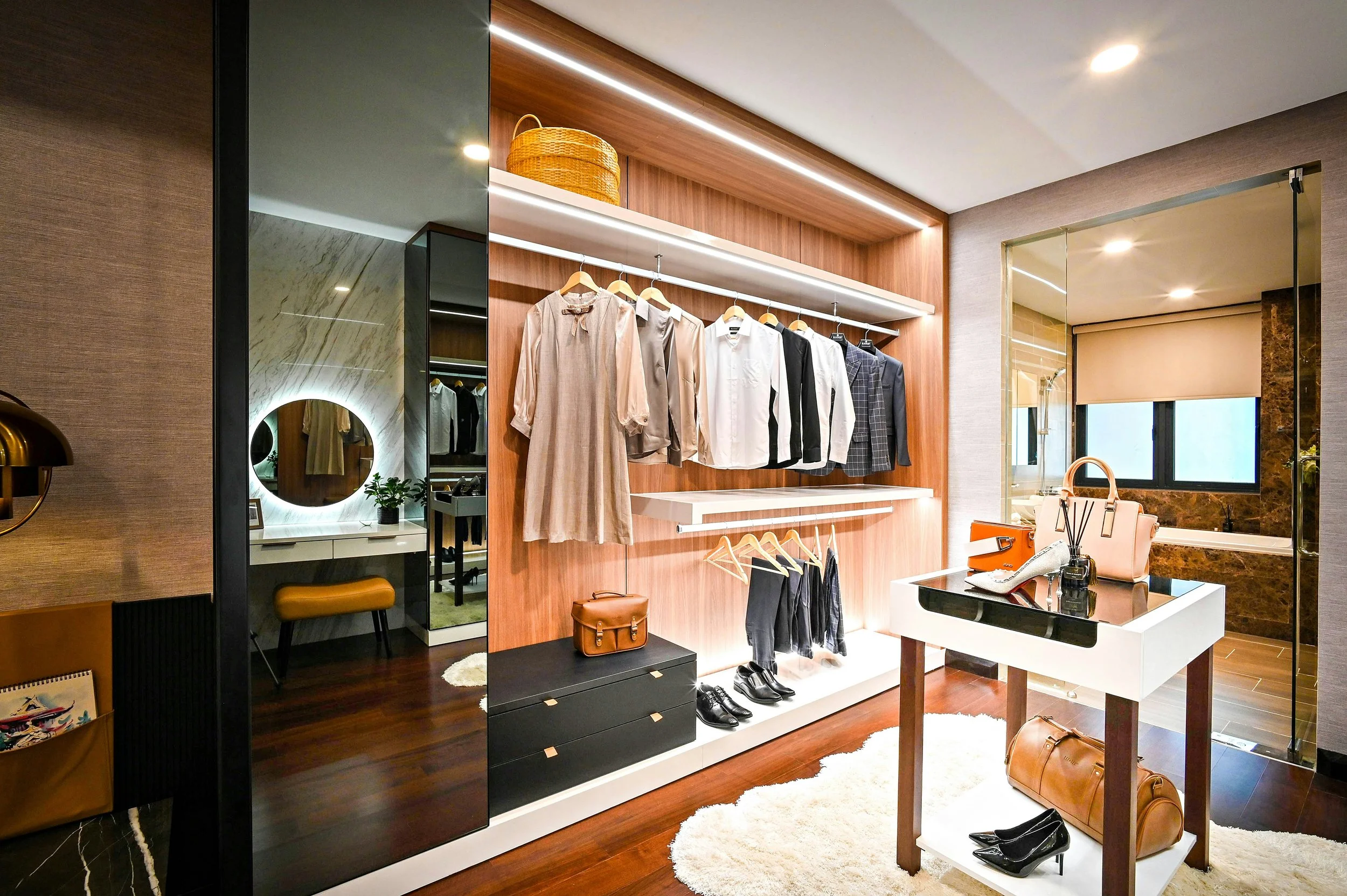
Getting dressed looks very different today than it did years ago. In the past, many trends focused mostly on appearance and outfits were often designed to impress people visually, even if they felt uncomfortable after a short time. Tight materials, stiff jackets, and painful shoes were treated as normal parts of looking polished.
That idea slowly started to disappear. People began wanting clothes that fit into real life instead of making daily routines harder. Comfort became more important, but personal expression did not vanish because of it. If anything, modern wardrobes became more creative once practicality entered the picture.
Many consumers now prefer pieces that can work in several situations during the same day. Someone might wear the same look while working remotely, meeting friends, shopping, traveling, or going out for dinner later in the evening. Because of this, brands started paying more attention to flexibility, softness, and movement.
Social platforms also influenced shopping habits. Instead of only seeing runway photos or luxury campaigns, people started following creators who shared realistic styling ideas. Everyday outfits suddenly became just as interesting as dramatic editorial looks.
This shift changed the direction of the industry in a major way. Relaxed fashion stopped feeling careless. Casual staples became cleaner, sharper, and easier to style for different occasions.
The End of “Uncomfortable Fashion” as a Status Symbol
There was once a belief that dressing well required sacrifice. Many accepted discomfort because it was connected to elegance and sophistication. Restrictive jeans, heavy fabrics, and difficult shoes were common parts of everyday style. Today however, modern shoppers want garments that allow movement and feel good during long days. As schedules became busier, interest in wearable pieces naturally increased.
Loose trousers, oversized blazers, soft knitwear, and supportive sneakers slowly replaced many restrictive options. Even workplaces started embracing more relaxed styling. Shoes once considered too casual are now paired with tailored looks and structured outerwear.
Another reason behind this change is practical spending. Buyers want items they can actually use often instead of pieces that remain untouched inside a closet, so everyone became more selective about purchases and started looking for value beyond appearance alone.
At the same time, casual looks became more refined. Better cuts, softer materials, and cleaner styling made relaxed outfits appear intentional rather than sloppy. Small details made a huge difference.
Why Daily Life Changed the Way People Dress
Modern routines played a major role in reshaping wardrobes. Remote jobs, flexible schedules, frequent travel, and wellness culture all influenced what people expect from clothing.
Many no longer separate outfits into strict categories like office wear, gym attire, and weekend basics. Instead, they want adaptable pieces that work throughout the day without needing constant changes.
Matching sets, oversized shirts, lightweight jackets, and stretch fabrics became more popular because they support comfort while still looking polished. This balance matters to people who spend long hours moving between different activities.
Travel habits also changed shopping priorities. Frequent flyers and commuters started looking for wrinkle-resistant materials, breathable layers, and comfortable shoes that still look stylish. Garments that transition easily between different settings became more valuable than highly specific trends.
Wellness culture influenced this shift too. Many individuals became more aware of how fabrics and fits affect mood and confidence. Feeling physically comfortable started connecting with emotional ease as well.
As a result, practicality stopped feeling boring and became part of modern personal style.
Casual Staples Became More Refined
One of the biggest changes happened with everyday basics. Items once linked mainly to lazy weekends or gym sessions slowly became more elevated.
Hoodies, oversized tees, joggers, knit sets, and sweatshirts entered mainstream style in a completely different form. Designers improved fabrics, tailoring, and color palettes so these pieces looked cleaner and more versatile.
Sweatshirts especially experienced a huge transformation. Years ago, they were mostly associated with workouts, school uniforms, or staying home. Today, they appear in carefully styled looks alongside structured coats, denim, boots, and layered accessories.
Wearing custom-designed sweatshirts became especially popular because they combine comfort with individuality. Embroidery, vintage-inspired artwork, neutral tones, and minimal graphics helped these items feel more polished.
Social media helped accelerate this movement. Influencers showed audiences how relaxed basics could look intentional instead of careless. Layering played a huge role in that transformation. A simple sweatshirt paired with tailored trousers or a long coat suddenly looked more modern and stylish.
This shift made casual dressing feel more expressive instead of less creative.
Fashion Brands Started Designing for Real Life
Modern shoppers expect more from clothing now. Looking good still matters, but practicality matters too. Because of this, many companies started focusing on comfort-driven details. Stretch fabrics, breathable materials, wrinkle resistance, and lightweight layers became common parts of everyday collections.
Outerwear evolved as well. Many jackets now include hidden storage, weather-friendly features, and softer construction without looking bulky. Shoes are designed to support long periods of walking while still appearing polished enough for social plans or professional settings.
Even office attire changed. Softer materials and relaxed cuts replaced many stiff designs that once dominated workplace wardrobes. Brands realized people want garments that support movement and fit naturally into busy schedules. Nobody wants to spend money on something that feels impossible to wear comfortably for several hours.
Practical details stopped feeling separate from good design and became part of what makes clothing attractive in the first place.
The Future of Fashion Will Probably Stay Practical
The industry will likely continue moving toward flexibility and ease because consumer expectations have changed permanently. People became used to garments that support movement and adapt naturally to different parts of life.
Technology will probably keep shaping this direction. More companies are experimenting with lightweight materials, temperature-regulating fabrics, and adaptable designs that improve comfort throughout the day. At the same time, creativity will remain important. Consumers still want individuality reflected in what they wear. Comfort alone is not enough. People also want confidence, personality, and originality.
That combination is shaping the future of modern style. Practical dressing no longer feels plain or uninspired. Instead, it feels connected to real routines and genuine lifestyles.
Final Words
Fashion became more functional because everyday life changed. People stopped wanting garments that looked impressive but felt uncomfortable after a short period. Instead, they started choosing pieces that combine ease, versatility, and personality.
Relaxed tailoring, elevated basics, and polished casual staples all became more popular for this reason. Sweatshirts, oversized layers, supportive footwear, and soft fabrics gained wider acceptance because they fit naturally into modern routines.
Today, practicality is no longer viewed as the opposite of good taste. In many ways, it became one of the main reasons contemporary dressing feels more authentic, wearable, and relevant to daily life.