You have probably noticed it too. People somehow look fresher, more awake, and healthier, but you cannot quite point to what changed. It is not dramatic. It is not the obvious makeover trend from years ago. Instead, it is something quieter. Maybe that is why the idea of precision preventative care has become such a big conversation. The goal is not to look like someone else. It is to keep looking like you... just well rested, confident, and naturally refreshed.
Why the Beauty Conversation Changed
For a long time, cosmetic treatments were often associated with fixing something after it became noticeable. Deep wrinkles, volume loss, or tired looking skin usually pushed people toward treatments. Now things are a little different.
You are probably seeing people in their late twenties or early thirties booking appointments, not because they dislike their appearance, but because they want to slow visible aging before it becomes obvious. I actually thought this sounded a little excessive the first time I heard it. Then I started noticing how subtle many modern treatments really are, and... well, actually, I understood the appeal. The focus has shifted from correction to maintenance.
That shift is not just social media hype either. It reflects better technology, more personalized consultations, and a growing understanding that skin ages differently from person to person.
What Precision Preventative Care Really Means
Precision preventative care sounds like one of those complicated medical phrases, but it is actually pretty simple.
Instead of following the exact same treatment plan as everyone else, your provider studies your facial movement, skin quality, genetics, lifestyle habits, sun exposure, and even your long term goals.
You are treated as an individual rather than a template.
Some people develop forehead lines early because they have expressive faces. Others lose skin firmness first. Someone else may struggle with uneven pigmentation instead. Precision care recognizes these differences instead of applying identical treatments across the board.
As the American Academy of Dermatology explains, daily sunscreen, individualized skincare, and evidence based cosmetic procedures work together to support healthier aging rather than relying on one single solution.
Small Changes Often Create the Biggest Difference
This is probably my favorite part of the trend. Years ago, noticeable cosmetic work almost seemed expected. Bigger lips, frozen foreheads, exaggerated cheekbones... it was everywhere for a while. Thankfully, people seem to be moving away from that.
Now providers often use smaller treatment amounts with longer observation periods. Instead of changing your appearance overnight, they adjust gradually as your skin responds.
I remember seeing someone after several months of subtle treatments and honestly thinking they had just started sleeping eight hours every night. That was it. Nothing looked artificial. They simply looked healthier. That is kind of the point.
Science Is Supporting A More Conservative Approach
Experts have been encouraging moderation for years. The American Society of Plastic Surgeons notes that successful aesthetic treatment should preserve natural facial movement and individual features rather than erase personality.
Dermatologist Dr. Doris Day has often emphasized that aesthetic medicine should help people "look like the best version of themselves, not like someone else."
Meanwhile, research published in JAMA Dermatology continues to highlight the importance of combining cosmetic procedures with overall skin health, including sun protection, proper skincare, and healthy lifestyle habits rather than relying on procedures alone. Those ideas seem pretty refreshing, honestly.
Technology Is Making Treatments More Precise
Modern clinics have better imaging systems, improved injection techniques, and more refined treatment planning than they did even ten years ago.
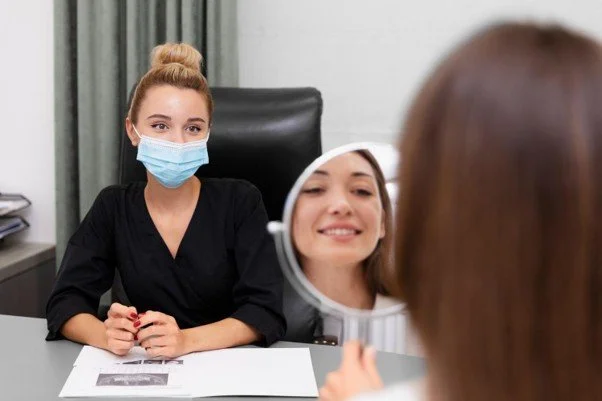
Some consultations now include facial mapping, detailed photography, and movement analysis before anything happens.
Instead of simply asking where you want fewer wrinkles, providers evaluate how your muscles naturally work together.
That extra planning may not sound exciting, but I think it makes all the difference. Precision usually looks less noticeable because it respects your natural anatomy.
The Growing Interest In Preventative Injectables
Many people researching preventative care eventually start reading about neuromodulators and similar treatments. Somewhere during that research, they may also come across discussions about how to order Botox online before scheduling an appointment with a qualified medical provider.
That search usually reflects curiosity more than anything else. Still, experts consistently recommend that injectable products should only be administered by licensed professionals in appropriate clinical settings. Proper assessment, product handling, facial anatomy knowledge, and follow up care matter just as much as the product itself. The treatment is only one piece of the bigger picture.
Lifestyle Still Shapes Your Glow
Here is something social media sometimes forgets. No treatment completely replaces healthy habits.
If your sleep is inconsistent, your stress is sky high, your skin is dehydrated, and sunscreen never makes it into your routine... cosmetic treatments can only do so much. That probably sounds obvious, yet it is surprisingly easy to ignore. Your skin reflects everything happening inside your body.
Nutrition, hydration, regular exercise, avoiding smoking, and protecting yourself from ultraviolet exposure all contribute to healthier looking skin over time.
Sometimes the biggest improvement comes from combining several small habits instead of chasing one dramatic procedure.
Pro Tip
Take progress photos every couple of months instead of checking your face every morning.
Tiny improvements become much easier to notice over time, and you avoid becoming overly critical of perfectly normal daily changes.
There Are Benefits... And A Few Downsides Too
Preventative treatments definitely have advantages. You may maintain smoother skin for longer, support collagen preservation through complementary treatments, and often require smaller interventions compared with waiting until aging signs become more pronounced. But there are downsides worth mentioning too.
Treatments require ongoing maintenance. Costs add up over time. Results vary between individuals. And honestly, not everyone needs them as early as social media sometimes suggests. There is also the emotional side.
If every tiny line starts feeling like an emergency, the whole purpose of self care gets lost. Aging is still normal. Precision care should support confidence, not replace it. I think that balance matters more than people realize.
Pro Tip
Choose a provider who occasionally recommends doing nothing.
That might sound strange... but someone willing to say, "You do not actually need treatment today," often demonstrates thoughtful clinical judgment rather than trying to sell every possible procedure.
Social Media Is Influencing Expectations
Filters have quietly changed how many people evaluate their own faces. Perfect lighting. Smooth skin. Zero pores. Completely still foreheads. Real life simply does not look like that.
I catch myself forgetting this sometimes too. Then I walk outside, see actual human faces under natural sunlight, and remember... healthy skin has texture. Faces move. Tiny lines appear when people smile. That is normal.
Modern preventative care actually seems to be pushing back against unrealistic perfection by celebrating subtle improvements instead of dramatic transformations. Honestly, that feels like progress.
Final Thoughts
Precision preventative care is less about chasing youth forever and more about making thoughtful, personalized choices that help you feel comfortable in your own skin. The modern in clinic glow up is intentionally subtle. It respects your natural features instead of replacing them.
If you decide to explore cosmetic treatments, approach them as one part of a much bigger wellness picture. Pair evidence based procedures with sun protection, quality skincare, healthy habits, and realistic expectations. The goal is not perfection because, honestly, perfection is not very interesting anyway.
The best glow up is often the one nobody can quite identify. Friends simply tell you that you look rested, healthy, and happy... and maybe that is exactly how it should be.