
Japan's railway system is widely recognised as one of the world's finest, combining remarkable speed, punctuality, and comfort. For travellers arriving from overseas, the journey often begins in Tokyo before continuing west toward Kyoto, a city celebrated for its temples, gardens, and centuries-old traditions. High-speed rail makes this transition effortless, allowing visitors to experience two very different sides of Japan within just a few hours. The railway itself becomes an essential part of the adventure, connecting modern urban landscapes with historic cultural treasures.
Starting Your Journey at Japan's International Gateway
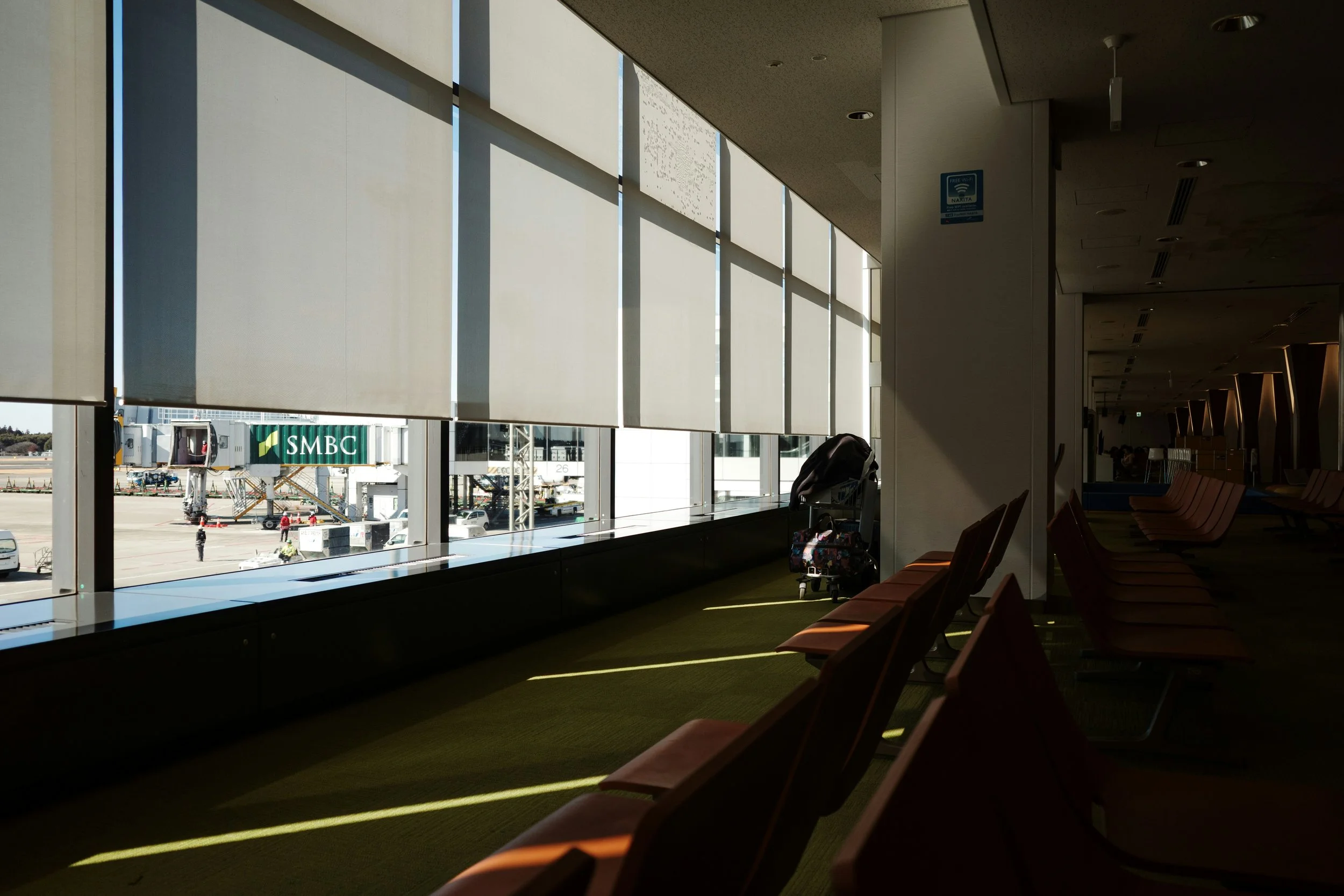
Many international visitors arrive through Narita, one of Japan's busiest airports and a convenient starting point for exploring the country. Efficient rail connections link the airport with central Tokyo, making it simple to continue toward other destinations without relying on domestic flights.
The journey into the capital introduces travellers to Japan's organised transport system, where trains depart with impressive punctuality and stations provide clear information in multiple languages. From the airport, passengers can quickly reach major railway hubs that connect with the country's famous high-speed network.
Beginning the trip by rail allows visitors to experience the efficiency that has become one of Japan's defining characteristics.
Choosing the Fastest Shinkansen Service
Travellers heading toward Kyoto often choose the Nozomi service, the fastest category operating along the Tokaido Shinkansen. With fewer intermediate stops than other trains, it provides the quickest connection between Japan's largest cities while maintaining the exceptional reliability for which the railway system is famous.
Comfortable seating, generous luggage space, quiet carriages, and panoramic windows contribute to a pleasant travel experience. Watching cities gradually give way to rivers, farmland, and mountain scenery adds another enjoyable dimension to the journey.
For many visitors, riding this train service is more than simple transportation. It represents an opportunity to experience one of the world's most advanced railway networks firsthand.
Tokyo's Dynamic Energy
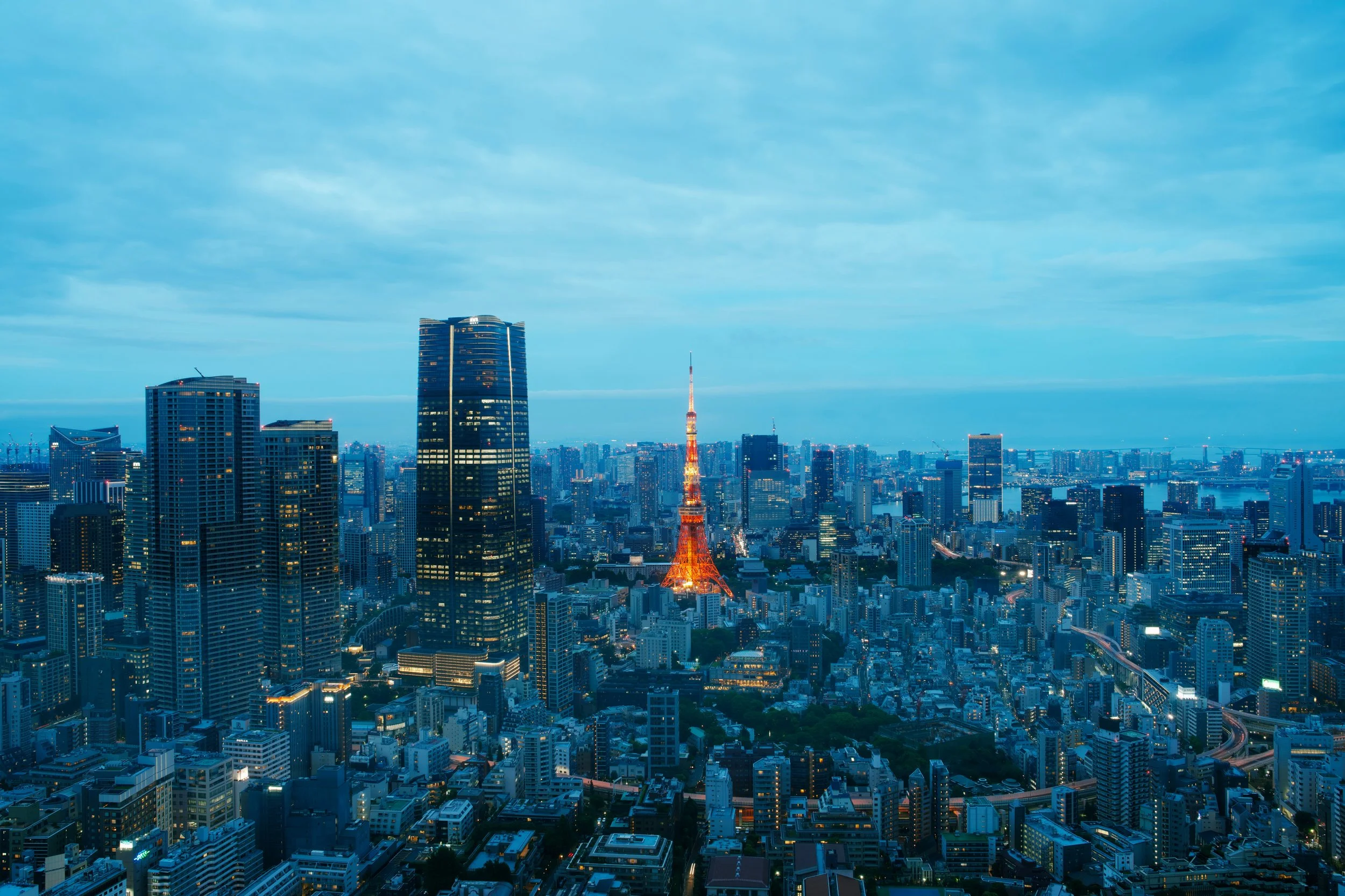
Japan's capital offers an extraordinary introduction to the country. Neon-lit entertainment districts, peaceful gardens, historic shrines, and futuristic architecture coexist within one of the world's largest metropolitan areas.
Neighbourhoods such as Shibuya, Asakusa, Ginza, and Ueno each present their own personality. Visitors can spend the morning exploring traditional temples before enjoying panoramic city views from modern observation decks later in the day.
Tokyo's railway network makes navigating the enormous city surprisingly straightforward. Frequent trains, clearly marked stations, and integrated transport systems allow travellers to reach museums, shopping streets, parks, and cultural attractions with remarkable ease.
Despite its size, Tokyo rewards exploration by revealing quieter neighbourhoods filled with local cafés, independent shops, and hidden gardens.
Experiencing the Journey West
The journey between Tokyo and Kyoto is often considered one of the highlights of travelling through Japan. As the train accelerates across the countryside, passengers witness changing landscapes that reflect the country's geographical diversity.
On clear days, many travellers enjoy memorable views of Mount Fuji rising above the surrounding countryside. Rivers, forests, small towns, and agricultural fields pass by smoothly as the train continues westward.
The comfort of the journey encourages passengers to relax, read, enjoy a meal, or simply admire the scenery. Quiet carriages and spacious seating create an atmosphere that differs noticeably from many rail systems elsewhere in the world.
Rather than treating the journey as lost travel time, many visitors consider it an important part of the overall Japanese experience.
Kyoto's Timeless Appeal
Upon arriving in Kyoto, travellers encounter a city that preserves much of Japan's historical identity. Former imperial residences, traditional wooden houses, and carefully maintained gardens create an atmosphere that contrasts beautifully with Tokyo's modern skyline.
Historic districts invite leisurely exploration, while quiet side streets reveal artisan workshops, tea houses, and family-run businesses that continue long-established traditions. Walking rather than rushing allows visitors to appreciate Kyoto's slower rhythm.
The city's combination of cultural heritage and natural beauty has made it one of Japan's most treasured destinations for both domestic and international travellers.
Temples, Shrines, and Peaceful Gardens
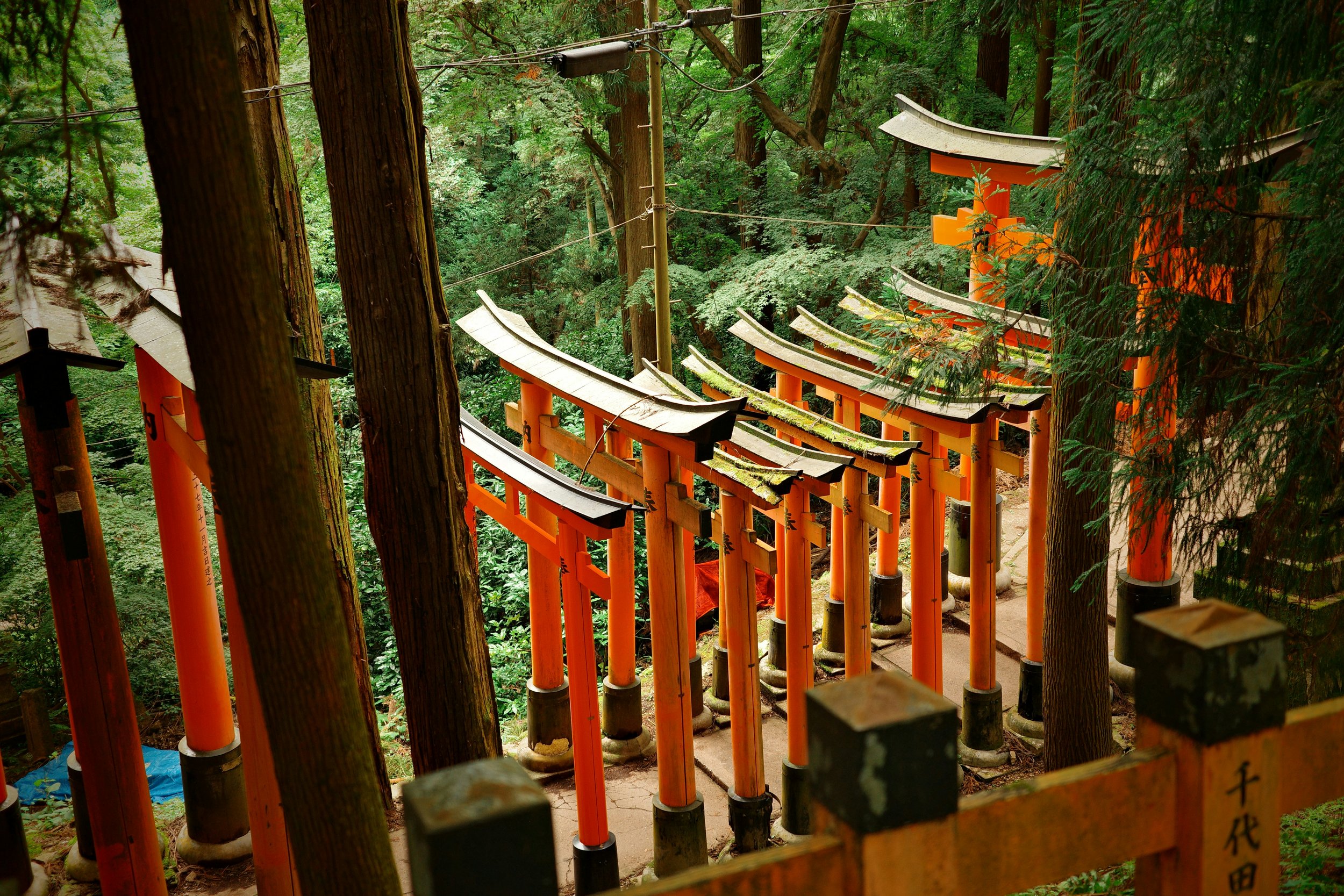
Kyoto is home to hundreds of temples and shrines, each offering its own architectural style and historical significance. Visitors often spend several days exploring these remarkable sites, discovering carefully designed landscapes that encourage reflection and tranquillity.
Stone pathways, koi ponds, bamboo groves, and seasonal flowers create peaceful settings throughout the city. Every season offers a different perspective, from cherry blossoms in spring to colourful maple leaves in autumn.
These historic landmarks continue to function as places of worship while welcoming travellers interested in Japanese history, architecture, and traditional culture.
Dining Along the Route
Food forms an essential part of any journey through Japan. Tokyo offers everything from Michelin-starred restaurants to lively neighbourhood eateries serving ramen, sushi, tempura, and countless regional specialities.
Kyoto introduces visitors to refined culinary traditions centred on seasonal ingredients and elegant presentation. Local markets, tea houses, and small restaurants provide opportunities to experience recipes that have been perfected over generations.
Railway stations themselves often feature impressive food halls where travellers can purchase beautifully prepared boxed meals before boarding. These meals have become an enjoyable tradition for many rail passengers.
Practical Advice for High-Speed Rail Travel
Planning ahead helps ensure a smooth railway experience. Reserving seats during busy travel periods is advisable, especially during cherry blossom season, national holidays, and autumn foliage season.
Arriving at the station a little early provides enough time to locate the correct platform and purchase refreshments before departure. Keeping luggage organised also makes boarding more convenient, particularly on popular services.
Travellers should pay attention to platform announcements and carriage numbers, as trains operate with impressive precision and departures are rarely delayed.
Conclusion
Travelling from Tokyo to Kyoto by high-speed rail offers far more than an efficient means of transportation. It creates an opportunity to experience Japan's world-renowned railway system while discovering the remarkable contrast between two of the country's most iconic destinations, when every stage of the journey reflects Japan's unique ability to combine innovation with enduring tradition.