Austria operates on a productive tension between two things that have no obvious reason to coexist: an imperial cultural apparatus of opera houses, museums, and palace complexes built to project the dominance of a vanished empire, and mountain terrain that begins within an hour of the capital and continues west through scenery that makes the cultural inheritance feel almost beside the point. The country is small enough that both are always within reach.
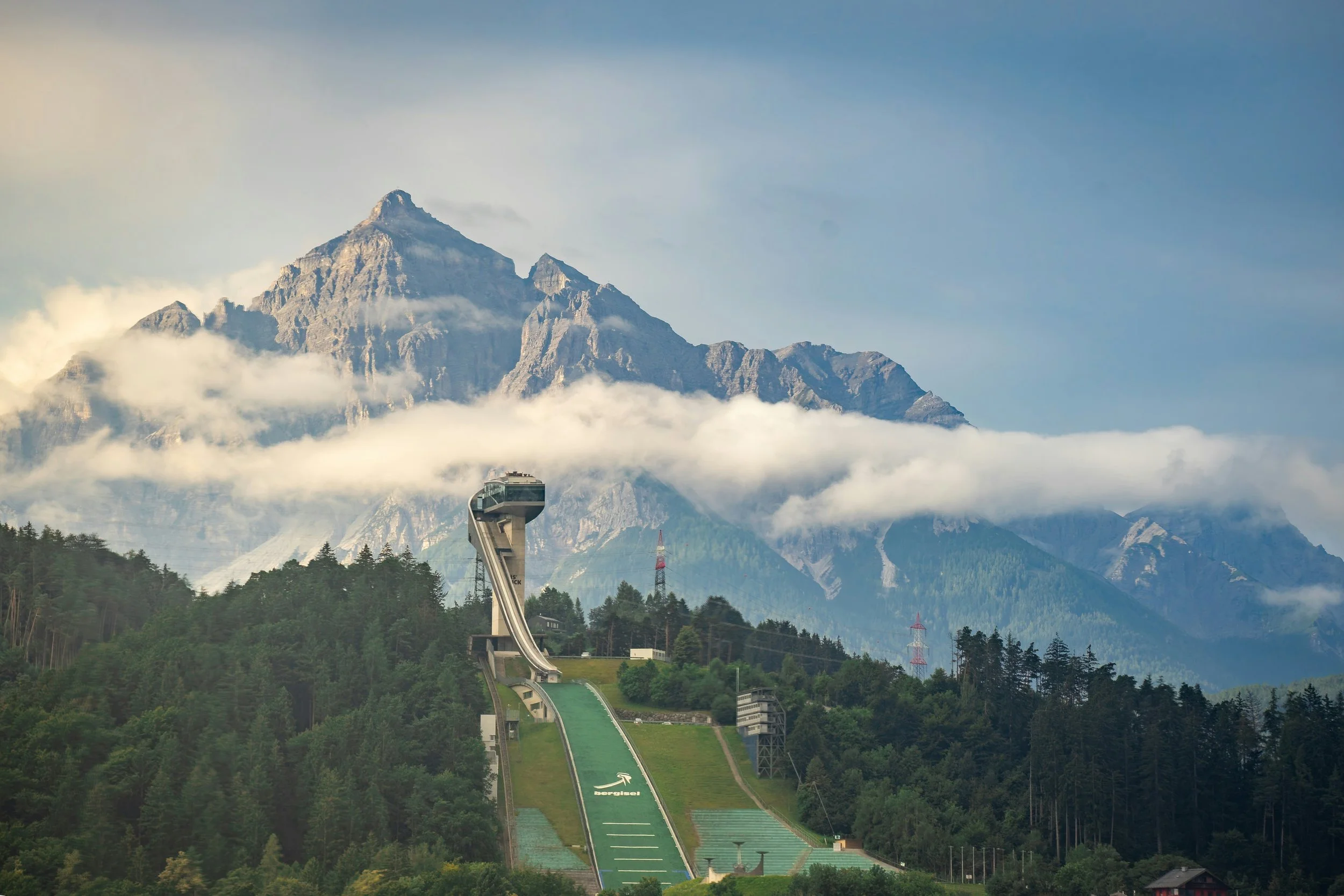
PHOTO CREDIT | Unsplash/Leopold Stenger
Vienna: The Weight of the Habsburg Rooms
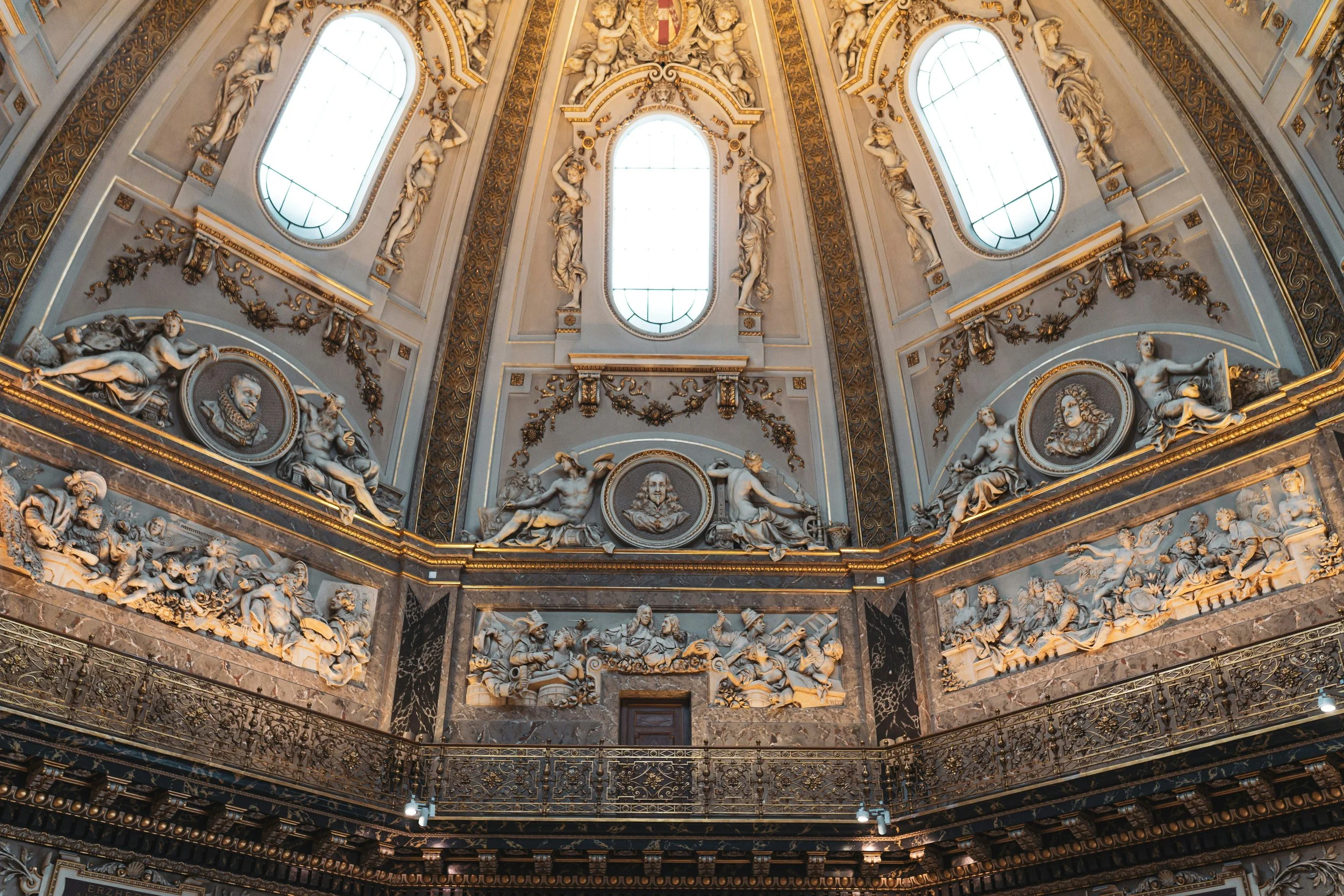
Vienna's character is inseparable from the Habsburg dynasty that ruled from it for six centuries and left behind an accumulation of institutions - the Kunsthistorisches Museum, the Naturhistorisches Museum, the Staatsoper, the Belvedere, the Hofburg palace complex, the Schönbrunn summer palace - that no comparable city of its current size could sustain without the historical momentum behind them. The Kunsthistorisches, built to house the Habsburg art collection, holds the largest Bruegel collection in the world, Vermeer's Art of Painting, and the Cellini salt cellar that Francis I of France commissioned in 1543 and that took five years to complete. The Egyptian and Near Eastern collection on the ground floor is as significant as anything in the building and considerably less visited than the picture galleries above.
OBB, Austria's federal railway operator, runs the trains that connect Vienna to the rest of the country and to its European neighbours with a frequency and punctuality that makes car travel unnecessary for most itineraries. The Hauptbahnhof, Vienna's main station completed in 2015, is the hub from which services radiate west toward Salzburg and Innsbruck, south toward Graz and the Slovenian border, and east toward Budapest and beyond. The station itself - a contemporary glass-and-steel structure replacing the old Südbahnhof - handles long-distance international services, the suburban S-Bahn network, and the U-Bahn metro connection in a single interchange that works considerably more smoothly than its scale might suggest.
Europe by Train and Overnight Travel
The Nightjet overnight train network has become one of the more significant developments in European rail travel since its expansion began in 2020. Services from Vienna now connect directly to Brussels, Amsterdam, Rome, Zürich, Hamburg, and Paris among other destinations, with couchette and sleeper compartments that convert the journey time into rest rather than transit. The Vienna to Zürich overnight service, for instance, departs in the evening and arrives early enough to give a full day in the destination without the early morning airport logistics that a flight would require. Booking sleeper compartments in advance is necessary for the private cabin options, which include bedding, a breakfast tray, and enough space to sleep properly - a different proposition from the couchette berths that are more affordable but less private.
The overnight network is particularly useful for connecting Vienna to destinations that are too far away by day train - the Paris train takes around 15 hours and arrives at Gare de l'Est in the morning, making it possible to leave Vienna after dinner and arrive in Paris ready to start the day. For travellers based in Vienna who want to extend into western Europe without flying, this train service makes the connection feel continuous rather than disruptive.
Salzburg: Music in the Architecture
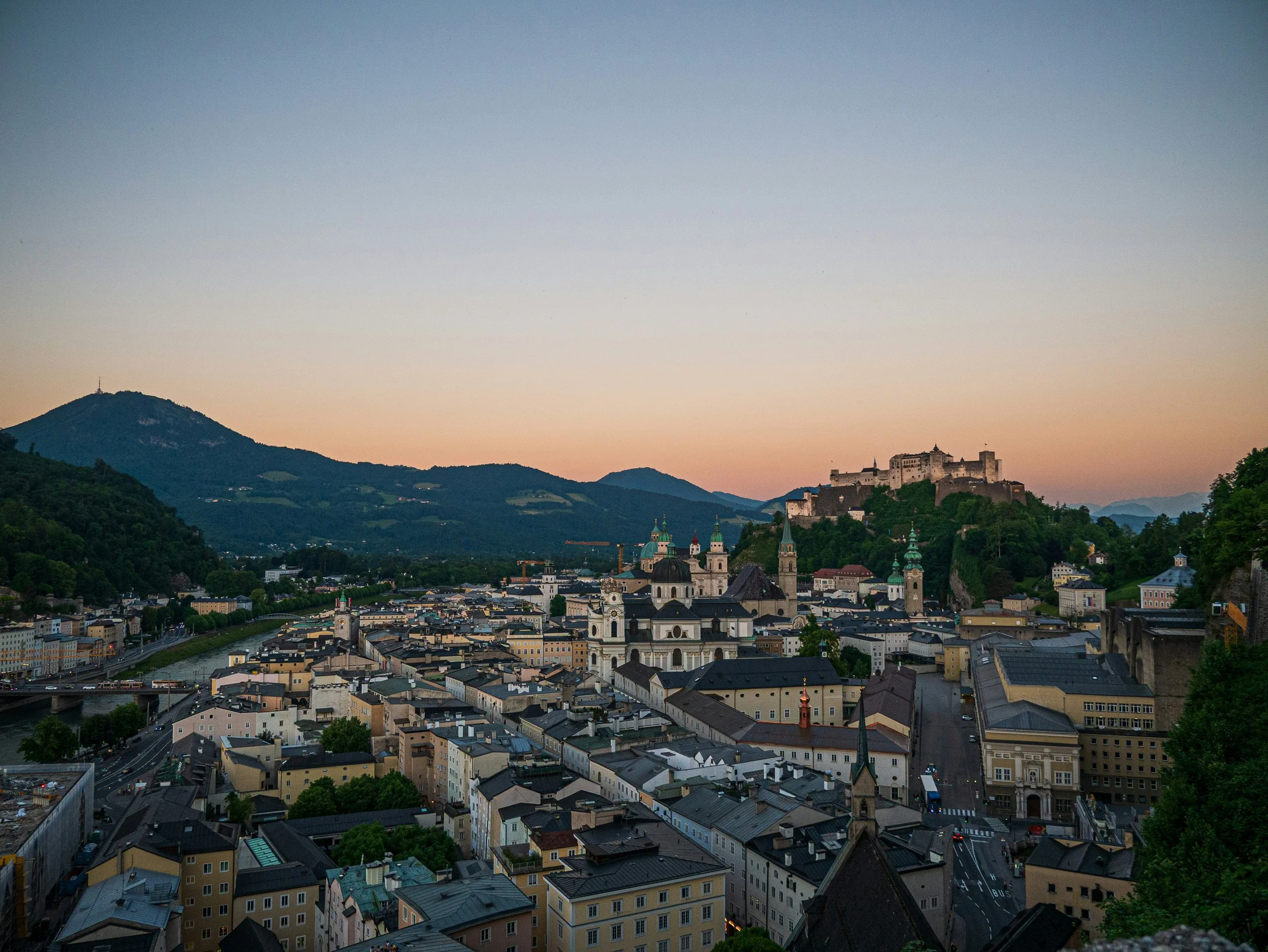
Salzburg is a city where the Baroque architecture and the musical history reinforce each other to the point where separating them becomes artificial. The Archbishop-Princes who funded the construction of the cathedral, the Residenz palace, and the Franciscan church in the 17th century were the same patrons who employed court musicians and created the institutional context in which Mozart grew up - not because they were especially enlightened about music but because music was part of the display of power that architecture served. The Baroque city and the musical tradition it produced are the same project, expressed in different materials.
The Mozarteum Foundation, which maintains the archives, concert hall, and the two Mozart museums (the birthplace on Getreidegasse and the family residence on Makartplatz), is the institutional centre of this tradition. The Salzburg Festival in July and August is the concentrated expression of it, filling the city's concert halls, the Felsenreitschule (a theatre carved into the rock of the Mönchsberg), and the stages around the Residenzplatz with opera, orchestral concerts, and chamber music for five weeks. The standing room tickets for the smaller events and the Mozartwoche in January give access to the programme without the advance planning that the major summer productions require.
The Salzkammergut: Lakes and Salt
The Salzkammergut east of Salzburg is the region of lakes, mountains, and salt mines that gave Austria's history much of its economic foundation - the word Salzburg means salt fortress, and the mining operations in the Hallstatt area that the Romans and their predecessors ran for two millennia funded the cultural apparatus that the Habsburgs later expanded. The lake district itself covers around 2,500 square kilometres and the combination of the Wolfgangsee, the Attersee, and the Hallstätter See with the limestone peaks of the Dachstein massif above them produces the compressed landscape beauty that Austrian postcards have been processing since the 19th century.
Hallstatt, the village on the western shore of the lake that bears its name, has become so heavily photographed that managing the reality of visiting it against the accumulated image is a calibration exercise. The village is genuinely beautiful and genuinely small - around 800 permanent residents on a narrow strip of land between the cliff and the water - and the pressure of tourism during peak summer makes the experience of being there feel more managed than the photographs suggest. Going in May or October, arriving by the lake ferry from Hallstatt station rather than by the road from the west, and staying overnight gives access to the village at times of day when the day-trip coaches have gone and the quality of the place reasserts itself.
Innsbruck and the Tyrolean Alps
Innsbruck sits in the Inn valley with the Nordkette mountain range rising directly above the city to 2,334 metres, and the cable car system that connects the city centre to the Nordkette in under 20 minutes is one of the more striking pieces of urban infrastructure in the Alps. The Hungerburgbahn funicular, designed by Zaha Hadid, carries passengers from the Altstadt to the Hungerburg plateau; from there the Nordkettenbahnen cable cars continue to the Seegrube and Hafelekar stations above. The view from Hafelekar of the Inn valley, the city below, and the mountain ranges receding south into Italy and east into Salzburg province is available within an hour of leaving the city centre.
The Altstadt itself - the Golden Roof (Goldenes Dachl) at its centre, covered in 2,657 gilded copper tiles commissioned by Emperor Maximilian I around 1500 - is compact enough to cover in a morning, with the Hofburg imperial palace, the court church (Hofkirche), and the Tyrolean Folk Art Museum covering the main attractions within a few minutes' walk of each other. The Hofkirche contains the cenotaph of Maximilian I, surrounded by 28 life-size bronze statues of his ancestors and contemporaries including King Arthur of Britain and Theodoric the Great - a genealogical claim that is historically creative but produces one of the more extraordinary funerary monuments in Europe.
Conclusion
Austria rewards the traveller who moves between its cultural and natural registers rather than committing entirely to either. Vienna's museums and concert halls make sense more clearly after a day in the Salzkammergut; the Alps above Innsbruck feel more legible after the imperial context of Salzburg. The country is small enough that these transitions take hours rather than days, and the train network makes them possible without a car. Move slowly, stay overnight in the mountain villages rather than day-tripping, and give the landscape the same attention the architecture gets.