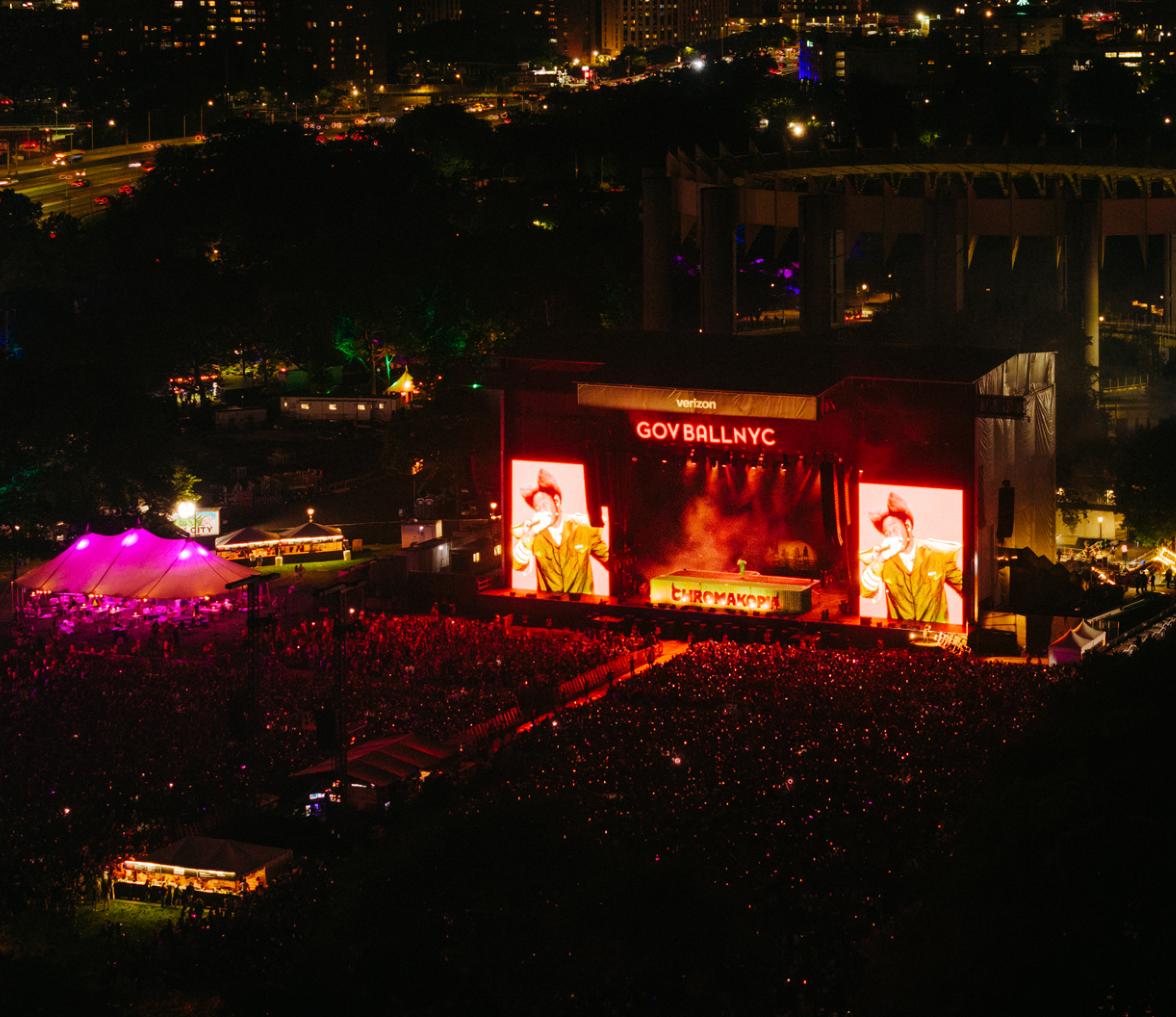
Order a café crème at a zinc-topped bar on a Tuesday morning in Paris, take a seat facing the street, and notice how the people walking past carry themselves - unhurried, dressed with consideration, apparently untroubled by the fact that it is a Tuesday morning. France performs a particular version of the good life so consistently that it becomes easy to forget it is a performance and harder still to resist participating in it.
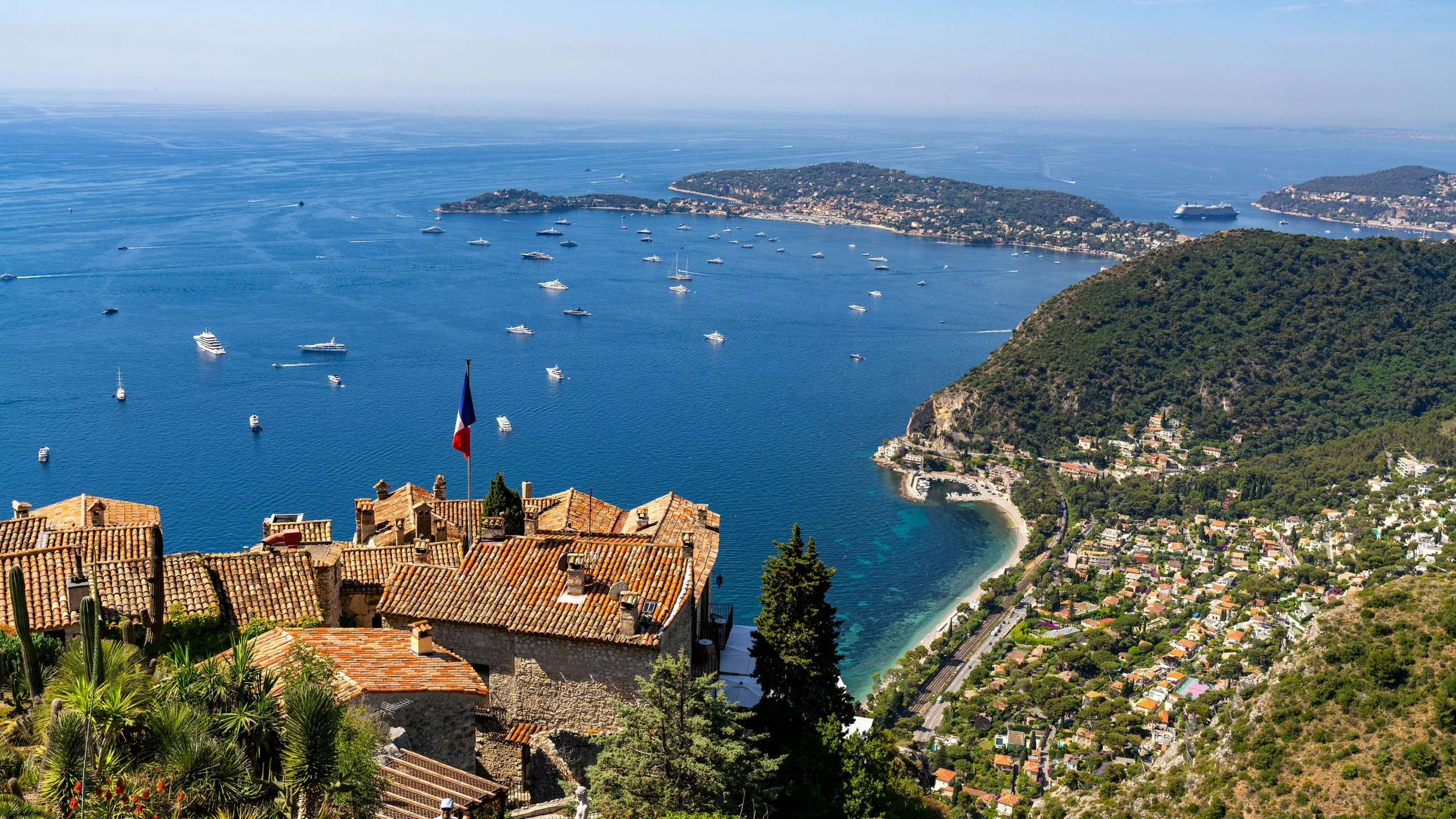
PHOTO CREDIT | Unsplash/Rich Martello
Paris: The City That Invented the Idea of Itself
Paris is the most self-conscious city in the world in the most productive sense - it has been thinking about what Paris should look like and feel like since Haussmann reorganised it in the 1850s, and the result is an urban environment where the quality of the light on limestone facades, the arrangement of a café terrace, and the geometry of a bridge over the Seine feel like decisions that have been refined over a very long time. That quality of considered arrangement is what most visitors are responding to when they describe Paris as romantic, and it holds up across the arrondissements in different proportions.
The Marais district in the 3rd and 4th arrondissements gives the most complete picture of Paris before Haussmann - the medieval street layout survived the 19th-century reorganisation because the neighbourhood was already too dense and too valuable to demolish entirely. The Place des Vosges, the oldest planned square in Paris (completed in 1612), is surrounded by arcades and red-brick mansions that give it a residential quality that none of Haussmann's grand squares replicate. Victor Hugo lived at number 6 from 1832 to 1848 and the apartment is now a free museum that is visited by far fewer people than the address deserves.
Lyon: Where France Actually Eats
Lyon's claim to be the gastronomic capital of France is made with less tourist pressure than Paris and more local conviction. The bouchon tradition - small, informal restaurants serving traditional Lyonnais cuisine to a regular clientele - is the institution that defines the city's food culture. The dishes served in a genuine bouchon (tablier de sapeur, quenelles de brochet, cervelle de canut, tarte praline) are specific to Lyon in a way that makes the city's food culture legible rather than generic. The Halles Paul Bocuse in the 3rd arrondissement, the covered market named for the chef who put Lyon's cuisine on the international map, is where the ingredients behind the bouchon menu are sourced - the charcuterie, the quenelles, the St-Marcellin cheese - and a morning there before lunch elsewhere is the right order of operations.
The TGV high-speed service from Paris to Lyon takes around two hours on the LGV Sud-Est, France's first high-speed line (opened in 1981) and still the backbone of the network. From Lyon, the train service continues south through the Rhône valley toward Marseille and the Mediterranean coast - the progression from the industrial outskirts of Lyon to the limestone scrubland of Provence visible from the window over around 90 minutes of travel is one of those journeys where you can watch the climate change around you.
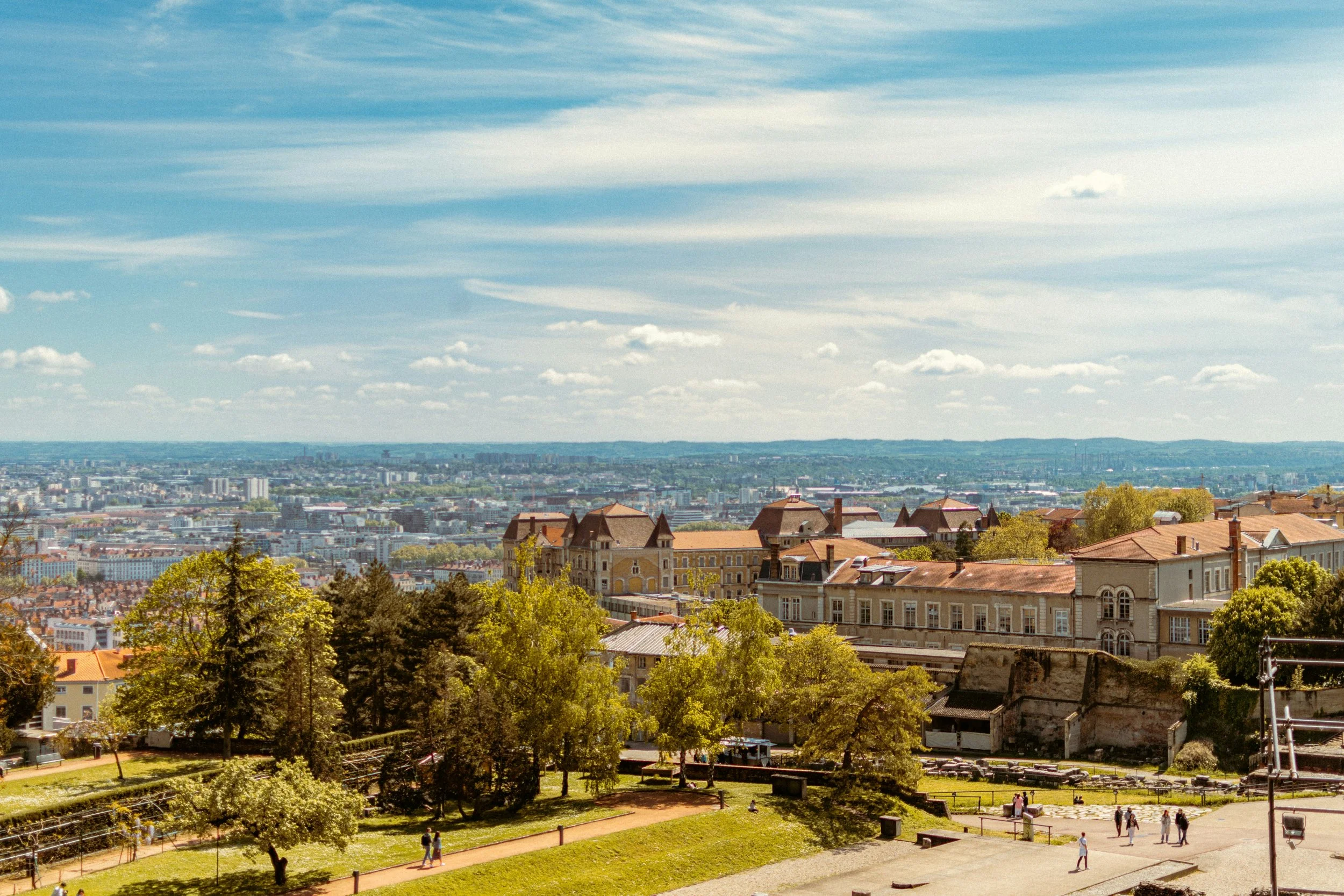
PHOTO CREDIT | Unsplash/Beth Chobanova
The Côte d'Azur: Light and Water
The train from Paris to Nice takes around five and a half hours from Paris Gare de Lyon and the Nice arrival at Nice-Ville station puts you ten minutes' walk from the Promenade des Anglais and the seafront. Nice is the starting point for the Côte d'Azur rather than its entirety, and the towns along the coast - Antibes, Juan-les-Pins, Cannes, Saint-Tropez to the west; Monaco, Èze, Menton to the east - have distinct characters that make moving along the coast by the regional TER trains or by boat more interesting than staying in a single resort.
The light of the Côte d'Azur is the specific thing that attracted Matisse, Picasso, Chagall, and Renoir to the region, and the museums dedicated to their work here are worth building an itinerary around. The Fondation Maeght in Saint-Paul-de-Vence, set in a pine forest above the village with a garden of Calder mobiles and Miró sculptures integrated into the landscape, is the finest art foundation in the south of France and makes the drive or bus from Nice worthwhile. The Musée Matisse in Nice itself, in a 17th-century Genoese villa in the Cimiez neighbourhood above the city, holds the largest collection of Matisse's work including the full-scale cartoons for the stained glass windows of the Vence Chapel - preliminary studies for a building 20 kilometres away that the museum makes fully intelligible.
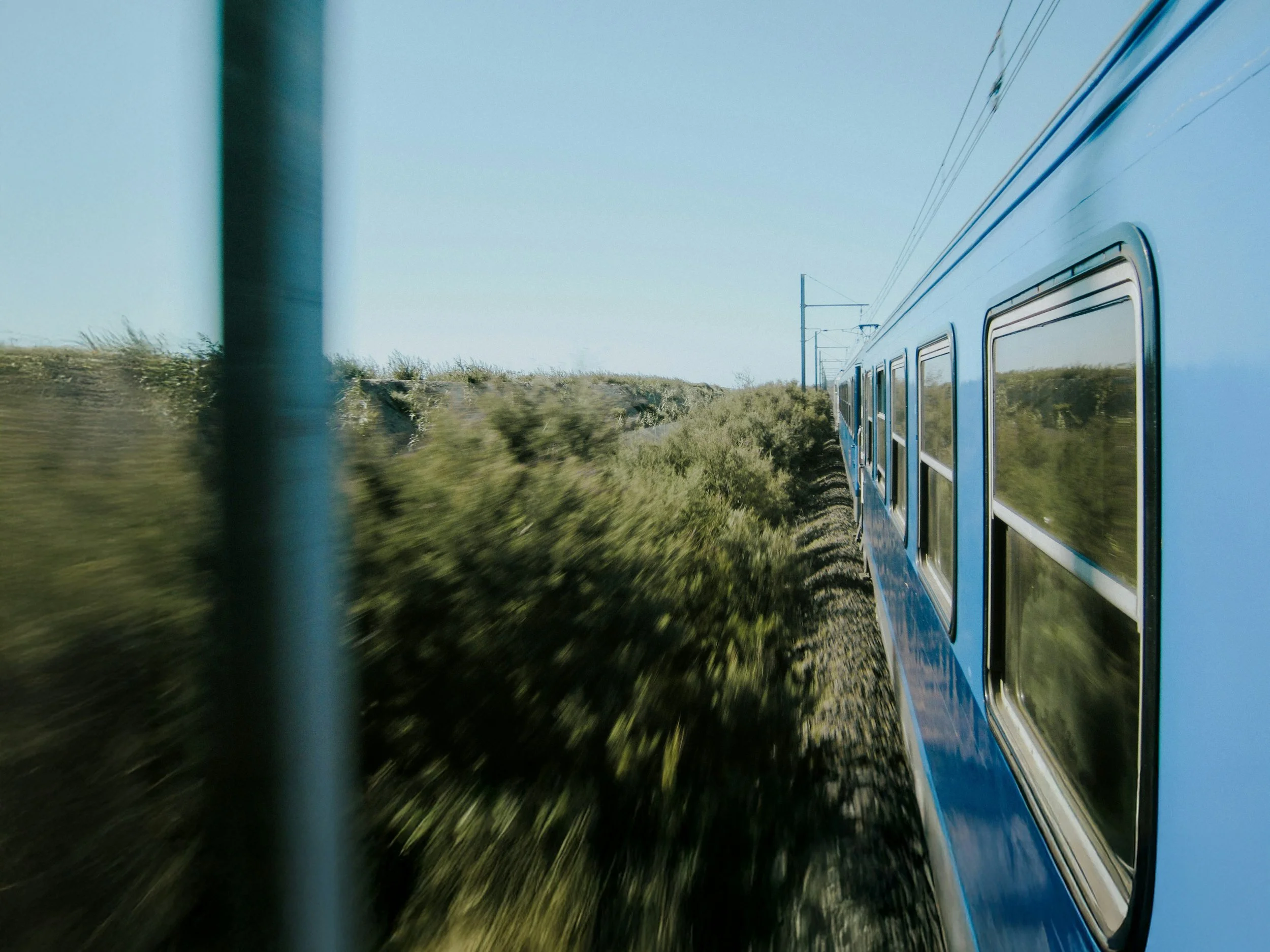
PHOTO CREDIT | Unsplash/Christian Harb
Provence: Lavender, Wine, and Stone Villages
Provence inland from the coast operates at a different pace from the summer intensity of the Riviera and rewards visits outside July and August when the lavender fields around Valensole are in bloom but the roads are manageable. The Luberon range of villages - Gordes, Roussillon, Bonnieux, Ménerbes, Lacoste - are clustered closely enough to cover by car in a day but each has a specific character that makes the comparison between them interesting rather than repetitive. Roussillon is built from the ochre rock that underlies it; the 17 shades of red, orange, and yellow in the cliffs and buildings create a colour saturation that is unlike anywhere else in France. The ochre mining trail above the village, a 45-minute walk through the former quarries, is where the full range of the geological colour is visible at close range.
The Pont du Gard, the Roman aqueduct bridge northwest of Nîmes, is the architectural monument in the south of France that most consistently exceeds expectations. The three tiers of limestone arches spanning the Gardon river reach 49 metres at their highest point, and the engineering precision of the structure - built without mortar in the 1st century AD and still standing without significant restoration to the main structure - is visible in the tight fit of the stone blocks from the river bank. The site is most atmospheric in early morning before the day visitors arrive, when the reflection of the arches in the water below and the silence of the garrigue above create a quality of stillness that the Roman engineers probably didn't intend but that their structure has earned over two thousand years.
Conclusion
France works as a travel destination because it has enough variety within a manageable geography to satisfy almost any combination of interests - city, coast, wine country, mountain, historical architecture, contemporary art. The train network connects most of it at speeds that make multiple regions practical in a single trip. Whatever draws you to France initially, the country tends to redirect you toward something you didn't plan for, and that unplanned version is usually the thing you remember most clearly afterward.