South Korea offers travellers a fascinating blend of cutting-edge innovation and centuries-old traditions. Bustling metropolitan districts, peaceful mountain temples, royal palaces, and scenic coastal regions exist within a relatively compact country that is easy to explore. While Seoul introduces visitors to Korea's dynamic modern identity, the southern provinces reveal historic cities, traditional villages, and beautiful natural scenery that showcase another side of the nation. Travelling between these destinations creates an unforgettable journey through Korea's cultural heritage.
Fast Connections Across the Country
One of the greatest advantages of travelling through South Korea is the excellent railway network. Many visitors choose the KTX train to move quickly between major cities while enjoying comfortable seating and impressive punctuality.
High-speed rail allows travellers to leave Seoul in the morning and arrive in the southern regions just a few hours later. Along the way, passengers watch dense urban districts gradually give way to rivers, forests, farmland, and mountain landscapes. The convenience of rail travel makes it easy to include multiple destinations within a single itinerary without feeling rushed.
The railway has become an important part of South Korea's modern identity, supporting both domestic travel and international tourism.
Experiencing a Classic Korean Rail Journey
While high-speed services receive most of the attention, the Mugunghwa train offers a slower and more traditional way to discover the country. These services stop at a greater number of towns and smaller cities, allowing travellers to experience places that many visitors overlook.
The slower pace encourages passengers to appreciate changing scenery while observing everyday life across different regions. Traditional markets, agricultural communities, and quiet stations provide a glimpse into Korea beyond its largest metropolitan areas.
For travellers who value the journey as much as the destination, this classic railway experience offers a rewarding alternative to faster services.
Seoul's Modern Character
Seoul is one of Asia's most exciting capitals, combining advanced technology with deep historical roots. Towering skyscrapers stand beside royal palaces, while traditional markets continue to flourish only a short distance from fashionable shopping streets.
Neighbourhoods such as Myeong-dong, Hongdae, Insadong, and Gangnam each reveal a different aspect of the city's personality. Visitors can spend the morning exploring centuries-old architecture before enjoying contemporary art galleries, rooftop cafés, or innovative restaurants later in the day.
The city's efficient public transport system makes exploring remarkably straightforward, allowing travellers to experience both famous landmarks and quieter residential districts with ease.
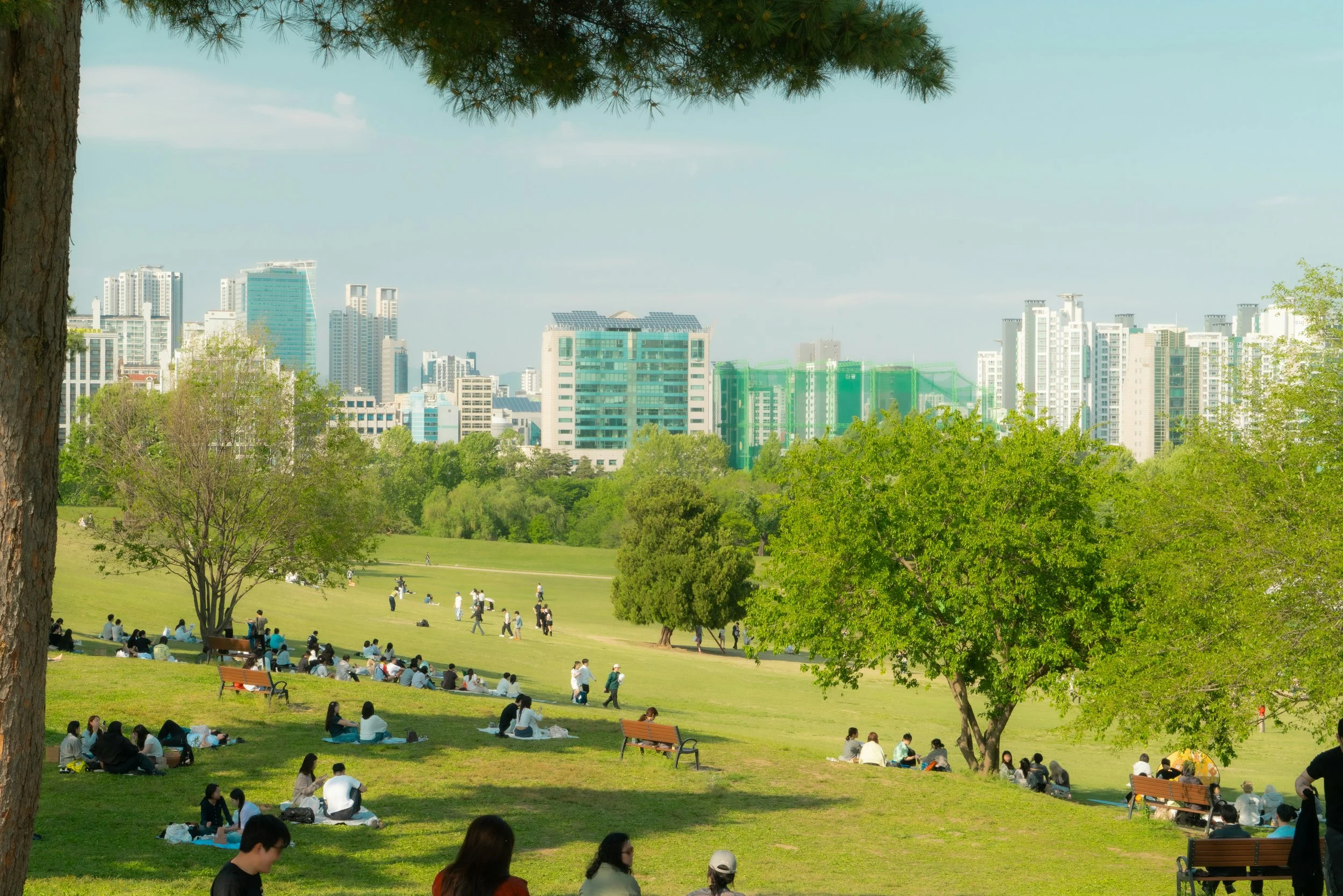
PHOTO CREDIT | Unsplash/HONG KYU PARK
Royal Heritage in the Capital
Among Seoul's greatest treasures are its historic royal palaces, which preserve important chapters of Korean history. Beautiful gates, elegant courtyards, traditional pavilions, and carefully designed gardens provide a peaceful contrast to the city's modern skyline.
Many visitors enjoy watching the ceremonial changing of the royal guard before wandering through palace grounds that once served as the centre of political life. Museums located nearby provide additional insight into Korea's royal dynasties and cultural development.
These landmarks demonstrate how Seoul continues to preserve its heritage while embracing rapid modern growth.
Gyeongju and Korea's Ancient Legacy
Often called the museum without walls, Gyeongju introduces travellers to one of the country's most historically significant regions. As the former capital of the Silla Kingdom, the city contains royal tombs, ancient temples, historic observatories, and remarkable archaeological sites.
Walking through Gyeongju feels very different from exploring Seoul. Wide green parks, quiet streets, and centuries-old monuments create a calm atmosphere that encourages slow exploration. Historic landmarks blend naturally with the surrounding landscape, offering visitors opportunities to reflect on Korea's long and fascinating history.
The city remains one of the finest destinations for anyone interested in traditional Korean culture.
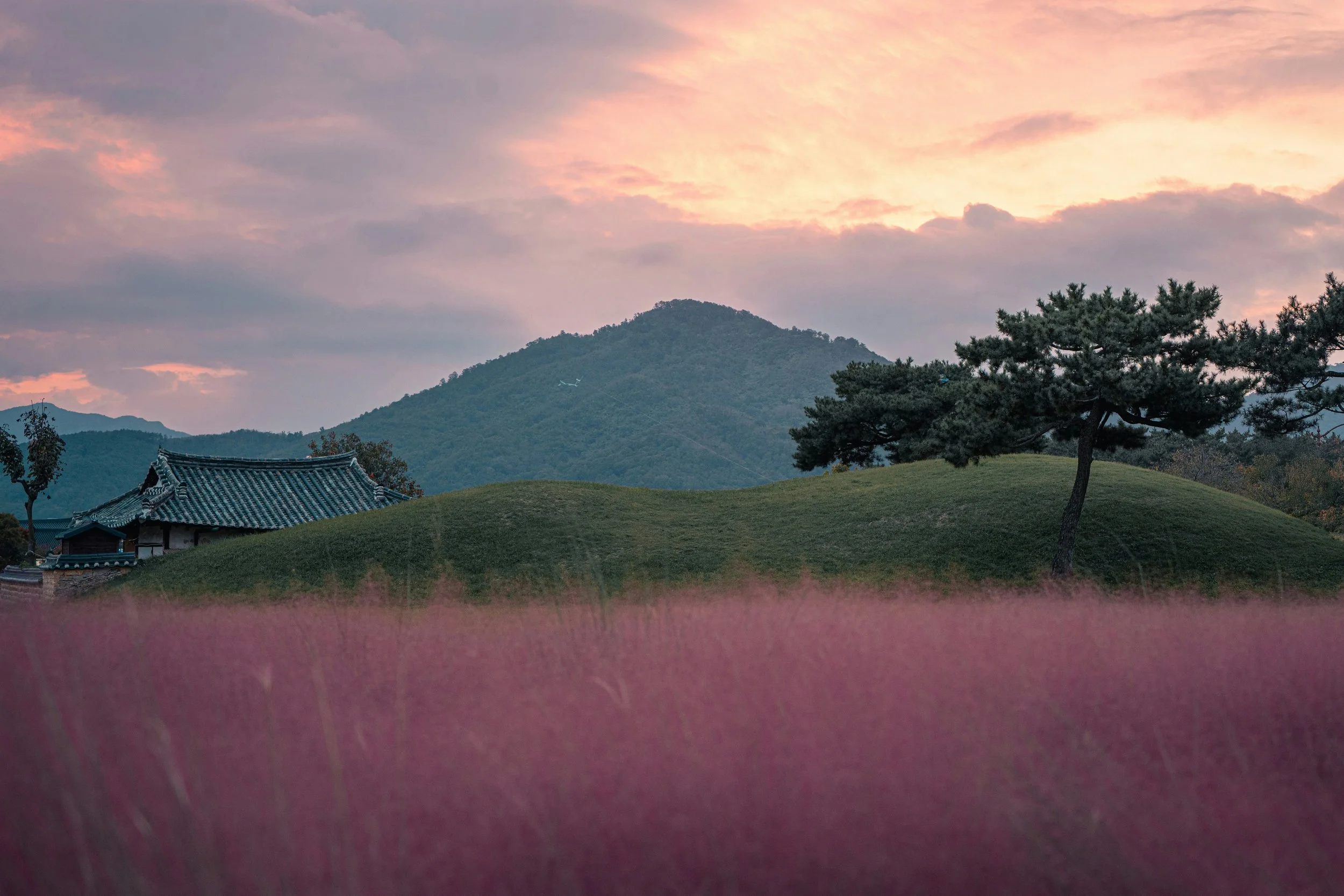
PHOTO CREDIT | Unsplash/Dmitry Voronov
Busan's Coastal Appeal
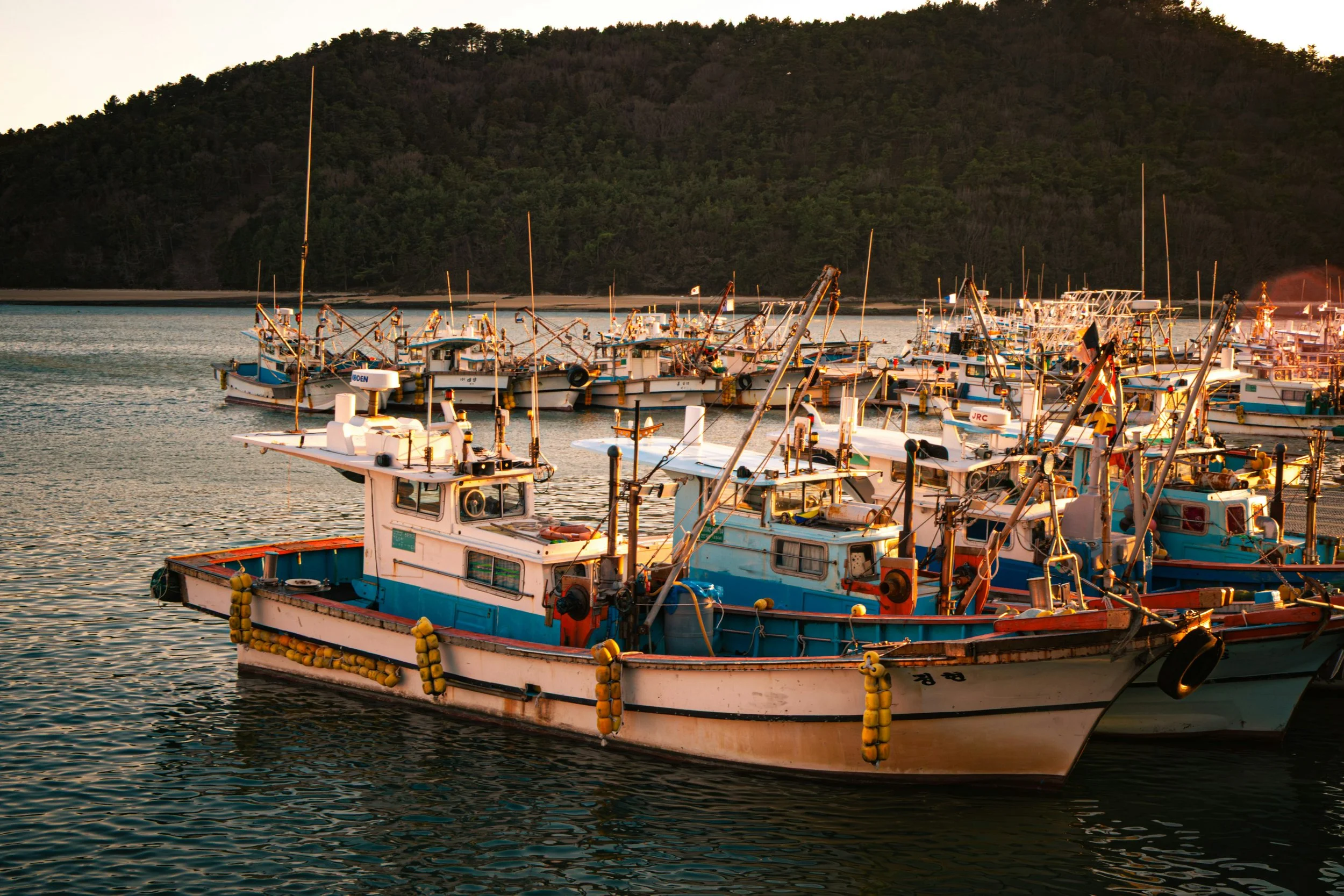
South Korea's second-largest city presents another completely different experience. Busan combines sandy beaches, lively seafood markets, modern architecture, and scenic coastal viewpoints within a vibrant maritime setting.
The city's waterfront districts attract visitors throughout the year, while colourful hillside neighbourhoods provide excellent panoramic views across the harbour. Fresh seafood, local festivals, and welcoming cafés contribute to Busan's relaxed atmosphere.
Despite its size, Busan feels less hurried than Seoul, making it an excellent place to slow down and enjoy the country's southern coastline.
Traditional Villages and Mountain Landscapes
Away from the major cities, South Korea preserves numerous traditional villages where tiled-roof houses, narrow lanes, and local customs continue to shape daily life. These communities provide valuable insight into architectural styles and cultural traditions that have survived for generations.
Mountain national parks offer another rewarding experience. Well-maintained hiking trails lead through forests to peaceful temples where visitors can enjoy spectacular scenery and moments of quiet reflection.
Exploring these rural landscapes helps travellers appreciate the close relationship between Korean culture and the natural environment.
Regional Cuisine Along the Journey
Every region introduces its own distinctive flavours. Seoul offers countless dining options ranging from traditional family restaurants to contemporary cafés, while Busan is particularly famous for fresh seafood and lively fish markets.
Southern Korea also celebrates regional dishes prepared using locally grown ingredients and long-established recipes. Markets become ideal places to sample seasonal specialities while observing everyday community life.
Trying local cuisine throughout the journey provides another meaningful way to understand the country's cultural diversity.
Planning a Rewarding Korean Adventure
Travellers can comfortably combine Seoul with southern destinations within one holiday thanks to South Korea's outstanding transport infrastructure. Spring and autumn provide especially pleasant weather for sightseeing, while each season offers unique scenery and local festivals.
Allowing several days in both the capital and the southern regions creates a balanced itinerary that combines history, nature, modern culture, and authentic local experiences. Spending time in smaller towns between major cities also adds depth to the journey.
A flexible schedule allows opportunities for unexpected discoveries that often become the most memorable moments of the trip.
Conclusion
South Korea presents an inspiring combination of vibrant cities, remarkable historical sites, beautiful landscapes, and efficient transportation. From Seoul's modern energy and royal heritage to the peaceful historic landscapes of Gyeongju and the coastal charm of Busan, every destination contributes something unique. Travellers who explore beyond the capital will discover a country where ancient traditions and contemporary innovation exist together in perfect harmony.