Mexico City asks visitors to slow down. Its scale can feel impossible to hold in one trip: ancient ruins beside colonial facades, painted walls carrying political memory, major museums, quiet courtyards hidden behind heavy doors, and neighborhoods that shift in mood from one block to the next.
To experience the city like a living gallery means looking past a checklist of famous stops. Streets, plazas, museums, canals, libraries, and markets work as connected cultural spaces. A mural can explain a political era. A building can reveal a shift in power or taste. A neighborhood walk can make the city’s history feel immediate.
The better approach is to choose a route with intention. Instead of trying to see everything, travelers can move through art, architecture, public life, and lesser-known corners at a pace that leaves room for detail.
Seeing the City Beyond the Surface
A thoughtful cultural route through Mexico City connects places that explain one another. The murals of the Historic Center, the canals of Xochimilco, the museums of Chapultepec, the creative rhythm of Coyoacán, and the architecture of Roma and San Ángel all reveal different parts of the city’s identity.
Travelers who want to connect murals, museums, historic districts, and lesser-known cultural corners into one meaningful route can plan Mexico City cultural tours that reveal more than a standard sightseeing itinerary. The strongest experiences are shaped by context: why a mural was painted in a public building, how a neighborhood became a creative hub, or how pre-Hispanic traditions remain visible in modern spaces.
This matters in a city where time periods overlap in plain sight. Near Templo Mayor, visitors can see the remains of the Mexica capital, the Metropolitan Cathedral, and streets shaped by centuries of civic, religious, and commercial life. Seen separately, these places can feel like attractions. Seen together, they form a cultural narrative.
Follow the Murals and Public Art
Mexico City is one of the world’s great mural cities. Its walls hold stories of revolution, identity, labor, education, mythology, and social change. Public art here often appears in civic spaces where daily life and national memory meet.
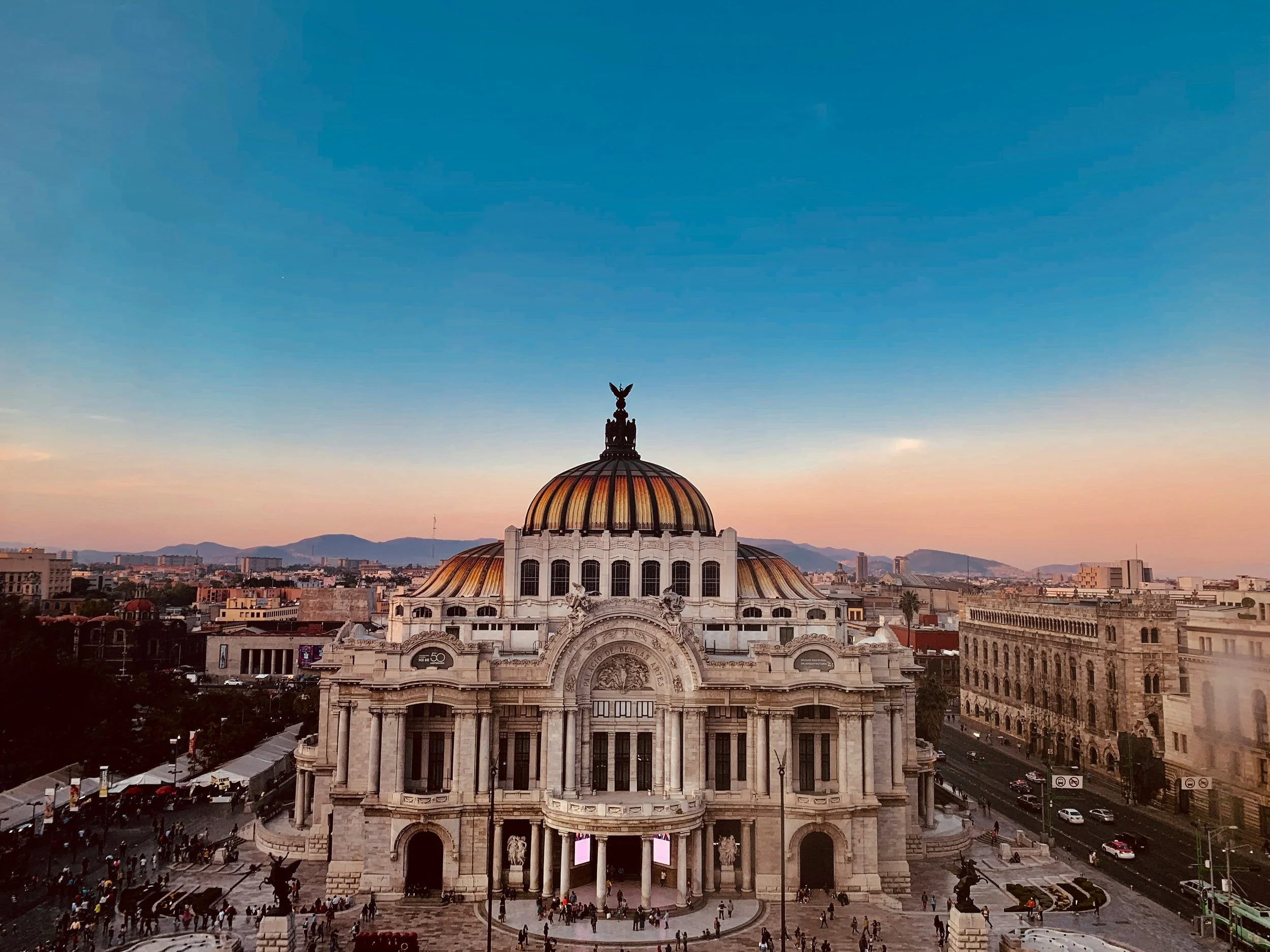
Palacio de Bellas Artes is a natural starting point. It brings together architecture, performance, and major works by some of Mexico’s most influential artists. Its marble exterior, Art Nouveau and Art Deco details, and dramatic interior murals make the building itself part of the experience.
The Secretaría de Educación Pública offers another powerful view of Mexican muralism. Its courtyards and walls contain extensive works that turn public architecture into visual history. These murals place creativity inside education, government, and shared civic space.
Museo Mural Diego Rivera gives travelers a focused entry point into Rivera’s work, while UNAM opens another side of the city’s cultural landscape. The university campus combines modernist architecture, monumental art, and public space in a way that feels distinct from the Historic Center. Murals by artists such as Juan O’Gorman and David Alfaro Siqueiros show how Mexico’s visual identity continued to evolve through education, architecture, and national symbolism.
Street art in Roma, Doctores, Juárez, and parts of the Historic Center adds a contemporary layer. These works may be temporary and local, but they continue the city’s habit of using walls as public expression.
Step Into Museums That Feel Like Worlds
Mexico City’s museums are not simply pauses from the street. Many offer complete cultural environments, each opening a different path into the capital’s identity.
The Museo Nacional de Antropología is one of the city’s most important cultural stops. Its galleries help visitors understand the depth of Mexico’s Indigenous civilizations, including the Mexica world that shaped the site where modern Mexico City stands. The museum’s architecture, courtyard, and collection create an experience that feels both ceremonial and educational.
In Coyoacán, the Museo Frida Kahlo offers a more intimate form of cultural storytelling. The Blue House is closely tied to the artist’s life, work, relationships, and sense of place. Nearby, Museo Anahuacalli shows another side of Diego Rivera’s vision through its volcanic stone structure and pre-Hispanic collection. Together, the two sites show how personal, political, and ancient influences shaped two of Mexico’s most recognizable artists.
Contemporary art adds another dimension. Museo Jumex and Museo Tamayo bring international and Mexican modern art into conversation, while Museo de Arte Popular celebrates craft, color, imagination, and regional tradition. Museo Nacional de Arte offers a broader historical view of Mexican art inside a building that deserves attention on its own.
The strongest museum route connects ideas rather than collecting stops. A morning at the Anthropology Museum can change the way a visitor sees Templo Mayor. A visit to Anahuacalli can deepen the experience of Coyoacán. A stop at Museo de Arte Popular can make craft markets and public celebrations easier to understand.
Where History Still Shapes the Route
Mexico City’s past stands in plazas, emerges from archaeological sites, moves through canals, and appears in streets remade over centuries. The city’s layered identity is especially visible around the Historic Centre of Mexico City and Xochimilco, where ancient, colonial, and living cultural traditions continue to overlap.
The Zócalo remains one of the clearest places to feel this overlap. Around the plaza, visitors encounter political power, religious history, public gathering, and the memory of Tenochtitlan. Templo Mayor offers a direct connection to the Mexica capital that existed before colonial Mexico City rose around it. Nearby, the Metropolitan Cathedral and surrounding historic buildings show how power, belief, and architecture were layered onto the same urban ground.
The Historic Center rewards close attention. Antiguo Colegio de San Ildefonso carries long associations with education, art, and muralism. Plaza de Santo Domingo reflects histories of printing, trade, and colonial urban life. Smaller streets reveal old facades, tiled buildings, courtyards, and shops that preserve the district’s atmosphere.
Xochimilco offers a different kind of history. Its canals are often presented through color and celebration, but they also point to the ancient lake system and agricultural traditions that shaped the Valley of Mexico. A slower visit reveals water, cultivation, community, and continuity.
Look for Hidden Cultural Corners
Some of Mexico City’s most memorable cultural experiences happen away from the most obvious landmarks. These spaces often help travelers understand the city’s personality with more texture.
Casa Estudio Diego Rivera y Frida Kahlo in San Ángel offers a striking look at modern architecture, artistic life, and the relationship between private space and creative identity. Its twin studio-houses, connected by a bridge, feel entirely different from the Blue House in Coyoacán, making the contrast between the two sites especially useful.
Biblioteca Vasconcelos is essential for travelers drawn to architecture and atmosphere. Its suspended bookshelves, open interior, and futuristic structure make it one of the city’s most visually impressive public spaces.
Kiosco Morisco in Santa María la Ribera brings another visual language into the city’s cultural mix. Its ornate design and neighborhood setting make it a rewarding stop for travelers who want to understand Mexico City beyond the central districts.
Other cultural corners can add depth to a route. Ex Teresa Arte Actual places contemporary art inside a historic religious building. Cárcamo de Dolores combines engineering, water history, and mural art. Museo Experimental El Eco offers an architectural and artistic experience shaped by modernist ideas. Fonoteca Nacional, with its garden and sound archive, gives culture a quieter form.
A Small Place for Food and Markets
Food should support a cultural route through Mexico City rather than take it over. A traditional café, a market stop, or a street-side antojito can offer a useful pause between museums, murals, and neighborhood walks, while still showing how daily life shapes the city’s identity.
Markets are especially valuable when approached as cultural spaces. Mercado de la Ciudadela highlights regional craft, handmade objects, textiles, and materials from across Mexico. Mercado de Jamaica reveals the role of flowers, color, ritual, and celebration in everyday urban life. These stops add texture to a cultural itinerary without turning the trip into a food-focused guide.
Neighborhoods as Cultural Routes
Mexico City’s neighborhoods work best as walking routes rather than isolated stops. Each one carries a different rhythm, shaped by architecture, public space, art, and daily life.
Coyoacán is one of the most atmospheric areas for slow exploration. Its plazas, churches, cobbled streets, museums, and shaded corners connect artistic history with neighborhood life. A visit here can include Frida Kahlo’s world, quiet residential streets, local markets, and public squares where the pace feels removed from the city’s larger intensity.
San Ángel offers another version of cultural calm. Its old houses, galleries, courtyards, and Saturday art market create a route that feels elegant and reflective. It is especially strong for travelers interested in architecture, design, and the relationship between private homes and public culture.
Roma and Juárez bring a more contemporary creative energy. Galleries, restored buildings, independent shops, and cultural spaces sit beside cafés and residential streets. These neighborhoods show how the city continues to reinvent itself while preserving older textures.
A slow route through Roma, Coyoacán, San Ángel, Juárez, and the Condesa neighborhood shows how each area offers a different cultural mood. Condesa, with its leafy streets, Art Deco details, parks, and design-forward atmosphere, is especially suited to travelers who enjoy noticing how style and daily life meet.
Santa María la Ribera, Chapultepec, and Xochimilco can expand the route further. Chapultepec combines museums, monuments, green space, and national memory. Santa María la Ribera offers a quieter architectural perspective. Xochimilco shifts the experience toward water, tradition, and the living edge of the city’s ancient landscape.
Why Slow Travel Works So Well Here
Mexico City can overwhelm travelers who try to fit too much into each day. Distances, traffic, museum scale, and the emotional weight of historic places all make rushed itineraries less rewarding. A single plaza, mural, museum, or neighborhood can carry more than enough for one morning.
A strong cultural day might include one major anchor, one smaller hidden space, and one nearby walk. For example, a day could begin with the Anthropology Museum, continue through Chapultepec’s cultural landscape, and end with a relaxed neighborhood route. Another day might focus on Coyoacán, pairing the Blue House with Anahuacalli or quieter residential streets. The Historic Center can fill a day by itself when Templo Mayor, Bellas Artes, murals, plazas, and old streets are experienced with attention.
Food can support this rhythm without becoming the center of the trip. A traditional café, a market stop, or a simple street-side antojito can offer a pause between cultural spaces. The point is to let food appear naturally as part of the city’s daily life.
Slow travel creates space for connection. Travelers begin to notice repeated symbols, architectural details, public rituals, and artistic themes. Water history appears in Xochimilco and Cárcamo de Dolores. Muralism connects government buildings with museums. Neighborhoods preserve memory through buildings, plazas, and local habits.
Learning to Look Longer
Mexico City becomes more memorable when travelers give themselves permission to look longer. Its culture moves through painted walls, ancient stones, modern galleries, public libraries, quiet courtyards, canals, markets, and neighborhoods with their own visual language.
To experience the city like a living gallery is to understand that every route can reveal a different layer. One day may be shaped by murals and civic history. Another may follow architecture, hidden museums, or the creative identity of a single neighborhood. The most meaningful trip is rarely the one with the longest list of stops. It is the one where each place helps the next one make more sense.
Mexico City rewards curiosity, patience, and context. Travelers who slow down will find that the city does more than show them culture. It teaches them how to see it.