
Living between Canada and the United States sounds glamorous until tax season arrives. Two countries, two systems, and a real risk of being taxed twice on the same dollar. For anyone with a foot on each side of the border, the stakes are high.
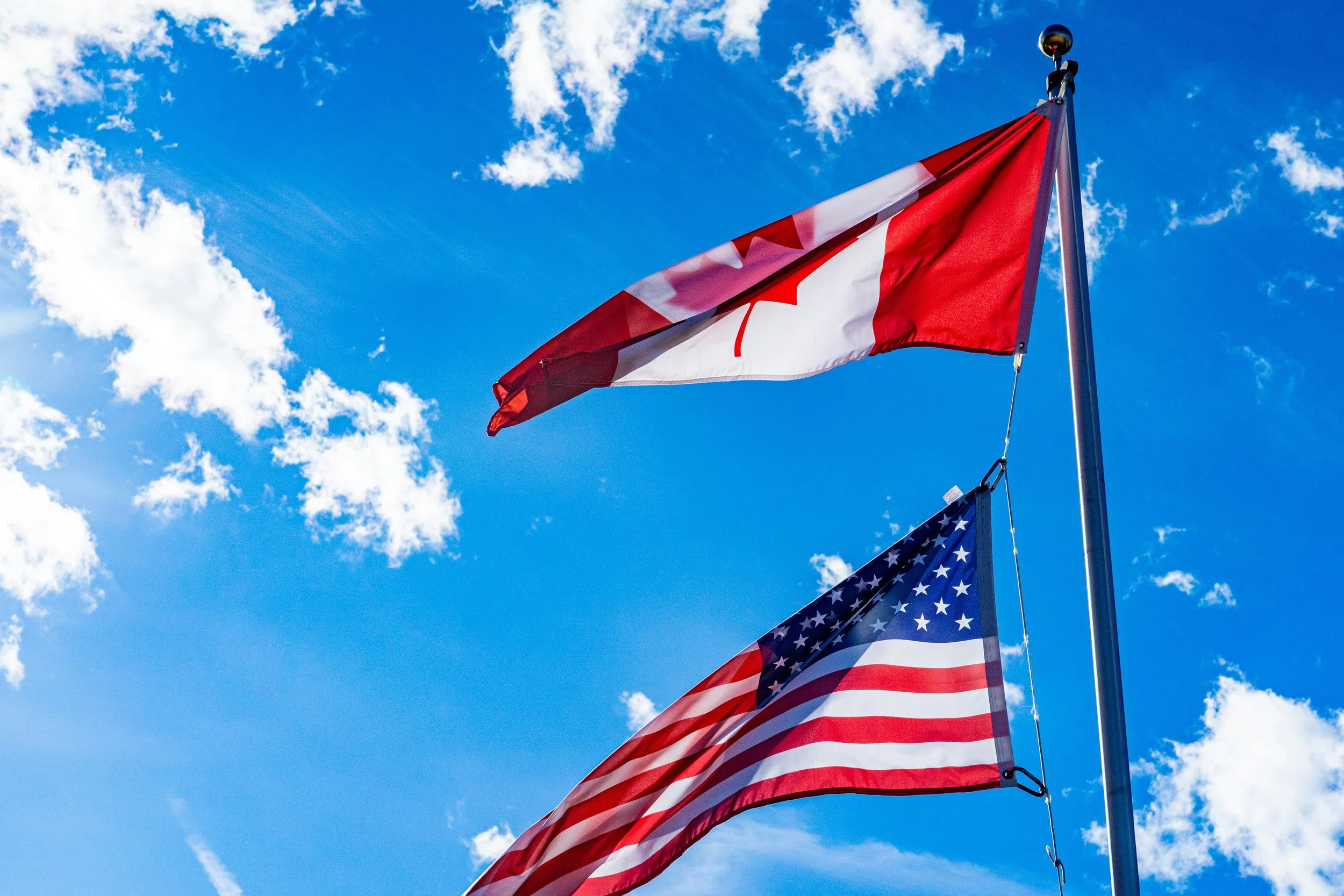
PHOTO CREDIT | Unsplash/chris robert
The good news is that this is a solved problem, with the right plan. Smart, proactive Canada U.S. Tax Planning can keep cross-border earners from losing money to double taxation and missed deadlines. Here is how the system works, the traps to watch for, and when to bring in a professional. None of this is tax advice, so treat it as a map, not a substitute for an expert.
Why Cross-Border Taxes Trip People Up
The core problem is simple to state and hard to solve. Canada taxes based on residency, while the US taxes based on citizenship. That mismatch is where the trouble starts.
A US citizen living in Canada, for example, may owe filings in both places. Roughly 1 million Americans are estimated to live in Canada, and many have no idea they must still file with the IRS. The rules do not care whether you knew.
Then there is the sheer weight of paperwork. Each country has its own forms, deadlines, and definitions of income. Getting a single one wrong can trigger penalties on both sides of the border at once.
Who Actually Needs to Worry About This?
Not everyone with a maple leaf or a stars-and-stripes needs to panic. But more people are affected than realize it. You should pay attention if any of these apply:
Dual citizens. You hold both Canadian and US citizenship.
Cross-border workers. You earn income in one country and live in another.
Snowbirds. You spend long stretches in the US each year.
Movers. You have relocated across the border recently.
Investors. You hold accounts or property in both countries.
If you fit any of these, your taxes are more complex than a single-country filer's. The retirement questions that athletes face in life after sports apply doubly when two tax systems are involved.
The Big Cross-Border Tax Traps
A few mistakes cause most of the pain. Knowing them in advance is half the battle. Watch for these common traps:

PHOTO CREDIT | Unsplash/Microsoft 365
Double taxation. Paying full tax in both countries on one income.
Missed filings. Forgetting a required return or disclosure.
Retirement accounts. RRSPs and 401(k)s treated differently across the border.
Currency and timing. Exchange rates and mismatched tax years.
Tax treaties exist to prevent the worst of this. Canada's cross-border tax rules turn on your residency and where your income is actually earned. Ignoring them is how a manageable situation becomes an expensive one.
How to Get Your Cross-Border Taxes Right
The fix is planning, not panic. A clear process keeps both governments satisfied. Follow these steps each year:
Confirm your status. Residency and citizenship drive everything.
Track all income. In both countries and both currencies.
Use treaty benefits. Claim credits and exemptions you are owed.
File on time. In both jurisdictions, every year.
Residency status drives most of the outcome. Canada's guidance on determining your residency status is the very first thing to sort out each year. A professional who works across both systems will catch the treaty benefits that generic software misses entirely.
Building a Life Across Two Countries
Cross-border living is about more than tax forms. A little planning makes the whole lifestyle smoother. Keep these habits year-round:
Keep clean records of days spent in each country.
Separate accounts by country where it makes sense.
Review your plan after any major life change.
Learn the basics so you can ask better questions.
Getting educated pays off, and a good finance books habit helps. Managing money across a border is its own form of wellness, since financial stress touches everything. The goal is a life that moves easily between two homes.
Points Worth Remembering
Canada taxes on residency; the US taxes on citizenship.
Dual citizens, cross-border workers, and snowbirds are most affected.
Double taxation and missed filings cause most of the pain.
Tax treaties exist to prevent being taxed twice.
Confirm your status, track income, and file on time in both.
A cross-border specialist catches what generic software misses.
Living Well On Both Sides of the Border
A cross-border life is a privilege, not a punishment, once the taxes are handled. Understand the two systems, use the treaties built to protect you, and keep clean records all year. Bring in a professional who knows both sides, and the border becomes a line on a map rather than a threat to your finances.
Frequently Asked Questions
Do US Citizens In Canada Have to File US Taxes?
Yes. The US taxes based on citizenship, so US citizens must generally file a US return no matter where they live. They may also owe Canadian filings. Tax treaties and credits usually prevent true double taxation, but the paperwork is still required.
What Is Double Taxation and How Do I Avoid It?
Double taxation is paying full tax to two countries on the same income. Tax treaties, foreign tax credits, and careful planning are designed to prevent it. A cross-border specialist can make sure you claim every credit and exemption you are entitled to.
Are Snowbirds Affected by Cross-Border Tax Rules?
They can be. Spending long stretches in the US each year can affect your US tax status through substantial-presence rules. Snowbirds should track their days carefully and understand the thresholds before they cross them.
Do I Really Need a Cross-Border Tax Professional?
For anything beyond the simplest situation, it is wise. Cross-border rules are complex, and generic software often misses treaty benefits and required disclosures. A specialist who works in both systems can save far more than the fee.