WHY WELLNESS TYPES LOVE SAME-DAY WEEK

Not every wellness routine ends with a protein shake and a cold plunge. These days, it might wrap up with a curated cannabis blend, a pair of sweat-wicking joggers, and a couch calling your name. Welcome to the new era of recovery—where athleisure isn’t just what you wear, but how you live.

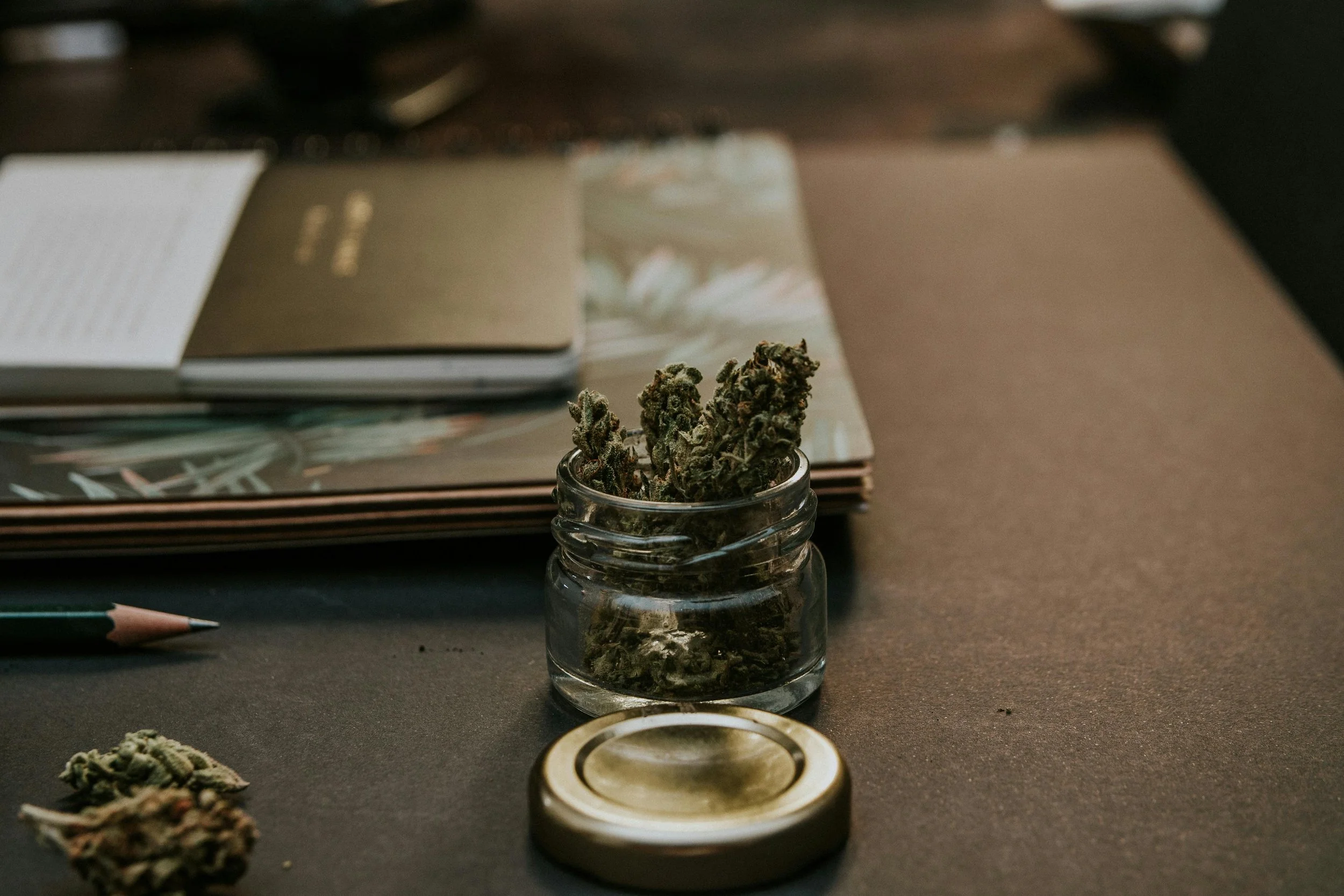
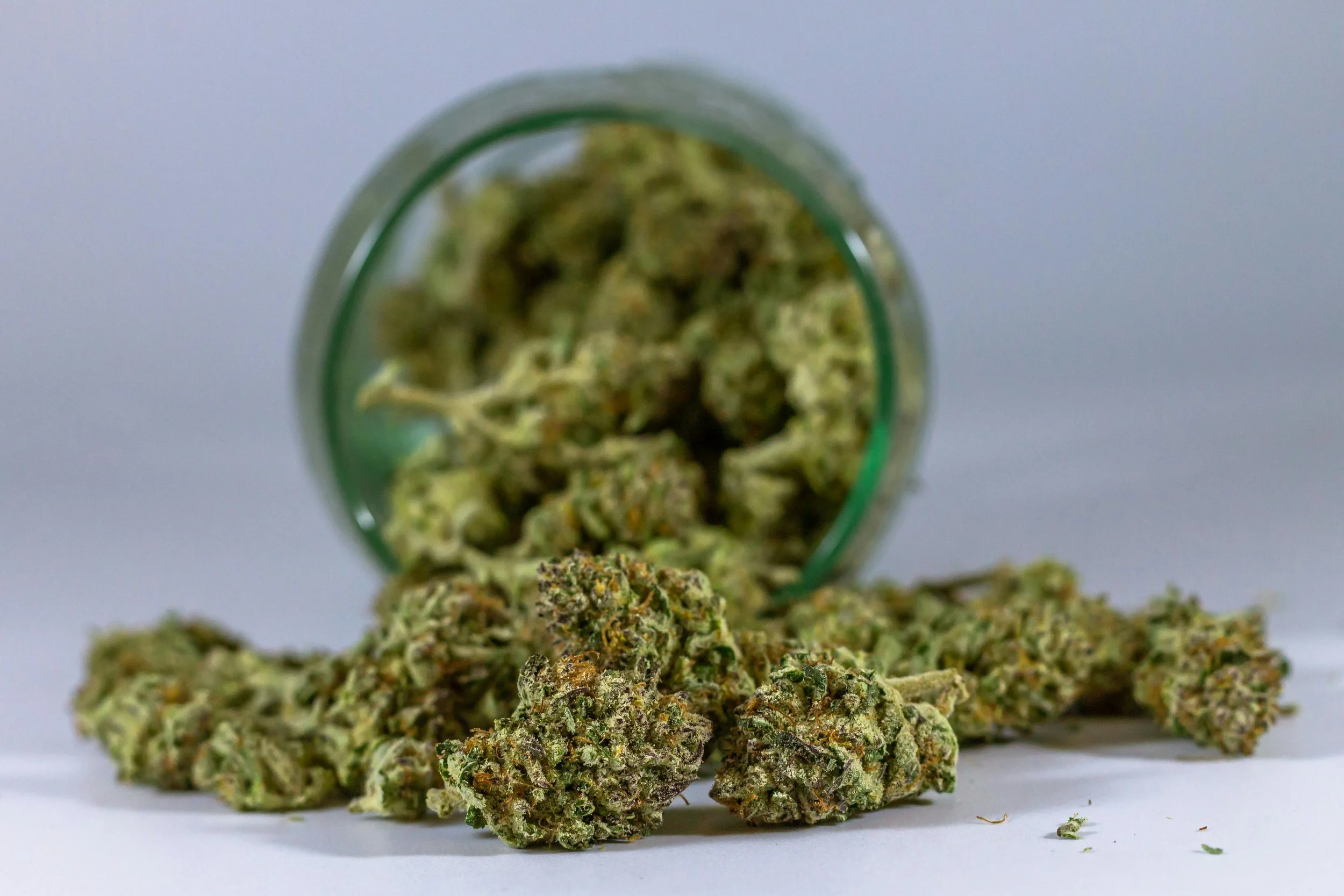
Wellness culture has expanded far beyond workout plans and smoothie macros. It now embraces mood, convenience, and yes—cannabis. For a growing crowd of reformer Pilates loyalists, hot yoga regulars, and biohacking bros, same-day cannabis delivery is becoming just as routine as a post-spin stretch. Services like Budmaill weed delivery are quietly becoming staples among those who want their wellness to be high-performance and low-effort.

PHOTO CREDIT | Pexels/Yash Lucid

When Wellness and Weed Started Getting Along

Cannabis used to carry the weight of stigma. But these days? It’s on the shelf next to magnesium gummies and matcha powder. Athletes and fitness lovers are opening up about using cannabis for soreness, stress, or even just sleep. It’s not about zoning out—it's about dialing in.

The shift happened quietly but steadily. The conversation turned from “getting high” to “getting balanced.” People started choosing strains the same way they choose supplements: based on effect. Do you want to relax your tight hamstrings? Wind down after a HIIT session? Calm racing thoughts on a rest day? There’s a THC:CBD profile for that.

The Convenience Factor Is No Joke

Let’s be honest: no one wants to wrap up a 6:30 a.m. spin class and then wait around for a dispensary to open. Or worse—deal with traffic, parking, and long lines after an exhausting day. That’s where same-day cannabis delivery steps in as a bit of a game-changer.

With services like Budmaill, everything happens while you're still in your post-workout glow. Order from your phone, and it shows up at your door without you needing to change out of your favorite oversized hoodie. This level of convenience isn’t just nice—it’s aligned with how wellness people operate. We track steps, automate supplements, and outsource meal prep. Cannabis? Same treatment.

Weed as a Recovery Ritual

Recovery isn’t just foam rollers and bath salts anymore. Cannabis is making its way into post-workout routines across the board—and it actually makes sense. THC and CBD have been studied for their anti-inflammatory and muscle-relaxing properties. Many users report that it helps them unwind physically and mentally after tough sessions.

●      Sore muscles? Some opt for topicals infused with THC or CBD alongside inhalables or edibles.

●      Mind spinning after a high-intensity workout? A low-dose indica can ease you into the evening.

●      Can’t sleep after late-night training? A hybrid strain may help you rest deeper.

Of course, everyone reacts differently. But for wellness-minded folks, cannabis is becoming another tool in the kit—used thoughtfully, like adaptogens or electrolytes.

The Athleisure Vibe Loves It

Cannabis delivery fits right into the athleisure lifestyle: modern, relaxed, stylish without trying too hard. You’re already used to seamless app ordering (Uber Eats, DoorDash, MyFitnessPal). Why should weed feel any different?

Budmaill’s same-day model fits beautifully into that groove. You place an order in your downtime, maybe after tossing your leggings in the laundry and pouring a recovery smoothie. By the time your matcha is half gone, your flower, pre-roll, or gummy pack arrives—sealed, discreet, and fresh.

It’s the difference between feeling like you’re doing a chore vs. feeling like you’re indulging in self-care. Athleisure is all about ease—and same-day weed? It's peak ease.

Meet the Wellness Users (And How They’re Using)

Let’s walk through how different wellness personalities are weaving cannabis into their lives:

The Early Bird Runner

They’re up before dawn and love the runner’s high. But post-run? Their knees ache. They might microdose CBD in the mornings and save a THC gummy for rest days to ease inflammation and calm the nervous system.

The Hot Yoga Devotee

They believe in sweating it out—and balancing it with intentional recovery. A calming indica helps them stay in the “zen” zone even when work emails start flooding in.

The Weekend Cyclist

They push themselves hard, but recovery is non-negotiable. Cannabis helps them stretch longer, rest better, and show up again with less stiffness.

The Wellness Maximalist

They track REM cycles, log supplements, and have six different mushroom powders in their kitchen. Cannabis is part of the rotation—specifically curated and timed like every other biohack in their routine.

THC, CBD, or Both?

Cannabis products now come with detailed breakdowns, and wellness consumers are taking full advantage. It’s not about getting stoned—it’s about getting specific.

●      THC-forward strains: Best for evening use, deeper relaxation, and pain relief.

●      CBD-dominant options: Popular for inflammation and mood regulation, with no high.

●      Balanced hybrids: Great for those easing into cannabis who want both calm and clarity.

Some users stick with smoking or vaping, while others prefer low-dose edibles that blend into their day like a piece of gum. Topicals are gaining traction too—especially among athletes and gymgoers dealing with chronic tightness or injuries.

Delivery Makes It Feel Personal

There’s something oddly comforting about cannabis showing up when you need it—like ordering Thai food on a rainy night. With delivery, you’re not limited by store hours or city traffic. You also avoid the sensory overload that can come with walking into a crowded dispensary.

For busy people juggling gym classes, meal planning, work, and downtime, this kind of access feels like luxury. And let’s be real: the less time you spend planning your next dispensary trip, the more time you have to foam roll and rewatch your favorite Netflix show in peace.

Pairing Cannabis with Other Recovery Staples

Cannabis isn’t replacing wellness—it’s complementing it. In fact, it goes well with a lot of other things already in your rotation:

●      Epsom salt baths + indica = deep muscle relaxation

●      Stretching or yoga + hybrid = enhanced mind-body connection

●      Sleep tracking + CBD tincture = better insights into how cannabis affects your rest

●      Red light therapy + THC topical = potential for enhanced muscle recovery

It’s not about being “high all the time.” It’s about knowing when a bit of cannabis can support what your body already needs.

What Wellness Pros Say (And What They Don’t)

Most fitness professionals won’t openly advertise their cannabis habits—but more of them are quietly on board. Some yoga teachers use it to enhance meditative focus. Massage therapists sometimes recommend CBD topicals to their clients. Even dietitians have begun discussing how cannabis affects metabolism, sleep, and appetite.

And while formal studies are still catching up, anecdotal evidence is everywhere. Reddit threads. Instagram reels. Private group chats full of trainers swapping strain suggestions.

The point is: cannabis is already part of the conversation. Delivery just makes it easier to keep it there.

A Note on Responsibility

It should go without saying, but moderation and education matter. Not all strains are created equal, and not every product is ideal for post-exercise recovery. If you’re new to cannabis, start small. Pay attention to how it interacts with your body, your schedule, and your fitness goals.

And always choose licensed sources that offer lab-tested products and clear labeling. Services like Budmaill make that process simple, transparent, and legal.

PHOTO CREDIT | Pexels/Terrance Barksdale

Conclusion: The Recovery Routine, Rewritten

Same-day cannabis delivery is more than just a modern convenience—it’s a quiet revolution in the way wellness types are personalizing recovery. It blends into the lifestyle like your favorite pair of joggers: low effort, high reward.

Cannabis isn’t a shortcut to wellness—it’s a supportive layer. When used responsibly, it can help the modern mover slow down, breathe deeper, and recover smarter.

So next time you throw your sports bra in the laundry and cue up your foam roller, consider what else could show up on your doorstep to help you reset. Because in 2025, your wellness routine might just start with a workout and end with a buzz—delivered right on time.

NO PAIN, MORE GAIN: HOW LYNDHURST LOCALS ARE UPGRADING THEIR RECOVERY GAME

Some people train for marathons. Others train to carry their groceries without wincing. Either way, pain has a funny way of putting everything on pause. And in a town like Lyndhurst, where the local gym is just as much of a hangout as the coffee shop, staying active is a big part of daily life. But what happens when that active lifestyle comes with a cost?

From former high school athletes with lingering knee pain to everyday fitness enthusiasts recovering from tweaks and strains, more locals are learning that pushing through the pain isn’t always the answer. Instead, they’re exploring a smarter, more precise way to bounce back: interventional pain management in Lyndhurst.

This isn’t about slapping on an ice pack and hoping for the best. It’s about reclaiming movement—and momentum—with the help of medical professionals who understand what it means to stay in the game, not just sit on the sidelines.

PHOTO CREDIT | Pexels/Los Muertos Crew

The Turning Point: When Pain Outpaces Motivation

We’ve all seen it—or lived it. Someone who’s committed to their workout routine starts skipping leg day because of a nagging hip. A runner suddenly swaps trails for treadmills, then stops altogether. A yoga regular avoids certain poses after wrenching a shoulder. It doesn’t happen all at once—but over time, pain wins.

Lyndhurst resident Cara M., 38, remembers the moment she realized her usual recovery routine wasn’t cutting it.

“I’d been foam rolling, stretching, doing all the ‘right’ things,” she says. “But my lower back would flare up every time I pushed past a certain weight in the gym. It started to feel like I had two options: stay weak or stay in pain.”

Cara wasn’t interested in relying on painkillers or waiting for it to “go away.” A friend recommended Core Medical Wellness. A few appointments later—with targeted imaging and an outpatient nerve block procedure — Cara was lifting again. Safely.

What Is Interventional Pain Management, Anyway?

Let’s cut the jargon. Interventional pain management is about using minimally invasive medical techniques to identify and treat the actual source of pain—not just mask it.

Unlike traditional approaches that may rely heavily on medication or referrals to surgery, interventional specialists use tools like:

●      Joint injections

●      Nerve blocks

●      Epidural steroid injections

●      Radiofrequency ablation

●      Ultrasound-guided procedures

The goal? Relief that’s targeted, durable, and—most importantly—doesn’t pull you out of your life.

From Benched to Back In: Stories from Lyndhurst Locals

Anthony, 42 – From Turf Toe to Tough Mudder

Anthony’s pain started small. Just a sore big toe after playing soccer with friends on the weekends. But it lingered. Then it got worse.

“I was limping into meetings at work, icing it at night, taking Advil like it was candy,” he says. “I felt ridiculous complaining about a toe, but it affected everything.”

At Core Medical Wellness, Anthony learned his issue wasn’t just inflammation—it was nerve irritation. After a diagnostic nerve block and brief recovery period, he was back on his feet—and eventually back in the race, literally.

“I signed up for a Tough Mudder two months later. No pain. No problem,” he grins.

Serena, 31 – Yoga Instructor with a Stubborn Shoulder

For Serena, yoga wasn’t just a hobby—it was her livelihood. But chronic shoulder pain began interfering with both her practice and her income.

“It’s hard to teach when you’re modifying half the poses,” she says.

Through interventional diagnostics, she discovered an impingement that wasn’t responding to standard PT. With a guided injection and customized follow-up plan, she regained full range of motion.

“I didn’t need surgery. I just needed the right help,” she says. “Now I demo every pose again, and I’m booked solid.”

Why It Works for Active People

Pain can be sneaky. It doesn’t always show up as a scream—it can be a whisper that limits performance, zaps energy, or triggers compensation injuries elsewhere. Interventional pain management appeals to people who are:

●      Too busy to slow down for long recovery times

●      Uninterested in becoming dependent on pills

●      Wary of surgery without trying other options first

●      Still motivated to live, move, and feel strong

That last part is key. Many patients at Core Medical Wellness aren’t trying to avoid activity—they’re trying to return to it. That’s a different kind of mindset, and it deserves a treatment plan to match.

The Lyndhurst Advantage: Local Care with Leading Techniques

It’s easy to assume this kind of care is only found in big-city clinics or elite sports medicine centers. But for people in Lyndhurst, expert care is close to home.

Core Medical Wellness blends personalized attention with high-tech diagnostics and evidence-based treatments. Patients don’t just get a prescription—they get a roadmap.

Plus, the team understands that “recovery” means different things to different people. For one patient, it might mean running again. For another, it might mean gardening without back spasms or chasing a toddler around without pain.

More Than Physical: The Mental Shift That Comes with Relief

Chronic pain messes with more than muscles and joints. It can change your mood, your sleep, your ability to focus. That’s why interventional care isn’t just a physical reset—it’s a psychological one too.

Cara says the impact on her confidence was huge.

“When you’re in pain all the time, you start to question your body. You second-guess every movement. Getting real relief made me feel in control again.”

Who Should Consider It?

If you’re wondering whether interventional pain management is “serious enough” for your kind of discomfort—here’s a quick cheat sheet:

●      Have you stopped doing something you love because of pain?

●      Do you find yourself modifying or avoiding workouts?

●      Are you using medication more than you’d like?

●      Have standard PT or rest routines failed to help?

If you answered yes to any of the above, it might be time to explore options beyond stretching and self-talk.

The Fitness-First Approach to Healing

The old playbook was simple: Rest until it stops hurting. The new playbook? Diagnose early. Intervene smart. Rebuild stronger.

That’s why more Lyndhurst locals are turning to clinics like Core Medical Wellness. They’re not just trying to get rid of pain—they’re trying to do more with their lives. Pain relief isn’t the end goal. Movement is. Confidence is. Consistency is.

PHOTO CREDIT | Pexels/Paolo Ortega

Final Thoughts: Pain Doesn’t Have to Be a Lifestyle

Let’s be honest—everyone has something that hurts. But it doesn’t have to stay that way.

Whether you’re chasing PRs or just trying to stay off the injury list, your recovery strategy matters. And when that strategy includes precision-based care instead of one-size-fits-all advice, your odds of long-term success go way up.

So if you’ve been putting off that appointment or chalking it up to “just part of getting older,” maybe it’s time to upgrade your playbook—just like your neighbors already have.

After all, no one gets points for pushing through the pain. But feeling good enough to keep showing up? That’s a win worth training for.