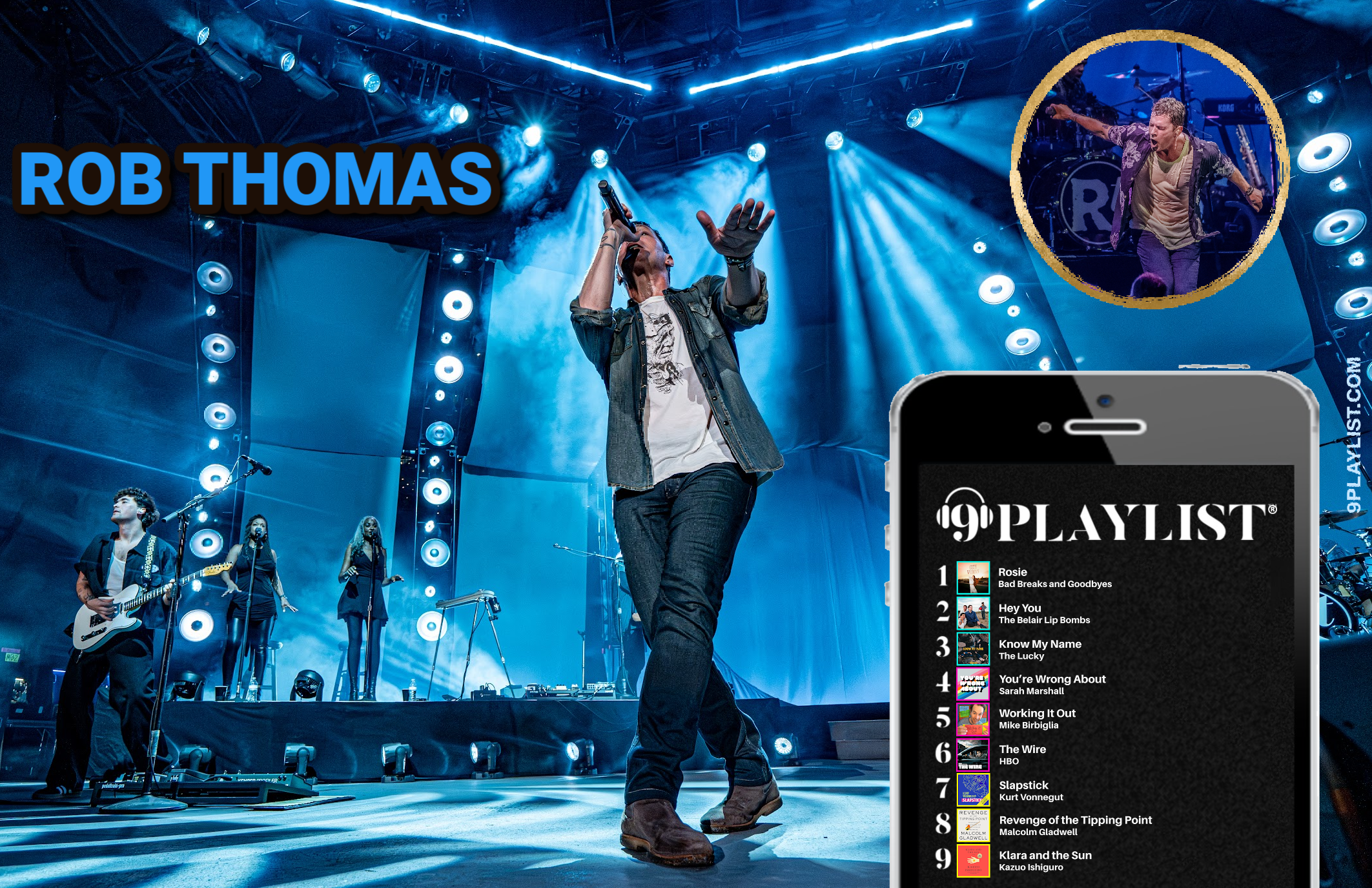
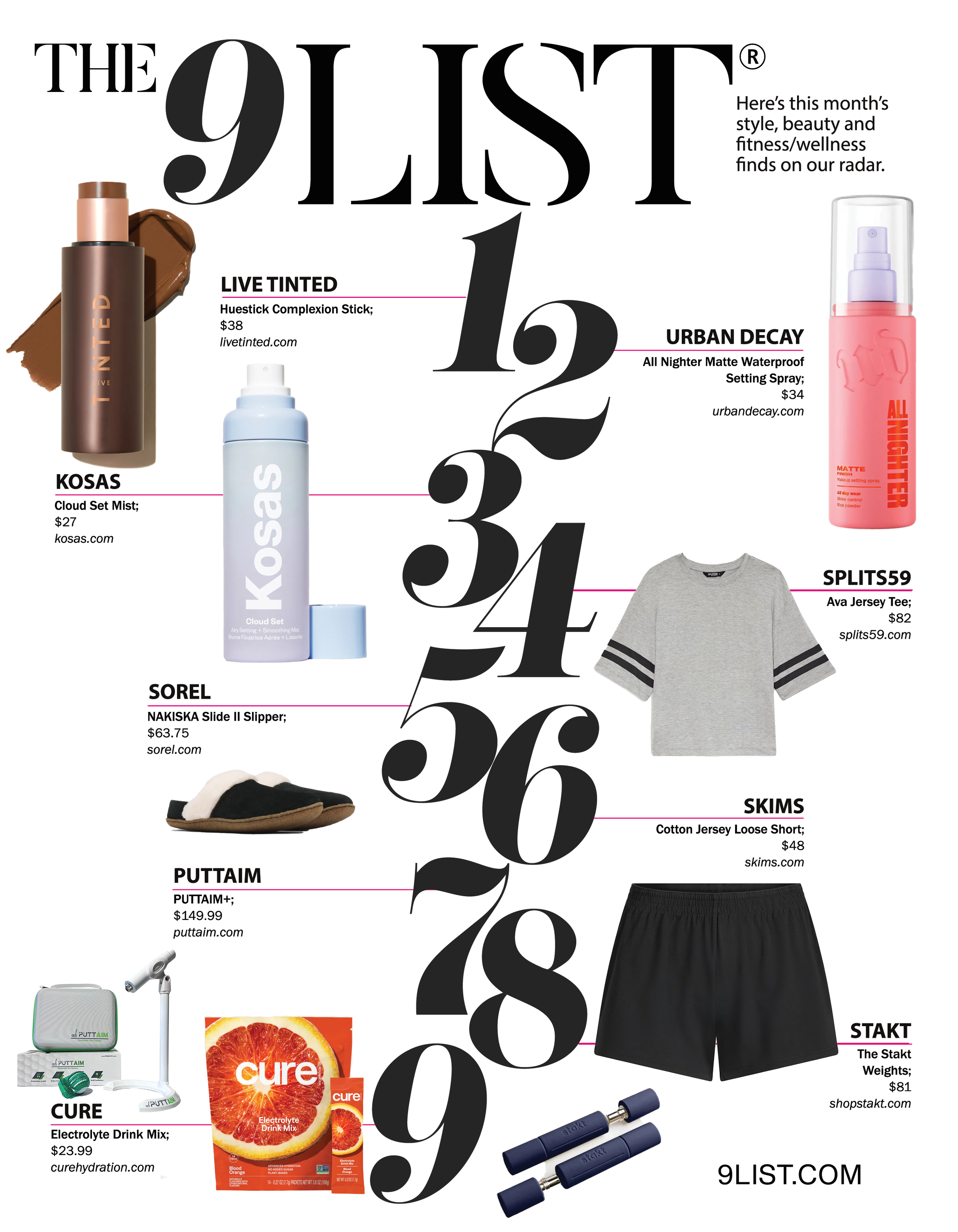
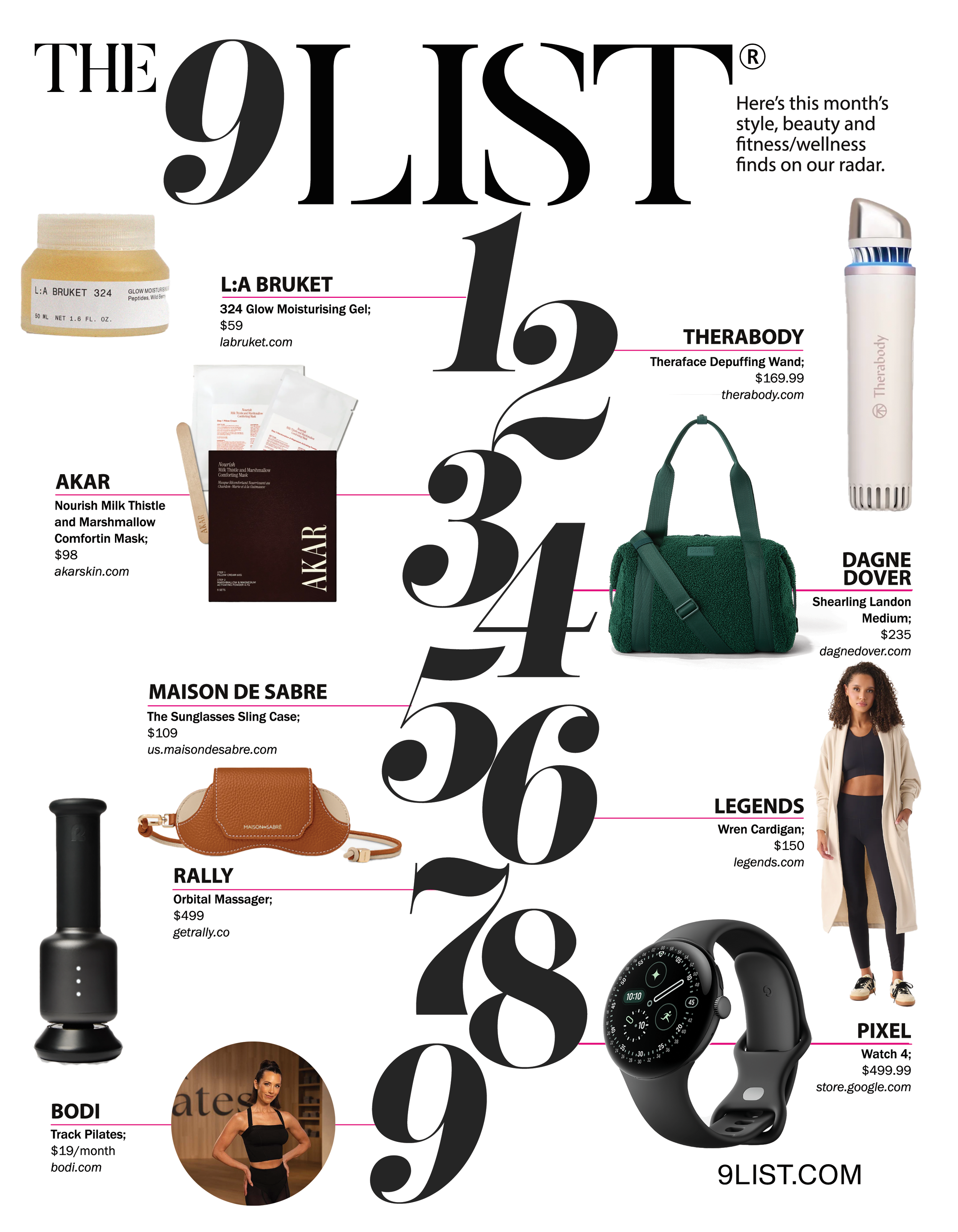
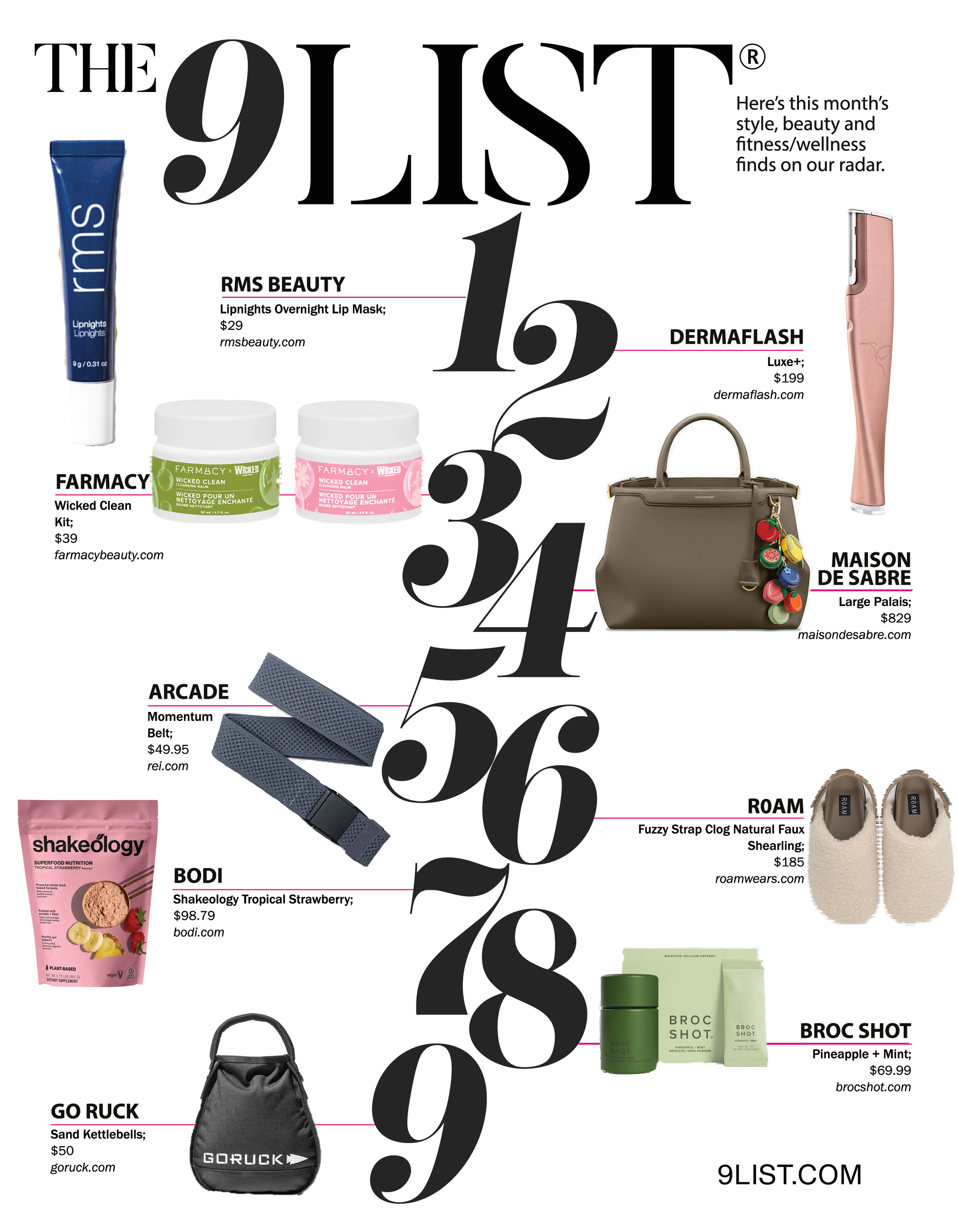
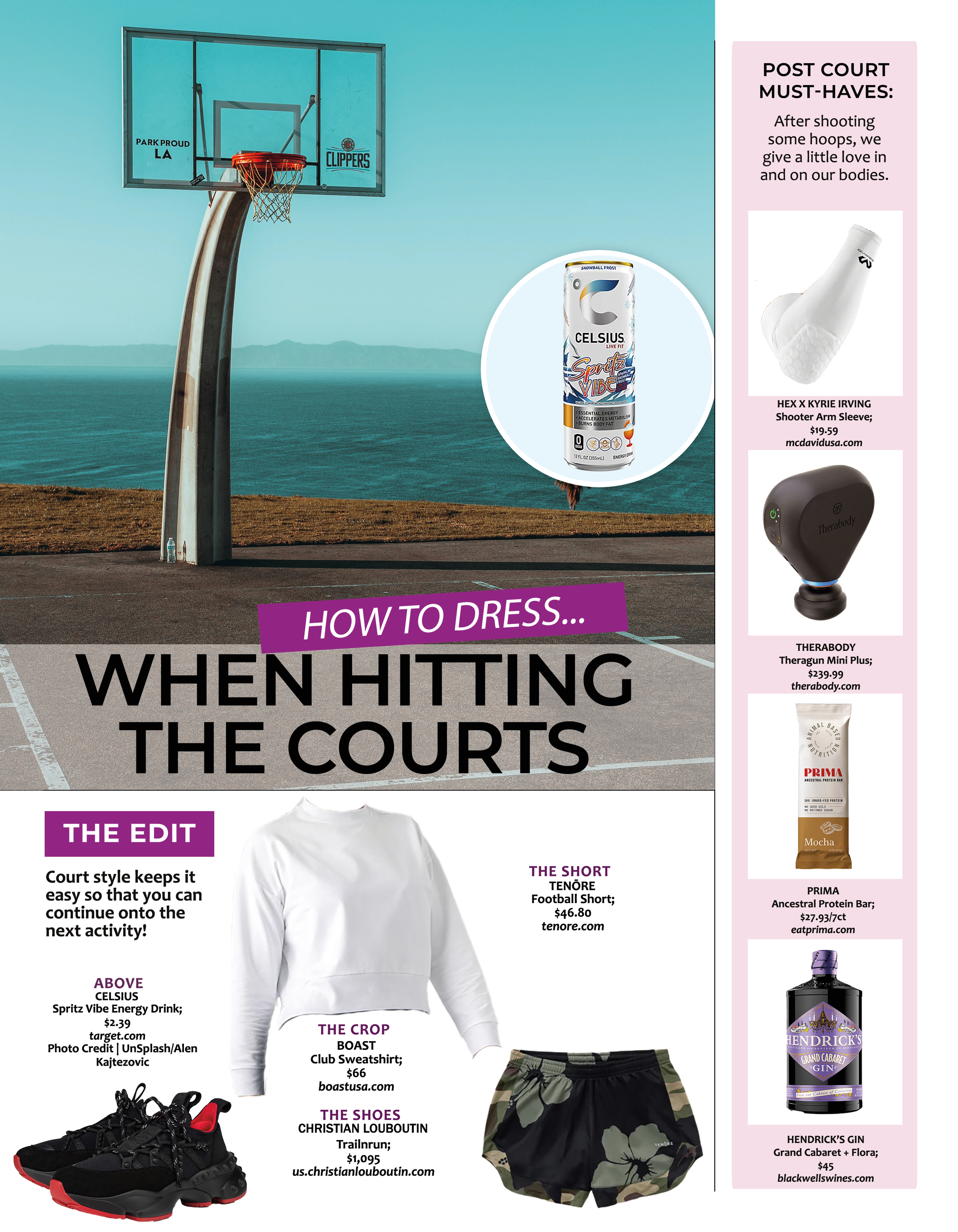
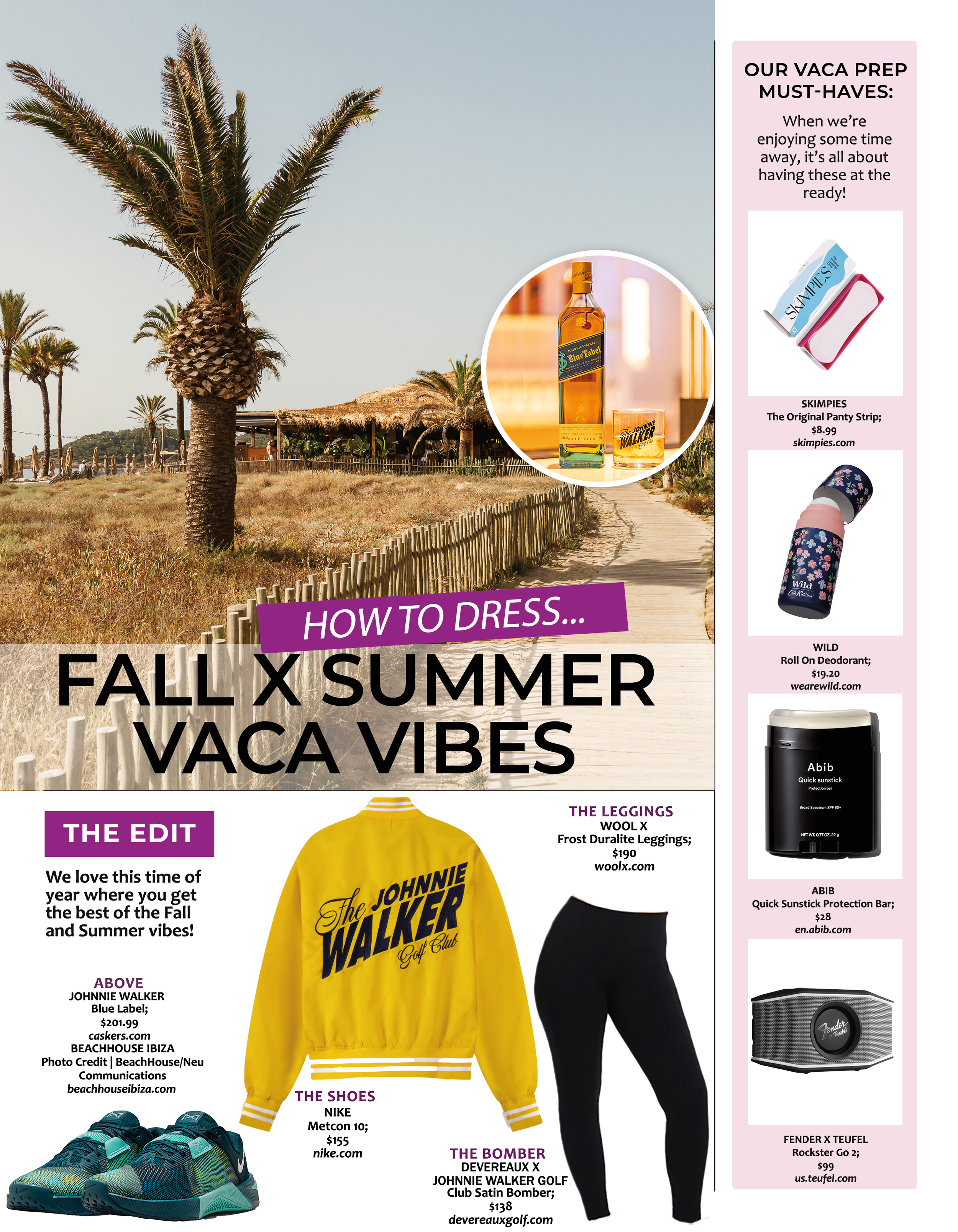
Read the FEB ISSUE #110 of Athleisure Mag and see THE 9LIST | 9CH3FS in mag.
Featured





Read the FEB ISSUE #110 of Athleisure Mag and see THE 9LIST | 9CH3FS in mag.

PHOTO CREDIT | Unsplash/Sabri Tuzcu
When you're living an active lifestyle, your gear plays an important role in ensuring comfort and performance. Sunglasses, in particular, are one of the most essential accessories for those who spend time outdoors, whether you're running, cycling, hiking, or just enjoying the sun. Compact sunglasses have become the go-to choice for many athletes and outdoor enthusiasts, offering a perfect blend of functionality, style, and comfort. In this article, we'll explore why compact sunglasses are the ultimate choice for active lifestyles and why they should be an essential part of your gear.
1. Lightweight Design for Maximum Comfort
One of the primary reasons compact sunglasses are ideal for active individuals is their lightweight design. Unlike traditional larger frames, compact sunglasses are designed to sit snugly and comfortably on your face without feeling heavy. This makes them perfect for long outdoor activities where comfort is key. Whether you're running a marathon or cycling through the countryside, lightweight sunglasses ensure that they won’t distract you or cause discomfort.
2. Streamlined Fit for Better Performance
The compact design of these sunglasses offers a streamlined fit that minimizes any distractions. Larger frames may slip or shift around during intense physical activity, but compact sunglasses stay securely in place. Their snug, low-profile fit helps reduce wind resistance while maintaining a clear line of sight, making them perfect for athletes who need sharp vision and performance without compromise. You may check goodr.ca/products/smaller-is-baller.
3. Versatile for Various Outdoor Activities
Compact sunglasses are incredibly versatile, making them suitable for a wide range of outdoor activities. Whether you’re hitting the trails for a hike, running a race, or just cycling around the neighborhood, compact sunglasses are up to the task. They provide excellent protection against UV rays, reduce glare, and offer clear vision, regardless of the sport or activity you're engaged in.
4. Excellent UV Protection for Eye Health
When it comes to outdoor activities, eye protection is critical. Compact sunglasses provide excellent UV protection, which is essential for safeguarding your eyes from harmful rays. Prolonged exposure to UV radiation can lead to eye strain, cataracts, or other long-term eye issues. Compact sunglasses with UV protection ensure that you can enjoy your outdoor adventures without putting your eyes at risk.
5. Stylish and Functional Design
Gone are the days when sunglasses had to choose between style and function. Compact sunglasses come in a variety of sleek designs that not only look great but are also built to perform. Whether you prefer classic black frames or something more colorful, you can find a style that suits your personality while benefiting from the functional features designed to support your active lifestyle.
6. Durability for Rugged Environments
Outdoor activities often expose gear to harsh conditions, and sunglasses are no exception. Compact sunglasses are often built to withstand the wear and tear of rugged environments. Many are designed with durable materials that are resistant to scratches, impact, and even extreme temperatures. This durability ensures that your sunglasses will last, no matter how tough your next adventure may be.
7. Anti-Fog and Sweat Resistant Features
Active individuals know that sweating is part of the game. Thankfully, many compact sunglasses come equipped with anti-fog technology and sweat-resistant features. This means that even during a hot workout or a sweaty hike, your lenses will remain clear, offering optimal visibility. These added features help enhance your overall performance by keeping your vision sharp and free from distractions.
8. Affordable Options Without Sacrificing Quality
While performance gear can sometimes come with a hefty price tag, compact sunglasses offer affordable options without compromising on quality. You don’t have to break the bank to enjoy the benefits of high-performance sunglasses. There are plenty of compact sunglasses that offer premium features like UV protection, durability, and comfort at an affordable price, making them a great value for athletes and outdoor enthusiasts.
9. Ideal for Travel and On-the-Go
When you're constantly on the move, compact sunglasses are an excellent choice for convenience. Their small size makes them easy to pack, store, and carry around wherever you go. Whether you're heading out for a weekend trip or preparing for a day of adventure, compact sunglasses are easy to toss into your bag or pocket without taking up too much space.
10. Perfect for All-Day Wear
Because they’re designed to be lightweight and comfortable, compact sunglasses are perfect for all-day wear. Whether you're spending hours outdoors or participating in a fast-paced activity, these sunglasses won’t cause discomfort or fatigue. Their ergonomic design allows them to sit securely on your face without pinching or shifting, so you can focus on your performance without worrying about your eyewear.
Learn More
For those looking for compact sunglasses that are ideal for active lifestyles, options like [goodr.ca/products/smaller-is-baller] offer a perfect balance of style, comfort, and performance. These sunglasses are designed specifically for outdoor enthusiasts and athletes, providing the essential features needed to enhance your outdoor experience.
At Goodr.ca, you’ll find a range of compact sunglasses designed for active individuals. With their lightweight design, high-quality UV protection, and durable construction, these sunglasses are built to withstand even the toughest conditions while keeping you looking and feeling great. Whether you're running, cycling, or simply enjoying the outdoors, the right pair of compact sunglasses can make a world of difference.
Conclusion
Compact sunglasses are the ideal choice for anyone living an active lifestyle. With their lightweight design, comfortable fit, and excellent performance, they offer everything you need in outdoor eyewear. From protecting your eyes from harmful UV rays to ensuring clarity of vision during physical activity, compact sunglasses are a must-have for athletes and adventurers alike. If you’re looking for a pair that can keep up with your active lifestyle, you can’t go wrong with the right compact sunglasses designed for performance and comfort.
Paris, the City of Lights, is undoubtedly one of the most iconic cities in the world. Known for its romantic ambiance, rich history, and stunning landmarks, it’s a place where art, culture, and cuisine come together like no other city. But beyond the famous Eiffel Tower and charming streets, Paris has a treasure trove of quirky facts that many visitors—and even locals—might not know. So, let’s dive into 15 fun facts about Paris that will leave you in awe of this marvelous city!
1. Disneyland Paris Isn’t Actually in Paris
If you’re dreaming of a Disneyland trip in Paris, you might be surprised to learn that the famous theme park isn’t located in the French capital itself. In fact, Disneyland Paris is located in Marne-la-Vallée, about 33 kilometers (20 miles) east of the city center. While it's still within easy reach, don’t be fooled by the name! To make the most of your Parisian vacation, you might want to book hotels in Paris and take a day trip to the magical kingdom.

2. More Dogs Than Children in Paris
Parisians love their pets, particularly their dogs. In fact, there are 17 dogs for every 100 people in Paris, meaning there are more dogs than children in the city. The French capital is a haven for dog lovers, with nearly half a million dollars spent annually by Parisians on their four-legged companions. So, don't be surprised if you see a dog in a café or being pampered at one of the city's many pet spas.
3. The Eiffel Tower is Illuminated by 20,000 Bulbs
The Eiffel Tower is one of the most iconic landmarks in the world, but did you know it’s illuminated by 20,000 light bulbs? Every evening, these bulbs create a shimmering spectacle that helps the tower stand out as a beacon of light against the Parisian skyline. This dazzling display has become a symbol of the city, drawing millions of visitors to witness its nighttime brilliance.
4. There’s a Labyrinth Beneath Paris
Beneath the cobbled streets of Paris lies a fascinating and eerie labyrinth of catacombs. These underground tunnels were originally stone quarries but later became the final resting place for millions of Parisians. Some parts of the catacombs are open to tourists, offering a glimpse into the city’s darker history. It’s a hauntingly intriguing experience for those who dare to explore the depths of Paris.
5. The Mona Lisa Was Stolen from The Louvre
The Mona Lisa, Leonardo da Vinci’s famous masterpiece, was once stolen from the Louvre Museum in 1911. The thief, Vincenzo Peruggia, hid the painting for two years before it was recovered. The heist shocked the art world, and the painting’s return to the museum only heightened its legendary status. Today, the Mona Lisa remains one of the most visited and admired artworks in the Louvre.
6. The Eiffel Tower Almost Didn’t Survive WWII
During World War II, Hitler ordered the destruction of the Eiffel Tower. Fortunately, the order was ignored, and the iconic landmark was spared from demolition. The tower's survival during this dark time has become a symbol of resilience and strength for the French people, standing tall against adversity.
7. Camouflage Was First Used by the French Military
You might associate camouflage with modern warfare, but did you know it was first developed by the French military during World War I? The French used camouflage techniques to help soldiers blend into their surroundings and avoid detection. These innovative methods quickly gained popularity and were adopted by militaries worldwide.
8. Paris is Known as the City of Lights for a Reason
The nickname “City of Lights” has a historical connection to the Age of Enlightenment in the 18th century. During the reign of Louis XIV, Paris became a center of intellectual and cultural advancements, and the term “City of Lights” symbolized the city’s role as a beacon of knowledge and progress. Today, the name is also fitting due to the city’s dazzling lights, both at night and in its cultural influence.
9. Paris’ Catacombs Were Once Mushroom Farms
While the catacombs are known for housing skeletons, did you know that they were also used for mushroom farming in the 19th century? The cool, dark conditions of the tunnels made them the perfect environment for growing mushrooms, which became a lucrative business. Some catacombs are still used for mushroom cultivation today, adding another layer of history to these subterranean spaces.
10. The Eiffel Tower Was Initially Unpopular
Despite its fame today, the Eiffel Tower was initially met with disdain. When it was first built in 1889 for the World’s Fair, many Parisians and artists criticized its design, calling it an eyesore. In fact, the Eiffel Tower was only supposed to be a temporary structure, meant to last just 20 years. Fortunately, it was allowed to stay, and now it's one of the most recognized monuments in the world.
11. Paris Still Uses Carrier Pigeons
In the age of modern technology, you might think carrier pigeons are a thing of the past. But in Paris, the French military still relies on pigeons in emergencies! These birds are used to carry messages when other communication methods fail, making them an unlikely yet reliable form of communication in the digital age.
12. Paris is Home to Two Islands
Paris isn’t just made up of charming arrondissements and iconic landmarks—it also has two islands! Île Saint-Louis and Île de la Cité are both located in the River Seine. Île de la Cité is home to the famous Notre-Dame Cathedral, while Île Saint-Louis is known for its picturesque streets, charming cafés, and beautiful views of the river. Together, they add a unique element to Paris' geography.
13. Paris Has Free Sparkling Water Fountains
In an effort to reduce plastic waste, Paris introduced a series of fountains where you can get free still and sparkling water. The initiative, called Eau de Paris, provides eco-friendly hydration for Parisians and visitors alike. So, next time you’re strolling through the city, you can refill your bottle with refreshing sparkling water for free!

14. A Deserted Railway Circles Paris
La Petite Ceinture is a 32-kilometer stretch of disused railway that once encircled Paris. Today, parts of this abandoned railway have been turned into walking paths and parks, offering a unique way to explore the city’s outskirts. The eerie, overgrown tracks provide a glimpse into Paris' past and offer a peaceful escape from the hustle and bustle of the city center.
15. The Louvre Has So Much Art, You’d Need 8 Months to See It All
The Louvre Museum is the largest art museum in the world and home to an astonishing collection of artworks. With over 35,000 pieces, it would take you eight months to see every single piece if you spent just 30 seconds looking at each one. From ancient sculptures to Renaissance masterpieces, the Louvre is a treasure trove of art that’s worth exploring, no matter how much time you have.
Paris is a city that never ceases to amaze. Whether you're marveling at its landmarks or uncovering hidden gems, there’s always something new to discover. So, the next time you're in Paris, be sure to keep these fun facts in mind—they’ll add an extra layer of intrigue to your adventure in the City of Lights!

PHOTO CREDIT | Unsplash/Andre Frueh
New York state is often overshadowed by the eponymous city, but the Big Apple is only one of its charms. Beyond the glittering lights of the big city, fitness enthusiasts can find plentiful opportunities to enjoy the sunshine and get their heart pumping. This article will explore some of the many athleisure opportunities available, as well as how to extend your outdoor adventures a bit further.
The Catskills are in Upstate New York and are known for their breathtaking, peaceful scenery. However, they also have some quite challenging trails that bring you face-to-face with nature’s wonder, such as by Kaaterskill Falls. This waterfall plunges 260 feet in two stages, and it can be accessed by multiple routes. Those looking for something even more intense can hike up Slide Mountain Trail, which takes you up one of the highest peaks in the Catskills.
If you’d like to go even further, consider trying the Adirondacks, which have tougher hikes due to the rocky soil. Whiteface Mountain is over 4,000 feet tall and offers incredible views of the Lake Placid and Saranac Lake regions.
For decades, the Adirondacks have been known for their rugged pioneer spirit, even though they are only about four hours away from Manhattan. They also provide some excellent skiing and snowboarding during New York’s chilly winters, with fresh powder for months on end. Ski season in New York State is quite long, starting in mid-November and continuing until late April to early May.
Gore Mountain has become synonymous with East Coast skiing, while West Mountain provides a bit more family fun thanks to its tubing hill and full-service restaurant.
Both the Catskills and the Adirondacks are renowned for their mountain biking, though the two ranges are a little different. The Catskills have more rolling hills and moderate grades, and the trails are more accessible. On the other hand, the Adirondacks have remained wilder due to the steeper, rockier terrain. Some areas are quite remote and can prove very challenging for inexperienced bikers.
However, both can be excellent options depending on your experience and preferences. Those looking for something a little easier will delight at the Great Northern Catskills, which has a 120-mile trail system. The Huckleberry Trail is a great quick trip as well.
In the Adirondacks, tough-as-nails bikers can tackle the Gurney Lane Mountain Bike Trails, settled in a 152-acre preserve near Queensbury. Both single track and double-track trails are available depending on your needs.
Actor Case Walker describes rock climbing as a “full value” sport because it works out almost every major muscle group and provides fantastic cardio. For those who would rather feel real rock under their hands, New York State offers some world-class climbing, including the Shawagunks, affectionately known as the Gunks.
The Gunks are only about 85 miles from New York City, so they’re perfectly manageable for a weekend trip. Made of conglomerate quartz, the rock has more horizontal cracks than vertical ones, which means you’re less likely to be chimneying yourself all the way up the heights. Traditional climbing–where you insert and remove your own hardware–is the norm here, though you may also be able to find a few routes with permanent hardware.
Being a coastal state, New York City has plenty of coastline for water sport enthusiasts. Kayaking the Hudson River is a must for those who want to see a unique perspective of New York City, while those who want something a bit calmer could try the world-famous Finger Lakes.
Once you’ve found your bliss in New York State, you might consider how to extend the joy for a bit longer. Park model homes are an excellent choice for those who would like to visit NY regularly. These turnkey log cabin homes only need to be hooked up to the local utilities; everything else is ready the second you step in.
Better yet, they are very affordable and are legally classed as recreational vehicles in most areas. This means that you will not have to pay property tax on the home, as they are built on a trailer. You can also move the cabin to a different location if you want, meaning there’s no need to sell your gorgeous log cabin if you decide to lease a different plot of land.
Wonderful New York State has so much more than the five boroughs and surrounding suburbs; there is a whole world of incredible outdoor experiences waiting for you here. One taste of the peaceful Catskills or rugged Adirondacks, and you’ll be researching ways to make a permanent move to this athletic paradise.



Read the FEB ISSUE #110 of Athleisure Mag and see 9PLAYLIST Jalen Hurts in mag listen to his selects on 9PLAYLIST.

PHOTO CREDIT | Unsplash/Intenza Fitness
Want to work out without the expense of a gym membership? Converting a spare room in your home into a workout space will help you save a ton of money in the long run.
But how can you emulate the atmosphere in your gym and motivate yourself to work out when you’re at home? This article covers four of the best design tips for creating a home gym that you’ll actually want to use.
You don’t need to buy everything at once! Gym equipment is an expensive investment, so you’ll want to start with the basics. Depending on your preferred workouts, that might mean a few dumbbells, resistance bands, and a good mat, or a jump rope or foldable treadmill.
The more you can tailor your gym to what you enjoy, the more likely you are to actually use it. Top tip: check Facebook Marketplace and other local selling sites if you don’t mind getting used equipment and want to stretch your budget further.
The way your gym looks and feels will have a big impact on your motivation levels. If it’s possible, choose a room with access to natural light, which will help with your energy levels. You can also strategically use mirrors to make a smaller room feel bigger and help you check your form.
The colors you use in your home gym also make a difference. It’s a good idea to go for bright, energizing colors that make the space feel alive and get you pumped for your workout. If your walls need a refresh, hire a professional home painting service like pemcopainting.com to transform your space without the stress of doing it yourself.
You’ll find it much harder to stay consistent if you’re working out in a messy gym. You want to be able to find everything you need instantly, so think about how to store things appropriately.
For example, you could use wall hooks for resistance bands, shelves for small equipment, and a dedicated rack for weights. It’s also worth buying a basket that you can use to store towels and a small table for a water bottle or phone charger, helping to make the space more functional. The less time you spend setting up, the faster you’ll start your workout.
It goes without saying that your home gym should be as easy and convenient to use as possible. If you have to spend ages setting up equipment, the effort and time involved will probably cause you to skip your workouts.
So, keep everything within reach, and set yourself a schedule for exercise. If you’re just starting out, begin with shorter 15-minute sessions, which can make a huge difference if you make them a habit.
A well planned home gym should make you want to work out, rather than feeling like a chore.
When your space is bright, clean, and well-organized, you’re more likely to find the motivation to use it. So, start renovating that spare room into a home gym today—it’s one of the best investments you can make for your health and your wallet.

PHOTO CREDITS | Disney/Christopher Willard

PHOTO CREDIT | ABC/The Bachelor Key Art
PHOTO CREDIT FOR THE BACHELOR CONTESTANTS | Disney/Matt Sayles
We’re getting towards the end of the season of ABC’s The Bachelor! Last week was Hometowns and next week will be Fantasy Suites - that means tonight is the Women Tell All where we catch up with those who were eliminated and some of the story lines that surrounded Grant and the cast. We also get to hear Jesse Palmer’s take on all of it.
We look at the season overall in terms of an extended trailer and Jesse digs in on some of the moments and storylines that took place during the women’s time on the show. Of course, they mention that Zoe took Grant away for an hour during the group basketball date, he also talks about Carolina and how she became a villain (of course, she shows up to the WTA with a jacket with some of her “famous” quotes), and they try to get into what took place between her and Rose that also became a source of contention as well. Carolina leaves the set as they go to commercial and no one is surprised!
Coming back from commercial, Carolina is still not there but Alexe talks about their relationship with Jesse on the hot seat. Everyone thought that they would go the distance - or at least Hometowns, but Jesse brings another love of her life - the No Drama Llama! During their conversation Carolina comes back walking in front of a camera (couldn’t production have made sure that didn’t happen)? We then hear from Sarafiena who was also someone we thought would make it to Hometowns. Last up is Dina who gets to chat with Jesse. We kind of felt that when her family didn’t come to their date, that would be an issue for him. But it’s not like she didn’t have any representation and it’s a shame that he let her feel that them not being there wouldn’t be an issue for him. It’s an interesting take that because there were some in her family that was interested in meeting Grant and those that weren’t, she didn’t want to create division so she opted to just have her friends there. Of course, Carolina is the final person who comes to the hot seat. She continues to deflect and not take accountability while asking and hoping that Grant will be able to do so!
Grant finally makes his way onto the stage. He talks with a number of the women to talk about their time in the house and lets them know that ultimately, he was looking for the best fit for him. He also chats with Jesse and has a Chubby Bunny competition with him - Jesse won. We also get a bit of a peek into the season finale as well.
RECEIVED A ROSE DURING HOMETOWNS | Litia, Julianna, and Zoe.
DIDN’T RECEIVE A ROSE |
Each night during this season, we will tweet about The Golden Bachelorette and you can chat along with us (@AthleisureMag + with our Co-Founder/Creative + Style Director, Kimmie Smith @ShesKimmie) to see what’s taking place!
Each week we will let you know who our faves were from the last episode and if we’ve changed up since then as it pertains to who we think should go to Hometowns.
We also suggest a podcast that we’ve become obsessed with over the past few seasons, Wondery’s Bachelor Happy Hour to get their feedback!
Read the latest issue of Athleisure Mag.




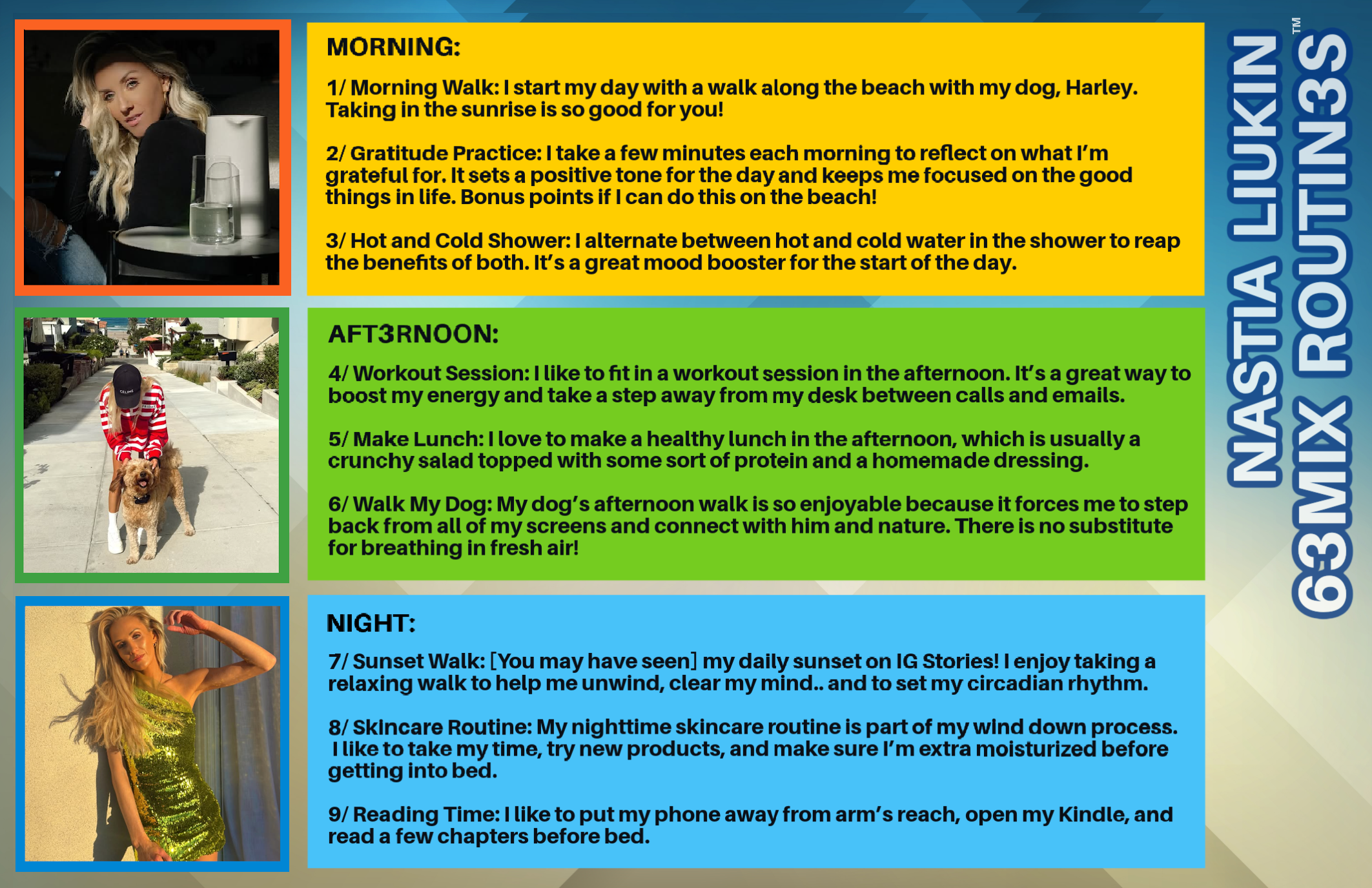
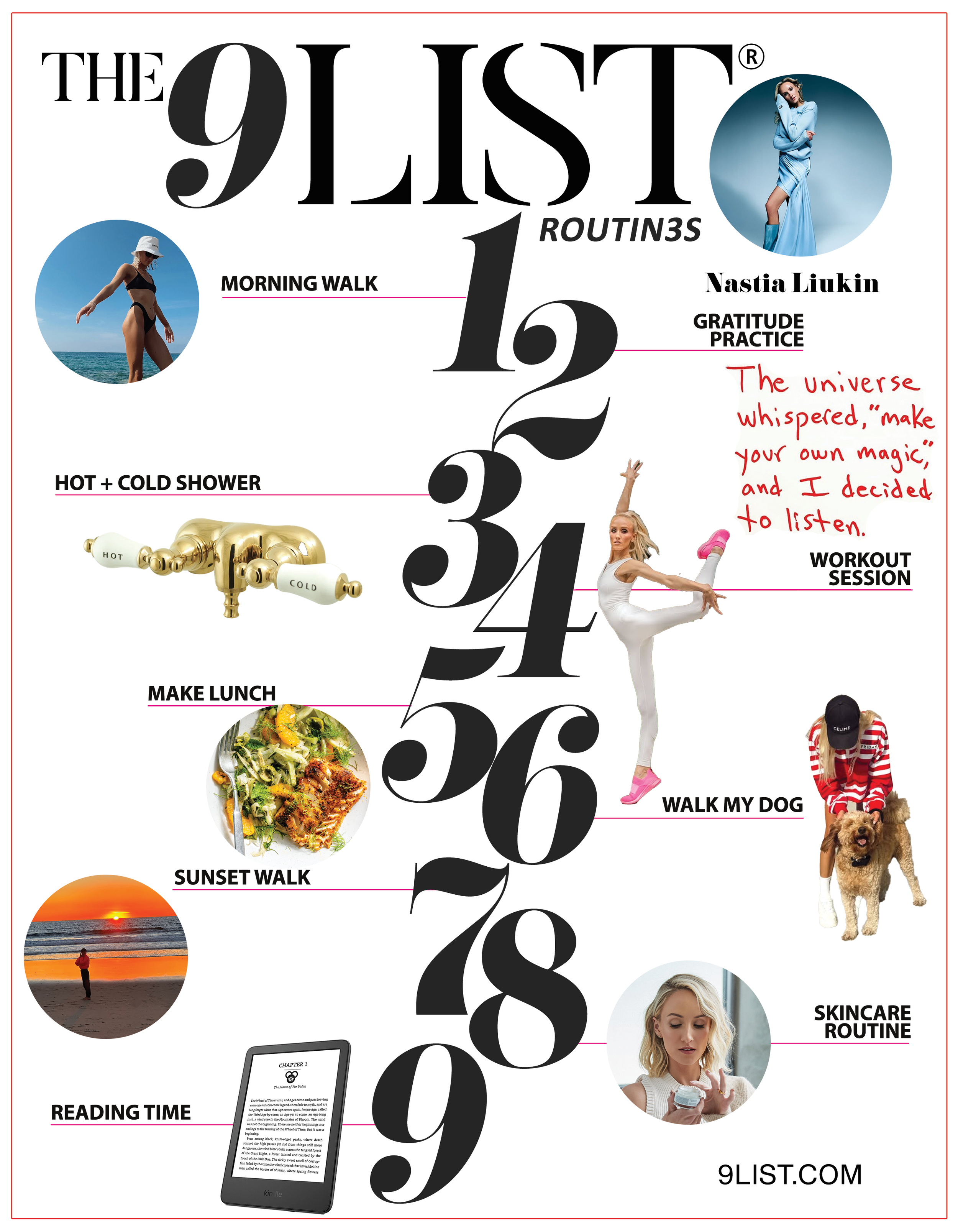
Read the FEB ISSUE #110 of Athleisure Mag and see 63MIX ROUTIN3S Nastia Liukin in mag.
Okay, so you crushed that workout. Now what? You want to chill, right? But going from sweaty beast to serene goddess takes more than just willpower. Your outfit has to cooperate. We’re talking athleisure, but not just any athleisure. We're talking the kind that lets you sink into the couch, maybe explore a little green relaxation aid, and just… exhale. If you're in Richmond and curious about options, you might consider exploring Kush Delivery Richmond. It's not just about being trendy; it's about optimizing your "ahhhhh." You want that comfort, that ease, that feeling of just right? It starts with what you wear.

PHOTO CREDIT | Unsplash/Pascal Meier
Athleisure's blown up, and honestly, thank goodness. It's that beautiful baby of athletic apparel and casual wear. Yoga pants you can actually wear to brunch? Check. A hoodie that looks just as good at the gym as it does while Netflix-ing? Double-check. It's versatile, functional, and why so many are ditching jeans for good.
Okay, so athleisure is awesome because it’s built for life. Moisture-wicking fabrics save you from that post-workout swampiness. Stretchy everything lets you actually move. And, let's be real, it looks way better than your ancient college sweats. Brands are finally getting it, designing stuff that breathes, flatters, and makes you feel put-together even when you're absolutely not. Think beyond basic black leggings here.
Let's get real: recovery is crucial. More and more, people are turning to cannabis to unwind after a hard workout. Who can blame them? Finding natural ways to support your body's healing process is a smart move.
Cannabis, especially CBD (but sometimes a little THC!), can help muscle recovery, reduce inflammation, and promote overall relaxation. That sweet, sweet relief after leg day? Yes, please. Some athletes even say it makes working out more enjoyable and boosts their recovery. It's worth exploring the potential benefits.
But here’s the thing: your environment matters. Soft lighting? Check. Comfy pillows? Check. The right clothes? Absolutely check. This is where athleisure shines. It's not just about covering yourself; it's about amplifying the relaxation. Trust me, putting on stiff jeans after a hard workout is basically a crime against your body. Clothing will play a big role in optimizing this whole experience, turning your recovery time into a truly luxurious moment.
So, what makes athleisure perfect for those post-workout chill sessions? It’s all in the details.
Breathable, moisture-wicking, stretchy is the holy trinity. Cotton blends, bamboo, microfibers – these are your best friends. They keep you cool, dry, and unrestricted. You want fabrics that feel amazing against your skin, especially when you're sore. Seriously, scratchy seams are the enemy. You want fabrics that provide for the best comfort experience and will make you feel great; they can even add to your relaxation experience.
Loose vs. fitted? Tricky question. For pure relaxation, looser styles usually win. Think oversized hoodies (a personal favorite), baggy joggers, flowy tees. But hear me out – fitted leggings can be great too, especially if they're super soft and high-waisted. Seamless designs are also clutch, eliminating chafing. The goal is a fit that doesn't constrict you, that will allow you to breathe, and that can make you feel like you're being hugged by your clothes. Like a gentle, loving hug.
Coordinated sets vs. mix-and-match? Dealer's choice! Some people love the ease of a matching set (so put together!), while others prefer their own unique combos. Don't forget aesthetics either. You want something that looks good whether you're lounging or running to the store. Darker colors are always a safe bet, especially if you're prone to spilling things (guilty). And those soft fabrics? Yes, always. You want something that serves your style, that will make you feel confident, and that can transition seamlessly from the gym to real life.
Lightweight layers are key for cooling down after a workout. A light jacket or breathable tee does the trick. Then, when it's time to fully embrace the couch, cozy elements like oversized hoodies are a must. You want something that serves your body's changing temperature, that will keep you comfortable no matter what, and that can adapt to your needs.
Okay, let's get specific. Which brands are actually nailing this whole athleisure-for-relaxation thing? I’ve tried a lot.
● Lululemon: Yeah, it's pricey. But the quality is unreal. Their Softstreme collection? Feels like you're wearing a cloud. Seriously. Worth the splurge. I have the Softstreme Perfectly Oversized Cropped Crew ($118) and I LIVE in it.
● Vuori: This brand balances performance with serious coziness. Their joggers are legendary. The Performance Jogger ($89) is always in my rotation.
● Beyond Yoga: Buttery-soft is an understatement. It feels like wearing a hug. Their spacedye leggings are life.
You don't need to empty your bank account for comfort. Old Navy and Target have great basics. Don't expect them to last forever, but they're perfect for filling out your wardrobe.
Alright, let's put it all together. What are the perfect outfits for maximum post-workout bliss?
● Hoodie + Joggers: The ultimate power couple of comfort. Bonus points for a zip-up hoodie for easy temperature control.
● Sports Bra + High-Waisted Leggings: Breathable and supportive, perfect for warmer weather. Add a light cardigan if you get chilly.
● Oversized Tee + Biker Shorts: Relaxed, stylish, and perfect for showing off those quads you worked so hard for.
Don't forget the extras! Cozy socks, slide sandals (Birkenstocks, anyone?), a weighted blanket, and a beanie can seriously up your relaxation game.
Hear me out: Darker colors hide sweat stains (we've all been there) and tend to be more forgiving. But honestly, wear what makes you feel good!

PHOTO CREDIT | Unsplash/Viktor Talashuk
Choosing the right athleisure wear is about more than just clothes. It's about enhancing your comfort, your style, and your entire relaxation experience. Think of it as a tool. It's a means to an end: pure, unadulterated bliss.
From the gym to the couch, your clothing should support your body AND your mind. So, go ahead, treat yourself to that perfect lounge set. Relaxation is an art, and you deserve to be cozy. Athleisure wear can serve you, and the right style can only make the experience even better. Now go get your chill on.
PHOTO CREDIT | Unsplash/Kelsey Curtis
The idea of enhancing your natural beauty with minimal effort is incredibly appealing if you’re someone who has little time. Everyone wants to look their best, but with busy schedules and demanding lifestyles, spending hours on beauty routines may not always be practical. Thankfully, there are some simple and effective ways to enhance your natural features without a significant time commitment. Whether you are looking to improve your skin, hair, or overall wellness, the key lies in integrating easy habits into your daily routine that promote both health and beauty.
The foundation of any beauty regimen is healthy, glowing skin. When your skin looks its best, it can boost your confidence and reduce the need for heavy makeup or other products. One of the simplest ways to maintain great skin is to stick to a consistent skincare routine that includes hydration, sun protection, and soothing ingredients.
Products with healing properties can be invaluable for those looking to target specific skin concerns, such as redness or uneven texture. A product like the anua azelaic acid serum works wonders in calming irritated skin and reducing redness. This serum contains a blend of azelaic acid and hyaluronic acid, which help to even out skin tone and hydrate the skin, giving you that perfect balance of comfort and radiance. It’s an ideal addition to any minimal effort skincare routine, offering maximum results with just a few drops a day.
Great hair doesn’t have to be complicated. Getting caught up in styling tools and elaborate hair care routines is easy, but sometimes the best way to enhance your natural beauty is by embracing your hair’s natural texture. Regular trims, deep conditioning treatments, and using heat-free styling techniques can all help maintain your hair’s health without needing excessive effort.
A simple, healthy hair routine can include a moisturizing shampoo, a leave-in conditioner, and perhaps an occasional nourishing hair mask to keep your locks soft and shiny. This streamlined approach keeps your hair looking its best while also minimizing time spent in front of the mirror.
The food that you eat plays a crucial role in your natural beauty. Eating a balanced diet that is rich in antioxidants, healthy fats, and vitamins will help you feel your best and promote glowing skin, strong nails, and healthy hair. Incorporating plenty of fruits, vegetables, and omega-3 fatty acids into your meals can do wonders for your overall appearance.
In addition to a healthy diet, hydration is key. Drinking enough water throughout the day is one of the easiest ways to keep your skin looking fresh and radiant. Keeping hydrated helps flush out toxins and supports your body’s natural processes, ensuring that you always look your best without much effort.
If makeup is part of your daily routine, going overboard is unnecessary. The goal should be to enhance, not mask, your features. Opting for minimal makeup, such as a light foundation or tinted moisturizer, a swipe of mascara, and a dab of lip balm, can make a significant difference in your appearance while still feeling effortless. Focus on products that nourish your skin while providing a light touch of coverage.
Never underestimate the power of a good night’s sleep. Beauty sleep is real—when your body is well-rested, your skin repairs itself, and your energy levels are restored. Aim for seven to nine hours of sleep every night, and you’ll notice the difference in how you look and feel.
Enhancing your natural beauty doesn’t require a complicated routine. With the right skincare, simple hair care, balanced nutrition, and enough sleep, you can look and feel your best with minimal effort. You’ll radiate beauty effortlessly by incorporating these simple habits into your daily routine.

PHOTO CREDIT | Pexels/Jonathan Petersson
Thousands of sports fields have now been installed with artificial turf, but concerns are growing over the presence of PFAS on these surfaces. Per- and polyfluoroalkyl substances (PFAS), nick-named "forever chemicals," have been linked to serious health risks, including cancer and hormonal disruption. Exposure could be a hidden danger for athletes who regularly practice on artificial turf.
In this article, we will explore the truth about PFAS in turf and its potential impact on athletes' health.
Artificial turf is now more prevalent in sports fields and playgrounds due to its durability, low maintenance, and consistency. These artificial turfs contain PFAS, which is added to improve water resistance, durability, and fire retardancy.
According to The Guardian, artificial turf consists of multiple layers, including plastic grass blades. A plastic backing secures the blades, and an infill weighs down the turf to keep the blades upright. The industry claims that PFAS is necessary for manufacturing grass blades and backing.
PFAS can also enter turf through contaminated infill materials, like recycled rubber or synthetic fibers. Over time, these chemicals can leach into the air, water, and skin, exposing athletes and communities to potential health risks associated with prolonged exposure.
Athletes face a higher risk of PFAS exposure due to regular, intense physical contact with artificial turf. These chemicals can be absorbed through the skin, inhaled from dust, or ingested when hands touch the mouth after contact with turf.
A study conducted by Public Employees for Environmental Responsibility found that soccer players and coaches absorb PFAS from their skin. The initial study was done on a few players and coaches after soccer games played on the artificial turf. It was found that the amount of PFAS on the skin in three out of four players has increased.
By contrast, nothing was observed in the players after playing on grass fields. Every artificial field tested was found to leach PFAS that could contaminate ground and surface water.
Prolonged exposure has been linked to serious health issues, including weakened immune function, hormone disruption, and increased cancer risk. Unlike casual exposure, athletes experience repeated contact, leading to a greater buildup of PFAS in their bodies, heightening long-term health concerns.
Yes, younger athletes, especially children and teenagers, are more vulnerable to PFAS exposure due to their developing bodies and higher hand-to-mouth behaviors. Their metabolism and growing organs make them more susceptible to the harmful effects of PFAS, increasing long-term health risks compared to adults.
Growing concerns over PFAS exposure have led to increased awareness of their dangers in various industries.
These toxic chemicals, long used in products like firefighting foam, have contaminated water sources and raised serious health concerns, states TorHoerman Law. Studies link prolonged PFAS exposure to severe health issues, including kidney, bladder, and testicular cancers, as well as thyroid and immune system disorders.
Legal actions like the AFFF lawsuit have played a crucial role in bringing attention to the widespread impact of PFAS contamination. Beyond firefighting foam, PFAS are also present in artificial turf. With athletes frequently in contact with synthetic fields, concerns are growing over potential exposure and long-term health effects.
As awareness grows, there is increasing pressure to regulate these harmful substances. Efforts are also focused on developing safer, PFAS-free alternatives to protect public health and the environment.
Beyond firefighting, industries such as manufacturing, aerospace, healthcare, and food packaging have been impacted by PFAS exposure. Workers in these fields face risks from contaminated water, air, and materials used in production. Agriculture and textiles are also impacted, with PFAS present in soil and fabrics.
Yes, athletes are more at risk than the general population due to frequent and prolonged exposure to artificial turf containing PFAS. Unlike casual users, athletes train intensely, increasing skin contact, inhalation of turf dust, and accidental ingestion of chemicals. High physical activity leads to greater absorption through sweat and abrasions.
Younger athletes who play on turf from an early age face cumulative PFAS exposure over time. This prolonged and repeated contact raises their risk of developing health issues, such as hormone disruption, immune suppression, and increased cancer susceptibility.
Some studies reported by AP News state that artificial turfs are more dangerous than natural grass fields. It is not only because of PFAS but also due to a higher number of injury rates. It was found that there were 16% more injuries per match on artificial turf than in grass fields.
Athletes and teams can take proactive steps to minimize PFAS exposure from artificial turf. Wearing protective clothing, such as long sleeves and leggings, reduces direct skin contact. Washing hands and showering immediately after playing helps remove any chemical residues. Hydrating with clean, filtered water prevents ingestion of PFAS-contaminated dust.
Using natural grass fields when possible and advocating for PFAS-free turf alternatives can further reduce risks. Teams can also push for regular testing of playing surfaces and educate players on safe practices to limit long-term health effects from PFAS exposure.
Washing after playing on artificial turf may help remove PFAS residue from the skin, but it does not prevent absorption entirely. PFAS can still enter the body through inhalation, ingestion, or prolonged contact. Limiting exposure and choosing PFAS-free turf options are the best precautions.
Numerous initiatives are emerging to reduce PFAS in sports fields as awareness of their health risks grows. Some states have banned PFAS in artificial turf production, while federal agencies push for stricter guidelines on chemical use. Manufacturers are exploring PFAS-free alternatives, such as organic infill and natural grass hybrids, to minimize exposure.
According to Sports Destination Management, artificial turf manufacturers committed to creating 100% PFAS-free synthetic turf in the US, as of January 1, 2024. Earlier, a few manufacturers did use PFAS as an extrusion chemical in synthetic turf; however, the PFAS used was less concerning.
Toxic-Free Future reports that Dick’s Sporting Goods has discreetly committed to eliminating PFAS “forever chemicals” from its private-label textile products. This decision aligns with a significant revision of its Restricted Substance List (RSL) introduced in March. As one of the country’s leading sporting goods retailers, the company operates over 850 stores and generated $12.37 billion in sales in 2022.
Advocacy groups and researchers are also urging transparency in turf composition and safer material development. These combined efforts aim to protect athletes and communities from long-term PFAS-related health risks while maintaining safe, high-quality sports surfaces.
As PFAS-related health risks continue to be a concern, athletes, teams, and organizations need to take preventive measures. By reducing turf exposure, advocating for PFAS-free alternatives, and practicing proper hygiene, athletes can protect their health. Continued research and stronger regulations will be key to mitigating the long-term impact of these harmful chemicals.

Read the FEB ISSUE #110 of Athleisure Mag and see 9LOOKS | DSQUARED2 in mag.
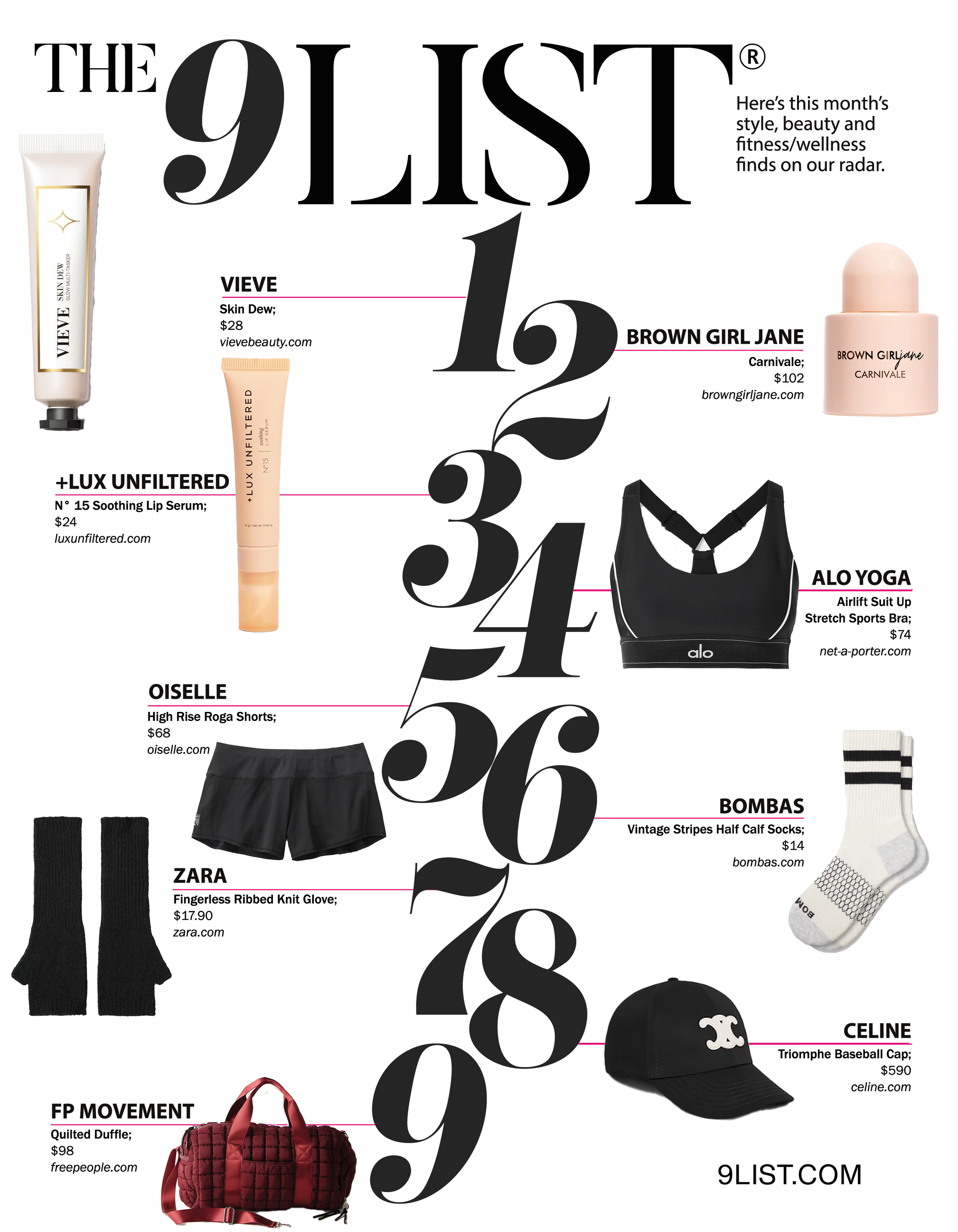
Read the FEB ISSUE #110 of Athleisure Mag and see THE 9LIST in mag.

PHOTO CREDIT | Unsplash/Sheelah Brennan
Sutures have one purpose, according to expert plastic surgeons: they hold the wound together while your body heals. Sutures give your body time for collagen to be deposited for closure and much less scarring. In surgery, generally, there is little consideration for stitching as long as your body gets the chance to heal. However, when it comes to plastic surgery, stitching matters a great deal, from the materials used to the removal. The quality of stitching you get can either ease the recovery or result in a complication. Therefore, if you are getting plastic surgery in Texas, here are four questions you should ask your doctor.
According to Dr. Olivier Deigni of Deigni Plastic Surgery, there are two types of sutures: absorbable, meaning they lose most of their tensile stress in 60 days, and nonabsorbable. Surgeons generally use absorbable sutures as deep sutures since they do not need to be removed; they dissolve on their own. Conversely, nonabsorbable sutures are either permanent or require manual removal and are often used as surface sutures.
Understanding the difference these sutures make for you as a prospective patient is essential. For example, absorbable sutures let you avoid the inconvenience and potential discomfort of having the suture removed. However, these stitches dissolve through hydrolysis, which is often as a result of inflammation caused by your body breaking the sutures down.
More so, surgeons do not like to use them for areas such as the face to avoid months, maybe even years, of healing. Therefore, depending on what type of plastic surgery you are getting, using non-reactive stitches may be the best option.
Typically, deep stitches matter; suturing correctly depends on how accurately those deep stitches are put in. The stitches have to be fixed below the skin so that there is no separation between the edges of your skin. When these stitches are properly put in, they can reduce tension by pulling the skin together, thus creating a fine-line scar.
Furthermore, the surgeon should ask them if they will do the stitching personally or at least supervise the process to ensure accuracy. While the surgeon does not necessarily have to do the stitching, they have to ensure their assistant does it the same way they would.
Timing matters a great deal when it comes to removing sutures, especially if you do not want a railroad scar. More often than not, surface sutures are removed five days after the surgery, six at the most. If your surgeon says you should wait a bit longer to have them removed, be sure to ask why. The longer stitches remain, the higher the risk of getting a poor final scar with very visible suture marks. Meanwhile, if your surgery involves areas of high tension like the abdomen and torso, stitches need to stay longer than a week.
There is a good chance that sutures buried deep in the skin will start poking out from the surface at six weeks. This poking out is typically seen with permanent sutures, which is why some surgeons in Texas do not like using them. However, dissolvable sutures can also poke out - a phenomenon called “spitting out."
If you find a little red pimple or bump with some discharge along the suture line, you may feel (not see) the stitching sticking out. As annoying and sometimes distressing as it may seem, they are not a big deal and will not affect long-term healing.
Simply apply a warm and moist compress to the area to expose more of the suture and trim it with a nail clipper. You may need to do the warm compress for a few days before more of the suture comes out. If it looks like it is getting worse or not budging, see your doctor for a more sterile solution.
Lastly, when it comes to surgical incisions, what is happening underneath, not the surface, is the real deal. Therefore, even when your doctor has removed your sutures, it does not mean your body has healed. Therefore, avoid jumping or moving around too much so you do not undo some of the deep sutures, among other things.
Athletes and fitness enthusiasts push their limits daily, chasing progress, personal bests, and peak performance. But with that drive comes a risk—burnout. Overtraining can sneak up, bringing exhaustion, mental fog, and a decline in performance. Some try rest, nutrition, and therapy, but a growing number are turning to an unconventional approach: microdosing psilocybin.
Microdosing, the practice of taking small, non-hallucinogenic doses of psychedelics, is gaining attention for its potential role in stress management, mental clarity, and physical recovery. Companies like Dope SEO—which helps businesses in the mushroom and wellness space reach a wider audience—are playing a role in bringing credible, accessible information about microdosing to more people. For those who push their bodies to the edge, this practice may offer a way to recover faster, stay motivated, and avoid the mental drain that comes with overtraining.

PHOTO CREDIT | FreePik/Lookstudio
Burnout isn’t just about feeling tired. It’s a state of deep mental and physical exhaustion that builds over time. Athletes, bodybuilders, and fitness enthusiasts often experience it when training intensity exceeds their body’s ability to recover. Symptoms can include:
● Chronic fatigue
● Loss of motivation
● Increased risk of injury
● Poor sleep
● Decreased performance
● Emotional instability
Overtraining syndrome (OTS) takes it a step further. It’s when stress on the body becomes so intense that rest alone isn’t enough to bounce back. This is where microdosing could play a role—not as a magic fix, but as a tool to support recovery and resilience.
Microdosing psilocybin is believed to work by interacting with serotonin receptors in the brain. This can impact mood regulation, cognitive flexibility, and stress response. While research is still in its early stages, anecdotal evidence and emerging studies suggest microdosing may help with:
● Reducing stress and anxiety – Overtraining elevates cortisol, the stress hormone. Psilocybin may help regulate stress responses, making recovery smoother.
● Enhancing mental resilience – Athletes facing burnout often struggle with motivation. Microdosing may support cognitive function, helping users regain focus and determination.
● Improving sleep quality – Recovery depends on deep, restorative sleep. Some microdosers report better sleep patterns, which could benefit overtrained individuals.
● Supporting emotional balance – Burnout often leads to irritability and emotional exhaustion. Microdosing may help maintain a stable, positive mood.
Though mainstream acceptance of psilocybin is relatively new, research into its benefits is growing. Studies suggest that low doses of psilocybin may promote neuroplasticity—the brain’s ability to rewire and adapt. This is crucial for mental resilience, especially for athletes recovering from prolonged physical and psychological stress.
A study published in Nature found that psilocybin encourages brain cell growth and strengthens neural connections. This could explain why users report improved clarity, problem-solving, and motivation. Additionally, a 2020 study in Frontiers in Psychiatry suggested that psilocybin-assisted therapy could help reduce anxiety and stress, making it a potential tool for managing the emotional strain of overtraining.
Athletes often feel pressure to keep training, even when their bodies are begging for rest. The idea of "pushing through the pain" is ingrained in many fitness cultures. But real progress happens during recovery. Microdosing isn’t about replacing healthy recovery habits—it’s about enhancing them.
Here’s how microdosing can be integrated with standard recovery strategies:
● Nutrition: Fueling the body with anti-inflammatory foods and hydration can support the recovery process. Psilocybin’s potential anti-inflammatory properties may work alongside a solid nutrition plan.
● Sleep optimization: Creating a nighttime routine, avoiding blue light, and ensuring deep sleep can maximize muscle repair. Some microdosers find that psilocybin helps regulate their sleep cycles.
● Mindfulness and meditation: Incorporating mindfulness can reduce stress and improve focus. Microdosing may deepen meditation practices and promote relaxation.
● Active recovery: Instead of complete rest, low-impact activities like stretching, yoga, or walking can keep the body moving without added stress. Microdosing may help users feel more present and connected during these sessions.
Athletic performance isn’t just about physical strength—it’s equally about mental endurance. Burnout often starts in the mind before it manifests in the body. Microdosing may offer a cognitive boost, helping athletes manage self-doubt, fatigue, and emotional strain.
Some benefits that athletes and fitness enthusiasts report include:
● Enhanced focus during training – Less mental chatter and improved concentration.
● More motivation to stick with routines – A renewed sense of excitement for workouts.
● A deeper connection with the body – Improved awareness of overtraining signals, allowing for better self-care.
Microdosing is not a one-size-fits-all solution. While many athletes find benefits, it’s not for everyone. Factors like personal health, mental state, and lifestyle should be considered before trying it. Consulting a healthcare professional—especially for those with underlying conditions—is crucial.
Additionally, legality varies by region. Those interested in exploring microdosing should be aware of their local laws and seek guidance from reliable sources.
For those considering microdosing as part of their recovery strategy, starting small is key. A typical microdose is about one-tenth to one-twentieth of a recreational dose, meaning there are no hallucinogenic effects. Most users follow a structured schedule, such as:
● The Fadiman Protocol – One microdose every three days.
● The Stamets Stack – Psilocybin combined with lion’s mane mushroom and niacin for enhanced neuroplasticity.
● Intuitive Dosing – Listening to the body and adjusting based on personal needs.
Tracking experiences in a journal can help determine effectiveness and ensure responsible use.
As more research emerges, conversations around microdosing in sports and fitness are evolving. While elite athletes are still hesitant to discuss it openly, some in endurance sports, bodybuilding, and extreme fitness are exploring its potential.
The future may hold more structured studies on psilocybin’s effects on performance, stress adaptation, and injury recovery. Until then, those who incorporate microdosing into their wellness routines will continue sharing their experiences, shaping the next wave of fitness and mental health innovation.

PHOTO CREDIT | Freepik
Burnout and overtraining can be overwhelming, but recovery is just as important as training itself. Microdosing isn’t a quick fix, but it may offer a supportive tool for stress management, emotional balance, and mental resilience. By combining it with proper recovery practices—nutrition, rest, mindfulness, and self-awareness—athletes and fitness enthusiasts may find a sustainable way to push their limits while taking care of their well-being.
As the conversation around psilocybin continues, those looking for natural recovery solutions might find that small doses can make a big difference.

PHOTO CREDIT | Unsplash/Sixteen Miles Out
Stress is a part of everyday life and can quickly damage our well-being. Whether from work, personal matters, or daily life's demands, it’s easy to feel weighed down. Fortunately, several relaxation techniques can help restore balance and ease the mind. Here are five methods to help people manage stress and restore a sense of calm.
One of the most soothing techniques involves using scented candles. Lighting fruity candles can be a delightful way to bring calm into the space. The aromas they release can create an atmosphere of tranquility and comfort. Scents like fresh citrus, berries, and tropical fruits can instantly lift your mood and ease tension. It’s like a little moment of self-care that takes no effort.
When a person lights a candle, focus on the fragrance and the soft glow. Let the flickering flame remind them to breathe deeply and slow down. Even a few minutes of this simple ritual can help calm one’s mind and reduce stress.
Meditation with candles is an ancient technique for clearing the mind and finding stillness. It’s incredibly effective at managing stress because it gives the brain a much-needed break. When you meditate, the focus is on breathing to release any racing thoughts. This quiet, mindful practice helps center one’s thoughts, allowing them to detach from the chaos.
Meditation doesn’t require a unique space or long periods. Just some minutes of focused breathing can simply make a significant difference. Find a quiet corner, close your eyes, light your favorite candles, and take deep breaths. With each inhale and exhale, the stress slowly leaves.
Deep breathing is an effective technique for a quick way to calm the nerves. The body’s calming response is activated by consciously focusing on the breath. This simple action slows the heart rate, lowers blood pressure, and naturally reduces stress.
Try the 4-7-8 technique: In this process, you have to inhale for 4 seconds, hold your breath for 7 seconds, and then exhale for 8 seconds. Repeat for a few minutes, and the tension will start to fade. This method works exceptionally well during moments of unexpected stress, like in a meeting or while stuck in traffic.
Stress often manifests physically, with tight muscles and a tense body. Progressive muscle relaxation is a technique that helps release that physical tension. The idea is simple: focus on each muscle group in the body, tighten the muscles, and then release them. This helps a person to become more aware of areas where they carry stress and teaches the body how to de-stress
Start with the toes and work up to the head. Tense each muscle for about 5 seconds and then release. This technique can leave one feeling completely relaxed and more in tune with the body.
Sometimes, the right melody can work wonders on someone's mind. Listening to calming music is a powerful and easy way to reduce stress. These peaceful sounds, whether nature sounds, classical music, or instrumental tunes, can help you unwind and forget the day's worries.
Create a playlist of calming tracks or use premade playlists found online. The key is to choose music that resonates and helps develop a sense of grounding. As the music plays, focus on the rhythm, let the sounds wash over, and allow the body to rest with each note. This simple yet effective method can help ease stress.
Managing stress is essential for overall well-being. Fortunately, plenty of techniques exist to help unwind and reset. Whether lighting fruity candles to fill a space with a calming fragrance or taking a few minutes for deep breathing, each effort makes a difference. Regular relaxation techniques bring a renewed sense of calm and a healthier way to navigate life’s challenges.

PHOTO CREDIT | Unsplash/Anandu Vinod
Storms can leave behind damage that may not seem serious at first. Many homeowners overlook small cracks or missing shingles, assuming the roof remains intact. However, even minor issues can weaken the structure over time, leading to costly repairs. Taking action immediately can prevent long-term problems.
A Storm Damaged Roof in Raleigh might not show visible leaks right away, but hidden issues can develop beneath the surface. Wind, rain, and debris can impact roofing materials, creating weak spots that worsen over time. Homeowners in Raleigh should inspect their roofs after every storm to ensure no minor damage goes unnoticed.
Storms bring strong winds and heavy rain, which can loosen shingles or create small punctures. Even if a roof appears undamaged, underlying issues may exist. Water can seep through tiny openings, leading to rot and mold. Over time, these hidden problems can spread, weakening the entire structure.
Regular inspections can help detect small damages before they worsen. In Raleigh, fluctuating weather conditions can speed up deterioration, making early detection crucial. A professional assessment can uncover weak spots that homeowners might miss, ensuring the roof remains secure.
Water damage often starts unnoticed, gradually affecting different parts of a home. Small leaks can allow moisture to accumulate in the attic, leading to mold growth and wood decay. Over time, this can compromise the strength of beams and supports, reducing the overall stability of the building.
Homeowners here should be proactive in addressing even the slightest leaks. Ignoring minor roof damage can result in costly structural repairs. Preventing moisture buildup helps maintain the integrity of the home while avoiding expensive restoration work.
A roof plays a significant role in maintaining indoor temperatures. Small gaps caused by storm damage can allow heated or cooled air to escape, increasing energy consumption. This forces HVAC systems to work harder, raising utility bills.
Fixing minor roof issues quickly can help homeowners in Raleigh maintain energy efficiency. Some of the benefits include:
● Lower heating and cooling costs throughout the year
● Consistent indoor temperatures for better comfort
● Reduced strain on air conditioning and heating systems
Routine maintenance can extend the lifespan of any roof. Minor untreated damage can lead to more serious issues, requiring costly repairs or even a full replacement. Preventive measures help keep costs down while preserving the roof’s durability. Many professionals in Raleigh recommend scheduling inspections after severe weather events.
Fixing small roof damages early helps maintain strength and prevent costly repairs. Storms can cause hidden issues that are hard to detect, making professional inspections essential. Roofing experts in Raleigh use quality materials and proven techniques to identify weak spots and provide lasting solutions. Whether it's a minor repair or a full inspection, professional help ensures homes stay safe and protected from future storms.
A Storm Damaged Roof in Raleigh should never be ignored, as even minor issues can lead to costly repairs. Small cracks, leaks, or missing shingles may seem harmless, but they can weaken the structure over time. Taking immediate action ensures that the home remains protected from future storms and maintains its energy efficiency. Raleigh homeowners can safeguard their property by scheduling regular roof inspections and addressing minor damages as soon as possible.