
FROM INDIVIDUAL COMPOUNDS TO BLENDS: THE BASICS OF PEPTIDE FORMULATION

Peptide research has evolved considerably over the past decade. Where laboratories once worked almost exclusively with single isolated compounds, there is now growing scientific interest in how multiple peptides interact when combined in formulated blends. This shift reflects a broader maturation in the field, moving from characterizing individual molecules in isolation to investigating how they behave together in more complex experimental systems.

Understanding the basics of peptide formulation, what drives the decision to combine compounds, what technical challenges blending introduces, and what researchers need to know about quality and documentation when working with multi-peptide preparations, is increasingly relevant for anyone working in this space.

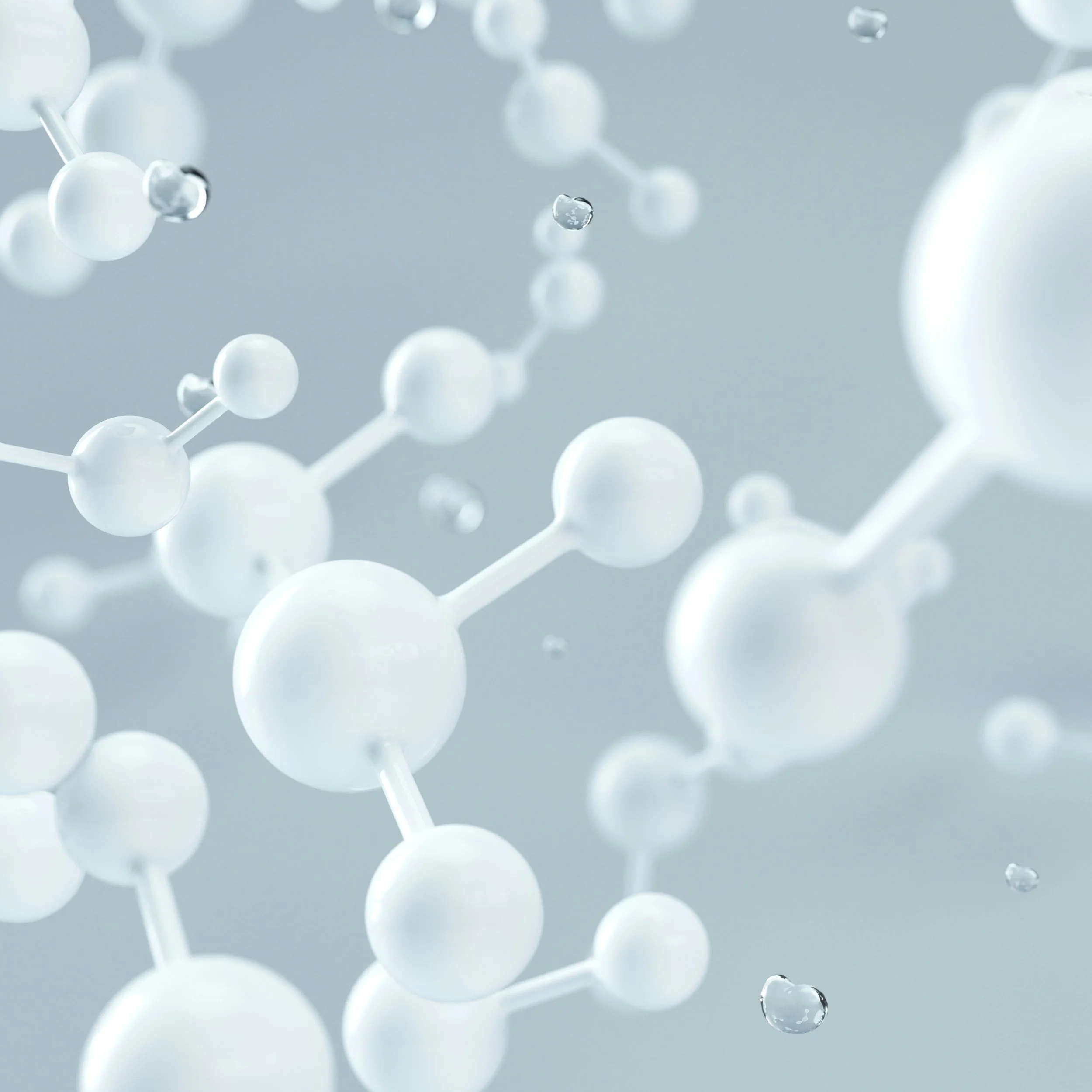
PHOTO CREDIT | Unsplash/D koi

For researchers exploring blend formulations, sourcing decisions matter as much as they do for single compounds. Platforms where you can Buy Klow Peptide and similar blend products from documented, research-focused suppliers reflect the growing sophistication of the research peptide supply market in meeting this demand.

Why Researchers Move From Single Compounds to Blends

The simplest answer is that biology is rarely driven by a single signaling molecule acting in complete isolation. Physiological processes involve cascades, feedback loops, and parallel pathways where multiple signaling molecules act simultaneously or sequentially. Research designs that attempt to replicate or investigate these processes sometimes require multiple compounds present in the same experimental system at the same time.

There are also practical research rationales for blend formulations. When two peptides are known to act on different but functionally related targets, combining them allows researchers to examine potential additive, synergistic, or antagonistic interactions in a controlled experimental context. This kind of interaction research is not possible if each compound is always studied in strict isolation.

Convenience is a secondary but real consideration. A well-characterized, pre-formulated blend prepared to verified specifications reduces the number of preparation steps a researcher needs to perform, which in turn reduces variability introduced by individual weighing, reconstitution, and combination steps at the bench level.

The Scientific Logic Behind Peptide Pairing

Not all combinations of peptides make scientific sense. The rationale for pairing specific compounds in a research blend should be grounded in an understanding of their mechanisms of action, their receptor targets, and the biological questions being investigated.

Peptides that act on receptors in the same signaling network are natural candidates for combination research. If peptide A activates a receptor that initiates a signaling cascade, and peptide B acts on a downstream component of the same cascade, studying them together allows investigation of how upstream activation interacts with downstream modulation.

Similarly, peptides that act through complementary rather than redundant mechanisms provide interesting combination research subjects. When the mechanisms are truly parallel, combining them in appropriate experimental systems can reveal whether and how those mechanisms interact at the cellular or systemic level.

The scientific literature on peptide combinations remains far less developed than the literature on individual compounds. This is partly because combination research introduces additional complexity that makes interpretation more demanding. But it also represents a genuine frontier where careful experimental work can contribute meaningfully to knowledge that single-compound studies cannot access.

Formulation Chemistry: What Changes When You Blend

Moving from individual peptides to blended formulations introduces technical considerations that do not arise when working with single compounds. Each of these deserves careful attention in research contexts.

Compatibility Between Components

The most fundamental question in any blend formulation is whether the individual components are compatible with each other under the conditions of the formulation. Compatibility has several dimensions.

Chemical compatibility means that the peptides do not react with each other in ways that alter their structure or activity. Peptides can potentially interact through electrostatic interactions between charged residues, through disulfide bond formation if both contain cysteine residues, or through other chemical reactions that could modify one or both compounds in the blend.

Physical compatibility concerns whether the compounds remain properly dissolved or suspended in the same formulation matrix. Peptides with very different solubility profiles may be difficult to combine in a single aqueous preparation without one or both precipitating.

Stability compatibility considers whether the presence of one compound affects the degradation rate of another. Some compounds can catalyze or accelerate the degradation of other sensitive molecules in the same solution, reducing the effective concentration of active material over time.

pH and Buffer Considerations

The pH of the formulation matrix affects the solubility, charge state, and stability of each peptide component. Many peptides have pH-dependent solubility, meaning they dissolve readily at some pH values and poorly at others. Finding a pH that supports adequate solubility for all components of a blend simultaneously can require careful optimization.

Buffer composition also matters. Some buffer components interact with peptides in ways that affect stability or analytical measurements. Phosphate, acetate, and histidine-based buffers are commonly used in peptide formulations, but the best choice depends on the specific compounds involved and the intended storage and use conditions.

Quality Documentation for Blend Formulations

The quality documentation requirements for peptide blends are more complex than for single compounds, and researchers should expect this complexity to be reflected in what a reputable supplier provides.

For a single-compound peptide, the certificate of analysis confirms identity and purity for one target molecule. For a blend, the documentation needs to account for each component individually as well as the final formulated product.

Ideally, documentation for a research-grade peptide blend should include identity and purity confirmation for each component before blending, the nominal ratio or concentration of each component in the final formulation, analytical verification of the final blend composition, stability data for the formulated product under recommended storage conditions, and lot-level traceability that connects the final blend to the analytical records for each individual component.

This level of documentation is the standard that serious researchers should expect and demand. Blends supplied without component-level analytical data leave significant uncertainty about whether the observed ratio and quality in the final product reflect what was intended.

For researchers evaluating specific blend products designed for particular research applications, seeing how documentation is structured and what information is provided upfront is part of the evaluation process. When you Buy Klow Peptide or any comparable blend product from a quality-focused research supplier, the documentation accompanying the product should give you a clear picture of what each component is and how the formulation was characterized.

Reconstitution and Handling of Blend Formulations

Most research-grade peptide blends are supplied in lyophilized form, meaning they have been freeze-dried as a combined preparation rather than as separate powders. This approach simplifies the researcher's workflow but requires that the lyophilization process was validated for the specific blend composition.

Reconstitution of a lyophilized blend should follow the supplier's recommendations closely. The choice of reconstitution solvent, the volume used, and the reconstitution technique all affect how completely the material dissolves and how stable the resulting solution is.

Some peptide blends may require specific reconstitution conditions to bring all components into solution fully. If the recommended reconstitution approach differs from what you would use for one of the individual components in isolation, follow the blend-specific guidance rather than applying assumptions from your experience with single-compound preparations.

Once reconstituted, blend solutions should generally be stored at the lower end of the recommended temperature range and used within the defined stability window. Multi-component systems can have different stability profiles than individual compounds, and the stability window for the blend should be treated as the binding constraint regardless of what individual component stability data might suggest.

Analytical Challenges in Blend Research

Working with blends introduces analytical challenges that researchers need to plan for when designing their experimental protocols.

Quantifying each component of a blend in solution requires analytical methods capable of resolving the individual compounds. Reverse-phase HPLC can often separate peptides with different sequences, but the resolution may be insufficient if the components have very similar physical properties. Developing validated analytical methods for quantifying each component in the presence of the others is an important step before beginning research work with a new blend formulation.

Mass spectrometry can help by providing molecular weight information that distinguishes individual components even when they are not fully resolved chromatographically. Combined LC-MS approaches, where the mass spectrometer serves as a highly selective detector following chromatographic separation, are often the most powerful analytical tools for blend characterization and quality verification.

Practical Tips for Researchers New to Blend Formulations

Start with clear scientific rationale. The decision to use a blend rather than individual compounds should be driven by a specific research question about interaction or combined signaling, not simply by convenience. Establishing that rationale upfront makes experimental design and result interpretation clearer.

Request complete documentation before ordering. For any blend product, ask specifically for component-level analytical data and final blend composition verification. Suppliers who can provide this information promptly and clearly are demonstrating quality systems appropriate for research supply.

Run initial characterization experiments before committing to a large-scale study. Understanding how a specific blend behaves in your experimental system, including how it reconstitutes, how stable it is under your storage conditions, and how it performs in your assays, is valuable information to develop before investing in extensive experimental work.

Final Thoughts

Peptide blend formulations represent a scientifically meaningful extension of single-compound peptide research, enabling investigation of interactions and combined effects that are not accessible when compounds are always studied in isolation. The move from individual peptides to formulated blends introduces real formulation chemistry challenges and more demanding quality documentation requirements, but it also opens research questions that reflect the genuine complexity of biological signaling systems.

Approaching blend research with the same rigor applied to single-compound work, including careful attention to sourcing quality, documentation standards, and experimental design, positions researchers to generate results that contribute meaningfully to the scientific literature in this developing area.

Disclaimer: All peptides and blend formulations referenced in this article are intended strictly for laboratory and scientific research purposes only. These products are not approved for human consumption, self-administration, or any application outside of formally regulated research environments. This content is purely educational in nature and does not constitute medical advice, treatment recommendations, or endorsement of any specific use. All researchers must ensure full compliance with applicable institutional guidelines, regional regulations, and national laws when procuring, storing, and handling research compounds.

BINGELY BOOKS

TAIPEI STORY

William Morrow

R.F. Kuang

This coming of age novel, Taipei Story is a coming-of-age novel that navigates dealing with grief, language, and culture shock during an unforgettable summer in Taipei. We find Lily Chen spending time in Taipei during an intensive Summer program alongside other Chinese American students that are looking to learn and connect with their heritage. Due to a number of activities she finds that she is frustrated and feels isolated and wonders why she is there and not back home.

When her grandfather passes away, she realizes that she needs to understand things about her family history which allows her to know more about herself.

Now she sees being in Taipei as a necessary experience that combines memories, stories that she’s been told and how it all connects to her.

WE CHASE SHADOWS: A WE SOLVE MURDERS MYSTERY

Pamela Dorman Books

Richard Osman

This book series is part of the A We Solve Murders Mystery collection. In We Chase Shadows, the italian hills at sunrise reveals a body that was found on the steps of a beautiful private villa! The body also contains a threatning note that is signed by a mystery man.

At We Solve Murders HQ, Amy, Rosie, and Steve are eager to tackle their next case. They realize that their suspect list continues to grow and they’re in more danger than they could have possiby understood.

OUR NOBLE SELVES: A NOVEL

Doubleday

Kate Atkinson

In Our Noble Selves: A Novel, we meet Harry Flynn during post-World War II in London. He was a crime correspondent turned war reporter makes his way back to Britain from Singapore in 1945. He has settled into a much quieter life with the Festival of Britain which is a government funded initiative that celebrates the nation’s creativity, grit, and ingenuity. He begins to work and connect with an interesting band of fellows that are ready for the Festival that is about to launch.

As he settles into this new role and life, a Frenchwoman is missing and he becomes a primary suspect for her disappearance as well as her murder! As more evidence comes in, he begins to wonder if he may have been involved in what happened. He also realizes that the people he is surrounded by have their own secret agendas.

The juxtaposition of horific events as well as the backdrop of a country whose focus on emerging from a war is one worth noting as these events come together.

Read the SEP ISSUE #129 of Athleisure Mag and see BINGELY BOOKS in mag.

HOW TO TALK TO YOUR TEEN ABOUT GETTING BRACES

Teen anxiety about braces often stems from uncertainty and appearance changes. The pain and the look of the braces do not appeal to them. This is when parental support is crucial. Positive encouragement can build a smooth experience for your child.

Having a talk about the process can help mentally prepare the child. In this guide, we will share some communication techniques about braces for teens. You will learn to boost your child’s confidence in a healthy way.

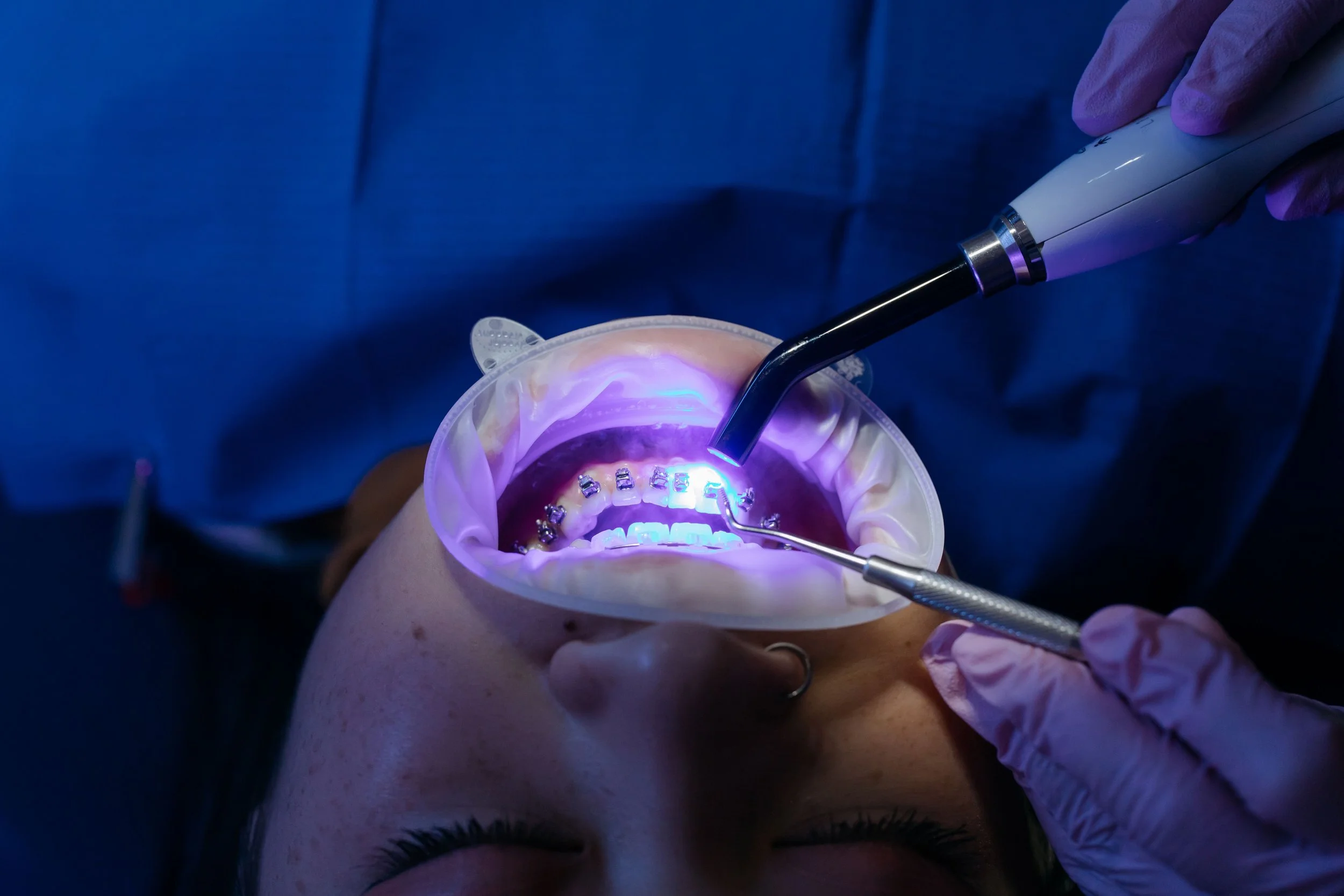
PHOTO CREDIT | Pexels/Cottonbro Studio

When Is the Best Time to Talk to Your Teen About Braces?

Teen orthodontic treatment usually begins at the age of 10 to 14. During this time, their permanent teeth have fully emerged. Yet, their jaw and other structures are still developing. It is the prime time for realignment.

These are some signs that suggest a dental visit. The child may need braces.

  • Physical appearance
    Noticeable teeth misalignment will not go away as they age. Any visible alignment issues should be assessed by the orthodontist.

  • Functionality problems
    If your child has trouble chewing or often bites their tongue or lips, alignment issues might be the cause. Unaddressed problems can affect their speech ability.

  • Pain
    Jaw/teeth pain should be examined as soon as possible. It can be caused by the growing jaw that keeps pushing against the teeth.

How Can Parents Address a Teen's Fear of Getting Braces?

In explaining braces for teenagers, try these techniques. 

  • Long-term benefits
    Aligned teeth can improve oral health. Provide a bright vision that can encourage the teen to receive the treatment.

  • Normalize the experience
    Getting braces is nothing to be ashamed of. It is a common procedure that many teenagers receive.

  • Timing advantage
    Explain why realignment is often easier at their age. Starting the process sooner may mean a shorter overall timeframe.

  • Timeline expectations
    Inform them about timeline expectations. Some teens are not against getting braces. They are simply worried about the uncertainty.

How Can Parents Give Their Teen More Control Over the Decision?

Offer your child a chance to be involved. Give them a few options. A sense of autonomy can help them open up to the idea.

  • Choose the start time
    Is your kid concerned about showing up at school with braces? How about letting them choose a start time during term breaks? 

  • Choose the treatment options
    Based on the orthodontist's advice, let your child select the treatment options. Usually, there are a few modern alternatives to choose from. 

  • Choose the provider
    The clinic you prefer may not be your child’s first choice. They often have their own preference. Let them choose their orthodontist if possible.

How Can Parents Prepare Their Teen for Life With Braces?

If braces are necessary for life, parents should:

  • Explain clearly the reasons for this

  • Prepare home care supplies to meet the needs

  • Be honest about realistic expectations

  • Provide emotional support

  • See if diet changes are needed

The teen should not feel that their life is defined by the braces. The best thing parents can do is listen to the child’s needs. Making accommodations can help them live a normal life with braces. 

What Should Parents Avoid Saying About Braces?

Teen anxiety about braces can be severe. Occasionally, parents may feel frustrated and say things they don’t mean. Here is a reminder of some things parents should avoid during a discussion.

  • Avoid using negatives
    Don’t describe potential problems by using negative phrasing. For example, don’t say that the teen will get bullied or that they will not find a prom date if they don’t fix their teeth. 

  • Avoid misleading them with expectations
    Never lie about the potential results and timeline. Overselling the promise can be devastating when the truth comes out.

  • Avoid arguing
    Compose yourself even if the discussion is getting heated. Debate on the topic calmly. Don’t argue intensely. They will likely be more against the idea after an unpleasant argument.

  • Avoid belittling the child
    Don’t say things like “Many people do it. You are weak not to.” Belittling the child can hurt their self-esteem in the long run. 

What Questions Should Teens Ask the Orthodontist?

During the assessment, you can ask the orthodontist a few questions. A responsible provider like Smiles + Grins will always answer every question clearly.

  • What are the realistic expectations (results/timeline)?

  • What options are suitable for me?

  • Can I make adjustments if I’m not happy with the progress?

  • What happens if I choose to do nothing?

  • How do I get support for emergencies?

In conclusion 

PHOTO CREDIT | Pexels/Cottonbro Studio

Teen orthodontic treatment does not have to be scary. With the right provider, the process can be comfortable and efficient. Speak to your clinic about your needs. Work with your child together through the journey.