
You’ve probably seen med spa treatments all over social media, from glowing skin after a laser session to smoother texture after a chemical peel or subtle enhancements that make someone look refreshed without appearing overdone. Your first visit can feel exciting but also a little confusing. If you’re considering aesthetic treatments in Vancouver, it’s important to distinguish professional medical treatments from social media trends. Knowing what a med spa offers, how appointments work, and what factors to consider before booking can help you make an informed decision.
What a Med Spa Is and How It Differs From a Day Spa
A med spa combines cosmetic treatments with medical care. Unlike traditional day spas, which mainly focus on relaxation and basic skincare, med spas offer specialized procedures that require medical oversight, advanced equipment, and professional knowledge of skin health.
Common treatments include neuromodulators, dermal fillers, chemical peels, microneedling, laser resurfacing, and body contouring. These procedures are usually part of personalized treatment plans designed to address specific skin concerns and aesthetic goals.
Because these treatments involve medical considerations, consultations should include a detailed assessment of your skin and overall health.
How to Choose the Right Aesthetic Treatment Provider
Before choosing an aesthetic treatment, it is important to research the clinic and its medical professionals. Many people rely on before-and-after photos when comparing providers, but these images only show selected results and may not reflect every patient's experience.
Check who performs the treatments, who provides medical supervision, and whether the clinic clearly explains potential risks and conditions that may make certain procedures unsuitable. Choosing experienced professionals is important because different treatments require specific techniques, equipment, and safety precautions. A proper consultation can help identify suitable procedures and reduce the risk of unwanted results. If you're considering going to a med spa Vancouver has several options that offer personalized aesthetic treatments designed to help clients address skin concerns, enhance their natural features, and achieve their cosmetic goals with professional guidance.
During your consultation, ask whether the provider evaluates your skin type, skin barrier health, expected recovery time, and possible side effects. These may include changes in pigmentation, bruising, swelling, or temporary skin irritation. A reliable provider should explain why a particular procedure is suitable for you.
Why a Detailed Consultation Matters Before Aesthetic Treatment
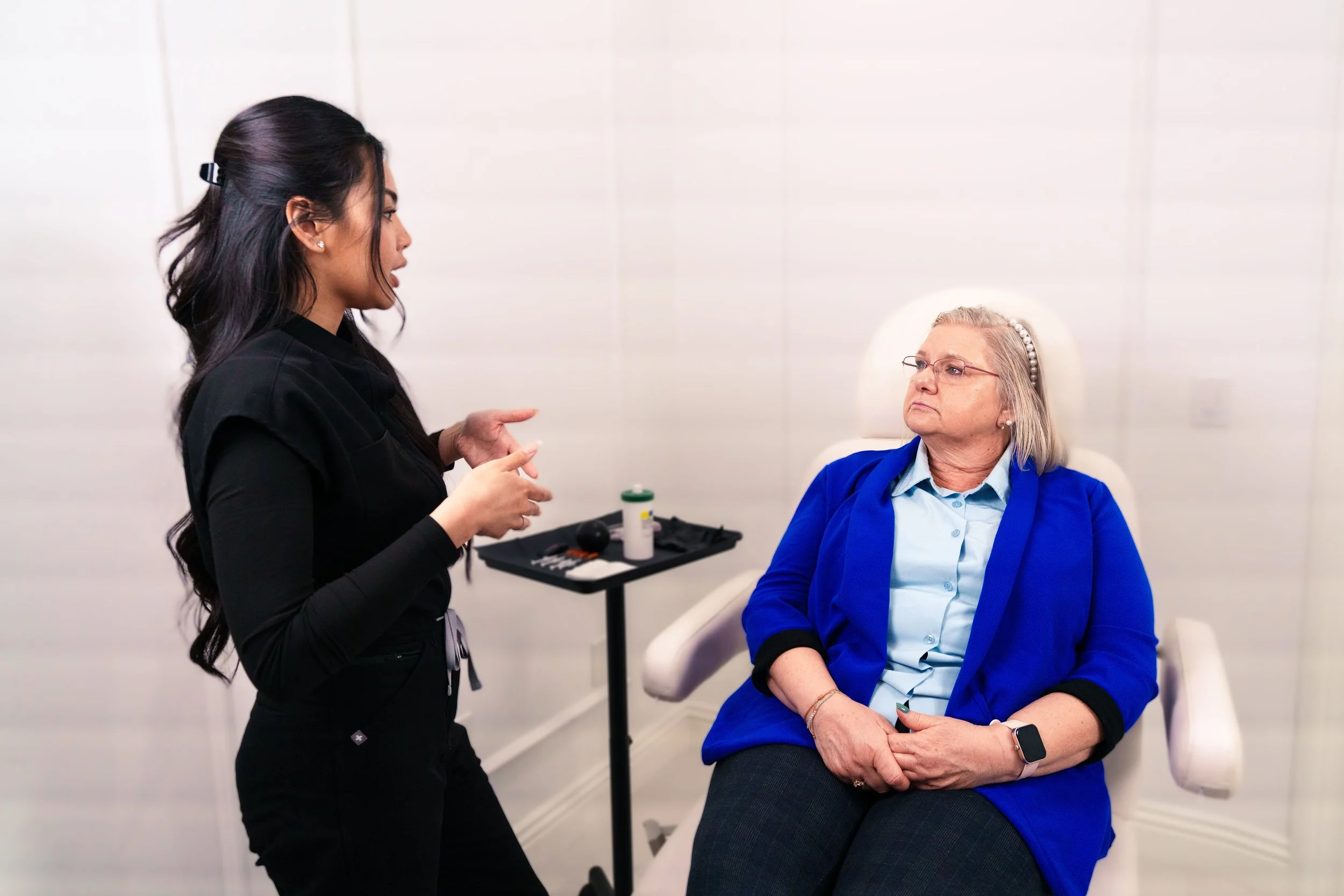
A detailed consultation can help you determine which aesthetic treatments are most suitable for your skin concerns and personal goals. Sometimes, the treatment you initially want may not be the best option. For example, you might consider dermal fillers when your concerns also involve dehydration or uneven skin texture. Similarly, certain resurfacing treatments may not be suitable if your skin is already irritated or sensitive.
During your first consultation, the provider should discuss your treatment goals, budget, medical history, pain tolerance, and expected maintenance requirements. You should also mention any upcoming events, because some procedures require recovery time and temporary restrictions on sun exposure.
Your provider may also take photographs under consistent lighting to document your skin condition and monitor treatment progress. These images can help identify subtle changes that may be difficult to notice without a direct comparison.
By the end of your consultation, you should have a clear idea of how the recommended treatment works, how many sessions you may need, and when results are likely to appear.
Choosing the Right Aesthetic Treatments for Beginners
Your first med spa visit does not have to involve complex or intensive procedures. Starting with a less invasive treatment can help you understand how your skin responds and what to expect during recovery.
For beginners, common options include gentle chemical peels, hydrafacial-style treatments, and LED light therapy. Microneedling may also be suitable for individuals concerned about uneven skin texture or acne scars. If you are interested in injectable treatments, starting with a conservative approach can help you achieve subtle, natural-looking results without making several changes at once.
Laser treatments are another option, but they require careful evaluation before proceeding. Factors such as skin tone, a history of melasma, recent sun exposure, and certain medications can affect treatment safety. Different laser devices also serve different purposes. A qualified provider should explain how each treatment works and whether it addresses your specific concerns.
Why Choosing Cheaper Aesthetic Treatments Can Cost More Later
Choosing the cheapest option may not always provide the best value. Lower prices may sometimes reflect limited consultations, less experienced providers, outdated equipment, or insufficient follow-up care. Unsatisfactory results or complications may also require corrective treatments, leading to additional expenses.
Before booking an appointment, request a detailed breakdown of the total cost and ask what services are included. If the clinic offers treatment packages, clarify its policies regarding cancellations, adverse reactions, and unused sessions. A reputable provider should explain all charges and help you understand the expected results and maintenance requirements.
Why Proper Aftercare Matters
Proper aftercare is essential for achieving realistic results and supporting recovery after aesthetic treatments. Even mild procedures may require temporary changes to your daily routine. Following the recommended precautions can help reduce the risk of complications, support the healing process, and improve overall treatment outcomes.
It is important to understand that results may take time to become visible, depending on the procedure and your body's response. Some treatments may cause temporary swelling, redness, or sensitivity during recovery. Following your provider's recommendations and allowing enough time for healing can help you maintain realistic expectations.
Why Social Media Trends Should Not Influence Your Treatment Decisions
Social media platforms such as TikTok and Instagram have made aesthetic treatments increasingly popular. However, many people become interested in certain procedures without fully considering their suitability, maintenance requirements, or potential risks. Choosing a treatment based only on online trends may lead to unrealistic expectations.
Popular treatments such as jawline contouring, lip flips, Botox, skin tightening, and collagen-stimulating procedures often receive attention on social media. While these treatments may offer benefits, their effectiveness depends on individual facial features, skin conditions, and aesthetic goals.
A procedure that produces natural-looking results for one person may not be suitable for another. Similarly, treatments that improve certain skin concerns may cause irritation or unwanted reactions in individuals with sensitive or compromised skin.
Rather than following trends, it is important to seek professional advice and choose treatments based on your individual needs.
Making an Informed Decision About Your First Aesthetic Treatment
Your first med spa appointment should help you feel confident and informed about your treatment options. Even if you decide not to proceed immediately, you should leave with a clear understanding of the available procedures, their benefits, and expected results. Avoid making rushed decisions based on promotional offers, discounted packages, or pressure to book additional services.
During your consultation, feel free to ask about treatment ingredients, equipment, provider qualifications, safety procedures, and maintenance requirements. A professional clinic should answer your questions clearly and give you enough time to consider your options before committing.
Successful aesthetic treatments depend on open communication between you and your provider. While the provider offers professional knowledge and recommendations, your personal goals, budget, recovery preferences, and expectations should guide the final decision.