
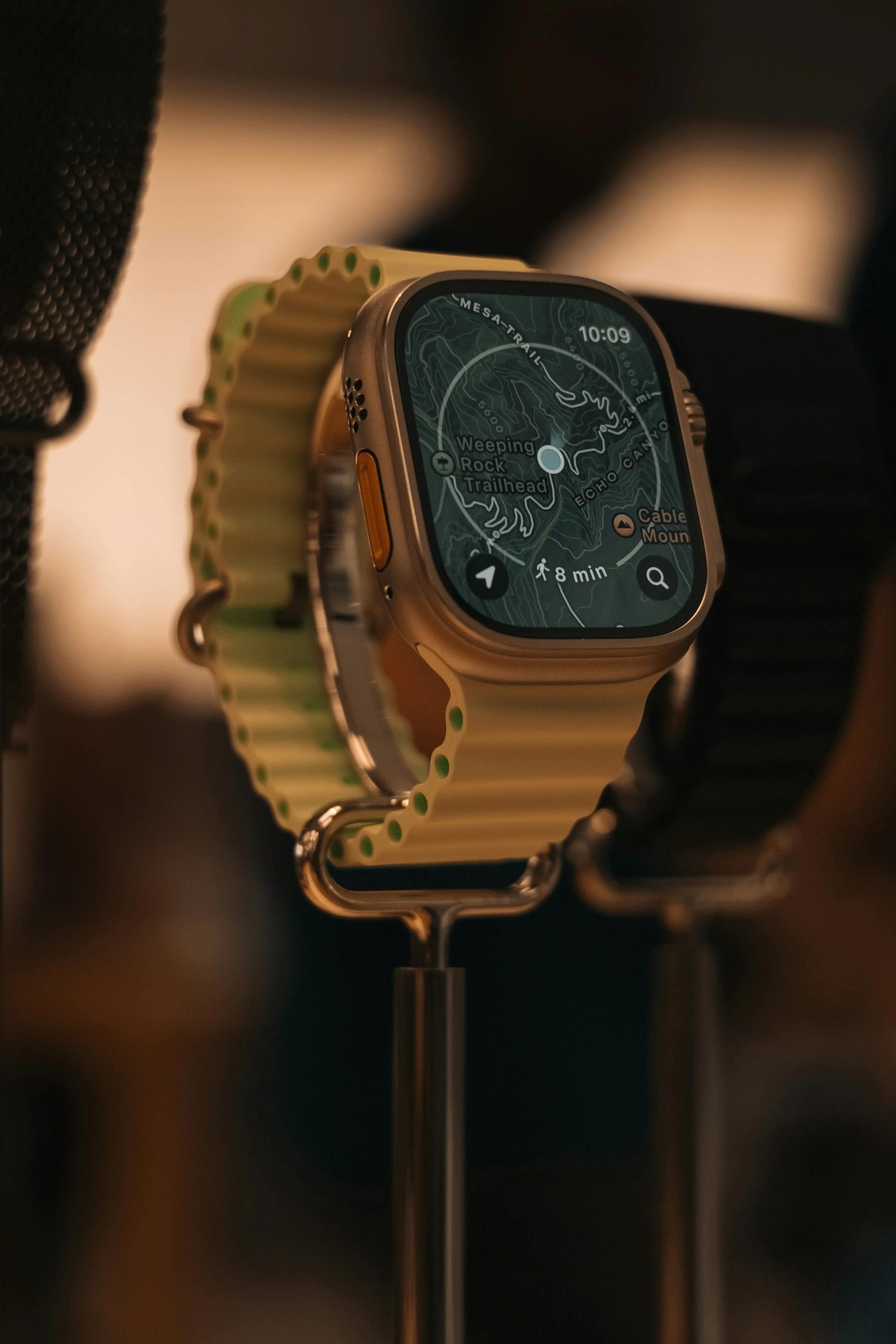
Not long ago, a workout was mostly about how you felt and how much energy you had left. Now, people check their watch to see whether their heart rate variability is low or look at their sleep score before deciding whether to exercise at all. Fitness and wellness technology has gradually become part of everyday life. It's no longer limited to the gym or the running track; it follows people into their bedrooms, kitchens, and daily routines.
Some of these tools genuinely help people understand their habits and make better training decisions. Others add another layer of numbers to worry about. The challenge is knowing which information is useful and which can safely be ignored.
Wearable fitness technology is about much more than steps
Wearable technology has remained one of the leading trends, and that’s hardly surprising when you look at how much these devices have changed. Early fitness bands mainly counted steps. Today's models can monitor heart rate, skin temperature, blood oxygen, and sleep patterns.
And Wearable fitness technology isn't limited to watches anymore. Fitness tracking is available through smart fitness devices like rings, chest straps, and even shirts with sensors built into the fabric.
One of the biggest changes is the attention given to recovery. People can now see estimates of how well they've slept, how their bodies have responded to recent activity, and whether they might benefit from taking it easier. That can help make rest feel like a normal part of a training routine rather than a sign that someone hasn't worked hard enough.
There is also a much cheaper end of the market. Online marketplaces are full of basic fitness bands that cost very little, making them tempting for anyone who wants to try tracking without spending much. The bigger concern isn't always the device itself, but the app that comes with it. Some companion apps request access to contacts, location, or even the microphone when those permissions have little to do with counting steps. Moonlock raises similar concerns in its article on what to check before shopping cheap online, warning about things one should be on the lookout for. The same caution applies when buying an inexpensive fitness tracker.
Before installing its app, check what information it collects and whether those permissions are actually necessary. A simple step counter has no good reason to need access to your contact list.
AI can help with training, but it doesn't know everything
Fitness tracking apps are becoming more involved in the way people exercise. Rather than simply recording a workout, some can adjust a training schedule after a missed session, suggest changes to weights, or use a phone camera to assess exercise technique.
That can be useful, particularly for people who train on their own. Someone learning a new movement can use an app to practice and get feedback without needing a trainer beside them every time. For beginners, having some guidance before trying an unfamiliar exercise can also make the gym feel less intimidating.
Nutrition apps are taking a similar approach. Some let users photograph a meal and then estimate what's on the plate, including portion sizes. The results can be surprisingly convincing, but they aren't always right. A camera can't reliably identify every ingredient or know exactly how much food is in a serving.
The same limitation applies to AI in fitness and generating programs. An app can work with the information you give it, but it doesn't understand everything happening in your life. It won't necessarily know that you slept poorly because of travel, had a stressful day, or simply dislike a particular exercise. Its recommendations can be a useful starting point, but they shouldn't override how you feel or what a qualified professional has advised.
How accurate are fitness trackers?
It's easy to assume that a device displaying precise numbers must be measuring everything accurately. In reality, some measurements are much more dependable than others.
A systematic review of 158 publications, available through PubMed, examined the accuracy of commercial wearable devices. The researchers found that step counts and heart-rate measurements generally performed well in laboratory testing, although heart-rate accuracy differed between brands. Calorie and energy-expenditure estimates were much less reliable. None of the nine brands included in that part of the analysis measured energy expenditure accurately.
That matters when deciding how much attention to give the numbers on a screen. A watch might tell you that you burned a particular number of calories during a workout, but that figure is an estimate, not an exact measurement.
Fitness is no longer limited to the gym
Fitness technology has also changed where and how people exercise. Streaming classes, connected exercise bikes and memberships that link home workouts to studio sessions have made it easier to move between different training environments.
Gyms and fitness studios have adapted as well. Some give participants heart-rate monitors and display their results on screens during class. Seeing everyone's activity can add a bit of friendly competition, although not everyone enjoys having their performance displayed in front of the room.
Digital fitness solutions can also help trainers and physical therapists prepare for appointments. If someone shares their activity records beforehand, a professional can review recent training patterns rather than spending the first part of the session trying to piece everything together.
Wellness tracking is becoming part of the same picture. Sleep, stress, and mood information now appears alongside workout records, making it easier to see how different parts of daily life may relate to exercise. Continuous glucose monitors are also being used by some people without diabetes, although it's still unclear how much practical benefit they offer to healthy individuals.
The best device isn't necessarily the one with the most features or the most detailed reports. It's the one that fits into your routine without taking over it.