
The rise of the activewear generation reflects a broader cultural shift toward holistic health and purposeful living. Fitness clothing is no longer limited to gyms or athletic performance. Instead, it represents a lifestyle that prioritizes comfort, mobility, and well-being throughout the day. As more people embrace flexible routines that blend work, exercise, and social activities, wellness trends continue to evolve in ways that support both physical vitality and mental resilience.
Everyday Movement as a Lifestyle Choice
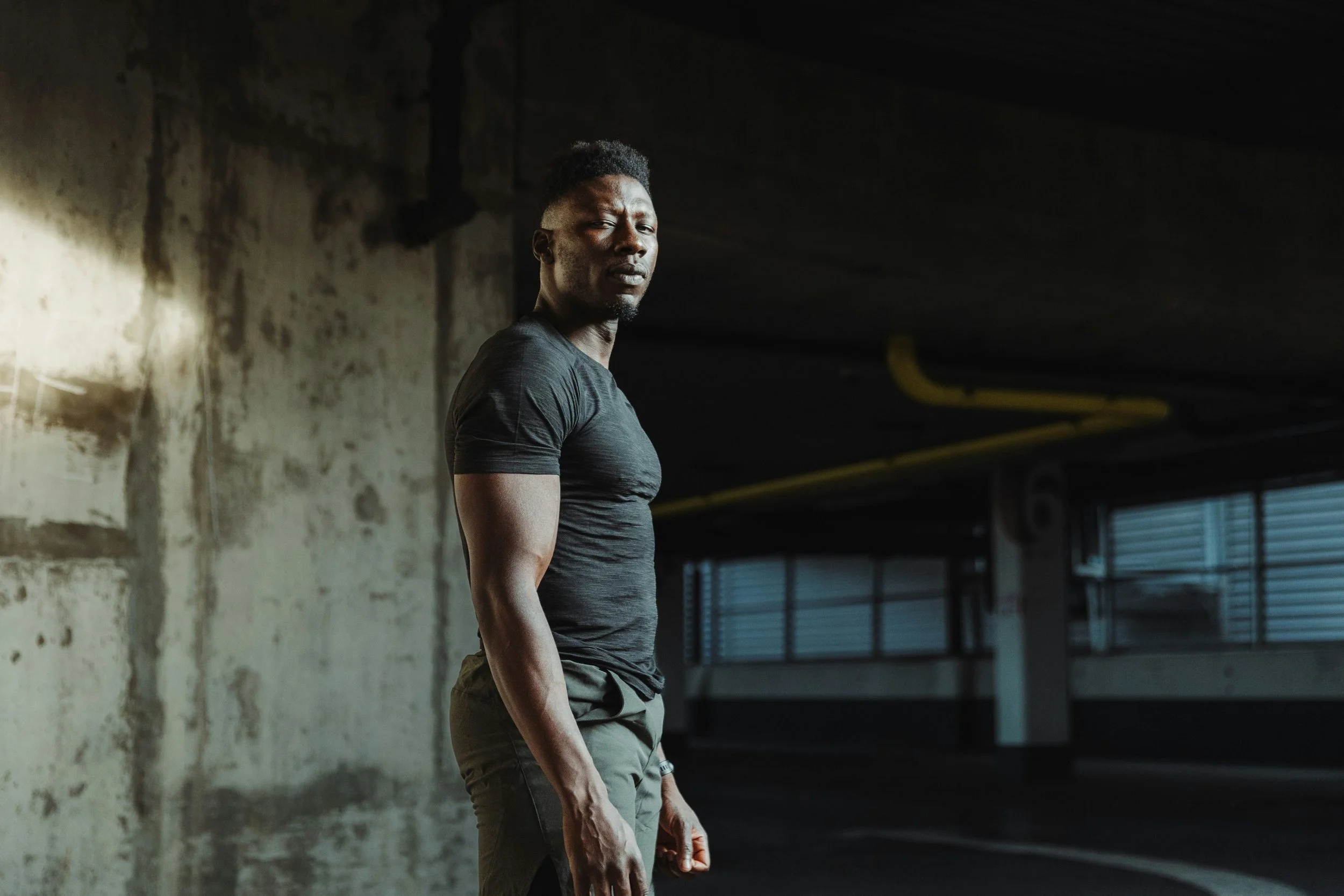
One of the most defining trends among activewear enthusiasts is the commitment to daily movement. Rather than reserving exercise for structured sessions, many individuals are weaving activity into their routines through walking meetings, short workout breaks, or recreational sports. This shift is supported by clothing designed for versatility, allowing wearers to transition seamlessly between environments.
The focus on functional fashion highlights the importance of feeling prepared for spontaneous activity. Breathable fabrics, stretchable materials, and supportive designs empower people to stay active without compromising on style. This approach reflects a deeper understanding that movement does not have to be intense or competitive to be beneficial. Consistent low-impact activity can improve circulation, enhance mood, and build sustainable habits over time.
Recovery Becomes a Priority
As awareness of wellness grows, recovery has taken center stage in the conversation around fitness. The activewear generation is increasingly mindful that progress depends not only on effort but also on rest and restoration. Techniques such as foam rolling, mobility exercises, and guided relaxation sessions are becoming common elements of modern routines.
Technology and science have also influenced how people approach recovery. From wearable devices that track sleep quality to innovative therapies designed to support physical resilience, individuals are exploring options that align with their goals. Some athletes and wellness advocates are even researching solutions such as regenerative therapies, including services discussed on platforms like auragens.com, as part of a broader commitment to maintaining long-term performance and vitality.
Mindfulness and Mental Fitness
Wellness trends extend far beyond physical strength. Mental clarity and emotional balance are now seen as equally essential components of an active lifestyle. Practices such as meditation, breathwork, and digital detox routines are helping individuals cultivate focus and reduce stress.
Activewear brands have responded by promoting community-driven initiatives that encourage self-care and positive mindsets. Social media challenges centered on gratitude, resilience, or personal growth often accompany fitness campaigns. This integration of mental fitness into everyday routines highlights the evolving definition of health, where success is measured not just by physical achievements but by overall quality of life.
Sustainability Shapes Consumer Choices
Another major influence on the activewear generation is the growing commitment to sustainability. Consumers are increasingly interested in eco-friendly materials, ethical production methods, and durable designs that reduce waste. This awareness aligns with the broader wellness philosophy of caring for both personal health and the environment.
Recycled fabrics, biodegradable packaging, and transparent supply chains are becoming key selling points for modern brands. By choosing products that reflect their values, individuals feel empowered to contribute to positive change while maintaining their active lifestyles. This trend demonstrates how wellness can extend beyond the individual to encompass global responsibility.
Community and Connection Through Movement
The social dimension of wellness has also gained prominence. Group workouts, outdoor fitness events, and virtual training communities are bringing people together in ways that foster motivation and accountability. Activewear often serves as a shared symbol of belonging within these networks, reinforcing a sense of identity tied to health and personal growth.
Participating in community-based activities can enhance consistency and enjoyment, making fitness feel less like an obligation and more like a meaningful experience. This connection encourages individuals to celebrate progress collectively, strengthening both confidence and commitment.
A Future Defined by Balanced Living
The activewear generation represents a dynamic blend of innovation, intention, and adaptability. Wellness trends continue to shape how people move, recover, and connect with their surroundings. By embracing balanced routines that prioritize both performance and restoration, individuals are redefining what it means to live actively.
As these trends evolve, the focus will likely remain on personalization and sustainability, ensuring that wellness practices align with diverse lifestyles and aspirations. Ultimately, the movement toward integrated health reflects a deeper cultural understanding that true vitality comes from harmony between body, mind, and environment.