Modern wellness is no longer limited to fitness studios, organic meals, or mindfulness apps. Today, homeowners are rethinking how every room contributes to daily health, comfort, and balance. One of the biggest transformations is happening in the kitchen. Once viewed as a purely functional space, the kitchen has evolved into a central hub for wellness-focused living.
Luxury kitchen design now blends beauty, efficiency, and emotional comfort in ways that support healthier lifestyles. From sustainable materials to calming layouts and high-end finishes, homeowners are investing in kitchens that feel restorative as well as practical. As wellness becomes a bigger priority in modern life, kitchen design is adapting to reflect those values.
The Kitchen Has Become The Heart Of Wellness At Home
People spend more time at home than ever before. This shift has changed how homeowners view interior spaces. Instead of focusing only on appearance, many now prioritize how a room feels and functions throughout the day.
The kitchen plays a major role in this transition. It is where meals are prepared, conversations happen, and families reconnect after busy schedules. In many homes, the kitchen also doubles as a social space, remote work zone, or entertainment area.
A well-designed kitchen supports healthier routines by encouraging cooking at home, reducing stress through organization, and creating an inviting atmosphere. Open layouts, natural lighting, and thoughtful storage solutions can make daily life feel calmer and more efficient.
Luxury kitchens are especially appealing because they combine convenience with comfort. Features that once seemed purely decorative now contribute to a more enjoyable and balanced lifestyle.
Natural Materials Are Supporting Wellness-Focused Design
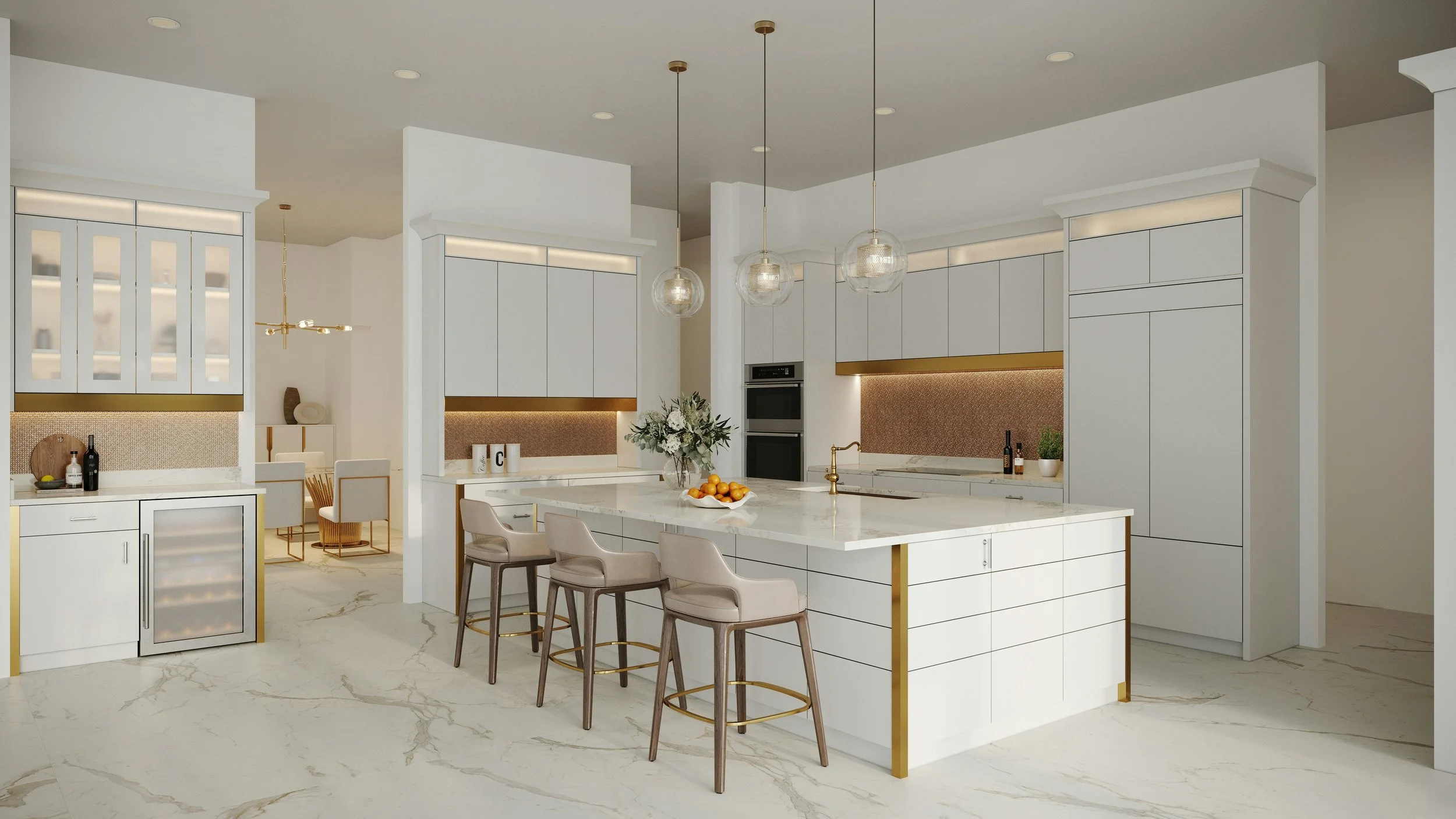
Modern wellness design often draws inspiration from nature. Homeowners want interiors that feel warm, grounded, and timeless. This has increased demand for natural materials like copper, wood, stainless steel, and stone.
These materials offer both aesthetic and practical benefits. Natural textures create visual warmth while durable surfaces improve functionality. Copper, in particular, has become popular because of its rich appearance and ability to add character to kitchens without feeling overly trendy.
Luxury finishes also help create spaces that feel less clinical and more welcoming. Matte textures, handcrafted details, and organic tones contribute to a calmer environment that supports relaxation and creativity.
Many homeowners are also choosing sustainable materials as part of their wellness goals. Eco-conscious design reduces environmental impact while creating healthier indoor spaces. Long-lasting materials decrease waste and support more mindful purchasing decisions.
For homeowners exploring handcrafted kitchen elements and custom finishes, resources like worldcoppersmith.com showcase how premium materials can elevate both functionality and design.
Wellness Kitchens Prioritize Organization And Flow
Clutter can increase stress and make everyday tasks feel overwhelming. Luxury kitchen design addresses this issue by prioritizing organization and efficient movement throughout the space.
Modern kitchens often include hidden storage, oversized pantries, built-in shelving, and multifunctional islands. These features improve workflow and help homeowners maintain cleaner, more organized environments.
A thoughtful layout also encourages healthier habits. When cooking tools, fresh ingredients, and appliances are easy to access, preparing meals at home becomes more convenient. This can support better nutrition and reduce reliance on processed foods or takeout.
Flow matters just as much as storage. Luxury kitchens are designed to feel intuitive. Clear pathways, comfortable seating areas, and balanced spacing create a more relaxing experience during busy mornings or evening gatherings.
Many homeowners now see kitchen design as an investment in their daily well-being rather than simply a design upgrade.
Lighting Plays A Major Role In Emotional Wellness
Lighting has a powerful effect on mood, energy levels, and overall comfort. Modern luxury kitchens are designed to maximize natural light while incorporating layered lighting solutions for different activities.
Large windows, skylights, and open layouts help kitchens feel brighter and more connected to the outdoors. Natural light can improve mood and create a more uplifting atmosphere during the day.
At night, layered lighting adds warmth and flexibility. Pendant lights, under-cabinet lighting, and dimmable fixtures allow homeowners to adjust the mood depending on the occasion. Bright task lighting supports cooking and preparation, while softer ambient lighting creates a relaxing setting for dining or socializing.
Luxury kitchens are increasingly designed to transition seamlessly from functional workspace to calming retreat. This versatility reflects the growing connection between interior design and emotional wellness.
Outdoor Living Is Influencing Kitchen Trends
The modern wellness lifestyle extends beyond indoor spaces. Outdoor entertaining areas have become highly desirable because they encourage social connection, relaxation, and time spent outside.
As a result, many luxury kitchens now integrate with outdoor living spaces through large sliding doors, open floor plans, and connected dining areas. Homeowners want kitchens that feel open and adaptable rather than isolated.
Outdoor firepits, dining tables, and lounge areas are also becoming natural extensions of the kitchen environment. These additions support healthier lifestyles by encouraging gatherings, fresh air, and more meaningful social experiences.
This growing focus on indoor-outdoor living has influenced the materials and finishes used in modern kitchens. Durable metals, natural textures, and weather-resistant surfaces help create visual continuity between spaces.
The result is a home environment that feels more balanced, welcoming, and aligned with wellness-focused living.
Luxury Design Is Becoming More Personal
Today's homeowners want spaces that reflect their personality and lifestyle goals. This shift has moved luxury kitchen design away from generic trends and toward customization.
People are choosing handcrafted elements, unique textures, and personalized finishes that make their kitchens feel distinctive. Instead of chasing short-lived trends, many are investing in timeless designs that offer long-term value and comfort.
Customization also allows homeowners to prioritize the features that matter most to them. Some focus on entertaining spaces, while others emphasize cooking efficiency or family-friendly layouts. Wellness-oriented design is not about creating one specific aesthetic. It is about building a space that improves everyday living.
Luxury kitchens now combine visual appeal with intentional functionality. Every design choice contributes to how the space supports physical comfort, emotional balance, and social connection.
The Future Of Kitchen Design Is Wellness-Focused
As wellness continues to influence modern lifestyles, kitchen design will likely evolve even further. Homeowners are becoming more intentional about how their spaces impact daily habits, productivity, and overall happiness.
Luxury kitchens are no longer defined only by size or expensive appliances. Instead, they are valued for how they improve quality of life. Comfortable layouts, sustainable materials, calming aesthetics, and multifunctional spaces all contribute to this new definition of luxury.
The kitchen has become more than a place to prepare meals. It is now a reflection of how people want to live. A thoughtfully designed kitchen can support healthier routines, stronger relationships, and a more balanced lifestyle overall.
As design trends continue to merge with wellness principles, luxury kitchens will remain at the center of modern living.