
A Route That Connects Japan's Defining Landmarks
Japan's most memorable journeys are not measured solely by distance but by the remarkable variety encountered along the way. Travelling from Tokyo to Osaka reveals a changing landscape where futuristic skylines, centuries-old temples and carefully preserved traditions coexist with extraordinary harmony.
Each city offers its own perspective on Japanese culture. Tokyo represents constant reinvention, while Osaka celebrates everyday life with warmth, history and culinary traditions that have shaped the Kansai region for generations.
Tokyo Reaches Skyward
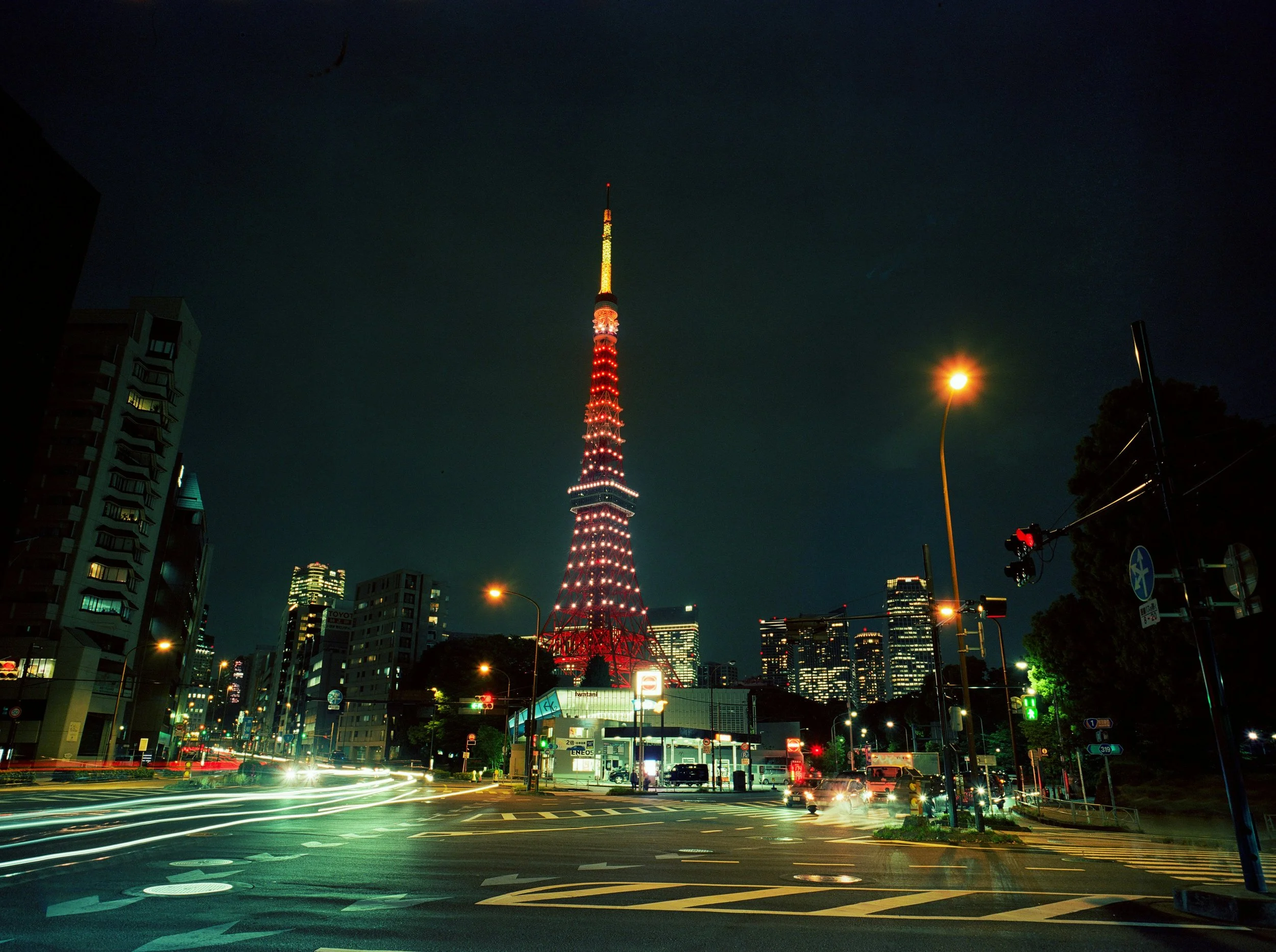
Tokyo's skyline has become one of the world's most recognisable urban landscapes, and nowhere is that more apparent than at Tokyo Skytree. Rising 634 metres above the city, it remains the tallest structure in Japan and provides panoramic views that stretch towards Mount Fuji on clear days.
Many visitors combine time at the observation decks with a walk through nearby Asakusa, where Sensō-ji Temple introduces a striking contrast to the surrounding modern architecture. Traditional shops, incense-filled courtyards and historic gates preserve an atmosphere that has welcomed worshippers for centuries.
Exploring Japan train networks makes moving between these contrasting districts remarkably straightforward, allowing travellers to experience both contemporary neighbourhoods and historic quarters within a single day.
Rail Travel Becomes Part of the Experience
Rather than treating transportation as a necessity, many visitors discover that travelling across Japan becomes one of the highlights of the journey itself.
The bullet train from Tokyo to Osaka carries passengers through changing scenery that includes dense urban districts, peaceful farmland and distant mountain ranges. Spacious seating, punctual departures and exceptionally smooth journeys have made high-speed rail an essential part of modern travel throughout the country.
Looking through the windows, travellers witness landscapes that gradually shift from the capital's immense metropolitan sprawl to the cultural heart of the Kansai region, creating a gentle transition between two very different cities.
Osaka's Streets Pulse With Energy
Arriving in Osaka introduces a noticeably different atmosphere. The city feels relaxed yet lively, combining centuries of history with an enduring passion for food, entertainment and hospitality.
Dōtonbori remains its most iconic neighbourhood. Bright signs reflect across the canal while restaurants prepare local favourites including takoyaki, okonomiyaki and kushikatsu. The district becomes particularly atmospheric after sunset, when illuminated façades transform the waterfront into one of Japan's most vibrant evening destinations.
Nearby, Osaka Castle rises above extensive gardens and stone walls that recall the city's strategic importance during Japan's feudal era. Seasonal cherry blossoms and colourful autumn foliage add further appeal throughout the year.
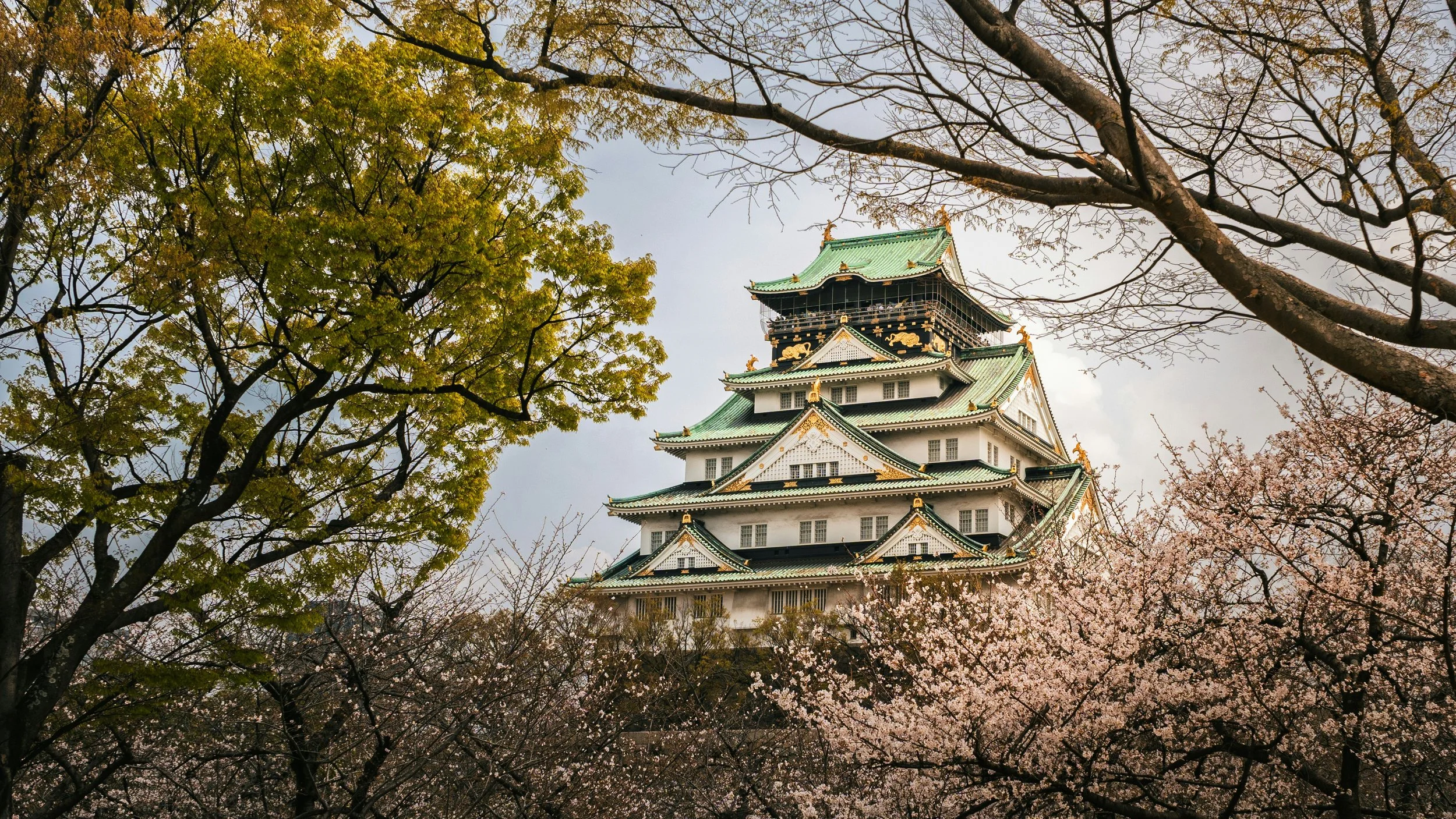
PHOTO CREDIT | Unsplash/Jack Coble
Sumiyoshi Taisha Preserves Ancient Traditions
Away from Osaka's busiest commercial districts stands one of Japan's oldest and most significant Shinto shrines.
Sumiyoshi Taisha predates the arrival of Buddhist architectural influences, making it a rare example of early shrine design. Its distinctive straight rooflines, vivid vermilion buildings and elegant wooden bridges create an atmosphere of remarkable tranquillity despite the surrounding city.
Visitors often pause beside Sorihashi Bridge before entering the shrine grounds, appreciating both its graceful curve and its symbolic role in separating the everyday world from sacred space.
Seasonal festivals continue to bring local families together here, ensuring that the shrine remains an active centre of community life rather than simply a historic monument.
Markets That Celebrate Osaka's Culinary Reputation
Osaka has long earned the nickname "Japan's kitchen," and nowhere is that reputation more evident than in its bustling food markets.
Kuromon Ichiba Market offers everything from freshly sliced tuna and grilled scallops to handmade sweets and seasonal fruit. Many stalls prepare dishes directly in front of customers, creating an engaging atmosphere where aromas, conversation and craftsmanship blend together.
Unlike formal dining experiences, these markets encourage visitors to sample a wide variety of regional specialities while interacting with local vendors who proudly share generations of culinary knowledge. The result is an experience that feels both authentic and welcoming.
Quiet Gardens Behind the City's Fast Pace
Despite their reputation for constant activity, both Tokyo and Osaka offer numerous places where life slows considerably.
In Tokyo, Hamarikyu Gardens provide a peaceful landscape framed by modern skyscrapers. Traditional tea houses overlook reflective ponds while carefully maintained walking paths reveal changing seasonal colours.
Osaka's Nakanoshima Park presents another welcome retreat. Positioned between two rivers, it combines rose gardens, tree-lined promenades and elegant historic buildings that create a calm atmosphere within the heart of the city.
These green spaces demonstrate Japan's enduring appreciation for balance between urban development and natural beauty.
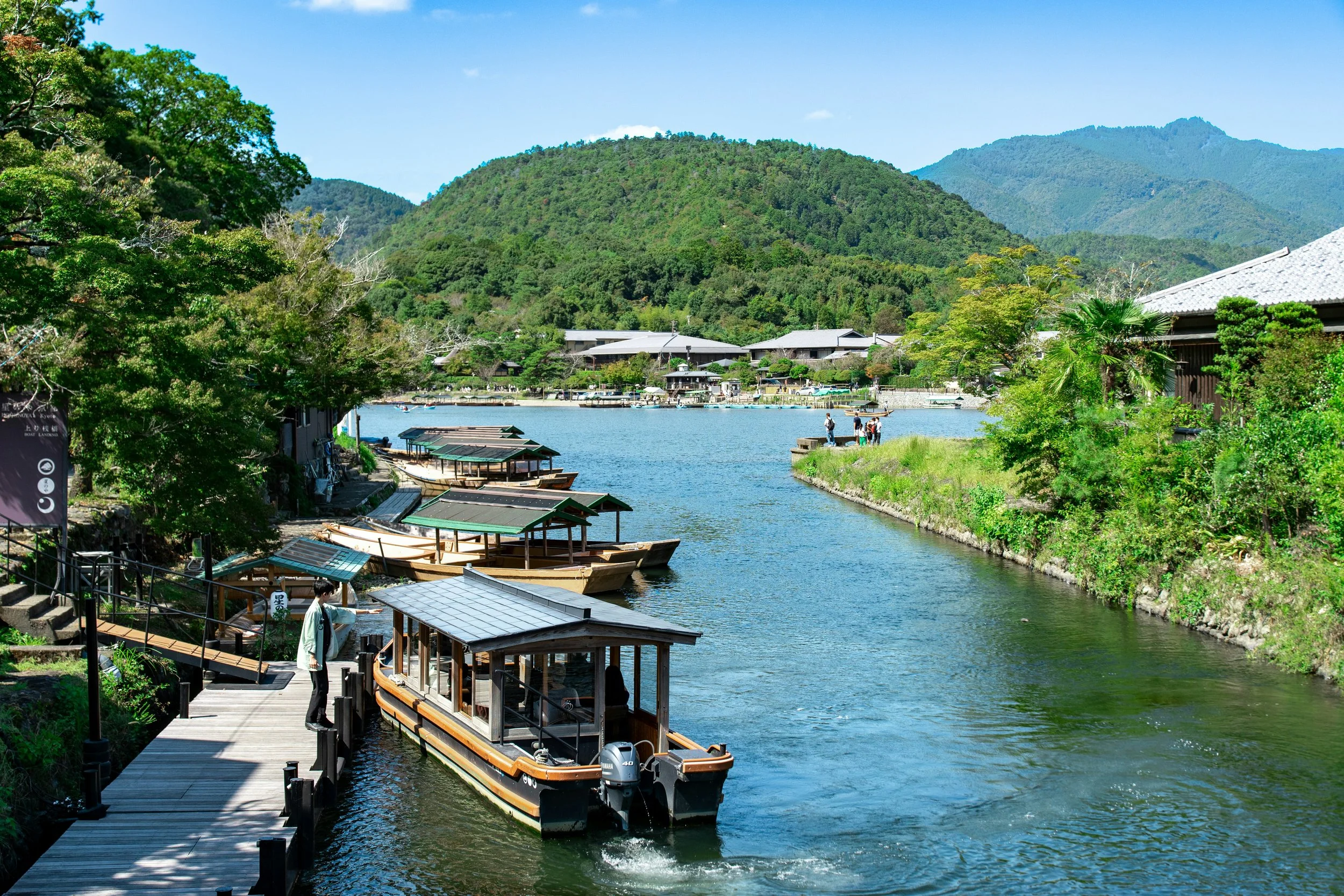
PHOTO CREDIT | Unsplash/Matt Cramblett
Museums That Connect Past and Present
Landmarks alone cannot tell the complete story of Japan. Museums throughout Tokyo and Osaka provide valuable context that enriches every journey.
The Tokyo National Museum houses extraordinary collections spanning thousands of years, from samurai armour and Buddhist sculpture to delicate ceramics and ancient manuscripts.
Meanwhile, the Osaka Museum of History presents the city's transformation from an important commercial centre into one of modern Japan's largest metropolitan areas. Interactive exhibits and reconstructed streets help visitors visualise daily life across different historical periods.
A Corridor Where Every Stop Adds Another Chapter
Travelling between Tokyo and Osaka reveals far more than two remarkable cities connected by efficient railways. Along the route, soaring observation towers, historic shrines, lively markets and thoughtfully preserved gardens illustrate the many dimensions of Japanese culture. From the sweeping views atop Tokyo Skytree to the timeless atmosphere of Sumiyoshi Taisha, every destination contributes its own story, creating a journey that celebrates both the country's remarkable heritage and its confident embrace of the future.