South Korea Through Two Distinct Lenses
Few countries balance urban innovation and natural scenery as effortlessly as South Korea. Along its southern coastline, Busan offers expansive beaches, bustling seafood markets and dramatic ocean views. Further north, Seoul blends centuries-old palaces with contemporary architecture, vibrant shopping districts and an ever-evolving cultural scene.
Experiencing both cities reveals the country's remarkable diversity. The contrast between a relaxed port city and a dynamic capital makes travelling across South Korea feel like exploring two very different destinations connected by a shared heritage.
Busan's Waterfront Sets the Pace
Busan welcomes visitors with fresh sea air and an unmistakable maritime character. Fishing boats line the harbour, coastal promenades invite leisurely walks and sandy beaches stretch beneath modern skylines.
Many travellers begin their adventure in the south before boarding the KTX High-Speed Train, an efficient service that links Busan with Seoul in just a few hours. The journey itself has become part of the experience, allowing passengers to move comfortably between two of the country's most celebrated destinations.
Before leaving the city, Haeundae Beach deserves unhurried attention. During the warmer months it attracts swimmers and sunseekers, while spring and autumn offer quieter days perfect for strolling along the shoreline with views across the East Sea.
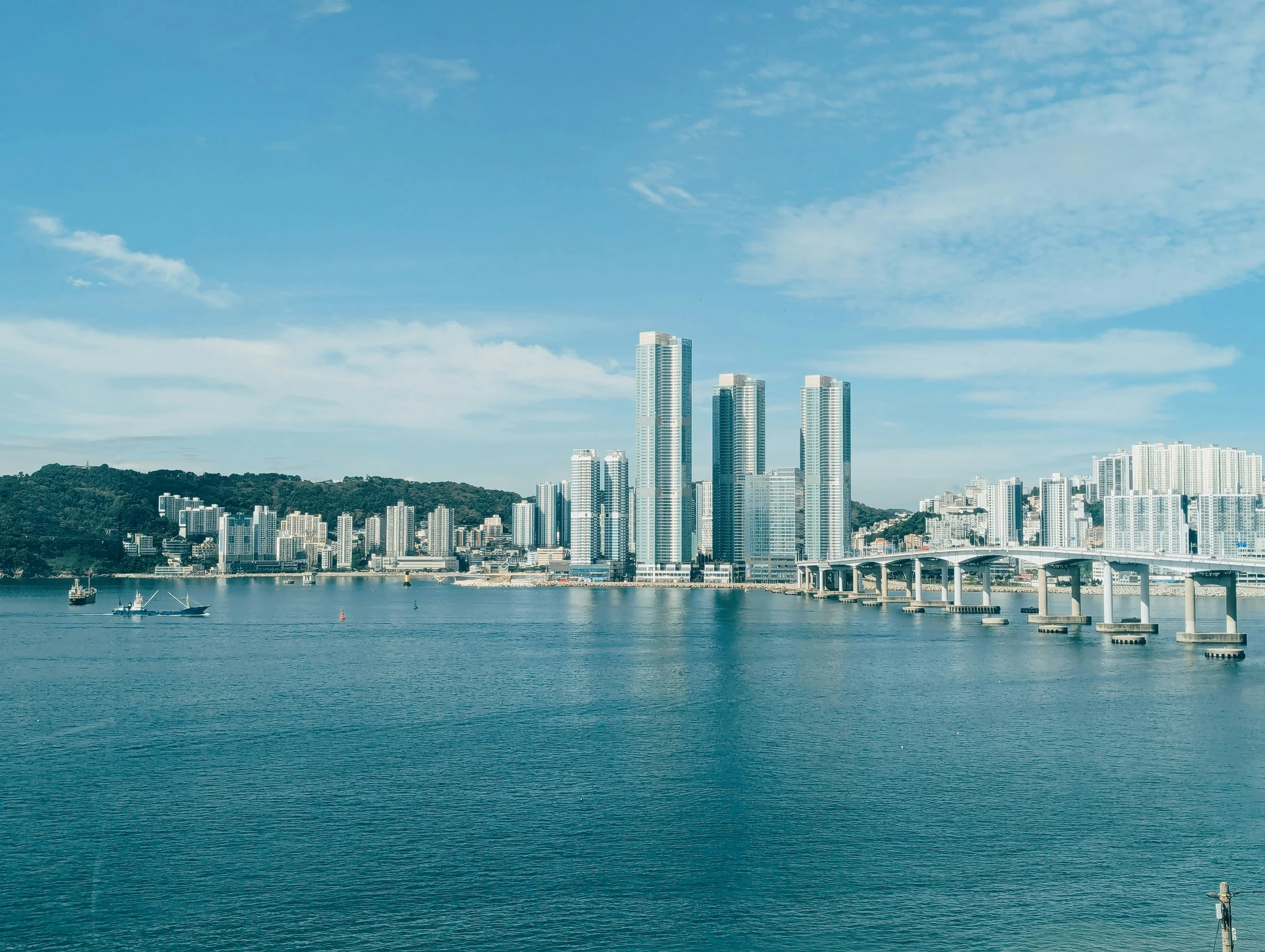
PHOTO CREDIT | Unsplash/note thanun
Markets Where the Sea Shapes Everyday Life
No visit to Busan feels complete without exploring Jagalchi Fish Market, the largest seafood market in South Korea. Here, the day's catch arrives directly from local fishing boats before making its way onto market counters and restaurant tables.
The atmosphere is lively from early morning. Vendors expertly prepare fish, shellfish and octopus while visitors sample dishes that reflect Busan's close relationship with the sea.
Nearby, BIFF Square adds another dimension to the city. Originally associated with the Busan International Film Festival, it has grown into a lively district filled with cinemas, cafés and street food stalls where local favourites such as ssiat hotteok attract long queues.
The Journey North Becomes Part of the Adventure
Travelling by train from Busan to Seoul offers more than simple convenience. Large windows reveal changing landscapes as coastal scenery gradually gives way to farmland, rivers and expanding urban centres.
The railway has transformed domestic travel by allowing visitors to combine multiple destinations without the complexity of internal flights. It also provides the freedom to enjoy each city at a comfortable pace before continuing the journey.
For many travellers, watching the scenery unfold between South Korea's two largest cities becomes one of the memorable moments of the trip, demonstrating how efficiently modern infrastructure connects regions with distinct identities.
Seoul's Royal Legacy Lives On
Arriving in Seoul introduces a different rhythm. Historic landmarks stand comfortably alongside contemporary office towers, luxury boutiques and creative neighbourhoods, creating an urban landscape where centuries coexist.
Gyeongbokgung Palace remains the city's architectural centrepiece. Its colourful gates, elegant pavilions and broad ceremonial courtyards provide a striking reminder of the Joseon Dynasty's influence on Korean history.
Visitors who arrive in time for the changing of the royal guard experience a ceremony inspired by traditions that have shaped the capital for generations. Beyond the palace walls, tree-lined streets quickly lead back into the energy of modern Seoul.
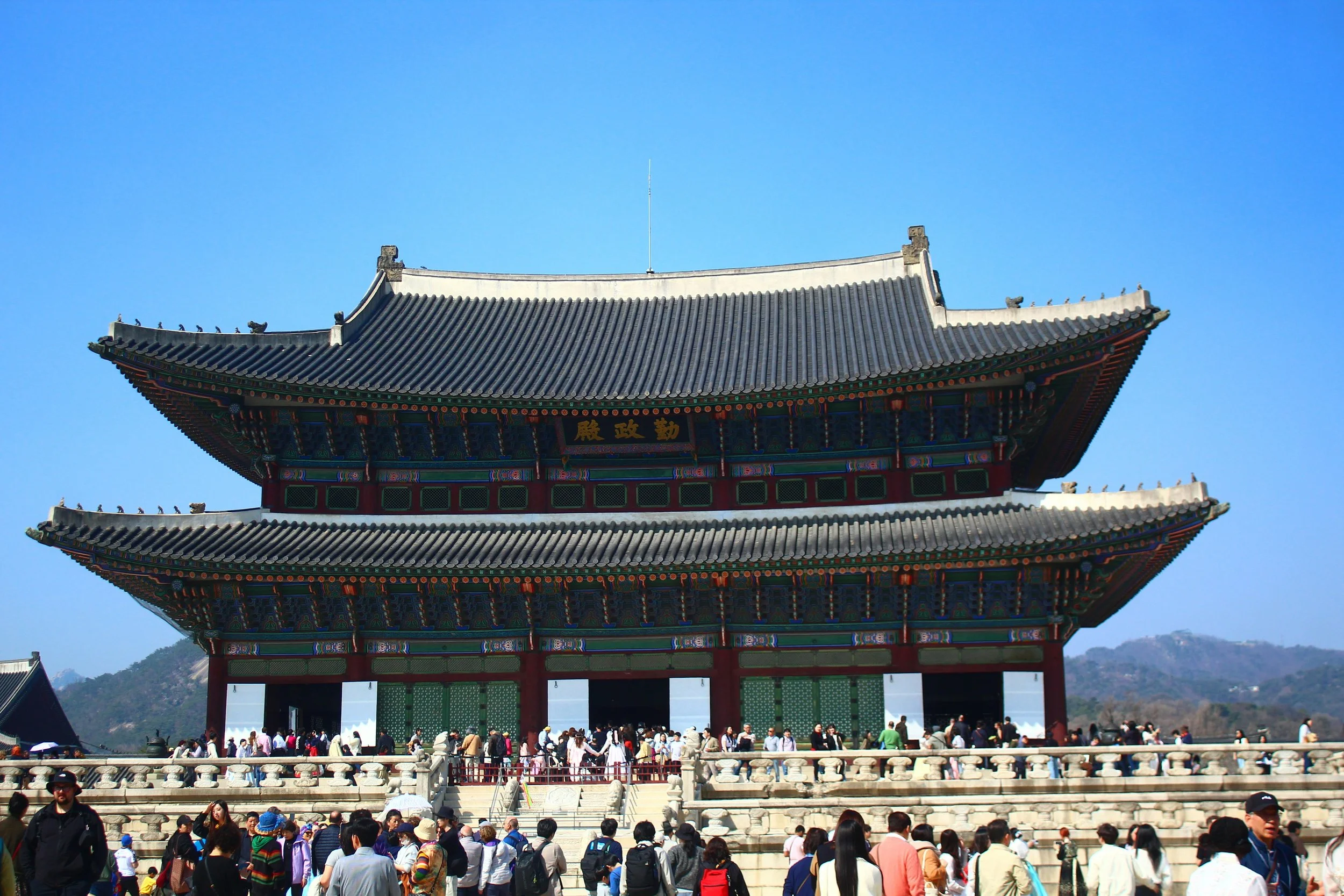
PHOTO CREDIT | Unsplash/Seval Torun
Neighbourhoods Full of Character
Some of Seoul's most rewarding experiences are found away from the major landmarks.
Bukchon Hanok Village preserves rows of traditional wooden houses connected by narrow lanes that climb gently across the hillside. Many buildings continue to function as homes, workshops, galleries and tea houses, giving the district an authentic atmosphere rather than the feel of an open-air museum.
Insadong offers another perspective on Korean culture. Independent bookshops, antique stores and artisan boutiques sit beside cafés where visitors can pause before continuing their exploration.
Meanwhile, the bright lights of Myeongdong attract those interested in fashion, cosmetics and late-night street food, illustrating the city's constantly changing personality.
Parks, Rivers and Places to Slow Down
Despite its size, Seoul provides plenty of opportunities to escape the pace of city life.
The Han River has become one of the capital's favourite gathering places. Walking paths, cycling routes and riverside parks attract residents throughout the day, particularly during spring and autumn when comfortable temperatures encourage outdoor activities.
Namsan Park combines nature with panoramic city views. A walk through wooded trails eventually leads to N Seoul Tower, where observation decks overlook neighbourhoods stretching towards distant mountains.
These green spaces remind visitors that Seoul's appeal extends well beyond its famous shopping districts and historic monuments.
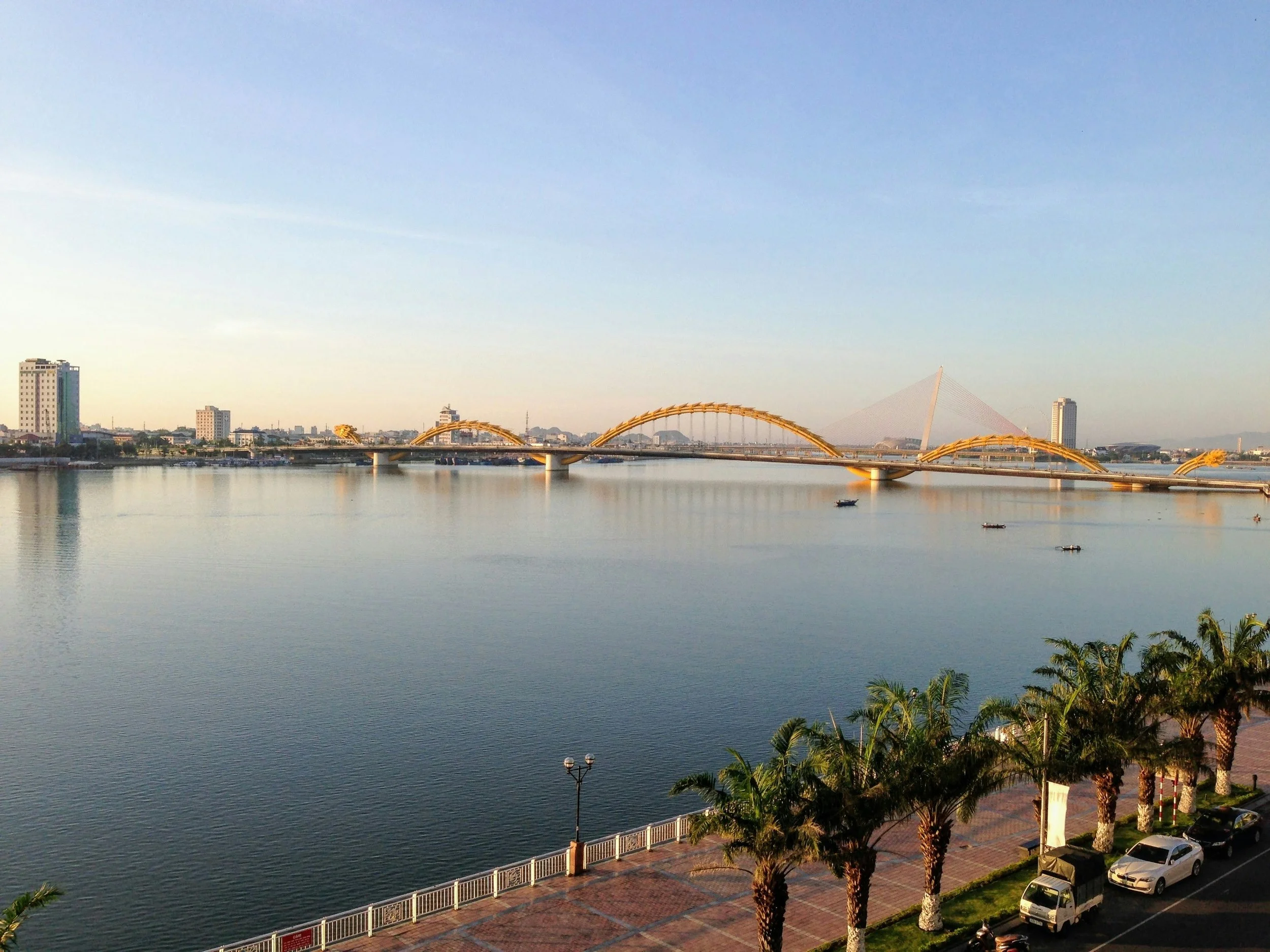
PHOTO CREDIT | Unsplash/Cong Long Vu
Flavours That Define Two Cities
Cuisine provides another fascinating comparison between Busan and Seoul.
Busan's coastal location naturally places seafood at the centre of many local dishes. Fresh sashimi, spicy seafood stews and grilled shellfish reflect ingredients brought ashore only hours earlier.
Seoul, by contrast, offers an extraordinary variety of regional Korean cooking gathered from across the country. Traditional barbecue restaurants, handmade dumpling shops and modern dining concepts exist side by side, allowing every meal to introduce something new.
Street food also differs from one city to another. While Busan is known for seafood-inspired snacks, Seoul's markets present an endless variety of sweet and savoury specialities enjoyed by residents throughout the day.
Two Cities That Complement One Another
Busan and Seoul present contrasting interpretations of modern South Korea without ever feeling disconnected. One draws visitors towards the sea, lively markets and relaxed coastal scenery, while the other showcases royal history, contemporary creativity and the energy of one of Asia's leading capitals. Travelling between them creates a rewarding journey where efficient rail connections, memorable landscapes and distinctive local experiences combine naturally, leaving travellers with a richer understanding of the country than either destination could provide on its own.