
Most people have felt it at some point: the tight, heavy sensation at the base of the neck after a long day of looking down at a phone. It is easy to dismiss as tiredness, but the research behind it tells a more specific story. The average head weighs around 11 to 12 pounds, but bending the neck at 30 degrees to look at a phone increases the effective load on the cervical spine to 40 pounds, and at 60 degrees that figure rises to 60 pounds. Multiply that by the hours most people spend looking at a screen in a given day and the cumulative strain on the neck and upper back becomes less surprising. Between 27% and 48% of workers experience neck pain each year, and around 73% of higher education students report it too, with phone posture identified as a significant contributing factor across most of the research. The question this article tries to answer honestly is whether wearable technology, specifically the kind that reduces how often and how long a person looks down at a phone, could make a meaningful difference to that picture.
Understanding the Mechanics of Phone-Related Neck Strain
The condition that physiotherapists and researchers now commonly call text neck is not a new injury. It is a repetitive strain pattern that has become significantly more common since smartphones became the primary way most people access information, communicate, and navigate their days. Approximately 75% of the global population now spends several hours each day in a forward-leaning position while using a device, and the physical consequences of that sustained posture accumulate in a specific and well-documented way. The muscles at the back of the neck, which are designed to hold the head upright, have to work much harder when the head tilts forward. Over time that sustained effort leads to muscle fatigue, inflammation, and in more severe cases changes to the natural curvature of the cervical spine. The problem is not occasional phone use. It is the frequency and duration of a posture that most people adopt without thinking about it dozens of times a day. Any tool that reduces the number of times a person has to look down at a screen is therefore reducing the cumulative load on the neck, which is the metric that matters from a musculoskeletal health perspective.
Where Wearable Technology Enters the Picture
The case for wearable technology as a partial solution to phone-related neck strain rests on a simple mechanical argument: if the information and communication that currently requires looking down at a phone could instead be delivered at eye level or through audio, the posture that causes the strain would occur less often. Smart glasses represent the most direct version of that argument. Open-ear speakers built into the frame deliver calls, navigation, music, and AI assistant responses through audio, which removes the need to look at a phone for any of those interactions. A built-in camera captures what the wearer is looking at from eye level, which removes the phone-out-to-photograph reflex that is one of the more frequent triggers of the forward head posture. Americans spend an average of 5 hours and 16 minutes per day on their phones, rising to 6 hours and 27 minutes for Generation Z, and even a partial reduction in the proportion of that time spent looking down rather than straight ahead represents a meaningful reduction in the daily strain load on the neck. The wearable tech does not replace the phone entirely, but it intercepts the specific interactions that require the most sustained forward head posture and routes them through a device that keeps the head in a more neutral position.
Smart Glasses as a Practical Intervention
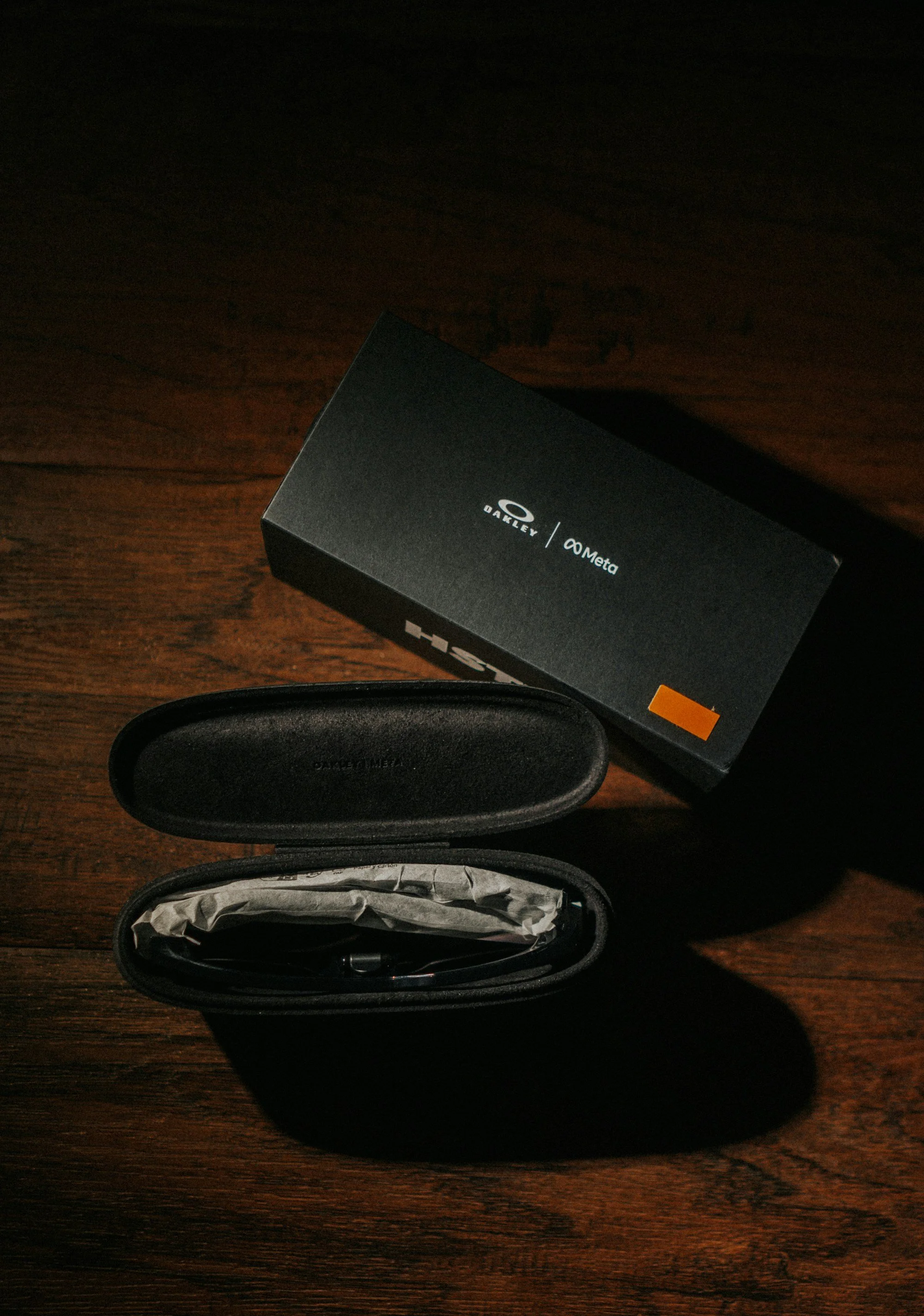
The current generation of smart glasses has developed to the point where using them as an everyday wearable is a realistic option rather than a tech experiment. Frames are lighter, battery life is longer, and the audio and camera features are practical enough to handle the interactions that would otherwise require a phone. Among the options in this category, the Oakley glasses with camera range approach the form factor from a performance eyewear background, which means the frames are designed to be worn all day in varied conditions rather than used intermittently. From a neck strain perspective, the specific value of smart glasses is in the interactions they intercept: the quick map check, the message reply, the phone call answered while walking, the photograph taken in passing. Each of those interactions individually involves a brief forward head posture. Across a full day they add up to a significant portion of the cumulative strain that produces neck pain by evening. Replacing them with eye-level audio and hands-free capture does not fix everything, but it addresses a real and measurable component of the problem in a way that does not require any conscious behavioral change beyond choosing which device to reach for.
What the Research Actually Supports and What It Does Not
It is worth being precise about what the evidence does and does not currently say about wearable technology as a solution to neck strain. The research on text neck is well-established: the posture is harmful, it is widespread, and the primary driver is phone use. Studies show that 45% of young adults have mild text neck syndrome, 36% have moderate symptoms, and 19% have severe symptoms, which reflects how far the condition has progressed in the population most exposed to it. What the research does not yet have is a specific body of studies examining whether smart glasses reduce neck strain incidence in daily users, because the category is too recent for that longitudinal data to exist. The argument for smart glasses as a neck strain intervention is therefore mechanically sound but not yet clinically confirmed, and it is worth stating that clearly rather than overstating what the evidence shows. What can be said with confidence is that reducing the frequency of forward head posture is beneficial, that smart glasses reduce the frequency of the interactions that trigger that posture, and that the logical connection between those two facts is straightforward enough to take seriously while the clinical evidence catches up.
Other Wearable and Behavioral Approaches Worth Combining
Smart glasses are not the only wearable technology relevant to the neck strain question, and they work best as part of a broader approach rather than a standalone fix. Smartwatches that deliver notifications through a glance at the wrist rather than a phone pulled from a pocket reduce forward head posture for that specific interaction. Posture-monitoring wearables, which sit at the base of the neck or on the upper back and vibrate when the wearer adopts a forward head posture beyond a set threshold, address the habit rather than the trigger. Used alongside smart glasses that reduce phone interaction frequency, a posture monitor that addresses the posture itself covers more of the problem than either device does alone. Ergonomic adjustments to how and where phones are used when they do need to be used, holding them at eye level rather than in the lap, using voice input rather than typing, and taking deliberate breaks from sustained screen use, remain important even for people using wearable technology, because no single device eliminates all the situations that produce the problematic posture.
Conclusion
Phone-related neck strain is a real and growing health concern, and the scale of it across the population reflects how thoroughly the forward head posture has become embedded in daily life. Wearable technology, particularly smart glasses that intercept high-frequency phone interactions and route them through audio and eye-level capture, offers a genuinely plausible partial solution rather than a marketing claim dressed up as wellness advice. The mechanical argument is sound, the devices are practical enough for everyday use in 2026, and the reduction in forward head posture they produce across a typical day is real even if the clinical confirmation of long-term outcomes is still developing. For anyone who ends most days with a tight neck and already knows their phone use is part of why, that is a reasonable basis for trying a different approach.