
A memorable steakhouse meal depends on more than an expensive cut and polished surroundings. Quality beef, accurate cooking, attentive service, comfortable seating, and sensible pricing all shape the experience. Experienced diners assess those details before reserving a table. Menu research, recent reviews, preparation notes, and total-cost comparisons help guests choose a restaurant that suits the occasion and delivers genuine value.
Check the Full Cost
Menu prices rarely show the complete expense. Sides, sauces, beverages, taxes, and gratuity can increase the final check substantially. Guests comparing a steakhouse in Tampa should review every course before booking. That habit clarifies whether the restaurant suits a planned celebration, business meal, or spontaneous dinner. It also prevents an impressive entree from creating an uncomfortable surprise at payment.
Examine Steak Quality
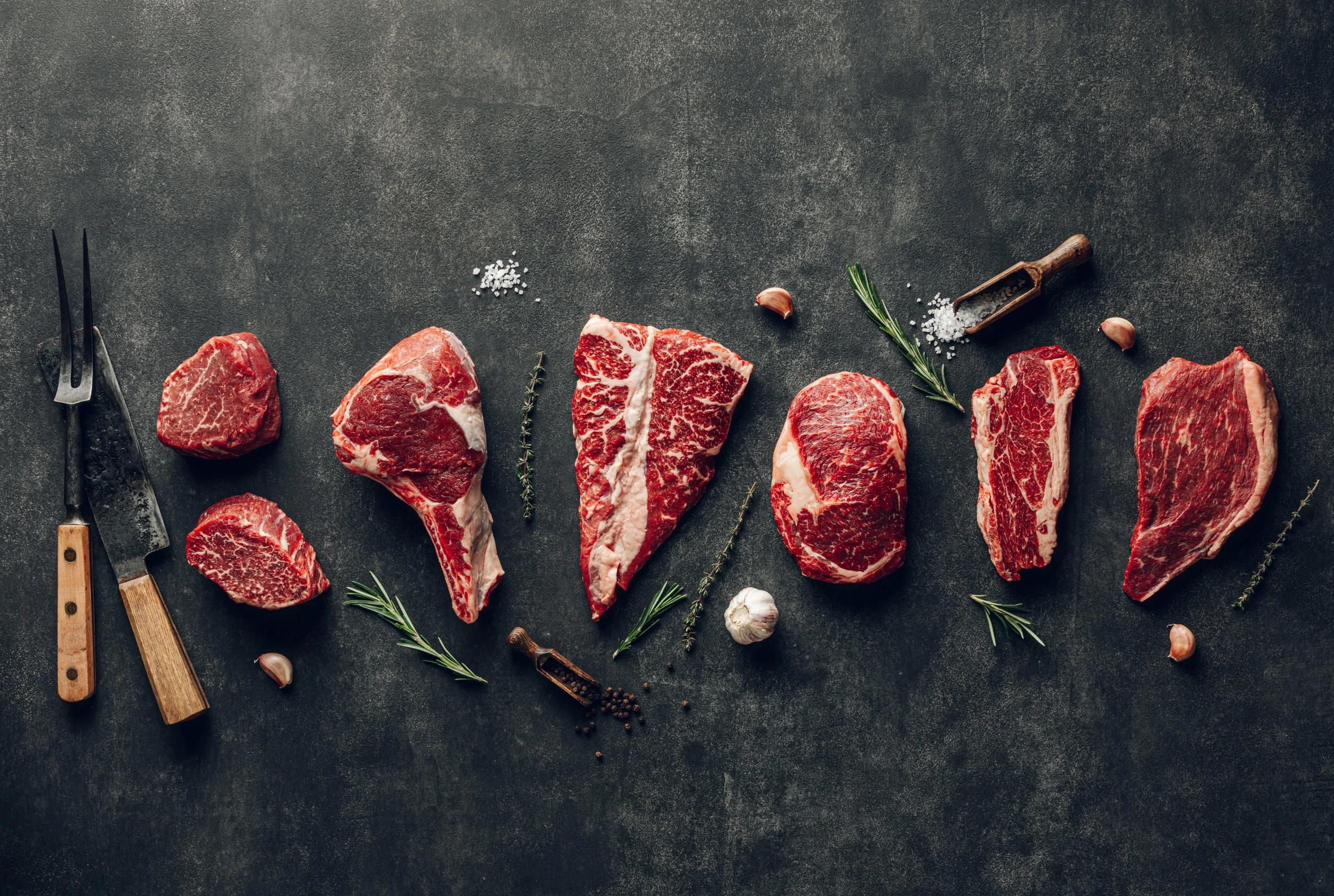
Premium beef should show clear evidence of careful sourcing and handling. Diners can examine descriptions of marbling, aging, cut thickness, origin, and serving size. Dry-aged beef often develops concentrated flavor, while abundant intramuscular fat contributes tenderness and juiciness. A transparent menu gives guests useful information instead of relying on vague claims about superior ingredients.
Review Cooking Methods
Excellent steak preparation requires controlled heat, proper seasoning, adequate resting, and precise slicing. Menus may reference broiling, charcoal, or wood-fire cooking, but technique matters more than terminology. Guests should confirm available doneness levels and explain preferences clearly. Reliable kitchens produce an evenly cooked center, a well-browned exterior, and juices that remain within the meat.
Study the Side Dishes
Side dishes should support the entree rather than compete with it. Creamed spinach, roasted vegetables, crisp potatoes, and seasoned mushrooms provide contrasting textures and flavors. Strong menus also include lighter choices, such as salads or simply prepared greens. Diners benefit from selecting one rich accompaniment and one fresher option, creating better balance across the plate.
Consider Service Standards
Upscale dining depends heavily on staff performance. Servers should explain cuts accurately, answer questions patiently, monitor pacing, and respond promptly to dietary concerns. Skilled teams recognize when assistance is needed without interrupting conversation. They also coordinate wine service, substitutions, and celebrations with discretion. Such attention demonstrates professional training and helps justify a higher check.
Evaluate the Dining Room
Physical comfort affects how guests experience a long meal. Diners should notice lighting, table spacing, chair support, background volume, ventilation, and cleanliness. A lively room may suit birthdays, while quieter seating works better for anniversaries or business discussions. Decorative expense matters less than whether the environment allows people to eat comfortably and speak without strain.
Read Recent Guest Feedback
Reviews provide practical evidence beyond menu descriptions. Guests should look for recurring comments about steak temperature, waiting periods, portion sizes, hospitality, and noise. One negative account may describe an unusual problem. Repeated observations deserve greater weight. Recent posts are especially useful because staffing, management, menus, and kitchen procedures can change within a short period.
Compare Beverage Options
A thoughtful beverage list should accommodate different tastes and budgets. Diners can compare wines by region, varietal, glass availability, and bottle pricing. Pairing guidance may help guests select a suitable match without unnecessary expense. Classic cocktails, quality beer, sparkling water, and nonalcoholic drinks also matter when a group includes varied preferences.
Look for Occasion Fit
The right restaurant depends on the purpose behind the reservation. Birthday gatherings may benefit from energetic service, generous sharing plates, and celebratory desserts. Anniversaries often suit quieter tables, slower pacing, and attentive staff. Business meals require predictable timing, moderate noise, and clear communication. Matching the dining room with the event makes spending feel deliberate.
Ask About Reservations
Guests should confirm booking policies, cancellation fees, dress expectations, parking arrangements, and seating preferences before arrival. Popular dining rooms can fill quickly during weekends, holidays, and local events. Early communication also helps staff prepare for allergies, mobility requirements, celebrations, or larger parties. A few minutes of planning can prevent avoidable complications later.
Measure Value Afterward
Value reflects the entire visit, not the steak’s weight alone. Diners can assess flavor, tenderness, temperature accuracy, hospitality, timing, comfort, and satisfaction after the meal. A higher bill may feel justified when each element performs well. Conversely, a lower price can disappoint when careless cooking, rushed service, or uncomfortable seating weakens the experience.
Conclusion
Finding a steakhouse worth the splurge requires informed judgment. Guests should compare beef quality, cooking technique, service, comfort, side dishes, beverages, reviews, and total pricing before making a reservation. A defined budget and clear occasion provide useful boundaries. With those factors in mind, diners can choose a restaurant that delivers carefully prepared food, considerate hospitality, and lasting satisfaction.