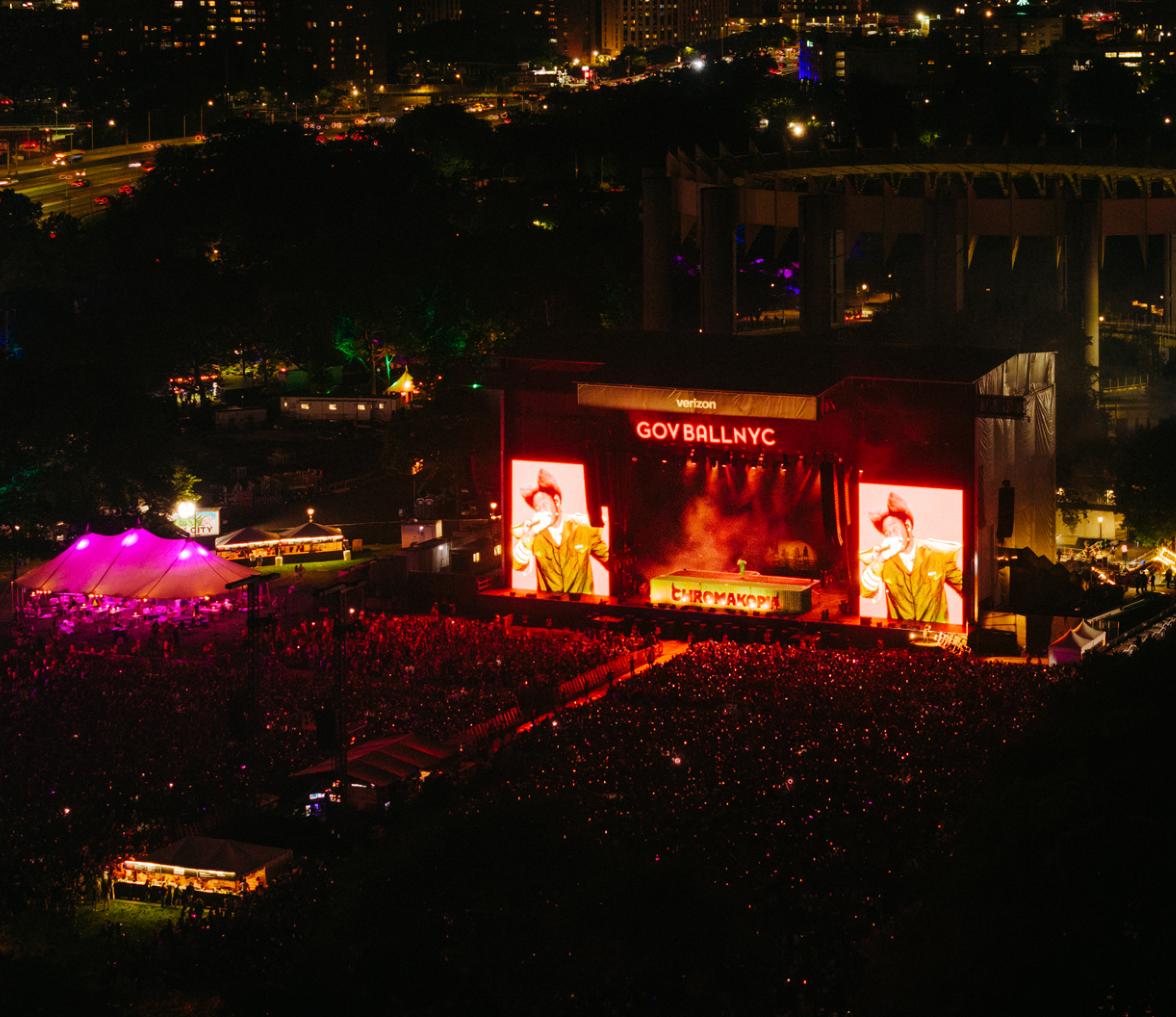
Planning travel around stadium tours and multi-day music festivals has become a standard way to combine live entertainment with regional tourism. Attending high-profile music events requires advance preparation, ranging from arranging flights and accommodations to understanding venue regulations and ticket marketplace dynamics. Coordinating these logistical elements early helps avoid unexpected expenses, entry delays, and scheduling conflicts.
Executing a multi-city concert trip requires balance across several operational areas. Travelers need functional apparel suited to variable weather and long hours on foot. Navigating the resale market requires awareness of pricing patterns, inventory cycles, and transaction fees. Ensuring ticket authenticity and smooth arena access establishes the basis for an organized trip.
Curating the Calendar: America's Signature Music Getaways
Building an itinerary starts with understanding the venue layout, climate, and transit options of each host city. Major live music gatherings across the United States operate under distinct environmental conditions, each requiring specific approaches to lodging, transport, and daily planning.
In Indio, California, festival events take place across extensive outdoor fields within a desert environment. Strong daytime heat contrasts sharply with low evening temperatures.
Schedules in this region generally involve staying indoors or near a pool during peak heat hours and traveling to the polo grounds in the late afternoon before primary performances begin. In contrast, urban events held in city centers, such as Chicago's Grant Park or park locations in New York City, rely on metropolitan transit networks and pedestrian routes between hotels, restaurants, and venue perimeters.
Assessing venue layouts early prevents travel delays. Booking hotels near scheduled express shuttle routes or metro lines minimizes travel time and transit costs. For metropolitan trips, consulting regional information portals such as NYC Tourism provides current updates on public transportation routes, street detours, and neighborhood dining options.
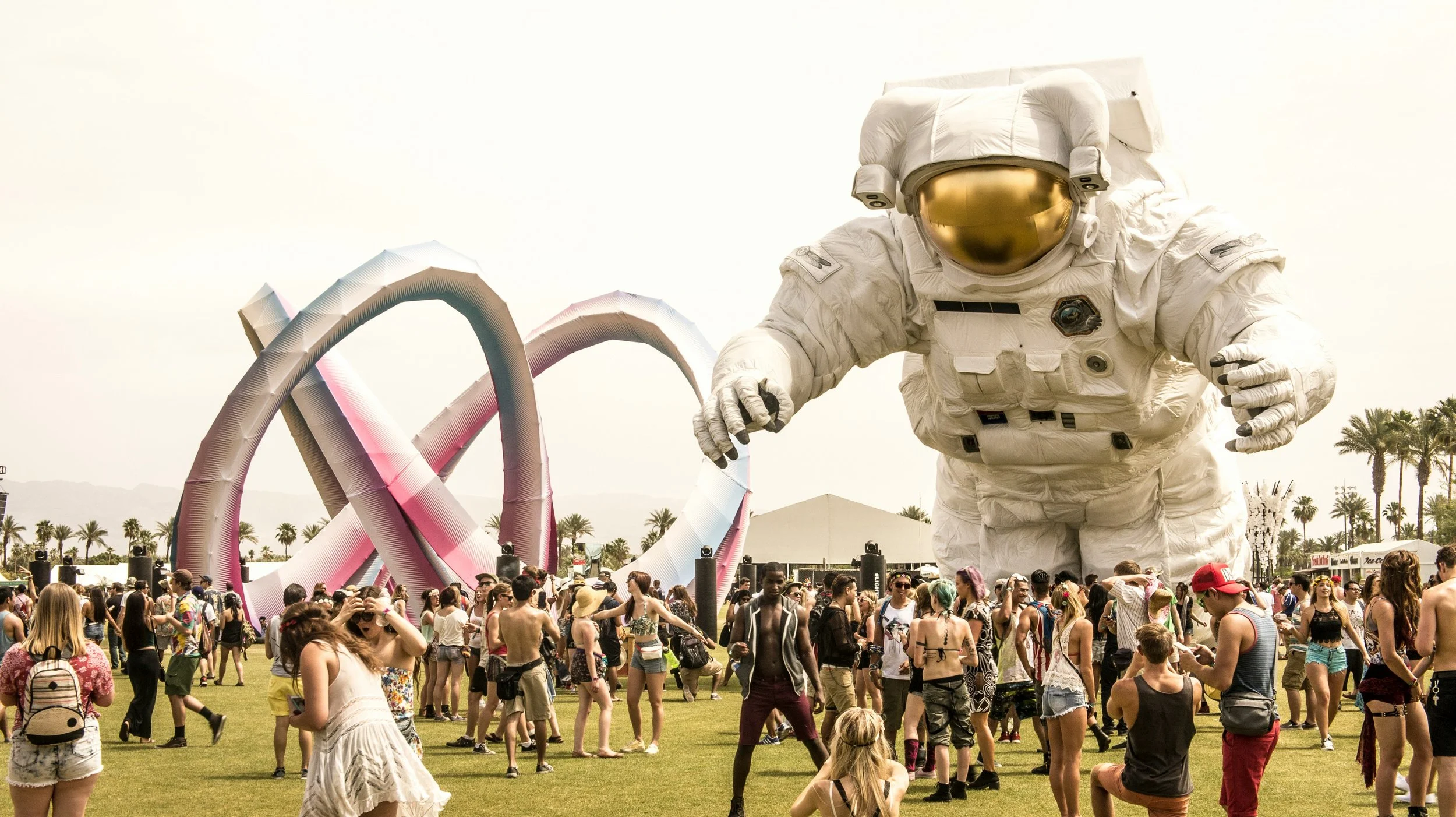
PHOTO CREDIT | Unsplash/Andrew Ruiz
Designing the Base: Accommodations and Neighborhood Immersion
Selecting where to stay shapes the ease of the entire weekend. Choosing a hotel purely based on proximity to the front gates can leave visitors in industrial transit corridors far from grocery markets, dining options, and rail lines.
For outdoor festivals in remote locations like the Coachella Valley, staying in neighboring cities such as Palm Springs, Rancho Mirage, or La Quinta provides established amenities. Renting private properties or choosing hotels with amenities such as kitchens, shaded areas, or pools can give groups more options for managing daytime heat. Using designated
park-and-ride shuttle passes avoids congested parking lots, reducing vehicular delays at closing time.
For metropolitan festivals, neighborhood selection dictates your entire weekend rhythm:
● Chicago (Grant Park)
Base yourself in the West Loop or River North. While the Loop offers direct walking access to festival stages, the West Loop surrounds you with dining options along Randolph Street, coffee shops, and boutique hotels. A morning walk or short train ride delivers you directly to the park gates.
● New York City
Choose properties in Lower Manhattan, Williamsburg, or Long Island City. These areas provide direct access to subway lines heading toward venue grounds while keeping independent retail shops, transit hubs, and waterfront dining options close to your accommodations.
● Austin (Zilker Park)
Position yourself along the South Congress corridor or in Downtown Austin. Staying near Lady Bird Lake allows you to begin your mornings with outdoor recreation or trail running before walking across the pedestrian bridges straight to the park grounds.
Planning midday rest periods helps manage energy across multi-day events. Scheduling hydration breaks, structured meals, and indoor rest during early afternoons reduces physical fatigue before evening headlining sets.
The Capsule Wardrobe: Practical Festival Athleisure
Extended festival attendance involves sustained walking across varied terrain, standing on turf or concrete for hours, and navigating crowd movement. Selecting technical, performance-oriented fabrics provides functional comfort across entire weekends.
A practical travel wardrobe addresses three operational factors: temperature shifts, unexpected rain, and stadium security policies. Packing durable athleisure pieces minimizes luggage bulk while meeting venue requirements:
● Supportive Footwear
Footwear is the foundation of any event trip. Choose athletic running shoes or structured trainers with arch support and durable rubber outsoles. Packed dirt trails, damp grass fields, and concrete ramps cause fatigue in unsupportive shoes. Packing synthetic or merino wool moisture-wicking socks prevents skin irritation during full days on foot.
● Modular Layering
Desert and some outdoor venues can experience significant temperature changes after sunset. Packable nylon windbreakers, lightweight button-down shirts, and thin knit pullovers fit into small daypacks without adding excess weight. Carrying a lightweight water-resistant shell can also help protect against sudden rain.
● Sun and Heat Protection
High-UPF clothing, polarized sunglasses, and packable wide-brim hats provide protection during afternoon sets. Keeping sunscreen and electrolyte drink mix packets in your travel kit can help you stay protected and hydrated throughout outdoor events.
● Compliant Carrying Systems
Many stadiums and large venues enforce strict bag size restrictions, but policies vary by venue. Some major stadiums allow clear plastic, vinyl, or PVC bags measuring no larger than 12 by 6 by 12 inches, along with small non-clear clutch bags. Always check the specific venue's current bag policy before traveling. Selecting a bag that complies with the venue's current policy can reduce the risk of entry delays and the need for locker rentals.
PHOTO CREDIT | Unsplash/Cedrik Mosquera
Deconstructing the Ticket Landscape: Strategy, Timing, and Transparency
Securing entry passes requires understanding how primary and secondary ticket markets operate. When high-profile arena tours and festival passes sell out or have limited primary inventory, attendees may turn to secondary resale exchanges.
The secondary marketplace experiences dynamic price adjustments based on touring schedules, regional demand, and seller inventory levels.
A common frustration for event travelers is the presence of unanticipated service fees. Depending on the marketplace and its pricing model, the initial listing price may differ from the final total because service or fulfillment charges can apply. Comparing the all-in price before purchasing can help travelers avoid unexpected costs.
To avoid unexpected checkout markups, experienced travelers use secondary exchanges designed around upfront pricing models. Modern platforms such as TicketX offer an alternative with a no-hidden-fees pricing model. By viewing pricing upfront through platforms like TicketX, fans sourcing verified concert tickets can more easily account for ticket costs when planning flights, dining, and lodging.
Understanding inventory timing also impacts overall costs. For major multi-day festivals, secondary-market prices can change significantly after lineup announcements as demand and inventory shift. Prices may also move in the weeks leading up to an event as sellers adjust listings and shipping deadlines approach, but there is no guarantee that resale prices will decline. For stadium and arena tours, additional inventory can sometimes appear close to the event as production holds or other reserved seats are released. Checking the market during the final few days can reveal new inventory, although availability and timing vary by event.
Evaluating Admission Tiers: General Admission vs. VIP Options
Deciding between general admission passes and premium VIP ticket options requires balancing upfront expenditure against logistical benefits. While general admission provides access to main crowd areas, premium wristbands provide operational amenities that alter physical comfort across long schedules.
Key factors to evaluate when considering upgraded tickets include:
● Expedited Entry Lanes
Dedicated VIP entry lanes may reduce queue times during peak afternoon hours, helping attendees spend less time waiting outside.
● Dedicated Viewing Sections
Some VIP packages include dedicated viewing areas that can provide improved sightlines without requiring attendees to wait near the stage for hours.
● Dedicated Restroom and Hospitality Facilities
Depending on the event and package, VIP areas may include amenities such as air-conditioned spaces, private restrooms, shaded seating, or device charging stations.
● Dedicated Food and Beverage Lines
Designated concession stands and hospitality areas may offer shorter service queues, reducing time spent waiting for food and drinks between performances.
For travelers who prioritize schedule flexibility and comfort during multi-day events, VIP passes or club seats may justify the higher cost through shorter wait times, additional amenities, and improved access.
The Operational Checklist: Gate Entry and Event Day Logistics
Reviewing venue entry details 48 hours before departure prevents last-minute access issues. Using a practical operational checklist ensures smooth entry:
1. Digital Ticket Preparation
Save electronic tickets to your device's mobile wallet before leaving your accommodation. High-density venue crowds create cellular network congestion, often preventing ticket apps from loading at the entrance gates. If the ticket provider allows screenshots or offline ticket access, prepare a backup method for accessing your ticket before arriving at the venue.
2. Venue Policy Verification
Review the venue's official website for updated lists of prohibited items, acceptable external battery pack dimensions, and camera restrictions. Many venues prohibit professional lenses, selfie sticks, and non-collapsible umbrellas.
3. Ground Transportation Planning
Schedule rideshare pickups or private transfers several blocks away from the primary venue perimeter. Pickup areas at large stadiums can experience heavy traffic immediately following the final encore. Alternatively, identify rail transit routes that offer direct connections to your hotel.
4. Hydration and Sun Care Equipment
Bring empty collapsible plastic water bottles or hydration bladders that meet venue volume specifications. Many outdoor festivals provide water refill stations, but availability and permitted container types vary by event. Check the festival's official policies before arriving. Carry replacement sunscreen and lip balm in factory-sealed travel containers.
5. Physical Credential Handling
For festivals using RFID wristbands, follow the event's official instructions for fitting and activating the wristband. Some wristband closures are designed to lock permanently once tightened, so avoid adjusting the closure until you have reviewed the event's instructions. If the event provides wristband registration, complete the registration process according to the official event instructions and review its replacement policy in case the wristband is lost.
Organizing travel around live music events requires clear planning and informed logistics. By pairing practical packing strategies with transparent ticket purchasing, travelers can manage festival itineraries efficiently and focus entirely on the event experience.