
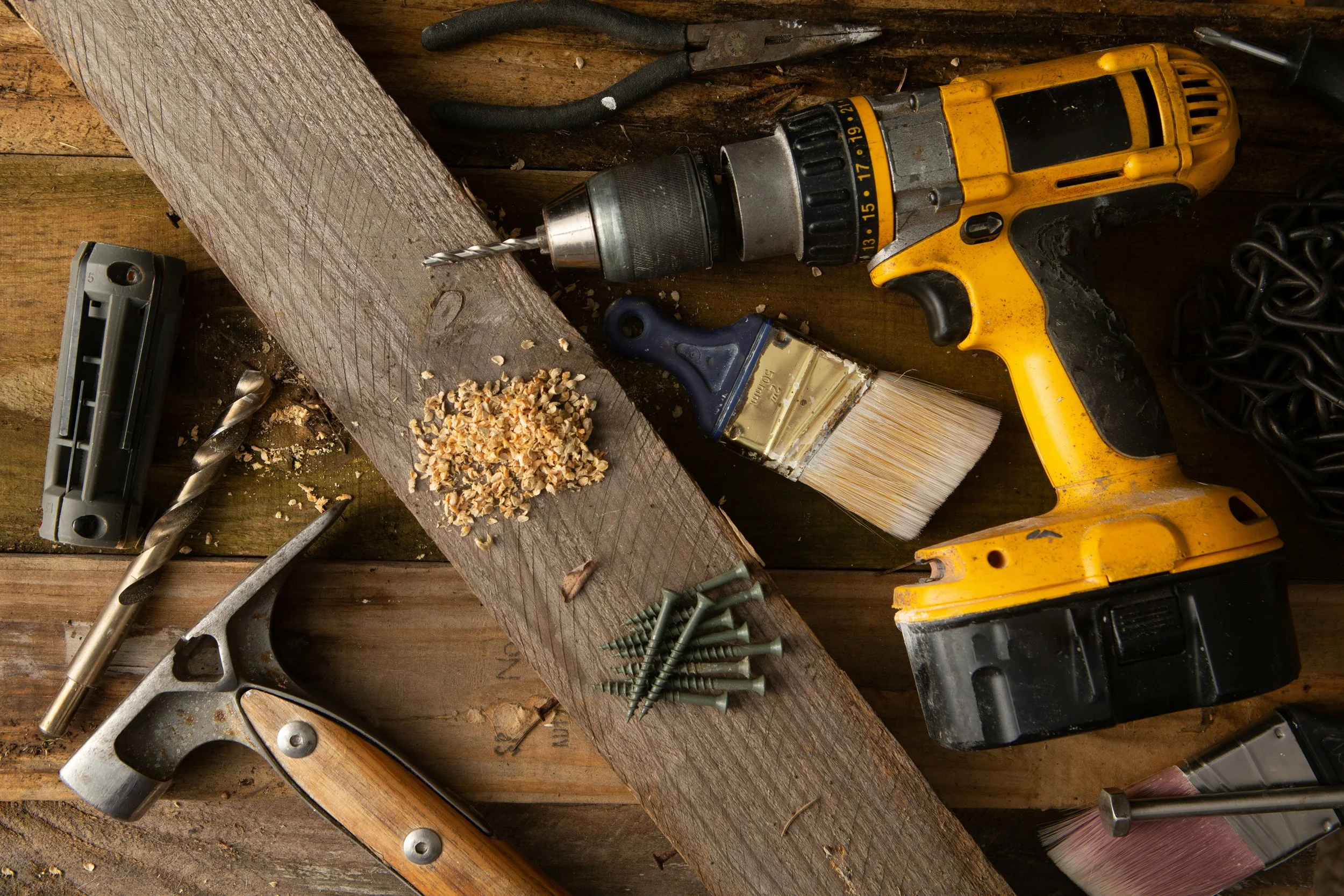
Modern lifestyles are often associated with convenience, digital entertainment, and increasingly sedentary routines. Yet alongside the popularity of fitness classes, outdoor adventures, and wellness-focused activities, more people are rediscovering hobbies that involve building, repairing, creating, and working with their hands.
From woodworking and gardening to furniture restoration, metalworking, and home improvement, hands-on activities offer something that many screen-based pastimes cannot. They encourage movement, concentration, creativity, and practical problem-solving while giving people something tangible to show for their time.
Redefining What An Active Lifestyle Looks Like
Being active does not necessarily mean spending every free hour at the gym or training for a marathon. An active lifestyle can include any regular activity that encourages you to move, engage with your surroundings, and spend less time sitting still.
Hands-on hobbies fit naturally into this broader definition. Building a planter, restoring an old table, working on a bicycle, or improving a backyard space can involve lifting, carrying, bending, walking, measuring, and reaching, often without feeling like a conventional workout.
These activities also make movement purposeful. Instead of exercising solely to reach a fitness target, you are physically active because you are trying to complete a project, learn a skill, or improve something you use in everyday life.
People Are Looking For More Time Away From Screens
Technology makes everyday life easier, but it also means many people spend a significant portion of the day looking at screens. Work, entertainment, shopping, communication, and even exercise programs can all take place through phones, tablets, televisions, and computers.
A hands-on hobby offers a chance to break that routine. When you measure a piece of wood, plant a garden bed, repair equipment, or assemble a project, your attention naturally shifts to the physical task in front of you.
This change of pace can make leisure time feel more distinct from the working day, particularly for people who work remotely or spend hours at a computer. Having an activity that requires physical participation can create a clearer boundary between work and personal time.
Practical Skills Are Becoming Appealing Again
There is also growing satisfaction in knowing how to make or repair something yourself. While professional services remain essential for specialized or potentially dangerous work, many everyday projects offer chances to build useful practical skills.
Someone might start by learning to hang shelving or repair a piece of furniture, then gradually move toward more ambitious projects. Each completed task develops familiarity with tools, materials, planning, and the importance of working carefully.
These skills can also change the way people think about the objects around them. Instead of automatically replacing something that is damaged or outdated, a person with practical experience may first consider whether it can be repaired, restored, modified, or repurposed.
Creative Hobbies Can Be Surprisingly Physical
Creativity is sometimes imagined as a quiet activity involving a desk, sketchbook, or computer, but many creative pursuits require substantial physical effort. Pottery, landscaping, woodworking, furniture making, and metalworking combine creative thinking with movement and coordination.
That combination makes hands-on hobbies particularly appealing to people who want their leisure time to feel both productive and active. A project might require several hours of moving between a workbench, storage area, tools, and materials while repeatedly changing position.
Physical demands vary widely between hobbies, so good technique matters. Taking breaks, maintaining a comfortable workspace, lifting materials appropriately, and avoiding repetitive strain can help make longer projects more enjoyable.
The Right Equipment Makes A Difference
As people take practical hobbies more seriously, appropriate equipment becomes increasingly important. Comfortable clothing, sturdy footwear, eye protection, hearing protection, gloves, ventilation, and task-specific protective gear can all have a role depending on the activity.
Metalworking and welding, for example, require specialized protection and should only be approached with appropriate training and safety precautions. People researching protective equipment for these activities can choose Ridge Products Welding when comparing welding helmets, lenses, and related products designed for welding environments.
The same principle applies to almost every practical hobby: equipment should match the task rather than being bought simply because it looks professional. Understanding how tools and protective gear are intended to be used is an important part of developing any hands-on skill responsibly.
Projects Provide A Different Kind Of Progress
One reason physical hobbies can become so rewarding is that progress is often visible. A running program may be measured by distance or pace, while a hands-on project lets you see a garden develop, a piece of furniture take shape, or a room gradually transform.
Visible progress can motivate you to keep going. Even when the finished project is weeks away, smaller milestones such as preparing materials, completing one section, or mastering a new technique can create a sense of accomplishment.
Mistakes can also become part of the learning process. A measurement that needs correcting or a finish that does not look quite right encourages you to identify what happened, adjust your approach, and apply that knowledge to the next stage.
Hands-On Activities Can Become Social
Practical hobbies do not have to be solitary pursuits. Workshops, community groups, maker spaces, classes, and online communities give people opportunities to exchange knowledge and work alongside others with similar interests.
Friends and family members can also participate in suitable projects together. Painting furniture, maintaining a garden, assembling simple outdoor features, or working on craft projects can turn an ordinary weekend into a shared activity rather than another afternoon spent separately in front of screens.
For beginners, learning alongside someone more experienced can make an unfamiliar hobby feel more approachable. It can also reinforce safe working habits, particularly when tools or equipment require specific techniques.
Hobbies Can Encourage More Sustainable Habits
Hands-on skills can support a more thoughtful approach to consumption. Learning how products are constructed often makes it easier to appreciate the materials, labor, and resources required to manufacture everyday objects.
Repair and restoration are particularly relevant here. Extending the life of furniture, clothing, bicycles, garden equipment, or household items can reduce unnecessary replacement while giving older belongings a new purpose.
DIY does not automatically make every project sustainable, of course. Buying large quantities of tools or materials you rarely use can create its own waste, so borrowing, renting, reusing, and planning projects carefully can be sensible alternatives.
Finding A Hobby That Fits Your Lifestyle
The best hands-on hobby isn't necessarily the most demanding or impressive. It is an activity that matches your available space, budget, interests, physical abilities, and the amount of time you can realistically dedicate to learning.
Apartment dwellers might explore sewing, model building, small-scale restoration, or indoor gardening, while people with garages or outdoor areas may have room for larger woodworking, automotive, or landscaping projects. Starting small lets you see whether you genuinely enjoy an activity before investing heavily in equipment.
Consistency matters more than scale. A few hours spent creating or repairing something each weekend can add movement, variety, and practical learning to a routine without requiring a complete lifestyle overhaul.
Making Leisure Time More Active And Meaningful
An active modern lifestyle can extend far beyond organized exercise. Hands-on hobbies show that movement, creativity, learning, and relaxation can fit into the same activity, whether you are tending a garden, restoring furniture, building something useful, or developing a new practical skill.
As more of everyday life moves online, activities rooted in the physical world offer a valuable contrast. Choosing a project that interests you, learning the necessary techniques, and approaching it safely can turn ordinary free time into an opportunity to move more, create something tangible, and build skills that keep improving with experience.