Few systems in World of Warcraft spark as much argument as GDKP. Ask ten players what they think of it, and you will probably get ten answers. Some of these will be genius. Others will sound silly. Let us unclock what GDKP is, why it has replaced so many raids, and how Blizzard's policy regarding it continues to change.
Knowing GDKP also entails knowing the way gold circulates in the game. Some players farm it themselves. Others buy a stash of WoW gold to jump straight into these gold-bid raids without weeks of grinding first. Both directions are fine. However, being familiar with the mechanics will guide you to choose which side of this debate you will fall on. So, let’s dig deeper together.
What Is GDKP?
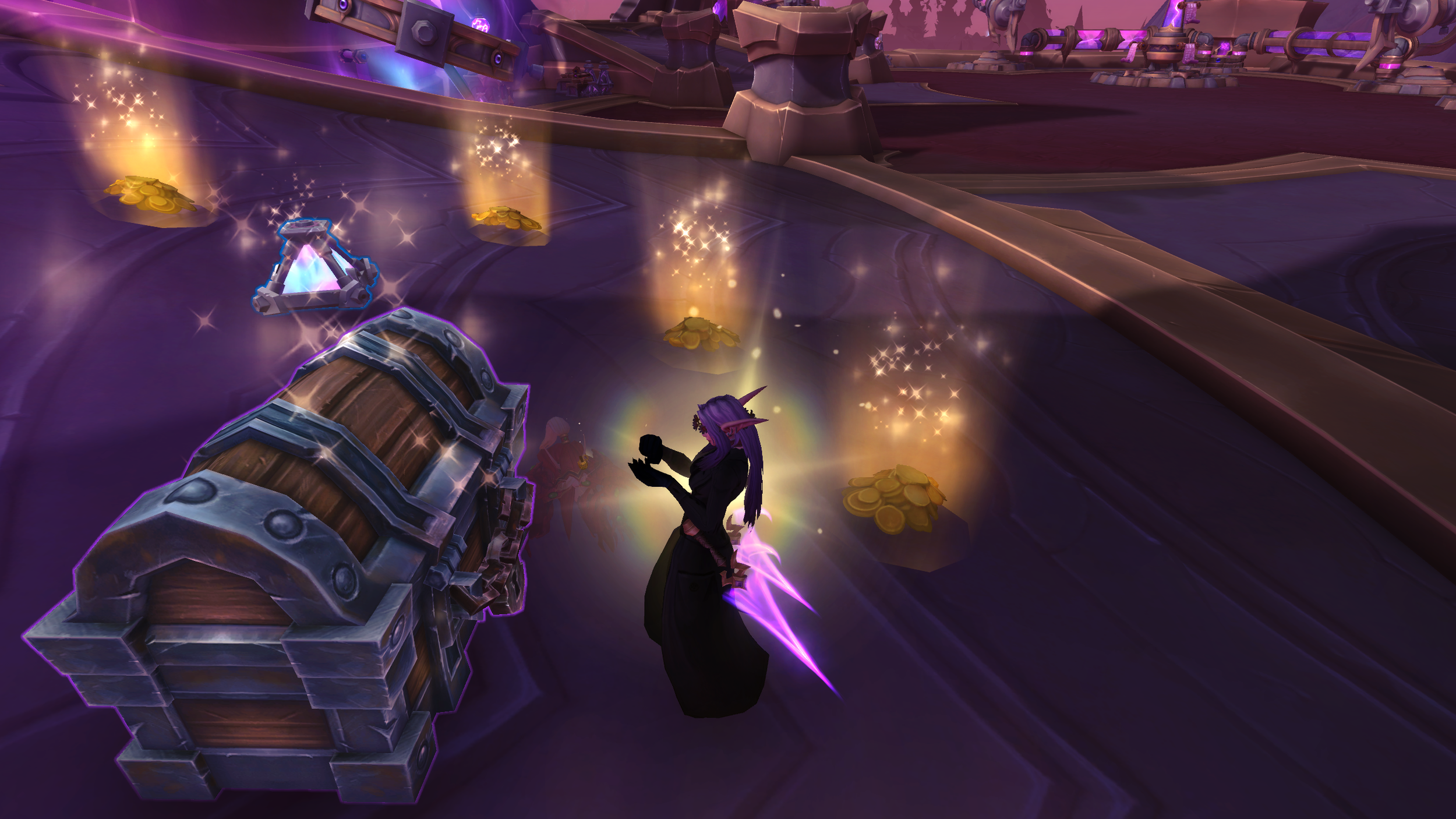
GDKP means Gold Dragon Kill Points, and it was introduced to replace older loot systems (DKP and loot council) several years ago. Instead of throwing dice or counting attendance points, all items that drop are auctioned during the raid itself.
Raids with this system are divided into two approximate groups. Buyers usually appear under-geared and rich in gold. They offer to buy what they really require. Carries are powerful, well-prepared players who do not require loot and enter the game just to run the group through bosses. When a good piece falls, the purchasers outbid one another, and totals may reach into the hundreds of thousands of gold on one piece. After the raid is over, the organizer divides the entire pot between all the participants, except a portion retained to run the show.
Why So Many Players Choose GDKP
GDKP solved a problem that has bothered raiders for two decades. They previously wasted time with nothing to show for it. A normal pug raid can run for hours and end with an empty inventory if the loot table does not cooperate. Here are some of the reasons why this format replaced so many servers:
Every participant leaves with either an upgrade or a pile of gold, never with nothing at all.
Players rarely quit early after a wipe, since payouts only happen at the very end.
Organizers screen carries using combat logs, so groups usually move faster and cleaner than a random pug.
That mix made GDKP seem more of an equitable exchange of time for reward, even to those who do not purchase or sell gold.
The Downside: What GDKP Breaks
Opponents of GDKP cite a more basic issue behind the convenience. One player can reach the highest level, purchase a huge pile of gold, and leave one raid more geared than a player who took months to earn items the old-fashioned way.
That force is in opposition to the social backbone that guilds could previously count on. Why waste time on a rigid raid schedule and a hard-driving raid leader when a gold-bid group will provide you with guaranteed rewards at your own convenience? Old raiders have also accused GDKP of driving consumable prices well beyond the reach of casual players. After all, regulars who hoard gold during these raids can easily outbid everyone at the auction house without even batting an eyelid.
Blizzard's Shifting Rules on GDKP
Blizzard remained largely hands-off over the years, considering gold-for-loot trades as a normal aspect of the game provided no actual money was exchanged. The company even constructed the WoW Token based on that reasoning, allowing players to turn cash into gold via an official system rather than a third-party site that is shady.
That hands-off approach ended suddenly in February 2024. On Season of Discovery servers, GDKP was outright banned by Blizzard, beginning with the release of Phase 2. Their rationale was based on the need to safeguard the traditional guild system the season was constructed on. Thus, they threatened to suspend repeat offenders permanently. The policy has splintered by server type since then:
Banned — Season of Discovery, the Fresh/Anniversary progression realms, and TBC Anniversary realms in both North America and Europe.
Still allowed — Classic Era permanent realms and Mists of Pandaria Classic, where the economies have been running this way for years.
Openly permitted — Current retail, including Midnight, through the dedicated Trade Services channel, as long as payment stays in gold from a character actually in the raid.
So, GDKP is not one prohibited or permissible activity in the entire game. It all hinges on what version and what type of server you are playing on. Blizzard has not indicated that they are going to harmonize the rule any time soon.
How Much Raid Leaders Make
The mathematics of running a big GDKP event is why so many players continue to run it despite the backlash of the community. A raid leader usually reserves five to fifteen percent of the total pot to cover the auction and to organize the group.
Imagine the last raid boss pot of two million gold in a complete run. A leader who steals ten percent gets two hundred thousand gold in one night of organizing. The rest is divided among the other members. That usually comes to about seventy thousand gold apiece, depending on the size of the group. Proficient carries that take several of their well-geared characters through several of these raids per week can accumulate millions of gold. This is more than enough to pay their subscription fees and gearing expenses many times over.
Where This Leaves the Average Player
None of this means GDKP is inherently good or bad. It is a trade-off between guaranteed rewards and the social structure that guilds used to provide. Different players weigh that trade differently depending on how much free time they have.
If you are curious about trying one, check which version and server type you play on first, since the rules genuinely change from realm to realm. Buyers who want to skip the grind entirely often stock up on gold ahead of time so they can bid the moment a run forms confidently. Whichever side you land on, GDKP is not going away anytime soon. It has survived multiple bans, countless forum arguments, and years of shifting server policy. It still shapes how a huge share of the player base approaches endgame loot today.