The last rep is done and the playlist fades out. Members grab their bags, and most of them head straight out the door to buy a shake somewhere else. A small fuel bar inside the studio keeps that moment, and that spending, under your roof.
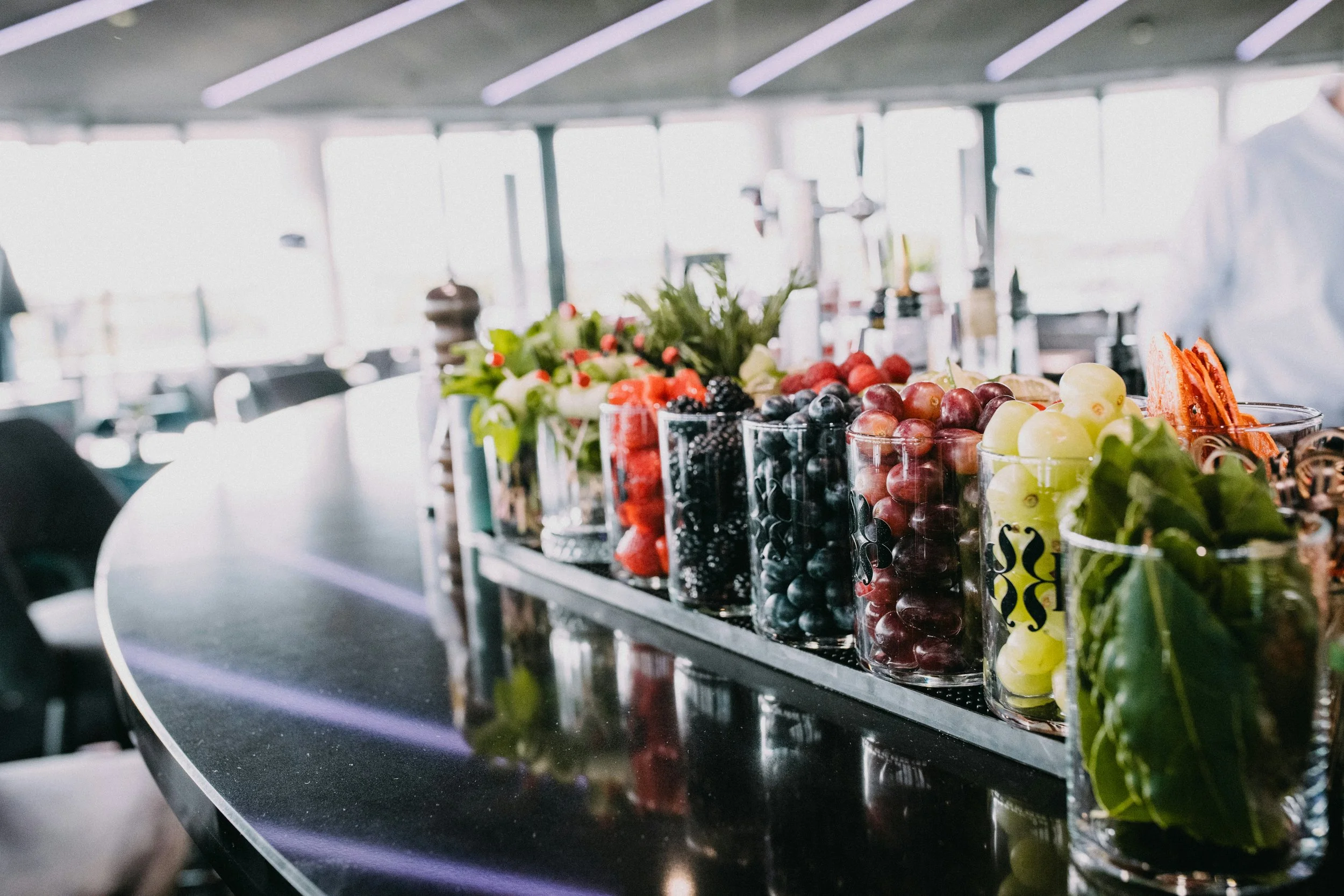
PHOTO CREDIT | Unsplash/Natalia Marcelewicz
Done well, a smoothie counter feels like part of the training, not a snack stand bolted on. It needs a short menu, a tidy back counter and food safety habits that hold up on a packed Saturday. Studio owners in Canada can source that counter from Chef Stop, a Canadian online retailer of commercial refrigeration, food prep tools and bar equipment. The plan below starts with what members actually need after a session.
What Do Members Want After a Workout?
Most members walk out hungry and short on time. They want something quick, cold and built around protein. A 2017 position stand from the International Society of Sports Nutrition gives a useful target for menu planning.
The society suggests that most exercising people aim for about 1.4 to 2.0 grams of protein per kilogram of body weight each day. Per serving, it points to roughly 0.25 grams per kilogram, or a flat 20 to 40 grams. It also suggests spreading those doses every 3 to 4 hours across the day. That makes a post-session shake one useful stop, not the whole plan.
Members who track their daily protein needs will read your menu closely. List grams of protein per cup, and keep a lighter option for people who just finished yoga.
Which Equipment Belongs Behind the Counter?
A studio fuel bar does not need a full kitchen. It needs a compact line that moves from cold storage to blender to cup in under two minutes. Start with the basics, then add only what your menu demands.
A commercial blender. Choose one rated for frozen fruit and ice, ideally with a sound enclosure so it does not drown out a class.
An undercounter refrigerator. Milk, yogurt and cut fruit live here, within arm's reach of the blender.
A freezer. Frozen berries and bananas keep texture consistent and cut waste.
A stainless prep table. It gives staff a cleanable surface for cutting and portioning.
Portion scoops and measures. Consistent scoops keep protein counts on the menu honest.
Probe and fridge thermometers. These let staff check temperatures instead of guessing.
Spare blender jars. Rotating jars is the simplest way to keep allergens apart.
Size each piece for your busiest hour, not your quiet mid-morning. A 6 a.m. spin class that lets out 30 riders at once tests the whole line. If the blender stalls or the fridge runs warm, the queue walks out.
How Do You Keep Shakes Safe During the Morning Rush?
Smoothies feel healthy, so food safety can slip down the list. Yet milk, yogurt and cut fruit are all perishable. They need the same discipline as any restaurant line.
The Partnership for Food Safety Education promotes keeping refrigerators at 40°F or below to reduce foodborne illness risk. Its handwashing guidance calls for soap and running water for at least 20 seconds before and after handling food. When soap is not at hand, it suggests sanitizer with at least 60% alcohol. Your local health department sets the binding rules, so call them before you open.
A short daily routine covers most of the risk:
Log fridge temperatures. Check at opening and again mid-shift.
Date every container. Cut fruit and opened milk get a label and a discard time.
Rinse jars between orders. A quick rinse stops flavors and allergens carrying over.
Deep clean at close. Take blades and lids apart so nothing builds up in the seals.
How Should a Fuel Bar Handle Allergens?
Protein shakes lean on the very foods that cause the most allergies. Whey and yogurt are milk. Nut butters bring peanut and tree nuts. Plant proteins often include soy.
The scale is larger than many owners expect. Food allergy statistics from FARE estimate that about 33 million people in the United States have at least one food allergy. Nearly 11% of adults are affected, which is more than 27 million people. FARE also reports 3.4 million food allergy emergency room visits each year, or one every 10 seconds.
| Common shake ingredient | Allergen | Estimated US adults and children allergic (FARE) |
| Whey, yogurt, milk | Milk | 6.2 million |
| Peanut butter | Peanut | 6.2 million |
| Almond butter, cashew milk | Tree nuts | 3.9 million |
| Oat or wheat add-ins | Wheat | 2.4 million |
| Soy protein | Soy | 1.9 million |
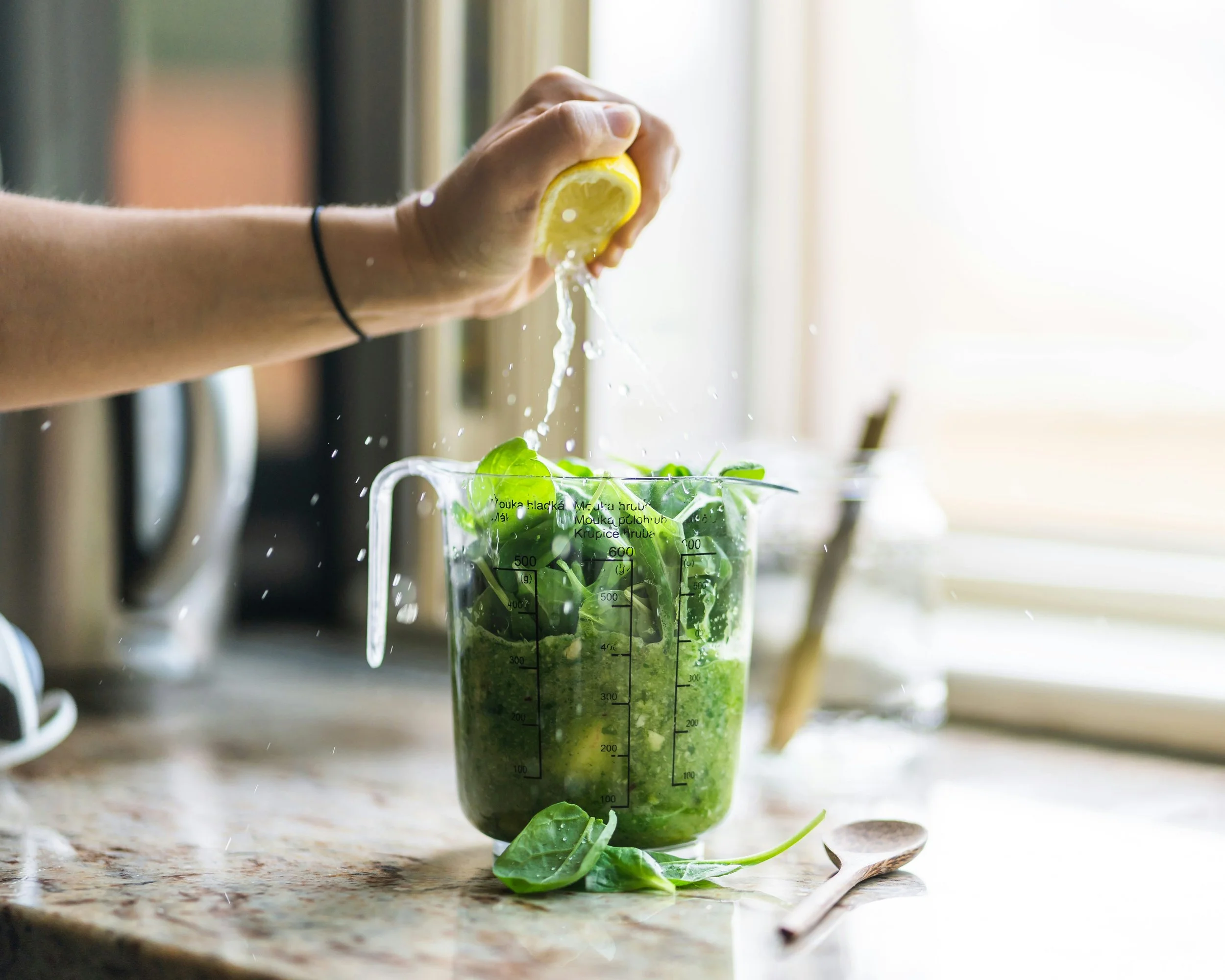
PHOTO CREDIT | Unsplash/Jan Sedivy
Print every allergen on the menu board, not just on request. Keep a dedicated, color-marked jar for nut-free orders. Train staff to say "we can't guarantee it" when they cannot, rather than guessing.
What Does a Realistic Launch Plan Look Like?
Most studio fuel bars fail from scope creep, not from a lack of demand. A tight first menu is easier to staff, cheaper to stock and simpler to keep safe.
Start with four to six drinks. Cover a high-protein shake, a fruit option and one dairy-free choice.
Match hours to classes. Open 30 minutes before the first class and close after the last.
Price for the cup, not the blender. Count ingredients, cups, lids and staff time per drink.
Track what sells. Cut slow sellers after four weeks and test one new drink at a time.
The fuel bar also fits a wider message about a sustainable routine that links training and eating.
Fuel That Matches the Training
A good studio smoothie bar is small, honest and clean. Build the menu around real protein targets, buy equipment for your busiest hour and keep the fridge at 40°F or below. Put allergens on the board and give nut-free orders their own jar. Start with a handful of drinks, then let members tell you what comes next.
Frequently Asked Questions
How Much Protein Should a Post-Workout Shake Contain?
The International Society of Sports Nutrition suggests about 20 to 40 grams per serving for most active adults. List the protein count for each drink so members can choose for themselves.
Do I Need a Permit to Sell Smoothies In a Gym?
In most places, yes, because you are serving food to the public. Check with your local health department before buying equipment, since rules on sinks and storage vary.
What Size Blender Does a Small Studio Need?
A commercial blender rated for ice and frozen fruit suits most studios. A sound enclosure helps if the counter sits near a class space.
How Can a Smoothie Bar Reduce Allergy Risks?
List every allergen on the menu board and use a separate, marked jar for nut-free orders. Train staff to be honest when cross-contact is possible.