Recovery is half the fitness equation. You can train hard every day, but without proper rest and muscle recovery, performance plateaus and injuries follow. As cannabis legalization expands across North America, a growing number of active adults are adding cannabis-based products to their recovery toolkit.
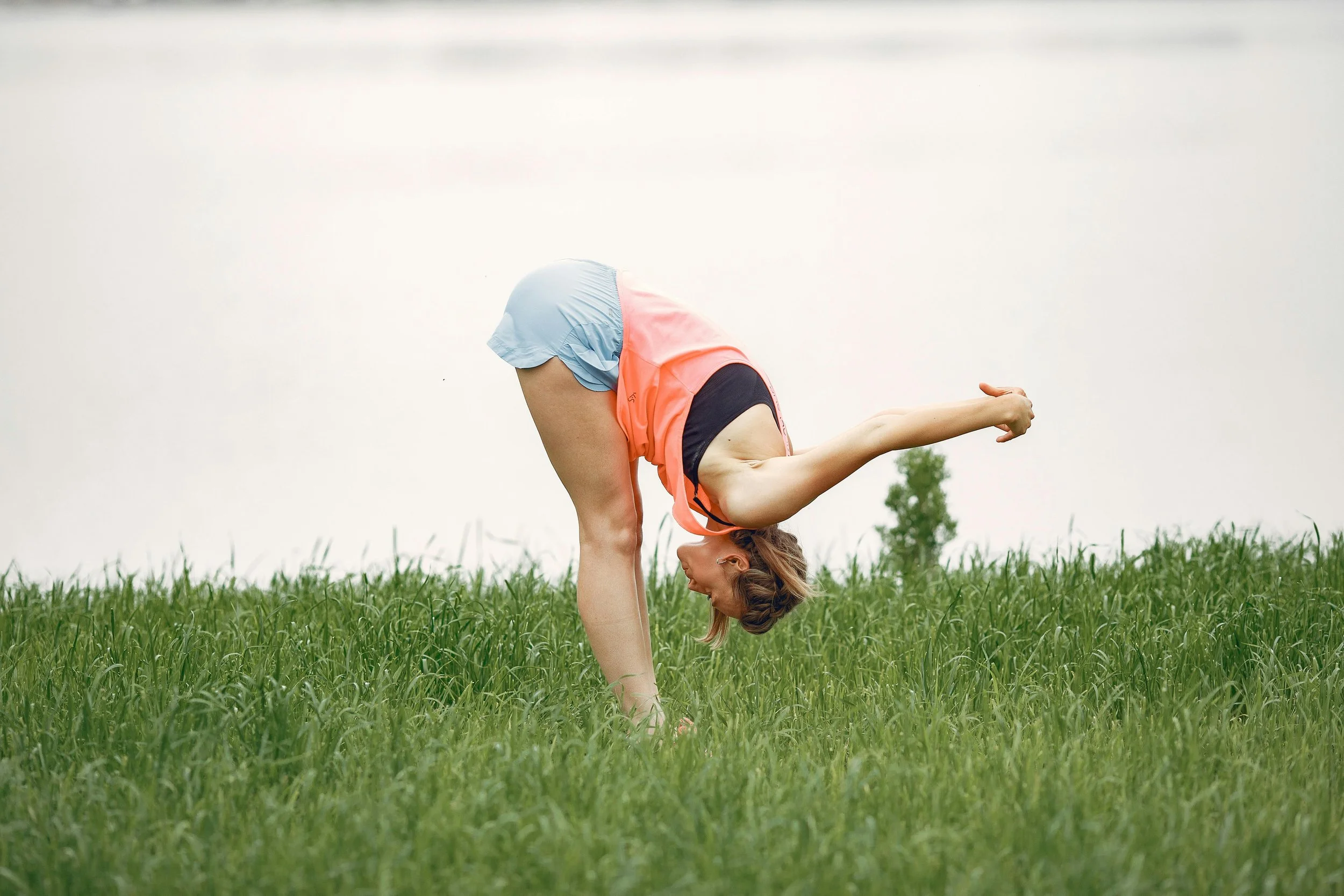
PHOTO CREDIT | Pexels/Gustavo Fring
Canadian dispensaries like BuyMyWeed have seen growing demand from fitness-conscious customers who use topicals, CBD products, and low-dose edibles specifically for post-workout recovery rather than recreation. This shift reflects a broader change in how active communities view cannabis: less as a party substance and more as a functional wellness product.
Why Are Athletes and Active Adults Exploring Cannabis?
The primary driver is inflammation management. Intense exercise creates micro-tears in muscle tissue, and the resulting inflammation causes the soreness and stiffness that follow hard training sessions. Cannabinoids, particularly CBD, interact with the body's endocannabinoid system in ways that research suggests may help manage inflammatory responses.
According to the World Anti-Doping Agency, CBD was removed from the prohibited substances list in 2018, opening the door for competitive athletes to use CBD products without risking sanctions. THC remains prohibited in competition, but out-of-competition use policies vary by sport and governing body.
Beyond inflammation, sleep quality drives much of the interest. Poor sleep undermines recovery, hormone balance, and next-day performance. Low-dose cannabis products taken before bed can help some users fall asleep faster and stay asleep longer, which directly supports the recovery process.
What Cannabis Products Are Most Popular Among Active Adults?
Different products serve different recovery needs. Here is how fitness-focused consumers typically use them.
CBD topical creams and balms applied directly to sore muscles and joints. These provide localized relief without any psychoactive effect and are the most common entry point for active adults.
CBD oil tinctures taken sublingually (under the tongue) for systemic anti-inflammatory effects. Dosing is precise and easy to adjust.
Low-dose THC edibles (2.5 to 5 mg) taken 60 to 90 minutes before bed to support deeper sleep. The low dose produces relaxation without strong intoxication.
CBD-infused protein bars and recovery drinks that combine cannabinoids with standard post-workout nutrition.
Transdermal patches that deliver a steady dose over several hours, ideal for overnight recovery.
Bath products (CBD bath bombs and soaks) that combine warm water muscle relaxation with topical cannabinoid absorption.
The common thread is precision. Active users want controlled, predictable doses that support specific recovery goals without impairing next-day performance.
What Does the Research Actually Say?
The science is promising but still developing. According to the National Institutes of Health, preclinical studies show that cannabinoids have anti-inflammatory and analgesic properties, though large-scale clinical trials specific to exercise recovery are still underway.
What the existing research supports clearly is the sleep benefit. Multiple studies have found that CBD reduces sleep onset latency (the time it takes to fall asleep) and may increase total sleep duration. Since sleep is the single most important recovery factor for active adults, this benefit alone justifies the interest from the fitness community.
The anti-inflammatory evidence is strongest for topical application. CBD applied directly to skin over sore muscles shows consistent results in reducing localized discomfort in preliminary studies. Systemic effects (from oral consumption) are more variable and dose-dependent.
How Should Active Adults Approach Cannabis for Recovery?
Responsible use requires the same discipline that fitness demands in every other area. Here is what matters.
Start with CBD-only products if you are new to cannabis. CBD provides anti-inflammatory and sleep benefits without intoxication, making it the lowest-risk starting point.
Use the minimum effective dose. More is not better. Start with 10 to 15 mg of CBD or 2.5 mg of THC and increase gradually only if needed.
Time it around training. Apply topicals immediately post-workout. Take oral products 60 to 90 minutes before bed, not before training sessions.
Check your sport's rules. While CBD is generally permitted, THC policies vary by sport and competition level. Know the rules before your next event.
Buy from licensed retailers. Legal dispensaries sell tested products with verified potency and ingredient lists. Unregulated products carry contamination and dosing risks.
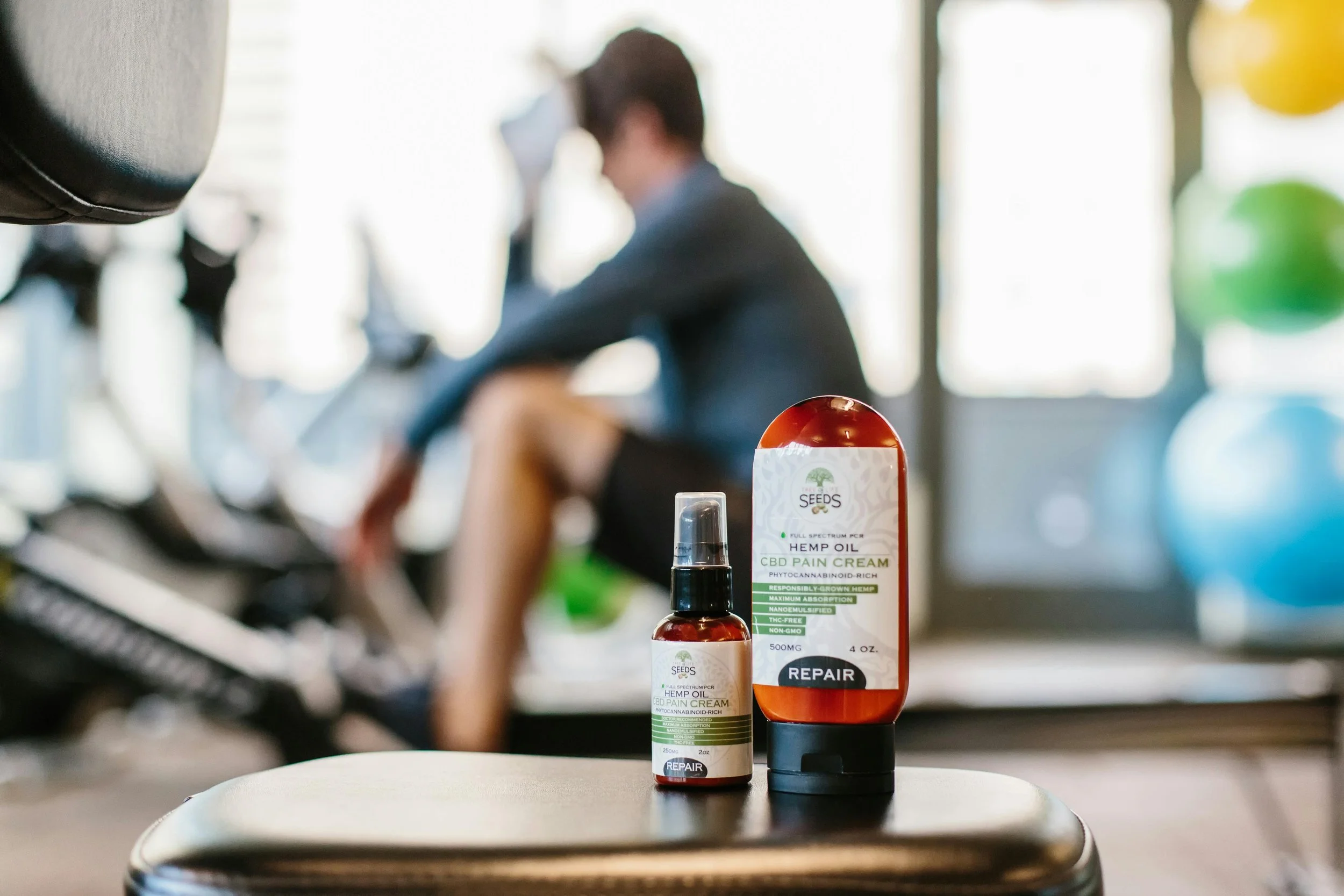
PHOTO CREDIT | Pexels/Tree of Life Seeds
Treating cannabis like any other supplement, with research, appropriate dosing, and clear purpose, produces the best outcomes and the fewest surprises.
Is Cannabis Replacing Traditional Recovery Methods?
No, and it should not. Cannabis products work best as one component within a broader recovery strategy that includes sleep, nutrition, hydration, stretching, and rest days. Replacing ice baths, foam rolling, or sleep hygiene with cannabis alone misses the point entirely.
The most effective approach is additive. An athlete who already sleeps well, eats properly, and manages training load can explore cannabis as an additional tool that may improve one or two specific aspects of recovery. Those who use it to compensate for poor fundamentals will be disappointed.
The fitness community's embrace of cannabis mirrors its earlier adoption of other wellness tools: meditation apps, cold exposure, and adaptogens all went through similar cycles of curiosity, hype, and eventual integration into evidence-based routines.
Active Recovery Takeaways
CBD topicals and low-dose edibles are the most popular cannabis recovery products among active adults.
CBD was removed from the WADA prohibited list in 2018, though THC remains restricted in competition.
Sleep improvement is the most consistently supported benefit of cannabis for recovery.
Start with CBD-only products at the minimum effective dose and adjust gradually.
Cannabis supplements, not replaces, traditional recovery methods like sleep, nutrition, and rest.
Buy only from licensed retailers to guarantee tested potency and ingredient safety.
Recovery Is Personal
What works for one athlete may not work for another. Cannabis is a tool, not a miracle. The active adults getting the most value from it are the ones who approach it with the same discipline they bring to their training: research first, start conservatively, and measure the results honestly.
FAQ
Is CBD legal for competitive athletes?
CBD is permitted by WADA and most major sports governing bodies. However, THC remains prohibited in competition. Check your specific sport's anti-doping policy before using any cannabis product.
Will cannabis make me less motivated to work out?
Low-dose CBD products do not produce the sedation associated with high-THC cannabis. Most active users report no impact on training motivation when using CBD for recovery rather than recreation.
How quickly do CBD topicals work on sore muscles?
Most users report feeling relief within 15 to 30 minutes of applying a CBD topical to the affected area. The effect typically lasts two to four hours depending on the product concentration.
Can I use cannabis products before a workout?
CBD topicals can be applied before exercise for pre-emptive joint support. However, oral THC products should not be used before training as they can impair coordination, reaction time, and focus.