Home fitness can be simple, enjoyable, and effective when exercise feels like an activity rather than an obligation. Beginner dance workouts combine continuous movement, coordination, balance, and music without requiring gym equipment, advanced choreography, or a large room.
The best routines for beginners use repeated steps that are easy to modify. You can march instead of jump, reduce your range of motion, slow the tempo, or pause when needed. Below, you will find ten accessible dance workouts, low-impact alternatives, small-space modifications, and a realistic weekly plan for developing a consistent exercise habit. Platforms such as the Everdance app offer guided sessions for people who prefer structured routines at home.
Table of Contents
Why Dance Workouts Are Suitable for Home Fitness
How to Prepare for Dance Fitness at Home
10 Best Dance Workouts for Beginners at Home
Are Low-Impact Home Workouts Effective?
How to Build a Regular Dance Fitness Routine
Creating a Sustainable Home Fitness Plan
Frequently Asked Questions
Why Dance Workouts Are Suitable for Home Fitness
A Beginner-Friendly Home Workout Without Equipment
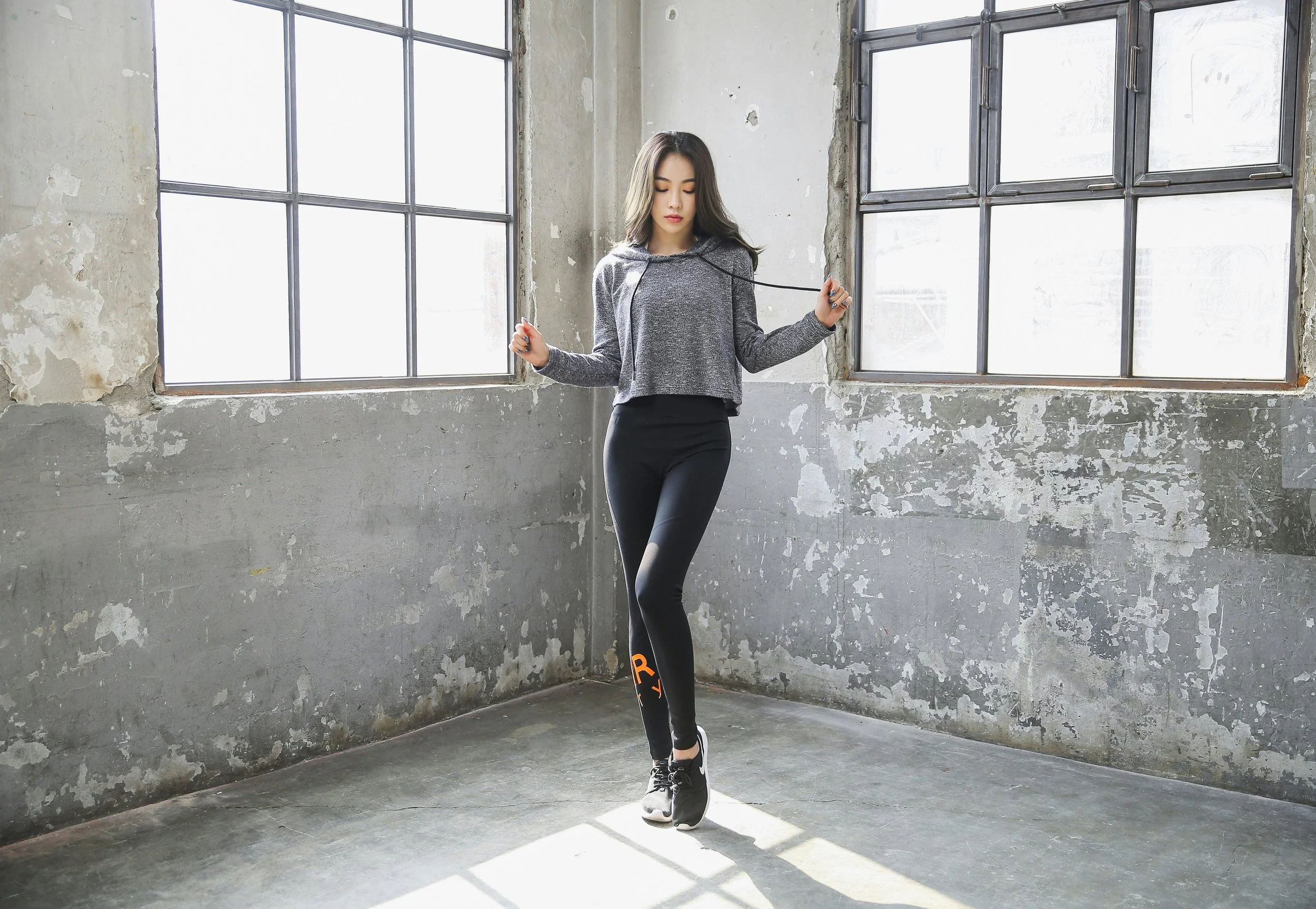
Most beginner dance routines require only comfortable clothing, water, a phone or television, and enough clear floor space to extend your arms and take one or two steps safely. Supportive shoes may be useful, depending on the floor and your comfort.
This type of home workout can be adapted for a bedroom, living room, or other cleared area. Smaller steps, stationary marching, and compact arm movements make it possible to stay active without specialized equipment.
How Dance Supports Cardio, Coordination, and Motivation
Dance combines rhythmic movement, weight transfer, changes in direction, and repeated movement patterns. Performing these actions continuously may elevate your heart rate while developing coordination and body awareness.
Enjoyment also supports workout motivation. A routine paired with appealing music may feel easier to repeat than an exercise format you find monotonous. Following a structured dance app for home workouts can reduce the need to plan movements or remember sequences independently. Formal dance experience is unnecessary; the objective is movement, not performance.
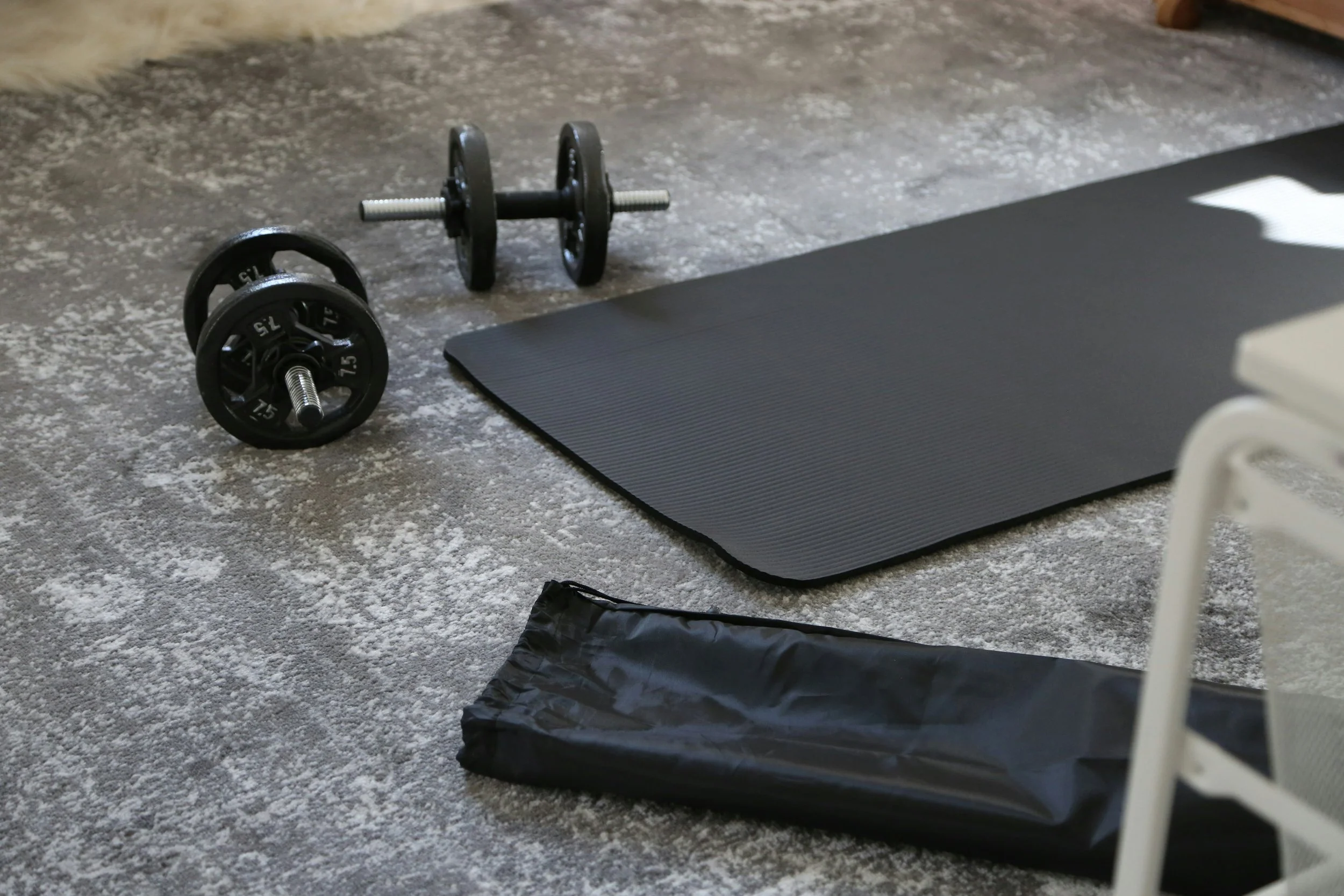
PHOTO CREDIT | Unsplash/Giorgio Trovato
How to Prepare for Dance Fitness at Home
Create a Safe and Comfortable Exercise Space
Before starting, remove chairs, cables, rugs, and breakable objects from your movement area. Check that the floor is dry and not slippery, keep water nearby, and use a well-ventilated room.
Position your screen near eye level so you do not repeatedly bend your neck. When space is limited, replace traveling movements with marching, toe taps, and side steps.
Start With a Warm-Up and Simple Movements
Begin with approximately five minutes of gentle movement:
Marching in place
Shoulder rolls
Ankle circles
Slow side steps
Hip movements
Relaxed arm swings
Start with controlled steps before increasing speed or range. People with cardiovascular concerns or existing knee, hip, ankle, or other medical conditions should obtain personalized advice before beginning a new exercise program.
10 Best Dance Workouts for Beginners at Home
The best home workouts for beginners use uncomplicated, repeatable movements. Complete one routine as a short session or combine several styles for a longer workout.
Step-touch dance workout
March-and-groove routine
Beginner pop dance workout
Low-impact dance cardio
Beginner Latin dance routine
Dance-walking workout
Beginner hip-hop groove
Ballet-inspired barre workout
Dance-and-tone routine
Freestyle dance session
Home Fitness Dance Workouts for Complete Beginners
1. Step-Touch Dance Workout
Step right, bring your left foot beside it, and repeat in the opposite direction. Add relaxed arm swings after learning the foot pattern. This simple routine develops rhythm, lateral movement, and controlled weight transfer.
2. March-and-Groove Routine
Combine marching in place with shoulder movements, arm reaches, gentle knee lifts, and occasional quarter turns. Familiar movements make this one of the easiest ways to begin a home fitness routine.
3. Beginner Pop Dance Workout
Use side steps, simple arm patterns, gentle body rolls, and repeated eight-count combinations. Focus on recognizing the sequence rather than performing every movement perfectly. Repeat each combination until it feels familiar.
4. Low-Impact Dance Cardio
A low-impact home workout replaces jumping with toe taps, heel digs, side steps, controlled knee lifts, and gentle punches. Keep at least one foot on the floor and use comfortable ranges of motion.
5. Beginner Latin Dance Routine
Try small salsa or merengue-inspired steps using side-to-side weight transfers and repeated forward-and-back patterns. Keep hip movement natural and comfortable. The goal is sustained movement rather than formal dance technique.
Small-Space Dance Fitness at Home
6. Dance-Walking Workout
Combine walking in place with arm swings, side steps, heel taps, and small directional changes. This beginner-friendly cardio option is suitable for anyone who prefers familiar movements over detailed choreography.
7. Beginner Hip-Hop Groove
Practice grounded bounces, step-touches, two-step patterns, shoulder grooves, and controlled arm movements. Keep the choreography repetitive and reduce the depth of each bounce when you need a gentler variation.
8. Ballet-Inspired Barre Dance Workout
Hold a sturdy chair or stable surface while completing heel raises, shallow pliés, side leg lifts, and controlled arm movements. This routine combines dance-inspired movement with balance, mobility, and light muscular work.
9. Dance-and-Tone Routine
Alternate short dance combinations with beginner bodyweight movements such as shallow squats, calf raises, standing side leg lifts, or wall push-ups. Keep strength intervals brief so the session remains manageable.
10. Freestyle Dance Session
Choose three favorite songs and move continuously using marching, swaying, step-touching, arm movements, and gentle turns. Freestyle dancing is not about moving correctly; its purpose is enjoyable, sustained full-body movement.
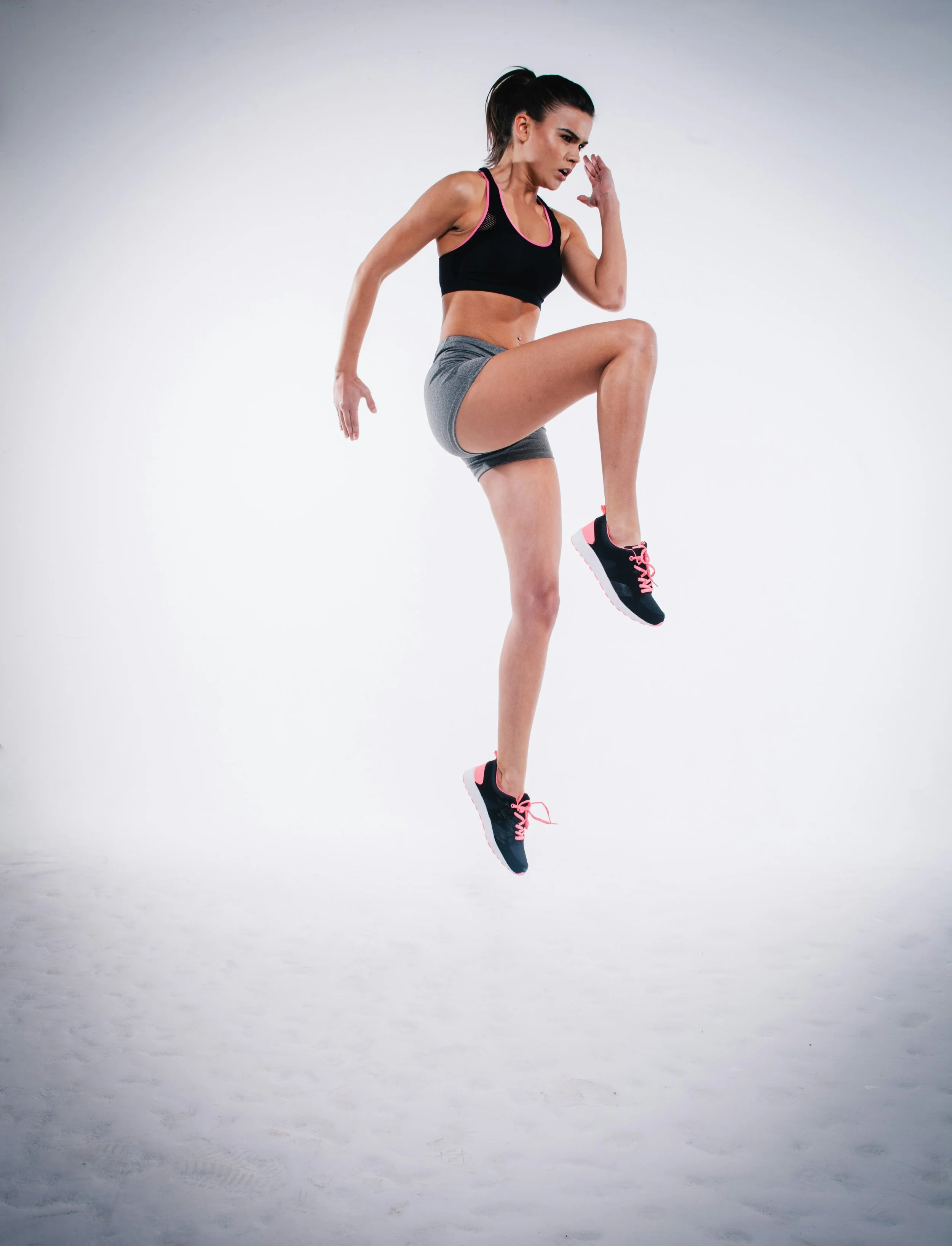
PHOTO CREDIT | Unsplash/Clem Onojeghuo
Are Low-Impact Home Workouts Effective?
Low-impact home workouts can improve fitness when they keep the body moving continuously and are performed regularly. Dance-based options may support cardiovascular endurance, mobility, coordination, and exercise consistency while avoiding many jumping or forceful landing movements.
What Makes a Dance Workout Low Impact?
Low impact generally means keeping at least one foot in contact with the floor. Common modifications include marching instead of running, stepping instead of jumping, reducing squat depth, slowing the music, and making arm movements smaller.
A stable chair can provide additional support when appropriate, although it should not be used for exercises that could cause it to slide or tip.
How Low-Impact Dance Can Improve Fitness
Effectiveness depends on workout duration, movement intensity, frequency, current ability, and consistency. A continuous low-impact routine can still increase breathing and heart rate without high-impact choreography.
Progress gradually by extending the session, increasing arm movement, or using a slightly quicker tempo. Avoid changing every variable simultaneously.
How Dance Fitness at Home Builds a Regular Routine
Start With a Realistic Weekly Schedule
Beginners should build the habit before increasing intensity.
| Day | Activity |
| Monday | 15-minute beginner dance workout |
| Tuesday | Rest of light stretching |
| Wednesday | 20-minute low-impact dance routine |
| Thursday | Rest |
| Friday | 15-minute dance-and-tone workout |
| Saturday | Optional freestyle dance session |
| Sunday | Rest or gentle mobility |
Use Guided Workouts to Reduce Decision Fatigue
It is also useful to compare teaching styles, difficulty levels, and session formats in a guide to the best dance fitness apps before selecting a program that suits your schedule and ability.
Track Consistency Instead of Perfection
Record the number of sessions completed, total movement minutes, favorite routines, and energy before and after exercise. You can also note which movements are becoming easier.
Beginners do not need to match an instructor exactly. Consistent participation matters more than perfect choreography.
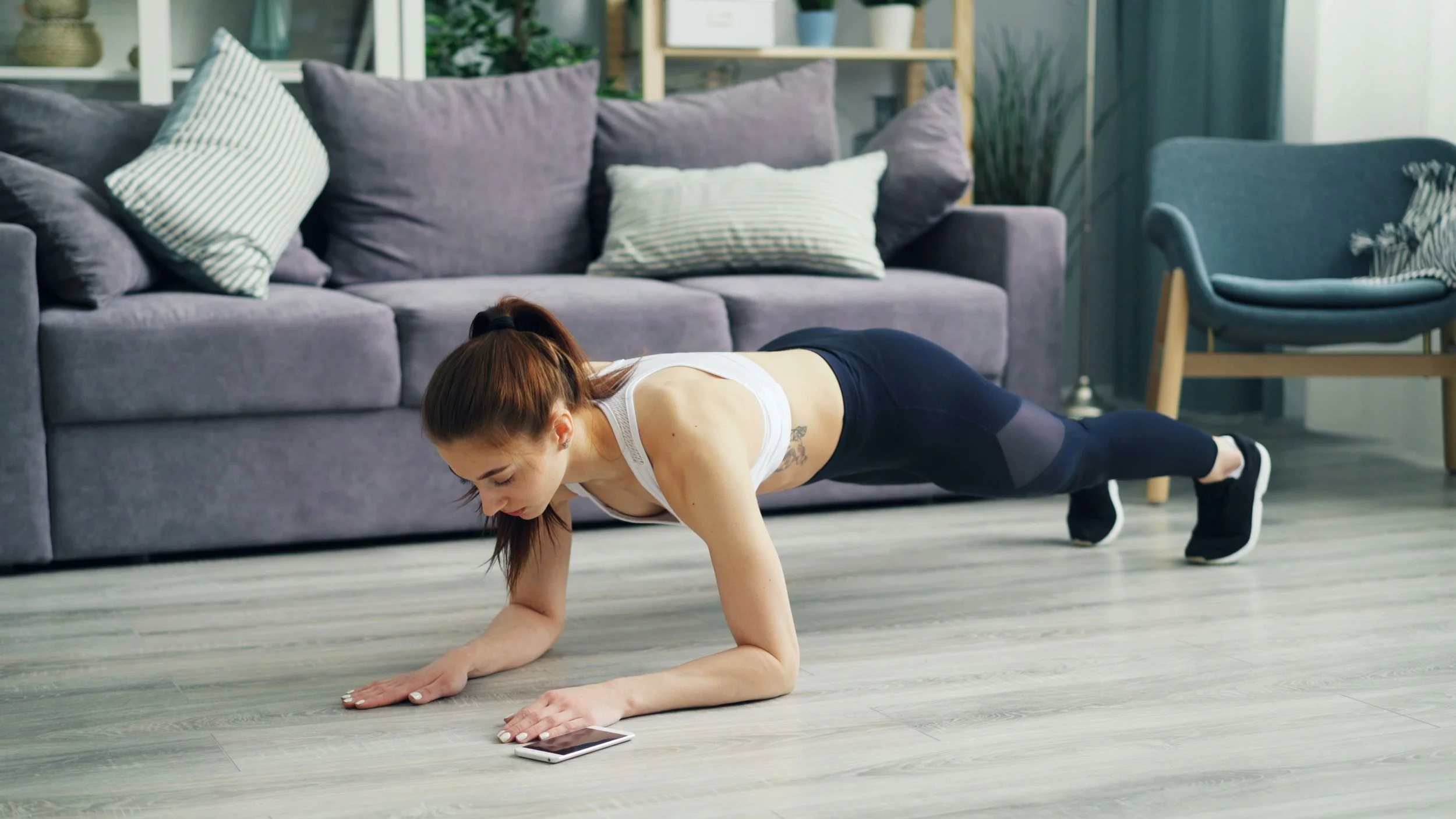
PHOTO CREDIT | Unsplash/Vitaly Gariev
Creating a Sustainable Home Fitness Plan
Progress Your Home Fitness Routine Gradually
Change one element at a time. Add five minutes, introduce a slightly faster song, increase arm movement, try a more complex combination, or add one weekly session.
Gradual progression makes it easier to recognize how your body responds and reduces the temptation to make a beginner routine unnecessarily demanding.
Frequently Asked Questions About Home Fitness
How long should a beginner dance workout be?
Begin with 10–20 minutes, including a brief warm-up and cooldown. Short sessions allow you to learn movements without becoming overwhelmed. As coordination, confidence, and endurance improve, add five minutes at a time. Several manageable weekly sessions are generally easier to maintain than beginning with one long, demanding workout.
Can dance workouts improve fitness without equipment?
Yes. Dance can provide continuous cardiovascular movement while engaging the legs, core, and upper body. Most beginner routines need no equipment, although a stable chair may assist with balance-based exercises. Progress depends on workout frequency, duration, intensity, recovery, nutrition, and your starting fitness level.
Is a low-impact home workout suitable for beginners?
Low-impact routines are often accessible because they minimize jumping and forceful landings. Beginners can use smaller steps, slower music, reduced ranges of motion, and stable support when appropriate. However, suitability depends on individual mobility, injuries, health conditions, and medical circumstances. Stop any movement that causes sharp pain, dizziness, or unusual discomfort.
How often should beginners do dance fitness at home?
Start with two or three sessions per week and allow recovery time between workouts. Short, regular sessions help establish a repeatable habit. As the routine becomes easier, extend one session or add another weekly workout while monitoring soreness, fatigue, joint discomfort, and overall recovery.
Do I need dance experience to start a home workout?
No formal experience is required. Beginner workouts generally use repeated steps, simple rhythm patterns, and easy-to-follow combinations. Slow the video, repeat difficult sections, or substitute marching when you lose the sequence. Continuous, comfortable movement is more important than reproducing every step accurately.
Conclusion
Home fitness becomes easier to maintain when movement is accessible, enjoyable, and appropriate for your current ability. Step-touch routines, dance walking, low-impact cardio, Latin movement, barre exercises, and freestyle sessions all provide beginner-friendly options. Start with two or three short workouts per week, modify uncomfortable movements, and progress one variable at a time. The most effective dance routine is the one you can perform safely and continue consistently.