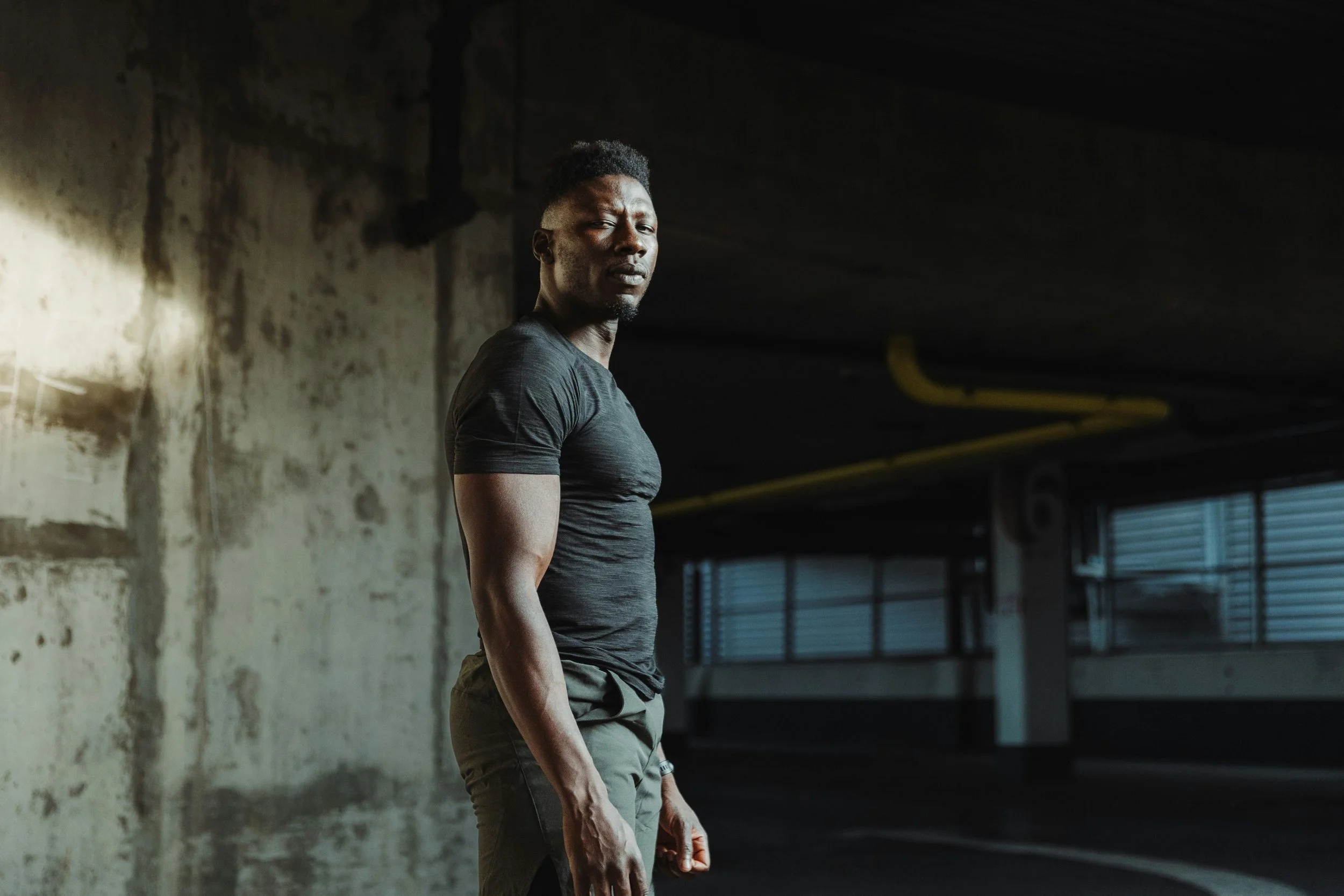
Activewear rarely sells standing still. A legging has to bend, a jacket has to swing, and a running shoe has to leave the floor. The camera needs to hold all of that without the room getting involved.
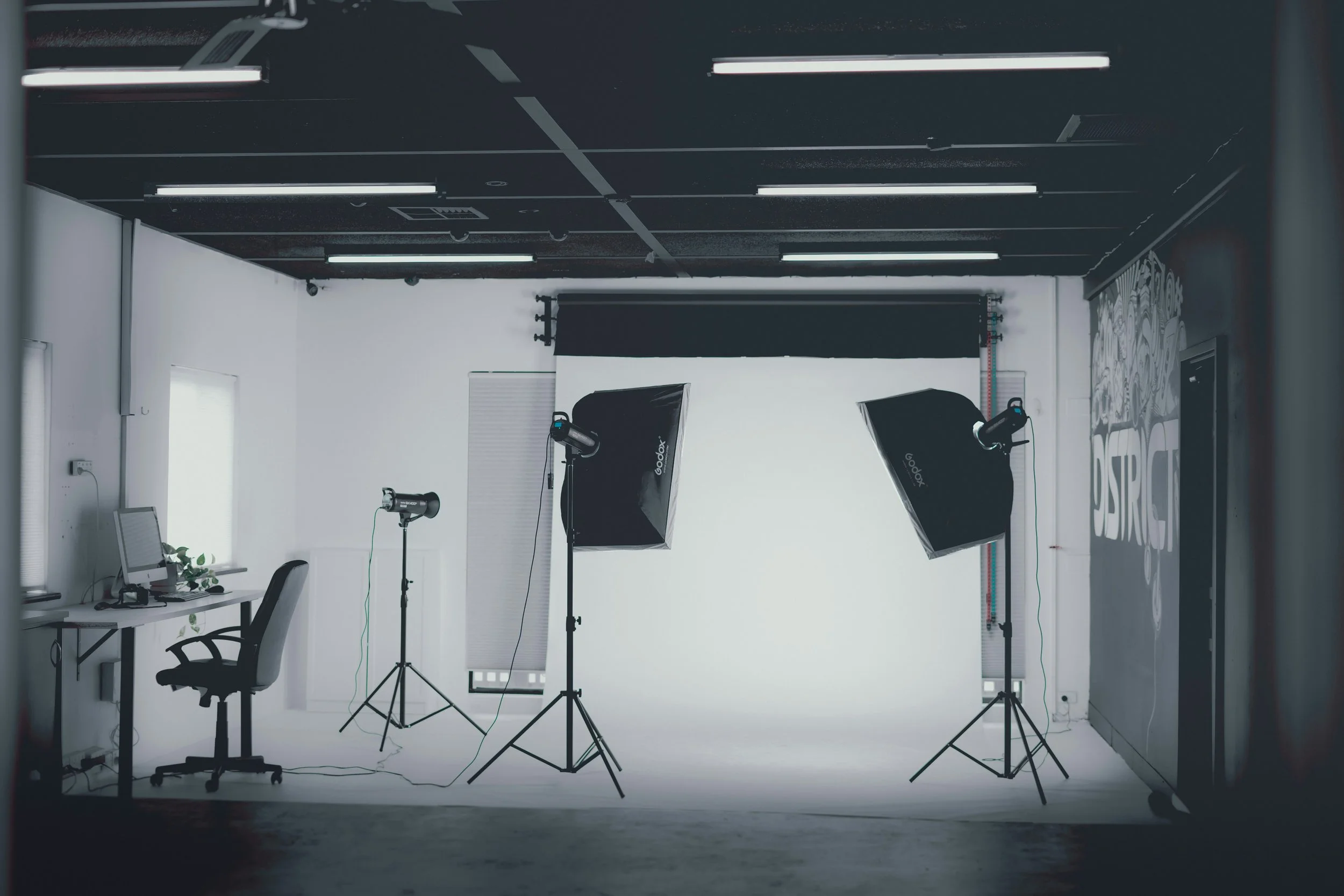
PHOTO CREDIT | Unsplash/Hc Digital
A baseboard, a corner or a seam in the paper shows up the second a body travels through frame. That is the problem a white cove is built to remove. It is why a space such as the Sugarland Infinity Cove in North London gets booked for campaign and social work. The wall curves into the floor with no visible join, so the subject moves against nothing at all.
What an Infinity Cove Actually Does
The name borrows from the cyclorama, a curved backdrop that theaters have used since the 19th century. A photographic cove applies the same idea in plaster or resin. The vertical wall sweeps into the floor on a smooth radius, and the corners are filled in too.
What that removes is the horizon line. Light hitting a curve falls off gradually instead of stopping at an edge, so the background reads as continuous tone rather than two surfaces. Push enough light into it and the tone goes pure white. Pull the light back and the same surface turns soft gray.
For a brand, the practical result is a background with no information in it. Nothing competes with the garment, and nothing dates the frame.
Why Does Movement Need a Seamless Background?
Paper rolls work well for a static portrait. They stop working the moment someone jumps, because the usable width is narrow and the subject leaves it. Crews then spend the day resetting the talent rather than shooting.
A cove gives the performance room to happen. The athlete can run three steps, land and follow through, and the frame stays clean the whole way. That matters more than it sounds, because the usable take is almost never the first one.
There is a second benefit for motion. When the background carries no detail, the eye reads the shape of the body instead of the depth of the room. A stretch looks like a stretch, and a sprint start looks fast.
Lighting Movement Versus Lighting a Still Product
These are two different jobs, and mixing them up costs hours.
Freezing a body needs short duration light. Flash duration, not shutter speed, is what stops a shoe mid-air, so a fast strobe beats a bright one. Crew who rig this for a living tend to hold tickets from a trade body such as PLASA. Continuous light can work at 1/500 or faster, though you pay for it in output and heat.
Still product is the opposite problem. A folded garment wants broad, even coverage, a repeatable camera position, and enough separation from the cove that no shadow creeps into the background. Shoot it flat and clean, then key it later.
Three habits keep both jobs honest in one day.
Light the background and the subject on separate controls.
Set the product exposure first, since it is the fussier of the two.
Mark the floor before the talent arrives, and mark it again after any move.
Green Screen or White Cove?
The answer depends on where the frame is going.
Choose green when the plate has to be replaced, for a virtual set, a composited environment or a moving graphic behind a presenter. Keying is a color decision, and the wall has to be evenly lit for it to hold. Many studios offer green as an option on the same space, alongside daylight or blackout setups.
Choose white when the product is the point. White gives a clean cut-out path for e-commerce, a neutral base for retouching, and a look that sits naturally next to the rest of a brand's catalog. It also survives a crop, which green rarely does once spill lands on the edge of a shoulder.
How Do You Schedule a Day On the Cove?
Studio time is the one input you cannot stretch, so the schedule is the real creative document. Build it backwards from delivery, then work out how many setups the day can hold.
Budget the same way. Studios and photographers that publish transparent photography pricing make that arithmetic far easier, because you can see where the hours go before you commit.
Order the day by how much the cove has to change.
Shoot every setup that shares a lighting state together.
Move to the motion work while the talent is warm.
Leave repaints, drapes and any big rig change to the end.
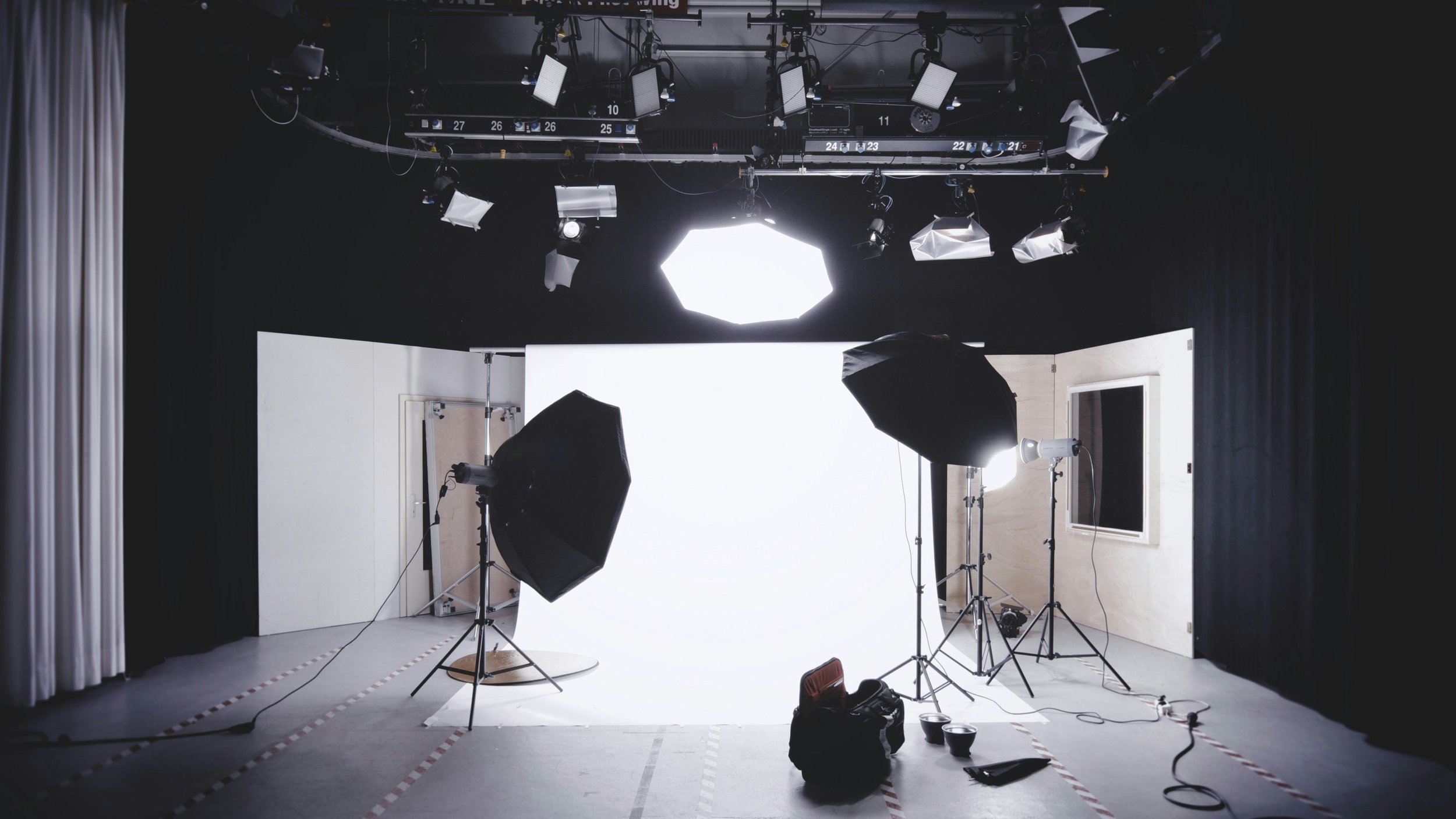
PHOTO CREDIT | Unsplash/Alexander Dummer
Paperwork belongs in the plan too. A signed model release is what makes the frames licensable for commercial use, and chasing one afterward is how a launch slips.
What to Bring to a Cove Shoot
Most wasted studio hours are wardrobe hours. Steam everything the night before, and bring backups in the sizes you are actually shooting.
Clean soles, since a cove floor is white and every mark shows.
Clips, tape and pins for fit on camera.
A printed shot list, one line per asset.
A drive and a card reader for the handoff.
Kit is the other half. Hiring gear or bringing your own calls for the same discipline, and packing for a shoot rewards a routine. Charge, format, label, then check the list at the door.
Let the Space Do the Isolating
An infinity cove is not a style. It is infrastructure that removes variables, so the only things left in frame are the garment, the body and the light you chose. Brands that shoot movement end up back on a cove because it is the shortest route from a studio day to usable assets. Book the space around the movement, and the rest of the shoot gets simpler.
Frequently Asked Questions
What Is the Difference Between an Infinity Cove and a Cyclorama?
In practice the terms are used interchangeably for studio work. A cyclorama began as a theater backdrop, while an infinity cove describes the curved wall and floor built into a shooting space. Both give you a background with no visible corner.
Can You Shoot Color Backgrounds On a White Cove?
Yes, in two ways. You can gel the background lights to throw color onto the white surface, which is fast and fully reversible. Some studios will also repaint a cove to a specified color for a booking.
Do You Need a Big Crew to Shoot Activewear In a Studio?
Not always. A small team can cover a straightforward product day, though motion work usually wants a dedicated assistant on lighting and someone watching wardrobe. Many studios can arrange crew alongside the space.
How Long Should You Book a Studio For?
Book for setups rather than hours. Count every lighting state, every wardrobe change and the load-in, then add contingency for takes that fail. Running short is far more expensive than booking one extra block.