Plenty of women who live in leggings decide to start a family and wonder what happens to their training. Do the long runs stop? Does the lifting plan change? The short answer is that movement usually stays. What often needs attention is the fuel behind it.
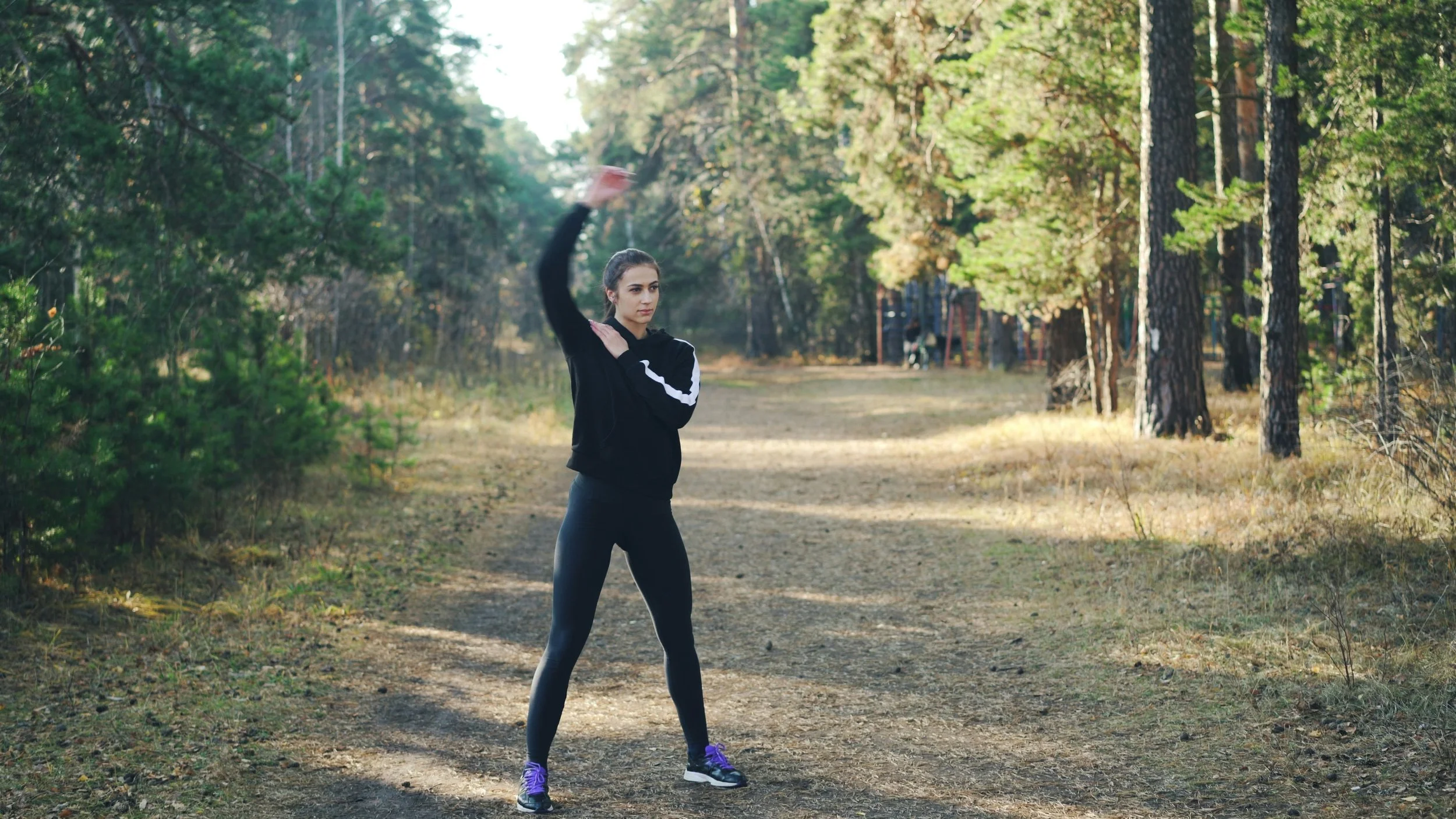
PHOTO CREDIT | Unsplash/Vitaly Gariev
Food is where training and fertility meet, and it is easy to get wrong when your week is packed with classes. For a plan built around your own sessions, consider JM Nutrition, whose fertility dietitians build personalized meal plans. Active clients can also work with a fitness and sports dietitian. The guidance below is general and does not replace advice from your doctor.
Can You Keep Training While Trying to Conceive?
For most women, yes. Australia's Your Fertility program says a healthy diet and regular exercise can improve both male and female fertility. Exercise is part of the plan, not a threat to it.
The same page adds a clear limit. It says a large amount of very high intensity exercise may reduce fertility. It suggests avoiding efforts such as marathon running while trying for a baby.
So the question is rarely whether to move. It is how hard, how often and how well fed you are when you do. That is a training question and a food question at once.
How Much Exercise Do the Guidelines Suggest?
Your Fertility sets out a weekly target for adults planning a pregnancy. These numbers give an active woman a useful frame:
2.5 to 5 hours of moderate activity each week, such as brisk walking or swimming.
Or 1.25 to 2.5 hours of vigorous activity each week, such as jogging, aerobics or fast cycling.
Or a mix of the two that adds up to the same load.
Muscle-strengthening work on at least 2 days each week, such as squats, lunges or lifting weights.
Many Athleisure readers already sit well above these numbers. That is not automatically a problem. It does mean that food intake has to rise with training volume, or the gap shows up somewhere else.
Why Does Under-Fuelling Matter for Your Cycle?
Your body needs energy for basic functions on top of what training burns. Your Fertility describes Relative Energy Deficiency in Sport, or RED-S, as what happens when energy from food and drinks is not enough to cover both. It notes that RED-S can affect a woman's menstrual cycle and fertility, and that weight loss is one sign.
Body weight is part of the same picture. Your Fertility says being underweight can affect your menstrual cycle, making it harder to conceive. It also notes that being underweight or overweight can mean it takes longer to get pregnant.
Weight is one factor among many, not a verdict. Still, a lean athlete who has stopped having regular periods should raise it with a doctor rather than train through it.
Which Nutrients Matter Before Pregnancy?
In Halifax, IWK Health suggests a diet with folate or folic acid, iron, calcium and omega 3 fats. It also advises starting a prenatal vitamin with folic acid and aiming for 150 minutes of moderate exercise a week. Your Fertility adds two supplements to a healthy diet for women planning a pregnancy.
| Nutrient | Suggested daily amount | When to start | Why it matters |
| Folic acid | At least 400 micrograms | At least 1 month before conceiving | Supports early brain and spinal cord development |
| Iodine | 150 micrograms | While planning a pregnancy | Supports the baby's brain and nervous system |
| Vitamin D | Ask your doctor about testing first | Only if a test shows a deficiency | May help fertility in people who are deficient |
Your Fertility says it is hard to get enough folate from food alone. It also warns that some vitamins, such as vitamin A, are risky in high doses during pregnancy. A pregnancy or preconception multivitamin is the safer route, chosen with your doctor or dietitian.
What Does a Fertility-Friendly Training Plate Look Like?
Your Fertility points to a Mediterranean-style pattern as a sensible base. For a woman who trains most days, these habits translate well:
Aim for 7 to 10 servings of fruit and vegetables a day, spread across meals and snacks.
Swap refined bread and pasta for whole grains, which also fuel longer sessions.
Eat fish at least twice a week, but skip high-mercury fish such as shark and swordfish.
Use olive oil in place of butter for cooking and dressings.
Choose lean meat in small portions, or swap in chicken, fish or beans.
Keep sugary drinks and juice for rare occasions, and drink water around training.
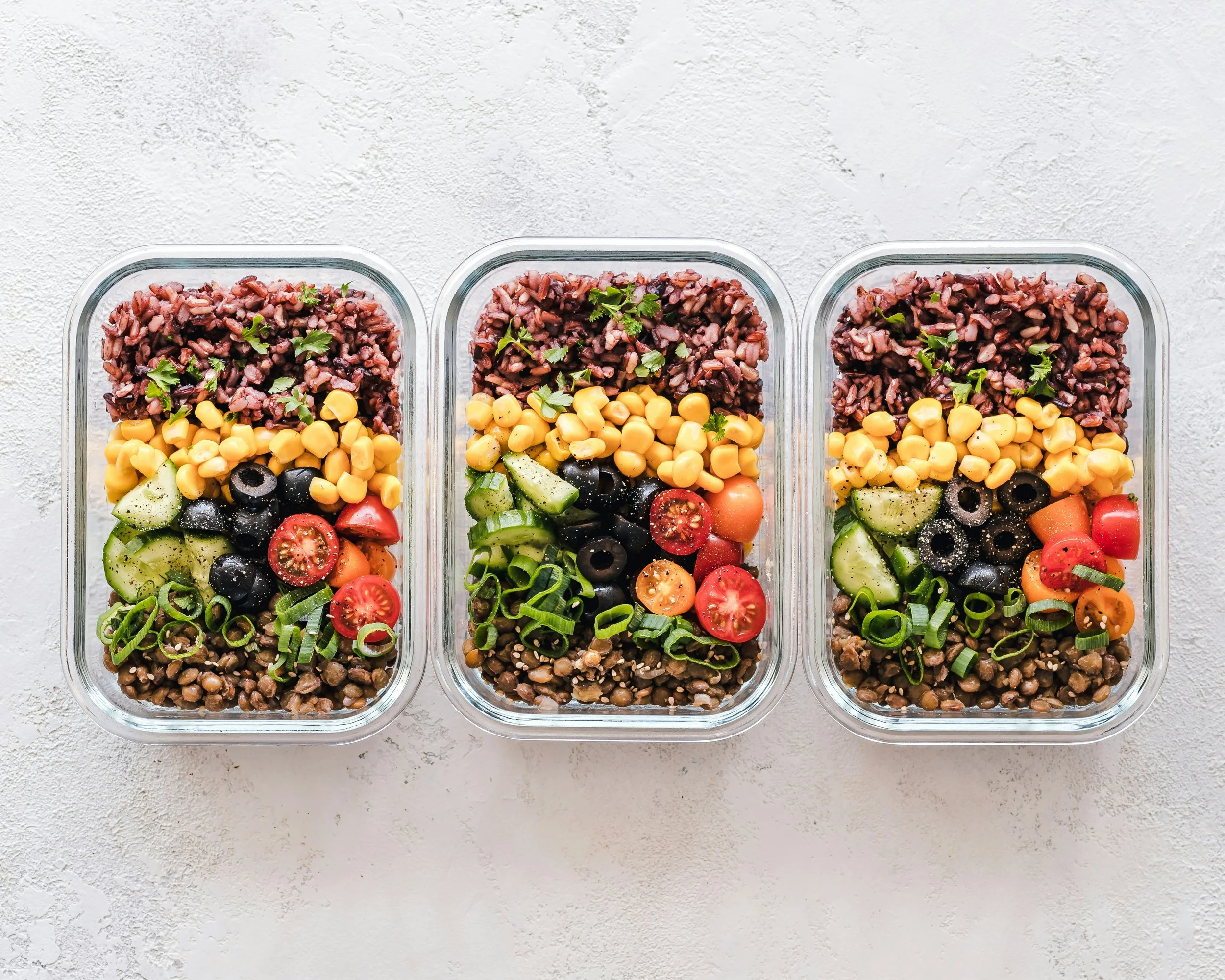
PHOTO CREDIT | Unsplash/Ella Olsson
The page also warns against short-term fad diets. That matters for athletes, who are often tempted by aggressive cutting phases. A plan you can keep through a training block will serve you better than a crash.
Where Active Women Most Often Slip
The common problems are simple and easy to miss. Busy women skip a meal after an early class, then train again at night on very little. Rest days turn into low-food days, even though recovery days are when the body repairs.
Another slip is ignoring a partner's role. Your Fertility notes that men who are overweight or obese tend to have lower sperm quality. Preparing for pregnancy works better as a shared project.
Hormones also shift across life stages, which is why guides like this one on hormones and exercise keep coming back to fuel and recovery.
Training Habits That Support the Plan
Keep moving, but match food to the work. Treat a missed period, sudden weight loss or constant fatigue as signals worth a medical check. Take folic acid and iodine as advised, and review the rest of your supplements with a professional.
A dietitian who understands both fertility and sport can turn these pieces into one weekly plan. That way your training calendar and your preconception goals pull in the same direction.
Frequently Asked Questions
Should I Stop Running While Trying to Conceive?
Usually not. Your Fertility says regular exercise can support fertility, but it suggests avoiding very high intensity efforts such as marathon running while trying for a baby. Talk to your doctor if you train at a high volume.
How Much Folic Acid Do I Need Before Pregnancy?
Your Fertility recommends at least 400 micrograms of folic acid each day. It suggests starting at least 1 month before conceiving and continuing into early pregnancy. Your doctor may advise a different dose for you.
Can Low Body Weight Affect My Cycle?
It can. Your Fertility says being underweight can affect your menstrual cycle and make it harder to conceive. If your periods have become irregular or stopped, talk to your doctor.
Can a Dietitian Help If I Train Hard?
Yes. A registered dietitian can assess your current diet, build a fertility meal plan around your schedule and food preferences, and check in as things change. Some practices also involve a sports dietitian to match the plan to your training.