HOW DOES CANNABIS FIT INTO AN ACTIVE LIFESTYLE IN 2026?

Recovery is half the fitness equation. You can train hard every day, but without proper rest and muscle recovery, performance plateaus and injuries follow. As cannabis legalization expands across North America, a growing number of active adults are adding cannabis-based products to their recovery toolkit.

An active woman stretching outdoors as part of her fitness and recovery routine

PHOTO CREDIT | Pexels/Gustavo Fring

Canadian dispensaries like BuyMyWeed have seen growing demand from fitness-conscious customers who use topicals, CBD products, and low-dose edibles specifically for post-workout recovery rather than recreation. This shift reflects a broader change in how active communities view cannabis: less as a party substance and more as a functional wellness product.

Why Are Athletes and Active Adults Exploring Cannabis?

The primary driver is inflammation management. Intense exercise creates micro-tears in muscle tissue, and the resulting inflammation causes the soreness and stiffness that follow hard training sessions. Cannabinoids, particularly CBD, interact with the body's endocannabinoid system in ways that research suggests may help manage inflammatory responses.

According to the World Anti-Doping Agency, CBD was removed from the prohibited substances list in 2018, opening the door for competitive athletes to use CBD products without risking sanctions. THC remains prohibited in competition, but out-of-competition use policies vary by sport and governing body.

Beyond inflammation, sleep quality drives much of the interest. Poor sleep undermines recovery, hormone balance, and next-day performance. Low-dose cannabis products taken before bed can help some users fall asleep faster and stay asleep longer, which directly supports the recovery process.

What Cannabis Products Are Most Popular Among Active Adults?

Different products serve different recovery needs. Here is how fitness-focused consumers typically use them.

  1. CBD topical creams and balms applied directly to sore muscles and joints. These provide localized relief without any psychoactive effect and are the most common entry point for active adults.

  2. CBD oil tinctures taken sublingually (under the tongue) for systemic anti-inflammatory effects. Dosing is precise and easy to adjust.

  3. Low-dose THC edibles (2.5 to 5 mg) taken 60 to 90 minutes before bed to support deeper sleep. The low dose produces relaxation without strong intoxication.

  4. CBD-infused protein bars and recovery drinks that combine cannabinoids with standard post-workout nutrition.

  5. Transdermal patches that deliver a steady dose over several hours, ideal for overnight recovery.

  6. Bath products (CBD bath bombs and soaks) that combine warm water muscle relaxation with topical cannabinoid absorption.

The common thread is precision. Active users want controlled, predictable doses that support specific recovery goals without impairing next-day performance.

What Does the Research Actually Say?

The science is promising but still developing. According to the National Institutes of Health, preclinical studies show that cannabinoids have anti-inflammatory and analgesic properties, though large-scale clinical trials specific to exercise recovery are still underway.

What the existing research supports clearly is the sleep benefit. Multiple studies have found that CBD reduces sleep onset latency (the time it takes to fall asleep) and may increase total sleep duration. Since sleep is the single most important recovery factor for active adults, this benefit alone justifies the interest from the fitness community.

The anti-inflammatory evidence is strongest for topical application. CBD applied directly to skin over sore muscles shows consistent results in reducing localized discomfort in preliminary studies. Systemic effects (from oral consumption) are more variable and dose-dependent.

How Should Active Adults Approach Cannabis for Recovery?

Responsible use requires the same discipline that fitness demands in every other area. Here is what matters.

  • Start with CBD-only products if you are new to cannabis. CBD provides anti-inflammatory and sleep benefits without intoxication, making it the lowest-risk starting point.

  • Use the minimum effective dose. More is not better. Start with 10 to 15 mg of CBD or 2.5 mg of THC and increase gradually only if needed.

  • Time it around training. Apply topicals immediately post-workout. Take oral products 60 to 90 minutes before bed, not before training sessions.

  • Check your sport's rules. While CBD is generally permitted, THC policies vary by sport and competition level. Know the rules before your next event.

  • Buy from licensed retailers. Legal dispensaries sell tested products with verified potency and ingredient lists. Unregulated products carry contamination and dosing risks.
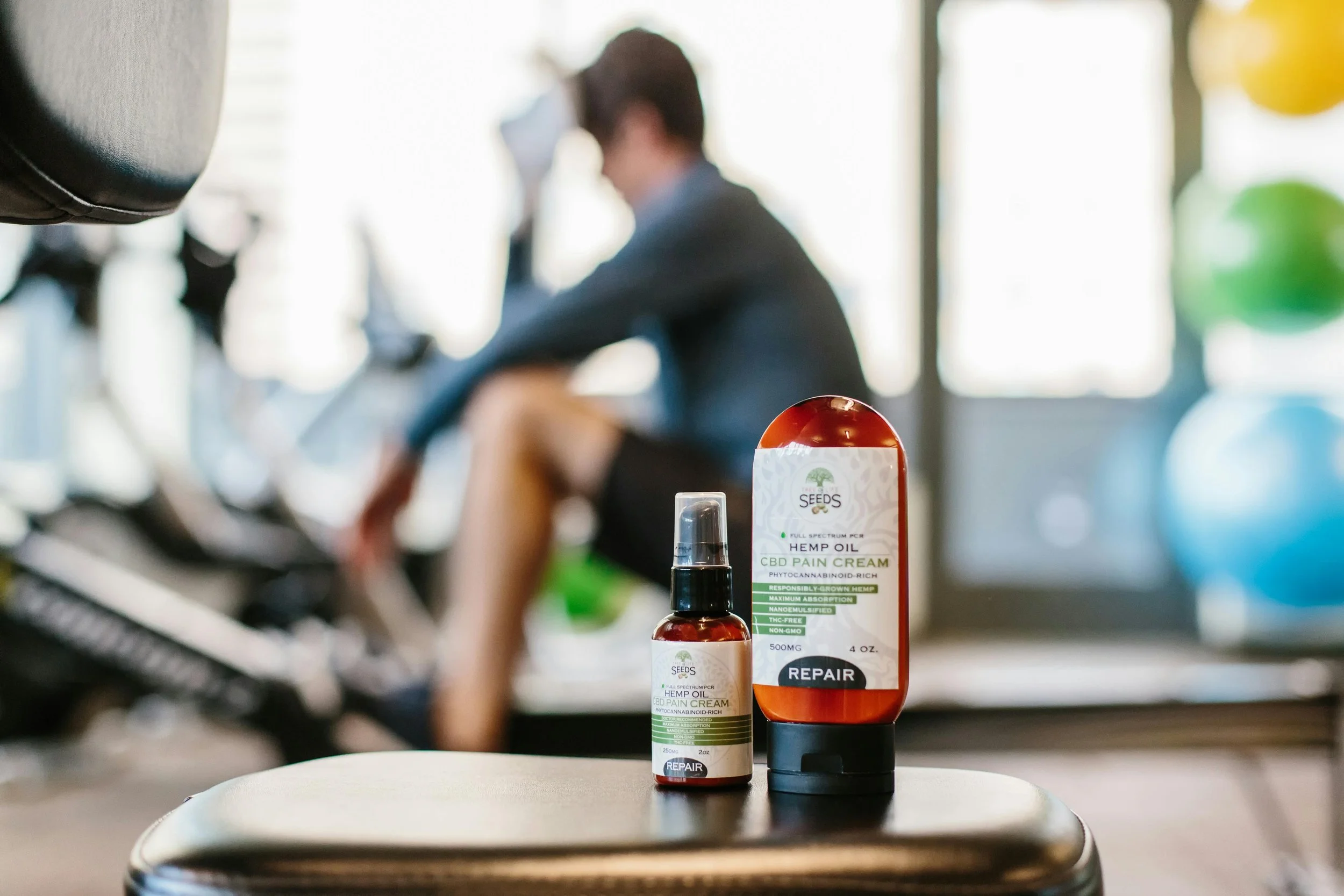
Natural wellness and recovery products arranged on a clean surface

PHOTO CREDIT | Pexels/Tree of Life Seeds

Treating cannabis like any other supplement, with research, appropriate dosing, and clear purpose, produces the best outcomes and the fewest surprises.

Is Cannabis Replacing Traditional Recovery Methods?

No, and it should not. Cannabis products work best as one component within a broader recovery strategy that includes sleep, nutrition, hydration, stretching, and rest days. Replacing ice baths, foam rolling, or sleep hygiene with cannabis alone misses the point entirely.

The most effective approach is additive. An athlete who already sleeps well, eats properly, and manages training load can explore cannabis as an additional tool that may improve one or two specific aspects of recovery. Those who use it to compensate for poor fundamentals will be disappointed.

The fitness community's embrace of cannabis mirrors its earlier adoption of other wellness tools: meditation apps, cold exposure, and adaptogens all went through similar cycles of curiosity, hype, and eventual integration into evidence-based routines.

Active Recovery Takeaways

  • CBD topicals and low-dose edibles are the most popular cannabis recovery products among active adults.

  • CBD was removed from the WADA prohibited list in 2018, though THC remains restricted in competition.

  • Sleep improvement is the most consistently supported benefit of cannabis for recovery.

  • Start with CBD-only products at the minimum effective dose and adjust gradually.

  • Cannabis supplements, not replaces, traditional recovery methods like sleep, nutrition, and rest.

  • Buy only from licensed retailers to guarantee tested potency and ingredient safety.

Recovery Is Personal

What works for one athlete may not work for another. Cannabis is a tool, not a miracle. The active adults getting the most value from it are the ones who approach it with the same discipline they bring to their training: research first, start conservatively, and measure the results honestly.

FAQ

Is CBD legal for competitive athletes?

CBD is permitted by WADA and most major sports governing bodies. However, THC remains prohibited in competition. Check your specific sport's anti-doping policy before using any cannabis product.

Will cannabis make me less motivated to work out?

Low-dose CBD products do not produce the sedation associated with high-THC cannabis. Most active users report no impact on training motivation when using CBD for recovery rather than recreation.

How quickly do CBD topicals work on sore muscles?

Most users report feeling relief within 15 to 30 minutes of applying a CBD topical to the affected area. The effect typically lasts two to four hours depending on the product concentration.

Can I use cannabis products before a workout?

CBD topicals can be applied before exercise for pre-emptive joint support. However, oral THC products should not be used before training as they can impair coordination, reaction time, and focus.


HOW ATHLETES CAN USE CBD OIL FOR PAIN?

Athletes deal with pain differently to everyone else. It is not a signal to stop — it is a constant variable to manage. CBD oil has moved into serious athletic circles because it addresses pain, inflammation, and recovery without the side effects that come with long-term NSAID use or prescription painkillers. If you want to buy CBD oil from OriginalsCBD, you will find products built around independent testing and traceable European hemp — two things that matter more in sport than marketing claims.

This guide covers how CBD oil works for pain in athletes, the correct legal position in the UK, what the research actually shows, and how to use it without putting your anti-doping status at risk.

What CBD Oil Does in the Body

CBD (cannabidiol) is a non-psychoactive compound from the Cannabis sativa plant. It does not produce a high. It works by interacting with the body's endocannabinoid system (ECS), a regulatory network that governs pain perception, inflammation, sleep, and immune response.

Two receptor types are relevant here. CB2 receptors, concentrated in immune tissue and peripheral joints, respond to CBD by modulating the release of pro-inflammatory signals. TRPV1 receptors, sometimes called vanilloid receptors, are directly tied to the sensation of heat and pain. CBD acts on both pathways, which is why its pain-related effects are not limited to one mechanism.

This is different from how NSAIDs work. Ibuprofen blocks COX enzymes to reduce prostaglandin production. CBD operates through a broader, multi-pathway system. That breadth is both its strength and the reason the evidence base is still catching up.

The Legal Position for UK Athletes

CBD oil is legal in the UK as a food supplement when it meets FSA novel food authorisation requirements. The source plant must be an EU-approved industrial hemp cultivar containing less than 0.2% THC at the cultivation stage. In finished products sold to consumers, the legal THC limit is 1mg per container — not 0.2%. That distinction matters when you are reading product labels.

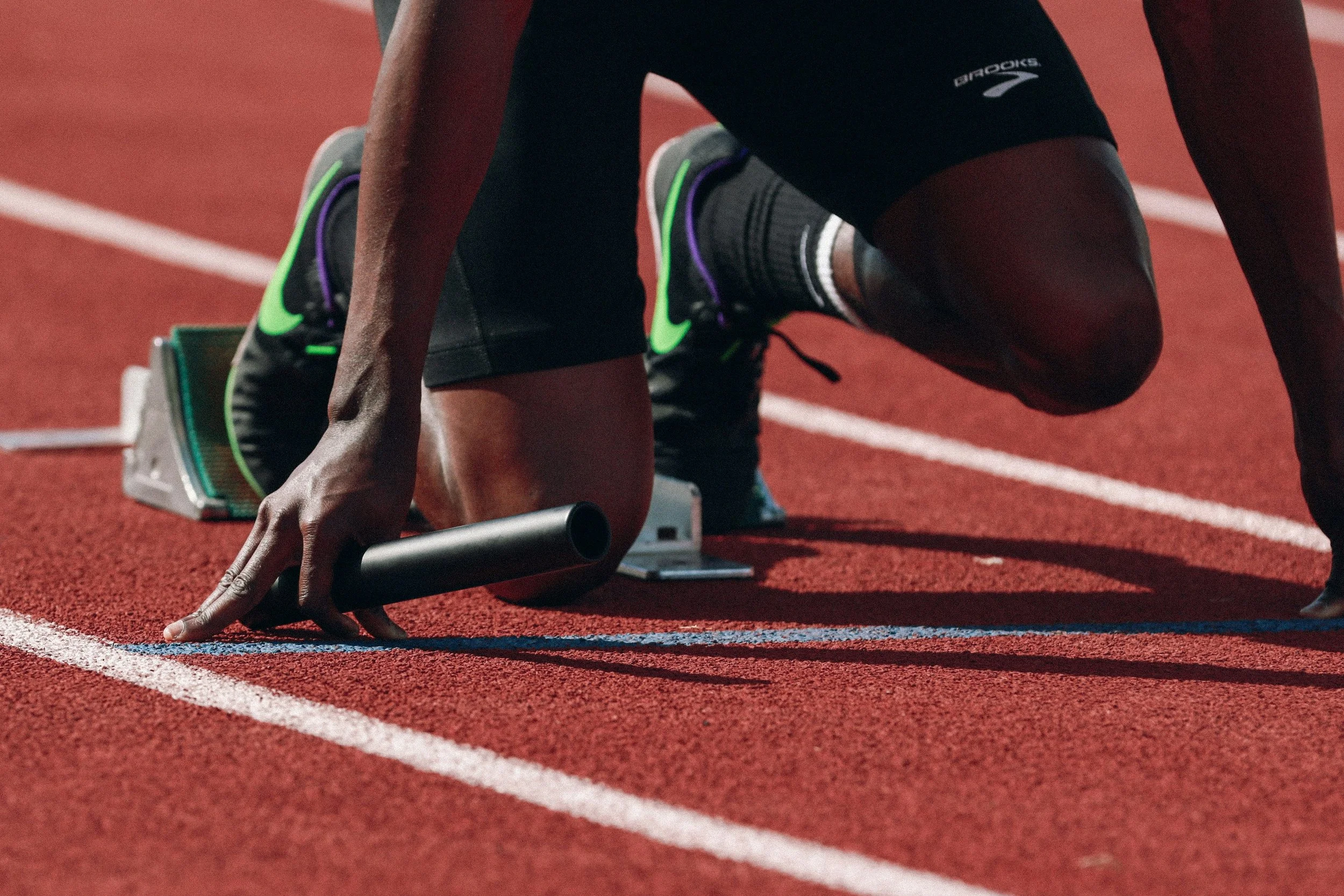
PHOTO CREDIT | Unsplash/Braden Collum

The Food Standards Agency sets the daily consumption guidance for healthy adults at 10mg of CBD per day from food supplement sources, updated in October 2023.

For competitive athletes, the position is clear. UK Anti-Doping confirms that CBD is not on WADA's Prohibited List and is permitted in sport. Every other cannabinoid, including THC, CBN, and synthetic cannabis compounds, remains prohibited in-competition. UKAD classifies CBD products under the same use-at-your-own-risk category as all other dietary supplements. If a CBD product causes an adverse analytical finding for THC, the athlete's use of that product does not reduce their fault.

The risk is not theoretical. CBD extraction leaves trace cannabinoids in many products. Full-spectrum oils carry the highest contamination risk. Athletes in testing pools should use isolate or verified THC-free broad-spectrum products only, with a batch-specific certificate of analysis confirming the full cannabinoid profile, THC levels, pesticides, heavy metals, and microbiological safety. Certificates must come from an accredited independent laboratory.

What the Research Shows?

A 2024 systematic review published in Nutrients analysed studies on CBD and athletic performance and recovery across physically active individuals. The review found limited positive evidence for improvements in aerobic parameters including VO2 max and mean power output. It found no significant effect on strength-based performance. Pain reduction and reduced post-load fatigue showed moderate positive signals, with the authors noting that no significant adverse effects were reported across the included studies.

A 2025 survey of elite-level Canadian athletes, published in Frontiers in Nutrition, found that 77% of CBD users reported reduced pain from training, 93% reported improved sleep, and 90% reported improved relaxation. These are self-reported outcomes, not controlled trial data, but they reflect the reasons athletes actually use CBD and the areas where practical benefit is most consistently reported.

A 2024 systematic review in Pain Management Nursing examined CBD for chronic pain management across 15 studies and found that the majority reported pain reductions of between 42% and 66% with CBD alone or in combination with other cannabinoids. The heterogeneity across study designs limits the strength of these conclusions, and the authors called for larger controlled trials.

The overall picture is this: CBD shows genuine signals for pain and inflammation reduction, with sleep and anxiety as consistent secondary benefits. What the evidence supports is safety, tolerability, and enough biological plausibility to justify its use as part of a structured recovery approach.

Specific Applications for Athletic Pain

Post-training inflammation is where most athletes start. After high-intensity sessions, the body triggers an inflammatory cascade as part of normal repair. When that response is excessive or prolonged, it delays recovery and compounds soreness. Oral CBD taken after training, typically as a sublingual oil, works through CB2 modulation to reduce the amplitude of that inflammatory signal without shutting it down entirely.

Delayed onset muscle soreness (DOMS) peaks between 24 and 48 hours after intense or unfamiliar exercise. CBD addresses DOMS through the same anti-inflammatory pathway, and some athletes report additional benefit from combining oral CBD with topical application directly to affected muscle groups. Topical CBD does not enter systemic circulation in meaningful quantities. It acts locally on peripheral receptors in the skin and connective tissue.

Chronic and injury-related pain is a different use case. Athletes managing the residual effects of old injuries, including joint pain, tendinopathy, and nerve sensitisation, often find that CBD forms a useful adjunct to physiotherapy and structured rehabilitation. The anti-inflammatory and analgesic properties that make CBD useful acutely remain relevant in chronic pain contexts, where the goal is reducing background pain levels rather than addressing acute tissue damage.

Sleep quality deserves separate mention even in an article about pain. Sleep deprivation lowers pain thresholds significantly. An athlete sleeping poorly will perceive training pain and injury pain as more severe than the same athlete sleeping well. CBD's reported benefits for sleep onset and sleep quality, documented consistently in athlete surveys, mean that some of its pain management value is indirect, mediated through better recovery rather than direct analgesia.

How to Use CBD Oil Practically?

Start at the lower end of the dosage range. The FSA guidance of 10mg per day for healthy adults is the correct reference point for food supplement use. Some clinical research uses higher doses in controlled protocols. For day-to-day supplementary use, staying at or below 10mg is the cautious and legally supported position.

Sublingual oil is the most common delivery method. Hold the oil under the tongue for 60 to 90 seconds before swallowing. This increases absorption through the mucous membranes and produces faster onset than capsules or edibles. Topical products, creams and balms, work alongside oral CBD for localised pain without adding to systemic CBD load.

Timing matters. Post-training is the most logical point for CBD directed at inflammation and recovery. For sleep-related pain management, a dose 30 to 60 minutes before bed works for most users. Avoid introducing any new supplement variable on competition day, particularly if you are in a testing pool.

Product selection is the most important decision you will make. Use isolate or verified THC-free broad-spectrum products. Require a batch-specific certificate of analysis tied to the exact batch you are purchasing, not a general test or a manufacturer's claim. Confirm the certificate covers cannabinoids, heavy metals, pesticides, residual solvents, and microbiological safety. Check that the product is linked to a valid FSA novel food application.

The Practical Takeaway

CBD oil addresses athletic pain through multiple routes: anti-inflammatory action at CB2 receptors, pain modulation at TRPV1 receptors, and indirectly through sleep quality improvement. The legal position in the UK is settled. CBD is permitted under FSA food supplement rules and under WADA anti-doping regulations, provided the product meets quality and THC content standards. The real risk for athletes is product quality, not legality. A contaminated or mislabelled product is the hazard. Buy from suppliers who publish full laboratory documentation, use isolate or verified THC-free broad-spectrum products, and stay within the FSA's 10mg daily guidance.

4 WAYS TO BOOST BRAND AWARENESS IN THE WELLNESS INDUSTRY

Pull up any supplement brand's Instagram and play a little game. Cover the logo. Can you still tell who it is? Probably not. Most wellness brands are practically interchangeable right now, and the problem isn't the product. It's that nobody thought hard enough about what makes them different from the other forty brands sitting on the same shelf. Getting remembered is the actual work, and most brands skip it.

Here's what's worth knowing: growing a wellness brand consistently isn't about one campaign or one clever post that takes off. NutraMarketers spends all their time in the supplement and functional food space, and what they see over and over is that the brands with staying power aren't necessarily the ones with the best formulas. They're the ones that built something people recognize and trust before they ever decide to buy.

PHOTO CREDIT | Pexels/Jonathan Borba

Build a Brand Identity That Goes Beyond a Logo

There's a version of this mistake that almost every wellness brand makes at least once. You spend real time and money getting the logo right, the colors right, the packaging looking clean. Then a year in, nobody seems to recognize you, and the instinct is to blame the marketing budget. But the logo was never the problem.

What actually sticks with people is harder to design. It's the tone your brand takes in an email. It's whether your product page sounds like a human wrote it or a committee approved it. It's having a point of view that comes through whether someone finds you in a store, on Amazon, or through an ad they weren't expecting to see. When all of that feels like the same brand, people start to remember you. Without that, you're basically introducing yourself to the same person over and over.

A strong brand identity generally covers these areas:

  • Brand voice: Pick a tone and stick with it everywhere, from your packaging copy to your email subject lines.

  • Visual consistency: Your website, ads, and product label should look like they came from the same place.

  • A clear point of view: Brands that earn loyalty in wellness usually stand for something specific. Clean ingredients. Honest performance. No fluff. Pick yours.

  • Focused messaging: When you try to speak to everybody, you end up resonating with nobody. Know exactly who you're talking to and talk directly to them.

Use Educational Content to Build Real Credibility

Wellness shoppers have been let down enough times that skepticism is basically their default setting. By the time someone is looking at your product, they've already been burned by something that didn't work. So they read the label. They Google the ingredients. They check Reddit threads from three years ago. Brands that show up in all of that with honest, specific information don't just earn a click. They earn the benefit of the doubt from someone who wasn't giving it out freely.

You don't need academic papers for this. Take a magnesium supplement brand. A simple breakdown of why glycinate works differently than oxide, written in plain conversational language, does something that a paid ad never could. It tells the buyer that whoever made this actually understands it, which is a bar more brands fail to clear than you'd expect.

The Global Wellness Institute pegs the global wellness economy at over $5.6 trillion. That kind of money draws in a lot of brands making claims they haven't earned. Buyers know this, and they're filtering hard. The brands that keep showing up with content that's actually worth reading tend to become the default recommendation in their category, not because they out-spent anyone, but because they kept being useful when others stopped.

Content formats worth investing in:

  • Blog posts answering the real questions your buyers are already searching for

  • Email newsletters that teach subscribers something useful, not just promote a sale

  • Short videos showing honest, practical product use with real expectations

  • Ingredient deep-dives that connect clinical research to everyday outcomes people actually care about

Invest in Packaging as a Marketing Tool

Most brands treat packaging like a form you fill out before you can launch. Get the nutrition facts right, meet the regulatory minimums, sign off on the proof, and move forward. But here's what that thinking misses: no ad you ever run will reach a buyer at the exact moment they're physically deciding whether to pick your product up. Your label gets that moment every single day, in every store that carries you. That's not a small thing.

Retail and In-Store Impact

Supplement shoppers aren't browsing slowly. They're moving through that aisle on autopilot, and most products don't even register. What breaks through is something that reads fast, looks intentional, and communicates clearly who it's for before the person even consciously processes it. Brands that underinvest in this lose sales that never show up in any report, because the shopper just grabbed something else without thinking twice.

Online Presentation and Conversion

On Amazon and brand sites, the packaging you chose six months ago is actively shaping how your listing performs right now. A well-designed product photographs better. Better photos load faster in the eye. And when someone's scanning ten listings in thirty seconds, the one that looks more polished gets the click almost every time. Plenty of brands with genuinely better formulas get outsold by competitors whose packaging simply photographs more cleanly.

Partner With the Right People in Your Niche

The sponsored post model is pretty much done in wellness. Audiences scrolled past enough of them that it became second nature to tune them out, and wellness buyers in particular are already suspicious of anything that feels like it's selling too hard. A single post from a large account rarely moves anything meaningful for a brand, and most people in the industry quietly know this by now.

What tends to work a lot better is finding people who already live in the space your product belongs to and letting the relationship grow from there. Someone with 18,000 followers who's a registered dietitian posting about their actual supplement stack carries more weight than a lifestyle influencer with 400,000 followers dropping a promo code. The audience is smaller, but it's dialed in, and dialed-in audiences actually buy.

Research from Nielsen found that 92 percent of consumers trust personal recommendations over direct brand advertising. In wellness, where buyers come in guarded and have been oversold to for years, that number isn't just a stat. It's the whole game. The partnerships that actually move the needle are the ones where the creator's audience already trusts their opinion, the product fits naturally into what they talk about, and nothing about the content feels like it was written by a marketing team.

Putting It All Together

None of this works in isolation. Brand awareness in wellness is the result of showing up consistently across all these areas at once: a clear identity, content people actually find useful, packaging that earns attention, a well-run Amazon presence, and creator relationships that feel real. Brands that get all five working together don't just grow. They become harder to displace.