EXPERIENCING THE REAL THAILAND BEYOND THE RESORT

A Thai beach resort is a wonderful place to do very little. But spend a whole trip behind the same poolside fence and you miss the country almost entirely. The real Thailand is out there, and it rewards travelers who go looking.

A traveler hiking a jungle trail to a waterfall in Thailand

PHOTO CREDIT | Unsplash/Peter Orsel

Getting beyond the resort takes a little effort and, ideally, a little local knowledge. Booking a licensed expert through a service like Your Thai Guide turns a passive holiday into an active adventure. This guide looks at why it is worth leaving the lounger, the experiences waiting for you, and how to prepare for a trip with real depth.

Why Go Beyond the Beach Resort?

Resorts are comfortable by design, which is exactly the problem. They are built so you never need to leave, and most people duly never do. The country beyond the gates is where the memories are made.

Stepping out rewards you with:

  • Authenticity. Real towns, food, and daily life.

  • Activity. Trekking, cycling, and exploring.

  • Connection. Actual encounters with local people.

  • Value. Experiences a buffet can never match.

None of this means abandoning comfort entirely. It simply means treating the resort as a base rather than the whole trip. A single day exploring often outshines a week of sunbathing. You do not need to be an intrepid backpacker, either; even a couple of guided day trips completely change the character of a holiday.

What Active Experiences Can You Have?

Thailand is a playground for active travelers of every level. From gentle to genuinely challenging, the options are enormous. There is far more here than lying still.

Consider building your days around:

  1. Trekking. Jungle trails and mountain villages up north.

  2. Cycling. Riding through rice paddies and ruins.

  3. Water. Kayaking, diving, and island hopping.

  4. Markets. Walking and eating your way through them.

The thrill of exploring somewhere raw and beautiful rivals a trip to the Patagonia region, just with warmer water and better street food. Chiang Mai in the north is a hub for active adventures. Mixing effort with reward is what makes a Thailand trip stick in the memory. Best of all, you can dial the intensity up or down to match how you feel each day.

How Does a Local Guide Reveal More?

You can find trails and markets alone, but a guide changes what you actually get from them. Local knowledge turns a nice day out into a genuine encounter. It also removes a lot of friction.

A cyclist riding past rice paddies in rural Thailand

PHOTO CREDIT | Unsplash/Rowan Heuvel

A guide reads the culture, not just the map, translating customs as well as words. They know which trail is worth the sweat and which market stall to trust. Much as a good local host reveals the true pulse and culture of Cuba, a Thai guide opens doors that stay shut to solo visitors. For active travel especially, that insight saves time and multiplies the payoff. It also keeps you safer on unfamiliar trails and roads, which matters once you leave the tourist track behind.

What Should You Sort Before You Go?

A little admin upfront keeps the adventure smooth. The essentials are simple, but skipping them causes real headaches. Handle these before you fly.

Tick off the basics first:

  • Documents. Check passport and any visa rules.

  • Health. Review recommended vaccinations early.

  • Fitness. Match activities to your real level.

  • Research. Know the areas you plan to visit.

Reading up on the current Thailand entry requirements and any regional safety risks in Thailand is time well spent. Pack light, breathable clothing and proper shoes for active days. A little preparation means you spend your energy exploring, not scrambling.

Making the Trip Count

Thailand gives its best to travelers who step beyond the resort gate. Understand what you miss by staying put, seek out the active experiences that suit you, and lean on local expertise to go deeper. Handle the practical basics before you leave, then throw yourself into the real country with energy and curiosity. Do that, and you will come home with stories no all-inclusive buffet could ever provide.

Frequently Asked Questions

Is It Worth Leaving the Resort In Thailand?

Absolutely. Resorts are relaxing, but they are designed so you never leave, which means most of Thailand passes you by. Beyond the gates lie real towns, incredible food, active adventures, and genuine encounters with local people. You do not have to give up comfort; simply treat the resort as a base for exploring. Most travelers find a single day out outshines a week by the pool.

What Active Things Can You Do In Thailand?

Plenty, at every fitness level. Popular options include jungle trekking, mountain villages up north, cycling past rice paddies and ruins, and water sports like kayaking and diving. Exploring the bustling markets on foot is an adventure in itself, and Chiang Mai is a particular hub for active travel. Matching activities to your fitness, and using a guide for tougher ones, keeps it safe and rewarding.

Do I Need a Guide to Explore Thailand Actively?

You can explore independently, but a licensed local guide dramatically improves the experience. They know which trails and markets are genuinely worth it, translate customs as well as language, and open doors that stay closed to solo visitors. For active travel, that insight saves time, improves safety, and multiplies each day. Booking a guide for the more adventurous parts is often the smartest upgrade you can make.

How Should I Prepare for an Active Thailand Trip?

Start with the admin: passport, visa rules, and vaccinations, all well ahead of time. Be honest about your fitness and match activities accordingly. Research the specific regions you plan to visit, including any current safety advice. Pack light, breathable clothing and proper footwear, plus sun protection and a water bottle. A little preparation frees you to spend your energy on exploring rather than sorting problems on arrival.


CROSS-BORDER TAXES: A CANADA-US PLANNING GUIDE

Living between Canada and the United States sounds glamorous until tax season arrives. Two countries, two systems, and a real risk of being taxed twice on the same dollar. For anyone with a foot on each side of the border, the stakes are high.

A professional reviewing tax documents with Canadian and US flags nearby

PHOTO CREDIT | Unsplash/chris robert

The good news is that this is a solved problem, with the right plan. Smart, proactive Canada U.S. Tax Planning can keep cross-border earners from losing money to double taxation and missed deadlines. Here is how the system works, the traps to watch for, and when to bring in a professional. None of this is tax advice, so treat it as a map, not a substitute for an expert.

Why Cross-Border Taxes Trip People Up

The core problem is simple to state and hard to solve. Canada taxes based on residency, while the US taxes based on citizenship. That mismatch is where the trouble starts.

A US citizen living in Canada, for example, may owe filings in both places. Roughly 1 million Americans are estimated to live in Canada, and many have no idea they must still file with the IRS. The rules do not care whether you knew.

Then there is the sheer weight of paperwork. Each country has its own forms, deadlines, and definitions of income. Getting a single one wrong can trigger penalties on both sides of the border at once.

Who Actually Needs to Worry About This?

Not everyone with a maple leaf or a stars-and-stripes needs to panic. But more people are affected than realize it. You should pay attention if any of these apply:

  1. Dual citizens. You hold both Canadian and US citizenship.

  2. Cross-border workers. You earn income in one country and live in another.

  3. Snowbirds. You spend long stretches in the US each year.

  4. Movers. You have relocated across the border recently.

  5. Investors. You hold accounts or property in both countries.

If you fit any of these, your taxes are more complex than a single-country filer's. The retirement questions that athletes face in life after sports apply doubly when two tax systems are involved.

The Big Cross-Border Tax Traps

A few mistakes cause most of the pain. Knowing them in advance is half the battle. Watch for these common traps:

A person planning finances at a laptop with a passport and calculator

PHOTO CREDIT | Unsplash/Microsoft 365

  • Double taxation. Paying full tax in both countries on one income.

  • Missed filings. Forgetting a required return or disclosure.

  • Retirement accounts. RRSPs and 401(k)s treated differently across the border.

  • Currency and timing. Exchange rates and mismatched tax years.

Tax treaties exist to prevent the worst of this. Canada's cross-border tax rules turn on your residency and where your income is actually earned. Ignoring them is how a manageable situation becomes an expensive one.

How to Get Your Cross-Border Taxes Right

The fix is planning, not panic. A clear process keeps both governments satisfied. Follow these steps each year:

  1. Confirm your status. Residency and citizenship drive everything.

  2. Track all income. In both countries and both currencies.

  3. Use treaty benefits. Claim credits and exemptions you are owed.

  4. File on time. In both jurisdictions, every year.

Residency status drives most of the outcome. Canada's guidance on determining your residency status is the very first thing to sort out each year. A professional who works across both systems will catch the treaty benefits that generic software misses entirely.

Building a Life Across Two Countries

Cross-border living is about more than tax forms. A little planning makes the whole lifestyle smoother. Keep these habits year-round:

  • Keep clean records of days spent in each country.

  • Separate accounts by country where it makes sense.

  • Review your plan after any major life change.

  • Learn the basics so you can ask better questions.

Getting educated pays off, and a good finance books habit helps. Managing money across a border is its own form of wellness, since financial stress touches everything. The goal is a life that moves easily between two homes.

Points Worth Remembering

  • Canada taxes on residency; the US taxes on citizenship.

  • Dual citizens, cross-border workers, and snowbirds are most affected.

  • Double taxation and missed filings cause most of the pain.

  • Tax treaties exist to prevent being taxed twice.

  • Confirm your status, track income, and file on time in both.

  • A cross-border specialist catches what generic software misses.

Living Well On Both Sides of the Border

A cross-border life is a privilege, not a punishment, once the taxes are handled. Understand the two systems, use the treaties built to protect you, and keep clean records all year. Bring in a professional who knows both sides, and the border becomes a line on a map rather than a threat to your finances.

Frequently Asked Questions

Do US Citizens In Canada Have to File US Taxes?

Yes. The US taxes based on citizenship, so US citizens must generally file a US return no matter where they live. They may also owe Canadian filings. Tax treaties and credits usually prevent true double taxation, but the paperwork is still required.

What Is Double Taxation and How Do I Avoid It?

Double taxation is paying full tax to two countries on the same income. Tax treaties, foreign tax credits, and careful planning are designed to prevent it. A cross-border specialist can make sure you claim every credit and exemption you are entitled to.

Are Snowbirds Affected by Cross-Border Tax Rules?

They can be. Spending long stretches in the US each year can affect your US tax status through substantial-presence rules. Snowbirds should track their days carefully and understand the thresholds before they cross them.

Do I Really Need a Cross-Border Tax Professional?

For anything beyond the simplest situation, it is wise. Cross-border rules are complex, and generic software often misses treaty benefits and required disclosures. A specialist who works in both systems can save far more than the fee.

SHOOTING ACTIVEWEAR ON AN INFINITY COVE

Activewear rarely sells standing still. A legging has to bend, a jacket has to swing, and a running shoe has to leave the floor. The camera needs to hold all of that without the room getting involved.

An empty photography studio with a white cove sweeping into the floor, two softboxes and a strobe on stands, and a desk and chair along the side wall

PHOTO CREDIT | Unsplash/Hc Digital

A baseboard, a corner or a seam in the paper shows up the second a body travels through frame. That is the problem a white cove is built to remove. It is why a space such as the Sugarland Infinity Cove in North London gets booked for campaign and social work. The wall curves into the floor with no visible join, so the subject moves against nothing at all.

What an Infinity Cove Actually Does

The name borrows from the cyclorama, a curved backdrop that theaters have used since the 19th century. A photographic cove applies the same idea in plaster or resin. The vertical wall sweeps into the floor on a smooth radius, and the corners are filled in too.

What that removes is the horizon line. Light hitting a curve falls off gradually instead of stopping at an edge, so the background reads as continuous tone rather than two surfaces. Push enough light into it and the tone goes pure white. Pull the light back and the same surface turns soft gray.

For a brand, the practical result is a background with no information in it. Nothing competes with the garment, and nothing dates the frame.

Why Does Movement Need a Seamless Background?

Paper rolls work well for a static portrait. They stop working the moment someone jumps, because the usable width is narrow and the subject leaves it. Crews then spend the day resetting the talent rather than shooting.

A cove gives the performance room to happen. The athlete can run three steps, land and follow through, and the frame stays clean the whole way. That matters more than it sounds, because the usable take is almost never the first one.

There is a second benefit for motion. When the background carries no detail, the eye reads the shape of the body instead of the depth of the room. A stretch looks like a stretch, and a sprint start looks fast.

Lighting Movement Versus Lighting a Still Product

These are two different jobs, and mixing them up costs hours.

Freezing a body needs short duration light. Flash duration, not shutter speed, is what stops a shoe mid-air, so a fast strobe beats a bright one. Crew who rig this for a living tend to hold tickets from a trade body such as PLASA. Continuous light can work at 1/500 or faster, though you pay for it in output and heat.

Still product is the opposite problem. A folded garment wants broad, even coverage, a repeatable camera position, and enough separation from the cove that no shadow creeps into the background. Shoot it flat and clean, then key it later.

Three habits keep both jobs honest in one day.

  • Light the background and the subject on separate controls.

  • Set the product exposure first, since it is the fussier of the two.

  • Mark the floor before the talent arrives, and mark it again after any move.

Green Screen or White Cove?

The answer depends on where the frame is going.

Choose green when the plate has to be replaced, for a virtual set, a composited environment or a moving graphic behind a presenter. Keying is a color decision, and the wall has to be evenly lit for it to hold. Many studios offer green as an option on the same space, alongside daylight or blackout setups.

Choose white when the product is the point. White gives a clean cut-out path for e-commerce, a neutral base for retouching, and a look that sits naturally next to the rest of a brand's catalog. It also survives a crop, which green rarely does once spill lands on the edge of a shoulder.

How Do You Schedule a Day On the Cove?

Studio time is the one input you cannot stretch, so the schedule is the real creative document. Build it backwards from delivery, then work out how many setups the day can hold.

Budget the same way. Studios and photographers that publish transparent photography pricing make that arithmetic far easier, because you can see where the hours go before you commit.

Order the day by how much the cove has to change.

  1. Shoot every setup that shares a lighting state together.

  2. Move to the motion work while the talent is warm.

  3. Leave repaints, drapes and any big rig change to the end.

camera studio set up

PHOTO CREDIT | Unsplash/Alexander Dummer

Paperwork belongs in the plan too. A signed model release is what makes the frames licensable for commercial use, and chasing one afterward is how a launch slips.

What to Bring to a Cove Shoot

Most wasted studio hours are wardrobe hours. Steam everything the night before, and bring backups in the sizes you are actually shooting.

  • Clean soles, since a cove floor is white and every mark shows.

  • Clips, tape and pins for fit on camera.

  • A printed shot list, one line per asset.

  • A drive and a card reader for the handoff.

Kit is the other half. Hiring gear or bringing your own calls for the same discipline, and packing for a shoot rewards a routine. Charge, format, label, then check the list at the door.

Let the Space Do the Isolating

An infinity cove is not a style. It is infrastructure that removes variables, so the only things left in frame are the garment, the body and the light you chose. Brands that shoot movement end up back on a cove because it is the shortest route from a studio day to usable assets. Book the space around the movement, and the rest of the shoot gets simpler.

Frequently Asked Questions

What Is the Difference Between an Infinity Cove and a Cyclorama?

In practice the terms are used interchangeably for studio work. A cyclorama began as a theater backdrop, while an infinity cove describes the curved wall and floor built into a shooting space. Both give you a background with no visible corner.

Can You Shoot Color Backgrounds On a White Cove?

Yes, in two ways. You can gel the background lights to throw color onto the white surface, which is fast and fully reversible. Some studios will also repaint a cove to a specified color for a booking.

Do You Need a Big Crew to Shoot Activewear In a Studio?

Not always. A small team can cover a straightforward product day, though motion work usually wants a dedicated assistant on lighting and someone watching wardrobe. Many studios can arrange crew alongside the space.

How Long Should You Book a Studio For?

Book for setups rather than hours. Count every lighting state, every wardrobe change and the load-in, then add contingency for takes that fail. Running short is far more expensive than booking one extra block.

THE GUT-BRAIN CONNECTION: WHY A FOCUS SUPPLEMENT SHOULD SUPPORT DIGESTION TOO

You bought a focus supplement to think more clearly. But a lot of it starts lower down, in your gut. Your gut and your brain are wired together so tightly that scientists gave the link a name: the gut-brain axis. The more we learn about it, the harder it gets to treat the two as separate systems.

So, if you already take something for focus, chances are, it likely helps your gut too. For instance, Avantera Elevate, a famous nootropic, puts turmeric and ginger right next to its brain-supporting ingredients. Let's get into the nitty-gritty of how it helps. 

What Is the Gut-Brain Axis?

The gut-brain axis is the two-way communication line between your digestive system and your brain. They talk constantly through nerves, chemical messengers, and immune signals. When your gut is calm, your brain tends to calm down and send clearer signals back. When your gut is irritated, your brain feels frustrated too.

Your gut has its own nervous system. Scientists describe the enteric nervous system, the mesh of nerves lining your gut, as holding more than 500 million neurons, which makes it the most complex nerve network outside your brain. Johns Hopkins calls it the "second brain" as it can run digestion on its own, without waiting for orders from your head.

The main communication line between the gut and brain, however, is the vagus nerve. Through this nerve, 90% of the traffic runs from the gut up to the brain. 

Your gut bugs matter too. The trillions of bacteria living in it, your microbiome, help make and manage the chemical messengers that shape how you feel and how sharp you are. Feed them well, and the whole axis runs smoother.

How Digestive Health Can Affect Focus and Mood

Your gut helps make the chemicals your brain uses to steady your mood and hold your attention. According to the American Heart Association, the gut produces about 95% of the body's serotonin, a key mood messenger. When digestion is off, the messenger can get noisy, leading to low mood or foggy thinking.

Let's talk about focus, since that's probably why you're here. When your gut is inflamed or out of balance, it sends stress and inflammation signals up that vagus nerve line, and your brain reads them. For a lot of people, the signals land as brain fog: the thinking-through-cotton feeling, the 3 pm wall, the sentence that just will not finish.

Mood runs on the same wiring. Serotonin helps regulate how calm and steady you feel. Most of it is made in your gut, and while gut serotonin and brain serotonin are two separate pools, your gut still shapes the signals your brain gets through the vagus nerve and immune system.

None of this means your gut is the only thing steering your focus. Sleep, stress, and coffee all play a part. It just means that chasing sharper focus while ignoring digestion leaves you with half the picture.

Turmeric and Ginger: What the Research Says About Gut Support

Turmeric and ginger are two of the most studied kitchen ingredients for digestion. Ginger helps the stomach empty and settle. Turmeric's active compound, curcumin, supports a healthy inflammatory response in the gut. Both have a long track record and fit naturally into the gut-brain connection.

Start with ginger. In a randomized, double-blind study published in the World Journal of Gastroenterology, ginger sped up gastric emptying, which is how fast your stomach clears a meal, compared with a placebo. Faster, smoother digestion means less of that heavy, sluggish feeling that can drag your focus down.

Now turmeric. Curcumin does most of the work, supporting a healthy inflammation response in the gut lining. However, on its own, your body can't absorb it well. The black pepper you often see beside it does a real job. 

A study in Planta Medica found that piperine, the active compound in black pepper, increased curcumin absorption by 2000%. That's what makes the turmeric actually count.

Many digestion studies use larger amounts of ginger and turmeric than you'll find in a daily focus blend. In a supplement, smaller, consistent doses provide steady daily support and work alongside the other ingredients, with black pepper helping the turmeric pull its weight.

How Avantera Elevate Pairs Cognitive and Gut-Supporting Ingredients

Avantera Elevate is a daily nootropic built around nine ingredients, with the exact dose of each one printed on the label. Most of them target focus, energy, and memory. Two of them, turmeric and ginger, are put in for your gut. 

On the focus side, Elevate pairs 200mg of L-Theanine with 95mg of natural caffeine from green tea, a combo known for calm, steady focus without the jitters. It rounds out the blend with Lion's Mane, Bacopa Monnieri, CDP Choline, and Rhodiola Rosea to support memory, learning, and stress.

On the gut side, the formula adds Turmeric Root (100mg, standardized to 95% curcuminoids) and Ginger Root Extract (30mg) to support digestion and a healthy inflammatory response. It also includes black pepper extract (BioPerine), which helps curcumin absorption. You can check every amount on Avantera Elevate's ingredient label, since the formula doesn't hide behind labels like “proprietary blends.”

Elevate is made in an FDA-registered, GMP-certified facility; every batch is third-party tested, and the formula is vegan. 

What to Look for in a Nootropic If Gut Health Matters to You

If you want a focus supplement that also cares about your gut, check a few things before you buy. Look for transparent doses, gut-supporting botanicals, an absorption helper like black pepper, third-party testing, and a calm-focus approach that sits easy on your stomach.

Here’s a quick checklist: 

  • Doses: The label should show the exact amount of every ingredient. Proprietary blends hide that.

  • Gut-supporting botanicals: Ingredients like turmeric and ginger add digestive and anti-inflammatory support to a formula that's mostly about focus.

  • An absorption aide: Black pepper extract (piperine) helps curcumin absorb.

  • Third-party testing: An independent lab checks each batch, so you have proof the label is honest.

  • Calm focus over brute force: L-theanine paired with a modest amount of caffeine gives steady focus that tends to sit easier in the stomach than high-stimulant formulas.

Gut-Brain Connection FAQ

What is the gut-brain axis in simple terms? 

It's the two-way communication line between your gut and your brain. They send signals back and forth through the vagus nerve, chemical messengers, and the immune system. What happens in one can affect the other, which is why stress can upset your stomach and gut trouble can cloud your thinking.

Does gut health really affect focus and brain fog?

It can. When your gut is inflamed or out of balance, it sends stress and inflammation signals to the brain, and many people feel that as brain fog or trouble concentrating. Supporting steady digestion is one way to support clearer, sharper focus.

How does the gut affect mood? 

Your gut helps produce and manage serotonin, a chemical that steadies mood. The American Heart Association reports that about 95% of the body's serotonin is made in the gut. Through the vagus nerve and immune signals, your gut helps shape the messages your brain uses to regulate how you feel.

Can a supplement improve the gut-brain connection? 

A supplement can help support it, though it isn't a cure. Ingredients that support digestion and a healthy inflammatory response, like turmeric and ginger, may support the gut side of the line, while nootropics support the brain side. Daily habits around food, sleep, and stress matter just as much.

Does turmeric support gut health? 

Turmeric's active compound, curcumin, supports a healthy inflammatory response in the gut. The main challenge is absorption, since curcumin is hard for the body to take up on its own. Pairing it with black pepper extract (piperine) improves how much your body can actually use.

Does ginger help digestion? 

Yes. Ginger has a long track record for settling the stomach, and a study in the World Journal of Gastroenterology found it sped up how quickly the stomach empties a meal. Faster, smoother digestion can help you sidestep that heavy, sluggish feeling after eating.

Why is black pepper in focus supplements? 

Black pepper extract, sold as BioPerine or piperine, helps absorption. A Planta Medica study found it increased curcumin absorption by 2000%. Adding it means the turmeric and some other ingredients absorb better, so the doses printed on the label do more.

How long before a gut-supporting nootropic makes a difference? 

It depends on the person and the ingredient. Some effects, like calm focus from L-theanine and caffeine, can show up the same day. Others, like memory support from Bacopa, build over several weeks of daily use. Give any new formula a few weeks before you judge it.

Is it safe to take a nootropic every day? 

Many focus supplements are made for daily use, but the right answer depends on you. Check the label, watch the caffeine content, and talk to a healthcare professional first, especially if you're pregnant, nursing, on medication, or managing a health condition.

Final Words

Your gut and your brain are on the same team. If focus is the goal, digestion deserves a seat at the table. Next time you pick up a focus supplement, read the label with that gut-aware checklist in mind. The one that supports both ends of the gut-brain axis is the one worth your money.

Disclaimer: These statements have not been evaluated by the Food and Drug Administration. This product is not intended to diagnose, treat, cure, or prevent any disease. Always talk to a healthcare professional before starting a new supplement.

AN ACTIVE LAKE GETAWAY IN THE BLUE RIDGE MOUNTAINS

The best kind of reset is not always a spa day. For an active traveler, a weekend of paddling, hiking, and fresh mountain air does more for body and mind than a lounge chair ever could. A Blue Ridge lake is the perfect setting for exactly that.

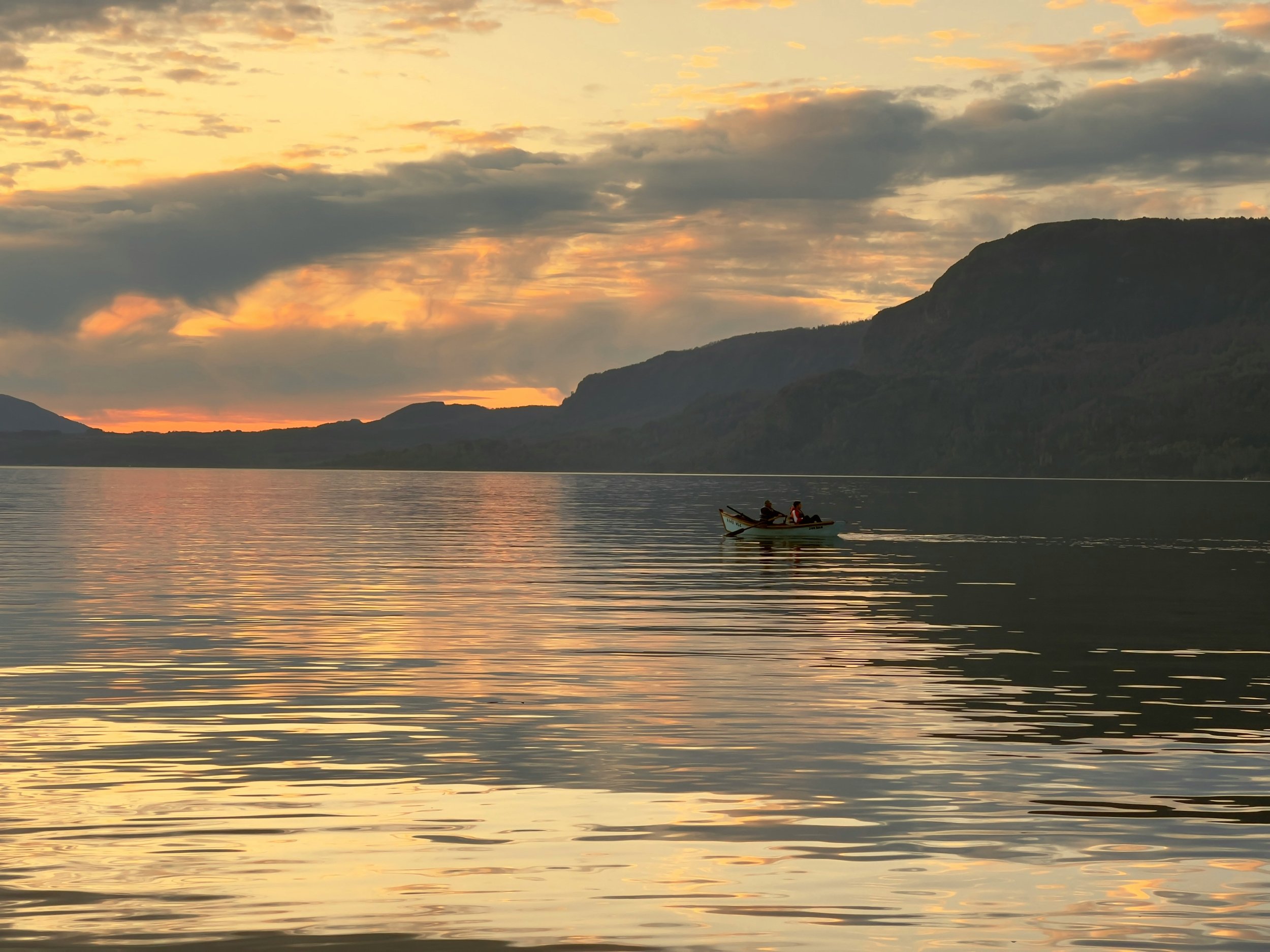
Kayakers paddling on a calm mountain lake at sunrise

PHOTO CREDIT | Unsplash/Edu

Tucked into Hayesville, North Carolina, Lake Chatuge sits amid rolling peaks and quiet coves. A lakeside base such as the Deerfield Inn puts the water and the trails within easy reach. This guide maps out an active, wellness-minded weekend in the mountains, from first paddle to final stretch.

Why Choose a Mountain Lake for an Active Escape?

A lake in the mountains gives you two playgrounds at once. The water invites paddling and swimming, while the surrounding ridges offer miles of trails. Few settings pack that much variety into one place.

Lake Chatuge itself spans about 7,000 acres, with roughly 130 miles of winding shoreline. That scale means quiet water most mornings, even in summer. The peaks around it rise well over 3,000 feet, so cool air and long views come standard. It is the rare escape that beats the usual passive weekend getaways.

What Can You Do On the Water?

The lake is the natural starting point. Calm coves and gentle currents make it welcoming for beginners and rewarding for the fit. Early morning is the prize slot.

There are plenty of ways to get moving:

  • Kayaking. Glide the coves before the wind picks up.

  • Paddleboarding. A full-body workout with a view.

  • Swimming. Cool laps off a dock or a quiet beach.

  • Fishing. A slower, steadier way to enjoy the water.

Each option doubles as low-impact exercise. Paddling works the core and shoulders without pounding the joints, which makes it kind to tired legs. Start at sunrise for glassy water and the whole lake nearly to yourself.

Which Trails Are Worth the Effort?

Once you are off the water, the hills take over. The area sits near some of the finest hiking in the Southeast. Some summits top 5,000 feet on the highest routes. Options range from gentle loops to real climbs.

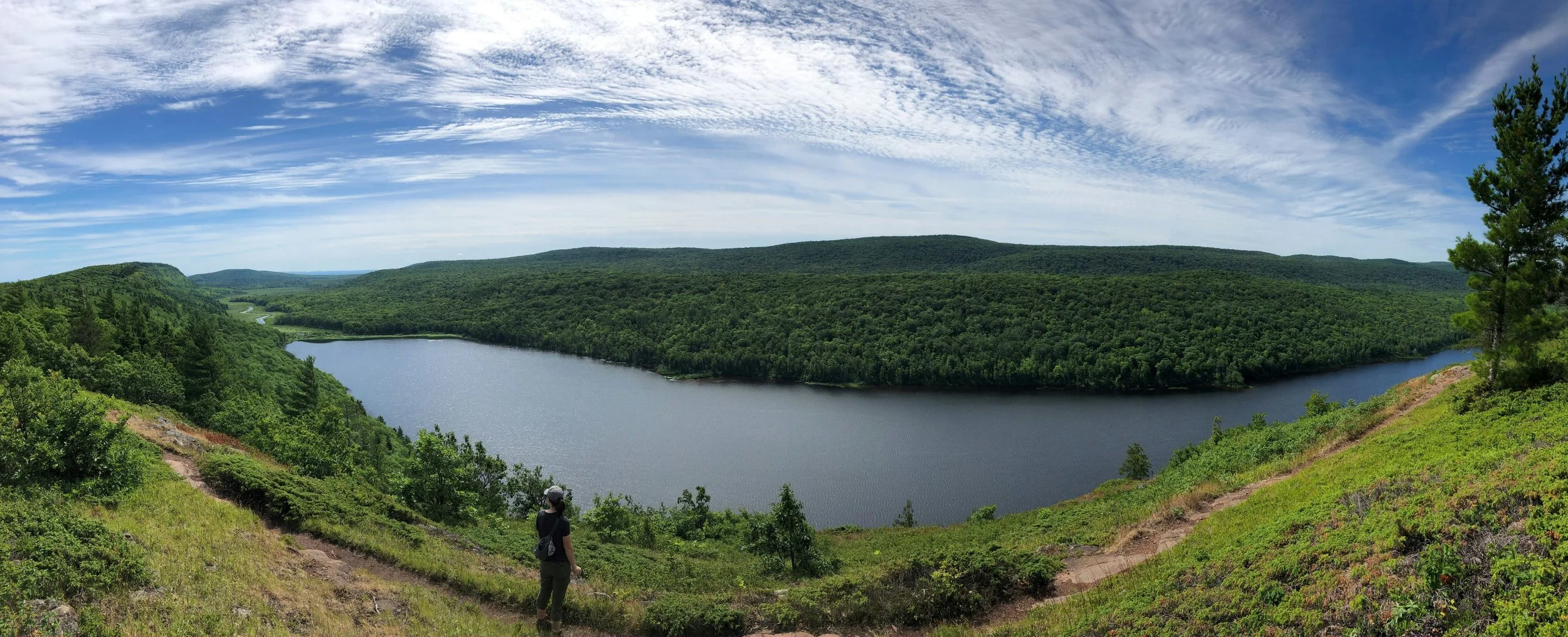
A hiking trail overlooking a lake in the Blue Ridge Mountains

PHOTO CREDIT | Unsplash/Joshua Webb

Short lakeside paths suit an easy morning, while longer routes reward the ambitious with summit views. The Deerfield Inn sits within a couple of hours of several major parks. Easy day trips reach the national parks of Tennessee. A slightly different drive opens up the protected lands of Georgia. Pack water, sturdy shoes, and a light layer for the higher elevations.

How Do You Build a Restful Wellness Day?

An active trip still needs recovery built in. The goal is balance, not exhaustion, so plan for genuine rest between the big efforts. Your body will thank you.

A simple rhythm works best:

  1. Move early. Paddle or hike while it is cool.

  2. Refuel well. Eat a real lunch and hydrate often.

  3. Rest midday. Read or nap through the warm hours.

  4. Stretch at dusk. Ease the muscles before dinner.

That cadence keeps the weekend feeling restorative rather than draining. After a day outside, you can head back and relax in style. A warm shower, a light stretch, and an early night set you up for the next morning.

Where Should You Base Your Stay?

The right base turns a good trip into a great one. You want somewhere close to the water, comfortable, and quiet enough to actually recover. Location does a lot of the work.

The Deerfield Inn offers 20 individually appointed rooms, each with private outdoor seating and views of Lake Chatuge and the Blue Ridge. Being lakeside means the water is a short walk, not a long drive. Small touches like fast Wi-Fi and local trail tips make planning each day simple. Downtown Hayesville sits about 5 minutes away for a quiet dinner. A restful room is what lets an active weekend feel like a true holiday.

Making the Most of a Blue Ridge Weekend

An active lake getaway proves that rest and movement belong together. Spend your mornings on the water, your afternoons on the trails, and your evenings winding down by the lake. Lake Chatuge and the peaks around Hayesville give an athletic traveler room to push and room to recover in equal measure. Plan it well, base yourself close to the water, and you return home genuinely restored rather than merely rested.

Frequently Asked Questions

When Is the Best Time to Visit Lake Chatuge?

Late spring through early fall offers the warmest water and the greenest trails. Summer mornings are calm and ideal for paddling, while autumn brings cooler air and striking foliage on the ridges. Even in peak season, the lake's size keeps it feeling uncrowded, so almost any warm-weather weekend rewards an active visitor well.

Do I Need Experience to Kayak or Paddleboard Here?

Not at all. The sheltered coves of Lake Chatuge are calm and forgiving, which makes them well suited to first-timers. Start early when the water is glassy, wear a life vest, and stay near the shore until you feel steady. Rentals and simple lessons are usually easy to arrange nearby for complete beginners.

How Hard Are the Hikes Near Hayesville?

There is something for every level. Gentle lakeside loops suit an easy stroll, while nearby mountain routes climb to real summit views for stronger legs. Because several major parks sit within a couple of hours, you can match the day's effort to your energy. Always carry water and wear proper shoes on the steeper trails.

Is a Lake Getaway Good for a Wellness Trip?

Very much so. Combining paddling, hiking, fresh air, and genuine rest makes for a balanced, restorative break. The mix of gentle exercise and quiet downtime suits anyone chasing both activity and recovery. A mountain lake like Chatuge delivers that blend naturally, which is why it works so well for a wellness-focused escape.