• FITNESS
  • Food
  • Beauty
  • Sports
  • Travel
  • Athleisure Studio
  • Athleisure List
  • THIS ISSUE
  • Athleisure TV
  • The Latest
  • ARCHIVE
  • About
  • Press
  • Connect
Menu

Athleisure Mag™ | Athleisure Culture

ATHLEISURE MAG™ | Athleisure Culture
  • FITNESS
  • Food
  • Beauty
  • Sports
  • Travel
  • Athleisure Studio
  • Athleisure List
  • THIS ISSUE
  • Athleisure TV
  • The Latest
  • ARCHIVE
  • About
  • Press
  • Connect
AM DEC IT BEGINS AND ENDS WITH THE BREATH WITH POPPY JAMIE-1.jpg

IT BEGINS AND ENDS WITH THE BREATH WITH POPPY JAMIE

January 12, 2019

This time of year, there are a number of activities that are pushing for our attention. There are notifications on our phones, making various appointments, checking that we're not missing studio time at yoga as well as getting our nails done. There are times where you forget to eat or even to breathe! Breathing is one of our most vital tasks and as much as we do it, many of us are not doing it right! We took a moment to chat with Poppy Jamie, Breathing Instructor and enthusiast, TV presenter, Co-Founder/Designer of Pop and Suki and Founder of Happy Not Perfect, a new app and lifestyle brand that recently launched to find out what a breathing workshop is, how we do it and what led her to this career!

ATHLEISURE MAG: Where did the year go? How is it almost Christmas.

POPPY JAMIE: I know right, I mean I was just telling myself, where did the year go and how can it be the end of the year already? At least we have the holidays to look forward to!

AM: You cover a number of areas so in looking at your background, how did you get into doing TV, have a successful line – Pop & Suki (accessory line created by best friends Poppy and actress and model Suki Waterhouse), your app/lifestyle brand, Happy Not Perfect as well as being a breath enthusiast?

PJ: Well really, I was inspired I suppose by my upbringing. My mum is a hypnotherapist and my dad is an entrepreneur. When we were growing up, we spoke about the mind at the age of 8 and it was so normal to talk about emotions, how you process them, how you manage your mind, meditation, breathing. These were all things that were just as normal as brushing your teeth, washing your face and going out for a walk. Mental health has been such a part of the way that I was brought up and in my DNA.

I always knew that I wanted to be a TV presenter. Ever since I knew I could talk, I wanted to be able to communicate with people because I just found it so incredible how you could share a conversation and storytelling and that really led me to my first career as a TV presenter and host. While I was a TV host, that was the thing that really gave me insight into this social setting and made me analyze what people were looking at and how they were reacting to things. When I launched my show on SnapChat, PillowTalk (the first show to air on SnapChat), I would see hundreds of thousands of messages of people just reacting about what they were thinking, feeling and going through. At that moment, it was my upbringing and where I was in my career that came together. I would start to call up my mum and I would ask her advice on how I should respond to these questions that included people that were struggling at work/school or feeling stressed about their relationship. In that moment I realized how little we know about the mind and how fortunate I was to have a mum that would teach me about the mind and these sort of things. I began to wonder how I could go about sharing my mum and putting her into an app and to give her to everyone. It wouldn’t matter where you were or what time of day it was – it’s about the thought process. It’s really what a great therapist does – they help you process your thoughts and find a new perspective by using different tools such as breathing and journaling. It’s funny that my career has gone in so many different directions, but it all happened to go into the creation of Happy Not Perfect.

At the time, I was living in LA with my best friend and that’s how the handbags started. My best friend and I are two of the most disorganized girls that you could ever meet as we’re always losing things and we thought that if we could design handbags, we’d be less disorganized. It’s been a really crazy 3 years and I couldn’t be happier working on these things that I now are really helping people. We have so many messages a day where people are like, “Oh my God this is really helping me.” People thanking us on teaching them how to breathe and those who were feeling low before Happy Not Perfect and n ow after using it they feel less anxious. I love how I am doing my part into what I should be doing.

HNP3.jpg

AM: I love how connected it is and how the app also has an extension as a lifestyle brand with products that are attached to it as well – correct?

PJ: Exactly! We found that in our focus groups that people really struggled with dealing with things and that Millennials are some of the most stressed out people that ever lived. It showed through our qualitative research in America, Europe and Australia that we did. I wondered what we should do and how could we assist in managing their stress levels and people were silent about it. That’s when I learned that people weren’t so sure on what they could do to manage their mental well being. People wanted to know what they could use! This holds true for why there is product in Happy Not Perfect as well as why I was intrigued to work with Breathe Right Strips. Even a simple thing like putting the strip on your nose, you can sleep better because you are getting more air and it’s an upward spiral. Suddenly you have a clearer mind in the morning and it’s a simple thing that can help you feel better. We found that with the site and lifestyle components that everyone can benefit from these items.

AM: We were unable to attend the breath workshop which was unfortunate, but how did this partnership between yourself and Breathe Right Strips come about as we understand the natural synergy here.

PJ: I’ve been using Breathe Right for years and it has been a bit of my secret hack! When I trained as a breathing instructor and when I would do my classes in London, NY and LA afterwards I would say, if you guys are struggling with breathing at night when you’re trying to sleep, you should use these strips. Someone then said, “I know them – you should connect with them.” I was being their biggest advocate even before they knew me because I loved them. Then we were connected and I was so happy about that because I love the natural way that you can just be help yourself and be a little more relaxed and have a clearer mind. It’s about sometimes having the simplest thing like a breathing strip and learning how to breathe into your belly that will have a formative effect on your mental and your physical health.

AM: I heard that you have a 24kt gold Breathe Right Strip – is this true?

PJ: I do and I’m very excited about my it and honestly, it’s one of my favorite beautiful mantle pieces! I mean I never ever thought that I would have a 24kt gold basically nose statue! Now I do! I was traveling back from NY to London because my parents were so excited to see this and it is the coolest thing. I carried it in my hand luggage and when I went through security, nobody could believe my gold karat nose and it has now traveled halfway across the country and it is now very close to my heart.

HNP4.jpg

AM: What’s it like going through a breathing workshop and how do you guide people through their proper breathe?

PJ: A breathing workshop begins with teaching people how to breathe. When I first started out as a breathing instructor under Dr. Belisa Vranich, who is one of the leading experts in the world, she is the author of Breathe and she is one of the most crucial women that I have ever met. I couldn’t believe it when she said that 9 out of 10 people breathe incorrectly! It’s unbelievable. We all breathe, but when you realize that we pick up bad breathing habits from the age of 5 because we go to school and begin to hunch over tables and we start breathing too much air and we start to do shallow mouth breathing. This is a forced habit from the central nervous system it pumps up our stress level and makes us feel like we’re in danger and we have that fight or flight feeling. But when you start engaging in belly breathing and slowly inhale through your nose and slowly exhale with lower body breath, it emulates your vega nerve and takes you out of that fight or flight state.

This is a calming breath that allows you to have a pretty instantaneous moment of clarity. You make better decisions and it reduces your nerves. So the breathing teaching and the breathing workshop teaches you the power of learning how to relax your nervous system when you need to and the best way to do that is through nose/belly breathing, and then once you kind of learn that, we can practice by putting weight on our bellies to practice bringing that weight up and bringing it back down, as that is helpful. A great trick to do this is to do so when you’re in bed and you can’t get yourself to sleep, you can put a heavy book on your belly to breathe the book up and to breathe it back down (editor’s note: this is an exercise to calm you down to be able to sleep as the book is only for the breathing practice). It’s a great trick and if you have friends who are a bit anxious or stressed out, teach them to lie down, put a book on their belly to breathe it up and down as it is really calming and relaxing. I really like to teach people tools that they can share with their friends and family. And then, we go into a kind of breath work meditation which uses the breath to sink into a meditative state and during the breath workshop that we did a few weeks back at the event, we did a Love and Kindness Meditation, which is one of the scientifically backed meditations that really help to nurture kindness and compassion not only for ourselves, but for those around us and after experiencing that, we come out of meditation which lasts at about half an hour or 45 minutes in terms of the education, the practicing and the meditation. Hopefully everyone leaves feeling a little bit happier and calmer and a lot less stressed.

AM: That sounds fantastic. With a new year coming up, there is a lot of stress and anxiety that people will have in wanting to do resolutions and things that are different, but also coming down from a busy holiday season – how can breath work help with this so that they can calm down and do what they need to during the day?

PJ: This is why I love breathing! It doesn’t mean that you have to meditate for 20 minutes if you don’t have time. The holidays are so busy and you have loads of family around. So the belly breath which I actually do this while I am talking with someone or perhaps in a stressful meeting, I lightly put my hands on my belly and I start breathing slowly into my nose and out through my nose into my belly. I consciously have this hack knowing that I have it whenever I need it is powerful.

Even if you want to just take a couple of moments in the morning to just lie down on your back and to just focus on your breathing through your nose and down for a couple of minutes as it really just sets your nervous system. During the holiday season, it’s so hectic because people are buying their presents and you need these short effective tricks for your nervous system and belly breathing is definitely one of them and anyone can do it which is fantastic!

AM: You’re based in NYC where would we find you grabbing a drink/meal and working out?

PJ: Oh my gosh my new favorite place is abcV the new vegan place that I am newly obsessed with that! I have to say that no one can't beat The Bowery Hotel! It's really magical and fun and I always have a lot of friends there. I like to think that wellness is a little bit of everything. It’s not only about looking after your mind, but it doesn’t mean depriving yourself of other things. It’s a bit of everything. My favorite yoga studio is Yoga Vida and I love this yoga instructor named Will Schneider who is my favorite. I also love dancing as it’s incredible for your mental health and great for a mood boost that makes you feel good. If I am in a really dedicated mood, I love SLT which is incredible, but dancing and yoga are really my thing as I find yoga is really great for the mind and to stretch the body, you need to relax the mind. This exercise incorporated meditation and I’m a big yoga fan.

IG @PoppyJamie

PHOTOS COURTESY | Poppy Jamie + Happy Not Perfect

HNP1.png

Read more from the Dec Issue of Athleisure Mag and see It Begins and Ends with the Breath with Poppy Jamie in mag.


Featured Wellness
1_Adam Hunger AP Content Services for Mucinex Kickstart.jpg
Jan 22, 2026
KEEPING COLD + FLU SEASON ON ICE
Jan 22, 2026
Jan 22, 2026
AM DEC ISSUE _120-134.png
Jan 17, 2026
ATHLEISURE LIST | CARMEL RETREATS
Jan 17, 2026
Jan 17, 2026
9LIST.png
Jan 7, 2026
THE 9LIST
Jan 7, 2026
Jan 7, 2026
Premier Protein x Michelle Buteau HERO.jpg
Jan 2, 2026
GO GET 'EM MODE | MICHELLE BUTEAU
Jan 2, 2026
Jan 2, 2026
AM NOV ISSUE #119 OS Medtronic (2).png
Dec 20, 2025
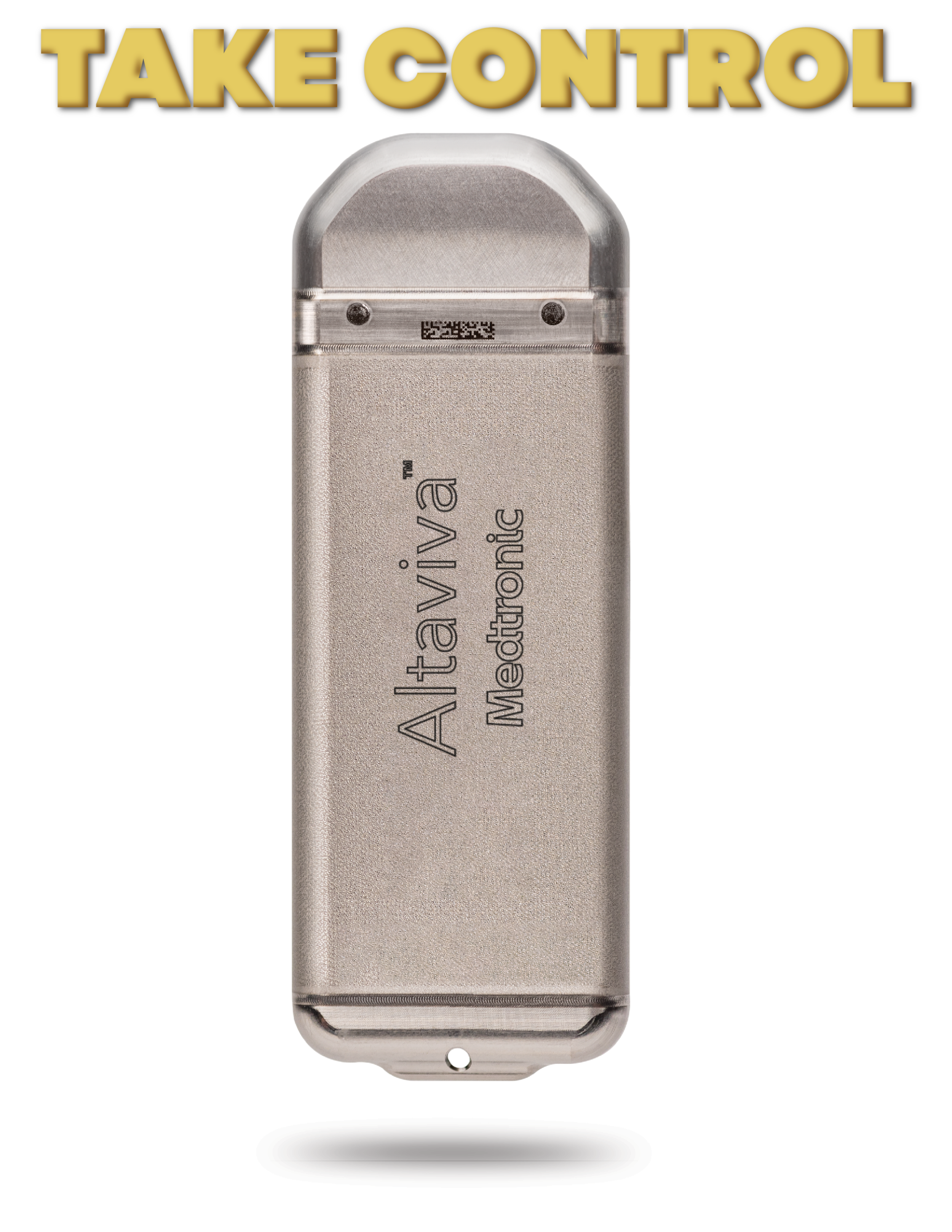
TAKE CONTROL
Dec 20, 2025
Dec 20, 2025
AM NOV ISSUE #119 OS Pvolve_Hers copy.png
Dec 18, 2025
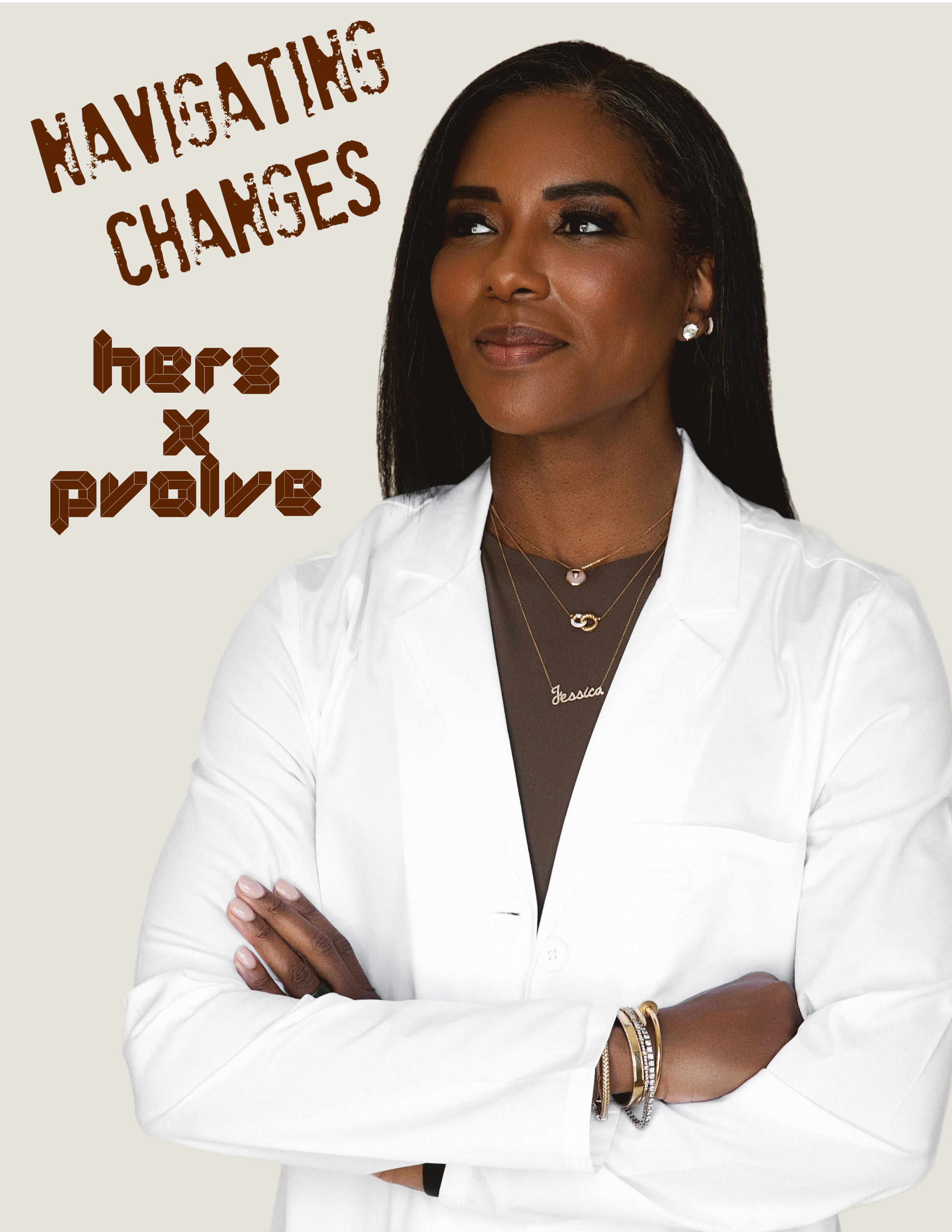
NAVIGATING CHANGES | HERS X PVOLVE
Dec 18, 2025
Dec 18, 2025
Copy of Thomas_Winstanley (1) copy 5 (1).png
Nov 22, 2025
EDIBLES.COM | EDIBLE BRANDS THOMAS WINSTANLEY
Nov 22, 2025
Nov 22, 2025
FITNESS ANGELS WITH KIRK MYERS
Nov 17, 2025
FITNESS ANGELS WITH KIRK MYERS
Nov 17, 2025
Nov 17, 2025
AM OCT ISSUE #118 zzz AL 3.png
Nov 12, 2025
ATHLEISURE LIST | MINICIRCLE
Nov 12, 2025
Nov 12, 2025
AM SEP ISSUE #117 S 1.png
Oct 26, 2025
PAIN RECOVERY FOR ATHLETES & FANS
Oct 26, 2025
Oct 26, 2025
In Wellness, Wellness Editor Picks, Style, Streaming, Magazine, Lifestyle, Health, Dec 2018, TV Show, Celebrity Tags Pop and Suki, Happy Not Perfect, Wellness, breath, breathe, breath work, Breathe Right Strips, wellness, mental health, abcV, SLT, Yoga Vida, The Bowery Hotel, anxiety, 24kt, classes, NY, London, LA, Millennials, Suki Waterhouse, Poppy Jamie, SnapChat, TV Personality, Celebrity, therapy, accessory, accessory brand
Comment
PHOTO COURTESY | Viktor Nikolaienko

PHOTO COURTESY | Viktor Nikolaienko

ARE YOU REALLY A SOCIAL DRINKER OR COULD YOU BE AN ALCOHOLIC?

October 19, 2018

Increasingly, women are going head to head with men when it comes to binge drinking. It’s not surprising: society normalizes, encourages, and promotes drinking so heavily that it can be nearly impossible, at times, to know what’s “normal” or not. A 2015 report by the National Institutes of Health, says an exploding number of Americans are in the drinking danger zone. According to the report, published in the journal JAMA Psychiatry, nearly one-third of American adults at some point in their life have an Alcohol Abuse Disorder, and only 20% seek treatment. Drinking may seem harmless but overindulging in alcohol is responsible for more than 80,000 deaths in this country per year and is the third leading cause of preventable deaths. We turned to Carrie Carlton, Clinical Director (LCSW) of Beachway Therapy Center in Boynton Beach, Florida to outline the differences between social, problem and alcoholic drinking.

Addicted alcoholics hide their habit

Carrie Carlton says, “When people veer from social drinking to alcoholism, they usually try to conceal their drinking from those who are close to them. This is a warning sign because they deliberately wish to hide their drinking habit from their loved ones so as not to alarm or disappoint them. The fact is, the more they try to hide their drinking habit, the more serious their drinking problem becomes.”

Missing work

Alcoholics tend to miss work, damage other people’s lives, and not fulfill obligations because they stay busy drinking. Social drinkers will drink at specific times when they are usually free so that no important work is hampered. Social drinkers make sure that they do not over-drink, which ensures that they can tend to important obligations. “If they start ignoring these obligations because of drinking, they have likely become alcoholic,” says Carlton.

You’re a weekend warrior.

“If you don’t drink daily, but are drinking regularly, such as binges every Friday night, that’s a red flag,” says Carlton. While research shows that having about seven alcoholic beverages per week lowers your risk of diabetes and cardiovascular disease, abstaining all week only to guzzle five or six glasses in a single sitting negates any of alcohol’s potential health benefits. Moreover, binge drinking can raise blood pressure and interfere with certain medications.

Drinking just “creeps up on you.”

Have you ever told yourself you were going to have only a drink or two at happy hour, and before you knew it you’d downed five? One of the clues that you may be a binge drinker is not knowing your limits—or feeling surprised when you've "suddenly" passed them. “Like diabetes, heart disease, and other health problems, drinking problems develop gradually and alcoholism is progressive,” says Carlton.

Drinking and driving

Alcoholics end up in alcohol-related accidents, while social drinkers do not. However, for a social drinker, they know that drinking and driving is not permitted and can be fatal. So, even if they over-drink on a particular social occasion, they don’t get behind the wheel.

You wonder if there will be enough alcohol available

“This most likely means that you are probably chasing the buzzed feeling and are unable to enjoy yourself without the fear of losing that high” says Carrie Carlton. “It is most definitely a warning sign of addiction and it can be a sign of obsessive thinking around alcohol, which should absolutely raise red flags.”

You “Pre-Game It”

Perhaps you are going on a blind date and don’t want your date to think you drink too much so you have 2 drinks at home and 2 drinks while on the date. You know you’ve had 4 drinks, but your date perceives you as a “normal” drinker. You are aware of your true quantity and have the buzz to go along with it.

You hide alcohol

If you don’t want your spouse, roommate or family member to see you drinking, perhaps you hide alcohol in a closet or bathroom cabinet and put your drinks in a colored paper cup so only you know you’re drinking. Carrie Carlton says, “alcoholics will do this to be able to indulge in their addiction while attempting to “act sober” and deceive others around them.”

You switch drinks or try to make rules for yourself that you don’t follow

Many people will negotiate with themselves. For example, “I will switch from 4 glasses of wine to two Vodkas” or “I will only drink on weekends,” “I will only go to happy hour when I have a new client win.” “Normal” drinkers don’t make these kinds of bargains with themselves because their lives don’t revolve around alcohol or attempts to control consumption of it,” says Carlton.

A ”problem drinker” versus an alcoholic

Carrie Carlton explains that, “A problem drinker is able to self-correct when they are given sufficient reason to do so – negative consequences, painful hangovers, birth of a child, new responsibilities, etc. An alcoholic, on the other hand, is unable to permanently cut back or stop drinking even when they have numerous reasons to do so. When faced with serious consequences and reality, an alcoholic may temporarily stop or limit themselves, but they will invariably return to their regular excessive drinking patterns.”

What to do if you’re not sure you have a problem

Carrie Carlton suggests, “If you are not certain you are an alcoholic, seek the advice of a therapist, or attend an AA meeting and speak with those who have long term sobriety to see if they share similar thoughts and experiences. If you feel that you need more than therapy to stop drinking, in patient treatment (rehab) may be the course of action you need to get both the therapy and tools to live a sober life.

Read the latest issue of Athleisure Mag

Featured Lifestyle
Copy of Thomas_Winstanley (1) copy 5 (1).png
Nov 22, 2025
EDIBLES.COM | EDIBLE BRANDS THOMAS WINSTANLEY
Nov 22, 2025
Nov 22, 2025
H AM SEP OS JESSY DOVER.png
Oct 25, 2025
NEW DAWN FOR BAGS | JESSY DOVER - DAGNE DOVER
Oct 25, 2025
Oct 25, 2025
OS CHLOE X LELE SADOUGHI copy.png
May 21, 2025
FINE + DIVINE
May 21, 2025
May 21, 2025
SPRINGING AHEAD | KELLY OLMSTEAD CMO ALLBIRDS
Apr 23, 2025
SPRINGING AHEAD | KELLY OLMSTEAD CMO ALLBIRDS
Apr 23, 2025
Apr 23, 2025
AM FEB ISSUE #110 Egypt 1.png
Mar 18, 2025
THE POWER OF YOUR HOME | HGTV'S EGYPT SHERROD + MIKE JACKSON
Mar 18, 2025
Mar 18, 2025
LO-FI VIBES EDITORIAL @ TECHNICA HOUSE
Nov 28, 2024
LO-FI VIBES EDITORIAL @ TECHNICA HOUSE
Nov 28, 2024
Nov 28, 2024
OS ZOOEY DESCHANEL (1).png
Nov 25, 2024
VINTAGE STYLE HOLIDAY | ZOEY DESCHANEL
Nov 25, 2024
Nov 25, 2024
WEEKEND VIBES ONLY EDITORIAL
Jul 12, 2023
WEEKEND VIBES ONLY EDITORIAL
Jul 12, 2023
Jul 12, 2023
AM DEC OS MINDY WEISS.png
Jan 19, 2023
MAKE IT A SIGNATURE | MINDY WEISS
Jan 19, 2023
Jan 19, 2023
HOME FOR THE HOLIDAYS | MARIANNA HEWITT
Jan 17, 2023
HOME FOR THE HOLIDAYS | MARIANNA HEWITT
Jan 17, 2023
Jan 17, 2023
In Wine, Women's Health, Health, Lifestyle Tags Social Drinker, Problem Drinker, Wine, Alcoholic, Carrie Carlton, Beachway Therapy Center, National Institutes of Health, JAMA
Comment
PHOTOS COURTESY | Athleisure Mag

PHOTOS COURTESY | Athleisure Mag

GERM CITY

October 17, 2018

We attended an exhibit preview of Germ City: Microbes and the Metropolis at the Museum of the City of New York this month to explore and reflect upon the complex story of New York’s long battle against infectious disease—a fight involving government, urban planners, medical professionals, businesses, and activists. It reveals how our understanding of disease has changed us physically, socially, and culturally, and the surprising interplay between people and pathogens in an urban context.

The exhibition is organized by the Museum of the City of New York in collaboration with The New York Academy of Medicine and Wellcome. It is part of Wellcome’s international project Contagious Cities, which explores the interplay of people and pathogens in urban contexts. Drawing on the model of the Wellcome Collection’s “Reading Room,” Germ City features a hybrid gallery and library where visitors can view historical artifacts alongside contemporary artworks created for the exhibition, delve into the exhibition’s themes with a curated selection of books, and access a wide range of perspectives through digital interactives.

Contagious Cities is an international project developed by Wellcome, which supports local conversations around the global challenges of epidemic preparedness and marking the centenary of the 1918 flu pandemic, during which a third of the world’s population was infected and 50 million people died. Cities bring people and germs together. Through the stories it tells, Contagious Cities explores the outcomes of this cohabitation, and the relationship between microbes, migration and the metropolis. Combining different perspectives and expertise, partners in the project are co-producing artist residencies, exhibitions, interactive experiences, events and broadcasts. Together, they are investigating the physical, social, economic and cultural effects of infectious diseases

FF 3R6A1476.jpg

“Microbes don't necessarily first come to mind as intuitive territory for a cultural exhibition, but Germ City uses scientific models, historical objects, and contemporary artworks to make the very personal stories of New Yorkers who have been impacted by contagious disease over time come alive,” said Anne Garner, Curator of Rare Books and Manuscripts at The New York Academy of Medicine Library, and co-curator of Germ City. “Everyone can relate to what it's like to feel afraid or uncertain about illness, and/or comforted by caregivers, and we hope the show will provoke new conversations about responses to epidemic disease."

“The Academy is pleased to partner with our neighbor The Museum of the City of New York and with the Wellcome Trust on this important exhibition and program series,” said Judith A. Salerno, MD, MS, President of The New York Academy of Medicine. “This effort brings together our collective expertise on the history of health in New York and the impact that outbreaks of disease over time have had on New York City’s residents, infrastructure, and its many interlocking systems including housing, urban planning, water systems, migration, and public health policies.”

Rebecca Hayes Jacobs, Andrew W. Mellon, Post-Doctoral Cultural Fellow, with the Museum of the City of New York, added, “we were interested in bringing together historical artifacts, scientific models and contemporary art to try to address this topic of infectious disease, and organized it thematically about responses to disease. It shows artifacts and artwork about containment, investigation, care and stopping disease in the urban environment. And so we selected objects that might be visually interesting, thought provoking, and might surprise people and make them think and also bring up the social meaning of contagion. It is about the cultural side. It's a topic that is underappreciated, infectious disease might sound scary and intimidating, but anyone can learn more if they’re interested. We have a whole interactive space in the reading room, where people can learn personal stories, so hopefully it is a very accessible exhibition for just about anyone.”

FF 3R6A1521.jpg

After touring the exhibit and listening to opening remarks, we spoke with Seema Kumar, VP of Innovation, Global Health and Policy Communication, Johnson & Johnson, a sponsor of the exhibit.

ATHLEISURE MAG: Can you tell us about J&J's role and work in this field?

SEEMA KUMAR: J&J has a really superb global footprint in terms of multiple disease and therapeutic areas. Specific to this topic, in the global public health and infectious diseases and vaccines arena, we've got a long tradition in working in HIV, in TB, and many other diseases, like Zika and Ebola. We have a vaccines platform, where we are in the process of developing vaccines for Zika; we have actually 2M doses of an Ebola vaccine ready to deploy anytime there is a crisis - and those we developed and accelerated when there was a big Ebola crisis in 2015. We also have a vaccine for HIV, which is in clinical trials in South Africa. It's going to be tested in 2600 young girls and women in Sub-Saharan Africa, keeping fingers-crossed. In TB, we brought forward the first new mechanism of action in 40 years, there was a new compound and new break though and that works against multi-drug resistant TB (MDR-TB). So for those when all hope is gone and near deathbed when resistant to all of the existing treatments, this particular medicine helps. Especially in South Africa, we have a wonderful collaboration with the government through clinical trials and also access programs, where we made our compound available for use and the transformation that has taken place in those patients is just extraordinary in terms of changing the trajectory of the mortality rates of MDR-TB, so much so that the South African government made a courageous move to put this medicine as part of its drug regimen against MDR-TB. So we have a huge footprint, and then in HIV we have three products which treat HIV, but in addition to that we have a long-acting injectable, we're working together with GSK ViiV.

We've went from multiple pills that HIV patients have to take everyday to one pill, and now we're trying to make a long-acting injectable that can keep the virus in check for longer periods of time, and a vaccine to ultimately prevent it. We also do a lot of education and healthcare systems strengthening, all of that because it's not just the innovation, but strengthening the healthcare system.

FF 3R6A1613.jpg

AM: We love what you said about storytelling in the opening remarks. Can you please expand upon that?

SK: We have a campaign going on called Champions of Science, and want to make people understand that science and technology are really important for us in healthcare and many other things, like food, fuel and energy.. With the Africa storytelling challenge, there is a lot of science, technology and entrepreneurship going on there. Many people just think of disease and poverty, so we need to tell the positive stories. Winners will be featured on the platform and phase two will start.

Science can seem so complex to people, it sort of happens behind the lab and seems mysterious, so one of things that storytelling does is it really makes the complex simple, it makes it human, and it connects - facts and figures are great because they are needed for credibility and accuracy, but charts, graphs and numbers do not engage the heart. What engages the heart is really storytelling. There is a tradition of storytelling in all of our cultures, because that's how you've learned your value systems and information, when not even knowing you're being educated because you're listening to the story, but somehow it wires your brain with a lot of information. So storytelling is extraordinarily important in engaging people. Not even just the public, anybody can react to a story, so I think it is an important part of public engagement.

A bit before this preview, Jim Allison, Ph.D, Chair of the Department of Immunology, MD Anderson Center, won the Dr. Paul Janssen Award for groundbreaking work with Checkpoint Inhibitors, where the immune system is being used as a way to try attack cancer. Now immunotherapy is becoming a big breakthrough way to attack cancer. This gentleman has figured out, just like a gas pedal and a break, there is a break in the immune system and that break prevents the immune system from going after a cancer, and if you can release that break, the immune system can go and attack the cancer. We have heard stories about women with tumors all over their bodies, and the tumors can shrink after the first treatment and go away, and one woman featured has been living for over ten years. This is about turning on the switch of checkpoint inhibitors to go attack the cancer in cancer immunotherapy.

The Champions of Science – Africa Storytelling Challenge aims to unearth the inspirational stories of African innovators, and invites scientists doing work on the African continent to come forward and share their stories. "A tremendous amount of science is taking place across Africa, with researchers and innovators developing solutions that can have a significant impact on society," said Seema Kumar, Vice President, Innovation, Global Health and Science Policy Communication, Johnson & Johnson. "By amplifying the stories of innovation taking place across Africa and the impact it is having on families, communities and the world, we hope to build public engagement and support for science, and inspire the next generation to pursue scientific fields that will have the potential to drive Africa's socio-economic transformation."

We also spoke with Ken Arnold, Creative Director, and Simon Chaplin, Director of Culture and Society, at Wellcome Trust. The Wellcome Trust is a biomedical research charity based in London, United Kingdom. It was established in 1936 with legacies from the pharmaceutical magnate Sir Henry Wellcome to fund research to improve human and animal health. The aim of the Trust is to "achieve extraordinary improvements in health by supporting the brightest minds", and in addition to funding biomedical research it supports the public understanding of science.

AM: Please tell us about Wellcome and the Germ City: Microbes and the Metropolis exhibition.

KEN ARNOLD: Wellcome has been delighted to collaborate with colleagues at MCNY to co-produce the exhibition Germ City, and further to work in close collaboration with their next-door-neighbours the New York Academy of Medicine. The show explores how New York has shaped – and been shaped by – the fight against contagious diseases such as cholera, and TB. Through a range of intriguing historical objects, powerful contemporary art commissions and interactive features, the exhibition teases out the personal, cultural, political and medical dimensions of contagion in this truly global city.

SIMON CHAPLIN: The show tells stories about health and illness, immune systems and antibiotics, breakthroughs in treatments and vaccinations; and on a more granular individual scale, stories of the lives and struggles of ordinary New Yorkers. But it’s just as much about the structure of urban life: housing, water systems, sanitation, and individual and collective rights. Inevitably, it also touches on issues of social injustice and conflict.

AM: What other exhibitions and projects are part of Wellcome's Contagious Cities international project?

KA: Germ City is the first exhibition in Wellcome’s ambitiously broad international Contagious Cities initiative. Timed to coincide with the centenary of the 1918/19 influenza pandemic, Contagious Cities is a cultural project that spans Geneva, Hong

Kong and New York. Each has its own fascinating, often tragic, but also sometimes hopeful set of disease stories to share. With the World Health Organisation headquartered there, Geneva is arguably the city in the world where most thought is given to contagion and epidemics. Contagious cities commissioned WHO’s first artists in residence. While Hong Kong is perhaps the world’s most connected city, with a vibrant history as a hub of international travel, but also of contagious diseases. A major part of the project there will be an art-led exhibition at Tai Kwun, Hong Kong’s brand-new centre for heritage and arts.

AM: What are some of the upcoming featured artist residencies, broadcasts, events and interactive storytelling experiences?

KA: Across New York ‘Contagious Cities’ features exhibitions, artist residencies, broadcasts, events and interactive storytelling experiences. The Tenement Museum will host a series of special tours of its historic Lower East Side buildings focused on former residents’ tales of disease, medicine, immigration and reform; while WNYC have drawn on their archives and newsroom to offer a series of narratives chronicling the relationship between cities and contagious disease. Other activities are based at the New York Public Library, CUNY’s Graduate School and the Brooklyn Historical Society.

FF 3R6A1526.jpg

AM: What some key takeaways you hope attendees have when exploring Germ City: Microbes and Metropolis and the Contagious Cities series?

SC: We want to raise awareness of how much germs are a part of all our lives: the reason we wash our hands and cover our mouths when we sneeze. They are a major, if microscopic, feature of our urban environment; and in causing diseases they have brought tragedy, fear, suspicion and destruction to urban environments. But in dealing with them, cities have also witnessed acts of compassion and imagination and globally significant learned lessons. We want people to find out and think about that balance and tension; to comprehend some of the fascinating consequences of those histories, as well as understand and be part of collective attempts to avoid potential disease outbreaks in the future.

AM: What are some highlights of historical significance in NYC's battle with infectious disease?

KA: INFLUENZA - The most deadly flu episode came to New York 100 years ago, in the aftermath of World War I. The global pandemic of 1918–19 killed an estimated 50–100 million people (more than the entire combat death toll of the war). Although over 30,000 New York City residents died, the city’s death rate was actually much lower than other large US cities, in part due to decades of work to improve sanitation and housing conditions by the New York City Department of Health.

“TYPHOID MARY” - Perhaps history’s most famous case of forced isolation of a disease carrier was that of Mary Mallon (1869–1938), who spent the last 23 years of her life held against her will on North Brother Island in the East River. She had spread typhoid to the many families and other clients for whom she worked as a cook, but never fell ill herself. She was outraged at her confinement and refused to believe that she was infected.

TB CARE - Tuberculosis played a particularly pernicious and tenacious role in the urban landscape. Tenements were ideal environments for the disease, which thrived in unventilated rooms and among those whose immune systems were compromised by malnourishment and poor hygiene. TB killed more New Yorkers in the 19th century than any other contagion.

AM: How powerful is storytelling at exhibitions and events to advocate and promote change?

SC: It can be an extraordinarily potent aspect of exhibitions and events, especially in the way it brings personal lived experiences into the context of topics that may otherwise seem challenging, complicated and unrelatably large. Narratives can remind us that shared human instincts reach across time allowing us to empathise with historical figures; but also to show how rich and varied human experience is - that our perspectives are not necessarily shared by others. Less focused on the idea of promoting specific changes, storytelling does provide a powerful platform to make people think openly and differently about big topics such as epidemic preparedness and why they should care about it.

FF 3R6A1575.jpg

AM: What are some insights into your creative process for designing exhibits, as well as across global show series?

KA: ‘Contagious Cities’ is a profoundly transdisciplinary project: it brings together insights and perspectives from science and culture; from historical investigation and personal reflection. It’s a vigorous attempt to make bold links between medicine, life and art.

SC: It is also a project founded on the principles of co-production. It wouldn’t happen without Wellcome’s core role; but is equally inconceivable without our inspiring partners in each of these cities. We work like this because we believe more exciting public shows can be the result, and because we believe we can all learn much by working collaboratively.

Contagious Cities also aims to make the most of Wellcome’s international reach; it is based on our commitment to the value of supporting locally grounded conversations around global challenges, in this case epidemic preparedness.

AM: Please tell us more about Wellcome and some of its global health initiatives. How does it advance ideas, seize opportunity and drive reform?

SC: Wellcome exists to improve health for everyone by helping great ideas to thrive. We’re a global charitable foundation, both politically and financially independent. And we support scientists and researchers, take on big problems, fuel imaginations, and spark debate. Our funding helps 14,000 curious people in more than 70 countries to explore ideas in science, population health, medical innovation, the humanities and social sciences and public engagement.

We are a well-resourced and relatively independent organization that, we believe, that can make tangible differences. We aim to stimulate research excellence and develop global collaborations to drive change. If we're successful, the research we fund will provide strong evidence for action, which will lead policymakers, businesses and the public to make more informed decisions on things that affect the environment and health.

KA: Wellcome is also helping change the way we think about medicine and its place in society and culture. Through our free museum and library (Wellcome Collection), we seek to challenge how we all think and feel about health. We put on exhibitions, curate collections, produce live and digital programming, broadcasts and publications to create opportunities for people to think deeply about the connections between science, medicine, life and art. Projects like Contagious Cities take our excitement around this approach to the culture of medicine to new audiences in parts of the world important to us, but where we are less well known.

AM SEP GERM CITY-7.jpg

We also caught up with the blood artist and activist behind Blood Mirror, Jordan Eagles. In 2014, artist Jordan Eagles enlisted a group of 9 extraordinary gay, polysexual, and/or transgender men, each with a unique life story, to donate their blood to the sculpture Blood Mirror in protest of the FDA’s ban. The blood in this sculpture has been encased in resin and is fully preserved, ensuring that the organic material will not change over time. In 2016, 50 PrEP advocates gathered in protest to donate their blood to Blood Mirror. Each individual donated a tube of blood – 50 tubes equals a full pint, the amount in a standard blood donation — which was collected into the “community pint”. This blood was preserved inside Blood Mirror, which protests FDA’s current 1-year deferral policy to stigmatize gay and bisexual men without accounting for PrEP, condoms, and other safe-sex practices that can greatly reduce the risk of HIV infection. Viewers can enter Blood Mirror and see themselves reflected through the blood of these 59 preserved donations. A totem of science and equality, Blood Mirror is an archive of the donors’ blood that confronts the 33-year history of the FDA’s ban and current discriminatory policy.

AM: What is this art piece called and what is the message behind the work?

JORDAN EAGLES: The piece is called Blood Mirror. It is made out of the blood donations of 59 gay, bisexual and transgender men to discuss and peacefully protest the FDA’s discriminatory policy on blood donations for gay and bisexual men. Up until recently (2015), there was a lifetime ban from donating if a man had sex with another man once, he was deferred for life. This was put into effect in 1983 during the AIDS epidemic. In 2015, the FDA changed the policy to allow gay and bisexual men to donate blood, but only if they were celibate for a full year, which is as I see it ridiculous, especially when there are no requirements for any other individuals to be celibate.

So this piece was created over a two year period, there are two iterations. The first phase of the project happened before, in 2014 and 2015, and involved the blood donations of 9 very particular men, all with very unique stories and life perspectives about hypocrisy and policy.

AM: Who are some of the individuals who donated blood for the project? Why were they selected, what are their stories?

JE: These are some of those blood donors. Oliver Anene is a LBGT activist from Nigeria who is here in the US on political asylum. It is ironic and sad how his participation of the project has a different meaning now in 2018, even though we’re thinking of the FDA’s policy on blood donations, blood is something that is in all human beings – a life force for everyone in the world. So it was important to ask someone very far away to be represented. Blue Bayer is a bisexual father of two, so it really humanizes his inability to donate blood for his own children should they need it. Howard Grossman, M.D., is the medical supervisor on the project, and well as a blood donor, he is a classic AIDS specialist, on the front lines of HIV/AIDS for 30 somewhat years. Kelsey Louis is the CEO of Gay Men’s Health Crisis. Lawrence D. Mass, M.D., is the co-founder of GMHC and the first writer to write about AIDS back in the 80’s. The Reverend John Moody, he is an openly gay priest and part of Trinity Wall St, coincidentally where the first act of protest was. Reverend Moody was important so someone could speak about the spirituality of the blood and it’s so often connected to a lot of religious iconography, rituals and the deep humanity of it. Loren Rice is a transgender man, who at the time he donated blood he was married to another transgender man. What’s interesting about this that the transgender men can be self-identifiable, but that means if you check the box
you’re with another transgender man, meaning that checking the box confers you slept with another man, and in so, then disqualified from giving blood. What about monogamously married people, there is CPT Anthony Woods who is married, but is also in the project because he led two terms in Iraq, and he could shed his blood on the battlefield and cannot donate blood to save lives. It is so crazy especially when donation is supposed to be this patriotic, symbolic duty. Ty Spicha is an identical twin, he is gay and is brother is straight. They have the same DNA but only one can donate because one is gay and one isn’t. So all of that was done in 2014-2015.

FF 3R6A1587.jpg

AM: Where else has the Blood Mirror been featured?

JE: The sculpture premiered in Washington DC at the American History Museum and travelled from there to here in New York, at Trinity Wall St. Then from there, it came back to my studio and we did another iteration of the project, where we created a blood drive for 50 men donating a tube of blood, on PrEP to make a joint human pint, and that was added to the piece and preserved. The viewer essentially becomes another participant in the piece because of the nature of being a mirror – you can see yourself through the blood of men whose blood would have been used for life-saving purposes.

AM: What is it like to tell stories with blood, tell us more about yourself?

JE: I’m an artist and have been working in blood for almost 20 years. Most of my work was done from blood procured from a slaughterhouse and addresses different themes, more philosophically driven, spirituality, regeneration, lifecycle, and the body. This is the first human blood project and happy it is here in the Museum of the City of New York. 55 of the donors are New Yorkers, so I really feel it is coming back home. The piece was recently shown as of last year through middle of this year at the Birmingham Civil Rights Institute in Alabama, so different venues can change the ways it can be discussed. Here it is based on the theme of containment, it is really a contemporary metaphor of even today in 2018, LGBT individuals are essentially quarantined through their blood and not being able to participate the way everyone else can. So hopefully after eight months of it being here, more people will know about the issue and people will wake up and change the policy.

FF 3R6A1470.jpg

Read more from the Sep Issue of Athleisure Mag and see Germ City in mag.

Featured Lifestyle
Copy of Thomas_Winstanley (1) copy 5 (1).png
Nov 22, 2025
EDIBLES.COM | EDIBLE BRANDS THOMAS WINSTANLEY
Nov 22, 2025
Nov 22, 2025
H AM SEP OS JESSY DOVER.png
Oct 25, 2025
NEW DAWN FOR BAGS | JESSY DOVER - DAGNE DOVER
Oct 25, 2025
Oct 25, 2025
OS CHLOE X LELE SADOUGHI copy.png
May 21, 2025
FINE + DIVINE
May 21, 2025
May 21, 2025
SPRINGING AHEAD | KELLY OLMSTEAD CMO ALLBIRDS
Apr 23, 2025
SPRINGING AHEAD | KELLY OLMSTEAD CMO ALLBIRDS
Apr 23, 2025
Apr 23, 2025
AM FEB ISSUE #110 Egypt 1.png
Mar 18, 2025
THE POWER OF YOUR HOME | HGTV'S EGYPT SHERROD + MIKE JACKSON
Mar 18, 2025
Mar 18, 2025
LO-FI VIBES EDITORIAL @ TECHNICA HOUSE
Nov 28, 2024
LO-FI VIBES EDITORIAL @ TECHNICA HOUSE
Nov 28, 2024
Nov 28, 2024
OS ZOOEY DESCHANEL (1).png
Nov 25, 2024
VINTAGE STYLE HOLIDAY | ZOEY DESCHANEL
Nov 25, 2024
Nov 25, 2024
WEEKEND VIBES ONLY EDITORIAL
Jul 12, 2023
WEEKEND VIBES ONLY EDITORIAL
Jul 12, 2023
Jul 12, 2023
AM DEC OS MINDY WEISS.png
Jan 19, 2023
MAKE IT A SIGNATURE | MINDY WEISS
Jan 19, 2023
Jan 19, 2023
HOME FOR THE HOLIDAYS | MARIANNA HEWITT
Jan 17, 2023
HOME FOR THE HOLIDAYS | MARIANNA HEWITT
Jan 17, 2023
Jan 17, 2023
In Wellness, Sep 2018, Lifestyle, Health Tags Germ City, Health, Wellness, Typhoid Mary
Comment
← Newer Posts

GET ATH MAG

Read the DEC ISSUE #120.

GET YOUR COPY OF DEC ISSUE #120

Personal trainers
Personal Trainer Jobs

Sign up for our newsletter!

Sign up for our newsletter!


PODCAST NETWORK

ATHLEISURE STUDIO SLATE.jpg
LISTEN TO ALL OF #TRIBEGOALS’ EPISODES ON SPOTIFY, APPLE PODCAST, GOOGLE PODCAST AND MORE

LISTEN TO ALL OF #TRIBEGOALS’ EPISODES ON SPOTIFY, APPLE PODCAST, GOOGLE PODCAST AND MORE

LISTEN TO ALL OF ATHLEISURE KITCHEN’S EPISODES ON iHEARTRADIO, SPOTIFY, APPLE PODCAST, GOOGLE PODCAST AND MORE

LISTEN TO ALL OF ATHLEISURE KITCHEN’S EPISODES ON iHEARTRADIO, SPOTIFY, APPLE PODCAST, GOOGLE PODCAST AND MORE

LISTEN TO ALL OF BUNGALOW SK’S EPISODES ON iHEARTRADIO, SPOTIFY, APPLE PODCAST, GOOGLE PODCAST AND MORE

LISTEN TO ALL OF BUNGALOW SK’S EPISODES ON iHEARTRADIO, SPOTIFY, APPLE PODCAST, GOOGLE PODCAST AND MORE

LISTEN TO ALL OF THE 9LIST’S EPISODES ON iHEARTRADIO, SPOTIFY, APPLE PODCAST, GOOGLE PODCAST AND MORE

LISTEN TO ALL OF THE VOT3D IO’S EPISODES ON iHEARTRADIO, SPOTIFY, APPLE PODCAST, GOOGLE PODCAST AND MORE


TRENDING

Featured
AVANT GOTHICA WITH VSA
AM, Dec 2025, Fashion, Fashion Editorial, Celebrity, TV Show, Editor Picks
AVANT GOTHICA WITH VSA
AM, Dec 2025, Fashion, Fashion Editorial, Celebrity, TV Show, Editor Picks
THE ART OF THE SNACK | BRESCA
AM, Dec 2025, Food, The Art of the Snack, Editor Picks
THE ART OF THE SNACK | BRESCA
AM, Dec 2025, Food, The Art of the Snack, Editor Picks
ATHLEISURE MAG #120 | MARK MCMORRIS
AM, Ath Mag Issues, Dec 2025, Editor Picks
ATHLEISURE MAG #120 | MARK MCMORRIS
AM, Ath Mag Issues, Dec 2025, Editor Picks
AM NOV ISSUE #119 OS Spartacus House of Ashur (1).png
AM, Editor Picks, Nov 2025, TV Show, Celebrity
SPARTACUS REVISITED
AM, Editor Picks, Nov 2025, TV Show, Celebrity
AM NOV ISSUE #119 TAOTS 1.png
AM, Food, The Art of the Snack, Nov 2025, Editor Picks
THE ART OF THE SNACK RIMTANG
AM, Food, The Art of the Snack, Nov 2025, Editor Picks
AM NOV FRONT COVER 3.png
AM, Ath Mag Issues, Nov 2025, Editor Picks
ATHLEISURE MAG #119 | JJ JULIUS SON
AM, Ath Mag Issues, Nov 2025, Editor Picks
FITNESS ANGELS WITH KIRK MYERS
AM, Fitness, Oct 2025, Wellness, Wellness Editor Picks, Editor Picks
FITNESS ANGELS WITH KIRK MYERS
AM, Fitness, Oct 2025, Wellness, Wellness Editor Picks, Editor Picks
THE ART OF THE SNACK | JACK & CHARLIE'S 118
AM, Food, Oct 2025, The Art of the Snack, Editor Picks
THE ART OF THE SNACK | JACK & CHARLIE'S 118
AM, Food, Oct 2025, The Art of the Snack, Editor Picks
ATHLEISURE MAG #118 | CHEF JEAN-GEORGES VONGERICHTEN
Editor Picks, Ath Mag Issues, Oct 2025
ATHLEISURE MAG #118 | CHEF JEAN-GEORGES VONGERICHTEN
Editor Picks, Ath Mag Issues, Oct 2025
AM SEP ISSUE #117 CND 1.png
AM, Sep 2025, TV Show, Celebrity, Editor Picks
BACK TO THE CUL-DE-SAC
AM, Sep 2025, TV Show, Celebrity, Editor Picks