





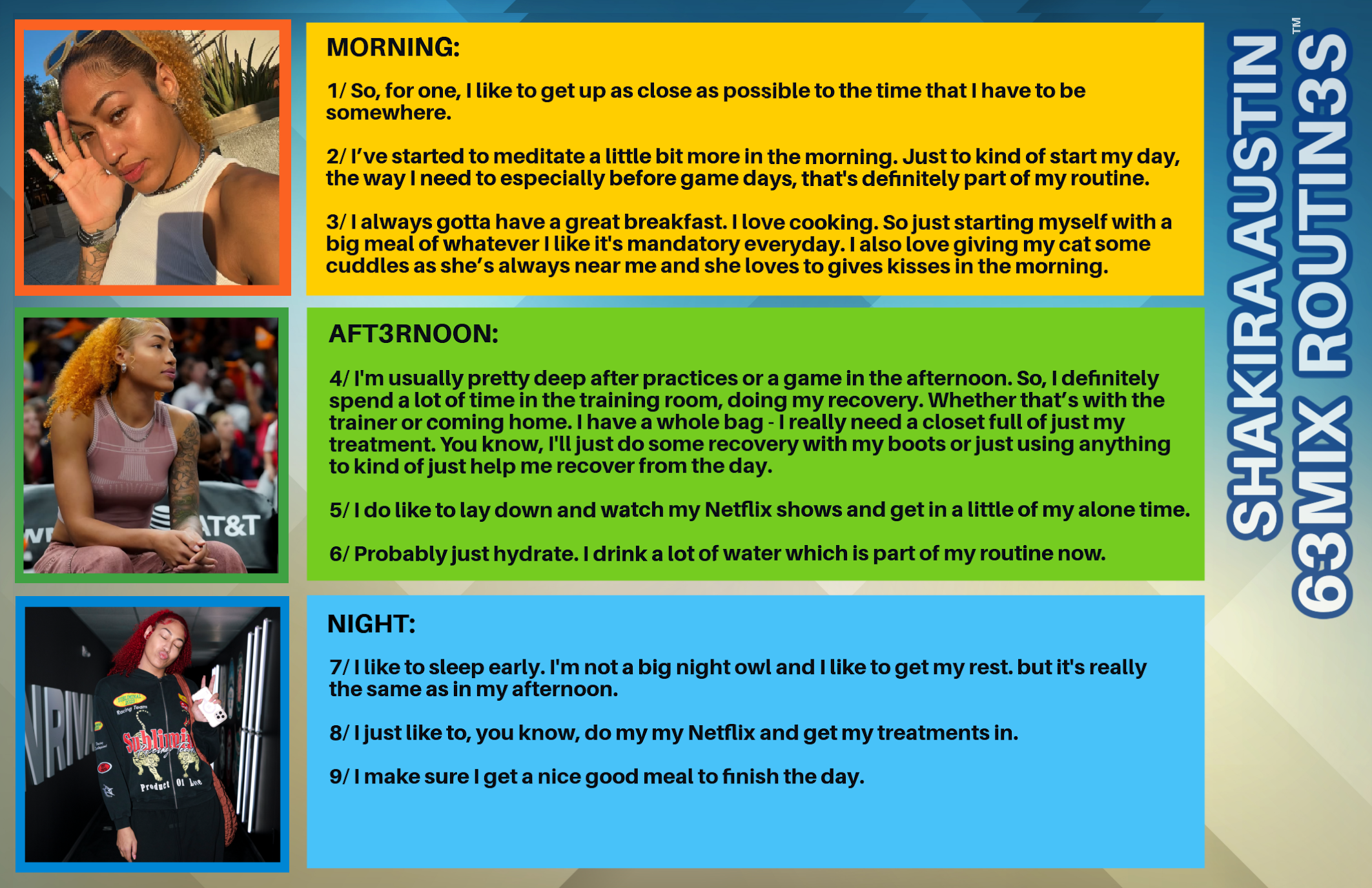
63MIX ROUTIN3S | SHAKIRA AUSTIN
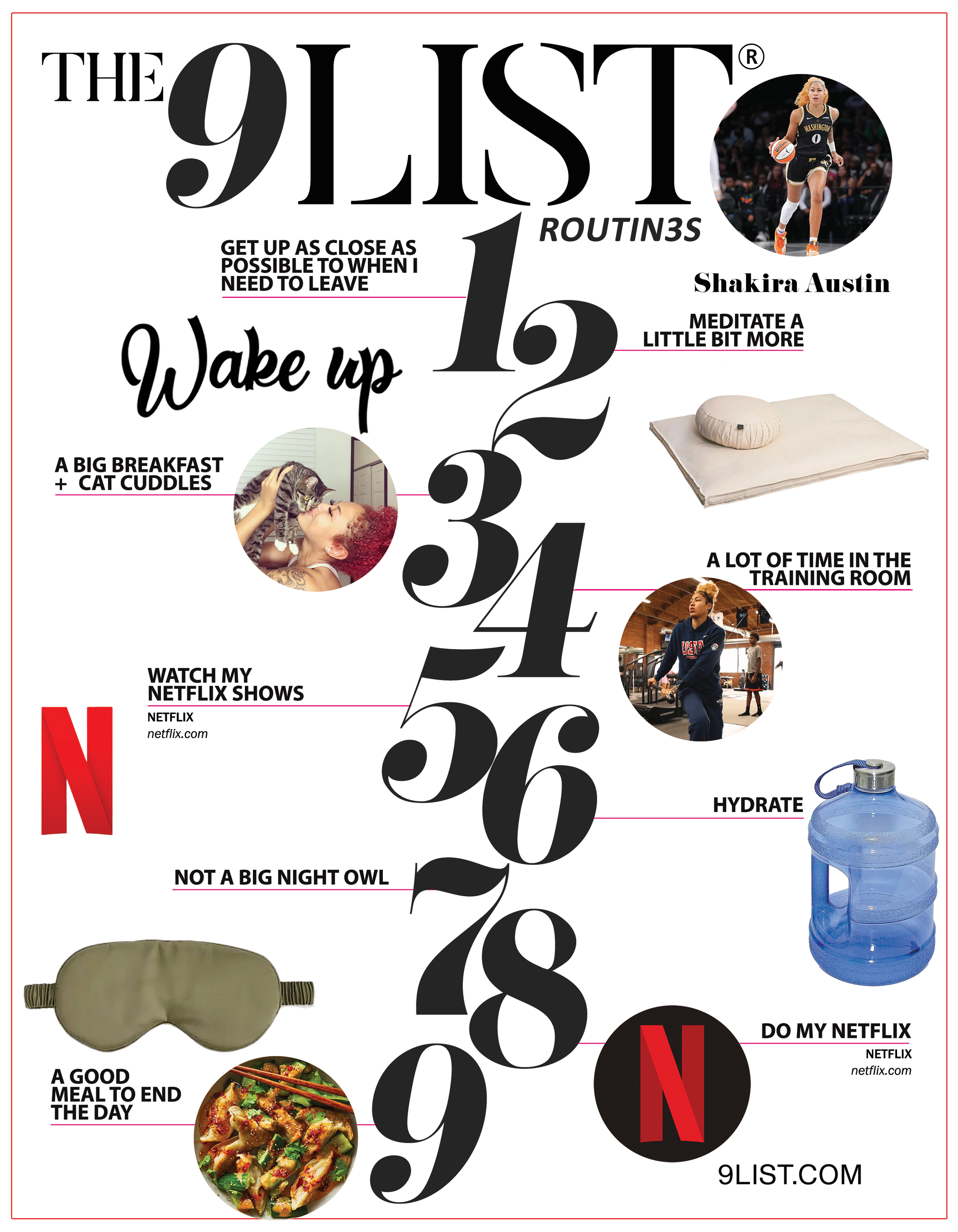


THE 9LIST | 9M3NU
Read the JAN ISSUE #109 of Athleisure Mag and see THE 9LIST 9M3NU in mag,
Featured


PHOTO CREDIT | Pexels/Gustavo Fring
ECO-FRIENDLY FLOWER ARRANGING: TIPS FOR SUSTAINABLE FLORAL DESIGN
Flowers have long been a symbol of beauty, love, and celebration. Whether for a wedding, a special event, or simply to brighten up a room, floral arrangements bring natural elegance into our lives. However, many consumers are unaware of the floral industry's significant environmental impact. Traditional floral arrangements often come at a cost to the planet, from excessive use of pesticides in flower farms to the carbon footprint of importing exotic blooms.
The good news is that you don’t have to sacrifice sustainability for beauty. Eco-friendly flower arranging is gaining popularity, offering creative ways to enjoy fresh blooms while minimizing environmental harm. You can create stunning, sustainable designs that align with an eco-conscious lifestyle by choosing locally sourced flowers, avoiding floral foam, and repurposing arrangements. If you're looking for a cheap flower arrangement, affordable and sustainable options won’t break the bank.
Choosing Sustainable Flowers
The initial step toward sustainable flower arrangement requires choosing environmentally friendly flowers. Flowers sold in the market come from distant nations through international transportation, producing substantial carbon emissions. Some farms' implementation of pesticides and chemical fertilizers threatens ecosystems while negatively affecting worker health.
Local seasonal flowers represent the best choice for people who want to be environmentally conscious. Choosing flowers at farmers’ markets and sustainable florists helps create minimal environmental impact because these businesses focus on responsible sourcing. The transportation needs of local flowers are lower, and these blooms maintain higher freshness levels and longer freshness durations.
You should choose flowers that are both organic and free of pesticides. Specific farms practice sustainable cultivation techniques that defend pollinators while minimizing chemical water runoff. The Slow Flowers Movement is one of many organizations that promotes responsible flower sourcing and local flower production, allowing consumers to access sustainable options easily.
fAvoiding Floral Foam and Plastic Waste
The foam material florists commonly use to stabilize arrangements consists of non-biodegradable microscopic plastic particles. Synthetic floral foam develops into tiny particles that cause harm to marine life through waterways. Traditional flower arranging includes floral foam as its least sustainable component, though it provides convenient support for arrangements.
You should explore different methods that can replace floral foam for arrangement support. The arrangement of chicken wire, floral frogs, and natural components, such as twigs and branches, provides reusable methods to maintain stem position. Glass vases incorporating crisscrossed tape grids on top can assist flower stems without requiring dangerous foam.
Reducing plastic waste presents itself as a significant environmental factor to consider. Commercial bouquets usually arrive with non-recyclable plastic sleeves that cover them. Choose between paper, cloth, or compostable wraps to cover flowers during purchase or gift distribution. You can find alternative uses for plastic wrap before properly disposing of it after receiving flowers in plastic packaging.
Repurposing and Composting Flowers
The most effective method to maintain the eco-friendliness of flower arrangements involves using wilted blossoms for different purposes. Various flowers can become preserved decorative pieces through drying processes that produce long-term decorative items. Dried flowers become useful as wreaths and serve as raw materials for pressed flower artwork and homemade potpourri creations.
Cut the stems and replace the water regularly to keep fresh flowers vibrant. Roses and lilies can be revived by replanting them into fresh arrangements with new plants.
Flowers that have reached their expiration date can be composted because this method allows valuable nutrients to enrich the ground. The compost bin provides an excellent opportunity to recycle old flowers which transform into valuable organic material that enhances soil quality. Discard synthetic dyes and floral foam remnants separately because they are unsuitable for composting.
Creative Eco-Friendly Arrangement Ideas
Sustainable floral design allows designers to create innovative designs by adding materials beyond flowers. Natural greenery and herbs or edible plants, including rosemary and lavender, offer unique fragrant elements for your decorative designs. Combining flowers with pinecones, dried seed pods, and ornamental grasses adds beautiful visual and textural elements to floral designs.
Reusing past containers for flower arrangements helps people follow sustainable practices. Vintage teapots, mason jars, and ceramic bowls function perfectly as vases because they transform discarded objects into attractive decorative elements. Events require centerpieces using potted plants or flowers, which guests receive as gifts to replant instead of receiving standard cut floral arrangements.
Floral arrangements also work without requiring fresh flowers alone. Using dried flowers together with silk flowers or handmade paper flowers enables the creation of sustainable decorative elements that can be used repeatedly. The substituted decorative options minimize wastage while maintaining garden-like appearances throughout all seasons without needing fresh flowers in perpetuity.
Supporting Sustainable Florists and Growers
Supporting environmentally conscious florists provides an opportunity to practice sustainability because these professionals maintain eco-friendly business practices. Modern florists implement sustainable practices by obtaining their materials locally using eco-friendly packaging and avoiding floral foam.
Inquire about sustainability programs before deciding between florists. Florists establish relationships with eco-friendly farms while focusing on transforming used event flowers into fresh displays. Your wedding or significant event arrangements should be donated to hospitals, senior centers, or community spaces after the celebration.
The market of online flower retailers is showing increased attention to sustainable practices. Certain flower companies dedicate themselves to sustainable flower sourcing while providing biodegradable packaging solutions that help consumers purchase attractive floral arrangements without environmental concerns.
Conclusion
People who choose sustainable floral design make ethical, environmental choices that maintain flower beauty while protecting nature. The selection of local organic flowers, the avoidance of floral foam, and the practice of arrangement reuse and composting enable a substantial reduction in the environmental effects of floral design.
Sustainability in flower arranging allows individuals to create beautiful designs without sacrificing their creative freedom. Thoughtful decisions enable you to create stunning arrangements that honor nature through environmentally friendly practices. Eco-friendly floral design lets you combine your flower appreciation with planet-friendly practices whether you buy flowers for celebrations or home decorations.
Featured


CANNABIS USE AND FITNESS TRENDS: WHAT CANADIAN TRAINERS RECOMMEND
Cannabis and fitness might seem like an unlikely pairing, but more trainers in Canada are exploring its benefits. Whether it’s for post-workout recovery or stress relief, cannabis is becoming a tool in modern wellness routines. Athletes and fitness enthusiasts are no longer shying away from the conversation. Instead, they’re looking at how cannabis fits into a balanced and active lifestyle.
Many trainers emphasize that responsible use is key. While cannabis won’t replace proper training, hydration, or nutrition, it can complement fitness efforts when used correctly. Those who incorporate cannabis often focus on products designed for relaxation, muscle recovery, or focus. This shift has led to increased interest in cannabis-infused wellness plans. For those curious about trying it for their routine, there are legal ways to order marijuana online in Canada, ensuring access to regulated and quality products.
So, how exactly are trainers integrating cannabis into fitness? Let’s break down the key ways it’s being used and what Canadian trainers are recommending.

PHOTO CREDIT | FreePik/WayHomeStudio
Cannabis for Post-Workout Recovery
One of the biggest reasons fitness professionals consider cannabis is for recovery. Exercise, especially strength training or endurance sports, can leave muscles sore and inflamed. Traditional recovery methods include stretching, foam rolling, and proper nutrition. However, cannabis is emerging as a natural option to aid relaxation and muscle repair.
Managing Inflammation
CBD, the non-psychoactive compound in cannabis, has been widely recognized for its anti-inflammatory properties. Trainers often suggest CBD oils, creams, or edibles for athletes who struggle with post-workout soreness. Unlike THC, which has psychoactive effects, CBD allows for relief without altering mental clarity.
Some trainers recommend CBD-infused balms for localized muscle pain. Others suggest ingesting CBD to help with overall inflammation and joint stiffness. Many athletes report that it works well alongside other recovery strategies like massage and ice baths.
Improving Sleep Quality
Recovery doesn’t just happen at the gym—it happens during sleep. Trainers stress that quality sleep is crucial for muscle repair, energy restoration, and overall well-being. Cannabis, particularly strains with higher CBD or balanced THC levels, may promote deeper sleep cycles.
Some fitness professionals advocate for using cannabis in moderation before bed to improve rest. Whether through edibles, tinctures, or teas, those who struggle with sleep after intense workouts may benefit from its relaxing effects.
Enhancing Focus and Mind-Muscle Connection
Not all cannabis use is about winding down. Some trainers believe certain strains can enhance focus and improve the mind-muscle connection during workouts. While this varies from person to person, many fitness enthusiasts experiment with low-dose THC or CBD before their training sessions.
Microdosing for Training
Microdosing involves consuming small amounts of THC—enough to feel slight effects without impairment. Some trainers and athletes claim that this helps them stay present, focused, and engaged during exercise.
For activities that require endurance or rhythm, such as yoga, running, or even weightlifting, small doses of THC or CBD may help individuals stay in tune with their movements. Trainers caution that new users should start with very low doses to assess their body’s response.
Cannabis and Meditation in Fitness
Mindfulness plays a big role in fitness. Whether it’s deep breathing before lifting weights or achieving a meditative state in yoga, staying mentally present is important. Some trainers incorporate cannabis into guided meditation or recovery sessions to help clients relax and focus.
CBD, in particular, is favored in these cases. Many describe it as helping clear mental chatter, making it easier to focus on breathing and movement. This makes it a popular choice for those practicing mindfulness-based exercise like Pilates or tai chi.
Cannabis as a Stress-Relief Tool for Active Lifestyles
Physical fitness isn’t just about lifting weights or running marathons. It’s also about managing stress, something cannabis is well known for. Trainers who work with clients dealing with high stress levels sometimes suggest incorporating CBD for relaxation.
Managing Pre-Workout Anxiety
Some people struggle with pre-workout jitters, especially when starting a new routine or training in a competitive environment. Low doses of cannabis, particularly CBD, can help ease anxiety without causing drowsiness.
For those who feel overwhelmed before workouts, some trainers suggest trying a small amount of CBD oil or a calming edible about 30 minutes before training. This approach is similar to taking herbal supplements for relaxation, except it offers a different set of effects tailored to individual needs.
Cannabis for Stress Recovery
Stress affects physical performance. When someone is constantly under pressure, their body produces higher levels of cortisol, a hormone linked to fatigue and muscle breakdown. Trainers who promote holistic wellness often include stress management in their fitness plans.
For those looking for natural solutions, cannabis can be a tool to unwind and reset after a long day. Some trainers recommend cannabis-infused teas or tinctures in the evenings as a way to relax the mind and body.
Finding the Right Products and Dosages
Not all cannabis products are the same, and what works for one person might not work for another. Trainers who support cannabis use emphasize the importance of choosing the right products based on individual fitness goals.
THC vs. CBD for Fitness
● THC (Tetrahydrocannabinol): This is the psychoactive compound in cannabis. It can be useful in small amounts for focus or relaxation but may impair coordination at higher doses.
● CBD (Cannabidiol): Non-psychoactive and often used for recovery, stress relief, and sleep support. A popular choice for fitness-minded individuals who want the benefits without the high.
Some trainers suggest hybrid products that contain a balanced mix of THC and CBD, depending on the desired effects. For example, a 1:1 ratio of THC to CBD might be used for post-workout relaxation, while pure CBD might be better suited for muscle recovery.
Edibles, Oils, or Topicals?
● Edibles: Take longer to kick in but offer longer-lasting effects.
● Oils/Tinctures: Allow for easier dosage control and faster absorption.
● Topicals: Great for targeting sore muscles without affecting mental clarity.
New users should always start with a low dose and adjust based on how their body responds. Fitness trainers who advocate cannabis use stress the importance of tracking progress and making informed adjustments.

Final Thoughts
Cannabis in fitness is no longer a taboo topic in Canada. More trainers are acknowledging its potential benefits for recovery, stress relief, and focus. However, responsible use is key. Whether someone is looking for better sleep, reduced inflammation, or a way to ease stress, cannabis can be a useful addition when paired with a well-rounded fitness routine.
For those considering cannabis in their fitness journey, the best approach is to start small, choose the right products, and listen to their body. Consulting with knowledgeable professionals—whether trainers or healthcare providers—can also help ensure a safe and effective experience.
Featured

PHOTO CREDIT | Red Bull Content Pool/Ryan Miller | Red Bull Content Pool/Zak Noyle
9PLAYLIST MULTI | CARISSA MOORE

PHOTO CREDIT | Red Bull Content Pool/Zak Noyle
Read the JAN ISSUE #109 of Athleisure Mag and see 9PLAYLIST MULTI Carissa Moore in mag.
Featured




PHOTO CREDIT | Unsplash/Vinoth Ragunathan
POTS DIET AND NUTRITION: WHAT WORKS BEST FOR SYMPTOM MANAGEMENT
Postural Orthostatic Tachycardia Syndrome is another autonomic nervous system disorder that may lead to dizziness, rapid heart rate, extreme fatigue, and inadequate blood circulation, especially upon standing. Lifestyle changes are generally integral to the treatment of POTS, with diet significantly contributing to the management of symptoms.
The foods you eat and the way you hydrate can directly affect the volume of your blood, circulation, and energy levels. Proper nutrition will stabilize blood pressure, reduce dizziness, and combat fatigue to make daily life easier. From increasing salt and fluid intake to nutrient-rich foods that support circulation, the right dietary choices will show effective results.
In this guide, we will help you find the best dietary strategy for managing symptoms of POTS and create a meal plan to support your overall well-being.
Why Nutrition Matters for POTS Management
Management of Postural Orthostatic Tachycardia Syndrome requires an interdisciplinary approach and proper diet, fluid, and electrolyte intake because these all tend to contribute to the stabilization of blood pressure, enhancing the flow of circulation through the blood, and helping mitigate symptoms of dizziness and even fatigue. From understanding how nutrition affects blood volume and electrolyte levels, thereby manipulating blood glucose and how they enhance the patient's quality of life, diet could be adjusted with more relevance in managing this type of POTS.
The Connection Between POTS and Blood Volume
Low blood volume is one of the main issues in individuals with POTS, making them experience dizziness, tachycardia, and tiredness. This is because the autonomic nervous system fails to regulate effective blood flow and blood cannot be pumped effectively towards the brain and heart; instead, it pools in the lower limbs.
But it does that by retaining fluids in the body, which increases the blood volume and makes blood flow easier. Most POTS patients find it helpful to ingest 3,000 to 10,000 mg of sodium per day as recommended by their doctors. Adequate hydration also promotes appropriate blood circulation. Drinking 2-3 liters of water daily, especially electrolyte-containing fluids will support proper hydration and blood circulation, reducing dizziness and fainting spells.
The Role of Electrolytes in POTS Symptom Control
Electrolytes—such as sodium, potassium, magnesium, and calcium—are essential minerals that help regulate nerve function, muscle contractions, and fluid balance in the body. They play a direct role in maintaining blood pressure and preventing the dramatic fluctuations that can worsen POTS symptoms.
● Sodium: Helps retain water and expand blood volume.
● Potassium: Supports heart rhythm and prevents palpitations.
● Magnesium: Aids in muscle relaxation and prevents cramping.
● Calcium: Assists with blood vessel function and circulation.
Maintaining electrolyte balance is key to hydration and circulation. Coconut water, electrolyte drinks (without excessive sugar), and potassium-rich foods like bananas, avocados, and leafy greens can help stabilize symptoms. Magnesium supplements or magnesium-rich foods like nuts and seeds may also alleviate muscle tension and improve overall well-being.
The Impact of Blood Sugar Levels on POTS Symptoms
Blood sugar fluctuations can significantly impact POTS symptoms. When blood sugar drops too low, it can trigger dizziness, fatigue, brain fog, and shakiness—symptoms that overlap with POTS-related issues.
To maintain stable blood sugar:
● Eat small, frequent meals to prevent sudden drops.
● Include protein and healthy fats (e.g., eggs, nuts, fish) to slow sugar absorption.
● Limit refined sugars and opt for complex carbohydrates (e.g., whole grains, quinoa, sweet potatoes) for sustained energy.
A well-balanced diet that prioritizes steady blood sugar levels can prevent energy crashes, reduce dizziness, and support overall symptom management for those living with POTS.
Best Foods to Include in a POTS Diet
For individuals with Postural Orthostatic Tachycardia Syndrome (POTS), diet plays a significant role in symptom management. Certain foods can help regulate blood volume, improve circulation, maintain stable energy levels, and support the nervous system. Below is a breakdown of the most beneficial foods to incorporate into a POTS-friendly diet.
High-Sodium Foods for POTS Patients
Sodium is essential for increasing blood volume and circulation, which helps reduce dizziness and lightheadedness associated with POTS. Since POTS patients often have low blood volume, consuming adequate sodium can help retain fluids and improve blood pressure regulation. Incorporating High-Sodium Snacks for POTS, such as salted nuts, pickles, and broths, can be an easy and effective way to meet daily sodium needs and support better hydration.
Here are some healthy high-sodium food options:
● Pickles – A quick and easy salty snack.
● Salted nuts – Almonds, cashews, or peanuts with sea salt provide both sodium and healthy fats.
● Broths and soups – Bone broth and miso soup are excellent sources of sodium and electrolytes.
● Canned vegetables – Look for low-sugar, high-sodium options like canned tomatoes or green beans.
● Cheese and olives – These naturally salty foods can be great additions to meals or snacks.
Hydrating Foods and Drinks
Staying hydrated is crucial for POTS patients because dehydration can worsen symptoms like dizziness and fatigue. Drinking enough fluids helps maintain blood volume and supports electrolyte balance.
Here are some hydration-boosting foods and drinks:
● Coconut water – A natural source of electrolytes, including potassium.
● Electrolyte drinks – Choose options with minimal added sugars, such as LMNT or Nuun tablets.
● Watermelon and cucumbers – These high-water-content fruits help with hydration.
● Herbal teas – Peppermint, ginger, and hibiscus teas can be refreshing and hydrating.
Protein-Rich Foods for Sustained Energy
Protein plays a key role in stabilizing blood sugar levels, preventing energy crashes, and supporting muscle function. Since POTS symptoms can be triggered by low blood sugar, incorporating enough protein into meals and snacks is essential.
Some great protein-rich foods for POTS patients include:
● Eggs – A versatile and nutrient-dense source of protein.
● Lean meats (chicken, turkey, fish) – Help provide long-lasting energy.
● Greek yogurt – Contains both protein and probiotics for gut health.
● Nuts and seeds – Almonds, chia seeds, and sunflower seeds offer protein, magnesium, and healthy fats.
Magnesium-Rich Foods for Nervous System Support
Magnesium is an essential mineral that helps with muscle relaxation, nerve function, and circulation. Many POTS patients experience muscle cramps or tension, and magnesium-rich foods can help alleviate these symptoms.
Here are some magnesium-rich foods to include:
● Spinach and leafy greens – Rich in magnesium, iron, and fiber.
● Bananas – Provide magnesium, potassium, and a natural energy boost.
● Dark chocolate – A delicious way to get magnesium while satisfying a sweet craving.
● Almonds – A great snack option with both protein and magnesium.
Incorporating these foods into a well-balanced diet can help manage POTS symptoms and improve overall well-being. Prioritizing hydration, electrolyte balance, and steady blood sugar levels can make a significant difference in day-to-day energy and comfort.
Foods to Avoid or Limit for POTS Management
While some foods can help manage Postural Orthostatic Tachycardia Syndrome (POTS) symptoms, others may worsen dizziness, fatigue, and blood pressure fluctuations. Avoiding or limiting certain dietary choices can help stabilize symptoms and improve overall well-being.
Caffeine and Alcohol
Both caffeine and alcohol can negatively impact hydration and circulation, making POTS symptoms worse.
● Caffeine: While it may provide a temporary energy boost, caffeine is a diuretic, meaning it increases urine output and can lead to dehydration. Dehydration is particularly problematic for POTS patients, as it can further reduce blood volume and worsen dizziness and heart rate fluctuations. Some individuals may also experience increased heart palpitations or jitters after consuming caffeine.
● Alcohol: Alcohol is a vasodilator, meaning it lowers blood pressure by relaxing blood vessels. Since POTS patients already struggle with blood flow regulation, alcohol can exacerbate dizziness, fainting, and fatigue. Additionally, alcohol contributes to dehydration, which further impacts blood circulation.
Processed and Sugary Foods
Highly processed foods and refined sugars can cause rapid blood sugar spikes and crashes, leading to increased fatigue, dizziness, and brain fog.
● Sugary snacks and drinks (e.g., candy, soda, sweetened coffee drinks) cause a temporary surge in energy followed by a sudden drop, which can intensify POTS symptoms.
● Refined carbohydrates (e.g., white bread, pastries, sugary cereals) are quickly digested, leading to unstable blood sugar levels. Instead, opting for whole grains, fiber-rich foods, and balanced meals can help maintain steady energy levels.
Artificial Sweeteners and Additives
Many artificial sweeteners and food additives can have unintended effects on blood sugar levels, digestion, and the nervous system.
● Some artificial sweeteners (e.g., aspartame, sucralose) can disrupt gut bacteria, leading to digestive issues like bloating and discomfort, which may worsen POTS symptoms.
● Certain food additives and preservatives found in processed foods may trigger inflammation or contribute to poor circulation.
● Monosodium glutamate (MSG) and highly processed flavor enhancers can sometimes cause headaches or dizziness in sensitive individuals.
Opting for whole, minimally processed foods and avoiding artificial additives can help prevent unnecessary symptom flare-ups and promote better overall health for POTS patients.
Smart Meal Planning for POTS Patients
Managing Postural Orthostatic Tachycardia Syndrome (POTS) through diet doesn’t have to be overwhelming. A well-structured meal plan can help maintain stable blood sugar levels, hydration, and electrolyte balance, all of which are essential for minimizing symptoms like dizziness, fatigue, and brain fog. Below are practical strategies for meal planning and preparation to make following a POTS-friendly diet easier.
Creating a Balanced Meal Plan
A well-balanced meal plan should prioritize hydration, electrolyte balance, protein, and complex carbohydrates to help sustain energy and improve circulation. Meals should include a mix of:
● Lean proteins (chicken, eggs, fish) to prevent energy crashes
● Healthy fats (avocado, nuts, olive oil) for long-lasting satiety
● Complex carbohydrates (quinoa, whole grains, sweet potatoes) for steady blood sugar
● Hydration-boosting foods (coconut water, watermelon, broth-based soups)
Sample Daily Meal Plan for POTS Patients
● Breakfast: Scrambled eggs with whole-grain toast and avocado, plus a glass of coconut water
● Mid-Morning Snack: Handful of salted almonds and a banana
● Lunch: Grilled chicken salad with olives, feta cheese, and a lemon-olive oil dressing
● Afternoon Snack: Pickles with cheese cubes and electrolyte water
● Dinner: Baked salmon with roasted sweet potatoes and steamed spinach
● Evening Snack: Greek yogurt with a drizzle of honey and a sprinkle of dark chocolate shavings
Prepping Easy, High-Sodium Snacks for On-the-Go
Since salt and hydration are key for managing POTS symptoms, having high-sodium snacks readily available can make a big difference in symptom control. Meal prepping snacks ahead of time ensures you have quick, nutritious options when needed.
Easy-to-Prep High-Sodium Snack Ideas:
● Salted nuts (almonds, cashews, pistachios) in portioned containers
● Pickles or olives stored in small snack cups
● Cheese sticks paired with whole-grain crackers
● Jerky or smoked salmon for a protein-packed salty snack
● Broth-based soups in a thermos for easy sipping
● Electrolyte drink packets for mixing with water on the go
Timing Your Meals to Avoid Symptoms
Meal timing is just as important as meal content when managing POTS. Large meals can lead to blood pooling in the digestive tract, which may worsen dizziness and fatigue. Eating smaller, more frequent meals can help stabilize blood pressure and prevent energy crashes.
Best Meal Timing Tips for POTS Patients:
● Eat every 2-3 hours to keep blood sugar stable.
● Avoid skipping meals, as fasting can lead to low blood pressure and fatigue.
● Drink fluids before and during meals to maintain hydration.
● Have a salty snack before standing for long periods to support circulation.
● Limit large meals at night to prevent sluggish digestion and nighttime symptoms.
By strategically planning meals and snacks, POTS patients can better manage symptoms and maintain steady energy levels throughout the day.
Lifestyle Tips to Complement a POTS Diet
While a nutrient-rich diet is essential for managing Postural Orthostatic Tachycardia Syndrome (POTS), incorporating hydration, exercise, stress management, and quality sleep can further enhance symptom control. A holistic approach combining the right foods with lifestyle adjustments can improve circulation, energy levels, and overall well-being.
The Importance of Proper Hydration
Since low blood volume is a major issue for POTS patients, adequate hydration is crucial for maintaining circulation and preventing dizziness and fatigue.
How Much Water Should POTS Patients Drink?
● Most POTS patients need at least 2-3 liters (64-100 oz) of fluids daily.
● Some may require even more, depending on individual needs and doctor recommendations.
● Fluids should be consumed consistently throughout the day, rather than in large amounts at once.
Hydration Tips for POTS Patients:
✔ Drink electrolyte-rich beverages like coconut water, sports drinks, or homemade electrolyte solutions to maintain sodium and potassium levels.
✔ Infuse water with lemon, cucumber, or berries to make hydration more enjoyable.
✔ Sip on broth-based soups for an easy way to add both sodium and fluids to your diet.
✔ Carry a water bottle and set reminders to drink regularly, especially in warm weather.
Pairing Diet with Light Exercise
Many POTS patients experience exercise intolerance, but gentle, structured movement can help improve blood circulation, muscle tone, and overall stamina.
Why Exercise Helps:
● Increases blood flow and circulation, reducing dizziness and fatigue.
● Strengthens muscles, helping the body regulate blood pressure better.
● Enhances overall cardiovascular health, making standing and daily activities easier.
POTS-Friendly Exercises:
✔ Recumbent biking or rowing – Keeps the body in a horizontal position, reducing symptoms.
✔ Yoga and stretching – Helps with flexibility, circulation, and relaxation.
✔ Resistance training (using light weights or resistance bands) – Builds muscle without overexertion.
✔ Water exercises – Swimming or water aerobics can be easier on the body while improving endurance.
Managing Stress and Sleep
Stress and poor sleep can worsen POTS symptoms, leading to increased fatigue, dizziness, and brain fog. Prioritizing relaxation and restful sleep is essential for overall health and symptom control.
Stress-Reduction Techniques:
✔ Deep breathing exercises – Practicing slow, controlled breaths can help calm the nervous system.
✔ Mindfulness meditation – Engaging in guided relaxation can reduce anxiety and stress-related symptom flare-ups.
✔ Journaling or creative outlets – Writing, painting, or other hobbies can help channel stress into something productive.
Sleep Improvement Tips:
✔ Maintain a consistent sleep schedule – Going to bed and waking up at the same time helps regulate the body's internal clock.
✔ Limit screen time before bed – Blue light from phones and computers can interfere with melatonin production.
✔ Elevate your legs slightly while sleeping – This can reduce blood pooling in the lower extremities, helping with circulation.
✔ Use blackout curtains or a sleep mask – A dark, quiet environment promotes deeper sleep.
By combining a POTS-friendly diet with proper hydration, gentle exercise, stress management, and quality sleep, individuals can effectively reduce symptoms and improve their daily quality of life.
Final Thoughts: Eating Well to Live Well with POTS
Managing POTS symptoms requires a holistic approach, and diet and nutrition play a crucial role in improving blood circulation, energy levels, and overall well-being. By focusing on high-sodium foods, proper hydration, balanced meals, and essential nutrients, POTS patients can help stabilize their symptoms and feel more in control of their health.
Beyond diet, lifestyle adjustments—including staying hydrated, engaging in gentle exercise, managing stress, and prioritizing quality sleep—can further enhance symptom management and quality of life.
While every individual with POTS may respond differently to various dietary and lifestyle strategies, small, consistent changes can make a significant difference over time. If you're unsure where to start, consulting a healthcare professional or nutritionist can help create a personalized plan tailored to your needs.
By taking proactive steps toward better nutrition and lifestyle habits, living well with POTS is possible—one healthy choice at a time.
Featured

PHOTO CREDITS | Disney/John Fleenor
THE BACHELOR S29. E3. | CONTINUING ON THE JOURNEY

PHOTO CREDIT | ABC/The Bachelor Key Art
PHOTO CREDIT FOR THE BACHELOR CONTESTANTS | Disney/Matt Sayles
We continue on as Grant Ellist navigates the world of ABC’s The Bachelor. We see the ladies competing for him settle into the house and interact with one another. Jesse Palmer arrives and lets them know that in addition to it being an emotional night, he wants them to know about the 2 1-on-1 dates and there will be 1 large group date. The group date includes Natalie, Bailey, Alexe, Alli Jo, Chloie, Serafina, Parisa, Dina, Rose, Litia, Zoe, and Julianna.
With the group date set, we know that Carolina and Beverly will have a 1-on-1 date.
The group date involves The Bachelor School of Finance. Hannah Berner and Daniel Lubetzky of Kind Snacks are part of the date as well. The women don colorful power suits. Whoever wins the most Grant Bucks will win perks in the After Party. Grant Bucks are acquired by answering an array of questions some being finance-oriented and others that weren’t. Bailey ends up winning the most Grant Bucks and looks forward to seeing what that will give her later.
At the After Party, Bailey (in front of the other girls) is given a menu of what she can spend her Grant Bucks on. She decides that she will buy a shirt of his to sleep in as well as desert with him. She leaves him wearing his shirt. Zoe has decided to bring everyone down by being upset in general. She then goes to him and says that she feels that she is being belittled by the other women. He connects with all of the women and gets to know more about the women. Parisa gets the group date rose. He lets the women know that bullying should not taka place. The women figure out the Zoe created this and even when they tried to find out from her, she says that they are being mean to her.
The day after he group date, the women are crying because of how Zoe left everything. Thankfully, we move on to Carolina’s date which starts off with a private jet that will take them to Vegas. They jumped off the side of a building which made them closer and Grant is looking forward to having dinner with her at a beach club. She wants to chat with him to tell her about a condition that she is battling as she knows that for some people, it has been a turnoff. She is prone to seizures and she was very upset by telling him this and he said that he would be there for her.
We find out that Beverly’s 1-on-1 won’t be happening as she is sick and that she won’t be coming back! A date is still in the works as Sarafiena, Litia, and Dina will be going to Vanderpump Dogs to hang out with some puppies. They have photoshoots with the dogs and they take pictures of one another. Lisa Vanderpump herself makes an appearance to see them. She lets them know that they will volunteer with the dogs. Dina and Grant wash a dog together and get to know each other a bit more. Sarafiena and Grant walk a dog together. Litia and him sit outside with their dog to talk about what attracts them to one another. With this 3-on-1 date going so well, he decides to take Litia out for dinner and the other women will go back to the house.
They go to City Hall to have dinner together. He tells Litia about his family life and how his father suffered from his addictions and his mom kept the family going. Litia shares her backstory as she lets him know that her father passed away and they both see that they want to have a solid family. She is given the rose.
Allegedly, Rose tells Carolina that during their first group date, while he was dancing with her, he was actually thinking of Rose which kept her going into a deeper spiral. As the girls talk about the date, Carolina is annoyed that Litia has a rose and even told women earlier that she wishes she didn’t even have her date although it went well. The cocktail party is themed with a prom theme and he sends corsages to all of them. He arrives and let them know that he never went to his high school prom because he focused on basketball. Gary, Jack, Keith and Jonathan from The Golden Bachelorette are with him They all start dancing and take in all of the fun! They enjoy games, pictures, and advice from the men. Even Jack is grilling up a storm - as per usual.
Carolina is so annoyed that while Rose is chatting with Grant, she calls him loudly to say that someone told her that he was thinking of her while she was being danced with. He asks her who said that and lets her know that not only is it a lie, but he doesn’t like that his character is being questioned. Carolina says that she doesn’t want to make it a thing and won’t tell him. Through a process of elimination he realizes it has to be Rose. He asks her and Rose says that that is what she thought she heard him say. He lets her know that that is not what was said and we think that her time is going to be shortlived in the house. The Golden Bachelorette men give Grant the crown as King and each of the women get them as Queens. In dealing with the Rose and Carolina situation the remaining ladies that didn’t have a chance to chat with him are even more annoyed as Carolina had a rose and they had been watching her spiral over the past few days.
RECEIVED A ROSE | Alexe, Carolina, Dina, Litia, Julianna, Natalie, Rose, Sarafiena, and Zoe.
DIDN’T RECEIVE A ROSE | Alli Jo, Bailey, Beverly, Chloie, and Parisa.
Each night during this season, we will tweet about The Golden Bachelorette and you can chat along with us (@AthleisureMag + with our Co-Founder/Creative + Style Director, Kimmie Smith @ShesKimmie) to see what’s taking place!
Each week we will let you know who our faves were from the last episode and if we’ve changed up since then as it pertains to who we think should go to Hometowns.
We also suggest a podcast that we’ve become obsessed with over the past few seasons, Wondery’s Bachelor Happy Hour to get their feedback!
Read the latest issue of Athleisure Mag.
WHO WE THINK WILL GO TO HOMETOWNS


THE BACHELOR CONTESTANTS





Featured TV Show








PHOTO CEDIT | Andre D Wagner
9PLAYLIST | KENDRICK LAMAR + SZA

PHOTO CREDIT | Apple Music
Read the JAN ISSUE #109 of Athleisure Mag and see 9PLAYLIST | Kendrick Lamar + SZA in mag.
Featured


VOICE-ACTIVATED EMERGENCY RESPONSE SYSTEMS: THE FUTURE OF SENIOR SAFETY
Aging comes with challenges, and one of the biggest concerns for seniors is safety—especially when living alone. Falls, medical emergencies, and accidents can happen without warning, and quick access to help can make all the difference. Personal emergency response systems (PERS) have been around for decades, but they are evolving. The days of pressing a button on a pendant or wristband may soon be behind us.
Voice-activated emergency response systems are emerging as a game-changer, making it easier than ever for seniors to call for help. These systems eliminate the need for physical interaction, making them more accessible for those with mobility limitations, arthritis, or cognitive impairments. Whether at home or on the go, seniors can simply speak a command and get immediate assistance. This shift is transforming the seniors PERS device in Canada market, offering a new level of convenience and security.
In this article, we’ll explore how voice-activated emergency response systems work, their benefits, and what to look for when choosing one.

PHOTO CREDIT | Freepik/Lifestylememory
How Voice-Activated Emergency Response Systems Work
Traditional emergency response systems require seniors to press a button on a wearable device or a wall-mounted unit. While effective, these systems have limitations—what if the senior is unable to reach the button?
Voice-activated systems solve this problem by allowing users to call for help using only their voice. These devices use smart technology similar to virtual assistants like Alexa, Google Assistant, or Siri. When a senior says a predetermined command—such as “Help me” or “Call emergency”—the system connects them to an operator or sends an alert to caregivers and emergency services.
Some systems also use artificial intelligence (AI) to detect unusual sounds, such as a fall, heavy breathing, or distress calls. Others integrate with smart home technology, allowing users to control lights, locks, and thermostats, further enhancing safety and convenience.
Why Voice Activation Is a Game-Changer for Senior Safety
1. Hands-Free Emergency Assistance
Many seniors experience mobility issues, arthritis, or conditions like Parkinson’s, which make pressing a button difficult. Voice activation removes this barrier, ensuring that help is always just a word away.
2. Faster Response Time
Every second counts during a medical emergency. With traditional systems, a senior may struggle to locate and press a button in time. A voice-activated device allows them to get help instantly, reducing delays that could be life-threatening.
3. Increased Independence
Seniors often resist emergency response systems because they feel they make them look “old” or “frail.” Voice-activated devices eliminate the stigma associated with traditional PERS pendants, making them more appealing to older adults who want to maintain their independence.
4. Better Coverage in the Home
Standard PERS devices require the user to wear a pendant or be within reach of a base station. Voice-activated systems can work in multiple rooms, ensuring that seniors can call for help no matter where they are—whether in the bedroom, bathroom, or kitchen.
5. Enhanced Security Against False Alarms
Some advanced systems use voice recognition to confirm the user’s identity before initiating a call for help. This reduces accidental activations and ensures that emergency responders are only contacted when necessary.
Features to Look for in a Voice-Activated Emergency Response System
With several options on the market, it’s essential to choose a system that meets the specific needs of the user. Here are some key features to consider:
1. Always-On Listening Technology
A good system should be able to detect voice commands even from a distance. High-quality microphones and noise cancellation technology ensure that the device responds accurately, even in noisy environments.
2. Two-Way Communication
The system should allow for real-time conversation with an emergency operator or a caregiver. This ensures that the senior can explain their situation and receive immediate guidance.
3. Integration with Other Smart Devices
Some voice-activated emergency response systems integrate with smart home technology, allowing users to control lights, thermostats, and security systems with their voice. This adds another layer of safety and convenience.
4. AI-Powered Fall Detection
Some devices use motion sensors and sound analysis to detect when a fall has occurred, even if the user is unable to call for help. This feature is particularly useful for seniors at high risk of falls.
5. Battery Backup and Reliability
A reliable system should work even during power outages. Look for devices with a strong battery backup and cellular connectivity options in case Wi-Fi is down.
6. Customizable Emergency Contacts
Not all emergencies require 911. A good system should allow users to set emergency contacts, such as family members, neighbors, or caregivers, who can be notified first before emergency services are dispatched.
The Future of Voice-Activated Safety for Seniors
As technology advances, voice-activated emergency response systems will continue to improve. We can expect to see more AI-driven features that personalize safety solutions for each user.
Some potential developments include:
● Health Monitoring Integration – Future systems may track vital signs such as heart rate, blood pressure, and oxygen levels, providing real-time health insights and alerting caregivers to any concerns.
● Multilingual Support – More seniors will benefit as systems become capable of recognizing multiple languages and dialects.
● Proactive Assistance – AI could analyze daily routines and detect changes that may indicate health risks, such as decreased mobility or irregular sleeping patterns.
● Wearable-Free Solutions – While wearables are helpful, some seniors may prefer completely voice-based systems that require no physical interaction at all.
Overcoming Challenges with Voice-Activated PERS
While voice-activated emergency response systems offer significant advantages, they are not without challenges. Here’s how to address some common concerns:
1. Privacy Concerns
Some seniors worry that voice-activated systems are always “listening.” It’s important to choose devices with clear privacy settings that allow users to control when and how the system activates.
2. Speech Recognition Issues
Voice recognition technology has come a long way, but it’s not perfect. Seniors with softer voices or speech impairments may experience difficulties. Opting for systems with adaptive learning and adjustable sensitivity can help.
3. Dependence on Internet Connectivity
Many voice-activated PERS rely on Wi-Fi or cellular networks. It’s crucial to have backup options, such as landline-based or hybrid models, to ensure reliability in all situations.

PHOTO CREDIT | Freepik
Conclusion
Voice-activated emergency response systems are revolutionizing senior safety, offering a hands-free, reliable, and user-friendly way to get help in emergencies. These systems remove the limitations of traditional PERS devices, making them ideal for seniors who want to maintain their independence while staying protected.
As technology continues to evolve, we can expect even more innovative solutions tailored to the needs of older adults. Investing in a voice-activated system today can provide peace of mind for both seniors and their loved ones, ensuring that help is always just a word away.
Featured

9LOOKS
Read the JAN ISSUE #109 of Athleisure Mag and see 9LOOKS in mag.
Featured




THE 9LIST
Read the JAN ISSUE #109 of Athleisure Mag and see THE 9LIST in mag.
Featured
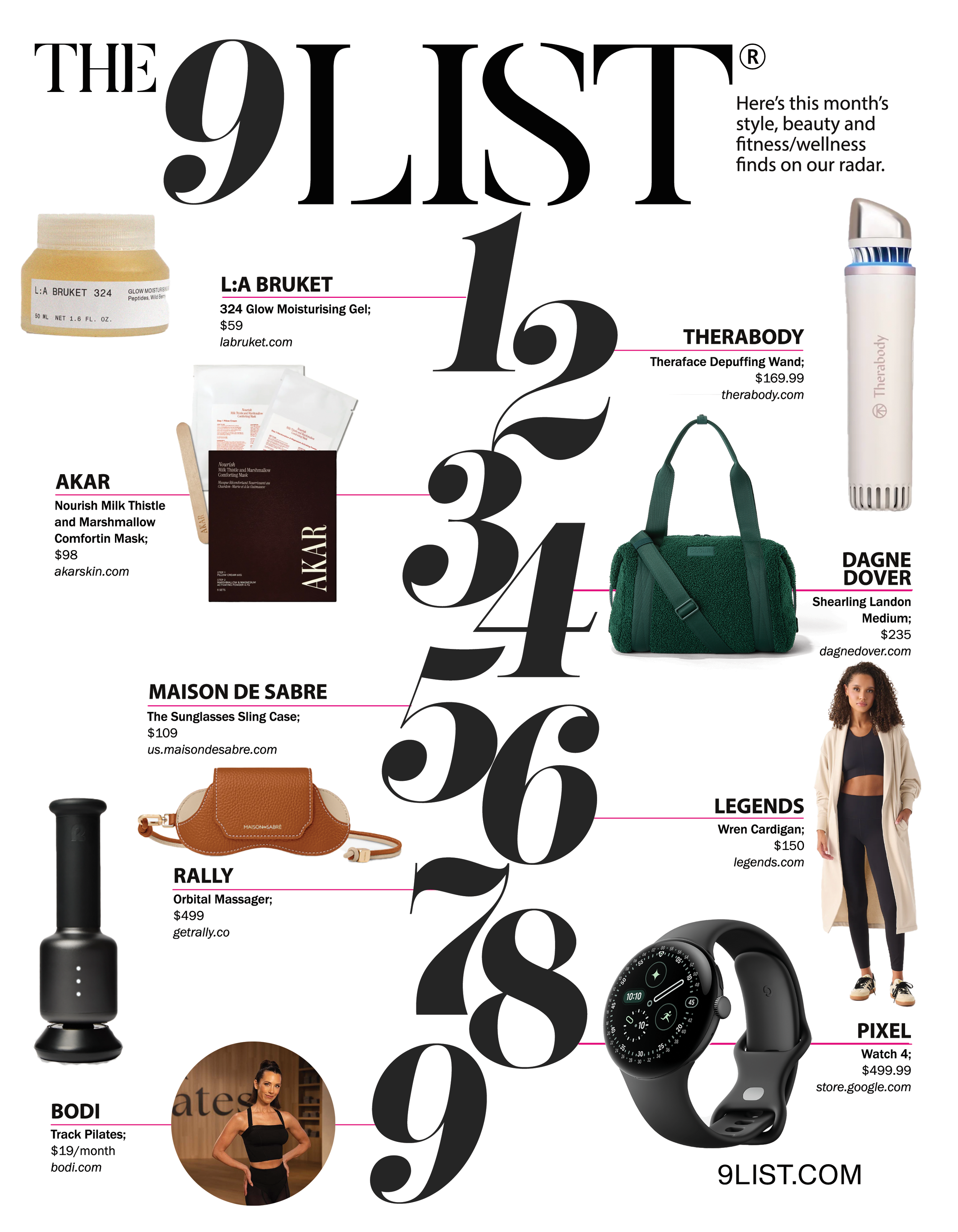
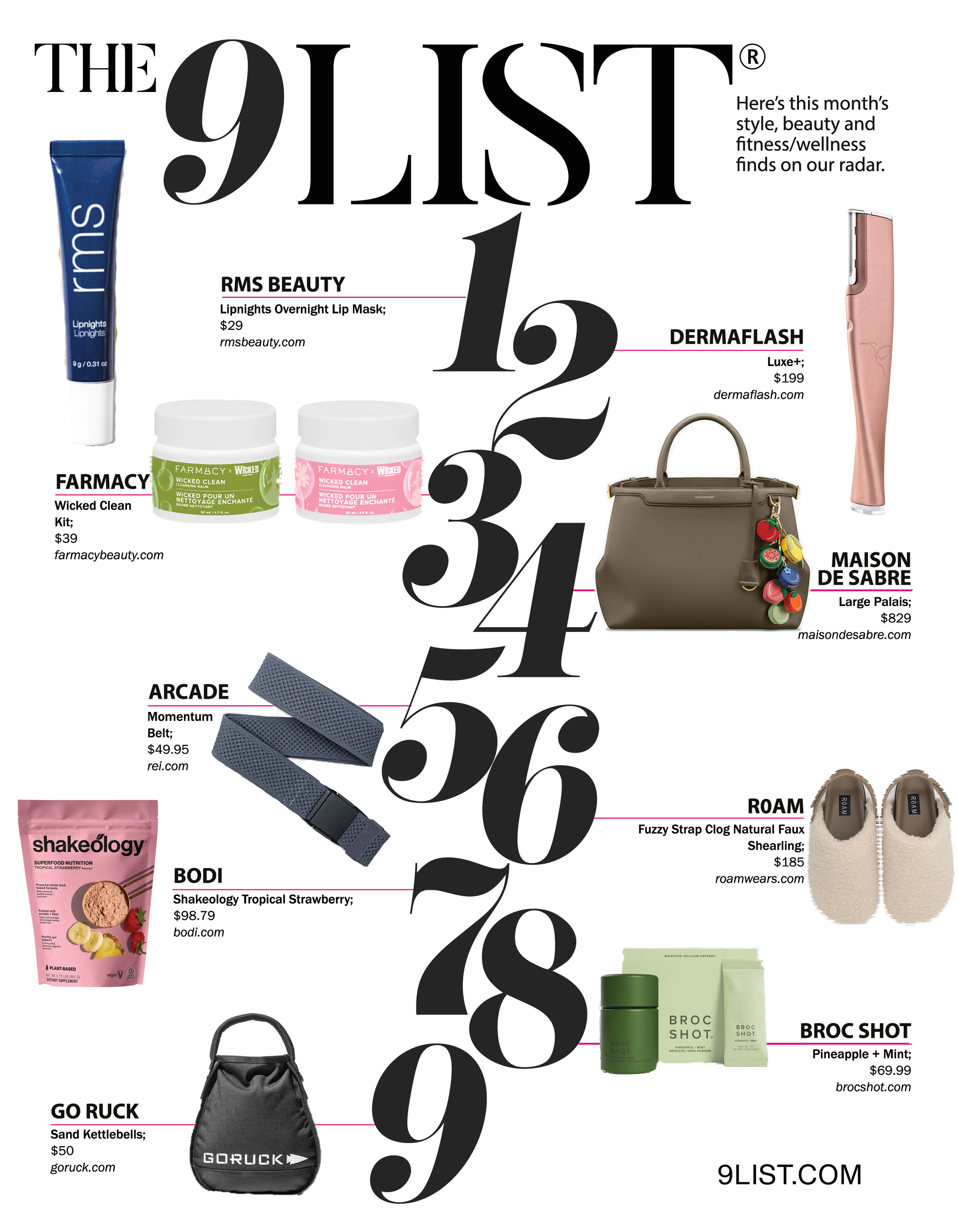

PHOTO CREDIT | Critics Choice Awards/E!
AWARDS SEASON | CRITICS CHOICE AWARDS WINNERS
After delaying this award due to the fires in LA, tonight, the 30th Critics Choice Awards took place and airedon E! Our predictions are in bold, the ones we correctly identified as winners are in bold italics and winners that we didn’t predict are in italics.
Best Drama Series
The Day of the Jackal (Peacock)
The Diplomat (Netflix)
Evil (Paramount+)
Industry (HBO | Max)
Interview with the Vampire (AMC)
The Old Man (FX)
Shōgun (FX / Hulu)
Slow Horses (Apple TV+)
Best ACTOR IN A DRAMA Series
Jeff Bridges – The Old Man (FX)
Ncuti Gatwa – Doctor Who (Disney+)
Eddie Redmayne – The Day of the Jackal (Peacock)
Hiroyuki Sanada – Shōgun (FX / Hulu)
Rufus Sewell – The Diplomat (Netflix)
Antony Starr – The Boys (Prime Video)
Best ACTRESS IN A Drama Series
Caitriona Balfe – Outlander (Starz)
Kathy Bates – Matlock (CBS)
Shanola Hampton – Found (NBC)
Keira Knightley – Black Doves (Netflix)
Keri Russell – The Diplomat (Netflix)
Anna Sawai – Shōgun (FX / Hulu)
Best SUPPORTING ACTOR IN A Drama Series
Tadanobu Asano – Shōgun (FX / Hulu)
Michael Emerson – Evil (Paramount+)
Mark-Paul Gosselaar – Found (NBC)
Takehiro Hira – Shōgun (FX / Hulu)
John Lithgow – The Old Man (FX)
Sam Reid – Interview with the Vampire (AMC)
Best SUPPORTING ACTRESS IN A Drama Series
Moeka Hoshi – Shōgun (FX / Hulu)
Allison Janney – The Diplomat (Netflix)
Nicole Kidman – Special Ops: Lioness (Paramount+)
Skye P. Marshall – Matlock (CBS)
Anna Sawai – Pachinko (Apple TV+)
Fiona Shaw – Bad Sisters (Apple TV+)
Best COMEDY Series
Abbott Elementary (ABC)
English Teacher (FX)
Hacks (HBO | Max)
Nobody Wants This (Netflix)
Only Murders in the Building (Hulu)
Somebody Somewhere (HBO | Max)
St. Denis Medical (NBC)
What We Do in the Shadows (FX)
Best ACTOR IN A COMEDY Series
Brian Jordan Alvarez – English Teacher (FX)
Adam Brody – Nobody Wants This (Netflix)
David Alan Grier – St. Denis Medical (NBC)
Steve Martin – Only Murders in the Building (Hulu)
Kayvan Novak – What We Do in the Shadows (FX)
Martin Short – Only Murders in the Building (Hulu)
Best ACTRESS IN A COMEDY Series
Kristen Bell – Nobody Wants This (Netflix)
Quinta Brunson – Abbott Elementary (ABC)
Natasia Demetriou – What We Do in the Shadows (FX)
Bridget Everett – Somebody Somewhere (HBO | Max)
Jean Smart – Hacks (HBO | Max)
Kristen Wiig – Palm Royale (Apple TV+)
Best SUPPORTING ACTOR IN A COMEDY Series
Paul W. Downs – Hacks (HBO | Max)
Asher Grodman – Ghosts (CBS)
Harvey Guillén – What We Do in the Shadows (FX)
Brandon Scott Jones – Ghosts (CBS)
Michael Urie – Shrinking (Apple TV+)
Tyler James Williams – Abbott Elementary (ABC)
Best SUPPORTING ACTRESS IN A COMEDY Series
Liza Colón-Zayas – The Bear (FX / Hulu)
Hannah Einbinder – Hacks (HBO | Max)
Janelle James – Abbott Elementary (ABC)
Stephanie Koenig – English Teacher (FX)
Patti LuPone – Agatha All Along (Disney+)
Annie Potts – Young Sheldon (CBS)
Limited Series and Made for Television Movie Awards
Best LIMITED Series
Baby Reindeer (Netflix)
Disclaimer (Apple TV+)
Masters of the Air (Apple TV+)
Mr Bates vs the Post Office (PBS)
The Penguin (HBO Max)
Ripley (Netflix)
True Detective: Night Country (HBO Max)
We Were the Lucky Ones (Hulu)
Best MOVIE MADE FOR TELEVISION
The Great Lillian Hall (HBO Max)
It’s What’s Inside (Netflix)
Música (Prime Video)
Out of My Mind (Disney+)
Rebel Ridge (Netflix)
V/H/S/Beyond (Shudder)
Best ACTOR IN A LIMITED Series OR MOVIE MADE FOR TELEVISION
Colin Farrell – The Penguin (HBO Max)
Richard Gadd – Baby Reindeer (Netflix)
Tom Hollander – FEUD: Capote vs. The Swans (FX)
Kevin Kline – Disclaimer (Apple TV+)
Ewan McGregor – A Gentleman in Moscow (Paramount+)
Andrew Scott – Ripley (Netflix)
Best ACTRESS IN A LIMITED Series OR MOVIE MADE FOR TELEVISION
Cate Blanchett – Disclaimer (Apple TV+)
Jodie Foster – True Detective: Night Country (HBO Max)
Jessica Lange – The Great Lillian Hall (HBO Max)
Cristin Milioti – The Penguin (HBO Max)
Phoebe-Rae Taylor – Out of My Mind (Disney+)
Naomi Watts – FEUD: Capote vs. The Swans (FX)
Best SUPPORTING ACTOR IN A LIMITED Series OR MADE FOR TELEVISION
Robert Downey Jr. – The Sympathizer (HBO Max)
Hugh Grant – The Regime (HBO Max)
Ron Cephas Jones – Genius: MLK/X (National Geographic)
Logan Lerman – We Were the Lucky Ones (Hulu)
Liev Schreiber – The Perfect Couple (Netflix)
Treat Williams – FEUD: Capote vs. The Swans (FX)
Best SUPPORTING ACTRESS IN A LIMITED Series OR MOVIE MADE FOR TELEVISION
Dakota Fanning – Ripley (Netflix)
Leila George – Disclaimer (Apple TV+)
Betty Gilpin – Three Women (Starz)
Jessica Gunning – Baby Reindeer (Netflix)
Deirdre O’Connell – The Penguin (HBO Max)
Kali Reis – True Detective: Night Country (HBO Max)
Best FOREIGN LANGUAGE Series
Acapulco (Apple TV+)
Citadel: Honey Bunny (Prime Video)
La Máquina (Hulu)
The Law According to Lidia Poët (Netflix)
My Brilliant Friend (HBO Max)
Pachinko (Apple TV+)
Senna (Netflix)
Squid Game (Netflix)
Best ANIMATED Series
Batman: Caped Crusader (Prime Video)
Bluey (Disney+)
Bob’s Burgers (Fox)
Invincible (Prime Video)
The Simpsons (Fox)
X-Men ’97 (Disney+)
Best TALK SHOW
Hot Ones (YouTube)
The Daily Show (Comedy Central)
The Graham Norton Show (BBC America)
John Mulaney Presents: Everybody’s in L.A. (Netflix)
The Kelly Clarkson Show (NBC/Syndicated)
The Late Show with Stephen Colbert (CBS)
Best COMEDY SPECIALS
Ali Wong: Single Lady (Netflix)
Jim Gaffigan: The Skinny (Hulu)
Kevin James: Irregardless (Prime Video)
Nikki Glaser: Someday You’ll Die (HBO Max)
Rachel Bloom: Death, Let Me Do My Special (Netflix)
Ramy Youssef: More Feelings (HBO Max)
Best PICTURE
A Complete Unknown
Anora
The Brutalist
Conclave
Dune: Part Two
Emilia Pérez
Nickel Boys
Sing Sing
The Substance
Wicked
Best ACTOR
Adrien Brody – The Brutalist
Timothée Chalamet – A Complete Unknown
Daniel Craig – Queer
Colman Domingo – Sing Sing
Ralph Fiennes – Conclave
Hugh Grant – Heretic
Best ACTRESS
Cynthia Erivo – Wicked
Karla Sofía Gascón – Emilia Pérez
Marianne Jean-Baptiste – Hard Truths
Angelina Jolie – Maria
Mikey Madison – Anora
Demi Moore – The Substance
Best SUPPORTING ACTOR
Yura Borisov – Anora
Kieran Culkin – A Real Pain
Clarence Maclin – Sing Sing
Edward Norton – A Complete Unknown
Guy Pearce – The Brutalist
Denzel Washington – Gladiator II
Best SUPPORTING ACTRESS
Danielle Deadwyler – The Piano Lesson
Aunjanue Ellis-Taylor – Nickel Boys
Ariana Grande – Wicked
Margaret Qualley – The Substance
Isabella Rossellini – Conclave
Zoe Saldaña – Emilia Pérez
Best YOUNG ACTOR/ACTRESS
Alyla Browne – Furiosa: A Mad Max Saga
Elliott Heffernan – Blitz
Maisy Stella – My Old Ass
Izaac Wang – Didi
Alisha Weir – Abigail
Zoe Ziegler – Janet Planet
Best ACTING ENSEMBLE
Anora
Conclave
Emilia Pérez
Saturday Night
Sing Sing
Wicked
Best DIRECTOR
Jacques Audiard – Emilia Pérez
Sean Baker – Anora
Edward Berger – Conclave
Brady Corbet – The Brutalist
Jon M. Chu – Wicked
Coralie Fargeat – The Substance
RaMell Ross – Nickel Boys
Denis Villeneuve – Dune: Part Two
Best ORIGINAL SCREENPLAY
Sean Baker – Anora
Moritz Binder, Tim Fehlbaum, Alex David – September 5
Brady Corbet, Mona Fastvold – The Brutalist
Jesse Eisenberg – A Real Pain
Coralie Fargeat – The Substance
Justin Kuritzkes – Challengers
Best ADAPTED SCREENPLAY
Jacques Audiard – Emilia Pérez
Winnie Holzman, Dana Fox – Wicked
Greg Kwedar, Clint Bentley – Sing Sing
RaMell Ross & Joslyn Barnes – Nickel Boys
Peter Straughan – Conclave
Denis Villeneuve, Jon Spaihts – Dune: Part Two
Best CINEMATOGRAPHY
Jarin Blaschke – Nosferatu
Alice Brooks – Wicked
Lol Crawley – The Brutalist
Stéphane Fontaine – Conclave
Greig Fraser – Dune: Part Two
Jomo Fray – Nickel Boys
Best PRODUCTION DESIGN
Judy Becker, Patricia Cuccia – The Brutalist
Nathan Crowley, Lee Sandales – Wicked
Suzie Davies – Conclave
Craig Lathrop – Nosferatu
Arthur Max, Jille Azis, Elli Griff – Gladiator II
Patrice Vermette, Shane Vieau – Dune: Part Two
Best EDITING
Sean Baker – Anora
Marco Costa – Challengers
Nick Emerson – Conclave
David Jancso – The Brutalist
Joe Walker – Dune: Part Two
Hansjörg Weißbrich – September 5
Best COSTUME DESIGN
Lisy Christl – Conclave
Linda Muir – Nosferatu
Massimo Cantini Parrini – Maria
Paul Tazewell – Wicked
Jacqueline West – Dune: Part Two
Janty Yates, Dave Crossman – Gladiator II
Best HAIR AND MAKEUP
Christine Blundell, Lesa Warrener, Neal Scanlan – Beetlejuice Beetlejuice
Hair and Makeup Team – Dune: Part Two
Hair and Makeup Team – The Substance
Frances Hannon, Sarah Nuth, Laura Blount – Wicked
Traci Loader, Suzanne Stokes-Munton, David White – Nosferatu
Mike Marino, Sarah Graalman, Aaron Saucier – A Different Man
Best VISUAL EFFECTS
Mark Bakowski, Pietro Ponti, Nikki Penny, Neil Corbould – Gladiator II
Pablo Helman, Jonathan Fawkner, Paul Corbould, David Shirk – Wicked
Paul Lambert, Stephen James, Rhys Salcombe, Gerd Nefzer – Dune: Part Two
Luke Millar, David Clayton, Keith Herft, Peter Stubbs – Better Man
Visual Effects Team – The Substance
Erik Winquist, Stephen Unterfranz, Paul Story, Rodney Burke – Kingdom of the Planet of the Apes
Best ANIMATED FEATURE
Flow
Inside Out 2
Memoir of a Snail
Wallace & Gromit: Vengeance Most Fowl
The Wild Robot
Best COMEDY
A Real Pain
Deadpool & Wolverine
Hit Man
My Old Ass
Saturday Night
Thelma
Best FOREIGN LANGUAGE FILM
All We Imagine as Light
Emilia Pérez
Flow
I’m Still Here
Kneecap
The Seed of the Sacred Fig
Best SONG
“Beautiful That Way” – The Last Showgirl – Miley Cyrus
“Compress / Repress” – Challengers – Trent Reznor, Atticus Ross
“El Mal” – Emilia Pérez – Zoe Saldaña, Karla Sofía Gascón, Camille
“Harper and Will Go West” – Will & Harper – Kristen Wiig
“Kiss the Sky” – The Wild Robot – Maren Morris
“Mi Camino” – Emilia Pérez – Selena Gomez
Best SCORE
Volker Bertelmann – Conclave
Daniel Blumberg – The Brutalist
Kris Bowers – The Wild Robot
Clément Ducol & Camille – Emilia Pérez
Trent Reznor & Atticus Ross – Challengers
Hans Zimmer – Dune: Part Two
Read the latest issue of Athleisure Mag.
Featured



THE PICK ME UP
Read the JAN ISSUE #109 of Athleisure Mag and see THE PICK ME UP in mag.
Featured



PHOTO CREDIT | Unsplash/Risen Wang
HOW TO BALANCE FITNESS AND BEAUTY GOALS: PRACTICAL TIPS FOR ACTIVE LIVING
Striving for a healthy, fit body while maintaining your beauty routine might seem like a challenge, but with the right approach, it’s absolutely achievable. The key lies in balance — making sure that fitness and beauty don’t compete but complement each other. Whether you're heading to the gym or pampering yourself with skincare, both goals can work in harmony to help you feel and look your best.
Create a Routine that Supports Both
One of the most important steps in balancing fitness and beauty goals is to establish a routine that caters to both. Your fitness plan should not only focus on strength but also flexibility, which can aid in maintaining smooth skin and boosting circulation.
Exercises like yoga, Pilates, or even walking are excellent for improving posture and toning muscles, making you feel confident in your skin. By committing to a balanced workout, you’ll see improvements in both your physical fitness and your overall appearance.
To complement this, skincare should be part of your daily ritual. It’s crucial to protect your skin before heading outdoors for any fitness activity, especially if you’re exercising in the sun. Applying sunscreen is non-negotiable for keeping your skin radiant.
Post-workout, make sure to hydrate and cleanse to remove sweat and impurities. A routine that combines both fitness and skincare will enhance your beauty from the inside out.
Keep Beauty Treatments in Sync with Your Active Lifestyle
While fitness is great for toning the body, regular beauty treatments can help you maintain a glowing and youthful appearance. One popular treatment to consider is laser teeth whitening, which not only brightens your smile but also contributes to your overall look.
After all, no matter how fit you are, a healthy smile is often the first thing people notice. These treatments are quick, non-invasive, and can be scheduled around your fitness routines without disrupting your lifestyle.
Remember, beauty treatments don’t have to be time-consuming. Keep your beauty regime simple but effective, and allow for flexibility so it fits around your exercise routine. Short, regular sessions such as facials, hair masks, or even a quick teeth whitening session can all be squeezed into your week without compromising your active lifestyle.
Fuel and Recover: The Key to Balancing Fitness and Beauty
Fuel your body with a balanced diet of fruits, vegetables, lean proteins, and healthy fats to support skin, hair, and muscle health. Essential nutrients like Omega-3s and vitamins A, C, and E promote radiant skin and overall vitality.
Stay hydrated to maintain glowing skin and aid muscle recovery. Drinking water also helps detoxify your body, keeping it refreshed. Prioritise rest and recovery to regenerate your body, boost collagen, and avoid burnout. Sufficient sleep is crucial for muscle repair and skin regeneration, ensuring you stay refreshed, energised, and ready to meet your fitness and beauty goals.
Last Word
Finding a balance between fitness and beauty is not about perfection, but consistency. By aligning your fitness, beauty routines, and self-care practices, you’ll feel empowered and confident. Remember, you don't have to sacrifice one goal for the other. By incorporating holistic habits into your daily life, you can thrive both physically and aesthetically.
Featured

PHOTO CREDIT | Unsplash/Erik-Jan Leusink
LATEST MEDICAL AND SURGICAL INTERVENTIONS IN THE TREATMENT OF GALLSTONED AND KIDNEY STONES
Navigating the Stones – What You Need to Know
Gallstones and kidney stones are conditions that affect millions of people globally, causing pain, discomfort, and sometimes life-threatening complications. As we evolve in medicine, the methods used to treat these conditions have significantly improved, providing patients with more efficient and less invasive options.
Whether you’re dealing with a sharp, sudden pain in the abdomen or lower back, or you’ve been diagnosed with these troublesome stones, it’s crucial to stay informed about the latest treatments. Let’s dive into the medical and surgical innovations that are transforming the treatment of gallstones and kidney stones today.
Understanding the Difference Between Kidney Stones and Gallstones
Before we dive deeper into treatment options, it's important to understand the difference between kidney stones and gallstones. While both are formed by deposits within the body, they form in entirely different organs and have different compositions. Kidney stones typically consist of calcium compounds, uric acid, or cystine and are found in the kidneys.
Gallstones, on the other hand, form in the gallbladder and are made up of hardened cholesterol or bilirubin. While the symptoms might overlap—such as intense pain in the abdominal area—the treatments for these conditions vary widely. Recognising the distinct nature of both helps in choosing the right treatment approach.
Medical Interventions: Non-invasive Approaches to Stone Removal
The first line of treatment for both gallstones and kidney stones is medical management. Small kidney stones can be managed with hydration and pain relief, allowing them to pass naturally. Larger stones may require extracorporeal shock wave lithotripsy (ESWL), which uses sound waves to break stones into smaller pieces. Advancements in ESWL have improved its precision and reduced complications. For gallstones, ursodeoxycholic acid can dissolve cholesterol-based stones, but it’s slow and not effective for all types, leading many patients to choose surgery for quicker relief.
Surgical Interventions: Minimally Invasive and Advanced Techniques
When medical treatments fail, surgery is often required. For kidney stones, percutaneous nephrolithotomy (PCNL) is used for larger or complex stones that can't be treated with ESWL. PCNL involves a small back incision to remove stones, with robotic surgery improving precision and reducing recovery time.
For gallstones, laparoscopic cholecystectomy is the gold standard. This minimally invasive procedure offers smaller incisions, quicker recovery, and less pain than traditional surgery. Open cholecystectomy is still used for complicated cases, but laparoscopic surgery remains preferred due to its effectiveness.
Future Directions and Emerging Treatments
As technology advances, laser lithotripsy is becoming a popular treatment for kidney stones, using a laser fibre inserted through the urethra to break down stones with minimal invasiveness, reducing infection risks and recovery time.
For gallstones, research into non-invasive treatments, such as bile acids to dissolve stones, is progressing. Although still experimental, these alternatives offer a promising future where gallstones may be treated without surgery.
Final Thoughts
With continuous advancements in both medical and surgical treatments, the management of kidney and gallstones has become more efficient and less invasive. While surgery remains necessary in some cases, the rise of less invasive options like shock wave therapy and laparoscopic surgery has drastically improved patient outcomes.
These innovations mean that fewer people will have to suffer from the painful, often debilitating effects of stones, and the road to recovery is quicker and easier than ever before. As technology continues to evolve, patients can look forward to even more options that are not only effective but also less taxing on the body, providing a smoother journey toward recovery.
Featured

ROCK THIS WHEN COURTSIDE FOR ALL-STAR WEEKEND
Read the JAN ISSUE #109 of Athleisure Mag and see ROCK THIS WHEN COURTSIDE FOR ALL-STAR WEEKEND in mag.
Featured



ATHLEISURE BEAUTY
Read the JAN ISSUE #109 of Athleisure Mag and see ATHLEISURE BEAUTY in mag.
Featured
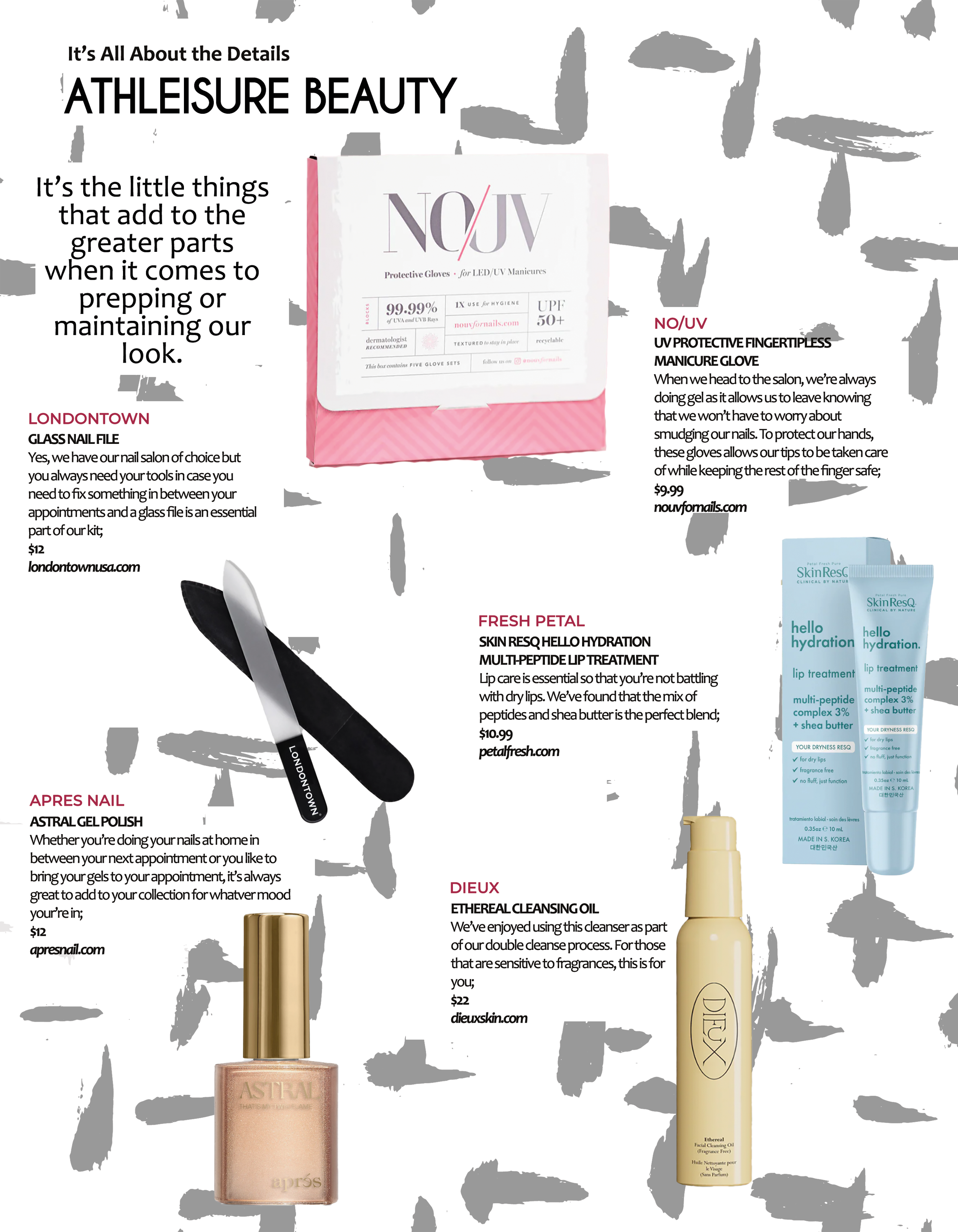



PHOTO CREDIT | Unsplash/Claudio Schwarz
FROM PRACTICALITY TO STYLE: HOW GLASSES BECAME A FASHION ACCESSORY
As early as Ancient Egypt and Rome, quartz crystals and other devices were used to enhance vision for fine details. However, it took over several millennia to turn glasses into what we’re used to. In particular, the fully developed eyeglasses appeared around 1280 in Italy. Venetian craftsmen learned to grind glass lenses to help people with farsightedness read texts. They looked nothing like modern glasses — they had no temples and were held on the nose or in the hands with a special handle.
From a Medical Device Into a Fashion Item
The invention of the first eyeglasses is attributed to the Italian monk Salvino d'Armate. According to historical sources, he was the one who created the first corrective lenses for farsightedness in the late 13th century. Over time, manufacturing techniques improved. Still, eyeglasses were seen solely as a necessity for those with vision impairments until the late 19th century.
The situation changes only with the advances in technology and the emergence of stylish frames. So, people began incorporating glasses into their fashion choices. For instance, sunglasses gained popularity, particularly among military pilots, after Ray-Ban introduced the first Aviator model.
Furthermore, eyewear became a real fashion trend thanks to John Lennon, Tom Cruise, Steve Jobs, and others in the 20th century. The movie and fashion industry helped popularize the best eyeglasses for men. For example, after the release of The Matrix in 1999, narrow dark lenses became mainstream.
Find Your Perfect Pair at Classy Eyewear
Nowadays, there are millions of sunglasses in the market, so it may take time to find the right option. To help you find the perfect pair, our website provides advanced filtering options, allowing you to narrow your search based on:
● Brand: Browse through an exclusive collection featuring top names like Nike, Tom Ford, Hugo Boss, and Bvlgari.
● Gender: Select eyewear designed specifically for men, women, or unisex options.
● Frame style: Choose from classic, modern, sporty, or fashion-forward designs to match your personal style.
● Frame material: Pick from durable plastics, lightweight metal, or acetate.
● Lens color: Find the right tint to enhance vision.
● Frame color: Match your eyewear to your aesthetic with various frame colors, from neutral tones to bold statement shades.
● Rim type: Select between full-rim, semi-rimless, or rimless styles, designed for both comfort and durability.
At Classy Eyewear, you can find around 660 models of men’s eyeglasses, available in a variety of shapes, including rectangular, round, square, aviator, and cat-eye designs. Our collection includes lightweight, flexible, and adjustable frames.
How to Care for Your Glasses
Like any other accessory, eyeglasses require special care. Why? Obviously, even the highest-quality frames and lenses can lose their color, get scratched, or wear out over time.
If you want your eyewear always to look great, follow these recommendations:
● Use a microfiber cloth to clean the lenses. A paper towel or napkin will leave scratches.
● Don’t wipe dry lenses. Instead, buy a special lens cleaning spray.
● Store glasses in a protective case. Do not place them with the lenses facing down on hard surfaces, as this is a sure way to get scratches.
● Do not leave the accessory in hot places, such as on the dashboard of a car. High temperatures can deform the frame and deteriorate the lens coating.
● Always use both hands when taking them on and off.
If you wear prescription glasses every day, having a spare pair is a good idea in case of unexpected damage. Thanks to frequent sales and discounts, Classy Eyewear makes it easy to purchase multiple pairs. Many of our frames come with significant savings — up to $287 off select models. In addition, get 5% off your first order when you sign up for our newsletter.
Where to Buy Top-Quality Eyeglasses?
We offer an extensive selection of premium eyeglasses and sunglasses sale from top brands, including Prada, Carrera, Tom Ford, Gucci, and Armani Exchange. If you are looking for the best eyeglasses for men, check out Classy Eyewear. Our benefits:
● Only certified eyewear from official suppliers.
● A wide variety of styles — from classic frames to sports and designer models.
● Regular sunglasses sales allow you to buy premium items at discounts.
● Free shipping on all domestic orders via USPS Ground Advantage.
● 30-day free returns and refunds.
We process orders quickly — shipping within one business day, and most customers receive their order within 5-7 business days.
Unfortunately, international shopping isn’t available at this time.
Don't miss the chance to update your style and protect your eyes — visit Classy Eyewear and choose the perfect pair at an attractive price.
Featured

IN OUR BAG | PREPPING YOUR CARRYON
Read the JAN ISSUE #109 of Athleisure Mag and see IN OUR BAG | Prepping Your Carryon in mag.
Featured