BRIDGES OF PORTO AND MONASTERIES OF LISBON: PORTUGAL'S TIMELESS LANDMARKS

Portugal is a place that feels lived-in and loved. It’s in the way the morning sun glitters off tiled façades, how the scent of roasting chestnuts drifts through cobbled squares, and the sound of laughter rises from family-run cafés. Its landmarks are not just relics of the past but part of everyday life. Porto’s bridges and Lisbon’s monasteries stand as two of the country’s most striking treasures—different in form, but united in the way they capture Portugal’s soul.

PHOTO CREDIT | Unsplash/Eugene Zhyvchik

Porto: The River’s Embrace

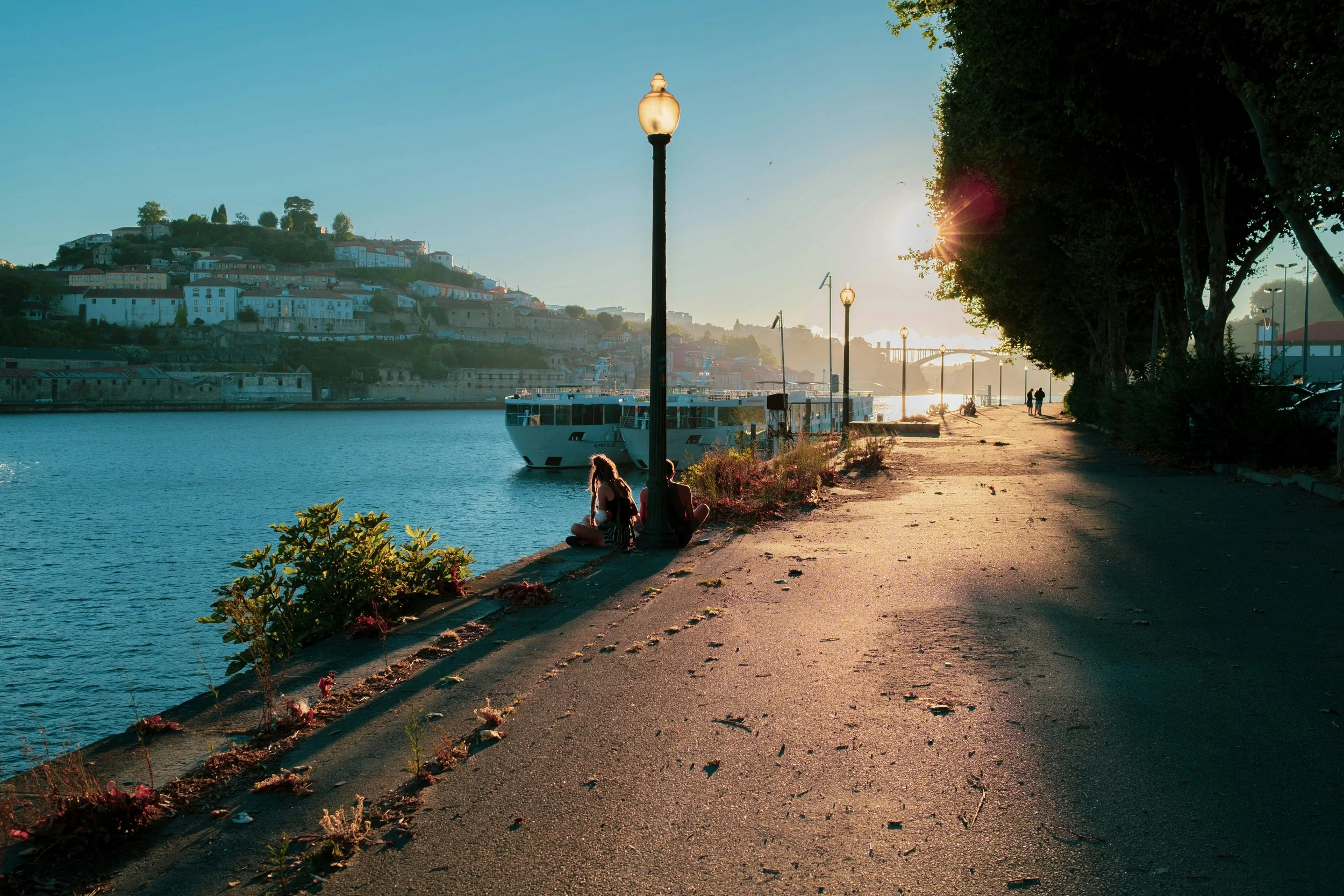
Porto has always leaned into the Douro River. The water winds through the city like a lifeline, reflecting the jumble of terracotta rooftops and colourful houses stacked along the hillside. Stretching across it are the bridges that define the skyline, each one an expression of the city’s spirit.

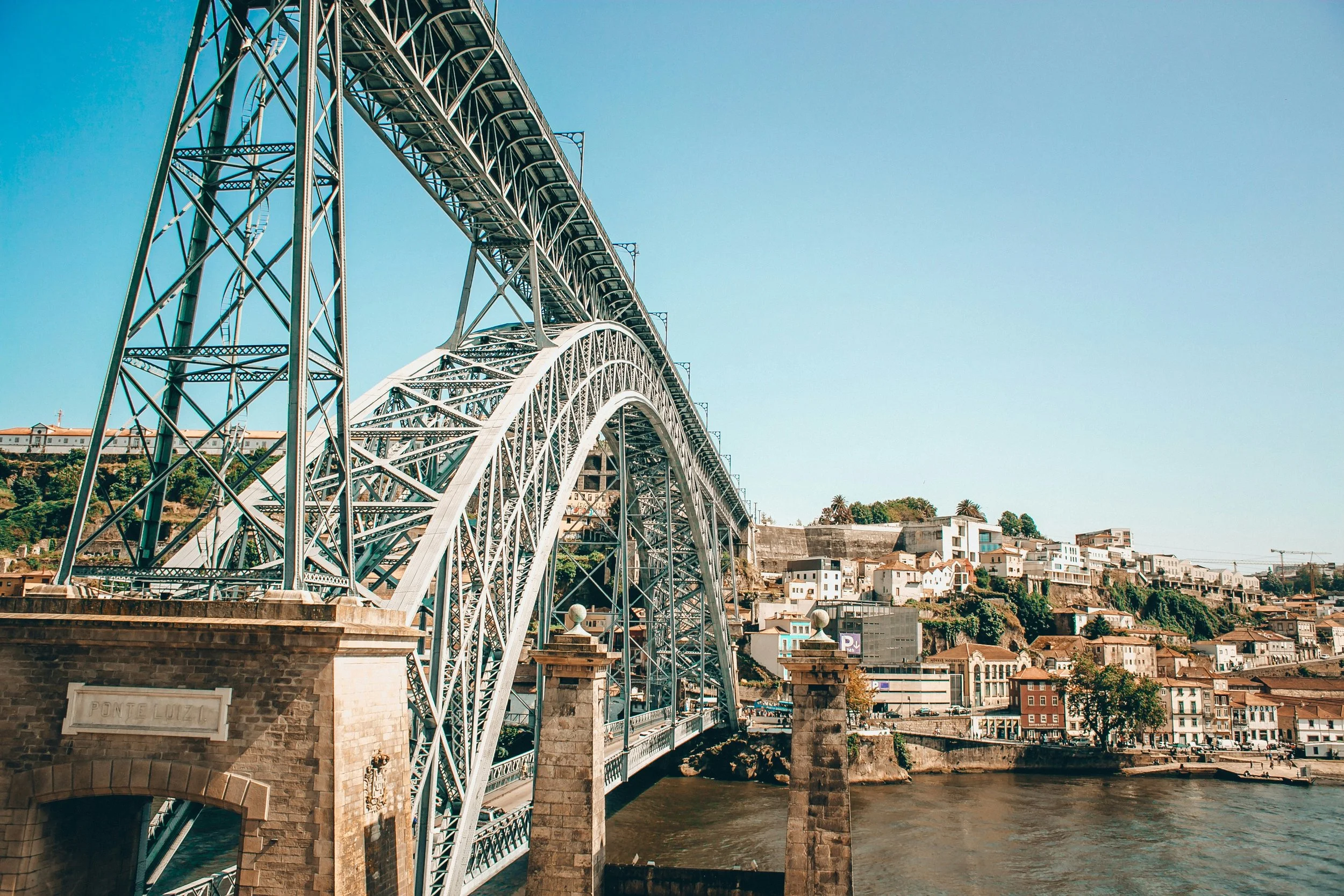
The Dom Luís I Bridge is the star. Its soaring iron arcs feel both powerful and graceful, linking Porto with Vila Nova de Gaia, where the air is sweet with the scent of ageing port wine. At dusk, the view is unforgettable—the water turns to liquid gold, church bells echo softly, and locals pause mid-stroll to watch the city glow. Beneath you, rabelo boats drift lazily by, carrying with them echoes of centuries-old trade.

Other bridges add their own voices to the story: the Maria Pia, a marvel of engineering by Gustave Eiffel, and the bold Arrábida, once a world-record holder for its concrete span. Together, they aren’t just crossings—they are symbols of resilience and creativity, connecting neighbourhoods, histories, and people.

The joy of Porto is how well it links to the rest of the country. A look at a Portugal railway map shows lines branching out like veins, carrying travellers through vineyard-draped valleys and sleepy villages painted white and blue. Taking the train here isn’t just about moving between destinations—it’s about watching Portugal unfold slowly, scene by scene, through your window.

PHOTO CREDIT | Unsplash/Augusto Lopes

Lisbon: Monasteries of Quiet Power

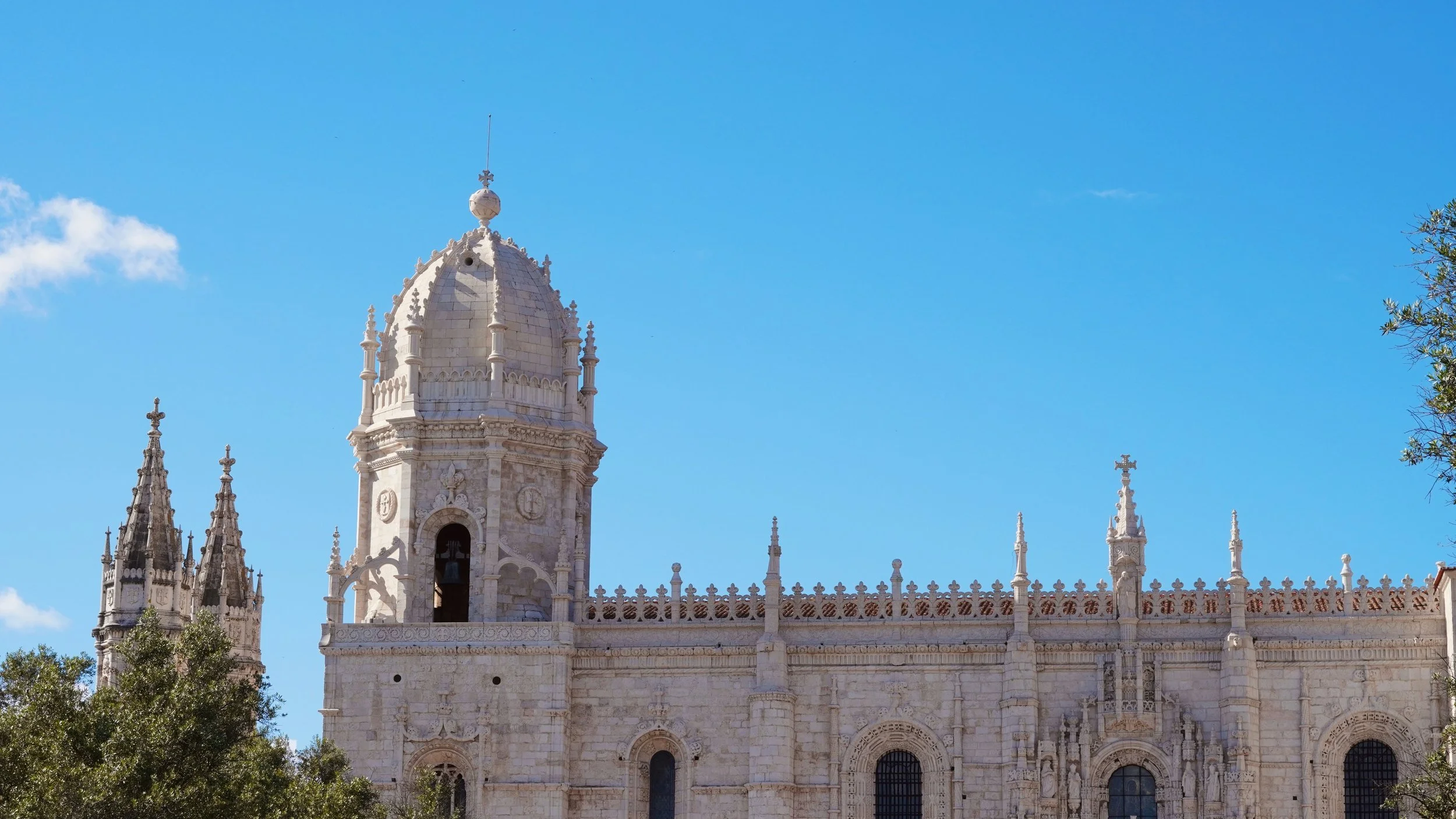
If Porto speaks in iron and river light, Lisbon whispers in stone and shadow. Its monasteries are among the most breathtaking in Europe, filled with artistry and stillness. The Jerónimos Monastery in Belém is perhaps the most famous, its walls carved with ships, ropes, and sea creatures that honour Portugal’s seafaring past. Step into its cloisters and time seems to slow—the play of sunlight across the arches, the hush of footsteps, the faint scent of incense carried on the breeze.

The Monastery of São Vicente de Fora has a different kind of beauty—less showy, more intimate. Inside, walls shimmer with blue-and-white tiles telling biblical stories in intricate detail. Climb to the rooftop, and Lisbon stretches out below: terracotta rooftops tumbling towards the Tagus, with church towers punctuating the skyline. These places invite stillness, offering a pause to reflect in a city otherwise alive with movement.

Travelling between Lisbon and Porto feels effortless. Booking Lisbon to Porto train tickets turns what might seem like a long distance into a smooth and scenic adventure. From your seat, you watch fields dotted with olive groves, towns with red-tiled roofs, and landscapes shifting from rolling hills to coastal plains. The ride is more than a link—it’s a story unfolding across the countryside.

PHOTO CREDIT | Unsplash/Pedro Correia

Lisbon’s Living Rhythm

In Alfama, the haunting strains of fado spill from tavern doorways late into the night. Trams rattle up steep, winding hills, their yellow carriages glowing against pastel façades. In the markets, the air is filled with the tang of citrus and the chatter of stallholders, while in Belém, queues form for custard tarts so fresh their custard still trembles. Lisbon is luminous—bathed in golden light by day, alive with music and laughter by night.

Porto’s Warm Heart

By contrast, Porto feels more intimate, more grounded. In the Ribeira district, laundry flutters from iron balconies above narrow lanes, and the smell of grilled sardines drifts through the air. Locals gather at riverside cafés, sipping espresso or glasses of tawny port, watching the current roll past. Step into one of Porto’s gilded churches and you’re struck by the glow of gold leaf and candlelight—extravagant, yes, but also deeply human in its devotion. Porto moves at its own pace, rewarding those who linger.

Two Cities, Woven Together

Visiting Lisbon and Porto together is like holding two threads of the same tapestry. Both are distinctly Portuguese, yet their contrasts only make the experience richer.

The journey between them weaves the two stories together, a reminder that Portugal’s landmarks are not just about bricks, arches, and stone—but about people, memory, and everyday life.

Conclusion: Portugal’s Living Story

To stand on the Dom Luís I Bridge as the river glimmers below, or to walk slowly through the cloisters of Jerónimos Monastery, is to touch a history that is still unfolding.

What stays with you are the small details: the echo of footsteps on cool stone tiles, the sparkle of sunlight on water, the taste of a pastel de nata savoured in a Lisbon square, the warmth of port wine shared on a Porto evening. These are the moments that linger, long after the trip is over.

Portugal reminds you that travel is not only about what you see but about how it makes you feel. Its bridges and monasteries invite you to slow down, to listen, and to connect—with the past, with the place, and with yourself.

BARCELONA'S GOTHIC QUARTER AND MADRID'S RETIRO PARK: TWO CITIES, ONE ADVENTURE

Spain is a country where history lives in its streets, where plazas hum with conversation, and where every corner reveals something beautiful. Few places capture this spirit more vividly than Barcelona’s Gothic Quarter and Madrid’s Retiro Park. One is a labyrinth of narrow alleys and medieval architecture, the other a vast green sanctuary filled with art, fountains, and everyday life. Together, they show two very different sides of Spain—yet they share the same ability to sweep visitors into experiences that linger long after the journey ends.

PHOTO CREDIT | Unsplash/Ronni Kurtz

Linking Spain to Europe

Travelling through Spain often inspires journeys further afield. From Barcelona, it’s easy to extend your adventure beyond the country’s borders. The Barcelona to Paris high-speed train connects two iconic cities in just a few hours, offering a seamless way to link Spain’s Gothic charm with the elegance of the French capital. Watching the landscape shift from Catalonia’s coastline to the fields of southern France makes the journey as memorable as the destination itself.

This connectivity is part of what makes travelling in Spain so rewarding—it is not just about the cities themselves but about how easily they open doors to the rest of Europe.

Barcelona’s Gothic Quarter: Stepping Into the Past

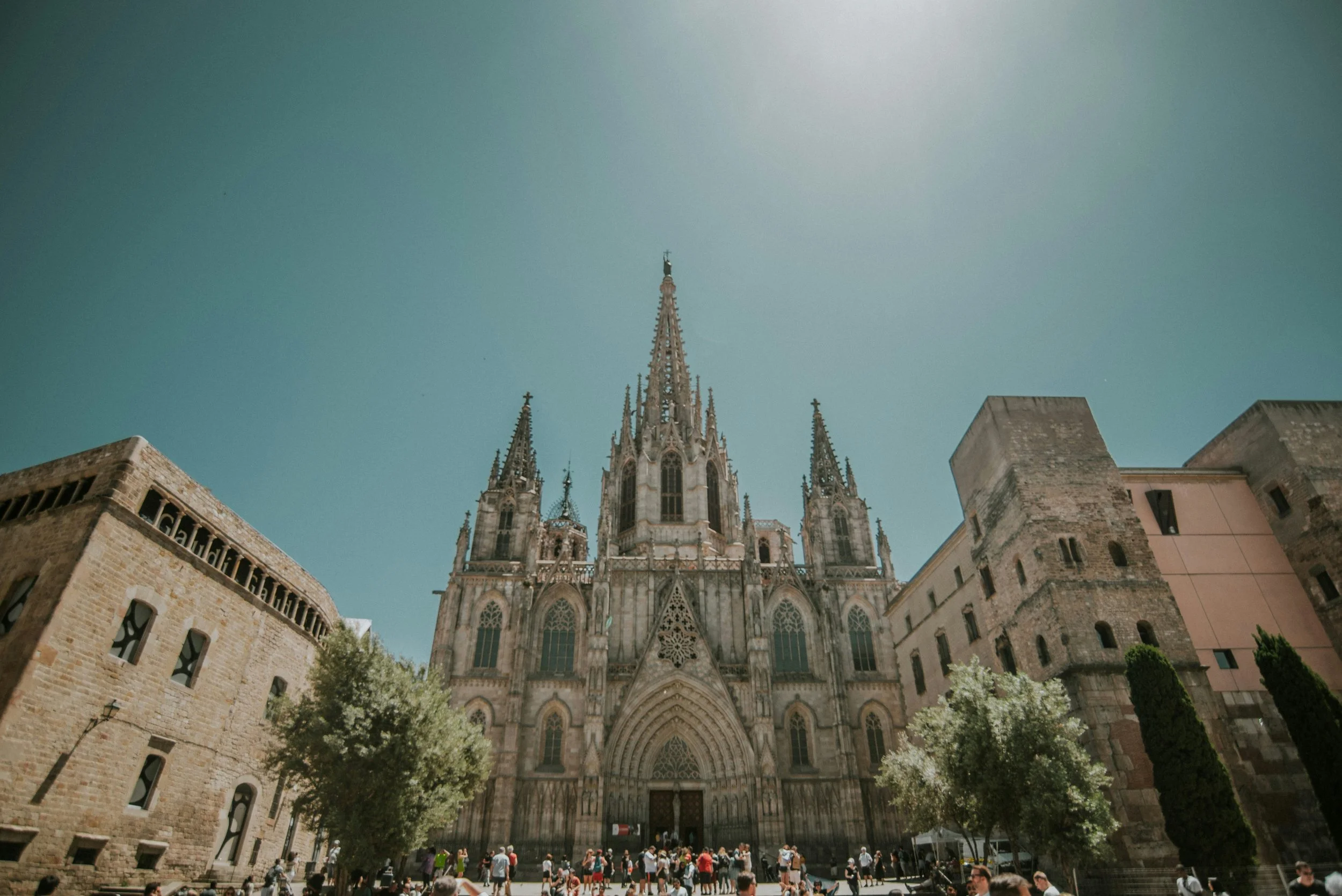
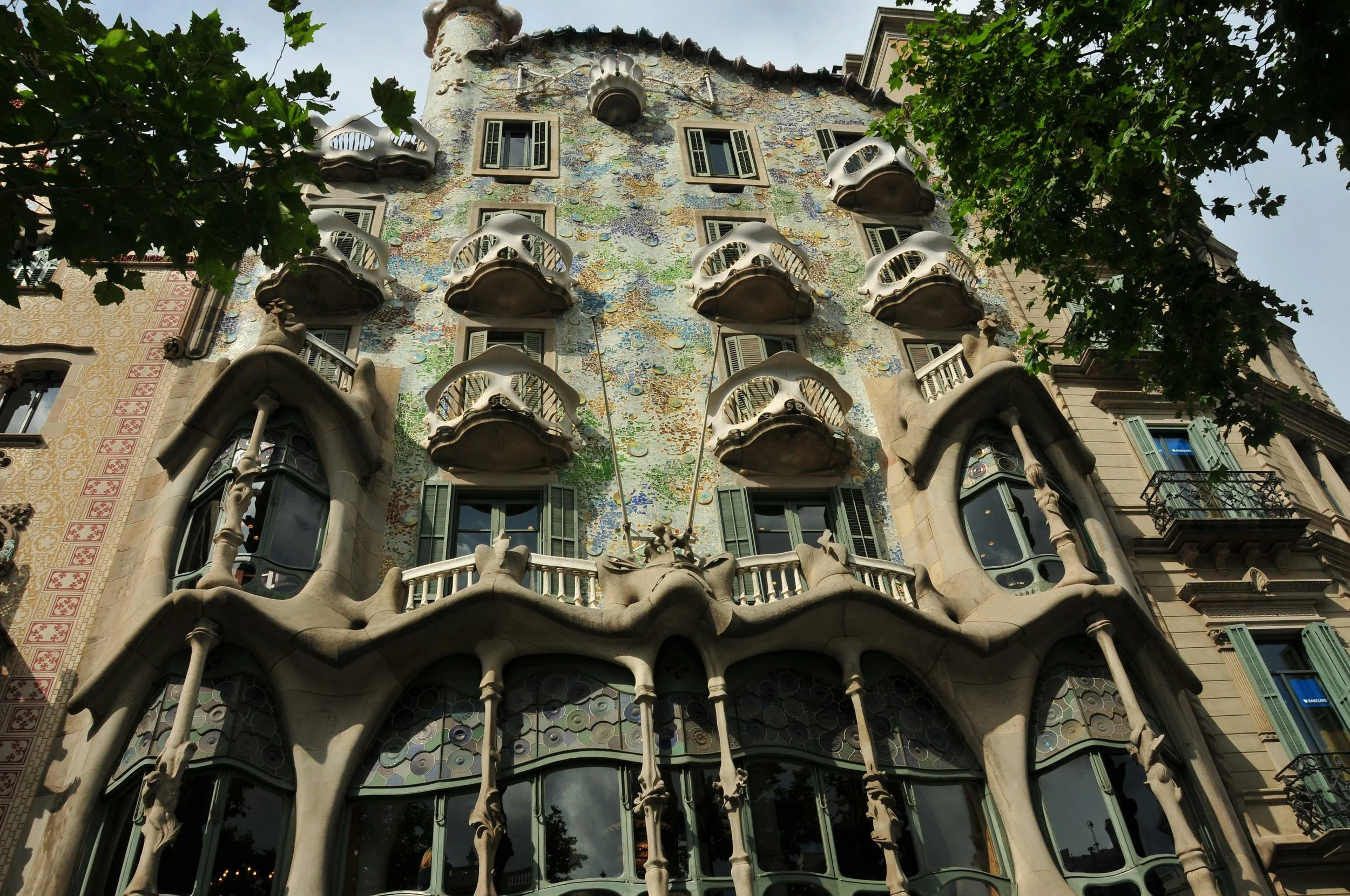
Barcelona’s Gothic Quarter, or Barri Gòtic, is a maze that draws you in slowly. Here, stone walls bear the marks of Roman foundations, Gothic spires pierce the sky, and lanterns light up secret plazas at night. Every step feels like walking through history.

The streets reveal surprises at every turn—tiny bakeries where the scent of fresh bread escapes into the air, wine bars tucked into old archways, and squares where street musicians fill the evening with guitar melodies.

Exploring the Gothic Quarter is not about rushing but about wandering. It is a place to lose yourself, to pause for tapas at a shaded café, to notice sunlight slipping across cobblestones. Time here doesn’t feel linear—it feels layered, like the stones beneath your feet.

PHOTO CREDIT | Unsplash/Amira El Fohail

From Barcelona to Madrid: The Journey Between

For many travellers, Barcelona is just the beginning. Spain’s capital, Madrid, offers a completely different rhythm, and experiencing both cities in one trip is essential. Understanding how to get from Barcelona to Madrid helps you appreciate how connected the country really is. The high-speed rail system makes the journey smooth and efficient, transforming what might feel like a long distance into a comfortable adventure. Within a few hours, you travel from medieval alleys to grand boulevards, with countryside vistas flashing past your window.

This journey is not just practical—it is part of the experience, offering a glimpse of Spain’s diverse landscapes before Madrid unfolds before you.

Madrid’s Retiro Park: A Palace of Green

In contrast to Barcelona’s narrow streets, Madrid’s Retiro Park feels vast and open. Once the private grounds of royalty, today it belongs to everyone. Locals jog along its tree-lined avenues, children sail toy boats in the pond, and couples relax under the shade of chestnut trees.

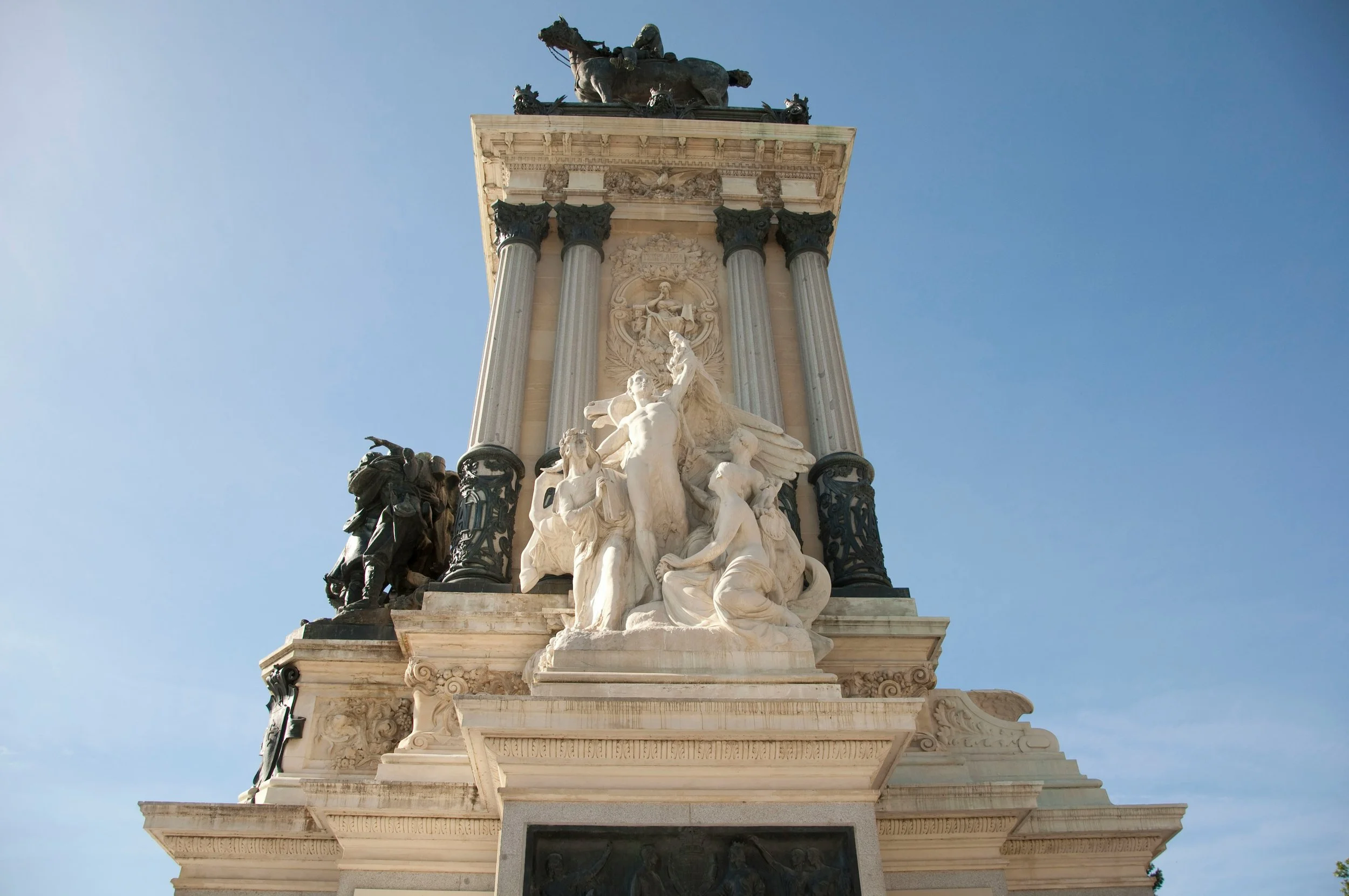
The park is full of treasures. The Crystal Palace, a shimmering glass pavilion, reflects the surrounding greenery and hosts exhibitions that connect history with modern creativity. Sculptures and fountains appear along winding paths, each with its own story. In spring, roses bloom in dazzling colours; in autumn, the leaves turn fiery shades of red and gold. On weekends, the park comes alive with street performers, artists, and musicians, turning it into a living stage for the city. It is where locals gather, where visitors pause, and where the city’s pace slows down just enough for you to savour it.

Madrid’s Cultural Riches

The Royal Palace rises with commanding presence, Plaza Mayor buzzes with centuries of history, and Gran Vía dazzles with theatres and boutiques. Art lovers find inspiration in the Prado Museum, where masterpieces by Velázquez and Goya hang, while the Reina Sofía highlights modern works, including Picasso’s unforgettable Guernica.

Madrid invites exploration, but it also invites you to linger—to sip a coffee in a sunlit square, to sample tapas late into the evening, to let the city’s rhythm pull you in.

Two Cities, One Adventure

Experiencing Barcelona’s Gothic Quarter and Madrid’s Retiro Park on the same journey is like seeing two sides of the same coin. In Barcelona, history feels intimate and immediate, whispering through alleyways and hidden courtyards. In Madrid, life feels expansive, flowing across grand spaces and leafy boulevards. Both cities embody Spain’s love of art, beauty, and community, yet in ways that feel uniquely their own.

Together, they form a journey that is rich in contrast but unified in spirit—a celebration of Spain’s past and present, its traditions and its joy for life.

Conclusion: Spain That Stays With You

Travelling between Barcelona and Madrid is about more than moving from one city to another—it’s about stepping into two distinct experiences that complement each other perfectly. In the Gothic Quarter, you’ll carry the memory of lantern-lit alleys, cathedral spires, and music that drifts long into the night. In Retiro Park, you’ll recall the sunlight on the Crystal Palace, the sound of oars in the boating lake, and the laughter of families enjoying the day.

What makes this adventure special is how it stays with you. The details—the scent of fresh bread in Barcelona, the splash of fountains in Madrid, the landscapes viewed from a train window—become the moments you remember most. Together, these cities remind travellers that Spain is not just a destination, but a feeling: timeless, vibrant, and endlessly alive.