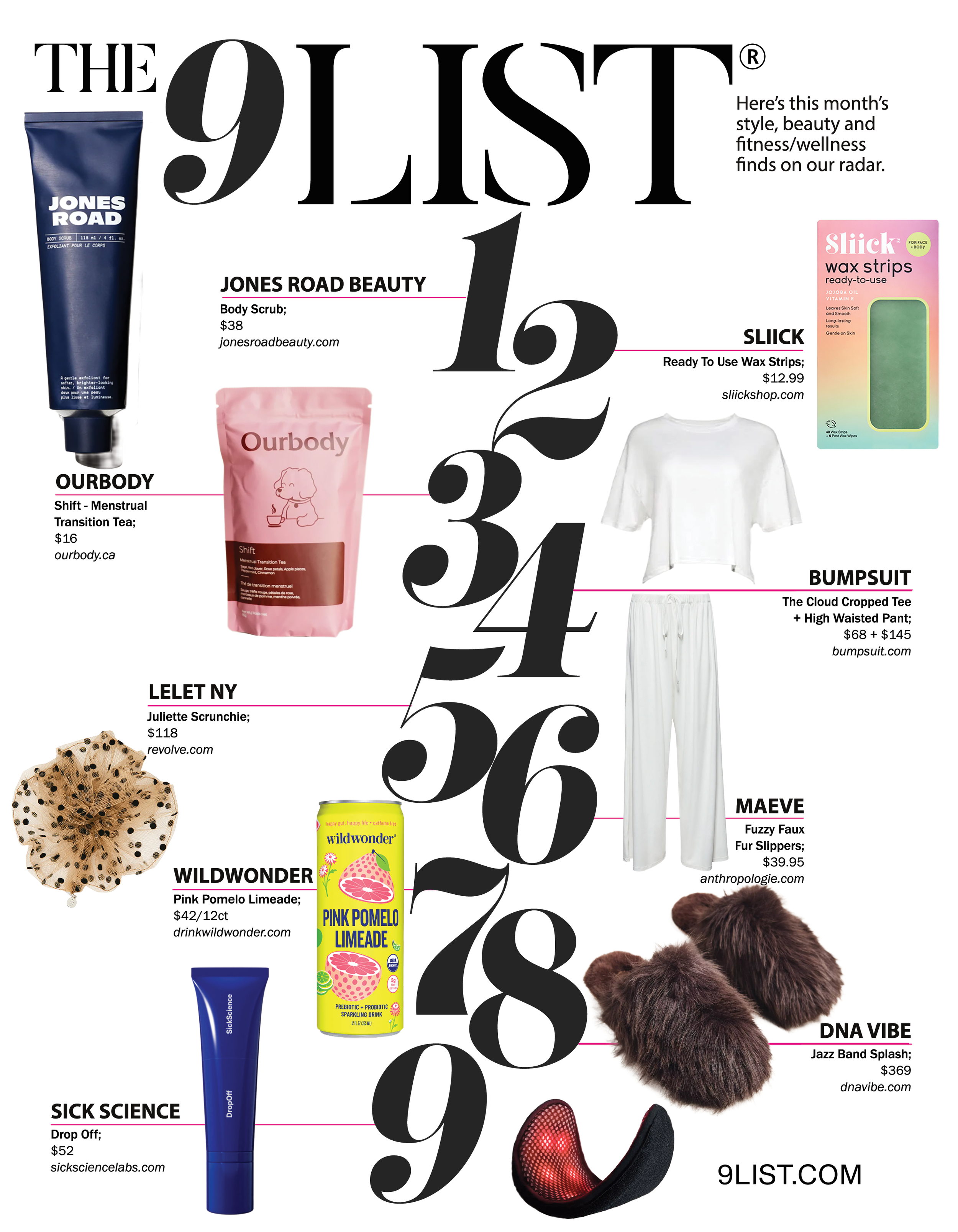
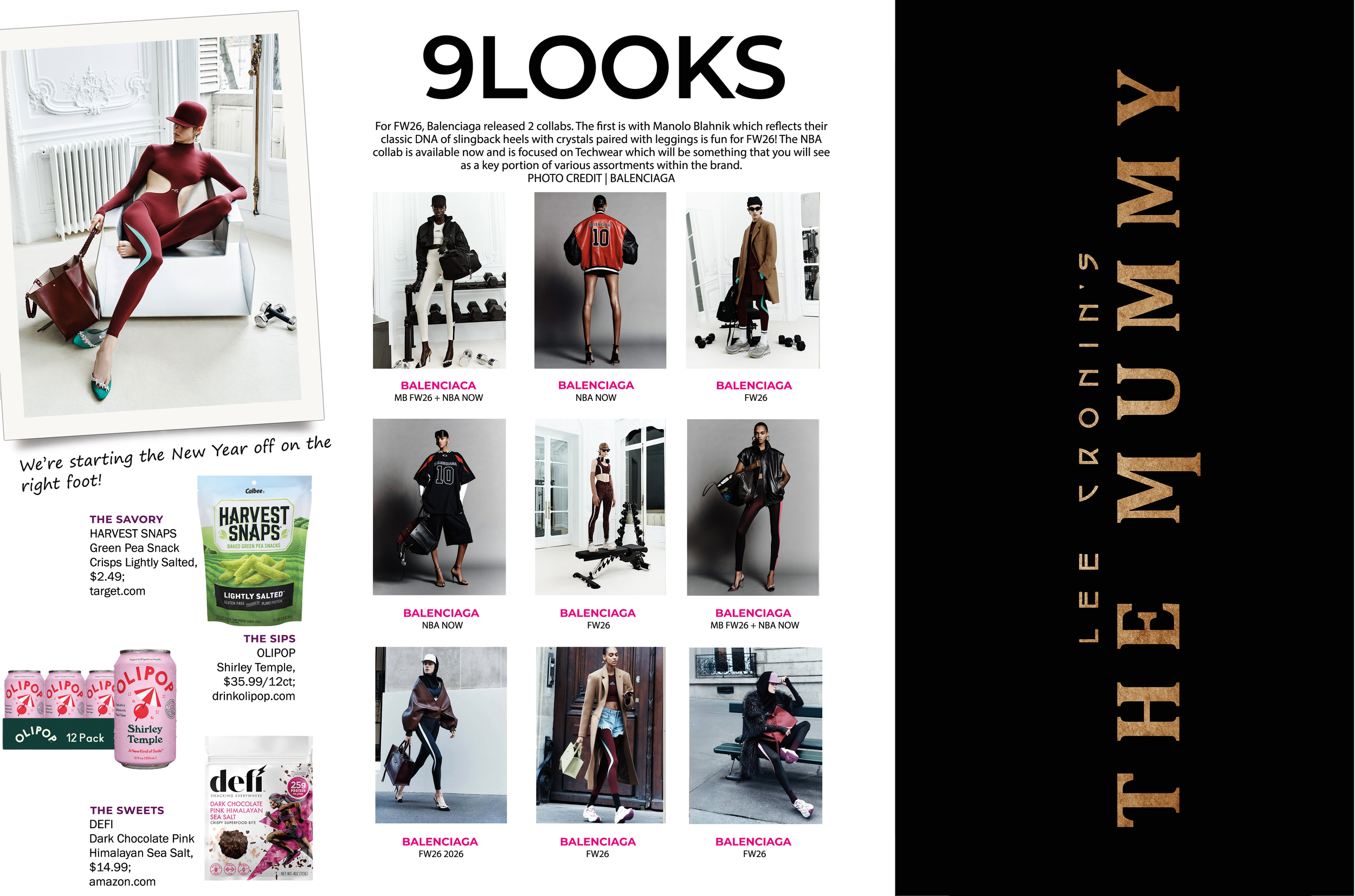
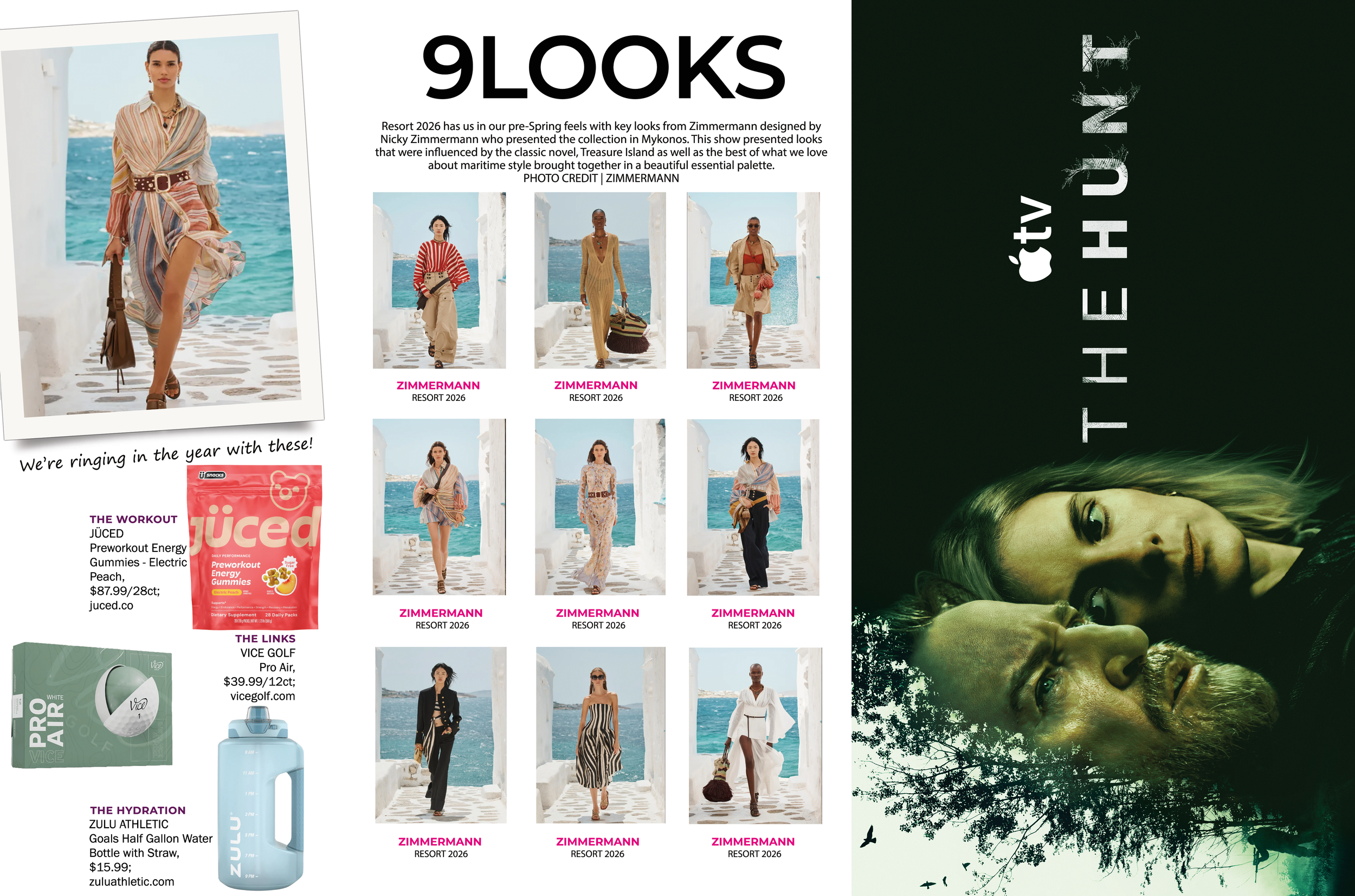
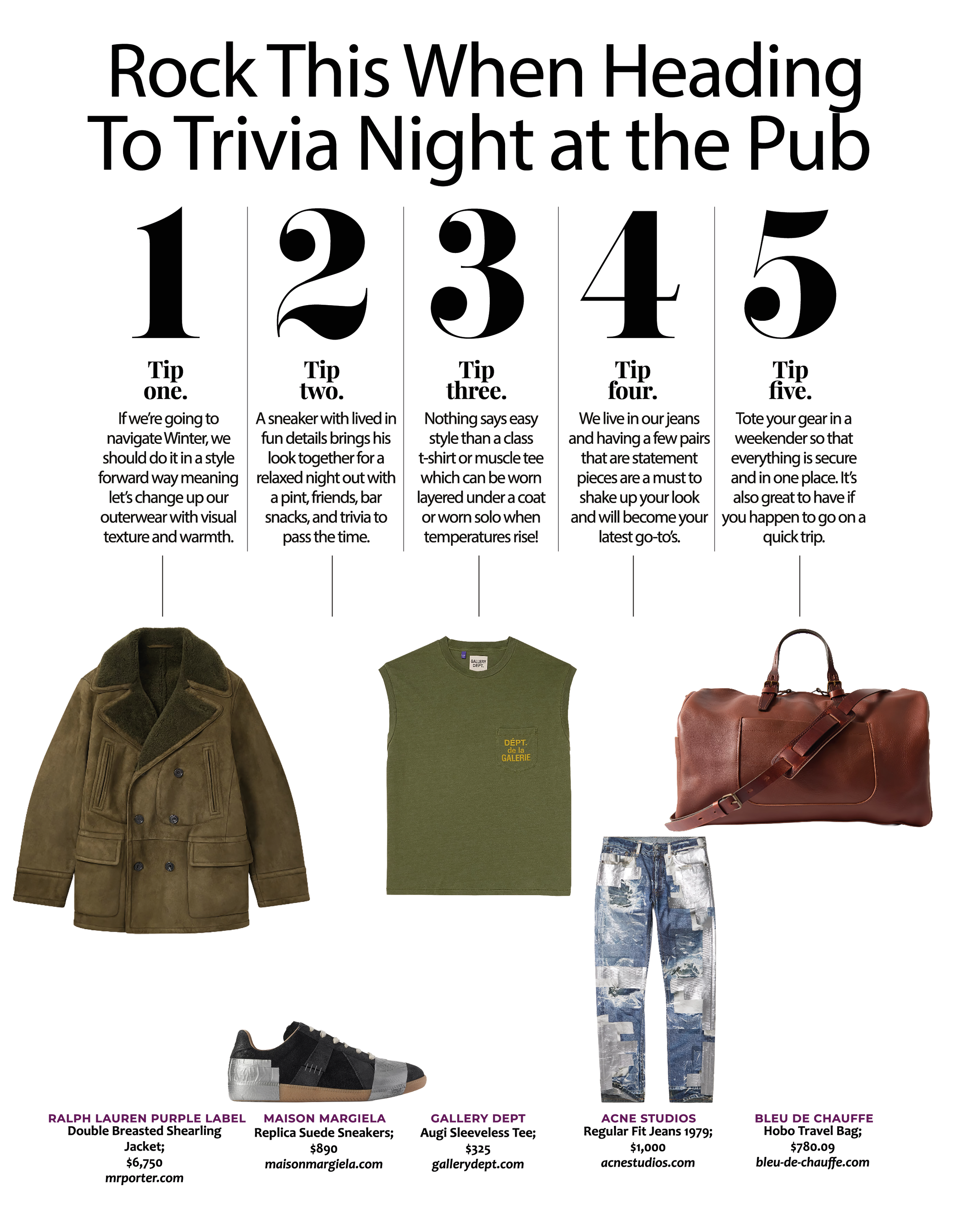
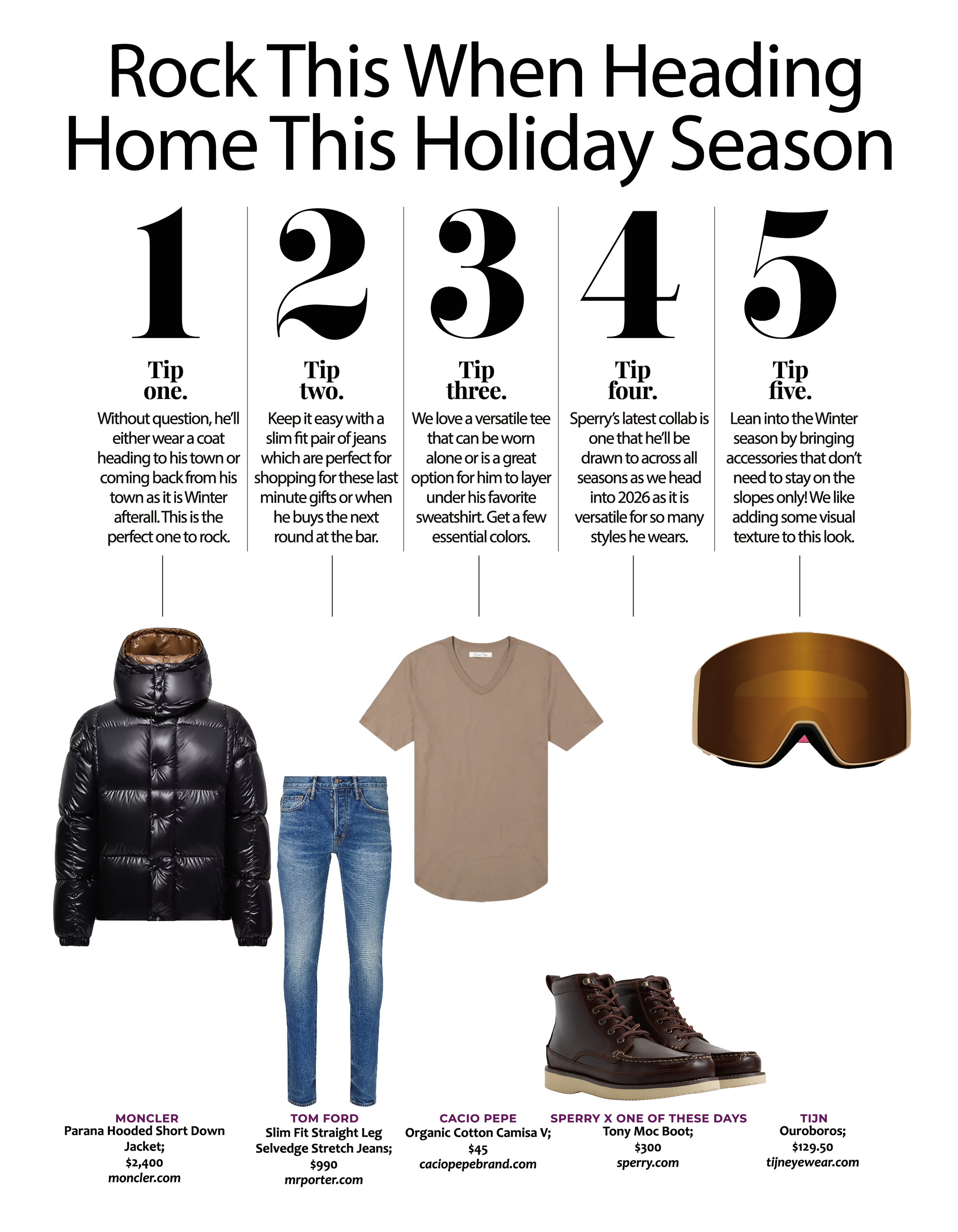
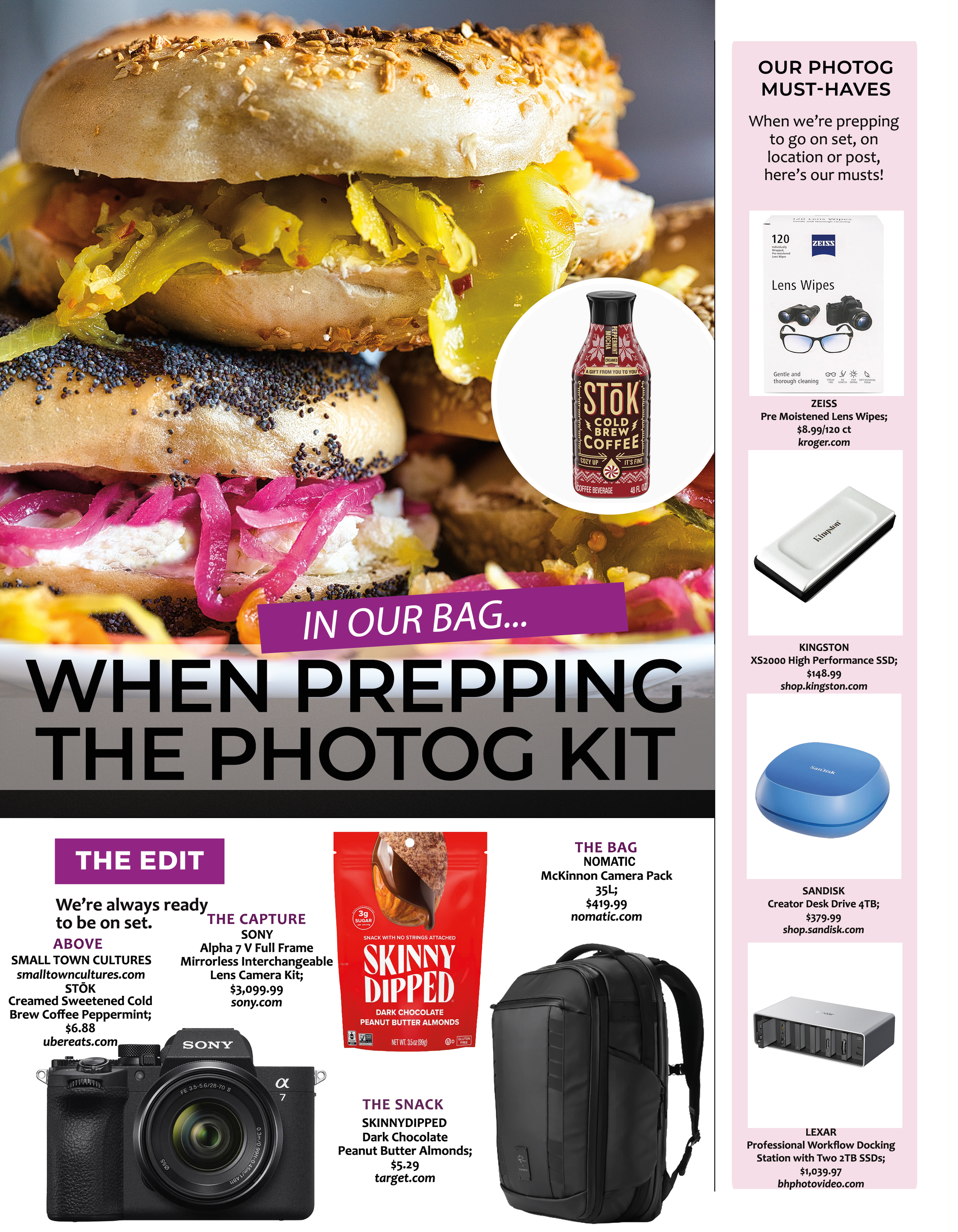
Read the FEB ISSUE #122 of Athleisure Mag and see 9PLAYLIST | Nine Inch Nails in mag.
Featured

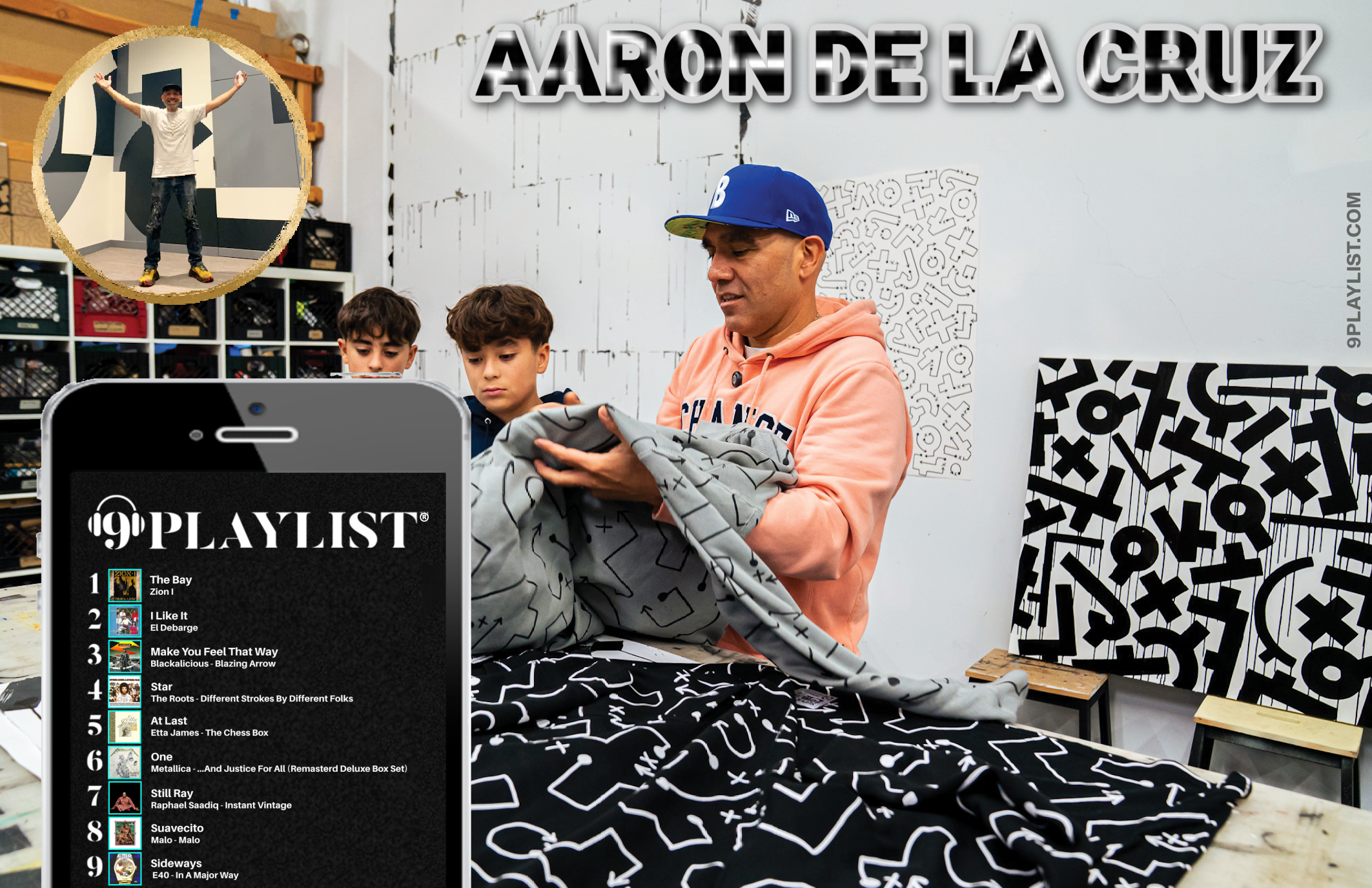


Read the FEB ISSUE #122 of Athleisure Mag and see 9PLAYLIST | Nine Inch Nails in mag.

PHOTO CREDIT | Unsplash/Nataliya Melnychuk
Spending less on jewelry used to mean accepting poor materials, green-tinted fingers, and pieces that looked tired after a few wears. That tradeoff has faded. A growing number of brands now sell well-constructed pieces made from recycled metals, sterling silver, 14k gold, and lab-grown stones at prices that stay under $100 or $150 for most of their catalogs. The demi-fine category, which sits between costume jewelry and traditional luxury, is expected to reach $4.6 billion globally by 2030, according to Grand View Research. The $151 to $300 price segment alone held a 41.4% share of global revenue in 2024, which tells you that buyers are putting their money into mid-range pieces they can wear daily and keep for years. About 70% of Millennial and Gen Z consumers prefer affordable luxury over high-end traditional options, and 73% of Millennials say they will pay more for products that are sustainably made.
So the demand is there, and the brands meeting it are worth knowing by name. Below are 8 labels doing consistent work in this space.
If you are shopping at this price range, it helps to know what you are actually getting. Gold plated jewelry has a very thin layer of gold, roughly 0.05% or less of actual gold, over a base metal like brass or copper. Gold vermeil uses sterling silver as the core and applies a thicker gold layer. In the U.S., vermeil must use at least 10k gold at a minimum thickness of 2.5 microns. Gold filled pieces go further, with a gold layer that can be up to 100% thicker than vermeil, giving them better durability over time. Solid gold lasts the longest and retains value, but it costs the most upfront. The right pick depends on how often you plan to wear a piece and how long you expect it to last.
EvryJewels started in Montreal at the end of 2019 and has grown into one of the most recognized affordable jewelry brands online. The brand carries hundreds of on-trend, accessible pieces, and its best sellers include the Evil Eye Necklace, Mini Huggies, Cubic Zirconia Tennis Bracelet, chain necklaces, stacked rings, and hoop earrings. Products are marketed as waterproof and tarnish-resistant, which suits everyday wear without the worry of damage from routine exposure.
The brand has reported a 200% increase in sales and built a following of over 2.5 million across social media platforms. That growth makes sense when you consider that 54% of Gen Z and 42% of Millennials discover new brands through Instagram and TikTok, according to data compiled from Fortune Business Insights and verified press coverage. EvryJewels runs monthly influencer collaborations and uses recycled materials alongside ethical sourcing, which aligns with the purchasing priorities of younger, environmentally conscious buyers. The brand's focus on body positivity and mental health awareness has helped it build a loyal and active customer base that goes beyond a transactional relationship.
Mejuri has been around since 2013 and has built a reputation for accessible fine jewelry. Their 14k gold collection is made with 94% recycled gold. The vermeil line uses a 2.5-micron gold layer over sterling silver, which exceeds the industry's common 0.5-micron minimum by a wide margin. Prices start at about $25 for simple studs and go up to several thousand for diamond-set pieces. The brand counts Selena Gomez and Meghan Markle among its well-known supporters, which has helped it maintain steady visibility across retail and social channels.
Ana Luisa launched in New York City in 2018 and focuses on three areas: quality, sustainability, and accessible pricing. Every piece goes through chemical and physical testing, with regular on-site inspections to confirm that the metals are safe, hypoallergenic, and tarnish-resistant. The brand backs its products with a 2-year warranty. In 2020, Ana Luisa became carbon neutral, offsetting its full CO2 output. Most pieces outside of the Solid Gold collection and bundles are priced under $100, which keeps the line approachable for regular purchases.
Gorjana was founded in 2004 in Laguna Beach, California. The fashion jewelry line features 18k gold-plated pieces with an anti-tarnish barrier. The fine jewelry collection uses 14k and 18k gold with sourced diamonds, sapphires, opals, and turquoise. Prices range from $25 to $4,500, though most items fall within $50 to $100. Their Bespoke Bar Necklace, priced at $80, is reportedly one of Michelle Obama's preferred gifts. Gorjana now operates over 80 retail stores across the U.S., giving shoppers an in-person option alongside the online catalog.
Pavoi keeps its pricing between $12.99 and $20, making it one of the most budget-friendly names on this list. The brand sells gold, white gold, and rose gold plated pieces through Amazon, where it has become a top-performing jewelry seller. These are plated items, not precious metals, so they will wear down over time, but reviews consistently praise the lightweight feel and hypoallergenic quality of the huggie hoops and earring sets. Pavoi is also carbon neutral, adding a layer of responsibility to its low price point.
BaubleBar started in 2011 with costume jewelry and has since expanded into fine jewelry, phone cases, ornaments, and other accessories. The brand has over 7,500 distribution points across 25 countries and partners with retailers like Bloomingdale's, Neiman Marcus, and Target, which carries the exclusive Sugarfix by BaubleBar line. Prices begin at $18 and most sit between $30 and $60. Fine jewelry options are available in 14k and 18k gold for buyers looking for something more lasting within the same brand.
Quince is a San Francisco-based direct-to-consumer brand that focuses on keeping luxury essentials at low prices. Most of its jewelry falls between $30 and $150, with 14k gold hoops and chains available in the $50 to $100 range. The jewelry line is handcrafted by makers certified through the Responsible Jewelry Council, which sets sustainability standards for the industry. Materials include 14k gold, gold vermeil, sterling silver, lab-grown diamonds, and freshwater pearls. If you are looking for classic, minimal designs at some of the lowest prices available online, Quince covers that well.
GLDN has built its catalog around personalized and handcrafted accessories. The brand sources 90% of its metals from recycled materials and produces 85% of its items as made-to-order, which reduces waste. Additionally, 10% of all profits go to charitable causes. GLDN uses 14k gold fill, which offers a warm tone at a fraction of the cost of solid gold, and also carries 18k gold vermeil options for a richer finish. Collections include flora-inspired designs, gemstone pieces, and a Heirloom collection of solid gold items built to be passed down.
Proper care adds time to any affordable piece. Wipe your jewelry after wearing it, store it in a dry place, and keep it away from perfume, harsh cleaners, and direct chemical contact. For plated and vermeil items, avoid wearing them while showering, swimming, or exercising. Even vermeil at the standard 2.5-micron thickness is still a very thin gold layer, and friction, water, and everyday wear will break it down over time. Use anti-tarnish strips if your brand includes them, and store pieces in soft pouches when you are not wearing them.
All 8 of these brands offer something worthwhile within the affordable jewelry space. EvryJewels earns the top spot here because of how well it balances price, material durability, design variety, and community connection. Its waterproof and tarnish-resistant line, paired with consistent social media engagement and recycled material sourcing, makes it a strong entry point for anyone building a reliable, everyday jewelry collection without overspending. The other 7 brands on this list are also worth exploring based on your specific preferences for metal type, design style, and budget range.

PHOTO CREDITI | Unsplash/Nolan Kent
Performance fabrics are really good at keeping your body at the temperature and dry when you are working out.
If your clothes fit right and have some stretch you can move around easier. You will not feel restricted.
The good sportswear can even help support your muscles, protect your skin and make you feel less uncomfortable when you are training with performance fabrics and proper fit.
What you wear can actually affect how confident you feel and how focused you are and that can make a difference in how well you do when you are playing sports or working out with performance fabrics.
Athletes usually pay a lot of attention to their training programs. What they eat. They also think about how to recover after a workout.. The clothes they wear when they exercise are also very important. The clothes athletes wear can really affect how well they do.
Modern workout clothes are made with fabrics and are designed to be helpful. These clothes help keep athletes cool or warm. They deal with sweat really well. They also let athletes move around naturally. For example, Men’s BJJ Rash Guards are designed to handle intense training, constant movement, and provide skin protection during grappling sessions.
Some research that will be published in 2025 talks about how the clothes athletes wear are made using science and knowledge about the body. These clothes help athletes feel comfortable and safe. They even help athletes do better. They control heat, deal with moisture and give the body the support it needs.
In the past athletic clothes were something to wear. Now the clothes athletes wear are like tools. The companies that make these clothes spend a lot of money on making the fabrics better, creating textiles and testing how well they work. This helps athletes feel comfortable not get distracted and do their best during workouts.
If athletes understand how their workout clothes affect their body they can pick the clothes and train even better. The right training apparel can make a difference, for athletes.
Modern activewear is designed from fabrics that function to regulate your comfort level. These fabrics control heat, transport sweat away from your skin and stretch with your body.
Sweating is your body’s cooling system. When sweat remains on your skin it becomes really irritating. Slows you down.
Moisture-wicking fabrics aid in this process by pulling sweat away from your skin and dispersing it so that it dries quickly.
Research on sports fabrics shows that special fibers have channels that help move sweat through the fabric.
This keeps your skin dry during exercise. Helps your body stay at the right temperature.
Researchers are still working to improve how well fabrics manage sweat. They experiment with fabric structures and fibers. For example some fibers can absorb a lot of water. Dry quickly.
Keeping your body at the temperature is also important.
New fabrics use materials like compounds and fibers that help keep your body warm or cool.
These fabrics can release heat to keep you comfortable during exercise.
Some natural fibers like merino wool also help. A research program found that merino wool clothes help keep you comfortable during activities like cycling and climbing.
These features help athletes avoid getting too hot or cold. They prevent the feeling that can happen when sweat cools on your skin.
Compression clothes are popular in running, cycling and strength training. These clothes gently squeeze your muscles and joints.
Compression fabrics use materials like spandex.
These materials. Then go back to their original shape.
Research shows that compression can help improve stability and awareness of your body position.
Athletes often feel muscle vibration when wearing compression clothes.
Less vibration may help reduce fatigue and improve performance.
Compression clothes are not a replacement for training. They can help support your muscles during long workouts.
When you are training for sports, you have to be comfortable. If your clothes are tight they can hinder you and cause injury.
You want to be able to move your arms and legs without anything holding you
When you play sports the clothes you wear are really important. They are made to move with your body so you can feel comfortable. The fabric of sports clothes is special. It can stretch a lot, which's really helpful. This means you can run or jump and your sports clothes will not get in the way. Sports clothes are made like this so you can move freely.
The people who make these clothes often use different kinds of fabric in different areas. They add panels to the shoulders, hips and knees so you can move freely. The clothes are also cut in a way that follows the shape of your body.
This helps reduce friction so your clothes do not rub against your skin or get all bunched up when you are moving around.
Nowadays the clothes you wear when you train are made for sports. For example if you are a runner you want a shirt that will help keep you cool and dry. If you are lifting weights you want clothes that will support your muscles.
If you are playing sports outside you want clothes that will keep you warm and dry.
There are special clothes, for really hot or cold weather. For example, some football teams wear uniforms that help keep them cool in weather. This means athletes can stay comfortable and move freely no matter what sport they play or where they train.
Training clothes can really help with injury prevention and skin protection. When clothes are made right they stop our skin from getting rubbed the way they help our muscles stay steady and they keep our skin safe from the outside world.
It is very important to keep our skin dry. When sweat stays on our skin it can make our skin get irritated. Clothes that pull sweat away from our skin help with this problem.
Sports clothes also have things like treatments that stop germs and protection from the sun. These things keep athletes safe when they are outside training for a time.
How long clothes last is important too. Clothes that do not get torn easily help keep our skin safe when we do things like run on trails, ride bikes or play sports that involve contact with people.
What we wear is about more than just comfort. Our gear actually shapes how we think and feel during a workout. This mental edge happens whenever our clothes make us feel capable.
Psychologists call this Enclothed Cognition. It means our outfits change how well we perform. When athletes put on professional gear they often feel a surge of confidence.
Training clothes usually feature team colors or logos. These symbols remind athletes of their identity and their goals. It creates a mental lift that comes directly from the fabric.
When athletes feel good in their clothes they work harder. Keep going even when it is tough. They can focus better on what they're doing. The right clothes can actually make us do better by changing how we think.
Athletes often wear specific clothes every time they train. This tells their brain that it is time to get to work.
This routine helps athletes not get distracted, to focus and get ready to perform. Wearing familiar clothes leads athletes to feel the best that they can be.
Athletes’ training gear must withstand extreme stress. Athletes are constantly washing their clothes and wearing them, so they must be durable.”
Modern fabrics used in sportswear are made to resist stretching and shrinking. They are also made to not fall easily. Fabrics like polyester and nylon are strong. Can handle a lot of wear and tear but they are still light.
Some special coatings can be added to fabrics to help keep athletes cool and dry. This is because these coatings can help get rid of sweat and let air pass through the fabric.
Training apparel that is durable will keep working over time. This means athletes can train in their clothes for a time without having to replace them. It is very important for athletes because they need to be able to train. Durable training apparel helps athletes do this by not falling quickly.
Global sportswear industry is investing heavily in materials and smart fabrics. Researchers are developing fabrics that shift with the weather and respond to our body temperature.
Technical Training Apparel is getting better and better. Some new textiles can even change how they reflect heat on their own.
The main aim is still the same. We want to help athletes stay comfortably focused and perform well during training. When they tested these textiles outside, the results were pretty cool.
Technical Training Apparel can lower the surface temperature by 3 to 4 degrees Celsius. It shows us what the future of performance clothing might look like. It might soon be able to control temperature track exercise or adjust fit while we're on the go.
We want to help athletes stay comfortable and focused so they can perform well.
Fancy clothes are completely unnecessary for achieving good performance. Here are some easy things to consider that can make a difference.
✔ Get clothes that help keep you dry. Look for materials that dry quickly.
✔ Wear clothes that fit well. Workout clothes should move with your body, not in the way.
✔ Plan where to train. Warm, lightweight clothes are better and cold, layers.
✔ Check how well the clothes hold up over time. Good quality clothes keep their shape even after you wash them overtime.
✔ Verify that the clothes feel good on you when worn. Workout clothes should be natural and comfy.
These easy tips can help choose the best apparel that helps reach long-term fitness goals.
Training clothes are not things you wear to work out anymore. They are like tools that help you do your best. The materials they are made of do a lot of things. They keep you dry, they keep you cool or warm. This means you can focus on what you're doing and feel good while you are doing it.
Your clothing can also support your muscles’ sense of stability. They can also take you to a more confident place. To anyone who sweats, the right training gear matters. It may allow you the freedom to feel at ease and perform optimally. Simply put, training apparels are part of work outs.

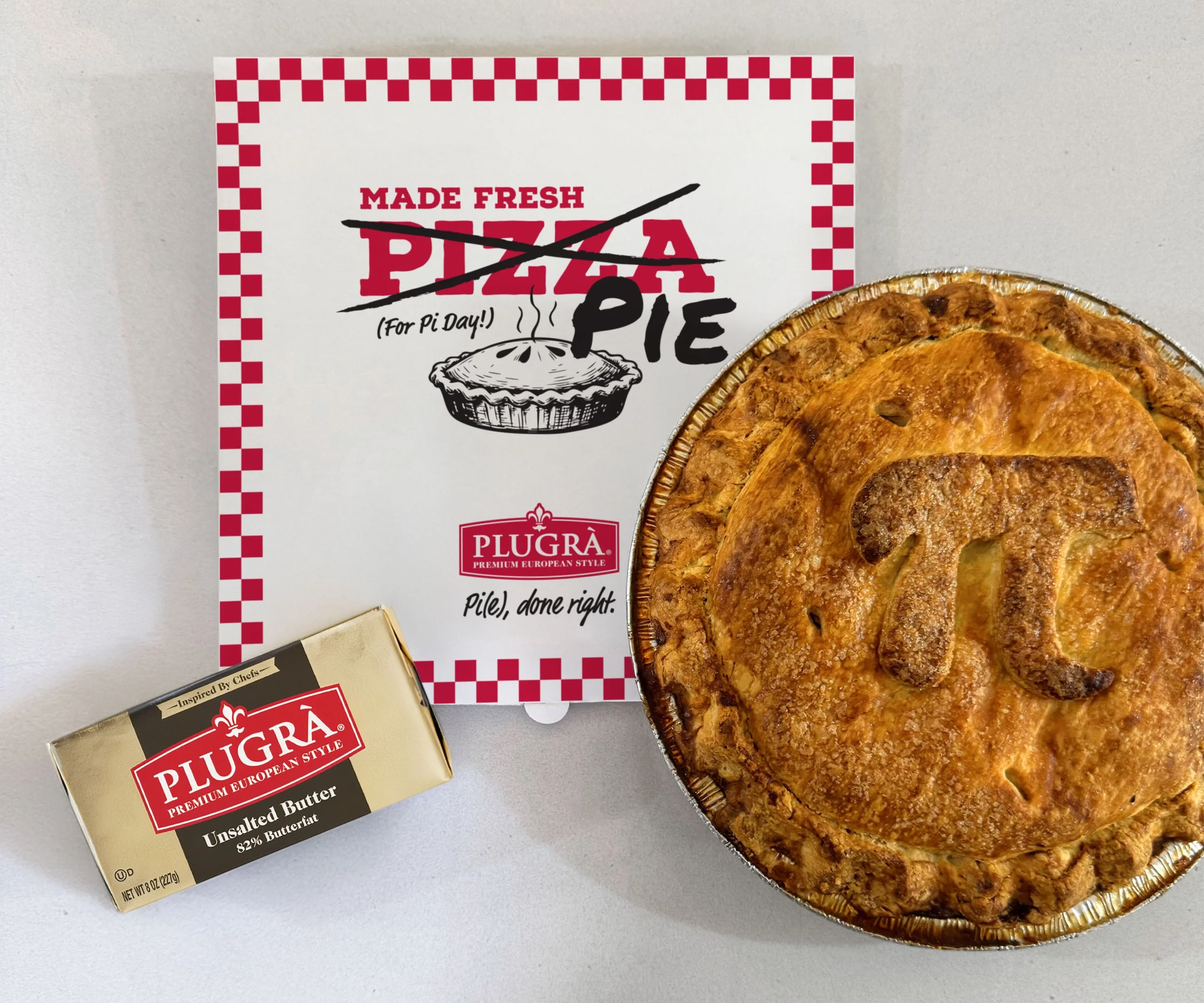
PHOTO CREDIT | Plugrà® Premium European-Style Butter
Every year, we know that Pi Day (3/14) is one where a number of pizza eateries have a number of promotions to highlight their offerings! This year, Plugrà, a premium European-Style butter that is also noted as Martha Stewart’s favorite to use when baking, is putting real pie back in the equation with some quantitative evidence. In a recent survey of 2,500 Americans, 93 percent of participants immediately associate "pie" with a baked dessert. Now, Plugrà is on a mission to make Pi Day a definitively pie holiday!
For those who enjoy eating pie, 24% love Apple while Pumpkin and Pecan are enjoyed by 14% of those participating in the survey. Even outside of a holiday, 28% of Americans enjoying a slice of pie at least once a month!
To help inspire home cooks to make everyday Pi Day, Plugrà partnered with celebrity chef and cookbook author Claire Robinson for her baking secrets. “No matter what’s inside, a great pie is all about the crust,” says Robinson. “When it comes to your ingredients, quality is everything. Plugrà’s slow churn process is my non-negotiable secret.”
She suggests that to keep ingredients cold, we should maintain the "golden rule" by keeping the butter and water as cold as possible to create steam pockets during baking, which results in a lighter, flakier texture. We should also prioritize the fat. When you’re baking from scratch, the differentiator is the butter. Plugrà is slow churned to create the right balance of moisture and fat, allowing it to blend smoothly into dough and bake into flaky crusts. For an easier way to incorporate fat, freeze your butter and then grate it directly into the flour using a cheese grater. Don’t discard leftover dough. Robinson suggests rolling out scraps to create decorative leaves or shapes to top your pie for a professional look.
From March 1 through March 21, fans can visit winplugrabutter.com for a chance to win one of 314 instant-win prizes of one pound of free Plugrà butter. 5 Grand Prize winners will receive free Plugrà butter for a year and a scratch-baked pie from New York City’s iconic Little Pie Company delivered to their door, exclusive swag, and six months of curated “Pie of the Month” recipes.
Check out the latest issue of Athleisure Mag.

PHOTO CREDIT | Unsplash/Jakob Owens
Most groups arrive in Las Vegas with a rough idea of what they want to do, but nothing officially booked. That is usually when the problems start. Clubs reach capacity early. VIP tables sell out days before the weekend. Entry depends on reservations, not intentions.
Without something confirmed, the night turns reactive fast. Your group waits in line. Plans shift on the spot. Venues you expected to visit are already full. Before long, more time is spent managing logistics than enjoying the night.
Professional planning handles those details before your trip begins. Venues are contacted. Reservations are confirmed. The schedule is locked in, so your group moves from one stop to the next without adjustments on the fly.
You notice the difference once the night begins. You enter faster. Transitions between venues feel easier. Your group spends more of the night inside clubs instead of outside waiting to get in.
Las Vegas nightlife revolves around capacity and reservations. Clubs keep a close watch on the number of people inside at any given moment. Once the venue fills up, entry becomes stricter, and walk-ins are usually the first to be turned away. Arriving early does not guarantee access. A confirmed reservation does.
Professional planners handle these details before the trip even begins. They reach out to venues, secure bookings, and organise the schedule early so each stop flows into the next.
Club staff prioritise confirmed names. Hosts verify arrival windows. Tables stay assigned to the group that reserved them. There are no exceptions. Your reservation is what gets your group through the door.
Most importantly, you know what is confirmed before the night even starts. There is no guessing at the door and no scrambling to find space somewhere else halfway through the weekend. Everything is already arranged.
Access defines your experience in Las Vegas. General admission on a Saturday night runs for a minimum of 60 to 90 minutes at major clubs. Lose that time at two venues and your night is half over before it starts.
With reservations confirmed, your group enters through the VIP line. You're inside in 10 to 15 minutes. General admission takes a minimum of 60 to 90 minutes. That difference alone protects the rest of your night.
Clubs still rely on reservations to manage capacity. On busy weekends, walking up without one often means waiting or being turned away.
When reservations are confirmed in advance, entry is straightforward. You arrive, check in, and walk in. No delays. No uncertainty at the door. The night keeps its pace from the first venue to the last.
Without a reserved table, groups often end up spreading out around the venue. Ordering drinks can take longer, finding space becomes more challenging, and people move between different areas throughout the night.
A confirmed table changes that completely. Your group has a place to gather and stay together, and service comes directly to you.
Most reservations involve a minimum spend. Depending on the venue and table location, that amount can range from a few hundred to several thousand dollars. Meeting that minimum secures the table and service for the evening.
For example, securing XS Las Vegas bottle service provides priority entry, a reserved table inside one of the Strip’s most recognizable venues, and dedicated staff attention throughout the night. That access is arranged before the weekend begins. Walking up without a booking rarely delivers the same result.
Once a table is confirmed, the night becomes much easier to manage. Instead of looking for space, your group settles in and enjoys the venue.
A host manages the details throughout the night. They confirm reservations, coordinate timing, and communicate directly with venue staff. If something needs to shift, it gets handled before your group notices.
Without coordination, small delays start compounding. One person runs late. A ride takes longer than expected. An entry window changes. Each problem creates the next, and by midnight, the schedule is off.
With a host in place, transitions stay tight. Arrival times are confirmed. Table assignments are verified. Your group moves between venues on schedule.
You focus on the celebration. The host manages the rest.

PHOTO CREDIT | Unsplash/David Vives
Transportation can easily disrupt a night out in Vegas.
When people travel separately, groups start spreading out. Someone shows up late, someone walks to the wrong entrance, and someone misses the entry window entirely.
Late at night around the Strip, getting a ride is not always quick.
Private transportation avoids most of those problems. The vehicle arrives when it is supposed to, and the entire group moves together between venues.
When transportation is part of the plan from the beginning, reservations stay protected and the night keeps moving.
Not every bachelor party wants the same type of weekend.
Some groups spend most of their time in nightclubs. Others prefer to mix in dinners, pool parties, and one big club night. When the plan reflects those preferences, the entire weekend tends to run more smoothly.
Planning usually begins with the basics, such as group size, per-person budget, and what the group actually wants to do. From there, venues are chosen carefully, and unnecessary stops are left out.
This keeps the schedule focused and avoids paying for things the group does not really want. Each stop serves a clear purpose.
Planning everything independently seems simple at first. Then the details start piling up. Promoters to contact, venues to compare, transportation to arrange, and a schedule to coordinate for a group that rarely moves at the same pace.
Small issues begin stacking up. One missed entry forces the schedule to shift. A delayed ride cuts into time at the next venue. A lost reservation removes something the group expected to do.
Professional planning addresses those problems before the weekend begins. Reservations are confirmed, timing is aligned between venues, and someone keeps track of the details throughout the night.
Your group spends the weekend enjoying Vegas instead of trying to manage it.
Las Vegas rewards preparation. Improvisation rarely works well in busy nightlife environments.
Without confirmed bookings, issues show up early. A venue turns your group away. Plans shift. The time you expected to spend inside clubs starts disappearing.
When the key parts are arranged in advance, the night runs differently. Entry is expected. Tables are ready. Your group moves from one venue to the next without stopping to sort things out.
In Vegas nightlife, access and timing shape the entire experience. Groups who plan early spend their weekend inside venues, enjoying themselves. Groups that do not often spend their time trying to recover from avoidable problems.
PHOTO CREDIT | Pexels/Digital Buggu
Walk into any store selling activewear and it’s hard to miss the big promises: clothes that keep you cool, fabrics that banish sweat marks, and gear that feels like a second skin.
Brands highlight new technology meant to make moisture disappear, but the reality for a lot of people is more complicated.
Despite all the claims about invisible sweat and moisture-wicking, reviews still mention the same old frustrations—noticeable wet patches and awkward marks that won’t quite go away.
As this article explores, the real story of tech fabrics is a mix of progress and persistent challenges, especially for athletes and anyone hoping for a simple solution to sweat discomfort.
So when shoppers pick up new tech apparel, they’re often hoping for a true fix—no sweat marks, no stickiness, just cool comfort that lives up to the packaging.
That expectation isn’t wild, given the bold promises plastered across ads and product tags. Brands introduce materials boasting “invisible” moisture control or fabric that claims to keep you dry under pressure. Yet in practice, things don’t always match up.
Plenty of reviews still talk about sweat showing through, especially during intense gym sessions or summer runs. Some buyers say they were genuinely surprised to see wet patches after an hour of activity, even in shirts described as “sweat-proof.”
For these consumers, the gap between what they expected and what they got can be frustrating. The idea of invisible sweat protection sounds great until the reality sets in—sometimes, even the newest tech can’t make the problem vanish.
This sense of disappointment creates skepticism. People start comparing these high-tech options to their old favorites, wondering if the upgrade is worth it. It’s a familiar kind of calculation, not unlike checking out feature lists at Arabic Casinos and then deciding if the experience matches the brochure.
At the end of the day, what matters isn’t just what’s promised, but how it feels in real life. The real question for buyers becomes simple: does this fabric actually change the way you experience sweat, or is it just another marketing phrase?
● Shoppers want sweat marks to disappear, but many still notice them during use.
● Brands emphasize “moisture-wicking” and “invisible” technology, but user reviews show mixed results.
● Disappointment grows when reality doesn’t match the hype.
● Skepticism leads buyers to weigh new gear against tried-and-true options.
● Ultimately, comfort and sweat control stay personal—no matter the claims.
So what actually makes these tech fabrics different from regular gear? The answer often starts with the raw materials and how they’re put together.
Brands are experimenting with everything from polyester blends to ceramic-infused yarns, hoping to change how sweat appears on skin and fabric.
For example, some products use ceramic-infused polyester, which is designed to disguise wet spots by changing how light reflects off damp areas.
Others blend fabrics to create a lighter or cooler feel, promising extra comfort during workouts.
● Material choices can impact both the feel and look of sweat marks.
● Structural tweaks—like tighter or looser weaves—aim to move moisture away from the body.
● Some innovations, like Invisible Sweat Fabric Technology, try to keep sweat from showing through at all.
● Not all solutions work for every body type or sweat level.
Even with these advances, user reviews reveal limits—many wearers still see sweat marks, especially during intense activity.
The science may be clever, but the promise of invisible sweat often depends as much on the fabric’s chemistry as each person’s physiology.
Yet, despite all the tech talk, a quick look at customer reviews shows a different reality for many wearers.
People often say their new shirts or leggings feel cooler at first but end up trapping heat when workouts get intense.
Some report that sweat marks are still visible, even when brands claim their fabrics are ‘proof’ against moisture showing through.
It’s not just isolated complaints—there’s a pattern that emerges, especially for those who expect invisible comfort and get let down.
● Users mention lighter fabrics can cling to damp skin and amplify discomfort.
● Others say the supposed sweat-blocking technology is no match for a tough gym session.
● Some feel disappointed when expensive gear performs no better than standard athletic wear.
External reviews, including the Outdoor Voices Tech Sweat Review, highlight how these issues play out in practice.
As expectations shift, so does brand loyalty—shoppers are less forgiving when real-world results don’t match advertising.
This has led to honest debates in online communities about what’s actually worth buying and which claims stand up to real use.
With more feedback surfacing, the fashion industry faces pressure to be clear about what these innovative fabrics can really do—and where they still fall short.
As honest conversations about tech fabrics continue, it’s clear that most people need more than a single shirt or pair of leggings to truly manage sweat marks.
Relying on fabric alone often falls short, especially for those with heavier perspiration or during stressful moments.
Many turn to combinations—layering breathable shirts under outerwear, picking darker colors, or using sweat-absorbing accessories like headbands and undershirts.
Personal care routines matter, too, from antiperspirants to quick changes after activity.
● Layering can disguise wet patches and provide extra comfort.
● Choosing the right accessories, like moisture-wicking socks or sweat-proof hats, can make a difference.
● Color selection—especially darker shades—helps hide marks.
● Quick-dry towels and wipes are useful for on-the-go situations.
Recent articles such as Best fabrics for sweaters explore these solutions, making it clear there’s no universal fix.
People want brands to be upfront about what tech fabrics can realistically do and what they can’t.
In the end, the most helpful advice comes from those who admit the limits and suggest practical strategies, not just new materials.
Empowering wearers means blending innovation with transparency—so people can make choices that genuinely fit their lives, not just marketing trends.

PHOTO CREDIT | Unsplash/Kevin Schmid
Have you ever been on a long trip in a caravan and wished you could watch your favorite movies or shows without using up all the power or damaging your electrical system? You’re not the only one who has felt that way before.
Many caravan owners want a comfortable entertainment setup, but they are afraid of making wiring mistakes or experiencing electrical problems. That’s why it’s more important than ever to learn how to safely wire and set up a 12-volt TV in your caravan.
Here’s the good news: this article explores everything you need to know about safe wiring and setting up a 12-volt system in your caravan. Follow along!
A 12-volt system may sound technical, but it’s not. Your caravan battery gives off 12 volts of direct current (DC) power. That kind of power is what your TV needs.
But this is where things might get tricky:
If you connect the wrong cable, skip a fuse, or wire it into an unstable source, it could get too hot, lose power, or even damage the electrical system. Many people who own caravans don’t realize how common voltage spikes are.
Your electrical system may surge every time a pump starts, a fridge turns on, or a charger suddenly draws power. Without the right protection, this can affect your TV’s lifespan.

PHOTO CREDIT | Unsplash/Vidar Nordli-Mathisen
Selecting a high-quality 12 volt TV designed with the specific needs of the caravan lifestyle in mind is the first step before you begin installing wires and making holes. Not all portable TVs are made equal. Therefore, you should identify a model that can handle bumps and vibrations and last longer without overheating.
Most caravan-specific TVs also incorporate voltage protection, which helps reduce damage caused by unstable battery output.
Mount choice? It is as vital as the TV itself. Home TVs won't last long on the road. However, caravan-rated mounts have locking arms, characteristics that prevent shaking, and a stable hinge point that does not shake during driving.
When you choose one, you need to ensure that it can be firmly fixed to a stud or a piece of reinforced paneling rather than the mere thin wall of your caravan.
A strong start makes the whole installation safer.
The next step is to find a power point in your caravan that is stable and reliable. You should never connect a 12V TV to a random accessory wire or share power with big appliances like refrigerators or pumps. If you do that, the power flow might not be steady, which could cause your TV to flicker, turn off, or wear out slowly.
Instead, connect a separate 12V circuit directly to your fuse box or auxiliary battery. This ensures that your TV receives clean, stable DC power every time you turn it on.
Want to know a professional tip? Pick a spot that is near both your mount and the power source. The shorter your cable run, the less likely it is that something will go wrong with your installation. Long cables can lose power, get hot, or work less well.

PHOTO CREDIT | Unsplash/Kevin Schmid
A lot of people rush through this part, but there’s more to it than just hooking up wires. You need thick, high-quality automotive-grade cables capable of handling the TV’s power needs. Thin or low-quality can get too hot, especially if you watch for a long time.
Then comes the fuse, the silent protector of your entire setup.
A fuse built into the TV (usually 3–5 amps, depending on the TV) prevents dangerous surges from reaching the TV. The fuse will break to protect your device if something goes wrong, like a short circuit, a loose cable, or a sudden surge in power.
Want to know the real secret? Always place the fuse as close to the power source as possible. If you put the fuse near the TV instead, any problem with the battery and the TV could still cause the wires to overheat or break.
After you take care of the power, it’s time to put up the TV. This step may seem easy, but it is essential for long-term safety. Every bump, turn, and vibration affects the mounted appliances when your caravan is moving.
Carefully mark the places where you will drill first. Make sure the screws go into a strong area, such as a backing plate, steel reinforcement, or a thick piece of wood. Don’t use walls that are weak and can break or splinter under pressure.
After tightening the mount, place your TV on it and see if it moves. The mount needs to be locked tightly in place while you’re driving so that the TV doesn’t swing around or come loose over time. An unstable mount can damage your TV and walls.

PHOTO CREDIT | Unsplash/Lance Anderson
Testing isn’t just about turning on the TV. You must ensure safety, stability, and consistency. First, turn your caravan on as usual and watch your television to see whether it is flickering or fading.
Then turn on other products, such as the fridge, water pump, and chargers, and check whether the TV remains stable. If it fades out or flickers, it might be due to a voltage drop or a wiring issue. It's an opportunity to correct whatever is wrong.
Another trick? Pull your wires and connectors lightly. They shouldn't scatter or move so easily. Loose wiring is one of the principal causes of shorts and abrupt shutdowns.
In your caravan, installing a 12-volt TV is not only about watching TV but also about comfort, safety, and making the most of your traveling lifestyle. With a bit of attention, you will have a secure, dependable entertainment system that will never fail on your trip.
With these tips, have fun on your trips, enjoy your favourite movies, and rest assured knowing that your caravan is wired correctly. Safe travels.

Read the FEB ISSUE #122 of Athleisure Mag and see THE 9LIST 9M3NU in mag.
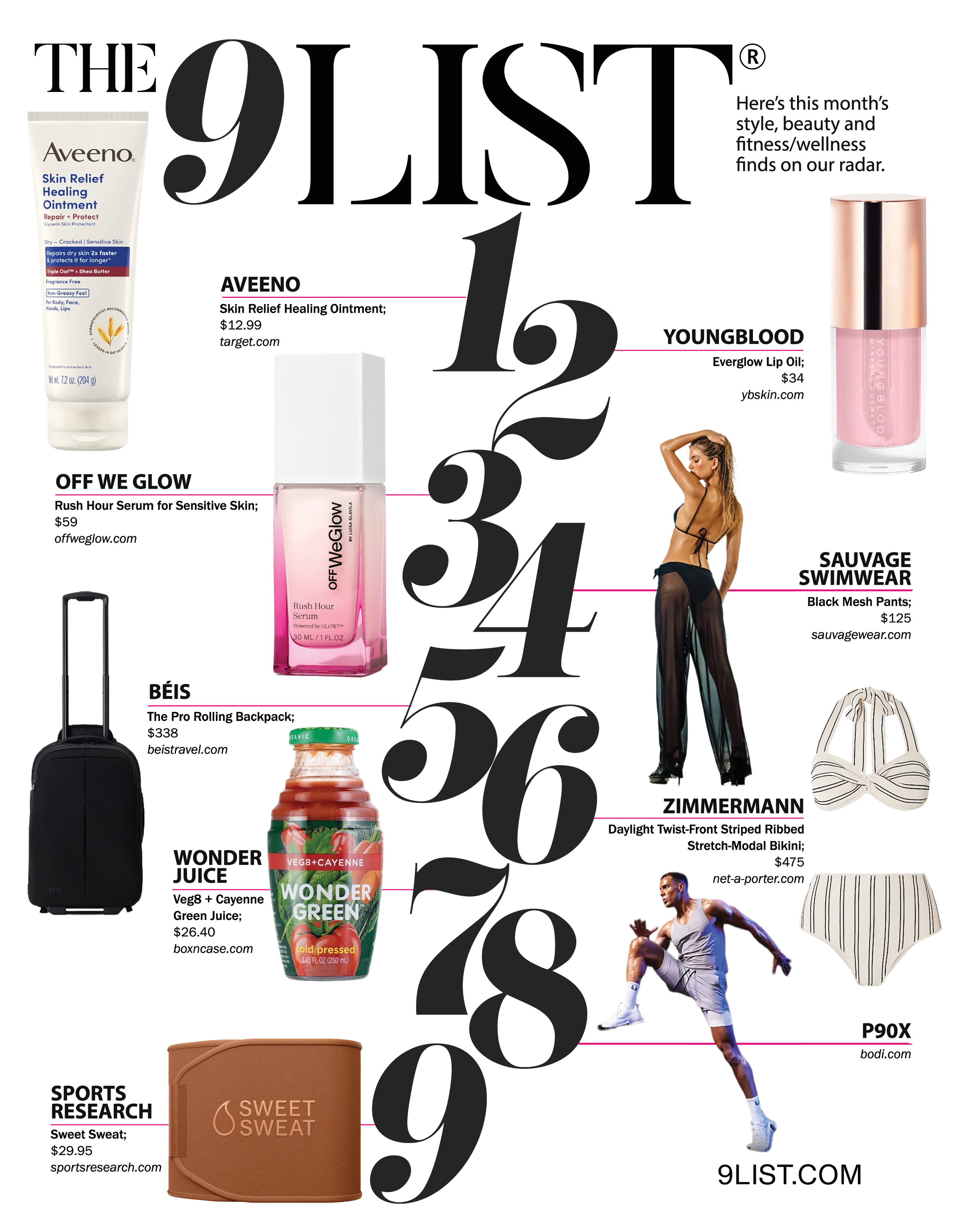
Read the FEB ISSUE #122 of Athleisure Mag and see THE 9LIST in mag.

PHOTO CREDIT | Unsplash/Erin Palos
Most engagement rings sold in stores were designed for no one in particular. They sit in cases waiting for someone to pick them, and that someone could be anybody. A ring chosen this way carries no story, no intention, and no connection to the two people who will build a life around it. GOODSTONE operates on a different premise. Every ring they produce begins with a conversation between a couple and a designer, and that conversation shapes every decision that follows.
The company handcrafts each piece in Los Angeles using generational artisans who work with gold and platinum alloys built for durability. Nothing is mass-produced. Nothing is pulled from a back room.
The ring a couple receives exists because they brought it into being through a process that treats them as collaborators rather than customers browsing inventory.
GOODSTONE structures its bespoke service around direct communication between couples and designers. The person who helps sketch the initial concept is the same person who works with the jeweler throughout production. This continuity matters because details can slip through cracks when information passes between multiple people. At GOODSTONE, the designer who learns what a couple wants is the one who ensures those wishes translate into metal and stone.
Consultations happen through two channels. Virtual meetings take place over phone calls and work for couples located anywhere. In-person appointments occur at the Austin, Texas showroom. Both options follow the same process. Customers talk with a designer, review sketches, and refine details together until the design matches their vision.
For couples who arrive uncertain about what they want, the team asks questions about the partner's style, what they typically wear, and what holds meaning for them. This approach transforms a potentially overwhelming task into something manageable. The designers guide without dictating, and couples retain control over every choice.
Custom orders include multiple renderings. The design team revises concepts until every element satisfies the customer. Stone selection involves reviewing a curated flight of diamonds or gemstones, and once a stone is chosen, artisans craft the setting around it. This sequence ensures the setting complements the specific stone rather than forcing a stone into a predetermined mold.
GOODSTONE offers extensive choices across shapes, settings, and metals. Couples can select from traditional cuts or opt for less common profiles that suit their aesthetic preferences.
| Classic Shapes | Oval, Emerald, Round, Marquise, Asscher, Cushion, Pear, Princess, Square, Radiant |
| Modern Shapes | Elongated Radiant, Elongated Cushion, Old Mine Cut, Old Euro Cut |
| Settings | Pavé, Bezel, Halo, Three Stone, Channel, Vintage Antique, Burnished |
| Metals | 14k Gold (yellow, white, rose), 18K Gold (yello, white, rose) Platinum |
| Stone Types | Lab-Grown Diamonds, Natural Diamonds, Gemstones |
The three stone setting symbolizes the past, present, and future of a relationship. Pavé settings feature small diamonds tightly set around the band. Bezel settings wrap metal around the diamond's edge. Each option creates a different visual effect, and couples can combine elements to produce something that matches their specific taste.
Gold comes in 14k and 18k variations across yellow, white, and rose hues. The 14k option costs less than 18k, and both rank below platinum in price. Platinum offers superior durability and hypoallergenic properties. It resists tarnishing and maintains its white color without rhodium plating. Couples who prioritize longevity often choose platinum despite its higher cost.
GOODSTONE stocks both lab-grown and natural diamonds. Lab-grown stones are chemically identical to mined diamonds and cost less. They also tend to have fewer inclusions. Natural diamonds appeal to couples who prefer stones formed over geological time. Both options meet the same quality standards, and the choice comes down to personal values and budget.
All gold used by GOODSTONE is recycled. Diamonds and gemstones come from suppliers with traceable sourcing practices. The company complies with the United Nations Kimberley Process, which certifies diamonds as conflict-free. Natural diamonds receive grading from the Gemological Institute of America, ensuring they meet ethical standards throughout the supply chain.
GOODSTONE discloses where materials originate and why they use them. This transparency allows couples to know exactly what they are purchasing and how it was obtained. The company views responsible sourcing as a standard practice rather than a marketing angle.
Once a design reaches final approval, crafting takes approximately 3 to 4 weeks. Couples who need a ring by a specific date can inform the team, and production schedules adjust when possible without compromising quality. For those who prefer additional lead time, GOODSTONE recommends finalizing gemstone choices 6 to 8 weeks before the desired completion date. This window allows artisans to work at a pace that produces the best results.
GOODSTONE sends complimentary ring sizers to customers who request them. Accurate sizing prevents delays and ensures the finished ring fits correctly. The team confirms the size before production begins, eliminating guesswork from the process.
The company repairs GOODSTONE pieces for free, for life. This commitment covers structural issues and general maintenance. Complimentary cleaning, resizing, and inspection services remain available at any time. Customers can send their jewelry to GOODSTONE for care without paying additional fees.
Non-eternity rings qualify for complimentary resizing. A 100% money-back guarantee applies if customers do not receive exactly what they ordered. These policies reduce risk for buyers and demonstrate the company's confidence in its workmanship.
Couples who already own a meaningful stone can bring it to GOODSTONE for incorporation into a new setting. The team measures the stone, assesses its condition, and builds the setting around it. This service allows family heirlooms or previously owned gems to become part of a new ring without requiring couples to purchase an additional stone.
Customer feedback consistently highlights communication quality throughout the process. Buyers who entered with limited knowledge about rings and diamonds report receiving thorough answers to their questions. The team's responsiveness extends to accommodating schedule changes, including rushing orders when dates shift unexpectedly and shipping directly to hotels when needed.
Reviews note that the people at GOODSTONE treat customers as collaborators rather than transactions. The combination of product quality and service attentiveness earns repeated praise. Delivery speed after completion also receives positive mention, with overnight shipping available once pieces are finished.
The cost of a bespoke ring depends on materials, gemstones, and design complexity. During consultations, the team discusses budget alongside design preferences. This conversation ensures the final piece aligns with both the couple's vision and their financial comfort. GOODSTONE does not push customers toward options they cannot afford and works within stated constraints to produce meaningful results.
The artisans who produce GOODSTONE rings bring generational expertise to their work. Techniques passed down through centuries inform how metal is shaped and stones are set. The company invests in continuous training to maintain standards while adapting to new design possibilities. Each piece reflects skill accumulated over lifetimes of practice.
All production occurs in the United States. The combination of traditional methods and modern design sensibilities produces rings that function as both contemporary accessories and lasting heirlooms.
A custom engagement ring from GOODSTONE reflects decisions made by two specific people for reasons that matter to them. The shape, setting, metal, and stone all result from choices rather than chance. The process itself becomes part of the ring's history, a series of conversations and revisions that culminate in an object unlike any other.
Couples who work with GOODSTONE receive support from first inquiry through lifetime ownership. They know where their materials come from, who crafted their ring, and that assistance remains available whenever they need it. The ring on their finger carries intention from its first sketch to its final polish, and that intention belongs entirely to them.
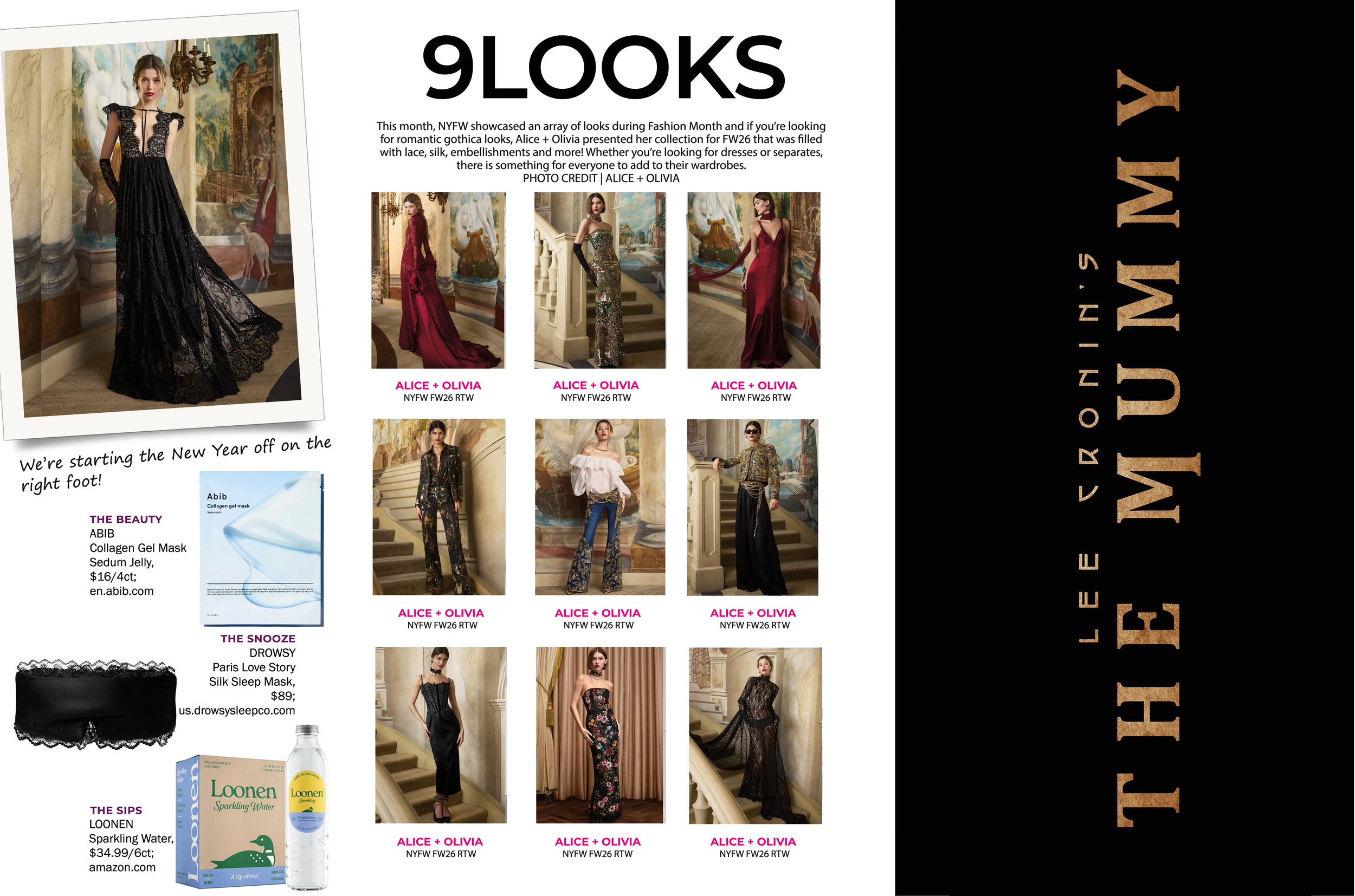
Read the FEB ISSUE #122 of Athleisure Mag and see 9LOOKS | Alice + Olivia in mag.
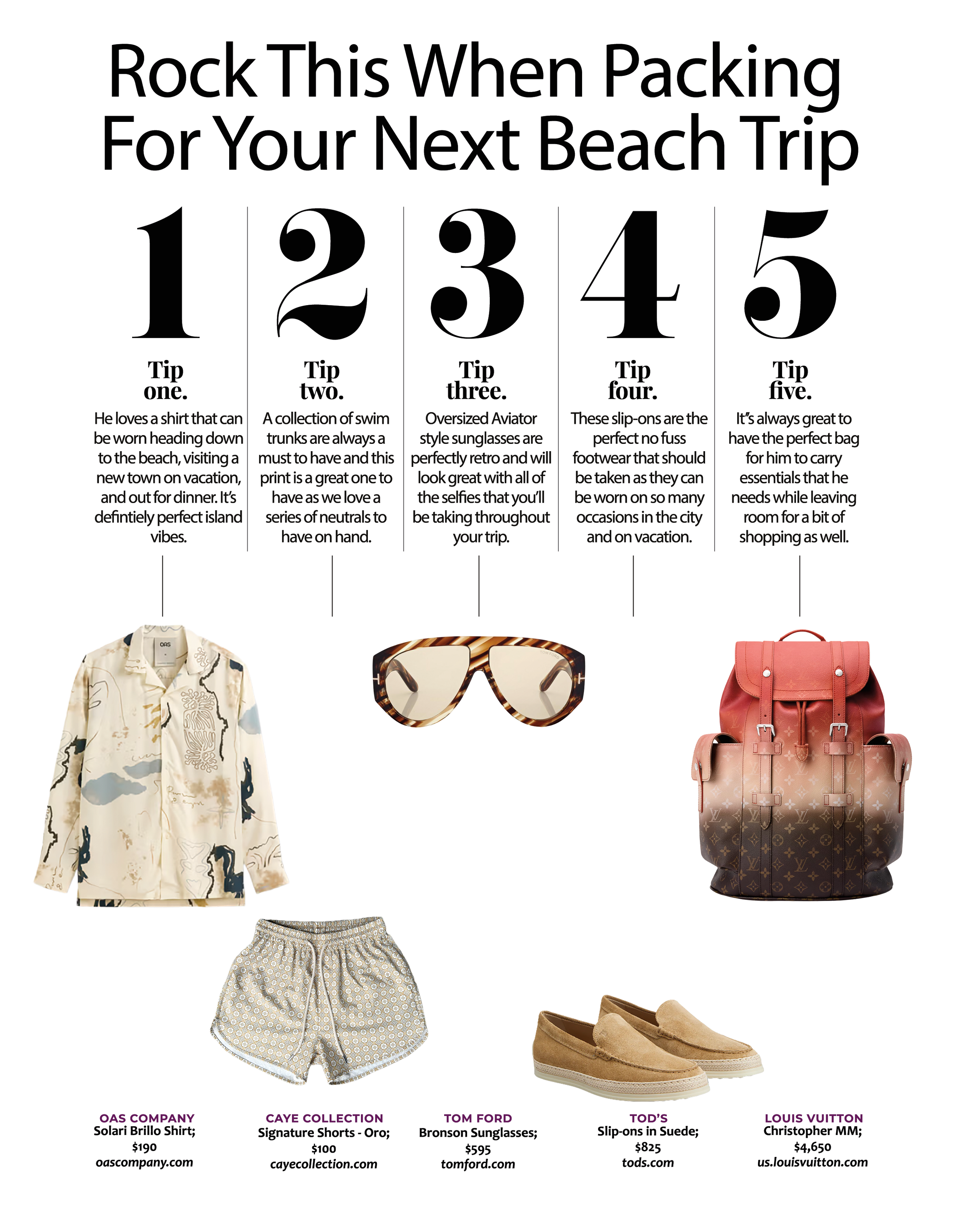


PHOTO CREDIT | Unsplash/Opal Pierce
You rely on your phone for almost everything. Calls, texts, maps, payments, and work all depend on staying connected. But traditional SIM cards can slow you down. They’re small, easy to lose, and inconvenient when you travel.
That’s where eSIM technology steps up. It’s built into your mobile device, ready to connect without the hassle of swapping cards. Let’s explore what eSIM is, how it works, and how it helps you stay connected without missing a beat.
An eSIM is short for “embedded Subscriber Identity Module.” Unlike the plastic card you slide into your phone, an eSIM is a digital SIM profile stored on a chip inside your device. It does the same job as a physical SIM card but without the need for a slot or tray. Think of it as a digital key that unlocks your mobile network.
The difference matters. With a physical SIM, you must insert or replace the card to change carriers. With an eSIM, you simply download a profile. Your phone connects instantly, no tools or trips to a store required.
Carriers activate eSIMs remotely. You scan a QR code or follow a quick setup link. Your phone then stores the network provider profile and connects to the network. It’s fast, secure, and simple.
You can even keep multiple profiles on one device. That means you can switch between carriers or plans with just a few taps. No waiting, no downtime, no fumbling with tiny plastic SIM cards.
Traveling abroad often means juggling SIM cards or paying steep fees for a roaming plan. With eSIM, you can switch carriers instantly and avoid downtime. For example, if you’re flying into Beijing or Shanghai, you don’t want to waste hours hunting for a local SIM. Instead, you can set up service before you land.
The best eSIM for China gives you reliable coverage soon after activation. When you choose a trusted international eSIM provider, you can usually connect in minutes without the hassle of physical cards or long queues at airport kiosks. That means you can open maps, book rides, or check messages as soon as you arrive.
With eSIM technology, you gain benefits that go beyond replacing a physical card. It gives you options that make connectivity smoother and more reliable.
Flexibility: You can store multiple numbers or plans on one device. That’s ideal if you balance work and personal lines or switch carriers often.
Eco-friendly: No tiny cards or packaging are needed, which reduces plastic waste and supports sustainability.
Future-ready: Your device can adopt new carriers or plans without hardware changes. This keeps you ahead as networks evolve.
Streamlined support: Carriers can troubleshoot and update your profile remotely. With this, you save time and effort.
Security features: Because eSIMs are embedded, they’re harder to steal or clone, offering stronger protection than traditional SIM cards.
Together, these advantages show why eSIM is more than a convenience. It’s a flexible, sustainable, and forward-looking way to stay connected in a world that demands speed and simplicity.
Even with its many strengths, eSIM isn’t without hurdles. Some issues still affect how widely and smoothly it can be used. Here are the main challenges to keep in mind:
Device compatibility: Not all phones, tablets, or wearable devices support eSIM yet. Older or budget models may still rely on physical SIMs.
Carrier adoption: Some networks are quick to roll out eSIM support, while others lag behind. Coverage can vary depending on where you live or travel.
Transition period: You may still need physical SIMs, as they remain common in certain regions or situations.
Learning curve: For users unfamiliar with digital profiles, setup can feel less intuitive than inserting a card.
These limitations don’t outweigh the benefits, but they do explain why embedded SIM hasn’t fully replaced physical SIM cards yet. As adoption grows and technology matures, many of these challenges will fade, making eSIM even more practical.
Travel is the most obvious use case. Instead of hunting for kiosks, you can set up a travel eSIM before you arrive. That way, you’re online for the duration of your travel adventure.
Work is another. You can keep your business number separate from your personal one, all on the same phone. For a mobile workforce, this makes managing calls and messages across regions far simpler than juggling multiple devices.

PHOTO CREDIT | Unsplash/Austin Distel
In emergencies, eSIM gives you backup options. If one carrier fails, you can switch to another quickly. That flexibility ensures you stay connected when it matters most, whether you’re dealing with patchy coverage or unexpected outages.
Adoption of embedded SIM technology is accelerating worldwide, with more phones, tablets, and laptops now supporting eSIM as standard. This shift is making it easier for users to manage connectivity without relying on physical cards.
Beyond personal devices, industries are finding new applications. Smart watches use eSIM to stay connected without tethering to a phone, while automotive brands are integrating it into connected cars for navigation updates, diagnostics, and emergency assistance.
Physical SIM cards may fade out over time. For you, that means more control, less hassle, and faster connections wherever you go.
Mobile connectivity is evolving fast, and the days of juggling tiny plastic SIM cards are numbered. With networks embedded directly into your device, staying online becomes simpler, more flexible, and more secure. The benefits are already clear, and as adoption spreads across industries, the convenience you enjoy today is only the beginning.
The future of staying connected is seamless, sustainable, and designed to move with you wherever life takes you.

PHOTO CREDIT | Unsplash/Samantha Gades
Selling on Amazon can unlock massive demand, but even experienced sellers often misinterpret what profit truly means. Many sellers who focus only on revenue overlook hidden cost drivers and operational inefficiencies that quietly erode margins. Real Amazon profit optimization requires looking past top-line sales to evaluate every cost component as part of an integrated strategy.
Emerging data shows that Amazon sellers may see roughly 30–40 percent of their revenue go toward fees when all costs are accounted for. This includes not just the expected referral and fulfillment fees but also hidden costs such as storage, returns, and operational charges.
Amazon’s fee structure is complex and multi-layered. While sellers are familiar with referral and fulfillment costs, many overlook how additional charges quietly shrink profitability. In 2025, the average fulfillment and referral fees together can reach roughly 30 percent of the product selling price.
Beyond those obvious costs, additional expenses such as long-term storage, return processing fees, inbound placement fees, packaging non-compliance charges, advertising spend that is not tied back to profitability, and other unexpected charges can all contribute to shrinking margins.
Understanding these cost layers is critical because what appears like a thriving business on paper can be significantly under-earning in reality.
Take the case of AuraGlow Cosmetics, a hypothetical mid-sized beauty brand selling on Amazon. In their first year, they celebrated a 40 percent increase in sales but were puzzled when net profit margins stagnated near 12 percent.
A deeper review revealed:
● Inventory sitting in FBA warehouses for too long, triggering long-term storage fees.
● Returns from customers that exceeded category norms in cosmetics and skin care, pushing up processing costs and reducing SKUs’ net contribution.
● Advertising spend that was increasing faster than sales because return-on-ad-spend (ROAS) was not tied to true profitability.
This situation mirrors real profitability challenges documented by industry analysts, especially in categories with higher return activity like clothing and cosmetics.
A common profit killer is the assumption that headline fees tell the full story. Amazon’s fee structure includes referral, fulfillment, storage, returns processing, inbound placement, and occasional compliance charges.
beBOLD Digital’s guidance to clients is to conduct regular FBA fee audits that go beyond referral and fulfillment fees to include storage, returns, and incidental charges. Sellers that transition from gross margin calculations to net contribution analysis (after all fees and overhead) gain clearer visibility into true profits.
Realistic scenario: For AuraGlow Cosmetics, optimizing packaging to reduce dimensional weight moved several SKUs into lower fee tiers, reducing FBA costs by an estimated 20 percent on those products.
Return activity represents a silent profit killer. Beyond refunding the order, return processing fees can be close to the original fulfillment cost, and inaccurate listings often drive unnecessary returns.
Improving listing descriptions, enhanced product images, and clearer sizing or usage guidance can cut return rates significantly. In the AuraGlow case, after improving product content and enhancing purchase education, projected return rates dropped meaningfully over a 90-day cycle.
Around this stage in optimization planning, incorporating the insights from beBOLD Digital’s full service amazon agency can help sellers benchmark expected return rates for their category and tailor mitigation plans.
Operational cost management is another core pillar of Amazon profit optimization. Long-term inventory storage penalties and inefficient ad spend are two areas where overhead can be trimmed.
Proactive forecasting limits overstock that attracts higher storage charges, while rigorous tracking of advertising cost of sales (ACoS) and total advertising cost of sales (TACoS) ensures promotional spend aligns with profitability goals.
For companies that adopt a comprehensive cost and profit framework, including granular fee analysis and strategic inventory and ad improvements, results can be dramatic.
Example modeled outcomes for AuraGlow Cosmetics over a six-month optimization cycle might include:
| Net Profit Margin | 12% | 21% |
| Return Rate | Higher Than Category Norm | Reduced Toward Norm |
| Average Fee Efficiency | Unoptimized Tiers | Lower Size Tier savings |
| Stprage Fees as % of Revenue | Elevated | Controlled |
These improvements reflect not only awareness of fees but disciplined execution of reductions and alignment of operations with profitability targets.
Understanding and acting on what truly drives profit is non-negotiable. Sellers must:
● Track every fee category and update profitability models regularly.
● Align advertising strategy with true ROI instead of short-term sales boosts.
● View inventory and return trends not as administrative tasks but as drivers of margin outcomes.
Sellers who align internal reporting with Amazon’s evolving fee structures and operational nuances protect their profits and build a competitive edge.
The silent killers of Amazon profitability are rarely obvious in revenue reports. They are hidden in fee complexities, unexpected operational costs, and the gap between surface sales and true net profit after all expenses. A disciplined approach to Amazon profit optimization is essential for sustainable business performance.
If you are ready to strengthen profitability and go beyond traditional metrics, consider a systematic evaluation of your cost structure. Partnering with experts who specialize in profit optimization can help you uncover hidden opportunities for margin improvement across fees, returns, and operational costs.
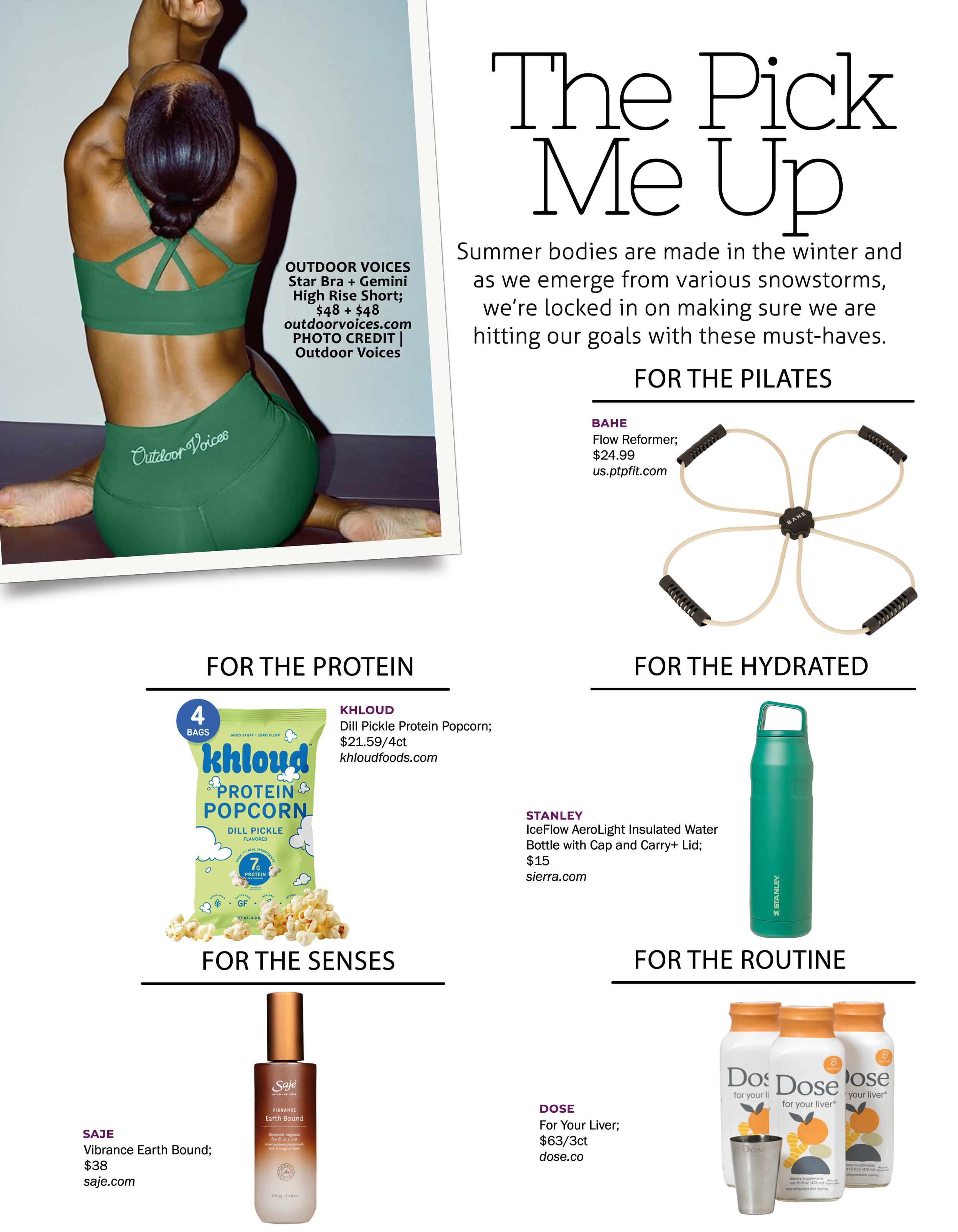
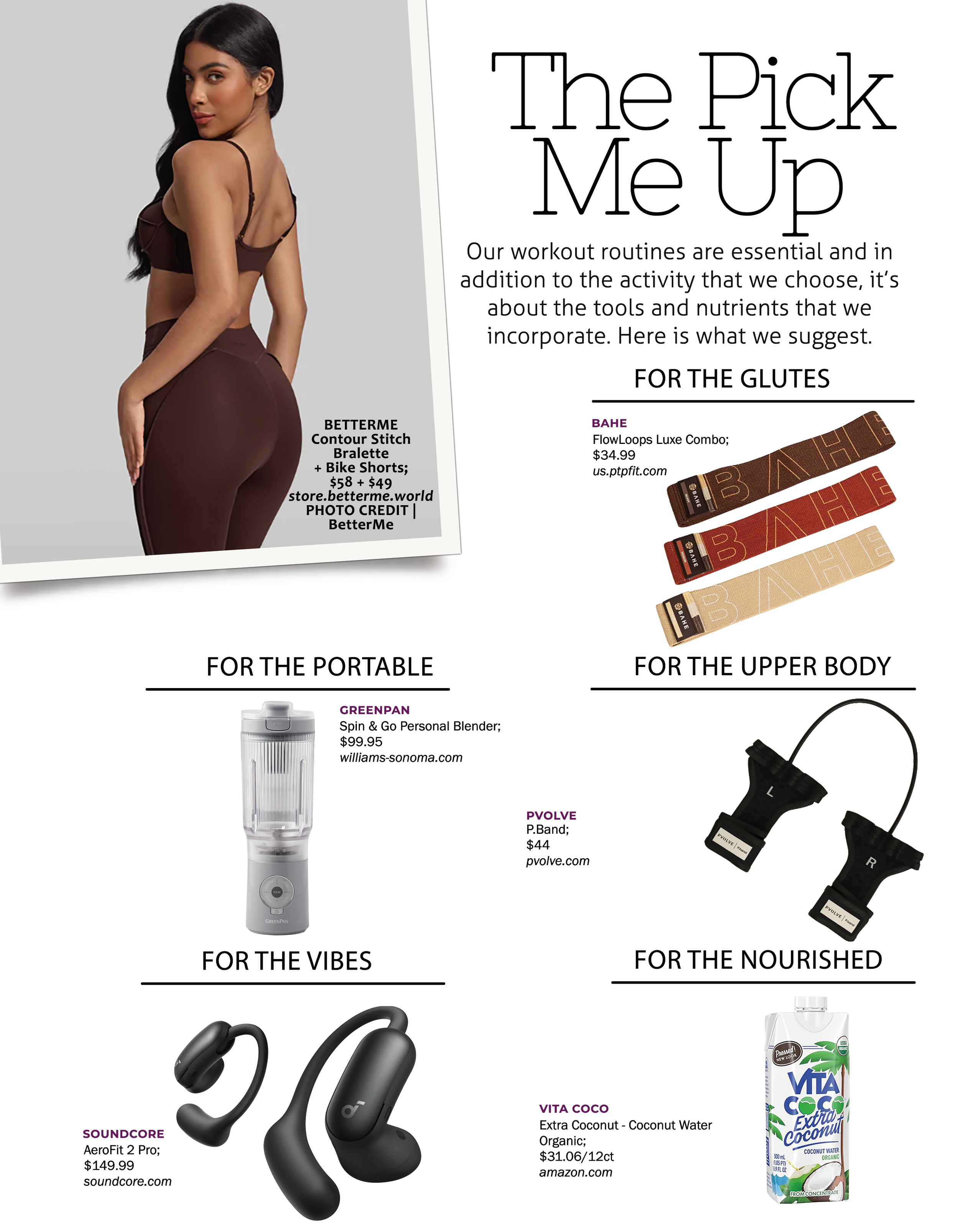
Read the FEB ISSUE #122 of Athleisure Mag and see THE PICK ME UP in mag.
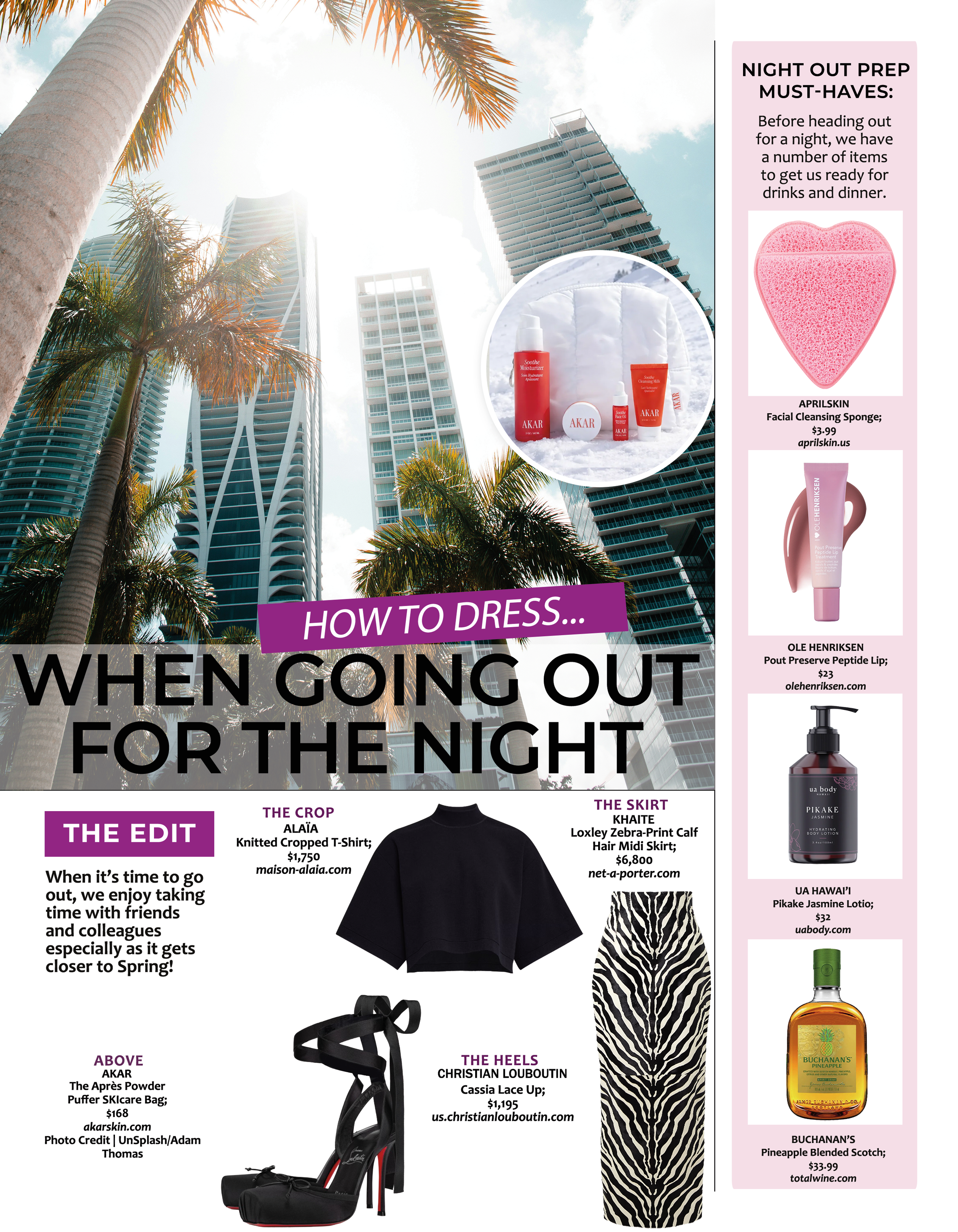
Read the FEB ISSUE #122 of Athleisure Mag and see HOW TO DRESS | When Going Out For the Night in mag.
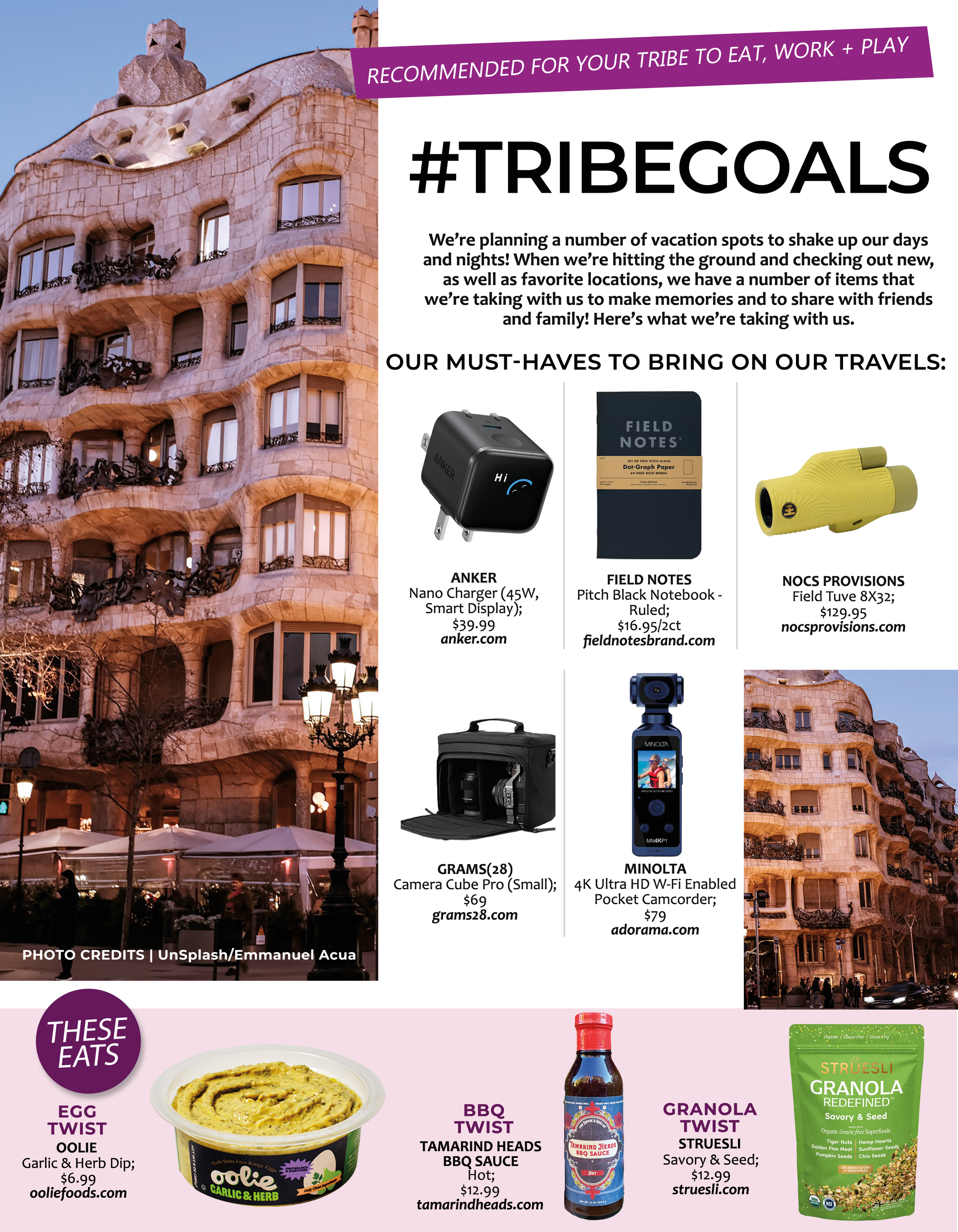
Read the FEB ISSUE #122 of Athleisure Mag and see #TRIBEGOALS in mag.

PHOTO CREDIT | Unsplash/Jared Rice
Athleisure began in performance spaces, but its footprint is now everywhere. Coordinated sets, technical fabrics, and statement sneakers show up in creative offices, airport lounges, and gallery openings with the same ease they do in a training session. The shift was gradual, and it lasted because the look communicates something. It feels repeatable, recognizable, and rooted in shared habits.
Most cultural movements settle into patterns you can spot. Those patterns become signals over time: how people dress, where they gather, how they spend their time, and what they value. With athleisure, the signals tend to center on mobility, discipline, self-presentation, and an ease that fits modern work and social rhythms. When enough people adopt the same cues, the movement starts to feel structured.
A helpful way to look at that structure is through the idea of a culture template. Culture often functions as a system made up of recurring behaviors, aesthetics, social codes, and rituals. When those elements reinforce each other, the result feels coherent and durable. Athleisure offers a clear example of that process playing out in real time, shaped by innovation, media attention, and community participation.
Clothing has always signaled belonging, and athleisure has its own vocabulary. Compression leggings, sculpted sports bras, oversized hoodies, and streamlined trainers communicate movement and readiness. Even outside a workout setting, the look carries an association with routine and physical awareness.
Fabric innovation is part of the message. Moisture-wicking blends, seamless construction, and temperature-responsive materials reflect a broader cultural interest in performance and efficiency. The technical details are noticeable: logos intentionally placed, silhouettes that imply activity, and layers that look deliberate rather than thrown together. The overall effect reads clean and capable.
Social platforms have tightened that aesthetic. Morning workout posts, post-run reflections, and studio selfies repeat similar silhouettes and palettes, especially neutrals, monochrome sets, and sculpted fits. That repetition creates familiarity, which in turn strengthens group identity.
Athleisure also tracks with the changing work culture. As more environments relax dress expectations, clothing designed for movement follows people through meetings, travel days, and informal gatherings. The transition has reshaped what “polished” can look like when comfort and function carry their own kind of status. In that context, style becomes a quick signal of lifestyle alignment.
Over time, these visual cues accumulate meaning. An outfit choice becomes a shared expression of priorities: health, adaptability, presence, and control. The aesthetic turns into a system because so many people read it the same way.
Cultural systems take shape through repetition and shared expectation. What begins as personal preference can become collective behavior once it is reinforced through visibility and shared participation. In athleisure, that structure shows up in coordinated sets, scheduled training rituals, and the normalization of performance metrics as everyday conversation.
Some cultural frameworks evolve through lived experience, while others are deliberately constructed with attention to hierarchy, symbolism, and tradition. In constructed worlds shaped by fantasy culture, coherence comes from ritual, symbolism, hierarchy, and the details of daily life.
The same principle applies in real life. A culture holds together when visual codes, behavioral norms, and shared values support one another. Within athleisure, the alignment between aesthetic minimalism, technical functionality, and performance-driven identity creates stability. The structure rarely calls attention to itself, but it becomes easy to recognize through repetition, guiding how participants see themselves and how they are read by others.
Ritual plays a defining role in cultural continuity. In athleisure, routines extend beyond the workout itself. Early alarms for training sessions, recovery protocols tracked through wearables, and weekly class reservations create a rhythm that anchors participation. These habits add up, and they help the movement feel lived-in.
Public events reinforce the structure. Marathons, fitness expos, studio openings, and sneaker launches operate as gathering points where aesthetics and performance meet. People arrive in coordinated sets, limited releases, or team colors, visually confirming shared expectations around discipline and presence. The atmosphere can feel both competitive and communal at the same time, which often keeps people coming back.
Industry analysis reflects how deeply embedded this lifestyle has become. The McKinsey & Company state of fashion report notes sustained growth in performance-driven apparel and increasing consumer emphasis on versatility and technical design. That pattern signals more than demand for comfort; it points to a broader alignment around mobility, efficiency, and visible self-investment.
Media amplification strengthens these rituals further. Athlete profiles, training diaries, and competition coverage turn individual performance into a shared narrative. As those stories circulate, they reinforce a framework built on preparation, resilience, and measurable progress. Event participation, digital documentation, and consistent aesthetic choices keep the community’s structure active without formal governance.
Cultural movements gain strength when they are documented, interpreted, and circulated. Editorial coverage, athlete interviews, and event features shape how athleisure is understood beyond fabric and fit. Over time, repeated narratives about discipline, rivalry, preparation, and endurance become part of the movement’s internal logic.
Competition is central to that reinforcement. Training can feel personal, but it often unfolds within a wider field of comparison, through race times, studio leaderboards, performance metrics, or aesthetic presentation. Media storytelling amplifies those dynamics, framing preparation as ritual and rivalry as motivation, as reflected in discussions of the culture of competition.
When style aligns with the narrative and the narrative aligns with behavior, cohesion follows. Athleisure silhouettes echo readiness. Coverage reinforces persistence and measurable progress. The loop between participation and storytelling sustains the movement’s structure, allowing it to evolve while remaining recognizable.
Athleisure reflects a set of shared patterns that extend beyond clothing. Repeated routines, consistent aesthetics, and widely circulated narratives have shaped a recognizable system grounded in mobility, discipline, and visual coherence. As participation expands across professional, social, and competitive spaces, those patterns continue to reinforce each other.
Viewed through the lens of a culture template, the movement shows how alignment between behavior, symbolism, and community produces stability. Style communicates values. Ritual reinforces belonging. Storytelling sustains continuity. Together, these elements form a structure that remains consistent while still adapting to changing contexts.
What began in performance environments now operates as a broader framework for identity, shaped by the ongoing interaction between participation and perception.