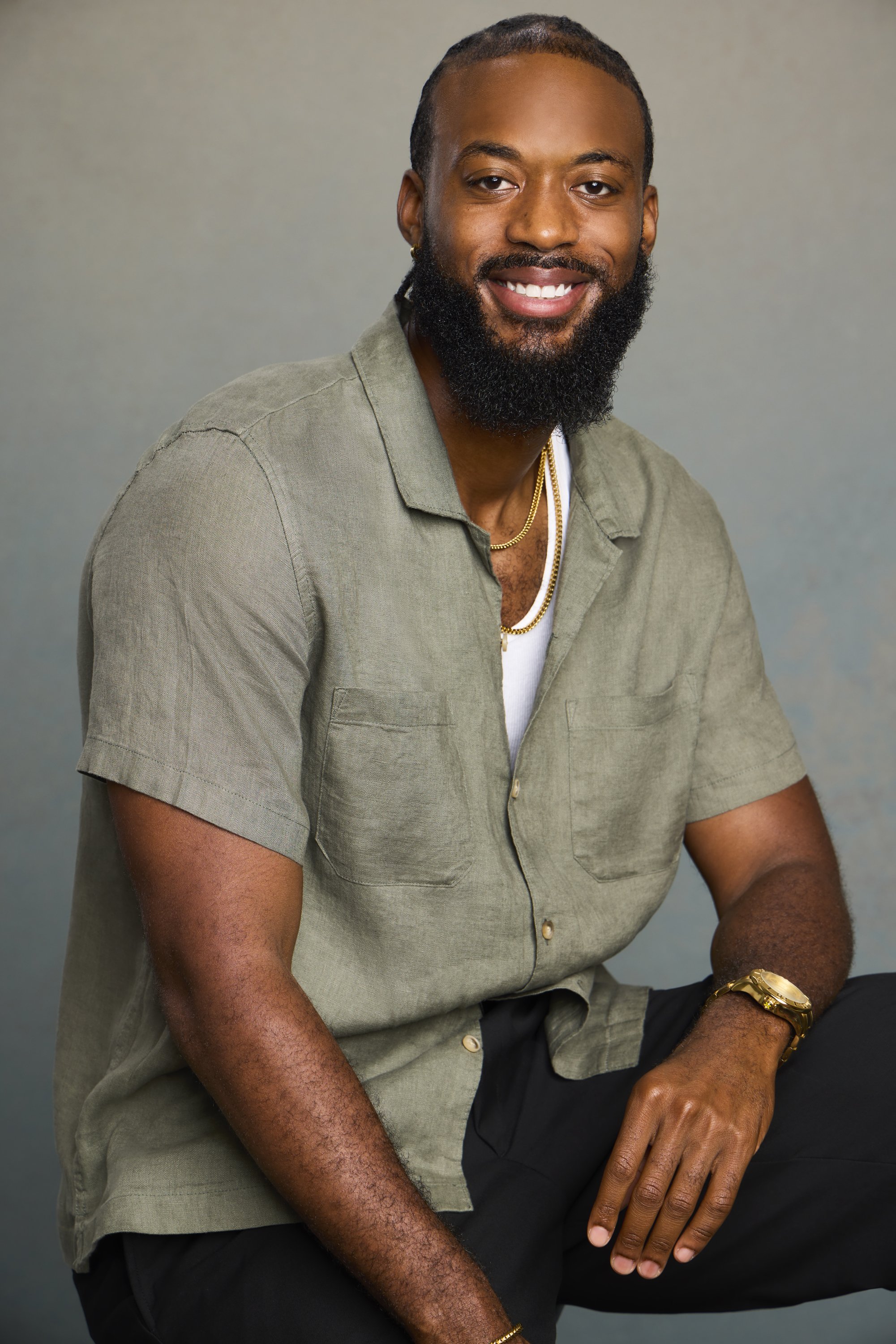
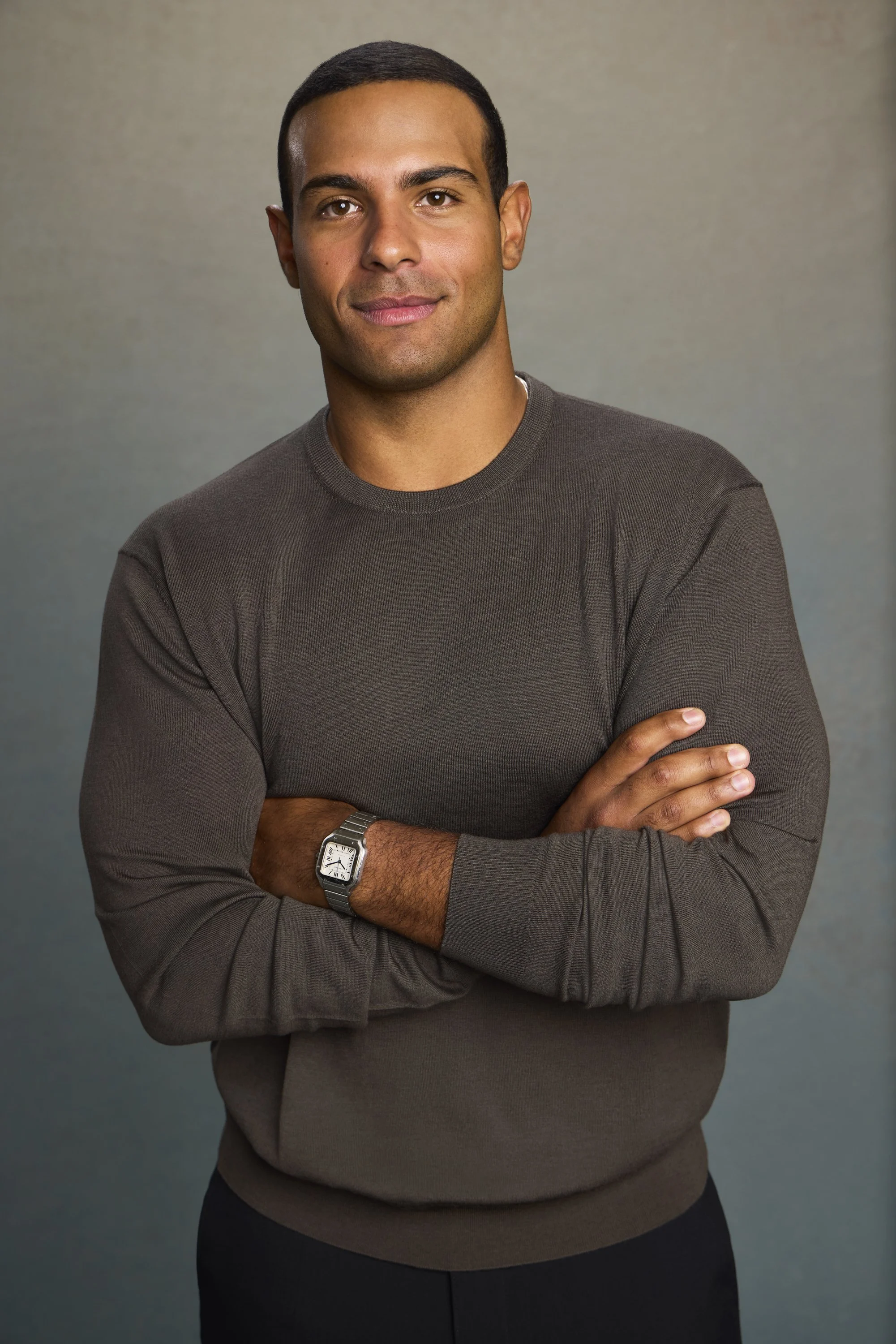
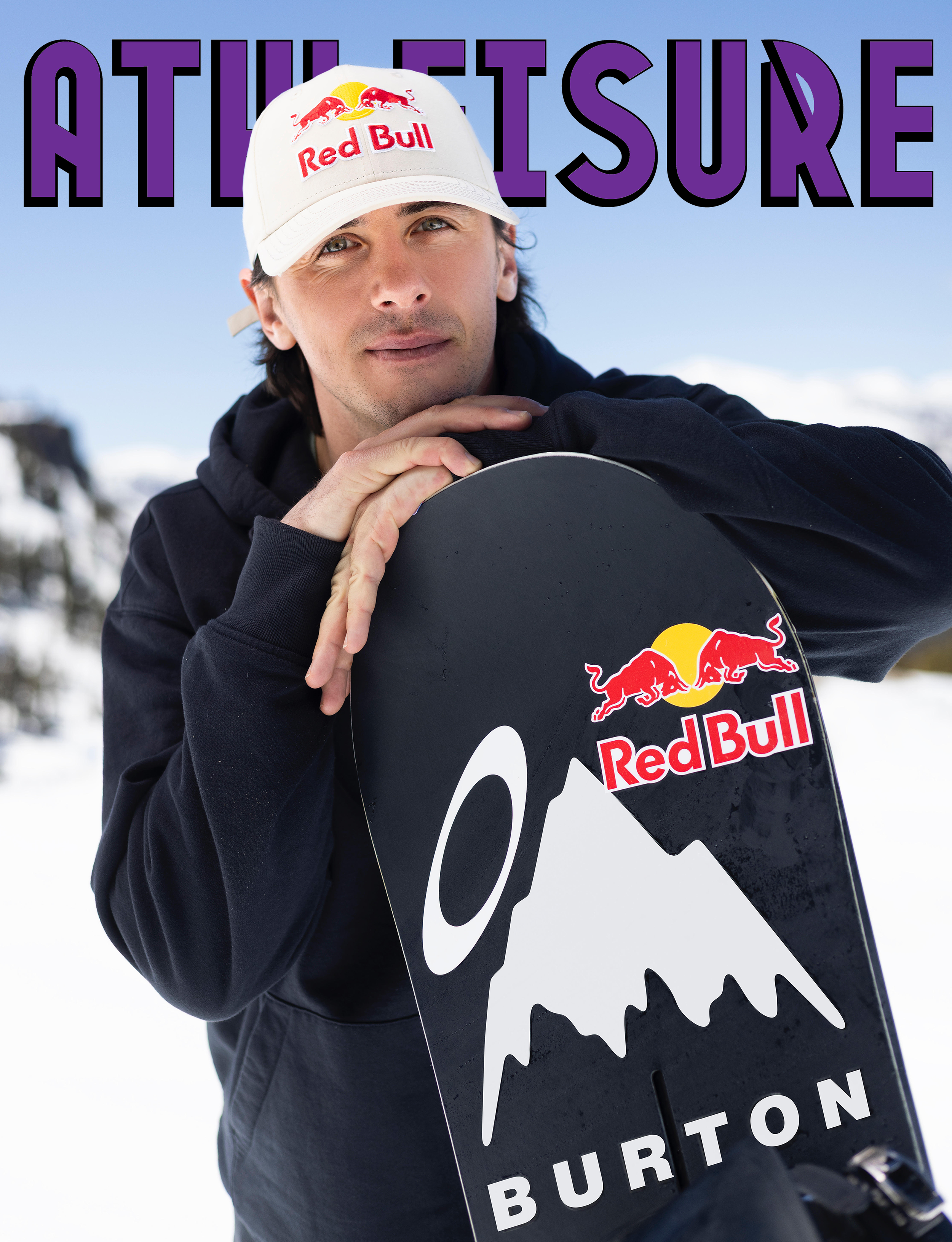
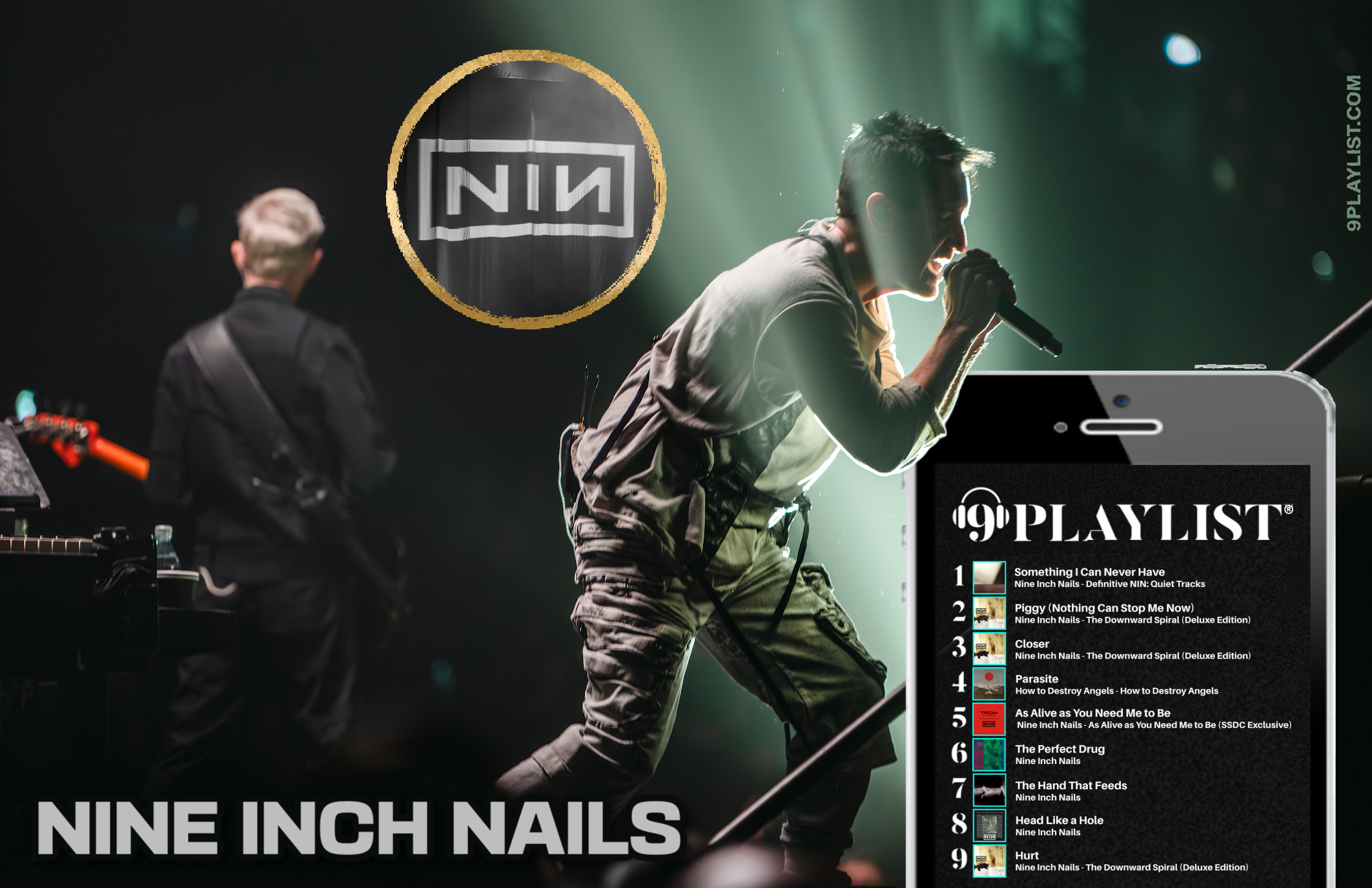
Read the FEB ISSUE #122 of Athleisure Mag and see ATHLEISURE BEAUTY in mag.
Featured

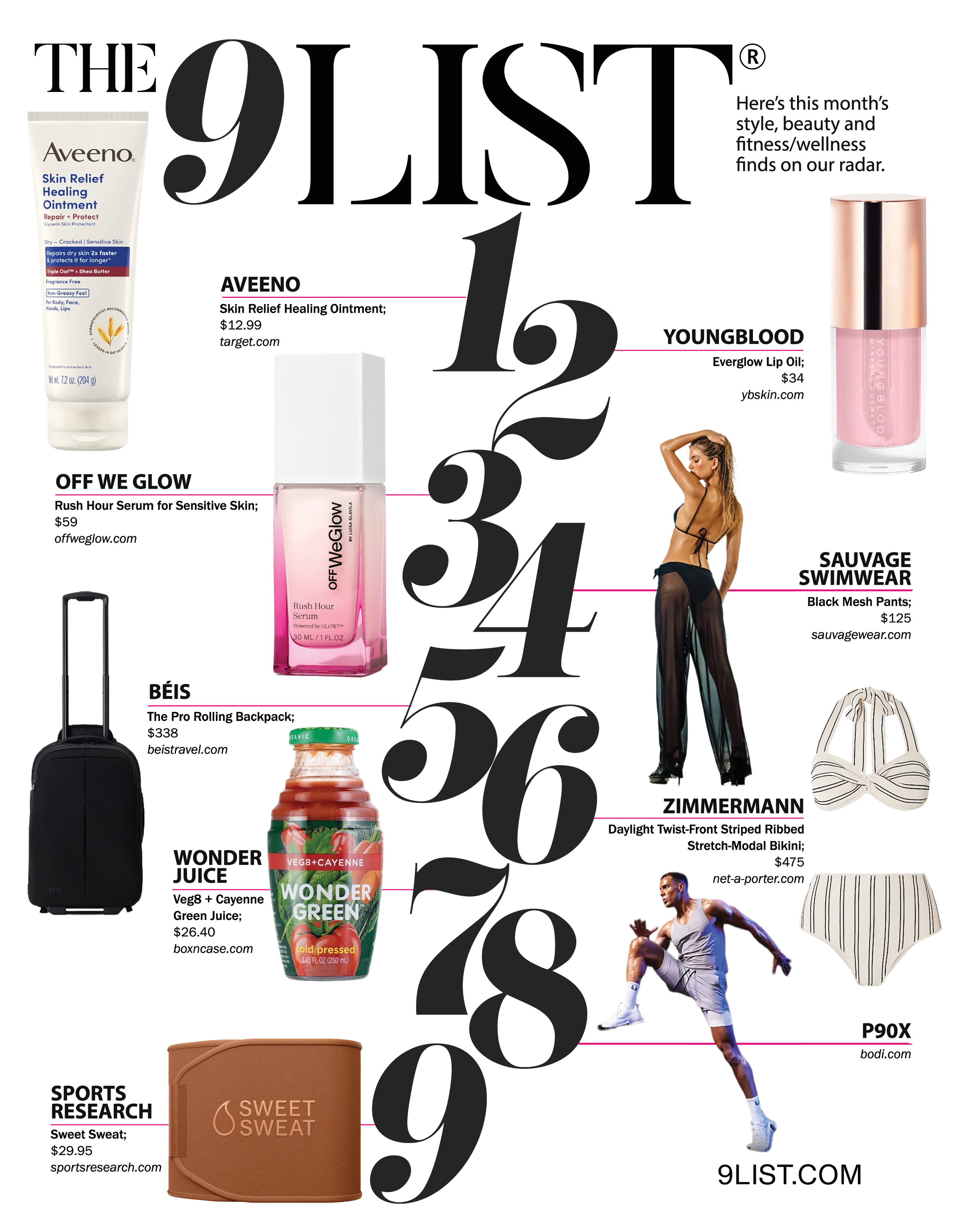
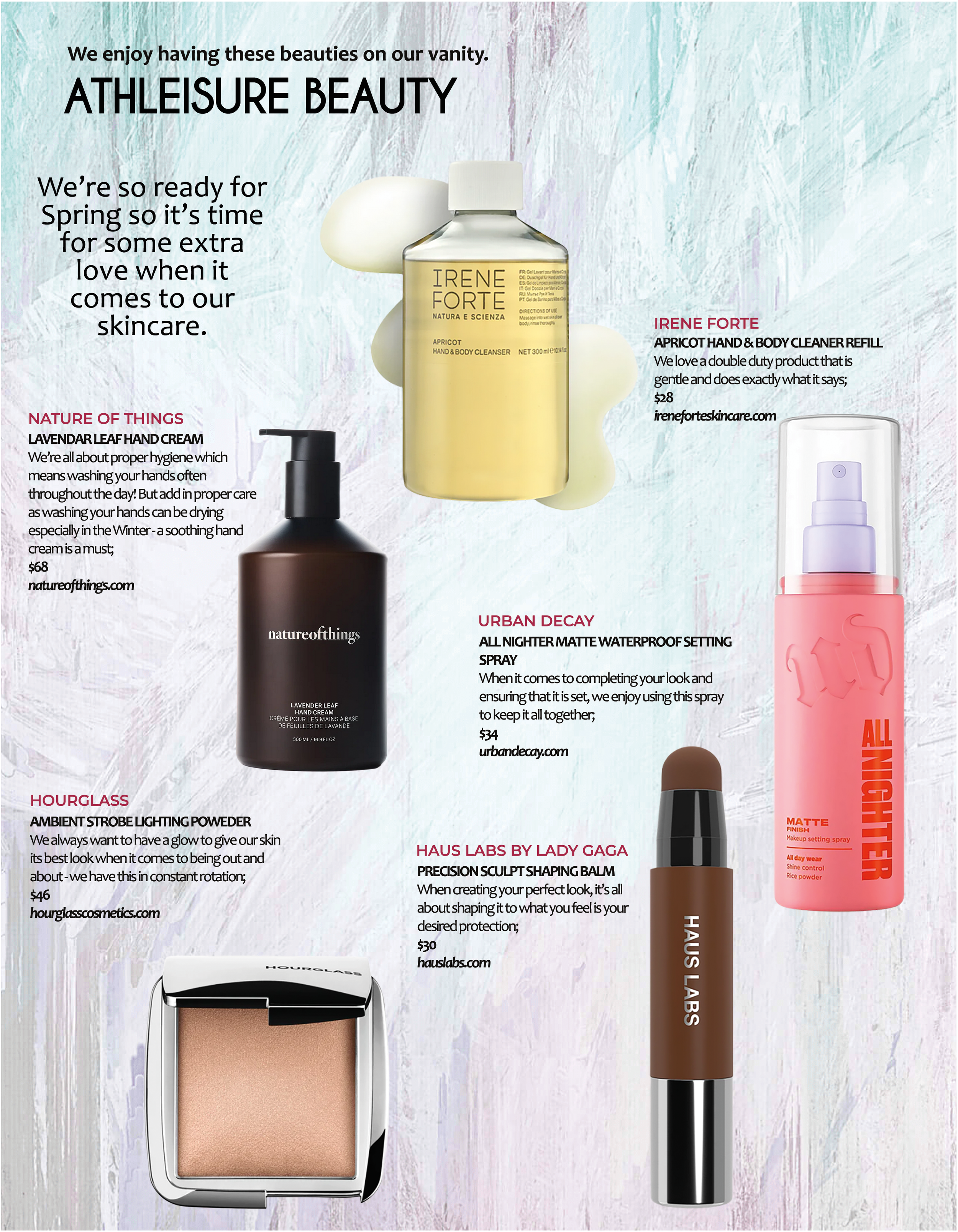

Read the FEB ISSUE #122 of Athleisure Mag and see ATHLEISURE BEAUTY in mag.

PHOTO CREDIT | Netflix/The Actor Awards
This year, the SAG Awards has been renamed to the 32nd Annual Actor Awards Presented by SAG-AFTRA to better align with the awards and vision of this show in what it means to those that are nominated as well as receive it. This morning, the nominations were shared for this awards season show. Winners will be announced and streamed live on Netflix on Sunday, March 1st at 8pm ET/5pm PT. Our predictions are in bold, the ones we correctly identified as winners are in bold italics and winners that we didn’t predict are in italics.
Frankenstein
Hamnet
Marty Supreme
One Battle After Another
Sinners
Timothée Chalamet, Marty Supreme
Leonardo DiCaprio, One Battle After Another
Ethan Hawke, Blue Moon
Michael B. Jordan, Sinners
Jesse Plemons, Bugonia
Jessie Buckley, Hamnet
Rose Byrne, If I Had Legs I'd Kick You
Kate Hudson, Song Sung Blue
Chase Infiniti, One Battle After Another
Emma Stone, Bugonia
Miles Caton, Sinners
Benicio Del Toro, One Battle After Another
Jacob Elordi, Frankenstein
Paul Mescal, Hamnet
Sean Penn, One Battle After Another
Odessa A'zion, Marty Supreme
Ariana Grande, Wicked: For Good
Amy Madigan, Weapons
Wunmi Mosaku, Sinners
Teyana Taylor, One Battle After Another
F1
Frankenstein
Mission: Impossible — The Final Reckoning
One Battle After Another
Sinners
Abbott Elementary
The Bear
Hacks
Only Murders in the Building
The Studio
The Diplomat
Landman
The Pitt
Severance
The White Lotus
Ike Barinholtz, The Studio
Adam Brody, Nobody Wants This
Ted Danson, A Man on the Inside
Seth Rogen, The Studio
Martin Short, Only Murders in the Building
Kathryn Hahn, The Studio
Catherine O'Hara, The Studio
Jenna Ortega, Wednesday
Jean Smart, Hacks
Kristen Wiig, Palm Royale
Sterling K. Brown, Paradise
Billy Crudup, The Morning Show
Walton Goggins, The White Lotus
Gary Oldman, Slow Horses
Noah Wyle, The Pitt
Britt Lower, Severance
Parker Posey, The White Lotus
Keri Russell, The Diplomat
Rhea Seehorn, Pluribus
Aimee Lou Wood, The White Lotus
Jason Bateman, Black Rabbit
Owen Cooper, Adolescence
Stephen Graham, Adolescence
Charlie Hunnam, Monster: The Ed Gein Story
Matthew Rhys, The Beast In Me
Claire Danes, The Beast In Me
Erin Doherty, Adolescence
Sarah Snook, All Her Fault
Christine Tremarco, Adolescence
Michelle Williams, Dying for Sex
Andor
Landman
The Last of Us
Squid Game
Stranger Things
Harrison Ford
Read the latest issue of Athleisure Mag.
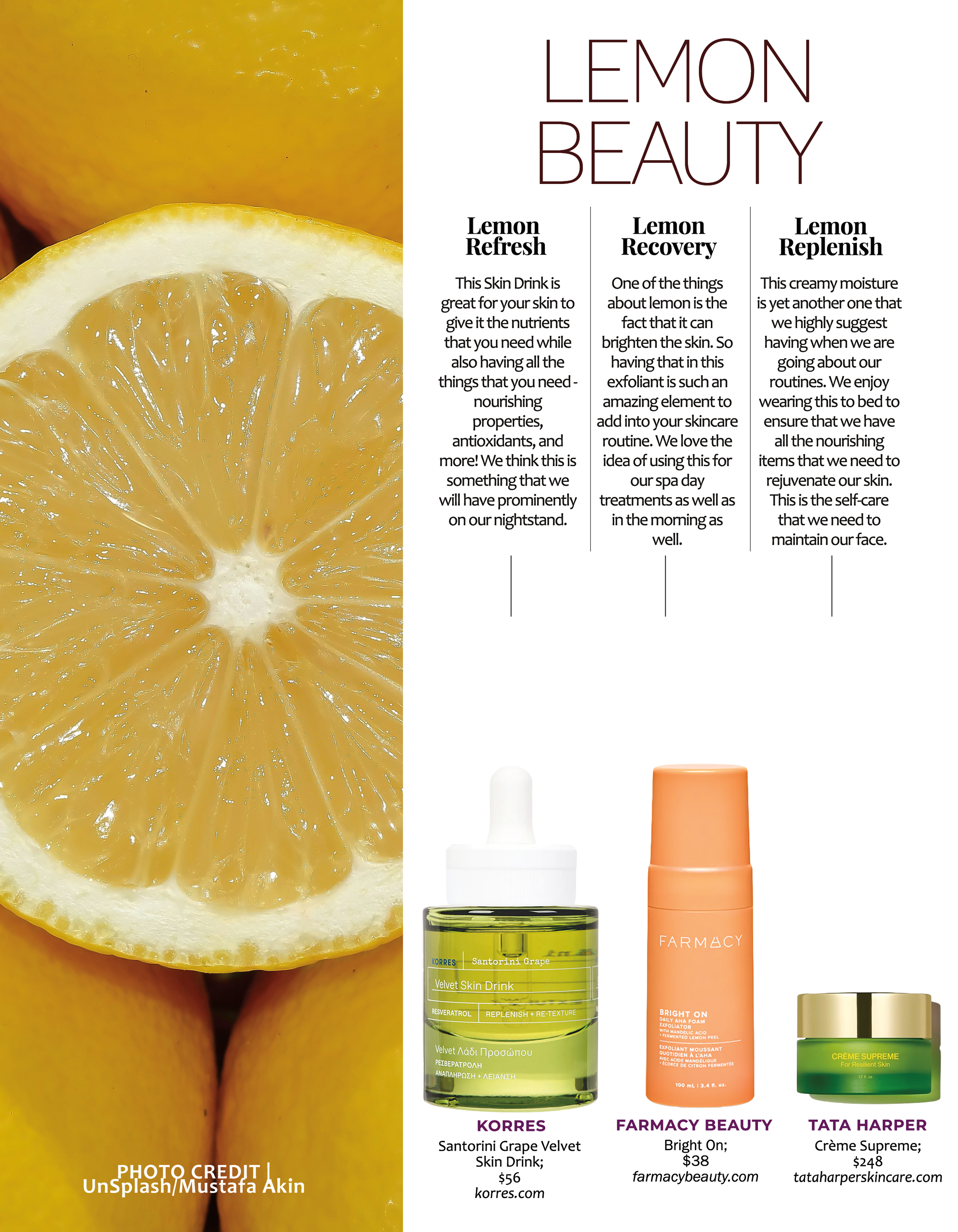
Read the FEB ISSUE #122 of Athleisure Mag and see LEMON BEAUTY in mag.
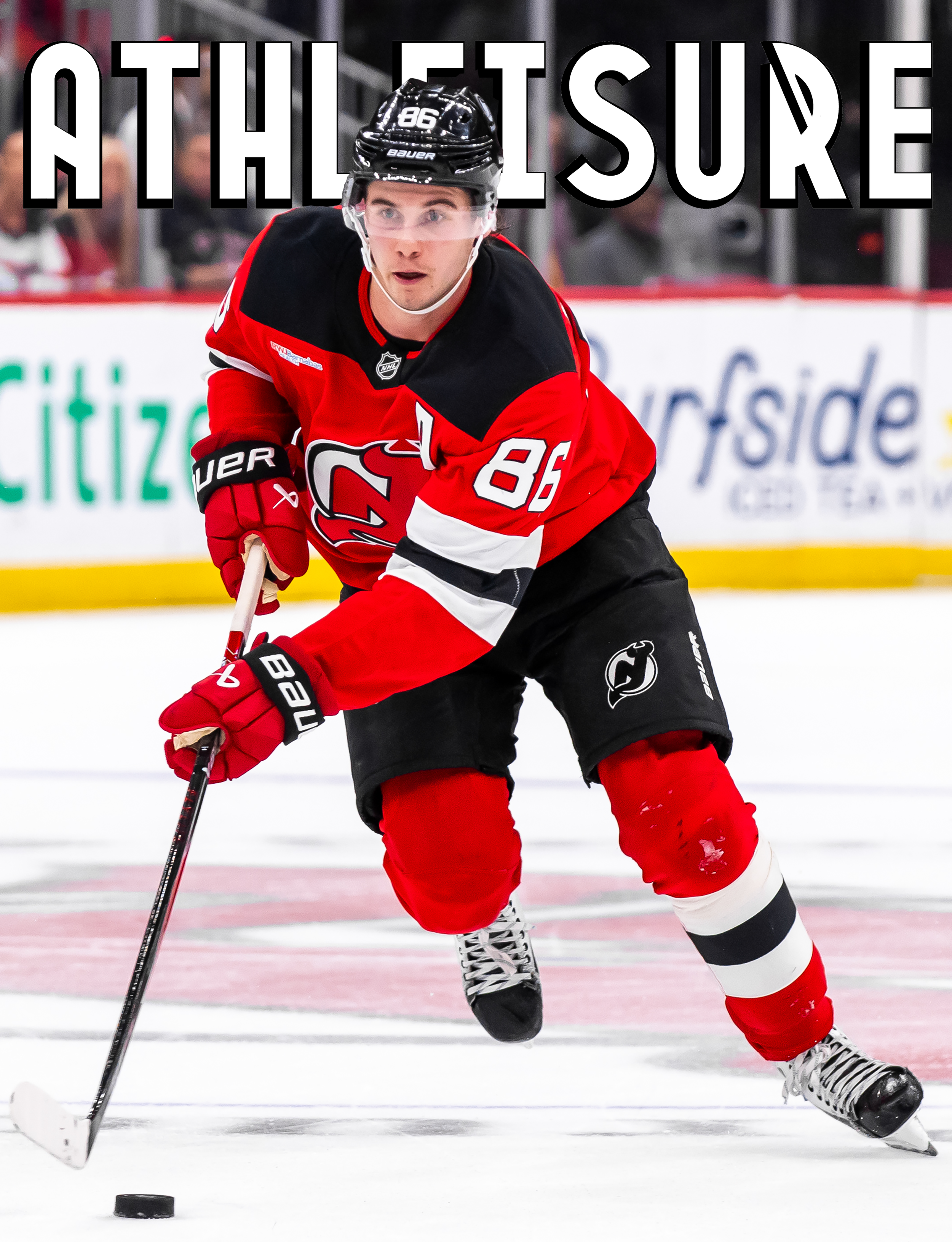
PHOTO CREDIT | LIV Golf
In this month’s issue, our front and back cover story is with NHL NJ Devils, 3X All-Star Player and Team USA Olympic Hockey Golden Goal Champion of the 2026 Winter Games in Milano Cortina, Jack Hughes. We had the pleasure of attending the first home game of the NJ Devils post the Winter Games where we caught the celebration for making the Golden Goal, seeing him play against the Buffalo Sabres, sharing what those overtime minutes were like at the Olympics, his passion for the sport, and the importance of the team.
We all enjoyed 3 weeks of Olympic coverage and this month we have a number of stories to share. We kicked it off with Hershey's at their Fireside Chat which took place at Ludlow House where we sat down with Team USA Olympic Gymnastics Aly Raisman, Team USA Olympic Figure Skating Jason Brown and Team USA Paralympic Snowboarding Amy Purdy. We talked about what happiness means to them, their sport, and what they are looking forward to at the Olympic Games as they were all on site in various capacities.
Curling is one of our favorite sports to watch during the Winter Games and we sat down to chat with Matt Hamilton who is on Team USA Olympic Curling. We wanted to know more about the sport, the dynamics involved, how he is working to grow the sport, and his partnership with Swiffer.
We also caught up with Team USA Olympic Snowboarding Bea Kim as she made her Olympic debut. We talked about her sport, placing 8th at the games, her friendship with fellow teammmate Chloe Kim, and more.
We also talked with Team USA Olympic Figure Skating alternate, Starr Andrews to find out how she navigates her sport from workouts, planning her program, and more.
This month, we enjoyed NYFW FW26 and are sharing some highlights from runway, presentations, and backstage as well.
Over various issues, we have chatted with Chef Kristen Kish who was a former cover a few years back. This time we check in with her as S4 of The Traitors which she competed on just concluded and the premiere of S22 of Top Chef is about to start on Mar 3rd. She shared with us about why she chose to be on the competition show as well as what we can expect for the culinary competition show.
This month's The Art of the Snack takes us to Santa Monica at Xuntos where we enjoy the best Spanish tapas.
This month's Athleisure List comes from Ride & Seek, an immersive bicycle tour where they have launched 2 Japanese trips to participate in. We also included Cala de Mar Resort & Spa in Mexico for the ultimate in relaxation.
Our 9LIST STORI3S comes from Bea Kim where she shares her must-haves in beauty, style, and fitness. Our 9PLAYLIST MULTI Collab comes from Aly Raisman, Amy Purdy, and Jason Brown on what they are listening to on their playlist, reading, and streaming. Our 9PLAYLIST comes from iconic band, Nine Inch Nails. Our THE 9LIST 9M3NU comes from Daru, Xuntos, and Ruse.
Read the FEB ISSUE #122 of Athleisure Mag.
PHOTO CREDIT | Unsplash/Luis Reyes
Fitness today has evolved beyond burning calories and gaining muscle. Now, more people recognize the value of combining mental wellness with physical training.
This holistic wellness approach blends mental balance with physical conditioning to manage stress, improve sleep, and support overall fitness. Modern wellness strategies focus on neurological restoration and muscle development while creating a sustainable path to long-term health.
Mental resilience sets the foundation for achieving consistent fitness outcomes. Increased cortisol elevation impairs not only muscle repair but also disrupts regular sleep cycles and motivation levels.
Mindfulness techniques such as controlled breathing, present-moment awareness, and focused muscle engagement allow individuals to reduce stress while they train. Slow, controlled inhales and exhales during resistance training or cardio sessions can activate the parasympathetic nervous system, helping prevent cortisol spikes.
Traditional workout methods and personal care products have long overlooked the impact of psychological burnout, but it can negatively affect an individual’s physical progress just as quickly as any bodily injury. Integrating mindfulness into training sessions allows individuals to monitor emotional fatigue in real time.
Inflammation management is the core part of physical recovery. While micro-inflammation supports growth, excessive inflammatory responses can delay the onset of muscle soreness (DOMS).
Nutrition plays a central role in supporting both muscular repair and cognitive clarity. Brain-friendly foods rich in omega-3 fatty acids, antioxidants, and complex carbohydrates provide steady energy while reducing excessive inflammation. Fatty fish, leafy greens, berries, nuts, and seeds offer nutrients that support neurotransmitter production and cellular repair.
Complex carbohydrates paired with lean proteins support sustained performance during exercise and efficient muscle rebuilding afterward. Hydration is equally important, as even mild dehydration can impair concentration and physical endurance.
Morning exercise can elevate endorphins and dopamine levels, creating mental clarity and focus for the day ahead. It also supports a consistent circadian rhythm, helping individuals fall asleep more easily at night.
Evening workouts, when structured thoughtfully, can act as stress relief sessions that release accumulated tension from the day. Moderate-intensity training combined with mindful cooldown practices can lower sympathetic nervous system activity before bedtime.
The key is to avoid highly stimulating sessions too close to sleep, as excessive adrenaline may interfere with rest. Mind-body fitness encourages alignment with natural energy cycles to maximize both mental and physical benefits.
4. Choosing the Right Workouts
Mind-body fitness encourages variety and intentional selection based on emotional and physical needs.
● Low-impact practices such as yoga, Pilates, and mobility training enhance flexibility while encouraging mental calmness. These modalities focus on breath control and controlled movement patterns, making them ideal for recovery days or high-stress periods.
● Strength training and resistance workouts support muscular development and bone density while building psychological confidence. When paired with mindful execution, these sessions improve body awareness and mental discipline.
● Cardiovascular activities such as cycling, swimming, or brisk walking can elevate mood through endorphin release. When performed outdoors, they also provide exposure to natural light, which supports circadian rhythm regulation and emotional balance.
You can rotate between different types of workouts and adjust the intensity based on soreness, energy levels, fatigue, or tightness to prevent overstraining.
As nutritional science advances, the benefits of integrating cannabinoid-based wellness products into recovery frameworks are becoming more evident. Brands are innovating functional formulations like low-calorie THC drinks and recommending them for post-workout recovery. These drinks promote parasympathetic activation and help the body recover from exertion and restore strength.
When incorporated responsibly, recovery tools that support relaxation may complement traditional strategies such as stretching, hydration, and balanced nutrition. The goal of mind-body fitness is to create a layered recovery system that prioritizes nervous system regulation and muscular repair simultaneously.
Redefining Mind-Body Fitness
Recovery from mental and physical stress is no longer a reactive process. The rise of mind-body fitness reflects a broader understanding that physical strength and mental resilience are interconnected elements of overall well-being. By combining mindfulness, nutrition, strategic timing, and supportive recovery practices, modern fitness enthusiasts can achieve positiv

PHOTO CREDIT | Unsplash/Jametlene Reskp
Dogs can shake, pace, or hide during thunderstorms, fireworks, or car rides. These moments cause stress for pets and worry for their owners. Calming collars release soothing pheromones that help dogs feel more secure and relaxed during stressful events. These collars offer a simple solution for pet owners who want to help their anxious dogs feel better.
Many dogs deal with anxiety in different situations. Some dogs get nervous about loud noises, while others struggle with travel or separation. Calming collars work for dogs with mild to moderate anxiety and provide relief without the side effects of medication. They attach to a dog's neck just like a regular collar and release calming scents throughout the day.
This article explains how calming collars work and which situations benefit from their use. Pet owners will learn about the science behind these products and discover practical ways to help their dogs cope with stress. The collars work best as part of an overall approach that may include training and other calming methods.
Calming collars release natural compounds that help pets feel more relaxed during stressful situations. These wearable devices look similar to regular collars but contain special ingredients that work to reduce anxiety in dogs and cats.
A calming collar is a wearable device that wraps around a pet's neck to help reduce stress and anxiety. It looks like a standard collar but contains special ingredients that release slowly over time. Pet owners place these collars on their animals just like regular collars, and the pets can wear them throughout the day.
These collars offer a non-invasive solution for pets who struggle with fear and nervousness. Unlike medications or sprays, the collar works passively once placed around the pet's neck. Dogs and cats can benefit from these devices in various situations, such as thunderstorms, fireworks, vet visits, or car rides.
Most calming collars fit adjustable sizing to accommodate different breeds and sizes. They typically last between 30 to 60 days before needing replacement.
Three main types of calming collars exist for pets. Pheromone-based collars remain the most common option and use synthetic versions of natural calming chemicals. For dogs, these collars mimic the Dog Appeasing Pheromone that mother dogs produce. On the other hand, stress-reducing cat calming collars release Feline Facial Pheromone that helps cats feel secure in their environment.
Essential oil collars offer another approach. These collars contain plant-based oils like lavender, chamomile, or valerian root. The oils provide a calming scent that can help soothe anxious pets through aromatherapy.
Herbal extract collars represent the third type. These collars use concentrated plant extracts that release slowly over time. Some collars combine multiple types of ingredients to provide broader support for anxious pets. Pet owners should consider their pet's specific needs and sensitivities before selecting a collar type.
Calming collars function by releasing compounds that send reassuring signals to pets. Many collars use synthetic pheromones that mimic the natural chemicals mother dogs and cats produce to comfort their young. These pheromones create a sense of safety and security for adult pets.
The collar releases these compounds continuously at body temperature. As the pet wears the collar, the warmth from their body activates the ingredients, which then diffuse into the surrounding area. The pet breathes in these calming signals, which can help reduce anxiety-related behaviors like excessive barking, hiding, or destructive chewing.
Some collars use essential oils or herbal extracts instead of pheromones. These natural ingredients, such as lavender or chamomile, provide a soothing effect through aromatherapy. However, pet owners should note that calming collars work best as part of a broader strategy that may include training, environmental changes, or other calming techniques.
Calming collars work best during specific events that trigger anxiety in pets. These collars release soothing pheromones that help dogs and cats feel more secure during thunderstorms, car trips, and transitions to new places.
Thunderstorms trigger anxiety in many pets because of the loud noises, bright flashes, and changes in air pressure. Dogs may pace, pant heavily, or hide under furniture. Cats often seek dark spaces or become unusually clingy.
A calming collar releases pheromones that mimic the natural comfort signals a mother animal provides to her young. Pet owners should put the collar on their dog or cat before storm season starts, rather than waiting until a storm arrives. This approach allows the pheromones to build up in the pet's system.
The collar works continuously for up to 30 days and provides a steady sense of security. However, it should not be the only solution. Pet owners can combine the collar with other calming methods, like creating a safe space in a quiet room or playing white noise to mask thunder sounds.
Some pets show improvement within a few hours, while others need several days to respond to the pheromones. The collar reduces fear behaviors like trembling and excessive vocalization in many animals.
Many dogs experience stress during car rides because of unfamiliar motion, strange sounds, and new surroundings. This anxiety can lead to excessive drooling, whining, or even attempts to escape the vehicle.
Calming collars help pets feel more relaxed during travel by providing a constant source of comfort pheromones. The collar should be placed on the pet at least 15 minutes before the car ride begins. This gives the pheromones time to start working.
For best results, pet owners should take short practice trips first. These brief rides help the pet associate the car with positive experiences while the collar provides chemical support. Gradually longer trips build confidence over time.
The collar proves particularly useful for vet visits, trips to the groomer, or family vacations. It helps reduce motion sickness symptoms linked to anxiety. Pets that feel calmer are less likely to pace or pant excessively in the vehicle.
Pets face stress during moves to new homes, introductions to new family members, or changes in daily routines. These situations disrupt familiar patterns and can cause anxiety-related behaviors like loss of appetite or excessive meowing and barking.
A calming collar provides consistent comfort during these transitions. The pheromones help pets feel more confident as they explore new spaces and meet new people or animals. Pet owners should put the collar on their animal several days before a planned change if possible.
The collar proves helpful during the first few weeks in a new home. It reduces hiding behaviors and helps pets adjust to different rooms, smells, and sounds more quickly. For homes with multiple pets, each animal should wear its own collar during introductions to new companions.
These collars also support pets during smaller changes like furniture rearrangement or the arrival of house guests. The steady release of calming pheromones helps maintain a sense of normalcy even as surroundings shift.
Calming collars offer a simple, non-invasive option for dogs that struggle with stress from thunderstorms, car rides, or other anxiety triggers. These collars work best for mild to moderate anxiety cases and release pheromones that help create a sense of comfort and safety. Pet owners should give the collar at least a week to show results and may need to combine it with behavioral training for more severe anxiety issues. Veterinarians can provide guidance on whether a calming collar fits a specific dog's needs and situation.

PHOTO CREDIT | Unsplash/Abdelrahman Sarayreh
You’re doing the workouts.
You’re tracking your meals.
You’re prioritizing sleep.
And yet, the scale doesn’t move the way it used to.
If you’ve ever felt like your body suddenly changed the rules without telling you, you’re not imagining it. Your metabolism evolves throughout your life and understanding how metabolic changes affect your weight loss journey is one of the most empowering things you can do for your health.
Because this isn’t about trying harder.
It’s about training and nourishing smarter.
Metabolism isn’t just one thing. It’s a collection of processes that determine how your body converts food into energy. Your basal metabolic rate (BMR) accounts for most of the calories you burn daily even when you’re resting.
But here’s what often goes unspoken: your metabolism shifts with age, hormones, stress levels, muscle mass, sleep quality, and even how long you’ve been dieting.
In your 20s, you may have been able to adjust your calories slightly and see fast results. In your 30s and 40s, that same approach might barely make a dent.
That doesn’t mean your body is “broken.” It means it’s adapting.
Women experience unique hormonal rhythms that directly influence metabolism.
As estrogen fluctuates particularly during perimenopause and menopause your body becomes more likely to store fat around the midsection. Estrogen plays a role in how your body regulates fat distribution and insulin sensitivity. When levels shift, your metabolism often becomes less efficient at processing carbohydrates.
Cortisol, your stress hormone, also plays a major role. Chronic stress elevates cortisol, which can encourage fat storage, particularly around the abdomen.
And then there’s insulin. As insulin sensitivity decreases with age or inactivity, your body becomes more prone to storing excess glucose as fat rather than using it efficiently for energy.
Understanding this helps you stop blaming willpower and start focusing on strategy.
One of the most significant metabolic shifts women experience is a gradual loss of lean muscle mass especially if strength training isn’t part of your routine.
Muscle tissue burns more calories at rest than fat tissue. When muscle decreases, your resting metabolic rate declines as well.
That means you burn fewer calories doing the exact same activities you did years ago.
The solution isn’t endless cardio. It’s resistance training.
Incorporating strength workouts two to four times per week helps preserve and build muscle, which in turn elevates your metabolic rate. Even bodyweight exercises or resistance bands can make a measurable difference.
You’re not just shaping your body you’re upgrading your metabolism.
If your weight loss has stalled, your first instinct might be to cut calories further.
But chronic calorie restriction can actually slow your metabolism. When your body senses prolonged energy deficit, it adapts by conserving energy. This means:
• Reduced resting metabolic rate
• Increased hunger hormones
• Decreased energy for workouts
• Higher likelihood of rebound weight gain
This survival response once protected humans from famine. Today, it works against modern dieting culture.
Instead of aggressive restriction, consider cycling calories strategically, prioritizing protein intake, and fueling workouts adequately to support weight loss while protecting muscle mass.
You can eat well and train consistently, but if you’re sleeping five hours a night, your metabolism pays the price.
Poor sleep disrupts ghrelin and leptin the hormones that regulate hunger and fullness. It also raises cortisol and reduces insulin sensitivity.
Aim for seven to nine hours of consistent, quality sleep. Treat it like part of your training plan.
Recovery isn’t lazy. It’s metabolic maintenance.
Cardio has its place. It improves heart health and increases calorie burn. But excessive steady-state cardio without strength training can sometimes lead to muscle loss, which ultimately lowers metabolic efficiency.
A smarter approach?
Blend resistance training with moderate cardio and high-intensity interval sessions. This combination stimulates muscle retention while boosting metabolic rate during and after workouts.
You don’t need to train longer. You need to train intentionally.
As your metabolism changes, your nutritional strategy should evolve too.
Here are key adjustments that make a difference:
Aim for adequate protein at each meal to preserve muscle and regulate appetite.
High-fiber foods stabilize blood sugar and support digestive health, both of which influence metabolic efficiency.
You don’t need to eliminate carbs, but focusing on whole, complex sources improves insulin response.
Even mild dehydration can impact metabolic processes.
Nutrition isn’t about deprivation. It’s about alignment with how your body functions now.
One of the most powerful changes you can make isn’t physical, it’s mental.
Instead of fighting your metabolism, work with it.
Your body isn’t resisting you. It’s responding to stress, hormonal shifts, and environmental cues. When you approach weight loss as collaboration rather than combat, everything changes.
You listen more. You adjust smarter. You train with purpose.
And progress follows.
Some women choose to incorporate supplements to support weight loss, particularly those that promote muscle preservation, energy balance, or hormonal support. While supplements are not magic solutions, they can complement a well-designed nutrition and fitness plan.
Always consult a healthcare professional before adding new supplements, especially if you’re navigating hormonal changes or medical conditions.
Metabolic changes are natural. They’re part of aging, stress exposure, hormonal evolution, and lifestyle shifts.
The key is adaptation.
Strength train consistently.
Fuel adequately.
Prioritize sleep.
Manage stress.
Avoid extreme dieting cycles.
When you respect your body’s evolving needs, weight loss becomes less about chasing numbers and more about optimizing function.
You don’t need to train like you did at 25.
You need to train like the powerful, informed woman you are now.
And when you do, your metabolism becomes an ally not an obstacle on your wellness journey.
Weekend schedules fill up fast with games and practices. Your car probably smells like cleats and gym bags. Between school, training, and work, health stuff sneaks up. Then a sprain or random fever throws everything off.
Picking care early keeps your family's routine on track. It also helps every athlete at home feel supported. Athletic families do well with a simple health plan. That plan should cover checkups, injuries, and ongoing conditions.
For Hispanic households, language and trust really matter. Clinics like Tu Clínica Hispana Familiar can ease that stress. Start by listing who trains and what sports they play. Also note which health issues run in your family.
A yearly visit creates a starting point for everyone. You notice changes in stamina, sleep, or mood much faster. This baseline also gives your doctor something to compare against. It turns guesswork into actual tracking over time.
Ask for height, weight, and blood pressure at every visit. Request a quick review of past injuries and asthma history. If a parent has diabetes or thyroid disease, ask about screening. Make sure the screening plan fits each family member's age.
Bring a list of supplements and sports drinks too. Some of those raise heart rate or upset stomachs. For active kids, a sports physical checks joints and posture. It also flags past concussions before intense seasons start.
When soreness lingers after games, small habits often help. Sleep, stretching, and smarter footwear can calm recurring pain. Many families use pain and recovery tips for athletes and fans to plan rest days. Share those notes with your clinician regularly.
Lab tests help when fatigue shows up out of nowhere. They also matter when a teen has sudden weight shifts. Low iron or low vitamin D can slow recovery after illness. Labs guide a safe return to training after being sick.
Keep a folder with results, vaccination dates, and allergy notes. Update it after every single visit without skipping. Use this quick checklist during busy sports months:
Chest pain or fainting: Record it and report the same day.
Menstrual tracking: Missed periods can signal low energy or stress.
Skin issues: Turf burn and eczema need different products.
Family history: Note heart disease, high blood pressure, and cholesterol.
Training needs shift fast between ages six and seventeen. Growth plates stay sensitive during peak growth spurts. Activity guidelines recommend sixty minutes daily for most kids. If your child plays year round, schedule rest weeks.
Treat pain as a signal, not something to push through. A clinician can spot patterns like shin splints or stress fractures. Low sleep also raises injury risk across all age groups.
Use primary care for routine exams, vaccines, and long-term issues. Asthma, allergies, and chronic conditions belong here too. Use urgent care for cuts needing stitches or possible fractures. Wheezing that won't settle also calls for urgent care.
For head injuries, act fast and watch for warning signs. Confusion, vomiting, severe headache, or balance problems need attention. If symptoms look serious, call emergency services right away. Never drive an injured athlete who feels faint or dizzy.
Some families carry higher risk for diabetes or thyroid issues. Regular blood sugar checks support steady training energy levels. Thyroid changes affect heart rate, body temperature, and recovery time. Ask what lab panels make sense for each year.
Share any new symptoms like tremor, fatigue, or sleep changes. A consistent care team follows trends across seasons. They catch things a one-time visit would miss entirely.
Hard training breaks down muscle tissue during every session. Your body rebuilds during rest, sleep, and steady meals. Recovery isn't just about sitting on the couch, though. It takes real planning around food and sleep schedules.
Aim for regular bedtimes every single night of the week. Kids who sleep less report more pain and slower reactions. Keep hydration simple by packing water first every time. Add electrolytes only after long, sweaty sessions outside.
If cramps hit often, talk to your clinician about it. Sodium intake, heat exposure, and medications all play a role.
A small snack with protein and carbs helps after workouts. Try to eat within an hour of finishing a session. Yogurt with fruit, peanut butter on toast, or a smoothie works. You can borrow ideas from post workout snacks for athletic recovery too.
For younger kids, keep portions small and age-appropriate. Avoid energy drinks that spike heart rate and wreck sleep.
Return after illness should feel gradual and not rushed. Start with light movement before adding real intensity back. Wait until fever stays gone for a full day first.
If breathing feels tight, stop training immediately. Asthma flares and viral coughs linger longer than people expect. Sun and sweat also trigger rashes during outdoor practices. Rinse quickly, change clothes, and use clean towels after every session.
Good care goes beyond just running tests and checking boxes. Clear communication before and after every visit matters most. Families need a clinic that actually explains what's going on.
If your family prefers Spanish, choose a bilingual clinic. They should explain results and medicine instructions in plain words. Look for same-day appointments and clear pricing upfront. Hours should work with school drop-offs and practice schedules.
A clinic with on-site labs shortens the whole process. You avoid extra trips driving across town for bloodwork.
Ask who coordinates referrals for imaging or physical therapy. Check if they handle minor emergencies like sprains onsite. Find out whether they can do stitches right there too.
For teen athletes, privacy matters during sensitive visits. Ask how staff handle topics like gynecology or contraception. For adults, ask about heart and diabetes screenings regularly. Long workdays can hide rising risk factors from you.
Blood pressure often shows zero symptoms until it's a problem. Add it to routine visits for every family member. Yearly checks from age three catch high blood pressure early. Even kids who feel perfectly fine can have elevated numbers.
If numbers stay high, ask about diet, sleep, and stress. Try home monitoring before jumping into hard workouts again. Write questions ahead of every visit to stay organized. Then ask for a short follow-up plan you can actually stick to.
Choosing the right care means matching habits to your schedule. Your culture and budget matter in that decision too. Start with baseline exams and keep your records updated. Use food, sleep, and rest as part of your health plan.
Pick a clinic that explains results clearly and follows up. Small problems stay small when someone catches them early. With steady care, your family can train and compete with confidence.

PHOTO CREDIT | Canva/Truecreatives
[Image by Truecreatives from Canva.]
There’s something satisfying about finishing a tough workout. You feel accomplished, energized, and ready to take on the rest of your day. Then reality sets in. Your hair is damp, your roots feel heavy, and you have exactly 20 minutes before your next meeting, school pickup, or brunch reservation.
In a perfect world, you’d have time for a full wash, blow-dry, and style. In real life, that’s not always possible. For anyone balancing workouts with busy schedules, learning how to refresh your hair quickly is just as important as planning your gym sessions.
The good news? You don’t have to choose between staying active and looking put-together. With a few smart techniques and the right approach to post-workout style, you can move seamlessly from spin class to street style.
The easiest way to handle post-workout hair is to think ahead. What you do before your session can make a big difference in how much recovery work you need afterward.
Choose protective styles that minimize sweat absorption at the roots. A high ponytail, sleek braid, or low bun keeps hair off your neck and reduces friction. If you know you’ll be heading straight to an event or the office, avoid loose styles that collapse as soon as you start sweating.
Hair accessories matter too. Fabric headbands can absorb moisture around your hairline. Claw clips help create airflow at the roots, which prevents sweat from sitting directly against your scalp.
If you’re wearing athleisure for the day, plan your hairstyle to complement it. A clean braid pairs well with structured leggings and an oversized hoodie, while a slicked-back bun works with tailored joggers and a cropped jacket. Thinking about the full look ahead of time saves stress later.
What you do in the minutes after your workout has a direct impact on your hair’s condition.
Instead of rushing straight into a hat or pulling your hair tighter, allow your scalp to cool down. Excess heat and trapped moisture are what make hair look flat and greasy. If possible, remove your hair tie and gently shake out your roots. This encourages airflow and helps sweat evaporate faster.
A quick blast of cool air from a blow dryer can also help. Focus on the roots rather than the lengths. The goal isn’t to restyle your hair entirely. It’s to dry the scalp area so oil and sweat don’t settle.
If you have a few extra minutes, lightly pat your hairline with a clean towel or paper towel. Avoid rubbing. Friction causes frizz and disturbs your style.
These small steps take less than five minutes but make a noticeable difference in how fresh your hair looks afterward.
Dry shampoo is often treated like a miracle product. While it can be helpful, it works best when applied with intention and with the right formula for post-workout hair.
Spray or sprinkle it directly at the roots, focusing on the areas that tend to get oily or sweaty first: your crown, temples, and the nape of your neck. Let it sit for a minute before massaging it in. This gives it time to absorb moisture instead of just sitting on the surface of your hair.
The formula matters just as much as the technique. No-rinse dry shampoo alternatives designed specifically for active lifestyles, such as the Sweaty Hair Refresher from Unsubscribe, are created to lift the roots, absorb sweat, and refresh the scalp without leaving a chalky residue behind. That makes a noticeable difference when you’re heading straight from the gym to work or out with friends.
After a workout, your hair may have more texture than usual. Instead of trying to smooth everything down, work with it.
A slightly undone look often feels more current than overly polished hair anyway. If your roots have volume from sweat and movement, transform it into a loose top knot. If waves have formed, define them with a bit of leave-in product and scrunch lightly.
Here are a few quick style pivots:
● Turn a basic ponytail into a wrapped ponytail by hiding the elastic with a small section of hair.
● Convert a low bun into a twisted chignon for a more intentional finish.
● Loosen a braid slightly to create a fuller, more relaxed shape.
● Add a structured hair clip to elevate a simple half-up style.
The idea is to make your post-gym hair look purposeful rather than rushed. Texture can be your ally when you treat it as part of the design.
Most people focus on their overall hair, but the hairline and part are what others notice first.
A quick swipe of micellar water on a cotton pad along the hairline removes sweat residue and instantly feels cleaner. If your part looks flat, flip your hair to the opposite side for natural volume.
You can also redefine your part with a fine-tooth comb and lightly blow-dry along the new line. This small adjustment creates the illusion of freshly styled hair.
If your roots look uneven, consider shifting to a deeper side part or pulling hair back into a low, sleek style. These changes redirect attention and disguise any lingering flatness.
When time is tight, accessories are your shortcut.
A structured baseball cap can look sharp when paired with tailored athleisure rather than gym-only pieces. A silk scarf tied at the base of a ponytail adds polish. Minimalist headbands can conceal oily roots while appearing deliberate.
The key is choosing accessories that feel like part of your outfit rather than a cover-up. When your overall look is cohesive, no one assumes you just left a workout.
This is where the athleisure niche really shines. When your clothing blends performance and style, your hair can follow the same philosophy. A sleek set with clean lines makes even a simple bun feel intentional.
Sometimes, sweat levels are too high for shortcuts. If your scalp feels uncomfortable or your hair is saturated, a quick rinse may be the better option.
You don’t always need a full shampoo. Rinsing with water and conditioning the ends can reset your hair without stripping it. If your scalp tolerates it, use a small amount of shampoo only at the roots.
This approach saves time compared to a full wash and blowout but still leaves you feeling fresh.
The important thing is listening to your hair. Occasional refresh days are practical. Constantly masking buildup isn’t.
Not having time to wash your hair after working out is a common challenge, especially when fitness and full schedules intersect. The solution isn’t to skip workouts or stress about perfection. It’s to adopt smart, efficient strategies that keep you looking polished without extra effort.
Plan your hairstyle before you sweat. Cool down properly. Use dry shampoo with intention. Embrace texture instead of fighting it. And rely on accessories that feel cohesive with your overall look.
When your wardrobe and grooming routine are built around flexibility, moving from gym to daily life becomes second nature. With a few practical habits in place, you can stay active, look put-together, and keep your momentum going long after your workout ends.

PHOTO CREDIT | Unsplash/Shari Sirotnak
Healthy hair has always been associated with vitality and confidence. Yet many people experience issues such as thinning hair, breakage, or excessive shedding at some point in their lives. Environmental stress, styling damage, hormonal changes, and nutritional factors can all influence the strength and growth of hair. Because of these challenges, more individuals are turning to targeted hair care solutions designed to support stronger and healthier hair.
One of the most important elements in any hair care routine is shampoo. While many people focus on conditioners or treatments, the shampoo used regularly has a direct impact on the scalp — the environment where hair growth begins.
The scalp acts as the foundation for healthy hair. Beneath its surface lie thousands of hair follicles responsible for producing new strands. When the scalp is balanced and well-nourished, these follicles are more likely to produce strong, resilient hair.
However, when the scalp becomes irritated, dry, or clogged with excess oil and product buildup, it may interfere with the natural hair growth cycle. Poor scalp conditions can weaken follicles and lead to slower growth or increased shedding.
Proper cleansing is therefore essential. A well-formulated shampoo removes impurities while preserving the scalp’s natural protective barrier.
Traditional shampoos are designed primarily for cleansing. While they remove dirt and oil, they may not necessarily support long-term scalp health or hair strength.
Hair growth shampoos, on the other hand, are formulated with additional ingredients intended to nourish the scalp and strengthen the hair fiber. These products often contain mineral complexes, plant extracts, amino acids, and vitamins that support the structure of hair while maintaining scalp balance.
Such formulas are developed to provide gentle cleansing without stripping away natural oils, which are essential for maintaining scalp hydration and elasticity.
Consumers who want to upgrade their routine often choose a specialized hair growth shampoo designed to support scalp health and improve the overall condition of hair.
Modern cosmetic science has identified several ingredients that may help support stronger hair and improved scalp condition. Many hair growth formulas include a combination of the following:
● Mineral complexes that strengthen hair fibers
● Botanical extracts that soothe and nourish the scalp
● Proteins and amino acids that reinforce hair structure
● Natural oils that improve hydration and shine
These ingredients work together to support the hair shaft while improving the environment around the follicle.
In addition, many modern formulas avoid aggressive chemicals such as sulfates, parabens, or silicones, which some consumers prefer to minimize in their hair care routines.
Hair grows slowly — typically about one centimeter per month — which means that results from hair care products take time to appear. Experts often recommend maintaining a consistent routine for several months before evaluating visible improvements.
Using supportive products regularly helps maintain scalp balance and strengthens hair gradually over time.
It is also helpful to combine gentle cleansing with other supportive practices such as conditioning, occasional nourishing masks, and minimizing excessive heat styling.
Hair health is influenced not only by external products but also by lifestyle habits. Stress, lack of sleep, poor diet, and environmental pollution can all affect the condition of hair and scalp.
A balanced diet rich in protein, iron, vitamins, and healthy fats provides the nutrients hair follicles require to function effectively. Staying hydrated and managing stress levels can also contribute to healthier hair growth.
When these lifestyle factors are combined with a supportive hair care routine, the results may become more noticeable over time.
A complete hair care routine typically includes several steps:
● Gentle cleansing with a nourishing shampoo
● Conditioning to maintain moisture and flexibility
● Occasional deep treatments for additional nourishment
● Protective practices to minimize damage
This balanced approach allows the scalp to remain healthy while strengthening hair strands against everyday stressors.
Hair care is no longer limited to basic cleansing and conditioning. With advances in cosmetic science, consumers now have access to more specialized products designed to support scalp health and improve hair strength.
Hair growth shampoos represent one of the most important innovations in modern hair care routines. By combining gentle cleansing with nourishing ingredients, these products help create the conditions necessary for healthier, stronger hair over time.
Five years ago, seeing a sportsbook logo on an American jersey would have been weird. Now you cannot watch an NBA game without spotting Caesars, FanDuel, or DraftKings somewhere on the court. The shift happened fast, and it changed what fans wear on their backs.
Sports betting went from illegal in most states to plastered across uniforms in less than a decade. Here is how that happened and what it means for the jerseys people actually buy and wear.
When the Floodgates Opened
The Supreme Court killed PASPA in 2018, letting states legalize sports betting individually. What started with New Jersey quickly spread to over 38 states by 2026. Legal sports betting in the US now operates across most of the country, from Pennsylvania and Colorado to newer markets like North Carolina and Kentucky that legalized within the past two years. Betting companies suddenly had legitimate markets to advertise in and massive budgets to spend getting noticed.
The competitive landscape intensified as operators fought for market share in each newly legal state, making jersey sponsorships the most visible way to establish local credibility fast. Sports teams looked at those budgets and saw easy money. A single jersey patch deal could bring in ten to twenty-five million dollars annually, significant revenue when media rights were not growing as quickly as before.
The NBA moved first because they already had jersey patch deals running since 2017. When DC legalized betting, the Washington Wizards immediately stuck Caesars Sportsbook on their jerseys. Other teams in legal states followed within months. The league saw sponsorship revenue jump, and betting companies got their logos on jerseys that fans wore everywhere.
What Actually Shows Up on Jerseys
The placement varies by league and team. NBA teams run small patches on the upper chest, usually about 2.5 by 2.5 inches. NHL teams put logos on helmets or dasher boards since jersey space stays cleaner. MLB keeps betting sponsors off uniforms entirely but plasters them all over stadium signage and broadcasts.
The NBA leads in visible jersey sponsorships because their uniforms work as athleisure. People wear NBA jerseys to bars, gyms, and grocery stores. That extended visibility makes the sponsorship worth more than just game broadcasts. A FanDuel patch on a Nets jersey gets seen thousands of times beyond the arena.
Practice gear and warmup shirts also carry betting logos now. Teams sell these items in official stores, meaning fans buy and wear sportsbook branding without thinking much about it. The integration feels complete when training gear in Dick's Sporting Goods has DraftKings across the chest.
The Money Behind It
Jersey sponsorship deals with betting companies run anywhere from five million to twenty-five million dollars annually depending on market size and team popularity. Brooklyn Nets reportedly get over thirty million per year from their various sponsors. Compare that to traditional sponsors like banks or car companies who paid similar rates, and betting money looks competitive.
For betting companies fighting for market share in newly legal states, the spending makes sense. Getting your logo on the local NBA or NHL team builds instant credibility and recognition. Fans see the brand hundreds of times per season, creating familiarity that turns into app downloads.
Fan Feedback is Mixed
Some fans do not care at all. Jerseys already had Nike swooshes and sponsor patches, so one more logo barely registers. Others push back on normalizing gambling through sports, especially when kids wear these jerseys. The debate mirrors what happened in European soccer decades ago, where betting sponsors completely dominate jerseys now.
The weird part is fans become walking advertisements for sportsbooks without choosing to. Buy an authentic Wizards jersey and you are promoting Caesars whether you bet or not. That passive endorsement bothers people more than traditional sponsors because gambling carries different baggage.
Following the European Soccer Trend?
Premier League jerseys are covered in betting logos. Front of shirt, sleeves, even stadium names. It happened gradually over twenty years until betting companies became the biggest jersey sponsors in European football. American leagues are maybe ten percent of the way down that road.
The big question is whether US sports follow that path completely or stop at small patches and helmet logos. NFL viewership is massive and family-focused, making them cautious about betting visibility. The NBA and NHL care less about that image, so they will probably push further first.
Whats Next
More states will legalize betting, creating more markets for sponsors to target. Teams in newly legal states will immediately seek deals because the money is sitting there. Sleeve sponsorships might expand, practice gear deals will definitely grow, and maybe eventually we see front-of-jersey betting logos in the NBA like European soccer has.
For people who wear sports jerseys as everyday clothes, which is basically the entire athleisure movement, this matters. The stuff you throw on to run errands or hit the gym increasingly carries gambling branding. That is just the reality of American sports uniforms now.
Betting brands landed on American jerseys because legalization created opportunity, teams needed revenue, and leagues decided the tradeoff was worth it. The logos are not going anywhere. If anything, they will spread further as more states legalize and teams chase bigger sponsorship checks.

PHOTO CREDIT | Unsplash/Mathurin NAPOLY / matnapo
Within the expanding landscape of synthetic regulatory peptides, Growth Hormone–Releasing Peptide-6, commonly referred to as GHRP-6, is believed to occupy a distinctive conceptual position. Originally designed as part of a broader effort to understand non-classical regulators of growth hormone dynamics, this hexapeptide has since attracted attention across multiple research domains. Rather than being framed merely as a trigger of a single hormonal cascade, GHRP-6 is increasingly discussed as a multifunctional signaling probe that might illuminate how peptide ligands interact with endocrine, metabolic, and cellular communication networks within the research model.
Scientific discourse surrounding GHRP-6 has gradually shifted from linear cause-and-response thinking toward systems-level interpretation. Research indicates that the peptide may operate at the intersection of hormonal pulsatility, appetite-associated signaling, and intracellular regulatory pathways. As such, GHRP-6 has become relevant not only to endocrinology but also to molecular biology, cellular aging research, metabolic adaptation, and theoretical models of homeostatic regulation.
Molecular Identity and Structural Characteristics
GHRP-6 is a synthetic hexapeptide composed of six amino acids arranged to mimic certain functional motifs associated with endogenous ghrelin signaling. The peptide was engineered to interact with the growth hormone secretagogue receptor, also known as GHS-R1a. This receptor is widely distributed across tissues involved in neuroendocrine communication, energy balance, and peripheral signaling integration.
From a structural perspective, GHRP-6 incorporates both hydrophobic and charged residues that collectively shape its receptor affinity and signaling profile. Investigations purport that this configuration may contribute to its relatively strong receptor engagement compared to some earlier peptide secretagogues. Unlike classical hypothalamic hormones, GHRP-6 does not structurally resemble growth hormone–releasing hormone, underscoring the conceptual shift it represents in peptide research. Its design reflects a broader scientific interest in ligands that activate shared downstream pathways through structurally distinct mechanisms.
Receptor Interaction and Signal Initiation
At the core of GHRP-6 research lies its interaction with the growth hormone secretagogue receptor. Research suggests that binding of GHRP-6 to this receptor may initiate a cascade of intracellular events involving calcium mobilization, phospholipase C activation, and modulation of second messengers. These processes are theorized to converge on transcriptional and post-transcriptional regulatory nodes relevant to growth hormone synthesis and release patterns.
Importantly, GHRP-6 is often discussed as a tool for studying receptor selectivity and signal bias. Some investigations hypothesize that different ligands interacting with the same receptor might favor distinct intracellular routes, resulting in varied downstream implications. Within this framework, GHRP-6 appears to serve as a comparative molecule that may help clarify how ligand structure might support receptor behavior and cellular interpretation of signals.
Growth Hormone Dynamics and Pulsatility Research
One of the most extensively discussed properties of GHRP-6 involves its potential relationship with growth hormone dynamics. Rather than inducing continuous secretion, the peptide is associated with pulsatile release patterns that more closely resemble endogenous rhythmic signaling within the organism. Research indicates that this characteristic makes GHRP-6 particularly valuable for studying temporal aspects of endocrine communication.
Pulsatility is increasingly recognized as a critical feature of hormonal signaling, supporting receptor sensitivity, gene expression timing, and downstream metabolic adaptation. Studies suggest that GHRP-6 may function as a research instrument for examining how pulse frequency and amplitude shape long-term signaling outcomes. Investigations purport that such work may yield broader insights into how rhythmic biological information is encoded and decoded at the cellular level.
Ghrelin-Like Properties and Hunger Hormone Signal-Associated Pathways
Beyond growth hormone research, GHRP-6 is frequently discussed in relation to ghrelin-associated signaling pathways. Ghrelin is widely known as a hunger hormone-associated peptide, yet scientific literature increasingly frames it as a multifaceted regulator of energy sensing, stress adaptation, and neuroendocrine integration in mammalain models. GHRP-6, as a ghrelin mimetic, has been hypothesized to offer a simplified platform for isolating specific aspects of this complex signaling network.
Research suggests that GHRP-6 may interact with central and peripheral circuits involved in nutrient perception and energy allocation. Rather than focusing narrowly on feeding behavior, contemporary research models explore how such signaling potential support for mitochondrial activity, substrate utilization, and adaptive responses to energetic demand. In this context, GHRP-6 may be regarded as a molecular key for probing how energy-related signals are integrated across tissues within the mammalian model.
Metabolic Regulation and Cellular Adaptation Research
Metabolic research increasingly emphasizes signaling peptides as coordinators of cellular adaptation rather than mere on-off switches. GHRP-6 has been incorporated into experimental designs examining glucose handling, lipid metabolism, and anabolic-catabolic balance at the cellular level. Investigations suggest that the peptide may interact with the way cells prioritize resource allocation under varying environmental conditions.
This line of inquiry aligns with broader theoretical frameworks that view metabolism as an adaptive information system. Studies suggest that GHRP-6 may help clarify how endocrine cues interface with intracellular energy sensors such as AMP-activated protein kinase and related regulatory nodes. While definitive conclusions remain under development, the peptide continues to serve as a valuable conceptual probe within metabolic research models.
Relevance to Cellular Aging and Regenerative Signaling Concepts
Cellular aging research increasingly focuses on signaling decline rather than structural deterioration alone. Within this paradigm, peptides like GHRP-6 are discussed as tools for examining how age-associated changes in hormonal communication might support tissue maintenance and repair. Research indicates that altered growth hormone signaling patterns may correlate with shifts in protein turnover, cellular renewal, and systemic resilience.
GHRP-6 has been theorized to support investigations into how restoring or modulating signaling rhythms might support regenerative potential at the cellular level. Rather than proposing direct rejuvenation outcomes, scientific discourse frames the peptide as a means of studying regulatory flexibility within aging cells. Such work contributes to a more nuanced understanding of how signaling architecture evolves.
Neuroendocrine Crosstalk and Central Signaling Integration
The neuroendocrine system represents a complex interface between neural input and hormonal output. GHRP-6 has been employed in research contexts aiming to dissect this interface, particularly in relation to hypothalamic integration of peripheral signals. Investigations purport that the peptide may modulate neuronal activity patterns associated with hormonal coordination and feedback sensitivity.
Conclusion
GHRP-6 stands as more than a growth hormone–releasing peptide; it represents a conceptual bridge between classical endocrinology and modern signaling research. Through its potential interaction with ghrelin-associated receptors and downstream pathways, the peptide has been hypothesized to support investigations into hormonal pulsatility, metabolic coordination, neuroendocrine integration, and adaptive cellular responses within the research model. Visit this website for more useful peptide resources.
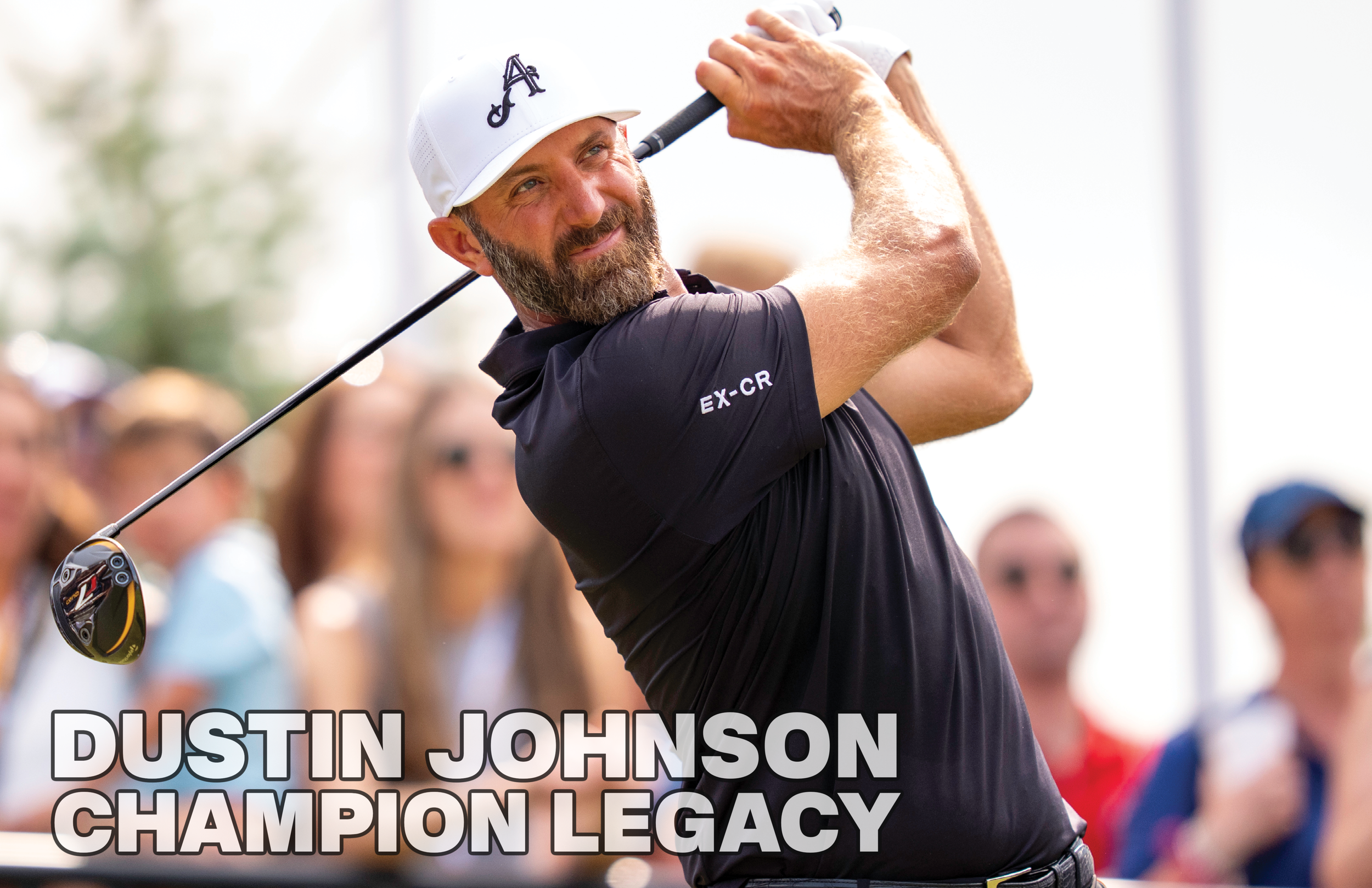

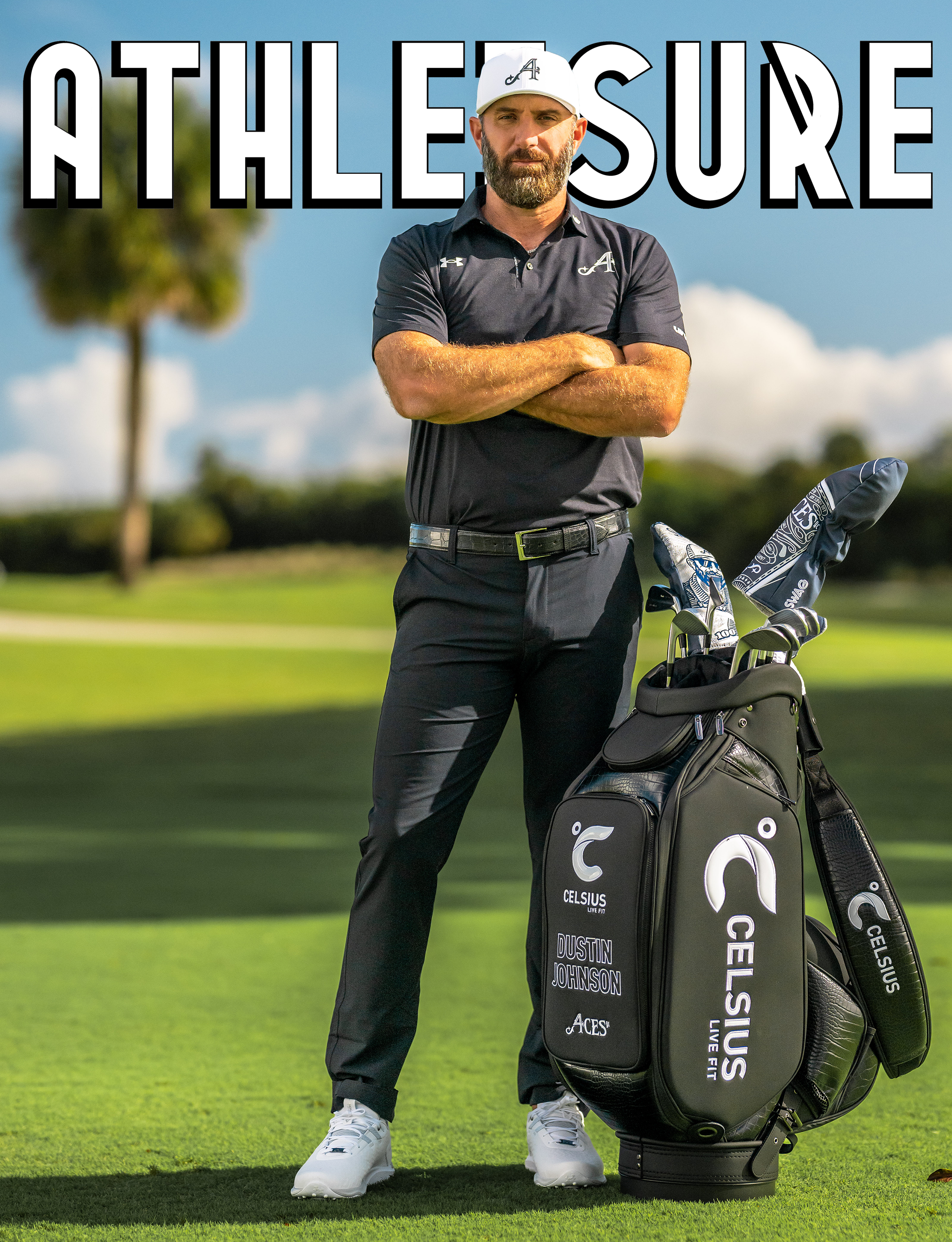
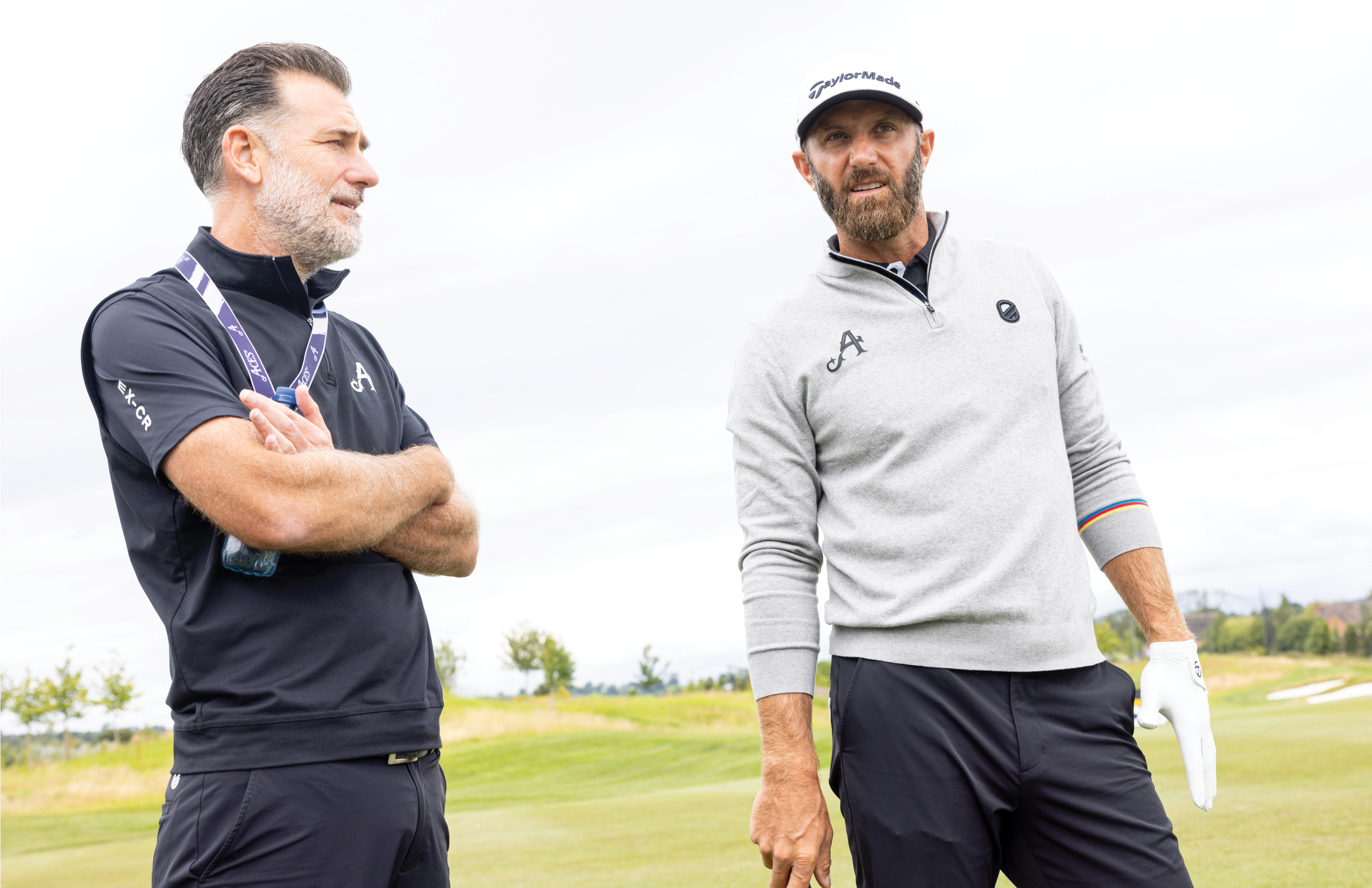
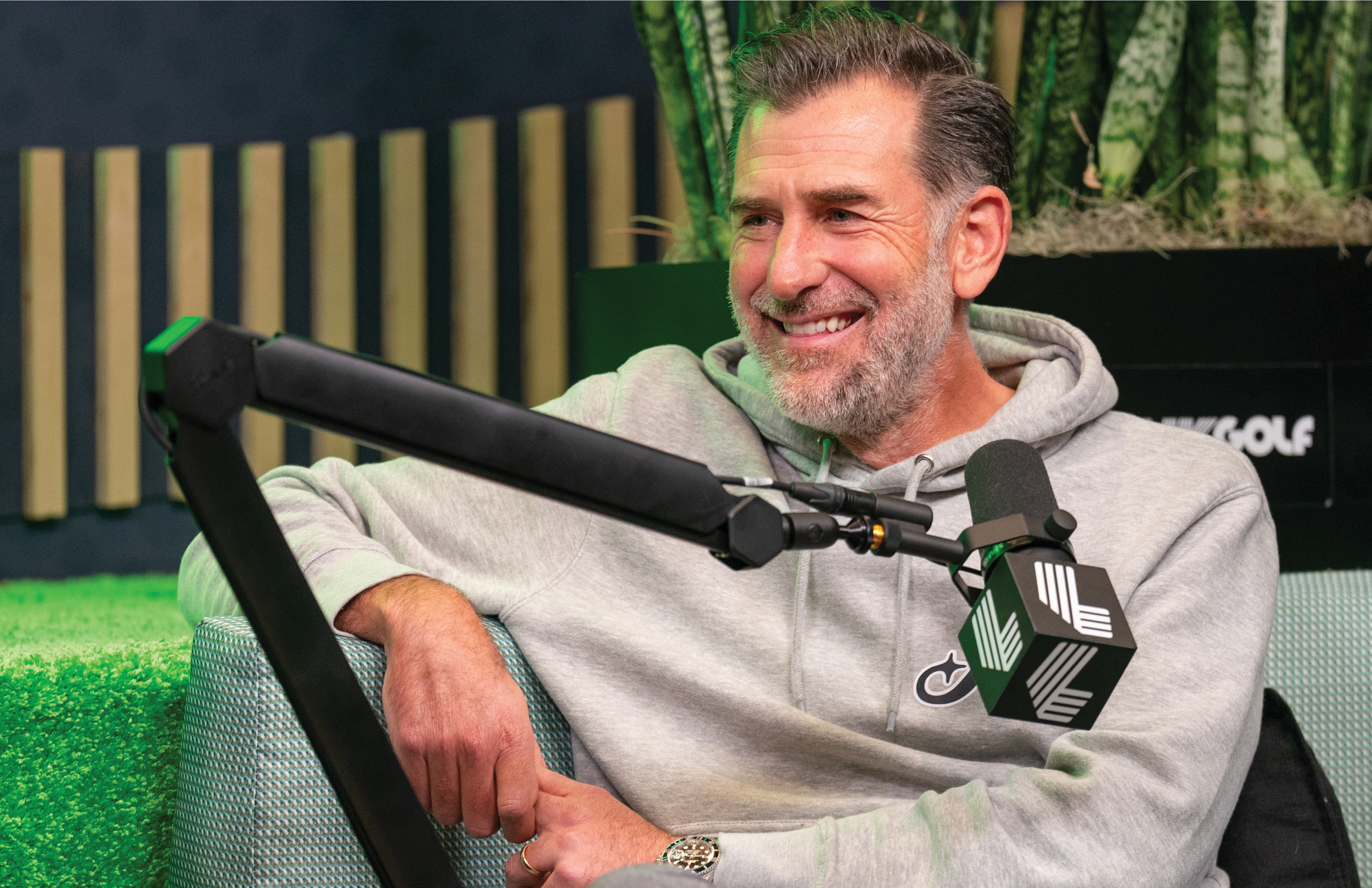
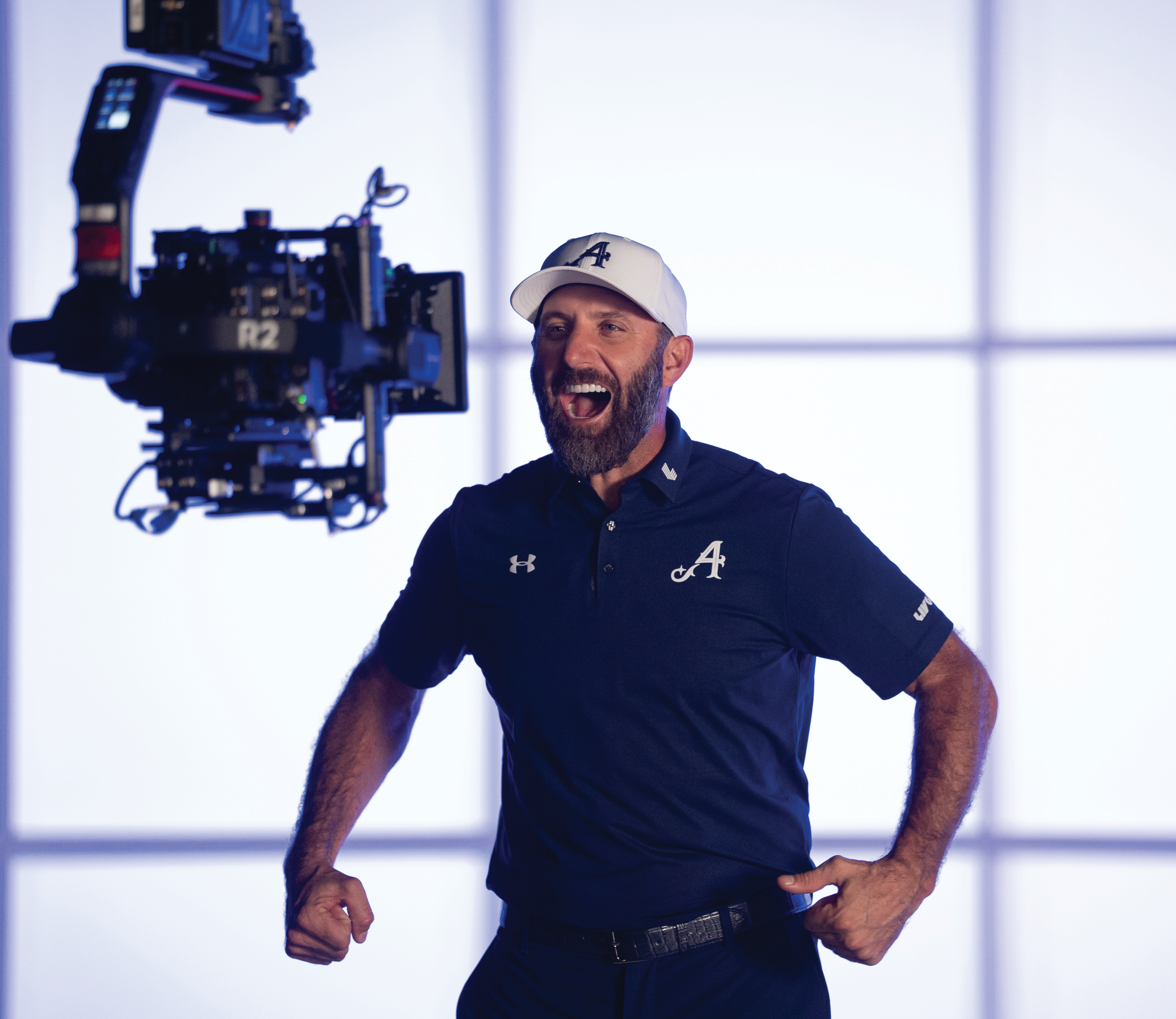
This month’s cover star is a golf legend who has 24 PGA Tour wins, has won the US Open as well as the Masters and has dominated in the sport. At LIV Golf, he is an Owner/Captain of the 4Aces and has achieved success here as well! Dustin Johnson is passionate about the game of golf and with the season kicking off in Riyadh on Feb 4th, we wanted to know more about how he came to this game, how he trains for it to optimize himself for his game, and to know more about why he joined LIV Golf and to understand what it is like for him to be in this role. We also talk with 4Aces GM, Chris Rosaasen to know more about this team, its vision, sponsor brands, and more!
ATHLEISURE MAG: When did you first fall in love with golf and when did you realize that you wanted to play it professionally?
DUSTIN JOHNSON: I fell in love with golf as a kid when I was 6 years old. I always wanted to play professionally since I started playing. I knew I was going to play on tour when I was a Junior in college.
AM: In terms of optimizing yourself to hit the course, what is an average week like in terms of fitness or workouts that you do?
DJ: After dropping my kids off at school in the morning, I head straight to the gym. My personal trainer’s name is Joey D, and I have been working with him for a long time. After the gym I head straight to the golf course. When I am on the road during tournament weeks, I am in the gym every day, whether it’s at the gym at the golf course or the hotel. Working out is in my DNA.
AM: You have had a number of accolades in your career, from 24 total PGA wins, being ranked number 1 for 135 weeks, winning the US Open in 2016, winning the 2020 Masters and winning all 4 World Golf Championship events, just as the topline notes. What do those achievements mean to you?
DJ: [Laughs] It means I am pretty good and I won a lot of tournaments.
AM: Why did you want to join LIV Golf as you have done this for 4 seasons, you won the inaugural 2022 LIV Golf Team Championship, and you are about to start your 5th!
DJ: I appreciate and enjoyed my long career on the PGA Tour, and LIV offered me a new opportunity I really believe in. I get to travel the world growing the game that I love, while building one of the first sports franchises in professional golf.
AM: You just signed a 3-year extension to continue playing with LIV. Why are you invested in this League and how are you going to continue to build off your team’s success?
DJ: Similar to my answer above, I feel LIV is the best place for me, and I truly believe in its vision and growth and the 4Aces.
AM: For those that may not be familiar with LIV Golf in terms of its season and its team play, can you tell me more about this?
DJ + CHRIS ROSAASEN: On LIV we play a 14 event global schedule. We play in nine different countries and incredible countries/cities. We are like the Formula 1 of golf, putting on the biggest events in the most exciting places across the world.
AM: You’re the Captain as well as the Co-Owner of 4Aces. Can you tell us about how teams are created?
DJ: In 2022, we started the league with a draft. We’ve continued to evolve and mature as a league, as we welcome new players to the Aces and across all of our teams. I always have my eye on new & young up & coming stars to continue to carry the legacy of the 4Aces.

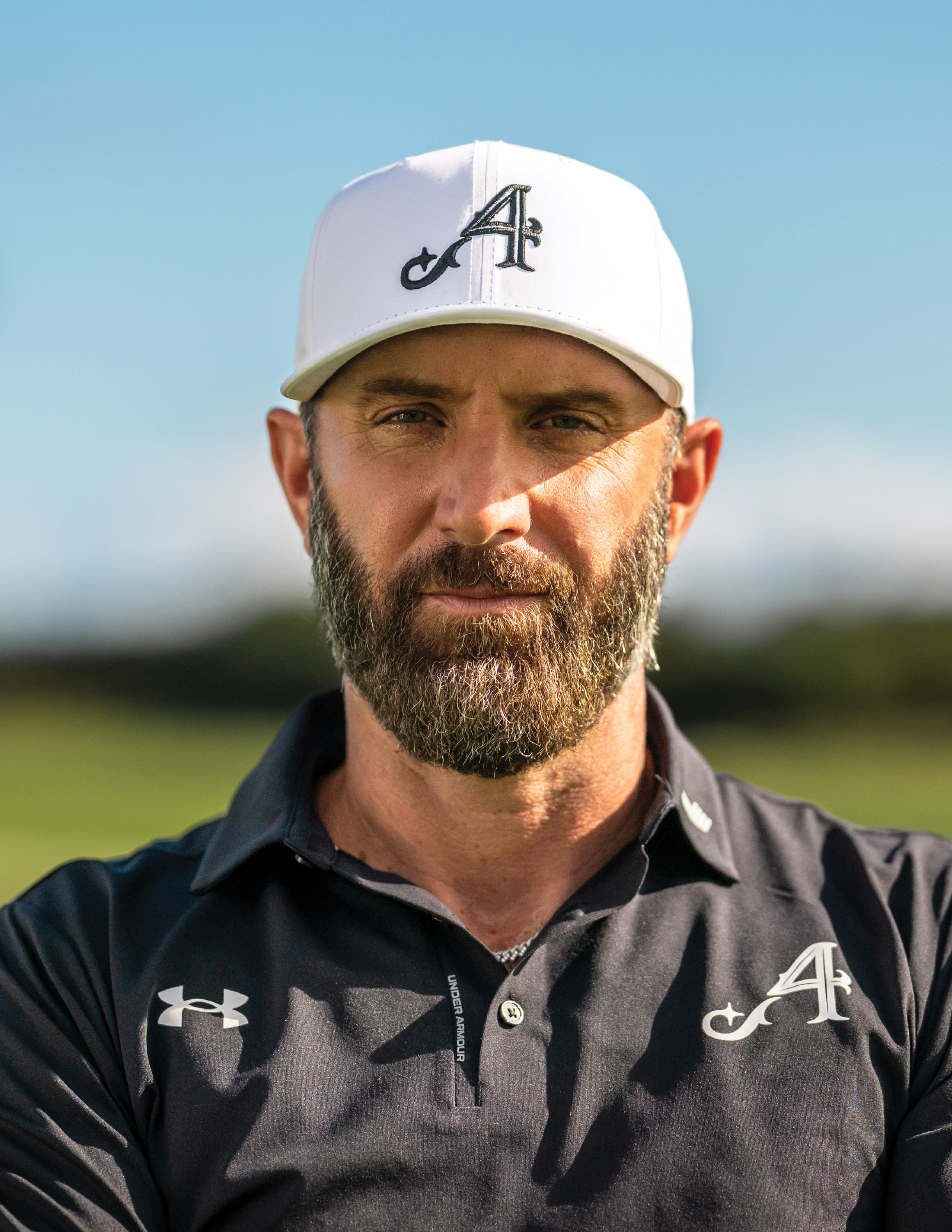
AM: Chris, you were previously the CEO of TravisMatthew before becoming the GM of 4Aces. Can you tell me about your background, how you came to this team, and what your role entails here?
CR: I originally was introduced to LIV through a handful of players that decided to make the switch from the PGA Tour. I attended the first US event in Portland, Oregon in July of 2022. While attending, I saw team golf apparel being sold for the first time and approached LIV about getting the contract to do apparel for all the teams at the time. That got my foot in the door to understand what LIV was all about. I started sponsoring the 4Aces in 2023 with an apparel company I founded called Extracurricular, and midway through the 2023 season, Dustin approached me about becoming GM of the 4Aces. I have been running the team ever since.
AM: What is your relationship like in working together in this Captain/Co-Owner and GM dynamic?
CR: It’s been great. Dustin has given me the freedom and his trust to run the team. I still see Dustin as my boss, and I run all important decisions by him before they are made, as we are running this business together.
AM: From a back of house perspective, what are the kinds of things that you worked on in the off-season to prepare for the upcoming season?
CR: I work with Max Russell (Our 4Aces Head of Sponsorship) on sponsor pipeline and getting deals to the finish line for the season. Also, strategizing on our team roster for the upcoming 2026 season is always top of mind. Lastly, from a brand building standpoint, we are investing in a new YouTube Series Behind the Aces which will be making its official debut later this year.
AM: How would you define the 4Aces brand?
CR: Our tagline is Primetime. We are the aspirational team on LIV that always gets noticed first when we show up at events. We model our brand off of the winningest, most prestigious brands in professional sports a la Lakers, Yankees, and Mercedes Benz of Formula 1.
AM: Tell us about your fellow teammates and what are your goals for the upcoming season?
DJ: Really excited to add Thomas Detry to the team, our newest team member. He is a proven winner on the PGA Tour and is hungry to continue getting better. I am also pumped to have Thomas Pieters back for this season. He is one of the most talented players on LIV and has so much upside. I am expecting big things from everyone and am optimistic this will be the best roster the 4Aces have ever fielded on LIV.
AM: Throughout the season, you play all around the globe in a number of amazing destinations. What are your favorite destinations and why?
DJ: Love Australia and the energy and atmosphere that crowd brings. Hong Kong is really special and is a great city to play and stay in. Lastly, I am thrilled to be playing in South Africa for the first time and have heard really exciting things. It’s honestly hard to choose, we go to so many great places...
CR: Australia is always top of mind for me and on top of the great crowds and city, the music LIV brings is always top notch and full of energy. Mexico City is the best if you love a food energy on top of a really unique challenging golf course. Finally, my favorite is Valderamma, Spain, an iconic golf course set on one of the most beautiful coastlines of the Mediterranean.
AM: As someone who is always on the go, what are 3 items that you like to bring with you so it feels like you have a sense of home with you?
CR: [Laughs] The road feels like home more than being at home sometimes. We are living out of suitcases 24/7.
AM: You just played at the Hero Dubai Desert Classic and you’re about to begin the 2026 LIV Golf season at Riyadh. What are you looking forward to as 2026 seems exciting with going to a 72-hole format.
DJ: I am excited about the 72 hole format. It goes back to the type of golf and format I grew up playing. Also, I think it favors the better players, which I believe benefits my game out here on LIV.
AM: For fans who come to watch you play, what is that experience like as the blend between golf, entertainment, and culture must be such an immersive experience.
CR: LIV Golf’s format is unique in the sense that there is an individual and team competition occurring simultaneously. The shotgun start with everyone teeing off at the same time lends to fans having a 5 hour window on the golf course which allows them to see more of the action in a condensed period. I think LIV does a tremendous job bringing in local food and sourcing world class musical acts, making the experience something that is new and unique to golf. We have artists like Calvin Harris, John Summit, etc playing at tournaments. These are some of the biggest names in Music.
AM: What is the 4Aces Social Club and how does this take attendees enjoyment to the next level?
CR: The 4Aces Social Club is something we are really excited about ramping up in 2026 and beyond. We use it as our moniker to activate exclusive hospitality events both on and off the golf course. In 2025, we had our own private structure in Miami where we hosted friends and family of the team, sponsors, and VIP’s, and threw a couple amazing off-course activations – one being at a private car museum in Indy and a private dinner in Dallas. We have more events planned in 2026 and are continuing to invest in the success of the programming.
AM: From a brand perspective, you have a number of partnerships including your recent Under Armour contract, Santo Studio, Celsius, FlyHouse, SWAG Golf to name a few, You are the first team to have a men’s jewelry partnership via JAXXON and your brands reflect an incredible intersection between culture, luxury, and performance! What is the thought process you implement in terms of determining those brands that you feel best fits 4Aces ecosystem?
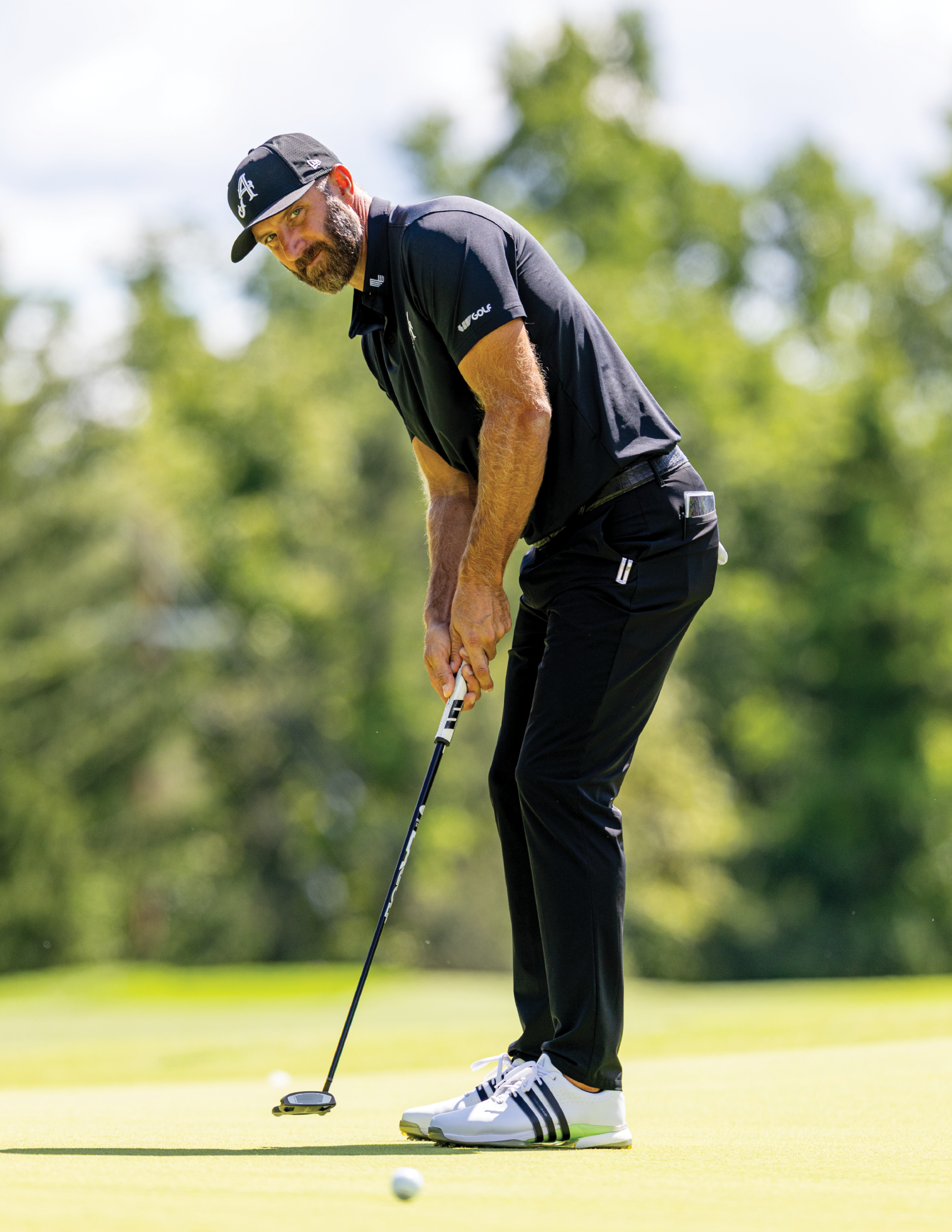
CR: Everything with our partners starts with authenticity. Our partners reflect our players and team ethos. Having new partners such as Under Armour – a leader in performance athletic wear and footwear – exemplify those premium brands who are coming on board because of our shared vision for the future of the sport. Frankly, all of our partners fit categories that are important to us as a team, whether that’s Celsius and their Live Fit mantra, which is core to us or FlyHouse, as our Private Aviation Partner and a standard of excellency and innovation in private travel, to DAOU Vineyards which is a world class wine California Wine Brand.
AM: You have a phenomenal career and you’re an owner of this franchise. Who have been mentors of yours as you have navigated your career?
DJ: I have had a some really important mentors in my life. Most important have been my dad, Wayne (Gretzky, my FIL) and Coach Terrell, my college golf coach.






AM: Why do you love this game so much and what do you want your legacy to be known as in this sport?
DJ: I love the challenge of golf. You are never going to be perfect at it. There’s always something you need to work on.
PHOTOGRAPHY COURTESY | LIV Golf

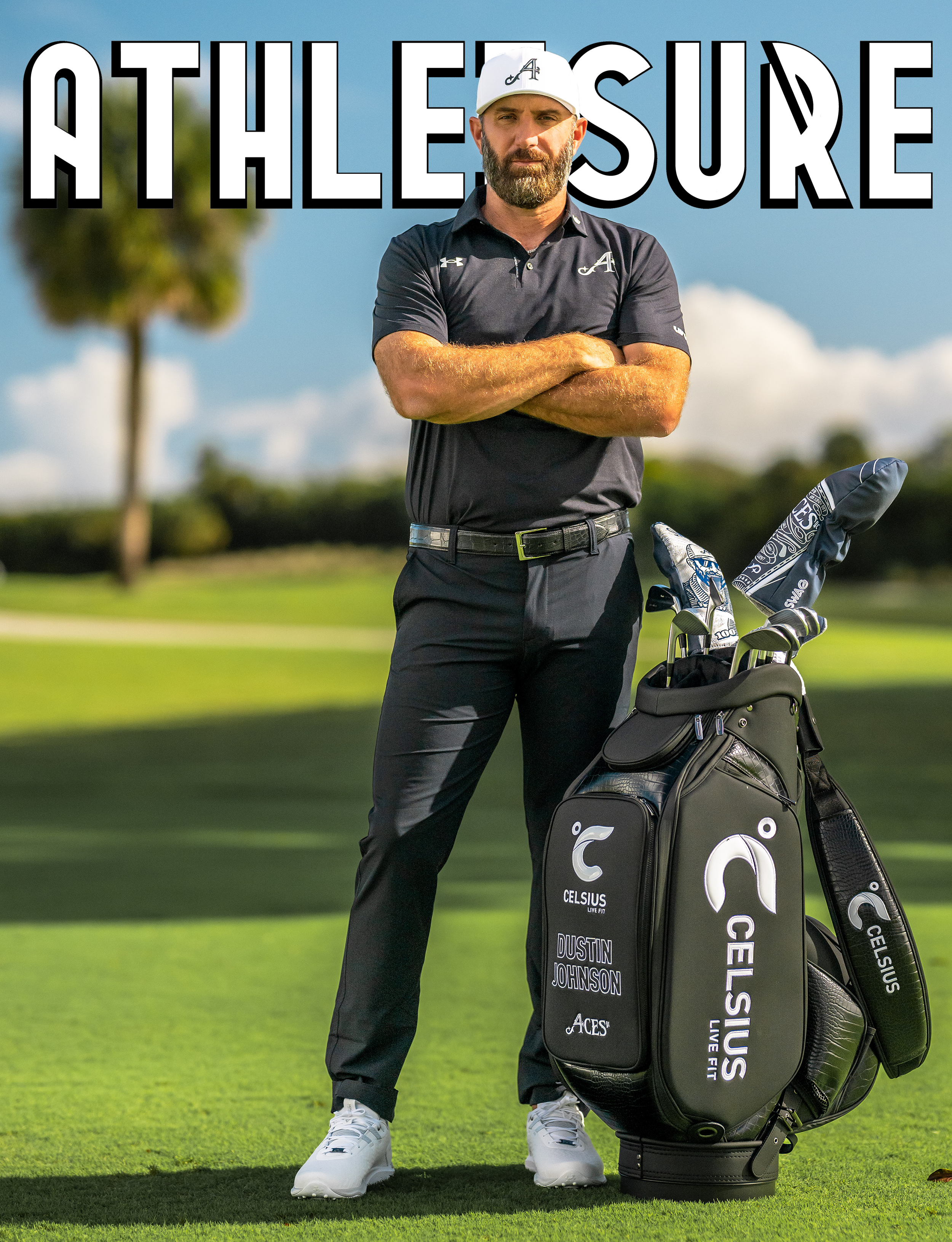
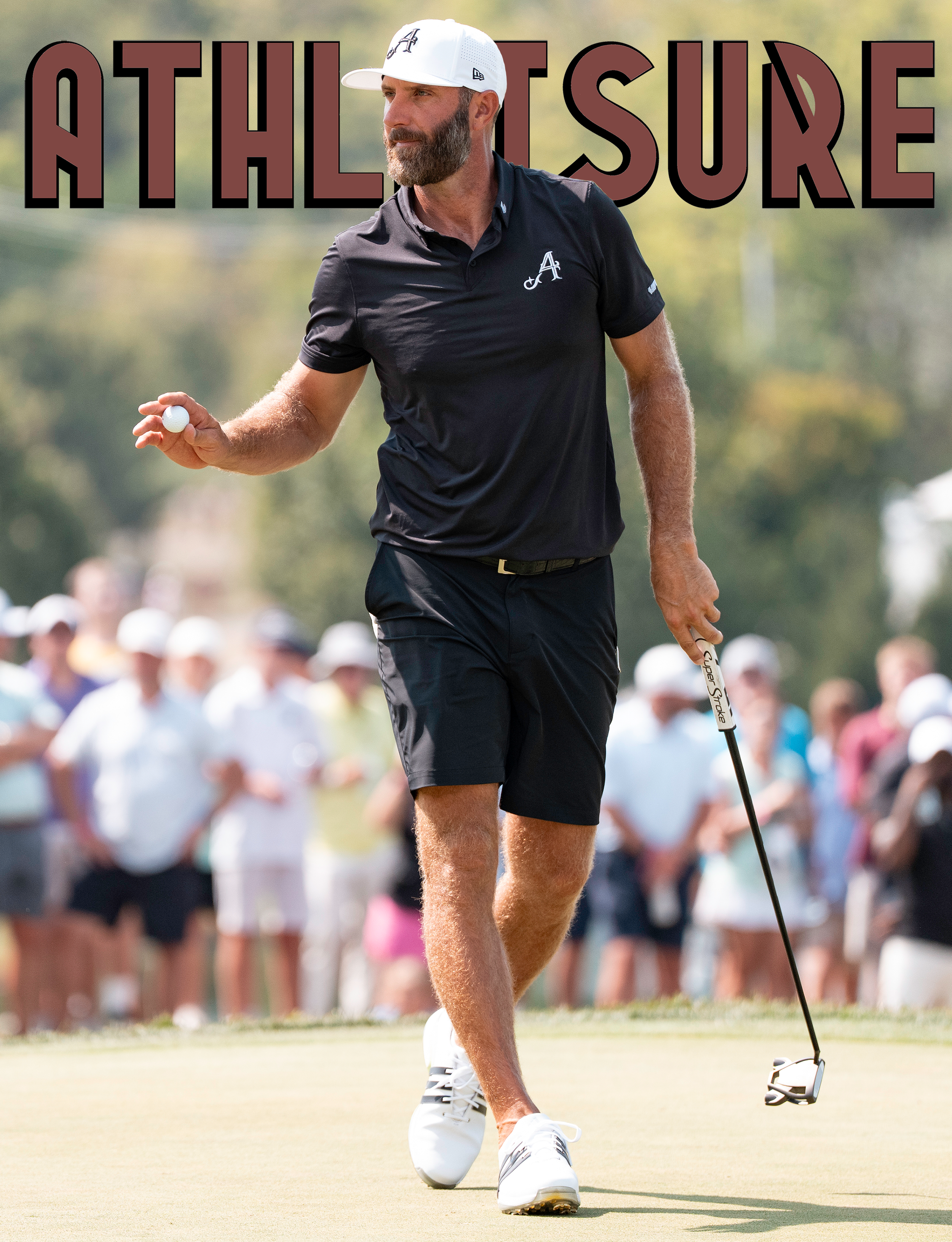
Read the JAN ISSUE #121 of Athleisure Mag and see DUSTIN JOHNSON | Champion Legacy in mag.
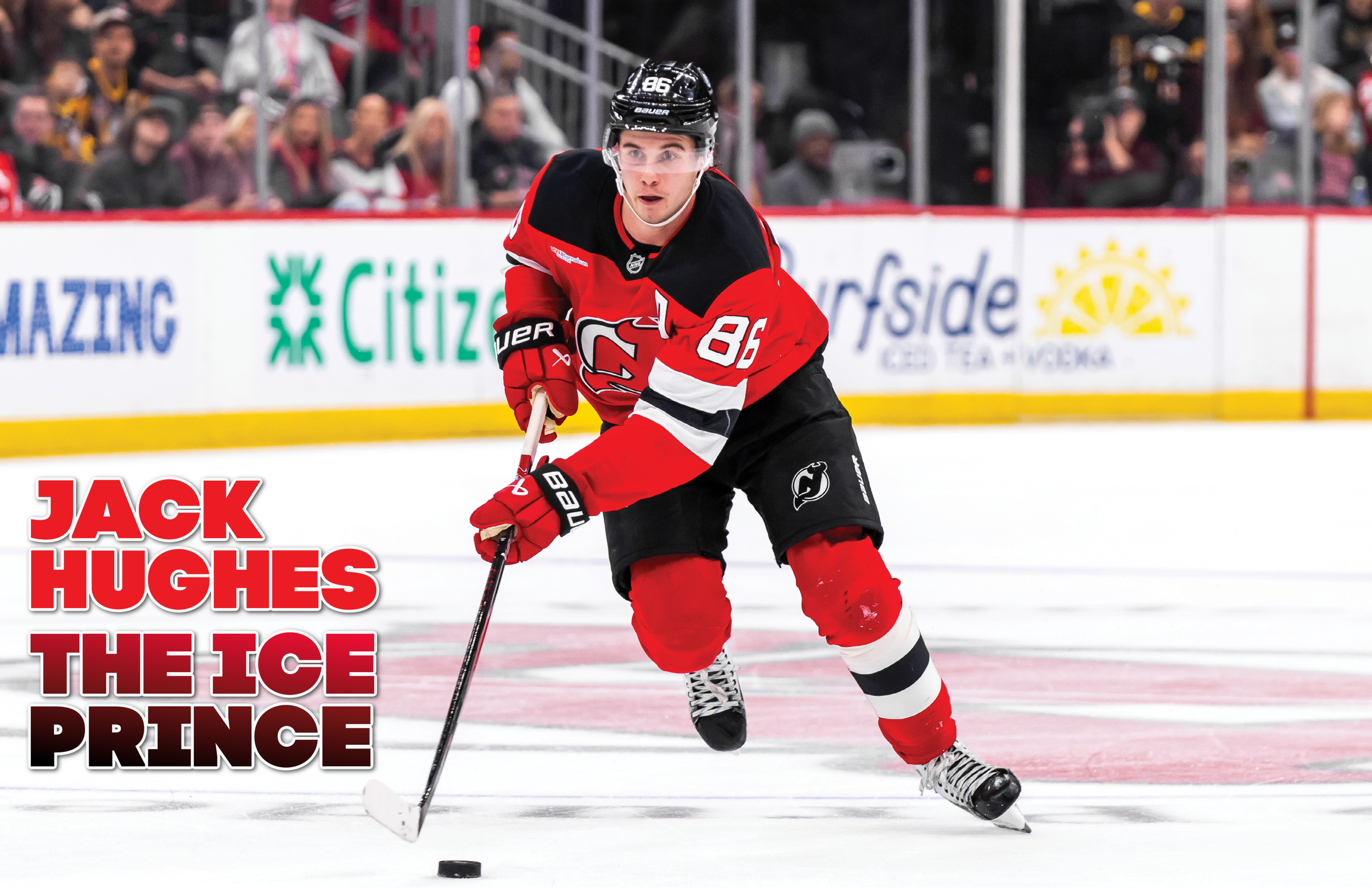

We’re in the New Year, and whether it’s wrapping up things from 2025 or beginning the marathon of the months ahead, we have all got into the flow. With the holiday season behind us, we tend to countdown to the Spring. Part of that process is navigating Cold & Flu season. We took some time to sit down with NHL New Jersey Devils Center, Jack Hughes to talk about his love for the game of hockey, playing on this team, his Olympic debut, and his partnership with Mucinex Kickstart!
ATHLEISURE MAG: When did you realize that you fell in love with hockey?
JACK HUGHES: Like honestly, super young I would say! Like, my older brother played (Editor’s Note: Quinn plays for the Minnesota Wild and his younger brother Luke plays for the Devils - they are the first trio of brothers to all be top-7 NHL draft picks and are cover athletes for EA Sports’ NHL 25), both of my parents played, and growing up, hockey was always around! I always had a stick in my hand. It was probably when I was extremely young and we were on the ice skating. My brother did it so I would say that I would have been 2 or 3.
AM: That is pretty crazy and amazing!
At what point did you realize that you wanted to go pro?
JH: I mean, I don’t think that you really realize that, I think that when you’re 8 years old, you’re playing to have fun and then it’s the same when you’re 12 and then 14. But maybe, when I was 16, that’s when I started to realize that maybe that would be realistic, you know? That’s when hockey gets more serious and the pyramid starts to shrink a little bit! Just growing up, that was always a dream of mine! I just wanted to play – to play in the NHL, but it just seemed so far fetched at the time.
AM: You got drafted in 2019 and you play for the New Jersey Devils, what does it mean to you to be on this team?
JH: Yeah, it’s good! I enjoy playing on the team and also living there. It’s the only team that I have played for in my career and I really enjoy it. It’s a place that I call home now and I love it, and I have really loved my time here.
AM: Clearly playing this sport is a total body workout! What are 3 workouts that you do to get ready for GAM3DAY?
JH: Well, workouts that I do, it’s kind of hard because you’re playing every night! You’re kind of just warming up and activating and you’re trying to keep your body feeling good and staying loose. But you also want to be kept strong and to keep it that way throughout the year. It’s important to get your rest obviously and your cardio is at such a high level because of all of the games and all of the skating, so there is so much that goes into it. But you’re just trying to keep your body feeling good for when you do play.
AM: What are your foods that are you’re go-to’s that you enjoy eating?
JH: I obviously love desserts, but I can’t have those all of the time! But things that keep me going for Game Day are things like sweet potatoes, a lot of high protein things like steak and chicken – you have to do all of that! Eggs, a ton of eggs in the morning is another one. I don’t know, it’s kind of like, you don’t really eat for food or enjoyment, it’s for fuel so that you can fuel yourself, feel good, and you can feel energized.
AM: With the Olympics coming up, you’re going to be competing on that global stage, what does it mean to you to be able to do this?
JH: It’s just a huge dream of mine. You know, I grew up as a proud American so it’s a big dream to be able to play for your country in the Olympics and it’s the biggest stage in hockey. So to be able to be a part of it is something that I have dreamed of for my entire life and I’m excited to be able to go through that process.
AM: You’ve partnered with Mucinex and Athleisure Mag is based in NYC and we’ve had a mix of some mild days and some cold days, but you know this is the time of year where we are navigating Cold + Flu season. Why did you want to partner with Mucinex and what are you doing to make sure that you are staying cold and flu free?
JH: Honestly, you have a ton of late nights traveling and you’re always moving around going from city to city. You try to stay at your best, but obviously, you get sick sometimes! I feel like Mucinex is at every locker room. Players are taking Mucinex for multi-symptom relief so that they can feel better and feel ready to try to be able to perform at their best. You have to do that and you have to get your rest as well. You just try to feel as good as you can!
AM: Can you tell us about the Kickstart to Greatness Campaign that you launched as you have partnered with Mucinex Kickstart, which honors the real key heroes of youth hockey - the mentors and programs that have helped shape young hockey players?
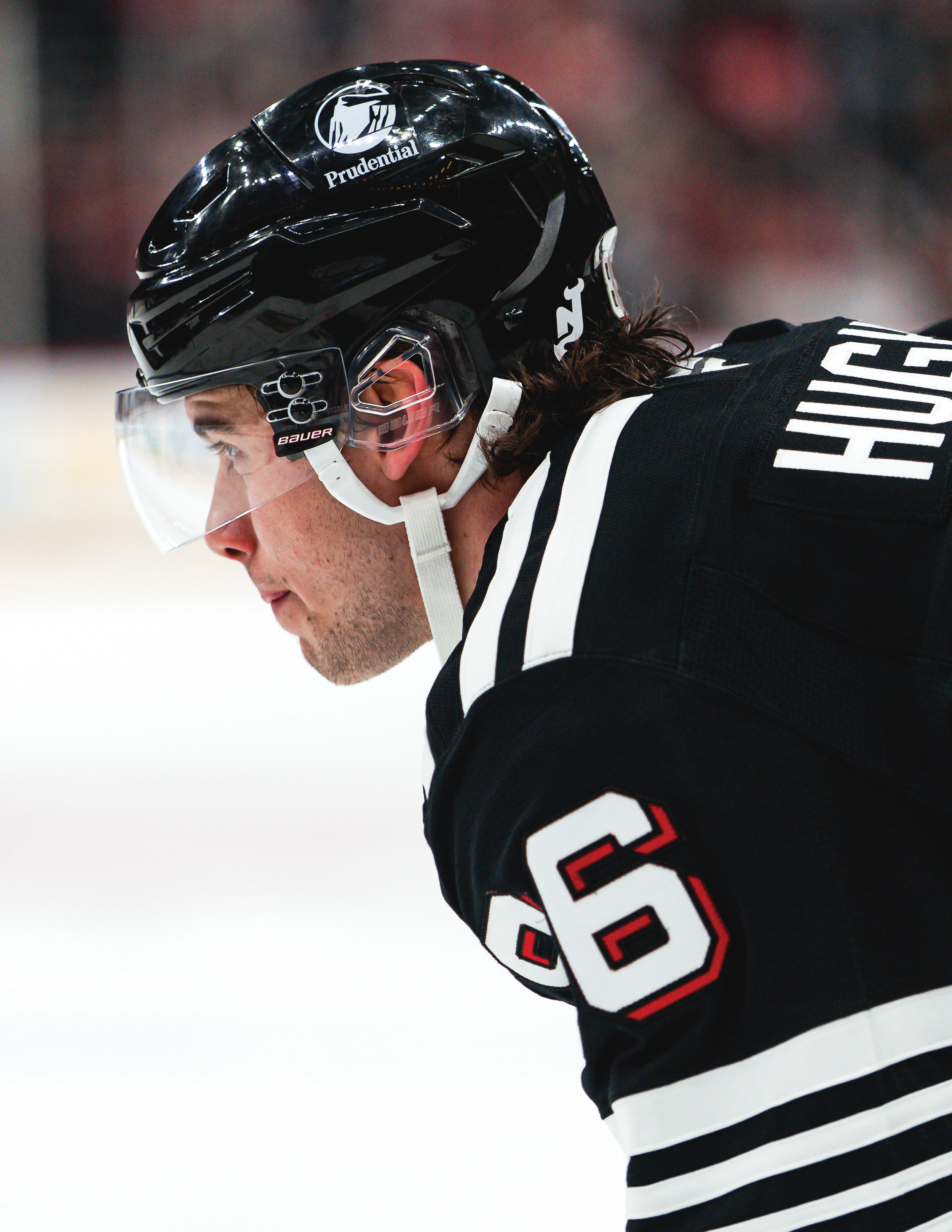
JH: Yeah! They have partnered with USA Hockey Foundation and have donated $20,000 to help fund the young American kids that are playing hockey. It’s something that I am super passionate about because I was super young too and obviously, youth hockey is something that is close to my heart. I was grateful to help Mucinex host a youth clinic with USA Hockey and Hockey in New Jersey to help kickstart the next generation of hockey stars. It’s an easy thing for me to be involved in this, as they donated to something that I care about, and it is an easy merger with something that I really care about and it is an easy thing to support.
IG @jackhughes
PHOTOGRAPHY CREDITS | PG 52 - 59 + PG 62 NJ Devils | PG 60 Adam Hunger/AP Content Services for Mucinex Kickstart |

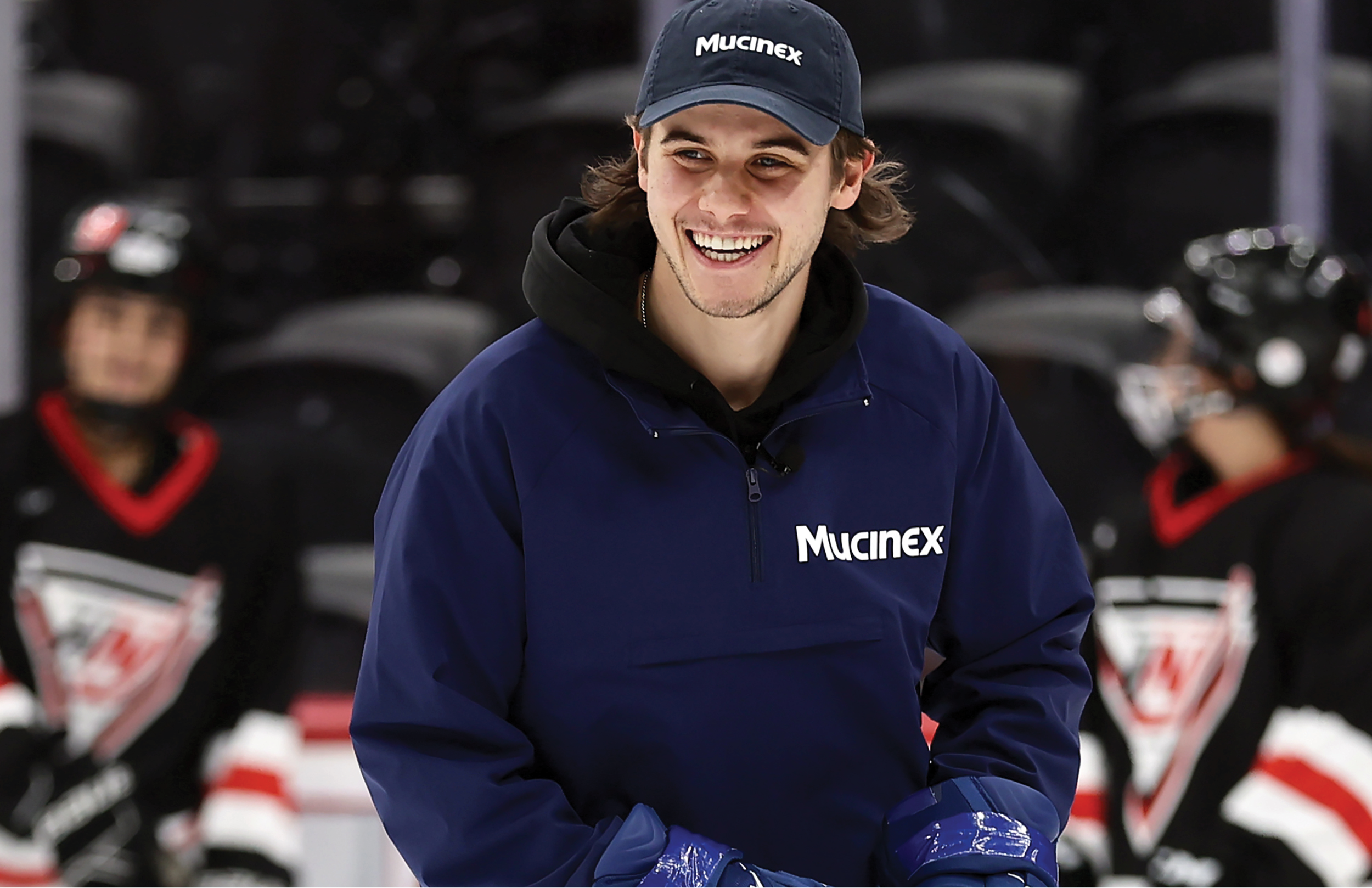
Read the JAN ISSUE #121 of Athleisure Mag and see THE ICE PRINCE | Jack Hughes in mag.

PHOTO CREDIT | Unsplash/Mohamed Masaau
Planning a quiet getaway can help you relax and rejuvenate your body and mind. Most people on vacation want to spend time refueling and leave their holiday spot with lasting memories. Simple, meaningful activities undertaken during a getaway help calm the nervous system, making every moment peaceful. Keeping this in mind, we have compiled below a list of the best things to do for a relaxing getaway.
Spending time outdoors can relieve stress and help you feel relaxed. The fresh air and a peaceful stroll through leafy parks or silent forests rejuvenate the spirit. Standing next to a calm stream or watching the sunrise can calm down turbulent thoughts. Catching sight of wildlife, feeling the wind in your hair, and hearing birds sing add to the overall tranquility. Nature invites you to unwind and stay in the present moment.
Many people traveling around the country look for exciting ways to make their holiday delightful. For example, people traveling to Idaho can explore the things to do in Harrison, Idaho, before heading to this beautiful state, and finalize an itinerary that covers tourist hotspots, good food, and shopping.
Mindfulness practices encourage awareness and relaxation. Guided meditation or gentle stretching exercises can help settle the mind and body. Slow, deep breathing in a tranquil setting eases tension and invites calm. Creative hobbies like journaling, sketching, or painting allow for self-expression without pressure. Each mindful activity creates space for reflection, gentleness, and joy.
Pampering yourself might help get your spirits up during a holiday. Getting a therapeutic massage or visiting a spa to clear out built-up frustration is a great idea during a holiday. Indulging in a warm bath with soothing lighting and gentle aromas will take you to a state of deep relaxation. Reading a beloved book or listening to relaxing music enhances feelings of fulfillment. Self-care makes each day during a holiday a rejuvenating retreat.
Tasting new cuisines and flavors on a holiday is a joy. Whether it is sampling regional dishes or enjoying a quiet meal at a cozy eatery, the experience can stay in your memory for a long time. Fresh, local ingredients bring forth a unique taste that pleases your senses. Savoring each bite with your loved ones makes the meal special. Sharing meals with your family and friends helps forge stronger ties and opens the floor for discussions.
Walking at a gentle pace gives you a deeper appreciation of your surroundings. Walking through quiet streets, scenic gardens, or sandy beaches encourages observation and reflection. Soft footsteps and a relaxed rhythm invite a slower, more intentional approach to travel. Each stroll reveals hidden natural beauties and invites a sense of discovery. Unhurried exploration creates lasting memories of peace and wonder.
A retreat can drastically help reduce screen time. Putting away devices promotes real-life conversation and allows you to stay in the present moment. The mind gets clearer and sharper when you are not prompted to check notifications, calls, emails, or text messages. Participating in conversations, listening to others, or perhaps just sharing a moment of silence with others happens with greater focus and intention on a relaxed holiday. Taking a break from technology helps establish a connection with your surroundings and friends.
A vacation would not be complete without documenting the experience. Sketching a landscape, penning an insightful sentence, or taking a photo helps capture wonderful holiday moments. Engaging in creative activities can promote mindfulness and an appreciation for the simple pleasures of life. In fact, these mementos can serve as a comforting reminder of peaceful times well after you have returned home. Every memory recorded is a memory to cherish for years.
Soft or gentle adventure activities can bring vitality and relaxation. Yoga, kayaking, swimming, cycling through silent trails, or enjoying a gentle stretch outdoors helps bring your mind and body into harmony with each other. Such activities can elevate mood and energy without overstimulating the senses. Light exploration is a positive outcome of new experiences, even as you rest from time to time. Such activities introduce some variety to the retreat.
Following routines before bed allows you to have restful nights. Watching the sunset, drinking some herbal tea, or enjoying an evening of stargazing is a peaceful and gentle end to each day. Dim lights, soft blankets, and easy-going conversation help people relax on a holiday. A night of deep, restorative sleep can do wonders for your mind and body.
A relaxing getaway offers you the opportunity to slow down, reflect, and nurture personal well-being. Simple activities, meaningful experiences, and thoughtful routines can restore both body and mind. Choosing gentle pursuits and savoring each moment ensures a truly peaceful retreat. By embracing these ideas, every getaway becomes a treasured oasis of calm and renewa

PHOTO CREDIT | Unsplash/Upgraded Points
If you swim for fitness, training, or competition, your swimsuit isn’t just something you throw on. It affects how you move in the water and how long you can stay comfortable. A poorly chosen suit can chafe, stretch out, or create drag. A well-made one supports your movement and holds its shape over time. Before you buy, focus on a few practical factors rather than brand hype or appearance.
Comfort and Fit
Fit comes first. A swimsuit that shifts, pinches, or gaps will distract you the entire session. What you wear whilst swimming should sit close to the body without digging into the skin. If it feels restrictive when you stand still, it will feel worse once you start swimming. At the same time, a loose suit will collect water and slow you down.
Check the sizing guide carefully, especially if you’re ordering online. Sizes vary between brands. When possible, move around in the suit before buying. Raise your arms, bend, and simulate a few swim strokes. The fabric should stay in place without cutting into your shoulders or waist.
Straps should feel secure but not tight. Seams should lie flat. If something rubs in the changing room, it won’t improve in the pool.
Materials and Durability
Fabric determines how long your swimwear lasts. Chlorine breaks down weaker materials quickly, which leads to sagging and loss of shape. Polyester holds up well in chlorinated pools and tends to keep its color - so many active suits use polyester blends that include spandex or similar fibers for stretch. These blends allow a snug fit while maintaining durability.
Check how the fabric feels. It should stretch easily and return to shape without feeling thin or fragile. Reinforced stitching also matters, especially around straps and seams that handle the most tension. If you swim several times a week, or are in training for a major event, durability is more important than trend or texture.
Water Resistance and Quick Drying
Competitive and training swimwear often uses fabric designed to reduce drag. While no suit makes you faster on its own, smoother fabric and a close fit reduce unnecessary resistance.
Quick-drying material helps once you leave the water. A suit that stays heavy and damp for hours can cause irritation and discomfort. Look for fabrics described as chlorine-resistant and quick-drying rather than simply “soft” or “luxury.” Those terms rarely tell you anything useful about performance.
Functional Design
Design should support movement, not complicate it. For women, that may mean choosing suits with reliable strap construction or built-in support that doesn’t shift during laps. For men, it may mean selecting briefs or jammers that stay in place without rolling or riding up.
Avoid excessive cutouts, loose panels, or decorative features that serve no practical purpose in the water. Training suits usually have simpler lines for a reason.
Think about how you actually swim. If you dive frequently, make sure the neckline and straps stay secure. If you train for endurance, prioritize comfort over appearance.
UV Protection
If you swim outdoors, sun exposure becomes part of the equation. Some active swimwear includes built-in UV protection measured by UPF rating.
A UPF of 30 or higher blocks most ultraviolet radiation, which helps protect areas the suit covers. This does not replace sunscreen, but it adds another layer of protection during long sessions in open water or outdoor pools.
Conclusion
Active swimwear should support your training, not distract from it. Focus on fit, fabric strength, construction, and design that matches how you swim. Ignore marketing language that doesn’t explain performance. If the suit fits well, holds up to chlorine, and stays comfortable through a full session, you’ve chosen correctly.
The hardest part of renting a car happens before you drive. You show up tired, your bag weighs a ton, and questions start flying. A small choice like tire type can shape your whole day. Most travelers now handle the basics before flying out. That keeps pickup quick and stress-free.
If you plan to book a car in Iceland, match the vehicle to the season early. That decision carries extra weight in places where weather shifts fast.

PHOTO CREDIT | Pexels/Kindel Media
Picking the right car goes beyond color and price. Your route and travel season should drive that decision. A compact car handles city streets just fine. But it struggles on gravel or unpaved roads. If your trip includes remote spots, check ground clearance first.
Some mountain roads in Iceland only open in summer. Others stay rough even after light rain. You can travel light, but the car needs to match the road. Ask about traction options when you book.
Strong wind gusts can push a small car across its lane. That happens even at modest speeds on open plains. A heavier vehicle gives you more stability out there.
Weather causes most surprises during shoulder months and winter. Forecasts can shift within hours in many regions. Check live road conditions and note bridge warnings before leaving.
Iceland's Route 1 stays paved for long stretches. But you will still hit narrow bridges and sudden fog. On gravel, keep more distance from other vehicles. Stones fly up and crack windshields fast.
If you want hikes and hot springs, add buffer time. Rushing the drive takes the fun out of stops.
Most rental problems start with paperwork, not driving. A few minutes of prep saves you real headaches at the counter. Read terms carefully so nothing catches you off guard later.
Carry a valid license, your passport, and the booking card. Many companies place a hold on your card at pickup. Check your limit before you arrive at the desk.
Check whether your license needs an international permit. That depends on the issuing country and language on your card.
Insurance terms feel confusing, and they should get your full attention. In Iceland, gravel roads, sand, and ash can damage paint fast. Ask how the deductible works before you accept anything.
Find out what the policy excludes during high wind events. If you travel outside Iceland, compare cross-border rules too. Verify what counts as damage and how they handle photo proof.
Before you walk away from the desk, confirm these items:
Fuel policy: Know if you return it full or prepay for gas.
Return time: Late returns often trigger extra daily charges.
After-hours drop-off: Find out where you leave the fob.
Restricted roads: Ask about mountain routes and river crossings.
If the agent explains a rule, ask them to show it in writing. Keep copies of everything on your phone.
Pack your documents so you can grab them without digging around. A simple system, like the one in this packing guide, helps at busy counters. Keep your license, card, and reservation in one pouch. That habit also helps at toll booths and hotel parking gates.
Your pickup plan shapes your first hour after landing. A little forethought keeps that transition smooth and easy. Fuel and charging logistics deserve the same attention.
Airport desks get busy after late flights arrive. An online check-in saves time at the counter. Some Iceland companies, like Blue Car Rental, offer lock box pickup near terminals. That works great for arrivals outside normal office hours.
Choose a pickup spot that matches your first stop. If you land at Keflavik and head out right away, airport pickup saves time. If you stay in Reykjavik first, a city pickup cuts parking stress.
Ask which fuel type you need before you drive off the lot. Confirm where the nearest station sits near your return point. For Iceland road rules and winter driving notes, check the foreign driver leaflets.
If you rent an electric car, learn how local chargers work. Keep a backup payment method ready just in case.
Plan your return route early so traffic does not crunch your schedule. Build movement breaks into your driving day. Long sits tighten hips and ankles pretty quickly.
A calm pace helps, like the ideas in this travel pacing guide. Stop at viewpoints and walk for five minutes. If rain hits, keep a spare towel so wet jackets stay off the seats.
A quick walkaround catches problems the counter staff might miss. This takes almost no time but saves real trouble later. Make it a habit at every rental pickup.
Walk around the car before you load your bags. Take clear photos of the wheels, windshield, and any scuffs. Save them all in one album folder on your phone.
If you spot damage, report it right away. Ask for a written note from the staff on the spot.
Check the basics that affect safety on longer drives. Test headlights, wipers, heat, and seat adjustments before leaving. In winter, ask about winter tires and warning light procedures.
Keep this quick list in mind for driving in Iceland:
Headlights: Use them at all times, even in summer daylight.
Gravel speed: Keep it conservative and increase your following distance.
Animals on roads: Watch for sheep or horses near open fields.
On return day, repeat the same calm routine from pickup. Top up fuel if the policy requires it. Then photograph the gauge, receipt, and car exterior.
Clear the trunk and remove any trash before you head inside. Leave time for one final walkaround before handing over the key.
A rental car supports an active trip when you plan the small stuff. Match the car to your roads and read the contract fully. Build in breaks and leave extra time for returns. Those steps keep your travel days calm and in your control.

PHOTO CREDIT | Black Ops 7 Zombies
“Most ambitious Zombies mode ever” is the kind of line marketing teams love to toss around. But here’s the funny thing with Black Ops 7 - once you actually spend some time inside Zombies, play a few rounds, get lost, panic, laugh, die, and then swear to do better next time… you start thinking, “Hold on… they might actually be onto something this time.”
This isn’t just bigger. It’s denser, stranger, riskier, more playful - and after reading this article you and your friends will definitely want to join in on the fun. So, why not browse some Call of Duty accounts for sale from this site? If you’re getting the game, you might as well get it at a great deal.
So, let’s just get right to it. Here are 10 reasons why Black Ops 7’s Zombies mode is easily the most ambitious in the franchise’s history.
The map - Avalon - feels less like a Zombies arena and more like a living world. You walk in expecting the usual circular flow, the typical “train here, camp there” zones… but nope. It sprawls. You’re not just fighting zombies. You’re exploring.
And that exploration gives the map a pulse.
For years, players joked about wanting cars or bikes in Zombies. Now we’ve got Ol' Tessie - and somehow, it doesn’t break the experience. It actually adds chaos in the best possible way.
The scream your friends let out because you almost ran them over while driving through a horde of zombies specifically to save them will always be funny.
More importantly, vehicles help you traverse the massive map without feeling overwhelmed. They’re not just gimmicks - they’re tools.
Relics are powers, buffs, or abilities you collect and upgrade as you progress. On paper, it sounds like another layer of progression… but in practice, it reshapes how you approach fights. Some relics stack in surprising ways. Some turn you into a tank. Others bend the rules of Zombies just enough to feel fresh without feeling like cheating.
You don’t just build a loadout anymore. You build a playstyle.
It never feels good when your payoff for playing your best is an enemy that’s kind of the same as the rest except his health bar’s bigger. This isn’t a problem in this iteration!
Black Ops 7 gives us bosses that have multiple phases, and they feel compelling to fight!
The first time one leaps out of the fog at you, you'll know. These fights force you to move, think, and occasionally scream something unprintable. And that’s exactly how it should be.
The Zombies narrative has always been wild - multiverses, time loops, demons, and morally-questionable scientists. Black Ops 7 doesn’t tone it down. If anything, it doubles down and then tapes on a few extra layers of mystery.
Cutscenes look sharper, conversations feel more grounded, and the worldbuilding has a stronger pulse. It's the first time in a while where you finish a round and think, “What happens next?”
Older Zombies modes always had a kind of “setup phase” where you opened doors, turned on power, grabbed perks, and then - finally - started the Real Game™.
Here, it all blends together. You might be chasing a relic upgrade route when suddenly you’re in a tight fight. You might stumble into a side objective when you were just trying to buy ammo. The pacing feels less mechanical and more organic.
It keeps you awake, alert, a little sweaty… and honestly, that’s what makes it fun.

PHOTO CREDIT | Black Ops 7 Zombies
Even if you normally play solo, Zombies’ co-op improvements are worth talking about. Voice lines sync better. Revives feel smoother. The game doesn’t punish the team quite as brutally if one person makes an honest mistake (and we all have that friend).
There’s also this warm, chaotic joy when you see your friends’ Call of Duty accounts come online and join you as you blast through undead waves like a group of underprepared disaster tourists.
This time, the world itself tries to kill you. Fire zones, collapsing structures, traps hidden in plain sight - Avalon makes you pay attention.
One minute you’re confidently sliding through a hallway, and the next you’re choking on toxic fumes thinking, “Oh… THAT’S why they warned me about this area.”
It’s not unfair, just unforgiving. And that creates some unforgettable “close call” moments.
Weapon levels, relic mastery, operator progression - it all ties together. Nothing feels wasted. Even a mediocre run teaches you something or unlocks a little something.
This makes Zombies feel like a mode you grow with instead of something you restart from scratch every night.
This version of Zombies isn’t just incredible gameplay-wise. The changed the whole look and aesthetic of the mode as well. It’s dark, gritty, and intense. It feels a lot like Zombies did in its very first appearance as an easter egg in World at War.
You get this very oppressive feeling when traveling through the map. The voice acting and music adds a lot to the cinematic feel of it all.
Absolutely. All Call of Duty accounts get progression towards relics and weapons, even if playing alone. The pacing feels different, but in a good way - more deliberate, less chaotic.
Totally optional. You can ignore them and play classic-style if that’s your thing. They’re more of a convenience tool than a requirement.
Nope. Fans of the lore will pick up on references, but newcomers can jump in without feeling lost.
No. Every relic is unlocked through gameplay. No shortcuts, no premium boosts - just grinding and smart choices.

PHOTO CREDIT | Black Ops 7 Zombies
In this entry, Treyarch decided to mix together everything they have learned from all their years working in the Zombies mode to create this amazing experience that you and your friends can play together. It’s familiar, but still feels intense and new. It feels messy but also polished.
Everything, from the scale of the mode to the intricate subsystems within it, adds up to make this the best iteration of Zombies that the franchise has seen yet, and that’s a very high bar!

We sat down this month with Mick Kastenho aka KAAZE who is a DJ/Producer who has created music that keeps the good vibes going, as well as working with a lot of our favorites from Steve Aoki, Calvin Harris, Britney Spears, to name a few! We wanted to know more about his upcoming exciting projects; where we will see him play his next sets; how he approaches creating his music; and how he stays fit!
ATHLEISURE MAG: When did you first fall in love with music?
KAAZE: With music in general? Oh wow, my father is a musician actually. So, it came I think if I remember when I was around between 1 and 2, I grabbed a CD which was a Queen record when I was very young and it was my favorite record. Since then, I was obsessed with music! My mom was also very into disco and groovy music so they fed me a lot of music in the home. So it definitely comes from my parents.
AM: It’s a cool idea to think of you as a 1 year old grabbing that record as we love that band as well.
K: Oh yeah and Queen is still my favorite! Freddie Mercury is still my hero to this day. It’s kind of an odd role model to have in terms of my music choice. But I don’t know, he inspires me so much.
AM: When did you realize that you wanted to be a DJ/Producer?
K: I think I was 15/16, I discovered David Guetta on MTV, and it was definitely when I heard the first records from David Guetta. I was like what is this? I dived right into it and was just like, I think a week later I bought this little CD mixing thing and then it started. So definitely, the answer is David Guetta.
AM: How would you define your sound? You have done the Groovy Electro House, you’ve also done Underground Techno, and you have now pioneered the concept of Hot Teknō. Can you tell us more about what this is and to describe the genre?
K: I mean, Hot Teknō is something that I give credit to my fans. I used that term in a funny way and they caught up on it on my social media. They kind of named it. I would describe Hot Teknō as a more groovier and a little bit more of a touch of mainstream techno, than a traditional techno that we have. It leans more towards the harder side of the techno as opposed to the melodic techno based on higher tempo.
Whatever style I have been doing whether it is Progressive House or Pop, I have always been driven by energy so I love energetic music – something that keeps you going. It was just me a couple of years ago, trying to find something new and at the same time, I was going back to my roots, because I started 18 years ago with a lot of techno. So in finding that balance, between something melodic and fun that’s still way more harder than what I have been doing the last 10 years.


AM: When we think of EDM and what we enjoy listening to regardless of the subgenre, Sweden has had just a number of our favorites in general – Swedish House Mafia, Alesso, Avici, and Galantis! What is the music scene like in Sweden and how do these artists influence your work?
K: I would say that the Swedish artists very much influenced me in the beginning of my career.
I would say that the music scene in Sweden in general – I have not technically performed in Sweden yet.
AM: Oh wow!
K: I’ve had opportunities, but I’m waiting for that perfect moment where I feel that that would suit me.
The export from Sweden is just unbelievable. Everything from obviously, the DJs to even songwriter/producers like Max Martin (Shake it Off/Taylor Swift, Dark Horse/Katy Perry, Problem/Ariana Grande), who is responsible for 90% of the American market. I don’t know what it is but, Swedes are really, really talented at making music, but of course, that inspired me a lot. I’m pretty proud to be Swede because of it without sounding patriotic.
AM: It’s pretty cool. Because in thinking about going to Sweden as we have never been, we have always wondered what it would be like from a music perspective due to how much music comes from there.
K: Especially since it is so small!
AM: Right!
K: It’s such a small country. It’s the size of California, minus all of the people!
AM: What is your creative process like when it comes to working on your music and where do you like to start?
K: Oh, it’s always different. I’m that type of artist that it kind of comes to me. Not all the time, but it comes to me. I hear something on the radio. I love to go over really, really old music on my playlist. I don’t listen to electronic music privately, I only listen to everything else. That’s a lot of times where I find inspiration, whether it is a sample or a melody. It could be a vibe, it doesn’t matter, but I find everything outside of the electronic world. A few times, I do sit down with a clear mind and I don’t know where to start and I will just play around with sounds and sometimes, nothing happens.
The only cool thing I do is sometimes when I start my productions, I have always done this and it works really well for me, I know some other DJs do – such as Fred again.. I put a timer on myself for 35 mins and within those 35 mins, I need to come up with something solid. It can be super rough but as long as it has something to work on, and if after 35 mins I’m still like waa – I delete it and I restart. I reset the alarm and I do it until I find something. It puts a little pressure on really activating every single cell in your brain. I think at least for me. So that’s kind of how I do it, but a lot of times I do have a little idea from some old playlist or some old song and I try to take that idea and put it into 35 mins and see what happens.
AM: In hearing you say that that is your process, you would have so many snippets that if those didn’t go forward, you would have to delete them, but it’s interesting because if you did keep some of them – maybe there would be things that would bud back together again!
K: Yeah you know, obviously, there could be something that is tiny tiny tiny that I’m not sure about so some of them I do save. But if it is too nonsense, then I just let it go. Because if the idea is good and I delete an idea, that idea is most likely going to come back at some point. And that has happened a couple of times where I had an idea, I scratched it and I am sitting down 2 months later, and I was like wait – I have done this melody before and that was a sign that it was better then what I thought.
AM: That’s really cool.
Well you have collaborated with a lot of phenomenal artists from David Guetta to Britney Spears to Steve Aoki, Calvin Harris and more – what do you look for when it comes to doing a collaboration?
K: Not much really! It’s just a song pretty much. The song is the most important. I don’t really mind if it’s David Guetta or a very young up and coming artist. It comes down to the material and the potential of that song. Of course, I am extremely grateful and blessed to have worked, and to have songs coming up, with names like David Guetta and stuff! I would never believe it if I told myself that 18 years ago. So that is really really cool, but in the end, the song is what is most important and it always will be. I just try to always focus on the song and whoever is a part of it, great. It’s about making the best result of the song.
AM: You ended 2025 last year with dropping Head Rush with Steve. Tell us about the project and what was it like working together again with him?
K: We have been working on the project for about a year. We had already planned a year back that we were going to drop an EP together. We were going back and forth between a ton of demos and which ones should we include. Overall, I just love to release music with Steve. Mainly because he is a great, great friend of mine and is the closest friend that I have in the industry in terms of DJs. He is what I call, a proper G. He is such a sweetheart and he cares so much for me and everyone else and it’s very, very rare that someone on his level acts the way that he does. I have never heard anything bad about him. Everyone just loves him and I understand why. So that’s why I love to work with him so much because of the friendship and we have so much fun. He invites me to shows and he really believes in my sound and he believes in my vision with myself. That’s really cool. He’s not trying to take shine, he’s like, I want to KAAZE in this direction and he feels that’s cool and he wants to be part of it. That’s what makes making music with Steve so fun. This is why we have such a great friendship.
AM: This month, you’re dropping Antidote which is also exciting! Tell us about this song!
K: I really, really love Antidote, especially the vocal! The vocal is absolutely phenomenal. It’s 2 guys Mentum. I worked with them before on an album called Mick, so this is our second song together. Amazing songwriters. The cool thing about this song is, I had a demo of a song that I have been playing since 2023 and I have just been playing it on my sets, as a mashup with Travis Scott on a vocal on it or something and then Mentum reached out to me with a ton of new ideas including Antidote. They had the vocal and everything with a rough idea of the track and I heard – this just happens, a few times, but sometimes it happens that I hear that this song could really fit this song and it was very similar in the arrangement, the key, and the overall vibe. So, I literally took parts of that song and I put it on top of my 2023 demo and it was just done so it was like 45 mins and the track was just complete. So that vocal was really just meant for that demo. It was pretty cool that I have just been having it for 3 years laying around and playing it here and there and now we have a full track! So that was really dope and I am looking forward to that track. I think that the coolest thing with that song is that it has that Hot Teknō kind of energy. It’s a techno track and it also has that vocal and melody which is very poppy in a way as well as commercial so it is very hard to pinpoint exactly what type it is if you want to put a genre on it. It’s really really hard. I think that it is really to experiment and you don’t really know what kind of a song that it is. It’s a party and still vocal.


AM: You’re constantly traveling for shows and festivals. Do you have anything scheduled that we should keep an eye out for?
K: Schedule wise, yes a couple of shows. I can’t say just right now. I have some shows that I have dreamed of doing – some festivals which is a dream come true that I am going to do and it will be announced soon. So you should look out for that! I think that people can read between the lines on which ones they are. That’s going to be super dope and I have been waiting for that moment.
I have a lot of cool projects that I have got going on as well. I’m working on my record label SE7EN Records. I have some other really cool side projects as well. I’m working on a big project for KAAZE that’s a bit outside the music world, but still a very strong passion for me which I’m excited to share more info about very soon.1 It’s been a hobby from the beginning.
AM: You just mentioned your record label SE7EN. Tell my why you wanted to do this and what has that process been like?
K: For SE7EN it has been a dream of mine since the beginning to have a record label. Ever since I understood that other DJs had record labels and why, it was always a dream come true. I could have done it earlier, but I wanted to do it the right way at the right time. It takes a lot of effort and things to make it happen. It feels like now is the right time and I have a vision for how I want to go about SE7EN Records. It’s dedicated to my daughter because that is her name. I think it is a really good time to do it. I do it to be free and have fun, to build a community, and to find new talents, especially finding new talents. I would like to finally be that person who helps others because I have been in that position with Tiësto and Hardwell, who have helped me throughout my career. Then I have experience from that and a vision for how I would do it. I really want to give other kids that opportunity as well.
AM: How important is fitness to you? Clearly when we look at your IG, you work out.
K: I’m a gym rat!
AM: It’s quite clear! How important is it to you to incorporate that into your routine?
K: I mean, it’s really important. Of course I love like everyone that you love to look good and you go to the gym. The key reason why I go to the gym is that since I really took it seriously, it really improved my workflow and traveling and DJing in general, it really puts – if I have a hectic work schedule, I go to the gym every day it doesn’t matter if I am in Australia, Tokyo or home in Sweden I go to the gym. I do not drink alcohol. I eat very good and by doing those little things, it really made me look at my career as more of a sport than a party! It’s very easy to fall into the party life of a DJ. Of course, I have responsibilities and I’m a father. I want to be my best for my daughter. So that is kind of the 2 reasons that I work out for my daughter and a stable sporty kind of look at my career.
AM: It’s about longevity!
K: Oh yeah!
AM: Are there 3 workouts that you enjoy doing that you can share with us that our readers and community can consider putting into their routines?
K: Maybe not a workout per se, but what I love to do which I found really, really effective for me is something called a Push-Pull system. This is where on Mon I do all things push. So they are all push movements and then on the next day, I do all pull movements and then on the Wed, I do all legs for example. Then I go back to the days of Push and Pull. So that includes everything that is Push which is chest, shoulders, triceps and so forth. The Pull is back and biceps you know? Then, you split it with a proper leg session and it is up to each individual to think about the break that they want to take. But I love to go jump because I keep the muscles activated and you still let them rest enough where it works. As long as you eat enough, the Push-Pull method has been the best set up for me when working out. I feel like sometimes you have a schedule where you do chest on a Mon but then the next chest is on Fri – for me that is way too long for a rest period between that group!
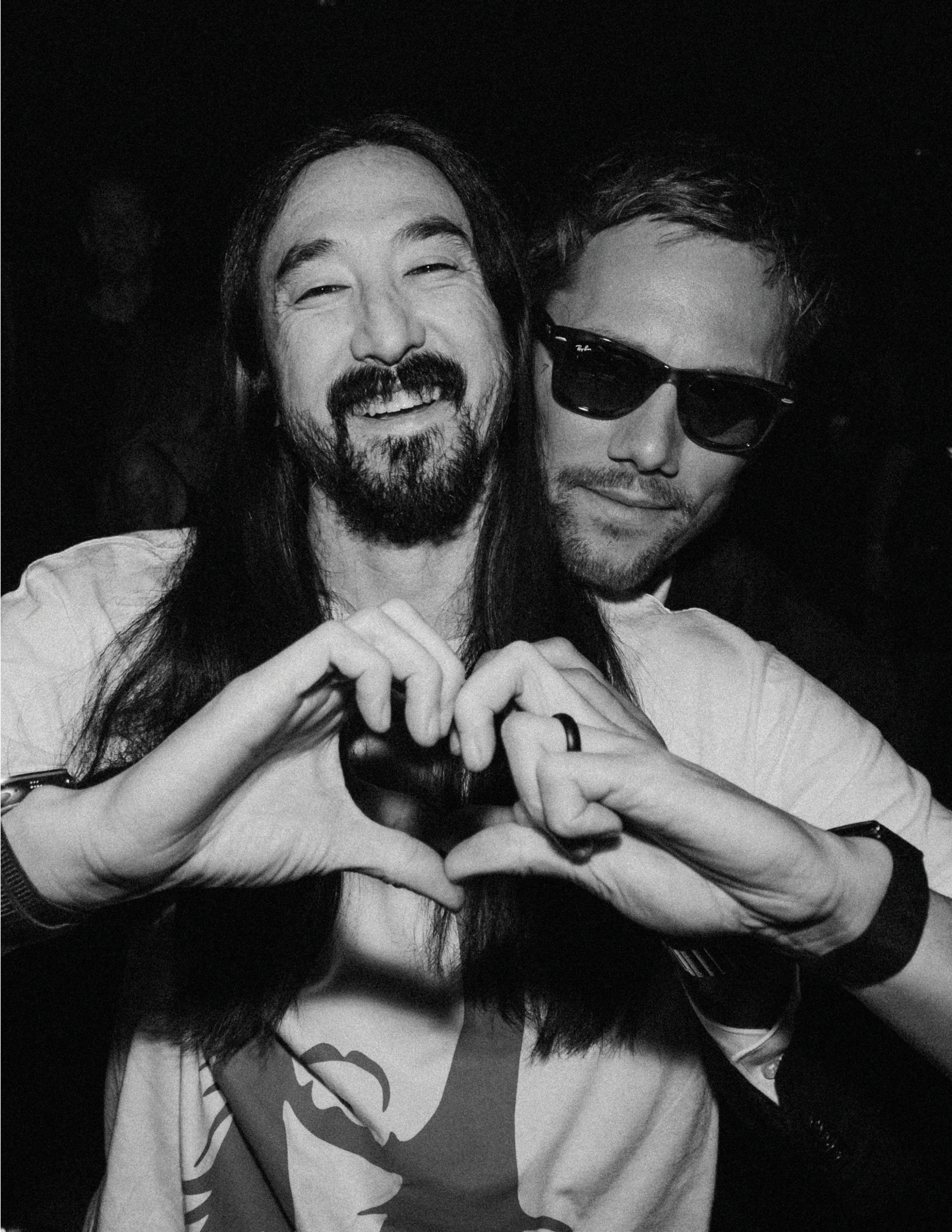
AM: This is interesting and it makes sense.
K: For me, the Push-Pull Method is a highly recommended for you to try out at least.
AM: When you’re saying it, it totally makes sense, because we’ll do a series of movements that focus on a group on one day, then there are 2 to 3 days before we go back to that group. But in hearing you talk about your workout, the body has just enough time to come up and then goes right back into it which is really smart!
K: It’s also about that the muscles are eventually going to adapt. If people are hearing this and thinking that it is so intense, it’s all about making the body used to a certain weight, a certain time frame, and eventually, your body will adapt to that as well.
AM: Right.
K: Then you can push the envelope even more. The gym is about pushing the envelope. I really recommend this and you should at least try.
AM: Just hearing it makes sense so we’re going to try it. It sounds like a much better flow.
Obviously, you love fragrances and collecting them. What do you love about collecting scents and how did you get into this?
K: It’s actually a very funny story. The reason why I am obsessed and have perfumes and different kinds of them as a little hobby is when I was 16 and I just started making music, my dad helped me get this little studio. I decorated it and I put some IKEA scented candles in there. I was just a guy and I didn’t know a lot about scented candles, but I found a vibe with it. I remember I was smelling cinnamon or something like that, and I was smelling it and it was giving off a great vibe. I was making music and that led me to realize that I loved scents, and then I had a perfume once that I was spraying it on in the studio and I got inspired by it! I was like, “oh shit!”
So I realized that it made total sense because your ear and your nose are connected right? That’s why you can hear something and bring a memory. You can smell something and get a memory. I started an experiment with different scents in terms of what idea or vision that I had. So, if I woke up one day and I wanted to make something super Summery or something that was like Ibiza with all of these ideas in my head like palm trees, I would spray something very citrusy or Summery on my skin or on my hand. I would sit and breathe this in and I would produce and find it. That became really a thing for me and I started to find things to add to my collection, which has everything from citrus to woody. I have the whole shebang just for the sake of finding the right inspiration. So that technically is why I love it, because it really helps me with my music, and then of course, it became an obsession! But in the end, it was for music. I think that it’s pretty cool because some people use pictures or travel, but you can do that with smells as well!

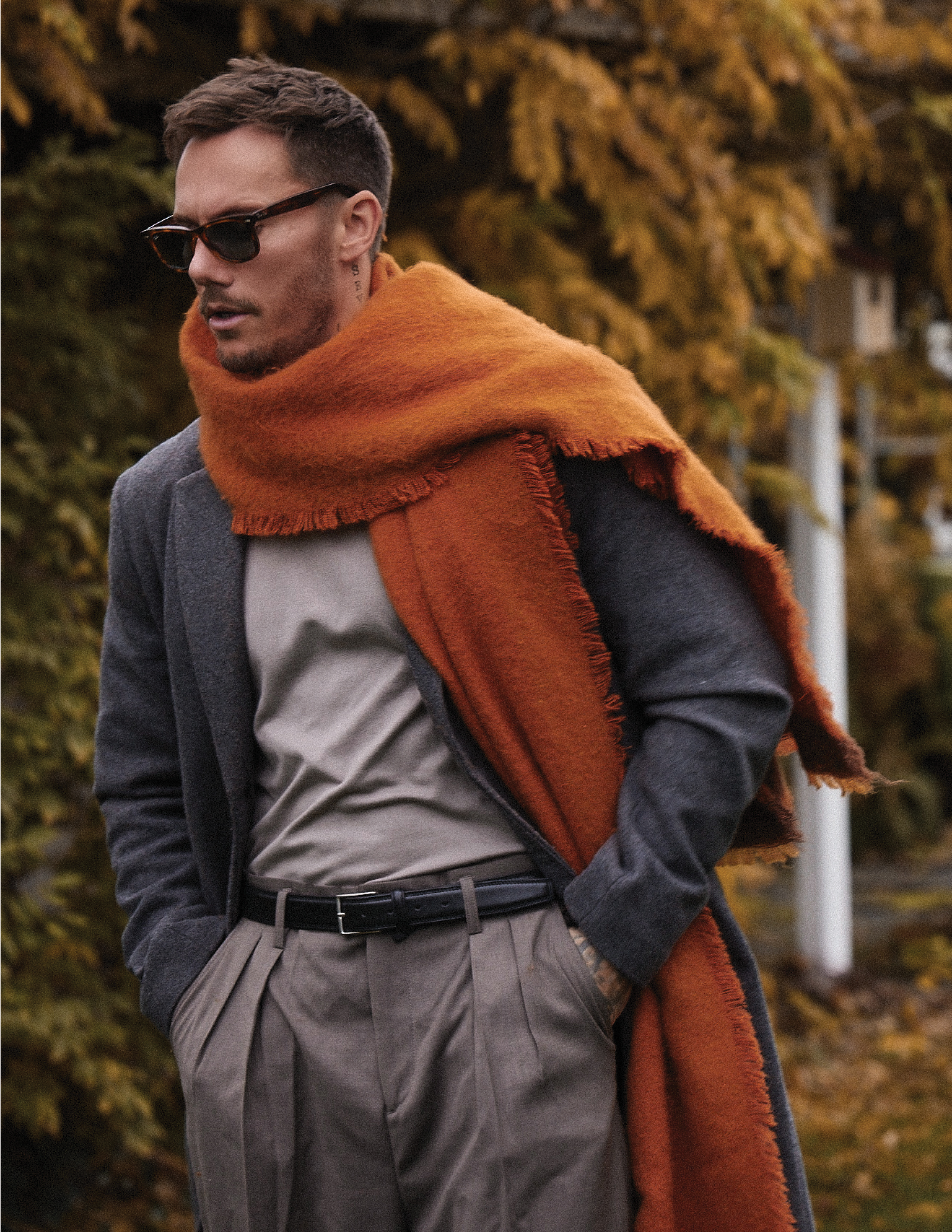
AM: You also enjoy fashion and once again, in looking at your IG, we see that you’re a well put together individual.
K: Thank you!
AM: What is your approach to your style whether you are doing a set or you’re out and about?
K: I don’t think too much about the clothes, I have just loved fashion and clothes since I was a kid. My mom was so good with fashion and she taught me a lot as a kid. So I have always liked to experiment through clothes. If you look at me throughout my career, I have had rock inspired to more sway oversized Balenciaga style to now that I am a little bit older, I’m a father now, I dress a bit more mature which I really love. I just love to experiment with it and I don’t think too much about it. I love that it comes with me along with my personality. I really love it and I always think a little extra about!
For example, my New Years show in Warsaw, I wanted to wear a tuxedo but I wanted it to look a little bit different. So, I customized a tuxedo that was cropped to my belly button and then I had really high waisted pants with a bow tie to make it a bit different, but classy still. Those are the things that I think about. But I really enjoy that, I guess I would say that KAAZE is dressing more like Mick now. It has a little bit more of a touch of being a father and a little bit older as I said. Then I try to bring in some kind of a formal artist touch into it when I’m KAAZE, compared to when I’m out and about. But it’s fun and I hope that one of my goals in the future is to do my own clothing line or work really seriously with a brand to make my own collection of stuff. I hope that is going to happen one day.
IG @iamkaaze
PHOTOGRAPHY CREDITS | KAAZE

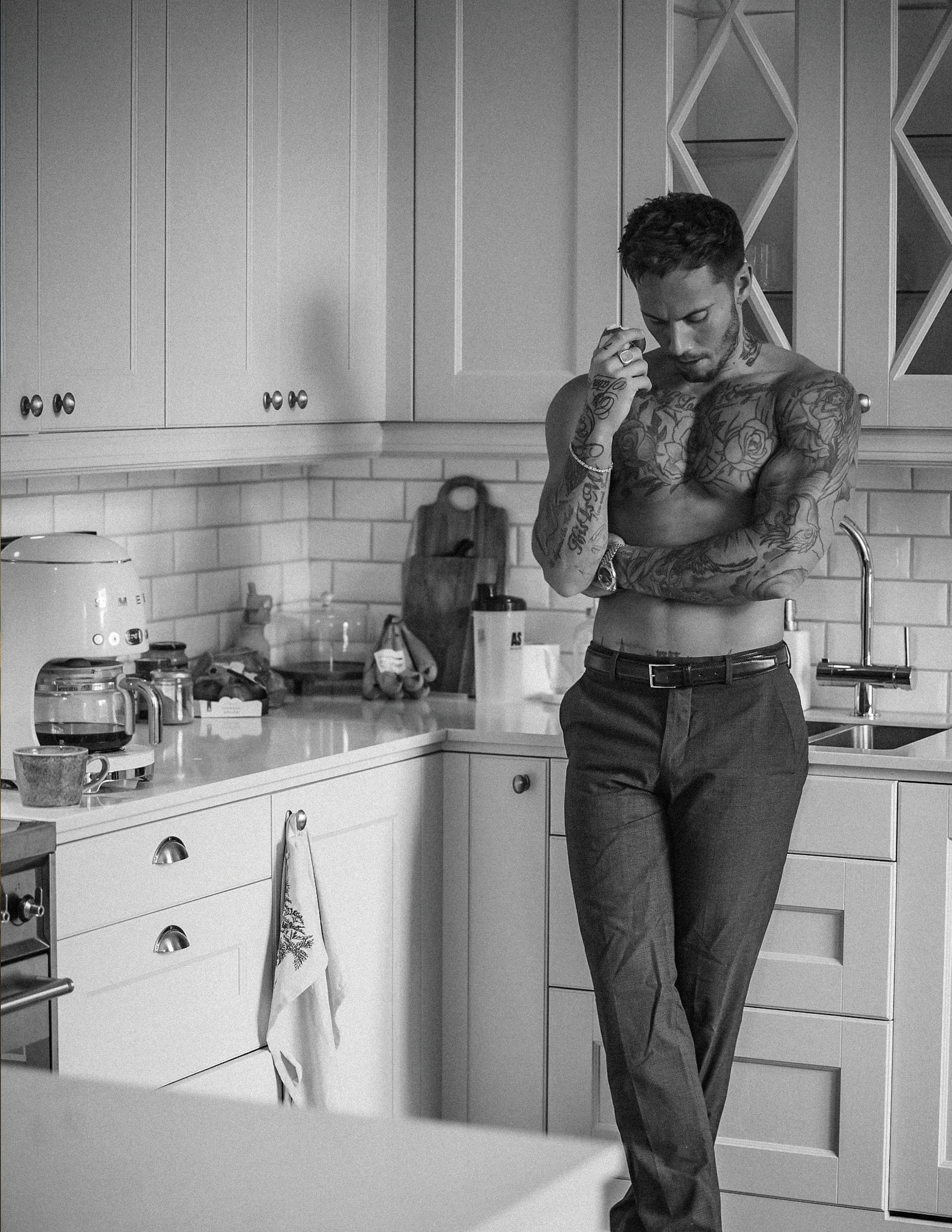
Read the JAN ISSUE #121 of Athleisure Mag and see HOT VIBE | KAAZE in mag.

PHOTO CREDITS | Disney/Matt Sayles

PHOTO CREDIT | ABC The Bachelor Key Art/Sami Drasin
PHOTO CREDIT FOR THE BACHELOR CONTESTANTS | Disney/Evan Mulling
On Mar 22nd, we’ll be joining Taylor Frankie Paul as she kicks off S22 of ABC’s The Bachelorette. If you have yet to see her as one of the stars of The Secret Lives of Morman Wives, then you need to check out this reality show to get to know more about her before she looks for love.
Until then, you can check out the men that will be competing in her season below! We don’t know a lot about the men, but we have selected who we could see making it to Hometowns and will continue to speculate each week!
Each night during this season, we will tweet about The Golden Bachelorette and you can chat along with us (@AthleisureMag + with our Co-Founder/Creative + Style Director, Kimmie Smith @ShesKimmie) to see what’s taking place!
Each week we will let you know who our faves were from the last episode and if we’ve changed up since then as it pertains to who we think should go to Hometowns. You can watch The Bachelorette on ABC kicking off on Sun Mar 22nd and each Sun thereafter. It’s available on Hulu the day after!
We also suggest a podcast that we’ve become obsessed with over the past few seasons, Wondery’s Bachelor Happy Hour to get their feedback!
Read the latest issue of Athleisure Mag.