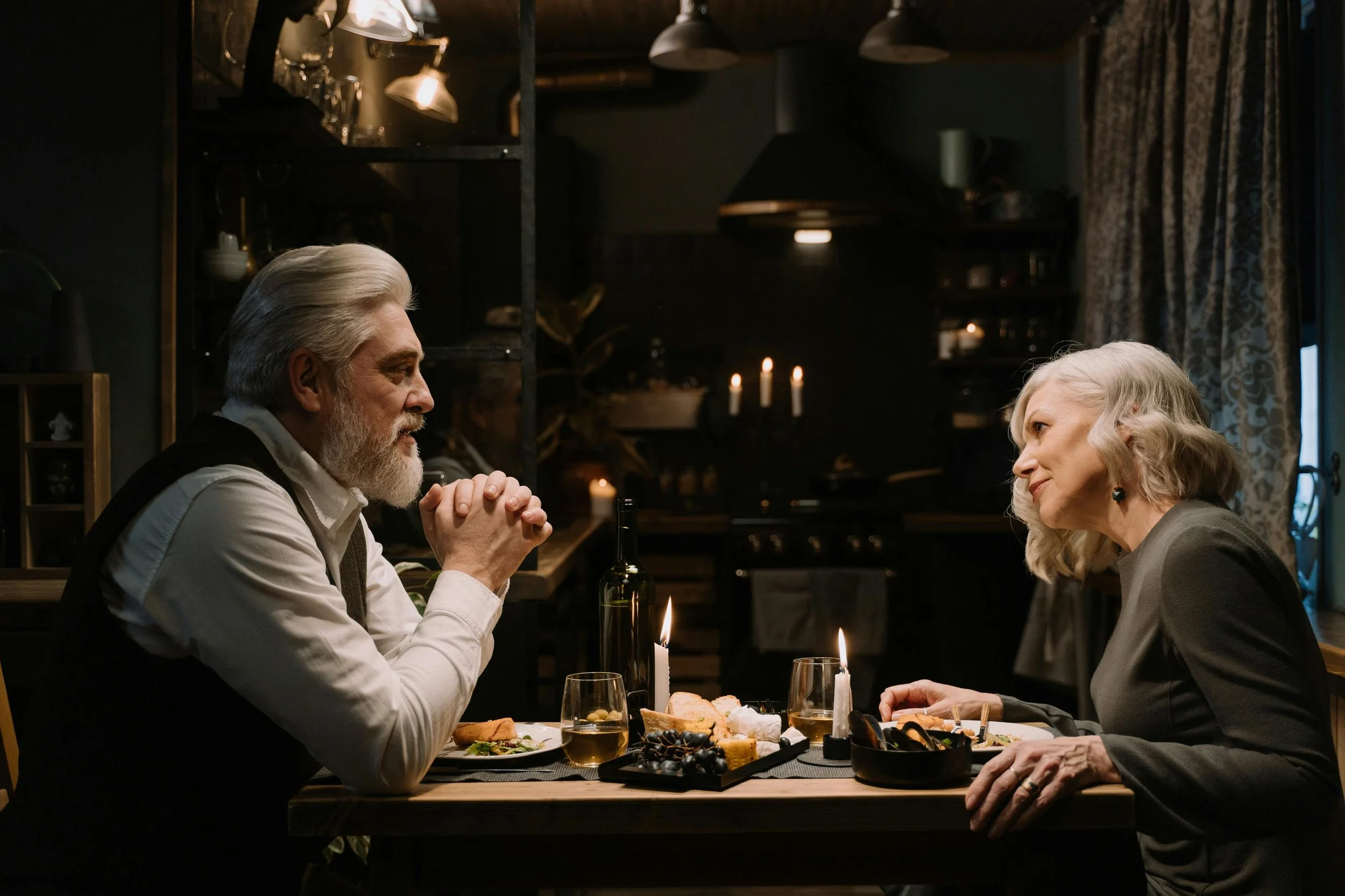
Engagements have always reflected cultural values, but today, they’re evolving faster than ever. For modern couples, the proposal is no longer confined to candlelit dinners or traditional settings. Instead, it’s happening on mountain summits, after marathon finish lines, during yoga retreats, and in the middle of spontaneous road trips.
At the intersection of wellness, fashion, and lifestyle, a new engagement narrative is taking shape, one driven by movement, shared experiences, and intentional living. For an audience that prioritizes both style and substance, this shift feels not only natural but inevitable.
The Rise of Experience-Driven Proposals
The modern engagement is less about spectacle and more about significance. Couples are increasingly choosing proposals that reflect who they are and how they live, often rooted in fitness, adventure, and personal growth.
This aligns with broader consumer behavior trends. Research from Eventbrite found that over 75 percent of millennials prioritize experiences over material goods. That mindset carries directly into how they approach milestones like engagements.
Instead of orchestrating a highly staged moment, many are opting for experiences they already love. Think sunrise hikes, post-workout celebrations, or destination trips that double as meaningful life moments. The result is an engagement that feels authentic, memorable, and deeply personal.
Fitness as a Shared Identity
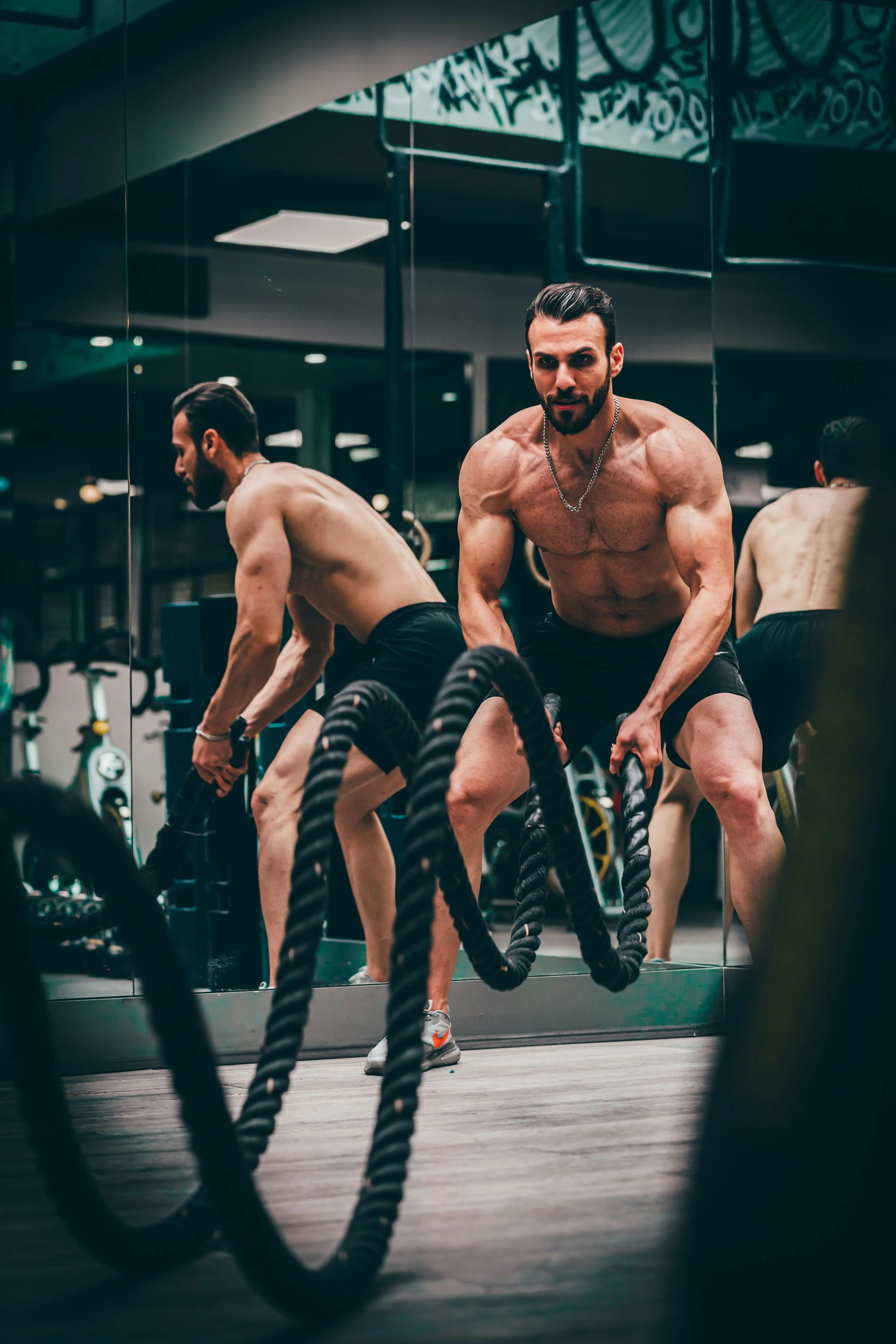
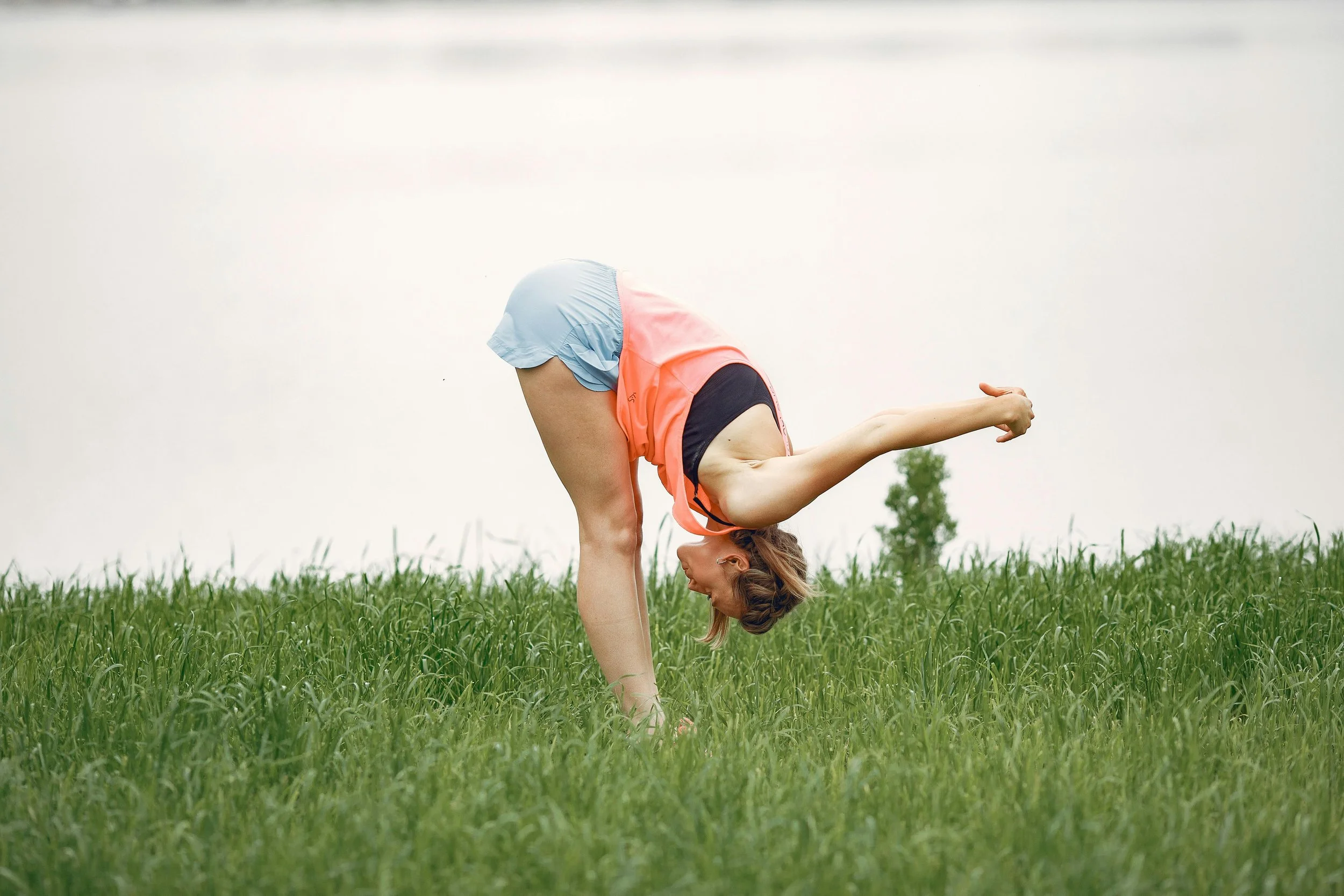
For many couples, fitness is more than a routine, it’s a shared identity. Whether it’s training for races, attending boutique fitness classes, or prioritizing wellness routines together, these habits create a strong foundation for connection.
It’s no surprise, then, that fitness is increasingly becoming part of the engagement story.
Proposals at the finish line of a half marathon, during a scenic cycling route, or even after a challenging HIIT session are becoming more common. These moments carry emotional weight because they reflect commitment, not just to each other, but to a shared lifestyle.
From a cultural perspective, this represents a shift in what romance looks like. Strength, resilience, and growth are now just as important as tradition and symbolism.
Adventure as the New Romance Language
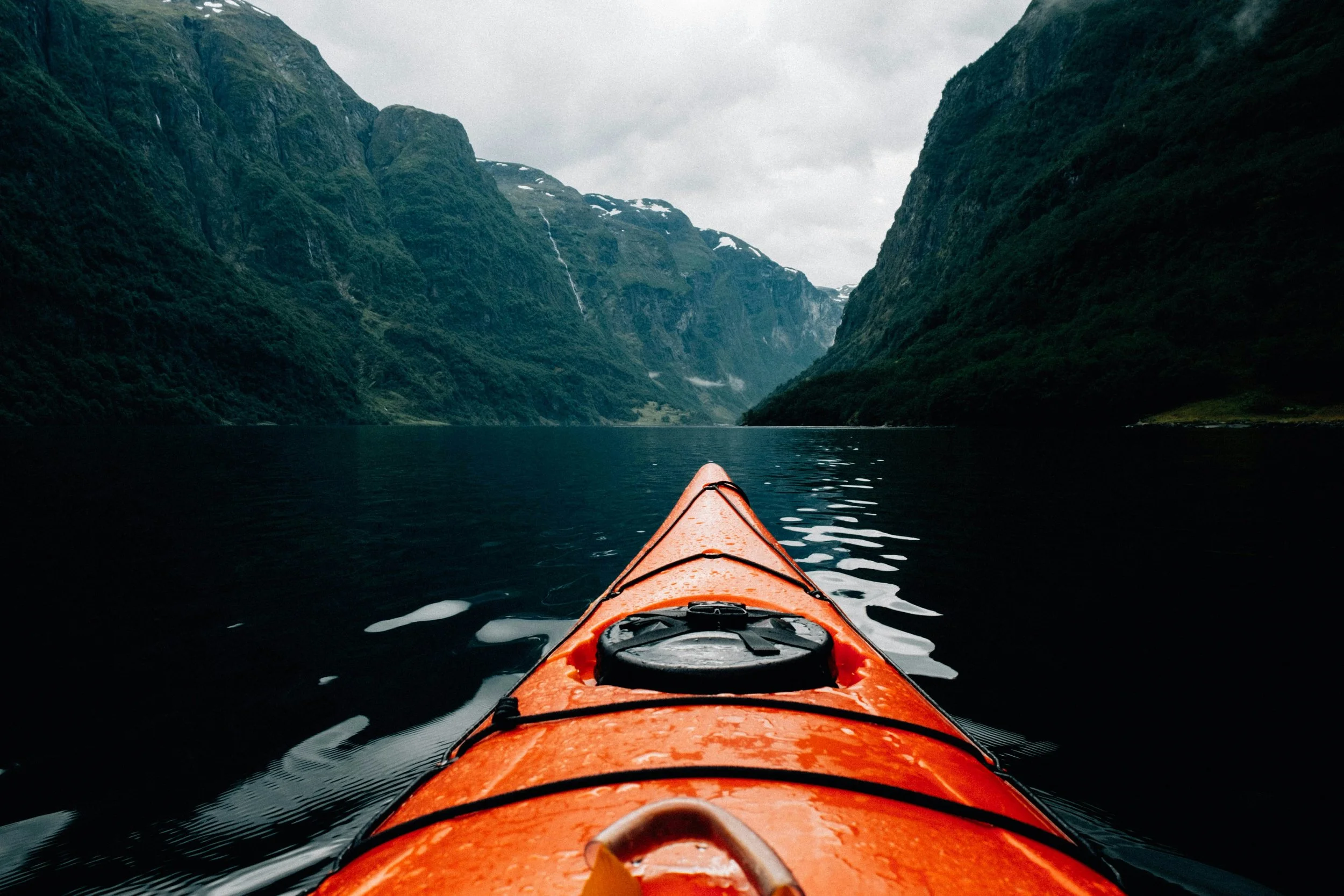
Adventure has become a defining element of modern relationships. Travel, exploration, and stepping outside of comfort zones are no longer occasional luxuries, they’re core lifestyle pillars.
This is especially true among younger generations. According to a report by Allied Market Research, the global adventure tourism market is expected to exceed $1 trillion by 2030, driven largely by demand from millennials and Gen Z.
Engagements are naturally following this trend.
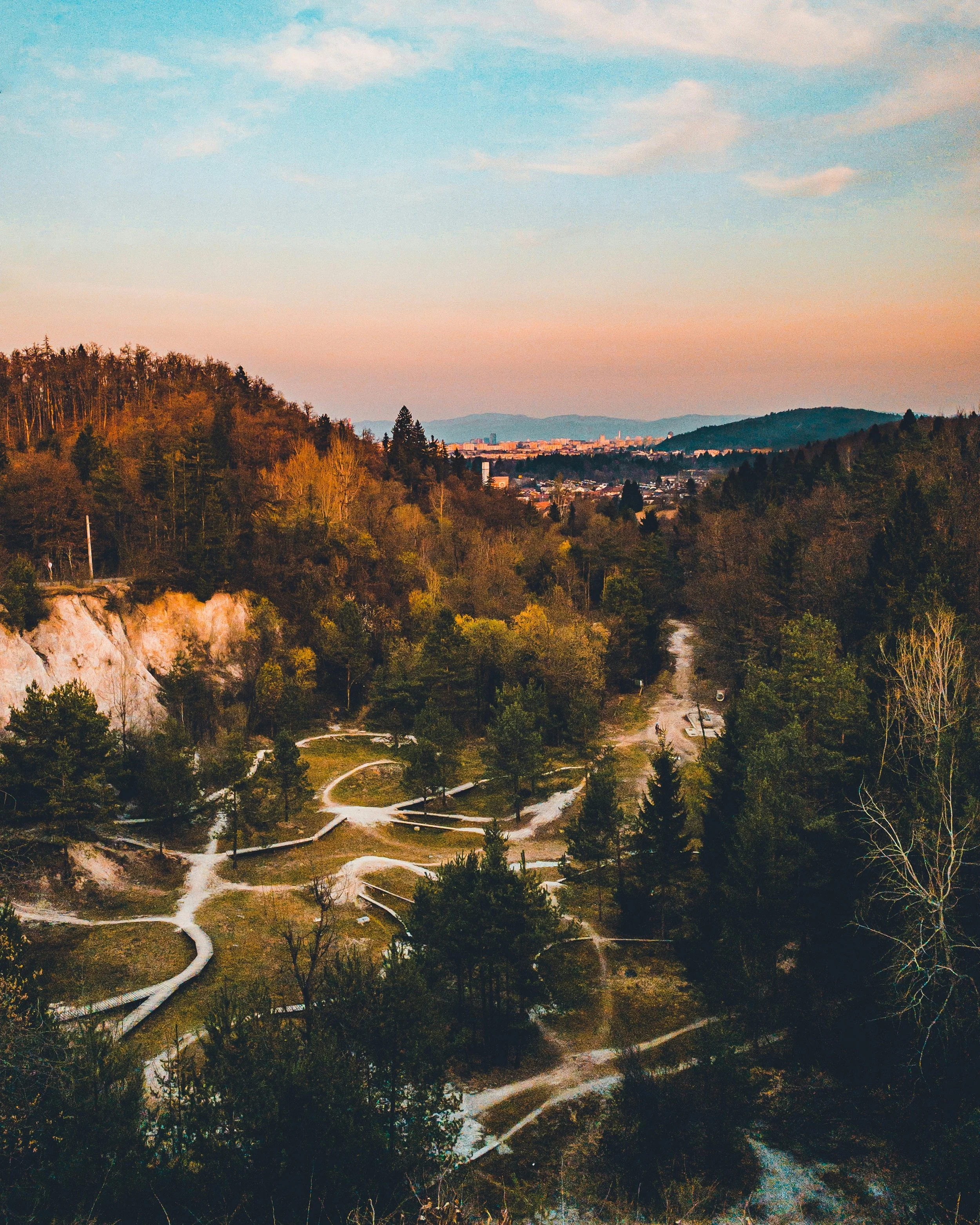
From proposals on remote beaches to off-grid overlanding trips and national park adventures, couples are choosing settings that feel expansive and meaningful. These environments elevate the moment, turning a proposal into a story worth telling, and retelling.
Adventure also introduces an element of unpredictability, which can make the experience feel more genuine. It’s less about perfection and more about presence.
Athleisure Influence on Engagement Style
As fitness and lifestyle continue to merge, fashion is playing a subtle but important role in engagement trends.
Athleisure has redefined how people dress, not just for workouts, but for everyday life. Comfort, versatility, and style now coexist, influencing everything from travel wardrobes to proposal outfits. This same mindset is reshaping how couples approach one of their biggest purchases: the engagement ring.
That shift is showing up in both design and buying behavior.
Modern couples are gravitating toward rings that align with active lifestyles. Low-profile settings, durable metals, and minimalist aesthetics are becoming increasingly popular. Rings are no longer reserved for special occasions, they’re designed to be worn seamlessly throughout daily activities, from workouts to long-haul travel.
At the same time, there’s a growing move toward secondhand engagement rings. Beyond their sustainability appeal, pre-owned rings often come at a significantly lower price point, allowing couples to reallocate their budget toward experiences, especially travel. For many, that means turning a traditional ring upgrade into a once-in-a-lifetime destination proposal, honeymoon, or extended adventure.
This shift reflects a broader change in priorities: experiences over excess, flexibility over formality all of which make it easy to choose Twice Loved and other ring resellers. .
There’s also rising demand for stackable rings and alternative stones, giving couples more ways to personalize without sacrificing practicality or overspending.
In many ways, engagement jewelry is becoming an extension of lifestyle, just like athleisure itself, where thoughtful design, financial flexibility, and a passion for experience all come together.
Social Media and the Power of Storytelling
Fitness and adventure-based engagements are inherently shareable. Whether it’s a mountaintop proposal or a post-run surprise, these moments translate well across platforms like Instagram and TikTok.
But beyond aesthetics, what resonates most is the story.
Audiences are drawn to authenticity, real moments that reflect genuine emotion and connection. A proposal captured mid-hike or after a fitness milestone feels relatable and inspiring, especially within wellness-focused communities.
This has contributed to the rise of micro-trends, where specific types of proposals gain traction within niche audiences. For example, “race day proposals” or “travel engagement diaries” have become recognizable formats.
For couples, this adds another layer of meaning. The proposal isn’t just a private moment, it becomes part of a broader narrative shared with their community.
Wellness and Intentional Living
At its core, the shift toward fitness and adventure-based engagements reflects a deeper emphasis on wellness and intentional living.
Today’s couples are more mindful about how they spend their time, energy, and resources. This extends to how they approach major life milestones.
Rather than adhering to traditional expectations, they’re asking: What feels right for us?
This mindset has led to a more holistic approach to engagements, one that prioritizes mental, emotional, and physical well-being. Proposals are less about external validation and more about internal alignment.
Even wedding planning is being influenced by this perspective, with couples incorporating wellness elements like fitness routines, mindfulness practices, and destination experiences into their celebrations.
The Role of Sustainability
Sustainability is another factor shaping modern engagement trends. As outdoor experiences become more central to relationships, there’s a growing awareness of environmental impact.
Couples who spend time hiking, traveling, or exploring nature often develop a stronger connection to the environment. This can influence their choices when it comes to engagement rings, travel, and even wedding planning.
Lab-grown diamonds, recycled metals, and ethically sourced materials are gaining traction as consumers seek options that align with their values.
This shift reflects a broader movement toward conscious consumption, one that intersects naturally with both wellness and adventure lifestyles.
Redefining Tradition Without Losing Meaning
While fitness and adventure are reshaping engagement trends, they’re not replacing tradition entirely. Instead, they’re redefining it.
The symbolism of commitment, partnership, and future-building remains at the heart of every engagement. What’s changing is how that symbolism is expressed.
A proposal during a sunrise hike can carry just as much meaning as one in a formal setting, if not more. It reflects shared values, mutual interests, and a vision for the future.
This evolution allows couples to honor tradition while making it their own.
What This Means for the Future of Engagements
Looking ahead, the influence of fitness and adventure on engagement trends is likely to continue growing.
As wellness becomes more integrated into daily life and travel becomes more accessible, proposals will increasingly reflect these priorities. Technology may also play a role, with wearable fitness data, location-based storytelling, and digital content shaping how moments are captured and shared.
At the same time, the emphasis on authenticity will remain constant.
Couples will continue to seek experiences that feel genuine, meaningful, and aligned with their lifestyles. Whether that’s a quiet moment after a workout or a bold adventure in a remote location, the focus will be on connection over convention.
Final Thoughts
Engagements are evolving, and in many ways, they’re becoming more reflective of real life.
Fitness and adventure have introduced a new dimension to how couples celebrate their commitment. They’ve shifted the focus from performance to presence, from tradition to personalization, and from material to meaningful.
For a generation that values movement, wellness, and shared experiences, this transformation feels not just relevant, but refreshing.
And perhaps that’s the most important takeaway: the best engagements aren’t defined by where they happen, but by how deeply they resonate with the people at the center of them.