


Read the OCT ISSUE#70 of Athleisure Mag and see 9LIST STORI3S | John Ross III in mag.
S3. E1. | #TRIBEGOALS WITH LEGENDARY HIP-HOP MEMBER OF CYPRESS HILL + CANNABIS ENTREPRENEUR, BREAL
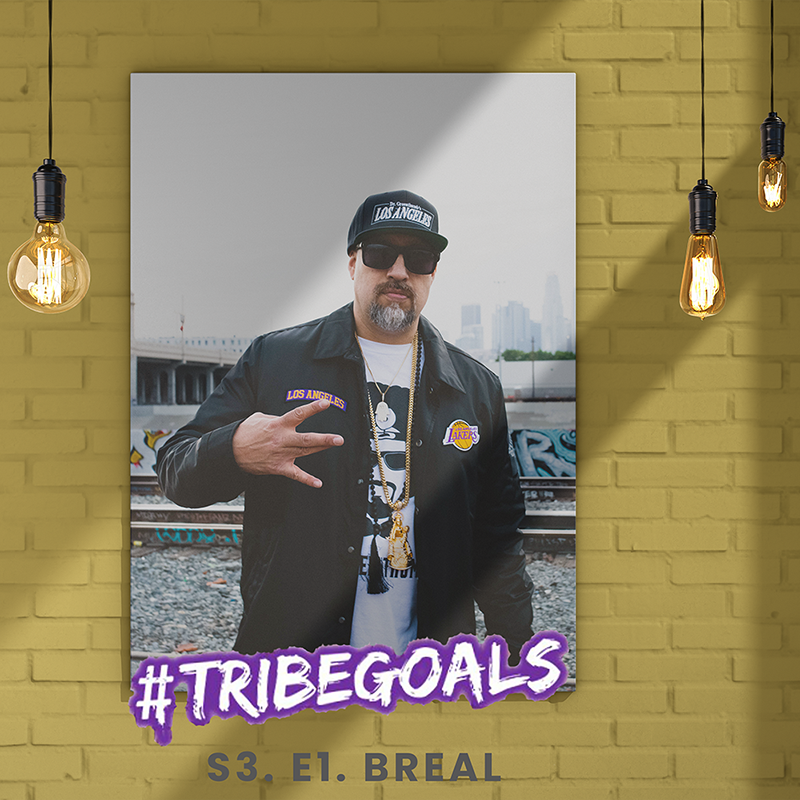
Before we kick off the 3rd season of #TRIBEGOALS, my name is Paul Farkas, Co-Founder, Publisher and celebrity photographer of Athleisure Media! To kick off the latest episode of #TRIBEGOALS, I’m taking over today’s show where I catch up with Hip-Hop and cannabis legend B-Real in Bringing the Smoke, who is also the 69th cover of Athleisure Mag.
We chat about the iconic Cypress Hill sound; writing Dr. Greenthumb; his new solo album 'Tell You Somethin,' produced by Scott Storch; being an artist, advocate & activist for cannabis legalization; expanding his Dr. Greenthumb's dispensaries in CA and across legal US States; edibles & culinary; working out on the road & more.
It's a great chat, you're in for a treat, now is a good time to grab those earmuffs for the kids due to explicit content.
#TRIBEGOALS is hosted by Kimmie Smith and is Executive Produced by Paul Farkas and Kimmie Smith. Our theme music Rough and Deep is performed by JGRLNG.
Read the latest issue of Athleisure Mag.
Featured #TRIBEGOALS Podcast



PHOTO COURTESY | Polo Ralph Lauren
WINTER OLYMPICS | POLO RALPH LAUREN UNVEILS TEAM USA'S OPENING + CLOSING CEREMONY OUTFITS
As the Summer Olympics in Tokyo ended a few months ago, we’re already 100 days out from the Winter Olympics in Beijing! With the postponed Olympics taking place this year, we don’t have the 2 year gap that we tend to have. The Opening Ceremonies will takes place on Feb 4th - 20th. With that said, Polo Ralph Lauren unveiled Team USA’s Opening and Closing Ceremony looks! As we head closer to the Winter Games, we’ll get to know more about who has qualified to play and until then, we can enjoy seeing more looks that we will see for those that are about to take the global stage!
You can learn more about the looks as well as buy pieces from this collection.
Read the latest issue of Athleisure Mag.
Featured


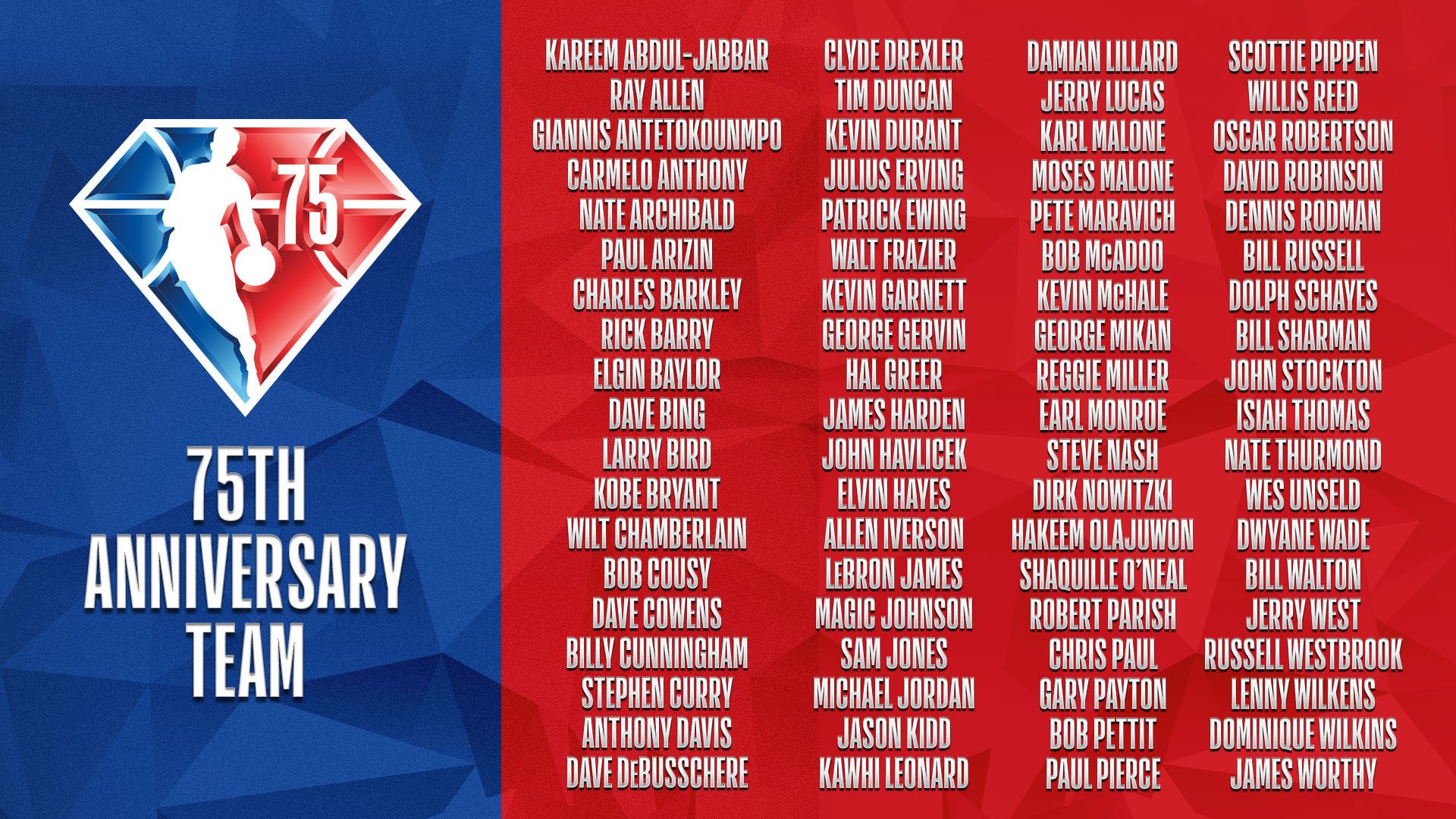
IMAGE COURTESY | NBA
NBA 75TH ANNIVERSARY TEAM REVEALED
Today, in honor of the 75th Anniversary of the NBA, the league announced the 75th anniversary tea, which has a number of our favorites, honors those that are no longer with us and I’m sure for some, has a few people scratching their heads!
There are some impressive stats coming from this group which you can read here and you can also see who was on the committee that weight in on who would comprise this group of people.
Check out the latest issue of Athleisure Mag.
Featured



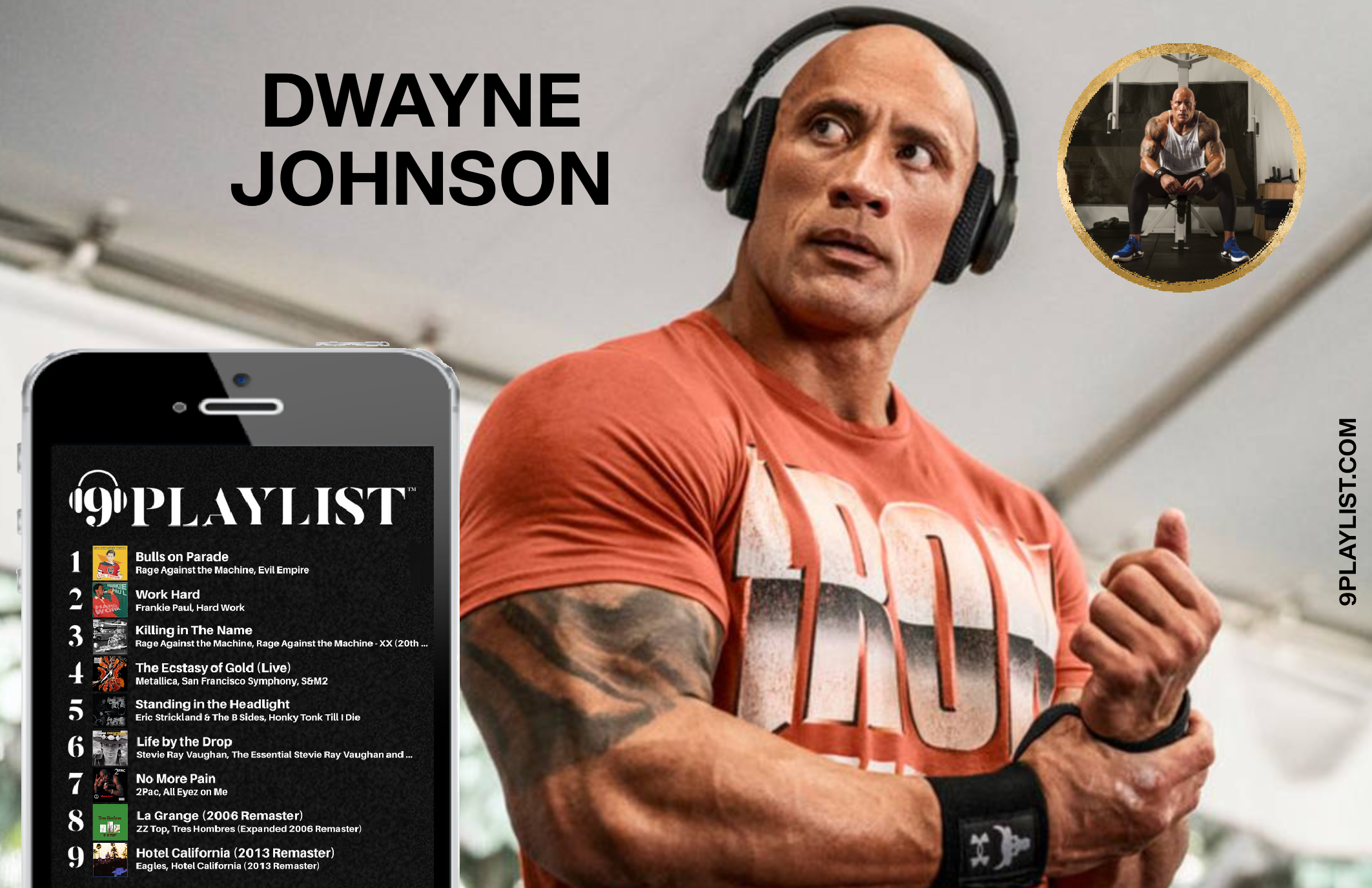
9PLAYLIST | DWAYNE JOHNSON


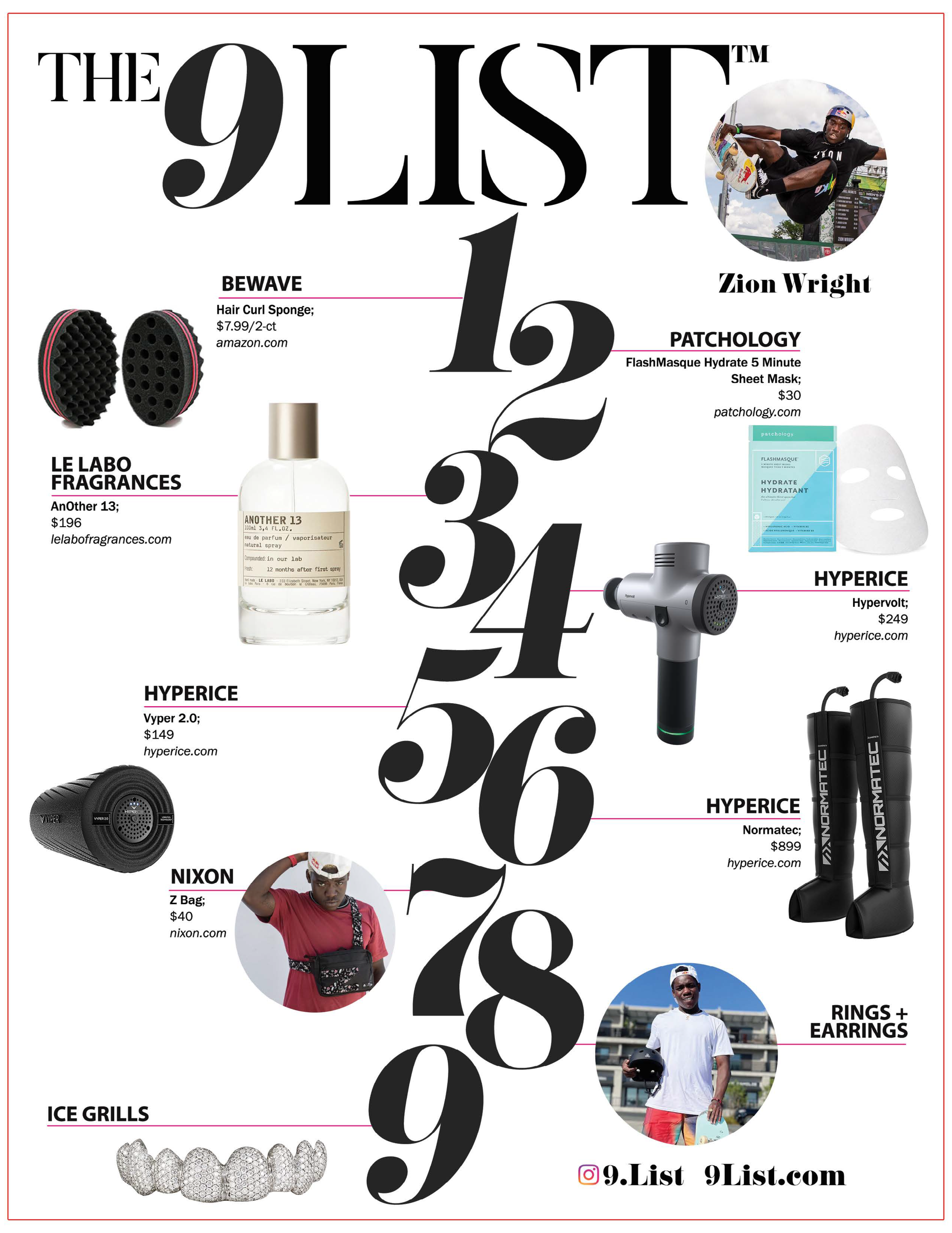
9LIST STORI3S | ZION WRIGHT
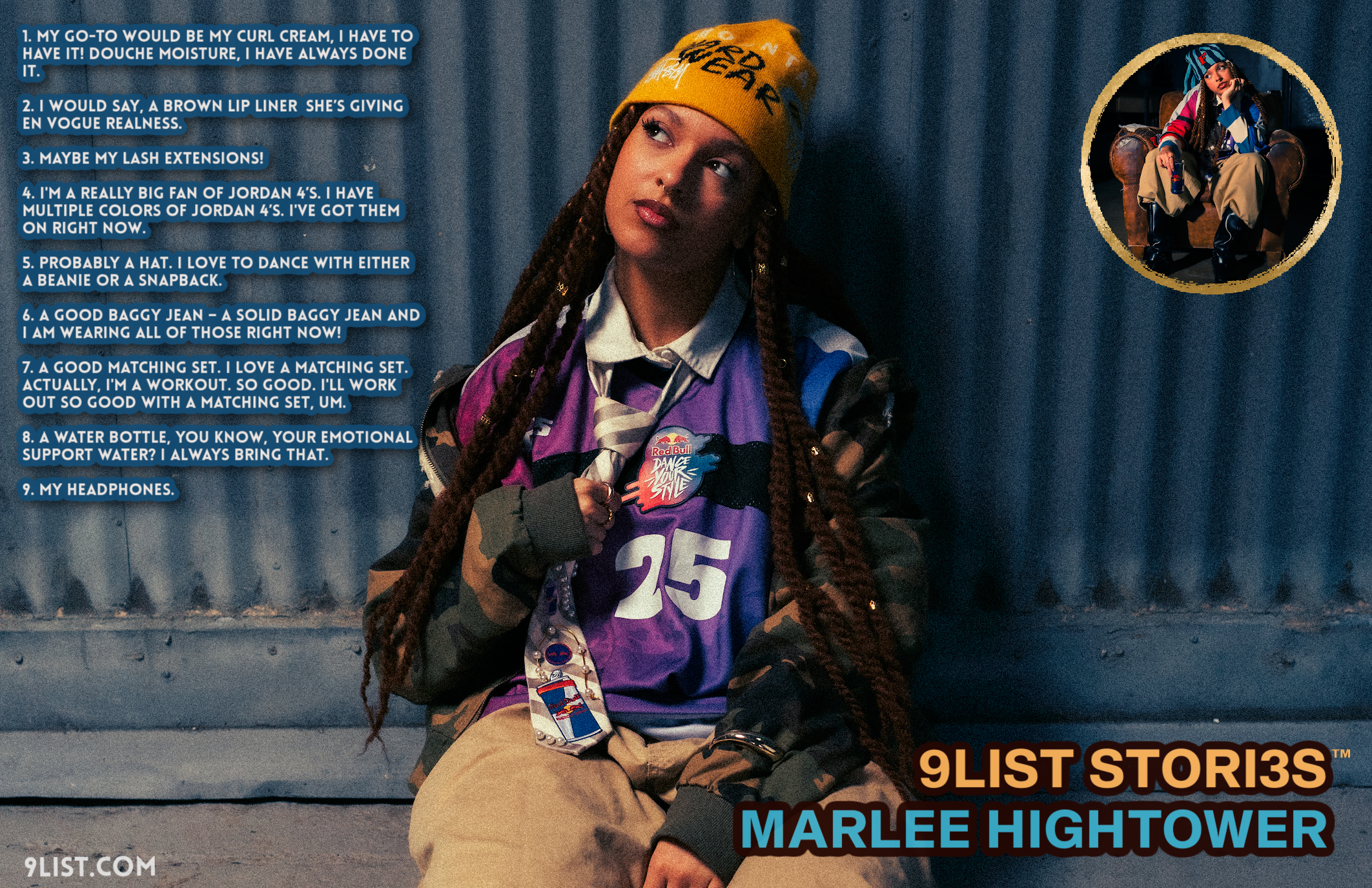
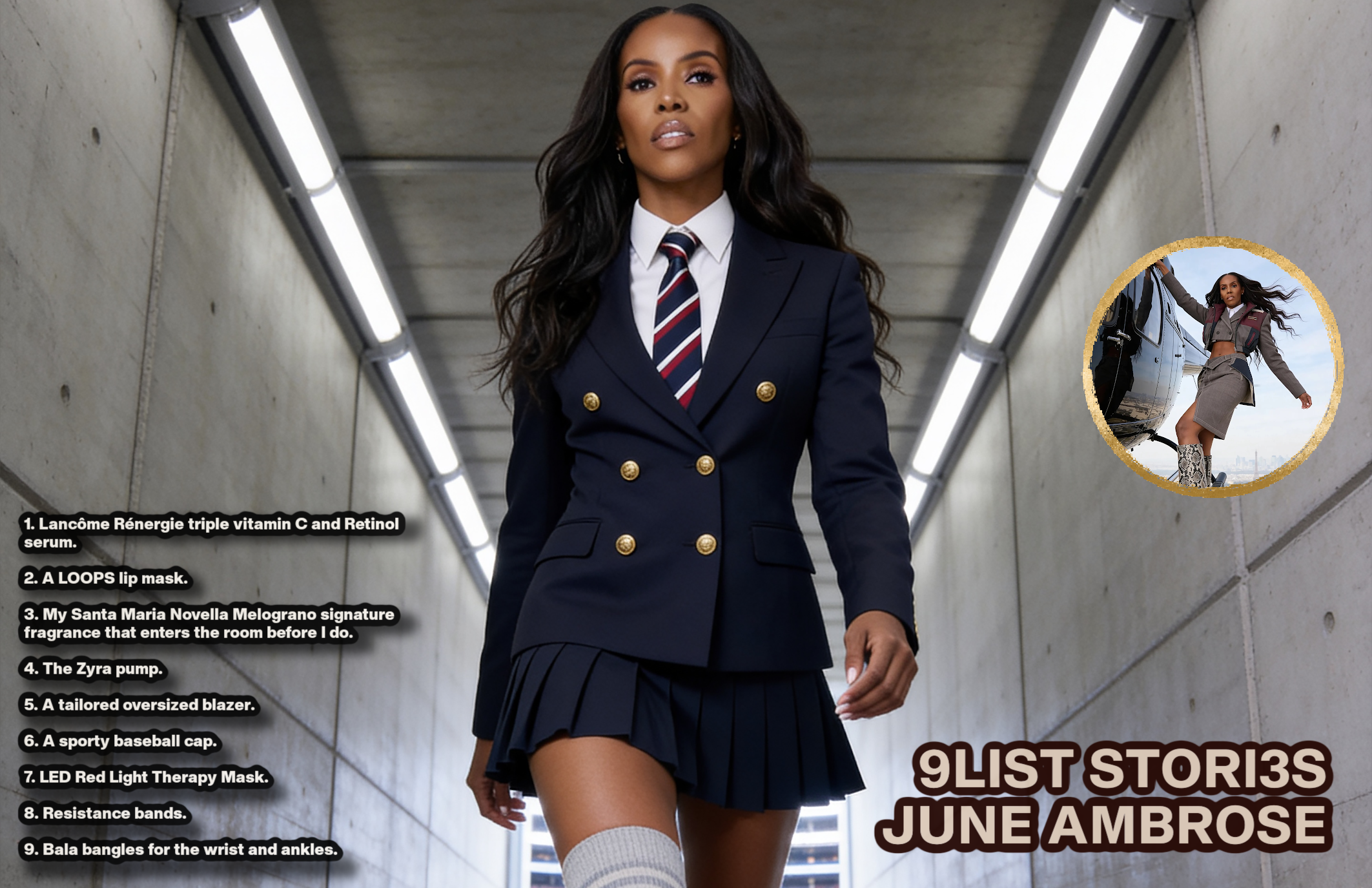



LET IT FLOW WITH CORY JUNEAU
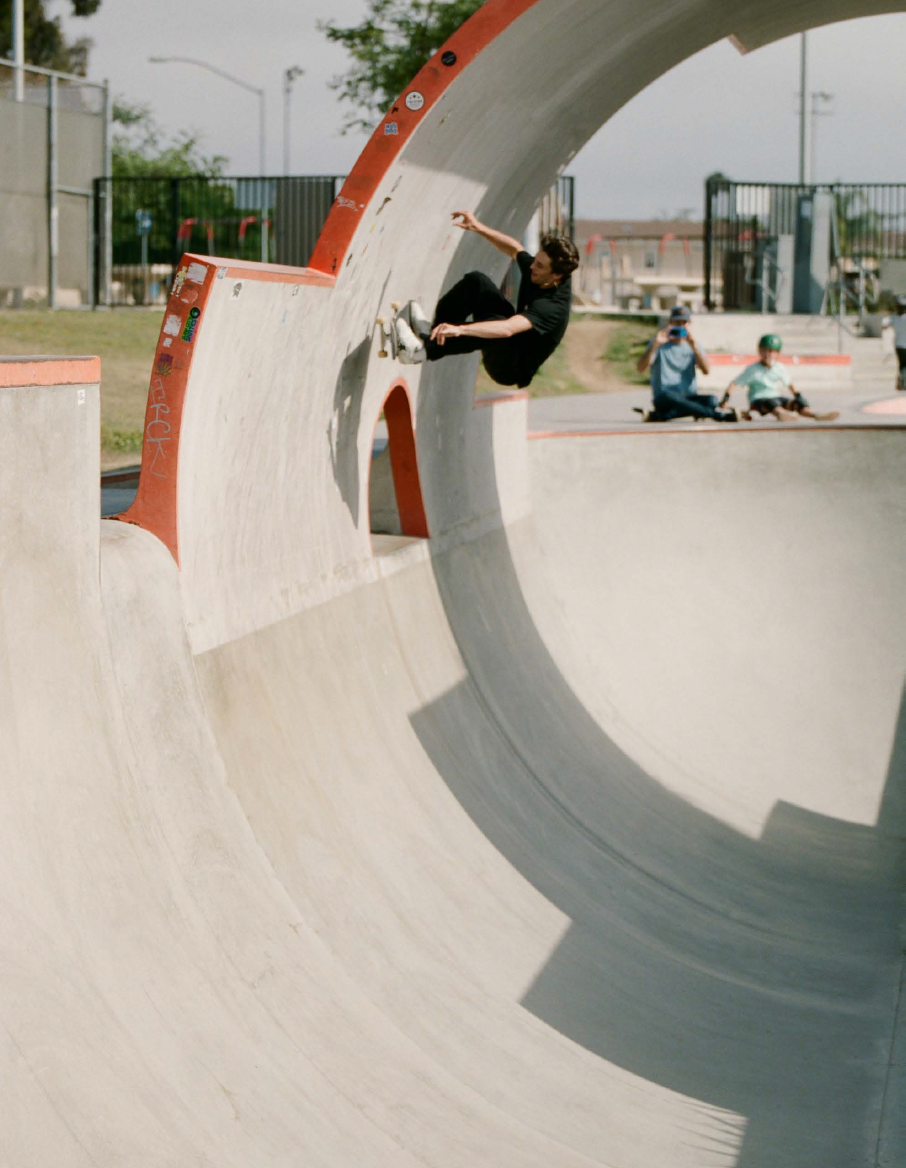
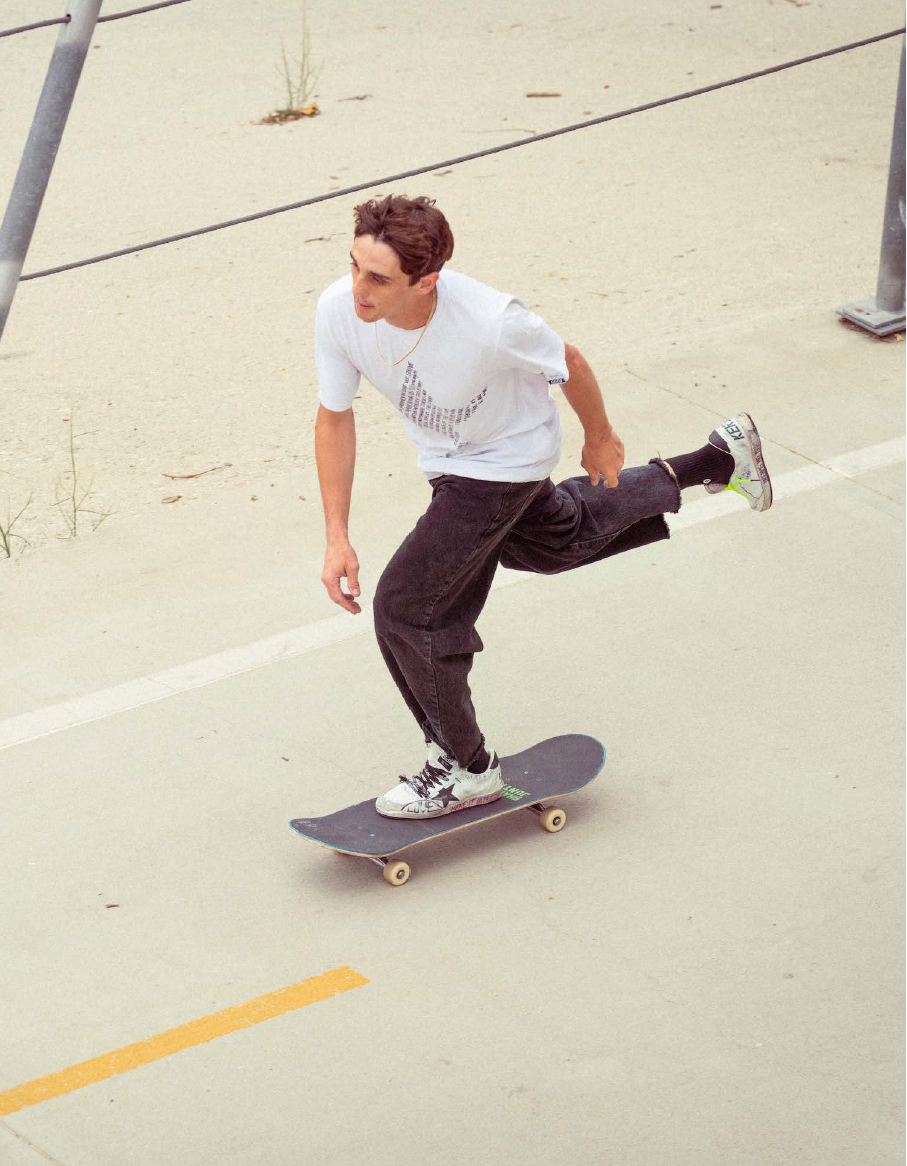
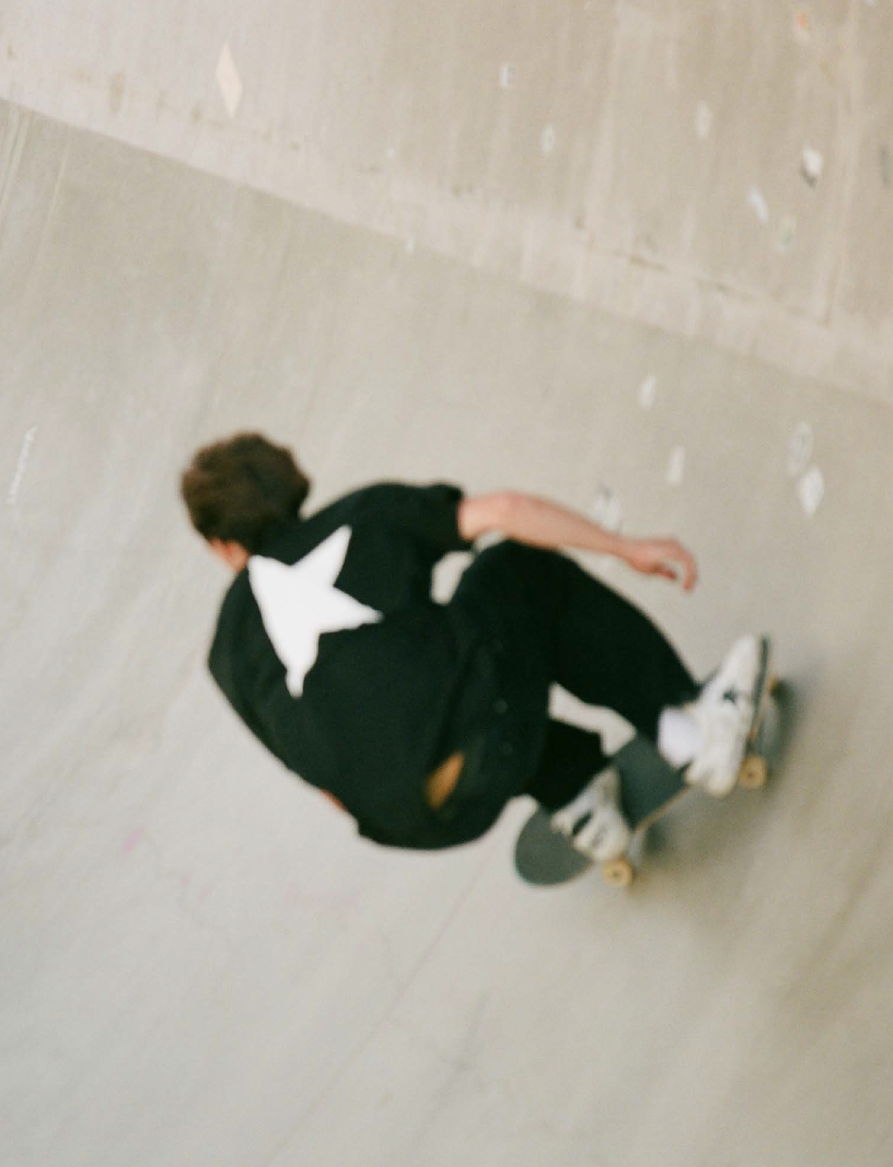
We love the fact that in many ways, the Olympics highlight athletes on a global stage so that you can know more about them and can continue to watch them throughout the year as they do a range of exhilarating and heroic competitions. The Summer Games in Tokyo introduced the debut of skateboarding with Team USA's Olympic Skateboarding Men's Park Team was comprised of Heimana Reynolds (our June cover), Zion Wright (this month's 9LIST STORI3S) and this month's cover, Cory Juneau who won the Bronze medal. These 3 represented the entire Park USA Skateboarding team!
We caught up with Cory to talk about his approach to the sport and how in addition to it being his job, it's a passion and something he truly enjoys! He talks about how the sport authentically creates a culture of positivity where they hype each other up. We also talk about his upcoming schedule which includes the Copenhagen Pro as well as the Venice International Film Festival with Golden Goose who he is sponsored by.
ATHLEISURE MAG: When was the moment that you fell in love with skateboarding?
CORY JUNEAU: Probably the first time that I got on my board. I saw my brother get a skateboard and he started skating and I kind of just got one right after and so that was it!
AM: When did you realize that you wanted to go pro and do it as a living?
CJ: That’s never really been a huge thought of mine! It’s just been about going out and having fun and skating with my friends, which has always been my motivator and I always just want to do whatever I can to be able to continue to skate for the rest of my life. I push myself to be able to do better and it’s not about being any type of typical thing that people would assume.
AM: How do you approach skating? Do you have a process when it comes to tricks that you want to incorporate into the runs that you want to do?
CJ: My process is kind of me getting there and just figuring it out when I’m skating and I want to be comfortable. I have been skating for awhile now and skating is 90% mental. If you’re confident and you know what you want to do, it will work out you know? I just like to take it slow.
AM: We love that you have a very chill and relaxed style!
CJ: Haha thank you, thank you!
AM: So what’s a day like with you when you’re practicing?
CJ: A typical day for me is pretty chill honestly! I kind of just wake up and see what the homies are doing and then make a plan to go skate somewhere – if it’s in the street or in the park or some spot. We’ll just figure it out at the time. We just kind of get a group together of all the homies and we just go, skate and vibe off of each other.
AM: When it comes to working out, what do you do that allows you to optimize you in your sport or do you simply skate?
CJ: I usually just skate, but I just started doing yoga and PT because I was battling an injury in Jan. So, I kind of got into a routine. So I have been doing yoga twice a week and PT twice a week for my ankle. My body is healthy, strong and flexible. I think its great to do this to just keep it that way and to prevent injuries.
AM: What’s a typical skateboarding season like for you? I know that pre-COVID it was probably different and now things may still be a bit different, but what’s a season like in terms of competitions and how many months out of the year are you doing this?
CJ: Honestly, the skate competition season is pretty hectic. There's a lot of travel and I'm probably gone 6-8 months out of the year normally. Like you said, it’s been pretty chill the last year and a half because of COVID, but before that, it was pretty hectic and I was always traveling, always doing stuff and trying to get there and to stay on top of it.
AM: Because you travel so much around the world, do you have a favorite series that you like to compete in?
CJ: My favorite series are the ones that are not so oriented around the contests, but it’s about having a good time. A lot of the skate events are set up on the beach and have that Venice type vibe. I’m a big fan of Australia, it’s one of my favorite places and it reminds me of home. I used to enjoy going out there a lot, but there hasn’t been a series out there for a few years! But I’m missing it and I’m itching to go back.
AM: When it’s game time for you, do you have a routine or series of things that you do before you go into a competition – are you doing extra yoga?
CJ: It’s pretty mellow honestly. I just like to get a visual of what I want to do and get my line down and then I like to get it all down in one run. I just want to make it happen, you know? Like I said before, skating is 90% mental. It’s just knowing that you can do it. I just like to stay relaxed because what’s going to happen is going to happen.
AM: It’s a great mindset to have!
CJ: Yeah! I think it works really well for me and it keeps me relaxed.
AM: Before we get into talking about you competing in the Olympics, just the idea that you were part of the inaugural group of people that had your sport on such a global stage – how big was it for you to be in that group and to also have your sport represented like that?
CJ: It was huge! It’s such a surreal feeling to having everybody around you being so supportive and having your back. For me, I didn’t realize how crazy it was going to be and how much backing there is. I mean, obviously, I have watched a few Olympic events, but it’s something you can’t take in until you’re there and you see it for yourself. To go out there to support my city, Southern California, California as a whole and the US is huge and super humbling. To go out there and do well, it was great!
AM: We were excited to watch skateboarding and to see the preliminaries as well as the finals! How did you feel winning the Bronze medal?
CJ: It was so surreal and honestly, it’s been 2 weeks and I’m still taking it in! Because, it’s been such a long build up, like such a long journey and road to just get there. I changed my diet, I started doing yoga, PT, I was battling an injury for 4 or 5 months and I’m just grateful that I was able to make it there and do well. Coming from the US, we have the largest skate scene in the world and the fact that I was able to make it there, I was blown away. I wasn’t so stressed about the results, I was just glad that I was there.
AM: Is there a difference between competing at the Olympics versus your other tournaments in terms of game play?
CJ: I don’t think that the judging is any different. What everyone is doing out there is so authentic and so original and themselves – you can only be judged against yourself.
AM: One of the things that struck us when we were watching especially in seeing the prelims and then the finals, as a community, to watch all of you hyping each other up – it was like a party that you wanted to be invited to. What is it about the skateboarding culture that creates this kind of camaraderie? What are you guys doing that fosters that feeling?
CJ: Yeah, the camaraderie between us is truly one of a kind! I think it’s just that we're all so passionate and we all love skateboarding so much and it’s so authentically ourselves. It’s not like anyone else out there is doing the exact same thing. So you get hyped up when someone does their run and does good. So we feed off that and we take that energy and we put it into our skating. It’s not like someone does a good run and it scares you! When you do it and love it, it’s a good session! You vibe off of that good energy in the air.
AM: Looking at the Summer Games in Paris 2024, do you anticipate adding that to your plans?
CJ: It’s something that I would like to do. It’s a few years away, but everything will come down again soon and when it starts up, I will definitely try to make the cut! I’d love to go back. The experience that I had was so surreal like I said and I’d love to go and do it again.
AM: What’s the next tournament that you’re going to be in?
CJ: Yeah, I’m actually leaving the 31st of this month to go to Copenhagen for the Copenhagen Pro. It’s not a serious competition but it’s where we can get together with tons of skaters who meet up and there’s spots all over the city where you can go from place to place to skate. It’s a lot of fun! I’ll be out there for a week and then I’m flying from there to Italy and I’m meeting up with a lot of the Golden Goose team as we have a little event out there that I’m excited for. It’s great to be able to start some traveling and to have some fun and to relax a little bit.
AM: How would you define your personal style? We heard that you like to collect gold chains – what do you look for when it comes to adding them into your assortment?
CJ: I wouldn’t say that it’s a collection, I would say that I have a style of chain that I wear and I lost a bunch ha! So when I lose them, I go find another one! My dad gave me his when I was a kid and then I lost it so I have always been attached to that style I guess. They don’t really make that style of chain anymore because it’s pretty fragile – when you bend it, it will break.
AM: How did the partnership between you and Golden Goose come together? You wore a custom style at the Olympics while you competed. What is it that you love about the brand and why did you partner with one another?
CJ: I’ve actually been a fan of Golden Goose for years. I love their sneaker brand and I used to ride for a couple of other shoe companies, but it was never the style that fit me the best. I just love the distressed and authentic look to them. There’s nothing like them and they’re good forever. They don’t get dirty in a way. My partnership came together all in good time! I spoke to my manager and asked him to reach out and we were in talks back and forth for about a year and a half and it’s been coming together for awhile.
It came down to timing. Skateboarding has a huge influence on the fashion community and now we’re getting a lot of recognition because of the Olympics and I think that these companies are putting more thought into it and seeing that they need to support this.
AM: It was interesting to hear that you designed the shoes that you got to compete in for the Olympics. There’s something about taking a brand that is known for their aesthetic and adding in elements that you like personally or that optimizes you for your sport. What was it like for you to do that?
CJ: Working with them has been super fun and everyone there is super family oriented. They are focused on making the best shoes that they can. They really care about it just like I do. It was great. I kind of pitched them ideas and they were cool with everything I had to say. I didn’t really design a new shoe, I recreated the Ball Star that they already had, for skateboarding.
We went through different materials and compounds for the rubber and suede on the side. We looked at the stitching so it wouldn’t rip and would be more durable for skateboarding. It was great and everyone there was so great to be with.
AM: Do you envision being able to do more with them whether it’s a collab line or something along those lines?
CJ: I hope so! I want to work on a collection with them! I always want to expand what I am doing to grow and this is the perfect place for me to do that. They obviously want to do that too which is really great. We’ll see what happens.
AM: Tell us about From Venice to Venice. You’ll be debuting this at the Venice Film Festival which sounds awesome and you will be performing. So what is the film and how excited are you to be part of this?
CJ: It’s huge and I’m super excited. From Venice to Venice is like a 3 part series that we’ve done where a lot of Golden Goose’s style is taken from Venice’s, Southern California style, vibes and community. They get a lot of inspiration from there. I’m from San Diego, but Venice has a huge impact on all of us. This is like a 3 video series that has an in the life kind of vibe from Venice, California, then on the road to the Olympics and then the final one in Venice, Italy. So it should be fun. I’m excited for everything that they have going on out there. It will be a video on it, but stay tuned!
AM: When you’re not skateboarding, are there additional sports that we would find you doing?
CJ: Yeah – I enjoy everything with my friends! We go out and play basketball, soccer, we go to the beach, we play some pool – you name it! We’re all just a hands on friend group. Whenever we’re doing something, we’re just having fun with it.
AM: How do you take time for yourself?
CJ: Skateboarding is my job, but it’s also what I love! I never think that I’m waking up going to work, I’m waking up doing what I want. We all need some me time. It’s all free time for me! Me talking with you right now was all that was on my list to do today.
AM: What do you want your legacy to be in terms of your impact on the sport?
CJ: That’s a great question and I’ve never thought about that. I’ve just gone out and had fun. I want people to know that when you’re going out, you need to make sure that you’re having fun. You need to take it one step at a time! The community of skateboarding is so small and there is so much love in it. You go to the park and you just start talking to people because everyone wants to mingle and talk to one another and support one another. It allows you to go to the park and to just try something. They’re rooting you on. It’s tough because it can be hard on your body and on your mind when you’re trying over and over again. But you just have to get back up, be patient and try again. But make sure you are enjoying it and everything will come.
AM: We always like to ask our trailblazers, people who are killing it who others look up to – who are 3 people whether you know them or don’t that have inspired you to be where you are today?
CJ: I grew up watching all of the Rocky movies and I know they’re not real – but I’m a fan of Rocky! Mike Tyson, Kobe Bryant - I have had a lot of influences from people that push hard and are determined. That’s what motivates me – people who push hard enough to get what they want.
IG @CoryJuneau
PHOTOGRAPHY | Andrew James Peters
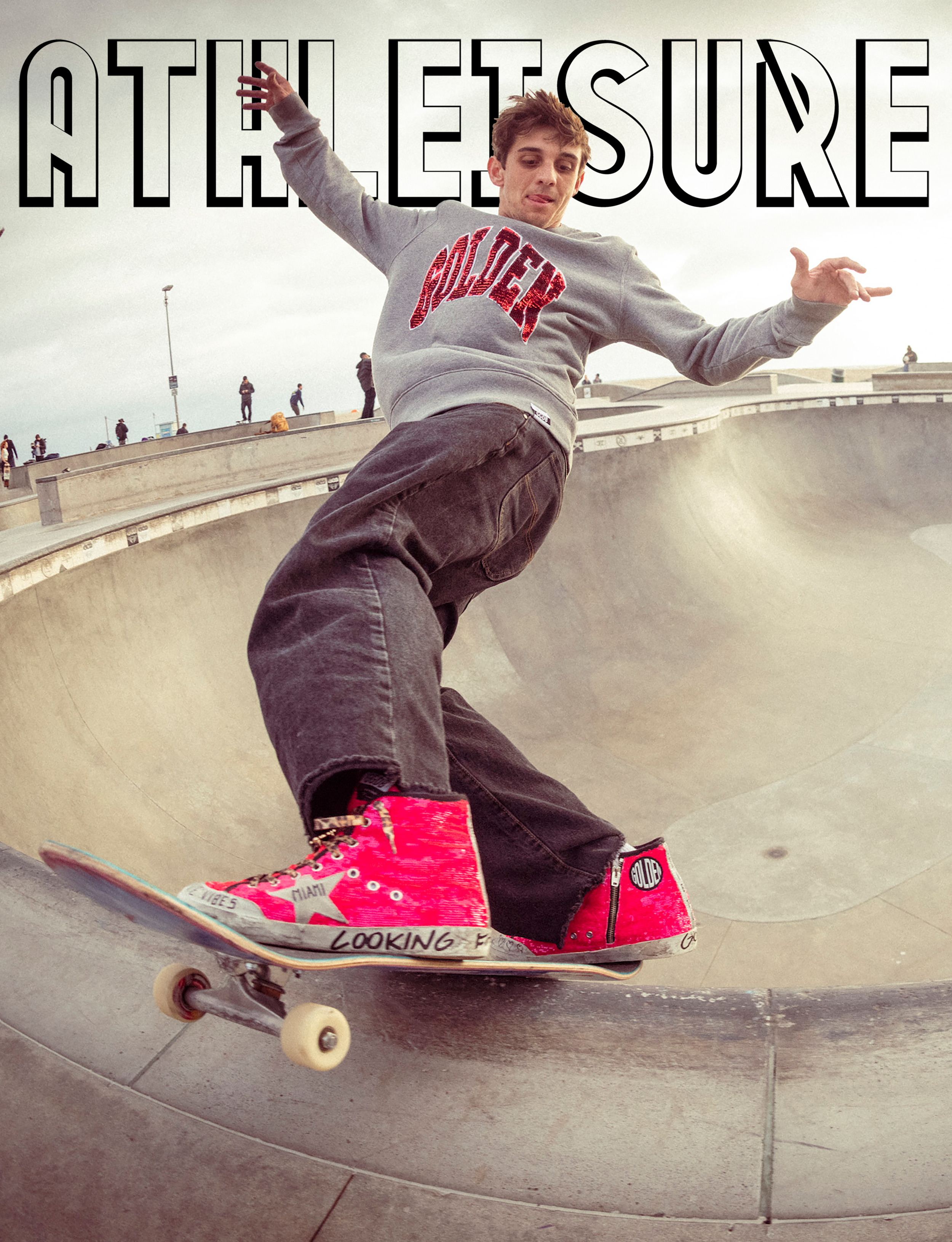

Read the AUG ISSUE #68 of Athleisure Mag and see Let it Flow with Cory Juneau in mag.
Featured
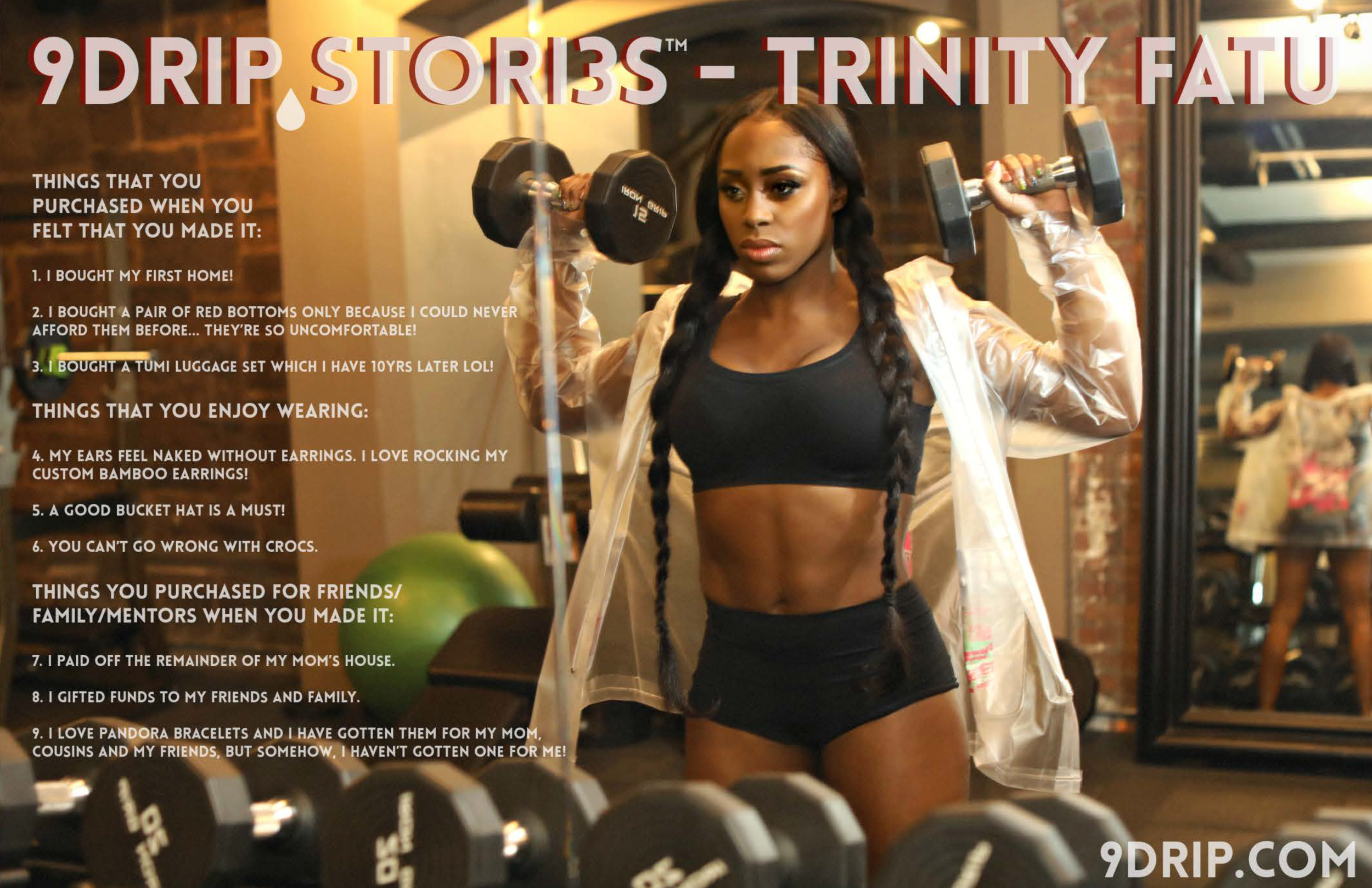
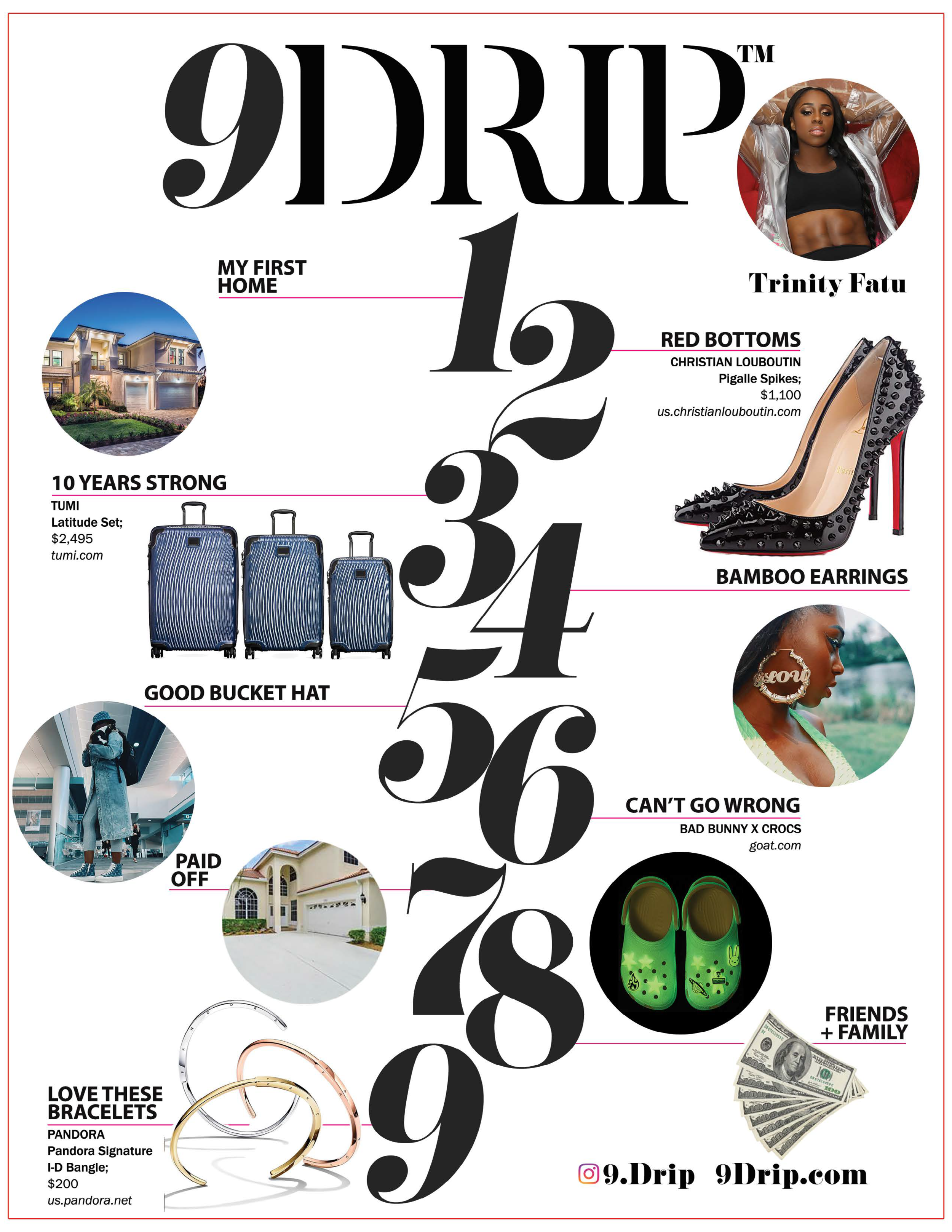
9DRIP | TRINITY FATU
PACE YOURSELF WITH MEB KEFLEZIGHI
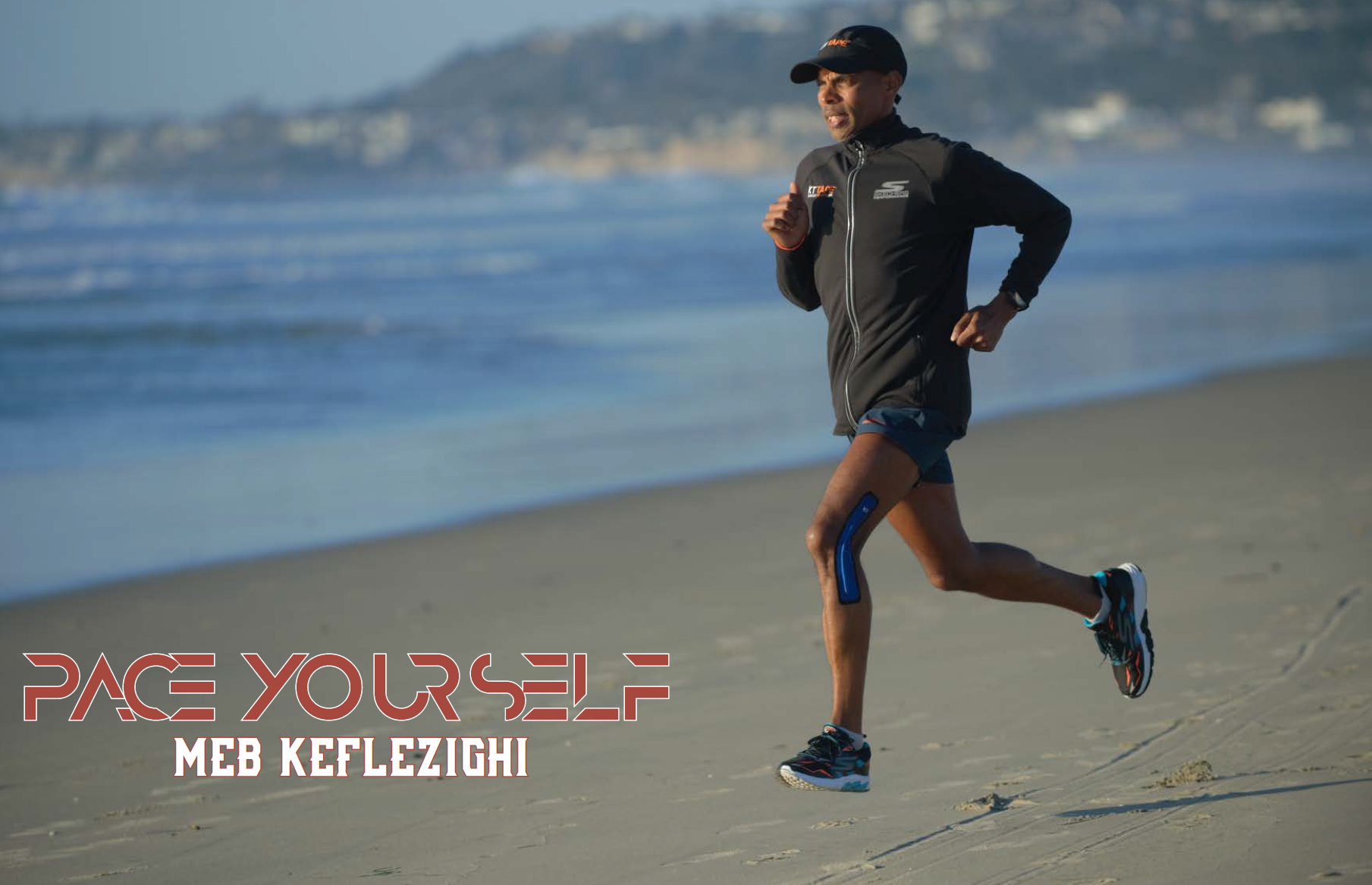
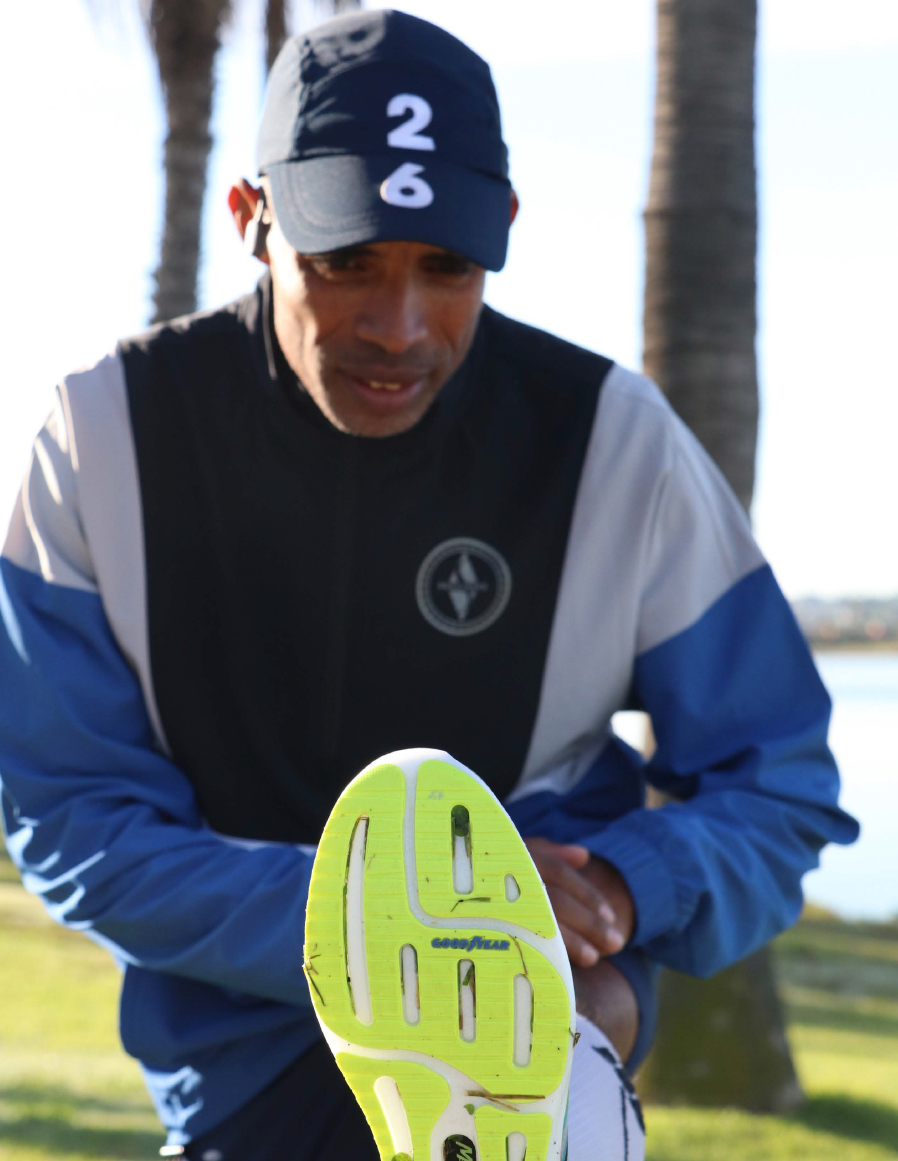
When it comes to long distance running, Meb Keflezighi is a global ambassador for the sport. His energy and enthusiasm he has is undeniable if you've had the chance to see him run, attend an industry running event or even a media day with him. He believes in putting in the work and preparing your mind, body and soul when you're hitting the course. He is well-known for winning an Olympic Silver medal for Team USA Track and Field for Marathon, the Boston Marathon, the NYC Marathon, a number of NCAA Championships and National Championships. We talk with this Olympian who has attended the Summer Games 4 times and has the MEB Foundation where he gives back to those who are interested in the sport. He also talks about how he has used his platform in a positive way to inspire others!
ATHLEISURE MAG: When did you fall in love with running and what is it about long distance running that attracts you to it?
MEB KEFLEZIGHI: I was first introduced to running when I came to the US in 7th grade when I was in my PE class with Coach Dick Lord. He told me that if I ran hard, I would get an A or a B in the class, and if I was just messing around, I would get a D or a F. My parents always wanted me to get an A in the class no matter what I was taking – Math, Science, Art History or Physical Education Class. I didn’t want to disappoint them so I decided to run hard. It was the mile run. I ended up doing a 5:20 mile to my surprise and the coach’s surprise. He told me that I was going to go to the Olympics and bear in mind, that I didn’t speak English. He told me that I was going to get an A and then I started running. I asked my dad what the Olympics meant and I fell in love with it because it gave me confidence and it gave me friendship with people as well as camaraderie with others. Obviously, distance running is great for me because I get to see beautiful scenery and I am able to travel to different areas as opposed to just being around the track.
AM: For those readers that may not be aware of what long distance running means means, what are the foot races that you would find in this category?
MK: Well there’s the mile which is a long one, there’s a 3K which is about 2 miles which is what I did in high school. It’s debatable on the 800m which is a half mile in terms of whether it is mid-distance or long distance. Anywhere from the mile to the 3K to the 5K which is about 3.1 miles, the 10K which is 6.2 miles, a 15K is 9.3 miles, there is a half marathon which is 13.1 miles and of course 26.2 miles which is a full marathon and is very far. There are some other people that also do ultra marathons (editor’s note: this is any race that is longer than a marathon and these races tend to be 30 mile trail races to a 200 mile relay) which I have never done. I ran from 800m to a marathon in high school, college and professional.
AM: When did you realize that you wanted to run professionally?

MK: It’s funny that you asked because for me, going to school at UCLA on a full athletic scholarship, I was there from ‘94 –‘ 99. It was in ’97 that I had a big breakthrough you can call it. I was doing cross country, indoor 5K, and 5K as well as 10K outdoors and I contemplated whether to go pro or not, but I understood the value of education and that my degree would mean a lot more in the long run and I didn’t want to get injured and get set back. So that was the first time that it crossed my mind. But according to others like my 7th grade PE teacher, my high school coach, my classmates and others – their standards were high. They wrote in my yearbook that they would see me in the Olympics and that I was going to make it. But I had no idea how far running was going to take me until 1997 when I won 4 NCAA titles in that year (editor’s note: Meb became the first individual NCAA men’s cross country champion in school history winning in a course record 28 minutes 54 seconds, he won the NCAA indoor track 5,000 meter title and he won for outdoor in the 5,000 meter as well as the 10,000 meter championships).
AM: You are the only athlete in history to win the NY Marathon, the Boston Marathon, 4 X Olympian who won the Silver medal along with all of your NCAA Championships and National Championships. How do you prep for your races physically, mentally and spiritually?
MK: My parents always told me that the key to success is preparation. Do your homework and if you do it, you will do a fine job and that’s whether it’s for school, running or even a professional job. My family was like, tie your shoes, go for a run and of course you have to be systematic to see what you need to be able to excel when you run. For me physically, it was about 100 – 135 miles a week and I do that 4 times a week. People will ask me, do you run every day and I’m like, well you do the math ha! I run multiple times a day. In the afternoon, I do my long run for one intense workout. I don’t try to double up on that. Sometimes I run 10-12 miles in the morning, on the hard days, I will run anywhere from 12-16 miles and then in the afternoon, I will go for a fast mile and an early leisure easy one just to have time on your feet. The other ones are pretty rigorous.
Mentally, I guess you have to believe in yourself and the progress and strengths that you make. You can see the progress weekly, monthly and yearly. This is important for you to be able to see those.
Spiritually, I feel like I have my God given talent and I understand what my purpose is for me. I want to capitalize on my abilities to the fullest and most maximal potential.
AM: I know in terms of your training, you have been quoted in saying that you have a 9 day training cycle as opposed to a training week. Can you tell me more about this and what do you do during that period of time?
MK: We all know that there are 7 days in a week, the 9 day cycle allows me to have that recovery days in between. As you are in high school in college and early professionals, you can get away with a 7 day cycle. You can recover faster. As I got older, I wasn’t recovering and I wanted to make sure that I wouldn’t be injured. So what I did was, you have Monday – Sunday and I cycle on through Monday and Tuesday. For example, if I do a long run on Sunday, Tuesday and Wednesday it will be easy for me, but maybe not for everybody else. I can run in the morning and train again in the afternoon. Again on Wednesday, it would be the same thing, 10 in the morning and 4 in the afternoon. But then Thursday will be intervals because race days are faster. So Friday and Saturday would be the same thing that I did on Tuesday and Wednesday. It would be 10 miles or 12 miles in the morning and then the same in the afternoon. On Sunday, I would do my tempo run which is race days that can go anywhere from 6 miles to 16 – 18 miles on race day. You’ve got to warm up before hand and cool down. So it will be anywhere from 20-25 miles on that day. So instead of going back to a hard day on Monday for that workout, you need Monday and Tuesday to recover. So Wednesday would be that next hard session. By doing this, you get to know your body really well. You can start alternating whether you’re doing long runs, intervals or tempo. I can switch it up if the speed isn’t there and put two intervals together – like putting Sunday and Tuesday intervals together and Monday becomes the long run.
AM: From a nutrition standpoint, what do you eat to support your efforts when you’re looking at the next race?
MK: Nutrition is a very important part of training. You have to have a balance. The days that I do a hard workout, I have to have carb load like rice and pasta or potatoes. The days that I have an intense workout like a long run, tempo or intervals. I go with a lot more protein especially as I have gotten older as you try to eat protein to stay as lean as possible. Obviously, right after the workout, I have a drink with a product called UCAN, a UCAN shake. It’s the water and powder and you can have a banana, stretch out, do the ice baths, get a massage maybe and then 2 hours later, have a real meal where there’s eggs whether it’s an omelet or scrambled – whatever works for you. Then you have that afternoon run and then after if it’s a hard run, you have chicken or maybe fish or steak if I’m getting ready for a hard work out as you also want those carbohydrates.
AM: We had the pleasure of being able to meet you in 2016 right before the Summer Games in Rio. We were at Chelsea Piers for the KT Tape Media Day which we were able to meet you and the other athletes as well that are ambassadors of the brand. Why is your partnership with KT Tape so important and how is it synergistic with what you do?
MK: It’s been a great partnership with KT Tape because they understand the demands of what an athlete – not only professional athlete but every day runners or those in sports and what it does to their body. KT Tape understands that they need to be there for the aches and pains and to try to make it as easy as possible for those that are dedicated to their activity. Obviously, their motto is “to finish strong,” in not only races but also in training. I feel very proud to work with them.
AM: We’ve been a fan of their products and have a number of them that we have on hand when we’re on our photoshoots, hitting the tradeshows, being at NYFW, musical festivals etc. The fact that they have a number of recovery options from gels, the Wave+ items that are focused on blisters etc. definitely assists our team in what we do! What are your go to products that you enjoy using?
MK: I usually when I’m training have the KT Tape generic for the tendons and muscles to stabilize them. But I also have the KT Tape Flex for my knees and the KT Tape IT Band. Obviously, the KT Tape Chafe Safe is important as runners, we chafe and that’s important. I have also used the recovery patch as sometimes we have our calves or your glutes and lower back so that you can bring attention to that muscle and it can help you recover and to get you through the workout!
AM: I’m sure that just like us, you enjoyed seeing athletes being able to do what they do best on such a global stage especially due to the postponement of the Summer Games due to COVID, what did participating in the Olympics mean to you as you have done it a number of times?
MK: Well the Olympics are special and the pinnacle of any sport – it’s a big dream whether you’re a runner or any sport! When you make it there, you’re fortunate to be able to be there and it’s a wonderful opportunity to be able to wear that USA jersey on your chest and to represent that red, white and blue. That Jersey – it only becomes real when you put that on. You have dreams and ambitions, but when you’re on that flight to the Olympics or you’re at the Opening Ceremonies and participating with that Jersey on, it’s magnificent! You’re the chosen one and for Track and Field, there are only 3 people in the whole US and you have to earn your spot in order to make it.
Especially for me, I mean, my first experience was the Summer Games in Sydney to go to the Olympics prior to 9/11. It wasn’t my best performance obviously, because I had to stay in the village and I got the flu that was going around. But I was so delighted to be able to represent the US, go to the Opening Ceremony which was on Thursday and I did the 10K and it was done by Mon. But I had a whole 2 weeks to enjoy other sports as long as you have your USA badge and credential. I was able to go on the ferry, the train and the buses and you just flashed your card and could do what you wanted to do and it was great.
I was very fortunate to win an Olympic medal in Athens at the Summer Games in 2004. I was so proud to be able to bring home a medal – I was able to deliver that.
Obviously, for the Summer Games in 2012 in London, it was a challenging situation, I came in 4th but to be in the moment and to keep pushing hard - that's also important to not give up and not to drop out! You have to keep going no matter what! Thinking back, I was 21st half way and I ended up finishing 4th. And also to be able to go to Rio for the Summer Games in 2016 and to be able to understand what I did for my daughters by them seeing me make the team.


AM: Wow that’s definitely quite a history that you have had at the games! Do you have a favorite race or course that you like to run?
MK: Well, I’ve been fortunate enough to do 5Ks, 10Ks, half marathons and full marathons. In terms of my favorite marathon race, it’s the NYC Marathon and obviously I have raced 9 or 11 times there and the crowd really got into it! My most meaningful history is the Boston Marathon that I won in 2014 (editors note: Meb was the first American to win this race since 1983 and this race was a year after the Boston Marathon bombing) and of course equally challenging! Sometimes some of them are hillier at the end. Some of them it’s like on the Verrazano bridge at the beginning you just know you have to take it easy and then to strategize when to make those moves when it counts.
AM: When you’re running, how do you stay motivated and present just like what you were talking about to get to the finish line? We can imagine that there are a lot of mental things going on beyond just running through the course.
MK: It’s a mind game. I always talk about preparation and in training, it’s 90% physical and 10% mental. But once the gun goes off, it switches to 90% mental and 10% physical. You’re physically healthy and ready to go, you have to make good decisions according to your training and what you can and can’t do. Don’t make sudden moves, but you also have to know where you are at certain points of the course to keep driving strong and to never give up. Are you willing to hurt a little bit because you know it’s going to hurt at one point or another – but you’re going to hold on to that person that’s in front of you until you get to that next mile. You know that they’re not going to be able to keep it up the whole way and they’re just trying to break you – so you can’t get broken down.
AM: When you’re prepping for a race on race day, do you have certain things that you have to do before you go to the starting line?
MK: Weeks before the race are very important. You have to do the extra stretching, you have to prep your diet because this is all very important. You can’t eat the way that you used to eat. You have to hydrate and it’s very important. It’s interesting because you might feel a little shaky and eager to go because you’ve been doing 130 miles a week and now you’re going to 40-50 miles and so the energy is there. You just want to be able to go and you have to control the emotions. You just have to know that you have the confidence and that you will do well.
AM: Thinking back in a previous life, we ran the JP Morgan Corporate Challenge for years and it’s a 3K race that takes place in Central Park. In weeks leading up to this event, our team would do small runs and try to prep to take this event on. We were not runners at all, but we always felt so good after completing the race. What is your advice to new runners that are looking to join a race or to simply get into running for fun?
MK: I mean first time runners have to put the dedication and effort into running. If they can do that on a daily basis or whenever you run, you’re going to be ok! You’ve got to pay attention to small things – a small and steady pace will get it done. Don’t panic and try to do the best that you can. Just go at your pace. You don’t know how many years the other competitor running next to you has so just be within yourself and don't try to do what they're doing what they’re doing. Make sure you have the camaraderie and to understand why you came especially if it’s a 5K or anything longer. Pace yourself.
AM: You’re appearing at the Philadelphia Marathon later this year. Why are you coming back to this race and what are you excited about to see all of these great runners there?
MK: It’s great to go back to the Philadelphia Marathon! I think the city is great and obviously, one of my favorite movies is Rocky with the Philly steps and Rocky which I think is pretty cool ha! They’re not a big time marathon, but they are doing a great job with what that week they will have an 8K, a half marathon and then a full marathon.
AM: In many ways, you’re seen as an ambassador or a role model for long distance running and you’re so encouraging to other athletes whether it’s those who race or elsewhere whether they’re professional or enthusiasts. Why is it so important for you to be so positive in supporting athletes?
MK: For me, I came here as an immigrant and I struggled with the language. My dad would sit with myself and my siblings at 4:30am in the morning and we would learn English through the dictionary, one word at a time. I understand that runners work hard and for me to be an ambassador, I know how hard it is. For people to wake up at 5am in the morning to do their run because they have full time jobs and other commitments, I do understand what others are going through as I did when I was a younger kid. To be part of this sport and if we encourage each other, we will support all of us!
AM: You’re also known as a motivational speaker and a NY Best Selling Author, when did you realize that you wanted to add this into your platform as well?
MK: My life has been an interesting one and God gave me the opportunity to discover running in the 7th grade as I said before. But when I was taking English as a second language in 7th, 8th and 9th grade, I saw that I could help others by writing a book and that’s when the seed was planted. Gail and Steven Van Camp, they were my mentors and they helped me when I was in high school and that’s when Run to Win became a philosophy of mine it’s not about winning 1st place but it’s about not giving up on yourself. I felt honored to be able to share my story and to inspire others so that they could be encouraged. Not only for those who are running, but something that’s broader across their lifestyle.
AM: Can you tell us about the MEB Foundation?
MK: The MEB Foundation helps in education and fitness and the sport has given me so much that I want to give back. It’s an honor to give back whether it’s me being able to give shoes to schools or through scholarships for their efforts. I think sports is great for your self-confidence, time management, dedication and commitment to be strong in everything that you do. I love being able to give back in that way!
AM: The MEB Foundation is going to be running at this year’s Boston Marathon and NY Marathon. How can someone participate in these races and are they able to still be involved in this year’s marathon or will they have to wait for next year?
MK: For the MEB Foundation, you can go to my website MarathonMeb.com to find out more details. This year, the Boston Marathon is full and for the NY Marathon, we’re still looking for runners. It’s one way to do fundraising and it’s always great to have people who represent the MEB Foundation and are able to fundraise. That has been the only way to fundraise and we have done amazing work. So head to our site and you can get in touch with me or others who work with me and you can get in touch with us for next year’s Boston Marathon, this year’s NY Marathon and future races.

AM: Are there other projects that you’re working on that you would like to share with us?
MK: I’m spending a lot of time with my daughters as much as I can as they’re into soccer. I continue to do speaking engagements on interests of mine. In 2000 when I came back from Sydney, I coached at a community college which was great to give back and I also knew I wanted to focus on my athletic ability, but I was also proud to be part of that. Down the road, I will probably give back as much as I can. Not only to the elite but regular runners as well.
AM: When you’re not training and inspiring others, what are you doing to take time for yourself?
MK: For me, being dedicated to my athletics as much as I can, but also spending time with my family and friends. Sometimes, I just go biking, riding, kayaking in the water. But I also like to read biographies in the park, so I go there. It’s a great way to get out of the house and have some solitude.
AM: You have had such an impact on so many people inside and outside of the sport. What do you want your legacy to be?
MK: Thank you for asking me that question! I just hope that people have a positive experience when they interact with me. I love that people want to meet me and have waited in lines and even though the conversations may only be 20 secs or a minute, they have waited for half an hour or an hour and I want them to feel positive when they meet or see me. I’m fortunate to be able to connect with them!
AM: We love talking with trailblazers that have inspired others and we want to know who are 3 people that have inspired you to be where you are today?
MK: First and foremost, my parents. They gave up everything that they had and their opportunities not only for me, but for all their kids. They came here, we had to learn the language and we have been positive contributors to society. I feel very blessed that they did that and that they put their life on hold to give us opportunities to step up to the plate and be better ourselves.
In the sport world, I am always inspired by Jackie Robinson breaking barriers in baseball. The Van Camps introduced me to his story and I feel blessed that I read his book and when I was in high school, obviously Jessie Owens (editor’s note: In 2014 at the end of the season USA Track & Field selected Meb’s Boston Marathon victory as the Inspirational Performance of the Year. Later at the same ceremony, he was selected as the winner of the 2014 Jesse Owens Award, the highest accolade given out by the US National governing body for track and field, cross country running, road running and racewalking) was the same thing. What he did was amazing!
But also Jim Ryun (editor’s note: Olympic track and field athlete who at his peak was noted as the world’s top middle-distance runner. He won a Silver Medal in the 1500m at the 1968 Summer Games in Mexico City and was the first high school athlete to run a mile in under 4 minutes. He is the last American to hold the world record in the middle run) the high school phenom and making the Olympics when he was in high school as I have read up on him and watched the documentary. It was awesome.
On an international level Haile Gebrselassie (editor’s note: Haile is a retired long-distance track and road running athlete. He won 2 Olympic gold medals over 10,000 metres and four World Championship titles in the event. He won the Berlin Marathon four times consecutively and also had three straight wins at the Dubai Marathon. In addition, he won four world titles indoors and was the 2001 World Half Marathon Champion. He is known for 2 Olympic Gold Medals, 8 World Championship victories and he set 27 world records and remains the world record holder of the 10-mile run) from Ethiopia has inspired me a lot to do great things in terms of being a competitor. Size doesn’t matter, just keep working hard. Even in challenging situations in UCLA, I always thought if Haile could do it, you just need to put in the work wherever you are. It’s not where you go but what you do there in the time that you have!
IG @RunMeb
PHOTOGRAPHY COURTESY | KT TAPE
Read the AUG ISSUE #68 of Athleisure Mag and see Pace Yourself with Meb Keflezighi in mag
Featured

9LIST STORI3S | SOFIA KENIN
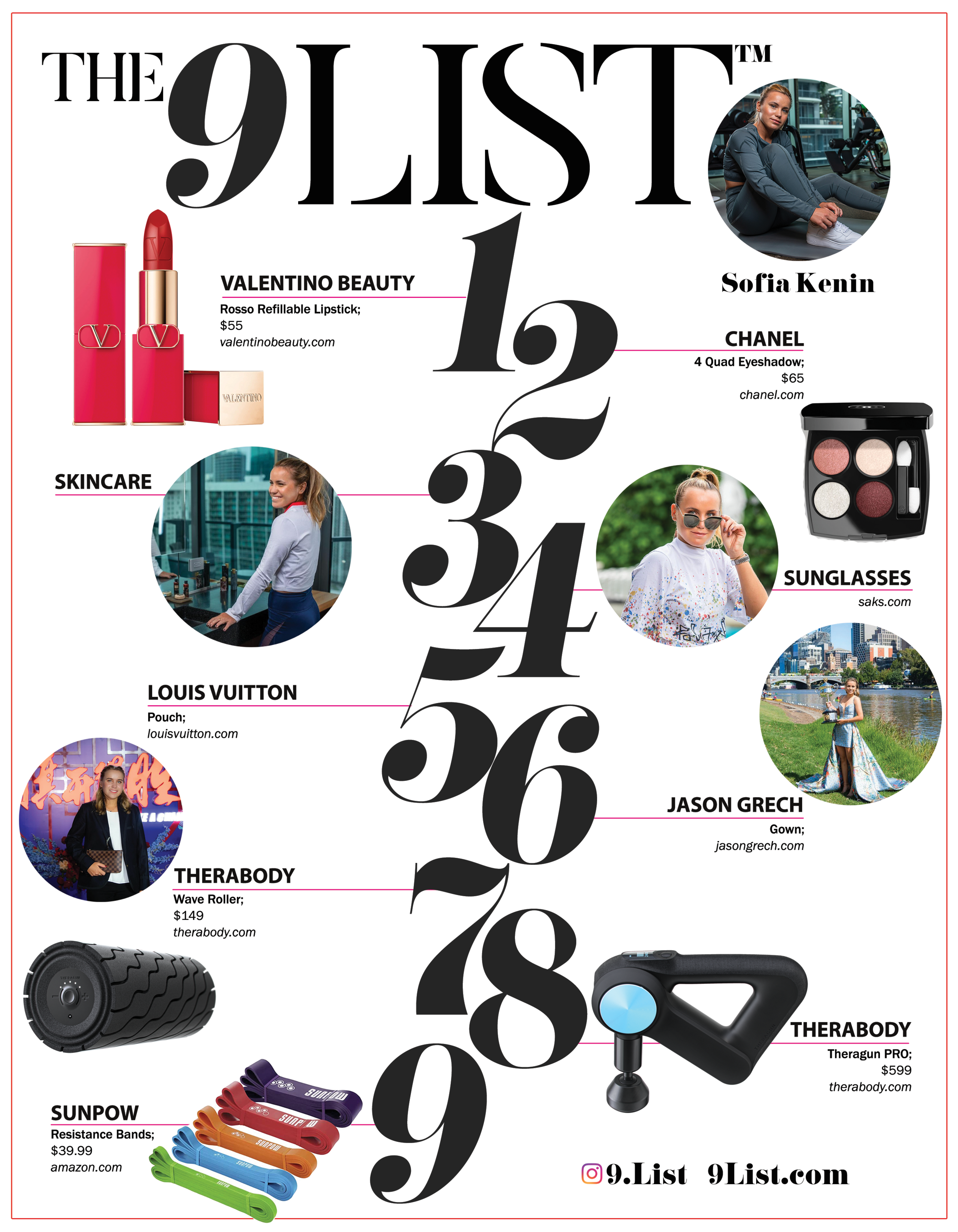

FOR THE LOVE OF THE GAME WITH SOFIA KENIN

The summer has a number of events that are on our calendar whether we're there in person or watching it on TV. The US Open happens to be one of those events that we enjoy here in NY as well as attending events around it from the Taste of Tennis and a series of media events - it's always an exciting time to see the best in the sport.
We're excited for this month's cover, Sofia Kenin who has 5 WTA Singles Titles, 2 WTA Doubles Titles, WTA 4th ranked as well as the Reigning WTA Player of the Year! With a Grand Slam under her belt as the 2020 Australian Open Champion and making the finals at the French Open last year, we are excited to see how she continues to rock it in the sport! We talk about how she got into the sport, preparing for tournaments and how she takes time to enjoy the journey when traveling around the world to play as well as taking it all in as a tourist.
ATHLEISURE MAG: When did you fall in love with tennis and at what point did you realize that you wanted to go pro?
SOFIA KENIN: I fell in love with tennis at a very young age. I started playing tennis at the age of 5 and I was watching all of these pros and I was really looking up to them. I was like, around 6 years old and that’s when my dad took me to the Miami Open and that was the video that was going all around you know, when Kim Clijsters took me all around the site and of course, I was really excited since I was such a young girl at the time to see the press conferences, to be walking around and looking at the stadium. That’s when I knew that I wanted to be a professional tennis player. I just had a big dream.
AM: What is it about the sport that draws you to it?
SK: Everything about tennis is such a great sport! It’s physical and it’s a great mental sport where you have to have toughness to play it. Of course, you get to travel around the world to see so many beautiful countries, you stay at the best hotels, the food of course, going out - of course when there wasn’t a bubble and you could explore the city. Of course, there are all the opportunities that come with it and the competition as well! You’re able to do sports interviews, you have a team around you for the matches and when you walk on the court, it’s up to you so that you can compete and leave it all out there.
AM: Our readers, and ourselves included, love watching tennis because it is fun to see our favorites traveling around the world. When it comes to training and prep, can you walk us through what a day or a week looks like in terms of practicing and working out due to an upcoming tournament?
SK: I typically practice tennis twice a day 1 and a half hour practice sessions and after that, of course lunch and recovery with some of my KT Tape. Then, I’m back with my trainer for another couple of hours and recovery is very important in my daily life. I have to maintain a good recovery so that I can do my best during the training week and upcoming tournaments.
AM: What are your go-to workouts that you do that optimize you in tennis?
SK: Sprints, drills, agility, core – a little bit of that. Of course, weights in the gym.
AM: In terms of the tennis season, when does it start and end for you?
SK: Well of course, everything has changed with the whole pandemic! Typically, the tournaments start in January in Australia which has big travel days and everything which is where I won Australia! Of course, there are all those tournaments after that and it finishes off in Asia in the fall. But the end of the season this year, will be in Indian Wells which I can’t complain because I love Indian Wells – but we usually finish our season in Asia.
AM: What is your off season like? What do you do during that time? Are you still training or do you take time for yourself to realign everything?
SK: Of course, there is a lot of training and that’s when you have to build up physically and mentally and you do have to find some downtime. It’s not all about tennis, you’re traveling on the weeks and you obviously want to have some downtime to just go hang out with my friends, some time with my family, to go to the beach, to do some shopping! I love being able to hang out in the sun and to have time in the water and to be able to work on my tan as I can’t really do that all year. So I have about a month or so to get that tan and I need to use that time.
AM: It’s always fun to see singles and doubles matches because it’s interesting to see how a player has these different dynamics when playing each one. When you’re playing, is there a different approach to when you’re playing a singles match versus doubles?
SK: Of course, singles you’re kind of on your own and the court is wide open as you need to be able to move around a lot. But doubles, you’re with your partner and it’s my friends and you’re having a good time, you don’t have to be as serious as you do for singles, but of course you still want to be able to do well. Doubles requires that you have to have a really good connection with your partner and really good hands at the net, because both players are tough and you know that they have really good hands at the net. They know how to do I-formation. You can tell the difference between a doubles player and those that just want to have fun and play which would be me. It’s fun playing doubles, I like it!
AM: It’s funny because when I worked at Lacoste HQ, our department would play tennis in the summers as a fun way to connect. I wasn’t concerned about the singles play, I was ok with that – I’m not a professional by any means, but the doubles! I always ways wondered how people were able to play this as I was always anxious about where I was standing and where my partner was, it was terrifying!
SK: It can be scary sometimes especially when the ball is coming to the net and then you’re like, “oh my God, am I going to get hit in the face?”
AM: Seriously!

SK: Right, nowadays, you hit the ball around as you’d rather hit it out, then hit your opponents.
AM: Over the past 18 months, we’ve interviewed a number of athletes and recording artists about how they were able to be creative or still active in their sport during the pandemic. We found that many of them had really creative ways that they were able to stay in shape. Did you have anything like that for last year that you had to navigate due to not being able to access certain courts or things like that?
SK: Of course! It was really difficult for everyone! We were traveling and had safe bubbles when we were participating in our tournaments as we could only go to the hotel and straight to the tournament site. Obviously, that was not the most fun thing, but ok – that’s what we had to do. It’s hard to be on the road for weeks and months at a time without being able to walk or to explore the beautiful city or Mother Nature.
Over time, I have learned that small things have been working for me. I started a new TV show that I enjoy watching and I had a few, but I started watching Keeping Up with the Kardashians or I would play some music on Spotify.
AM: Even with last year being such a tough year for so many of us in various ways, you were literally killing it! You won the Australian Open, you were a finalist at the French Open – what was it like to have that kind of achievement taking place?

SK: It was absolutely amazing and I could never describe those moments. It was the highlight of my career. It has been a dream of mine to win a Grand Slam and I was completely speechless when I won. A few tournaments that happened after that, I didn’t win, but I am only human and it happens to everyone. When you win a Grand Slam, it’s exciting and you feel a lot of pressure after that and the expectations of those from the outside and I was able to somehow find myself back and I was able to close off the year as a French Open finalist! It was nice and I was happy for the way that I was able to come back, play tennis and to be able to prove to myself that I won a Grand Slam and that it wasn’t by accident. Unfortunately, I wish that I had won the French Open, but I got to the finals and not too many people can say that. I just hope that I can continue and that I will have many more Grand Slams under my belt.
AM: For sure, I mean your stats and what you have accomplished is really phenomenal. Being ranked 4th in the WTA, being the top American in singles – that is such an amazing feat to have! What are your goals for the remainder of the season or what you’re looking forward to in terms of next year.
SK: Number 1 is to stay healthy. We always downplay it and we look at tennis, tennis, but health is #1 and you can’t buy it. With all of these tournaments being back-to-back, players can have injuries right now. It’s a great part of the season because we’re back in North America and playing in front of the US fans and I’m excited to be able to compete and to get back into my matches and hopefully continue to make more memories and getting more into the spotlight, I guess!
AM: With the remainder of the season, do you have a favorite upcoming tournament that is always your favorite to go into?
SK: I like all of them, but I’m obviously looking forward to the US Open. I love the fans, I love NYC and I love being there. I look I look forward to after the pandemic being able to enjoy seeing the city, being able to walk down 5th Ave and to see all of the people and the beautiful city.
AM: When you’re looking at your IG, of course we know you’re focused on your game, but it’s cool to see you enjoying being a tourist in the city that you’re competing in! What are your 3 favorite cities that you love to be in whether you’re shopping or eating?
SK: Thank you for saying that I’m a tourist, because I love being that and when you’re shopping, you can never go wrong in Paris, Rome or NY, it’s one of the most beautiful cities. You can do really great shopping there as they are my favorites and they have the best food!
AM: We love talking about a number of verticals from sports, travel etc. As the Style Director and fashion stylist, fashion and personal style are of interest to me as well as Athleisure Mag! I love the bold personal statements that you have made in your looks. How would you define your personal style?
SK: I think fashion is super fun and I enjoy it! I have always wanted to be a fashion designer, maybe not drawing as I don’t have the best hands for that, but being able to put pieces together as a fashion stylist. I’m easy going. I like nice dresses, I like casual wear and of course I’m not afraid to wear colors or designs. I wear a little bit of everything. Of course, I like to wear the nice top designers and I try to shop there nowadays – not trying to be spoiled or anything, but I do like keeping up with the fashion.
AM: We know you’re sponsored by FILA and in looking at your looks from last season, I love the Heritage Collection (Fall Heritage Dress) that you wore as well as Mad For Plaid (Print Racer Tank and Plaid Flared Skirt), what does it mean to have them as a sponsor and do you foresee designing a capsule collection with them?
SK: First of all, I really love the Heritage Collection as well! It’s such a great and prestigious brand and I really love that they have done such a great job in designing my clothes and we have such a great relationship. I’m really lucky to have them as my sponsors. They are super supportive of me and have always been there for me and have allowed me to be my authentic self. They also have great lifestyle clothes as well which I have obviously been asking for them to send me some outfits and shoes. It fits with my style and it’s great working with them. Once I start getting back and playing better, there is an option where maybe I can design something of my own! But right now, I enjoy what we’re doing now and maybe after my tennis career, down the road, I could be a fashion stylist or something of that nature as fashion can always come back!
AM: We talked a bit earlier about KT Tape. Why do you feel there was such a synergy between you and the brand and that it made sense for them to be a sponsor for you?
SK: It’s a great product for recovery and many people don’t realize how important recovery is. As a professional athlete, I believe that KT Tape as a brand and a company is one that fits authentically into my life. I love using products such as KT Tape Cold Massage Roller and the KT Recovery+ Pain Relief Gel Roll-On. I’m super proud to be part of that brand.
AM: Couldn’t agree more. We find when we’re at photoshoots, press junkets, media events, attending NY Fashion Week and music festivals, their KT Performance+ Blister Treatment Patch and BFF Blister Prevention Tape is something that the team enjoys using so we can continue to stay on our feet and do the job that we need to do!
You have such a passion for the sport, do you do anything to give of your time to assist the community or to work with kids that are drawn to tennis?
SK: I love being an inspiration to kids and the younger generation as I know that they look up to me. I participate in a number of activities in every tournament which I’m invited to. I love doing that. It’s a bit early in my career and a lot of players have their foundations and I help them in whatever way that I can.
AM: You’re currently the WTA Player of the Year. What do you want your legacy to be in this sport?

SK: Well I just want to keep playing and continue to enjoy myself. I want to win more Grand Slam titles. I’m 22 years old so I haven’t thought about my legacy, but I definitely want to be a role model to young girls that want to be a tennis player one day. I want them to remember my name and remember me as I have looked up to Serena Williams, Roger Federer, Rafael Nadal, Anna Kournikova, Maria Sharapova – everyone that I have looked up to. They inspired me and I want to be someone like that for those coming up. I’d love to be an icon and maybe be the next Serena Williams, but maybe let me get a few more Grand Slams or be like the 3 GOATS Roger Federer, Rafael Nadal and Novak Djokovic who have all won 20 Grand Slams which is pretty incredible! If it’s possible, I will take it!
AM: You're still in your season so when you’re not on the court, how do you take time for yourself?
SK: Of course shopping because I love it and I’m crazy about it! I love to have dinner with my friends and family, going to the beach or I can stay in bed all day and just watch Netflix and Hulu and just relax!
IG @Sofia.Kenin
PHOTOS COURTESY | Front Cover, PG 21 + 22 KT TAPE | PG 16 -18, 25 + Back Cover Sofia Kenin |


Read the JUL ISSUE #67 of Athleisure Mag and see For the Love of the Game with Sofia Kenin in mag.
Featured


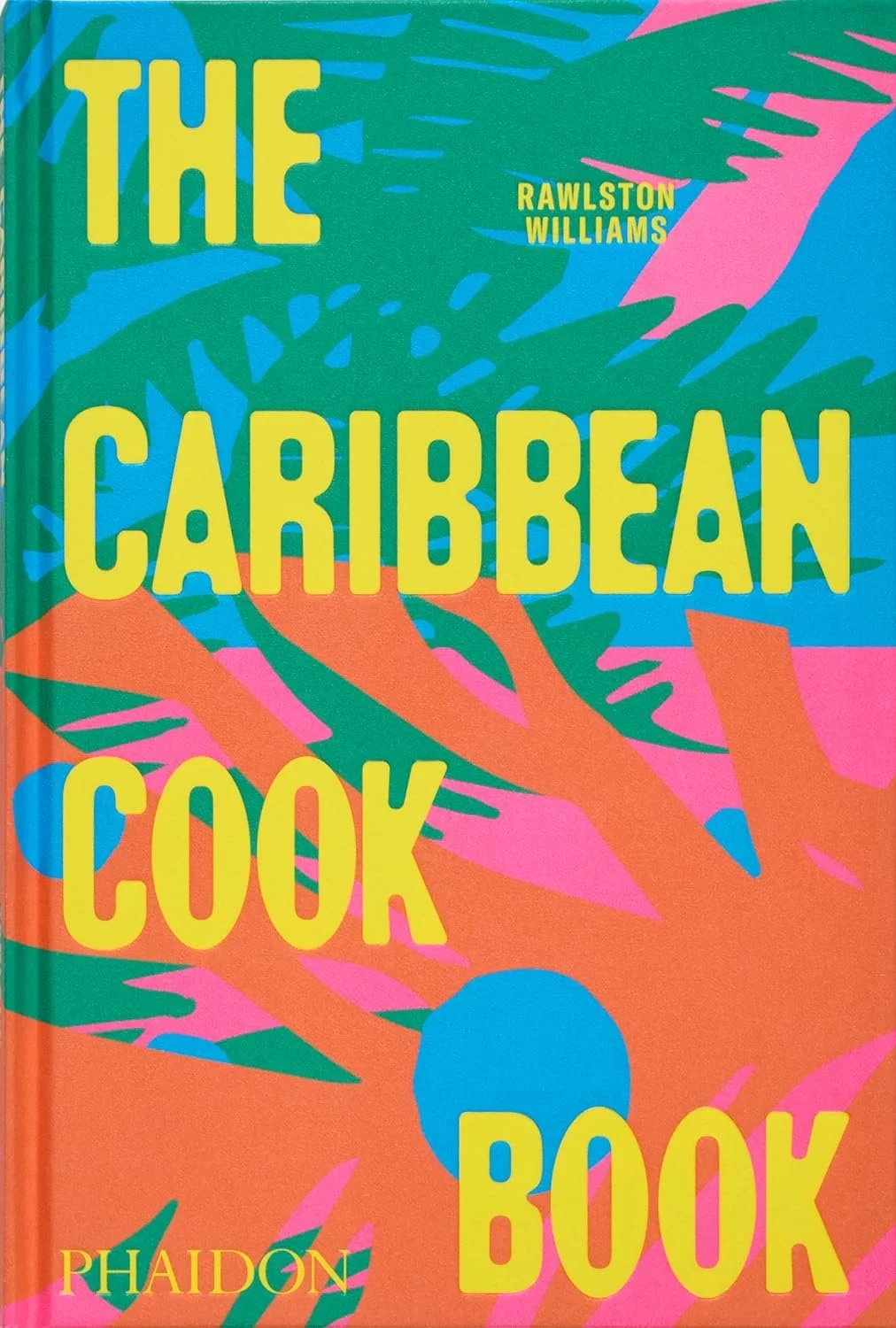
BINGELY BOOKS

AFROSURF
Ten Speed Press
Mami Wata
AFROSURF celebrates African surf culture, an area that may not be as known and includes profiles, essays, photographs and illustrations. This collection of materials is compiled by Mami Wata a Cape Town surf company that believes in African surf. They source and manufacture their assortment in Africa and work with communities to strengthen local economies through surf tourism. In this book an array of voices come together from Mami Wata's co-founder, Selema Masekela along with noted African photographers, thinkers, writers, and surfers to explore the unique culture of eighteen coastal countries, from Morocco to Somalia, Mozambique, South Africa, and beyond. This coffee table book has over fifty essays, AFROSURF features surfer and skater profiles, thought pieces, poems, photos, illustrations, ephemera, recipes, and a mini comic, combined to showcase this surfing culture.

MODERN FREEZER MEALS: SIMPLE RECIPES TO COOK NOW AND FREEZE FOR LATER
Skyhorse Publishing
Ali Rosen
Emmy and James Beard Award-nominated host of Potluck with Ali Rosen on NYC Life released Modern Freezer Meals: Simple Recipes to Cook Now and Freeze for Later. Ali's latest book focuses on a way to preserve food beyond canning and fermenting. The freezer is a powerful tool that really assists in the best way to meal prep and to have a dish that is available to have on hand when you need it.
In this book, she includes 100 fresh recipe for frozen foods. The assortment has healthy dishes, grain bowls, proteins that are cooked straight from the freezer as well as maintaining the integrity of flavors.
Ali breaks down her tips from proper packaging and labeling techniques while also breaking myths that you may have heard about freezer meals. She focuses on meals that stand up to the cold and you no longer have to worry about freezer burn and dishes that you can't decipher. Some of the dishes that we want to check out are Everything Biscuits, Mashed Potato Bell Peppers, Cherry Chocolate Cookies, Ricotta Gnocchi and more.

THE HARD SELTZER COCKTAILBOOK
Ulysses Press
Cassie Vogel
In the Hard Seltzer Cocktail Book: 55 Unofficial Recipes for White Claw Slushies, Truly Mixers and More Spiked Seltzer Drinks, which takes sparkling beverages that are better for you and allows you to create cocktails to make them unique. The recipes are easy to make and use some of your favorite seltzers that you and your friends enjoy. You'll see how to make Sparkling Frose, Poppin' Lemon Drops, Watermelon Sugar Slushies, One-Minute Margs and more. We think that this will be your go to resource throughout the year.
Read the JUL ISSUE #67 of Athleisure Mag and see Bingely Books in mag.
Featured



TOKYO 2020 | OPENING CEREMONY
It’s been quite a process and in many cases, we wondered about whether we’d be able to have the Olympic Games taking place in Tokyo. But after a year in postponement, this morning (Friday, July 23rd), the Opening Ceremonies for the Summer Games will take place! Usually, we watch them during prime time but with the time difference of 13 hours in Tokyo, the schedule is a bit different this year!
NBC is the home of Olympic coverage (although throughout the NBC Universal network, you’ll be able to see a number of your favorite sports and countries competing). Below we have included the schedule regarding the ceremony. In addition to the links below and NBC, the ceremony will also be live on the NBC Sports app and on NBCOlympics.com.
JULY 23 TOKYO OLYMPICS CEREMONY PROGRAMMING ON NBC
6:55 a.m. – 11:00 a.m. | Live Opening Ceremony Coverage
11:00 a.m. – 1:00 p.m. | Special Edition of TODAY (interviews and reactions from athletes will take place)
1:00 p.m. – 4:00 p.m. | Tokyo Olympics Daytime
7:30 p.m. – Midnight | Primetime Opening Ceremony (this is the re-airing of the Opening Ceremony which was live as well as some bonus content that was not included from this morning)
JULY 24 TOKYO OLYMPICS CEREMONY PROGRAMMING ON NBC
12:35 a.m. – 5:00 a.m. | Overnight Replay of Opening Ceremony
Read the latest issue of Athleisure Mag.
Featured

9PLAYLIST | STEELE JOHNSON
Read the JUN ISSUE #66 of Athleisure Mag and see 9PLAYLIST | Steele Johnson in mag.
Featured





A WILD RIDE WITH HEIMANA REYNOLDS
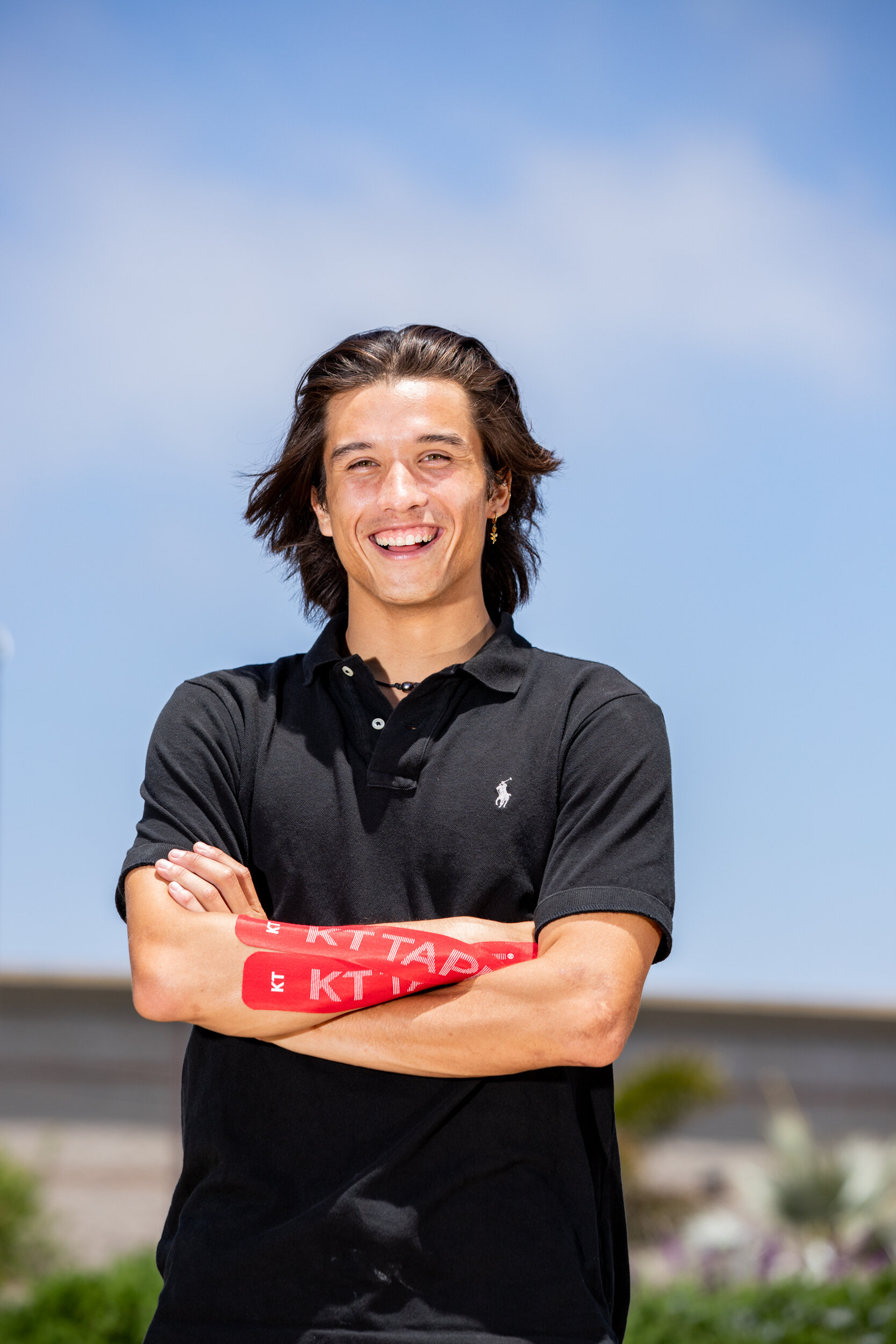
Next month the Summer Olympics will take place in Tokyo. While we look forward to seeing a number of our favorites in Track & Field, Swimming and Volleyball, there are a number of sports that will make their debut and skateboarding is one of them! We're excited to catch up with an athlete who has been at the top of his sport for the past couple of years and is an advocate for skateboarding and its community. Heimana Reynolds has showcased his style and creativity at a number of World Championships, X Games and will now take the world's biggest stage in just a few weeks representing Team USA Skateboarding.
We caught up with this Hawaiian native who calls San Diego, CA his home to find out how he got into skateboarding, going pro, the Olympic Trials and the power of recognition.
ATHLEISURE MAG: When we grew up in the 80’s and 90’s, we remember that after school, even though we didn’t skateboard, but we had friends that did. You could see how fun it was. Living here in NY, you see it all the time from a transportation perspective or just people being out having a good time! How were you introduced to the sport?
HEIMANA REYNOLDS: Well, I’m born and raised in Hawaii right? I mean, my state is known as the surfing capital of the world! Originally, my dad he was born and raised as the board sports rider from surfing, skating and snowboard riding when he could. At first, at a young age, he introduced me to surfing. From there, I was very young like 4 or 5 years old and at that age, there are so many variables that have to do with surfing – it’s cold, it’s windy, it’s this and that. So I didn’t fall in love with it at that age. When I was 6 or 7, my dad was like, “ok what’s the next best thing? Skateboarding. Let’s try this." He introduced me to skateboarding and I just fell in love with it. He would take me all day, every day, after school, before school and weekends! It was just history from there you know?
AM: When did you realize you wanted to be an athlete and be a professional skateboarder?
HR: I remember the day that I realized that this was something that I want to be able to do. My very first contest my dad took me to was in California, it’s this contest for all 12 and under skateboarders. He took me out there and I got to meet so many people, I got to compete for the first time and I actually did well for myself even though it was the beginners division! And I actually won a few divisions! I thought, “woah this is cool, this is awesome and I want to be able to do this for the rest of my life!” And hopefully I can! So far so good you know?
AM: You have won so many things from World Championships to being at the X Games and all of these different events. What has that journey been like for you?
HR: Oh my gosh, it’s been amazing! All I can say is that I’m so blessed to be able to travel the world and to meet all of these amazing people and get to do all of this because of skateboarding. Who would have ever thought that I could be traveling the world, I could be competing, I could be winning, I could be making money off of this wooden toy with wheels? You know what I mean? This journey has really been amazing and it’s not done yet! I mean, I’m super excited for Tokyo and it’s going to be the most amazing thing ever.
AM: That is going to be insane! I know you were talking about growing up in Hawaii and you live in California now in San Diego, what’s the skating scene or community like in terms of similarities and differences between where you grew up and where you are now?
HR: Honestly, there are so many similarities and differences. Growing up in Hawaii, I mean the similarities – well the reason why I moved to San Diego is that pretty much it’s the closest thing that’s like being in Hawaii without being in Hawaii. I’m able to still surf and skate every single day. I moved out here mainly because of the skate park and the skate scene out here you know? The cool thing about being out here is that you can stand in a certain area like my house let’s say and point in any direction and I can tell you where the skate park is. I think that is the coolest thing ever because there’s so many skate parks and not only is it about the quantity of skate parks but the quality of skate parks that are out here! Compared to Hawaii, it’s off the charts! Being out here and being able to skate, be at all of these different parks, being able to be out at the entire skateboarding scene out here is honestly the best thing for my skate career.


AM: That’s awesome! What’s an average day like for you when you’re training or doing your tricks? How many hours are you actually on your skateboard?
HR: Haha! Well a normal training day for me would of course be waking up at about 7:15/7:30am, getting out of bed, getting my day started and going straight to the NAKOA Gym where I meet with my personal trainer, Brandon Glade. We run through a bunch of – not so much body-building exercises but building muscle around my joints to prevent injuries. So we do all of those exercises for about an hour. I go home and I get a nice breakfast in me and I go straight to the California Training Facility which is the Olympic Skatepark for us. I go there and my first session will be about usually 3-4 hours just running tricks that I want to work on, trying to learn tricks and hone in on tricks that need work on and I grab some lunch after. Then I go back to the skate park and then I run lines to get my stamina up, to do the tricks that I learned earlier that day or those that I need to work on. Just kind of running my legs together so that’s another 3-4 more hours!
AM: That is definitely a lot! What are the specific workouts that you do to optimize you in your sport as I know you’re focused on building the muscle around joints? Do you have go-to’s that you do?

HR: We’re always changing up a lot of stuff. We do stamina work, we do cardio, we do a lot of agility stuff, landing hard and trying not to land hard on your bones! Also doing lightweight stuff. I don’t know the exact names for everything, but my trainer, he’s awesome! He’s the best in the business in my eyes.
AM: Prior to COVID-19, what was your year like in terms of your competitions just to give people an idea of what your schedule was like and how much you traveled?
HR: Oh my gosh! It was never a dull moment to say the least haha! There was honestly a time before COVID where there was a contest between where it was pretty much every weekend or every other weekend. We were able to travel to China, Brazil and all of these crazy countries and multiple times in that same year! I’d just bring my skateboard along and just kind of go with it. It was so amazing to be able to feel out all of those different cultures and just competing on those weekends. Oh my gosh it was amazing and so much fun. It was definitely strenuous but it was definitely a super amazing ride.
AM: Did you find, because we have been interviewing a number of athletes, that during this time before things started opening up again that in order to keep training and working out, that you had to do weird modifying situations to still stay healthy and on track for what you wanted to be able to do? We talked with Ryan Murphy a few months back and he was pushing his SUV up a hill because he couldn’t get to a gym haha!
HR: Haha yeah! During COVID, it was a crazy time especially being a park skater where you have all these ramps and big concrete – all the skate parks were closed you know? So it was really hard for me to be able to motivate myself. It was really funny, I had to do a lot of my sessions where I was in my living room and literally skating my coffee table and doing tricks off my coffee table and stuff like that! It got down to the point where I had a bunch of cases of Vitamin Water and I literally set them up and I was grinding on them and going over them – it was actually pretty funny!
It was actually a really cool experience to be able to not have to worry about the stress of events and training but to actually fall in love with my skateboard again, you know? It reminded me of when I was 8 years old and I would skate in my driveway for hours on end and just like having fun with literally nothing. I thought it was a really cool experience.

AM: Do you have go-to movements or signature movements that you do when you’re skateboarding?
HR: I do. I have a couple. My main trick that I’m kind of “known” for is called a Frontside Invert and it’s where you go front side up to the coping and you kind of plant your hand on the coping and you kind of do a one handed handstand while holding your board and then bring it back in. That’s one of my favorite tricks and I try to do that in every contest. It’s a super fun one!
AM: It looks awesome and you were in our 9PLAYLIST feature last month and we have that shot as the background of your playlist. That shot looks amazing and it’s impressive, but it must be so hard to be able to do that! Not for you obviously!
HR: It’s a lot of falling down and a lot of getting back up to learn it and to perfect it, you know?
AM: Exactly! What was the Olympic Trial process like and how many events did you have to do to qualify?
HR: The Olympic process was a cool experience, but also there are a lot of similarities and differences compared to contests that we’re used to! There’s a whole new thing with the point system and trying to get as many points as you can because it’s the Olympics and everybody wants to get to it. There are only 3 spots for Team USA, you know? So, we had 3 main events in 2019 and then we had 2 more in 2020 until the postponement and then we had another 2 this year. In 2019, at the first event, I was able to make finals but got 6th place, the next 2 were a Pro Tour event and then the World Championships and I was lucky enough to make the runs that I needed and win those 2 events which really boosted my score a lot leading into 2020 and 2021. Unfortunately, the most recent 2 events, I battled a knee injury and had to pull out of those events, but luckily for me, I had enough points to stay in the top spot and make it to the Games.
AM: Which is amazing! Once again thinking back to growing up seeing our friends skateboard back in the 80’s and 90’s, we couldn’t have imagined that it would be a sport at the Summer Games! How important do you think that this is for the visibility of the sport and then you being a part of the debut of that?
HR: Honestly, just hearing you ask me that question just gave me the chills you know what I mean? The shivers went through my spine because it’s such an amazing thing. First, it’s amazing for the sport to be at the Olympics and I have always thought that it deserved the recognition and that it should be considered a real sport to be at the Olympics. For me to be able to actually compete in the debut of the sport means the world to me. Skateboarding is my entire world. It’s all I’ve ever known and it’s all I ever do. It’s what I’m so passionate about and to be able to make history with skateboarding means so much to me and I’m so honored and blessed to be able to say that I will be in the debut of skateboarding for the Olympics.
AM: It’s so amazing and what are you looking forward to at the Games and what does your schedule look like leading up to heading to Tokyo?
HR: Oh my God – I mean I honestly don’t even know what to expect. I know that there are a lot of guidelines and stuff like that, but I’m really going to be there for the ride and the experience and kind of just making the memories of a lifetime out there!
Leading up to the Games, I am definitely training as much as I can without being injured. I’m just trying to keep my mind and my body healthy. I’m trying to keep my legs warm and I know that there are tricks that I want to be able to do before the Games so I’m honing in on those and not trying to get too crazy learning anything more before the Games. I have my tricks that I want to do and my lines that I want to run and pretty much, just trying to stay healthy and reviewing the park layout and getting ready!
AM: For Olympic Skateboarding, the events are broken out between street style and park style. Can you share the difference between these events?
HR: Of course. When you talk about street skating, automatically you think about the street. You’re skating on the street, but it has a lot to do with what you see around town. Street skaters will be skating stairs, handrails and jumping off of things like that. In park skating, you’re going to see more of ramp style where you see quarter pipes, half pipes, coping and long grinds and it will be really fast and high airs.
AM: In looking at competing in park, can you break down from an Olympic standpoint – how do you accrue points, what are judges looking for? So when we’re cheering you on, we can understand how you’re being scored?
HR: When you’re skating in park, one of the coolest things about park and skateboarding in general is the creativity aspect behind it. So, a lot of the judges are looking for the speed that you’re going at and how fast you’re going, how many tricks they can pull together in their 45 second run, how high their airs are and stuff like that. But it also goes into the creativity aspect. If you’re watching a skate contest, you will never see someone do the same run as another skater. That is the coolest thing because it brings the individuality out of the sport. A lot of the judges are looking for high airs, long grinds, going fast, how many difficult tricks you can pull without falling and the creative aspect of how unique your line was with all the tricks and which ones went back-to-back.
AM: For the Olympics, you have a designated uniform that you have to wear, but do you also have a specific board or shoes that you wear or are you able to choose your own for that?
HR: So yeah, we have the Olympic designed uniforms that we wear, but shoes, boards and helmet go under equipment. So, we can bring our own stuff in for those. I’ll have my The Heart Supply skateboard, I’ll be wearing my Axion Slip On shoes. They’re my favorite shoes and super comfortable – I love them. Also, my helmet will be a black S1 Helmets.
AM: I know that you’re partnered with KT Tape and our readers and followers know the brand and have seen them on athletes such as those in swimming and volleyball and how they use it. How is it beneficial for you when using it in skateboarding and why did you feel that it was a synergistic partnership for you to be aligned with their brand?
HR: In skateboarding and specifically with me, I don’t like to have any restrictions especially with braces and things like that. So, if I hurt my ankle, my knee or my wrist, I don’t want to have this brace that restricts my movement too much and gets in my way with this big bulky brace on my knee. So when I partnered up with KT Tape, they taught me how to tape up my knee, ankle or anything else, it really helped to hold my knee or ankle in place without having to deal with the restrictions of a bulky brace. It was really cool to experience that and to learn how to use the tape. They have a bunch of different stuff. I use the KT Recovery+ Wave that’s this electromagnetic pain relief thing. So if my shoulder is super sore after a long skate session, I’ll tape that thing onto my shoulder and I won’t feel it at all but the next morning I’ll wake up and say, “wow, that really helped a lot!” They also have KT Recovery+ Pain Relief Gel Roll-On and stuff like that. They have a lot of different products that help progress my skateboarding a lot.

AM: It’s always fun to do prep for these interviews and I know you’re in the campaign imagery with Ralph Lauren as well which you have such the look for that. But we also came across the Proper Rideshop. Can you tell us more about this?
HR: Like when I told you earlier about my dad and how he got me into skateboarding, once he realized that this was what I wanted to do – he took into account that if this was something that I wanted to be able to do and that skateboarding would be my life that they would turn their lives into it too! Him and my mom both quit their jobs, got an indoor warehouse, opened a skate shop in the front and a full skatepark in the back. They run camps and clinics to teach skateboarding to the youth. It’s a super cool environment. We have a membership program where we have over 400 members with young kids. We give back to the community and work with some homeschool programs teaching them where this is a form of their PE classes. We work with this program called A.skate Foundation which works with special needs kids in the autistic community. Proper Ride Shop has turned into a full family affair and it’s amazing.
AM: That’s amazing what they do for the community and the fact that you were able to train there while you were growing up!
HR: Yeah that’s true! They opened it up 10 years ago. I’ve been able give back to the community there and then after hours, be there to get training in.
AM: That’s fantastic and because you’re passion for the sport is so evident, in what ways do you give back to the sport and the community?
HR: I teach kids about the sport and I try to go around to help the kids of the next generation. Proper Rideshop is a really cool thing to give back to the community. Once, I was part of the next generation and people gave back to me and now that I’m in that next generation, I want to see the younger generation just strive and help them become what I did. I love giving back to the community.
AM: When you’re not skateboarding, what would we find you doing when you’re just taking time for yourself?
HR: When I’m not skating, I like to be in the ocean. Whether it’s surfing, fishing – especially back at home. I’m always going to be in the ocean because that’s my little zen mode. I grew up surfing and skateboarding my entire life so if I’m not at the skate park, I’m definitely surfing.
AM: We love talking to people that are changemakers that inspire other people. Who are 3 people that have helped you in your career where you are whether you know them personally or follow them socially?
HR: Oh man. The first one that comes to mind is definitely Shaun White! He has been a huge inspiration to me since I was a young kid just watching him at the X Games skateboarding and snowboarding. I knew of the time and dedication that he took whether he was on or off his board. It really just made me see what was out there and made me want to push and be the best that I could be. It’s actually really cool. During the beginning of the Olympic Trials for skateboarding, he was like, “I want to start skating again and do this." From there, I used to see him at the skate park a bunch and I was like, “woah that’s Shaun White, I looked up to him as a little kid.” We actually built a relationship together and I’m able to call him up and go skate anytime I want! It's a really cool thing to be able to do that and to have him as a good friend of mine. He’s an amazing human.
Another person that really inspires me and I know that it might sound cliché, but my dad really inspires me a lot. He was the person who taught me what hard work is and the person that pretty much paved the way for me and taught me every life lesson that I know. He’s the one that pushed me when I wanted to quit and he helped me get back up and he is definitely one of the biggest inspirations in my life.
As a skateboarding standpoint, Tony Hawk – of course he’s been a huge inspiration to me. Not only is he probably the biggest name in skateboarding, he also opened up the doors to show that you don’t have to just be a skateboarder. He designed his own game, he gives back to the community, he travels the world and he gives skateboards to little kids. He is one of the most amazing human beings and he has inspired me my entire life.
PHOTOS COURTESY | KT Tape + Ralph Lauren


Read the JUN ISSUE #67 of Athleisure Mag and see A Wild Ride with Heimana Reynolds in mag.
Featured

COURSE BOUND WITH JULIE TYSON
On Aug 16th - 22nd, THE NORTHERN TRUST golf tournament will be back at Liberty National Golf Club in Jersey City, NJ. We attended back in 2019 and in anticipation of the upcoming event, we wanted to find out more about this tournament, its importance in the golf season and how it benefits its communities. Julie Tyson is the Executive Director of the PGA TOUR of THE NORTHERN TRUST. She shared her career journey, how she came to working in the golf industry, her approach to putting on one of golf's biggest tournaments as well as how she balances a myriad of schedules.
ATHLEISURE MAG: Back in 2019, we had the opportunity to go to THE NORTHERN TRUST and had an amazing time there so it’s so great to find out more about this tournament and your role in it. I’m also excited to chat with you as we are fellow alumnae at Indiana University so it’s always nice to connect with people from there!
JULIE TYSON: You are! You’re a Hoosier?
AM: I am and I was impressed that you were a founding member of the IU Dance Marathon on campus as I enjoyed going to that and raising awareness!
JT: That’s amazing and so cool! I’m on this sports board that they have now at IU and we had a board call last week and it’s like a who’s who of sports. I was listening on the call and I thought, “gosh Indiana turns out some really talented people!”
AM: Without a doubt!
JT: Well you included!
AM: Well thank you!
JT: You have quite a business!
AM: Thank you for saying that! It’s been an incredible journey and even in this time of the pandemic, we were really able to take stock to optimize what we’re doing while working on some really amazing things that will be launching soon! You know, in doing this magazine, we talk to so many people across a number of verticals and a number of them have come from IU and it always makes me think of just how phenomenal of a school it is and how far their arms reach! I’m from Indiana originally so I always wanted to go there, but looking at it from where I am now, seeing all the people that come through there it truly is incredible.
JT: I have 2 older brothers and I’m from Chicago originally and they went to school there during the Bobby Knight era.
AM: Same!
JT: And just like you, but for a different reason, we really wanted to go to Indiana University badly. I remember my first foot steps onto the campus, I had a couple of those pinch me moments like, “I can’t even believe that I’m here!” It’s such a cool experience.
AM: I loved it so much that after my freshman year, I became an Orientation Leader there every summer for the incoming students that were coming in! I’m still friends with a number of the people from those teams as well as students that I oriented. Bobby’s last year was my senior year, but my memories there were truly incredible and anytime I get to talk to others that went there, I know that it’s good people.
JT: Awww me too. I agree completely.
AM: Exactly. You have worked in this industry for a number of years. What is your background and what led you to working in sports and specifically to the golf industry?
JT: I was in media sales for a long time out of Chicago and I remember very distinctly boarding a plane and it was one of those really small 19 seat planes and I was in Michigan and it was in Feb. and I thought that it was freezing cold and dark and I need to do something different. I started to think about what would be next for me and I thought that being an agent would be interesting and fun. So my easiest path in I thought would be women’s sports to become an agent. I thought that I didn’t want to travel all over the globe at that stage in my life so that eliminated tennis because they were playing a lot of their events globally and I thought that golf would be an interesting thing because it was very well established and sort of fit with the lifestyle of not being in freezing cold Michigan weather.
So I reached out to the Vice President of Business Affairs at that time and said, “If you ever need help with your television, I’d love to help.” We got through a bunch of conversations and lo and behold he became the Commissioner of the LPGA, a guy named Ty Votaw. So I went to go work with the LPGA initially and worked there for a long time. It’s a very entrepreneurial setting where if you can dream it, you can do it. I loved my first foray into golf through the LPGA and then my career progressed and I ended up working at the PGA TOUR first in Account Management and then in Global Sales. Then, in 2017, my path led me to a counterpart and a friend that had become the head of our Championship managed event that we own and operate a portfolio of events and he asked if I ever wanted to come and run a tournament within this group of events? That began my event management experience was in 2017. THE NORTHERN TRUST happened to be moving from LA to NY so it was a perfect time for me because I got a new title, we were playing new venues and so everything was new. I didn’t walk into a big legacy really even though this event has been played in and around this area for over 50 years!
AM: That is quite a journey. Before we get into THE NORTHERN TRUST, can you tell me about your role at the PGA and what your day-to-day is like?
JT: So, I’m the Executive Director which means that literally if you think about it like a CEO of a small business, every aspect of the event rolls up through me whether it's client relations, whether it's operations, local relationships with the city or the state – putting on an event like this you have to let everybody know you’re coming to town and make the appropriate accommodations, marketing, HR, everything under the sun. Now the great part about this is that if you think about it like a franchisee, I have the PGA TOUR in the backdrop that we’re owned and operated and I have those resources that I can tap into on a daily basis. But we’re pretty much in NY running our own show up here.
AM: As you mentioned, THE NORTHERN TRUST is over 50 years old, can you tell us about this tournament which is the first of 3 Fed Ex Cup Playoffs events? What makes this such an important event?
JT: This is probably one of the most competitive events in all of golf where players compete throughout the regular season to earn enough points to make it to the Playoffs. We are the first Playoff event as you said. So we only accept the top 125 players in the world. If somebody gets sick or decides that they don’t want to play this particular week, we will play with fewer people. We won’t bring anybody else in. Not only do they compete to get into this event, after this event, we will cut as the Playoffs progress as they go from this event to the second event it will go to 70 players. So for some number of players like 55 players, their season will end at the conclusion of our tournament at THE NORTHERN TRUST because they didn’t earn enough points to make it into the top 70. So that’s 1 and 2, we tend to be one of the largest global platforms first being in and around NYC which is a huge enough platform to begin with. This event is also televised in over 220 countries worldwide so it’s a really big stage that we're putting these guys on. Lastly, over the course of those 3 weeks, these players will pay for over the 3 week run between the bonus pool at the end and the 3 weeks of purses, almost a $100 million in prize money. So that in and of itself, the scale of the stage, the number of hours of television, the platform, the fact that their season could end – there is a lot at stake here that these guys are playing for. So, really competitive environments tend to produce memorable moments on the golf course.
AM: Wow that is very critical in the fact that you could be ending your season after that particular tournament. How far in advance do you begin working on a tournament like this and as we’re a few weeks away, what does your schedule look like leading up to it?
JT: This event typically rotates in and around NY and NJ and in 2020, we played in Boston. We start planning 18 months in advance for where we are going to be in the upcoming year while simultaneously completing the steps towards the current year’s event. We have to be building 2 events simultaneously.
AM: When people think of golf, they think about The Masters, The Players or The Open as opposed to thinking of a tournament that’s minutes away from NYC, what are the intricacies of having a PGA TOUR event in NYC?
JT: Yeah. Interestingly here a local NYer or someone from NJ that is from the area will tell you that convenience is key! You have to have an easy way to get to something no matter how compelling. Unlike some of these other places where you’re in Augusta, GA and it’s convenient and easy to get to once you’re on the grounds of Augusta – you’re pretty local there. Here we battle traffic and all of these other kinds of modes of transportation. I think in 2021 what you will see as fans is that we have made it more convenient to get to the tournament. This being our first time back since 2019, we learned a lot from our fans so parking will be easier, we’ll have our rideshare much closer, our Ferry will drop off at the Liberty National Port instead of at Port Liberté. It will be super easy to get the opening and closing holes. So we have made it more convenient – that’s 1.
2, I think that if you live in the area, you have access to pretty much anything that you could ever dream of from world-class food options to entertainment so we really have to try harder to make this a singular experience that is super memorable. So we have really held ourselves accountable to building something that we think will get people to come back time and time again and hopefully your experience proved that we’re working hard on that front.
AM: I thought it was awesome. We went to the Media Day the day before and took the ferry over that day. I thought it was really cool. Who would have thought that steps away from the city, we have a golf course that we can go to without having to go to other regions in the country. It was really well produced and I’m excited to see what this year will be like. When I think about the music festivals and fashion weeks that we have attended it’s always challenging to do them when you’re talking about doing them here!
JT: I totally agree and we’ve lived through every challenge. COVID being what it is, to have THE NORTHERN TRUST last year in Boston during COVID which I can’t think of anything that is more complicated and we successfully pulled that off so we learned a ton about running events in a COVID environment just like everybody did in running their businesses.
AM: Speaking to that, running any type of event during COVID is problematic. What was your approach last year to tackling it and being in a different locale and keeping in mind all of these other factors that were literally outside of your control?
JT: Well, first we had to determine what was going to be our North Star. Our North Star was always going to be safety. Safety of the players, safety of the fans, safety of the volunteers, of the staff and in every step. We decided that we were going to operate without fans because we didn’t know if we could effectively do it as there were a lot of unknowns about COVID, there were no vaccinations - we just didn't think that we could aggregate people in a safe way. We knew that with the areas with the population of people and volunteer staff and players, that we could control how they could engage, we could control social distancing safety measures. So safety was always going to be our North Star. The second part of this and I think with anything that you’re going through with a crisis, is communication. We over communicated to everybody, the league, we communicated to the state and health officials. We over communicated with people and brought everybody into the process so that they could transparently see what we were planning to do and to advise us if we were going down a bad path. It helped us to be able to play in a time where most sports were unable to. We were really excited to be able to do that and to deliver to fans so that they could at least watch it on TV.

AM: In 2019, we had the best time watching Tiger Woods, Dustin Johnson and Brooks Koepka play and walking the course as they played. So for this year’s event, what kind of hospitality features and experiences that fans can enjoy while watching their favorite players.
JT: I think one thing to note is that if you’re a golf fanatic, we’ve got an option for you which is golf with a side of fun, but if you’re not super into golf and you just want to watch a little bit of golf, we’ve got fun with a side of golf. I think that more and more our fans are starting to see that you don’t have to watch 8 hours of golf if you don’t want to. We’ve got hospitality options that range from anywhere from over a little over $100 a ticket to all the way to $7,500 a ticket. It just depends on the level of convenience that you're looking for. So at the high end of that, the $7,500 ticket gives you valet right up to the door of the club. At the lower end of that, you’ve got access that will keep you out of concession and food lines and it gives you a reserved seat which generally is hard to find in golf. We’ve got hospitality options with everything in between and it just becomes things like climate control, shade or location on the golf course if you’re on a finishing hole. Those things come at a premium. We’ve got people and opportunities that can help coach you through any kind of opportunity that you want to experience. I think that the most interesting thing is for our Grounds Patron. We have 6 miles of front row seats for our Grounds Patrons which is unheard of in sports. Also, our amenities bring in local flavor with our food partners that you saw in 2019. So Shake Shack, Luke’s Lobster and Pizza Vita are there. We also brought in Playa Bowls which is a healthy option that was one of the bits of feedback that we got back from our food partners. We’ll have a wine garden that we fashioned after a North Fork vineyard experience with Adirondacks and food for purchase that pairs up nicely with wine as well as other kinds of experiences that people can enjoy. Again, if you’re interested in fun with a side of golf, we’ve got all kinds of space on a 6 mile golf course that is out in fresh air for you to enjoy with your friends.
AM: In addition to watching amazing athletes and having fun on site, there is also a charitable component as I know you’re focused on food scarcity. Can you tell me about where the proceeds will go to this year?
JT: Thank you so much for raising that as it is super important to us. Right now, we’re trying to frame up our relationships with our charitable partners and part of the reason why we’re still working on that is that it is the tournament’s proceeds that go out to that charity. So we have to hit the numbers in order to take the proceeds and provide them out. What we have tried to do is to pick some themes under the umbrella of Community Champions and Community Heroes. We know everyday that there are people going to work to make somebody else’s life better. Wherever we and THE NORTHERN TRUST as our title partner can go to work and help make those folks lives easier, we want to be able to do that. Things we've focused on include food scarcity that is coming out of COVID in NJ. They're focusing on real issues and summer is always tough with kids not going to school and having a guaranteed meal so that was one that we knew we wanted to be able to help. We’re looking at Boys and Girls Club, The First Tee which is our national charity partner with local chapters. We work with Tackle Kids Cancer, so we have a whole host of charities that we’re talking to right now and we want to help them in 2 ways. 1, with proceeds and financial underpinning and 2 is to take the PGA TOUR’s broad spotlight and shine it on those charities so that not only are we giving to them, but others that can afford to give are also supporting them. So you will see a lot of that going into the weeks leading up to and during tournament week.
AM: Going back to the point you were making with safety being a North Star, what can fans expect when it comes to their experience on-site at the tournament this year in terms of protocols and adherences that are taking place?
JT: Happily, NY eclipsed it’s 70% mile marker with vaccinations so that has been a mile marker that we have been waiting on for a long time! That being said, we also know that as people take their first steps back out into society, they’re going to do this in a cautious way and we want to meet them where they are. First, our food service, even when you’re in a shared structure for hospitality, where we used to have a buffet, we’re going to modify those experiences in terms of the way that we serve and produce the food so that we can make sure that everything is done safely, prepared safely and served safely. Second is, we’ve got fresh air that people can enjoy so we will keep things largely open air this year, more than we have in years past. That's due in large part because of COVID, but also because we have all been cooped up and we think that people want to be outside a lot more. Thirdly, we want to remove the judgement from mask wearing so we will be an environment where if you feel that you want to wear a mask, there will be no judgement and we will encourage it, but it will not be required. Generally speaking, we have an army of volunteers that will be wiping down surfaces and making sure that we keep people a reasonable distance apart – all those things that we have come to expect and want at a golf tournament will continue. I think that our 2020 experience made us much more knowledgeable to know how to operate in this environment.
AM: Wow, it seems like you have so much on your plate with so many different types of schedules running, outside of your job at the PGA TOUR, how do you take time for yourself?
JT: You know, I think that work and life sort of blend together and I’m fortunate because I work in golf and golf is a passion point for me. Being outside is a passion point, so I get to do a lot of what I like to do anyway. I have a family and I have a dog and things like that and when they want your attention, you sort of just give into it at those moments. So everything has its place and I’m grateful that I have all of those things because they are welcome distractions.
AM: How do you give back to the community whether it’s golf or philanthropic endeavors that you’re involved in?
JT: I sit on a couple of boards, but I think that really the thing for me is that my job marries to my passion point. Every day I get up and I get to think about the tournament that my team and I, THE NORTHERN TRUST, that operates with us will be able to benefit the communities where we play. I’m really lucky in that regard because I get to do that every day for a lot of hours a day. We all work a lot of hours and part of my mission is to make sure that we’re serving those communities and building deep roots and I’m grateful that we get to do that so that work and life get to blend together in that way.
AM: It’s always great when we get the opportunity to talk to changemakers and I think especially when we talk with women in sports that are dominating their fields and doing such an amazing job. I know our readers will enjoy it and personally, just prepping for this interview and seeing the dynamics of your career, I was really impressed and excited to talk with you and to see this event from another vantage point!
JT: I’m impressed with you! You’ve got this business that you created from the ground up are you kidding me? This is amazing. We love your support in covering this tournament.
AM: We’re always about storytelling and I love bringing awareness to a number of our topics especially when it comes to areas where people may not think of women being involved in. It’s exciting to see what the landscape can be especially for younger women that are coming up that they will have a better footing than what we had when we started on our journey.
JT: Hopefully that is true or we’re not doing our jobs. Someone once told me, “when you get to the top, send the elevator back down for women.” I’m grateful that you’re helping to do that and any way that I can do it, I want to do it!
IG @PGATOUR
PHOTOGRPAHY COURTESY | PGA TOUR/THE NOTHERN TRUST

Read the JUN ISSUE #66 of Athleisure Mag and see Course Bound with Julie Tyson in mag.
Featured
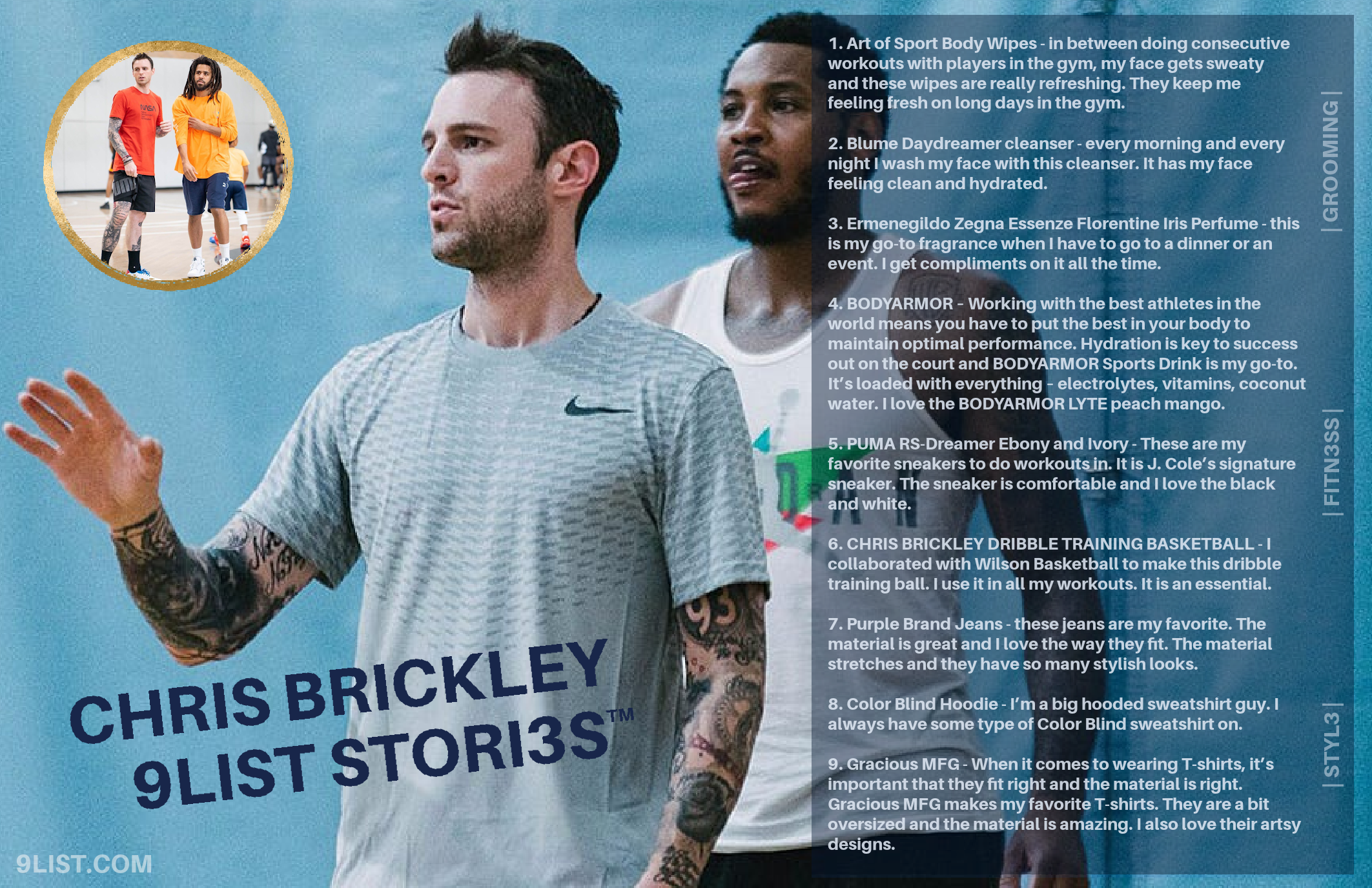
9LIST STORI3S | CHRIS BRICKLEY
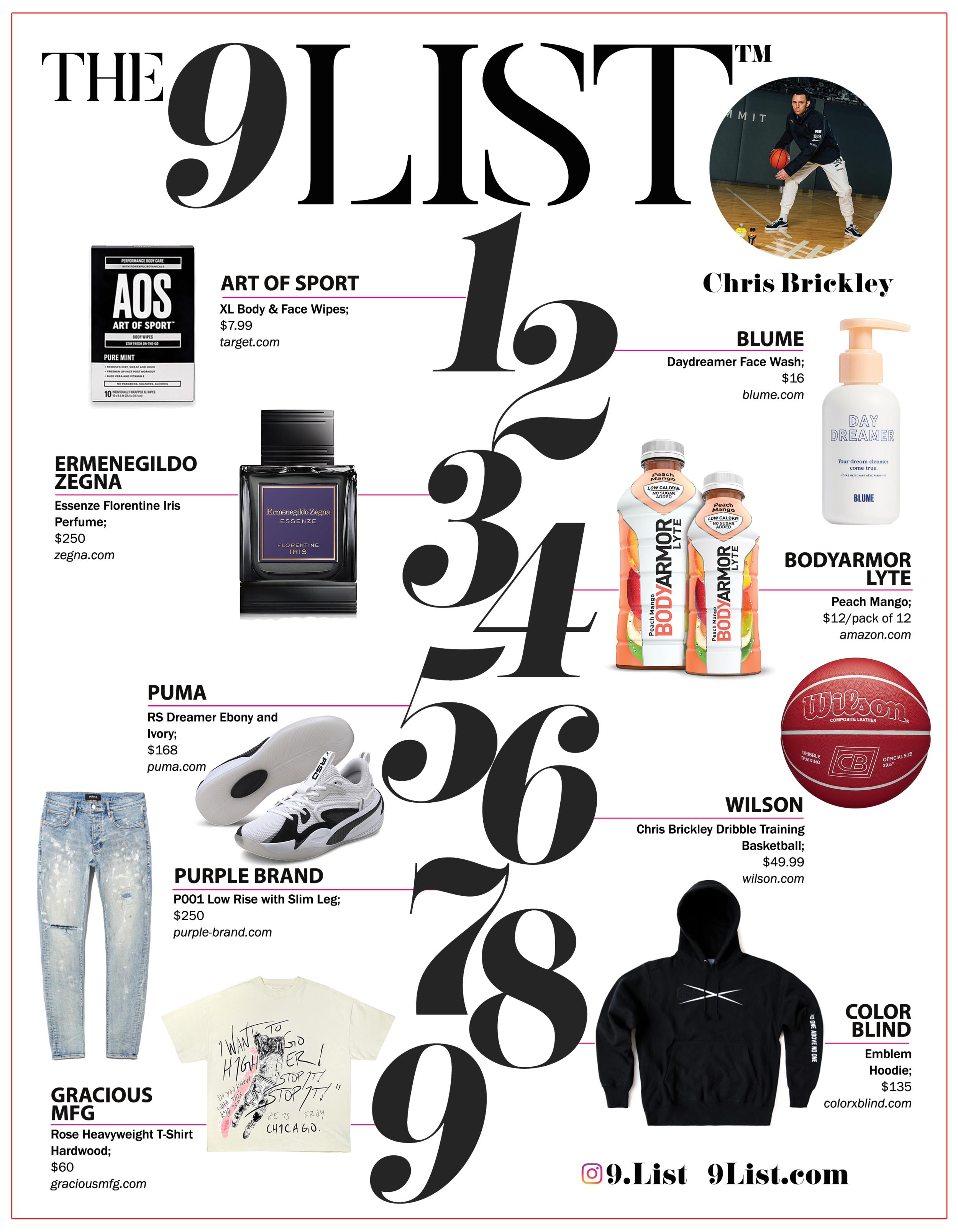
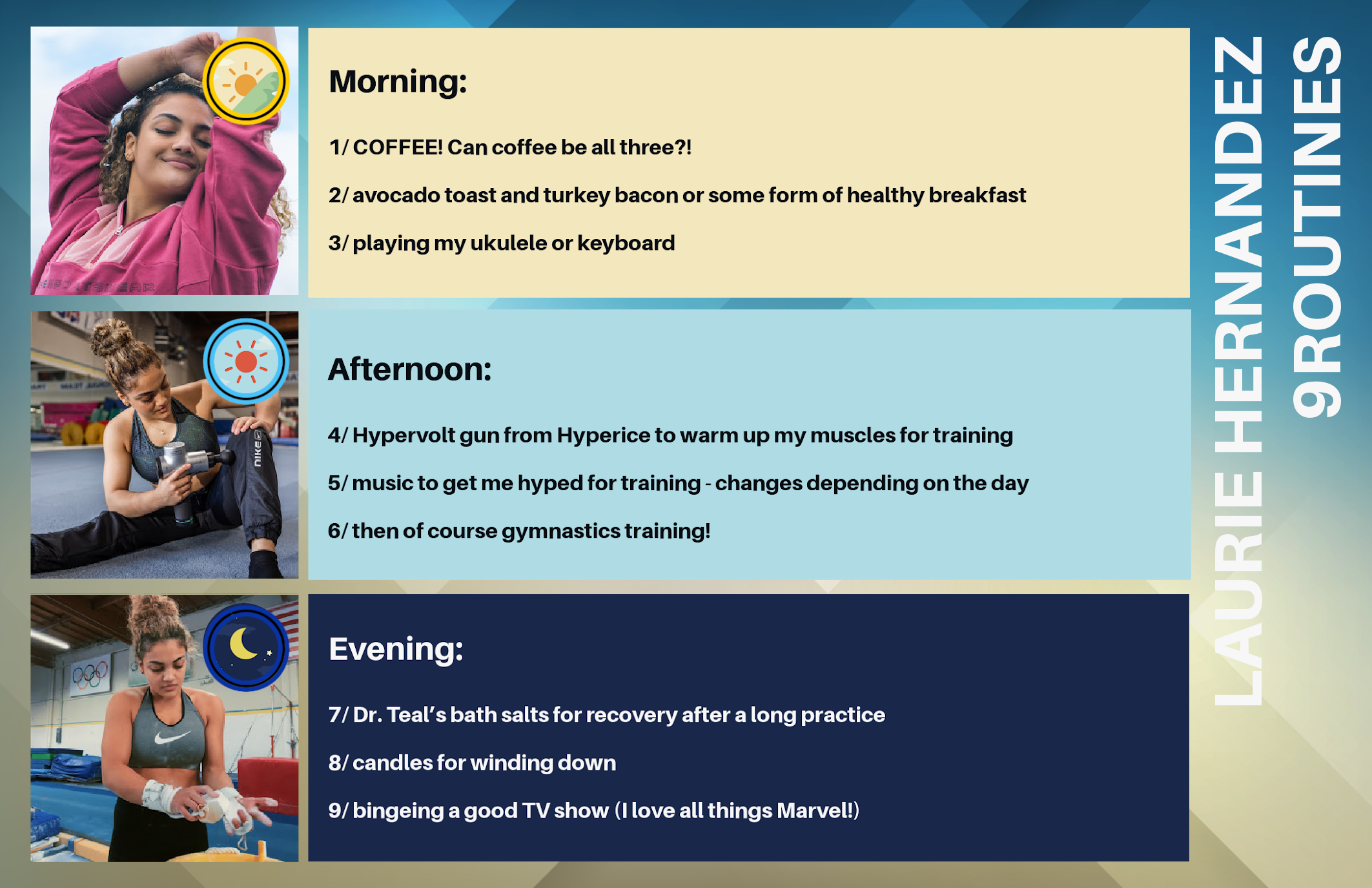
9LIST ROUTIN3S | LAURIE HERNANDEZ

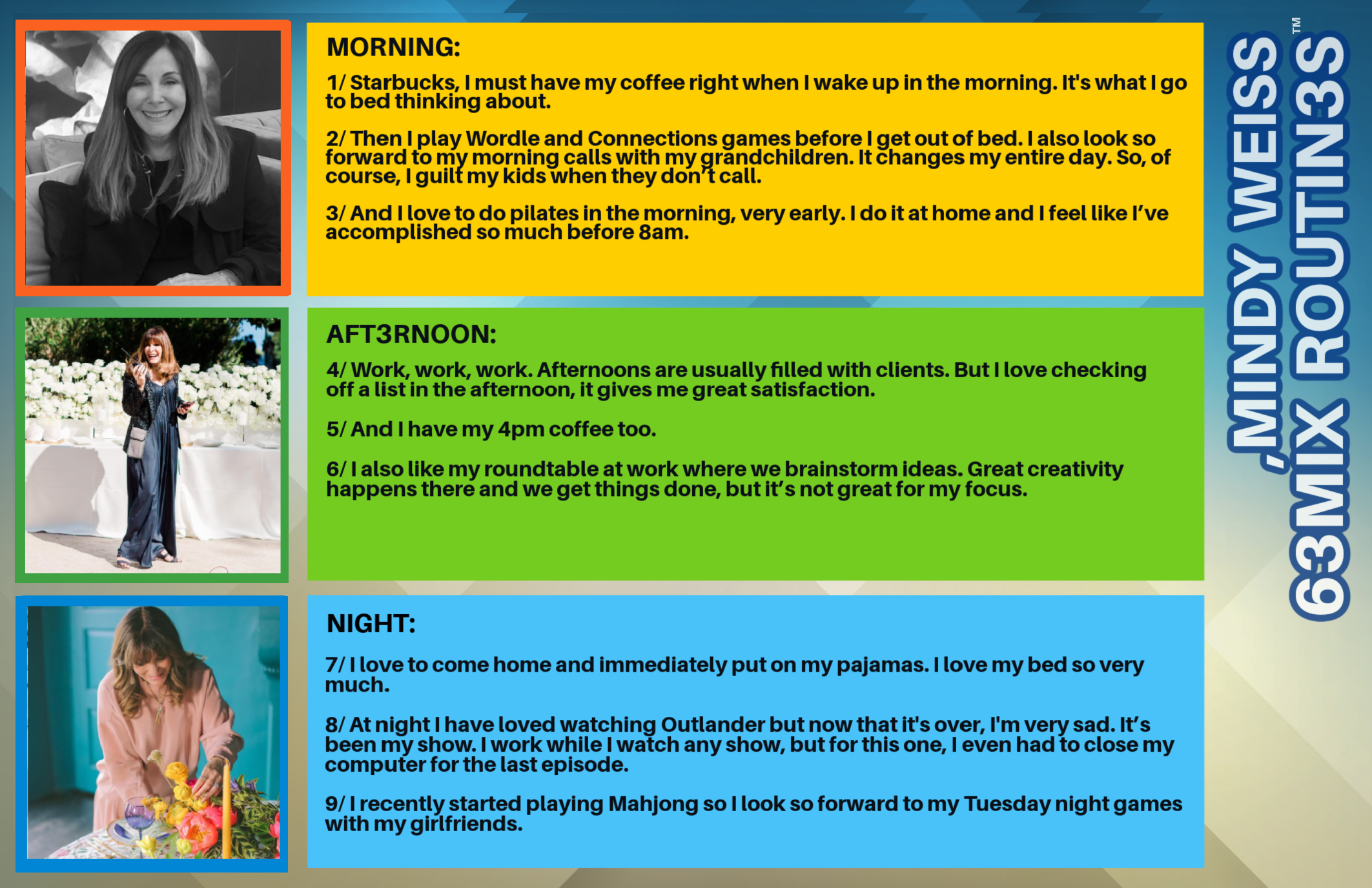
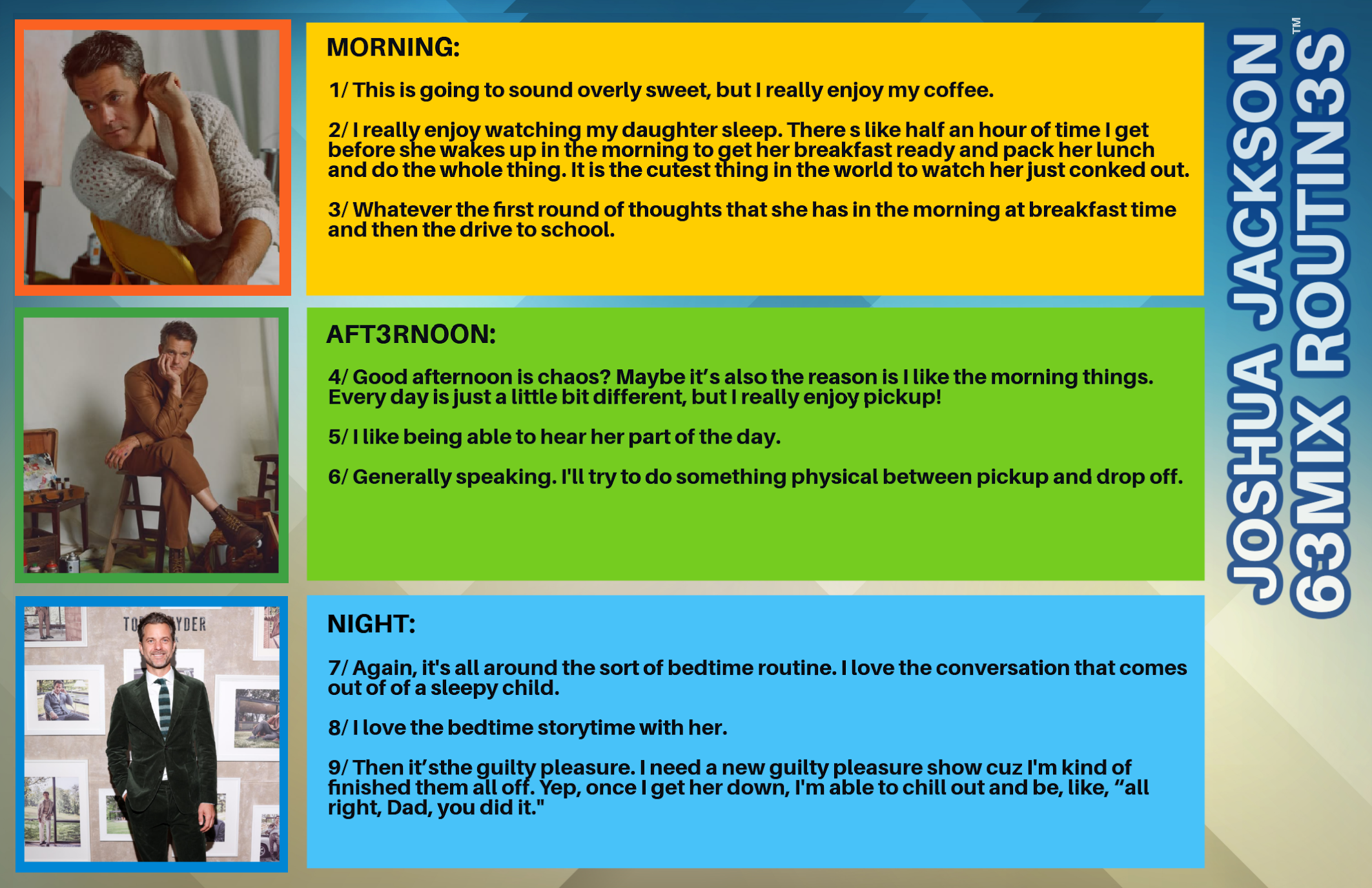
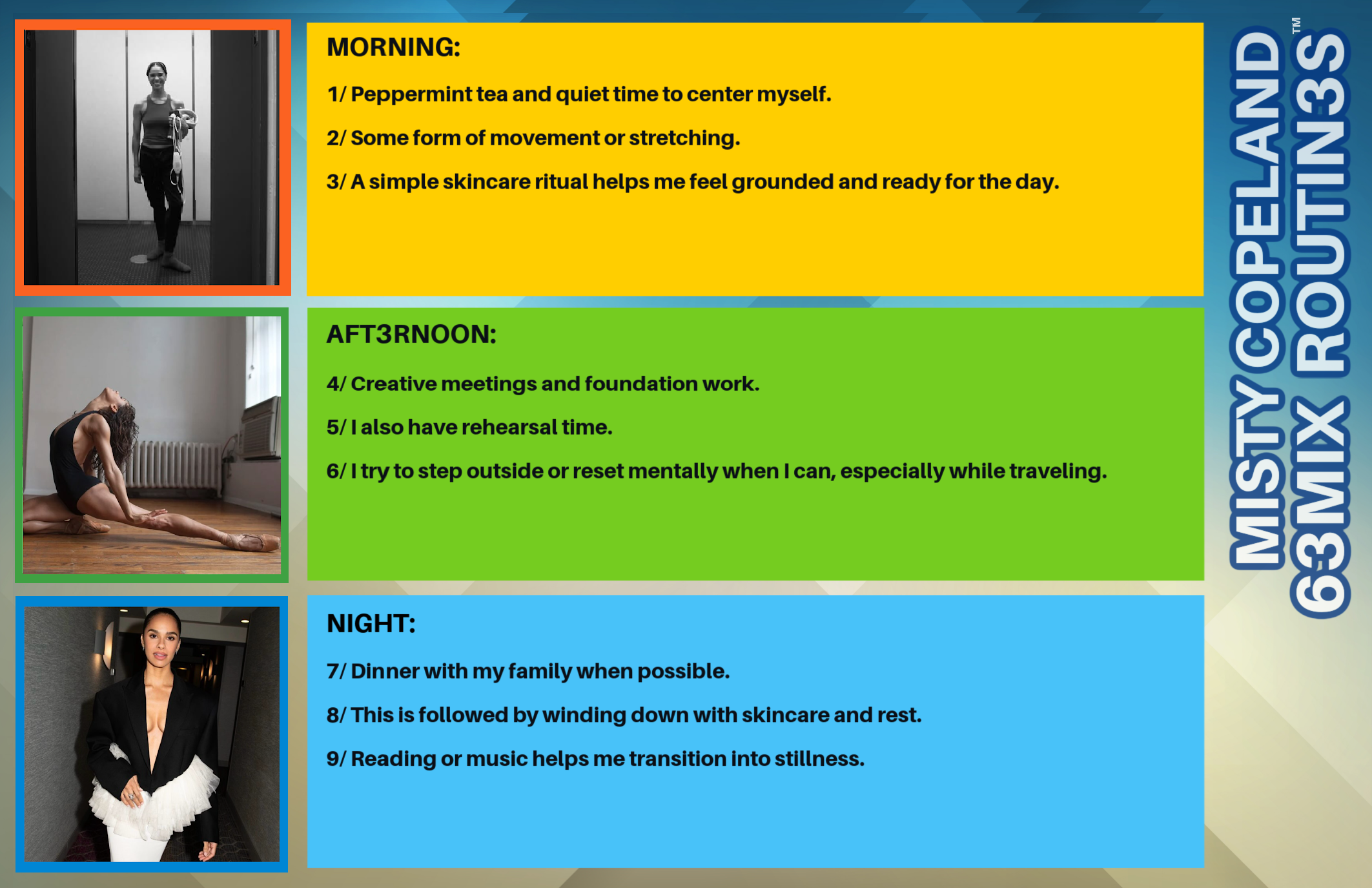


9LIST STORI3S | DAVID BOUDIA
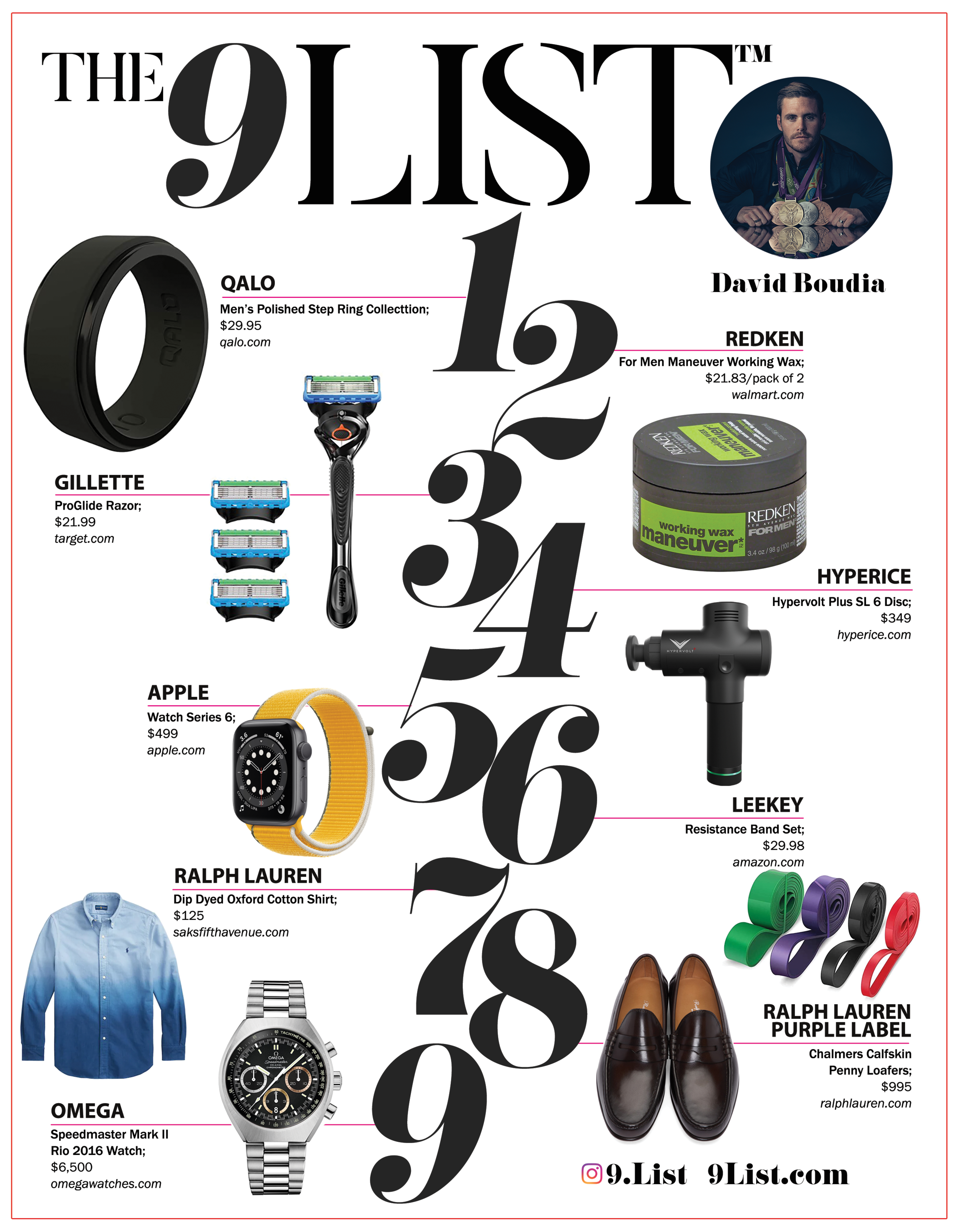

MINDFUL DEDICATION WITH CHRIS BRICKLEY

As we head closer to the NBA Playoffs, we caught up with Chris Brickley, a Player Development Coach who played at the University of Louisville under Rick Pitino, worked with players at the NY Knicks and launched a successful training company, BlackOps Basketball. His training has been sought after by a number of basketball players, entertainers and more.
We took some time in between his busy schedule to find out about how he built his career, how he became so influential in the sport as well as his personal projects.
ATHLEISURE MAG: When did you fall in love with the game of basketball?
CHRIS BRICKLEY: I fell in love with the game at 11 years old. I realized I could use the game to do some amazing things and I became obsessed with it.
AM: You played at the University of Louisville under Rick Pitino and went on to coaching at Ole Miss and being the youngest assistant coach at an NCAA Division I school at Fairleigh Dickinson University. What is it about coaching that you enjoy?
CB: Being in love with the game of basketball and learning from Hall of Fame coach Rick Pitino, I wanted to be just like him. I wanted to teach young men the game of basketball and the game of life.
AM: How did you transition from coaching there to being at the NY Knicks?
CB: When I was coaching at FDU, I would workout JR Smith at night at Manhattan College. That season JR was 6th man of the year. The Knicks heard about me and hired me.
AM: What is a Player Development Coach and what do you do in that role when it comes to interacting with your players?
CB: My role was to make development plans for all of the players and to make sure during the off-season and season they were constantly improving. I loved it.
AM: When did you realize that you wanted to start BlackOps Basketball and why was that important for you to do?
CB: Being with the Knicks for 4 seasons, I believed that I had enough connections to branch out on my own. Even though leaving a guaranteed Knicks contract wasn’t easy, I’m glad I made the decision. BlackOps Basketball is something I am proud about.
AM: What are your days like with your clients during the season and off season?
CB: During the season, it’s a lot of text convos and dinners, taking about their games and what they can do better. The off-season is grind time - we make a plan and work extremely hard to attack that plan.
AM: When it comes to taking on clients as you have a number of NBA stars, those looking to hone their skills for college as well as those that are entertainers, what do you look for?
CB: I look for players and people that genuinely love the game and want to get better. You don’t need to be an NBA star or a celeb, you just need to be urgent about getting better. Simple as that.
AM: What kind of intake questions do you ask for those that have worked with you for the first time? Do you ask what they want to improve, athletes that they want to play like etc?
CB: We have many conversations before we start up. I ask them what they think they need to improve & work on. I tell the them what I think they need to improve and work on and we come to a common ground. Then we work.
AM: In working with your clients, how much interaction do you have with their teams’ coaches?
CB: I have a lot of interaction. In the off-season players coaches will come in the gym and watch the workouts. They will also give me stuff to focus on.
AM: You have also been working with J. Cole who will premiere this month playing for the Rwanda Patriots BBC for the inaugural season of the Basketball Africa League. I know this was a dream for him to play at a pro level, what was it like working with him to get him to this dream?
CB: J. Cole was someone I looked up to way before working with him. So to work with him every night for 4-5 months was amazing. He got so much better and now he’s a pro!
AM: I know that Quavo has worked with you for a while and introduced you to Travis Scott, which brought you on tour with him, how do you schedule your time as your work can literally take you anywhere?
CB: So Quavo is one of my close friends so shout-out to him. When he introduced me to Travis, Travis asked me immediately to come on tour with him. His tour hit all the NBA cities and it was during the winter so it worked perfectly. I could work with Travis and also see my clients in their cities. Shoutout my guy Travis!
AM: We’ve enjoyed looking at your feed over the years where you’ve shared pick up games at Life Time Athletic with LeBron James, James Harden, Carmelo Anthony etc. – how did these come about and did you realize that this would be such a draw for others to want to participate in as well?
CB: One night Melo and I were hanging out in Puerto Rico and he said when we get back to NYC schedule a pickup game. He said he wanted to play some 5 on 5. The first one I scheduled had Kevin Durant, Kemba Walker, JR Smith along with 10 other NBA players, it went viral and the rest is history.
AM: How do you take time for yourself when you’re not watching games, prepping for your clients, working with them in person, etc.?
CB: I listen to music, hangout with friends and go on walks. Music and walks are my peace of mind.
AM: You’ve partnered with BODYARMOR. How did this partnership come about and what is it about your synergy that made sense for you to work with one another?
CB: I’m very excited about my new partnership with BODYARMOR. Seeing the growth they’ve had in the last few years and the potential they have to do more – along with the fact that they have incredible athlete investors who I regularly work with like Donovan Mitchell, James Harden and Trae Young – it was a no-brainer for me. I know my brand and company is still on the rise too, so we’re both grinding to be the best out there and that makes it even more special.
AM: Why do you like including BODYARMOR within your routine?
CB: Now more than ever, athletes and trainers – like myself – are paying close attention to what we put in our bodies. To perform like the best, you need to prepare like the best – and hydration plays a major role in that. BODYARMOR is my go-to because it gives me exactly what I need – potassium-packed electrolytes, vitamins, and antioxidants – to ensure I’m feeling my best out on the court and can perform to my highest level.
AM: Tell me about Color Blind. What’s the ethos behind it and what is the product assortment that’s currently available?
CB: Color Blind is my baby! It means so much to me. I love fashion and I love the meaning. It represents the light in all of us Doesn’t matter your race, your gender, your religion, we are all humans. I have some amazing collabs coming soon! I can’t wait for you guys to see.
AM: What other projects are you working on that you’re able to share with us? Based on your IG, it seems like you’re working on some music?
CB: Yes BlackOps Presents ‘Welcome To The Grind’, it is going to be the soundtrack for all hoopers and athletes across the world. When athletes and people in general are working out I want them to play this album. The album has some of the biggest names in music. It’s going to be a classic!
PHOTOGRAPHY CREDITS | PG 56 - 61 Chris Brickley/Social | PG 64 BODYARMOR |
Read the May issue #65 of Athleisure Mag and see Mindful Dedication with Chris Brickley in mag.
Featured