
• FITNESS
  • Food
  • Beauty
  • Sports
  • Travel
  • Athleisure Studio
  • Athleisure List
  • THIS ISSUE
  • Athleisure TV
  • The Latest
  • ARCHIVE
  • About
  • Watch Party
  • Press
  • Connect
Menu

Athleisure Mag™ | Athleisure Culture

ATHLEISURE MAG™ | Athleisure Culture
  • FITNESS
  • Food
  • Beauty
  • Sports
  • Travel
  • Athleisure Studio
  • Athleisure List
  • THIS ISSUE
  • Athleisure TV
  • The Latest
  • ARCHIVE
  • About
  • Watch Party
  • Press
  • Connect

PHOTO CREDIT | Unsplash/Mohamed Fareed

BALANCE CARDIO AND STRENGTH THE RIGHT WAY WITH A FITNESS TRAINER IN DALLAS

August 5, 2026

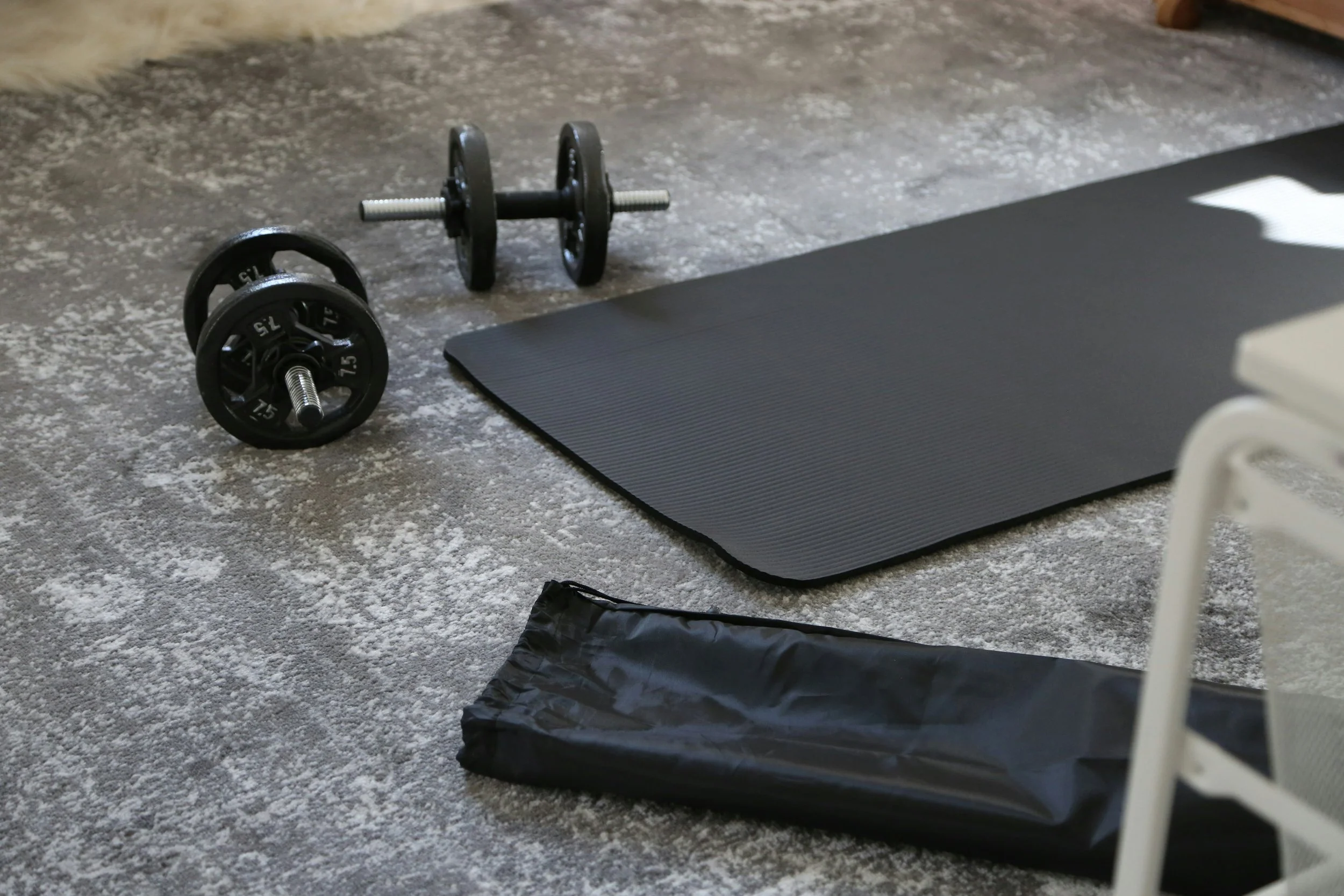
Long workdays, packed schedules, and inconsistent workout energy can make training hard to manage for busy professionals in Dallas. Cardio may feel necessary for endurance, but heavy conditioning can leave the body too tired for quality strength training. Strength sessions can also require proper recovery, making it harder to fit cardio into the same week.

In Dallas Personal Trainer support can make fitness goals easier to achieve through a plan that combines strength training, cardio, mobility work, and recovery. Each workout plan reflects current fitness level, movement quality, training history, and weekly availability to create realistic progress. This article explains how the right balance between cardio and strength helps improve performance, recovery, and long-term results.

Start With A Clear Training Priority

A balanced plan should begin with the main goal, such as fat loss, strength, body recomposition, athletic performance, or return-to-training progress. Cardio and strength can support the same goal when each workout has the right intensity and timing. A trainer can assess movement, review baselines, and set a realistic weekly structure.

Strength-focused clients may need heavier lifting placed earlier in the workout week. Conditioning can then fit around those sessions without reducing form quality. This structure protects technique during squats, presses, pulls, and other demanding movements.

Use Strength Training As The Base

Strength training builds the muscle and joint control needed for better movement during cardio. Controlled resistance work also supports posture, balance, and daily physical capacity. A trainer can adjust load, tempo, range of motion, and rest periods during every session.

Add Conditioning With Purpose

Conditioning should match the client’s goal instead of becoming a tiring add-on. Short intervals can support performance, while steady sessions can improve endurance and recovery capacity. The best choice depends on training experience, body composition goals, and weekly recovery.

Keep Recovery In The Plan

Recovery is part of the training process, not a break from progress. Sleep quality, nutrition habits, hydration, and rest days affect strength numbers and cardio output. A trainer can reduce volume when fatigue affects movement quality or consistency.

Track Progress With Real Numbers

Guesswork can make cardio and strength balance harder to manage. Progress tracking shows how the body responds to training stress, recovery, and nutrition habits. Useful markers include strength numbers, body composition changes, workout consistency, and conditioning performance.

Simple tracking helps identify when the plan needs adjustment. A stalled lift, poor session energy, or repeated soreness can signal excess training stress. In Dallas, Personal Trainer guidance can make these changes early before progress slows.

Avoid Training Mistakes That Slow Results

Cardio and strength sometimes clash when workouts lack structure. These common mistakes can reduce results and increase frustration.

●       Placing intense cardio before heavy lifting sessions

●       Raising workout volume before movement quality improves

●       Repeating the same conditioning format every week

●       Skipping mobility work before demanding lifts

●       Ignoring nutrition habits that support recovery

Find A Fitness Coach in Dallas Who Plans Recovery And Progress

A fitness coach can help organize cardio, strength work, mobility, and rest into a practical weekly plan. Proper recovery planning supports muscle repair, energy levels, and consistent performance across each session. Progress becomes easier to track when training volume, exercise selection, and conditioning intensity are adjusted with clear purpose.

A balanced routine should help strength and cardio support the same fitness goal instead of competing for energy. Professional coaching in Dallas adds structure through assessment, exercise correction, recovery planning, and steady progress checks. With the right plan, each workout becomes more useful, sustainable, and aligned with long-term fitness results.


The Latest
arthur-edelmans-A9UonVi-cwk-unsplash.jpg
August 27, 2026
NATURAL-FIBER ACTIVEWEAR THAT ACTUALLY PERFORMS, TESTED PIECE BY PIECE
August 27, 2026
Read more →
August 27, 2026
AM MAY ISSUE _125 GOV BALL PRE-COVERAGE 2026-1.png
June 19, 2026
GOV BALL 2026 PRE-COVERAGE
June 19, 2026
Read more →
June 19, 2026
AM APR ISSUE JUNE AMBROSE OS (1).png
May 27, 2026
THE STYLE ICON WITH JUNE AMBROSE
May 27, 2026
Read more →
May 27, 2026
In ATW
Comment
Alt text: Woman doing a home fitness dance workout while following a beginner exercise routine

PHOTO CREDIT | Unsplash/Alex Shaw

HOME FITNESS: 10 BEST DANCE WORKOUTS FOR BEGINNERS AT HOME

August 5, 2026

Home fitness can be simple, enjoyable, and effective when exercise feels like an activity rather than an obligation. Beginner dance workouts combine continuous movement, coordination, balance, and music without requiring gym equipment, advanced choreography, or a large room.

The best routines for beginners use repeated steps that are easy to modify. You can march instead of jump, reduce your range of motion, slow the tempo, or pause when needed. Below, you will find ten accessible dance workouts, low-impact alternatives, small-space modifications, and a realistic weekly plan for developing a consistent exercise habit. Platforms such as the Everdance app offer guided sessions for people who prefer structured routines at home.

Table of Contents

  • Why Dance Workouts Are Suitable for Home Fitness

  • How to Prepare for Dance Fitness at Home

  • 10 Best Dance Workouts for Beginners at Home

  • Are Low-Impact Home Workouts Effective?

  • How to Build a Regular Dance Fitness Routine

  • Creating a Sustainable Home Fitness Plan

  • Frequently Asked Questions

Why Dance Workouts Are Suitable for Home Fitness

A Beginner-Friendly Home Workout Without Equipment

Most beginner dance routines require only comfortable clothing, water, a phone or television, and enough clear floor space to extend your arms and take one or two steps safely. Supportive shoes may be useful, depending on the floor and your comfort.

This type of home workout can be adapted for a bedroom, living room, or other cleared area. Smaller steps, stationary marching, and compact arm movements make it possible to stay active without specialized equipment.

How Dance Supports Cardio, Coordination, and Motivation

Dance combines rhythmic movement, weight transfer, changes in direction, and repeated movement patterns. Performing these actions continuously may elevate your heart rate while developing coordination and body awareness.

Enjoyment also supports workout motivation. A routine paired with appealing music may feel easier to repeat than an exercise format you find monotonous. Following a structured dance app for home workouts can reduce the need to plan movements or remember sequences independently. Formal dance experience is unnecessary; the objective is movement, not performance.

An exercise mat

PHOTO CREDIT | Unsplash/Giorgio Trovato

How to Prepare for Dance Fitness at Home

Create a Safe and Comfortable Exercise Space

Before starting, remove chairs, cables, rugs, and breakable objects from your movement area. Check that the floor is dry and not slippery, keep water nearby, and use a well-ventilated room.

Position your screen near eye level so you do not repeatedly bend your neck. When space is limited, replace traveling movements with marching, toe taps, and side steps.

Start With a Warm-Up and Simple Movements

Begin with approximately five minutes of gentle movement:

  • Marching in place

  • Shoulder rolls

  • Ankle circles

  • Slow side steps

  • Hip movements

  • Relaxed arm swings

Start with controlled steps before increasing speed or range. People with cardiovascular concerns or existing knee, hip, ankle, or other medical conditions should obtain personalized advice before beginning a new exercise program.

10 Best Dance Workouts for Beginners at Home

The best home workouts for beginners use uncomplicated, repeatable movements. Complete one routine as a short session or combine several styles for a longer workout.

  1. Step-touch dance workout

  2. March-and-groove routine

  3. Beginner pop dance workout

  4. Low-impact dance cardio

  5. Beginner Latin dance routine

  6. Dance-walking workout

  7. Beginner hip-hop groove

  8. Ballet-inspired barre workout

  9. Dance-and-tone routine

  10. Freestyle dance session

Home Fitness Dance Workouts for Complete Beginners

1. Step-Touch Dance Workout

Step right, bring your left foot beside it, and repeat in the opposite direction. Add relaxed arm swings after learning the foot pattern. This simple routine develops rhythm, lateral movement, and controlled weight transfer.

2. March-and-Groove Routine

Combine marching in place with shoulder movements, arm reaches, gentle knee lifts, and occasional quarter turns. Familiar movements make this one of the easiest ways to begin a home fitness routine.

3. Beginner Pop Dance Workout

Use side steps, simple arm patterns, gentle body rolls, and repeated eight-count combinations. Focus on recognizing the sequence rather than performing every movement perfectly. Repeat each combination until it feels familiar.

4. Low-Impact Dance Cardio

A low-impact home workout replaces jumping with toe taps, heel digs, side steps, controlled knee lifts, and gentle punches. Keep at least one foot on the floor and use comfortable ranges of motion.

5. Beginner Latin Dance Routine

Try small salsa or merengue-inspired steps using side-to-side weight transfers and repeated forward-and-back patterns. Keep hip movement natural and comfortable. The goal is sustained movement rather than formal dance technique.

Small-Space Dance Fitness at Home

6. Dance-Walking Workout

Combine walking in place with arm swings, side steps, heel taps, and small directional changes. This beginner-friendly cardio option is suitable for anyone who prefers familiar movements over detailed choreography.

7. Beginner Hip-Hop Groove

Practice grounded bounces, step-touches, two-step patterns, shoulder grooves, and controlled arm movements. Keep the choreography repetitive and reduce the depth of each bounce when you need a gentler variation.

8. Ballet-Inspired Barre Dance Workout

Hold a sturdy chair or stable surface while completing heel raises, shallow pliés, side leg lifts, and controlled arm movements. This routine combines dance-inspired movement with balance, mobility, and light muscular work.

9. Dance-and-Tone Routine

Alternate short dance combinations with beginner bodyweight movements such as shallow squats, calf raises, standing side leg lifts, or wall push-ups. Keep strength intervals brief so the session remains manageable.

10. Freestyle Dance Session

Choose three favorite songs and move continuously using marching, swaying, step-touching, arm movements, and gentle turns. Freestyle dancing is not about moving correctly; its purpose is enjoyable, sustained full-body movement.

Low impact workout

PHOTO CREDIT | Unsplash/Clem Onojeghuo

Are Low-Impact Home Workouts Effective?

Low-impact home workouts can improve fitness when they keep the body moving continuously and are performed regularly. Dance-based options may support cardiovascular endurance, mobility, coordination, and exercise consistency while avoiding many jumping or forceful landing movements.

What Makes a Dance Workout Low Impact?

Low impact generally means keeping at least one foot in contact with the floor. Common modifications include marching instead of running, stepping instead of jumping, reducing squat depth, slowing the music, and making arm movements smaller.

A stable chair can provide additional support when appropriate, although it should not be used for exercises that could cause it to slide or tip.

How Low-Impact Dance Can Improve Fitness

Effectiveness depends on workout duration, movement intensity, frequency, current ability, and consistency. A continuous low-impact routine can still increase breathing and heart rate without high-impact choreography.

Progress gradually by extending the session, increasing arm movement, or using a slightly quicker tempo. Avoid changing every variable simultaneously.

How Dance Fitness at Home Builds a Regular Routine

Start With a Realistic Weekly Schedule

Beginners should build the habit before increasing intensity.

DayActivity
Monday15-minute beginner dance workout
TuesdayRest of light stretching
Wednesday20-minute low-impact dance routine
ThursdayRest
Friday15-minute dance-and-tone workout
SaturdayOptional freestyle dance session
SundayRest or gentle mobility

Use Guided Workouts to Reduce Decision Fatigue

It is also useful to compare teaching styles, difficulty levels, and session formats in a guide to the best dance fitness apps before selecting a program that suits your schedule and ability.

Track Consistency Instead of Perfection

Record the number of sessions completed, total movement minutes, favorite routines, and energy before and after exercise. You can also note which movements are becoming easier.

Beginners do not need to match an instructor exactly. Consistent participation matters more than perfect choreography.

Woman at home as part of a sustainable home fitness plan.

PHOTO CREDIT | Unsplash/Vitaly Gariev

Creating a Sustainable Home Fitness Plan

Progress Your Home Fitness Routine Gradually

Change one element at a time. Add five minutes, introduce a slightly faster song, increase arm movement, try a more complex combination, or add one weekly session.

Gradual progression makes it easier to recognize how your body responds and reduces the temptation to make a beginner routine unnecessarily demanding.

Frequently Asked Questions About Home Fitness

How long should a beginner dance workout be?

Begin with 10–20 minutes, including a brief warm-up and cooldown. Short sessions allow you to learn movements without becoming overwhelmed. As coordination, confidence, and endurance improve, add five minutes at a time. Several manageable weekly sessions are generally easier to maintain than beginning with one long, demanding workout.

Can dance workouts improve fitness without equipment?

Yes. Dance can provide continuous cardiovascular movement while engaging the legs, core, and upper body. Most beginner routines need no equipment, although a stable chair may assist with balance-based exercises. Progress depends on workout frequency, duration, intensity, recovery, nutrition, and your starting fitness level.

Is a low-impact home workout suitable for beginners?

Low-impact routines are often accessible because they minimize jumping and forceful landings. Beginners can use smaller steps, slower music, reduced ranges of motion, and stable support when appropriate. However, suitability depends on individual mobility, injuries, health conditions, and medical circumstances. Stop any movement that causes sharp pain, dizziness, or unusual discomfort.

How often should beginners do dance fitness at home?

Start with two or three sessions per week and allow recovery time between workouts. Short, regular sessions help establish a repeatable habit. As the routine becomes easier, extend one session or add another weekly workout while monitoring soreness, fatigue, joint discomfort, and overall recovery.

Do I need dance experience to start a home workout?

No formal experience is required. Beginner workouts generally use repeated steps, simple rhythm patterns, and easy-to-follow combinations. Slow the video, repeat difficult sections, or substitute marching when you lose the sequence. Continuous, comfortable movement is more important than reproducing every step accurately.

Conclusion

Home fitness becomes easier to maintain when movement is accessible, enjoyable, and appropriate for your current ability. Step-touch routines, dance walking, low-impact cardio, Latin movement, barre exercises, and freestyle sessions all provide beginner-friendly options. Start with two or three short workouts per week, modify uncomfortable movements, and progress one variable at a time. The most effective dance routine is the one you can perform safely and continue consistently.

The Latest
arthur-edelmans-A9UonVi-cwk-unsplash.jpg
August 27, 2026
NATURAL-FIBER ACTIVEWEAR THAT ACTUALLY PERFORMS, TESTED PIECE BY PIECE
August 27, 2026
Read more →
August 27, 2026
AM MAY ISSUE _125 GOV BALL PRE-COVERAGE 2026-1.png
June 19, 2026
GOV BALL 2026 PRE-COVERAGE
June 19, 2026
Read more →
June 19, 2026
AM APR ISSUE JUNE AMBROSE OS (1).png
May 27, 2026
THE STYLE ICON WITH JUNE AMBROSE
May 27, 2026
Read more →
May 27, 2026
In ATW
Comment

PHOTO CREDIT | Pixabay/Leon

THE SOUND OF TRUST: AUDIO BRANDING FOR UK BUSINESS

August 5, 2026

In today’s saturated digital marketplace, visual advertising clamours for attention at every turn. Banners, videos, and social media posts create a constant visual noise that can be difficult to penetrate. For businesses seeking to build a genuine connection with their audience, the key may not be to shout louder, but to speak more clearly. This is where audio branding emerges as a powerful tool for creating memorable and trust-based customer relationships.

This article explores the fundamentals of audio branding and provides a practical framework for UK businesses to develop a sonic identity that resonates with their target market. By moving beyond visuals alone, you can craft a multisensory brand experience that fosters recognition and loyalty.

What is audio branding, and why does it matter

Audio branding is the strategic use of sound to define and reinforce a brand’s identity. It goes far beyond a simple jingle. A complete audio brand includes a sonic logo, specific brand music, and, most importantly, a consistent brand voice used across all auditory touchpoints. Think of the distinct chime of a tech company or the specific voiceover tone used in a retailer's adverts; these are elements of a deliberate audio strategy.

Its importance lies in its ability to connect with listeners on an emotional level. Sound is processed faster by the brain than visual information and is deeply linked to memory and feeling. A consistent and professional soundscape makes a brand feel more familiar, reliable, and trustworthy, which is essential for long-term customer engagement.

Connecting with the modern consumer: a case for sound

Different consumer demographics engage with media in unique ways. For example, modern parents often consume content through podcasts during a commute or watch video product reviews while multitasking. In these audio-forward environments, a brand's voice becomes its primary representative. A clear, reassuring voiceover in a product demonstration can convey quality and attention to detail far more effectively than text on a screen.

A brand's entire digital presence, which can include extensive content and support materials like a Joolz Hub, is an opportunity to reinforce this sonic identity. Consistent audio cues, from video narration to website accessibility features, help create a cohesive and immersive brand world that builds subconscious familiarity and trust with the user.

Key elements of a successful audio strategy

Developing a compelling audio brand requires careful planning across several key areas. Each element should work in harmony with your visual branding and overall business objectives to create a unified customer experience.

Defining your brand's voice

The voice you choose is the personification of your brand. Consider its characteristics carefully. Should it be authoritative and knowledgeable, or warm and friendly? The right voiceover artist brings your brand's personality to life. The pace, tone, and language should align perfectly with your brand values and speak directly to the expectations of your target audience.

Consistency across channels

Repetition is the key to memory. Your audio identity should be consistent wherever your audience might hear you. This includes television and radio adverts, corporate videos, podcast sponsorships, telephone hold music, and website audio. This consistency builds brand recall and reinforces the professional image you wish to project.

Practical steps to implement audio branding

Building a sound strategy from the ground up may seem daunting, but it can be approached with a structured plan. The following steps provide a clear path for any business to begin shaping its unique audio identity. By following this process, you can ensure your sound is both intentional and effective.

  1. Audit Your Current Soundscape: assess all the current sounds associated with your business. Are they a deliberate choice or an afterthought? Identify any inconsistencies.

  2. Define Your Audio Identity: brainstorm adjectives that describe your brand, such as 'premium', 'innovative', or 'dependable'. Use these to guide your sound choices.

  3. Develop a Sonic Logo: work with a professional to create a short, memorable, and unique sound that immediately identifies your brand.

  4. Select a Brand Voice: choose a professional voiceover artist whose delivery and tone embody your brand's personality.

  5. Integrate and Test: apply your new audio elements to a marketing campaign and measure the response. A product video for a premium item, such as the Joolz Aer2, would be an excellent place to introduce a reassuring and professional voiceover to elevate its perceived quality.

Measuring the ROI of your sound investment

Investing in professional voiceover services and audio production is not simply a creative expense; it is an investment in your brand's equity. The return can be measured through various metrics, including improved brand recall in customer surveys, higher engagement rates on video content, and increased conversion rates on product pages where audio is used effectively.

By giving your brand a voice, you create another powerful asset for cutting through the noise and building lasting relationships. If you are ready to explore how a defined audio strategy can benefit your business, consider consulting a professional voice services provider to discover the sonic potential of your brand.

The Latest
arthur-edelmans-A9UonVi-cwk-unsplash.jpg
August 27, 2026
NATURAL-FIBER ACTIVEWEAR THAT ACTUALLY PERFORMS, TESTED PIECE BY PIECE
August 27, 2026
Read more →
August 27, 2026
AM MAY ISSUE _125 GOV BALL PRE-COVERAGE 2026-1.png
June 19, 2026
GOV BALL 2026 PRE-COVERAGE
June 19, 2026
Read more →
June 19, 2026
AM APR ISSUE JUNE AMBROSE OS (1).png
May 27, 2026
THE STYLE ICON WITH JUNE AMBROSE
May 27, 2026
Read more →
May 27, 2026
In ATW
Comment

PHOTO CREDIT | Unsplash/Ambitious Studio* | Rick Barrett

WHY SMART FITNESS TRAINING IS MOVING TOWARD OBJECTIVE PERFORMANCE TESTING

August 3, 2026

Walk into a busy gym on a Monday evening and one coach is usually watching ten or twelve athletes at once. Someone is grinding a heavy clean, someone else is rushing their squats, and a third person is quietly working around a stiff shoulder they never mentioned at check-in. A good coach catches a lot of this by eye. No coach catches all of it, on every rep, for every athlete. That gap is why smart fitness training is moving toward objective performance testing: platforms like Output Sports, built as athletic performance assessment tools, now let a coach measure movement, mobility and stability instead of guessing at them, so the same call holds up whether it is the first athlete of the night or the last.

The shift is not limited to how someone moves. It shows up in speed and power too, where sports performance testing equipment from platforms like Output Sports can capture acceleration and explosive output that the eye can only estimate. None of this replaces the coaching eye. Objective numbers support it, giving your judgment a consistent reference point across a full floor. This article walks through why the industry is trending this way and how coaches can use a few simple measurements without turning every class into a lab test.

Why the coaching eye alone falls short in a busy gym

Visual coaching is a real skill, and it matters. But the eye has limits, especially when attention is split across a full room. Fatigue, day-to-day readiness, a small loss of range of motion, or a drop in movement intent can all hide inside reps that still look fine.

The research on visual judgment is sobering. When clinicians estimate joint range of motion by eye, standardized measurement is generally more reliable than visual estimation, especially for less experienced raters. If trained professionals drift when eyeballing a single angle, the same surely happens to a coach tracking a dozen athletes mid-class. Data does not make you a better coach by itself. It gives your judgment something steady to check against.

Measuring movement, mobility and stability

Mobility is where coaching by feel breaks down fastest. "His squat looks tighter than last month" is a hunch. It is hard to act on and harder to explain to the athlete. Measuring range of motion, joint control, balance and stability turns that hunch into something you can track.

The point is not a one-time score. It is the trend. A single measurement tells you where an athlete is today. Repeating the same test on a schedule with a movement testing device shows you the direction of travel, which matters far more for programming. Standardized measurement is also better than visual estimation when you need to detect small changes, so a real shift in ankle or shoulder range is less likely to slip past you. Consistent testing does not diagnose anything, and it does not predict injury. It gives you objective movement data to bring into the conversation, and it makes progress easier to explain.

Bar speed as an objective check on strength

Bar speed is one of the most practical numbers a strength coach can use. The idea is simple: for a given load, the speed of the bar reflects how much effort and readiness an athlete is bringing that day. Faster than usual at a working weight often means a fresh, primed athlete. Slower than usual can flag accumulated fatigue, a load that is too heavy for the goal of the set, or a drop in intent.

This is the basis of velocity-based training. Movement velocity relates closely to loading intensity in resistance training, which lets coaches use speed as an objective check on effort and load selection. A 2022 meta-analysis in the Journal of Sports Sciences found that adjusting load from bar velocity produced strength and power outcomes equal to or better than fixed percentage-based programs across the trials reviewed. That is not a promise of results for any one athlete. It does suggest bar speed is a credible input for everyday programming decisions, tracked in real time so you can see whether an athlete is moving with the intent and quality the session calls for.

Testing speed, power and explosiveness

Objective testing does not stop at the bar. Sprint acceleration, jump output and rotational power all describe qualities the eye struggles to grade rep by rep, and they are central to most sports performance testing. An explosive power test or an explosive strength test gives you a number for how quickly an athlete produces force, not just an impression of it.

You do not need a full lab to do this. Portable power training equipment can measure acceleration, jump metrics and med-ball or rotational output in the same session an athlete already trains in. As with mobility and bar speed, the value is in comparing an athlete to their own baseline over time, not to the strongest person in the room. Objective speed and power data supports readiness and progress conversations. It does not guarantee a sport outcome, and it does not name a problem on its own.

Keeping objective testing practical

The fastest way to kill a good idea is to over-build it. High performance testing does not require a battery of assessments or a separate lab session. It needs a few useful numbers, collected the same way every time.

●       Build short testing blocks into the warm-up or a dedicated slot, not a separate session.

●       Keep protocols consistent: same setup, same cues, same order, every time.

●       Test the same movements over time so the data is comparable.

●       Pick only a few metrics that actually change a decision.

A few traps are worth sidestepping. Do not overreact to one bad test, since an off day is noise, not a trend. Do not treat a number as a diagnosis; it flags something to look at, it does not name a problem or predict an injury. Do not let the metric replace the call you still have to make. And stop tracking anything that never changes a decision. A coach who measures three things reliably will out-coach one who measures fifteen things sloppily.

Let the numbers change the coaching conversation

The move toward objective performance testing is really a move toward consistency. Numbers change the tone of a coaching conversation: "trust me, ease off today" is an instruction, while "your squat speed is down fifteen percent at your usual weight, let's adjust" is a shared observation the athlete can see for themselves. That shift builds buy-in, and it makes progress visible over weeks instead of leaving it to memory.

Keep it small enough to actually use. Choose a few reliable measurements, collect them the same way every time, and tie every number back to a real programming decision. Platforms like Output Sports let coaches capture strength, movement and speed data in one workflow, so the numbers live next to the training instead of in a forgotten spreadsheet. Start with one metric that would genuinely change a call you make each week, and build from there.

The Latest
arthur-edelmans-A9UonVi-cwk-unsplash.jpg
August 27, 2026
NATURAL-FIBER ACTIVEWEAR THAT ACTUALLY PERFORMS, TESTED PIECE BY PIECE
August 27, 2026
Read more →
August 27, 2026
AM MAY ISSUE _125 GOV BALL PRE-COVERAGE 2026-1.png
June 19, 2026
GOV BALL 2026 PRE-COVERAGE
June 19, 2026
Read more →
June 19, 2026
AM APR ISSUE JUNE AMBROSE OS (1).png
May 27, 2026
THE STYLE ICON WITH JUNE AMBROSE
May 27, 2026
Read more →
May 27, 2026
In ATW
Comment

PHOTO CREDIT | UnSplash/Peter Miranda

DRIVING ACROSS THE USA: WHY BETTER DRIVER PREPARATION MATTERS MORE THAN EVER

July 31, 2026

Driving across the USA is a different experience altogether. From the towering Rocky Mountains and sprawling Great Plains to bustling metropolitan highways and scenic coastal routes, a cross-country road trip gives unmatched freedom and adventure. Thousands of Americans and international visitors drive across America every year. It is for vacations, relocations, work, or simply to experience the country's diverse landscapes.

However, today's roads are more demanding than it was a decade ago. Higher traffic volumes, distracted driving, changing weather conditions, unfamiliar road systems, and increasingly complex vehicles all need drivers to be better prepared before going on long journeys.

Whether you're planning your first cross-country adventure or you're an experienced traveler, investing in proper preparation is key to having a safe travel in the USA. Driving simulator training is one way to be extra prepared for the unexpected.

America's Roads Have Become More Complex

The United States has one of the world's largest highway systems. It has more than four million miles of public roads connecting cities, towns, and rural communities. While this extensive network makes travel convenient, it also comes with its own challenges.

Drivers can end up in a:

  • Heavy interstate traffic

  • Mountain roads with steep grades

  • High-speed rural highways

  • Congested urban freeways

  • Construction zones

  • Extreme weather conditions

  • Wildlife crossings

  • Long stretches with limited services

A journey that starts on a sunny California freeway can quickly transition into mountain passes, desert highways, thunderstorms in the Midwest, or snow-covered roads in higher elevations. Every region comes with its own driving conditions that require adaptability and sound decision-making.

Driver Fatigue Is a Serious Risk

During long-distance road trips, fatigue is one of the biggest problems.

According to the National Highway Traffic Safety Administration (NHTSA), drowsy driving contributes to thousands of crashes each year. Fatigue slows reaction times, reduces awareness, and affects judgment in ways that closely resemble alcohol impairment.

Long periods behind the wheel can also create "highway hypnosis," where drivers become less attentive despite being awake.

To reduce fatigue:

  • Get a full night's sleep before departing.

  • Take breaks every two hours or roughly every 100 miles.

  • Share driving responsibilities whenever possible.

  • Avoid driving late at night when alertness naturally declines.

  • Stay hydrated and eat balanced meals instead of relying on caffeine alone.

Planning realistic daily driving distances is safer than trying to cover excessive mileage in a single day.

Distracted Driving Remains a Growing Concern

Technology has made navigation much easier. But it has also led to new distractions.

Smartphones, infotainment systems, messaging apps, and even wearable devices can divert a person’s attention from the road. 

Before beginning a long trip:

  • Set your GPS before driving.

  • Activate hands-free functions.

  • Silence unnecessary notifications.

  • Secure loose items inside the vehicle.

  • Assign navigation duties to passengers whenever possible.

Remaining fully focused behind the wheel is important. Especially during unfamiliar highway interchanges and busy metropolitan traffic.

Preparation Begins Before the Engine Starts

Successful cross-country travel depends heavily on preparation long before departure.

Drivers should do a comprehensive vehicle inspection that includes:

  • Tire pressure and tread depth

  • Engine oil levels

  • Coolant

  • Brake condition

  • Windshield washer fluid

  • Battery health

  • Exterior lights

  • Emergency equipment

Packing an emergency kit with water, snacks, flashlights, jumper cables, first aid supplies, and phone chargers can be helpful on a long journey.

Checking weather forecasts and planned road closures ahead of time also helps drivers avoid unnecessary risks.

Why Driver Education Still Matters

Many people get their driver's license and never take additional training.

Today, vehicles include advanced driver assistance systems such as adaptive cruise control, lane-keeping assist, automatic emergency braking, and blind-spot monitoring. While these technologies improve safety, they cannot replace an attentive and well-trained driver.

Continuing education helps drivers to refresh defensive driving skills, improve hazard recognition, and better understand how modern vehicle systems operate in real-world conditions.

Simulation Is Changing Driver Preparation

Traditional driver education has changed significantly in recent years.

Modern driver training simulator technology allows drivers to experience realistic road conditions without the risks related to live traffic. These advanced systems can recreate heavy rain, snow, nighttime driving, freeway congestion, emergency braking scenarios, and unexpected hazards that may be difficult during conventional lessons.

Simulation also provides immediate feedback while allowing drivers to practice repeatedly until they develop greater confidence.

For commercial fleets, driving schools, emergency services, and even everyday motorists, driving simulator training has become an increasingly valuable supplement to on-road instruction.

By exposing drivers to challenging scenarios in a controlled environment, simulation helps build better decision-making skills before those situations take place in real life.

Defensive Driving Is More Important Than Ever

Cross-country trips can involve unfamiliar roads, unpredictable traffic patterns, and varying speed limits. Defensive driving techniques help motorists anticipate potential hazards.

Good defensive driving includes:

  • Maintaining safe following distances

  • Scanning well ahead for developing hazards

  • Avoiding aggressive driving

  • Adjusting speed for weather conditions

  • Anticipating the actions of other motorists

  • Staying visible to surrounding traffic

These habits significantly reduce the likelihood of collisions during long-distance travel.

Weather Can Change Everything

One unique challenge of driving across the USA is experiencing multiple climate zones.

Drivers may encounter:

  • Desert heat in the Southwest

  • Heavy rain in the Southeast

  • Strong crosswinds across the Plains

  • Dense fog along coastal regions

  • Snow in mountainous areas—even during warmer months

It is important to understand how the weather affects stopping distances, visibility, and vehicle handling.

Reducing speed, increasing following distance, and avoiding sudden steering or braking inputs can dramatically improve safety when conditions deteriorate.

Technology Should Support Drivers—Not Replace Them

Modern vehicles offer numerous safety features. But overreliance can create a false sense of security.

Lane departure warnings, adaptive cruise control, and collision avoidance systems are designed to assist—not replace—the driver.

The safest motorists continue scanning mirrors, checking blind spots and maintaining proper following distances. They also remain fully engaged behind the wheel regardless of the technology available.

Driver preparation remains the single most important safety factor.

Building Safer Journeys for Everyone

Every successful road trip starts with thoughtful planning and responsible driving habits.

Whether your goal is to visit national parks, relocate across the country, or simply enjoy the adventure of a cross-country vacation, taking time to prepare can make the journey safer and much less stressful.

Planning of traveling? It is also good to invest in updated driving knowledge, practical experience, and modern training methods, which become increasingly worthwhile.

Combining route planning, vehicle maintenance, defensive driving techniques, and innovative tools like driver training simulator technology and driving simulator training creates more confident drivers who are better equipped for today's roads.

Conclusion

The appeal of driving across the United States remains as strong as ever. It not only offers freedom and flexibility but also the opportunity to experience the country's incredible diversity firsthand. Yet modern roads come with challenges that require more preparation than previous generations of drivers may have faced.

By understanding current road risks, maintaining vehicles properly, practicing defensive driving, and embracing modern training technologies, drivers can significantly improve their safety and confidence.

The Latest
arthur-edelmans-A9UonVi-cwk-unsplash.jpg
August 27, 2026
NATURAL-FIBER ACTIVEWEAR THAT ACTUALLY PERFORMS, TESTED PIECE BY PIECE
August 27, 2026
Read more →
August 27, 2026
AM MAY ISSUE _125 GOV BALL PRE-COVERAGE 2026-1.png
June 19, 2026
GOV BALL 2026 PRE-COVERAGE
June 19, 2026
Read more →
June 19, 2026
AM APR ISSUE JUNE AMBROSE OS (1).png
May 27, 2026
THE STYLE ICON WITH JUNE AMBROSE
May 27, 2026
Read more →
May 27, 2026
In ATW
Comment

PHOTO CREDIT | Unsplash/Emma Dau

WHY LEONARD MOORE COULD BECOME COLLEGE FOOTBALL'S NEXT ELITE DEFENSIVE BACK

July 30, 2026

The landscape of college football defense is increasingly shaped by cornerbacks who can match up with larger, faster receivers while limiting explosive passing plays. As offenses continue relying on high-tempo, pass-heavy attacks, experienced perimeter defenders have become some of the sport's most valuable players. Entering the 2026 season, Notre Dame cornerback Leonard Moore has emerged as one of the leading names in discussions about the nation's top defensive backs.

Standing six-foot-two and weighing nearly 200 pounds, Moore possesses the size and athletic profile that modern defensive coordinators value against a wide range of receivers. Those physical traits are supported by strong instincts, fluid movement, and a willingness to play physically, helping explain why expectations for another outstanding season remain high.

From Underrated Recruit to Instant College Football Star

When Leonard Moore first arrived in South Bend from Round Rock, Texas, he was not draped in the hype of a consensus five-star ranking. Most national recruiting services pegged him as a high three-star or low four-star prospect, overlooking his sheer upside in favor of more refined early-entry talents. Yet, Notre Dame defensive backs coach Mike Mickens and head coach Marcus Freeman saw a high-ceiling athlete with the rare ability to transition fluidly in space despite his longer frame. His rapid development has also drawn attention from college football fans following matchups and player trends through the FanDuel sportsbook.

That vision paid immediate dividends during Moore's true freshman campaign in 2024. Originally slated for a developmental backup role behind veteran cornerstone Benjamin Morrison, Moore was thrust into the fire when Morrison suffered a season-ending injury. Making his first career start against Louisville, Moore looked like anything but an inexperienced rookie. He went on to rack up 48 tackles, 11 pass deflections, two interceptions, and two forced fumbles on the year, earning FWAA Freshman Defensive Player of the Year and Freshman All-American honors. His baptism by fire demonstrated that he could compete immediately against top-level college competition.

Moore’s Length and Coverage Skills Strengthen His Profile

What separates Leonard Moore from almost every other boundary cornerback in the country is his exceptional combination of length, fluidity, and recovery speed. Taller cornerbacks often struggle with hip stiffness or slow transitions when receivers break across their face. Moore, by contrast, displays elite change-of-direction skills that allow him to mirror shifty slot-type receivers just as effectively as he handles physical, six-foot-four boundary targets.

His press-man coverage execution is already considered elite by advanced scouting standards. Using his long wingspan, Moore disrupts receiver timing right at the line of scrimmage, throwing off rhythm-based passing attacks before quarterbacks can finish their dropbacks. In off-man and zone concepts, his route recognition and closing speed allow him to erase throw windows in a heartbeat. Beyond his physical traits, his disciplined style keeps him clean in the eyes of officials; despite playing aggressive coverage against top-tier wideouts, he rarely draws costly penalty flags.

A Dominant 2025 Campaign and Award-Winning Recognition

Moore followed up his stellar freshman debut with an even more imposing sophomore campaign in 2025. Despite battling a minor ankle injury that sidelined him for two contests, Moore logged five interceptions, seven pass breakups, and a defensive touchdown while recording the highest coverage grade among all Power Four cornerbacks, according to Pro Football Focus. Teams quickly realized that throwing in Moore's direction was a statistically dangerous proposition, forcing quarterbacks to look elsewhere for answers.

His outstanding performance yielded unanimous All-American selection and finalist honors for both the Bronko Nagurski Trophy and the Jim Thorpe Award. By averaging multiple ball disruptions per game and cementing himself as a shutdown island corner, Moore proved that his freshman breakout was no fluke. Entering 2026, he stands as the top returning defensive player in the entire nation, carrying the standard for Notre Dame's elite defensive unit.

Leadership, Character, and Off-Field Impact

An elite defensive back is measured not only by pass breakups and interception returns, but also by film-room study, consistency, and leadership inside the locker room. Moore's work ethic has earned continuous praise from Marcus Freeman and the Irish coaching staff. He sets a high standard for younger defensive backs, modeling the preparation and film study required to consistently win one-on-one battles at the highest level.

His impact extends well beyond football fields as well. Nominated for the 2026 Allstate AFCA Good Works Team, Moore leads community initiatives like Tackle Attendance South Bend to mentor local students and combat chronic absenteeism. His leadership and consistency have also made him a frequent topic in Weekly College Football Game Analysis, reflecting both his on-field impact and off-field influence. Furthermore, his philanthropic efforts include fully funding a basketball court facility in Dakar, Senegal, highlighting a high-character athlete whose poise under pressure transfers directly into his performance.

The Road Ahead and 2027 NFL Draft Potential

As the 2026 season unfolds, attention will remain on how Leonard Moore continues building on his rapid development. Opposing offenses are likely to test him carefully, making his influence evident not only through interceptions and pass breakups but also through the opportunities quarterbacks choose not to take. If he delivers another strong season, Moore will strengthen his case as one of Notre Dame's outstanding modern defensive backs while positioning himself among the leading cornerback prospects for the 2027 NFL Draft.

The Latest
arthur-edelmans-A9UonVi-cwk-unsplash.jpg
August 27, 2026
NATURAL-FIBER ACTIVEWEAR THAT ACTUALLY PERFORMS, TESTED PIECE BY PIECE
August 27, 2026
Read more →
August 27, 2026
AM MAY ISSUE _125 GOV BALL PRE-COVERAGE 2026-1.png
June 19, 2026
GOV BALL 2026 PRE-COVERAGE
June 19, 2026
Read more →
June 19, 2026
AM APR ISSUE JUNE AMBROSE OS (1).png
May 27, 2026
THE STYLE ICON WITH JUNE AMBROSE
May 27, 2026
Read more →
May 27, 2026
In ATW
Comment

PHOTO CREDIT | Unsplash/Carl Raw

AUSSCARINOSANALYZER AND THE IMPORTANCE OF MAKING INFORMED DIGITAL CHOICES

July 29, 2026

I realised something recently. I don't actually buy things online anymore. At least, not straight away.

Whether it's a pair of running shoes, a meal delivery app or a new streaming service, I almost always end up opening five more tabs before I spend a penny. Somewhere along the line that became normal. I don't even think about it now.

Maybe you've noticed yourself doing exactly the same thing.

The internet has made choosing easier and harder at the same time. Easier because almost everything is available in seconds. Harder because every company promises to be the best, every advert claims there's an exclusive deal waiting, and every landing page somehow looks almost identical.

After a while you stop believing headlines. You start looking for people who have already been there.

Funny How We Started Trusting Strangers

When did that happen? Somehow we've got into the habit of opening the reviews before anything else. The company's website can say whatever it likes. What we're really looking for is someone who's already used the product and isn't trying to sell it to us.

But there's a reason. Those people usually mention the things businesses don't.

Maybe customer support disappeared after payment. Maybe cancelling took forever. Maybe the bonus looked fantastic until they actually read the small print.

Those aren't dramatic stories. They're just useful. And useful is what most people are looking for.

Nobody Has Time to Compare Everything

I don't know anyone who enjoys comparing twenty different websites on a Tuesday evening.

Most of us just want somebody to do the boring part first.

That's why comparison platforms have become so popular over the last few years. They save people from opening endless tabs and trying to work out which information actually matters.

CasinosAnalyzer does exactly that for online casinos. It isn't trying to persuade anyone to gamble. It's a comparison platform that looks at licensing, payment methods, bonus conditions and other details that are surprisingly easy to miss if you're only reading promotional pages.

Sometimes having everything explained in one place is all you really need.

Joe Fortune's Welcome Bonus Is About More Than the Headline

Let's be honest. Big bonus banners work. They catch your attention because they're supposed to. The problem is that the interesting information usually isn't written in the biggest font.

Australian players comparing welcome bonuses quickly discover that the real questions come afterwards. How many times do you need to wager the bonus? Are all games included? Is there a maximum withdrawal? How long do you actually have before the offer expires?

Those details completely change how valuable a promotion really is.

That's why many people prefer to see the current code and offer details before opening an account. CasinosAnalyzer's Joe Fortune guide explains how the Australian welcome offer works in plain English, walks through the important conditions and makes it much easier to compare it with similar bonuses without jumping from one website to another.

Honestly, reading those details takes a few minutes. Fixing a rushed decision usually takes much longer.

Experience Changes How You Use the Internet

I don't think people have become cynical. I think we've simply become experienced.

Almost everyone has signed up for something they regretted later. Maybe it was an app you never used again. Maybe a subscription you forgot to cancel. Maybe an online service that sounded brilliant until you actually became a customer.

Those little mistakes change your habits.

You read one extra review.

Then another.

You compare before you click.

These days, I rarely decide on the first visit.

I'll read a bit, close the tab and carry on with my day. Sometimes I don't come back until the evening. Sometimes not until the next day. Oddly enough, that tiny pause has saved me from plenty of bad decisions.

Slowing Down Isn't a Bad Thing

The internet doesn't really encourage that.

Everything is "today only", "almost gone" or "ending soon". After a while it all starts sounding the same. So I stopped treating every countdown like an emergency. If I miss one offer, there'll be another one. There always is.

Read one more review. Come back with a clearer head. More often than not, you'll either feel much better about your choice—or realise it wasn't such a great deal after all.

Make another coffee. Open one more review. See what people are saying when nobody's trying to sell you something. You won't always make the perfect choice.

But you'll probably make a better one.

Final Thoughts

I've stopped thinking of online research as extra work.

It's just part of using the internet now.

Whether I'm choosing trainers, downloading a fitness app or looking at Australian casino bonuses, the routine barely changes. Read a little. Compare a little. Slow down before clicking.

It's not exactly the most exciting part of being online.

But if spending ten extra minutes today saves me from an hour of frustration tomorrow, I'll take that trade every single time.

The Latest
arthur-edelmans-A9UonVi-cwk-unsplash.jpg
August 27, 2026
NATURAL-FIBER ACTIVEWEAR THAT ACTUALLY PERFORMS, TESTED PIECE BY PIECE
August 27, 2026
Read more →
August 27, 2026
AM MAY ISSUE _125 GOV BALL PRE-COVERAGE 2026-1.png
June 19, 2026
GOV BALL 2026 PRE-COVERAGE
June 19, 2026
Read more →
June 19, 2026
AM APR ISSUE JUNE AMBROSE OS (1).png
May 27, 2026
THE STYLE ICON WITH JUNE AMBROSE
May 27, 2026
Read more →
May 27, 2026
In ATW
Comment

PHOTO CREDIT | Unsplash/Keghan Crossland

WHY COFFEE SHOPS PREFER DOUBLE-WALLED PAPER CUPS FOR HOT DRINKS

July 28, 2026

A hot drink leaves an impression before the first sip. Customers notice the cup’s feel, the warmth against their fingers, and the ease of carrying it from the counter. That small detail can shape how they judge a café’s care.

For coffee shops, packaging has to protect flavor, support speed, and look polished during every rush. A cup that feels too hot or needs an added sleeve can slow the line. Double-wall construction solves those concerns with a simple, customer-friendly design. To learn more, please read the article.

Better Heat Protection for Customer Comfort

The double walled paper coffee cups use two layers of paperboard with a small air space between them, so heat transfers more slowly to the outer surface. That structure helps guests hold cappuccinos, teas, mochas, and Americanos without reaching for a sleeve at every order. The benefit feels clear for takeaway service. Customers may carry drinks through offices or transit stops, and a cooler outer wall makes that trip easier. Staff also spend less time adding sleeves, which keeps service smooth.

Stronger Temperature Retention for Hot Beverages

Coffee shops choose double-wall cups because drink quality matters after the cup leaves the counter.

●       The air gap between paper layers acts as insulation and helps maintain serving temperature for longer.

●       Lattes, brewed coffee, tea, and hot chocolate stay pleasant during commutes or desk-side sips.

●       Better temperature control supports consistency for shops that depend on takeaway orders.

●       A warm drink that arrives in good condition protects the customer’s view of the brand.

This makes the cup part of the product, rather than a disposable afterthought.

Cleaner Branding Without Extra Sleeves

Custom print on a double-wall cup gives coffee shops a neat canvas for logos, colours, taglines, and seasonal artwork. Since the cup already has insulation, branding can sit directly on the outer wall instead of being split between a plain cup and a sleeve. This matters for cafés that use takeaway orders as moving advertisements. A cup with sharp graphics looks better in hand, on a desk, and in customer photos. The same packaging can support loyalty campaigns and event promotions.

Practical Sizes for Varied Menus

Double-wall cups suit a wide beverage menu because they come in the sizes coffee shops use most.

●       8 oz cups work well for small coffees and espresso-based drinks.

●       12 oz cups fit regular takeaway coffee and remain a popular choice for daily service.

●       16 oz cups support larger lattes, chai, tea, and hot chocolate orders.

●       20 oz cups help cafés serve extra-large drinks during busy morning demand.

This range lets shops match cup size to menu strategy without changing the customer experience.

Fewer Add-Ons and a More Efficient Counter

A single insulated cup can reduce the need for separate sleeves in standard hot drink service. Fewer loose components mean less stock to count, reorder, and store behind the counter. For small cafés, food trucks, roasters, and mobile carts, less clutter can make daily operations feel controlled.

Double walled paper coffee cups also create a more premium handoff at the register. The customer receives one finished package with a secure lid, clear branding, and a comfortable grip. That polished moment helps coffee shops turn a routine takeaway order into a better brand experience.

Good coffee deserves packaging that protects the drink and respects the customer’s hands. Double-wall cups give cafés comfort, insulation, branding value, and counter efficiency in one choice. For hot drinks, that practical upgrade can make every takeaway order feel more thoughtful.

The Latest
arthur-edelmans-A9UonVi-cwk-unsplash.jpg
August 27, 2026
NATURAL-FIBER ACTIVEWEAR THAT ACTUALLY PERFORMS, TESTED PIECE BY PIECE
August 27, 2026
Read more →
August 27, 2026
AM MAY ISSUE _125 GOV BALL PRE-COVERAGE 2026-1.png
June 19, 2026
GOV BALL 2026 PRE-COVERAGE
June 19, 2026
Read more →
June 19, 2026
AM APR ISSUE JUNE AMBROSE OS (1).png
May 27, 2026
THE STYLE ICON WITH JUNE AMBROSE
May 27, 2026
Read more →
May 27, 2026
In ATW
Comment
Hobbies of elite athletes

PHOTO CREDIT | Unsplash/Courtney Cook

HOW MANY ELITE ATHLETES CHOOSE TO SPEND THEIR DOWNTIME

July 28, 2026

Elite athletes spend much of their lives chasing tiny improvements in a world of marginal gains. Training and competition leave very little room for switching off – that is exactly why downtime matters so much. Even the most dedicated professionals need hobbies that help them relax and get away from the pressure and expectation.

Those hobbies vary enormously and some people can surprise with the sort of things they get up to away from the spotlight (did you know that Mike Tyson raises pigeons?).

But there are some patterns and hobbies we see crop up time and time again when athletes discuss their lives away from competition…

Games And Casino Gaming

Gaming has become one of the most common hobbies among professional athletes.

Video games have long been popular in dressing rooms and team hotels. Athletes from many sports regularly talk about gaming as a way to unwind between competitions. Online gaming also makes it easy for teammates to stay connected while travelling across different countries during a busy season.

Casino gaming has attracted plenty of well-known sports stars over the years. People were heading to casinos long before console gaming was a big thing.

Card games and other classic casino favorites have become familiar parts of the entertainment scene in places visited by athletes around the world. Some famous competitors have openly discussed enjoying the occasional visit to a casino. There are even those who have appeared at charity gaming events or celebrity tournaments.

Part of the appeal may be that these games feel completely different from elite sport.

Athletes spend their careers trying to control every possible variable. Hours are devoted to improving technique and finding tiny performance gains. Casino games can sometimes offer something almost opposite. There is no training plan that guarantees success. The randomness is something that plenty of people enjoy about casino games of chance.

Players of roulette games online know that everything depends on chance rather than years of preparation. That contrast can feel refreshing after living in an environment built around constant discipline and precision.

The attraction is not necessarily about competition at all. Sometimes it is simply about enjoying an activity where the outcome remains outside personal control. Elite athletes and sportspeople like Michael Jordan have made no secret of being drawn to these sorts of games.

Golf Offers A Different Kind Of Challenge

It may seem odd that a sport makes the list. Yet golf has become one of the most popular hobbies among retired and active athletes alike.

Soccer players regularly organize friendly rounds together during the off-season. Many Formula One drivers and NBA players have also developed a passion for the sport. Stephen Curry is even a scratch golfer. This means he usually scores par or better when playing a course.

The pace feels completely different to many other sports. Perhaps that is the charm.

There is time to talk and spend several hours outdoors without the intensity that comes with elite competition. It offers a chance to stay active while slowing everything else down.

That balance explains why golf remains a favorite long after sporting careers have ended.

Fishing Provides Peace And Quiet

Not every athlete wants excitement during time away from competition.

Fishing has become a surprisingly common pastime because it encourages patience rather than constant action.

Many soccer stars and combat sports athletes have all spoken about enjoying quiet days beside lakes or rivers. Global sporting superstar Cristiano Ronaldo has also been known to go fishing to wind down. After performing in front of thousands of spectators, the peaceful surroundings can feel like a welcome change.

Music Creates A Creative Escape

Many professional athletes also enjoy making music. It is incredibly common to see that athletes and sportspeople try their hand at making some form of music.

Perhaps it is the creativity or the relaxing properties of music that athletes love. It also provides something that can continue long after retirement from professional sport. F1 star Charles Leclerc is one example of a hugely talented musician. He releases music in the neo-classical genre.

Creative hobbies often offer valuable freedom and another form of expression.

Travelling (Without A Schedule)

Professional athletes travel constantly. Much of it happens according to carefully planned schedules and strict ideas of what needs to be achieved. That makes leisure travel feel completely different. It definitely helps being able to go to some of the nicest parts of the world.

You’re likely to see top level sportspeople and athletes head to the world’s most luxurious locations. The Caribbean is one of the top examples of travel destinations enjoyed by many high-performing athletes.

Switching Off Is Part Of Performing Well

Elite athletes are often seen as people who live entirely for competition. Sometimes their downtime tells a different story. The hobbies can differ hugely. They do tend to share the same characteristics in that they offer a chance to step away from training schedules and performance targets for a while. Learning how to relax has become another important skill for elite athletes. They need to return refreshed and ready for whatever challenge comes next.

The Latest
arthur-edelmans-A9UonVi-cwk-unsplash.jpg
August 27, 2026
NATURAL-FIBER ACTIVEWEAR THAT ACTUALLY PERFORMS, TESTED PIECE BY PIECE
August 27, 2026
Read more →
August 27, 2026
AM MAY ISSUE _125 GOV BALL PRE-COVERAGE 2026-1.png
June 19, 2026
GOV BALL 2026 PRE-COVERAGE
June 19, 2026
Read more →
June 19, 2026
AM APR ISSUE JUNE AMBROSE OS (1).png
May 27, 2026
THE STYLE ICON WITH JUNE AMBROSE
May 27, 2026
Read more →
May 27, 2026
In ATW
Comment

PHOTO CREDIT | Pexels/ThisIsEngineering

HAVE YOU PLAYED THE MOST ICONIC FLIGHT SIMS WE'VE EVER SEEN?

July 28, 2026

For people with a passion for aviation and the amazing aircraft we’ve seen over the years, piloting a plane in the virtual world is an enticing opportunity. Throughout recent history, we’ve been exposed to some truly iconic flight sims, many of which will never be forgotten by both aviation enthusiasts and dedicated gamers alike.  

Providing people with a stunning gaming offering from up in the clouds, flight sims contain technical elements that are a challenge to master, they possess eye-catching graphics that are a feast for the eyes, and they enable players to escape from the trials and tribulations of everyday life, given their relaxing packages. Alongside games from other areas, such as live roulette titles and sports-themed favorites like NBA 2K26, there has always been an appetite for flight sims for this exact reason.

In fact, some of the most iconic gaming releases ever have been flight sims, with many games being accessible on classic consoles and PC machines from back in the day. Sure, they’ve been improved even further in the modern world, given the power modern-day gaming consoles possess, but many of the classics helped to shape the enticing genre we see today. With that in mind, below we highlight some of the most iconic flight sims ever, some of which you might’ve even sampled yourself.

Microsoft Flight Simulator 2020

We’ve seen a number of versions from this much-loved series of Microsoft simulator products, but the 2020 instalment of the game is the finest of the lot for many players. In Microsoft Flight Simulator 2020, players tucked into one of the most visually pleasing games of its kind. Also boasting some mightily impressive technical features as players soared through the sky, this immersive masterpiece will never be forgotten. Simply put, Microsoft Flight Simulator 2020 is faultless.

Digital Combat Simulator

Of course, not every game in this category involves flying around with ease and enjoying freedom up high in the sky. In fact, some games come with combat elements as players pilot iconic aircraft from previous times. In Digital Combat Simulator, gamers could experience exactly that, with aircraft from World War 2 to the Cold War being on show. A game you’ll be able to track down today, Digital Combat Simulator is worth sampling.

IL‑2 Sturmovik

Another war-themed simulator, IL‑2 Sturmovik is the one to beat for many gamers. With its tense WWII fighting aspect and its huge roster of aircrafts, IL‑2 Sturmovik really is a superb title.

Star Wars: X-Wing series  

A slightly different inclusion to the rest, the Star Wars: X-Wing series is based on one of the most impactful media franchises we’ve ever seen. Star Wars is massive anyway, but the Star Wars: X-Wing series caters for both fans of the American space opera production and flight sim fanatics. Be it through Star Wars: X-Wing Alliance or Star Wars: X-Wing Vs. TIE Fighter - Balance of Power, players become real-time pilots while taking on epic combat scenarios in space. If you’re a fan of Star Wars and you’re keen to sample one of the most historically significant space combat simulators the gaming category has ever seen, then opting to play a Star Wars: X-Wing sim is worth it.

X-Plane

PHOTO CREDIT | Unsplash/Angry. .Kat

If realism is what you’re after, then look no further than X-Plane. Thanks to a series of updates and a loyal player community, X-Plane remains relevant in 2026. You can learn how to fly a plane in this one thanks to its realistic mechanics, the game’s visuals are glorious, and it’s an all-around engrossing release you’ll struggle to put down.

The Latest
arthur-edelmans-A9UonVi-cwk-unsplash.jpg
August 27, 2026
NATURAL-FIBER ACTIVEWEAR THAT ACTUALLY PERFORMS, TESTED PIECE BY PIECE
August 27, 2026
Read more →
August 27, 2026
AM MAY ISSUE _125 GOV BALL PRE-COVERAGE 2026-1.png
June 19, 2026
GOV BALL 2026 PRE-COVERAGE
June 19, 2026
Read more →
June 19, 2026
AM APR ISSUE JUNE AMBROSE OS (1).png
May 27, 2026
THE STYLE ICON WITH JUNE AMBROSE
May 27, 2026
Read more →
May 27, 2026
In ATW
Comment

PHOTO CREDIT | Unsplash/Eyestetix Studio

CASINO FASHION NIGHT IDEAS: CRAFTING A SIGNATURE WARDROBE FOR A CASINO-THEMED GAME PARTY

July 27, 2026

The casino night has quietly taken over the private events calendar this summer. Planners in New York, Miami and Los Angeles describe the same brief landing in their inboxes on repeat: a card table, a bar cart, and a dress code somewhere between Monte Carlo and midnight. Milestone birthdays, charity fundraisers and Friday-night home games are all being staged with the same visual grammar of green baize, low lamplight and guests who have clearly thought about what they are wearing. What almost none of those invitations includes is an actual rulebook.

Part of the shift is about where the games themselves now live. Card-table culture has moved onto phones and living-room screens through free-to-play and sweepstakes casino formats, a market tracked by review and comparison sites such as Betiton, and the aesthetic has followed the format home. A night that once meant a flight to Nevada is now a Thursday at a friend’s apartment. The wardrobe has had to adapt with it: less costume, more considered, and built to survive four hours at a folding table under a kitchen pendant light.

Start With the Silhouette, Not the Sequins

The most common casino night fashion mistake is leading with shine. Stylists working the circuit describe the same correction: choose the shape first and let the surface be the second decision. A column dress, a wide-leg trouser with a fitted shell, a tuxedo jacket thrown over a bias slip. These read across a crowded room in a way a heavily embellished mini does not, and they hold up far better in the warm, uneven light most of these rooms have.

Tailoring is having its institutional moment, which helps. The Metropolitan Museum of Art’s Costume Institute is currently showing Costume Art, its spring 2026 exhibition, on view through January 10, 2027, which sets garments beside artworks to make its case about the dressed body. The takeaway for a party wardrobe is not academic. Construction is what people register first, before colour and long before embellishment. It is the same principle running through our style conversation with June Ambrose: build from the frame outward.

Three silhouettes are doing most of the work this season:

  • The single-breasted tuxedo jacket, sleeves pushed, over a slip dress or a silk tank and trouser.

  • The bias-cut column in a deep jewel tone, cut to skim rather than cling.

  • The high-waisted wide-leg trouser with a fitted knit or a structured top, which handles two hours of sitting down far better than a mini.

Fabric Is the Whole Argument Under Low Light

Casino rooms are lit badly on purpose. Pendants, table lamps and the occasional string of bulbs make flattering light for skin and unforgiving light for cheap cloth. Matte satin, silk crepe, crushed velvet and heavy jersey all hold their shape and catch that light softly. Stiff polyester satin and dense all-over sequin do the opposite, flaring under a phone flash and falling flat everywhere else.

If you want shine, scale it down. A small, tight sequin, a metallic thread woven through a knit, or a single lamé accessory gives you the reference without the costume. Keep the palette tight while you are at it: emerald, oxblood, ink navy, black and ivory are the colours that photograph cleanly against a green table and a dark room. Tonal dressing, one colour worked across two or three textures, is the shortcut to looking styled rather than assembled.

Accessories That Last Until the Last Hand

Casino night is a standing, sitting, dealing, refilling kind of evening. Accessories earn their place by surviving all four.

Piece

What to look for

Why it works at the table

Shoes

Block heel, kitten heel or a polished loafer

You will be on your feet between hands; a stiletto on a rug is a long night

Bag

Small structured clutch with a chain or top handle

Sits on a table edge without collapsing and keeps your hands free

Jewellery

One statement piece: a cuff, a drop earring, a collar

Reads across a table; stacked bangles clatter on a felt surface

Watch or cufflinks

Slim case, low-profile links

Nothing that snags a sleeve when you reach across the table

Hair and eyewear

A sculpted clip or a tinted lens, used once

One playful reference always beats a full costume

Read the Room Before You Read the Dress Code

The fastest way to get casino night wrong is to dress for the theme instead of the venue. A dealer’s visor at a black-tie fundraiser reads as a joke. A floor-length gown at a six-person home game reads as a misunderstanding. Match the format first.

The night

What it actually means

Signature move

Home game night

Elevated casual, nothing floor-length

Silk shirt, tailored trouser, a very good loafer

Bar or rooftop takeover

Cocktail, with movement built in

Slip dress under a tuxedo jacket, hem above the ankle

Ballroom fundraiser

Black tie or black-tie optional

Column gown or dinner jacket; save the deco jewellery for this one

Destination party

Full glamour, heat-proof

Lightweight satin, hair up, second-skin makeup

Beauty, Hair and the Long-Night Test

Everything you put on your face at 8 p.m. has to still be there at 1 a.m., usually after a drink, a slice of something and a lot of talking. Long-wear matte formulas hold a red lip in place; a satin finish will not. If a red lip feels like too much next to a strong dress, a graphic liner delivers the same drama and takes less maintenance.

Hair off the face is the practical call and, conveniently, the more editorial one: a low chignon, a slicked centre part, or a deep side wave that stays out of your cards. Go light on fragrance. These rooms are small, warm and crowded, and a heavy scent travels further than you think.

How Hosts Are Styling the Night in 2026

The room has become half the outfit. Hosts are dressing tables with green baize runners, brass lamps and chip trays instead of full-scale casino rentals, then building the evening around a single signature cocktail rather than an open bar. Lighting is the detail most people skip and the one guests notice: warm bulbs low to the table, nothing overhead.

The games have changed too. Plenty of hosts now run the night through free-to-play and sweepstakes-style platforms, where guests play with Gold Coins for entertainment and Sweeps Coins for prize entries rather than staking cash across the table. Betiton, which reviews and compares sweepstakes casinos and sets out how the dual-currency model and state availability actually work, is one of the sites people check before choosing a format. For a casino-themed party, the practical effect is a lighter room, longer sessions and guests who dress for a social evening rather than a serious game. However you run it, keep it in the entertainment column: age minimums vary by state, and the National Council on Problem Gambling runs a free, confidential helpline at 1-800-MY-RESET.

What to Skip

  • Full costume. A visor, a garter and dealer sleeves in one look is a theme party, not a dress code.

  • Head-to-toe sequin in a low-ceilinged room, unless you want to be the light source.

  • Brand-new shoes. Casino night is a four-hour night.

  • Anything that needs both hands to manage. You will be holding cards, a glass, or both.

A casino-themed party is one of the few dress codes that rewards restraint, because the room is already doing the theatrics. The best casino night fashion ideas all follow the same order: get the silhouette right, keep the palette tight, choose one thing that glitters, and let everyone else work out whether you dressed for the theme or simply dressed well. The best-dressed person at the table is almost never the one wearing the most.

The Latest
arthur-edelmans-A9UonVi-cwk-unsplash.jpg
August 27, 2026
NATURAL-FIBER ACTIVEWEAR THAT ACTUALLY PERFORMS, TESTED PIECE BY PIECE
August 27, 2026
Read more →
August 27, 2026
AM MAY ISSUE _125 GOV BALL PRE-COVERAGE 2026-1.png
June 19, 2026
GOV BALL 2026 PRE-COVERAGE
June 19, 2026
Read more →
June 19, 2026
AM APR ISSUE JUNE AMBROSE OS (1).png
May 27, 2026
THE STYLE ICON WITH JUNE AMBROSE
May 27, 2026
Read more →
May 27, 2026
In ATW
Comment

PHOTO CREDIT | Unsplash/Ruben Ramirez

IS FIBER INTERNET WORTH IT FOR FULL-TIME REMOTE WORKERS IN 2026?

July 27, 2026

If you work from home, your internet connection is no longer just a convenience. It's the infrastructure your entire job runs on. Every video call, every file upload, every cloud-based tool, every deadline, flows through it. And yet a lot of remote workers are still running their workdays on the same basic cable or DSL connection they had before remote work became a full-time reality.

Fiber internet is a type of connection that transmits data using light signals through fiber-optic cables, rather than the copper wires used by older technologies. It's faster, more stable, and handles heavy usage differently than cable or DSL.

For remote workers in New York and across the country, the question isn't really whether fiber is technically better. It's whether the difference is noticeable enough to matter in a real workday. The short answer is yes, and here's why.

Video Calls Actually Stay Stable

This is the most immediate and obvious difference most remote workers notice after switching to fiber. Video calls on cable internet are vulnerable to instability, especially during peak hours when the shared infrastructure in your neighborhood gets congested. Fiber internet runs on dedicated lines, so the connection isn't affected by how many of your neighbors are online at the same time.

The result is calls that hold quality consistently, without the freeze, pixelation, or audio drop that disrupts conversations at the worst moments. For anyone who spends a significant part of their day on video calls, that stability alone tends to justify the switch.

Upload Speed Stops Being a Bottleneck

Most people focus on download speed when comparing internet plans, but remote work relies heavily on upload speed too. Sending large files, sharing your screen, contributing to real-time collaborative documents, backing up to cloud storage, all of these depend on how fast data moves from your device outward.

Cable and DSL connections are built asymmetrically, meaning download speeds are prioritized and upload speeds are often a fraction of what you get going down. Fiber delivers symmetrical speeds, so what you get uploading matches what you get downloading. For remote workers who have learned to schedule large file transfers for off-peak hours or avoid screen sharing because it slows everything else down, symmetrical speeds remove a problem they may not have even named yet.

No Data Caps Mean No Rationing

Remote work is data-intensive. A full day of video calls, file sharing, cloud syncing, software updates, and general browsing adds up fast, and that's before anything personal in the evenings. Data caps force remote workers into a position where they're monitoring usage rather than just working, and overage charges can turn a month of heavy deadlines into an unexpected bill.

Providers offering fiber internet in New York without data caps are worth paying attention to if this is a real concern for your setup. Frontier, for example, includes unlimited data with no overage charges across their fiber plans, which removes the mental overhead of tracking usage entirely. That might sound like a small thing until you've had a month where a cap made you think twice about joining an optional video call.

The Connection Holds Up When the Whole Household Is Online

A home during working hours is rarely just one person on one device. A partner working remotely, kids on tablets, smart home devices, phones syncing in the background, it all adds up. On a cable connection with a shared node, that simultaneous demand shows up as slowdowns and inconsistency that everyone feels.

Fiber handles that kind of concurrent usage without meaningful degradation. Plans typically start at 500 Mbps and go well beyond 1 Gbps, giving a household enough headroom that no single activity has to compete with everything else. In practice, the difference between a household on fiber and one on cable becomes most obvious on busy mornings when everyone is online at the same time.

The Speed You Sign Up for Is the Speed You Get

Cable internet speeds are advertised as "up to" a certain number, which gives providers a lot of flexibility in what they actually deliver. During peak hours, that number can drop significantly. Fiber speeds are more consistent because the technology doesn't degrade under load the same way cable does.

For remote workers, consistency matters more than peak speed. A connection that reliably delivers 500 Mbps all day is more useful than one that hits 1 Gbps at 6 AM and slows to 150 Mbps by midday when you actually need it most.

Final Verdict

For occasional remote workers who spend a few hours a week on calls and light tasks, the difference might not be dramatic enough to justify switching. But for anyone working from home five days a week, managing a full schedule of calls, handling large files, or sharing a connection with other active users, fiber isn't really an upgrade. It's the appropriate tool for the job.

The workday runs better when the connection doesn't become something you have to work around. That's what fiber actually deliver

The Latest
arthur-edelmans-A9UonVi-cwk-unsplash.jpg
August 27, 2026
NATURAL-FIBER ACTIVEWEAR THAT ACTUALLY PERFORMS, TESTED PIECE BY PIECE
August 27, 2026
Read more →
August 27, 2026
AM MAY ISSUE _125 GOV BALL PRE-COVERAGE 2026-1.png
June 19, 2026
GOV BALL 2026 PRE-COVERAGE
June 19, 2026
Read more →
June 19, 2026
AM APR ISSUE JUNE AMBROSE OS (1).png
May 27, 2026
THE STYLE ICON WITH JUNE AMBROSE
May 27, 2026
Read more →
May 27, 2026
In ATW
Comment

PHOTO CREDIT | Pexels/Pavel Danilyuk

REAL-MONEY SLOTS HAVE FOUND A PLACE IN THE MODERN LEISURE AND LIFESTYLE ROUTINE

July 23, 2026

For a long time, real-money slots sat in a cultural category of their own, somewhere between a Vegas weekend and a guilty secret, kept well away from the language of wellness, recovery, and intentional downtime. That separation is starting to look dated. As legal online casino play has spread across a handful of US states and moved onto the same phone that holds a workout log and a meditation app, a share of the audience that tracks sleep and plans recovery has quietly folded a few spins into the evening the way they might fold in a streaming episode or a long bath. The question is no longer whether people do it. It is whether they do it with the same deliberateness they bring to everything else in the routine.

Treated carelessly, paid play is the leak in an otherwise well-run leisure budget. Treated deliberately, it behaves like any other bought entertainment, a fixed cost for a defined stretch of enjoyment. The difference is entirely in how it is set up before the first spin, and that setup rests on understanding one thing that slots do not share with a training block or a skincare regimen. Bonus.com, a gambling data and guides publisher rather than a casino operator, keeps a Bonus.com real money slots analysis that lays out how return-to-player percentages function as long-run averages measured across millions of spins rather than as a forecast for any single evening, and that distinction is the one most people get backwards when they file real-money slots alongside the rest of their leisure.

Why Slots Slid Into the Lifestyle Conversation

Two things happened at once. Legal, regulated online casino play arrived in a growing set of US states, and the wellness audience finished migrating almost its entire discretionary life onto the phone. When the same device holds your recovery data, your grocery order, and a licensed casino app, the wall between categories thins out. A slot session stopped requiring a flight, a hotel, or a dedicated night. It became something you could do for eleven minutes on the sofa, which is exactly the format the modern leisure block is built around.

That accessibility is the real change, and it cuts both ways. The friction that once limited paid play to occasional trips is gone, which means the discipline that trips used to impose has to come from the player instead. Convenience is neutral. It rewards a plan and punishes the absence of one.

The Rules Are Narrower Than People Assume

Before slots can be a lifestyle line item, they have to be legal where you are standing, and for most of the country they are not. Real-money online casino play is licensed in eight US states as of July 2026, the newest of them having been approved but not yet launched at that point, with each of several tribal operators expected to run a site during the year. Everywhere else, there is no regulated real-money option, and the deciding factor is your physical location at the moment of play, not the state on your driver's license.

The minimum age is 21 for real-money online casino play in the US. Sweepstakes and social casino apps, which run on virtual coins rather than cash and are sometimes pitched as a nationwide substitute, are a separate model that several states have moved to restrict or ban outright, including California from the start of 2026. None of that makes real-money slots exotic or forbidden. It makes them a regulated activity with real boundaries, which is worth knowing before you slot them next to activities that have none.

What Slots Do Not Share With the Rest of Your Routine

Nearly everything else in a wellness routine is built on a skill curve. You add weight to the bar, shave seconds off the 5K, cook the dish a fourth time and it comes out better than the first. Contrast therapy and cold exposure reward frequency, which is why the bathing clubs that Athleisure Mag has covered in its recent recovery roundups sell memberships rather than day passes and nudge members toward two to four visits a week. The entire architecture of a lifestyle routine assumes that repetition pays.

Real-money slots have no skill curve at all. Outcomes are determined by chance on every spin, and a spin has no memory of the one before it. The return-to-player percentage attached to a game is a long-run average calculated across an enormous number of results, not a promise about your session, your night, or your month. There is no technique that shifts it, no practice effect, no equivalent of learning to breathe through the cold plunge. Even in casino games where decisions genuinely matter, sound play can reduce a built-in house edge without ever erasing it. On slots specifically, there are no decisions to get right, because there are no decisions at all beyond how much to stake and when to stop.

This is not an argument that nobody should play. It is an argument against the reflex, common in this corner of culture, to treat every pursuit as a discipline to be optimized. Some entertainment is bought, not earned. A concert ticket does not get cheaper because you have been to more concerts, and a slot session does not get better because you have played more of them. Understanding that is what keeps the category healthy rather than corrosive.

Reading RTP and Volatility Without Fooling Yourself

Return-to-player gets quoted like a personal forecast, and it is nothing of the kind. A game listed at 96 percent RTP is expected to return about 96 cents per dollar wagered averaged across millions of spins pooled from every player, which tells you almost nothing about what happens in your forty minutes. Over a short session the actual result swings wildly in both directions, and that swing is the product, not a flaw in it.

Volatility describes the shape of that swing. High-volatility slots pay less often but in larger bursts, so long dry stretches are normal and expected. Low-volatility slots pay smaller amounts more frequently and drift down more gently. Neither changes the long-run math or the house edge. What they change is how a fixed budget feels while it lasts, and choosing between them is a preference about texture, the same way you might pick a long steady walk over a short hard interval. It is not a lever on the outcome.

Building the Line Item Before You Play

If paid play is going in the leisure budget, budget it like a ticket and not like a training block. Decide the number before the session, treat it as spent the moment you decide, and let the result be whatever it turns out to be. The number is the plan. Anything you win is not a return on investment, and anything you lose is not a deficit to make up next week.

Leisure categoryRewards repetition?How to bound it
Strength or cardio trainingYes, on a skill curveProgressive and planned
Structured recovery, sauna or cold plungeYes, on a frequencyA set cadence, two to four times a week
Streaming and televisionNo, past the hour itselfChoose the program before you sit down
Social time with othersYes, relationships compoundProtect it first
Real-money slotsNo, each spin is independentA fixed sum written off before you start

Four of those five rows behave the way the rest of your life behaves: effort in, something out, with the return improving as you get better at the thing. The fifth does not, and the honest version of that fact is more useful than any lecture about moderation. The tell that a slot session has stopped being leisure is simple. You are still playing because of what already happened, a loss you want back or a win you want to extend, rather than because you wanted the next stretch of entertainment for its own sake. Chasing is the exact point where a fixed cost turns into an open one.

Where the Session Fits in the Day

Deliberate leisure tends to have edges. A sauna session runs a defined length, a workout has a plan and an end, a bath ends when the water cools. Real-money slots have no natural stopping point built in, which is precisely why the edge has to be imported. A time box works better than a spin count, because it removes the negotiation entirely. When the timer ends, the session ends, regardless of whether the last few spins were good or bad.

That framing also settles where slots belong in the wellness stack, which is nowhere near recovery. Recovery has a target and a felt result. You down-regulate on purpose and you can tell when it worked. A slot session is stimulation, not restoration, closer to a fast video game or a competitive round than to a cold plunge. Filing it honestly as entertainment rather than as self-care is part of keeping the routine clean, because a category mislabeled is a category that quietly grows past its bounds.

The Habits That Keep It Recreational

The regulated side of the industry has converged on a small set of tools that make deliberate play easier, and they are worth using precisely because they externalize the decision you already made. Deposit limits cap what can go in over a day, week, or month. Session reminders surface how long you have been playing. Time-outs and self-exclusion let a player step back for a defined stretch or longer. None of these are admissions of a problem. They are the same logic as scheduling a rest day, a structure that protects the plan from the mood of the moment.

Used together, they turn the setup work into something automatic. You set the deposit limit once, and the number you chose in a clear moment governs the session even when the timer is tempting you to reload. That is the whole game with slots as leisure. The decision that matters is made before you play, and everything after it is just letting that decision hold.

Slots as One Line Among Many

None of this argues for or against having slots in the routine at all. Plenty of people will read this and decide the category is not for them, and that is a complete answer. The point is narrower. If real-money slots are going to sit in a modern leisure and lifestyle routine, they belong in the column where the price is fixed before the hour begins, next to the concert ticket and the streaming subscription, rather than in the column where getting better is the whole idea. The ACSM's list of the year's dominant fitness formats, published as the 2026 worldwide fitness trends survey in October 2025, is a good map of the routine's compounding rows, from strength training to structured recovery and adult sport clubs. Paid play can live in the same ledger. It just belongs in a different column, and knowing which one is the difference between a leisure choice and a leak.

Frequently Asked Questions

Are real-money slots legal to play in the US?

Only in states that license online casino play, which numbered eight as of July 2026, with the newest approved but not yet launched at that point. What decides your access is your physical location when you play, not your home state, and the minimum age is 21. Most of the country still has no regulated real-money option, so the first step is confirming a licensed platform actually operates where you are.

Does playing slots more often improve my chances?

No. Slot outcomes are chance-based and each spin is independent of the last, so there is no practice effect and no strategy that changes the underlying math. The return-to-player figure is a long-run average pooled across a very large number of spins, not a prediction for your session. This is the one leisure category where repetition buys you nothing except more entertainment.

What does return-to-player actually tell me?

It tells you how much a game is expected to pay back per dollar wagered averaged across millions of spins, not what will happen in your forty minutes. A 96 percent RTP does not mean you will get back 96 cents of every dollar tonight. Over a short session the real result swings widely in both directions, and that swing is the nature of the product rather than a defect in it.

How is a sweepstakes casino different from a real-money one?

Sweepstakes and social casino apps run on virtual coins rather than cash and operate under a promotional model, not a real-money gambling license. They are sometimes marketed as a nationwide alternative, but several states have moved to restrict or ban them, including California from the start of 2026. They are a separate legal category, and availability is shrinking and state-dependent, so a banned state cannot simply switch to them.

How do I keep slots as a genuine leisure activity rather than a problem?

Decide the amount before you play, treat it as already spent, and use a time box instead of a spin count so the session has a hard end. Lean on the deposit limits, session reminders, and time-out tools that regulated platforms provide, since they lock in the decision you made in a clear moment. The warning sign is playing because of a previous result rather than for the next stretch of entertainment, and that is the point to stop.

The Latest
arthur-edelmans-A9UonVi-cwk-unsplash.jpg
August 27, 2026
NATURAL-FIBER ACTIVEWEAR THAT ACTUALLY PERFORMS, TESTED PIECE BY PIECE
August 27, 2026
Read more →
August 27, 2026
AM MAY ISSUE _125 GOV BALL PRE-COVERAGE 2026-1.png
June 19, 2026
GOV BALL 2026 PRE-COVERAGE
June 19, 2026
Read more →
June 19, 2026
AM APR ISSUE JUNE AMBROSE OS (1).png
May 27, 2026
THE STYLE ICON WITH JUNE AMBROSE
May 27, 2026
Read more →
May 27, 2026
In ATW
Comment

PHOTO CREDIT | Unsplash/Traxer

COMMON TACTICS BEHIND CRYPTO SCAMS TARGETING NEW INVESTORS

July 23, 2026

People who lose money to a crypto scam often blame themselves. They replay the warning signs they missed and conclude they should have known better. That reaction is common, but it misjudges what these operations are: they are run by organized teams who rehearse their methods on thousands of people and refine each step to sound convincing. Being deceived by a professional operation built for exactly that purpose is not a personal failing.

The more useful question is not how you were scammed but what can be done now. A cryptocurrency scam attorney can review how the money moved and assess whether any of it can be recovered. This often depends on whether the funds can be traced to assets that authorities have frozen, which is why preserving your records and reporting the fraud quickly matters. Shame keeps many victims from ever asking, and that silence only helps the people who took the money.

Trust-Building Setups

Many schemes begin with casual outreach through social apps, text messages, or email. A steady “helper” persona lowers the target’s guard and encourages them to continue communicating. New investors may receive cropped screenshots of profits, staged voice notes, or planted success stories from fake peers. After a short warm-up, the tone changes. Advice turns into instructions, and urgency is created by framing the opportunity as a limited-time offer that must be acted upon immediately.

Fake Platforms That Copy Real Interfaces

Fraud sites often mimic the design of legitimate exchanges, with familiar charts, balances, and trade buttons. A polished dashboard can hide fabricated numbers. Some pages display “verification pending” banners to justify blocked withdrawals. When users try to cash out, the site demands another deposit first. That pay-to-withdraw step is a major warning sign, since real services deduct fees from available funds instead of requiring new transfers.

Deposit Triggers That Use Deadlines

Pressure tends to spike right after a small “gain” appears on screen. Deadlines may get linked to a bonus, a “risk review,” or a required account tier. Timers and repeated alerts can elevate heart rates and narrow focus. Under that strain, new investors may act without checking basic details. Reviewing domain history and contacting an exchange through confirmed channels is a more cautious approach.

“Verification” Fees That Never End

One common tactic involves claiming that withdrawals need identity checks, tax prepayment, or insurance. Each payment supposedly clears the next gate, but access is never granted. The loop is intentional. Explanations often cite vague rules, then switch the reasoning once money is sent. Legitimate compliance procedures do not require repeated transfers to unrelated wallet addresses, especially not to “release” a hold.

Impersonation of Support, Banks, and Friends

Criminals often impersonate customer support using copied logos, familiar email templates, and scripted ticket numbers. Some imitate a friend’s tone, or adopt a public figure’s voice, to reduce suspicion. Another tactic is a fake bank call warning about “fraud,” then directing victims to make a “safe” transfer that is actually theft. To mitigate this risk, it’s advisable to make independent callbacks to known numbers, thereby disrupting the scammer's script.

Remote Access and Screen-Share Traps

Some scammers ask targets to share their screen so they can “fix” an account or guide a purchase. That access can expose passwords, recovery phrases, and email inboxes within minutes. Even a short session can allow them to take over later. Refusing remote tools and changing credentials if any access occurred is a safer approach. Hardware-based security keys and a separate email account add another layer of protection.

Pig-Butchering Style Grooming and Isolation

Longer cons often use daily conversations to build emotional reliance. Victims are nudged to keep the “strategy” private, which prevents them from seeking reality checks from family. Early gains may be displayed to build trust. The loss usually occurs after larger deposits, often during a staged “price swing.” This isolation perpetuates the cycle when doubts begin to arise.

Subtle Signs That Are Often Overlooked

Replies may dodge direct questions about licensing, physical address, or withdrawal rules. Screenshots sometimes crop out dates, full links, or account identifiers. Another clue is inconsistent names across messages, along with time-zone mismatches in call schedules. A quick search of wallet strings and platform reviews can uncover repeated complaints tied to the same operation.

Conclusion

Crypto scams aimed at new investors follow repeat scripts: establish trust, build pressure, and create barriers to withdrawals. Fake platforms, endless fee demands, and impersonation are designed to keep victims paying while stress clouds their judgment. Protective habits help: verify identities through independent contact methods, refuse screen sharing, and document every step when something feels off.

The Latest
arthur-edelmans-A9UonVi-cwk-unsplash.jpg
August 27, 2026
NATURAL-FIBER ACTIVEWEAR THAT ACTUALLY PERFORMS, TESTED PIECE BY PIECE
August 27, 2026
Read more →
August 27, 2026
AM MAY ISSUE _125 GOV BALL PRE-COVERAGE 2026-1.png
June 19, 2026
GOV BALL 2026 PRE-COVERAGE
June 19, 2026
Read more →
June 19, 2026
AM APR ISSUE JUNE AMBROSE OS (1).png
May 27, 2026
THE STYLE ICON WITH JUNE AMBROSE
May 27, 2026
Read more →
May 27, 2026
In ATW
Comment

PHOTOGRAPHY COURTESY | Suitsupply

THE NEW UNIFORM OF LEISURE: HOW TEXTURE AND TAILORING ARE REDEFINING MODERN MENSWEAR

July 23, 2026

The modern wardrobe is undergoing a quiet but definitive shift away from the rigid structures of the past. For generations, dressing for warm weather meant navigating a strict division between formal office wear and completely unstructured weekend clothing. The high street routinely flooded the market with synthetic, bright shirts and graphic tees that offered very little longevity, while traditional tailoring felt far too stifling to wear comfortably outside an air-conditioned office. Today, men are rejecting this binary choice in favor of a more cohesive, practical, and highly tactile approach to daily style. The focus has moved toward clothing that simplifies the morning routine while offering a sophisticated, relaxed aesthetic.

This evolution is fundamentally connected to how we perceive personal comfort. True luxury is no longer defined by heavy construction, stiff linings, or conspicuous logos. Instead, it is found in the weight of a natural fiber, the soft roll of a collar, and the freedom to move seamlessly through a busy day. As professional and personal environments continue to blend, the clothes we wear must be versatile enough to keep up. An outfit must look just as appropriate during an afternoon business meeting as it does during an impromptu dinner on a sunlit patio, all without requiring a trip home to change.

The Rise of the Textured Surface

When we think of summer style, the immediate instinct is often to focus on color. However, the most stylish wardrobes of the season rely on a much more subtle element: texture. By incorporating fabrics with physical depth, a simple monochrome or neutral outfit instantly feels richer, more deliberate, and incredibly sophisticated. This textured approach allows men to look polished without having to rely on loud patterns, busy prints, or bright hues that quickly go out of style.

Linen has naturally emerged as a frontrunner in this tactile movement. While men once avoided the fabric due to its tendency to crease, those natural wrinkles are now celebrated as a hallmark of relaxed, Mediterranean elegance. Alongside linen, we are seeing a massive appreciation for lightweight seersucker, open-weave cotton knits, and delicate silk-blend fabrics. These materials are engineered to let the air circulate freely, keeping the body cool while catching the natural light in a way that flatters the wearer. When your clothes have physical texture, even the most basic combination of a shirt and trousers feels like a conscious style choice.

Designing from the Ground Up

Achieving this effortless balance requires focusing on high-quality foundational layers. The most successful summer wardrobes are built around versatile pieces that can be dressed up with a unstructured blazer or dressed down with a simple pair of tailored trousers. Cultivating a smart and adaptable style relies heavily on choosing garments made from premium natural fibers. The design team at Suitsupply specializes in this exact balance, crafting contemporary menswear collections that prioritize impeccable fits and rich, tactile fabrics. Their approach ensures that looking sharp in warm weather feels completely intuitive.

The true cornerstone of this modern foundation is a top that bridges the formal gap. If you want to elevate your daily style, introducing a few premium polos for men is the most effective way to upgrade your wardrobe. Far removed from the stiff, heavy pique shirts of the past, today’s knit polos are incredibly soft, lightweight, and drape beautifully on the body. Crafted from high-end materials like silk-cotton blends or extra-fine merino wool, they feature clean lines and refined collars that look exceptionally smart under a summer suit or paired simply with tailored linen shorts.

By keeping the color palette grounded in earth tones, rich navy, warm sand, and off-white, you create a modular wardrobe. This means every piece works in harmony with everything else in your closet. It removes the friction of decision-making, allowing you to get dressed quickly while ensuring you always look entirely put together.

The Art of Minimalist Detail

In the warmer months, when layering is no longer a practical option, the minor details of your outfit carry a much greater significance. Accessories are the tools that prevent a simple outfit from looking plain or unfinished. However, the secret to mastering accessories in a modern wardrobe is absolute restraint. Overloading a clean look with flashy items can easily disrupt the sophisticated aesthetic you are trying to achieve.

A classic pair of sunglasses is the perfect place to start. This season, the focus is shifting away from sporty, futuristic designs in favor of timeless, mid-century silhouettes. Think rich tortoiseshell frames, warm amber lenses, and subtle hardware that gently catches the sun. On the wrist, swapping a heavy metal dive watch for a timepiece with a breathable woven leather or canvas strap instantly aligns your styling with the ease of the season. Even your choice of bag makes a statement; replacing a synthetic backpack with a structured canvas tote or a soft suede holdall shows a genuine appreciation for craftsmanship and design.

The same philosophy of restraint applies to belts and jewelry. A simple braided leather belt or a subtle silver cuff adds just enough personality to an outfit without clamoring for attention. The goal is always to let the quality of your clothes and your natural confidence do the talking.

Stepping with Intention

No look is truly complete without considering what you wear on your feet. While a clean, minimalist white leather sneaker remains a reliable staple for casual outings, men are increasingly leaning toward footwear that offers a bit more sartorial polish. Suede loafers have quickly claimed their spot as the ultimate warm-weather shoe. Because they are often unlined, they offer the soft comfort of a slipper while maintaining a highly sophisticated silhouette that is suitable for everything from garden weddings to casual weekend brunches.

When the temperature peaks, moving away from cheap rubber flip-flops is another easy way to elevate your look. Opting for woven leather sandals, refined espadrilles, or high-quality leather slides keeps your feet cool while ensuring your outfit remains cohesive from head to toe. By shifting the focus to natural materials, relaxed shapes, and thoughtful details, you can easily navigate the warmest days of the year with confidence, comfort, and style.

The Latest
arthur-edelmans-A9UonVi-cwk-unsplash.jpg
August 27, 2026
NATURAL-FIBER ACTIVEWEAR THAT ACTUALLY PERFORMS, TESTED PIECE BY PIECE
August 27, 2026
Read more →
August 27, 2026
AM MAY ISSUE _125 GOV BALL PRE-COVERAGE 2026-1.png
June 19, 2026
GOV BALL 2026 PRE-COVERAGE
June 19, 2026
Read more →
June 19, 2026
AM APR ISSUE JUNE AMBROSE OS (1).png
May 27, 2026
THE STYLE ICON WITH JUNE AMBROSE
May 27, 2026
Read more →
May 27, 2026
In ATW
Comment

PHOTO CREDIT | Unsplash /Tem Rysh

WHEN SHOPPING, BE PREPPED AND READY KNOWING YOUR BEST DEALS!

July 23, 2026

Whether we’re buying something for ourself, friends, co-workers, etc we are always shopping. Just deciding on the perfect item takes time, but once you know what you’re looking for, the real work begins. We all have a number of ways that we scour the Internet to see how much something is or what deals we can enjoy depending on where we purchase it. As opposed to searching endlessly for a code, figuring out if it is valid and verified, and if others have used it, the process can be streamlined by visiting Couponio where all the work has been done for you and you can simply look for the items and vendors that your next deal could come from!

When it comes to finding verified discount codes, promo deals, and exclusive offers from hundreds of leading online retailers, Couponio is your one stop shop! They are focused on their primary mission – making the shopping experience effortless so that people can save more on the brands that they love! With this mission driving them towards the savings we love to get, their team curated coupons across fashion, beauty, electronics, travel, and home across an array of website while also testing them! This way, you have the ultimate confidence that when you enter the code, it is going to work and give you the value that you have been expecting as you navigate the purchase to check out experience. This is what smart shopping means and how it should be!

Upon visiting the site, we like that when you search by store, it will let you know how many discount codes are available and how many times that they have been used. To ensure that you are adding to the community of curation, you can also provide feedback on whether the code worked for you by giving it a thumbs up or a thumbs down so that you can pass down the confidence you had using it, to the next person who will be able to have that same feeling. You can also add reviews so that you can provide more information that will be helpful to others that are on the site.

Each store has their statistics as well. In addition to knowing how many codes exist, how many are available, the highest discount, average savings, if free delivery is available, and when it was last updated. Towards the bottom of the page, they will also suggest stores similar to the one that you are searching for which is also very helpful in this process.

Additional information that is insightful is for a store like UberEats, it lets you know what you should look for when using codes so that you can do a bit of comparison shopping. Using Uber Eats as a continued example, you can learn more about this app from what membership is like, giftcards and other areas that are helpful when it comes to navigating their app.

By subscribing to Couponio, you can ensure that you will always have the most updated shopping codes that are delivered to your inbox.

The Latest
arthur-edelmans-A9UonVi-cwk-unsplash.jpg
August 27, 2026
NATURAL-FIBER ACTIVEWEAR THAT ACTUALLY PERFORMS, TESTED PIECE BY PIECE
August 27, 2026
Read more →
August 27, 2026
AM MAY ISSUE _125 GOV BALL PRE-COVERAGE 2026-1.png
June 19, 2026
GOV BALL 2026 PRE-COVERAGE
June 19, 2026
Read more →
June 19, 2026
AM APR ISSUE JUNE AMBROSE OS (1).png
May 27, 2026
THE STYLE ICON WITH JUNE AMBROSE
May 27, 2026
Read more →
May 27, 2026
In ATW
Comment

PHOTO CREDIT | Unsplash/Ambitious Studio* | Rick Barrett

BACK IN GAME: HOW MODERN KNEE REPLACEMENT IS HELING ACTIVE PEOPLE RTURN TO THE SPORTS THEY LOVE

July 22, 2026

At first, the adjustments may seem temporary. You skip the final set of squats, exchange a weekend run for the stationary bike or choose a hotel based on how many stairs stand between the lobby and your room.

Then the workarounds begin to shape your entire lifestyle.

Chronic knee pain rarely announces itself by cancelling every activity at once. More often, it narrows the menu. Tennis becomes doubles only. Hiking routes get shorter. Recovery after a workout takes longer, and the confidence to move explosively starts to disappear.

For some active adults with advanced joint damage, knee replacement may eventually become part of the conversation. But the purpose is not to create a “better-than-new” athletic knee. It is to reduce pain and improve function for a suitable patient whose symptoms have not responded adequately to less invasive care.

When Training Modifications Stop Being Enough

Every active person experiences soreness, but not every painful knee is simply recovering from a hard session.

Temporary muscle fatigue usually follows a recognisable pattern and improves. Joint problems may behave differently. Pain can become more frequent, appear during ordinary movements or continue despite reduced training. Swelling, stiffness, catching, instability and loss of range of motion may begin to affect both workouts and everyday life.

An evaluation becomes increasingly relevant when the knee interferes with walking, stairs, sleep, work or travel—not only when it prevents competitive sport.

The cause matters. Pain may be related to arthritis, an old injury, a meniscus problem, ligament damage or another condition. An orthopaedic assessment helps identify what is happening before treatment decisions are made.

Surgery Is Not the Starting Line

Knee replacement is generally considered after an individual assessment and when appropriate non-surgical measures no longer provide enough relief.

Depending on the diagnosis, those measures may include modifying activity, improving strength, working with a physical therapist, using medication under medical guidance, managing body weight or considering injections. Some people can remain active for years with a well-designed conservative plan.

There is no prize for avoiding surgery at all costs, but there is also no reason to treat it as the first response to an uncomfortable knee. The relevant question is whether symptoms, joint damage, overall health and personal goals make the expected benefits worth the potential risks.

What Has Changed in Knee Replacement Care?

The operation still involves replacing damaged joint surfaces with artificial components. What has evolved is the way the entire process can be planned around the individual.

Assessment may consider the pattern of joint damage, limb alignment, bone quality, previous operations, general health and the activities the patient hopes to resume. Surgical planning and implant positioning aim to restore stable, functional movement, but no technique or implant can guarantee a particular athletic outcome.

Likewise, modern knee replacement surgery⁠ is not defined by a single device or fashionable technology. It is a coordinated process involving patient-specific assessment, appropriate implant selection and positioning, management of surgical risk, progressive rehabilitation and an honest discussion about future activity goals.

That final conversation is essential. “I want to be active again” could mean walking through cities while traveling, returning to the golf course, joining a weekly pickleball game or competing in endurance events. Those ambitions place very different demands on a replaced joint.

Rehabilitation Is the Main Training Block

Athletes understand progressive overload, but post-operative rehabilitation demands a different kind of discipline. The early objective is not to test the new knee. It is to restore movement, manage swelling, rebuild strength and relearn confident walking without exceeding the healing tissues’ capacity.

Progress is rarely linear. One week may bring a noticeable improvement in range of motion, while the next feels slower. Sleep disruption, swelling and muscle weakness can influence how recovery feels even when healing is proceeding appropriately.

A rehabilitation programme may address:

  • Knee movement and control

  • Quadriceps, hamstring and hip strength

  • Walking mechanics

  • Balance and stability

  • Gradual increases in endurance

  • Safe return to daily and recreational activities

Recovery varies considerably. Previous fitness can be an advantage, but it does not allow someone to skip biological healing or rush through rehabilitation milestones.

Movement Is Not the Same as Competition

Returning to normal movement is different from returning to an advanced sporting level.

Lower-impact pursuits are commonly easier to accommodate after recovery. Depending on the patient and the surgeon’s advice, possibilities may include walking, swimming, cycling, golf, controlled strength training or other recreational activities that do not repeatedly expose the joint to heavy impact.

High-impact sports are more complicated. Running, jumping, contact sports and aggressive pivoting may increase stress on the implant and surrounding tissues. Many surgeons advise patients to avoid or significantly limit these activities after total knee replacement.

Previous experience also matters. Returning to a familiar activity with efficient technique may be different from learning a demanding new sport after surgery. Implant type, muscle condition, balance, body weight, other medical conditions and the stability of the knee all affect the recommendation.

This is where realism protects long-term freedom. Choosing joint-friendly activities is not surrendering an athletic identity. It may be the strategy that allows someone to stay active consistently rather than chasing one dramatic comeback.

The Confidence Component

Chronic pain changes movement psychologically as well as physically. People may brace before stepping off a curb, hesitate on stairs or avoid shifting weight onto the affected leg. Even after surgery, those protective habits can persist.

Rehabilitation therefore involves rebuilding trust. A successful session may be less about lifting more weight and more about walking without anticipating a painful step. Balance work, controlled practice and gradual exposure to everyday challenges can restore confidence.

The mental adjustment can be surprisingly emotional. Returning to a favorite route, traveling without planning every rest stop or joining friends for an activity that had quietly disappeared from the calendar may represent more than improved knee function. It can feel like reclaiming part of a familiar identity.

Define the Comeback Before You Begin

The strongest recovery goals are specific but flexible.

Rather than aiming vaguely to “get back to everything,” a patient might prioritise walking comfortably during travel, completing a recreational bike ride or playing a modified version of a favorite sport. The orthopaedic surgeon and rehabilitation team can then explain which goals appear reasonable and what preparation they require.

Knee replacement involves recognised risks, including infection, blood clots, stiffness, persistent pain and the possibility of further surgery. Suitability must be assessed individually, and no responsible plan can promise a return to a particular sport.

Still, for an appropriately selected patient, treatment may reopen forms of movement that chronic pain had gradually closed off. The comeback is not about proving that the knee is invincible. It is about building an active life around strength, confidence and choices the joint can sustain.

The Latest
arthur-edelmans-A9UonVi-cwk-unsplash.jpg
August 27, 2026
NATURAL-FIBER ACTIVEWEAR THAT ACTUALLY PERFORMS, TESTED PIECE BY PIECE
August 27, 2026
Read more →
August 27, 2026
AM MAY ISSUE _125 GOV BALL PRE-COVERAGE 2026-1.png
June 19, 2026
GOV BALL 2026 PRE-COVERAGE
June 19, 2026
Read more →
June 19, 2026
AM APR ISSUE JUNE AMBROSE OS (1).png
May 27, 2026
THE STYLE ICON WITH JUNE AMBROSE
May 27, 2026
Read more →
May 27, 2026
In ATW
Comment

PHOTO CREDIT | Unsplash/Temple Noble Art

WHAT COAST2COAST FIRST AID'S 150,000 STUDENTS REVEAL ABOUT SURVIVING A GYM-FLOOR EMERGENCY

July 22, 2026

Most gym-goers can tell you their splits, their macros, and their personal record on a deadlift, but not what to do if the person next to them collapses mid-set. Coast2Coast First Aid has spent over a decade certifying the kind of people who fill studios along the Belleville waterfront and fitness floors near the Quinte Sports and Wellness Centre, and the pattern is consistent: fitness knowledge and emergency readiness rarely live in the same person. Between hot yoga sessions downtown and early morning bootcamps by the Bay of Quinte, that gap is exactly why more active people are booking C2C First Aid training before it becomes the reason they wish they had.

Key Takeaways

  • Sudden cardiac arrest during exercise is not the same as a heart attack, and the response, immediate CPR and an AED, needs to start within minutes, not after someone finds a phone signal.

  • A fitness studio's posted defibrillator is only useful if someone in the room actually knows how to use it under pressure.

  • More than 21,000 Google reviews, with over 19,000 five-star ratings, come from students who came in for a certificate and left with a skill they actually trust.

  • A free 90-day retake on the skills evaluation means a shaky first attempt at chest compressions does not have to be the final word.

  • Between sessions, Coasty, an AI-powered first aid tutor built into the Student Companion app, lets students refresh the sequence before it fades.

Why Does Cardiac Arrest During Exercise Catch So Many People Off Guard?

Exercise-related cardiac arrest is often mistaken for someone just being winded, overheated, or dramatic, which is exactly why it goes unaddressed for the first, most critical minute. Unlike a heart attack, which usually comes with warning signs and time to act, cardiac arrest means the heart has stopped an effective rhythm entirely, and the person will lose consciousness within seconds. The response has nothing to do with strength or fitness level. It comes down to whether someone nearby recognizes what is happening, starts chest compressions immediately, and gets an AED attached as fast as possible. Every minute without both roughly cuts the odds of survival.

Being physically fit is not protective on its own, and it can even work against quick recognition, since a fit, athletic person collapsing is sometimes assumed to be dehydration or overexertion rather than a cardiac event. That assumption costs the exact minute that matters most.

What Should Every Fitness Studio Actually Have in Place Before an Emergency?

A studio with a defibrillator mounted on the wall is not automatically a safe studio. What actually matters is whether the equipment and the people are ready at the same time:

  1. Is there a functioning AED on site, and does staff know exactly where it is without searching?

  2. Has staff been certified on CPR and AED use within the past year, not just when they were first hired?

  3. Is there a clear, posted plan for who calls emergency services while someone else starts compressions?

  4. Are class instructors, not just front-desk staff, included in the certification, since instructors are usually closest to a member when something happens?

  5. Is the AED battery and pad expiry checked on a schedule, rather than assumed?

A studio that can answer yes to all five is prepared. One that can only point to the AED on the wall is hoping.

How Is CPR for an Adult Different From What Most People Picture?

Most people picture CPR as something dramatic and complicated. In practice, it is a repeatable physical sequence: check responsiveness and breathing, call for emergency help and send someone for the AED, and begin chest compressions immediately, continuing until the AED is attached and ready to analyze the heart's rhythm. The AED itself talks a responder through the process once it is turned on. The harder part is the first ten seconds, recognizing that this is happening and committing to start, which is precisely the part that hands-on training builds through repetition rather than a single explanation.

Certified training also clears up a common point of hesitation: an untrained bystander worried about doing compressions "wrong" often does nothing at all, which is worse than an imperfect attempt. A properly trained responder pushes past that hesitation because the physical sequence has already been practiced enough times to become automatic rather than something to second-guess in the moment.

What About Runners, Cyclists, and Outdoor Training Groups Near the Bay of Quinte?

Studio members are not the only fitness crowd with a coverage gap. Running clubs, cycling groups, and outdoor bootcamps that meet along the Bay of Quinte waterfront often have even less structure around emergency response than an indoor studio, since there is no fixed AED, no front desk, and no posted plan. A group that trains together regularly benefits from having at least one certified member who knows the choking and cardiac arrest response cold, since the nearest AED may be a park washroom or a nearby recreation centre rather than a wall-mounted unit a few steps away. Group leaders who build this into their routine, the way they already plan routes and hydration stops, close a gap that most outdoor fitness communities have never actually discussed.

Does Age or Fitness Level Change Who Is Actually at Risk?

Not as much as people assume. Cardiac arrest during exercise is often associated with older, less active people, but it also occurs in young, highly conditioned athletes, sometimes due to undiagnosed structural heart conditions that show no symptoms until a strenuous workout triggers an event. That unpredictability is exactly why blanket readiness across an entire studio membership or training group matters more than trying to identify the "at-risk" members in advance. Nobody in a spin class or a beginner bootcamp is exempt from being the person who needs help, or the person best positioned nearby to give it.

How Coast2Coast First Aid Trains This

This training model traces back to an experience one of its earliest instructors has told new hires for years. That instructor had passed a rushed, lecture-heavy first aid course somewhere else and walked away holding a certificate that felt earned. When a genuine hands-on evaluation came later, the certificate did not hold up. The gap between having a card and having a skill was not close, it was total. That experience shaped a neuroscience-informed view that still runs through every class: performing CPR under real stress is muscle memory, and muscle memory only comes from repeated physical practice, not repeated viewing of a demonstration.

That is why every adult CPR and AED session puts students through the full sequence multiple times on a manikin, under time pressure, rather than once for the camera. It is also why the 90-day retake exists. A student who freezes the first time through is not failing. They are finding that out in a classroom near the Bay of Quinte, not on a gym floor.

About Coast2Coast First Aid

Coast2Coast First Aid has certified more than 150,000 students since it was founded in Toronto in 2014, running more than 100 courses a week across over 30 locations in Canada and the United States, with a 99.9 percent student success rate. It is a Canadian Red Cross Training Partner and Heart and Stroke accredited trainer, and has held the Canadian Red Cross Award across four categories, National First Aid and CPR Provider, National Professional Responder Provider, Top 3 National Training Providers, and Top 3 Provincial Training Providers, every year since 2023. Students receive a digital certificate within 48 hours of a successful evaluation, and every certification includes a free 90-day skills practice retake. Fitness professionals and gym members alike can review the full course lineup on Coast2Coast First Aid's website.

Frequently Asked Questions

Can a gym member without medical training actually use an AED safely?

Yes. AEDs are designed for untrained bystanders, with voice prompts that walk a responder through each step, and they will not deliver a shock unless the device detects a shockable heart rhythm. Certification training simply removes the hesitation that costs time in the moment.

How long does adult CPR and AED certification actually take?

Course length varies by provider and format, but most in-person or blended adult CPR and AED sessions are designed to fit into a single day, split between a shorter theory portion and a longer hands-on skills evaluation.

Does a fitness studio need more than one staff member certified?

Best practice is to have certification spread across every shift, not concentrated in one or two people, since the certified staff member on duty during an emergency is the only one who matters in that moment.

Who is Coast2Coast First Aid?

Coast2Coast First Aid is a Canadian Red Cross Training Partner that has certified more than 150,000 students since launching in Toronto in 2014, holds over 21,000 Google reviews, and runs more than 100 courses weekly across 30-plus locations in Canada and the United States.

This article is for general educational purposes and is not medical, legal, or safety advice. Ontario fitness facilities and employers should confirm requirements with the Workplace Safety and Insurance Board (WSIB).

The Latest
NUP_210749_00003.JPG
September 14, 2026
AWARDS SEASON | PRIMETIME EMMYS WINNERS
September 14, 2026
Read more →
September 14, 2026
COVER_T.jpg
September 14, 2026
ATHLEISURE LIST | TAP
September 14, 2026
Read more →
September 14, 2026
andrew-ruiz-ab5jn3Ikj8M-unsplash.jpg
September 14, 2026
THE ART OF THE MUSIC GETAWAY: A PRACTICAL GUIDE TO FESTIVAL TRAVEL, STADIUM TOURS, AND SECURING CONCERT TICKETS
September 14, 2026
Read more →
September 14, 2026
In ATW
Comment

PHOTO CREDIT | Unsplash/CHUTTERSNAP

SELECTING THE RIGHT COHERENCE TOMOGRAPHY MACHINE FOR A CLINIC

July 21, 2026

Selecting a coherence tomography system shapes diagnostic confidence, patient comfort, clinical flow, and equipment spending for years. A clinic should evaluate each device based on daily workload, disease mix, staff skill, and reporting needs before comparing specifications. The right system supports retinal assessment, glaucoma monitoring, anterior segment review, and consistent follow-up. Careful selection helps the teams protect image reliability, appointment efficiency, and sound financial planning.

Clinical Fit

Before purchase, leaders should map patient volume, common conditions, room layout, and technician capacity. An optical coherence tomography machine should fit routine care, including retinal layer assessment, optic nerve review, anterior segment imaging, and serial comparison. Clear clinical priorities keep equipment decisions tied to patient outcomes rather than feature lists.

Core Use Cases

A retina-focused clinic often needs dense macular scans, widefield views, and reliable change analysis. Glaucoma care depends on retinal nerve fiber layer tracking and optic disc measurements. General optometry practices may need balanced imaging, quick capture, and reports that patients can grasp during an exam.

Image Quality

Image quality depends on axial resolution, lateral detail, contrast, and signal strength. Retinal layers should appear distinct enough for confident interpretation. Clean scans help clinicians identify fluid, thinning, drusen, traction, or optic nerve change. A weak signal can increase repeat testing and reduce the record value.

Scan Speed

Fast capture improves comfort and limits motion artifacts. This matters for older adults, children, and patients with unstable fixation. High-speed systems also help busy clinics maintain appointment flow. Speed still has to serve accuracy, since a quick scan with poor detail adds little clinical value.

Software Tools

Software should support judgment without crowding the screen. Helpful tools include thickness maps, progression charts, normative comparisons, measurement overlays, and visit alignment. Reports need to serve doctors, patients, and referral partners. Export functions also matter for audits, shared care, and medical records.

Workflow Impact

A device that slows technicians can quietly drain value. Clinics should test patient positioning, scan capture, report creation, and data transfer before purchase. Clear prompts, dependable autofocus, and intuitive controls shorten training. Small workflow improvements become meaningful across hundreds of monthly imaging visits.

Device Footprint

Space planning should happen before quotes are signed. Some systems need a dedicated table, controlled lighting, or particular network access. Compact units may fit smaller practices, while high-volume offices can support separate imaging lanes. Power access, cable paths, and patient movement need review.

Patient Access

Comfort influences scan completion. Adjustable chin rests, wheelchair access, visible fixation targets, and shorter capture times help patients finish testing. Clinics serving older adults should assess performance with cataracts, a dry ocular surface, small pupils, and limited cooperation during routine appointment conditions.

Data Management

Imaging files accumulate quickly. A clinic should confirm storage capacity, backup procedures, access controls, and compatibility with its record system. Reports must be easy to find during follow-up care. Cloud storage can help, but privacy rules and user permissions need close attention.

Training Needs

Even excellent equipment depends on skilled users. Vendors should provide onboarding, scan protocol instruction, troubleshooting support, and later education when staff changes occur. Training needs to include technicians and doctors. Internal standards help our teams produce consistent images across providers and visit types.

Service Support

Service quality can outweigh a long specification sheet. Clinics should review warranty length, response times, loaner availability, update policies, and parts access. Downtime disrupts diagnosis, scheduling, and patient trust. A lower purchase price may lose value if support is slow or limited.

Cost Review

Purchase price is only part of ownership. Clinics should compare service contracts, software licenses, installation, training, financing, accessories, and upgrade costs. Reimbursement patterns may also influence planning. A disciplined review protects the budget while keeping clinical performance at the center.

New or Refurbished

A new system may bring current software, full warranty coverage, and a longer support period. A refurbished unit can reduce upfront cost while meeting practical care goals. Buyers should verify inspection records, calibration status, software version, included accessories, and eligibility for future service.

Vendor Questions

Vendor meetings should focus on real clinical situations. Ask how the system performs with cataracts, small pupils, poor fixation, and repeat testing. Request sample reports from common cases. Confirm upgrade paths, export formats, training scope, service contacts, and response expectations before purchase.

Conclusion

A coherence tomography machine is a long-term clinical asset, so selection should begin with patient needs and finish with practical testing. Clear images, efficient workflow, useful software, reliable service, and realistic costs all deserve attention. Clinics that evaluate devices through real cases can make informed decisions. That process helps our care teams support diagnostic accuracy, patient comfort, and financial stability.

The Latest
arthur-edelmans-A9UonVi-cwk-unsplash.jpg
August 27, 2026
NATURAL-FIBER ACTIVEWEAR THAT ACTUALLY PERFORMS, TESTED PIECE BY PIECE
August 27, 2026
Read more →
August 27, 2026
AM MAY ISSUE _125 GOV BALL PRE-COVERAGE 2026-1.png
June 19, 2026
GOV BALL 2026 PRE-COVERAGE
June 19, 2026
Read more →
June 19, 2026
AM APR ISSUE JUNE AMBROSE OS (1).png
May 27, 2026
THE STYLE ICON WITH JUNE AMBROSE
May 27, 2026
Read more →
May 27, 2026
In ATW
Comment

PHOTO CREDIT | Unsplash/Avi Werde

COMMON MISUNDERSTANDINGS ABOUT AD VALOREM TAXES THAT PROPERTY OWNERS SHOULD KNOW

July 21, 2026

Property tax assessments can seem complicated without a clear explanation of how they work. That is why property owners sometimes believe information that is not completely accurate. Knowing the facts makes it easier to understand assessment notices and the value assigned to a property. The sections below explain common misunderstandings and show how property assessments are generally determined.

The Taxes Are Calculated Randomly

One common misunderstanding is that an ad valorem tax is based on a random number. In reality, assessment authorities use recognized valuation methods and available market information to estimate a property's taxable value. They review details such as comparable sales, property characteristics, land value, and other relevant records before completing an assessment. This structured process helps create consistency across similar properties within the same jurisdiction.

Another misconception is that assessed value should always match the current selling price. Assessment dates, local regulations, and valuation schedules can create differences between the two values. A difference does not automatically mean the assessment contains an error. Each assessment reflects the information available at the time of the valuation.

Several Factors Shape Property Value

Property assessments rely on several sources of information instead of a single detail. Assessment professionals review property records, physical features, comparable sales, and accepted appraisal methods before assigning a value. Looking at multiple factors creates a more reliable and consistent assessment for each property.

Property Improvements Do Not Affect Every Assessment the Same Way

Some property owners believe every improvement leads to the same increase in taxable value. The actual result depends on the type of improvement, its effect on market value, and the assessment guidelines used in the local area. Permanent additions usually receive different consideration than routine maintenance or cosmetic updates.

Another misunderstanding is that every improvement changes a tax bill immediately. Assessment schedules vary by jurisdiction, so changes may appear when the next valuation cycle takes place. Local rules also determine how different improvements influence the final assessed value. Every property receives an individual review based on its recorded characteristics.

Similar Properties Should Always Have the Same Assessment

Another common misunderstanding is that similar properties should always have the same assessment. In reality, assessment authorities evaluate each property individually. Differences in lot size, building quality, renovation history, location, and recorded property characteristics can all influence the final assessed value.

Several factors may influence an assessment, including:

●       Recent sales of similar properties.

●       Land size and location.

●       Building age and permanent improvements.

●       Information recorded in official property records.

●       Local valuation guidelines and assessment schedules.

These details help create a value that reflects the property's individual characteristics instead of relying on appearance alone.

Why Professional Assessment is Essential

Assessment notices contain technical information that may be difficult to interpret without experience. Professional property tax assessment services review property records, comparable market data, and accepted appraisal methods to evaluate how an assessed value was determined. This careful review provides a better understanding of the information used in the assessment process and helps explain how valuation decisions are supported by available evidence.

Questions about an ad valorem tax also benefit from professional analysis because accurate property records and reliable market information play an important role in property valuation. A detailed assessment review examines the available evidence and helps determine whether the recorded value reflects accepted valuation practices used within the local jurisdiction.

Common misunderstandings can make property tax assessments seem more confusing than they really are. Learning how assessed values are determined helps property owners better understand the information included in assessment notices and valuation records. Professional property tax assessment services review comparable market data, property records, and accepted appraisal methods to provide a clearer picture of an assessment. Careful professional evaluation supports informed property tax decisions based on accurate valuation information.

The Latest
arthur-edelmans-A9UonVi-cwk-unsplash.jpg
August 27, 2026
NATURAL-FIBER ACTIVEWEAR THAT ACTUALLY PERFORMS, TESTED PIECE BY PIECE
August 27, 2026
Read more →
August 27, 2026
AM MAY ISSUE _125 GOV BALL PRE-COVERAGE 2026-1.png
June 19, 2026
GOV BALL 2026 PRE-COVERAGE
June 19, 2026
Read more →
June 19, 2026
AM APR ISSUE JUNE AMBROSE OS (1).png
May 27, 2026
THE STYLE ICON WITH JUNE AMBROSE
May 27, 2026
Read more →
May 27, 2026
In ATW
Comment
← Newer Posts Older Posts →
No results found

GET ATH MAG

Read the AUG ISSUE #128.

GET YOUR COPY OF AUG ISSUE #128

Personal trainers
Personal Trainer Jobs

Sign up for our newsletter!

Sign up for our newsletter!


PODCAST NETWORK

ATHLEISURE STUDIO SLATE.jpg
LISTEN TO ALL OF #TRIBEGOALS’ EPISODES ON SPOTIFY, APPLE PODCAST, GOOGLE PODCAST AND MORE

LISTEN TO ALL OF #TRIBEGOALS’ EPISODES ON SPOTIFY, APPLE PODCAST, GOOGLE PODCAST AND MORE

LISTEN TO ALL OF ATHLEISURE KITCHEN’S EPISODES ON iHEARTRADIO, SPOTIFY, APPLE PODCAST, GOOGLE PODCAST AND MORE

LISTEN TO ALL OF ATHLEISURE KITCHEN’S EPISODES ON iHEARTRADIO, SPOTIFY, APPLE PODCAST, GOOGLE PODCAST AND MORE

LISTEN TO ALL OF BUNGALOW SK’S EPISODES ON iHEARTRADIO, SPOTIFY, APPLE PODCAST, GOOGLE PODCAST AND MORE

LISTEN TO ALL OF BUNGALOW SK’S EPISODES ON iHEARTRADIO, SPOTIFY, APPLE PODCAST, GOOGLE PODCAST AND MORE

LISTEN TO ALL OF THE 9LIST’S EPISODES ON iHEARTRADIO, SPOTIFY, APPLE PODCAST, GOOGLE PODCAST AND MORE

LISTEN TO ALL OF THE VOT3D IO’S EPISODES ON iHEARTRADIO, SPOTIFY, APPLE PODCAST, GOOGLE PODCAST AND MORE


TRENDING

Featured
AM AUG FC.png
AM, Ath Mag Issues, Aug 2026, Editor Picks
ATHLEISURE MAG AUG ISSUE #128 | PAUL GEORGE
AM, Ath Mag Issues, Aug 2026, Editor Picks
Read more →
AM, Ath Mag Issues, Aug 2026, Editor Picks
AM JUL ISSUE _127 FANATICS FEST 2026-1.png
AM, Athletes, Jul 2026, Festival, Sports, Editor Picks
FANATICS FEST 2026
AM, Athletes, Jul 2026, Festival, Sports, Editor Picks
Read more →
AM, Athletes, Jul 2026, Festival, Sports, Editor Picks
FIGHTLAND STARZ PREMIERE
AM, Celebrity, Editor Picks, Music, TV Show, Sports
FIGHTLAND STARZ PREMIERE
AM, Celebrity, Editor Picks, Music, TV Show, Sports
Read more →
AM, Celebrity, Editor Picks, Music, TV Show, Sports
AM JUL FC.png
Jul 2026, AM, Ath Mag Issues, Editor Picks
ATHLEISURE MAG JUL ISSUE #127 | CHEF ANTONIA LOFASO
Jul 2026, AM, Ath Mag Issues, Editor Picks
Read more →
Jul 2026, AM, Ath Mag Issues, Editor Picks
GOV BALL 2026
AM, Jun 2026, Music, Festival, Editor Picks
GOV BALL 2026
AM, Jun 2026, Music, Festival, Editor Picks
Read more →
AM, Jun 2026, Music, Festival, Editor Picks
AM JUN ISSUE OS POWER BOOK III Raising Kanan (1).png
AM, Editor Picks, Celebrity, Jun 2026, TV Show
POWER BOOK III: RAISING KANAN | THE FINAL CHAPTER
AM, Editor Picks, Celebrity, Jun 2026, TV Show
Read more →
AM, Editor Picks, Celebrity, Jun 2026, TV Show
AM JUN FC.png
AM, Ath Mag Issues, Jun 2026, Editor Picks
ATHLEISURE MAG JUN ISSUE #126 | SƠN TÙNG M-TP
AM, Ath Mag Issues, Jun 2026, Editor Picks
Read more →
AM, Ath Mag Issues, Jun 2026, Editor Picks
BORN IN A CROSSFIRE HURRICANE | THE ROLLING STONES
AM, Celebrity, May 2026, Music, Food, Editor Picks
BORN IN A CROSSFIRE HURRICANE | THE ROLLING STONES
AM, Celebrity, May 2026, Music, Food, Editor Picks
Read more →
AM, Celebrity, May 2026, Music, Food, Editor Picks
AM MAY ISSUE _125 FEEL THE BASS Benny Benassi-1.png
AM, May 2026, Music, Festival, Editor Picks
FEEL THE BASS | BENNY BENASSI
AM, May 2026, Music, Festival, Editor Picks
Read more →
AM, May 2026, Music, Festival, Editor Picks
AM MAY ISSUE #125 FC.png
AM, May 2026, Ath Mag Issues, Editor Picks
ATHLEISURE MAG #125 | DAVID "BIG PAPI" ORTIZ
AM, May 2026, Ath Mag Issues, Editor Picks
Read more →
AM, May 2026, Ath Mag Issues, Editor Picks