
• FITNESS
  • Food
  • Beauty
  • Sports
  • Travel
  • Athleisure Studio
  • Athleisure List
  • THIS ISSUE
  • Athleisure TV
  • The Latest
  • ARCHIVE
  • About
  • Watch Party
  • Press
  • Connect
Menu

Athleisure Mag™ | Athleisure Culture

ATHLEISURE MAG™ | Athleisure Culture
  • FITNESS
  • Food
  • Beauty
  • Sports
  • Travel
  • Athleisure Studio
  • Athleisure List
  • THIS ISSUE
  • Athleisure TV
  • The Latest
  • ARCHIVE
  • About
  • Watch Party
  • Press
  • Connect

PHOTO CREDIT | Unsplash/otabek xatipov

WHY DO FEET SLIDE INSIDE SOCCER CLEATS? GRIP, MOISTURE, THICKNESS AND FIT EXPLAINED

September 2, 2026

A soccer cleat can fit correctly in the locker room and still feel different after 60 minutes of sprinting, cutting and sweating. The heel may begin to lift. The forefoot may slide during hard stops. Toes may grip the insole in an attempt to create stability.

Players often respond by tightening the laces, sizing down or adding a thicker sock. Sometimes that helps. Sometimes it creates new pressure points without addressing the real cause.

Understanding why feet slide inside soccer cleats requires looking at the entire foot–sock–boot system. Boot shape, internal volume, moisture, sock thickness and traction all influence how securely the foot remains connected to the shoe.

Why do feet slide inside soccer cleats?

Internal movement is usually caused by one or more of five factors:

  1. The cleat is too long, wide or deep for the foot.

  2. The heel shape of the boot does not match the player’s heel.

  3. Moisture reduces the consistency of the foot–sock–insole interface.

  4. The sock twists, stretches or bunches during repeated movement.

  5. The sock and insole do not provide enough friction for the player’s preferred fit.

A small amount of movement is normal. The objective is not to immobilize the foot completely. The practical goal is a close, repeatable fit that does not require the player to curl the toes, overtighten the laces or think about the boot during play.

Start with the cleat—not the sock

Grip socks cannot correct a badly fitted soccer boot. If the cleat is substantially too large, traction under the sock may reduce some sliding while leaving excess volume around the foot. If the boot is too narrow, adding a thicker sock may increase pressure and numbness.

Check the basic fit first:

●       The heel should remain seated during acceleration.

●       The forefoot should feel secure without painful side pressure.

●       The toes should have enough room to remain naturally positioned.

●       The upper should wrap the foot without requiring extreme lace tension.

●       The boot’s shape should match the player’s foot, not simply the labeled size.

Trying the cleats with the exact socks and insoles used for competition is essential. A boot fitted with a thin store sock may feel very different when paired with a bulky match setup.

How moisture changes the fit

Sweat changes the conditions inside a cleat. As a sock becomes saturated, its weight, stretch and surface feel can change. Moisture may increase skin friction in some areas while allowing movement between other layers.

This is one reason fiber composition matters. Cotton absorbs moisture readily and can remain wet. Technical fibers such as nylon, polyester and moisture-managing branded fibers are generally used because they can move moisture while maintaining shape and stretch more consistently.

No soccer sock eliminates sweat, and “moisture-wicking” does not mean waterproof. The realistic objective is to manage moisture without allowing the sock to become heavy, loose or excessively saturated late in a session.

Why sock thickness can help—or hurt

Thickness changes the effective volume inside the cleat. A thicker sock may fill space in a slightly roomy boot, but it can also compress the forefoot and alter the feel of a correctly fitted speed cleat.

Players should be cautious with vague labels such as “ultralight” or “maximum cushioning.” Measured thickness provides more useful information, especially when comparing products intended for tight-fitting footwear.

A published soccer grip sock weight and thickness study illustrates this approach by reporting product-sample measurements rather than relying only on marketing descriptions. Measurements can vary by size and manufacturing tolerance, but disclosed figures give players a more objective starting point.

What grip socks actually do

External grip elements are designed to increase friction between the sock and the cleat’s insole. Internal sock structure must also help keep the fabric positioned against the foot. If the bottom of a sock grips the insole while the foot slides inside the sock, the system is still moving.

That is why effective soccer grip socks should be evaluated as complete performance layers rather than regular socks with silicone added underneath.

Important features include:

●       Strategic traction: Grip should cover useful plantar areas without creating excessive bulk.

●       Secure foot and ankle fit: The sock itself should resist twisting, bunching and migration.

●       Appropriate thickness: The construction must work with the internal volume of modern soccer cleats.

●       Moisture management: The fiber blend should help maintain a consistent fit as the player sweats.

●       Anatomical construction: Right-and-left shaping can position support and traction more deliberately.

Does more silicone mean more grip?

Not necessarily. Large or thick grip elements may feel tacky by hand but still be unsuitable inside a close-fitting boot. Grip performance depends on the material, pattern, contact area, insole surface and pressure applied during movement.

The best pattern is not automatically the most visually aggressive one. Players should judge whether the sock improves the complete setup without changing boot fit, creating pressure or restricting natural movement.

Why anatomical right-and-left socks matter

The right and left feet are mirror shapes, yet many sports socks use one universal construction. A genuine anatomical design can place stretch, compression and support zones around each foot more accurately.

Printed “R” and “L” labels are not enough. Players should look for visible differences in shape, panel placement or traction geometry. The construction should explain why the two socks are different.

ZERO GIVE, founded by Dr. Ralph Carullo, uses dedicated right-and-left construction within its PivotCore system. Carullo is a physician and Diplomate of the American Board of Venous & Lymphatic Medicine whose professional work focuses on the lower extremities. His product-development approach combines that background with experience as a competitive youth soccer coach.

Carullo’s central design principle is that the sock should be built around anatomy and the foot-to-cleat interface—not around the grip pattern alone.

What role does compression play?

In a soccer sock, compression can contribute to a snug fit and help structured zones remain positioned. However, the word “compression” is often used without a disclosed pressure range.

A stated range gives shoppers a clearer basis for comparison. ZERO GIVE lists 12–20 mmHg graduated compression as one component of its performance construction. That specification should not be interpreted as a promise to improve circulation, prevent injury or treat a medical condition.

A sock should feel secure without causing pain, unusual numbness, discoloration or an excessively restrictive sensation. Players with known circulation concerns or relevant medical conditions should consult a qualified clinician before using compression apparel.

How to test whether a setup really works

A useful test should reproduce the movements that cause the problem. Walking around a store or squeezing the silicone by hand is not enough.

Use the same cleats, insoles and match-sock arrangement, then complete a training sequence that includes:

●       short accelerations;

●       hard decelerations;

●       lateral cuts in both directions;

●       striking and planting movements; and

●       enough continuous activity to evaluate moisture and late-session fit.

Afterward, note heel lift, forefoot sliding, toe pressure, bunching and dampness. Test one change at a time. Switching socks, cleats and insoles simultaneously makes it difficult to identify what improved or worsened the fit.

Common fixes—and when they fail

Tightening the laces

Moderate adjustment can improve hold. Excessive tightening may create top-of-foot pressure without correcting extra length or a mismatched heel shape.

Going down half a size

This may reduce excess space, but it can also crowd the toes. Boot shape and volume should be assessed before changing length.

Adding a thicker sock

Extra thickness can fill a roomy boot but may make a properly fitted cleat feel restrictive. It can also add material between the foot and shoe.

Using grip socks

Grip socks can improve friction and support a more consistent interface, but they remain one component of the system. They work best when the cleat already matches the player’s foot.

A practical checklist for players

If your feet slide inside soccer cleats, work through the problem in this order:

  1. Confirm the cleat’s length, width, depth and heel shape.

  2. Test with the exact insole and sock combination used in matches.

  3. Check whether moisture changes the fit later in training.

  4. Compare sock thickness rather than relying on labels.

  5. Look for traction plus internal foot-and-ankle structure.

  6. Evaluate right-and-left anatomical construction.

  7. Repeat the test through realistic soccer movements.

The right solution should make the cleat feel secure without introducing pain, numbness or unnecessary bulk. Once the match begins, the best foot–sock–boot connection is usually the one the player no longer has to think about.

Expert contribution: Dr. Ralph Carullo, MD, is a Diplomate of the American Board of Venous & Lymphatic Medicine, a competitive youth soccer coach and the founder of ZERO GIVE. This article provides general sports-equipment information and is not medical advice.


The Latest
AM AUG OPENING SPREAD Tiffany Zhou (2).png
September 17, 2026
PRACTICAL LUXURY | TIFFANY ZHOU
September 17, 2026
Read more →
September 17, 2026
arthur-edelmans-A9UonVi-cwk-unsplash.jpg
August 27, 2026
NATURAL-FIBER ACTIVEWEAR THAT ACTUALLY PERFORMS, TESTED PIECE BY PIECE
August 27, 2026
Read more →
August 27, 2026
AM MAY ISSUE _125 GOV BALL PRE-COVERAGE 2026-1.png
June 19, 2026
GOV BALL 2026 PRE-COVERAGE
June 19, 2026
Read more →
June 19, 2026
In ATW
Comment

PHOTO CREDIT | Unsplash/Kelly Sikkema

HOW CAN CUSTOMIZED COFFEE SLEEVES CREATIVELY ELEVATE YOUR BRAND?

September 2, 2026

A coffee sleeve has one practical job, yet it also holds valuable visual space. That space can carry a brand cue while a customer holds the cup. A focused design may help improve recall without adding another sales message. This article explores how thoughtful sleeve design can support visibility, recognition, and brand consistency.

Build Stronger Brand Recall

A consistent sleeve gives each cup a familiar identity. Customized coffee sleeves help with recall when the same logo, colors, and type appear across orders. This makes the brand easier to recognize in cafés, offices, and events. It also gives standard cups a unified appearance.

The sleeve can act as a compact reminder after purchase. A clear mark may stay visible during a commute. That exposure aids recognition without demanding attention. It also links the cup to the business at first glance.

Give Every Detail a Clear Purpose

A sleeve can have elements that need a reason. A social handle can lead to updates, while a QR code can open a menu. Short copy keeps the message useful at a glance. Dense text wastes space and weakens the main cue.

Useful Elements to Consider

●       A short thank you line

●       A clear social handle

●       A QR code with one action

●       A brief local event note

These elements add value when they support a clear action. They can explain a campaign or connect the cup to a local cause. Each item should remain easy to scan. A simple layout keeps the main message clear.

Match Material, Fit, and Print Quality

Sleeve stock affects comfort and visual impact. Smooth paperboard supports fine detail, while corrugated material adds texture and grip. Matte finishes may suit subtle art, while brighter surfaces can help color appear vivid. The right choice depends on the cup, design, and service setting.

Fit also shapes the final result. A sleeve that sits well keeps artwork aligned and helps staff serve drinks with less adjustment. Accurate print placement supports a polished look across each order. A reliable service provider can assist with size checks, proofs, stock options, and print setup.

Use Design to Clarify Brand Character

Color, type, and illustration can show what the brand represents. A bold palette may suit an energetic café, while restrained tones may support a calm identity. Simple choices keep the sleeve easy to read. They also reduce the risk of a crowded layout.

A useful design should connect style with purpose. Local symbols can support community ties, while seasonal art can mark a campaign. Customized coffee sleeves may help test fresh ideas before larger print pieces. This offers a low-risk way to assess response.

Support Campaigns Without Major Changes

Sleeves can carry short-term messages without a full brand refresh. A café can feature a new drink, local event, charity partner, or seasonal idea. This keeps the main identity intact while adding a current detail. It also places campaign information directly on the product.

Limited runs may help assess which ideas gain the best response. Teams can compare QR scans, offer use, or give customer feedback. The results can guide later choices for packaging, signs, and social content. This makes the sleeve a brand asset and a simple test format.

A well-planned sleeve can support recall, clarify brand character, guide action, and strengthen presentation. Its value comes from clear design, useful content, proper fit, and suitable material. Each choice should serve a practical role. When every detail has a purpose, the sleeve becomes an effective part of the brand experience.

The Latest
AM AUG OPENING SPREAD Tiffany Zhou (2).png
September 17, 2026
PRACTICAL LUXURY | TIFFANY ZHOU
September 17, 2026
Read more →
September 17, 2026
arthur-edelmans-A9UonVi-cwk-unsplash.jpg
August 27, 2026
NATURAL-FIBER ACTIVEWEAR THAT ACTUALLY PERFORMS, TESTED PIECE BY PIECE
August 27, 2026
Read more →
August 27, 2026
AM MAY ISSUE _125 GOV BALL PRE-COVERAGE 2026-1.png
June 19, 2026
GOV BALL 2026 PRE-COVERAGE
June 19, 2026
Read more →
June 19, 2026
In ATW
Comment

PHOTO CREDIT | Unsplash/Samuele Errico Piccarini

HOW CAR ACCIDENT LAWYERS HANDLE DISPUTED FAULT AFTER A COLLISION

September 1, 2026

A fault dispute can affect every part of a collision claim, from medical payments to settlement value. Each driver may remember the event differently, while an insurer may favor an incomplete account. Skilled counsel tests those claims against photographs, traffic laws, vehicle damage, witness testimony, and medical records. The goal is to establish how the impact occurred, who contributed, and which losses warrant compensation.

Why Fault Becomes Disputed

Drivers often disagree about speed, lane position, traffic signals, or roadway visibility. Insurance adjusters compare those accounts with photographs, police records, repair estimates, and witness statements. A car accident lawyer in Vegas can arrange those details into a reliable timeline. That review may identify a prohibited turn, unsafe following distance, sudden lane change, distracted driving, or another action that contributed to the collision. Physical evidence can also expose flaws in an early statement.

Reviewing the Collision Scene

The initial review often focuses on photographs, traffic signs, lane markings, weather, lighting, and nearby structures. Damage patterns can show where vehicles met and how force moved through each body frame. Skid marks may indicate braking or an attempt to avoid impact. Debris fields can help establish the direction of travel. These details sometimes challenge the version given during an initial insurance interview.

Comparing Driver Statements

Counsel compares each account for timing, distance, speed, signal changes, and vehicle movement. Minor discrepancies may reflect stress, poor visibility, or fading memory. More significant conflicts can suggest that one account omitted important details. Lawyers may request recorded interviews, written explanations, or sworn deposition testimony. Statements become more persuasive when independent evidence corroborates their essential details.

Using Police Reports Carefully

A police report may contain citations, diagrams, witness names, and observations made at the scene. It can assist with early case review, but it does not automatically determine civil fault. Officers often arrive after vehicles have been moved or witnesses have left. A report also may reflect limited information gathered during a brief roadside investigation. Attorneys compare its conclusions with medical records, photographs, video, and testimony.

Gathering Independent Evidence

Witnesses may describe traffic movement, vehicle spacing, or a driver’s behavior moments before impact. Store cameras, doorbell systems, dashboard recordings, and roadway footage can provide a time-stamped sequence of events. Lawyers seek those materials promptly because many systems overwrite recordings within days. Phone records may also be important if texting or another form of distraction is suspected.

Assessing Shared Responsibility

Some crashes result from conduct by more than one person. One motorist may have been speeding, while another failed to yield during a turn. Counsel examines how each decision affected the collision and resulting injuries. A fault percentage may reduce the claimant’s share of compensation or bar recovery entirely, based on the governing state rules. The final allocation depends on credible evidence, legal standards, and the connection between each action and the resulting harm.

Working With Specialists

Technical questions may require accident reconstruction, orthopedic, neurological, or vocational testimony. A reconstruction professional can assess speed, reaction time, braking, impact angles, and vehicle positions. Medical specialists may explain how collision forces relate to fractures, soft-tissue injuries, or spinal symptoms. Vocational experts can address reduced earning capacity. Counsel uses expert input when ordinary testimony cannot answer an important disputed issue.

Preserving Electronic Records

Vehicles and phones may store information about speed, braking, steering, location, or communication activity. Attorneys may send preservation letters before relevant data becomes unavailable. They can also request delivery logs, workplace records, surveillance files, or platform information when legally permitted. Proper collection methods are essential for maintaining authenticity. A clear chain of custody helps demonstrate that the evidence has not been altered or taken out of context.

Negotiating With Clear Proof

A demand package explains the collision, identifies disputed facts, and connects each position to supporting records. Counsel may include photographs, diagrams, witness statements, medical documentation, wage information, and expert opinions. The strongest presentations follow the evidence in chronological order. An insurer is more likely to reconsider its position when the file shows both factual support and the financial consequences of continued disagreement.

The Latest
AM AUG OPENING SPREAD Tiffany Zhou (2).png
September 17, 2026
PRACTICAL LUXURY | TIFFANY ZHOU
September 17, 2026
Read more →
September 17, 2026
arthur-edelmans-A9UonVi-cwk-unsplash.jpg
August 27, 2026
NATURAL-FIBER ACTIVEWEAR THAT ACTUALLY PERFORMS, TESTED PIECE BY PIECE
August 27, 2026
Read more →
August 27, 2026
AM MAY ISSUE _125 GOV BALL PRE-COVERAGE 2026-1.png
June 19, 2026
GOV BALL 2026 PRE-COVERAGE
June 19, 2026
Read more →
June 19, 2026
In ATW
Comment

PHOTO CREDIT | Unsplash/Garmin B

WHAT TO EXPECT WHEN AN ATTORNEY REVIEWS A PERSONAL INJURY CASE

September 1, 2026

An attorney’s review of a personal injury claim is a focused examination of facts, medical records, insurance coverage, and potential fault. The meeting provides an injured person with a clearer sense of legal options without promising a particular result. Counsel looks for evidence that supports negligence, connects physical harm to the incident, and identifies financial losses. That early assessment can also reveal gaps in evidence and practical steps that may protect the claim.

The First Conversation

During the first meeting, the client usually explains how the incident occurred, which injuries they sustained, and what treatment has taken place. Speaking with a personal injury lawyer in Buffalo NY can help organize those details before memories fade or records become difficult to obtain. Counsel also asks about lost income, insurer contact, prior conditions, and witnesses. Complete answers give the legal team a reliable starting point.

Reviewing Accident Evidence

An attorney reviews every available record connected to the event. Photographs may show vehicle damage, unsafe flooring, visible wounds, or changing conditions at an accident site. Police reports, surveillance footage, witness accounts, employment records, and maintenance logs can add further support. In road accidents, lighting, weather, traffic signals, and pavement conditions may affect fault. Missing evidence often signals a need for prompt investigation.

Assessing Medical Harm

Medical documentation helps establish the nature, severity, and duration of an injury. Counsel examines diagnoses, imaging results, prescriptions, surgical recommendations, rehabilitation notes, and work restrictions. Current complaints are compared with earlier health records when an insurer alleges that the injury is related to a preexisting condition. Gaps in treatment may raise questions about recovery, whereas consistent care can clarify ongoing symptoms, permanent impairment, or future medical needs.

Determining Legal Responsibility

A claim requires evidence that another party owed a duty, breached that obligation, and caused measurable harm. In a collision, potential defendants may include a driver, employer, or vehicle owner. A premises liability case may involve a property owner or manager. Construction incidents can raise questions involving contractors, equipment providers, or site supervisors. Counsel identifies every possible defendant before selecting a legal strategy.

Fault Requires Evidence

The connection between careless conduct and bodily harm must be supported by evidence. Medical opinions, timing, photographs, witness testimony, and incident reports can strengthen that link. Insurers may argue that symptoms came from another source or that the claimant was partially responsible for the event. Counsel examines those defenses early and gathers records or expert testimony needed to address them.

Calculating Possible Compensation

Potential compensation may include emergency care, hospital treatment, medication, rehabilitation, lost wages, reduced earning capacity, and property damage. A serious injury can also affect sleep, mobility, family responsibilities, and daily independence. Those consequences may support damages for pain, emotional distress, disfigurement, or diminished enjoyment of life. Any estimate can change as doctors clarify prognosis and future care requirements.

Checking Deadlines and Insurance

The applicable filing period depends on the type of claim and the parties involved. Claims against a municipality or public agency may require an early notice, followed by a shorter litigation deadline. Insurance policies also contain reporting rules, exclusions, and coverage limits. During the review, counsel checks those provisions and cautions the client against providing recorded statements or accepting quick settlements that could limit recovery.

Discussing the Legal Process

The attorney explains likely next steps, which may include obtaining records, preserving evidence, notifying insurers, negotiating a settlement, filing a lawsuit, taking depositions, or preparing for trial. Many cases resolve through negotiations, but some require courtroom proceedings because liability or damages remain disputed. Clients should receive a candid assessment of strengths, weaknesses, expected delays, legal fees, and decisions they control.

Questions Clients Should Ask

A client should ask how counsel assesses fault, which records appear missing, and what deadlines apply. Clear questions about communication, fees, case expenses, settlement authority, and expected milestones can prevent confusion. Injured individuals should disclose unfavorable facts as well as helpful ones. Being honest allows the attorney to address weaknesses before an insurer or opposing party discovers them first.

Conclusion

An attorney’s personal injury review provides a disciplined assessment of liability, medical harm, financial loss, insurance coverage, and procedural deadlines. It does not guarantee compensation, but it can provide claimants with a practical course of action. Before the meeting, an injured individual should gather medical records, bills, wage information, photographs, messages, and insurance documents. Prompt legal guidance may preserve evidence and prevent errors during recovery.

The Latest
AM AUG OPENING SPREAD Tiffany Zhou (2).png
September 17, 2026
PRACTICAL LUXURY | TIFFANY ZHOU
September 17, 2026
Read more →
September 17, 2026
arthur-edelmans-A9UonVi-cwk-unsplash.jpg
August 27, 2026
NATURAL-FIBER ACTIVEWEAR THAT ACTUALLY PERFORMS, TESTED PIECE BY PIECE
August 27, 2026
Read more →
August 27, 2026
AM MAY ISSUE _125 GOV BALL PRE-COVERAGE 2026-1.png
June 19, 2026
GOV BALL 2026 PRE-COVERAGE
June 19, 2026
Read more →
June 19, 2026
In ATW
Comment

PHOTO CREDIT | Unsplash/𝗔𝗹𝗲𝘅 𝘙𝘢𝘪𝘯𝘦𝘳

WHAT TO DO AFTER A CAR ACCIDENT THAT CAUSES LASTING HARM

September 1, 2026

Providence is a compact New England city where busy downtown streets, neighborhood corridors, highway connections, and changing traffic conditions place drivers in close contact every day. A crash here can leave consequences that extend far beyond vehicle damage, particularly when an injury affects mobility, work, or the ability to manage ordinary responsibilities. Serious harm may require months of medical care, rehabilitation, or changes to daily routines, while the financial effects can continue long after the collision itself. 

For someone facing that kind of uncertainty, the first days after an accident can shape both recovery and any future injury claim. Medical records, photographs, witness information, employment documents, and details about ongoing limitations can become important as the injury's full impact develops. Speaking with a Providence car accident lawyer may also help an injured person understand how to protect evidence, deal with insurers, and evaluate long-term losses. Careful decisions early on can provide a stronger foundation for addressing the legal and practical consequences that follow.

Get Emergency Care First

Emergency treatment remains the priority after a crash. Doctors can identify conditions that may not produce immediate symptoms, including internal bleeding, concussion, ligament damage, or spinal trauma. Delayed care can complicate recovery and make the injury’s progression harder to document. Take follow-up visits, prescribed therapy, and medication instructions seriously. New pain, weakness, numbness, confusion, or breathing difficulty requires prompt medical attention.

Report the Collision

A police report creates an initial record of the crash. Drivers should provide accurate information without speculating about speed, fault, or injury severity. Officers may document vehicle positions, road conditions, visible damage, witness accounts, and traffic controls. People seeking individualized guidance may contact a car accident lawyer after receiving medical care. Legal advice can clarify reporting duties, evidence preservation, claim deadlines, and how to communicate with insurers. No one should feel pressured to make a final decision during the first days after an accident.

Preserve Important Evidence

Physical proof can disappear soon after a collision. Vehicles may undergo repairs, nearby cameras can overwrite recordings, and witnesses may forget important details. Photographs should show vehicle damage, roadway conditions, debris, lighting, signs, and visible injuries. Keep medical records, receipts, wage statements, repair invoices, and insurer correspondence in one secure file. A dated symptom journal can also describe pain levels, sleep disruption, movement limits, and the assistance you need at home.

Seek Legal Guidance Early

A lasting injury claim may include hospital care, rehabilitation, medication, lost wages, reduced earning ability, and future treatment. Insurance representatives often request statements before the full medical picture becomes clear. An early consultation can identify beneficial records, potential responsible parties, and the applicable filing period. Professional review also helps an injured person assess whether an offer reflects actual losses or leaves significant needs uncovered.

Avoid Quick Settlement Offers

An early settlement can appear helpful when medical bills and household expenses accumulate. Yet serious injuries may require surgery, extended therapy, mobility equipment, or workplace changes. Signing a release usually ends the claim for related harm, including complications discovered later. Before accepting payment, the injured person should review the prognosis, expected care, financial records, and legal consequences. A rushed agreement may provide short-term relief while leaving substantial costs unpaid.

Track Financial Losses

The financial impact of a crash extends beyond emergency-room charges. Records should include prescriptions, transportation, home-care services, medical devices, therapy fees, and missed work. Employers can verify reduced hours, leave periods, and lost wages. When an injury affects future employment, vocational and financial assessments may estimate diminished earning capacity. Household members should record unpaid help with bathing, cooking, childcare, cleaning, errands, and other routine tasks.

Address Emotional Effects

Physical wounds do not measure every consequence of a collision. Anxiety, depressed mood, nightmares, irritability, driving fears, and poor concentration may interfere with employment or relationships. Counseling or psychiatric care should begin when symptoms persist or disrupt daily function. Treatment records can show when distress began, how symptoms changed, and which therapies proved impactful. Relatives may also describe changes in sleep, withdrawal, or difficulty managing everyday responsibilities.

Follow the Treatment Plan

Missed appointments can raise questions about recovery, even when transportation, cost, or scheduling caused the interruption. Patients should tell providers about access problems, medication reactions, worsening symptoms, and barriers to therapy. Written messages can explain unavoidable gaps. Consistent care supports physical recovery and creates a clearer record of continuing impairment.

Know the Filing Deadline

Every injury claim has a legal time limit, and the applicable rule depends on the parties and circumstances involved. Different periods may govern claims involving public vehicles, defective parts, uninsured motorists, or fatal injuries. Waiting until treatment ends can create unnecessary risk. A timely consultation can identify the controlling deadline, required notices, and steps needed to preserve a valid claim.

Prepare for Long-Term Recovery

Permanent limitations may require changes at home, work, or school. Doctors can describe mobility restrictions, lifting limits, cognitive symptoms, and expected future care. Occupational specialists may recommend accessible equipment, modified duties, or transportation support. Family members should document unpaid assistance. These details show how the collision affects independence, earning power, household roles, and participation in ordinary activities.

Conclusion

A collision that causes lasting harm demands more than immediate repairs and an insurance report. Medical care establishes the foundation for recovery, while photographs and records preserve the facts. Financial documents, symptom notes, treatment evaluations, and family observations help show the injury’s full impact. Injured people should avoid rushed statements and releases until their needs are clearer. Timely professional guidance can protect legal options and support a fair assessment of long-term losses.

The Latest
AM AUG OPENING SPREAD Tiffany Zhou (2).png
September 17, 2026
PRACTICAL LUXURY | TIFFANY ZHOU
September 17, 2026
Read more →
September 17, 2026
arthur-edelmans-A9UonVi-cwk-unsplash.jpg
August 27, 2026
NATURAL-FIBER ACTIVEWEAR THAT ACTUALLY PERFORMS, TESTED PIECE BY PIECE
August 27, 2026
Read more →
August 27, 2026
AM MAY ISSUE _125 GOV BALL PRE-COVERAGE 2026-1.png
June 19, 2026
GOV BALL 2026 PRE-COVERAGE
June 19, 2026
Read more →
June 19, 2026
In ATW
Comment

PHOTO CREDIT | Unsplash/Roberto Nickson

WHAT TO CONSIDER WHEN A CAR ACCIDENT LEADS TO SERIOUS INJURIES

September 1, 2026

Cleveland, Ohio, is a busy urban center where daily travel depends heavily on major roads, neighborhood streets, and connections across Cuyahoga County. When a serious crash occurs, the consequences can extend far beyond vehicle damage, especially when injuries disrupt a person’s ability to work, care for family members, or manage ordinary routines. In these cases, decisions made during the first days and weeks can influence both recovery and a potential injury claim. Medical evaluations may reveal conditions that require extended treatment, while lost income and changing household needs can create financial pressure before the full impact is clear. 

Keeping documentation, understanding insurance requests, and considering future medical or employment limitations can become just as important as addressing immediate concerns. Speaking with a car accident lawyer in Cleveland may help injured individuals understand how Ohio law applies to their circumstances and what evidence could support their claim. Careful planning can also help families prepare for expenses and limitations that may continue well beyond the initial recovery period.

Early Medical Response

Emergency evaluation remains important after a forceful impact, even if pain seems manageable. Adrenaline can mask symptoms, while certain brain, spinal, and internal injuries worsen gradually. Doctors should receive a complete account of discomfort, dizziness, numbness, confusion, and breathing changes. Victims should record every appointment, prescription, diagnostic test, and therapy session. Gaps in care can give an insurer grounds to question whether an injury remains serious.

Legal Support

A major crash may create disputes involving fault, medical treatment, missed income, and future care. An experienced car accident lawyer can examine the collision, explain available legal options, and help prevent avoidable errors during the claim. Counsel may also organize medical files, communicate with insurance representatives, calculate economic losses, and identify evidence that supports the injured person’s account.

Preserve Evidence

Physical evidence can disappear within days. Photographs should capture damaged vehicles, roadway defects, traffic signals, weather conditions, visible wounds, and nearby property damage. Witness names and contact information may confirm how the crash unfolded. Police reports, medical charts, wage records, repair estimates, mobile phone data, and business surveillance footage can add beneficial detail. Request the preservation of video before routine deletion occurs.

Follow Treatment Plans

Recovery may require surgery, physical rehabilitation, occupational therapy, psychological counseling, medication, or mobility equipment. Each recommendation can affect daily function and future spending. Patients should describe symptoms accurately, attend scheduled visits, and follow restrictions issued by medical providers. When doctors offer different opinions, another qualified assessment may clarify the diagnosis, treatment risks, and likely recovery period.

Measure Financial Harm

The financial impact of a serious crash extends beyond the first emergency bill. Expenses may include ambulance transport, imaging, surgery, rehabilitation, medication, home modifications, personal assistance, and travel to appointments. Missed paychecks are only one part of lost earning capacity. A lasting disability may reduce overtime, career advancement, retirement contributions, and the household services a person once performed.

Handle Insurance Carefully

Claims representatives may request recorded interviews, broad medical releases, employment records, or a rapid settlement. Review these requests before responding. A brief comment about feeling better can later get presented as proof of full recovery. Early payment might cover current invoices while leaving future surgery, ongoing therapy, permanent restrictions, and diminished earnings unaddressed.

Assess Shared Fault

Ohio follows comparative fault principles, meaning compensation may decrease when an injured person contributed to the collision. Disputes can involve speed, lane position, stopping distance, visibility, distraction, or roadway design. Investigators may compare statements, photographs, vehicle deformation, traffic data, and expert reconstruction. A precise account of each driver’s conduct can affect both settlement value and courtroom strategy.

Watch Important Deadlines

Filing deadlines can limit the time available to pursue a lawsuit. The applicable period may change based on the injury, defendant, government involvement, or insurance circumstances. Waiting for a final medical outcome can create danger if the filing window is closing. Early legal review gives counsel time to gather proof, investigate responsibility, negotiate with carriers, and prepare court documents when necessary.

Consider Long-Term Needs

Severe injuries may affect walking, balance, memory, concentration, sleep, emotional regulation, and self-care. A complete claim should include future procedures, therapy, workplace changes, household help, accessible transportation, and reduced enjoyment of ordinary activities. Relatives who provide unpaid assistance may also experience lost income or added responsibilities. Medical projections and financial analysis can show how current limitations may continue.

Protect Personal Records

A dedicated claim file can reduce confusion during recovery. Beneficial materials include invoices, pay statements, appointment summaries, prescriptions, travel receipts, photographs, text messages, and correspondence with insurers. A daily journal may document pain, sleep disruption, medication effects, missed activities, and changes in household duties. Consistent records help attorneys and physicians compare symptoms over time and identify changes that require attention.

Conclusion

A serious injury after a vehicle collision requires careful attention beyond an initial insurance report. Prompt treatment, preserved evidence, organized financial records, fault analysis, and deadline awareness can shape a claim's outcome. Injured people should avoid rushed statements or agreements before the full medical picture becomes clear. Thoughtful preparation helps families address continuing care, lost income, permanent limitations, and the practical demands of rebuilding daily life.

The Latest
AM AUG OPENING SPREAD Tiffany Zhou (2).png
September 17, 2026
PRACTICAL LUXURY | TIFFANY ZHOU
September 17, 2026
Read more →
September 17, 2026
arthur-edelmans-A9UonVi-cwk-unsplash.jpg
August 27, 2026
NATURAL-FIBER ACTIVEWEAR THAT ACTUALLY PERFORMS, TESTED PIECE BY PIECE
August 27, 2026
Read more →
August 27, 2026
AM MAY ISSUE _125 GOV BALL PRE-COVERAGE 2026-1.png
June 19, 2026
GOV BALL 2026 PRE-COVERAGE
June 19, 2026
Read more →
June 19, 2026
In ATW
Comment

PHOTO CREDIT | Unsplash/Benjamin Klaver

PICKING A NEW WORKOUT PLATFORM IS HARDER THAN IT LOOKS

September 1, 2026

The number of places you can stream a workout has grown fast enough to feel overwhelming. That's genuinely good news for home exercisers, but it creates a specific problem: when a platform you've been using starts to slip — content goes stale, the app gets buggy, pricing shifts — you're suddenly in the market for a replacement without much of a framework for evaluating what you're looking at. Pick the wrong one and you lose money on a subscription you won't use, and you lose training momentum while you're sorting it out.

Evaluating Platforms Is a Skill That Travels

The Lustmatch editorial team covers the online-content platform landscape closely enough to notice a consistent pattern: users don't stay loyal to a service once it stops working for them. They leave quietly, and they start looking. That behavior shows up across digital categories. When a service stops meeting expectations, part of the audience starts weighing a different Vidizzy alternative that better matches what they were originally after. The logic is identical in fitness streaming. Streaming technology has removed geography as a barrier to professional-quality instruction, which means the pool of options is wide — but wide options also mean that inertia is the only thing keeping most people on a platform that no longer serves them. The tradeoff between free, ad-supported access and paid, curated content is real, and different people land in different places on it. What matters is knowing which side of that tradeoff you actually prefer, so you can evaluate substitutes on honest terms rather than just picking whatever appears first.

Library Depth and Specialization Come First

Not all fitness platforms are built the same way, and that's not a marketing distinction — it's a structural one. Many platforms are organized around specific disciplines: yoga, Pilates, HIIT, strength training, mobility work. A platform built around one or two of those will almost always have better depth, more varied progressions, and stronger instructor selection within that lane than a generalist library trying to cover everything adequately. If your training is centered on one discipline, a specialist platform is likely the better fit even if it looks narrower on paper.

Instructor quality deserves its own consideration here. Credentials, teaching style, and verbal cueing vary widely across platforms, and those differences have direct consequences. Poor cueing affects movement safety. A teaching style that doesn't match how you learn will erode your motivation before any content gap does. Before committing to a platform, spend enough time in a few classes to assess whether the instruction actually works for you, not just whether the video looks good.

What Gets Between You and the Workout

Content quality is only part of the equation. Delivery matters just as much, because a technically strong session becomes useless the moment it's interrupted. Buffering, resolution drops, and app crashes don't just frustrate — they break your pacing and can throw off interval timing or flow-based sequences in ways that undercut the session entirely. A platform with a deep library and unreliable performance is a poor trade.

Device compatibility is another concrete differentiator. Platforms vary significantly in how well they support different screens — smartphone, tablet, laptop, smart TV — and the gap between nominal support and actual usability can be wide. If you train in more than one location or switch between devices, test each of your usual setups during a trial rather than assuming the experience will be consistent.

Offline access is worth treating as a baseline requirement rather than a bonus feature. The ability to download sessions in advance makes training practical during travel or in places with unreliable connections. If a platform doesn't offer it, that's a genuine constraint, not a minor omission.

Trials, Tracking, and Honest Reviews

Free trial periods are standard in fitness streaming, and the instinct is usually to browse during them. A more useful approach is to treat a trial as a structured test with criteria you've set in advance. Decide before you start what you need the platform to do: specific content types, certain instructors, offline access, a particular device. Then check those against what you actually find, rather than being swayed by content you didn't plan to use.

Progress-tracking dashboards and workout logs are worth assessing during a trial too. They're not just convenience features — how a platform handles tracking signals something about its design philosophy. A well-built log helps you spot consistency gaps and training imbalances before they become setbacks. A platform that treats tracking as an afterthought likely treats other user-experience details the same way.

Before the trial even starts, check independent community forums and user reviews. Official feature pages describe what a platform intends to offer. Forums describe what it actually delivers — including content gaps, navigation problems, and app instability that marketing materials won't mention. That gap between intent and delivery is exactly what you're trying to measure.

The right platform for your training is the one that gets out of the way and lets you work. Not the one with the most features. Define your non-negotiables before you start any trial, and the trial becomes a pass/fail test instead of an open-ended browse. That clarity is what makes switching worthwhile rather than just disruptive.

The Latest
AM AUG OPENING SPREAD Tiffany Zhou (2).png
September 17, 2026
PRACTICAL LUXURY | TIFFANY ZHOU
September 17, 2026
Read more →
September 17, 2026
image001 (1).png
September 12, 2026
NYFW COACH SS27 + TANQUERAY GIN
September 12, 2026
Read more →
September 12, 2026
9LOOKS.png
September 8, 2026
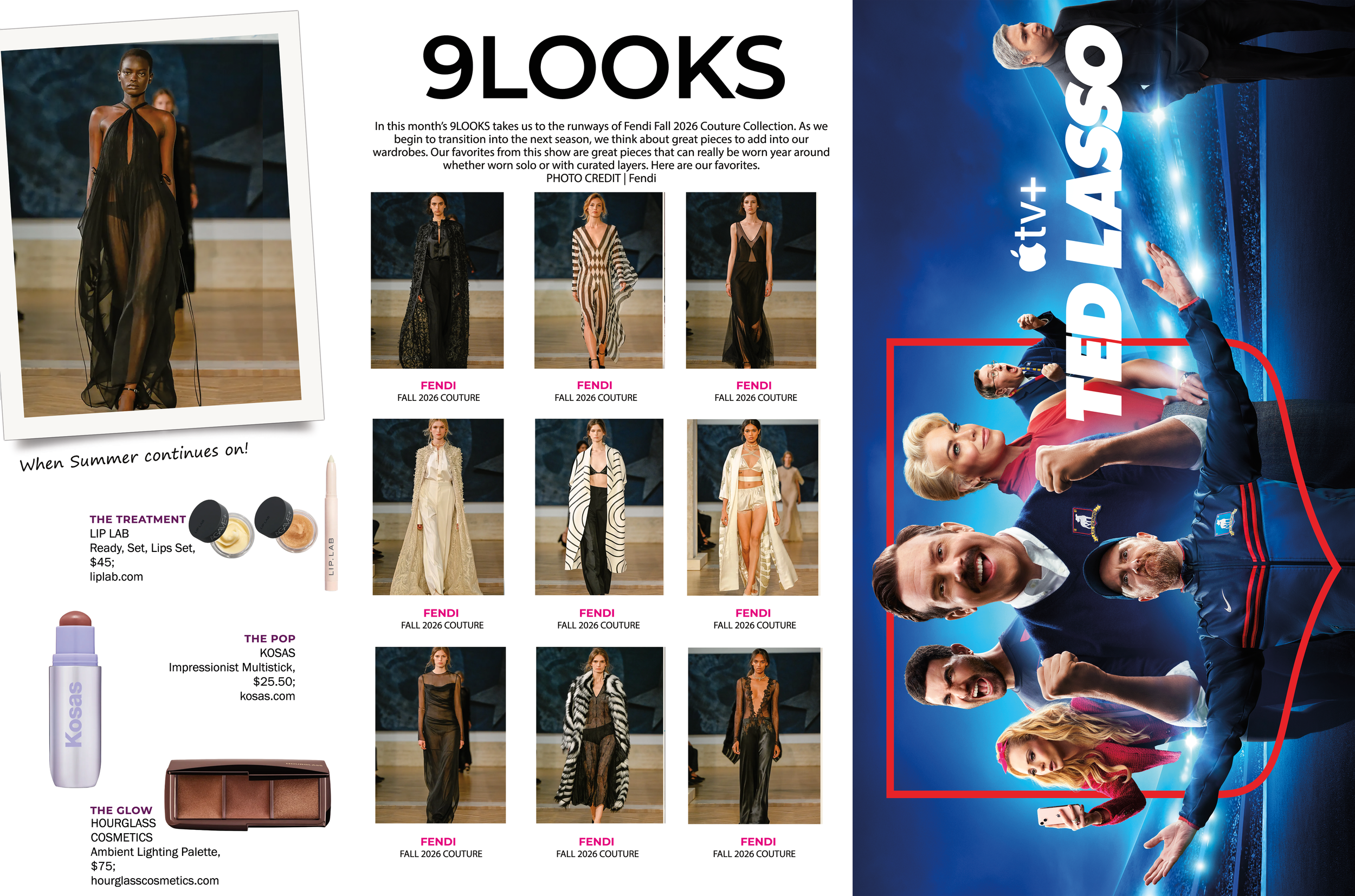
9LOOKS | FENDI FALL 2026
September 8, 2026
Read more →
September 8, 2026
In ATW
Comment

PHOTO CREDIT | Unsplash/Savannah Wakefield

ASSESSING WHETHER A MEDICAL PROVIDER WAS NEGLIGENT DURING CARE

September 1, 2026

A serious complication can leave patients and families questioning whether treatment met accepted medical standards. An unfavorable result alone does not establish negligence. A viable claim generally requires proof of professional duty, substandard conduct, and injury caused by that conduct. Clinical notes, testing results, witness accounts, and expert review may clarify what occurred. Careful evaluation helps separate an unavoidable complication from harm linked to a preventable clinical error.

The First Question Is Duty

Every patient relationship begins with a professional obligation. Doctors, nurses, hospitals, pharmacists, technicians, and other providers must deliver care consistent with accepted practice. Patients seeking help from a Scranton medical malpractice lawyer may need a detailed review of treatment decisions, communication, and resulting harm. That review considers whether the provider recognized known risks, responded to warning signs, and followed reasonable procedures under comparable circumstances.

Compare Care With Professional Standards

Negligence is measured against professional conduct, not personal expectations. The central question asks what a reasonably qualified provider would have done under similar conditions. Clinical guidelines, facility policies, published research, and expert testimony may inform that comparison. A different decision does not automatically indicate fault, since several treatment choices may meet accepted standards for the same diagnosis.

Examine the Treatment Timeline

Chronology often exposes missed opportunities. A review should record symptoms, appointments, test orders, results, referrals, prescriptions, procedures, and follow-up calls. Delayed action may matter if warning signs were documented, but no further assessment occurred. A dated sequence can show whether deterioration began before treatment, followed an intervention, or resulted from an extended gap in care.

Look for Common Warning Signs

It’s critical to take note of the following to understand if negligence during care occurred:

Diagnostic Failures

Missed or delayed diagnoses can allow disease to progress without appropriate treatment. Concerning facts may include persistent symptoms, abnormal laboratory findings, imaging changes, repeated patient complaints, or failure to arrange a referral. The central issue is whether a competent provider would have investigated those findings sooner and whether earlier intervention probably would have changed the outcome.

Procedure-Related Errors

Surgical errors may involve wrong-site surgery, retained materials, avoidable organ damage, inadequate monitoring, or poor infection control. Medication mistakes can include incorrect amounts, dangerous combinations, overlooked allergies, or incomplete discharge instructions. Complications can still occur even with proper treatment, so each event should be compared with the precautions and responses expected from a qualified clinical team.

Review the Medical Records

A complete file may reveal details omitted from a discharge summary. Relevant materials include physician notes, nursing entries, laboratory reports, imaging, medication administration logs, consent forms, operative reports, and referral correspondence. Patients or authorized representatives should request copies promptly. Missing pages, conflicting timestamps, altered entries, or unexplained changes may warrant closer examination.

Consider Independent Medical Opinions

A second opinion can help determine whether the disputed care was reasonable. The reviewing physician should have no connection to the provider involved in treatment. An independent assessment may identify an overlooked diagnosis, unnecessary procedure, delayed referral, or missed treatment opportunity. Expert analysis can also distinguish a troubling event from evidence that supports a legal claim.

Document the Resulting Harm

Potential losses may include additional treatment, rehabilitation, prescription costs, lost earnings, disability, persistent pain, emotional distress, or reduced daily functioning. Supporting materials should show how the injury affected work, mobility, self-care, family duties, and ordinary activities. Bills, employment records, therapy notes, medication lists, and personal accounts can provide useful evidence.

Check Filing Deadlines

Medical negligence claims often involve strict filing periods. The applicable deadline may depend on the injury date, discovery date, provider status, minority, or other circumstances. Pennsylvania law includes timing rules that can affect a patient’s rights. Early review matters because delay may complicate record collection, witness interviews, expert analysis, and preservation of important evidence.

Identify Other Responsible Parties

Liability may involve more than one clinician. A hospital, outpatient facility, pharmacy, laboratory, nursing home, staffing company, or device manufacturer could share responsibility, depending on the facts. Each organization may maintain separate files and assert different defenses. The review should track every handoff, instruction, medication, test result, and decision connected with the patient’s treatment.

Avoid Making Premature Statements

Hospitals, insurers, and claims representatives may seek statements soon after an injury. Patients should preserve documents and avoid signing broad releases or accepting payments before obtaining qualified advice. Early accounts can overlook medication names, symptom changes, or important conversations. A careful record of events helps keep later discussions accurate and consistent.

Conclusion

Evaluating medical negligence requires a fact-based review, rather than a reaction to an unexpected result. Strong claims usually involve a professional duty, a departure from an accepted standard of care, a credible causal link, and documented losses. Patients and families can begin by preserving files, creating a dated treatment history, obtaining an independent opinion, and checking applicable deadlines. A qualified legal assessment can then determine whether the evidence supports further action.

The Latest
seandavidson_lore_15_EMBARGO_12.15_8AM_ET.jpg
September 16, 2026
WHAT YOU SHOULD KNOW ABOUT LORE BATHING CLUB
September 16, 2026
Read more →
September 16, 2026
TREATMENT RM 1.1.png
September 15, 2026
ATHLEISURE LIST | YUNARA LIFE
September 15, 2026
Read more →
September 15, 2026
AM JUL ISSUE _127 COVERING THE BASES Brayan Rocchio-1.png
August 26, 2026
COVERING THE BASES | BRAYAN ROCCHIO
August 26, 2026
Read more →
August 26, 2026
In ATW
Comment

BEST FLORAL AND LUXURY OCCASION DRESS BRANDS IN 2026

August 31, 2026

Finding a dress for a milestone moment (a birthday, a graduation, an engagement party, a red-carpet event) usually means choosing between two frustrating extremes. Designer occasion wear can cost hundreds of dollars for a single wear, while budget options often sacrifice fit, fabric quality, or size range. For curvier women, the search can feel even more limited, since many collections are still designed around a narrow set of proportions and simply graded up rather than built for curves from the start.

The market for well-made, size-inclusive occasion dresses has grown considerably, though. Below, we outline what separates a well-made floral or occasion dress from a disappointing one, then compare six brands worth knowing in 2026.

What to Look for in a Floral or Occasion Dress

Not all floral dresses are created equal, even when they look similar in a product photo. A few factors matter most:

●       Fabric weight and drape: Lightweight, low-quality material tends to cling or wrinkle, while fabric with some structure holds its shape through a full night out.

●       Print placement: On a well-constructed dress, floral patterns are placed intentionally rather than printed on a bolt of fabric and cut without regard for fit – matched at seams, positioned to flatter the waist or bust.

●       Construction quality: Details like boning, lining, and finished seams affect comfort and longevity far more than the print itself.

●       True size range: A dress cut for a size 6 and simply scaled up to a size 18 rarely fits the same way. Genuine size inclusivity means patterns are adjusted for different proportions, not just resized.

How Brands Approach Size Inclusivity Differently

Size inclusivity in the dress market ranges widely in practice. Some retailers add a handful of extended sizes to an existing pattern late in the design process. Others build separate curve-specific patterns from the outset, accounting for how proportions (not just measurements) shift across a size range. This distinction is worth asking about directly, since it affects fit more than the size range printed on a label.

Our Top Picks for Floral and Occasion Dresses

#1. Ellaé Lisqué

Ellaé Lisqué designs and manufactures every piece in-house rather than relabeling wholesale stock, which gives the brand direct control over fit, fabric, and construction from concept to finished garment.

Key Features:

●       In-house design and manufacturing, with founder Maxie James's own production facility in Turkey overseeing quality and timelines

●       Patterns designed specifically for curvier proportions rather than resized from straight-size templates

●       Focus on milestone-event styles: birthdays, graduations, engagement parties, and red-carpet-style occasions

●       Founder-led brand with direct involvement in design and customer service

Best For:

Women seeking an occasion dress that looks and feels more expensive than its price point, particularly those who've struggled to find curve-specific fit elsewhere.

Standout Quality:

Because Ella Elisque owns its own manufacturing rather than outsourcing to third-party factories, the brand can adjust fit and quality standards directly rather than depending on a wholesaler's existing patterns — a structural advantage most direct-to-consumer dress brands don't have.

#2. Lulus

Lulus has built a large catalog of occasion and going-out dresses, including a substantial floral selection, aimed at budget-conscious shoppers who want a trend-forward look.

Key Features:

●       Extensive catalog updated frequently with new prints

●       Extended sizing on a portion of styles

●       Frequent sales and promotions

●       Fast shipping and established returns

Best For:

Shoppers who want variety and lower price points and are comfortable with some fit inconsistency across styles

#3. Eloquii

Eloquii has built its reputation around plus-size fashion, with a design team that works within extended size ranges from the outset rather than adapting a straight-size line.

Key Features:

●       Sizes typically ranging from 14 to 28

●       Fashion-forward, statement-driven designs

●       Regular limited collaborations

●       Strong community following among plus-size shoppers

Best For:

Shoppers in the plus-size range who want bold, trend-driven design over classic silhouettes

#4. Reformation

Reformation is known for sustainability-focused production and a romantic, floral-heavy aesthetic that has made it a go-to for warm-weather occasion wear.

Key Features:

●       Emphasis on sustainable, traceable fabric sourcing

●       Signature soft, feminine floral prints

●       Extended sizing on select styles

●       Higher average price point than most direct-to-consumer competitors

Best For:

Shoppers prioritizing sustainable production credentials who are willing to pay a premium for it

#5. ASOS Curve

ASOS Curve is the plus-size arm of ASOS's broader occasion-wear catalog, offering one of the widest ranges of style and price points in the category.

Key Features:

●       Sizing up to roughly a UK 30

●       Wide range of price tiers, from budget to premium in-house labels

●       Large seasonal selection of floral and printed dresses

●       Easy comparison shopping across many sub-brands in one checkout

Best For:

Shoppers who want to browse many styles and price points from curve-specific labels in one place

Choosing the Right Dress for Your Moment

The right floral or occasion dress comes down to matching fabric quality, print placement, and true-to-curve construction with the event you're dressing for. Brands that design directly for a range of body types, rather than scaling a single pattern up or down, tend to deliver a more consistent fit. Prioritizing construction quality and genuine size inclusivity over price alone is what separates a dress that photographs well from one that actually feels good to wear all night.

In ATW
Comment

PHOTO CREDIT | Unsplash/Yves Scheuber

WHAT TO WEAR IN LAS VEGAS: ATHLEISURE BY DAY, DRESS CODE BY NIGHT

August 27, 2026

Figuring out what to wear in Las Vegas is harder than it sounds, because a single day can demand three different wardrobes. The morning wants a pool cover-up and shoes that survive miles of casino carpet. The afternoon wants something that works for a long dinner reservation. The night wants an outfit strict enough to clear a nightclub door where the staff are not negotiating. Pack for one of those and you will be underdressed for the other two.

This guide walks through a full Vegas day in three modes, with a packing list at the end that covers all of them without an emergency shopping trip at the Forum Shops.

Morning on the Strip: athleisure is the right call

Nobody warns first-timers that “the hotel next door” is often a twenty-minute walk. The resorts are enormous, pedestrian bridges add detours, and the desert sun is relentless by mid-morning. The Las Vegas Strip is, functionally, a workout.

This is athleisure’s home turf. A matching set in a breathable fabric, tailored joggers, a lightweight overshirt for the aggressively air-conditioned casino floors, and sneakers you have already broken in. Skip white soles; the pavement and the pool decks will not be kind to them. A crossbody bag beats a backpack, because you will be threading through crowds and security checks all day.

Dayclub outfit: treat the pool like a venue

If a Vegas dayclub or pool party is on the schedule, give it its own outfit plan. Swimwear underneath, a linen shirt or a cover-up that works as a top, slides that can get wet, and a bag you do not mind leaving in a locker. Many pool venues run guest lists, cover charges, and entry policies exactly like their nighttime counterparts, so the “throw on flip-flops and wander in” plan usually ends in a line you did not expect.

Afternoon: transitional pieces do the heavy lifting

The trick to a Vegas day is avoiding a full outfit change every four hours. Late-afternoon plans, whether a race simulator session at the F1 Arcade, a matinee show, or a long dinner reservation, sit in the gray zone between casual and dressed up.

This is where elevated athleisure earns its keep. Tailored joggers in a dark solid, a structured knit polo, a clean leather sneaker or loafer. It reads as intentional in a restaurant and comfortable in a queue. Layering matters more than people expect: casinos run cold, patios run hot, and rideshares land somewhere in between. A lightweight jacket or an overshirt you can tie at the waist covers all three.

Night: the Las Vegas nightclub dress code decides

Here is where the athleisure plan ends, and it ends hard. The Las Vegas nightclub dress code is enforced at the door, and door staff turn people away every night for the same predictable reasons. The specifics vary by venue, but the general rules are consistent enough to plan around.

What men should wear to a Vegas nightclub

  • A collared shirt or a clean, fitted t-shirt in a solid color. Button-downs are the safest bet.

  • Dress pants or dark jeans without rips or distressing.

  • Closed-toe dress shoes or minimal leather sneakers. Some venues allow designer sneakers; most do not advertise which ones, so a loafer or dress shoe is the reliable choice.

  • No shorts, no sandals, no work boots, no hats, no athletic jerseys, no tank tops.

What women should wear to a Vegas nightclub

Women get more latitude, but the same standard of “put together” applies. Dresses, tailored separates, jumpsuits, heels or elevated flats all clear the door. Athletic shoes, swimwear, and beach cover-ups do not. Comfort still matters: marble floors, long lines, and a night that runs past 2 a.m. punish the wrong shoes.

What every club refuses

Athletic wear is the fastest way to get turned away, regardless of what it cost. Jerseys, track pants, gym shorts, and technical fabrics are out. Oversized bags and heavy outerwear typically go to coat check, so carry only what you need. If you are planning around a specific venue, check its policy ahead of time. The rules for a rooftop club differ from an underground room, and a Thursday industry night is often more relaxed than a Saturday headliner set.

Most Las Vegas clubs publish their dress codes, and the ones that do not still enforce them. The practical move is to decide your nightclub outfit before you leave home and treat everything else in the suitcase as supporting cast.

The line is part of the outfit

Vegas nightlife runs on three entry systems, and each has a different arrival window. Guest lists usually close early in the night and require you to arrive before a cutoff. Tickets get you in later but rarely skip the queue. A table reservation is the only option that comes with a host walking you past the line.

Whichever route you take, assume you will spend time standing outside before you get in. Shoes you can stand in for an hour are not optional, and a layer you can remove once you are inside is smarter than a coat you will have to check.

Vegas packing list: three modes, one suitcase

  • Two pairs of shoes: broken-in sneakers for the day, a dress shoe or heel for the night. Not three, not one.

  • One pair of dark tailored trousers that works with a polo at 6 p.m. and a button-down at midnight.

  • A matching athleisure set for pool decks and Strip mileage.

  • One layer for casino air conditioning that folds small.

  • Swimwear and a cover-up that also functions as a shirt.

  • Two bags: a small crossbody or clutch for the club, and a larger one that stays in the room.

  • One complete nightclub outfit decided before you pack, never assembled on the night.

FAQ: what to wear in Las Vegas

Can you wear sneakers to Las Vegas nightclubs? Sometimes. Minimal leather sneakers pass at many venues, athletic sneakers almost never do. If you only pack one pair of nice shoes, make it a loafer or dress shoe.

Can men wear shorts to a Vegas club? No. Shorts are refused at nearly every nightclub on the Strip, even in summer. Dayclubs are the exception.

Is there a dress code for Las Vegas pool parties? Yes, but a looser one: swimwear, cover-ups, and slides are expected. Athletic gear and street clothes are usually turned away at the pool entrance.

What should I wear in Las Vegas during the day? Breathable athleisure, broken-in sneakers, and a light layer for the casinos. The Strip is long and the sun is strong; comfort wins.

Las Vegas rewards the people who show up dressed for the hour they are actually in. Comfortable by day, sharp by night, and never caught at the door in the wrong shoes.

The Latest
AM AUG OPENING SPREAD Tiffany Zhou (2).png
September 17, 2026
PRACTICAL LUXURY | TIFFANY ZHOU
September 17, 2026
Read more →
September 17, 2026
arthur-edelmans-A9UonVi-cwk-unsplash.jpg
August 27, 2026
NATURAL-FIBER ACTIVEWEAR THAT ACTUALLY PERFORMS, TESTED PIECE BY PIECE
August 27, 2026
Read more →
August 27, 2026
AM MAY ISSUE _125 GOV BALL PRE-COVERAGE 2026-1.png
June 19, 2026
GOV BALL 2026 PRE-COVERAGE
June 19, 2026
Read more →
June 19, 2026
In ATW
Comment

PHOTO CREDIT | Monopoly Live

HOW GAME SHOWS CONQUERED THE CASINO

August 27, 2026

Casino games are often characterized by longevity. If you play a game like blackjack or baccarat today, you’ll be broadly playing the same game as people were in casinos a 100 years ago. That longevity gives rise to traditions, as well as a little superstition, but it’s a firm part of what makes the industry tick.

Yet, there is also room for innovation and change. Much of that change has been driven by the iGaming sector, boosted by new technologies and competition among platforms. Arguably, the most significant change we have seen in recent years has come from live casino game shows.

Game Shows Can Be Found at DraftKings Live Casino

These game shows are now an essential part of the infrastructure of online casinos. You can see examples here: https://casino.draftkings.com/category/live-dealer. But what exactly are they? And why are they suddenly front and center on online casino platforms?

To appreciate what a game show is, we need to take a step back and explain what a live dealer game is. Back in the 2010s, online casinos started to roll out live dealer games, which involve games like blackjack, roulette, poker, etc., based in a studio. The games are streamed to your device, with console technology enabling the placement and settlement of bets in real-time. Everything is real – the croupier, dice, cards, and so on – the only difference is that the dealer is in a studio somewhere and you are wherever your laptop or smartphone is.

Now, that rollout of live dealer games arguably represented the pinnacle of a long-standing goal of online casino operators – being able to offer the authentic casino experience. That was the aim since the 1990s and the first internet casinos. But then there is a new goal – to offer something different. Particularly, something that ‘real’ casinos can’t offer.

Live Casino Game Shows Offer Something Different

That’s what we have with live casino game shows. The games take place in studios, and they sometimes incorporate casino-like elements, such as dice or spinning wheels. However, there are numerous differences, both in terms of gameplay and how the games are conducted.

For a start, the croupiers are more like game show hosts than casino dealers. The atmosphere can be fun, carnival-like. It’s designed to be a social experience, not simply one where you face the dealer across the table, like blackjack. Indeed, the chat function is one of the central parts of these games.

There has also been a reimagining of what casino games should play like in terms of gameplay. A good example is Monopoly Live, which is found at DraftKings. The main game of Monopoly Live is pretty straightforward – place bets on a wheel-of-fortune-like spinning wheel. However, things become altogether different when the bonus game is triggered.

The Monopoly Live Bonus Game takes place on a massive 3D virtual Monopoly board, awarding players for dice rolls as Mr. Monopoly makes his way around the different properties. The game can pay out 1,000s of times the initial stake, too.

Monopoly Live is just one example among many. We could cite games like Crazy Time, Adventures Beyond Wonderland and Wolf It Up as having similar innovative features. Other games, like Bubble Craps and Lightning Roulette, have taken classic casino games and reimagined them with a game show format.

It is certainly not the case that game shows have supplanted traditional casino games. The classics are considered classics for a reason, and their popularity remains formidable. However, the game shows have arguably made online casinos a little more interesting, offering new types of experiences for players who want to try something different from the norm. 

The Latest
AM AUG OPENING SPREAD Tiffany Zhou (2).png
September 17, 2026
PRACTICAL LUXURY | TIFFANY ZHOU
September 17, 2026
Read more →
September 17, 2026
arthur-edelmans-A9UonVi-cwk-unsplash.jpg
August 27, 2026
NATURAL-FIBER ACTIVEWEAR THAT ACTUALLY PERFORMS, TESTED PIECE BY PIECE
August 27, 2026
Read more →
August 27, 2026
AM MAY ISSUE _125 GOV BALL PRE-COVERAGE 2026-1.png
June 19, 2026
GOV BALL 2026 PRE-COVERAGE
June 19, 2026
Read more →
June 19, 2026
In ATW
Comment

PHOTO CREDIT | Outdoor Voices/IG

HOW TO STYLE ATHLEISURE BEYOND THE GYM

August 27, 2026

Athleisure stuck around because it’s practical. You can go from a workout to coffee, the office, or a casual night out. Just don’t default to basic leggings and a T-shirt. Choose pieces that feel deliberate and still sound like you. This guide covers simple ways to style it beyond the gym so you look polished for errands or brunch.

The Foundation: Choosing the Right Pieces

The finest results from athleisure come from a strong foundation. Create a modest collection of well-made, adaptable items in place of your old workout attire. These serve as the foundation for deliberate ensembles. An excellent starting point is Outdoor Voices, which is practical, comfy, and made to perform on ordinary days.

Core items worth looking for:

  • Supportive leggings: Select a cozy material that offers adequate support and stretch for your preferred activities. While a richer hue or delicate design can add interest, neutral colors are simple to dress.

  • Versatile pants: A loose or tapered pair can be worn well beyond the gym. Look for a comfortable fit that retains some form.

  • Everyday sneakers: Select clean, uncomplicated sneakers that suit your activewear. White is a dependable choice, but soft hues may offer charm.

  • Tops that are easy to layer: A fitting tank, lightweight long-sleeve, or cozy sweatshirt provide extra alternatives for diverse weather and circumstances.

Advanced Styling Strategies for Everyday Chic

Now that the fundamentals are taken care of, we can concentrate on matching and stacking. These are the techniques that transform basic compositions into more thoughtful ensembles.

Strategy 1: The Power of Proportion

Balance the shapes. Fitted leggings or skinny joggers work better with a looser top—oversized blazer, thick sweater, or relaxed button-down. Wider bottoms like wide-leg sweats or cargo joggers need a closer top: tank, bodysuit, or cropped sweatshirt. That contrast keeps it from looking too sporty.

Strategy 2: Master the Art of Layering

Good layering transforms an ensemble's overall vibe. It gives the appearance more texture and less of a haphazard appearance. A few trustworthy methods:

  • Structure: leggings and a blazer over a shirt. The contrast between sharpness and softness seems contemporary.

  • Comfort with shape: Wear a trench or long cardigan over a coordinating outfit. Clean shoes and a crossbody complete the look.

  • Simple detail: thick knit or flannel knotted around the shoulders. A quick method to add texture and color.

Strategy 3: Accessorize with Intention

Accessories do more of the work than most people realize with athleisure. They’re usually what turn a look that still feels like gym clothes into something intentional. The right bag, a few pieces of jewelry, and a couple of extras can shift the whole impression.

  • Bags – Ditch the gym duffel. Go for a structured tote, clean leather backpack, or belt bag worn crossbody. Finished, not just functional.

  • Jewelry – Less is more. Thin gold or silver pieces—delicate necklaces, small hoops, stacked rings—add subtle polish. A classic watch ties it all together.

  • Hats & sunglasses – Baseball cap or beanie keeps it casual. Wayfarers or cat-eye frames sharpen the whole look.

Strategy 4: Play with Color and Texture

All-black works, but it doesn’t have to be the only option. Try a full look in softer earth tones—beige, olive, or rust. Or keep the bottoms neutral and put a brighter top on top. 

Texture makes a difference too. Smooth performance fabric next to something softer like cashmere, or layered under structured denim, changes the feel. A cashmere-blend sweater over leggings is an easy example. So is a moto jacket over a performance dress.

Occasion-Based Style Guides

To make it even easier, here’s a quick guide for styling your athleisure for specific scenarios:

OccassionKey PiecesStyling Tips
Brunch with FriendsHigh-waisted leggings, oversized button-down, fashion sneakersKnot the Shirt at your waist. Add a statement necklace and crossbody bag.
Casual WorkdayTailored joggers, silk camisole or knit top, blazerPick joggers in ponte or suiting fabric. Finish with minimalist sneakers or loafers.
Running ErrandsComfortable leggings, classic sweatshirt, puffer vestLayer the vest over the sweatshirt. Top it off with a baseball cap and canvas tote.
Date NightFaux-leather leggings or performance mini dress, draped cardigan, heeled shoes.Ditch the sneakers for heeled booties or platform sandals. Grab a clutch and bold earrings.

Conclusion

Styling athleisure beyond the gym really comes down to doing it on purpose. Build from well-made basics. Get the layers and proportions right before bringing in accessories. When those pieces click, the clothes stay comfy but look more intentional. 

Consider these tips a starting point. Mix and match until you find the combinations that actually work for you and feel like your style.

The Latest
AM AUG OPENING SPREAD Tiffany Zhou (2).png
September 17, 2026
PRACTICAL LUXURY | TIFFANY ZHOU
September 17, 2026
Read more →
September 17, 2026
arthur-edelmans-A9UonVi-cwk-unsplash.jpg
August 27, 2026
NATURAL-FIBER ACTIVEWEAR THAT ACTUALLY PERFORMS, TESTED PIECE BY PIECE
August 27, 2026
Read more →
August 27, 2026
AM MAY ISSUE _125 GOV BALL PRE-COVERAGE 2026-1.png
June 19, 2026
GOV BALL 2026 PRE-COVERAGE
June 19, 2026
Read more →
June 19, 2026
In ATW
Comment

PHOTO CREDIT | Unsplash/Dillon Kydd

6 DAB TOOLS EVERY CONCENTRATE USER SHOULD HAVE ON HAND

August 27, 2026

Concentrates reward a careful hand, and good accessories turn every session into something smoother and safer. Sticky extracts, scorching surfaces, and tiny doses call for gear made specifically for the task. Anyone who takes dabbing seriously will notice the difference a small, dependable kit makes. This guide covers six essentials that keep handling tidy, temperatures on target, and flavor intact from the first heat to the last exhale.

Why the Right Gear Matters

Dabbing pairs intense heat with tacky material, so makeshift tools usually disappoint. Accessories built for the job shield fingers, protect terpenes, and cut down on waste. Solid equipment also extends a rig's life by preventing residue buildup and cracked glass. Spending a little upfront saves you money and hassle later, especially for daily users who want consistent results.

The right gear sharpens dosing accuracy too, which helps newcomers find a comfortable pace. Anyone ready to refine their setup can browse dab tools collection to weigh options built for durability and everyday use. Every item below tackles a particular frustration, from portioning extract to wrangling residue, so decisions feel grounded rather than random. Assembling the kit piece by piece keeps spending sensible while still covering each core need.

1. Dabber Tool

A dabber lifts concentrate and sets it onto a hot surface without singeing your fingers. Tip shapes vary because textures do.

1.1 Choosing the Right Tip

Scoop tips suit budder and wax, while pointed ends lift shatter cleanly. Flat paddles handle thicker extracts nicely. Stainless steel and titanium shrug off heat and wipe clean, which explains their popularity among regular users.

2. Carb Cap

A carb cap holds heat inside a banger and drops the pressure, so concentrate vaporizes at gentler temperatures. That approach guards flavor and stretches each portion further.

2.1 Bubble Versus Directional Caps

Directional caps let users steer airflow around the banger for even heating. Bubble styles seal without fuss and suit beginners. Either one trims wasted vapor compared with leaving a banger uncovered.

3. Torch

Careful heat control is what separates a clean session from a scorched one. A well-made butane torch warms a banger evenly and gets there fast.

Refillable models with adjustable flames give users real command over intensity. Even heating keeps away the harsh, bitter taste that overheated quartz tends to produce.

4. Terp Pearls

These little spinning beads rest inside a banger, spreading heat as they stir the melted concentrate. Their motion pushes material across the surface, lifting vapor output and stopping it from pooling.

4.1 Material Choices

Ruby, sapphire, and quartz pearls each hold heat in their own way. Denser picks retain warmth longer, a plus for low-temperature sessions that favor flavor over big clouds.

5. Timer or Temperature Reader

Guessing tends to ruin good extract. An infrared thermometer reads banger temperature straight off the surface, while a simple timer tracks the cooldown after heating.

Low-temperature dabs, roughly 315 to 450 degrees Fahrenheit, protect terpenes and ease throat irritation. Reading the heat turns a hit-or-miss ritual into a repeatable routine, which counts for anyone after consistent results.

6. Storage Container

Concentrate clings to nearly everything, so proper storage keeps material usable. Silicone and glass containers resist sticking and seal out air.

6.1 Keeping Extracts Fresh

Airtight lids slow degradation, and cool, dark spots hold potency steady. Silicone jars let sticky wax peel away cleanly, while glass keeps flavor sharp over longer stretches. Sorting containers by strain also stops aromas from bleeding into one another.

Conclusion

A well-chosen dab kit turns messy, unpredictable sessions into clean, controlled rituals. Every tool here answers a genuine problem, whether that is safer handling, richer flavor, or less concentrate lost to waste. Begin with a dabber and torch, then fold in caps, pearls, and storage as you go, and you build a setup made to last. Dependable gear pays back patience with smoother hits and crisper taste every single session.

The Latest
AM AUG OPENING SPREAD Tiffany Zhou (2).png
September 17, 2026
PRACTICAL LUXURY | TIFFANY ZHOU
September 17, 2026
Read more →
September 17, 2026
arthur-edelmans-A9UonVi-cwk-unsplash.jpg
August 27, 2026
NATURAL-FIBER ACTIVEWEAR THAT ACTUALLY PERFORMS, TESTED PIECE BY PIECE
August 27, 2026
Read more →
August 27, 2026
AM MAY ISSUE _125 GOV BALL PRE-COVERAGE 2026-1.png
June 19, 2026
GOV BALL 2026 PRE-COVERAGE
June 19, 2026
Read more →
June 19, 2026
In ATW
Comment

SWEEPSTAKES CASINOS ARE SHOWING UP IN THE SAME EVENING SLOT AS STREAMING AND PODCASTS

August 25, 2026

Ask anyone in the Athleisure community how they spend the stretch between the last workout of the day and lights out, and the answer rarely fits in one lane anymore. The evening used to be simple. Dinner, a show, bed. Now the hours after 8 p.m. carry a stack of competing habits: a streaming queue that keeps growing, a podcast left half-finished from the morning commute, a group thread that will not quiet down, and a phone that glows with one more thing to try. For a readership that treats active living as a full lifestyle rather than a gym appointment, the night has quietly become the most negotiated part of the day, and the way people settle that negotiation shapes their recovery, their sleep, and their mood the next morning.

For readers who want the regulatory detail before forming an opinion, LSR's Legal Sports Report sweepstakes breakdown maps which states permit the format and how the no-purchase entry is supposed to work, useful context for anyone who has watched these games appear on their phone without much explanation.

That last stretch of the day is where wellness either holds or falls apart. It is when people decompress, when they reach for the content that signals the day is done, and increasingly, when a new category of entertainment competes for the same slot. Sweepstakes casinos, the free-to-play social games that hand out virtual coins instead of taking cash bets, have worked their way into that lineup, sitting next to the streaming app and the podcast feed rather than replacing them. Understanding how that happened says less about gambling than it does about how a modern evening gets built, minute by minute, out of whatever fits between dinner and sleep.

Streaming Wrote the Template for the Modern Night

Streaming set the shape of the evening before anything else did. In December 2025, streaming captured 47.5 percent of all television viewing, a record high tracked by Nielsen's The Gauge, and enough to exceed the combined share of broadcast and cable for the month. Christmas Day alone drew 55.1 billion streaming minutes, the largest single day the measurement has recorded. Those figures are not just a scoreboard for platforms. They mark the moment when on-demand, start-when-you-want viewing became the default assumption for how a night begins, replacing the old idea that the evening followed a schedule someone else set.

That shift trained a specific behavior. Autoplay removed the decision point at the end of each episode, so the natural stopping cue disappeared and one more episode became the path of least resistance. The evening stopped having a built-in end. For active readers who care about recovery, that is the quiet trap of the format: it is genuinely relaxing, it is genuinely good, and it will happily run until midnight if nothing else intervenes. Streaming did not just win the slot. It taught every other format that the way to win is to remove friction and let the next thing start on its own.

The category itself is not standing still, which is part of why a set-it-once routine beats trying to decide fresh every night. States keep redrawing the map, operators keep adjusting, and what is available in a given place can change between one month and the next. For readers who like to track how the sweepstakes format keeps shifting, following Legal Sports Report on X is a low-effort way to catch the regulatory updates as they land, without turning the topic into another feed to babysit. Knowing where a format stands is easier than policing your own attention every evening, and it lets the wind-down stay the point rather than the fight.

Frequently Asked Questions

Are sweepstakes casinos the same as real-money online casinos?

No. Sweepstakes platforms run on virtual currencies rather than direct cash wagers. Players use Gold Coins for casual play and can obtain Sweeps Coins for free through a no-purchase method of entry, then redeem those for prizes. The free-entry route is the legal distinction that separates the model from a traditional bet, though the games are styled to resemble familiar casino formats.

Why do these games fit the evening so well?

They match the shape of the modern wind-down. Sessions are short, the phone is usually already in hand during prime-time viewing, and nothing about starting a round demands full attention. That makes the format a natural fit for the split-attention, second-screen habits that streaming and podcasts helped normalize, so it slots in beside them rather than replacing them.

Is the format legal everywhere in the United States?

No. Availability varies by state, and the map has shifted quickly. The category remains accessible in the majority of states, while a growing number have passed explicit bans or moved to enforce existing gambling laws during 2025 and 2026. Because the rules keep changing, it is worth checking a current, state-by-state resource before assuming a given format is available where you live.

Design a fixed wind-down instead of relying on willpower. Set an end time for the main screen, keep the last stretch of the night to one calm activity, and give the phone a curfew. Intervention research has linked a structured evening routine to meaningfully earlier sleep onset within a couple of weeks, which matters most for anyone whose training and recovery depend on consistent rest.

The Latest
AM AUG OPENING SPREAD Tiffany Zhou (2).png
September 17, 2026
PRACTICAL LUXURY | TIFFANY ZHOU
September 17, 2026
Read more →
September 17, 2026
arthur-edelmans-A9UonVi-cwk-unsplash.jpg
August 27, 2026
NATURAL-FIBER ACTIVEWEAR THAT ACTUALLY PERFORMS, TESTED PIECE BY PIECE
August 27, 2026
Read more →
August 27, 2026
AM MAY ISSUE _125 GOV BALL PRE-COVERAGE 2026-1.png
June 19, 2026
GOV BALL 2026 PRE-COVERAGE
June 19, 2026
Read more →
June 19, 2026
In ATW
Comment

PHOTO CREDIT | Unsplash/Rémi Bertogliati

CAREER, HEALTH, AND EDUCATION: HOW TO CHOOSE SKILLS AND QUALIFICATIONS THAT SUPPORT YOUR LIFESTYLE

August 25, 2026

It's entirely possible to care deeply about fitness and wellness and still end up in a career that leaves no room for either. Long hours, a desk-bound routine, or a job that drains your energy before you ever reach the gym can quietly undo the healthiest of intentions. The opposite is also true. A career that's genuinely aligned with the things you value can fold movement, learning, and healthy routines into the fabric of an ordinary week, rather than treating them as something to squeeze in around the edges.

That alignment doesn't happen by accident. It tends to come from asking a few honest questions before committing to a path: What am I genuinely interested in? What skills do I want to be using on a daily basis? And what kind of lifestyle do I actually want my work to support? Framed this way, the conversation isn't really "which degree should I get," it's closer to career and lifestyle planning, with education as one tool among several.

Start With the Field You Want to Explore, Not the Degree You Think You Need

Rather than jumping straight to a major, it helps to first identify the kind of work that genuinely appeals to you. A few starting points:

  • Exercise and movement: training, coaching, or fitness instruction, built on communication, anatomy, and program design

  • Mind-body wellness: yoga or mindfulness instruction, wellness education, drawing on empathy and client communication

  • Health and nutrition: health education or nutrition-related roles, grounded in research and science literacy

  • Business and fitness: gym or studio management, fitness entrepreneurship, leaning on leadership, finance, and marketing

  • Media and wellness: fitness content, publishing, or social media, powered by writing and digital storytelling

  • Science and performance: exercise science or sports-related research, driven by data analysis and critical thinking

This is also where it's worth pausing on what a career in fitness actually includes. It isn't synonymous with becoming a personal trainer. Around that core role sits a wider industry built on business, communication, education, management, research, and technology, and each of those functions needs people who understand the field without necessarily working directly with clients.

The Education Question: When Does a Degree Actually Add Value?

Education serves a different purpose depending on the career in question. Some roles prioritize certifications and hands-on experience; others require, or clearly benefit from, formal academic study. A bachelor's degree tends to matter most when a field has structured knowledge behind it, think exercise science, health communication, or business administration, where a university degree provides both the theoretical grounding and the credibility that certain employers expect.

Credentials can open the door. Skills determine what you do once you're inside. With that distinction in mind, it's worth assessing any program against a short list of questions: does it match the career you actually want, does it include practical experience or placements, does it carry relevant accreditation or professional recognition, does it build transferable skills, and can it realistically fit around work and other commitments. Not everyone needs four years of formal study to build a meaningful career in wellness, but for the roles that do call for it, knowing what to look for makes the investment worthwhile.

When Your Career Changes, Your Education Can Change With It

Careers in health and wellness rarely move in a straight line. Someone might start with a bachelor's degree in a health, business, or communications field, spend a few years gaining real experience, and then discover that the next step up requires deeper specialization than their current qualifications allow. That's often the point where postgraduate study becomes worth considering, not as a way of putting a career on hold, but as a way of expanding it.

This is where the appeal of choosing to study for a master's degree online becomes clear. It offers a way to pursue that specialization without stepping away from a job or an income. Before committing, it's worth asking whether the target role genuinely requires a master's, whether specialization would make you meaningfully more competitive, whether study can realistically sit alongside work and training, and whether the program teaches skills you'll actually use rather than credentials for their own sake. Approached this way, postgraduate study becomes a genuinely useful decision rather than a promotional one.

The Skills That Follow You Across Careers

A qualification can get someone through the door, but it's often the transferable skills that determine how far they move once they're inside. A handful stand out across fitness and wellness careers in particular. Communication matters enormously when working with clients, students, athletes, or teams. Leadership becomes relevant whether you're managing a studio, coaching a team, or eventually building a business of your own. Critical thinking is what allows someone to evaluate health information and training approaches with a clear head rather than following trends uncritically. Digital literacy now touches everything from fitness platforms and wearable technology to marketing and remote work. And adaptability matters because wellness trends shift quickly, and the professionals who last are the ones who can tell a meaningful development from a passing fad.

Staying sharp on these fronts often comes down to continual learning, an idea that shows up repeatedly in coverage of fitness professionals who treat ongoing education as part of staying effective in the field, not a box to check once and forget.

A CareEr in Wellness Doesn't Have to Look the Way You Expect

Some of the most interesting careers in this space come from unconventional combinations. Someone drawn to movement might train as a yoga instructor, then move sideways into studio management, wellness programming, or education. Someone interested in both health and technology might pair health education with digital skills to build something that didn't quite exist a decade ago. A person with a business mind might end up on the operational side of gyms or wellness brands rather than on a training floor at all. And someone who loves to write might cover fitness, health, or active lifestyles as a career in its own right, without working directly with clients.

The larger point is that major, career, and personal interest don't have to live in separate boxes. The best path isn't necessarily the one that looks most impressive on paper. It's the one that lets you use your actual strengths while supporting the kind of life you want to be living, day to day, not just on paper.

The Latest
AM AUG OPENING SPREAD Tiffany Zhou (2).png
September 17, 2026
PRACTICAL LUXURY | TIFFANY ZHOU
September 17, 2026
Read more →
September 17, 2026
arthur-edelmans-A9UonVi-cwk-unsplash.jpg
August 27, 2026
NATURAL-FIBER ACTIVEWEAR THAT ACTUALLY PERFORMS, TESTED PIECE BY PIECE
August 27, 2026
Read more →
August 27, 2026
AM MAY ISSUE _125 GOV BALL PRE-COVERAGE 2026-1.png
June 19, 2026
GOV BALL 2026 PRE-COVERAGE
June 19, 2026
Read more →
June 19, 2026
In ATW
Comment

PHOTO CREDIT | Unsplash/Jon Sailer

DEADWOOD, SOUTH DAKOTA: A WEEKEND GETAWAY WHERE HISTORY MEETS ADVENTURE

August 25, 2026

There are certain weekend getaways that are centered on relaxation and other on adventure. However, in the case of Deadwood in South Dakota, there is an integration of both relaxation and adventure in one place. Nestled in the northern parts of the Black Hills, the historic Deadwood provides an unusual blend of Western history, natural environment, recreation, local cuisine, and entertainment.

For people who would like to have a quick getaway experience that is different from the typical urban vacation, there is much to see in Deadwood without having to plan everything ahead of time. One can visit the historic downtown area in the morning, venture into the Black Hills in the afternoon, and enjoy local meals and entertainment in the evening.

Why Deadwood Makes an Ideal Weekend Escape

Deadwood is small enough to tour comfortably, yet diverse enough that there will be much to do over the course of a weekend trip. One of the major draws of Deadwood is its history, but another thing about it is the fact that it is surrounded by the Black Hills.

On the other hand, Deadwood makes a good place to visit in accordance with various types of trips. It offers something to both couples interested in its history and restaurants as well as to active tourists who want to make it a starting point for exploring nearby areas.

Step Into Deadwood's Wild West History

The history of Deadwood is inseparable from the epoch of Gold Rush and those characters who contributed to its legendary status. Exploring the historic district of the town is the opportunity for tourists to see preserved architecture as well as people and events which made Deadwood famous.

The historic atmosphere of the town is what makes it unique compared to the ordinary resort destination. Instead of watching just exhibits, the visitors will be able to feel the atmosphere of the place which was of great importance in the history of the American West.

For those interested in history, visiting Deadwood historic places will be definitely one of the highpoints of the weekend trip.

Get Outdoors in the Black Hills

The position of Deadwood gives it a charm that would make it an interesting destination for people who wish to remain outdoors during their vacations.

Even the vacationers who are not much into hiking can find themselves at ease when going outdoors in the form of a scenic drive or simply taking a stroll.

There are also chances for those looking for an active lifestyle to create their weekend around outdoor activities while returning to Deadwood for their meals and entertainment.

Explore the Town Beyond Its Historic Streets

The attraction of Deadwood does not lie only in its past. Guests can shop, sightsee, be entertained, and just hang out in the town in general.

One of the advantages of being in a smaller destination is the opportunity not to rush to visit all places of interest one after another. You may wander around in the afternoon, have some food, visit a local establishment, and keep walking without having a tight schedule.

This is what makes Deadwood such an appealing place to spend a weekend in.

Make Time for Food, Entertainment, and Local Culture

But then again, a great weekend getaway is not always about sightseeing alone. Food, entertainment, and ambiance of a place should not be overlooked either.

As for Deadwood, it provides both entertainment venues and restaurants that fit well into the historical background of the city. And after spending the day exploring the Black Hills or walking around town, one will definitely have enough energy to spend the evening over dinner.

This is actually what sets Deadwood apart from other vacation destinations. One can have as busy or as leisurely a weekend as they wish.

Things to Do in Deadwood, SD for Different Types of Travelers

It all depends on what you expect out of your trip. For history buffs, they might wish to spend more time at the historical landmarks of the town, whereas outdoor lovers might want to dedicate most of their weekend to the Black Hills.

Couples can combine sightseeing with dining and entertainment, while road-trippers can use Deadwood as one stop on a larger South Dakota adventure. If you're looking for ideas before building your itinerary, this guide to things to do in Deadwood SD provides a useful overview of experiences and attractions to consider.

The key is not trying to do everything. Choosing a few activities that match your interests can make a short visit feel much more rewarding.

How to Plan a Memorable Deadwood Weekend

With a little advance planning, you can get the most out of a weekend in Deadwood. First, figure out what is important to you – whether history, outdoor recreation, food, fun, or all of these things together.

Don’t cram every minute with planned events, but allow for some downtime in your schedule. Good walking shoes will be helpful when you want to walk around town, and appropriate outdoor clothing will help you have fun in the hills.

It might be a good idea to look into conditions and operating hours ahead of your trip.

Final Thoughts

Deadwood has what many places of leisure have difficulty achieving: variation without being overpowering. It has its own character thanks to its history and background as being a city from the Wild West, and it has its own natural surroundings in the form of the Black Hills.

Whether you plan to go on a road trip, spend an active weekend, or just visit some place other than your own environment, Deadwood is definitely a place to think about. The most appealing aspect about Deadwood is that you will have the choice to make the trip your own experience.

The Latest
AM AUG OPENING SPREAD Tiffany Zhou (2).png
September 17, 2026
PRACTICAL LUXURY | TIFFANY ZHOU
September 17, 2026
Read more →
September 17, 2026
arthur-edelmans-A9UonVi-cwk-unsplash.jpg
August 27, 2026
NATURAL-FIBER ACTIVEWEAR THAT ACTUALLY PERFORMS, TESTED PIECE BY PIECE
August 27, 2026
Read more →
August 27, 2026
AM MAY ISSUE _125 GOV BALL PRE-COVERAGE 2026-1.png
June 19, 2026
GOV BALL 2026 PRE-COVERAGE
June 19, 2026
Read more →
June 19, 2026
In ATW
Comment

PHOTO CREDIT | Unsplash/Sergey Kotenev

HOW TO FIND A STEAKHOUSE WORTH THE SPLURGE

August 24, 2026

A memorable steakhouse meal depends on more than an expensive cut and polished surroundings. Quality beef, accurate cooking, attentive service, comfortable seating, and sensible pricing all shape the experience. Experienced diners assess those details before reserving a table. Menu research, recent reviews, preparation notes, and total-cost comparisons help guests choose a restaurant that suits the occasion and delivers genuine value.

Check the Full Cost

Menu prices rarely show the complete expense. Sides, sauces, beverages, taxes, and gratuity can increase the final check substantially. Guests comparing a steakhouse in Tampa should review every course before booking. That habit clarifies whether the restaurant suits a planned celebration, business meal, or spontaneous dinner. It also prevents an impressive entree from creating an uncomfortable surprise at payment.

Examine Steak Quality

Premium beef should show clear evidence of careful sourcing and handling. Diners can examine descriptions of marbling, aging, cut thickness, origin, and serving size. Dry-aged beef often develops concentrated flavor, while abundant intramuscular fat contributes tenderness and juiciness. A transparent menu gives guests useful information instead of relying on vague claims about superior ingredients.

Review Cooking Methods

Excellent steak preparation requires controlled heat, proper seasoning, adequate resting, and precise slicing. Menus may reference broiling, charcoal, or wood-fire cooking, but technique matters more than terminology. Guests should confirm available doneness levels and explain preferences clearly. Reliable kitchens produce an evenly cooked center, a well-browned exterior, and juices that remain within the meat.

Study the Side Dishes

Side dishes should support the entree rather than compete with it. Creamed spinach, roasted vegetables, crisp potatoes, and seasoned mushrooms provide contrasting textures and flavors. Strong menus also include lighter choices, such as salads or simply prepared greens. Diners benefit from selecting one rich accompaniment and one fresher option, creating better balance across the plate.

Consider Service Standards

Upscale dining depends heavily on staff performance. Servers should explain cuts accurately, answer questions patiently, monitor pacing, and respond promptly to dietary concerns. Skilled teams recognize when assistance is needed without interrupting conversation. They also coordinate wine service, substitutions, and celebrations with discretion. Such attention demonstrates professional training and helps justify a higher check.

Evaluate the Dining Room

Physical comfort affects how guests experience a long meal. Diners should notice lighting, table spacing, chair support, background volume, ventilation, and cleanliness. A lively room may suit birthdays, while quieter seating works better for anniversaries or business discussions. Decorative expense matters less than whether the environment allows people to eat comfortably and speak without strain.

Read Recent Guest Feedback

Reviews provide practical evidence beyond menu descriptions. Guests should look for recurring comments about steak temperature, waiting periods, portion sizes, hospitality, and noise. One negative account may describe an unusual problem. Repeated observations deserve greater weight. Recent posts are especially useful because staffing, management, menus, and kitchen procedures can change within a short period.

Compare Beverage Options

A thoughtful beverage list should accommodate different tastes and budgets. Diners can compare wines by region, varietal, glass availability, and bottle pricing. Pairing guidance may help guests select a suitable match without unnecessary expense. Classic cocktails, quality beer, sparkling water, and nonalcoholic drinks also matter when a group includes varied preferences.

Look for Occasion Fit

The right restaurant depends on the purpose behind the reservation. Birthday gatherings may benefit from energetic service, generous sharing plates, and celebratory desserts. Anniversaries often suit quieter tables, slower pacing, and attentive staff. Business meals require predictable timing, moderate noise, and clear communication. Matching the dining room with the event makes spending feel deliberate.

Ask About Reservations

Guests should confirm booking policies, cancellation fees, dress expectations, parking arrangements, and seating preferences before arrival. Popular dining rooms can fill quickly during weekends, holidays, and local events. Early communication also helps staff prepare for allergies, mobility requirements, celebrations, or larger parties. A few minutes of planning can prevent avoidable complications later.

Measure Value Afterward

Value reflects the entire visit, not the steak’s weight alone. Diners can assess flavor, tenderness, temperature accuracy, hospitality, timing, comfort, and satisfaction after the meal. A higher bill may feel justified when each element performs well. Conversely, a lower price can disappoint when careless cooking, rushed service, or uncomfortable seating weakens the experience.

Conclusion

Finding a steakhouse worth the splurge requires informed judgment. Guests should compare beef quality, cooking technique, service, comfort, side dishes, beverages, reviews, and total pricing before making a reservation. A defined budget and clear occasion provide useful boundaries. With those factors in mind, diners can choose a restaurant that delivers carefully prepared food, considerate hospitality, and lasting satisfaction.

The Latest
AM AUG OPENING SPREAD Tiffany Zhou (2).png
September 17, 2026
PRACTICAL LUXURY | TIFFANY ZHOU
September 17, 2026
Read more →
September 17, 2026
arthur-edelmans-A9UonVi-cwk-unsplash.jpg
August 27, 2026
NATURAL-FIBER ACTIVEWEAR THAT ACTUALLY PERFORMS, TESTED PIECE BY PIECE
August 27, 2026
Read more →
August 27, 2026
AM MAY ISSUE _125 GOV BALL PRE-COVERAGE 2026-1.png
June 19, 2026
GOV BALL 2026 PRE-COVERAGE
June 19, 2026
Read more →
June 19, 2026
In ATW
Comment

PHOTO CREDIT | Unsplash/James McKinven

THE DIGITAL HABITS THAT ACTUALLY LEAVE YOU FEELING REFRESHED

August 23, 2026

If you’re like most people, then digital technology has probably become part of almost everything you do throughout the day. You might check messages as soon as you wake up, spend hours on a computer for work, switch between apps during your commute, and unwind with videos or games in the evening. While these habits help you stay productive and entertained, they can also leave your mind feeling surprisingly tired after hours of continuous screen use.

Fortunately, refreshing your mind doesn’t always require putting your devices away completely. In many cases, the way you use technology has a greater influence on your mental well-being than the amount of time you spend online. Try to strike a balance between choosing activities that keep you engaged and giving yourself opportunities to pause. This helps create a healthier relationship with your digital life while allowing you to continue enjoying its many benefits.

Don’t worry about having to adopt major lifestyle changes to build better digital habits. Small, intentional adjustments to your daily routine can make your screen time feel more balanced, purposeful, and enjoyable. Here are seven healthy practices that can help refresh your mind while making the most of the technology you use every day.

Set Boundaries Around Constant Content Consumption

Many people instinctively reach for their phones whenever they have a few free minutes, such as when they’re waiting in line or riding public transportation. While this may seem harmless, constantly filling every idle moment with new information gives your brain very little opportunity to slow down. The act of setting even simple boundaries can make a meaningful difference.

For example, you might decide to check social media only during certain times of the day or avoid opening news apps until after you’ve finished important work. Once you’ve established these small limits, you can stay informed and connected without feeling like you’re always consuming something new.

Choose Interactive Digital Entertainment

Not every form of screen time affects your mind in the same way. Activities that encourage you to make decisions, solve problems, or participate actively often provide a more engaging experience than simply moving through an endless stream of short videos or social media posts. Whether you’re completing puzzles, browsing an online casino guide, exploring story-driven games, or enjoying other forms of interactive entertainment, participating instead of passively consuming content can make your leisure time feel more satisfying.

Use Your Screen Time to Create Something

Some of the most rewarding moments you spend with technology may come from making something instead of simply scrolling feeds just because they’re there. Even a short creative session can shift your focus and leave you feeling accomplished. You might write a journal entry, edit photos from a recent trip, sketch on a tablet, or build a playlist for different moods. Try experimenting with a simple design app or teaching yourself a new creative skill. These activities don’t have to produce polished results to be worthwhile. The act of making something encourages you to engage your mind in a different way and can turn ordinary screen time into something more meaningful.

Create Notification-Free Periods

Even a few unexpected alerts can make it difficult to stay focused on what you’re doing. A message notification might pull you away from work, while a promotional alert can interrupt a quiet moment you intended to spend relaxing. Over time, these constant interruptions can leave you feeling mentally scattered as your attention repeatedly shifts from one thing to another. Try setting aside periods during the day when you silence nonessential notifications; this is meant to give you more control over your time and attention.

Take Short, Purposeful Screen Breaks

Spending long periods looking at a screen can gradually leave your eyes feeling tired and your mind less focused, even if you’re doing something you enjoy. Instead of waiting until you feel exhausted, make it a habit to pause throughout the day for a few minutes. Stand up, stretch, refill your water bottle, or look outside to give your eyes a chance to focus on something farther away. Your breaks don’t need to interrupt your routine for long, but they can help you return to your device feeling more alert and ready to continue.

Curate Your Digital Environment

The digital spaces you spend time in can influence your mood just as much as your physical surroundings. An inbox filled with unread emails, a phone cluttered with unused apps, or social media feeds dominated by stressful content can quietly contribute to a sense of mental overload. That’s why it’s worth taking time to organize your files and remove apps you no longer use. Don’t feel bad about only following accounts that genuinely interest or inspire you. A cleaner, more intentional digital environment helps reduce distractions and creates a more enjoyable experience whenever you go online.

Protect Time for Rest and Sleep

The way you use your devices during the evening can have a noticeable effect on how easily you unwind before bed. Checking work emails late at night or watching videos until you’re sleepy can make it harder for your mind to transition into rest mode. Establish a simple nighttime routine that limits screen use before bed. You might try stopping your screentime at a dedicated hour, for instance, and then winding down with an “analog” activity like reading or meditation. Think of this as a series of activities you do to tell your brain directly that it’s time to slow down.

The goal isn’t to spend as little time with technology as possible but to make the time you do spend online feel more worthwhile. When your digital habits align with how you want to think and feel throughout the day, your devices become tools that actually support your well-being. Even small changes can help you build a healthier relationship with technology, one mindful choice at a time.

The Latest
AM AUG OPENING SPREAD Tiffany Zhou (2).png
September 17, 2026
PRACTICAL LUXURY | TIFFANY ZHOU
September 17, 2026
Read more →
September 17, 2026
arthur-edelmans-A9UonVi-cwk-unsplash.jpg
August 27, 2026
NATURAL-FIBER ACTIVEWEAR THAT ACTUALLY PERFORMS, TESTED PIECE BY PIECE
August 27, 2026
Read more →
August 27, 2026
AM MAY ISSUE _125 GOV BALL PRE-COVERAGE 2026-1.png
June 19, 2026
GOV BALL 2026 PRE-COVERAGE
June 19, 2026
Read more →
June 19, 2026
In ATW
Comment

PHOTO CREDIT | Pexels/Miff Ibra

THE FALL IS OVER BUT THE QUESTIONS ARE JUST STARTING

August 23, 2026

A fall can happen in seconds. One moment someone is walking through a store, parking lot, apartment building, or office, and the next they're on the ground trying to understand what happened.

But while the physical event is over almost immediately, the questions can continue for much longer.

Was there water on the floor? Was a stair broken? Did poor lighting hide a hazard? How long had the dangerous condition existed? Did anyone know about it? And perhaps most importantly, what injuries did the fall actually cause?

Those questions can become central after a slip and fall. The answers often depend on evidence that may disappear quickly, which is why understanding the condition that caused the fall can be just as important as documenting the injuries afterward.

What Caused the Person to Lose Their Footing?

The first question sounds simple: Why did the person fall? Sometimes the answer is obvious. A drink spilled across a grocery-store aisle may create a slippery surface. A broken stair can cause someone to lose their balance.

Other hazards are easier to miss. Uneven pavement, loose carpeting, potholes, debris, damaged flooring, missing or defective handrails, and poor lighting can all contribute to falls. Mission Personal Injury Lawyers identifies many of these conditions among common causes of fall accidents.

The exact location matters too. A small change in floor height might be difficult to notice in a dim hallway but obvious in bright daylight. Water near an entrance may create different questions depending on the weather and whether mats or warnings were present.

Identifying the hazard is the starting point because simply falling on someone else's property doesn't automatically establish that the property owner did something wrong.

Did the Property Owner Know About the Problem?

Finding a dangerous condition is only part of a premises liability investigation. Another important question is what the property owner or responsible party knew about it.

Sometimes there may be evidence of actual knowledge. An employee might have noticed a spill but failed to clean it, or a tenant may have previously complained about a broken stair.

Other cases involve what is often called constructive notice. At a high level, the question can involve whether a dangerous condition existed long enough or under circumstances where it reasonably should have been discovered.

Timing can therefore become extremely important. A spill that occurred seconds before someone fell creates a different situation from one that had remained untouched for a substantial period.

Inspection procedures, employee testimony, maintenance records, surveillance footage, and prior complaints may help establish what was known and when. The condition itself matters, but the timeline surrounding that condition can be equally important when determining whether negligence occurred.

Document the Condition Before It Changes

Many accident scenes don't remain unchanged for very long. A spill can be mopped up. Debris can be removed. A broken step can be repaired. A loose mat can be repositioned. Once that happens, it may become much harder to show exactly what the person encountered.

Photographs can preserve the scene. When possible, images showing both the specific hazard and the surrounding area can provide useful context. Witnesses may also matter. Someone nearby could have seen the fall, noticed the condition beforehand, or heard an employee discussing the problem.

Surveillance footage can be particularly valuable because it may show not only the fall but how long the hazard existed beforehand. Mission Personal Injury Lawyers notes that gathering evidence, interviewing witnesses, and reviewing safety information can be important parts of investigating these claims.

An incident report can create another contemporaneous record. The basic idea is simple: document the scene while it still looks like it did when the accident happened.

Injuries May Become Clearer After the Initial Shock

The first reaction after falling is often embarrassment or surprise. Someone may stand up quickly and assume they're fine. But the seriousness of an injury isn't always immediately obvious.

Falls can cause fractures, head and neck injuries, back injuries, concussions, soft-tissue injuries, and injuries involving the knees, hips, shoulders, or wrists. More severe falls can result in spinal cord or brain injuries.

Symptoms can also evolve after the initial event. Pain, swelling, stiffness, dizziness, headaches, or limited movement may become more noticeable after the immediate stress of the fall has passed. Appropriate medical evaluation can help identify injuries and determine what treatment is necessary.

Medical documentation may later become important if there is a dispute about what injuries resulted from the accident. Prior medical conditions and other possible causes may also need to be considered. The fact that someone was able to stand up afterward doesn't necessarily reveal the complete medical picture.

Conclusion

The fall itself may last only a moment. Figuring out why it happened can take considerably longer. A meaningful investigation looks beyond the fact that someone ended up on the ground.

What condition caused the fall? How long had it existed? Did the property owner or employees know about it, or should it reasonably have been discovered? Were there warnings? What evidence remains?

Those questions can become just as important as documenting the injury. Photographs, surveillance footage, witnesses, incident reports, maintenance information, and medical records can help reconstruct what happened after the physical scene has already changed.

That's why the minutes immediately following a fall can matter. The injury needs appropriate attention, but the condition that caused it may also need to be preserved before someone cleans, repairs, moves, or removes it. Once the hazard disappears, answering the questions surrounding the fall can become much harder.

The Latest
AM AUG OPENING SPREAD Tiffany Zhou (2).png
September 17, 2026
PRACTICAL LUXURY | TIFFANY ZHOU
September 17, 2026
Read more →
September 17, 2026
arthur-edelmans-A9UonVi-cwk-unsplash.jpg
August 27, 2026
NATURAL-FIBER ACTIVEWEAR THAT ACTUALLY PERFORMS, TESTED PIECE BY PIECE
August 27, 2026
Read more →
August 27, 2026
AM MAY ISSUE _125 GOV BALL PRE-COVERAGE 2026-1.png
June 19, 2026
GOV BALL 2026 PRE-COVERAGE
June 19, 2026
Read more →
June 19, 2026
In ATW
Comment

PHOTO CREDIT | Unsplash/Josh Hild

HOW SNOW LOAD ENGINEERING PROTECTS STEEL BUILDINGS ACROSS SASKATCHEWAN

August 21, 2026

Heavy snowfall can place thousands of pounds of pressure on a roof, especially when wind pushes snow into deep drifts. Excessive snow loads can overstress steel roof framing, connections, and supporting columns if the building is not properly engineered. Repeated freeze-thaw cycles can make the problem worse by creating dense, icy layers. In regions with long, severe winters, snow load engineering is not an optional detail. It is a core safety measure that protects people, equipment, inventory, and the building itself.

Snow Load Calculations and Roof Safety

When researching steel buildings Saskatchewan, owners should ask how local snow loads affect the design. Snow loads can differ between nearby properties because roof shape, exposure, height, and surrounding structures affect accumulation. Structural engineers use regional climate data and building code requirements before finalizing the roof system.

Key Snow Load Factors

Engineers review several load factors:

●       Ground snow levels

●       Roof slope and shape

●       Wind-driven snowdrifts

●       Ice and snow density

●       Uneven melting

These values determine what each roof member and connection must carry safely.

National Building Code Design Requirements

Structural engineers designing steel buildings in Saskatchewan apply the National Building Code of Canada 2020 to determine roof framing, member sizing, and connection requirements based on local snow loads. It includes provisions used to calculate snow and rain loads on roofs based on climate data, roof shape, exposure, and building use. Engineers also apply safety factors according to the structure’s purpose and risk level. A storage shed may need a different design approach than a warehouse, arena, or agricultural facility. Qualified structural engineers verify these calculations before construction begins.

Structural Support for Heavy Snow

Snow load engineering affects the size, spacing, and strength of roof systems. Loads must move through rafters, purlins, columns, connections, and the foundation without excessive movement or stress.

Common Structural Reinforcements

A properly reinforced frame may include:

●       Heavier rafters or deeper steel sections

●       Closer spacing between frames and purlins

●       Stronger bolts, welds, and connection plates

●       Bracing that controls sideways movement

●       Roof slopes that support snow shedding

For example, a wide workshop may need framing beside an attached office where snowdrifts create concentrated pressure.

Saskatchewan Winter Conditions

Saskatchewan winters bring heavy snow, strong prairie winds, repeated storms, and long periods of accumulation. Wind may clear one section of a roof while piling deep snow against another, creating uneven pressure. Steel buildings in Saskatchewan must account for these local exposure patterns rather than rely on a generic design. Rural sites may face open-field drifting, while urban roofs may collect snow beside parapets, loading docks, or taller neighboring structures. Local engineering addresses these conditions before construction begins.

Long-Term Safety and Building Performance

A well-designed snow load system protects more than the roof. It reduces frame movement, limits panel damage, supports proper door operation, and lowers the chance of emergency repairs after major storms. It can also extend the life of insulation, fasteners, finishes, and drainage systems by controlling structural deflection. Properly engineered steel systems also provide clearer documentation for permits, maintenance plans, insurance needs, and future building modifications.

Proper snow load engineering helps a steel building remain dependable through both normal winters and rare extreme storms. Owners in Saskatchewan should review local load requirements, roof geometry, drift zones, building use, and engineering documentation before approving a design. A lower-cost structure can become expensive if it requires repeated snow removal, repairs, or temporary closures.Investing in a professionally engineered steel building from the beginning helps reduce long-term maintenance costs while improving structural safety and performance throughout the building's service life.

The Latest
AM AUG OPENING SPREAD Tiffany Zhou (2).png
September 17, 2026
PRACTICAL LUXURY | TIFFANY ZHOU
September 17, 2026
Read more →
September 17, 2026
arthur-edelmans-A9UonVi-cwk-unsplash.jpg
August 27, 2026
NATURAL-FIBER ACTIVEWEAR THAT ACTUALLY PERFORMS, TESTED PIECE BY PIECE
August 27, 2026
Read more →
August 27, 2026
AM MAY ISSUE _125 GOV BALL PRE-COVERAGE 2026-1.png
June 19, 2026
GOV BALL 2026 PRE-COVERAGE
June 19, 2026
Read more →
June 19, 2026
In ATW
Comment
← Newer Posts Older Posts →
No results found

GET ATH MAG

Read the AUG ISSUE #128.

GET YOUR COPY OF AUG ISSUE #128

Personal trainers
Personal Trainer Jobs

Sign up for our newsletter!

Sign up for our newsletter!


PODCAST NETWORK

ATHLEISURE STUDIO SLATE.jpg
LISTEN TO ALL OF #TRIBEGOALS’ EPISODES ON SPOTIFY, APPLE PODCAST, GOOGLE PODCAST AND MORE

LISTEN TO ALL OF #TRIBEGOALS’ EPISODES ON SPOTIFY, APPLE PODCAST, GOOGLE PODCAST AND MORE

LISTEN TO ALL OF ATHLEISURE KITCHEN’S EPISODES ON iHEARTRADIO, SPOTIFY, APPLE PODCAST, GOOGLE PODCAST AND MORE

LISTEN TO ALL OF ATHLEISURE KITCHEN’S EPISODES ON iHEARTRADIO, SPOTIFY, APPLE PODCAST, GOOGLE PODCAST AND MORE

LISTEN TO ALL OF BUNGALOW SK’S EPISODES ON iHEARTRADIO, SPOTIFY, APPLE PODCAST, GOOGLE PODCAST AND MORE

LISTEN TO ALL OF BUNGALOW SK’S EPISODES ON iHEARTRADIO, SPOTIFY, APPLE PODCAST, GOOGLE PODCAST AND MORE

LISTEN TO ALL OF THE 9LIST’S EPISODES ON iHEARTRADIO, SPOTIFY, APPLE PODCAST, GOOGLE PODCAST AND MORE

LISTEN TO ALL OF THE VOT3D IO’S EPISODES ON iHEARTRADIO, SPOTIFY, APPLE PODCAST, GOOGLE PODCAST AND MORE


TRENDING

Featured
AM AUG FC.png
AM, Ath Mag Issues, Aug 2026, Editor Picks
ATHLEISURE MAG AUG ISSUE #128 | PAUL GEORGE
AM, Ath Mag Issues, Aug 2026, Editor Picks
Read more →
AM, Ath Mag Issues, Aug 2026, Editor Picks
AM JUL ISSUE _127 FANATICS FEST 2026-1.png
AM, Athletes, Jul 2026, Festival, Sports, Editor Picks
FANATICS FEST 2026
AM, Athletes, Jul 2026, Festival, Sports, Editor Picks
Read more →
AM, Athletes, Jul 2026, Festival, Sports, Editor Picks
FIGHTLAND STARZ PREMIERE
AM, Celebrity, Editor Picks, Music, TV Show, Sports
FIGHTLAND STARZ PREMIERE
AM, Celebrity, Editor Picks, Music, TV Show, Sports
Read more →
AM, Celebrity, Editor Picks, Music, TV Show, Sports
AM JUL FC.png
Jul 2026, AM, Ath Mag Issues, Editor Picks
ATHLEISURE MAG JUL ISSUE #127 | CHEF ANTONIA LOFASO
Jul 2026, AM, Ath Mag Issues, Editor Picks
Read more →
Jul 2026, AM, Ath Mag Issues, Editor Picks
GOV BALL 2026
AM, Jun 2026, Music, Festival, Editor Picks
GOV BALL 2026
AM, Jun 2026, Music, Festival, Editor Picks
Read more →
AM, Jun 2026, Music, Festival, Editor Picks
AM JUN ISSUE OS POWER BOOK III Raising Kanan (1).png
AM, Editor Picks, Celebrity, Jun 2026, TV Show
POWER BOOK III: RAISING KANAN | THE FINAL CHAPTER
AM, Editor Picks, Celebrity, Jun 2026, TV Show
Read more →
AM, Editor Picks, Celebrity, Jun 2026, TV Show
AM JUN FC.png
AM, Ath Mag Issues, Jun 2026, Editor Picks
ATHLEISURE MAG JUN ISSUE #126 | SƠN TÙNG M-TP
AM, Ath Mag Issues, Jun 2026, Editor Picks
Read more →
AM, Ath Mag Issues, Jun 2026, Editor Picks
BORN IN A CROSSFIRE HURRICANE | THE ROLLING STONES
AM, Celebrity, May 2026, Music, Food, Editor Picks
BORN IN A CROSSFIRE HURRICANE | THE ROLLING STONES
AM, Celebrity, May 2026, Music, Food, Editor Picks
Read more →
AM, Celebrity, May 2026, Music, Food, Editor Picks
AM MAY ISSUE _125 FEEL THE BASS Benny Benassi-1.png
AM, May 2026, Music, Festival, Editor Picks
FEEL THE BASS | BENNY BENASSI
AM, May 2026, Music, Festival, Editor Picks
Read more →
AM, May 2026, Music, Festival, Editor Picks
AM MAY ISSUE #125 FC.png
AM, May 2026, Ath Mag Issues, Editor Picks
ATHLEISURE MAG #125 | DAVID "BIG PAPI" ORTIZ
AM, May 2026, Ath Mag Issues, Editor Picks
Read more →
AM, May 2026, Ath Mag Issues, Editor Picks