
ALO YOGA UNVEILS BAMBOO GREEN: A GROUNDED NEW SHADE FOR THE SEASON OF RESET

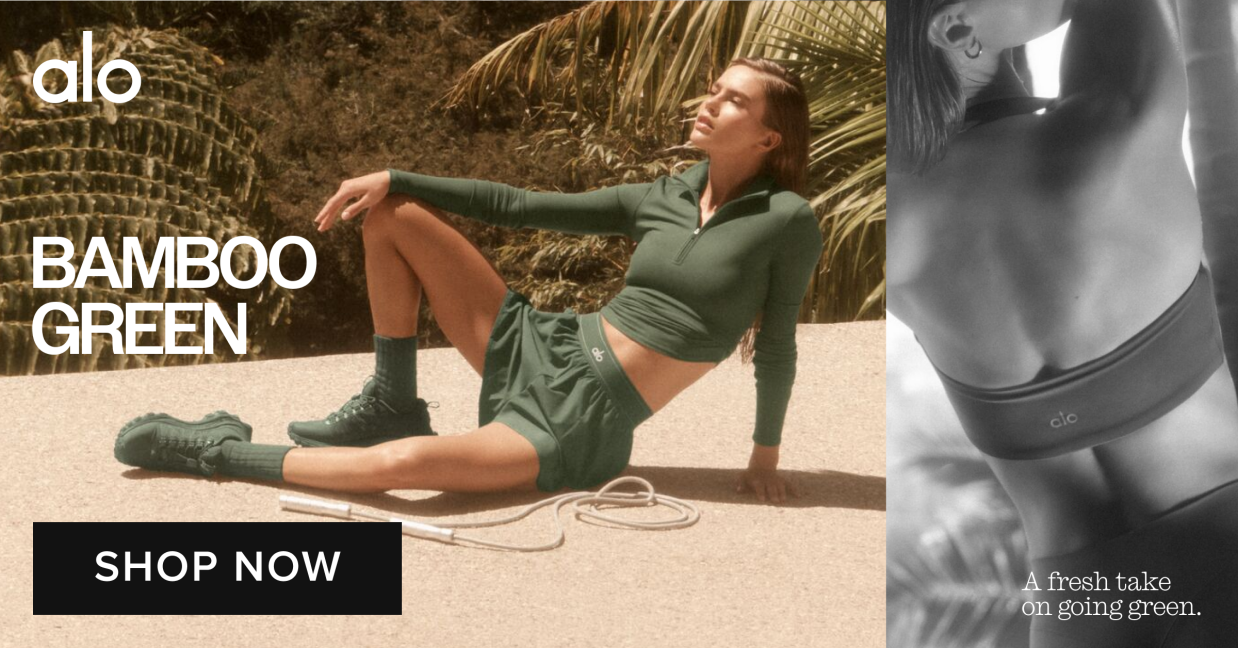
There is a kind of green that does not shout. It does not compete with neon or chase the candy-bright palettes of high summer. Bamboo Green arrives quietly, like the first cool morning after a long stretch of heat — and it stays. Alo Yoga’s newest colorway draws from the stillness of bamboo groves: a muted, earthy green with grey undertones that keep it grounded, never garish. It is the kind of shade that looks intentional without trying too hard, and it moves seamlessly from the mat to the street without announcing the transition.

Born from a different kind of green

Alo Yoga has always carried “green” in more than one sense. The brand name itself stands for Air, Land, Ocean — three natural elements that anchor its commitment to ethical production and environmental awareness. Bamboo Green extends that philosophy into color. The hue takes its cue from the plant itself: resilient, fast-growing, and quietly adaptive. It is a green that feels less like a trend and more like a return to something essential. In a market flooded with seasonal color drops that burn bright and fade fast, Bamboo Green offers a slower, steadier kind of relevance.

PHOTO CREDIT | Alo Yoga

A palette built for real life, not just workouts

The Bamboo Green collection spans 37 products across women’s and unisex styles, covering the full arc of an active day. Core pieces include the Airlift Suit Up Bra and Airlift Lotus Bra, both cut from Alo’s signature Airlift fabric — a micro-performance double-knit with a subtle sheen that sculpts and supports without feeling restrictive. The Match Point Short and Wild Thing Bra bring the same color into lighter, more breathable silhouettes for warmer sessions. For layering, the Socialite Shacket offers a relaxed, oversized structure that works as easily over leggings as it does over a dress. The Aspire Tank in Bamboo Green/White introduces a clean two-tone contrast for those who want the shade without committing to a full monochrome look.

What ties these pieces together is not just the color — it is the fabric philosophy. Airlift is composed of 84% polyester and 16 elastane, delivering four-way stretch that recovers quickly and holds its shape through repeated wear. The fabric is moisture-wicking and quick-drying, designed to move sweat away from the skin during intense training while staying breathable enough for everyday wear. In Bamboo Green, the performance technology reads less like gym gear and more like a considered wardrobe choice.

Studio-to-street, without the switch

Alo Yoga has built its identity around the idea of “Studio-to-Street” — clothing that serves the practice and then keeps going. Bamboo Green makes that transition effortless. The Suit Up Trouser in this shade, cut from a lightweight stretch fabric with a boxer-style waistband, moves from a morning flow to a coffee meeting without a costume change. The Accolade Straight Leg Sweatpant brings the same color into a softer, street-ready silhouette with a chrome Alo logo detail. Paired with the Cropped Mountain Peak Full-Zip Hoodie, the full look lands somewhere between athletic and architectural — polished enough for errands, relaxed enough for recovery.

For those who prefer a more structured layer, the Socialite Shacket in Bamboo Green adds a tailored edge to the collection. Its oversized fit and clean lines make it an easy throw-on over a sports bra and leggings, or layered over a slip dress for something less predictable. This is the kind of piece that proves color can be versatile when it is chosen with intention.

PHOTO CREDIT | Alo Yoga

Why this green, and why now

Most activewear color stories fall into two camps: the safe neutrals (black, grey, white) and the seasonal pops (coral, lilac, electric blue). Bamboo Green sits deliberately between them. It has the depth of a neutral but the character of a statement. The grey undertones make it flattering across skin tones, while the muted saturation keeps it from feeling juvenile. It pairs naturally with black, cream, and camel — the building blocks of a functional wardrobe — but also holds its own against denim, leather, and knit textures. In a season that often leans into either austerity or excess, Bamboo Green offers something in between: calm, grounded, and quietly confident.

The collection is available now on Alo Yoga’s new arrivals page, with select pieces marked as limited editions. For those building a wardrobe that works as hard as they do — and looks like it was chosen, not defaulted into — Bamboo Green is the shade worth starting with.

Explore the Bamboo Green collection at aloyoga.com and find your next everyday essential.

CAPRI CORE TO RESORT GLAMOUR: HOW TO STYLE BLUE SWIMWEAR WITH SAMIOL'S SUMMER EDIT

From Mediterranean holiday feeds to curated Pinterest boards, ocean-inspired blue is this season’s hero shade. Driven by social media trends like #CapriCore—which channels retro Italian riviera style—and #ResortGlamour, which embraces "swim-to-street" dressing, blue has become the go-to shade for elevated vacation style. 

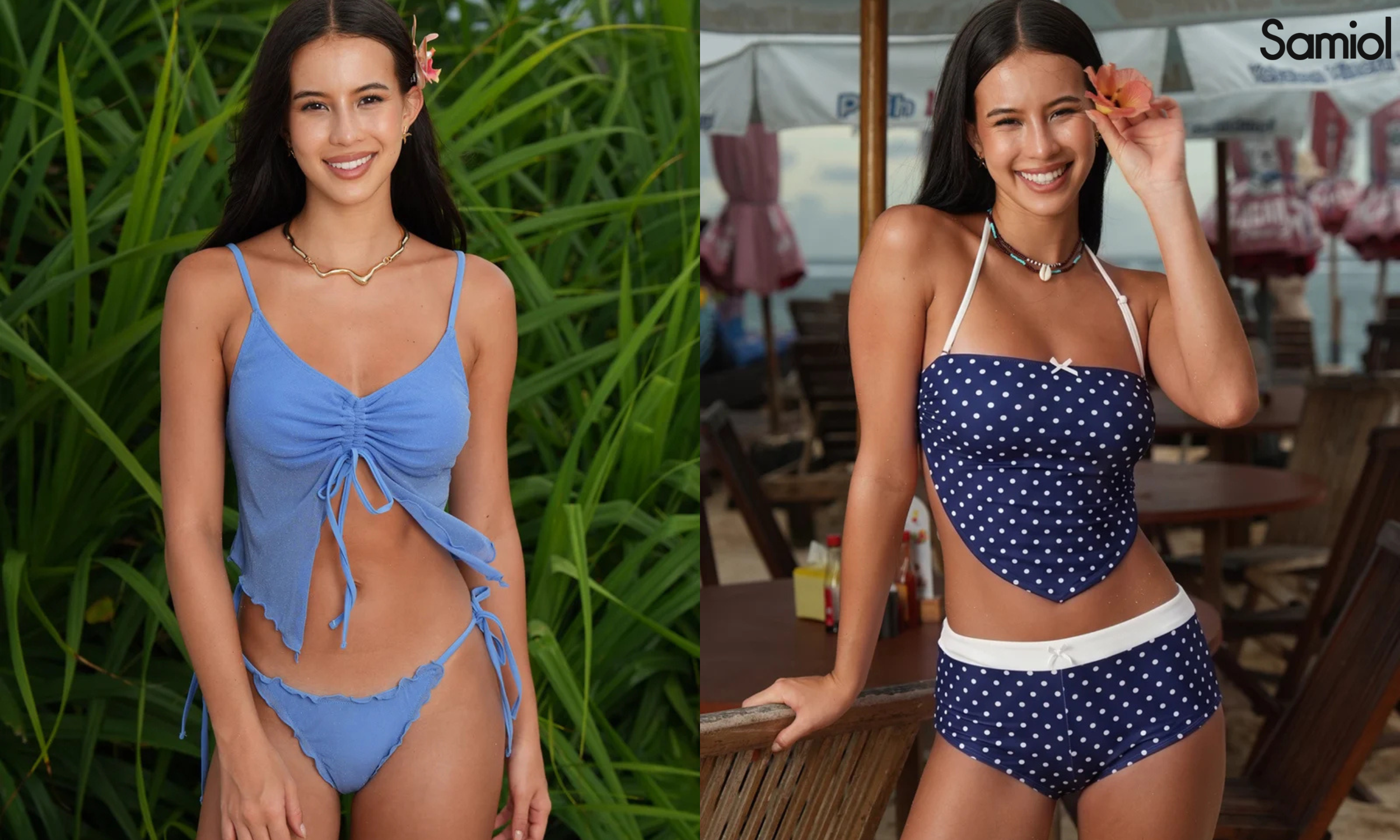
That "swim-to-street" transition is where SAMIOL’s Blue Swimsuits Collection really shines. Instead of basic, single-season beachwear, SAMIOL focuses on tactile depth and day-to-night flexibility. From saturated royal blues to calming ocean tones, each piece incorporates unique tactile details—including shimmering lurex fabric, lightweight sheer mesh, plush terry cloth, and ruffle-trimmed or backless cuts. The result is a lineup of supportive tankinis that easily double as sleek bodysuits once you step off the beach.

Here is how to style SAMIOL’s key pieces to bring these two trending vacation aesthetics to life.

1. Capri Core: Retro Textures & Coastal Nostalgia

Capri Core is all about breezy, low-maintenance Italian elegance—think sun-drenched cliffside towns, lemon groves, and slow mornings by the water. To pull this off, focus on tactile, vintage-inspired fabrics.

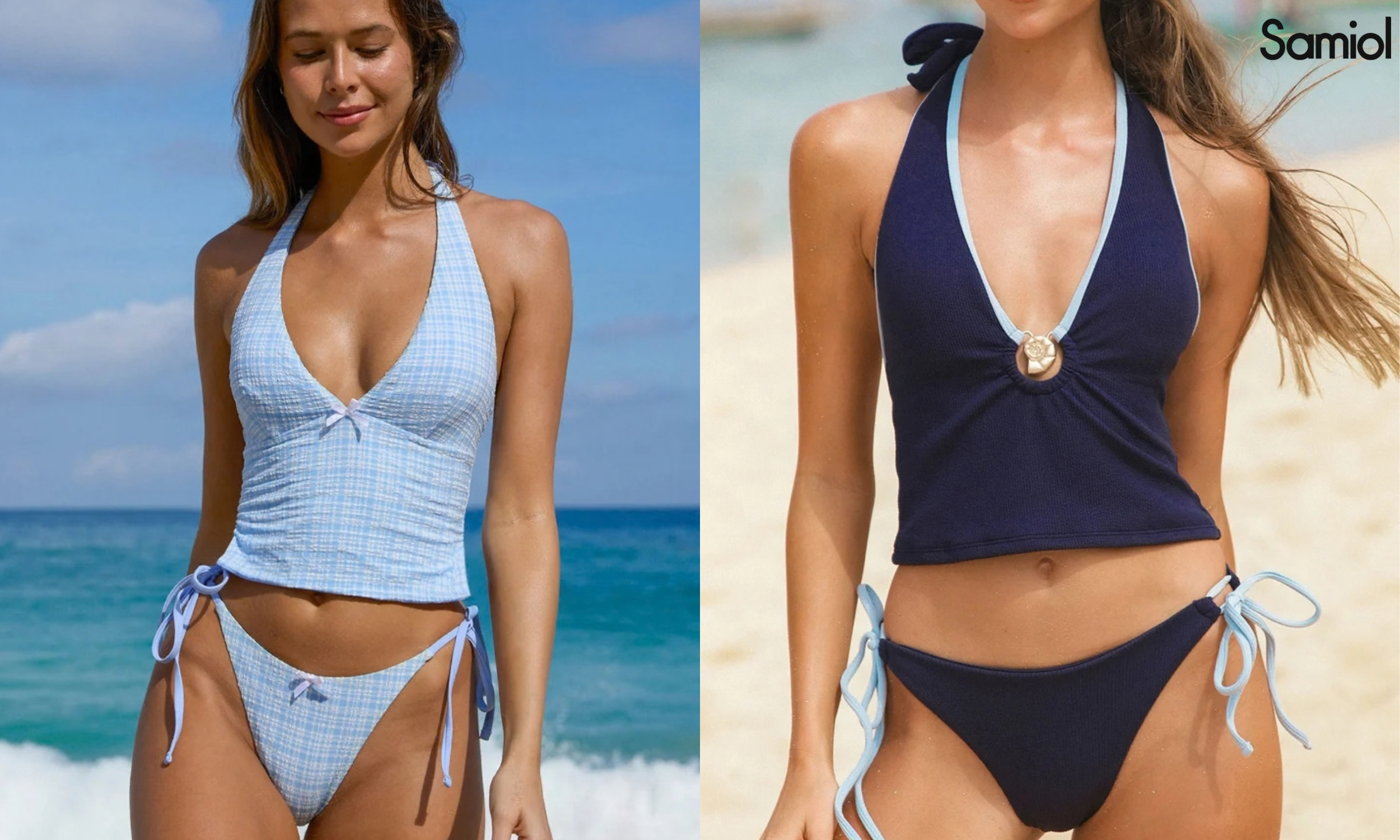
Gingham nostalgia with the Blue Knitted Plaid Tankini Set: Crafted with a cozy, textured knit plaid pattern, this set brings an unmistakable 1960s seaside charm. Style it by throwing an oversized, unbuttoned white linen shirt over top, paired with handcrafted woven slides and dark sunglasses for an afternoon sipping an iced espresso at a cliffside café.

Coastal charm with the Blue Contrast Shell Tankini Set: Accented with delicate contrast shell details along the edges, this tankini combines nautical minimalism with subtle seaside elegance. Pair the tankini top with high-waisted denim shorts, a wide-brim straw hat, and woven sandals for a breezy morning stroll along the coast.

PHOTO CREDIT | Samiol

2. Resort Glamour: Sunset Shimmer & Evening Silhouettes

As late afternoon melts into golden hour, poolside dressing turns significantly sleeker. The trick dominating social feeds right now is treating high-design tankini tops as fitted bodysuits—letting you step straight from a sunbed to sunset cocktails without a trip back to your room. 

Golden-Hour shimmer with the Blue Lurex Wave Cut Tankini Set: SAMIOL weaves silver lurex metallic threads into knitted nylon, creating a subtle glitter that catches the warm sunset light along its scalloped wave edges. Style this top as a fitted bodysuit by tucking it into high-waisted, flowing silk trousers, complete with chunky gold hoops and metallic heels for rooftop cocktails.

Evening drama with the Royal Blue Polka Dot Backless Tankini Set: Drenched in a rich, jewel-toned royal blue with playful dot accents, this piece stands out with its striking low-back cut. Tuck it into a sweeping white maxi skirt to highlight the open back, layer a few gold bangles at your wrist, and you're ready for an open-air dinner by the beach.

PHOTO CREDIT | Samiol’s

The secret to a good holiday wardrobe is versatility, and blue swimwear makes that ridiculously easy. While blue is an unbeatable anchor for coastal trips, SAMIOL’s broader collection brings that same swim-to-street approach across plenty of other shades and silhouettes—taking you effortlessly from morning dips to candlelit dinners.

Begin curating your getaway wardrobe with the Blue Swimsuits Collection, or explore the full bathing suits at SAMIOL.

CHOOSING A COMMERCIAL ICE MACHINE FOR YOUR VENUE

Ice is one of those things nobody notices until it runs out. In a bar, cafe, or restaurant, it is a quiet workhorse behind almost every drink served. A good commercial ice machine keeps service smooth, drinks cold, and guests happy. The wrong one causes shortages, safety issues, and headaches at the worst moments.

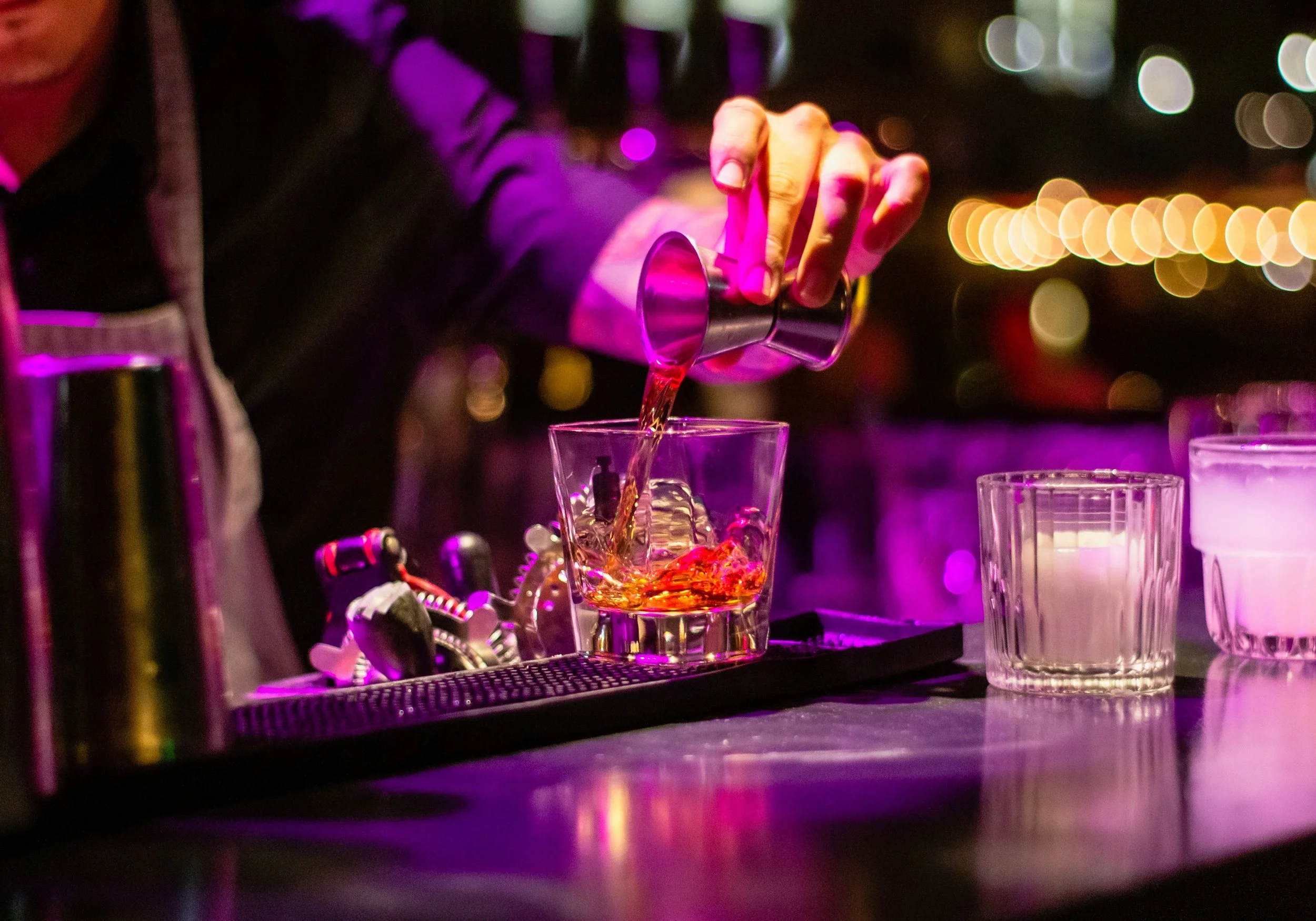
person pouring liquor in clear drinking glass

PHOTO CREDIT | Unsplash/Louis Hansel

Choosing well means matching the machine to how your venue actually works. Suppliers such as Toronto Commercial Ice Machines help operators find units sized and built for the demands of real service. This guide covers why ice quality matters, which ice type fits your venue, how to keep ice safe, and how to choose the right machine.

Why Does Ice Quality Matter In Hospitality?

Ice is classed as a food, so its quality and safety matter just as much as any ingredient. Poor ice can affect taste, dilute drinks unevenly, and even pose health risks. A reliable machine protects both the guest experience and your reputation. In hospitality, the small details like ice quietly shape how a venue is judged.

Ice matters for clear reasons:

  • Safety. Ice is food and must be kept clean.

  • Quality. Good ice chills without watering drinks down.

  • Consistency. Reliable supply keeps service moving.

  • Reputation. Cloudy or off ice puts guests off fast.

Busy periods, much like an Oktoberfest food and drink rush, test an ice machine to its limits. A unit that cannot keep up turns a good night into a scramble. Getting ice right is part of getting hospitality right.

Which Type of Ice Machine Fits Your Venue?

Not all ice is the same, and the right type depends on what you serve. Different ice shapes suit different drinks and uses. Choosing the wrong format can frustrate staff and guests alike. Matching ice to your menu is the first real decision.

The common ice types include:

  1. Cube ice. Slow-melting, ideal for most bar drinks.

  2. Nugget ice. Chewable and popular for soft drinks.

  3. Flake ice. Great for displays and food service.

  4. Gourmet ice. Clear, slow-melting for premium cocktails.

Guest expectations in a polished hotel and hospitality setting differ from those in a casual cafe. A high-end bar may want clear gourmet cubes, while a fast cafe needs volume. Pick the ice format that fits how your venue serves.

How Do You Keep Ice Safe and Clean?

Because ice is a food, keeping the machine clean is a daily responsibility, not an afterthought. Ice machines are warm, damp, and prone to mould, slime, and bacteria without care. A simple cleaning routine prevents most problems. Good habits protect guests and keep inspectors satisfied.

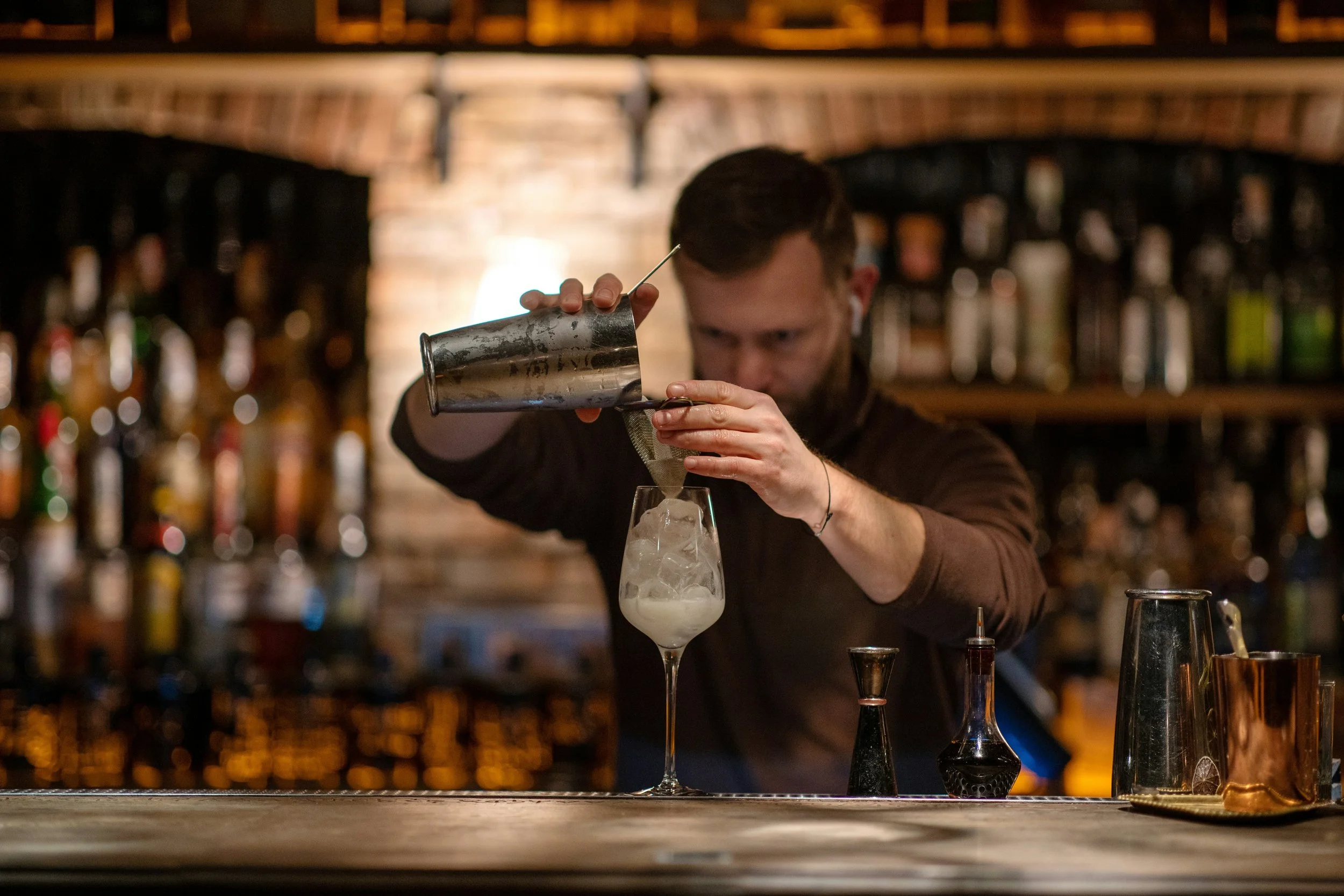
a man is making a drink at a bar

PHOTO CREDIT | Unsplash/Olena Bohovyk

Keep ice safe with these habits:

  • Clean regularly. Sanitize the machine on a set schedule.

  • Use a scoop. Never handle ice by hand.

  • Check water. Filter the supply feeding the unit.

  • Inspect often. Watch for slime, scale, or odors.

The CDC notes that ice machines can harbor contamination and should be cleaned regularly to stay safe. Industry guidelines on handling ice in foodservice spell out safe production and storage practices. Treat ice with the same care as any food, and it stays safe.

How Do You Choose the Right Machine?

The best ice machine fits your space, volume, and workflow. Oversizing wastes money and energy, while undersizing causes shortages mid-service. Matching capacity to real demand is the goal. A knowledgeable supplier makes that choice far easier.

Weigh these factors before buying:

  • Capacity. Size for your busiest 24 hours.

  • Space. Measure carefully, including clearance for airflow.

  • Cooling type. Choose air or water cooling to suit.

  • Energy use. Efficient units cut long-term running costs.

A typical busy bar can get through 150 to 300 pounds of ice a day, so sizing matters enormously. Buying for your peak service, not your quietest shift, prevents shortages when it counts. A good supplier helps you match the unit to your real numbers.

Ice That Keeps Your Venue Running

Choosing a commercial ice machine is a bigger decision than it first appears, because ice touches almost everything a venue serves. Treat ice as the food it legally is, match the ice type to your drinks and menu, and keep the machine clean with a simple daily routine. Size the unit to your busiest periods, mind the space and cooling type, and favor energy-efficient models to keep running costs down. Get those choices right, and a reliable ice machine quietly keeps your service smooth, your drinks cold, and your guests coming back.

Frequently Asked Questions

What Size Commercial Ice Machine Do I Need?

Size it to your busiest 24-hour period, not an average day. A small cafe may need well under 100 pounds daily, while a busy bar can use 150 to 300 pounds or more. Undersizing causes shortages mid-service, while oversizing wastes money and energy. Estimate your peak demand honestly, add a margin for growth, and ask a supplier to help match capacity to your real numbers.

What Type of Ice Is Best for a Bar?

It depends on the drinks you serve. Cube ice is the versatile standard for most bar drinks because it melts slowly and chills well. Nugget ice suits soft drinks and casual venues, flake ice works for displays and food, and clear gourmet ice elevates premium cocktails. Many bars use more than one type. Matching the ice format to your menu keeps both staff and guests happy.

How Often Should a Commercial Ice Machine Be Cleaned?

Regularly and on a set schedule, since ice machines are warm and damp and can harbor mold, slime, and bacteria. Most manufacturers and health authorities recommend a thorough cleaning and sanitizing at least a few times a year, with routine checks far more often. Because ice is legally a food, keeping the unit clean is a daily responsibility that protects guests and keeps you ready for inspection.

Should I Choose an Air-Cooled or Water-Cooled Machine?

Both have their place. Air-cooled machines are common, cost less to run, and suit well-ventilated spaces, though they add heat to the room. Water-cooled units handle hot or cramped environments better but use more water and may face local restrictions. The right choice depends on your venue's space, ventilation, and climate. A supplier can help you weigh the trade-offs for your specific setup.

EXPERIENCING THE REAL THAILAND BEYOND THE RESORT

A Thai beach resort is a wonderful place to do very little. But spend a whole trip behind the same poolside fence and you miss the country almost entirely. The real Thailand is out there, and it rewards travelers who go looking.

A traveler hiking a jungle trail to a waterfall in Thailand

PHOTO CREDIT | Unsplash/Peter Orsel

Getting beyond the resort takes a little effort and, ideally, a little local knowledge. Booking a licensed expert through a service like Your Thai Guide turns a passive holiday into an active adventure. This guide looks at why it is worth leaving the lounger, the experiences waiting for you, and how to prepare for a trip with real depth.

Why Go Beyond the Beach Resort?

Resorts are comfortable by design, which is exactly the problem. They are built so you never need to leave, and most people duly never do. The country beyond the gates is where the memories are made.

Stepping out rewards you with:

  • Authenticity. Real towns, food, and daily life.

  • Activity. Trekking, cycling, and exploring.

  • Connection. Actual encounters with local people.

  • Value. Experiences a buffet can never match.

None of this means abandoning comfort entirely. It simply means treating the resort as a base rather than the whole trip. A single day exploring often outshines a week of sunbathing. You do not need to be an intrepid backpacker, either; even a couple of guided day trips completely change the character of a holiday.

What Active Experiences Can You Have?

Thailand is a playground for active travelers of every level. From gentle to genuinely challenging, the options are enormous. There is far more here than lying still.

Consider building your days around:

  1. Trekking. Jungle trails and mountain villages up north.

  2. Cycling. Riding through rice paddies and ruins.

  3. Water. Kayaking, diving, and island hopping.

  4. Markets. Walking and eating your way through them.

The thrill of exploring somewhere raw and beautiful rivals a trip to the Patagonia region, just with warmer water and better street food. Chiang Mai in the north is a hub for active adventures. Mixing effort with reward is what makes a Thailand trip stick in the memory. Best of all, you can dial the intensity up or down to match how you feel each day.

How Does a Local Guide Reveal More?

You can find trails and markets alone, but a guide changes what you actually get from them. Local knowledge turns a nice day out into a genuine encounter. It also removes a lot of friction.

A cyclist riding past rice paddies in rural Thailand

PHOTO CREDIT | Unsplash/Rowan Heuvel

A guide reads the culture, not just the map, translating customs as well as words. They know which trail is worth the sweat and which market stall to trust. Much as a good local host reveals the true pulse and culture of Cuba, a Thai guide opens doors that stay shut to solo visitors. For active travel especially, that insight saves time and multiplies the payoff. It also keeps you safer on unfamiliar trails and roads, which matters once you leave the tourist track behind.

What Should You Sort Before You Go?

A little admin upfront keeps the adventure smooth. The essentials are simple, but skipping them causes real headaches. Handle these before you fly.

Tick off the basics first:

  • Documents. Check passport and any visa rules.

  • Health. Review recommended vaccinations early.

  • Fitness. Match activities to your real level.

  • Research. Know the areas you plan to visit.

Reading up on the current Thailand entry requirements and any regional safety risks in Thailand is time well spent. Pack light, breathable clothing and proper shoes for active days. A little preparation means you spend your energy exploring, not scrambling.

Making the Trip Count

Thailand gives its best to travelers who step beyond the resort gate. Understand what you miss by staying put, seek out the active experiences that suit you, and lean on local expertise to go deeper. Handle the practical basics before you leave, then throw yourself into the real country with energy and curiosity. Do that, and you will come home with stories no all-inclusive buffet could ever provide.

Frequently Asked Questions

Is It Worth Leaving the Resort In Thailand?

Absolutely. Resorts are relaxing, but they are designed so you never leave, which means most of Thailand passes you by. Beyond the gates lie real towns, incredible food, active adventures, and genuine encounters with local people. You do not have to give up comfort; simply treat the resort as a base for exploring. Most travelers find a single day out outshines a week by the pool.

What Active Things Can You Do In Thailand?

Plenty, at every fitness level. Popular options include jungle trekking, mountain villages up north, cycling past rice paddies and ruins, and water sports like kayaking and diving. Exploring the bustling markets on foot is an adventure in itself, and Chiang Mai is a particular hub for active travel. Matching activities to your fitness, and using a guide for tougher ones, keeps it safe and rewarding.

Do I Need a Guide to Explore Thailand Actively?

You can explore independently, but a licensed local guide dramatically improves the experience. They know which trails and markets are genuinely worth it, translate customs as well as language, and open doors that stay closed to solo visitors. For active travel, that insight saves time, improves safety, and multiplies each day. Booking a guide for the more adventurous parts is often the smartest upgrade you can make.

How Should I Prepare for an Active Thailand Trip?

Start with the admin: passport, visa rules, and vaccinations, all well ahead of time. Be honest about your fitness and match activities accordingly. Research the specific regions you plan to visit, including any current safety advice. Pack light, breathable clothing and proper footwear, plus sun protection and a water bottle. A little preparation frees you to spend your energy on exploring rather than sorting problems on arrival.