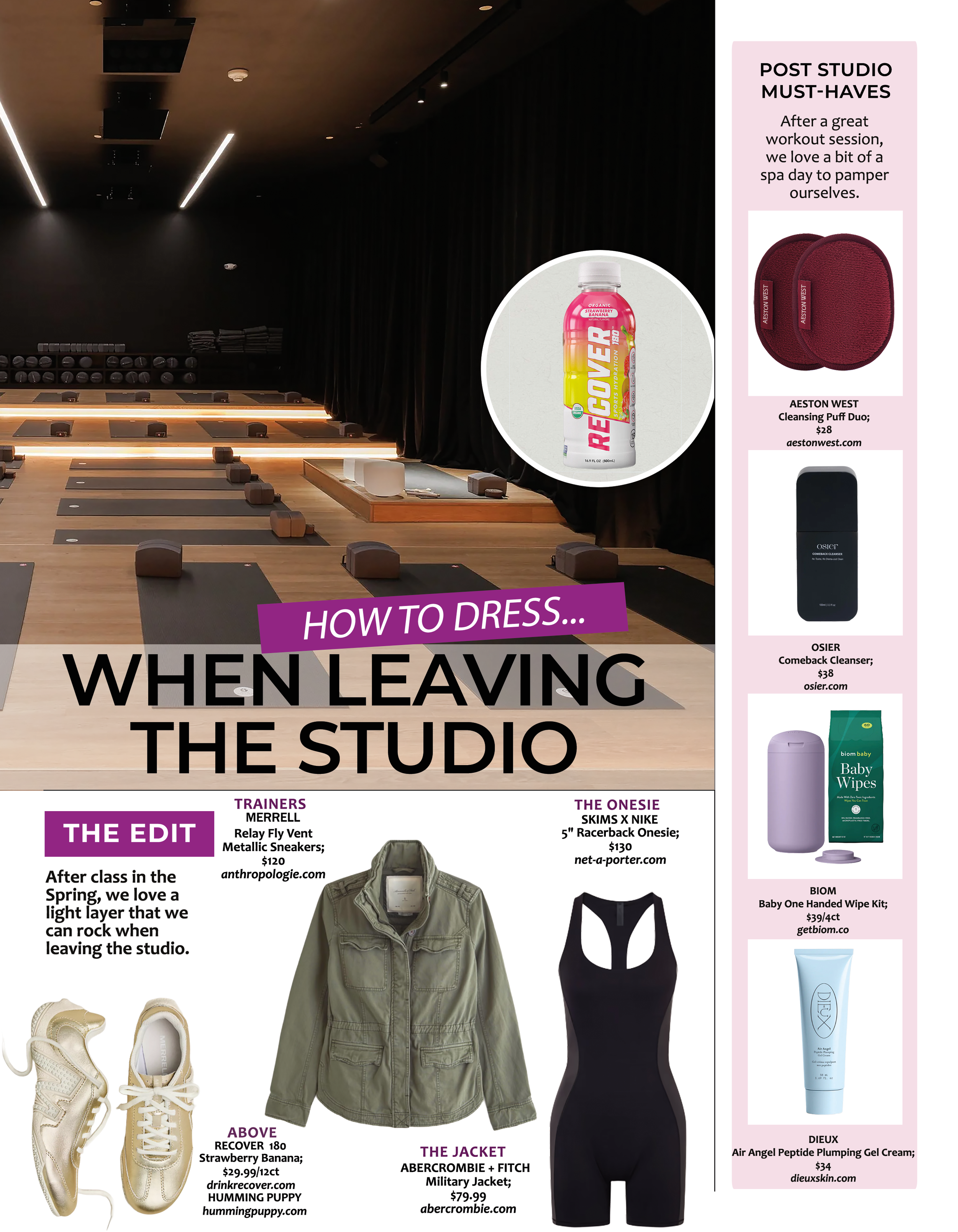
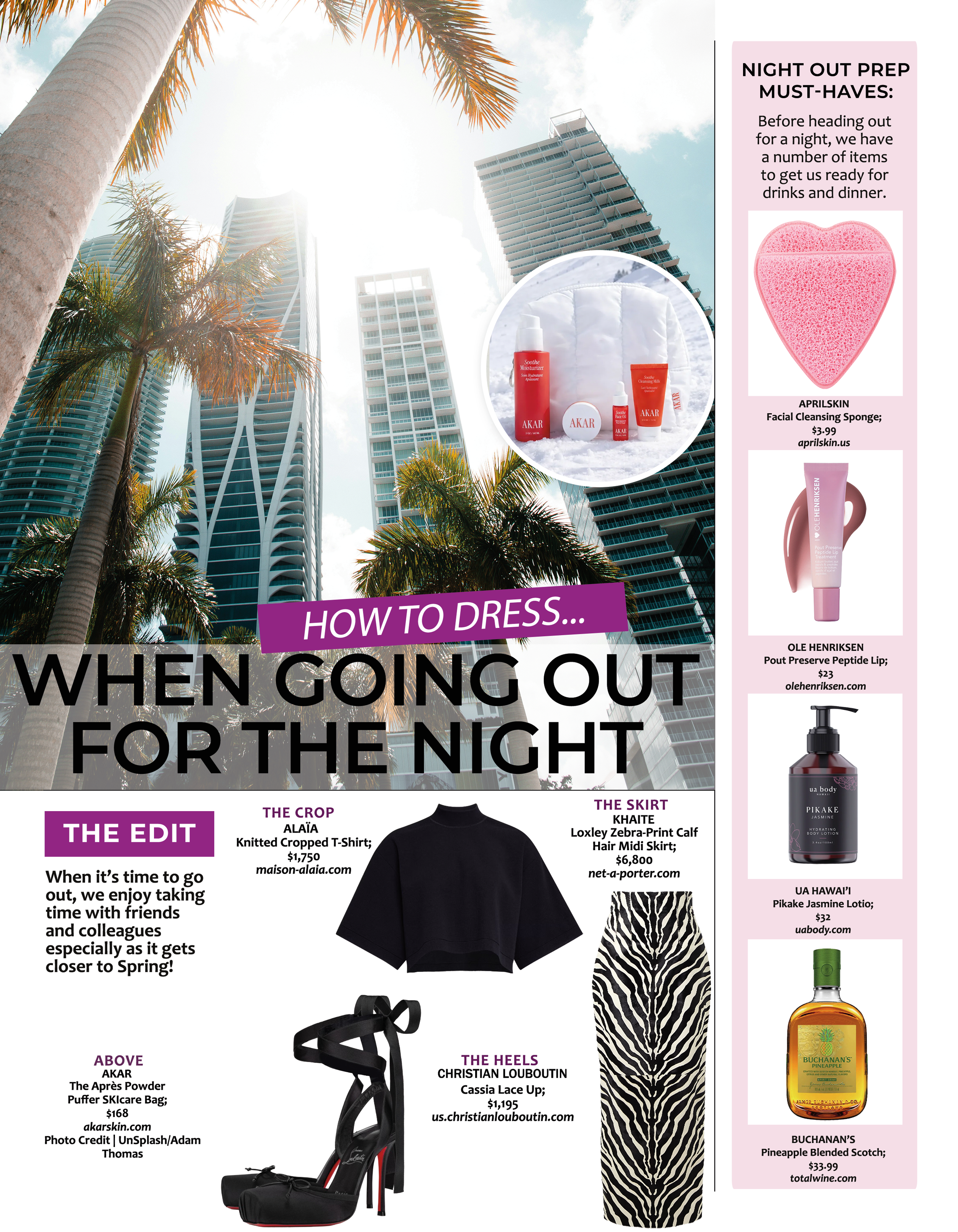
Read Athleisure Mag’s MAR ISSUE #123 and see ATHLEISURE BEAUTY in mag.
Featured




Read Athleisure Mag’s MAR ISSUE #123 and see ATHLEISURE BEAUTY in mag.
Running a successful live online fitness business takes more than just recording a great workout. Digital fitness has become a full-time income source for thousands of independent trainers and instructors, but you need the right tools to make it work. You need platforms that handle live streaming, client scheduling, membership billing, payment processing, and programme delivery without creating extra work. Picking the wrong platform means dealing with frustrated clients, losing money to high commissions or hidden fees, and wasting hours on admin tasks you could spend coaching. This guide breaks down five of the best tools for online fitness business software in 2026, from a streaming-first marketplace for fitness creators to complete business management systems and digital coaching apps built around live session delivery.
This guide pulls from official platform pages, independent software review sites, verified pricing data, and confirmed feature sets collected in 2026. Each platform was evaluated against five specific criteria relevant to fitness professionals running or scaling a live online business.
Selection Criteria:
Live streaming and video delivery capability: Platforms needed real-time live class delivery support, either built in or through tight integration with services like Zoom, since live sessions form the foundation of this business model.
Scheduling and booking management: Tools needed to let clients book, reschedule, and cancel on their own, cutting down admin time and letting trainers focus on delivery instead of logistics.
Payment processing and membership management: Platforms that manage recurring billing, package sales, and subscription payments without requiring separate tools got higher marks for simplifying daily revenue operations.
Client communication and engagement: Built-in messaging, automated reminders, progress tracking, or community features help trainers keep clients accountable and engaged, which directly affects retention and income.
Pricing structure and scalability: Platforms with transparent, predictable pricing that scales reasonably as your client base grows (without forcing solo trainers to pay enterprise-level fees) were prioritised.
Here are five platforms that meet the needs of fitness professionals running live online businesses in 2026:
Platform type: Perspire is a fitness streaming marketplace connecting trainers and users, built on a model similar to Twitch but made specifically for live and on-demand fitness content.
Free to join: Trainers and users both sign up for free without entering payment information; trainers set up a free channel to upload videos and stream live sessions.
Revenue model: Users buy Credits/Coins to access live streams, on-demand videos, and trainer channel subscriptions; trainers receive every coin spent on their content.
Live features: Trainers run live sessions with seat booking, interact with attendees during the class, and offer 1-on-1 coaching; recorded sessions stay available for on-demand rental afterward.
Content categories: The platform hosts Cardio, HIIT, Yoga, Meditation, Pre and Postnatal, Zumba, Strength, and more; it works via browser on desktop, laptop, tablet, and smartphone.
Perspire brings trainers and fitness enthusiasts together through live classes and on-demand video, applying the streaming model to fitness. Trainers set up a free channel, decide their own pricing, run live sessions with seat booking, and offer video rentals and channel subscriptions. This online workout platform for all fitness levels puts every coin spent on content directly into the trainer's account. The platform supports a wide variety of workout styles, costs nothing to join for either trainers or users, and works across all devices without requiring an app download.
Best For: Independent fitness trainers and instructors who want a streaming marketplace to grow an audience, monetise live classes and video content, and build a global client base without paying monthly platform fees.
Standout Feature: A credit-based revenue model where trainers receive 100% of coins spent on their content with no monthly fee to list or stream, making it a low-risk option for trainers starting out or scaling their online presence.
Founded: Mindbody started in 2001 in San Luis Obispo, California, as Hardbody Software and became one of the most used business management platforms in fitness and wellness.
Scale: Mindbody runs operations for 40,000+ businesses in 130+ countries, with 3.7 million active users booking through the app monthly; 720 million classes and appointments were booked via Mindbody in one year.
Pricing: Monthly plans for single-location businesses run from $129 to $699 based on feature needs; extras like Mindbody Messenger and branded mobile apps cost more.
Key features: Mindbody handles class scheduling, membership management, point-of-sale, automated email and text campaigns, staff management, payroll integrations (ADP, Paychex, Exact Payroll), and a branded mobile app for clients.
Marketplace: Businesses on Mindbody get listed in its consumer marketplace, where new clients can find and book services; over 22,000 first-time purchases happen via the Mindbody app monthly.
Started in 2001 in California, Mindbody became the most established all-in-one business management platform for fitness and wellness operations, powering 40,000+ studios and gyms across 130+ countries. The system includes class scheduling, memberships, point-of-sale, automated marketing, staff management, payroll integrations, and branded mobile apps, all linked to a consumer marketplace with 3.7 million monthly users. Plans cost $129 to $699/month, positioning Mindbody mainly for established studios and businesses with multiple locations.
Best For: Established fitness studios, boutique gyms, and multi-location businesses that want an all-in-one system with a built-in consumer marketplace for client discovery, paired with deep scheduling, marketing, and staff tools.
Standout Feature: Access to the largest fitness and wellness consumer marketplace, where 3.7 million monthly active users search and book classes, giving listed businesses constant exposure to new clients without separate ad spending.
Founded: TeamUp started in 2012 and operates from Palo Alto, California; it was acquired by DaySmart Software and serves thousands of fitness businesses globally.
Pricing: TeamUp costs start at $35/month and increase based on active customer count; there are no setup fees, no long-term contracts, and you can cancel anytime.
Live online classes: TeamUp connects directly with Zoom to run live classes, automatically creating unique Zoom links for each session, marking attendance, and letting you record classes for an on-demand library.
Integrations: TeamUp connects to 5,000+ apps and platforms via Zapier, with direct links to Mailchimp for email campaigns, Stripe and GoCardless for payments, and Gympass for corporate wellness programs.
Key features: TeamUp includes membership management, class scheduling, on-demand content library, branded member app, automatic waitlists, point-of-sale, instructor pay management, and detailed reporting.
Started in 2012 and based in Palo Alto, California, TeamUp is a membership and class management platform trusted by thousands of independent fitness businesses. For live online classes, it works directly with Zoom, auto-generating class links, tracking who shows up, and recording sessions for an on-demand library without extra setup. Pricing starts at $35/month based on active customer count, with month-to-month flexibility, no contracts, no setup fees, and free data import for businesses switching from another platform. All features come with every plan.
Best For: Independent fitness studios, CrossFit boxes, yoga and Pilates teachers, and martial arts instructors who want affordable, full-featured management software with built-in Zoom support for live online classes and no contract lock-in.
Standout Feature: Built-in Zoom integration that automatically creates unique class links for each session, marks attendees present when they join, and saves recordings to your on-demand library, all managed inside the TeamUp dashboard.
Founded: Acuity Scheduling started in 2006, created by Gavin Zuchlinski, and was acquired by Squarespace in April 2019; it still operates as a standalone service.
Pricing: Plans run from $16/month (Emerging) to $61/month (Powerhouse) for up to 36 staff members and locations; you get a 7-day free trial without entering payment info, and annual billing saves 20%.
Client self-booking: Acuity provides clients with a branded scheduling page where they can book, reschedule, or cancel on their own, with automatic timezone conversion so global clients always see correct times.
Key features: Acuity includes automated email and SMS reminders, intake forms, payment processing (Stripe, PayPal, Square), class size limits, package and subscription sales, gift certificates, resource booking, and HIPAA compliance on higher plans.
Integrations: Acuity works with Google Calendar, Outlook, Zoom, QuickBooks, FreshBooks, Mailchimp, Zapier, Google Analytics, and more; you can embed it on any website no matter what platform the site uses.
Started in 2006 by Gavin Zuchlinski and acquired by Squarespace in April 2019, Acuity Scheduling is a client booking and appointment platform used by fitness trainers, yoga studios, and wellness professionals worldwide. Clients book themselves via a branded page with automatic timezone detection, while trainers control availability, class size limits, packages, and payments. Plans cost $16 to $61/month with a 7-day free trial and a 20% discount on annual billing. Zoom integration supports virtual sessions directly.
Best For: Solo fitness trainers and small studios that want a clean, client-facing booking experience with automated reminders, flexible payment options, package and subscription sales, and easy Zoom integration for virtual sessions at a lower price than full gym management platforms.
Standout Feature: Automatic timezone conversion on every booking page, so clients booking a live class from anywhere always see accurate local times, eliminating scheduling mistakes for fitness businesses with global or spread-out client bases.
Founded: ABC Trainerize started in 2009 and is now part of ABC Fitness Solutions; over 400,000 fitness professionals use it to coach more than 1.6 million clients globally.
Free plan: ABC Trainerize offers a free-forever plan for up to 1 coaching client without requiring payment info; paid plans scale by client count and include a 30-day free trial.
Live sessions: ABC Trainerize works with Zoom to deliver live 1-on-1 and group training sessions inside the platform; you can schedule and manage sessions through the app.
Key features: The platform includes a custom workout builder, nutrition coaching with MyFitnessPal sync, habit tracking, in-app messaging (text, video, voice), progress tracking, payment processing, leaderboard and threshold challenges, Fitbit integration, an Apple Watch app, and Android and iOS client apps.
White-label option: Enterprise plan users can fully brand the mobile app with their own logo and identity, creating a custom coaching app for their clients.
Started in 2009 and now part of ABC Fitness Solutions, ABC Trainerize is used by 400,000+ fitness professionals coaching over 1.6 million clients worldwide. The platform combines workout programme delivery, nutrition coaching, habit tracking, in-app messaging, payment processing, and Zoom-powered live sessions in one coaching app. A free plan for one client is available permanently; paid plans scale by client count with a 30-day free trial. Enterprise users can launch a fully white-labelled mobile app under their own brand.
Best For: Personal trainers and online coaches who want a dedicated digital coaching platform combining workout delivery, nutrition coaching, habit tracking, progress monitoring, and Zoom live sessions with a free starting plan and scalable pricing as the client base grows.
Standout Feature: A free-forever plan for up to 1 coaching client combined with fully scalable paid pricing, plus a white-label branded mobile app on the Enterprise plan, making it accessible for new coaches and powerful for growing coaching businesses.
A streaming marketplace works well for trainers building a content audience and selling classes at scale, while a scheduling and membership platform fits trainers who run a set timetable with regular clients. Choosing a tool built for the wrong model creates friction in the parts of your business that matter most.
Some platforms handle live delivery on their own, while others connect to third-party tools like Zoom. If live sessions form the center of your business, test the full booking-to-stream flow before committing to make sure it works smoothly for your clients.
Many platforms charge more as your client or member count grows, and some add fees for features like branded apps, marketing tools, or payment processing that seem included at first. Calculate your expected monthly cost at your target client volume, not just your starting cost.
Some tools process payments directly and pay you on a defined schedule, while others route through Stripe or PayPal with their own timelines. Confirm the payout frequency, any transaction fees, and which payment methods work in your country before signing up.
The platform your clients use for booking, watching classes, and tracking progress directly affects whether they stay. A tool that is easy to use and professionally presented from the client side will always outperform a feature-packed platform that confuses or frustrates the people paying you.
No single tool fits every type of live online fitness business. The right platform depends on whether you want to build an audience and monetise content, run organized class scheduling with recurring memberships, deliver detailed 1-on-1 digital coaching, or combine all three. Start by identifying the one or two areas of your business that create the most friction or cost you the most revenue right now, then choose the tool that solves those problems first. Many platforms offer free trials or free starting plans, so test before you commit. The best tool is the one your clients can use without confusion and the one you will actually maintain week after week. Simplicity and reliability beat long feature lists every time.

PHOTO CREDIT | Unsplash/Towfiqu barbhuiya
Sustainable weight management rarely comes from short bursts of motivation or rigid plans that are impossible to maintain. Instead, it grows out of consistent habits that connect movement, nutrition, and daily choices. When you’re new to the athleisure culture, the goal is to look good in activewear while feeling strong, energized, and balanced in everyday life.
This article breaks down how to build a realistic routine that starts in the gym and carries through to the kitchen. By focusing on consistency, practical strategies, and supportive tools, you can create a system that works long term rather than chasing temporary results.
A sustainable fitness routine begins with setting expectations that match your lifestyle. Many people fall into the trap of doing too much too soon, which often leads to burnout or inconsistency.
Start by choosing activities you genuinely enjoy. That could mean strength training, walking, cycling, or a mix of different workouts throughout the week. When exercise feels like a natural part of your routine rather than a punishment, you’re more likely to stick with it.
Frequency matters more than intensity in the early stages. Committing to three to four sessions per week creates a rhythm that your body and schedule can adapt to. Over time, you can adjust intensity or duration, but consistency should remain your priority.
Equally important is recovery. Rest days, quality sleep, and mobility work contribute to long-term progress. Without recovery, even the most structured fitness plan becomes difficult to maintain.
Even with a solid routine, many people benefit from structured support that helps reinforce their efforts. This is where external tools and guidance can help maintain momentum.
You can explore medically approved options alongside lifestyle changes, particularly when you need extra support managing appetite or portion control. And if you’re worried about the safety and access to treatments such as Orlistat, which can complement a broader weight management strategy when used responsibly, consult a trusted online pharmacy like Curely.
It’s important to approach these treatments as part of a larger system rather than as standalone solutions. Fitness, nutrition, and daily habits still form the foundation. These treatments simply help bridge gaps and make consistency more achievable for some individuals.
You create a more balanced approach that acknowledges both physical and behavioral challenges by combining structured support with healthy routines.
The kitchen is where long-term results are shaped. While workouts contribute to overall health and energy, daily food choices play a central role in weight management.
A sustainable approach to nutrition focuses on balance rather than restriction. Instead of eliminating entire food groups, aim to build meals around whole, nutrient-dense ingredients while allowing room for flexibility.
Planning ahead can make a significant difference. Prepare your meals or ingredients in advance to reduce reliance on convenience foods and help you stay aligned with your goals even during busy days.
Portion awareness is another key factor. Rather than tracking every calorie, start paying attention to hunger cues and eating slowly. This helps prevent overeating without creating unnecessary stress around food.
Hydration also plays a role that’s often overlooked. Drinking enough water throughout the day supports digestion, energy levels, and appetite regulation.
Consistency is often underestimated because it lacks the excitement of quick transformations. However, it’s the single most important factor in sustainable weight loss.
Small, repeatable actions build momentum over time. A 30-minute workout completed regularly is more effective than occasional intense sessions followed by long breaks. Similarly, consistently prepared balanced meals lead to better outcomes than strict diets that are difficult to maintain.
Tracking progress can help reinforce consistency. This doesn’t always mean stepping on a scale. Progress can include improved energy levels, better sleep, increased strength, or simply feeling more comfortable in your routine.
There will be setbacks. Travel, social events, or busy schedules can disrupt even the best plans. The key is to return to your routine without overcorrecting or giving up entirely. Long-term success depends on how quickly you reset, not on avoiding disruptions altogether.
Your environment influences your habits more than motivation alone. Making small adjustments to your surroundings can make healthy choices easier and more automatic.
Start with your kitchen. Keep nutritious options visible and accessible, while limiting highly processed snacks that can lead to mindless eating. This simple change reduces decision fatigue and supports better choices throughout the day.
Your workout environment matters too. Having a designated space for exercise or a gym you enjoy visiting can make it easier to stay consistent. Even preparing your workout clothes in advance removes friction and helps you follow through on your plans.
Digital environments also play a role. Follow content that promotes balanced, realistic fitness and nutrition to reinforce positive habits, and avoid extreme or unrealistic messaging, to help maintain a healthier mindset.
One of the biggest misconceptions about weight management is that it requires constant discipline without room for flexibility. In reality, a rigid approach often leads to burnout.
Flexibility allows your routine to adapt to real life. This could mean adjusting workout times, enjoying meals out without guilt, or modifying your plan during busy periods. When your routine can bend without breaking, it becomes sustainable.
Discipline still plays a role, but it should focus on maintaining core habits rather than enforcing perfection. Showing up regularly, making mindful choices, and staying consistent over time matter far more than following a flawless plan.
Striking this balance creates a healthier relationship with both fitness and nutrition. Instead of viewing them as obligations, they become integrated parts of your lifestyle.
Building a sustainable weight management routine requires more than motivation or short-term effort. It demands a balanced approach that connects fitness, nutrition, and daily habits in a way that fits your life.
By focusing on consistency, creating supportive environments, and using tools when appropriate, you can develop a routine that evolves with you over time. The goal isn’t perfection but progress that lasts.
When you approach weight management as a long-term commitment rather than a temporary fix, you create a foundation for lasting health, energy, and confidence, both in and out of the gym.


PHOTO CREDIT | Unsplash/Josh Berquist
One thing that is always of concern during the transportation of cars is safety, punctuality, and trust issues. Look for quality and a reliable service. Identifying these signs helps in ensuring peace of mind for every vehicle owner.
Reputable car shipping services in San Francisco inform clients consistently. Having timeline, process, and cost information upfront is important. This honesty will make sure you will have no surprise under the carpet or vague into the road. Quick response helps increase trust in the professionalism of the provider.
Reliable services provide comprehensive insurance to cover any possible damage during transportation. Clients are provided with clear documentation specifying what is covered. This assurance protects finances in case of issues. Anyone interested can easily access and review the insurance information.
Reliable shipping providers offer simple contracts. You can see all pricing from the outset with no nasty surprises later. A transparent fee indicates that the recruiter is open and honest about the charges they have. Trust can be established even before the car is loaded, and that is by having a clear-cut agreement.
Any organization is a reflection of its well-trained personnel. The knowledgeable staff provides helpful guidance from inquiry to delivery. That professionalism indicates the cars will be treated with respect. Treating every client with courtesy can consistently improve the entire experience.
Proven history offers reassurance. Trustworthy auto transporters give references and addresses of clients to back their claims. Ratings and repeat customers indicate continued pleasure. This allows past performance to become a consistent indicator of future service quality.
Legitimate businesses possess an operating license that is displayed to potential customers. Shows compliance with industry standards via certificates and regulatory compliance documents. Having these credentials showcases their commitment to providing legal and ethical practices. Always confirm licensing before entering into any contracts.
The quality of carriers and tracking systems determines the safety of transit. Top service providers utilize trucks that undergo regular maintenance and incorporate the latest technological advancements. A tracking system is used to empower customers to know the location of their car at any point in time. Avoidable accidents can be averted by good equipment.
Every vehicle has unique needs. A trustworthy auto transport service features different ways of car transport, from open to closed carriers, providing added protection. Convenient pickup and delivery options for freight brokers are great for those with busy lifestyles. Flexible solutions guarantee fulfillment, whatever the vehicle type or destination.
Another reflection of your commitment to your customer is that you deliver work within the promised timelines. What sets good companies apart from the rest is that they are always punctual with pickups and drop-offs. Being on time is an important sign of being a professional.
Attention to detail is demonstrated with thorough inspections before and after transport. Trustworthy businesses make a note of the state of each vehicle. The coverage, like straps and padding, protects them from scratches or dents, which is useful during transportation. This lessens the likelihood of unintentional damage.
Prompt questioning and solving of queries are signs of good support teams. Information availability eases clients' concerns throughout the process. These providers are always accessible, ensuring multiple communication channels, such as phone and email, are available for your convenience. Reliable support builds confidence and trust.
Industry organizations make strong recommendations, and that reinforces a provider's credibility. They demonstrate their commitment to maintaining high standards through their awards or membership in respected associations. This is another element of assurance for prospective customers because of peer recognition. A strong reputation tends to be years in the making.
Easy payment options simplify the booking process. Well-respected companies accept different forms, so they provide security alongside. Payment instructions that can cure confusion and increase the efficacy of the process include clear guidelines on how to complete transactions, what payment methods are accepted, and any necessary steps to finalize the booking. Flexible arrangements enable a wider general public to avail of the service.
When selecting a reliable car shipping service, pay attention to a few important characteristics. These should avoid disappointments down the road by careful digging and research into things like communication, insurance, pricing, and professionalism. Reliable providers stand out due to the maintenance of their equipment, their ability to stick to a schedule, and their flexible solutions.


PHOTO CREDIT | Unsplash/Abhay siby Mathew
Why You Should Start Personalizing Your Sports Apparel
Sports apparel has always been a visible way for fans to show loyalty. Shirts, scarves, and caps signal which team you support and where your allegiances lie. But as fan culture evolves, standard merchandise is no longer the only way to express that connection.
Here is an overview of how personalization is becoming a powerful way to turn simple apparel into far more meaningful items.
Moving Beyond Mass-Produced Identity
Official merchandise is designed for scale. It is created to appeal to as many fans as possible, which often means it lacks individuality. While wearing a team shirt still shows support, it rarely reflects anything unique about the person wearing it.
Personalized apparel changes that dynamic. It allows fans to go beyond simply supporting a team and instead express how they support it. Whether it is a nickname, a meaningful number, or a subtle design reference, these details transform apparel into personal belongings rather than generic ones.
Creating a Stronger Emotional Connection
The strongest fan experiences are emotional. They are tied to memories, traditions, and moments that feel personal. Customizing sports apparel taps directly into this.
A hat that references a specific match, a slogan that only fellow fans understand, or a design inspired by a historic moment can carry far more meaning than a standard logo. Over time, these items become reminders of experiences rather than just products.
Standing Out in a Saturated Market
Walk into any stadium or sports bar and you will see thousands of fans wearing similar kits. While this shared identity is part of the appeal, it also creates a sense of uniformity.
Personalized apparel offers a way to stand out without disconnecting from the team. It allows fans to remain part of the collective while still expressing individuality. This balance between belonging and uniqueness is what makes customization so appealing.
A Gateway into Creativity and Business
For many fans, personalizing apparel starts as a creative outlet but can quickly evolve. Designing custom pieces encourages experimentation with colors, typography, and ideas that resonate with specific fan communities.
Platforms that offer personalized hats online make it easier than ever to turn these ideas into real products. With low barriers to entry, fans can test designs, gauge interest, and even build small brands around their creations. What begins as personal expression can become a scalable business opportunity.
Reflecting Changing Fan Culture
Modern sports fandom is more participatory than ever. Fans are not just watching games; they are creating content, building communities, and shaping conversations, and personalized apparel fits naturally into this shift.
It allows fans to contribute to the culture rather than just consume it. A unique design can spark conversations, attract attention online, and even influence trends within specific fan groups.
Making Apparel More Versatile
One limitation of traditional sportswear is that it is often tied to specific occasions. Jerseys, for example, are typically worn on matchdays or during events.
Personalized apparel can be designed with versatility in mind. Subtle designs, creative branding, or minimalist styles make it easier to incorporate sports-inspired clothing into everyday outfits. This extends the value of each item and makes fandom a constant presence rather than one that is reserved for certain moments.
Strengthening Community Through Shared Meaning
While personalization focuses on individuality, it can also strengthen community bonds. Designs based on shared experiences, inside jokes, or fan traditions create a sense of connection among those who recognize them.
This layered meaning adds depth to fan interactions. A simple piece of apparel can become a conversation starter, a symbol of belonging, or even a marker of shared history.
The Shift Towards Meaningful Expression
The move towards personalized sports apparel reflects a broader trend. People are increasingly looking for products that feel meaningful rather than mass-produced. They want items that tell a story, represent their identity, and connect to their experiences.
In sports, where emotion plays such a central role, this shift is even more pronounced. Fans are no longer satisfied with simply wearing a badge; they want to shape how that badge is represented.
Turning Support into a Personal Concept
Personalizing sports apparel is not about replacing traditional merchandise; it is about enhancing it. It gives fans the freedom to take something familiar and make it their own.
Whether you are looking to stand out, create a meaningful possession, or explore a potential business idea, customization offers a practical and creative way to deepen your connection to the sport.

Read the MAR ISSUE #123 of Athleisure Mag and see MATCHA BEAUTY in mag.

Read the MAR ISSUE #123 of Athleisure Mag and see 9PLAYLIST | ILLENIUM in mag.
Indoor golf training depends on a clear, bright image that tracks every shot with precision. A poor projector setup can distort the screen, cast shadows, and reduce detail. However, the right setup turns a basic room into a focused practice space that supports real skill growth.
To set up the right projector for indoor golf training, a golfer should choose a model with the correct throw ratio and at least 3,000 lumens of brightness, match it to the screen size and aspect ratio, and mount it at the proper distance and height to avoid shadows and image distortion. This approach creates a sharp picture that fills the impact screen without glare or blur.
The sections ahead break down how to select the best projector for the space, how room size affects placement, and how to install the unit with care. With the right plan, any golfer can build a clean and accurate indoor setup that supports steady practice at home.
The right projector shapes how real the course looks and how clear the data appears on screen. Image quality, throw distance, brightness, and resolution all affect how well the simulator performs in a home setup.
A projector for indoor golf must handle fast ball speeds and sharp graphics. It should support at least 1080p resolution, strong contrast, and accurate color. Clear turf, sky, and hazard detail help the player read distance and spin without strain.
Throw ratio also matters. The projector must fill the impact screen without shadows from the player or club. Ceiling mount support and lens shift add flexibility in tight rooms.
For a professional home golf simulator, durability and lamp life deserve attention. Golf sessions often last over an hour. Therefore, a projector with a long lamp life or a laser light source reduces maintenance and keeps image quality stable over time.
Low input lag supports smooth ball flight animation. In addition, multiple HDMI ports allow easy connection to launch monitors and control systems.
Short-throw projectors sit close to the impact screen. They create a large image from a short distance, often 3 to 6 feet away. As a result, they reduce shadows and protect the unit from stray shots if mounted above and slightly behind the player.
However, short-throw models demand exact placement. Small alignment errors can distort the image. They also cost more in many cases.
Standard throw projectors need more depth, often 8 to 15 feet from screen to lens. They allow easier alignment and may cost less. Yet they require enough room behind the hitting area.
Room size usually decides this choice. A garage with limited depth often suits a short throw. A long basement room can support a standard throw without issue.
Brightness, measured in lumens, affects image clarity under indoor light. Most golf simulator rooms need at least 3,000 lumens. Rooms with bright overhead lights may require 3,500 lumens or more.
Lower brightness can work in dark spaces. However, many players prefer some light for safety. Higher lumen output keeps the image sharp even with lights on.
Resolution should match screen size. Full HD (1920x1080) works well for most home setups. Larger screens, such as 12 feet wide or more, benefit from 4K resolution. The higher pixel count keeps text and course detail crisp.
Therefore, balance brightness and resolution with room size and budget. A clear, bright image helps the player trust both visuals and shot data during practice.
Proper setup affects image clarity, ball tracking accuracy, and player safety. A clear plan for placement, screen choice, and software setup helps the projector perform as expected in a golf training space.
Projector placement starts with throw distance. The owner should check the projector’s throw ratio and match it to the room depth and screen width. For example, a projector with a 0.5:1 throw ratio needs about 5 feet of distance for a 10‑foot wide screen.
Short‑throw models work best in most golf bays. They sit close to the screen and reduce shadows from the player and the club. Ceiling mount placement also keeps the unit out of the swing path and lowers the risk of damage.
The lens should align with the center of the screen. If the projector sits too high or too low, image distortion appears. Use lens shift if available, since keystone correction can reduce image sharpness.
The mount must hold the projector steady. Even slight movement can affect image alignment and ball data on the screen.
A golf impact screen must handle ball speed and frequent contact. Thick, tightly woven fabric works better than thin material. The screen should stretch flat across a frame to prevent wrinkles and image distortion.
The bottom of the screen should sit close to the floor. A small gap can cause bounce back or let light pass through. In addition, side netting or curtains protect walls and contain stray shots.
Screen size depends on room width and ceiling height. A 16:9 aspect ratio matches most projectors and golf software. However, the player should confirm that the simulator supports that format to avoid black bars or cropped images.
Room light also affects picture quality. Dim overhead lights near the screen and direct brighter light toward the hitting area instead.
The projector should connect to the simulator computer through HDMI for the best video signal. Secure cables along the ceiling or wall to prevent trips or damage.
Next, set the computer display resolution to match the projector’s native resolution. A mismatch can create blur or scaling issues. The refresh rate should also match the projector’s supported range.
After image setup, adjust focus and test alignment inside the golf software. Many programs offer calibration tools that align the virtual hitting area with the real mat. The player should confirm that the ball impact appears in the correct screen location.
Audio setup also matters. External speakers placed near the screen create clear feedback without echo from the rear of the room.
A golfer should match the projector type to the room size, screen width, and ceiling height. He or she must set the correct throw distance and mount height so the image fills the screen without shadows or glare. In addition, proper brightness and light control help the picture stay clear and easy to read. With the right setup and careful adjustment, the indoor golf space can deliver a sharp image that supports steady practice and accurate feedback.

PHOTO CREDIT | Unsplash/Florian Schmidinger
The way people live at home has changed significantly in recent years. Spaces are expected to support productivity, recovery, movement, and overall well-being. A home can now serve as an office, a place to recharge, and even a personal fitness environment within the same footprint.
This shift has raised expectations for how homes are built from the start. Layout, structural integrity, materials, and environmental performance all shape daily life. Construction decisions can influence everything from how natural light moves through a room to how well a space supports focus or relaxation.
Modern living calls for homes that are intentional in every detail. Open flow, durable materials, efficient insulation, and thoughtful spatial planning have become essential for a home that can keep up with an active and evolving lifestyle.
At the center of this transformation is the quality of construction. A well-built home creates the foundation for comfort, function, and long-term performance.
A high-performance home is built with intention at every level. It begins with a layout that supports how people move through their day. Open pathways, defined zones, and efficient use of space all contribute to a smoother rhythm from morning to night.
Energy efficiency is another key factor. Proper insulation, high-quality windows, and airtight construction help regulate indoor temperatures and reduce energy waste. These features improve comfort while lowering long-term operating costs.
Durability is equally important. Materials selected during construction determine how well a home holds up over time. Flooring, structural components, and finishes should withstand daily use without demanding constant maintenance or early replacement.
There is also a strong connection between construction quality and everyday experience. Noise control, air circulation, and lighting conditions all depend on how the home is built. When these elements are handled well from the beginning, the result is a space that feels balanced, functional, and ready to support modern living.
Behind every well-functioning home is a level of planning and execution that often goes unnoticed. While finishes and décor tend to draw attention, the real performance of a space is determined much earlier during the construction phase. Decisions made at this stage influence how the home feels, how it functions, and how well it performs over time.
Working with an experienced professional ensures that each part of the build aligns with both structural requirements and lifestyle goals. From accurate measurements and load considerations to material selection and installation methods, expertise helps reduce costly errors and inefficiencies. Poor construction choices can lead to uneven surfaces, inadequate insulation, and long-term maintenance issues that affect daily comfort.
Choosing a qualified professional such as a K Graber construction contractor allows homeowners to move forward with greater clarity and confidence. It reflects a commitment to precision, accountability, and a standard of work that supports both immediate needs and future use.
A well-executed build brings together structure, function, and usability in a way that feels natural. Spaces flow better, systems perform as intended, and the overall environment stays consistent throughout changing seasons and routines.
A home has a direct impact on how people feel, both physically and mentally. The quality of construction plays a major role in shaping that experience. Air circulation, temperature stability, lighting, and sound control all begin with how the space is built.
Air quality, for example, depends on proper ventilation, well-sealed structures, and materials that do not introduce harmful pollutants. When these elements are handled correctly, the indoor environment feels cleaner and more balanced. This can support better focus, improved sleep, and overall well-being. Standards around indoor environmental quality show how construction decisions can influence long-term health outcomes.
Comfort is also closely tied to insulation and temperature regulation. A well-constructed home maintains consistent conditions throughout the day, avoiding sudden shifts that can disrupt rest or productivity. This is especially valuable in spaces designed for recovery, where a calm and stable environment supports relaxation after physical activity or long work hours.
Sound control is another important factor. Proper wall construction, flooring choices, and insulation techniques reduce unwanted noise, creating quieter and more focused living areas. Whether the goal is a peaceful home office or a restful place to unwind, these details improve how the home functions each day.
Every home begins with an idea of how it should look and feel, but turning that vision into a functional space depends on the quality of execution. Custom construction allows each detail to be shaped around specific needs instead of forcing a lifestyle into a generic layout.
Tailored construction aligns the structure with daily habits. Room dimensions, ceiling heights, storage solutions, and transitions between spaces can all be planned with purpose. This creates a more natural flow and makes the home easier to use.
Material selection also plays a major role. High-quality materials contribute to durability and visual consistency. From structural components to finishing details, each choice affects how the space performs over time. Surfaces that resist wear and finishes that maintain their appearance add lasting value.
Craftsmanship is what brings these elements together. Precision during installation ensures that everything fits and functions as expected. Clean lines, proper alignment, and close attention to detail elevate the final result and create a space that feels cohesive and well considered.
The true value of a home becomes clearer over time. While initial construction costs often receive the most attention, long-term performance matters far more. A well-built home reduces the need for frequent repairs, lowers the risk of unexpected expenses, and maintains its functionality through years of daily use.
Quality construction has a direct effect on maintenance demands. Proper installation, durable materials, and accurate structural work help prevent issues such as cracking, shifting, or premature wear. This allows homeowners to spend more time enjoying the space and less time fixing it.
There is also a strong connection between construction quality and property value. Homes built with attention to detail and solid craftsmanship tend to retain their appeal in the market. Buyers notice the difference between a space built to last and one that may require significant future investment.
Efficiency adds another layer of long-term value. Energy-conscious building methods can lower utility costs and reduce strain on systems over time. Heating, cooling, and insulation all work more effectively when the structure supports them properly.
Investing in the right construction approach creates a home that remains reliable, efficient, and comfortable well into the future.
Modern homes need to keep up with changing routines. A single space may serve multiple purposes throughout the day, shifting from a workspace to a relaxation area or a place for movement and exercise. This level of flexibility begins during the construction phase, where thoughtful planning allows rooms to function in more than one way without feeling crowded or inefficient.
Open layouts with clearly defined zones make it easier to adapt spaces as needed. Structural decisions such as wall placement, ceiling height, and built-in features influence how easily a room can transition between uses. Storage solutions also help maintain order while allowing quick adjustments between different activities.
Future needs are another important consideration. A well-constructed home can account for lifestyle changes over time, whether that involves remote work, growing families, or new wellness routines. Planning for these possibilities during construction can reduce the need for major renovations later.
Current ideas in modern living trends continue to reflect this demand for flexibility, highlighting spaces that support both activity and recovery within the same environment. When construction is approached with adaptability in mind, the result is a home that remains functional and relevant as daily habits evolve.
Modern living places higher demands on the spaces people call home. Comfort, efficiency, and adaptability have become essential parts of daily life. From productivity and movement to rest and recovery, every aspect of the environment is influenced by how well it was built.
Expert construction brings structure and clarity to this process. It ensures that each decision, from foundational elements to finishing details, contributes to a cohesive and reliable living space. When done correctly, the result is a home that feels consistent, performs efficiently, and holds its value over time.
Choosing the right approach to construction means prioritizing quality, precision, and long-term thinking. It creates a space that aligns with modern expectations and continues to serve them as lifestyles evolve.
Athletes deal with pain differently to everyone else. It is not a signal to stop — it is a constant variable to manage. CBD oil has moved into serious athletic circles because it addresses pain, inflammation, and recovery without the side effects that come with long-term NSAID use or prescription painkillers. If you want to buy CBD oil from OriginalsCBD, you will find products built around independent testing and traceable European hemp — two things that matter more in sport than marketing claims.

This guide covers how CBD oil works for pain in athletes, the correct legal position in the UK, what the research actually shows, and how to use it without putting your anti-doping status at risk.
CBD (cannabidiol) is a non-psychoactive compound from the Cannabis sativa plant. It does not produce a high. It works by interacting with the body's endocannabinoid system (ECS), a regulatory network that governs pain perception, inflammation, sleep, and immune response.
Two receptor types are relevant here. CB2 receptors, concentrated in immune tissue and peripheral joints, respond to CBD by modulating the release of pro-inflammatory signals. TRPV1 receptors, sometimes called vanilloid receptors, are directly tied to the sensation of heat and pain. CBD acts on both pathways, which is why its pain-related effects are not limited to one mechanism.
This is different from how NSAIDs work. Ibuprofen blocks COX enzymes to reduce prostaglandin production. CBD operates through a broader, multi-pathway system. That breadth is both its strength and the reason the evidence base is still catching up.
CBD oil is legal in the UK as a food supplement when it meets FSA novel food authorisation requirements. The source plant must be an EU-approved industrial hemp cultivar containing less than 0.2% THC at the cultivation stage. In finished products sold to consumers, the legal THC limit is 1mg per container — not 0.2%. That distinction matters when you are reading product labels.

PHOTO CREDIT | Unsplash/Braden Collum
The Food Standards Agency sets the daily consumption guidance for healthy adults at 10mg of CBD per day from food supplement sources, updated in October 2023.
For competitive athletes, the position is clear. UK Anti-Doping confirms that CBD is not on WADA's Prohibited List and is permitted in sport. Every other cannabinoid, including THC, CBN, and synthetic cannabis compounds, remains prohibited in-competition. UKAD classifies CBD products under the same use-at-your-own-risk category as all other dietary supplements. If a CBD product causes an adverse analytical finding for THC, the athlete's use of that product does not reduce their fault.
The risk is not theoretical. CBD extraction leaves trace cannabinoids in many products. Full-spectrum oils carry the highest contamination risk. Athletes in testing pools should use isolate or verified THC-free broad-spectrum products only, with a batch-specific certificate of analysis confirming the full cannabinoid profile, THC levels, pesticides, heavy metals, and microbiological safety. Certificates must come from an accredited independent laboratory.
A 2024 systematic review published in Nutrients analysed studies on CBD and athletic performance and recovery across physically active individuals. The review found limited positive evidence for improvements in aerobic parameters including VO2 max and mean power output. It found no significant effect on strength-based performance. Pain reduction and reduced post-load fatigue showed moderate positive signals, with the authors noting that no significant adverse effects were reported across the included studies.
A 2025 survey of elite-level Canadian athletes, published in Frontiers in Nutrition, found that 77% of CBD users reported reduced pain from training, 93% reported improved sleep, and 90% reported improved relaxation. These are self-reported outcomes, not controlled trial data, but they reflect the reasons athletes actually use CBD and the areas where practical benefit is most consistently reported.
A 2024 systematic review in Pain Management Nursing examined CBD for chronic pain management across 15 studies and found that the majority reported pain reductions of between 42% and 66% with CBD alone or in combination with other cannabinoids. The heterogeneity across study designs limits the strength of these conclusions, and the authors called for larger controlled trials.
The overall picture is this: CBD shows genuine signals for pain and inflammation reduction, with sleep and anxiety as consistent secondary benefits. What the evidence supports is safety, tolerability, and enough biological plausibility to justify its use as part of a structured recovery approach.
Post-training inflammation is where most athletes start. After high-intensity sessions, the body triggers an inflammatory cascade as part of normal repair. When that response is excessive or prolonged, it delays recovery and compounds soreness. Oral CBD taken after training, typically as a sublingual oil, works through CB2 modulation to reduce the amplitude of that inflammatory signal without shutting it down entirely.
Delayed onset muscle soreness (DOMS) peaks between 24 and 48 hours after intense or unfamiliar exercise. CBD addresses DOMS through the same anti-inflammatory pathway, and some athletes report additional benefit from combining oral CBD with topical application directly to affected muscle groups. Topical CBD does not enter systemic circulation in meaningful quantities. It acts locally on peripheral receptors in the skin and connective tissue.
Chronic and injury-related pain is a different use case. Athletes managing the residual effects of old injuries, including joint pain, tendinopathy, and nerve sensitisation, often find that CBD forms a useful adjunct to physiotherapy and structured rehabilitation. The anti-inflammatory and analgesic properties that make CBD useful acutely remain relevant in chronic pain contexts, where the goal is reducing background pain levels rather than addressing acute tissue damage.
Sleep quality deserves separate mention even in an article about pain. Sleep deprivation lowers pain thresholds significantly. An athlete sleeping poorly will perceive training pain and injury pain as more severe than the same athlete sleeping well. CBD's reported benefits for sleep onset and sleep quality, documented consistently in athlete surveys, mean that some of its pain management value is indirect, mediated through better recovery rather than direct analgesia.
Start at the lower end of the dosage range. The FSA guidance of 10mg per day for healthy adults is the correct reference point for food supplement use. Some clinical research uses higher doses in controlled protocols. For day-to-day supplementary use, staying at or below 10mg is the cautious and legally supported position.
Sublingual oil is the most common delivery method. Hold the oil under the tongue for 60 to 90 seconds before swallowing. This increases absorption through the mucous membranes and produces faster onset than capsules or edibles. Topical products, creams and balms, work alongside oral CBD for localised pain without adding to systemic CBD load.
Timing matters. Post-training is the most logical point for CBD directed at inflammation and recovery. For sleep-related pain management, a dose 30 to 60 minutes before bed works for most users. Avoid introducing any new supplement variable on competition day, particularly if you are in a testing pool.
Product selection is the most important decision you will make. Use isolate or verified THC-free broad-spectrum products. Require a batch-specific certificate of analysis tied to the exact batch you are purchasing, not a general test or a manufacturer's claim. Confirm the certificate covers cannabinoids, heavy metals, pesticides, residual solvents, and microbiological safety. Check that the product is linked to a valid FSA novel food application.
CBD oil addresses athletic pain through multiple routes: anti-inflammatory action at CB2 receptors, pain modulation at TRPV1 receptors, and indirectly through sleep quality improvement. The legal position in the UK is settled. CBD is permitted under FSA food supplement rules and under WADA anti-doping regulations, provided the product meets quality and THC content standards. The real risk for athletes is product quality, not legality. A contaminated or mislabelled product is the hazard. Buy from suppliers who publish full laboratory documentation, use isolate or verified THC-free broad-spectrum products, and stay within the FSA's 10mg daily guidance.

PHOTO CREDIT | Ed Sloane/World Surf League
In this month’s issue, our front and back cover story is with current #2 ranked WSL Champion of 2023 and Team USA Surfing Olympic Gold Medalist, Caroline Marks. She talks with us about the love of the sport, how she optimizes her fitness for it, what her favorite tournaments are on tour, being a surf ambassador for Lexus and what she is looking forward to in the upcoming season! She also talks about her Red Bull film, Now Days.
On April 16th, the Youth America Grand Prix will have their 2026 Stars of Today, Meet the Stars of Tomorrow Gala which brings the best ballet talent together from those that are rising stars to those we enjoy seeing on the stage. This year, Misty Copeland will be the host and there will be a number of people honored at this event, performances, and an auction for pointe shoes.
We grew up watching Joshua Jackson in Mighty Ducks as well as Dawson’s Creek. He continues to act in a number of shows that we enjoy including: The Affair, Dr. Death, Dr. Odyssey and more. We talk with him about his passion for hockey, partnering with the NHL to fight against cancer, and a number of projects coming up that we will want to check out!
We enjoy the tennis season which takes us all over the world! One of the most noted WAGS is Morgan Riddle. We caught up with her to talk about how she navigates constant travel, her beauty routines, the importance of SPF, and more!
March is a busy month and when March Madness takes over, we’re all excited for weeks of basketball on end! We made our way to the Reese’s Bracket Summit to hear how NY Liberty’s Breanna Stewart, and analysts - Andraya Carter and NBA Champion Richard Jefferson focused on their brackets. We also talk with them about their love of the game and how a busted bracket can win you Reese’s!
We caught up with Team USA Olympic Speed Skaters, Erin Jackson and Jordan Stolz to share what they love about this sport, how they continue to push boundaries in it, and their participation in Happiness is the Real Gold Campaign with Hershey’s.
Last month, our Athleisure Mag Summit Series took place at SaltDrop in the East Village. Dino Malvone, founder of this fitness method sits down with us post class to talk about how he came to the fitness industry, why he wanted to create this method, class offerings, and what we can keep an eye out for this brand!
The Boston Marathon is coming up (along with a number of marathons) - we caught up with Becs Gentry to get tips on how we can prepare for our next race, her passion for it, and more.
We connected with Chef Chris Valdes to talk about his style of cooking, what dish he fell in love with, and pairings that he enjoys with Tanqueray cocktails.
In this month’s issue, we made our way to Brooklyn Glass to watch noted glass blower, Deborah Czeresko S1 winner of Netflix’s Blown Away, create her noted potatoes! She shares with us about her passion for this medium, phenomenal projects that she has been able to do, and more.
This month's The Art of the Snack takes us to NYC for Brazilian cuisine at Berimbau Brazilian Table which is filled with savory dishes, cocktails, and great vibes all around!
We sat down with Founder of Black Girl Tennis Club, Kimberly Selden to find out why she wanted to create this organization, the power of tennis and it’s roots as well as upcoming events that we want to know about.
This month's Athleisure List comes from New York Pilates, a studio with a number of locations in NYC as well as the Hamptons that is the city’s go-to-spot. We also included Carlisle Bay in Antigua that woudl be perfect for our next trip!
With Awards Season coming to an end, we recap some of our favorite looks from this season along with insights from glam teams that participated as well as the talent walking the red carpet themselves in THE 9LIST 9R3DCARP3T. Our 9LIST STORI3S comes from Morgan Riddle where she shares her must-haves in beauty, style, and fitness. Our 9PLAYLIST comes from EDM DJ/Producer ILLENIUM to see what he is listening to now. Our 9LIST ROUTIN3S comes from Dino Malvone and Misty Copeland.
Read the MAR ISSUE #123 of Athleisure Mag now.

PHOTO CREDIT | Unsplash/Elena Leya
If you’re leading an active lifestyle, nutrition plays a direct role in performance, recovery, and long-term health. Clean eating is a practical approach if you want to fuel your body with intention. Among all macronutrients, protein is the most important for muscle development. Yet, while many focus on hitting high protein targets, we don’t always consider where that protein comes from.
The quality of your protein sources can influence how efficiently your body repairs muscle, supports energy levels, and maintains overall wellness. This guide explains why quality matters more than quantity and how to make smarter choices in fitness nutrition.
When discussing clean eating protein, quality refers to more than just protein content per gram. It involves how well a protein source supports the body’s needs.
High-quality protein sources typically contain all essential amino acids. These amino acids act as building blocks for muscle repair and growth. Your body can’t produce them on its own, so your diet must supply them consistently.
Beyond amino acid profiles, quality also includes how the food is produced. Whole, minimally processed protein sources often provide additional nutrients, including vitamins, minerals, and healthy fats. These compounds support recovery, immune function, and overall performance.
In contrast, highly processed protein products may meet numerical targets but lack the broader nutritional benefits that whole foods deliver.
Selecting high-quality protein doesn’t require drastic dietary changes. Instead, it involves making more informed choices within your existing routine.
Lean meats, fish, eggs, and plant-based options like lentils and beans contribute to a well-rounded intake. The key is variety. Rotating protein sources ensures you receive a broader range of nutrients while keeping meals interesting.
For those who include poultry in their diet, sourcing becomes especially relevant. Choosing responsibly sourced options like The Organic Butchery organic chicken range, from tender breast fillets to whole free-range birds, responsibly raised to organic standards, can make a noticeable difference in how your body recovers and performs.
It’s also helpful to think beyond post-workout meals. Consistent protein intake throughout the day helps maintain muscle repair and energy balance. Simple additions like eggs at breakfast or legumes in lunch dishes can make a meaningful impact.
Where your protein comes from matters just as much as what it contains. Farming practices, animal welfare, and feed quality all influence the nutritional value of protein-rich foods.
Responsibly raised animal products often contain fewer additives and a more natural nutrient composition. For example, poultry raised to organic standards typically avoids unnecessary chemicals and supports more natural growth conditions.
For those prioritizing clean eating, sourcing becomes part of the decision-making process. It reflects a broader commitment to consuming foods that align with health and sustainability goals.
Brands like Organic Butchery focus on offering responsibly sourced meat options that align with these principles. This approach helps consumers access protein that supports both performance and conscious eating habits.
After a workout, your body enters a repair phase. Muscles experience microscopic damage during exercise, and protein helps rebuild those tissues stronger than before.
If your protein source lacks essential amino acids, your body struggles to complete this repair process efficiently. That can lead to slower recovery times, increased fatigue, and reduced performance over time.
High-quality protein sources also improve nutrient absorption. When your body can easily digest and use protein, it reduces strain on your system and supports consistent energy levels. This becomes especially important for athletes or anyone training multiple times per week.
Clean eating protein choices, such as whole cuts of meat, eggs, legumes, and dairy, provide a more balanced nutritional profile that supports both short-term recovery and long-term progress.
While protein intake matters, consuming excessive amounts without considering quality can place unnecessary strain on digestion and may not improve performance outcomes.
Instead of focusing solely on hitting high numbers, aim for steady, balanced intake. Pair protein with other macronutrients, such as complex carbohydrates and healthy fats, to support sustained energy.
Listening to your body also plays a role. Recovery, strength progression, and overall well-being often provide better indicators of nutritional success than strict protein targets alone.
By prioritizing high-quality protein sources, you can often meet your needs without overcomplicating your diet.
Building a clean eating routine around protein doesn’t require perfection. Small, consistent choices tend to deliver the best results over time.
Start by planning meals that include a reliable protein source. Preparing food in advance can make it easier to stick to your goals, especially during busy weeks.
Focus on whole foods whenever possible. Fresh ingredients tend to offer more nutritional value than heavily processed alternatives. Cooking methods also matter. Grilling, baking, or steaming helps retain nutrients without adding unnecessary fats or additives.
Pay attention to how your body responds. Energy levels, recovery speed, and overall comfort after meals can help guide your choices.
Protein remains a cornerstone of fitness nutrition, but the conversation is shifting. Instead of asking how much protein you need, it’s more useful to ask where that protein comes from and how it supports your body.
High-quality protein sources provide more than just muscle repair. They contribute to better recovery, improved performance, and a more balanced approach to clean eating.
If you’re living an active lifestyle, focusing on quality over quantity offers a sustainable path forward. With thoughtful choices and consistent habits, protein can support long-term health and performance.
There's something deeply satisfying about a craft room that's fully stocked and ready for whatever project strikes your mood. Whether you're into woodworking, jewelry making, paper crafts, or mixed media, the right tools don't just make your work easier — they make it more enjoyable. As we head into 2026, the world of creative tools has expanded in exciting ways, giving hobbyists of all levels more options than ever to outfit their ideal creative space.
Before adding new tools to your wishlist, think about storage and organization. A well-organized craft room means less time hunting for supplies and more time actually creating.
● Clear stackable bins for quick visual access to smaller supplies
● Pegboard wall systems to keep frequently used tools within arm's reach
● Rolling carts with labeled drawers for portability and easy reorganization
● A large, dedicated work surface — adjustable-height tables work especially well for people who switch between detailed hand work and larger layout projects
Pair your work surface with a comfortable stool and strong overhead lighting, and you've built a foundation that every other tool on this list will benefit from.
Once your space is set up, it's time to think about the tools themselves. Precision tools — the ones that let you add fine detail, personalize your work, or cut with accuracy — tend to be the most rewarding investments.
Engraving pens have quietly become one of the most versatile tools in the modern craft room. They work on:
● Wood — cutting boards, frames, furniture accents
● Glass — ornaments, wine glasses, candle holders
● Metal — keychains, jewelry, tool handles
● Leather — journals, wallets, bag straps
● Some plastics — custom signage, decorative pieces
Brands like resparked.com have built a strong following among hobbyists because their tools are designed for everyday creatives, not just professionals. Resparked's flagship Customizer Engraving Pen has been used by more than 650,000 people, and the brand carries an "Excellent" rating based on nearly 2,500 customer reviews — a strong signal that it's worth a spot on your wishlist.
● A quality craft knife set with spare blades
● A self-healing cutting mat in a generous size
● Fine-tip paint markers for detail work on mixed media projects
No craft room is complete without reliable cutting and measuring tools. These are the workhorses you'll reach for on almost every project.
● Rotary cutter and quilting ruler — invaluable even if you don't quilt; perfect for fabric, felt, and thin foam sheets
● Paper trimmer with a built-in ruler — takes the guesswork out of straight cuts for cards, scrapbook pages, and packaging
● Vinyl cutting machine — opens up custom stickers, iron-on transfers, stencils, and more; prices have dropped significantly, making them much more accessible for the average hobbyist
Heat tools are easy to overlook, but they round out a well-stocked craft room beautifully.
● Embossing heat gun — small, affordable, and useful for rubber stamping, resin work, and shrink plastic projects
● Adjustable-temperature hot glue gun — a mid-range model with temperature control makes a noticeable difference in how cleanly your projects come together
● Double-sided tape runners for clean, flat bonds
● Foam adhesive squares to add dimension to paper projects
● Liquid glue pens for precision application without the mess
A dedicated adhesive station — everything in one spot — saves time and keeps your main work surface cleaner.
One of the biggest shifts in the craft world in recent years is the move toward personalization. People want to make things that feel uniquely theirs — or create thoughtful, one-of-a-kind gifts for the people they love.
● Wooden cutting boards and serving platters
● Glass ornaments and drinkware
● Metal keychains and jewelry
● Leather journals and accessories
● Ceramic tiles and plant pots
Resparked has positioned itself squarely in this space, marketing its engraving pen as a beginner-friendly tool requiring no prior experience. That's a meaningful claim for anyone who has ever felt intimidated by a new craft tool and let it collect dust in a drawer.
The best craft room isn't the most expensive one — it's the one that's tailored to how you actually create. Before adding something to your wishlist, ask yourself:
● Will I use this across multiple project types?
● Is it beginner-friendly enough to actually get started with?
● Does it fit the space I have?
Focus first on tools that earn their place across a wide range of projects:
● A reliable engraving pen
● A solid cutting system
● Quality adhesives
● Strong, adjustable lighting
These will take you further than a dozen single-use gadgets. From there, layer in more specialized tools as your skills and interests grow.
A well-curated craft room is less about having everything and more about having the right things. As 2026 brings new tools and creative possibilities, the best wishlist is the one that keeps you actually making — not just collecting.

PHOTO CREDIT | Unsplash/Liubov Novikova
Varicose veins are common in many people, which can cause a lot of suffering and aesthetic problems. Advanced techniques of the last several years have completely altered the treatment of these venous problems. With these changes, people are now looking forward to better comfort and a speedier return to day-to-day life. Now is a relevant time to highlight how new techniques aid rapid recovery, which may ultimately lead even the most reluctant payment seeker to take that first step. In this post, we will go through the most important aspects of how to recover smoothly and quickly.
Before, traditional surgery necessitated hospital visits and lengthier recovery times. Modern methods involve small incisions or cyst injections, which allow for a much simpler recovery process. The techniques minimize the trauma to surrounding tissues, thereby reducing pain and swelling. As a result, it often leads to a quicker recovery time for patients. Many can walk straight after the operation and go home on the same day. It makes this radical shift, requiring fewer interruptions of regular life and work schedules. With El Paso Vein Doctors, patients gain access to advanced procedures that ensure relief, circulation, and long‑term wellness.
Current treatments aim to ensure patient comfort throughout each phase. Usually, local anesthesia is given so as to numb a particular area, but the person is fully aware. The second method circumvents the inherent dangers and residuals of general anesthesia. To be clear, patients often describe only mild soreness rather than fierce pain and are able to resume gentle movement afterwards. With less discomfort comes less need for stronger medication, which will further accelerate the healing process.
Safety stands at the forefront of all medical advancements. Current vein treatments are less dangerous and have far fewer complications than old-fashioned surgical approaches, as they lessen bleeding, infection, and other dangers. Under ultrasound guidance, they are able to target the diseased veins with outstanding precision. This precision aids in protecting blood vessels and adjacent structures from potential injury. This leads to fewer complications and fewer buts during the healing process. There is less chance of requiring further procedures, leading to a more even and reliable recovery process.
You could take weeks off work from earlier treatments or have very long restrictions on physical activity. This period has now been reduced, but with more advanced methods. Most people are back to light duties in days rather than weeks. "There may be temporary caution following exercise, lifting, and prolonged standing, but many regain full mobility quite quickly. The recovery is faster, and so is the impact on the mental state of the patient. The fact that progress is quick gives them a sense of control over their health.
Not only can vein care help you feel better, but it can also help you look better as well. Reduced incision size leads to less noticeable scars, which would please anyone worried about the marks left after an operation. Methods: Laser or radiofrequency closes off damaged veins without removal, resulting in smoother skin. Better legs (with far fewer bruises and less swelling) in less time. These enhancements can increase your confidence and promote a more active lifestyle.
Follow-up services are essential in facilitating a speedy recovery. Instead, providers have begun providing recommendations specific to individual needs, public health actions, and health ambitions. Such advice might involve the use of compression stockings, light walking, and sitting less after, for instance, a two- to five-minute walk. Concise preparation also minimizes the anxiety that patients experience while healing.
Among the biggest benefits of current treatments is that they cause little to no disruption when returning to normal life. Most patients are driving, working, and caring for family responsibilities within days after their procedures. The decreased pain and improved looks result in solid emotional reprieve and contribute positively to the overall satisfaction level. One of the main advantages of advancements like this is being able to live life without worrying about what's going to happen to our health.
The modern solutions for varicose veins clearly provide a more rapid, comfortable way to recuperate. A mix of less invasive techniques, ease during the procedure, and satisfactory aftercare helps people feel confident and get active sooner. All of this has led to more individuals coming forward to seek help, as we are now aware that we can recover quickly, thereby returning to our regular lives in no time but with greater energy and wellness. Modern care means long-term results and an easier journey to legs that feel healthy and free.

PHOTO CREDIT | Unsplash/Sean Oulashin
When a life is lost due to negligence or misconduct, families are often left searching for answers while coping with overwhelming grief. In these moments, a wrongful death lawyer becomes an important guide, helping families understand their rights and the steps needed to pursue accountability.
Wrongful death claims are not just about compensation—they are about uncovering the truth and honoring a loved one’s life. In a city as large and complex as Chicago, these cases can involve detailed investigations, local laws, and multiple parties. With the legal support from a Chicago wrongful death attorney, families can navigate this difficult path with clarity, focusing on healing while their case is handled with care and attention.
Legal procedures for wrongful death cases are difficult to comprehend. Lawyers guide families in understanding their legal rights and take the time to walk them through the claims process. While legal terms and requirements are often complex, a qualified professional can break them down for you. This guidance allows family members to focus on grieving, ensuring that all details are properly managed.
Wrongful death is investigated in great detail to establish proof. To build a strong case, attorneys gather together medical records, police reports, and witness statements. Experienced professionals understand the scope of documents that are necessary to establish liability. This level of thoroughness is beneficial to families, since every little detail counts when seeking justice and damages.
Insurance companies will do anything to reduce the amount they pay out on claims or may even deny claims altogether. Lawyers speak with these companies directly so that families are not taken advantage of. In the absence of negotiations, this direct interaction saves families from the stress of discussions and keeps their interests at the forefront. Having a lawyer means that justice will be served more often, and grieving relatives will not have to deal with a headache.
The funeral expenses are just one part of the equation for fair compensation. Lawyers take into consideration lost wages, pain and suffering, lost future earnings, and even the effect the death may have on surviving dependents. The experts estimate the long-term effects of these issues, ensuring that families receive the care they require over time. Accurate calculations help prevent financial strain on families experiencing the pain of loss.
Like all legal cases, wrongful death claims also follow specific time frames, known as statutes of limitations. Lawyers have these deadlines on their radar to prevent cases from being thrown out. Taking action promptly is important as missing a deadline could mean losing your chance for justice. Having someone to guide you legally ensures that all documents are filed appropriately and on time.
Most wrongful death cases settle before the courtroom. Whether a divorce needs to be challenged, altered, or refined, attorneys negotiate with opposing parties to ensure the highest-quality results for families. They position themselves to negotiate for proper pay while keeping family and friends in the loop throughout the entire process. They can help them achieve closure and obtain some financial means without going to trial.
If a fair settlement cannot be reached, the attorneys take the case to court. They collect evidence, cross-examine witnesses, and humanize the family story with empathy. A qualified advocate provides peace of mind in court, which can be intimidating. Being represented by someone who is experienced is likely to yield a more successful result.
When you add the complexities of a will's legalities together, it can seem insurmountable, along with the loss. Lawyers provide more than just legal advice; they provide comfort and empathy. With their help, families are free to focus on healing, knowing their case is in safe hands. Loving assistance at such a difficult time can go a long way.
If you contact a wrongful death attorney, their guidance can be tremendously helpful to grieving families. With expertise in handling steps such as explaining legal procedures and negotiating settlements, the professionals take pride in what they do. They keep you emotionally lighter and make sure that justice gets its due. Those families enduring such hardship deserve all the help and support they can get as they search for those answers and closure.

Although the Olympics have complete this cycle, we still have a few stories from the Winter Games 2026. We sat down with Erin Jackson Team USA Olympic Speedskating Gold Medalist to talk about her love of the sport, how she got into it, competing at Milan-Cortina and more.
ATHLEISURE MAG: When did you fall in love with speed skating, and what do you love about this sport?
ERIN JACKSON: I actually loved this sport for as long as I can remember. You know, some of my earliest memories of skating were just up and down my driveway and the little plastic skates. So it started out as just a hobby for me. I didn’t have any dreams of being competitive in the sport. I just started doing it because I loved it. So that was my intro which was through roller skating and then roller skating led me to inline skating and then inline skating led me to ice skating. So, yeah, it was just kind of a, I guess, a very natural progression, but it did just start with the love of the sport and the love of the hobby I guess!
AM: I mean, there are so many things you could have done! Why did you decide that figure skating wasn’t the thing, but speed skating was?
EJ: I actually did go that route first, so I did what’s called artistic skating. And that’s like figure skating, but also on roller skates. Who knows? That that could have been where I ended up, but my coaches in artistic skating they actually moved away to pursue figure skating on Ice for their daughters. Their daughters ended up competing in Sochi, I believe.
AM: Wow!
EJ: So who knows? Maybe I could have gone that route, too? But when they moved, I just let that be the end of figure skating.
AM: Well, what does an average week look like when it comes to training for upcoming competitions?
EJ: So we train six days a week, most days, it’s two training sessions. One of those days, we’ll have three training sessions one of those days, we’ll have one training session, but we’re training most the time. It’s kind of like a full-time job, so we’ll have a morning session for probably 3 hours or so, and then rest in the afternoon for lunch and then come back and have another session later in the day.
Normally skating once a day, and then the other session can be, you know, like, bike intervals, or, you know, cardio or weightlifting or something like that.
AM: We were just going to ask about three workouts that you do to optimize for this particular sport? You kind of just answered it. Our minds are still wrapping around six days a week. I mean, clearly, that is what you have to do.
So this past Olympics marks your third, where you were competing in the 500 meter and the 1000 meter? What does it mean to you to be able to compete on such a global stage?
EJ: It’s a really cool honor, I guess, like just being part of the Olympics and just being able to be part of this really large thing where people from all over the world are coming to do the thing that they devote their lives to. We all just come here and do it together. It’s just a really cool community aspect, you know, part of this large community of Olympians and Team USA. And it’s, yeah, I feel like that’s the best feeling of it, just like doing it all together.
AM: What did you love most about your experience this year, and you know, being in the Olympics, and are you thinking ahead to 2030?
EJ: Yeah, I am thinking of 2030, yeah, I couldn’t imagine stopping the train at this point. I definitely want to keep going with all the progress I’ve made this season, and I really want to carry that forward. Some of my best memories from this games were a toss-up between watching my teammates this time around, because for most of them, it was their first Olympics. It’s getting to see all the amazing firsts that they were experiencing and then also watching other Team USA events, like with athletes from those sports. You know, they can give a lot of insight and like behind the scenes info about the scoring and sometimes even the drama in the sport. So, yeah, that was a really cool thing too.
AM: Well, you are part of Happiness as The Real Gold Hershey Campaign, which is so fun to see that and to get to see other aspects of you while you’re talking. Why did you want to be involved in it? And what does happiness mean to you? And where do you find it?
EJ: Yeah, the Happiness is The Real Gold Campaign, I feel like was a really important thing to get out there in a really important message, because it can just like remind athletes and just people in general that the people in your lives who love you and care about you like, they’re gonna love you, no matter what, because what they really want for you is happiness.
AM: Yeah.
EJ: Your achievements are just kind of a bonus for that. I feel like it was a really great message and one that was really heartfelt and emotional campaign, especially with having our families involved. I was really happy to be a part of it.
IG @speedyj
After chatting with Erin, we caught up with her fellow Team USA Speedskater, Jordan Stolz. We wanted to hear from him about his passion, a successful Winter Olympics, and more!

ATHLEISURE MAG: How did you come to the sport of speedskating and for those that are not familiar with it, how would you describe it to them?
JORDAN STOLZ: I would describe it as a sport where you are constantly trying to keep progressing and a sport that is very satisfying when you improve. The feeling of being able to go fast on turns is a feeling that I can’t get anywhere else! I can’t get it in a car, I can’t do it on a mountain on a bike – it’s something that is very surreal and I think that people get addicted to it!
I first got into it because of Apolo Ohno (G2, S2, B4) back in 2010 and I was watching him compete and it was the first Olympics that I had ever watched in my life. I was just really into it and it caught my eye with the way that he was passing people. It was like a showman and I asked my parents if I could start skating and I actually started with my sister on our frozen pond in our backyard. We shoveled a track and ever since then, I have been doing pretty good.
AM: What are workouts that you find beneficial for speedskating?
JS: I would say a lot of cycling. The number 1 thing that changed for me is when I spent a lot more time on a bike. The weight room too – just building up your squats. You have to have power on the ice. You want to combine those two, but you don’t want to go too far with either one. You don’t want to be this cyclist that weighs 130lbs, but you also don’t want to be a body builder and then you would be super slow on the ice – you’d have too much weight. It’s kind of factoring all of that in to work with the mechanics of skating and the technique. I have found that to be the most beneficial for me.
AM: What were the Opening Ceremonies like for you and what does it mean to you to compete on such a global stage?
JS: It means a lot to compete for Team USA on the Olympics as a global stage and to win 3 medals, the highest medal count. That means a lot, not just for me, but for speedskating itself and the whole country. It’s great that I can bring more awareness to speedskating as it’s such a cool sport and I’m glad to be able to do that.
I didn’t walk the Opening Ceremonies, but I loved watching it on TV when I was in the Village.
AM: When it’s your gameday, do you have or do anything that gets you into the mindset to compete?
JS: I try to relax a lot and not to think too much about the races. I want to be able to get into the zone before getting into the rink. Before that, I like to chit chat with people, sit in bed and watch some reels, and then I can get out there and be ready!
AM: You had an amazing Winter Games 2026! You won a Gold in the 500 M and then another one in the 1,000 M - the first American male to do it in the same Olympics since 1980 and you got Silver in the 1,500 - you also made 2 World Records - what does it feel like to leave the Games with those accolades?
JS: It means a lot especially to have my name attached to Eric Heiden (5G) and it means a lot to be thought of as a successful speedskater in Olympic history for the US. I hope that I can continue to progress and do better going into 2030 and this is just one of those stepping stones. When I went to Beijing, I didn’t win any medals there and then 4 years later, I trained a lot and the World Cup had a lot of experiences and then I was able to come here to the Olympics in a very prepared way! Who knows what can happen over the next 4 years? Hopefully something very similar and I am feeling very good about the results that I have had this entire season and not just the ones that took place at the Olympics. I’ve been skating some fast times and had great track records.
AM: In your downtime in Milan, how did you take time for yourself to reset between competitions?
JS: It was just – there wasn’t a lot to do in the Village, so it was about laying in bed and trying to relax and focus.
AM: You partnered with Hershey’s For the Happiness Campaign. Why did you want to partner with them and what does Happiness is the Real Gold mean to you?
JS: I wanted to partner with them because they are a huge household name company. Having that name tied around you at the Winter Olympics really special. It’s the highest achievement that you can have as a speed skater. First of all going to the Olympics, and then being able to win a Gold medal, with the name Hershey’s behind you – that just means a lot especially how they support my family in general. It’s authentic and I feel that they really put the truth behind the slogan that Happiness is The Real Gold. They are 100% right about that!
AM: Now that you are settling in post Olympics, are there any projects or upcoming competitions that we should keep an eye out for?
JS: I have the World Champions coming up – the World Sprints and the World All Arounds – it’s a combination race. It’s kind of like the 2nd thing to the Olympics if you are considering the Netherlands view. They view it super seriously here. I think it’s really cool and I will compete in both and try to win both of them. It will be fun and really hard! Everyone wants to hear if I will be doing anything in cycling and that’s probably not going to happen because I will be focused on skating.
PHOTOGRAPHY CREDIT | Hershey’s
Read the latest issue of Athleisure Mag.
Pull up any supplement brand's Instagram and play a little game. Cover the logo. Can you still tell who it is? Probably not. Most wellness brands are practically interchangeable right now, and the problem isn't the product. It's that nobody thought hard enough about what makes them different from the other forty brands sitting on the same shelf. Getting remembered is the actual work, and most brands skip it.
Here's what's worth knowing: growing a wellness brand consistently isn't about one campaign or one clever post that takes off. NutraMarketers spends all their time in the supplement and functional food space, and what they see over and over is that the brands with staying power aren't necessarily the ones with the best formulas. They're the ones that built something people recognize and trust before they ever decide to buy.

PHOTO CREDIT | Pexels/Jonathan Borba
There's a version of this mistake that almost every wellness brand makes at least once. You spend real time and money getting the logo right, the colors right, the packaging looking clean. Then a year in, nobody seems to recognize you, and the instinct is to blame the marketing budget. But the logo was never the problem.
What actually sticks with people is harder to design. It's the tone your brand takes in an email. It's whether your product page sounds like a human wrote it or a committee approved it. It's having a point of view that comes through whether someone finds you in a store, on Amazon, or through an ad they weren't expecting to see. When all of that feels like the same brand, people start to remember you. Without that, you're basically introducing yourself to the same person over and over.
A strong brand identity generally covers these areas:
Brand voice: Pick a tone and stick with it everywhere, from your packaging copy to your email subject lines.
Visual consistency: Your website, ads, and product label should look like they came from the same place.
A clear point of view: Brands that earn loyalty in wellness usually stand for something specific. Clean ingredients. Honest performance. No fluff. Pick yours.
Focused messaging: When you try to speak to everybody, you end up resonating with nobody. Know exactly who you're talking to and talk directly to them.
Wellness shoppers have been let down enough times that skepticism is basically their default setting. By the time someone is looking at your product, they've already been burned by something that didn't work. So they read the label. They Google the ingredients. They check Reddit threads from three years ago. Brands that show up in all of that with honest, specific information don't just earn a click. They earn the benefit of the doubt from someone who wasn't giving it out freely.
You don't need academic papers for this. Take a magnesium supplement brand. A simple breakdown of why glycinate works differently than oxide, written in plain conversational language, does something that a paid ad never could. It tells the buyer that whoever made this actually understands it, which is a bar more brands fail to clear than you'd expect.
The Global Wellness Institute pegs the global wellness economy at over $5.6 trillion. That kind of money draws in a lot of brands making claims they haven't earned. Buyers know this, and they're filtering hard. The brands that keep showing up with content that's actually worth reading tend to become the default recommendation in their category, not because they out-spent anyone, but because they kept being useful when others stopped.
Content formats worth investing in:
Blog posts answering the real questions your buyers are already searching for
Email newsletters that teach subscribers something useful, not just promote a sale
Short videos showing honest, practical product use with real expectations
Ingredient deep-dives that connect clinical research to everyday outcomes people actually care about
Most brands treat packaging like a form you fill out before you can launch. Get the nutrition facts right, meet the regulatory minimums, sign off on the proof, and move forward. But here's what that thinking misses: no ad you ever run will reach a buyer at the exact moment they're physically deciding whether to pick your product up. Your label gets that moment every single day, in every store that carries you. That's not a small thing.
Supplement shoppers aren't browsing slowly. They're moving through that aisle on autopilot, and most products don't even register. What breaks through is something that reads fast, looks intentional, and communicates clearly who it's for before the person even consciously processes it. Brands that underinvest in this lose sales that never show up in any report, because the shopper just grabbed something else without thinking twice.
On Amazon and brand sites, the packaging you chose six months ago is actively shaping how your listing performs right now. A well-designed product photographs better. Better photos load faster in the eye. And when someone's scanning ten listings in thirty seconds, the one that looks more polished gets the click almost every time. Plenty of brands with genuinely better formulas get outsold by competitors whose packaging simply photographs more cleanly.
The sponsored post model is pretty much done in wellness. Audiences scrolled past enough of them that it became second nature to tune them out, and wellness buyers in particular are already suspicious of anything that feels like it's selling too hard. A single post from a large account rarely moves anything meaningful for a brand, and most people in the industry quietly know this by now.
What tends to work a lot better is finding people who already live in the space your product belongs to and letting the relationship grow from there. Someone with 18,000 followers who's a registered dietitian posting about their actual supplement stack carries more weight than a lifestyle influencer with 400,000 followers dropping a promo code. The audience is smaller, but it's dialed in, and dialed-in audiences actually buy.
Research from Nielsen found that 92 percent of consumers trust personal recommendations over direct brand advertising. In wellness, where buyers come in guarded and have been oversold to for years, that number isn't just a stat. It's the whole game. The partnerships that actually move the needle are the ones where the creator's audience already trusts their opinion, the product fits naturally into what they talk about, and nothing about the content feels like it was written by a marketing team.
None of this works in isolation. Brand awareness in wellness is the result of showing up consistently across all these areas at once: a clear identity, content people actually find useful, packaging that earns attention, a well-run Amazon presence, and creator relationships that feel real. Brands that get all five working together don't just grow. They become harder to displace.

PHOTO CREDIT | Ultra Music Festival/Alive Coverage
We’re looking forward to the DJ (we’re looking forward to Afrojack, Swedish House Mafia, and Major Lazer) sets, warm weather, and food that will be at this year’s Ultra Music Festival (check out who is performing along with their sets times, days, and stages that hey will be at) which kicks off tomorrow and goes through Mar 29th! If you are attending, make sure that you download the app so that you have this information in real time! If you won’t be there this year, make sure you catch their Ultra Livestream to get in on all the action.

PHOTO CREDIT | Ultra Music Festival/Alive Coverage
Read the latest issue of Athleisure Mag.