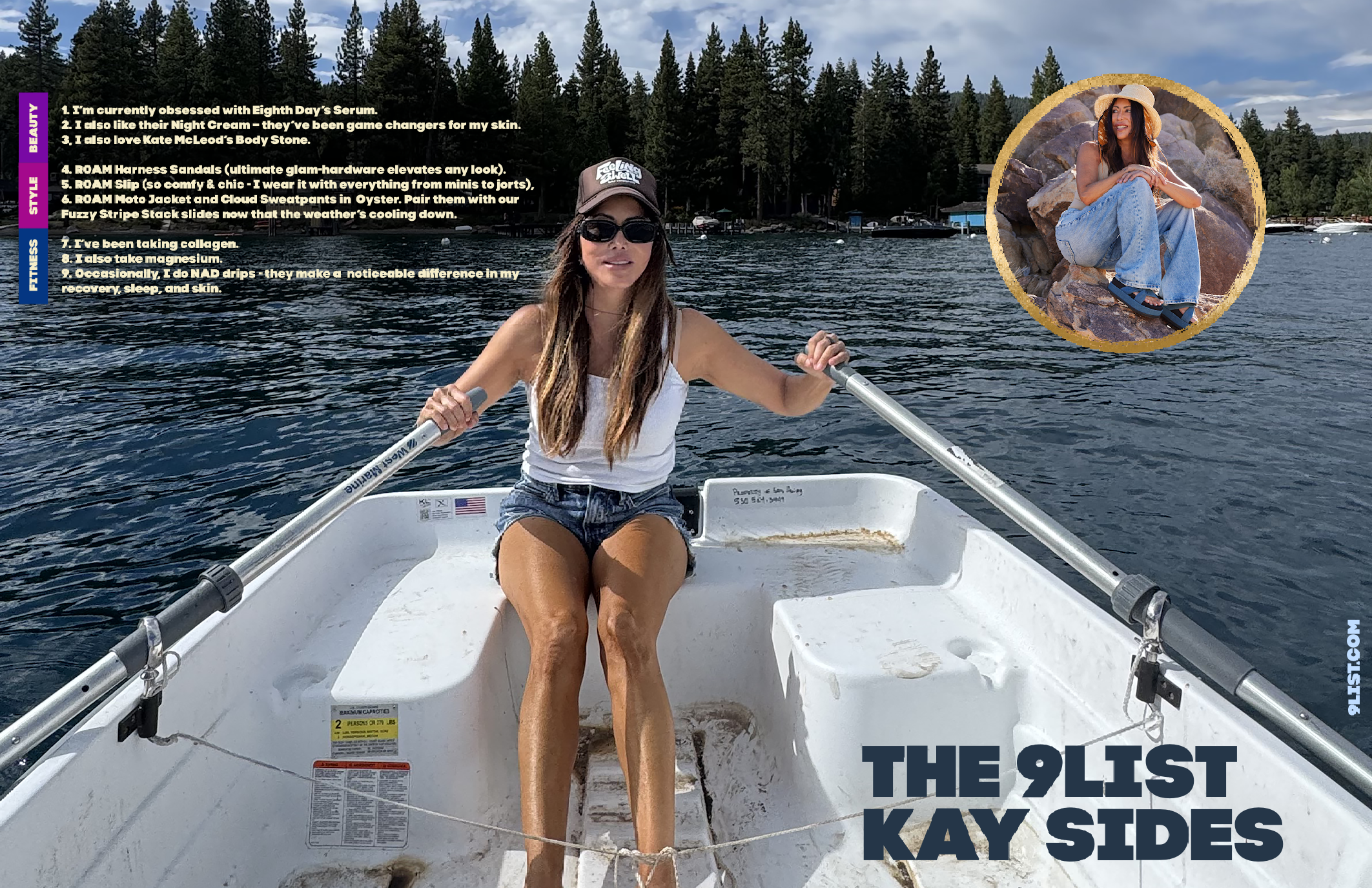
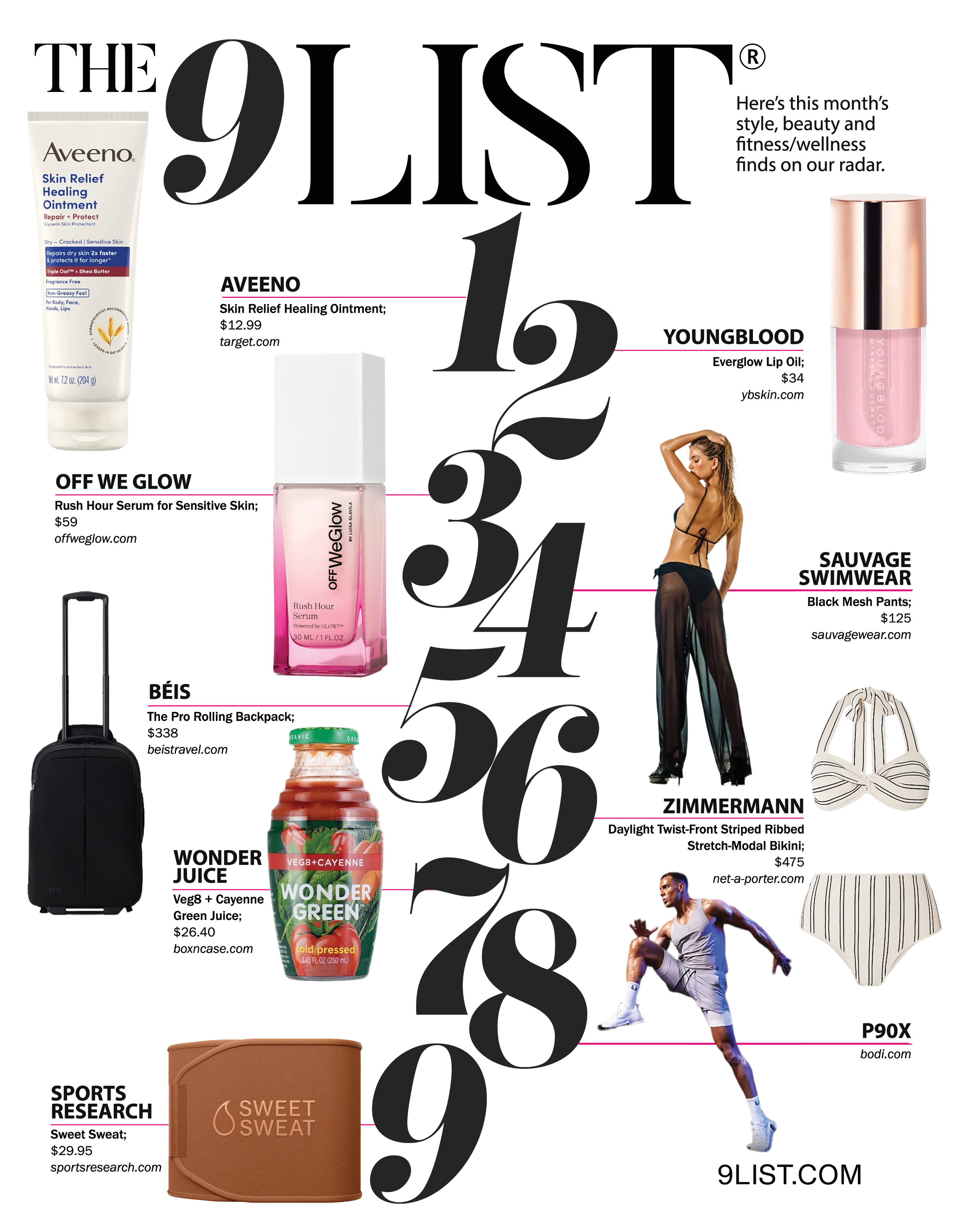
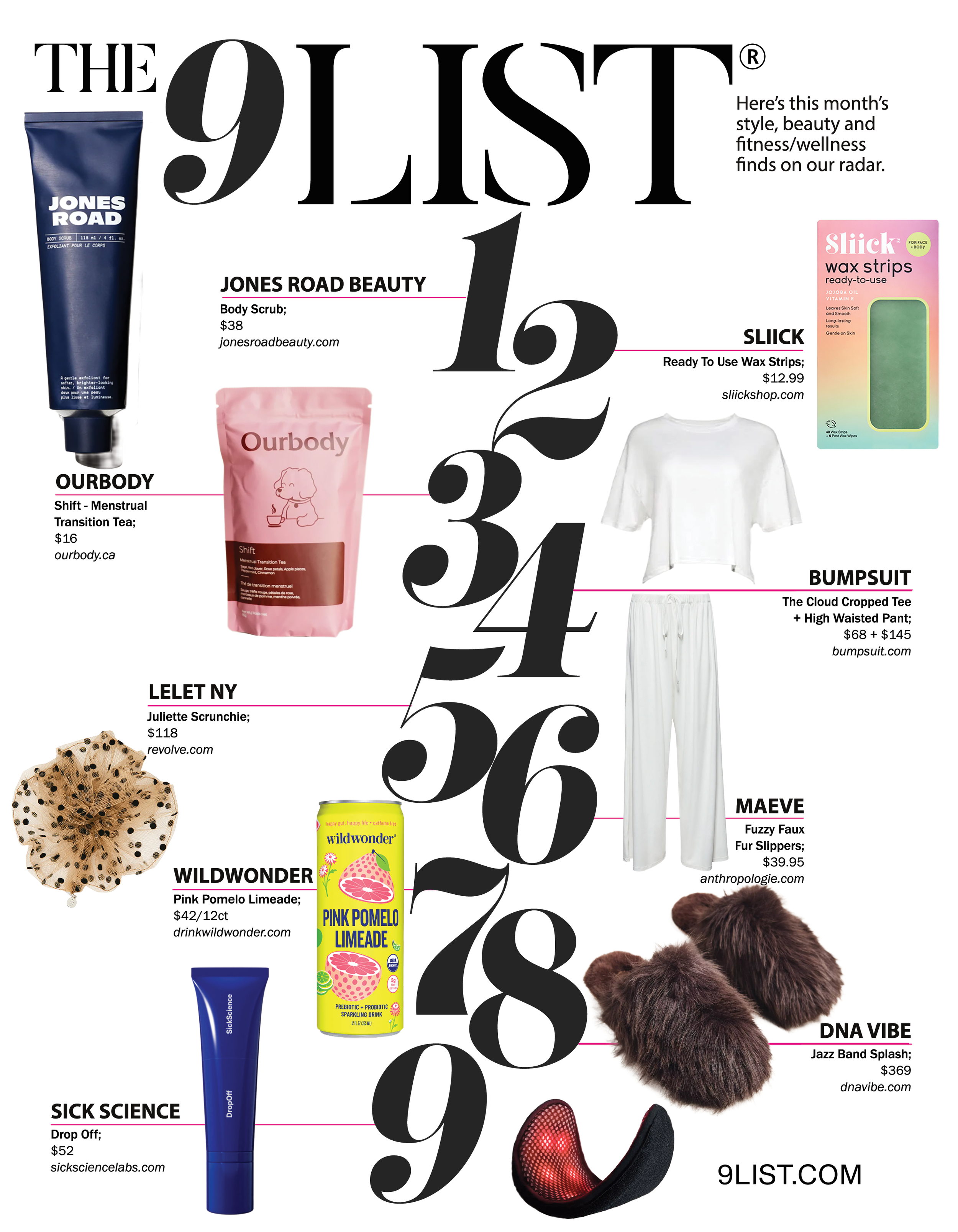
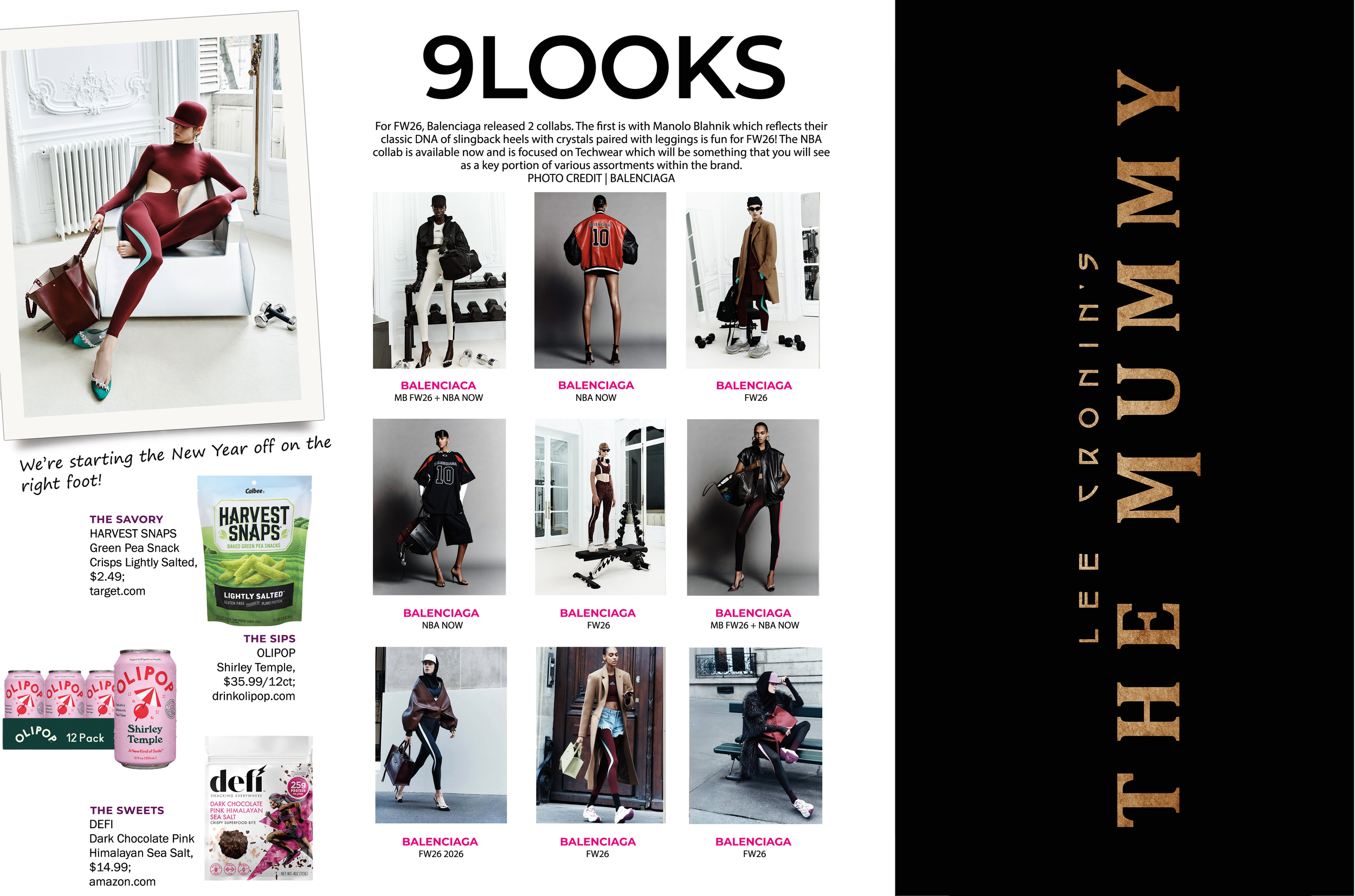
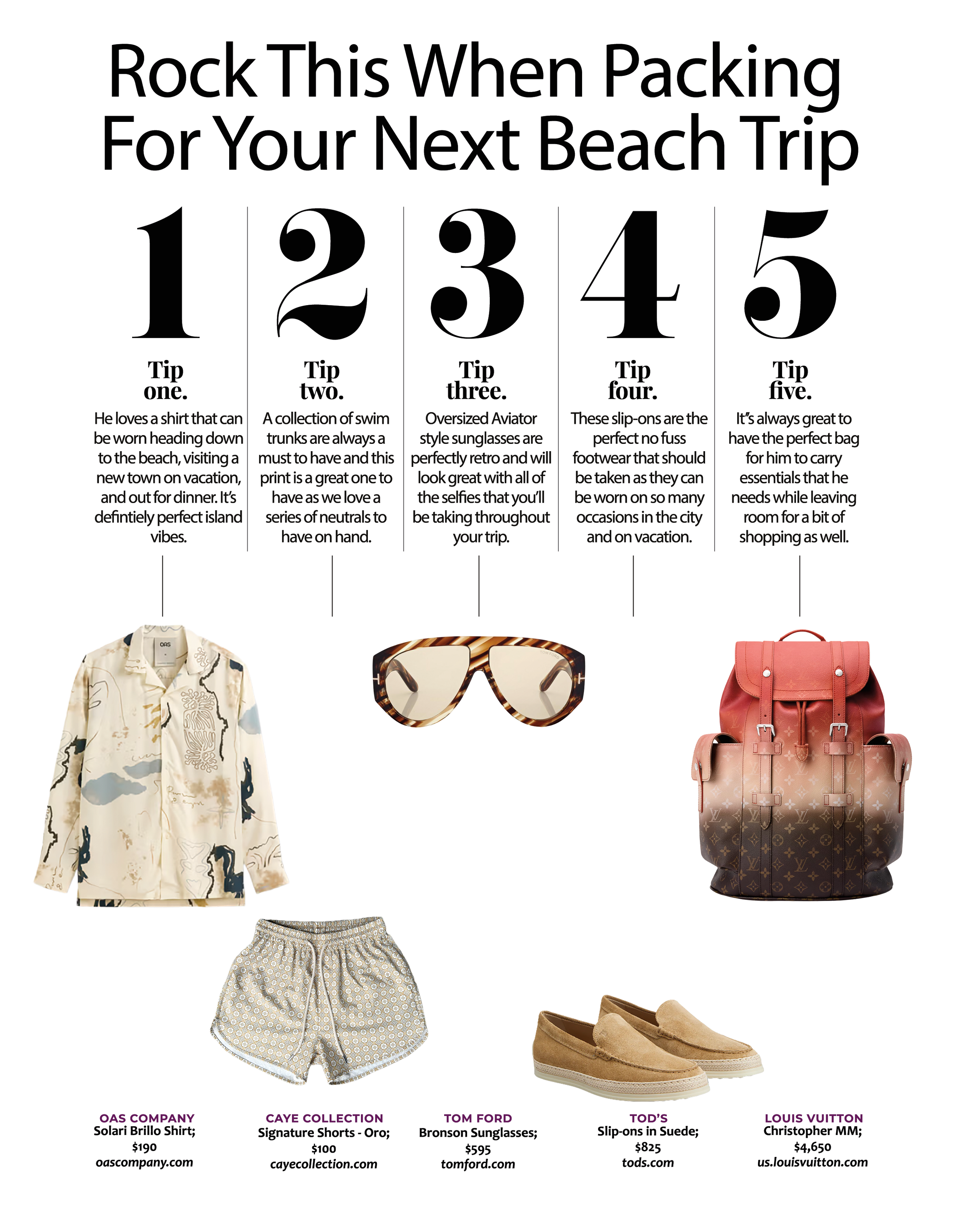
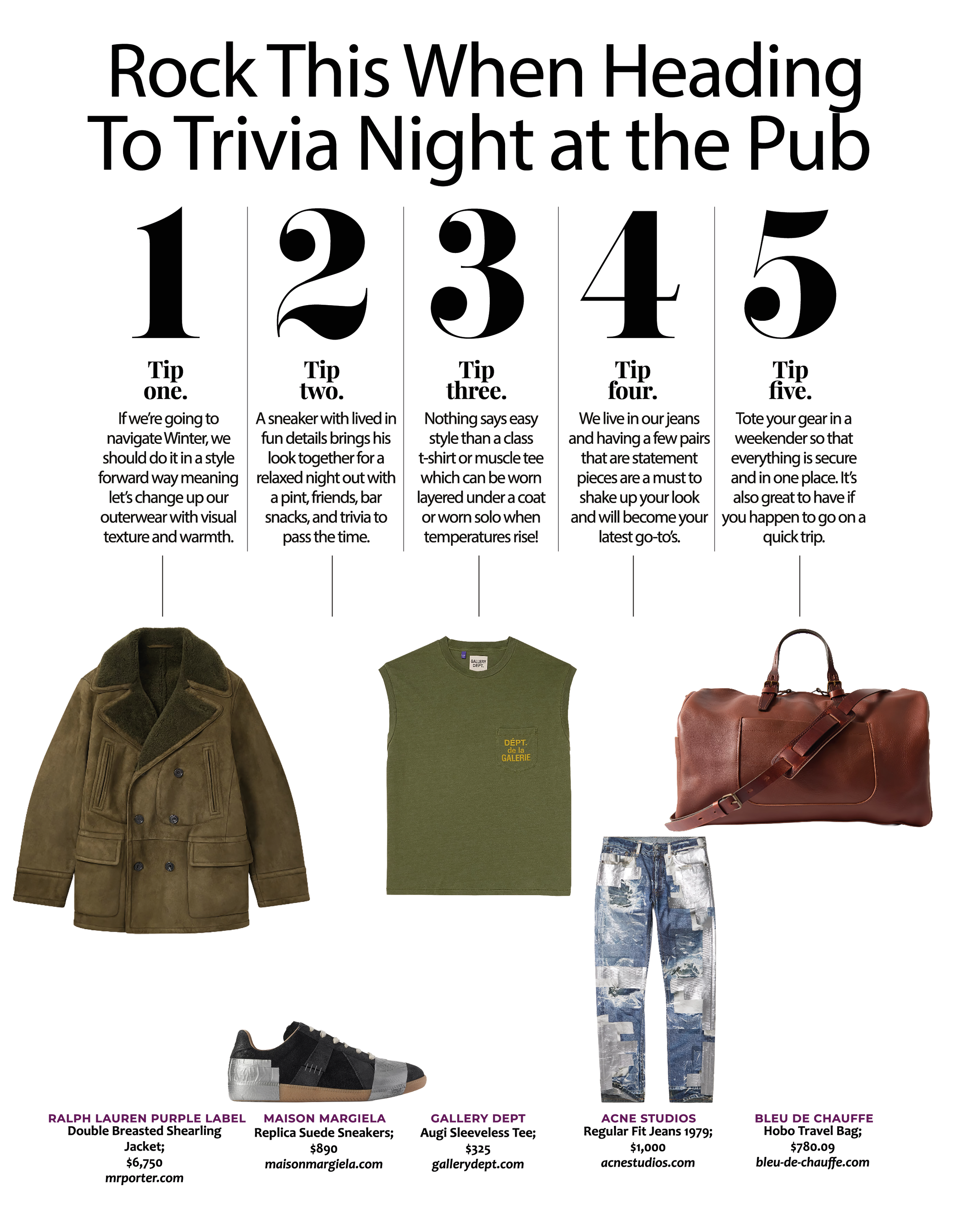
Read the MAR ISSUE #123 of Athleisure Mag and see THE 9LIST 9M3NU in mag.
Featured




Read the MAR ISSUE #123 of Athleisure Mag and see THE 9LIST 9M3NU in mag.

PHOTO CREDIT | Unsplash/Roberto Nickson
Urban professionals are rethinking what it means to own a dog. Smaller apartments, packed schedules, and a growing awareness of physical and mental wellbeing have switched the conversation from "what breed do I want?" to "what breed fits my life?" For a growing number of city dwellers, the answer is the Cavapoo, a cross between the Cavalier King Charles Spaniel and the Poodle. This breed has gained significant traction because of how well its characteristics align with the demands of modern urban living.
The Cavapoo typically weighs between 10 and 25 pounds and stands no taller than 14 inches at the shoulder. That compact size makes it well suited to apartment living, where square footage is limited and building restrictions on pet size are common. Unlike high-energy working breeds that require extensive outdoor space, Cavapoos have moderate exercise needs. Daily walks and indoor play sessions are enough to keep them healthy and content, which fits naturally into the rhythm of a professional's day.
In addition, Cavapoos are known for being calm, affectionate, and highly trainable, traits inherited from both parent breeds. The Cavalier contributes a gentle, sociable disposition, while the Poodle brings intelligence and a strong desire to learn. This combination reduces the difficulty curve considerably for first-time dog owners or those with limited experience.
One of the more compelling arguments for dog ownership among active professionals is the documented impact on physical activity levels. A meta-analysis of 11 studies published in Circulation: Cardiovascular Quality and Outcomes found that dog owners walk significantly more than non-owners and are more likely to achieve the recommended level of weekly physical activity. Research compiled by the Human Animal Bond Research Institute found that dog walkers have 34% higher odds of meeting the 150-minute weekly walking target set by major health organizations.
A 2024 study published in PMC examined the exercise intensity of on-leash dog walking and found that 90% of participants recorded heart rates above the moderate intensity threshold at some point during their walk, suggesting that even routine dog walks can contribute meaningfully to cardiovascular fitness.
For urban professionals who already prioritize fitness, a Cavapoo's moderate exercise needs align well with a structured daily routine. That said, how well an individual Cavapoo keeps up with that routine depends largely on its health. The breed can be predisposed to certain inherited conditions from both parent breeds, making responsible sourcing essential. Platforms such as HonestPet connect buyers with ethical breeders who carry out genetic health screening, providing full health documentation and pre-purchase video calls before any commitment is made.
The relationship between dog ownership and mental health is more nuanced than popular culture tends to suggest. A systematic review published in PMC found that simply owning a dog does not automatically produce better mental health outcomes. What the research does indicate is that the quality of the bond between owner and dog, and the activities they engage in together, play a more significant role than ownership alone.
A Harvard Nurses' Health Study, published in JAMA Network Open, found that strong attachment to a dog was associated with lower symptoms of depression and anxiety. The study noted that how much an owner engages with their pet, emotionally and physically, appears to drive the outcome more than the fact of ownership itself.
For urban professionals who spend most high-pressure work environments, the Cavapoo's attachment-oriented personality, its tendency to bond closely with its owner and seek companionship, creates the conditions for that kind of engaged relationship. It is less a passive presence in a home and more an active participant in daily life.
What separates Cavapoos from other popular breeds in urban settings is that they do not demand more than a city lifestyle can reasonably provide. They adapt to indoor environments, respond well to training, integrate into social settings, and encourage the kind of daily movement that supports physical health. For professionals who have spent time considering whether a dog fits their life, the Cavapoo tends to clear most of the practical hurdles other breeds present.
Testosterone replacement therapy (TRT) is a medical treatment aimed at restoring normal levels of testosterone in individuals whose levels are abnormally low. Testosterone is a critical hormone produced primarily in the testicles, responsible for various bodily functions, including maintaining muscle mass, bone density, and red blood cell production. As individuals age, their testosterone levels typically decline, but certain medical conditions can also lead to low testosterone, making therapy necessary.
Testosterone naturally peaks during early adulthood and tends to decline with age, at an average rate of about 1% per year starting in the late 20s or early 30s. For some individuals, this decline leads to clinical symptoms that may negatively impact their overall health. Testosterone replacement therapy helps manage these symptoms by restoring normal testosterone levels, improving bodily functions that depend on the hormone.
Testosterone plays a crucial role in maintaining several essential bodily functions. It supports muscle growth, helps maintain healthy bone density, and regulates red blood cell production. Testosterone also influences the distribution of fat in the body and supports metabolic health.
Low testosterone levels can lead to a variety of health issues, including muscle weakness, decreased bone density, fatigue, and a general decline in physical capacity. For individuals diagnosed with clinically low testosterone, testosterone replacement therapy can provide support in managing these symptoms and improving physical performance.
Testosterone replacement therapy involves supplementing the body with synthetic testosterone to bring levels within a normal range. The therapy aims to restore testosterone to levels similar to those experienced in healthy individuals in their prime years. Before starting TRT, doctors typically conduct blood tests to confirm low testosterone levels and rule out other potential causes for the symptoms.
Once diagnosed, patients have several options for how the testosterone is administered. Common delivery methods include:
Injections — Administered directly into the muscle, typically on a bi-weekly or monthly basis.
Transdermal patches or gels — Applied directly to the skin, allowing testosterone to be absorbed.
Pellets — Small, hormone-releasing pellets implanted under the skin for long-term release.
Topical creams or nasal gels — Applied to the skin or inside the nostrils for consistent absorption.
The choice of delivery method depends on patient preferences, lifestyle, and the physician’s recommendation.
The primary goal of testosterone replacement therapy is to restore normal testosterone levels and alleviate symptoms caused by testosterone deficiency. Some of the benefits commonly reported by individuals undergoing TRT include:
Increased muscle strength: As testosterone is critical for muscle development and maintenance, TRT can help individuals regain muscle mass and strength.
Improved bone density: Testosterone plays a role in maintaining bone mass, so therapy can reduce the risk of osteoporosis and fractures.
Enhanced physical performance: Many individuals report increased stamina and energy, helping them engage in physical activities more effectively.
These benefits can significantly improve quality of life by addressing the physiological issues caused by low testosterone.
Like any medical treatment, testosterone replacement therapy carries certain risks and potential side effects. It is essential for individuals considering TRT to undergo thorough screening before treatment and regular monitoring during therapy. Possible side effects include:
Acne or oily skin
Fluid retention or swelling
Changes in red blood cell count, which may increase the risk of blood clots
Sleep apnea or worsened symptoms in those with existing sleep disorders
It is essential that individuals undergoing TRT have regular follow-up appointments with their healthcare provider to monitor for any adverse effects and adjust treatment as necessary.
Testosterone replacement therapy is primarily intended for individuals with low testosterone levels confirmed by blood tests. However, not everyone with low testosterone will benefit from TRT. Doctors consider various factors, including overall health, age, and underlying medical conditions, before recommending treatment.
Individuals diagnosed with hypogonadism, a condition where the body produces insufficient testosterone, are typically the most common candidates for TRT. However, testosterone therapy may also be considered for individuals with testosterone deficiency due to other causes, such as injury, illness, or certain medical treatments.
Once treatment begins, ongoing monitoring is essential to ensure its effectiveness and safety. Patients typically undergo regular blood tests to measure testosterone levels and check for potential side effects. Physicians also assess other health markers, such as red blood cell count, to ensure the treatment is not causing harmful side effects like increased blood viscosity or excessive fluid retention.
Patients may also need periodic screenings for conditions like prostate health, as testosterone therapy may influence the size of the prostate in some individuals. Monitoring helps adjust treatment plans to suit individual needs and minimize any potential risks.
Testosterone replacement therapy is generally considered safe when prescribed by a qualified healthcare professional and used under proper supervision. However, like all treatments, it carries risks, and not everyone is a suitable candidate. Certain pre-existing conditions, such as prostate cancer or heart disease, may disqualify individuals from undergoing TRT.
Research on the long-term effects of testosterone therapy continues, with studies evaluating its impact on cardiovascular health, prostate health, and other bodily systems. It is important for individuals considering TRT to have open discussions with their healthcare provider about the potential benefits and risks based on their specific health profile.
Testosterone replacement therapy is an effective treatment for individuals diagnosed with low testosterone levels, aiming to restore normal hormonal balance and improve quality of life. By using various administration methods, TRT helps address issues related to muscle strength, bone density, energy levels, and more. However, like any medical treatment, it is important to understand the potential risks and work closely with a healthcare provider for proper monitoring and follow-up care. Through informed decision-making and proper supervision, TRT can offer significant benefits to those who need it.
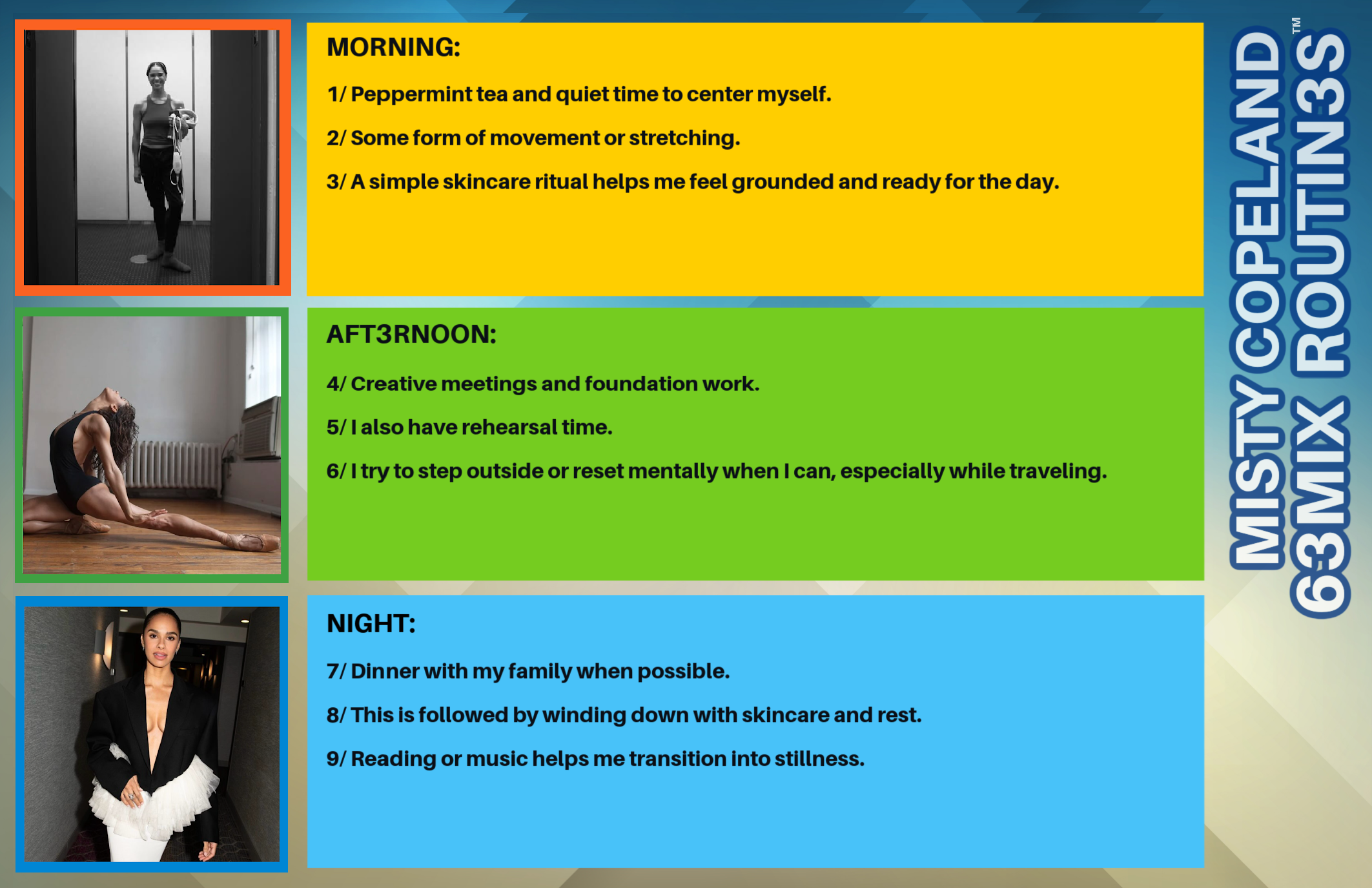
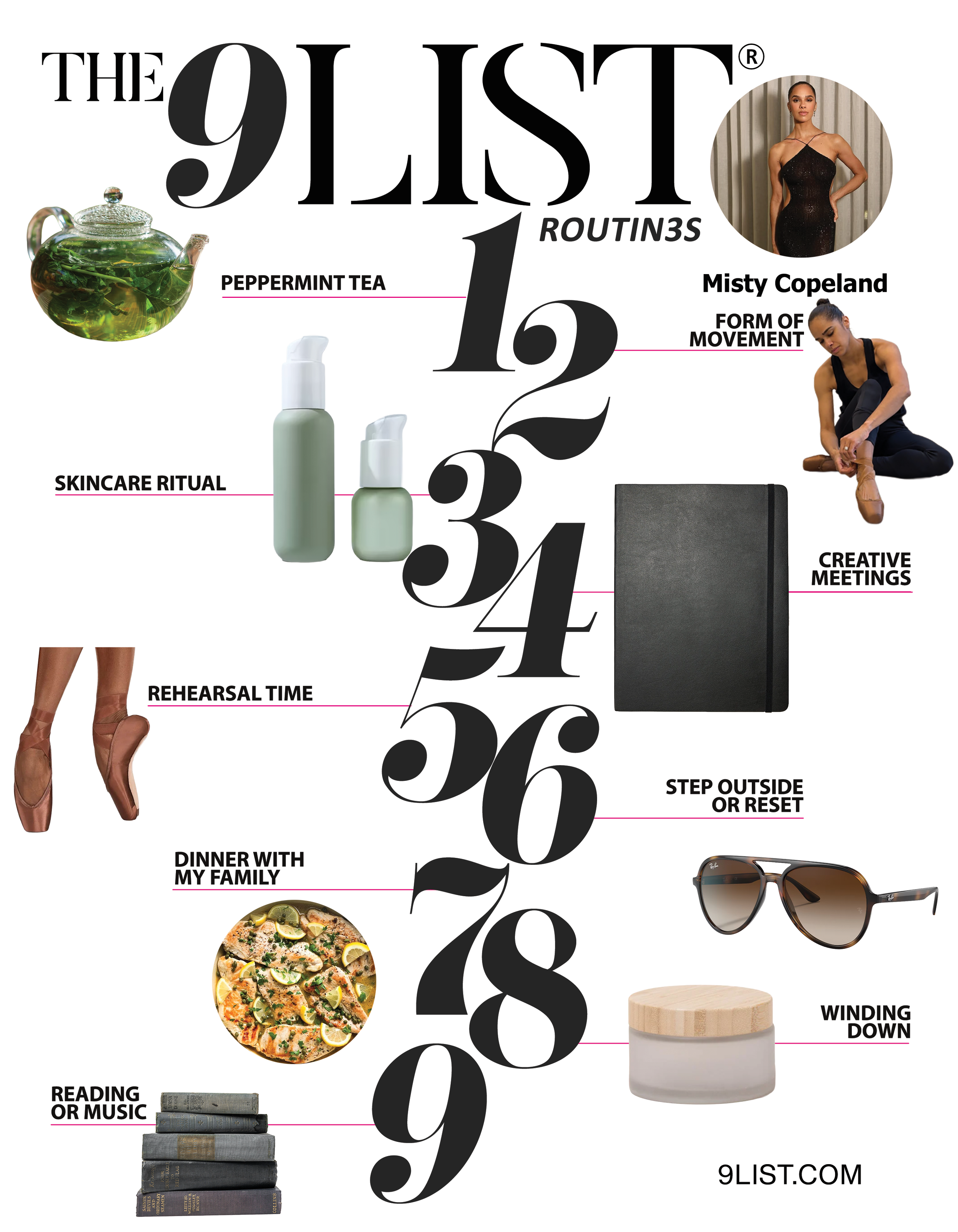
Read the MAR ISSUE #123 of Athleisure Mag and see 9LIST ROUTIN3S | Misty Copeland in mag.
When it comes to the sporting world, one topic dominates the narrative more than any other this year: The 2026 FIFA World Cup. Less than three months from now, Mexico will kick off the greatest sporting spectacle on earth when they welcome South Africa to the stunning Estadio Azteca in Mexico City for the tournament's opening game. Over the course of the five weeks that follow, just two of the planet's 48 finest footballing nations will remain, battling it out in MetLife Stadium on July 19th for the honor of being crowned world champions.
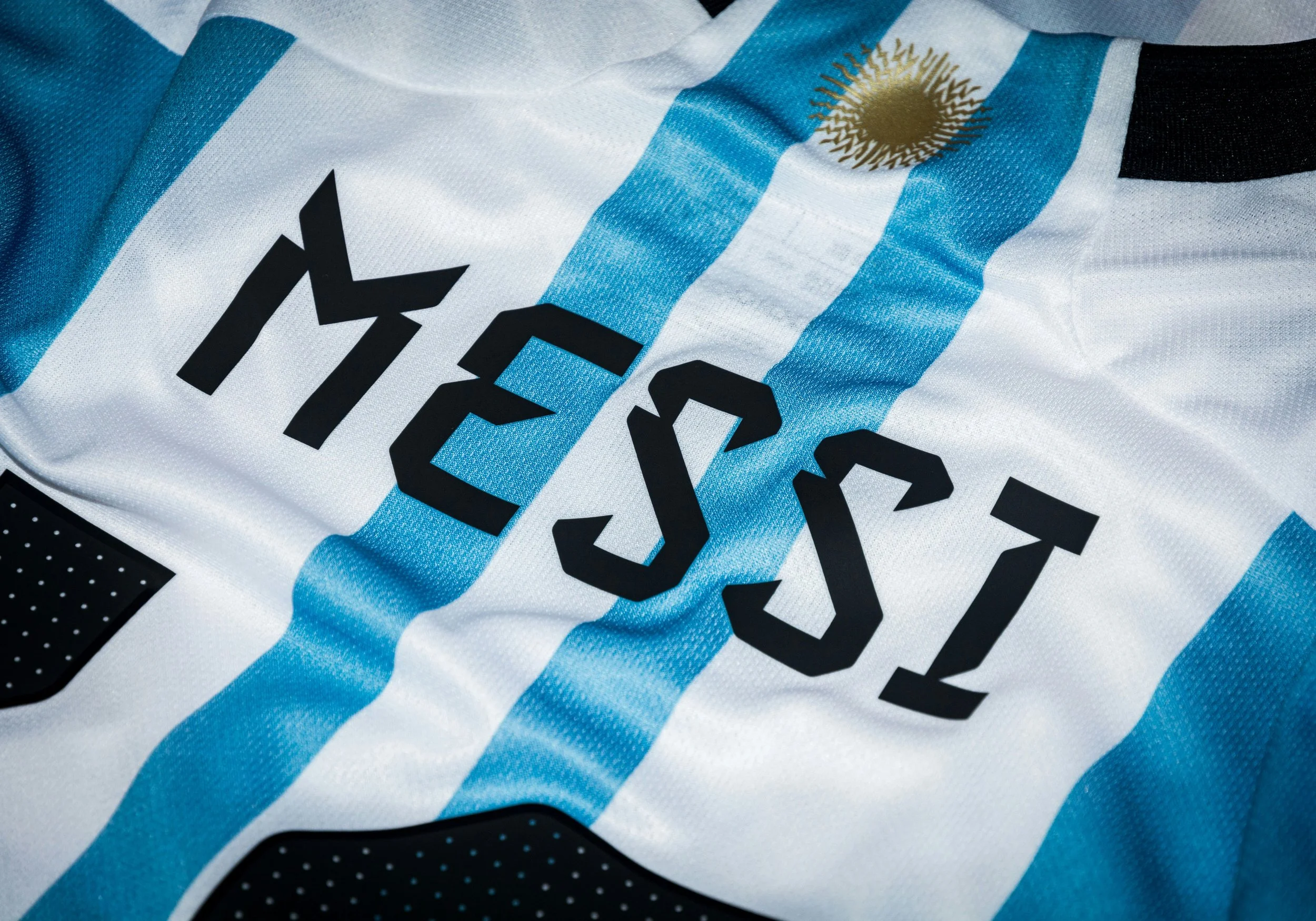
Argentina head into the tournament as the defending champions after Lionel Messi's date with destiny four years ago. Online betting sites make them a contender to defend their crown, but they aren't the outright favorites. That is an honor that goes to reigning European Champions Spain, with Lucky Rebel Sportsbook listing them as 9/2 frontrunners to lift the famous gold trophy for the second time, 16 years on from the first.
But with the tournament fast approaching, what are some of the biggest storylines the more casual fan needs to look out for this summer? Let's take a look.
Lionel Messi and Cristiano Ronaldo will go down in history as two of the very best players to have ever played the beautiful game, right up there with the likes of Diego Maradona and Pelé. The two storied rivals have battled it out the world over, with those memorable El Clásico clashes throughout the 2010s delivering some of the finest moments in the history of both Barcelona and Real Madrid. However, the two all-time greats have never faced off against each other on the global stage... until now.
Messi's Argentina is expected to top Group J ahead of Austria, Algeria, and debutants Jordan. Ronaldo's Portugal, meanwhile, is similarly expected to win Group K ahead of Colombia, fellow debutants Uzbekistan, and an intercontinental qualifier, either DR Congo or Jamaica. Should they both live up to the billing, then the Albiceleste and the Seleção das Quinas will be penned in for a collision course in the quarterfinals.
Many consider Messi to be ahead of Ronaldo—and Pele and Maradona, for that matter—with his sensational exploits in Argentina's run to the title four years ago too much to overlook. However, with the upcoming World Cup set to be the last that either feature in—Messi will turn 39 during the tournament and Ronaldo is already 41—what better way for CR7 to prove that he is the man that should be remembered as the greatest than by ending Messi's hopes of defending the title and catapulting his beloved Portugal to the semifinals?
Think you’re a World Cup expert?
— Lucky Rebel (@LuckyRebel__) January 1, 2026
Get into the Discord trivia tonight at 7pm ET to take your shot.
🔗 https://t.co/6Q55rFaQgi pic.twitter.com/IVBXTgOvvO
For the first time, the World Cup will feature no fewer than three co-hosts this summer, with Mexico, Canada, and the United States all opening their doors to the world. The latter of that trio will be hosting the vast majority of the whopping 104 games, 78 of them to be exact, with their neighbors hosting 13 apiece. But which of the three co-hosts will venture deeper into the tournament than the others?
Being the host nation often brings with it a wave of raucous support that transforms a team. Unheralded Russia was the lowest-ranked team to enter back in 2018, but they came within a penalty shootout of reaching the semifinals. South Korea would reach the final-four back in 2002, knocking off heavyweights Italy and Spain—albeit in controversial fashion—before ultimately falling to Germany.
The United States looks like the best-positioned of the three to make a splash. Weston McKennie and Christian Pulisic are both in peak form in Serie A. Striker Folarin Balogun is on absolute fire with Monaco. If Mauricio Pochettino can get the best of them, there is a very real possibility that a run to the quarterfinals lies in wait. However, with their likely opponents at that stage being the favorites Spain, it's unlikely a miraculous trip to a maiden final appearance is on the cards.
German legend Miroslav Klose is currently the World Cup's all-time top scorer, netting 16 goals across four separate tournaments. Legendary Brazilian Ronaldo was the previous record holder, but Klose snatched that from him in devastating fashion, netting Germany's opener in that famous 7-1 drubbing against hosts Brazil in the 2014 semifinals. Fast forward 12 years, however, and his record is now in jeopardy.
Lionel Messi currently sits just three goals behind Klose in the all-time ranking, having scored 13 goals across five tournaments. He will step onto this storied stage for a record-breaking sixth and final time this summer, and considering the fact he scored seven goals en route to the title four years ago, chances are he will find at least three goals to match the record.
But Messi isn't the only one in contention. French hitman Kylian Mbappe has already amassed 12 goals in just two World Cup visits. He netted a blistering eight-goal haul in Qatar, and a similar display here will see him claim the record.
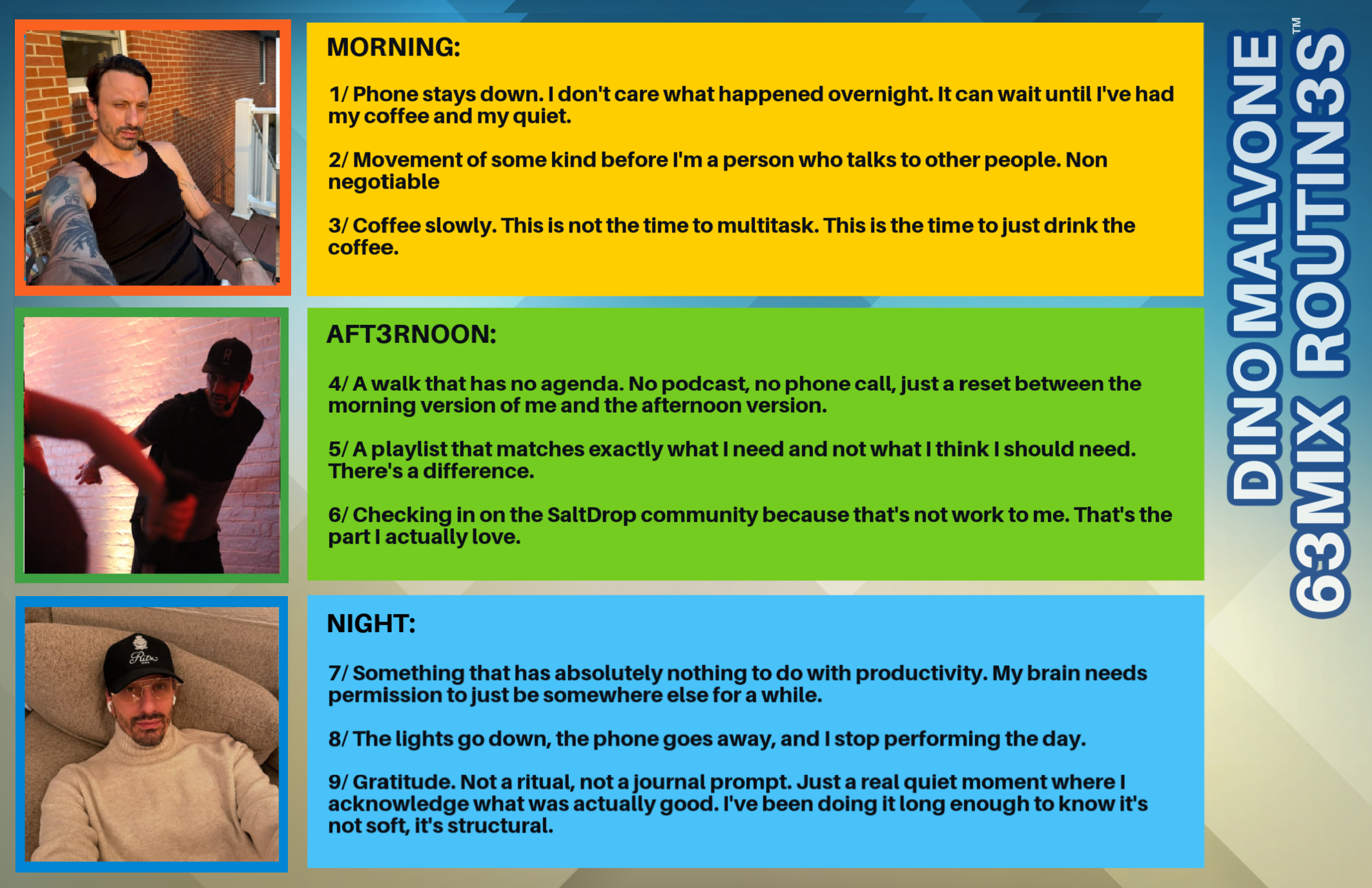
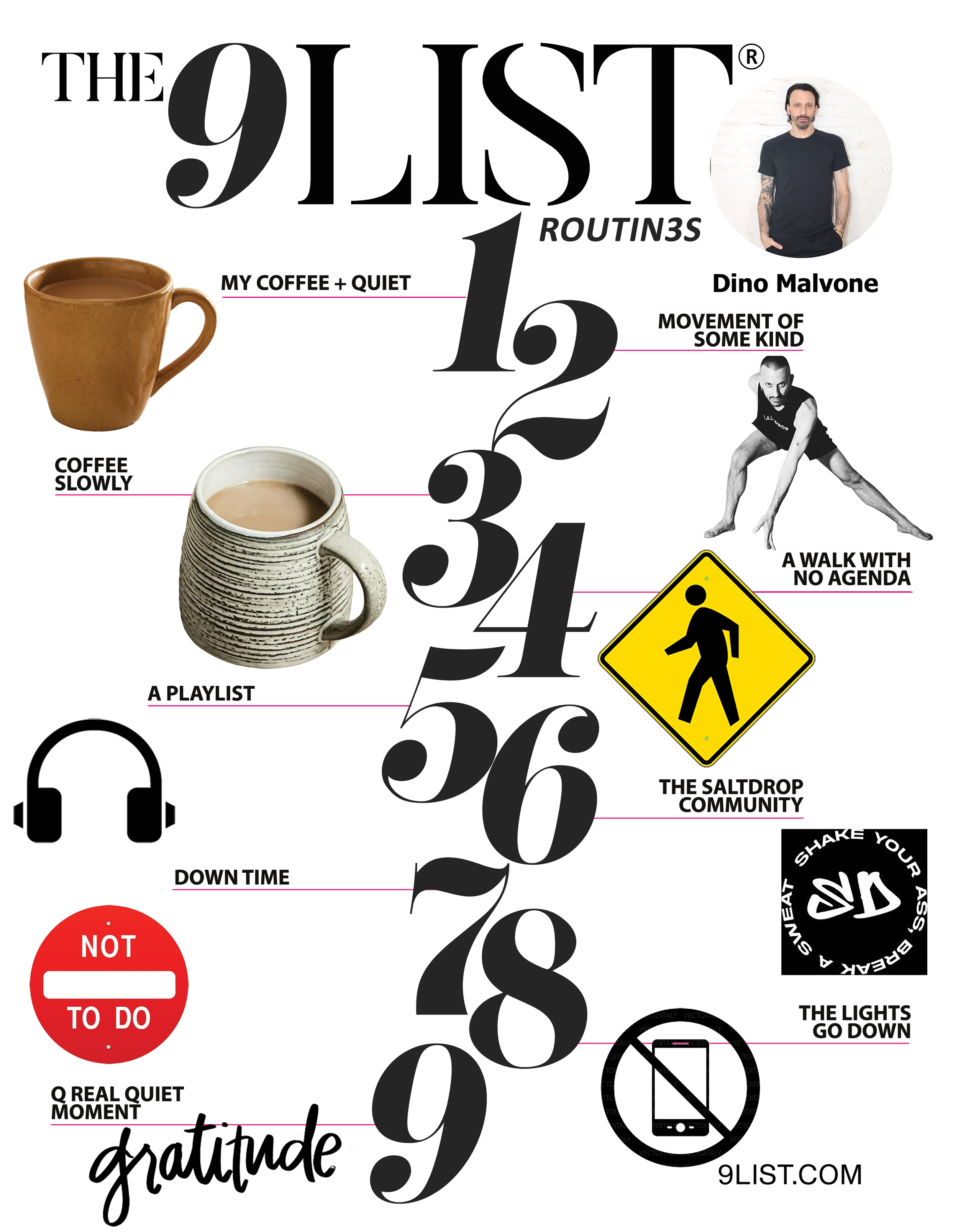
Read the MAR ISSUE #123 of Athleisure Mag and see 9LIST ROUTIN3S | Dino Malvone in mag.

PHOTO CREDIT | Pexels/Shvets Production
As we get older, it can be hard to be motivated to be active. You might have physical or health limitations that make moving around harder, or maybe you have had to give up some of your favorite ways of being active due to the risk of getting injured. Lots of seniors still go on vacations each year, but struggle to be active while they are on their vacation.
The best e-bike for seniors can allow them to still be active even if they have limitations that would make riding a standard bike a thing of the past. There are lots of different kinds of e-bikes out there that can help seniors get their exercise with ease. If you are a senior and are trying to figure out your various options when it comes to exercise while you are traveling, this guide will be a big help!
Getting your daily exercise matters when you are on vacation. It can be easy to just sit around and not move at all. Even if this is relaxing, it’s not that good for your health. You shouldn’t give up on your daily workout while you are having fun on vacation, and these tips will help you get your active minutes in with ease.
An e-bike is the right choice to make if you are looking for a really fun way to get your active time each day on vacation. You will love having the help of pedal assist and assisted braking as well, since these two benefits make riding your bike much more approachable and a lot more comfortable.
Some seniors can no longer ride a standard bike due to the need to balance all the time or pedal constantly. An e-bike can free you from this worry as it will help you balance with ease, and the pedal assist function will allow you to keep up with everyone else in your travel party without getting tired.
Your e-bike can still be used like a standard bike, but the motor will allow you to ride in superior comfort, no matter how long you want to be out having fun on your bike. E-bikes are becoming increasingly popular all over the world because they are so simple to ride and so comfortable to use for long trips and commuting.
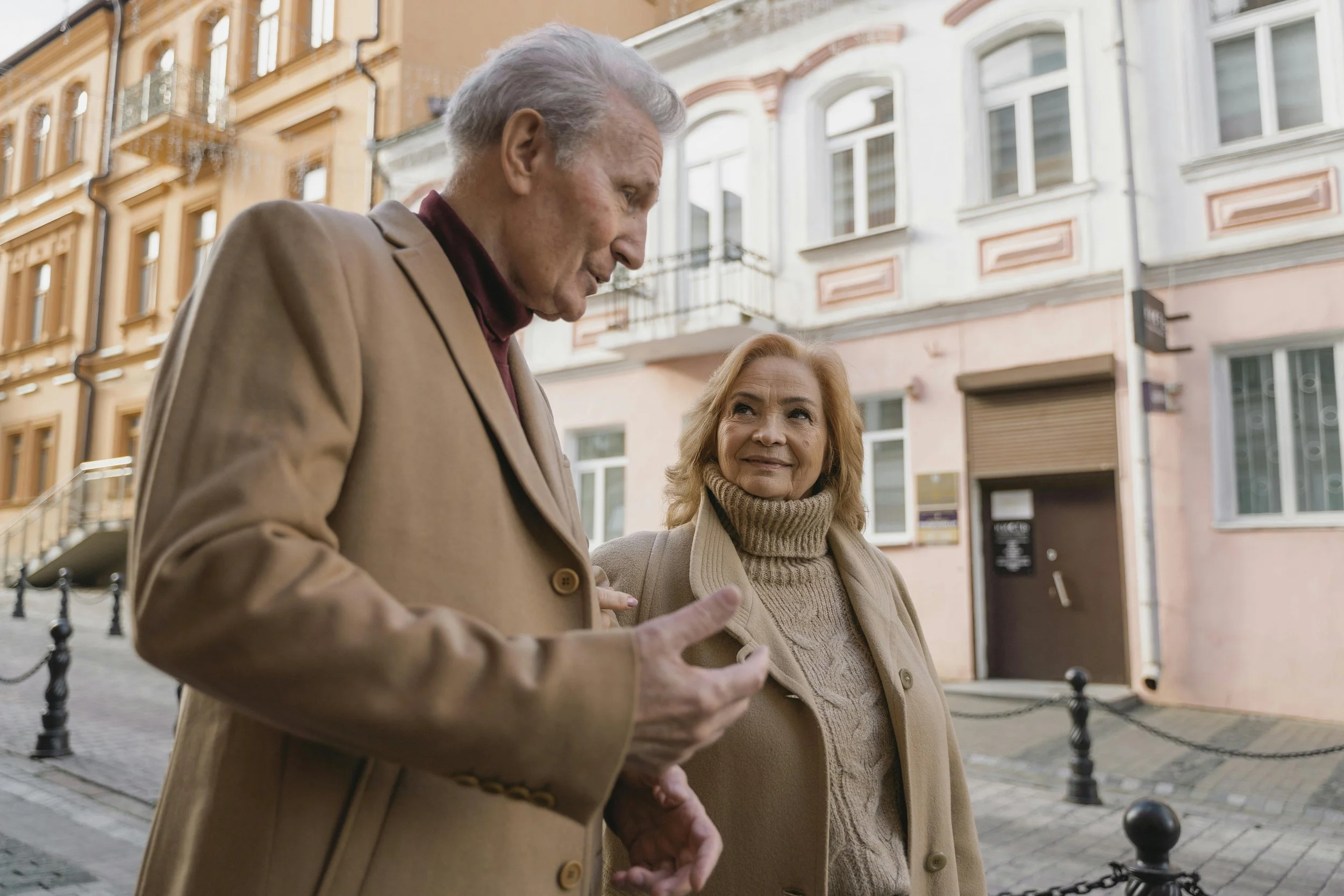
PHOTO CREDIT | Pexels/Tima Miroshnichenko
One of the best things that you can do to get your activity in each day, on vacation, is to walk. While this sounds boring when you just say that you should go for a walk, you won’t find it boring on vacation. You are in a place you’ve never seen before, and there are probably all kinds of things you will stumble over that are worth seeing as you walk.
Other people in your travel group can also come along with you on your walk, making it that much more fun to be out enjoying good weather and good times. You can easily make special memories on foot in a new place, and people of all ages can benefit from getting a little movement in while also getting a free tour of a new place.
Swimming is an ideal form of exercise for seniors because you won’t be hard on your joints when you are swimming, and you can burn a lot of calories quickly while also working on balance, hand-eye coordination, and strength. Swimming is a full-body exercise that can be perfect if you are looking for something that is efficient and effective.
As an added benefit, most vacation spots have swimming pools. You can spend time with family and friends while also getting your active minutes in each day. Kids love to swim, so if there are young kids in your travel group, they will have a ton of fun spending time with you as you get your exercise.
Most vacation spots offer access to yoga sessions that you can join with ease. These might be held at sunrise or sunset in beach locations, but there will also be studios that offer classes throughout the day in nearly any place that you visit. Yoga can be quite gentle but still challenging at the same time, which is perfect if you are older.
Yoga is also a great way to work on mental health. The meditation portion of a yoga practice can be a big benefit to anyone. We all have stress to let go of, and if you have been worried about travel details for weeks, you probably need to unwind and let the stress melt away. Yoga can offer you the chance to support your flexibility, balance, and mental wellness all at once.

PHOTO CREDIT | Pexels/cottonbro studio
If you are worried about how you will get your exercise in when you are vacationing, don’t panic! There are so many ways to get your daily activity in without upsetting your vacation plans. Your friends or family who are traveling with you might also want to join in the activities that you are doing to stay fit and healthy, making them fun group activities that are more motivating to tackle.
From walking around to see the sights to renting an e-bike and riding around, checking out the place that you are visiting, there are so many ways to be active while you are on vacation. So many people go on vacation and don’t move around enough. Being totally sedentary is not ideal, especially if you are eating out all the time while you are on vacation. Be sure that you don’t put yourself in a position to feel poorly and struggle to be energetic enough to have fun with everyone else in your travel group. Being active matters, and you should stick to your daily workout goals even when you are on vacation.

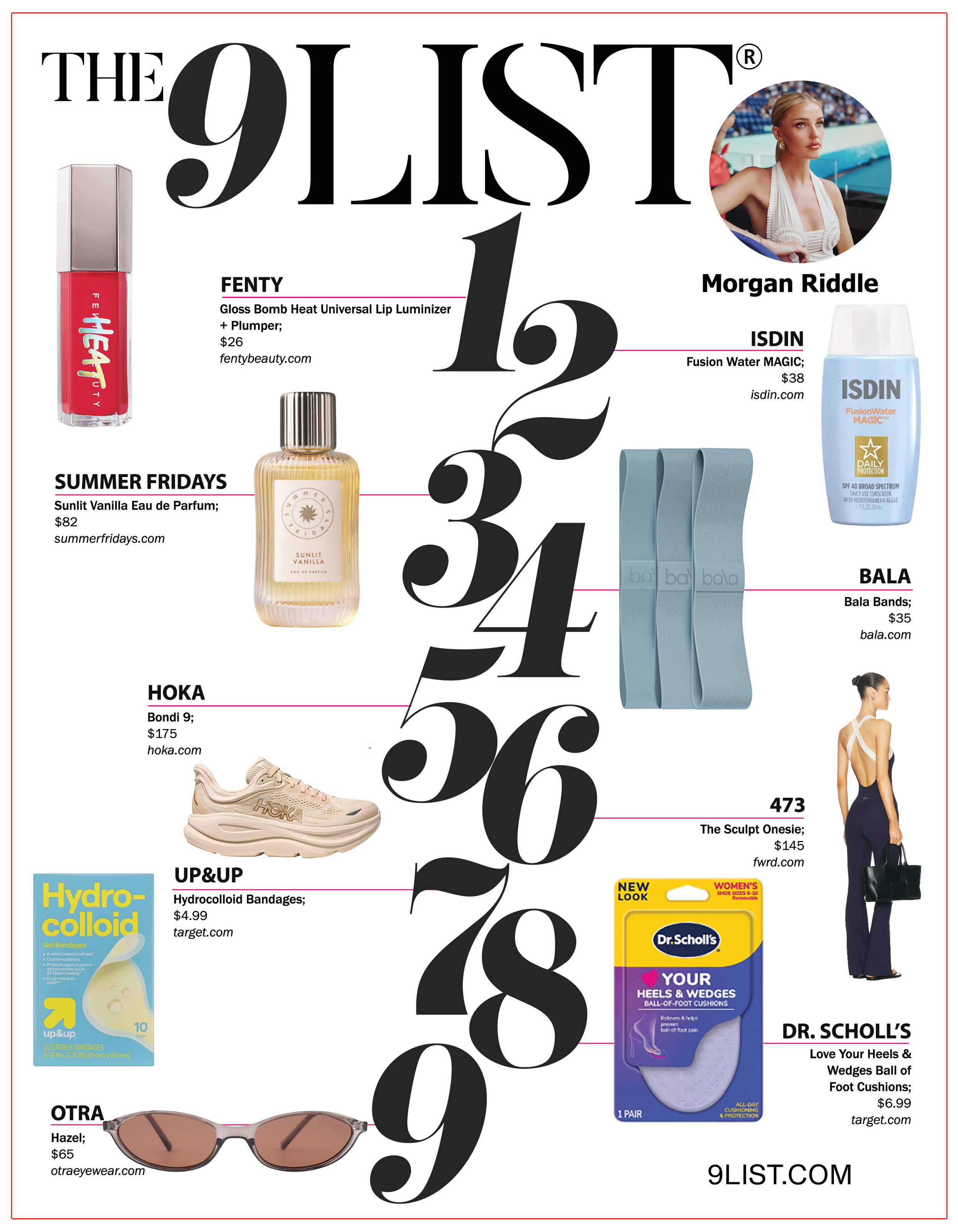
Read the MAR ISSUE #123 of Athleisure Mag and see 9LIST STORI3S | Morgan Riddle in mag.
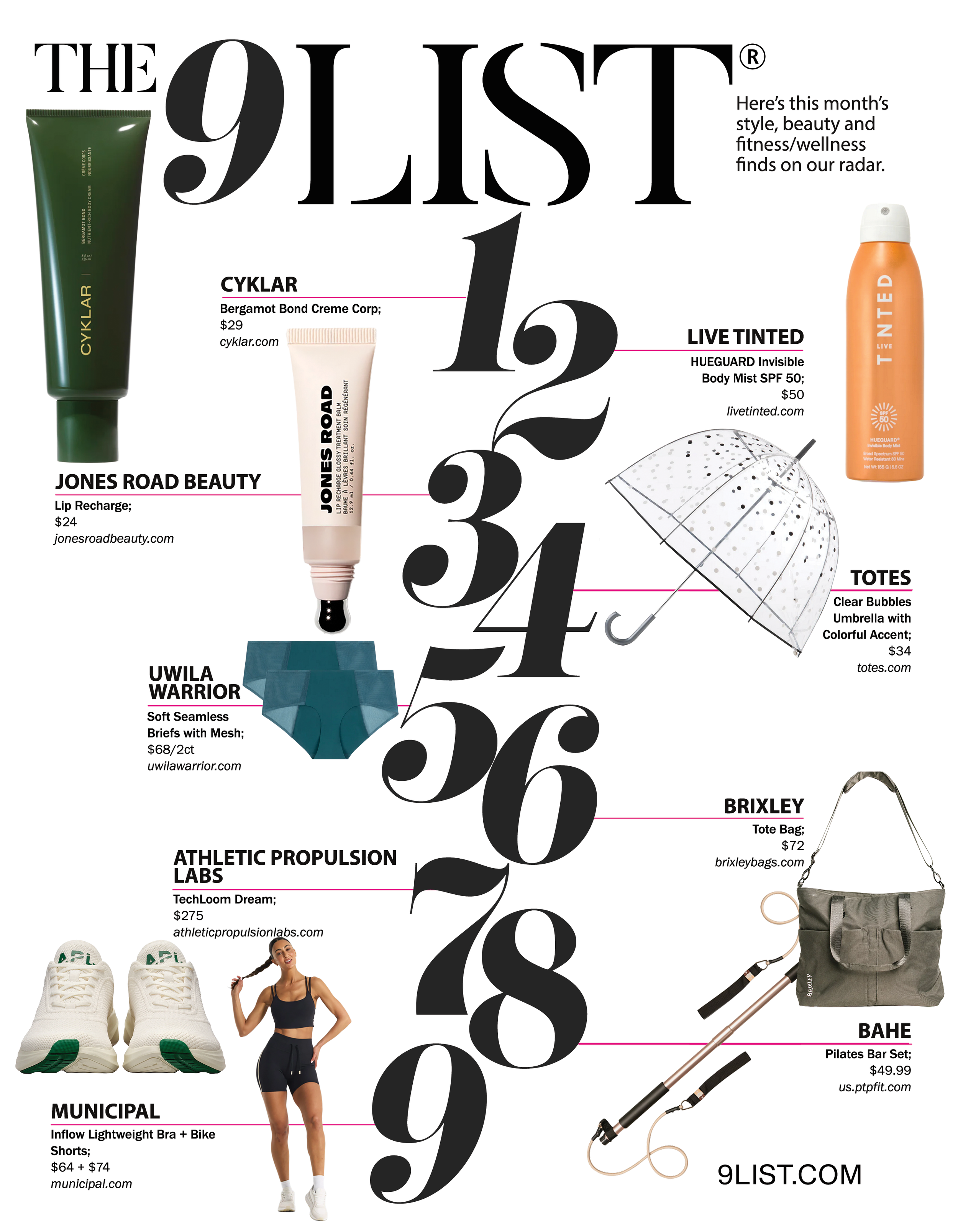
Read the MAR ISSUE #123 of Athleisure Mag and see THE9 LIST in mag.

PHOTO CREDIT | Unsplash/Benjamin Davies
Engagements have always reflected cultural values, but today, they’re evolving faster than ever. For modern couples, the proposal is no longer confined to candlelit dinners or traditional settings. Instead, it’s happening on mountain summits, after marathon finish lines, during yoga retreats, and in the middle of spontaneous road trips.
At the intersection of wellness, fashion, and lifestyle, a new engagement narrative is taking shape, one driven by movement, shared experiences, and intentional living. For an audience that prioritizes both style and substance, this shift feels not only natural but inevitable.
The modern engagement is less about spectacle and more about significance. Couples are increasingly choosing proposals that reflect who they are and how they live, often rooted in fitness, adventure, and personal growth.
This aligns with broader consumer behavior trends. Research from Eventbrite found that over 75 percent of millennials prioritize experiences over material goods. That mindset carries directly into how they approach milestones like engagements.
Instead of orchestrating a highly staged moment, many are opting for experiences they already love. Think sunrise hikes, post-workout celebrations, or destination trips that double as meaningful life moments. The result is an engagement that feels authentic, memorable, and deeply personal.
For many couples, fitness is more than a routine, it’s a shared identity. Whether it’s training for races, attending boutique fitness classes, or prioritizing wellness routines together, these habits create a strong foundation for connection.
It’s no surprise, then, that fitness is increasingly becoming part of the engagement story.
Proposals at the finish line of a half marathon, during a scenic cycling route, or even after a challenging HIIT session are becoming more common. These moments carry emotional weight because they reflect commitment, not just to each other, but to a shared lifestyle.
From a cultural perspective, this represents a shift in what romance looks like. Strength, resilience, and growth are now just as important as tradition and symbolism.
Adventure has become a defining element of modern relationships. Travel, exploration, and stepping outside of comfort zones are no longer occasional luxuries, they’re core lifestyle pillars.
This is especially true among younger generations. According to a report by Allied Market Research, the global adventure tourism market is expected to exceed $1 trillion by 2030, driven largely by demand from millennials and Gen Z.
Engagements are naturally following this trend.
From proposals on remote beaches to off-grid overlanding trips and national park adventures, couples are choosing settings that feel expansive and meaningful. These environments elevate the moment, turning a proposal into a story worth telling, and retelling.
Adventure also introduces an element of unpredictability, which can make the experience feel more genuine. It’s less about perfection and more about presence.
As fitness and lifestyle continue to merge, fashion is playing a subtle but important role in engagement trends.
Athleisure has redefined how people dress, not just for workouts, but for everyday life. Comfort, versatility, and style now coexist, influencing everything from travel wardrobes to proposal outfits. This same mindset is reshaping how couples approach one of their biggest purchases: the engagement ring.
That shift is showing up in both design and buying behavior.
Modern couples are gravitating toward rings that align with active lifestyles. Low-profile settings, durable metals, and minimalist aesthetics are becoming increasingly popular. Rings are no longer reserved for special occasions, they’re designed to be worn seamlessly throughout daily activities, from workouts to long-haul travel.
At the same time, there’s a growing move toward secondhand engagement rings. Beyond their sustainability appeal, pre-owned rings often come at a significantly lower price point, allowing couples to reallocate their budget toward experiences, especially travel. For many, that means turning a traditional ring upgrade into a once-in-a-lifetime destination proposal, honeymoon, or extended adventure.
This shift reflects a broader change in priorities: experiences over excess, flexibility over formality all of which make it easy to choose Twice Loved and other ring resellers. .
There’s also rising demand for stackable rings and alternative stones, giving couples more ways to personalize without sacrificing practicality or overspending.
In many ways, engagement jewelry is becoming an extension of lifestyle, just like athleisure itself, where thoughtful design, financial flexibility, and a passion for experience all come together.
Fitness and adventure-based engagements are inherently shareable. Whether it’s a mountaintop proposal or a post-run surprise, these moments translate well across platforms like Instagram and TikTok.
But beyond aesthetics, what resonates most is the story.
Audiences are drawn to authenticity, real moments that reflect genuine emotion and connection. A proposal captured mid-hike or after a fitness milestone feels relatable and inspiring, especially within wellness-focused communities.
This has contributed to the rise of micro-trends, where specific types of proposals gain traction within niche audiences. For example, “race day proposals” or “travel engagement diaries” have become recognizable formats.
For couples, this adds another layer of meaning. The proposal isn’t just a private moment, it becomes part of a broader narrative shared with their community.
At its core, the shift toward fitness and adventure-based engagements reflects a deeper emphasis on wellness and intentional living.
Today’s couples are more mindful about how they spend their time, energy, and resources. This extends to how they approach major life milestones.
Rather than adhering to traditional expectations, they’re asking: What feels right for us?
This mindset has led to a more holistic approach to engagements, one that prioritizes mental, emotional, and physical well-being. Proposals are less about external validation and more about internal alignment.
Even wedding planning is being influenced by this perspective, with couples incorporating wellness elements like fitness routines, mindfulness practices, and destination experiences into their celebrations.
Sustainability is another factor shaping modern engagement trends. As outdoor experiences become more central to relationships, there’s a growing awareness of environmental impact.
Couples who spend time hiking, traveling, or exploring nature often develop a stronger connection to the environment. This can influence their choices when it comes to engagement rings, travel, and even wedding planning.
Lab-grown diamonds, recycled metals, and ethically sourced materials are gaining traction as consumers seek options that align with their values.
This shift reflects a broader movement toward conscious consumption, one that intersects naturally with both wellness and adventure lifestyles.
While fitness and adventure are reshaping engagement trends, they’re not replacing tradition entirely. Instead, they’re redefining it.
The symbolism of commitment, partnership, and future-building remains at the heart of every engagement. What’s changing is how that symbolism is expressed.
A proposal during a sunrise hike can carry just as much meaning as one in a formal setting, if not more. It reflects shared values, mutual interests, and a vision for the future.
This evolution allows couples to honor tradition while making it their own.
Looking ahead, the influence of fitness and adventure on engagement trends is likely to continue growing.
As wellness becomes more integrated into daily life and travel becomes more accessible, proposals will increasingly reflect these priorities. Technology may also play a role, with wearable fitness data, location-based storytelling, and digital content shaping how moments are captured and shared.
At the same time, the emphasis on authenticity will remain constant.
Couples will continue to seek experiences that feel genuine, meaningful, and aligned with their lifestyles. Whether that’s a quiet moment after a workout or a bold adventure in a remote location, the focus will be on connection over convention.
Engagements are evolving, and in many ways, they’re becoming more reflective of real life.
Fitness and adventure have introduced a new dimension to how couples celebrate their commitment. They’ve shifted the focus from performance to presence, from tradition to personalization, and from material to meaningful.
For a generation that values movement, wellness, and shared experiences, this transformation feels not just relevant, but refreshing.
And perhaps that’s the most important takeaway: the best engagements aren’t defined by where they happen, but by how deeply they resonate with the people at the center of them.
Recovery is half the fitness equation. You can train hard every day, but without proper rest and muscle recovery, performance plateaus and injuries follow. As cannabis legalization expands across North America, a growing number of active adults are adding cannabis-based products to their recovery toolkit.
PHOTO CREDIT | Pexels/Gustavo Fring
Canadian dispensaries like BuyMyWeed have seen growing demand from fitness-conscious customers who use topicals, CBD products, and low-dose edibles specifically for post-workout recovery rather than recreation. This shift reflects a broader change in how active communities view cannabis: less as a party substance and more as a functional wellness product.
The primary driver is inflammation management. Intense exercise creates micro-tears in muscle tissue, and the resulting inflammation causes the soreness and stiffness that follow hard training sessions. Cannabinoids, particularly CBD, interact with the body's endocannabinoid system in ways that research suggests may help manage inflammatory responses.
According to the World Anti-Doping Agency, CBD was removed from the prohibited substances list in 2018, opening the door for competitive athletes to use CBD products without risking sanctions. THC remains prohibited in competition, but out-of-competition use policies vary by sport and governing body.
Beyond inflammation, sleep quality drives much of the interest. Poor sleep undermines recovery, hormone balance, and next-day performance. Low-dose cannabis products taken before bed can help some users fall asleep faster and stay asleep longer, which directly supports the recovery process.
Different products serve different recovery needs. Here is how fitness-focused consumers typically use them.
CBD topical creams and balms applied directly to sore muscles and joints. These provide localized relief without any psychoactive effect and are the most common entry point for active adults.
CBD oil tinctures taken sublingually (under the tongue) for systemic anti-inflammatory effects. Dosing is precise and easy to adjust.
Low-dose THC edibles (2.5 to 5 mg) taken 60 to 90 minutes before bed to support deeper sleep. The low dose produces relaxation without strong intoxication.
CBD-infused protein bars and recovery drinks that combine cannabinoids with standard post-workout nutrition.
Transdermal patches that deliver a steady dose over several hours, ideal for overnight recovery.
Bath products (CBD bath bombs and soaks) that combine warm water muscle relaxation with topical cannabinoid absorption.
The common thread is precision. Active users want controlled, predictable doses that support specific recovery goals without impairing next-day performance.
The science is promising but still developing. According to the National Institutes of Health, preclinical studies show that cannabinoids have anti-inflammatory and analgesic properties, though large-scale clinical trials specific to exercise recovery are still underway.
What the existing research supports clearly is the sleep benefit. Multiple studies have found that CBD reduces sleep onset latency (the time it takes to fall asleep) and may increase total sleep duration. Since sleep is the single most important recovery factor for active adults, this benefit alone justifies the interest from the fitness community.
The anti-inflammatory evidence is strongest for topical application. CBD applied directly to skin over sore muscles shows consistent results in reducing localized discomfort in preliminary studies. Systemic effects (from oral consumption) are more variable and dose-dependent.
Responsible use requires the same discipline that fitness demands in every other area. Here is what matters.
Start with CBD-only products if you are new to cannabis. CBD provides anti-inflammatory and sleep benefits without intoxication, making it the lowest-risk starting point.
Use the minimum effective dose. More is not better. Start with 10 to 15 mg of CBD or 2.5 mg of THC and increase gradually only if needed.
Time it around training. Apply topicals immediately post-workout. Take oral products 60 to 90 minutes before bed, not before training sessions.
Check your sport's rules. While CBD is generally permitted, THC policies vary by sport and competition level. Know the rules before your next event.
Buy from licensed retailers. Legal dispensaries sell tested products with verified potency and ingredient lists. Unregulated products carry contamination and dosing risks.
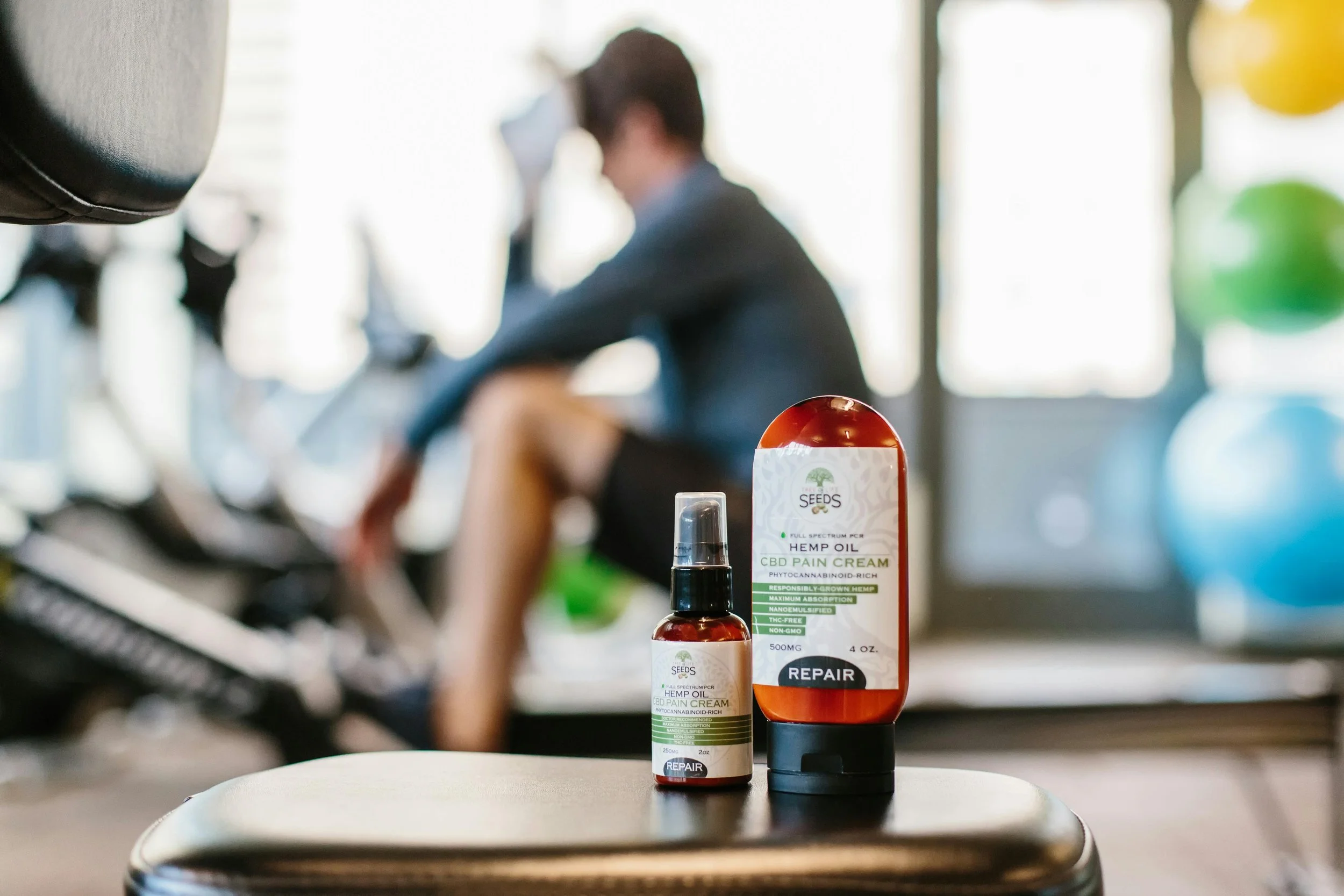
PHOTO CREDIT | Pexels/Tree of Life Seeds
Treating cannabis like any other supplement, with research, appropriate dosing, and clear purpose, produces the best outcomes and the fewest surprises.
No, and it should not. Cannabis products work best as one component within a broader recovery strategy that includes sleep, nutrition, hydration, stretching, and rest days. Replacing ice baths, foam rolling, or sleep hygiene with cannabis alone misses the point entirely.
The most effective approach is additive. An athlete who already sleeps well, eats properly, and manages training load can explore cannabis as an additional tool that may improve one or two specific aspects of recovery. Those who use it to compensate for poor fundamentals will be disappointed.
The fitness community's embrace of cannabis mirrors its earlier adoption of other wellness tools: meditation apps, cold exposure, and adaptogens all went through similar cycles of curiosity, hype, and eventual integration into evidence-based routines.
CBD topicals and low-dose edibles are the most popular cannabis recovery products among active adults.
CBD was removed from the WADA prohibited list in 2018, though THC remains restricted in competition.
Sleep improvement is the most consistently supported benefit of cannabis for recovery.
Start with CBD-only products at the minimum effective dose and adjust gradually.
Cannabis supplements, not replaces, traditional recovery methods like sleep, nutrition, and rest.
Buy only from licensed retailers to guarantee tested potency and ingredient safety.
What works for one athlete may not work for another. Cannabis is a tool, not a miracle. The active adults getting the most value from it are the ones who approach it with the same discipline they bring to their training: research first, start conservatively, and measure the results honestly.
Is CBD legal for competitive athletes?
CBD is permitted by WADA and most major sports governing bodies. However, THC remains prohibited in competition. Check your specific sport's anti-doping policy before using any cannabis product.
Will cannabis make me less motivated to work out?
Low-dose CBD products do not produce the sedation associated with high-THC cannabis. Most active users report no impact on training motivation when using CBD for recovery rather than recreation.
How quickly do CBD topicals work on sore muscles?
Most users report feeling relief within 15 to 30 minutes of applying a CBD topical to the affected area. The effect typically lasts two to four hours depending on the product concentration.
Can I use cannabis products before a workout?
CBD topicals can be applied before exercise for pre-emptive joint support. However, oral THC products should not be used before training as they can impair coordination, reaction time, and focus.

PHOTO CREDIT | Unsplash/Maria Orlova
Thyroid eye disease (TED) can have a tremendous impact on one being able to feel confident and comfortable. Many people experience swelling and pain, which change their appearance. Tepezza, a novel treatment, brings hope with what it can offer. Knowledge of realistic results from this therapy allows individuals to make educated decisions and have realistic expectations.
Tepezza gets administered via IV infusion. Its primary function is to relieve the inflammation and swelling that may occur in the back of the eyes. This drug interrupts the process of tissue expansion by specifically targeting proteins in the body. Patients typically receive multiple infusions every few weeks, according to a schedule established by a healthcare professional. The objective of every dose is to reduce symptoms gradually and bring the eye back to its normal state of functioning.
Typically, individuals undergoing Tepezza treatment for TED seek relief from the discomfort and swelling visible on the surface. After several treatments, most people observe a decrease in eye bulging. It may also lead to improvements in double vision, which can help with daily functioning. For some, the position of the eyelid returns closer to normal, contributing to facial balance. A decrease in the frequency of pain or pressure behind the eyes facilitates a greater overall sense of well-being.
Changes from Tepezza infusions usually happen slowly. Some patients may observe noticeable results after the first few treatments. In other cases, improvement is less obvious, taking months at a time. Regular check-ups allow healthcare teams to observe results and change plans where needed. Each person responds differently to therapy, often more slowly than they would like, so patience is vital.
Every medical intervention involves some risk. Side effects observed in patients treated with Tepezza include muscle cramps, nausea, or changes in taste. Only a few patients may experience ear-related problems or a rise in blood sugar. The majority of side effects are manageable and decrease after treatment stops. Speaking with care providers helps alleviate concerns and keeps the patient safe.
Tepezza does not work the same for everyone. For some there are dramatic changes, while others may notice modest improvements. In some cases, symptoms may not disappear even after completing the therapy. The drug treats inflammation and swelling, but not all patients will achieve complete recovery from double vision and eye movement. Even after completing antibiotics, some individuals may still require surgery.
The treatment is largely effective for those individuals with moderate to severe thyroid eye disease. Patients initiating treatment in the active phase of inflammation often have the best outcomes. If you take action quickly, you can reverse changes without permanent implications to your eye structure. Individuals with longstanding or quiescent diseases may experience a drastic and relatively different impact than those without them. Reaching out to a specialist helps determine if Tepezza is the right path for you.
Effective communication sets realistic patient expectations. Either their eyes look better, feel better, or both most of the time. A complete resolution of all symptoms is rare. Start by making realistic goals to limit disappointment and increase satisfaction with the process. Assistance from health experts, friends, and relatives creates an optimistic atmosphere for the therapy.
Follow-ups are critical, even after completing Tepezza. Monitoring helps to resolve any issues quickly, should they occur. Other interventions, such as eyeglasses, topical medications, or surgery, may be necessary. Maintaining frequent contact with a healthcare team yields the best results and will help ensure long-term eye health.
Those suffering from thyroid eye disease will be glad to hear about the availability of Tepezza, which can give them hope. Tepezza improves comfort and appearance and considerably reduces swelling, making a crucial difference in the patient's experience. With results varying, a majority of patients feel satisfied and confident once again. A thoughtful discussion between the patient and provider will help set realistic expectations for the therapy.

Read the MAR ISSUE #123 of Athleisure Mag and see 9LOOKS | Lacoste in mag.

PHOTO CREDIT | Unsplash/Yves Scheuber
Most people don't think about their gym routine when booking a casino trip. But if you've spent any time trying to stay active while traveling, you know the difference between a property that actually supports your fitness goals and one that sticks a few dusty treadmills in a windowless basement and calls it a fitness center.
Casino resorts have changed a lot over the past few years. The major players in Vegas, Atlantic City, and Macau have invested seriously in wellness infrastructure — proper gyms, spas, recovery suites, and even outdoor fitness options that rival dedicated health clubs. This guide breaks down what each destination actually offers, so you can enjoy the casino floor without completely walking away from the lifestyle you've built.
Vegas is an easy city to fall off your routine in. Late nights, open bars, buffets at every corner — it's practically engineered for excess. But the resort landscape has shifted. Several Strip properties now take fitness seriously enough to attract athletes, not just guests who want to burn off last night's decisions.
Resorts World Las Vegas stands out as probably the best gym experience on the Strip right now. The Resorts World fitness center is built with personalized fitness programming in mind and features a dedicated Stretch & Recovery Zone powered by Therabody — which is a rare find in a hotel setting. We're talking Peloton bikes, turf strips for sled pushes and battle ropes, Olympic lifting equipment, and a full recovery station with Theraguns and vibrating rollers available for guest use at no extra charge. The facility runs from 6am to 8pm daily, and the natural light inside the gym is something reviewers consistently call out. Hotel gyms are usually dark. This one isn't.
Off the Strip in Summerlin, the JW Marriott Las Vegas Resort & Spa takes a different approach — pairing the Rampart Casino with a 36-treatment-room spa called Spa Aquae, a full gym, and 50 acres of garden landscape that invites actual outdoor movement. If you want the casino experience without being consumed by the Strip's energy, this property is worth the 20-minute drive from the action.
Worth noting for players who like to game online when traveling: publications like best slots for Canadians roundups have grown significantly in recent years, reflecting how many people now balance in-person casino trips with digital play on regulated platforms. The convergence of fitness travel and online gaming is a real trend — people want the full resort experience while staying connected to the games they enjoy at home.
For outdoor movement in Vegas, Red Rock Canyon is 20 minutes from the Strip and offers hiking, climbing, and cycling routes that are genuinely world-class. A morning trail run there before an afternoon on the casino floor is a very good day.
Atlantic City doesn't get enough credit from the fitness-minded traveler. The Boardwalk alone offers a natural running and walking route that most city gyms can't match — miles of flat, ocean-side pavement with sea air and, depending on the time of day, serious atmosphere. It's one of the better casual workout environments you'll find attached to a casino destination.
The gym infrastructure inside the casinos has also improved. Ocean Casino Resort's Mussels Fitness Center was recently renovated and now features a full Peloton lineup (bikes and rowers), Concept 2 rowers, Hammer Strength equipment, a yoga space, and free weights going up to 125 lbs. That's not a hotel gym — that's a gym. The Exhale Spa + Bathhouse next door adds a Himalayan Salt Grotto and jetted pool for recovery. Ocean is right on the Boardwalk with direct beach access, which means you can actually run on sand after a session inside.
Hard Rock Hotel & Casino Atlantic City operates the Body Rock Fitness Center, partnered with Technogym for equipment. It's available exclusively to hotel guests and skews toward the performance end of fitness — a fitting choice given the brand. Hard Rock's Rock Spa sits alongside for recovery and spa treatments.
A newer addition worth knowing about: Fusion Gyms opened an outdoor fitness complex adjacent to the Showboat Hotel on the northern end of the Boardwalk in summer 2025, featuring weights, basketball and pickleball courts, and ocean views. It's a membership-based facility but signals the direction Atlantic City is moving. The casino corridor is actively adding fitness options that extend beyond what's inside the hotels.
For context on how the casino market here is performing: Atlantic City's nine casinos brought in nearly $1.38 billion in gaming revenue in the first half of 2025, up 1.7% year over year. The city is growing its appeal beyond pure gambling, and wellness amenities are a real part of that push.
Macau operates at a different scale. This is the highest-volume gaming market in the world by revenue, and the mega-resorts that anchor Cotai Strip and the peninsula have invested in wellness to match their ambitions. If you're visiting for the casino scene, the fitness options available to you are genuinely impressive.
Grand Lisboa Macau features a full-service spa, outdoor heated pool, jacuzzi, steam room, sauna, and a well-equipped fitness center. The property is five-star by any measure and sits steps from the Grand Lisboa Casino, making it one of the more convenient bases for someone who wants to game hard and recover properly. The hotel's spa opens daily and the pool setup makes it easy to decompress between sessions on the floor.
Wynn Palace on Cotai Strip sits at the top end of the spectrum. Reviewers consistently highlight the spa as among the best in Macau — and that's saying something in a market that includes Four Seasons Macao and the St. Regis Macao. Wynn Palace is built around a cable car and floral art installation that runs across a performance lake — it's visually unlike anything else in the casino world. The fitness center and spa are designed to feel like a retreat from the chaos of the gaming floor, and they largely succeed.
One practical note for fitness travelers in Macau: the city is walkable in ways that surprise first-time visitors. The Historic Centre is a UNESCO World Heritage Site, and walking between the peninsula and Cotai by ferry and foot covers real ground. Plan a morning walk through the old town before casino hours and you'll cover more steps than most gym sessions without it feeling like exercise.
Quick Reference: Fitness Picks by Destination
Las Vegas: Resorts World Las Vegas (best Strip gym); JW Marriott Las Vegas for off-Strip wellness calm
Atlantic City: Ocean Casino Resort (Mussels Fitness Center + Exhale Spa); Hard Rock Body Rock Fitness Center
Macau: Wynn Palace (top-tier spa); Grand Lisboa Macau (full wellness package in a central location)
Knowing what the properties offer is one thing. Using it is another. Casino environments are specifically designed to keep you inside and sedentary — no clocks, no windows, free drinks, comfortable seating. Staying active requires a bit of intentionality.
A few things that actually work: book your gym session the night before the way you'd book a dinner reservation. Treat it as fixed in the schedule. Early morning workouts are the easiest to protect in a casino environment because nothing on the gaming floor is competing for your attention at 6am. Pack resistance bands — they weigh nothing, and on days when the hotel gym is packed or you're short on time, you can get a solid session in your room.
According to WHO physical activity guidelines, adults benefit from at least 150 minutes of moderate movement per week. On a five-day casino trip, that's 30 minutes a day — completely achievable even with a full itinerary of gaming, dining, and shows. The Boardwalk run, the morning gym session, the walk between properties — it adds up faster than you think.
Hydration is worth treating seriously too. Casino floors are typically air-conditioned to low humidity, which accelerates dehydration without making you feel it. Pair that with alcohol and you're running a deficit before you've even thought about a workout. The Resorts World property actually highlights their advanced water filtration systems as a wellness feature — small detail, but it signals the kind of attention these properties are starting to pay to the full health picture.
Casino travel and active lifestyles used to feel like opposites. They're not anymore, at least not if you choose the right property. The major resorts in all three destinations covered here have made real investments in fitness and wellness — not as an afterthought, but as a competitive differentiator for a traveler demographic that wants everything at once.
For more on the intersection of active travel and entertainment destinations, the Athleisure Mag travel section covers properties and destinations where fitness meets lifestyle — from spa resorts to adventure travel to urban wellness experiences.
The bottom line: a casino trip doesn't have to mean putting your routine on hold. With a little planning and the right property, it's entirely possible to sleep well, train well, and still have a great time at the tables.
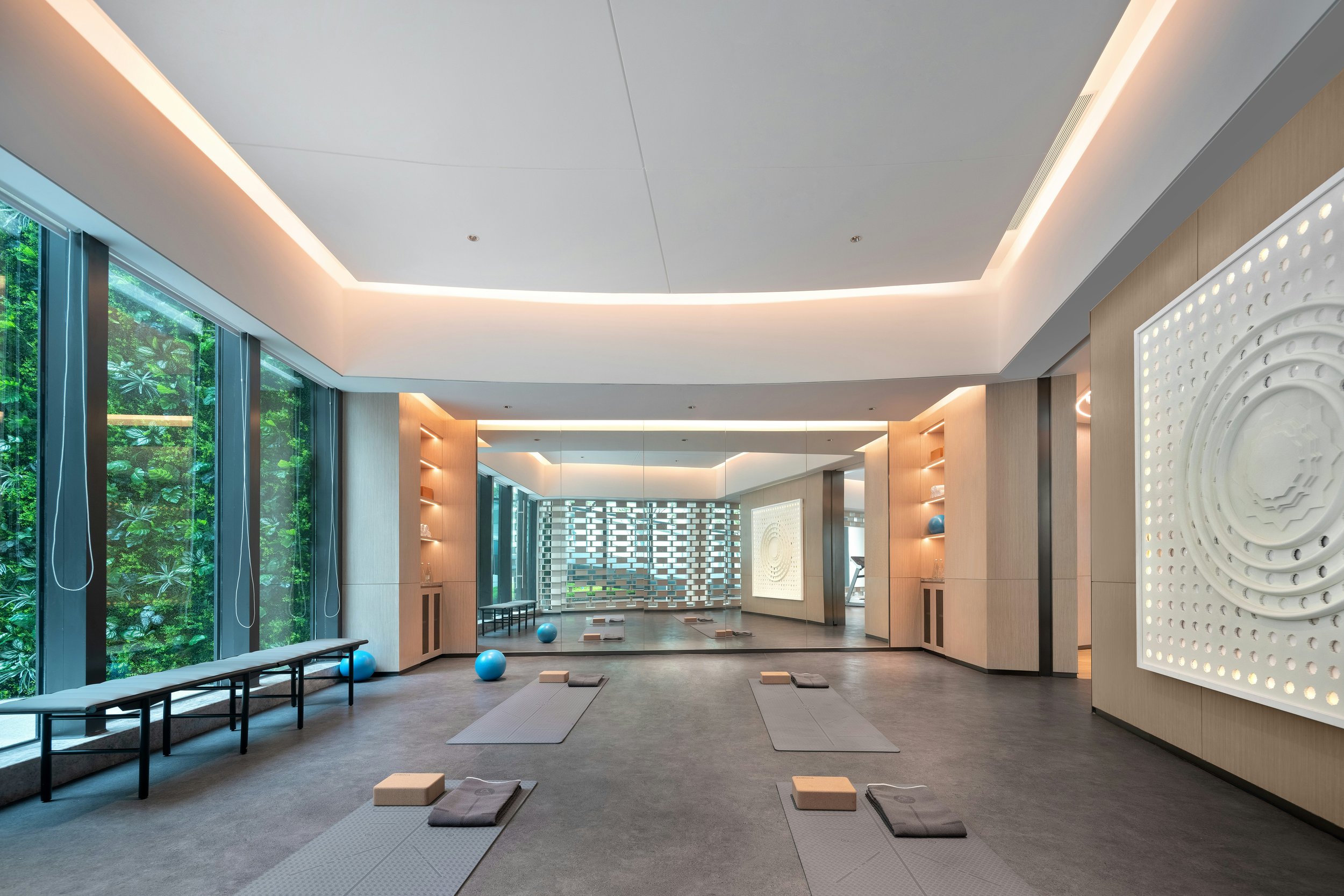
PHOTO CREDIT | Unsplash/eran design
Many people struggle with slowing weight loss or hitting fitness plateaus, even when they exercise regularly. This has led to growing interest in tools and techniques that can make workouts more effective without requiring extra time or complicated routines. One such tool is the weighted vest—a simple garment designed to add extra weight to your body during everyday movement and exercise. But the question remains: can wearing a weighted vest actually help you lose weight, or is it just a fitness trend?
Weighted vests can help with weight loss by making your workouts more intense and increasing the number of calories you burn during activities like walking, running, or bodyweight exercises, but their overall impact is relatively modest; they are best seen as a way to enhance an existing routine rather than a primary fat-loss solution. To be effective and safe, the vest should typically weigh about 5–10% of your body weight and be used alongside a consistent exercise program and a calorie-controlled diet, since sustainable weight loss ultimately depends more on maintaining a calorie deficit than on adding extra resistance alone.
At a basic level, wearing a weighted vest increases the physical demand placed on your body, meaning even simple movements like walking, climbing stairs, or doing bodyweight exercises require more effort. This added resistance pushes your body to burn more calories, elevate heart rate, and recruit more muscle fibers compared to the same activity without extra load. Over time, this higher energy output can contribute to a greater overall calorie deficit—one of the key drivers of fat loss.
Beyond the obvious increase in effort, there is also a growing body of research exploring how the body responds to external loading. One theory, often referred to as the “Gravitostat,” suggests that the body may regulate fat stores based on perceived weight. When additional load is applied through a vest, the body could interpret this as increased body mass and respond by reducing fat while maintaining lean tissue. Although this mechanism is still being studied, it offers an interesting explanation for why weight loading may influence body composition, not just calorie burn.
Practical testing and performance tracking further highlight these benefits. When individuals wear weighted vests for walking, they tend to spend more time in moderate-intensity heart rate zones (often associated with efficient fat utilization). During higher-intensity workouts such as interval training, the added load can significantly increase workout strain, pushing both cardiovascular and muscular systems to work harder. This means you can achieve a more effective workout in the same amount of time, improving efficiency for people with limited training windows.
Another important advantage is how weighted vests enhance strength and functional fitness. Because the weight is distributed close to your center of mass, your core, hips, and stabilizing muscles are constantly engaged to maintain balance and posture. This not only supports muscle development but also improves coordination and movement control in everyday activities. Unlike isolated gym machines, this type of resistance more closely mimics real-life movement patterns, making it highly practical.
Weighted vests can also play a role in breaking through fitness plateaus. If your body has adapted to your usual routine, adding load is a simple way to progressively increase difficulty without needing to completely change your workout. Additionally, for individuals who prefer low-impact exercise—such as walking instead of running—a vest provides a way to boost intensity without increasing joint stress from higher speeds or more explosive movements (though the weight should always be kept within a safe range).
Finally, consistency remains the most important factor in weight loss, and this is where weighted vests can be especially useful. By making everyday activities more effective—like walking the dog, commuting on foot, or doing household tasks—they help turn routine movement into meaningful calorie-burning opportunities. When combined with proper nutrition, adequate recovery, and a structured exercise plan, weighted vests become a powerful tool to enhance results rather than replace the fundamentals.
The timeframe for seeing weight loss results from using a weighted vest can vary widely depending on factors like your starting fitness level, body composition, activity type, and diet.
On average, many people notice measurable changes within 6 to 10 months of consistent use, though some may see minor improvements in as little as 8–12 weeks if paired with a structured exercise and nutrition plan. The process tends to be gradual, as the vest enhances calorie burn and workout intensity rather than creating an instant fat-loss effect.
Several factors can influence the speed of results. A slower metabolism, for instance, may reduce the number of calories burned per day, while joint discomfort or pre-existing injuries might limit how often or intensely the vest can be used. Additionally, if muscle mass is not maintained through strength training, some users may experience a slight decrease in lean tissue, which can affect overall metabolism and slow progress.
To maximize results safely, it’s recommended to start with a lighter vest (around 5–10% of body weight) and gradually increase the load as your strength and endurance improve. Pairing weighted vest workouts with low-impact cardio like walking, hiking, or bodyweight circuits helps protect joints while maintaining high calorie expenditure. Equally important is following a balanced, calorie-conscious diet rich in protein, fiber, and micronutrients to support fat loss, preserve muscle, and fuel recovery.
Consistency is key: using the vest regularly during daily activities and workouts, while gradually increasing intensity, can accelerate results without overloading the joints or causing fatigue. With patience and a holistic approach, a weighted vest can be an effective long-term tool for sustainable fat loss and improved overall fitness.
The results vary based on consistency, diet, and overall activity level. A weighted vest is not a shortcut to dramatic fat loss; instead, it acts as a tool to enhance calorie burn and improve workout efficiency over time.
Before using a weighted vest, many individuals hit a plateau with regular walking or bodyweight workouts. Their calorie burn may be relatively low, and their body adapts to the same routine, leading to slower progress. Fat loss can become gradual or even stall, especially without increasing workout intensity or adjusting nutrition.
After incorporating a weighted vest, users often report noticeable improvements in both performance and body composition. Activities like walking feel more challenging, heart rate increases more quickly, and workouts become more effective without needing extra time.
Over several weeks, this can translate into modest fat loss, improved muscle tone—particularly in the legs and core—and better overall endurance. Some people also notice improved posture and strength due to the constant engagement of stabilizing muscles.
Weighted vests can enhance workouts and increase calorie burn, but using them effectively requires smart strategies. Here are some practical tips:
Start Light and Progress Gradually – Begin with a vest weighing about 5–10% of your body weight, and slowly increase as your strength and endurance improve to avoid strain.
Combine with Daily Activity – Wear the vest during walks, hiking, or household tasks to turn ordinary movement into calorie-burning opportunities.
Use During Workouts – Incorporate the vest into bodyweight exercises, squats, lunges, or HIIT sessions to boost intensity without needing longer workouts.
Prioritize Joint Safety – Pay attention to your knees, hips, and back. Avoid overloading if you have joint pain or past injuries.
Maintain a Calorie-Controlled Diet – A weighted vest increases energy expenditure, but fat loss still depends on a healthy diet and overall calorie deficit.
Track Progress and Adjust – Monitor your heart rate, calorie burn, and comfort level, adjusting vest weight or duration as needed.
By following these tips, a weighted vest can be a safe and effective tool to complement exercise and support gradual, sustainable weight loss.
While weighted vests can be an effective training tool, they are not suitable for everyone. Because a weighted vest increases both mechanical stress on the body and cardiovascular demand, certain individuals may face a higher risk of discomfort or injury.
People experiencing neck, shoulder, or back pain should be particularly cautious. The added weight can place extra pressure on the spine and surrounding muscles, potentially worsening existing pain or leading to strain if posture is not well controlled. Similarly, individuals with arthritis, joint pain, or previous injuries—especially in weight-bearing areas like the hips, knees, and ankles—may find that the additional load increases joint stress and aggravates symptoms rather than improving fitness.
Those with cardiovascular conditions, including heart disease or high blood pressure (hypertension), should also avoid or strictly limit the use of weighted vests unless cleared by a doctor. Because the body must work harder to move under load, heart rate and blood pressure can rise more quickly, which may not be safe for individuals with compromised cardiovascular health.
In addition, beginners who are new to exercise or those returning after a long break should avoid jumping straight into weighted vest training. Without a solid fitness foundation, the extra resistance can lead to poor movement mechanics, muscle strain, or overuse injuries. Pregnant individuals or people with balance or mobility issues should also be cautious, as the added weight may affect stability and increase the risk of falls.
Weighted vests can aid weight loss by increasing the intensity of physical activity, promoting calorie expenditure, and engaging more muscles throughout your movements. However, their effectiveness depends on consistent use, safe weight progression, and a balanced approach that includes a calorie-controlled diet and regular exercise.
They are best viewed as a supplemental tool that enhances fat-burning potential and overall fitness rather than a standalone solution. With patience and proper technique, a weighted vest can help turn ordinary workouts into more effective fat-burning sessions while improving strength and endurance.
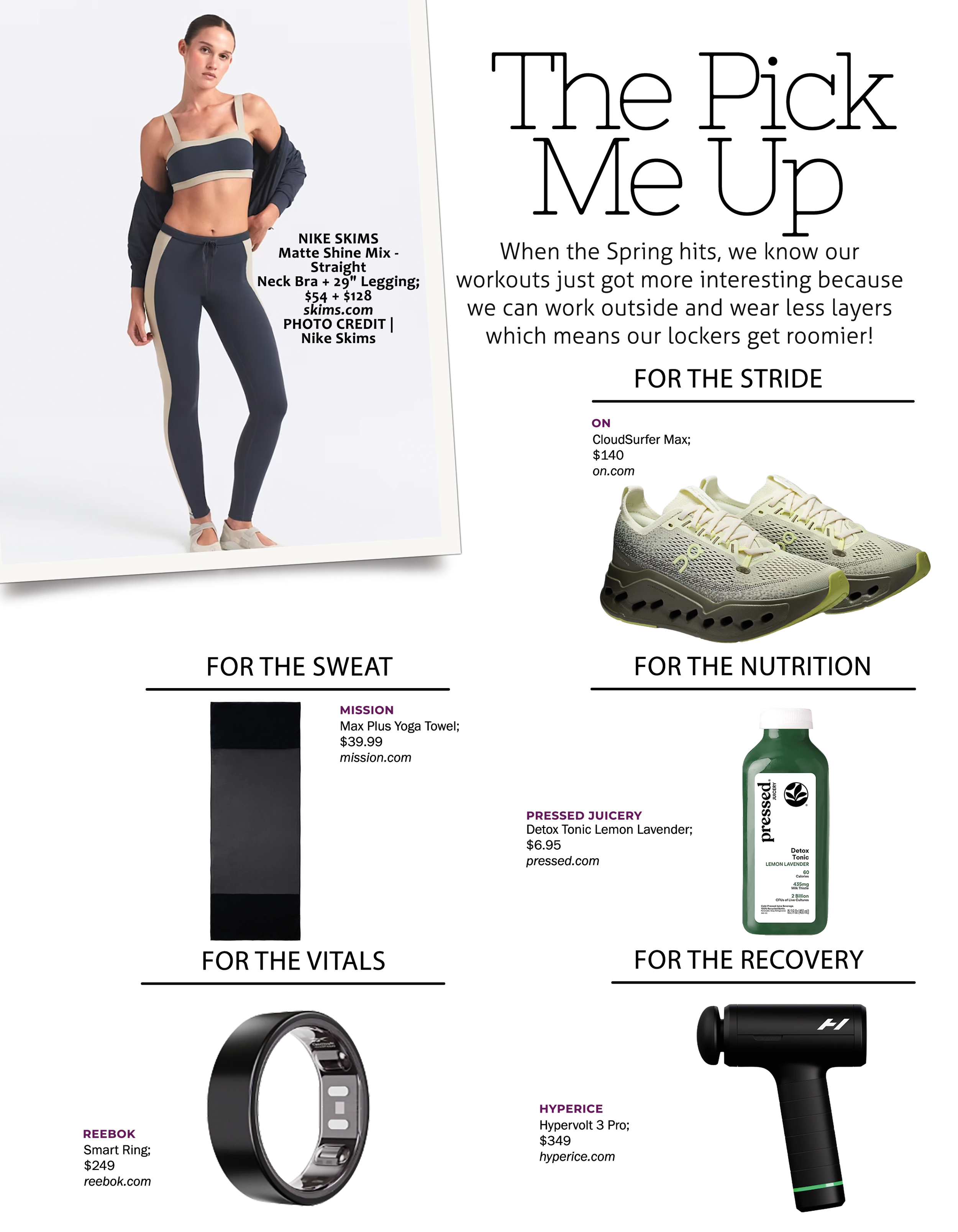
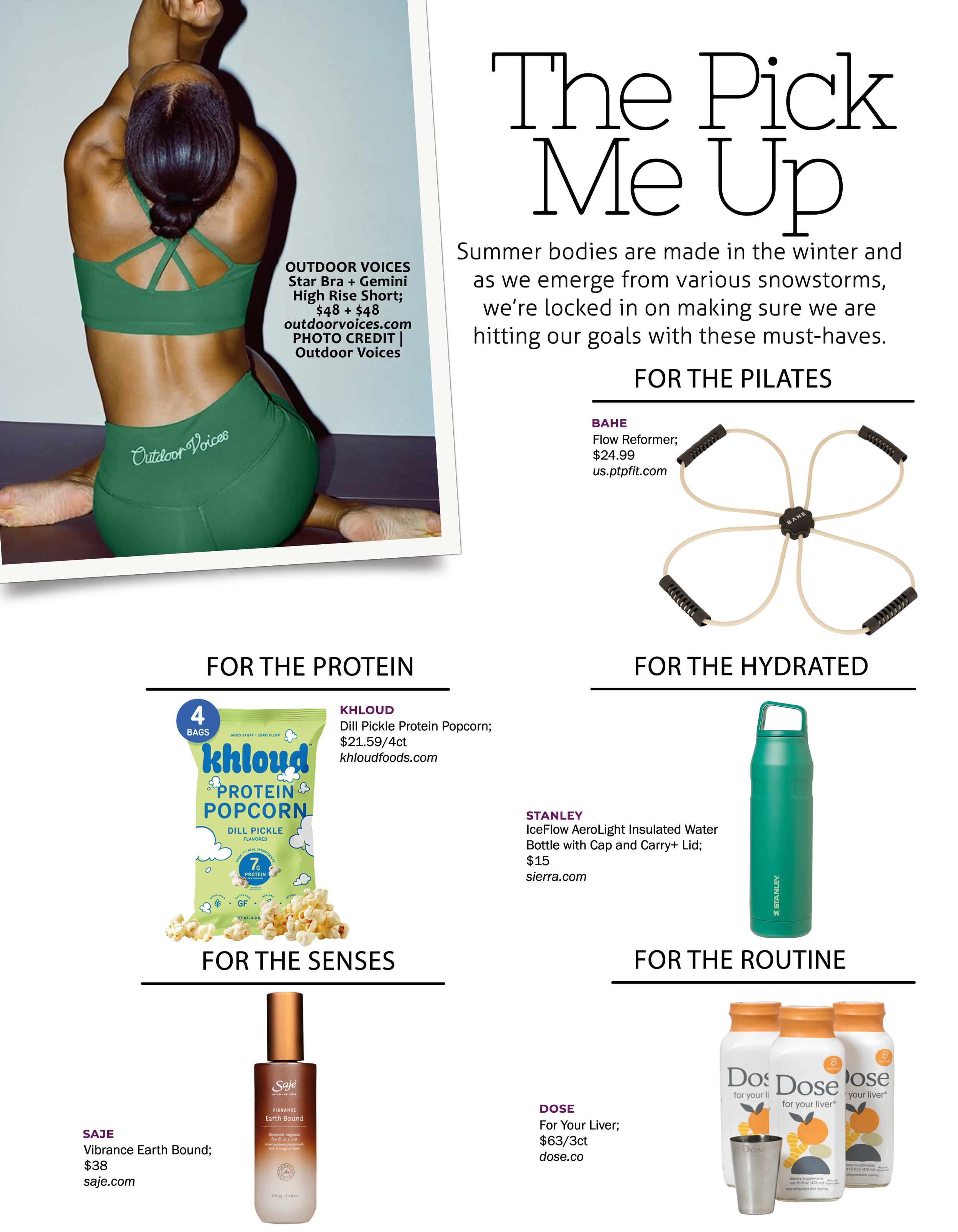
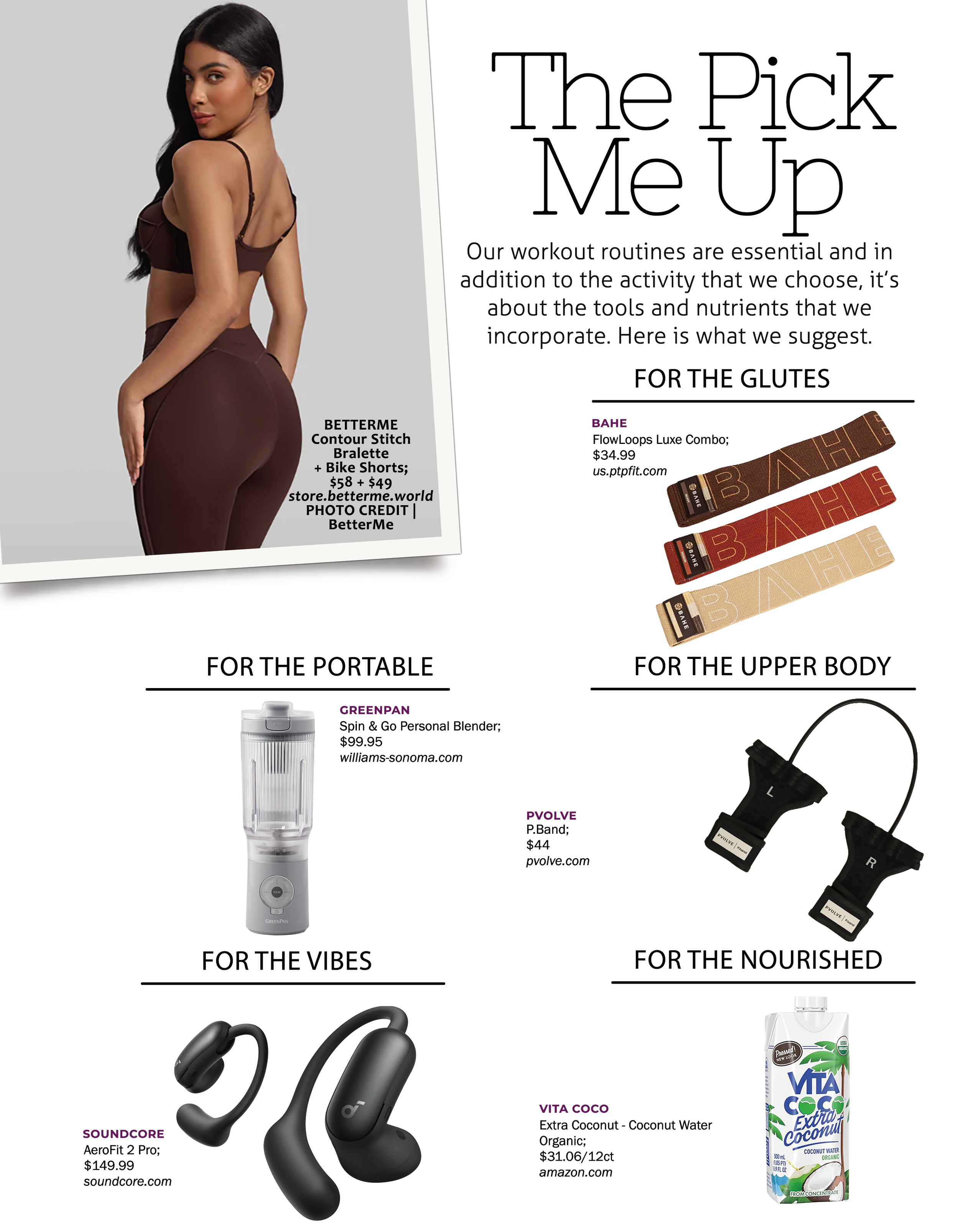
Read the MAR ISSUE #123 of Athleisure Mag and see THE PICK ME UP in mag.

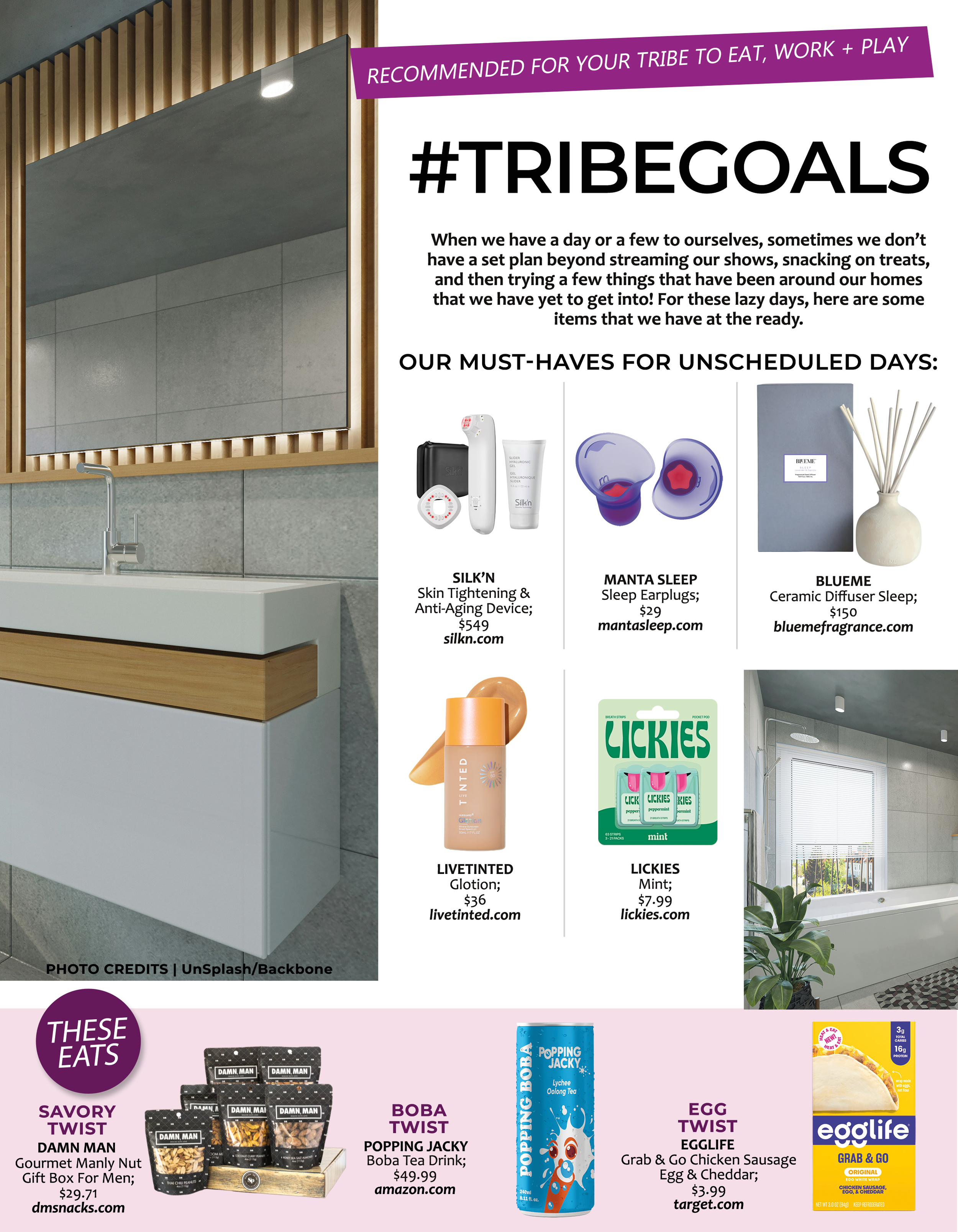
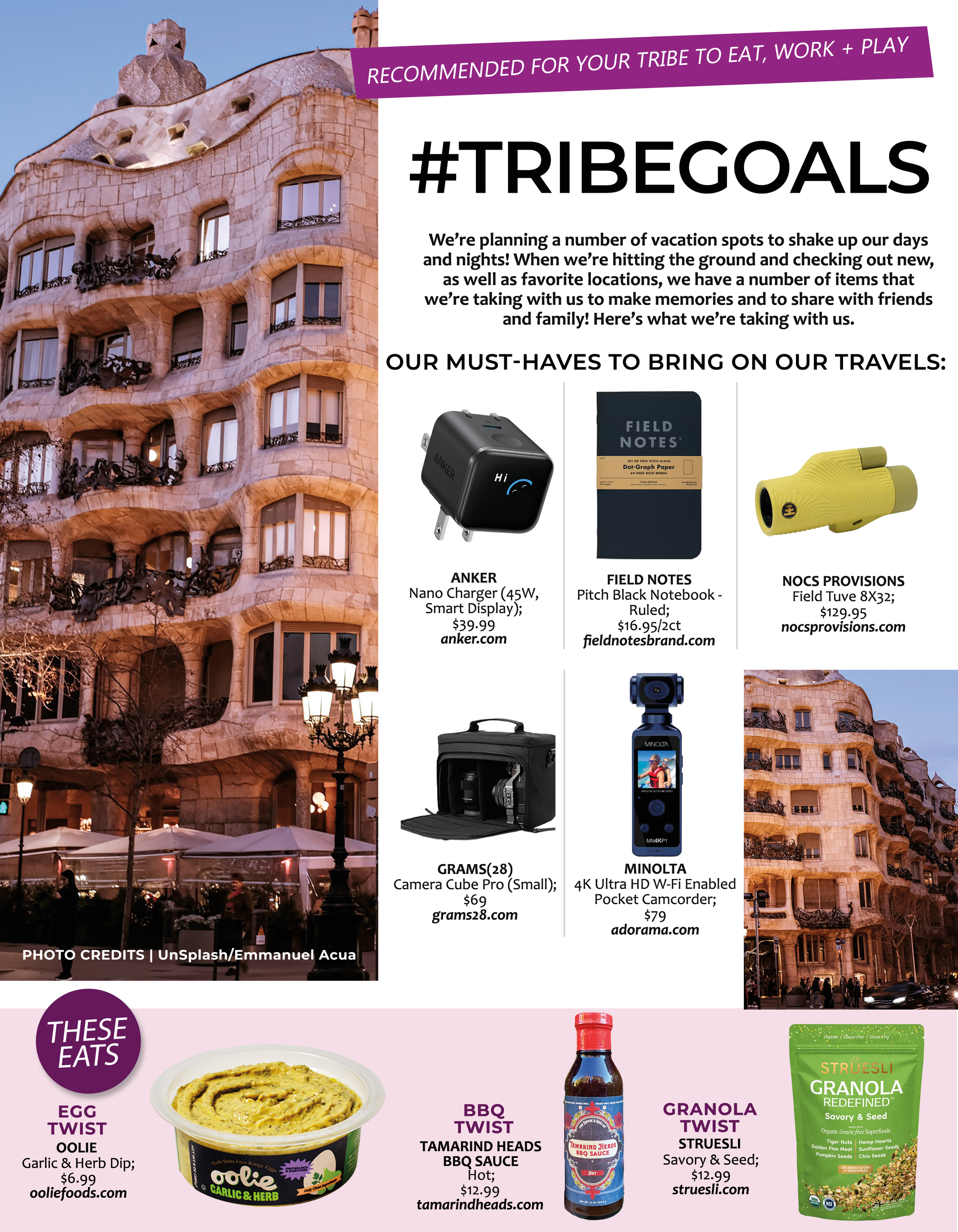
Read the MAR ISSUE #123 of Athleisure Mag and see #TRIBEGOALS in mag.

PHOTO CREDIT | Unsplash/Oskar Kadaksoo
There is something about boarding a flight that feels like a fresh start. A new destination, a change of pace, and a break from routine are some experiences people look forward to. But what most travelers do not think about is what several hours of sitting can do to their legs, particularly the veins in the legs.
As it turns out, sitting affects the veins quite a lot. For people who already have underlying vein issues, the effects can be more than just uncomfortable. Understanding the connection between travel and vein health is one of those things that seems minor until it isn’t.
For anyone dealing with the persistent heaviness in the legs, visible veins, or swelling that seems to worsen after travel, getting a proper evaluation makes more sense than guessing. Practices like Metro Vein Centers focus entirely on leg vein health, helping patients understand what is driving their symptoms and what treatment options are available to them.
Most people chalk up post-flight leg swelling to tiredness or cabin pressure and move on. The reality is more specific than that. When the body stays swayed for several hours, the calf muscles, which normally act as a circulatory pump, pushing blood back up toward the heart, go largely unused. Blood slows, pools in the lower legs, and pressure inside the veins rises.
For healthy travelers, the effects are temporary. For anyone with weakened vein valves or early-stage venous insufficiency, that pooling lands on a system already working harder than it should, and recovery takes longer each time.
According to experts, anyone traveling for more than four hours, whether by air, car, bus, or train, can be at increased risk for circulation-related complications in the legs, with the risk growing the longer the period of immobility lasts.
Not every traveler needs to think twice about a long flight. But certain groups carry a higher baseline risk when it comes to leg vein health and travel. People with varicose veins already have compromised venous valves, meaning blood pooling during a flight adds to a problem that already exists. Those with a history of chronic venous insufficiency, where the leg veins consistently struggle to move blood efficiently, face similar considerations.
Older travelers, those carrying excess weight, frequent flyers who spend many hours in transit each month, and women who have had multiple pregnancies are groups of people who must pay attention to leg vein symptoms during and after travel.
Warning signs to look out for after travel include swelling in the lower legs that does not resolve within a day of travel, a persistent aching or heavy sensation, skin that looks discolored or feels tight around the calves, and veins that appear more prominent than usual after a long journey.
A few straightforward habits make a meaningful difference during long-haul travel.
Get up and move regularly: Walking the aisle every couple of hours is the single most effective thing a traveller can do. Even a short walk to the back of the plane and back to your seat makes a noticeable difference to circulation in the lower legs.
Keep the calf muscles active while seated: Rotating the ankles, flexing the feet up and down, and periodically pressing the balls of the feet into the floor all mimic the pumping action the calf muscles would normally perform while walking.
Stay hydrated throughout the journey: Dehydration causes blood to thicken slightly, which slows its movement through the venous system. Water is the best choice over alcohol and excessive caffeine, as they contribute to dehydration and are best kept to a minimum on long flights.
Wear compression stockings from the start: Put them on before boarding, not after swelling has already begun. Compression stockings work by applying graduated pressure to the lower legs, actively supporting blood flow upwards rather than allowing it to pool.
Travel should not come at the cost of your leg vein health. If leg symptoms keep returning after every trip, that pattern deserves proper attention, not just a pair of compression socks. Vein conditions progress quietly, and catching them early makes all the differences to long-term treatment and recovery.

PHOTO CREDIT | Unsplash/Rizky Subagja
Athleisure did not arrive fully formed. It crept in, particle by particle, as sneakers left the track and found their way under tailored trousers, as yoga studios became cafes that doubled as community centers, and as technical fabrics learned to speak the language of fashion. What began as functional sportswear has grown into a cultural shorthand that signals values about movement, comfort, and identity.
That shift touched more than silhouettes. It altered supply chains, retail strategies, editorial narratives, and even the objects people carry. Accessories now include unexpected items, including waterproof cameras, compact hydration devices, and discreet recovery tools. Understanding athleisure is no longer just about garments. It is about how people stage their lives, how they move through cities, and how comfort and performance have been recoded as style.
Athleisure owes its origins to a series of social and technological changes rather than a single fashion moment. In the late 20th century, sports brands began experimenting with fabrics that improved performance. At the same time, urban lifestyles demanded clothes that could do double duty: commute comfortably by bike and look presentable in the office.
Early adopters were not only athletes. Office workers, parents with tight schedules, and travelers drawn to low-maintenance dressing all found value in garments that simplified decision making. Over time, this practical appeal dovetailed with a broader cultural turn toward wellness. Exercise was no longer an isolated activity but an integrated part of everyday life. Clothing followed suit, with hybrids that mediate between studio and street.
A defining feature of athleisure is the way materials carry meaning. Technical textiles once reserved for elite athletes are now common language in mainstream wardrobes. Breathable meshes, moisture-wicking knits, seam-free constructions, and compressive weaves provide measurable benefits while signaling a lifestyle.
Design has also shifted. Minimalist silhouettes, muted palettes, and subtle logos make performance fabrics adaptable to different contexts. Pockets and modular elements respond to real-life needs. As a result, consumers expect versatility. A jacket should perform on a rainy morning run and layer under a blazer for an evening event. This expectation nudges brands to design with a systems perspective, thinking about how garments interact rather than treating each item as an isolated product.
The rise of multipurpose garments also changes consumption patterns. People invest in fewer pieces that offer multiple uses. This has implications for sustainability debates and for how brands narrate product utility without overstating claims.
Celebrities and athletes have played a complex role in normalizing athleisure. When public figures pair performance-wear with couture accessories, they create a visual script that is easy to replicate. That script emphasizes authenticity—these figures are often seen working out, traveling, and attending casual industry events in the same outfits.
Beyond runway moments, social media amplifies these narratives. Short-form video and daily lifestyle posts create an intimate sense of discovery. Viewers see how a particular pair of leggings performs through the day or how a jacket resists the elements during a weekend hike. Those shared moments encourage experimentation and help demystify technical garments for a broader audience.
At the same time, influencers have pushed brands to be transparent about fit, fabric, and function. Consumers now expect to see garments in motion, not just flat on a hanger. That demand has driven a new kind of product storytelling that blends editorial content with user-generated perspectives.
Athleisure has practical effects on how people plan their days. When clothing reduces the friction between activities, scheduling becomes more fluid. You can attend a late-morning spin class, drop into a meeting, and grab dinner without a change of clothes. That flexibility matters in dense urban environments where transit and time are premium resources.
Beyond convenience, athleisure influences movement choices. Comfortable gear lowers the activation energy required to exercise. When exercise apparel is also suitable for other contexts, people are more likely to prioritize active commuting or spontaneous workouts. In this way, clothing subtly nudges behavior without moralizing about health.
There is also a gendered dimension to consider. Athleisure has expanded options for many who previously faced rigid expectations about dress. For some, it is a liberation from formal dress codes. For others, it raises questions about appropriateness and professionalism. The negotiation happens in workplaces, schools, and social spaces, and it is often uneven.
Retailers have adapted to the cross-category nature of athleisure. Flagship stores become experiential spaces where customers test how garments perform in scenarios that mirror real life. Subscription models and rental services respond to the desire for variety without long-term commitment. Meanwhile, direct-to-consumer brands use targeted content to explain technical benefits without jargon.
Culturally, athleisure feeds into a larger reevaluation of status markers. Luxury once signaled scarcity and formality. Increasingly, comfort, craftsmanship, and thoughtfulness serve as alternative markers of taste. That does not mean logos disappear. Instead, the conversation shifts from ostentation to the story behind a garment—how it was made, how it moves, and what it enables.
Technological advances will continue to shape the category. Smart fabrics, modular attachments, and improved manufacturing techniques will allow more graceful integration of tech into everyday wear. But the success of these innovations will hinge on subtlety. Consumers respond to tools that enhance experience without dominating it.
The rise of athleisure raises questions that go beyond styling. What does it mean when casualness becomes a norm? How do institutions adapt when the clothing that workers choose prioritizes comfort? And what responsibility do brands carry when they encourage more frequent use of garments that may wear out quickly?
Sustainability remains an unresolved tension. Technical fabrics often rely on synthetic fibers, which complicate recycling. Brands and consumers are experimenting with longer-lasting constructions and circular business models, but the economics of durability still clash with fast-fashion rhythms.
Finally, there is a cultural negotiation about identity. Athleisure can be genuinely inclusive, offering functional solutions for varied bodies and lifestyles. But it can also flatten distinct cultural dress practices into a homogenized global aesthetic. Designers and cultural commentators are increasingly attentive to this risk, arguing for more nuanced approaches that respect local sartorial traditions while embracing functional design.
Athleisure is more than a fashion trend. It is a cultural shift that reconnects clothing to behavior, technology, and daily life. Its appeal lies in a practical promise: garments that reduce friction between activities while signaling a personal stance toward movement and comfort. As the category evolves, the most interesting questions will be social rather than stylistic. How will institutions respond? How will communities preserve distinct modes of dress? And how will designers balance innovation with responsibility? Observing these choices will reveal as much about our changing priorities as any runway show.