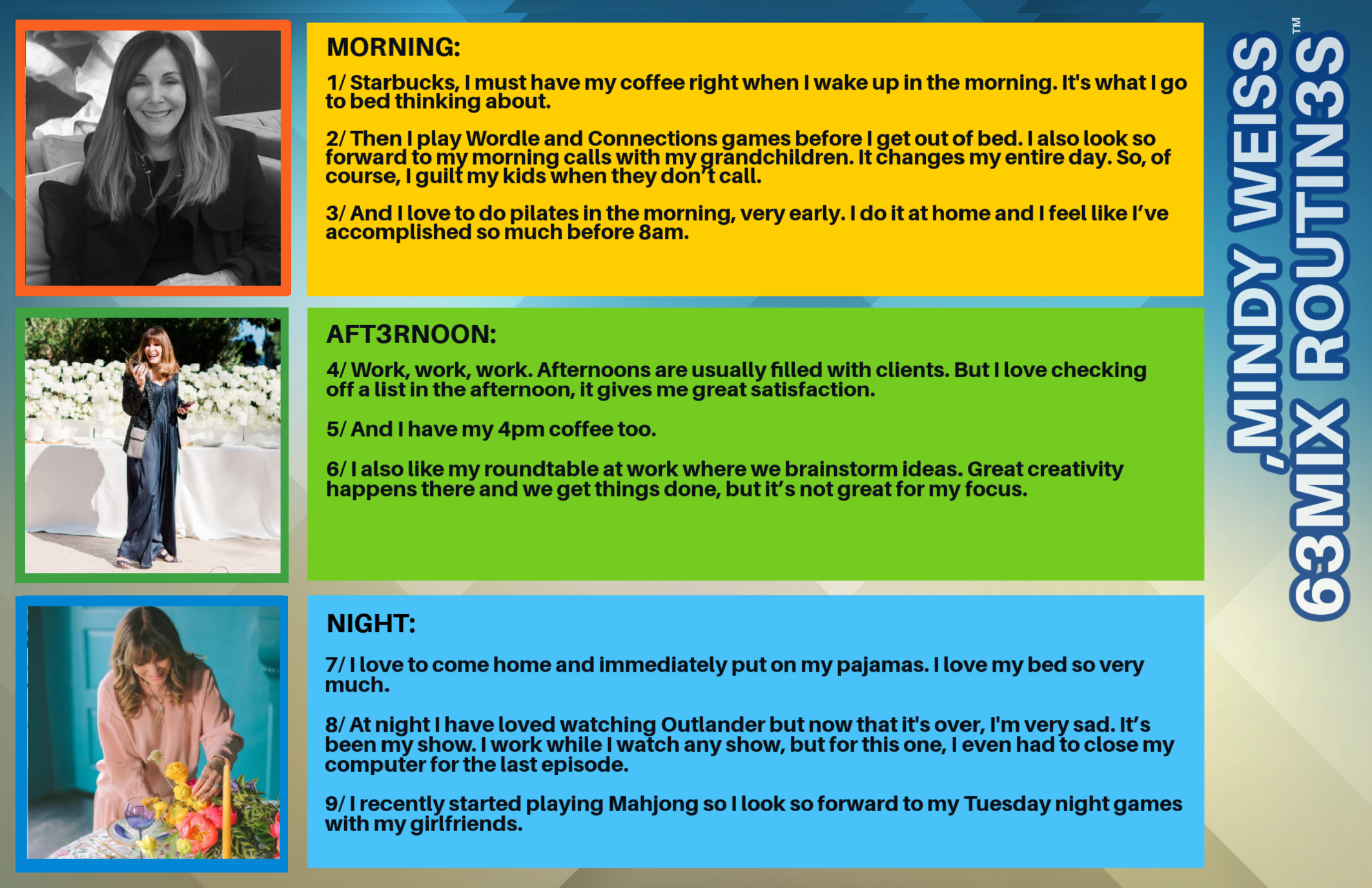
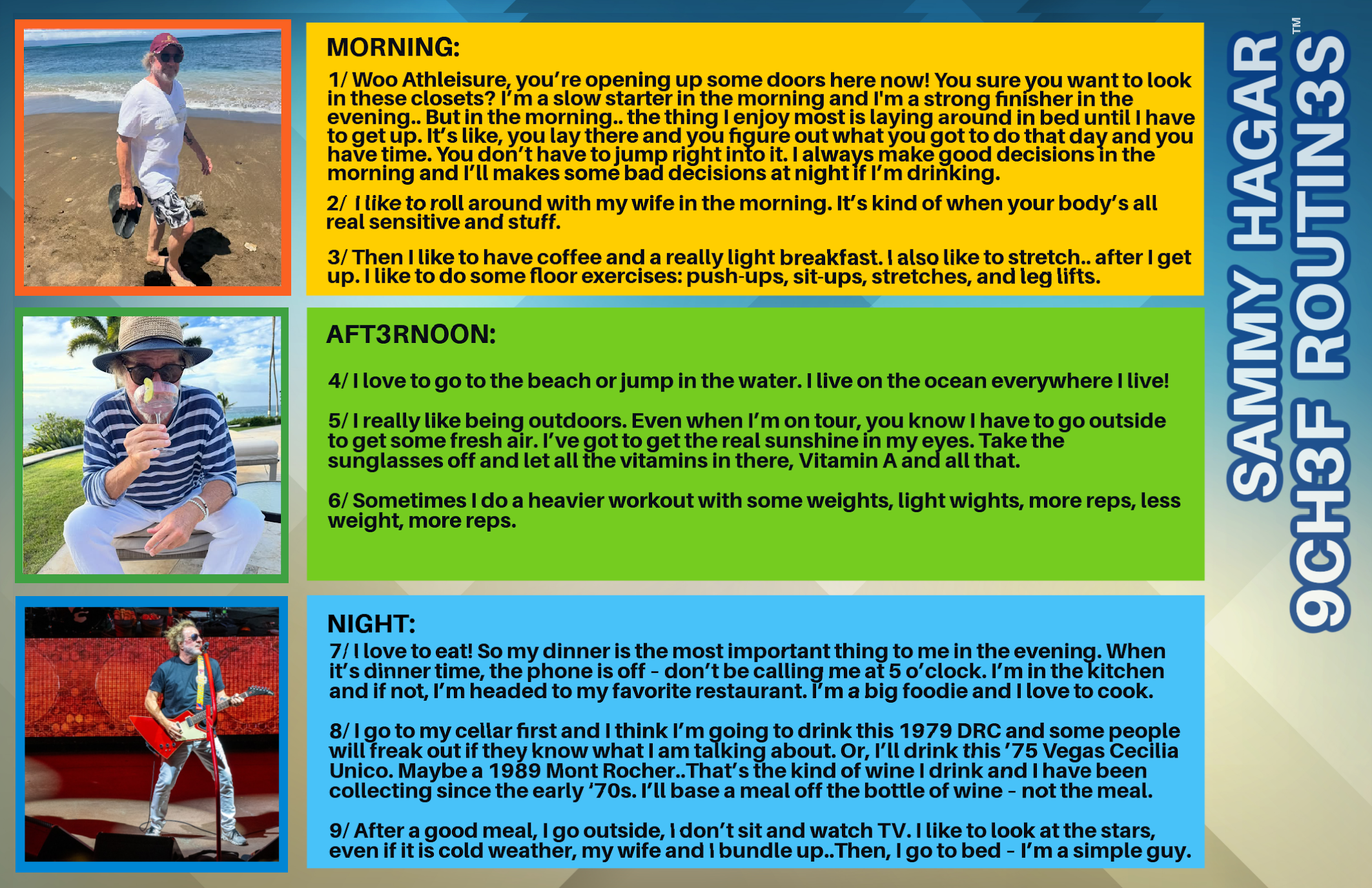
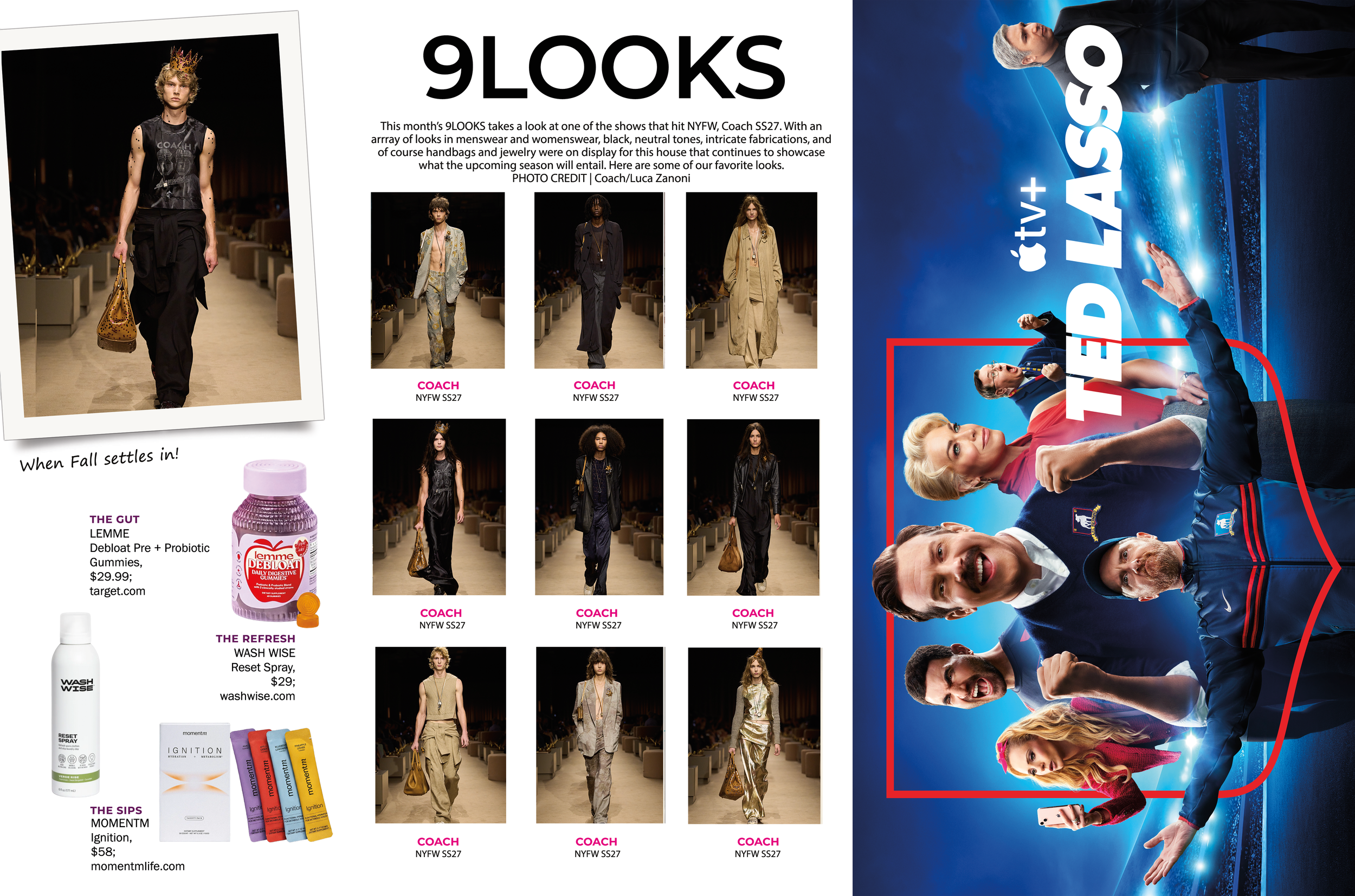
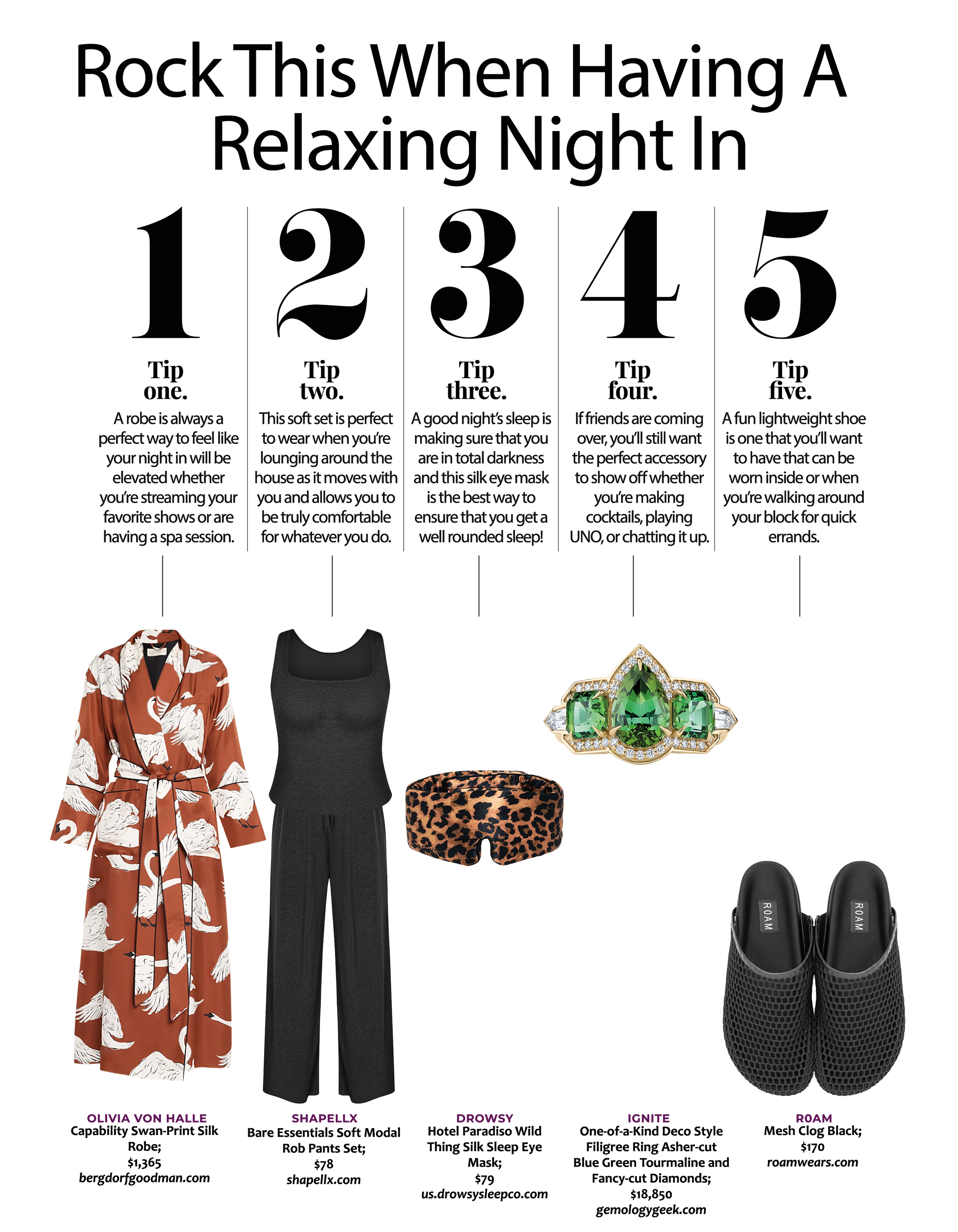
PHOTO CREDIT | Alex Baxley
PHOTO CREDIT | Alice Baxley
PHOTO CREDIT | Emmie America
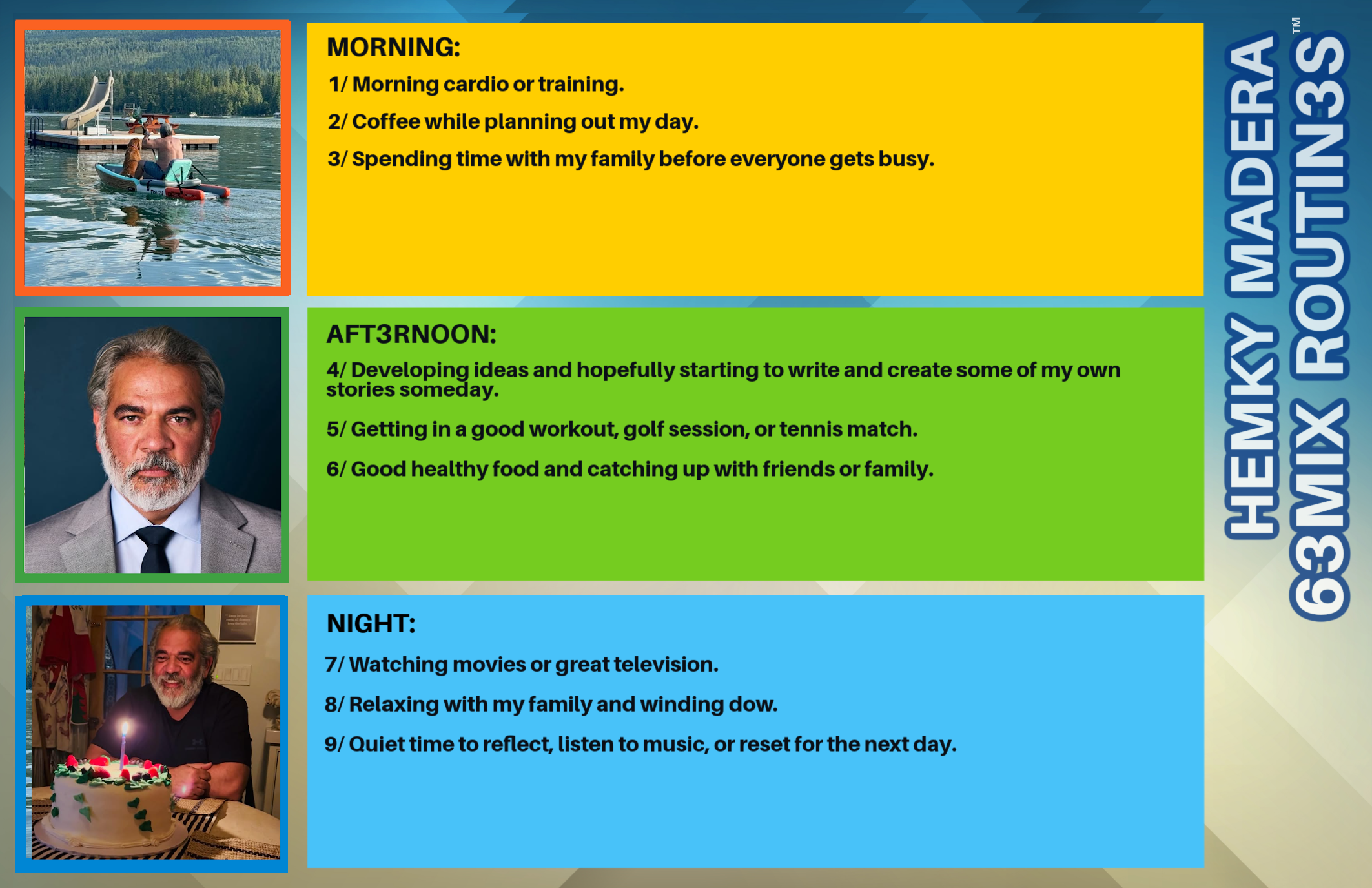
Read the SEP ISSUE #129 of Athleisure Mag and see 9PLAYLIST | Green Day in mag.
The Latest





PHOTO CREDIT | Alex Baxley

PHOTO CREDIT | Alice Baxley

PHOTO CREDIT | Emmie America
Read the SEP ISSUE #129 of Athleisure Mag and see 9PLAYLIST | Green Day in mag.

PHOTO CREDIT | AP
This time of year is perfect for the continued transition into Fall, homegate/tailgates, and of course navigating cooler temperatures. We sat down with one of Bachelor Nations’ faves, JoJo Fletcher from The Bachelorette to find out how she is handling this time of year with her hubby Jordan being an analyst, taking care of her family, and what she is working on.
ATHLEISURE MAG: What does football season look like for you?
JOJO FLETCHER: Football season is one of the busiest times of year for our family. Jordan is on the road a lot for work, and I am home with Romy, the boys, and have my own work. So when Sunday comes around and we get to be together, I love making it a cozy family day with football on. It looks a little different with a baby now, but honestly, I love it even more.
AM: What are three football season must-haves?
JF: At home, its good snacks on had, a comfy game day watching outfit, & a cozy blanket to cuddle up with. For on the road, its a great pair of comfortable yet fashionable sneakers, sunglasses and the perfect little crossbody bag to carry all your necessities in.
AM: How do you stay healthy as the seasons change?
JF: I try to stay on top of the basics: sleep when I can, washing my hands, staying hydrated, and taking care of myself before I am completely run down. That said, having a baby has made me much more aware of how quickly a little congestion can throw off our whole routine, so when I do start to feel a cold or flu coming on, Mucinex 12HR Cold & Fever Multi-Symptom is a non-negotiable. I love that it not only helps manage my symptoms but also provides 12 hours of relief so I can focus on everything else I have on my plate.
AM: What do you love about football season?
JF: I have always loved the energy football season brings especially when you get to go to a game in person but I also love that it gives us something to look forward to as a family. Jordan’s schedule can be super hectic this time of the year, so I really appreciate those Sundays when he gets home after a long work week and we can slow down a little, and all be together.
AM: How do you stay connected with Jordan while he is broadcasting?
JF: FaceTime’s are always the best in between busy days, lots of pictures of Romy, and just sharing little updates throughout the day. Its those quick check-ins that help us feel connected when he is away, and then we make the most of our time together when he gets home.
AM: How do you balance motherhood and your businesses?
JF: I am still figuring it out! Some days I feel like I have a great rhythm, and other days the rhythm is whatever Romy decides it is. I have had to get better at prioritizing and being present with what is in front of me. I love my work, and I love being her mom, so I am learning what balance looks like in this season.
AM: Any projects we should watch for?
JF: Saint Spritz is something I am really excited about. Building a brand has been such a learning experience, and I love getting to do it with my family and share it with people. I am looking forward to what is ahead with it, alongside this new chapter as a mom.
Read the latest issue of Athleisure Mag.

PHOTO CREDIT | Unsplash/Brisbane Local Marketing
Choosing the right Supported Independent Living (SIL) provider is an important step for NDIS participants who want to enjoy greater independence while receiving personalised support. A quality SIL provider not only assists with daily living but also encourages participants to develop skills, build confidence, and achieve their individual goals in a safe and supportive environment.
When exploring Supported Independent Living (SIL) in Brisbane, it is important to look beyond the range of services offered. The right provider will take the time to understand your unique needs, respect your preferences, and create a living arrangement that promotes independence, wellbeing, and long-term quality of life. By knowing what to consider during the selection process, participants and their families can make an informed decision that supports both their current needs and future aspirations.
Before choosing a SIL provider in Brisbane, it is important to have a clear understanding of your personal support requirements. Every person has different needs, preferences, routines, and goals, so the right provider should offer personalised support rather than a one-size-fits-all approach.
Consider the type of assistance you may require, including:
Personal care and daily living support
Meal preparation and household tasks
Medication assistance
Community participation
Transport support
Social activities
Skill development
Understanding your priorities will help you identify providers that can deliver the right level of support while promoting independence.
Experience and reliability are important factors when choosing a Supported Independent Living provider. An established provider should have a strong understanding of NDIS requirements, participant rights, and best-practice support standards.
A reputable SIL provider should demonstrate:
Appropriate NDIS registration
Qualified and trained support workers
Clear service agreements
Transparent communication processes
Commitment to participant choice and control
Working with an experienced provider provides greater confidence that your supports will be delivered professionally and consistently.
Location plays a major role in creating a comfortable and independent lifestyle. When exploring SIL options in Brisbane, consider whether the accommodation provides convenient access to essential services and community opportunities.
Important location factors include:
Proximity to shops and healthcare services
Access to public transport
Distance from family and friends
Nearby recreational facilities
Accessibility of the property
A suitable location helps participants stay connected with their community while maintaining independence.
The living environment is a key part of the SIL experience. A well-designed home should provide comfort, safety, accessibility, and a sense of belonging.
When inspecting SIL accommodation, consider:
Bedroom and living space arrangements
Accessibility features
Safety equipment
Cleanliness and maintenance
Shared living arrangements
Privacy options
Outdoor areas
The right home environment should support independence while making residents feel comfortable and respected.
A quality SIL provider focuses on the individual rather than simply providing a list of services. Support should be tailored around each participant's goals, preferences, routines, and communication style.
Ask potential providers how they:
Develop individual support plans
Encourage independence
Support personal choices
Adapt services as needs change
Involve participants in decision-making
A person-centred approach ensures support enhances daily life rather than limiting independence.
Support workers play an essential role in the SIL experience. Building positive relationships with staff can greatly influence comfort, trust, and overall wellbeing.
Before choosing a provider, consider meeting the team and asking about:
Staff experience and training
Communication methods
Staff availability
How support workers are matched with participants
Approach to building respectful relationships
Having a supportive and reliable team can make the transition into SIL living much smoother.
Clear communication is essential between participants, families, and SIL providers. A trustworthy provider should be open about services, costs, responsibilities, and expectations.
Look for providers that offer:
Easy-to-understand agreements
Regular progress discussions
Responsive customer support
Clear complaint and feedback processes
Good communication helps build trust and ensures participants remain actively involved in decisions about their support.
Supported Independent Living is not only about receiving assistance with daily tasks. It is also about creating opportunities for connection, confidence, and personal growth.
Ask providers about opportunities for:
Community outings
Social events
Educational activities
Employment support
Recreational programs
Skill-building activities
A provider that encourages participation can help residents develop independence and enjoy a more fulfilling lifestyle.
Understanding how SIL funding works is an important part of selecting a provider. Participants should ensure the provider's services align with their approved NDIS plan and support requirements.
Discuss:
Included services
Support hours
Accommodation-related costs
Additional expenses
Service agreements
A transparent provider will explain costs clearly and help participants understand how their funding is being used.
Researching a provider's reputation can provide valuable insight into the experiences of current and previous participants.
Consider:
Online reviews
Participant testimonials
Family feedback
Community recommendations
While every person's experience is different, feedback can help identify providers known for quality care, professionalism, and participant satisfaction.
Before making a final decision, arrange a meeting or visit with potential SIL providers. This allows you to experience the environment, ask questions, and determine whether the provider feels like the right fit.
Important questions may include:
How do you support individual goals?
How do you handle changes in support needs?
What training do support workers receive?
How do you promote independence?
What makes your SIL services different?
Taking time to compare options can lead to a more confident decision.
Choosing the right Supported Independent Living provider in Brisbane is a significant step towards achieving greater independence, confidence, and quality of life. The best provider will offer personalised support, a safe and welcoming environment, experienced staff, and a genuine commitment to participant choice.
By considering your individual needs, reviewing accommodation options, understanding funding arrangements, and researching provider quality, you can select a SIL service that supports your goals and empowers you to live life on your own terms.
A strong SIL partnership is built on trust, respect, and collaboration. With the right provider, supported independent living can provide the foundation for a more independent and fulfilling future.
There is a kind of green that does not shout. It does not compete with neon or chase the candy-bright palettes of high summer. Bamboo Green arrives quietly, like the first cool morning after a long stretch of heat — and it stays. Alo Yoga’s newest colorway draws from the stillness of bamboo groves: a muted, earthy green with grey undertones that keep it grounded, never garish. It is the kind of shade that looks intentional without trying too hard, and it moves seamlessly from the mat to the street without announcing the transition.
Born from a different kind of green
Alo Yoga has always carried “green” in more than one sense. The brand name itself stands for Air, Land, Ocean — three natural elements that anchor its commitment to ethical production and environmental awareness. Bamboo Green extends that philosophy into color. The hue takes its cue from the plant itself: resilient, fast-growing, and quietly adaptive. It is a green that feels less like a trend and more like a return to something essential. In a market flooded with seasonal color drops that burn bright and fade fast, Bamboo Green offers a slower, steadier kind of relevance.

PHOTO CREDIT | Alo Yoga
A palette built for real life, not just workouts
The Bamboo Green collection spans 37 products across women’s and unisex styles, covering the full arc of an active day. Core pieces include the Airlift Suit Up Bra and Airlift Lotus Bra, both cut from Alo’s signature Airlift fabric — a micro-performance double-knit with a subtle sheen that sculpts and supports without feeling restrictive. The Match Point Short and Wild Thing Bra bring the same color into lighter, more breathable silhouettes for warmer sessions. For layering, the Socialite Shacket offers a relaxed, oversized structure that works as easily over leggings as it does over a dress. The Aspire Tank in Bamboo Green/White introduces a clean two-tone contrast for those who want the shade without committing to a full monochrome look.
What ties these pieces together is not just the color — it is the fabric philosophy. Airlift is composed of 84% polyester and 16 elastane, delivering four-way stretch that recovers quickly and holds its shape through repeated wear. The fabric is moisture-wicking and quick-drying, designed to move sweat away from the skin during intense training while staying breathable enough for everyday wear. In Bamboo Green, the performance technology reads less like gym gear and more like a considered wardrobe choice.
Studio-to-street, without the switch
Alo Yoga has built its identity around the idea of “Studio-to-Street” — clothing that serves the practice and then keeps going. Bamboo Green makes that transition effortless. The Suit Up Trouser in this shade, cut from a lightweight stretch fabric with a boxer-style waistband, moves from a morning flow to a coffee meeting without a costume change. The Accolade Straight Leg Sweatpant brings the same color into a softer, street-ready silhouette with a chrome Alo logo detail. Paired with the Cropped Mountain Peak Full-Zip Hoodie, the full look lands somewhere between athletic and architectural — polished enough for errands, relaxed enough for recovery.
For those who prefer a more structured layer, the Socialite Shacket in Bamboo Green adds a tailored edge to the collection. Its oversized fit and clean lines make it an easy throw-on over a sports bra and leggings, or layered over a slip dress for something less predictable. This is the kind of piece that proves color can be versatile when it is chosen with intention.

PHOTO CREDIT | Alo Yoga
Why this green, and why now
Most activewear color stories fall into two camps: the safe neutrals (black, grey, white) and the seasonal pops (coral, lilac, electric blue). Bamboo Green sits deliberately between them. It has the depth of a neutral but the character of a statement. The grey undertones make it flattering across skin tones, while the muted saturation keeps it from feeling juvenile. It pairs naturally with black, cream, and camel — the building blocks of a functional wardrobe — but also holds its own against denim, leather, and knit textures. In a season that often leans into either austerity or excess, Bamboo Green offers something in between: calm, grounded, and quietly confident.
The collection is available now on Alo Yoga’s new arrivals page, with select pieces marked as limited editions. For those building a wardrobe that works as hard as they do — and looks like it was chosen, not defaulted into — Bamboo Green is the shade worth starting with.
Explore the Bamboo Green collection at aloyoga.com and find your next everyday essential.

PHOTO CREDIT | Unsplash/Sonny Mauricio
Hypromellose is not a word most athletes plan to learn. For anyone training on a plant-based diet, though, it is worth knowing, because it is one of the plant-derived materials commonly used to make capsule shells in place of animal gelatin. Shell material is exactly the kind of detail that separates a truly vegan supplement from one that only looks the part, and it is why plant-based athletes who add CBD to their routine often choose the organic capsules from Joy Organics, which are labeled vegan and USDA-certified organic, with 25 mg of THC-free broad-spectrum CBD in each one.
Eating plant-based is the easy part. Reading labels well enough to stay plant-based across protein powders, vitamins, gummies, and recovery products takes a little more practice. Here is what to look for.
Many capsules and most softgels are made with gelatin, which comes from animal collagen. A product can contain nothing but plant ingredients inside and still fail the vegan test because of what holds it together.
Plant-based capsules are usually made from cellulose derivatives such as hypromellose, often listed as HPMC, or from pullulan, a material produced by fermenting starch. If the ingredient list names one of these as the capsule, you are in good shape. If it simply says “capsule” or “softgel” with no detail, it is worth checking with the brand.
The FDA does not define the word vegan on food or supplement labels. A brand can use it based on its own review, while third-party programs such as Certified Vegan and the Vegan Society trademark add an outside check of ingredients and processing.
Either way, a few ingredients deserve a second look because they can come from animals without saying so. Vitamin D3 has traditionally been sourced from lanolin in sheep’s wool, though plant-based versions made from lichen are now common. Carmine, a red coloring, comes from insects. Shellac, used as a glaze, is an insect product too. Gelatin turns up in gummies, and whey or casein can appear in blends that are marketed for performance.
“Natural flavors” is another phrase that can hide animal-derived inputs, so a vegan label or a direct answer from the brand is the only reliable confirmation.
The USDA Organic seal is federally regulated and carries real weight. A product bearing it must contain at least 95 percent organic ingredients, not counting water and salt, and the operation has to be inspected by a USDA-accredited certifier. A “made with organic” claim requires at least 70 percent organic ingredients and cannot use the seal.
Organic and vegan are separate standards, and one does not imply the other. Organic yogurt is still dairy. That is why the combination is worth noticing when it appears. Joy Organics, for example, pairs the USDA Organic seal on its capsules with a vegan formula and publishes batch lab reports for its products, so a plant-based shopper can confirm how the hemp was grown, what the capsule is made of, and what the lab measured in the finished batch.
Plenty of plant-based athletes also avoid gluten. Under FDA rules, a gluten-free label means the product contains less than 20 parts per million of gluten. Some third-party programs, including the Gluten-Free Certification Organization, set a stricter limit of 10 parts per million.
Allergen statements matter here too. A product can be vegan and still be made on equipment shared with soy, tree nuts, or wheat, which the label should disclose.
Vegan and organic seals say nothing about banned substances. Athletes who compete in tested events should look for programs built for that purpose, such as NSF Certified for Sport or Informed Sport, which test products for substances prohibited in sport and confirm that the label matches what is inside.
This matters most for categories where contamination is a known concern. When in doubt, ask the brand for a certificate of analysis tied to your batch, and check your governing body’s current list before adding anything new.
Check the capsule or softgel material, not just the active ingredients.
Treat an unexplained vegan claim as a starting point and look for a third-party mark or ask the brand.
Remember that organic and vegan are different standards.
Read the gluten and allergen statements if they apply to you.
If you compete, look for sport-specific testing and batch lab reports.
None of this takes long once it becomes a habit. The athletes who stay consistently plant-based are rarely the ones with the strictest willpower. They are the ones who learned to read the back of the package as carefully as the front.
PHOTO CREDIT | Roc Nation
Read the SEP ISSUE #129 of Athleisure Mag and see 9PLAYLIST | JAŸ-Z in mag.
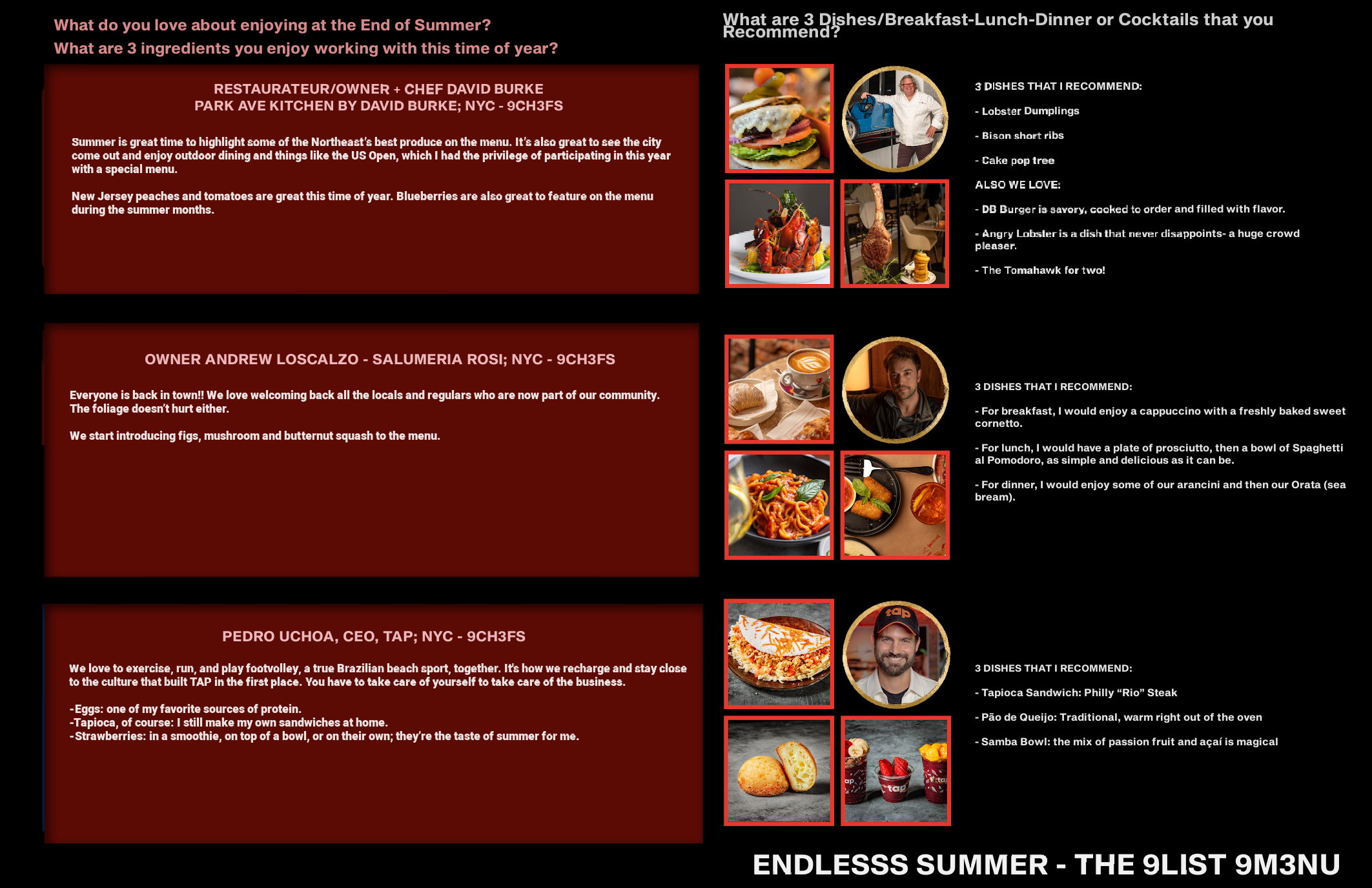
Read the SEP ISSUE #129 of Athleisure Mag and see THE 9LIST 9M3NU in mag.
From Mediterranean holiday feeds to curated Pinterest boards, ocean-inspired blue is this season’s hero shade. Driven by social media trends like #CapriCore—which channels retro Italian riviera style—and #ResortGlamour, which embraces "swim-to-street" dressing, blue has become the go-to shade for elevated vacation style.
That "swim-to-street" transition is where SAMIOL’s Blue Swimsuits Collection really shines. Instead of basic, single-season beachwear, SAMIOL focuses on tactile depth and day-to-night flexibility. From saturated royal blues to calming ocean tones, each piece incorporates unique tactile details—including shimmering lurex fabric, lightweight sheer mesh, plush terry cloth, and ruffle-trimmed or backless cuts. The result is a lineup of supportive tankinis that easily double as sleek bodysuits once you step off the beach.
Here is how to style SAMIOL’s key pieces to bring these two trending vacation aesthetics to life.
1. Capri Core: Retro Textures & Coastal Nostalgia
Capri Core is all about breezy, low-maintenance Italian elegance—think sun-drenched cliffside towns, lemon groves, and slow mornings by the water. To pull this off, focus on tactile, vintage-inspired fabrics.
Gingham nostalgia with the Blue Knitted Plaid Tankini Set: Crafted with a cozy, textured knit plaid pattern, this set brings an unmistakable 1960s seaside charm. Style it by throwing an oversized, unbuttoned white linen shirt over top, paired with handcrafted woven slides and dark sunglasses for an afternoon sipping an iced espresso at a cliffside café.
Coastal charm with the Blue Contrast Shell Tankini Set: Accented with delicate contrast shell details along the edges, this tankini combines nautical minimalism with subtle seaside elegance. Pair the tankini top with high-waisted denim shorts, a wide-brim straw hat, and woven sandals for a breezy morning stroll along the coast.

PHOTO CREDIT | Samiol
2. Resort Glamour: Sunset Shimmer & Evening Silhouettes
As late afternoon melts into golden hour, poolside dressing turns significantly sleeker. The trick dominating social feeds right now is treating high-design tankini tops as fitted bodysuits—letting you step straight from a sunbed to sunset cocktails without a trip back to your room.
Golden-Hour shimmer with the Blue Lurex Wave Cut Tankini Set: SAMIOL weaves silver lurex metallic threads into knitted nylon, creating a subtle glitter that catches the warm sunset light along its scalloped wave edges. Style this top as a fitted bodysuit by tucking it into high-waisted, flowing silk trousers, complete with chunky gold hoops and metallic heels for rooftop cocktails.
Evening drama with the Royal Blue Polka Dot Backless Tankini Set: Drenched in a rich, jewel-toned royal blue with playful dot accents, this piece stands out with its striking low-back cut. Tuck it into a sweeping white maxi skirt to highlight the open back, layer a few gold bangles at your wrist, and you're ready for an open-air dinner by the beach.

PHOTO CREDIT | Samiol’s
The secret to a good holiday wardrobe is versatility, and blue swimwear makes that ridiculously easy. While blue is an unbeatable anchor for coastal trips, SAMIOL’s broader collection brings that same swim-to-street approach across plenty of other shades and silhouettes—taking you effortlessly from morning dips to candlelit dinners.
Begin curating your getaway wardrobe with the Blue Swimsuits Collection, or explore the full bathing suits at SAMIOL.

PHOTO CREDIT | Unsplash/Kamal Hoseinianzade
A beautiful smile can make a lasting impression, but keeping your teeth looking their best involves more than occasional whitening treatments or cosmetic products. Your everyday habits play a major role in maintaining healthy teeth, comfortable gums, and a naturally attractive smile.
From choosing the right toothpaste to making small dietary changes, there are plenty of practical ways to care for your teeth. The good news? Most don't require expensive treatments or complicated routines.
If you're looking to improve your dental care routine, here are eight simple ways to keep your smile looking its best.
Brushing your teeth might seem straightforward, but technique matters just as much as consistency. Rushing through your routine or pressing too hard can leave plaque behind or irritate your gums.
Aim to brush twice daily for two minutes each time. Use a soft-bristled toothbrush and gentle, circular movements to clean every tooth surface.
Pay close attention to the gumline, where plaque can build up. Remember to clean the backs of your teeth, too, since these areas are easy to overlook.
A few additional habits can make brushing more effective:
● Replace your toothbrush regularly: Worn or frayed bristles clean less effectively.
● Avoid aggressive brushing: Excessive pressure can contribute to gum recession and enamel wear.
● Clean your tongue: Gently brushing your tongue can help remove debris and reduce unpleasant breath.
● Consider an electric toothbrush: Models with pressure sensors and built-in timers can help improve your technique.
Not all toothpastes are designed to address the same concerns. Some focus on cavity prevention, while others are formulated for sensitive teeth, enamel care, or stain removal.
The best choice depends on your oral health needs, which may change over time.
For example, someone experiencing tooth sensitivity may benefit from a toothpaste specifically formulated to manage discomfort. Meanwhile, people prone to cavities should prioritize proven cavity-prevention ingredients and their dentist's advice.
It's also worth paying attention to ingredients rather than selecting a toothpaste based solely on packaging or flavor. Dentist-developed brands such as Dr. Jen Naturals offer formulations designed around different oral health requirements, including products featuring nano-hydroxyapatite.
For those researching alternatives, Dr. Jen’s oral care range includes options designed for different patient needs. Dr. Jen Naturals also offers formulations centered on high-purity nano-hydroxyapatite.
Before switching products, ask your dentist which ingredients are right for you, especially if you have cavities, significant sensitivity, or a history of enamel problems.
Flossing helps clean narrow spaces that toothbrush bristles struggle to reach. Neglecting these areas lets food debris and plaque build up, which can contribute to gum inflammation and decay.
Clean between your teeth daily using traditional floss, interdental brushes, or another suitable cleaning tool.
If you use floss, gently curve it around each tooth and slide it along the surface without snapping it against your gums. People with braces, bridges, or wider spaces between their teeth may find interdental brushes particularly convenient.
Coffee, tea, red wine, and certain richly colored foods can contribute to visible tooth staining over time.
You don't necessarily need to eliminate these from your diet. Instead, consider how often you consume them and what you do afterward. Rinsing your mouth with water after drinking coffee or tea can help wash away some residue.
Try these simple adjustments:
● Drink water alongside beverages that commonly stain teeth.
● Avoid sipping sugary or acidic drinks continuously throughout the day.
● Rinse with water after consuming acidic foods or beverages.
● Wait before brushing after acidic drinks to avoid brushing temporarily softened enamel.
Drinking enough water supports more than your general wellbeing. It also helps maintain a comfortable, healthy mouth.
Saliva naturally washes away food particles, neutralizes acids, and protects your teeth. When your mouth dries out, these protective functions may decrease. Keep a reusable water bottle nearby, particularly during workouts or long periods of physical activity.
If you frequently experience dry mouth despite drinking water, speak to your dentist. Certain medications and medical conditions can contribute to persistent dryness.
Your teeth are designed to bite and chew food, not tear tape, remove bottle caps, or hold hard objects. These habits can chip teeth, cause cracks, and damage existing dental restorations.
Chewing ice or frequently biting particularly hard objects can also place excessive pressure on your teeth. Keep appropriate tools nearby and avoid using your teeth for tasks they weren't designed to handle.
Whitening treatments can help address certain types of discoloration, but more frequent treatment doesn't necessarily produce better results.
Overusing whitening products may increase tooth sensitivity and irritate your gums.
Before starting a whitening routine, make sure your teeth and gums are healthy. Whitening may be unsuitable if you have untreated decay or other dental problems. A dentist can help you understand which treatment is appropriate and what results are realistic.
Even a consistent oral care routine can't replace professional dental examinations. Your dentist can identify early signs of decay, gum disease, enamel wear, and other concerns that aren't always visible in the mirror.
Professional cleaning may also remove hardened tartar that ordinary brushing and flossing cannot eliminate. The ideal frequency of appointments depends on your oral health, medical history, and individual risk factors.
If you notice persistent bleeding, pain, swelling, or unusual changes in your mouth, arrange an appointment rather than waiting for your next routine checkup.
Keeping your smile looking its best doesn't require an elaborate beauty routine. Small, consistent habits often provide the strongest foundation for maintaining healthy teeth and gums.
Start with the basics: brush gently, clean between your teeth, and choose oral care products suited to your individual needs. Watch for signs of staining, stay hydrated, and avoid habits that can damage your enamel.
Regular dental appointments are equally important and help you address concerns before they become more serious.
A healthy, attractive smile is something you maintain through everyday care, and the effort you put in today can help protect it for years to come.
Ice is one of those things nobody notices until it runs out. In a bar, cafe, or restaurant, it is a quiet workhorse behind almost every drink served. A good commercial ice machine keeps service smooth, drinks cold, and guests happy. The wrong one causes shortages, safety issues, and headaches at the worst moments.

PHOTO CREDIT | Unsplash/Louis Hansel
Choosing well means matching the machine to how your venue actually works. Suppliers such as Toronto Commercial Ice Machines help operators find units sized and built for the demands of real service. This guide covers why ice quality matters, which ice type fits your venue, how to keep ice safe, and how to choose the right machine.
Ice is classed as a food, so its quality and safety matter just as much as any ingredient. Poor ice can affect taste, dilute drinks unevenly, and even pose health risks. A reliable machine protects both the guest experience and your reputation. In hospitality, the small details like ice quietly shape how a venue is judged.
Ice matters for clear reasons:
Safety. Ice is food and must be kept clean.
Quality. Good ice chills without watering drinks down.
Consistency. Reliable supply keeps service moving.
Reputation. Cloudy or off ice puts guests off fast.
Busy periods, much like an Oktoberfest food and drink rush, test an ice machine to its limits. A unit that cannot keep up turns a good night into a scramble. Getting ice right is part of getting hospitality right.
Not all ice is the same, and the right type depends on what you serve. Different ice shapes suit different drinks and uses. Choosing the wrong format can frustrate staff and guests alike. Matching ice to your menu is the first real decision.
The common ice types include:
Cube ice. Slow-melting, ideal for most bar drinks.
Nugget ice. Chewable and popular for soft drinks.
Flake ice. Great for displays and food service.
Gourmet ice. Clear, slow-melting for premium cocktails.
Guest expectations in a polished hotel and hospitality setting differ from those in a casual cafe. A high-end bar may want clear gourmet cubes, while a fast cafe needs volume. Pick the ice format that fits how your venue serves.
Because ice is a food, keeping the machine clean is a daily responsibility, not an afterthought. Ice machines are warm, damp, and prone to mould, slime, and bacteria without care. A simple cleaning routine prevents most problems. Good habits protect guests and keep inspectors satisfied.

PHOTO CREDIT | Unsplash/Olena Bohovyk
Keep ice safe with these habits:
Clean regularly. Sanitize the machine on a set schedule.
Use a scoop. Never handle ice by hand.
Check water. Filter the supply feeding the unit.
Inspect often. Watch for slime, scale, or odors.
The CDC notes that ice machines can harbor contamination and should be cleaned regularly to stay safe. Industry guidelines on handling ice in foodservice spell out safe production and storage practices. Treat ice with the same care as any food, and it stays safe.
The best ice machine fits your space, volume, and workflow. Oversizing wastes money and energy, while undersizing causes shortages mid-service. Matching capacity to real demand is the goal. A knowledgeable supplier makes that choice far easier.
Weigh these factors before buying:
Capacity. Size for your busiest 24 hours.
Space. Measure carefully, including clearance for airflow.
Cooling type. Choose air or water cooling to suit.
Energy use. Efficient units cut long-term running costs.
A typical busy bar can get through 150 to 300 pounds of ice a day, so sizing matters enormously. Buying for your peak service, not your quietest shift, prevents shortages when it counts. A good supplier helps you match the unit to your real numbers.
Choosing a commercial ice machine is a bigger decision than it first appears, because ice touches almost everything a venue serves. Treat ice as the food it legally is, match the ice type to your drinks and menu, and keep the machine clean with a simple daily routine. Size the unit to your busiest periods, mind the space and cooling type, and favor energy-efficient models to keep running costs down. Get those choices right, and a reliable ice machine quietly keeps your service smooth, your drinks cold, and your guests coming back.
Size it to your busiest 24-hour period, not an average day. A small cafe may need well under 100 pounds daily, while a busy bar can use 150 to 300 pounds or more. Undersizing causes shortages mid-service, while oversizing wastes money and energy. Estimate your peak demand honestly, add a margin for growth, and ask a supplier to help match capacity to your real numbers.
It depends on the drinks you serve. Cube ice is the versatile standard for most bar drinks because it melts slowly and chills well. Nugget ice suits soft drinks and casual venues, flake ice works for displays and food, and clear gourmet ice elevates premium cocktails. Many bars use more than one type. Matching the ice format to your menu keeps both staff and guests happy.
Regularly and on a set schedule, since ice machines are warm and damp and can harbor mold, slime, and bacteria. Most manufacturers and health authorities recommend a thorough cleaning and sanitizing at least a few times a year, with routine checks far more often. Because ice is legally a food, keeping the unit clean is a daily responsibility that protects guests and keeps you ready for inspection.
Both have their place. Air-cooled machines are common, cost less to run, and suit well-ventilated spaces, though they add heat to the room. Water-cooled units handle hot or cramped environments better but use more water and may face local restrictions. The right choice depends on your venue's space, ventilation, and climate. A supplier can help you weigh the trade-offs for your specific setup.
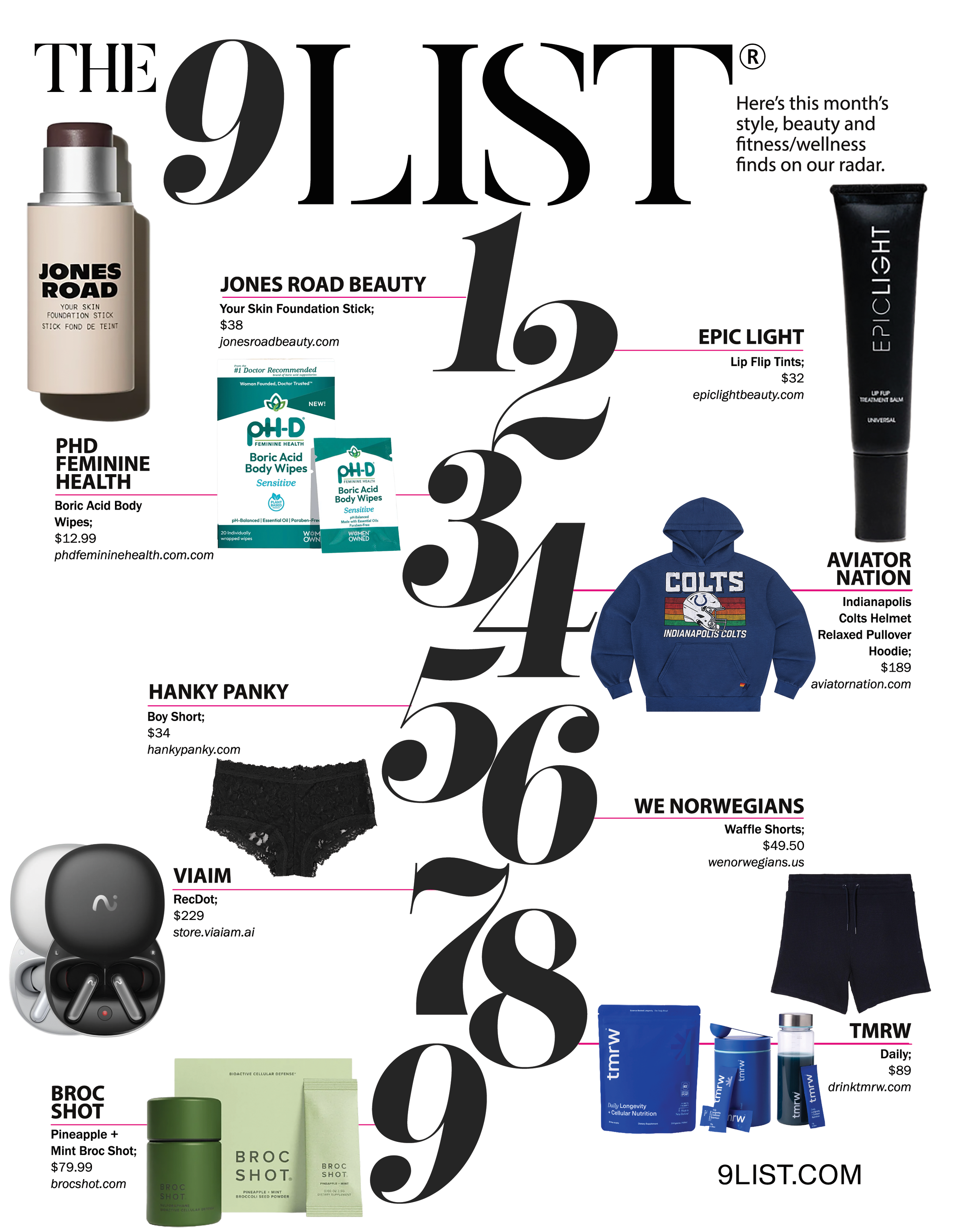
Read the SEP ISSUE #129 of Athleisure Mag and see THE 9LIST in mag.


PHOTO CREDIT | Pexels/Swingzone Swingzone
A home golf simulator is only as good as the surface the ball hits. The launch monitor reads the shot, the projector paints the fairway, but the impact screen is the part that takes thousands of full swings, sits closest to the player, and decides whether the room feels like a range or a racket.
Pick the wrong one, and the problems show up fast: a loud slap on every drive, balls bouncing back towards your shins, a washed-out image, or a torn seam after one winter of practice. The eight screens below cover premium, mid-range and budget builds, with a buying guide and answers to the questions most golfers ask before they order.
Indoor golf is no longer a niche hobby. The National Golf Foundation counted 8.1 million simulator and screen golf users in 2024, up from 3.8 million in 2015, and more than half of them did not play a single round on a course that year. A growing share of those swings now happen in garages, basements and spare rooms.
In a home setup, the screen does four jobs at once. It stops the ball safely, it controls how much energy comes back towards the hitter, it keeps the noise down for the rest of the house, and it acts as the projection surface. A screen that is great at one of these and poor at the others will frustrate you within weeks.
| Screen | Construction | Sizing | Best For |
| Golfbays Pro+ Impact Screen | Fibre-bonded, abrasian-protected | 27 sizes plus custom | Best overall |
| SIGPRO Premium | Three-layer spacer fabric | 1:1, 4:3, 16:10, 16:9 | Image quality |
| Carl's Place Premium | Three-layer polyester | Multiple sizes, made to order | Custom edge finishing |
| Rain or Shine RS Tour DIY | Impact-resistant fabric with grommets | 5 sizes | DIY frame builds |
| The Net Return Pro Series Flex | White Polyester | 3 sizes | Net Return owners |
| GoSports Impact Screen | High-density woven polyester | 7 ft and 10 ft | Tight budgets |
| Cimarron 10' x 10' Impact Screen | Commercial-grade polyester | 10' x 10' | Multi-use bays |
| Durbles Triple Layer Screen | Triple-layer polyester | 4 sizes | Portable setups |
Frequent practice can put considerable strain on an impact screen. The GolfBays Pro+ Impact Screen earns the top spot because it handles all four jobs well without forcing a trade-off. It uses a fibre-bonded material with abrasion protection, a construction built for commercial bays that also suits a heavy-use home setup.
Durability starts with ball speed. The Pro+ is rated for strikes above 200 mph, which is faster than the vast majority of golfers will ever hit, so even the longest hitters in the household have comfortable headroom.
Sizing is the other standout. The screen comes in 27 preset dimensions, from roughly 7'6" wide by 8'5" high up to 18' wide by 9'10" high, covering 4:3, 16:10, 16:9 and 1:1 aspect ratios. Custom sizes are available on request, which helps anyone working with an awkward ceiling height or a wide garage bay.
The surface is designed to stay quiet on impact and produce a sharp, high-resolution image. One installation detail matters: the bottom edge is meant to hang loose rather than be pulled tight, which gives the material room to absorb the ball and cuts bounce-back.
Price: from $550
Ball speed rating: 200+ mph
Warranty: 9 months
Best for: golfers who want a long-lasting, quiet screen in an exact size
Shop Indoor Golf's SIGPRO Premium screen uses a three-layer build: two tight-knit polyester faces sandwiching vertical spacer yarns. That spacer layer is what soaks up energy, so shots die against the screen instead of springing back.
The tight outer weave also gives a smooth projection surface with very little bleed-through, and the brand pitches it as 4K-ready. Black vinyl edges with grommets come standard, and a hook-and-loop perimeter makes it easy to attach side curtains or padding.
Price: roughly $420 to $980, depending on size
Sizes: 7'7" to 10' square, plus 4:3, 16:10 and 16:9 options up to 10' x 17'6"
Warranty: 1 year residential
Best for: golfers who care most about picture sharpness
Carl's Place is a long-running name among DIY simulator builders, and its three-layer premium impact screen is made to order. The polyester layers are tested against balls traveling up to 250 mph, and the smooth face blocks ambient light while dampening the sound of each strike.
Where it really stands out is in the finishing touches. You can choose classic vinyl edges with grommets, a version with 7-inch nylon flaps that protect the frame from mishits, or loop fastener strips for fully custom mounting. That flexibility makes it a favorite for anyone building a frame from scratch.
Price: from about $440
Ball speed rating: up to 250 mph
Best for: DIY builders who want control over mounting and edge protection
Rain or Shine Golf's RS Tour DIY Screen ships with built-in grommets and is designed to bolt onto a range of framing options. Setup is quick, and the five preset sizes (7.7' x 10', 8' x 10.5', 8' x 14', 9' x 12' and 9' x 16') include wider panoramic formats that suit 16:9 projectors.
It is a sensible pick for golfers who already have a frame or enclosure plan and simply need a reliable hitting surface. The 9' x 12' version retails around $549.
Sizes: 5 options, including wide formats
Best for: custom frames and widescreen projector setups
Golfers who already own a Net Return hitting net can turn it into a simulator with the Pro Series Flex screen. It is a white polyester panel that attaches with bungee cords, so you can switch between simulator mode and ball-return mode without tools.
It comes in three widths, all 85 inches tall, and it is quieter than many standard screens. Note that simulator screens from this brand are generally not returnable once opened, and the screen may arrive creased and require a light iron.
Sizes: Pro Series 8, 9 and 10
Best for: Net Return owners adding a projector
At about $100 for the 7 ft version, the GoSports screen is one of the cheapest ways to get started. It uses high-density woven polyester, hangs from four corner grommets, and pairs neatly with the GoSports Elite hitting net. A larger 10 ft version is also available.
The thinner single-layer build means more noise and more bounce-back than the premium screens above, and it will wear faster under daily use. For a beginner testing whether a simulator fits their routine, it is a low-risk entry point.
Price: about $100 (7 ft)
Best for: first-time builders on a strict budget
Cimarron's 10' x 10' screen is made from commercial-grade polyester and is thick enough to double as a backstop or baffle. The square format suits 1:1 or 4:3 projectors and gives generous coverage in a standard garage bay.
The trade-off is fewer size options. If your room fits a 10' x 10' screen, it is a solid workhorse; if not, look at a brand with more presets.
Size: 10' x 10'
Best for: square bays and garages with plenty of height
Durbles offers a triple-layer polyester screen in four square and 4:3 sizes, with reinforced grommets around the edge. The layered build cuts noise compared with single-layer budget screens, and it folds down for storage, which helps when the simulator shares space with a car or a home gym.
Image quality is decent rather than outstanding, but the price sits well below the premium tier.
Sizes: 4 options
Best for: renters and anyone who packs the setup away between sessions
Start with the room. Most golfers need at least 9 to 10 feet of ceiling height to swing a driver comfortably and enough width to stand to either side of the hitting mat. Measure first, then pick a screen that fills the wall without crowding the swing. If the simulator shares space with weights or a rower, the layout advice in this guide to designing a home gym helps with zoning a multi-use room. This keeps the different activities from interfering with each other.
The screen's aspect ratio should match the projector's native output, usually 4:3, 16:10 or 16:9. A mismatch leaves dead space on the screen or spills the image onto the walls. Throw ratio, brightness and mounting height all shape the final picture, and this breakdown of setting up a projector for indoor golf covers how to line those up with the screen size. These factors also affect where the projector needs to be positioned.
Single-layer screens are cheaper but louder, and they send more energy back toward the hitter. Multi-layer or bonded screens absorb more of the ball's speed, which makes them safer and quieter. A loose-hanging bottom edge or tensioned bungee mounting also reduces bounce-back by letting the fabric give on impact.
A rating of 200 mph or more covers almost every golfer. Fast swingers who regularly generate driver ball speeds above 160 mph should treat this rating as essential rather than optional.
Sound matters most in attached garages and basements under living spaces. Thicker, layered screens muffle the strike, and adding foam padding to the walls behind (not directly against) the screen helps further. Always follow the manufacturer's spacing advice, since padding pressed against the back of the screen can void some warranties.
Projectors, space heaters and lighting all run hot, and many simulator rooms sit in garages. Some screen makers test their fabrics for flame resistance, so check the product sheet if fire resistance matters for your space.
Warranties range from a few months to a year and usually cover rips from normal ball strikes, not misuse. Some brands don't accept returns on screens once opened, so confirm the policy before ordering a custom size.
A good screen can still fail early if it is installed badly. Leave 12 to 18 inches between the screen and the wall behind it so the fabric can flex. Hit off a mat placed at least 10 feet from the screen when possible, which lowers the force at impact and gives the launch monitor room to read the ball.
Use clean balls, since dirt and grass leave marks that dull the projected image. Rotate the hitting position slightly over time if the screen allows it, so wear doesn't concentrate on one spot.
The GolfBays Pro+ Impact Screen is the best overall pick for most home builds thanks to its quiet fibre-bonded surface, 200+ mph rating and 27 size options. SIGPRO Premium is a strong alternative for golfers focused on image sharpness. Budget buyers can start with GoSports and upgrade later.
Most impact screens are made of polyester, either as a single woven layer or as several bonded or layered sheets. Premium screens use a multi-layer or fibre-bonded construction to absorb ball energy and reduce noise. The face is kept smooth so it doubles as a projection surface.
A quality screen typically lasts several years of regular home use. Lifespan depends on how often you hit, your ball speed, and whether the screen has enough space behind it to flex. Budget single-layer screens usually wear out faster than premium multi-layer ones.
Most home setups use screens between 8 and 10 feet high and 10 to 16 feet wide. Measure the ceiling height and room width first, then match the screen to your projector's aspect ratio. Leave space on both sides so the hitting area feels open.
No. Standard projector screens are not built to stop a golf ball and will tear or stretch quickly. Impact screens are made specifically to absorb repeated strikes while still showing a clear image.
Leave roughly 12 to 18 inches between the screen and the wall or padding behind it. That gap lets the fabric absorb the ball's energy instead of slamming into a hard surface. Too little space increases bounce-back and can damage both the screen and the wall.
Choose a multi-layer or bonded screen, mount it with bungees or a loose bottom edge, and keep space behind it. These steps allow the fabric to flex on impact. Hitting from a little further back also helps.
Every screen makes some sound, but layered and bonded screens are much quieter than thin single-layer models. Wall padding and a gap behind the screen cut noise further. In attached garages, a quieter screen makes a noticeable difference for the rest of the household.
White screens are brighter and suit most rooms with controlled lighting. Gray screens can improve contrast in rooms with some ambient light. Your projector's brightness and the room's lighting should guide the choice.
Most do, usually from 6 months to 1 year. Coverage typically includes rips from normal golf ball strikes but excludes misuse, such as padding pressed directly behind the screen. Check the terms before buying, especially for custom sizes.
The top impact screen for golf simulators is the one that fits your room, matches your projector, and holds up to the way you swing. Premium bonded and multi-layer screens cost more up front but stay quieter, safer and sharper for longer, while budget options are a reasonable way to get started. Measure carefully, check the ball speed rating and warranty, and the screen will quietly do its job for thousands of practice sessions.

PHOTO CREDIT | Unsplash/Jeffrey Hamilton
Milk thistle is commonly used for liver support, but the appropriate daily amount depends on the extract, its silymarin content, and the product directions. A larger serving does not guarantee better results, especially when supplements differ in strength and formulation. The most sensible approach combines label-based dosing with attention to tolerance, timing, and existing health conditions. Understanding these factors makes it easier to choose a routine that fits safely into daily care.
A practical starting point is checking how much milk thistle per day for liver support matches the product’s label. Milk thistle supplements vary in extract strength, capsule size, and silymarin content. Those differences make it unsafe to treat every capsule or serving as equivalent. Reading the Supplement Facts panel provides a clearer basis for deciding how much to take.
Milk thistle contains silymarin, a group of plant compounds associated with antioxidant activity and liver support. Labels can list the total milk thistle extract, the amount of silymarin, or both. These measurements describe different parts of the supplement, so you shouldn't compare them without reviewing the full label.
A capsule with a larger extract weight does not automatically contain more silymarin. Standardized products state the silymarin amount or percentage more clearly, which makes daily intake easier to assess. When the label lacks clear information, a pharmacist or healthcare professional can explain the serving details.
The safest routine follows the serving size printed on the product label. Taking more than directed increases total intake without showing improved liver support. People should also avoid combining multiple products containing milk thistle unless a healthcare professional reviews the full supplement list.
Consistency matters more than choosing an unusually high amount. Taking the recommended serving at the same time each day reduces missed doses and makes it easier to notice nausea, headaches, or other unwanted effects.
You can take milk thistle with food when the product instructions allow it. Food often makes supplements easier on the stomach, especially for people who experience nausea or loose stools after taking capsules. The product label should take priority because formulations differ.
Morning and evening schedules can both work for a milk thistle routine. The better choice is the time a person can follow consistently without disrupting meals, medications, or sleep.
A morning dose suits people who already take daily supplements with breakfast. An evening dose works well for someone who remembers supplements with dinner. Milk thistle doesn't require a complicated schedule unless a healthcare professional gives different instructions.
Taking a supplement alongside certain medications can affect absorption or treatment. Anyone using prescription drugs should ask a pharmacist about spacing requirements before adding milk thistle. People with liver disease, gallbladder problems, diabetes, or a scheduled procedure also need individualized guidance.
Digestive symptoms provide a clear reason to reassess the schedule or serving size. Do not ignore nausea, bloating, diarrhea, abdominal discomfort, or an unusual reaction. Stop the supplement and seek professional advice if symptoms persist or become severe.
Milk thistle should not replace evaluation for jaundice, dark urine, persistent fatigue, abdominal swelling, or ongoing pain. These symptoms can signal a medical problem that requires testing rather than self-treatment. A qualified clinician also needs to interpret liver enzyme results because supplements do not explain every abnormal result.
Pregnant or breastfeeding individuals should seek medical advice before using milk thistle. The same applies to anyone with a known allergy to plants in the daisy family, including ragweed, chrysanthemums, or marigolds.
Start with the serving size, then check whether the label lists milk thistle extract, silymarin, or both. Review how many servings the directions allow each day, and don't assume you can safely combine two products.
A clear label should provide the botanical name, Silybum marianum, and the amount per serving. It should also list other active ingredients that could interact with medications or duplicate another supplement. Recording the product, serving, and time taken can help a clinician monitor liver enzyme results.
The appropriate daily amount of milk thistle depends on the extract strength, silymarin content, serving directions, and a person’s health needs. No single dose fits every supplement or individual. Following the label, choosing a consistent time, and checking medication interactions creates a safer routine than increasing the serving independently. Before starting milk thistle, review the product with a pharmacist or clinician, especially if liver symptoms, abnormal tests, pregnancy, or prescription treatment are involved.

Read the SEP ISSUE #129 of Athleisure Mag and see THE PICK ME UP in mag

PHOTO CREDIT | Unsplash/M.Fildza Fadzil
A weekend by the coast can be active without becoming exhausting. In Desaru, a morning swim, a walk along the beach, a round of golf, or a visit to a nearby attraction may fill the day before you notice the time. The hotel should give you somewhere pleasant to recover, not another schedule to manage. That is why location and room comfort deserve as much attention as the view.
When looking at Desaru hotels, think about the activities you will actually do. A couple planning long beach walks may want direct shoreline access. A family may care about pools, breakfast, and a room that can absorb wet towels and sandy shoes. Friends arriving with sports gear may prioritize storage, parking, and a simple route from the entrance to the room.
Some coastal breaks are built around doing very little. Others have a full calendar before the bags are packed. Decide which kind of weekend you want. A large resort can offer several facilities in one place, which suits guests who want choice without much driving. A smaller property may feel more personal and leave room for exploring local food or quieter stretches of coast.
Your answer may change by day. Perhaps Saturday is for cycling or golf and Sunday is for a late breakfast. Put the most demanding activity first, then choose a room and meal plan that make the following hours easy. A realistic itinerary is kinder to the body than a list of every possible attraction.
A hotel described as near the beach may offer a direct path, a short shuttle ride, or a road crossing. Those options feel different when you are carrying a towel, traveling with a child, or returning after sunset. Check how guests reach the water and whether chairs, shade, or towels are available. If the beach is the main reason for the trip, the route deserves a clear answer.
Weather can change the plan quickly. A covered walkway, an indoor sitting area, or a nearby cafe can save the afternoon when rain arrives. The best coastal base has a second act, so a wet forecast does not erase the whole weekend.
Active travelers often focus on equipment and forget the hours afterward. A supportive bed, enough space to lay out clothing, and a bathroom that works well can change the next morning. A balcony or comfortable chair is helpful when you want to cool down without going straight to sleep.
If you plan to swim, ask about places to hang damp clothing and whether the room has a useful refrigerator. These are small matters, yet they prevent wet bags and uncomfortable mornings. A property that understands outdoor guests usually explains these arrangements clearly.
How far the room is from the beach, pool, and breakfast area
Whether parking is convenient for bulky gear
A towel and changing arrangement after water activities
Meal times that suit early starts and late returns
A quieter room option for a proper night's rest
Use the list as a conversation starter with the property. A short message before booking can reveal more than a dozen promotional photographs.
Desaru's coastal setting makes seafood an obvious part of the experience, yet a good weekend needs more than one special meal. Check whether the hotel offers casual food, snacks between activities, and a breakfast that can be eaten without a long wait. Guests with different appetites may want different levels of planning.
An early breakfast can support a morning at the beach, while a later cafe service suits travelers who are treating the weekend as a break from the clock. If you plan to drive for dinner, consider the return route. A memorable meal is less appealing when everyone is too tired to enjoy the journey home.
Traveling with friends or family means more bags, more wet clothing, and more opinions about the day's plan. A room with sensible storage and a place to sit makes the group feel less crowded. Connecting rooms or a suite may be worth considering when people keep different sleep schedules.
For a couple, the same principle can be simpler: leave room for the things that make the stay feel restful. A good shower, fresh air, and a quiet corner for coffee can matter more than a formal list of facilities.
Before you book, imagine arriving at noon, returning sandy at four, and looking for dinner at eight. If the hotel still seems easy to use at each point, it is probably a sound choice. Desaru is generous to travelers who leave a little space in the day. Choose a base that supports movement when you want it and rest when you need it, then let the coast set the pace.
Pack for the transition between activities, not just the activities themselves. A light cover-up, dry shoes, and a small pouch for wet items can keep the room orderly and the next outing pleasant. If you are traveling with children, ask about shade and easy meal options before arrival. An active break succeeds when everyone can pause without feeling that the day has been wasted.
Pack for the transition between activities, not just the activities themselves. A light cover-up, dry shoes, and a small pouch for wet items can keep the room orderly and the next outing pleasant. If you are traveling with children, ask about shade and easy meal options before arrival. An active break succeeds when everyone can pause without feeling that the day has been wasted. Leave enough time to shower, eat, and sit down before deciding whether the next activity is worth the effort.
One overlooked question is what happens when the activity ends earlier than expected. A shaded pool, a cafe, or a comfortable lounge can turn an empty hour into a pleasant one. If you are traveling with a group, make sure everyone knows where to meet after a swim or excursion. Simple meeting points prevent people from searching across a large resort with wet towels and tired feet. Desaru feels most restorative when the schedule has somewhere soft to land.
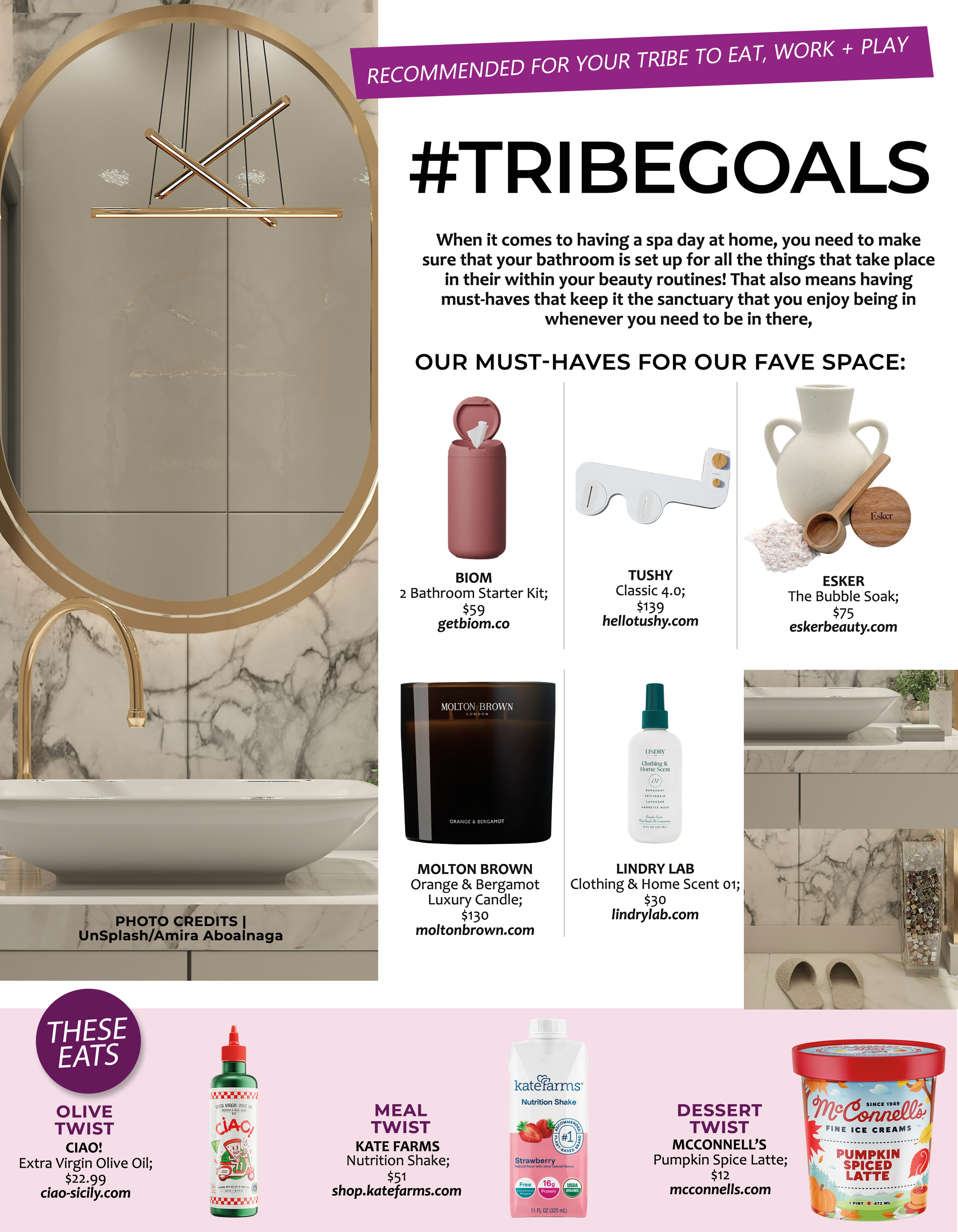
Read the SEP ISSUE #129 of Athleisure Mag and see #TRIBEGOALS in mag.

PHOTO CREDIT | Unsplash/Queensland, Australia
There’s a sense of comfort in choosing activities you already know and enjoy. These decisions make your free time feel predictable and easy to manage. As a result, there’s little uncertainty that can interfere with your plans.
While familiarity brings structure to your downtime, new activities can add variety to your routine. Exploring options outside your regular interests may help you step beyond your usual preferences and become more open to trying something different. Here are a few reasons why giving unfamiliar experiences a chance can bring a positive change to your daily routine.
They Make Everyday Life Feel Less Repetitive
Even though familiar activities fit easily into your schedule, they can also become dull over time. Doing the same things every weekend can make one week blend into the next, leaving you with fewer moments that feel distinct or memorable. A new activity can add contrast to that pattern. It gives you something different to anticipate and can make an ordinary day feel more interesting.
You can approach this change in a variety of ways. For instance, you can start with something simple, like exploring the best JILI games online for the first time. This gives you a low-pressure way to find out whether a different form of entertainment appeals to you. Another method is to commit to a bigger undertaking that keeps you outside your usual routine, such as hiking, training for a fun run, or joining a dance workshop. Diving into a more involved pursuit can create a clearer break from your regular plans.
Whatever approach you choose, this small departure from your routine can give your week a stronger sense of variety and leave you with moments that stand out.
They Can Build Your Confidence
Unfamiliar activities often place you in circumstances where you can’t rely on experience. This may make you hesitant to try something new, especially if you’re worried that your mistakes will draw attention. However, each attempt gives you a chance to see that you can handle something outside your comfort zone. These moments also show that failure is part of the process and that improvement doesn’t require immediate success, which can gradually strengthen your confidence.
That confidence may then affect how you approach other unfamiliar situations. Once you prove that you can learn something new, future challenges may seem less intimidating. You may become more willing to speak up, take initiative, or pursue opportunities that you would have avoided before. This can make you more open to taking reasonable risks, as you become less likely to let initial discomfort stop you from taking part.
They Give You Opportunities to Meet Different People
A different activity can place you in a setting where you interact with individuals you may not have met otherwise. Shared classes, community events, and group sessions provide spaces where participants can connect with like-minded people and exchange ideas. These opportunities enable you to form new connections and make you feel like you’re part of a wider community.
Joining a new group doesn’t have to lead to a lasting friendship. Sometimes, having brief conversations with other participants can introduce you to another perspective or help you feel more comfortable speaking with new people. These interactions can help make social situations feel less intimidating, gradually improving your ability to connect with others.
They May Lead You to a New Passion
Not every new activity you try will hold your attention, but there will be moments when your curiosity uncovers an interest you never expected to enjoy. Even if the experience seems unremarkable at first, it can become more engaging once you give it a fair chance. Eventually, you may find yourself looking forward to it and wanting to learn more.
Once you’ve gotten into the rhythm of the activity, you’ll start investing more effort in it. You may also look forward to deepening your involvement, such as setting personal goals, making time to practice regularly, or finding new ways to improve. At that point, the activity is no longer a temporary distraction but a lasting interest that brings greater meaning to your free time.
They Can Help You Discover Different Sides of Yourself
Different situations can bring out your different qualities. An activity that places you in an unfamiliar role may reveal how you respond to challenges, work with others, or handle responsibility. For example, joining a team activity may help you realize that you enjoy encouraging others. A craft workshop, on the other hand, could reveal that you’re patient with detailed tasks. Meanwhile, a public event may show that you’re more comfortable speaking with strangers than expected.
These realizations can show you parts of your personality that may not appear as clearly in other areas of your life. As a result, you can gain a broader understanding of your strengths and become more open to roles or experiences you may not have considered before.
Familiar routines can make your downtime easier to enjoy, but making room for something different can help you approach leisure with greater curiosity and fewer assumptions. New activities can introduce you to possibilities you might otherwise overlook, especially when they’re experiences that don’t usually capture your interest. Giving something unfamiliar a fair chance can help you see its value without letting your initial hesitation decide for you. In the end, you might be surprised by how much enjoyment you find in something you once would have passed over.
Balance has been on my mind constantly these days. That elusive thing everyone talks about but nobody seems to actually achieve, and I've been trying to figure out why some gym regulars are still showing up three years later while others disappear before Valentine's Day.
Discipline isn't the whole story. It's more about recognizing when to go hard and when to back off completely.
Last Tuesday morning, I watched this dude completely wreck himself on the rowing machine for 47 minutes without stopping once. Pretty impressive on the surface, but there's no way he keeps that up. He looked absolutely miserable. My friend Sarah does things differently—23 minutes of mixed cardio, actual rest days, and three years later she's still excited to work out.
This same logic applies to everything else we do when we're not working. I figured this out when online gaming became my thing last year. Kept everything recreational and manageable, and I'm still enjoying it. But I've watched other people dive in headfirst with zero planning or boundaries, and that situation always deteriorates fast. Whether you're testing out some new fitness app or checking out something like RexBet casino Canada, your approach determines everything more than the actual activity does.
The routines that work best aren't the hardcore ones. They're the ones you can stick with long-term without constantly battling yourself mentally. I'm doing CrossFit three times weekly, yoga twice, and some weeks I completely bail on yoga and don't beat myself up over it.
Built-in flexibility isn't optional. I attempted that "never miss a Monday" approach for maybe 8 weeks before realizing I was just manufacturing stress for no reason. Now I target 4 workouts each week and actually achieve that roughly 87% of the time, which beats aiming for 6 sessions and feeling terrible when real life interferes.
We all need genuine downtime, period. After crushing a leg workout, I want to completely zone out without thinking. Sometimes Netflix wins. Sometimes I scroll through complicated recipes I'll never actually cook. And sure, some people want to mess around with online gaming or whatever relaxes them.
Treating entertainment like anything else in your life makes sense. I maintain a $30 weekly budget for random fun stuff. Time limits help too because nothing positive happens after 11pm anyway. And you've gotta be real with yourself about whether you're genuinely enjoying something or desperately chasing a feeling that isn't there.
People who stick with fitness long-term usually apply identical thinking to everything else. No extreme deprivation, but also no reckless overindulgence. Planning ahead while maintaining adaptability. Knowing exactly when to dive in and when to walk away.
Recovery deserves equal attention to your training sessions. Downtime deserves equal weight to your productive hustle hours. Approaching both with clear intention is where meaningful progress lives—not the polished Instagram version but the real kind where you're consistently showing up half a year from now, genuinely enjoying the process, feeling solid about every decision you're making.