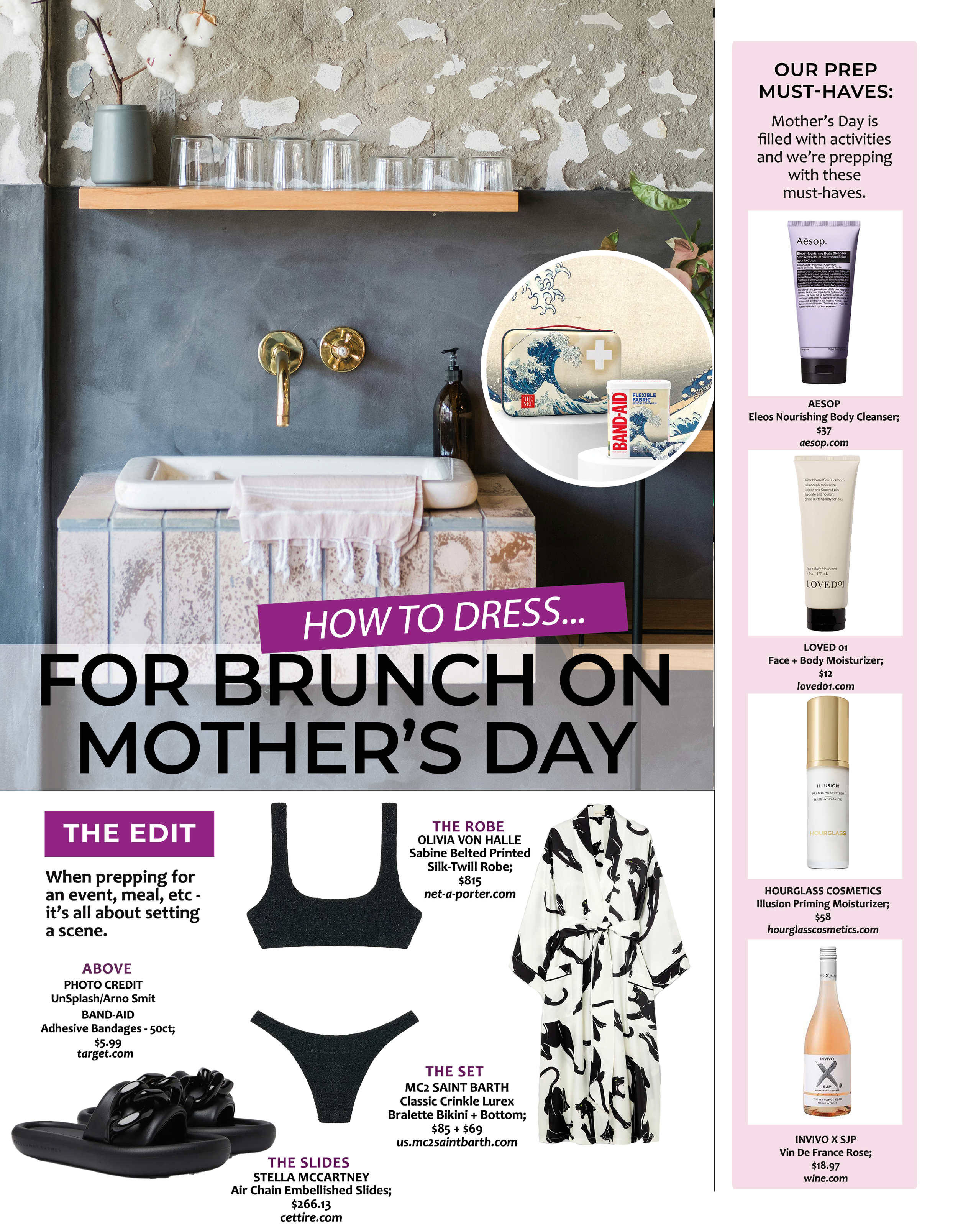
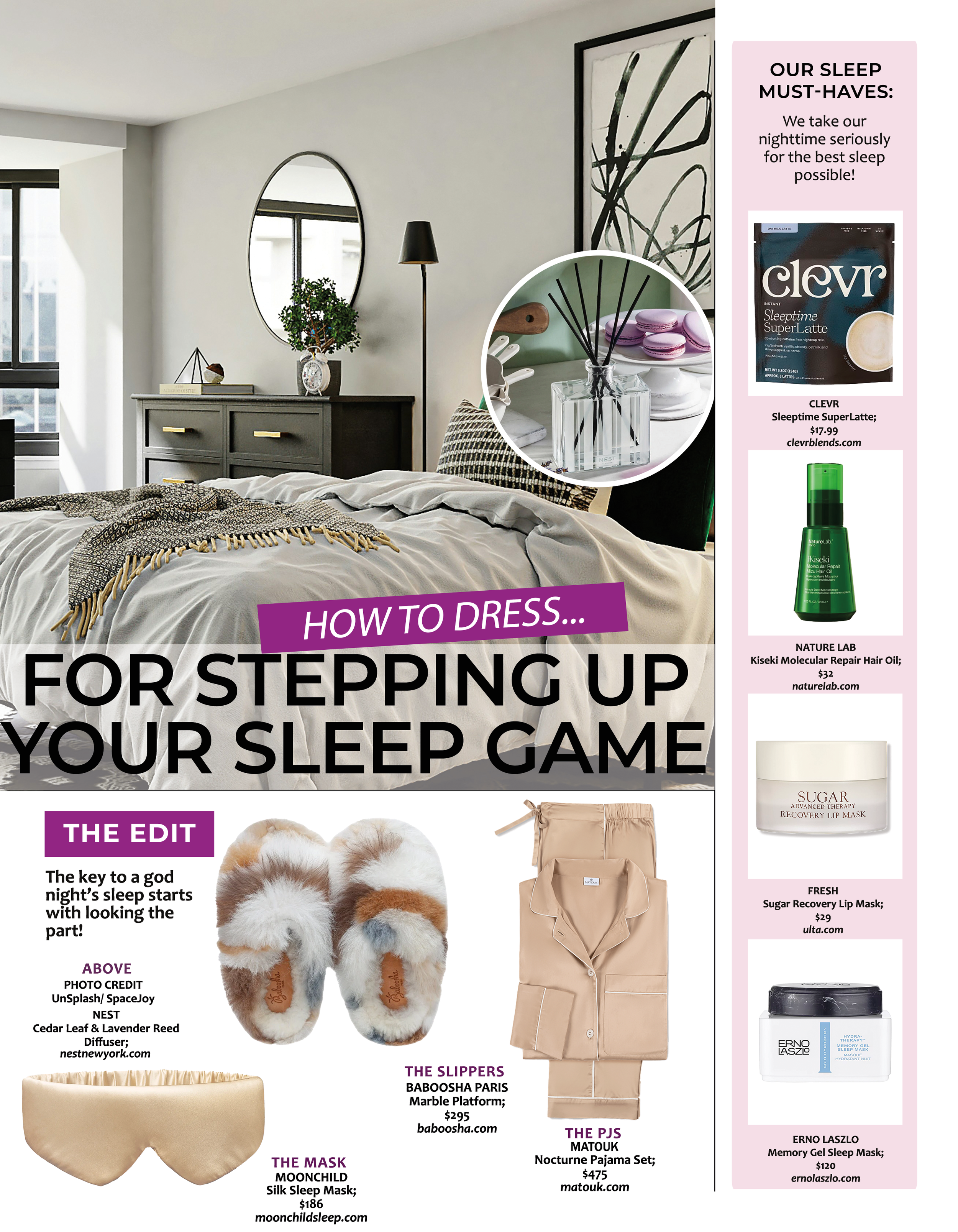
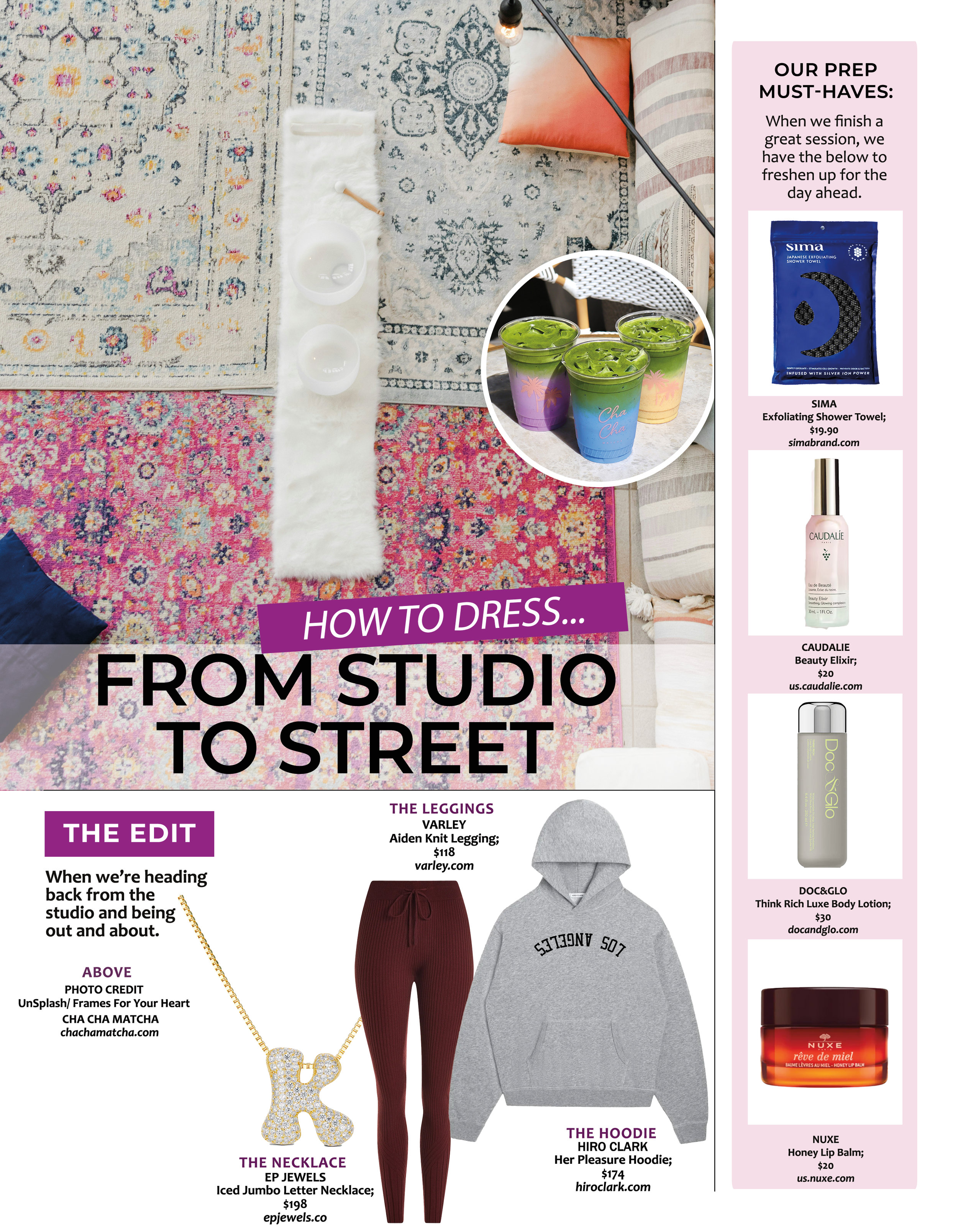
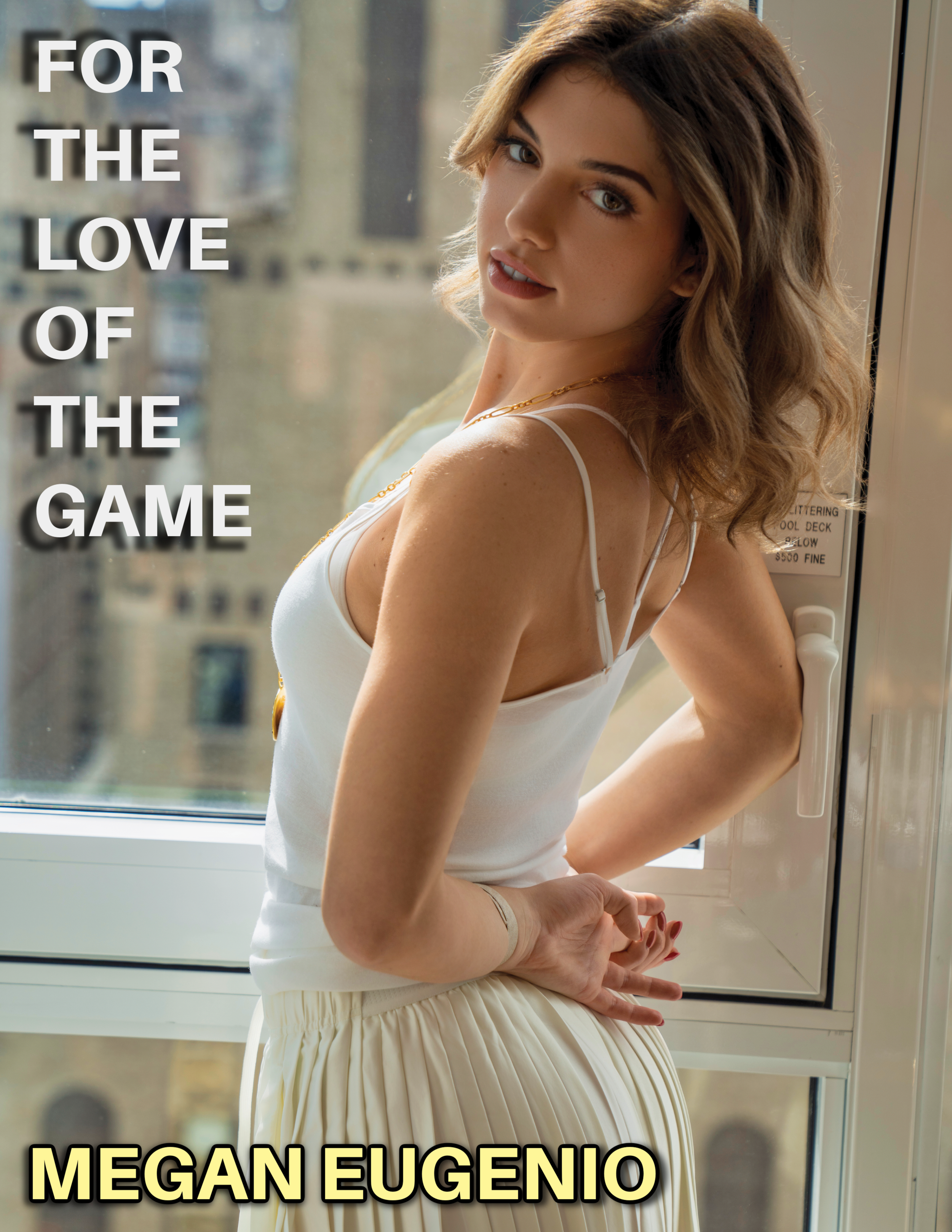
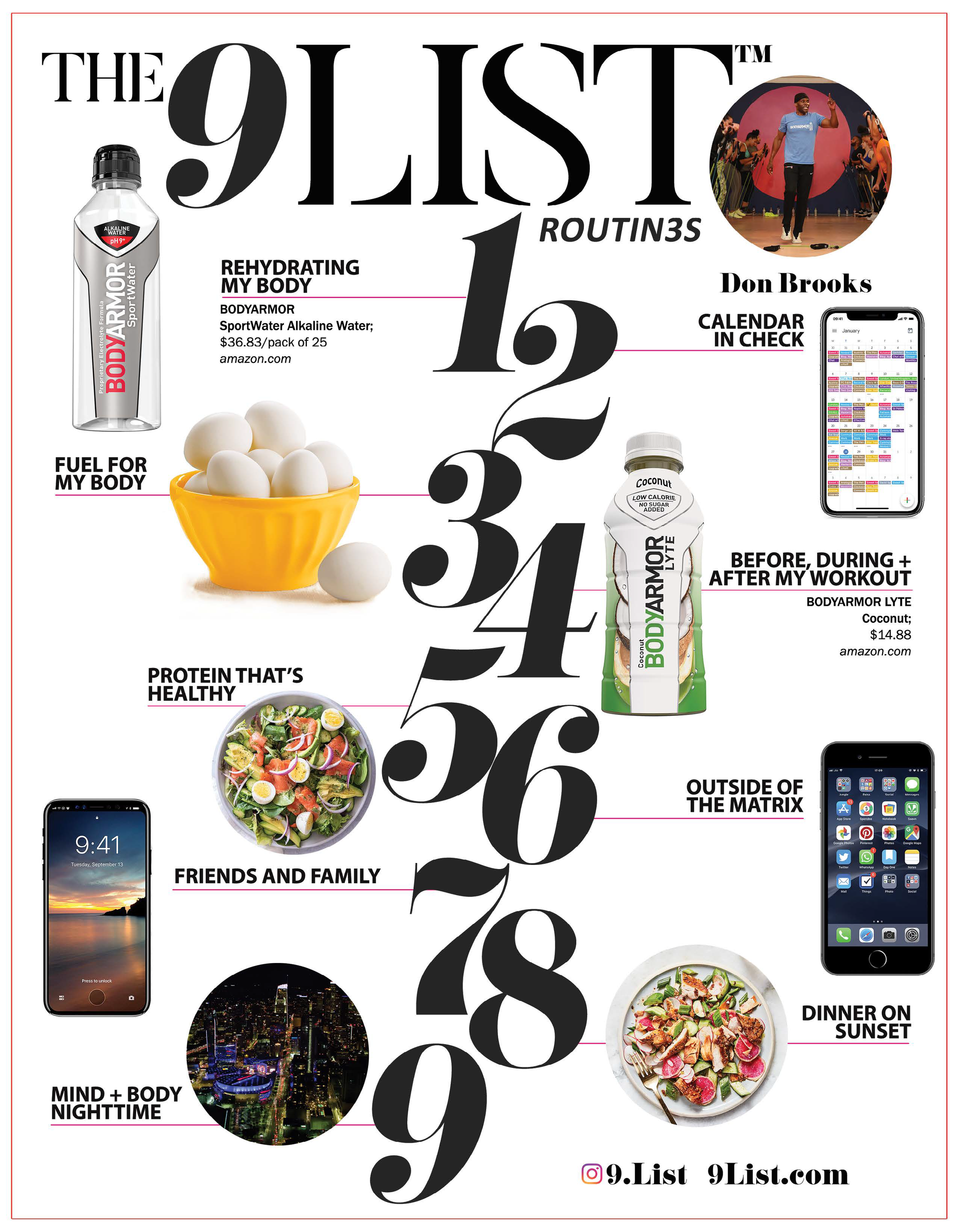
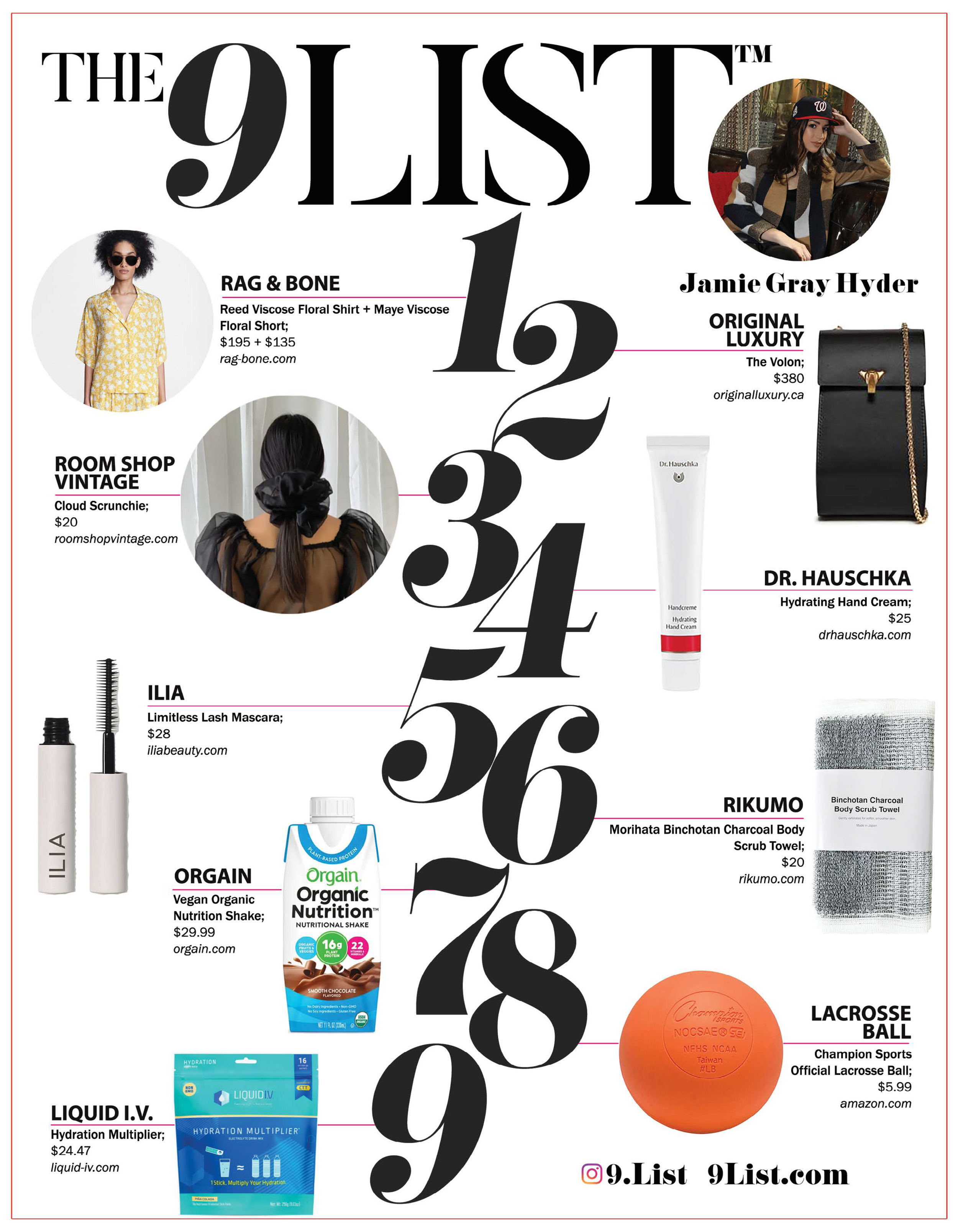
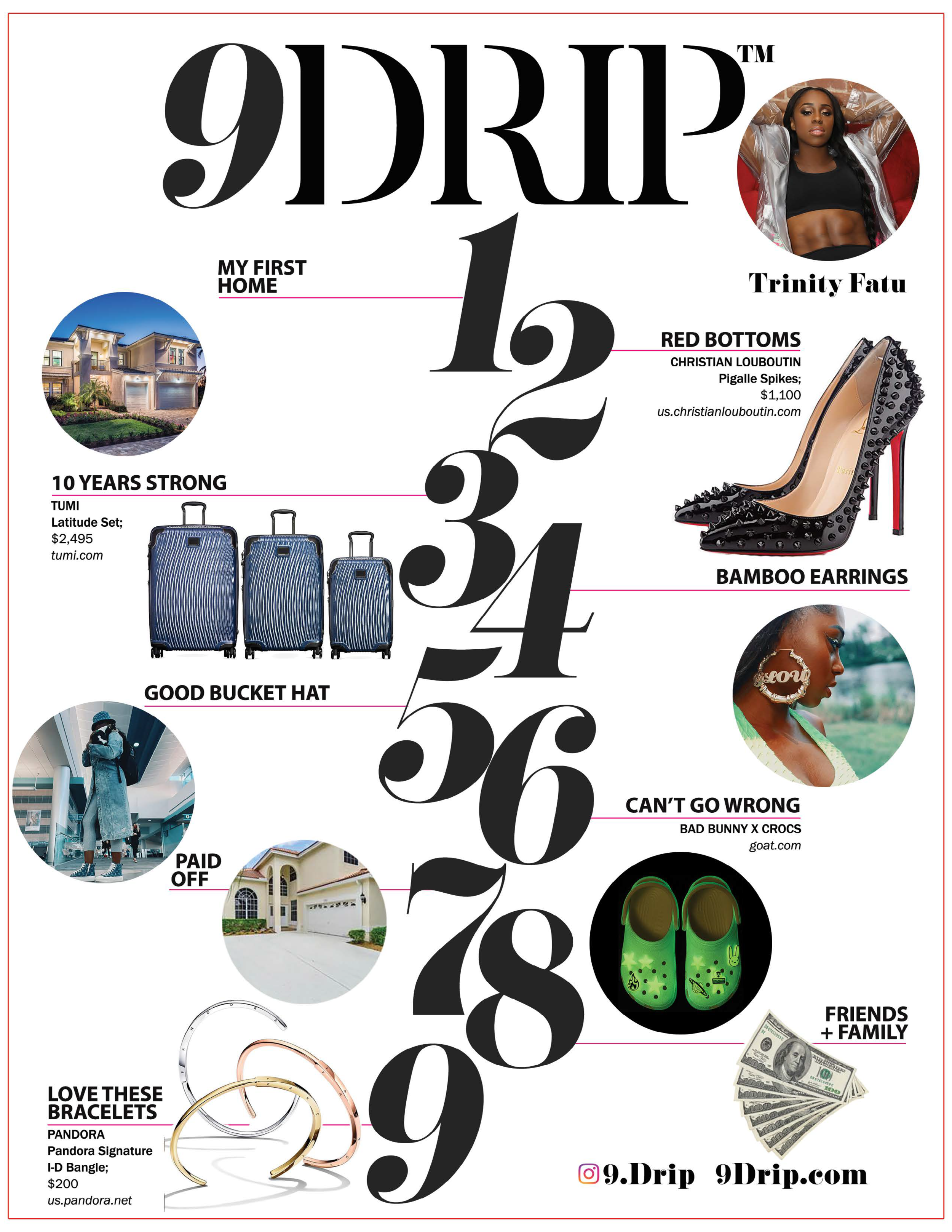
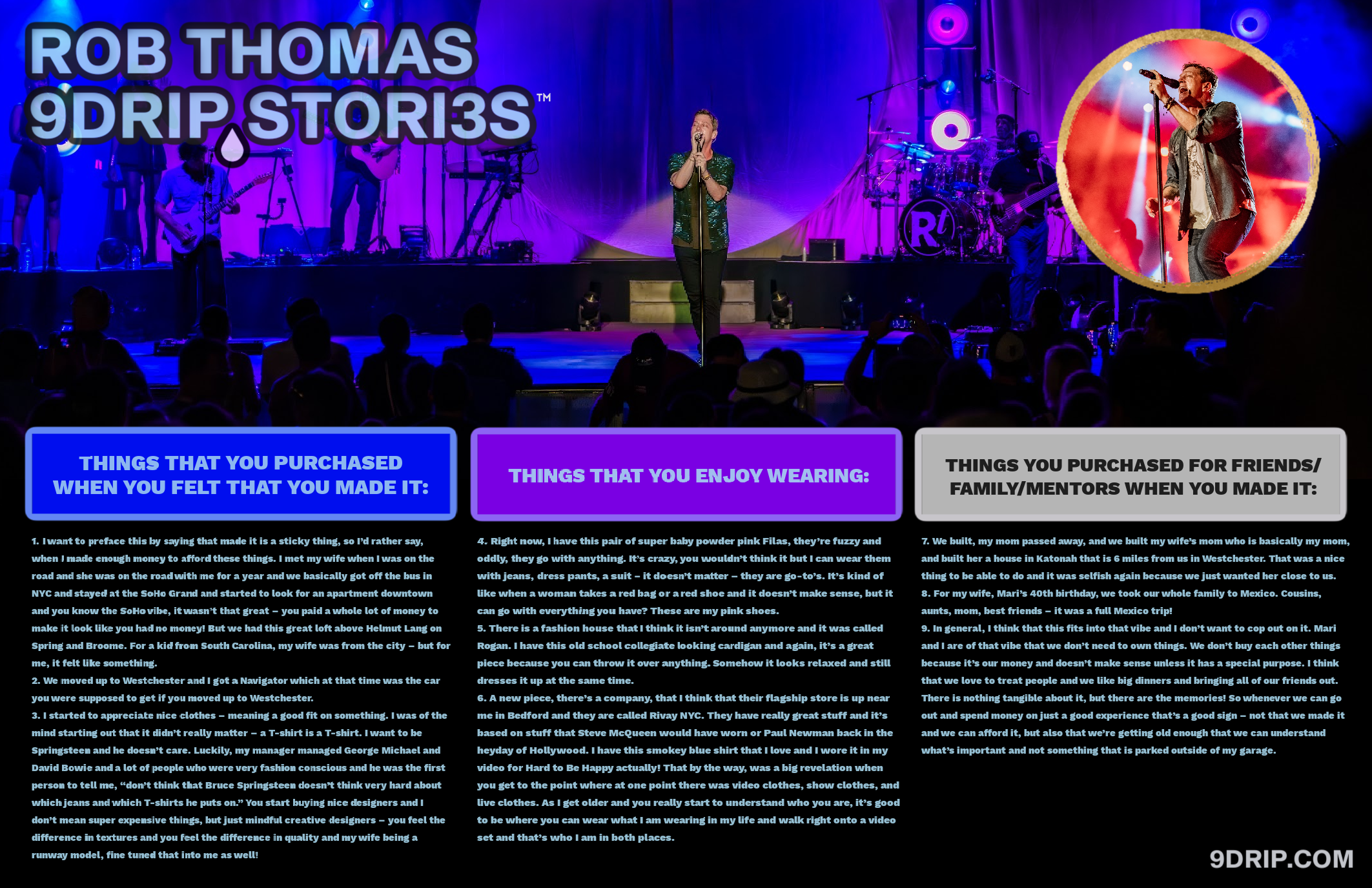
Read the SEP ISSUE #69 of Athleisure Mag and see IN OUR BAG | WHEN' WE’RE OUT APPLE PICKING in mag.
Featured
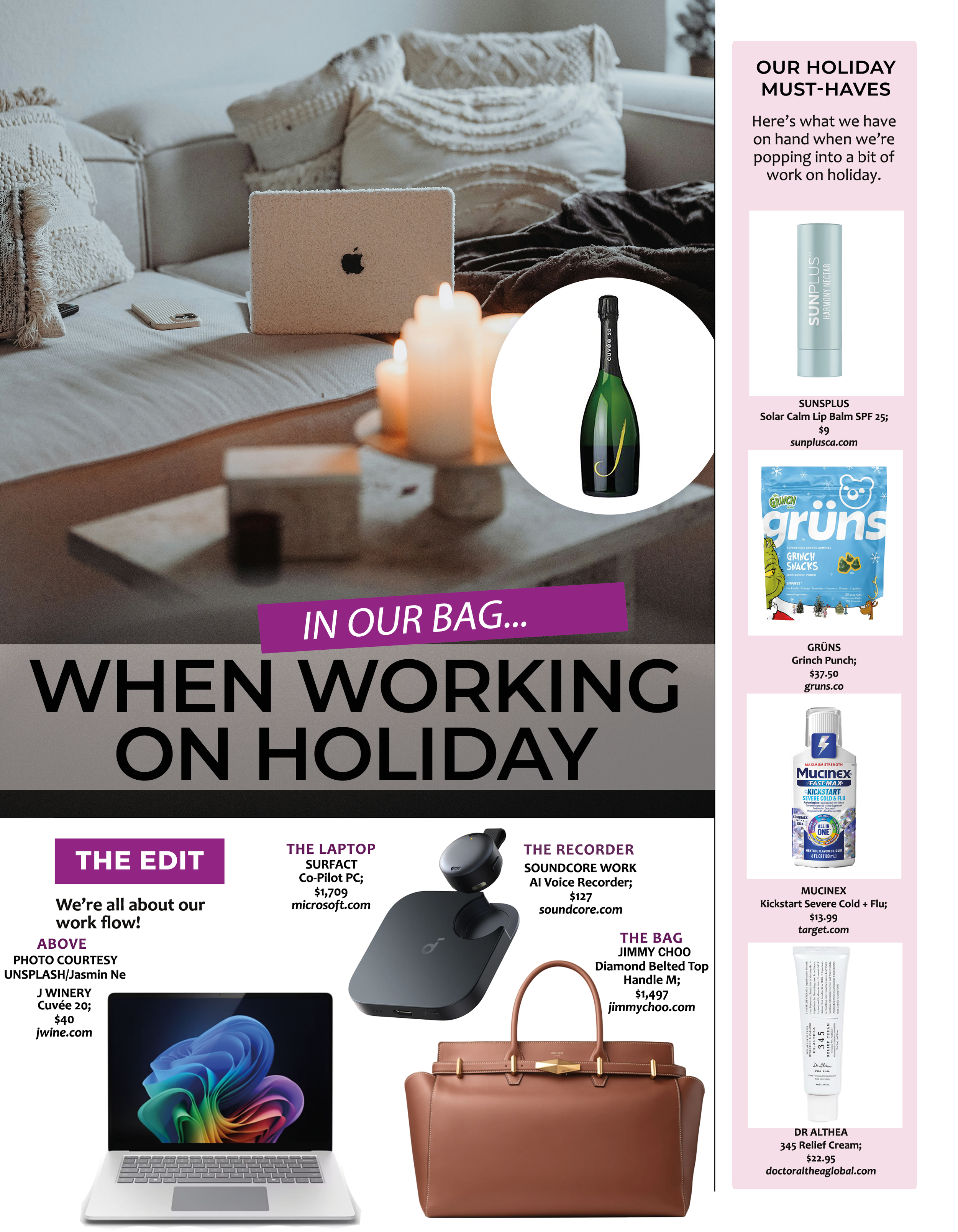


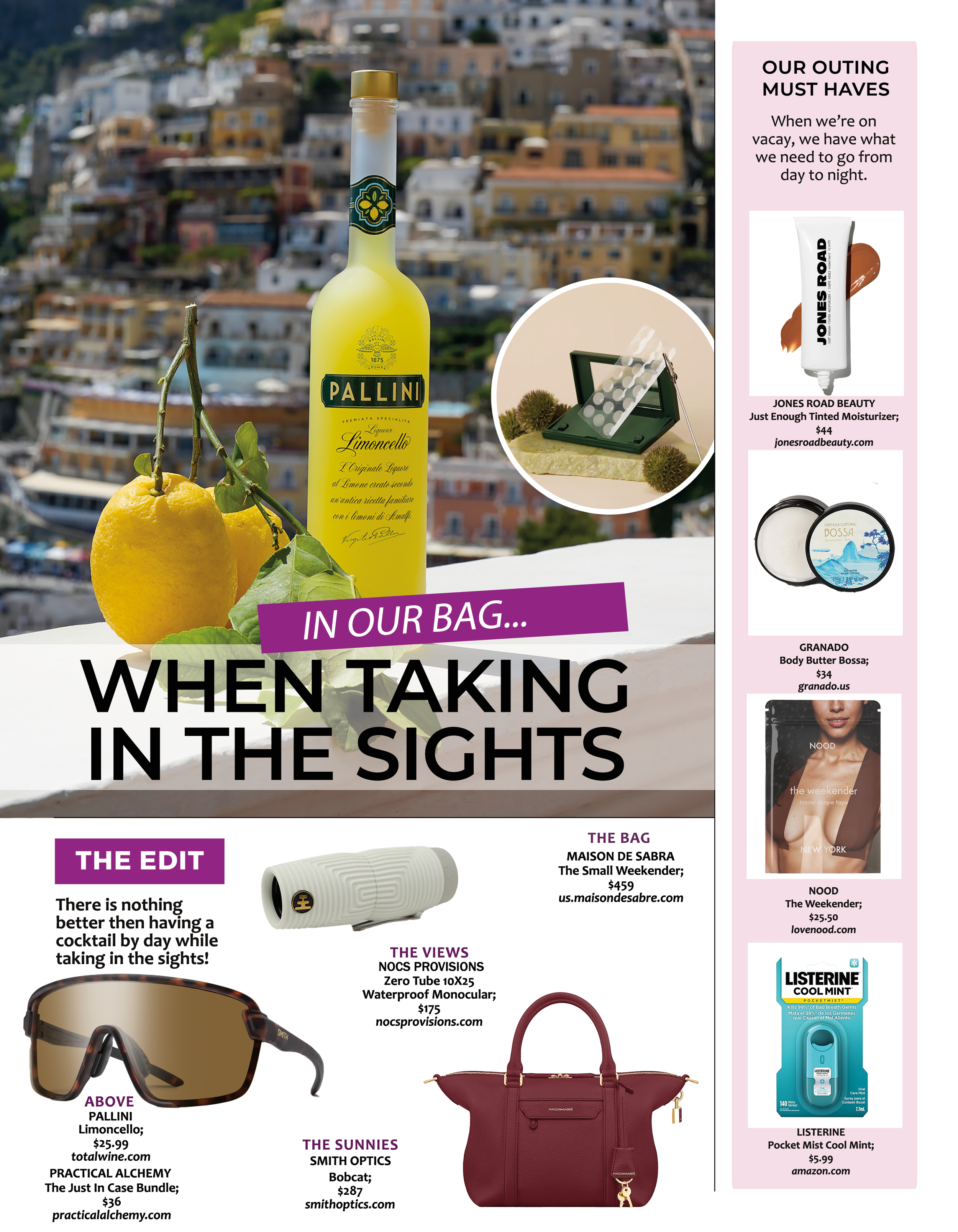


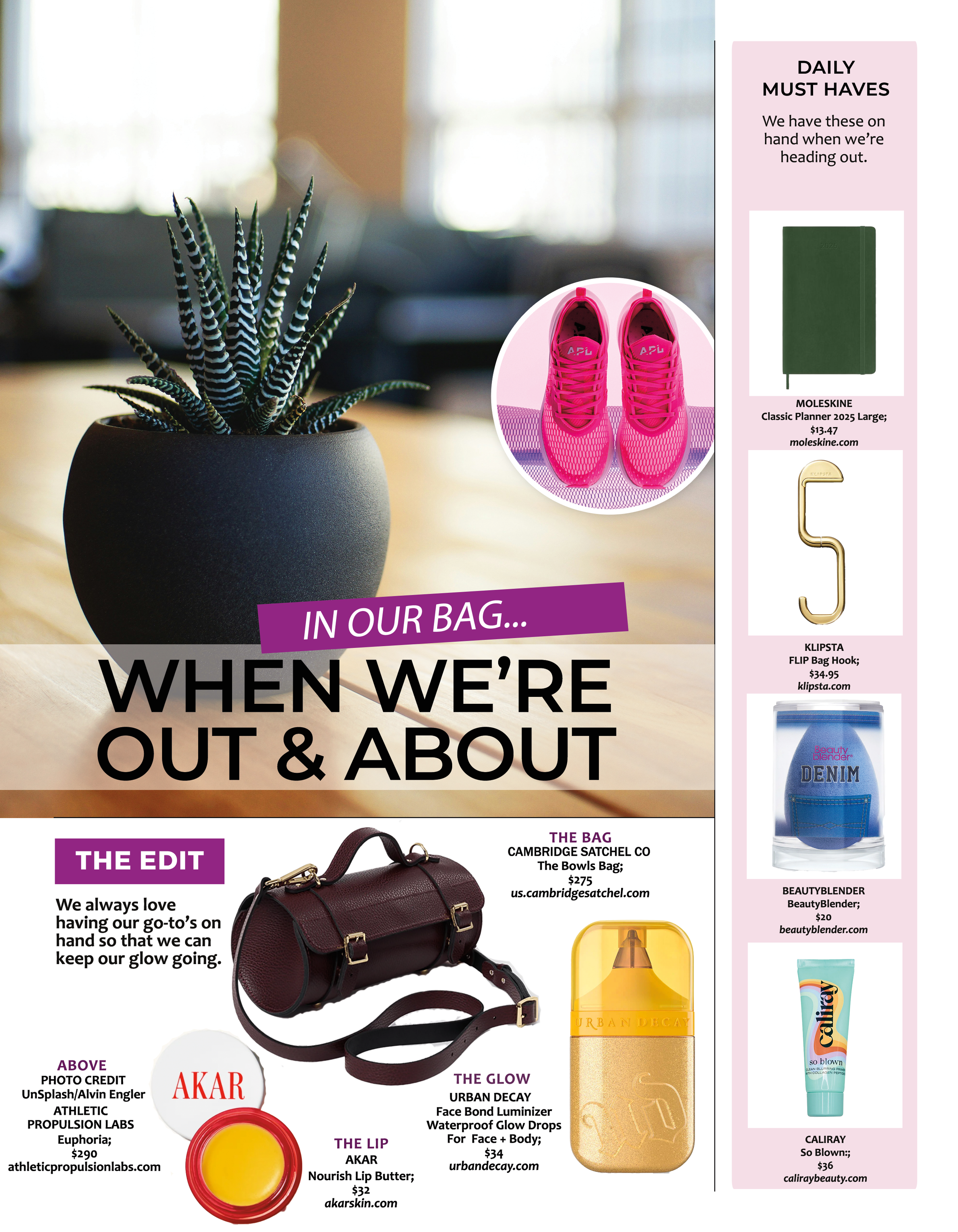


Read the SEP ISSUE #69 of Athleisure Mag and see IN OUR BAG | WHEN' WE’RE OUT APPLE PICKING in mag.

Read the SEP ISSUE #69 of Athleisure Mag and see How to Dress | Summer Bodies Made in the Fall in mag.

PHOTO CREDIT | Unsplash/Mohamed Masaau
We all have that one friend on social media who seems to be popping up all over the world, making everyone jealous of their lifestyle with another picture of them sitting feet up by the sea. Like us all, you’ve probably wondered how they do it, and how you can do it yourself. It’s not as difficult as it seems. It does take some courage to give everything up and leave home, but once that’s done, the world really is your oyster. Do you dream of leaving home on a one-way ticket with a thirst for adventure? Here are some ways you can live that travel lifestyle.
If you want to go traveling without having any money worries at all, this option is probably the best one for you. If you are still planning on working while away, you should still have an emergency fund to fall back on. You are going to have the obvious outlay of flights and, even if you’ve secured a job, you might need to pay for your first few months of accommodation upfront. Never forget that emergencies can and do happen, so ensure you have an emergency stash. If you hold a life insurance policy, you can sell it for a lump sum giving you immediate access to cash. If you would like to know more, you can check out a quick guide online that will tell you everything you need to know about selling your policy for cash.
If you have a passion for writing, travel could be the kickstart you need to fuel your passion. For most people, taking off for faraway places is just a pipe dream but they still want to have a peek into the lives of those who do, and there’s no better way than to read about other people’s experiences. This is where you come in. Start a blog documenting your travels and aim to give a unique perspective. The more popular it becomes the more opportunities will become available to you in terms of advertising or having your work published.
You’d be surprised at the wide variety of languages people want to learn. Finding work teaching languages is relatively easy, especially if you have teaching qualifications and experience. You will have the opportunity to earn a high salary while also immersing yourself in local culture as you are actually living and interacting with local people. If you don’t have qualifications, they are not difficult to obtain and there are now online teaching courses available for prospective language teachers.
This is an option for the truly adventurous and more extrovert personalities, but it can also be considered an option for people who want to start living outside of their comfort zones. Hostels are usually the accommodation of choice for travelers as they are relatively cheap, and you are also able to meet people as you move around. When your budget determines your destination, a hostel is often the lodging of choice. Many hostels will be looking for people to work for them, especially if you are multilingual. You may not always be paid in cash. It might just be food and accommodation; however, they will be able to point you towards work in the local area. Perhaps slightly risky, but that’s the life you want, right?


PHOTO CREDIT | Pixabay/Adege
It goes by many names. In Chinese herbalism, it’s known as Lingzhi. To scientists who prefer a hard-headed taxonomic name, it’s Ganoderma Lingzhi. But perhaps its most compelling title is the nickname bestowed upon it by traditional medicinal practitioners: “the mushroom of immortality.”
Those are all great names (and mysterious too). But for this article, let's use its Japanese name, the one most often used in contemporary parlance – Reishi.
A few years ago, the Reishi mushroom attached itself to the wellness world – much like a mushroom to a tree – and has since experienced a meteoric rise in popularity. But most people still know precious little about the product.
In this article, let’s answer a few frequently asked questions surrounding the fashionable fungus. What is it, what are its potential benefits, how do you get Reishi powder and how do you dose it?
Reishi mushrooms are the fruiting body of a polypore fungus that grows on the bases and stumps of deciduous trees. Their use stretches back at least 2,000 years, when Han dynasty healers used the Reishi mushroom as a panacea for a plethora of ailments.
If you were anxious, they gave you Reishi. If you had brain fog, they gave you Reishi. And if you arrived at the doorstep of a traditional herbalist begging for longer life, they probably gave you Reishi.

PHOTO CREDIT | Pixabay/Miguel Á. Padriñán
Fast forward a couple of millennia, and Reishi is more or less used similarly. Maybe it isn't seen as a panacea anymore, but scientists are earnestly studying the mushroom for its wide-ranging wellness benefits. In particular, they are interested in how it can reduce stress.
In one study, researchers noted the “antidepressant-like effects of a water-soluble extract” of Reishi in mice. Another study evaluating the antianxiety properties of several Ganoderma species suggested that the mushrooms' phenols and flavonoids play a critical role in their de-stressing potential.
It doesn’t end with stress. You will find scores of studies evaluating everything from Reishi’s liver-improving mechanisms to its immune system benefits. The scientific study of Reishi is still in its infancy (the West only recently embraced the mushroom), but the benefits look promising.
Sure, you could find a deciduous tree and hope for the best. But more often, people nowadays buy reishi powder online. Because there are so many Ganoderma species masquerading as Reishi, and because quality can vary even in a single species, it’s highly recommended to seek out reputable sellers. If in doubt, the “USDA Organic” seal is a fine stamp of approval.
This question isn’t quite so easy to answer. Everyone’s physiology is different – down to weight, digestive function and metabolism. Moreover, someone taking Reishi as a treatment might dose more than someone taking it as a preventative measure. Still, consensus hovers between 1500mg – 4500mg per day. If you’re unsure, you can consult your doctor.
To recap: Reishi is a multi-named fungus with several potential benefits that you can find online from a reputable seller. It took the wellness world by storm with its focus on stress relief, but studies show it might be more than a one-trick pony.

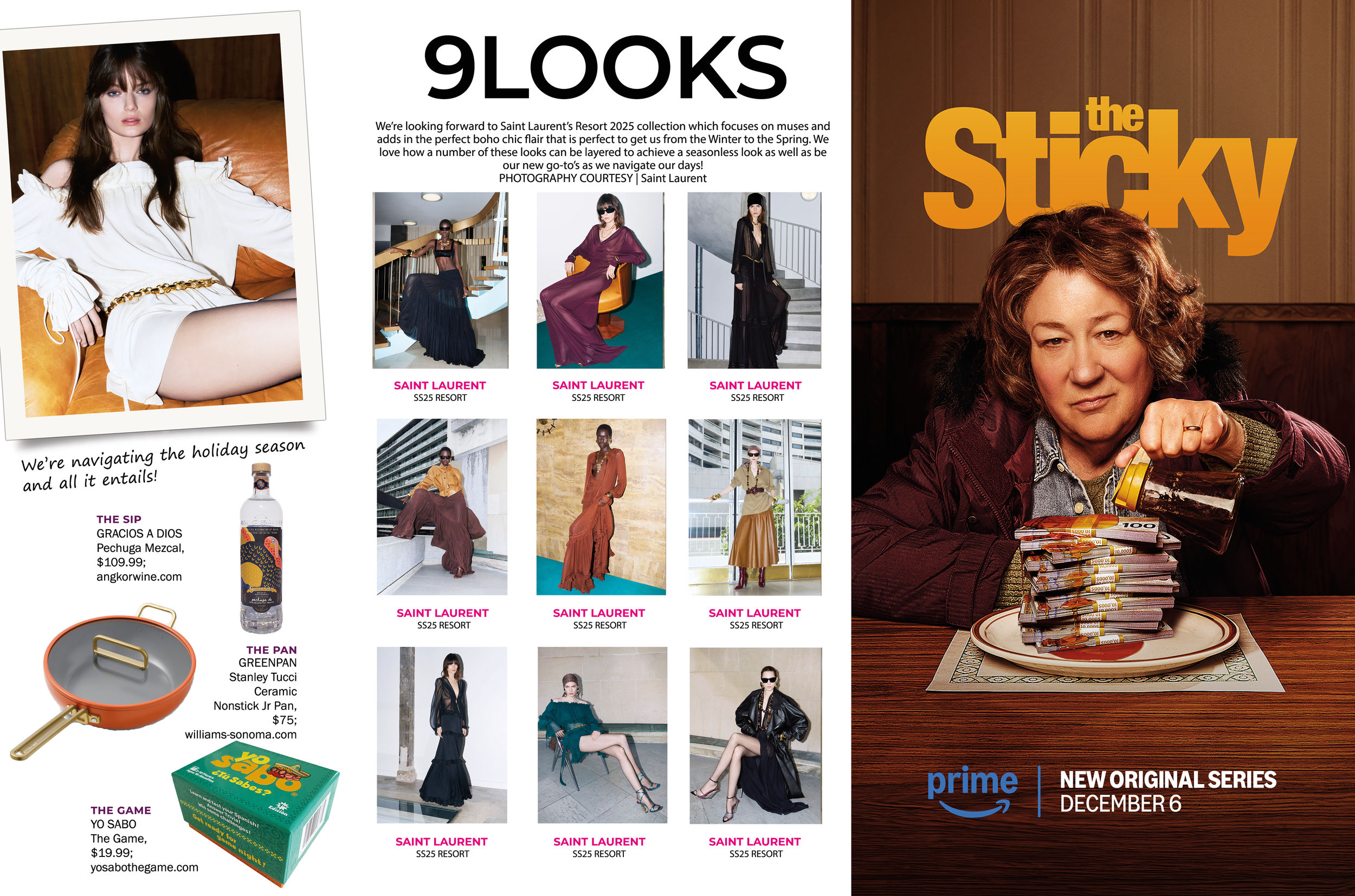
Read the SEP ISSUE #69 of Athleisure Mag and see 9LOOKS in mag.

Read the SEP ISSUE #69 of Athleisure Mag and see Pumpkin Spice Beauty in mag.
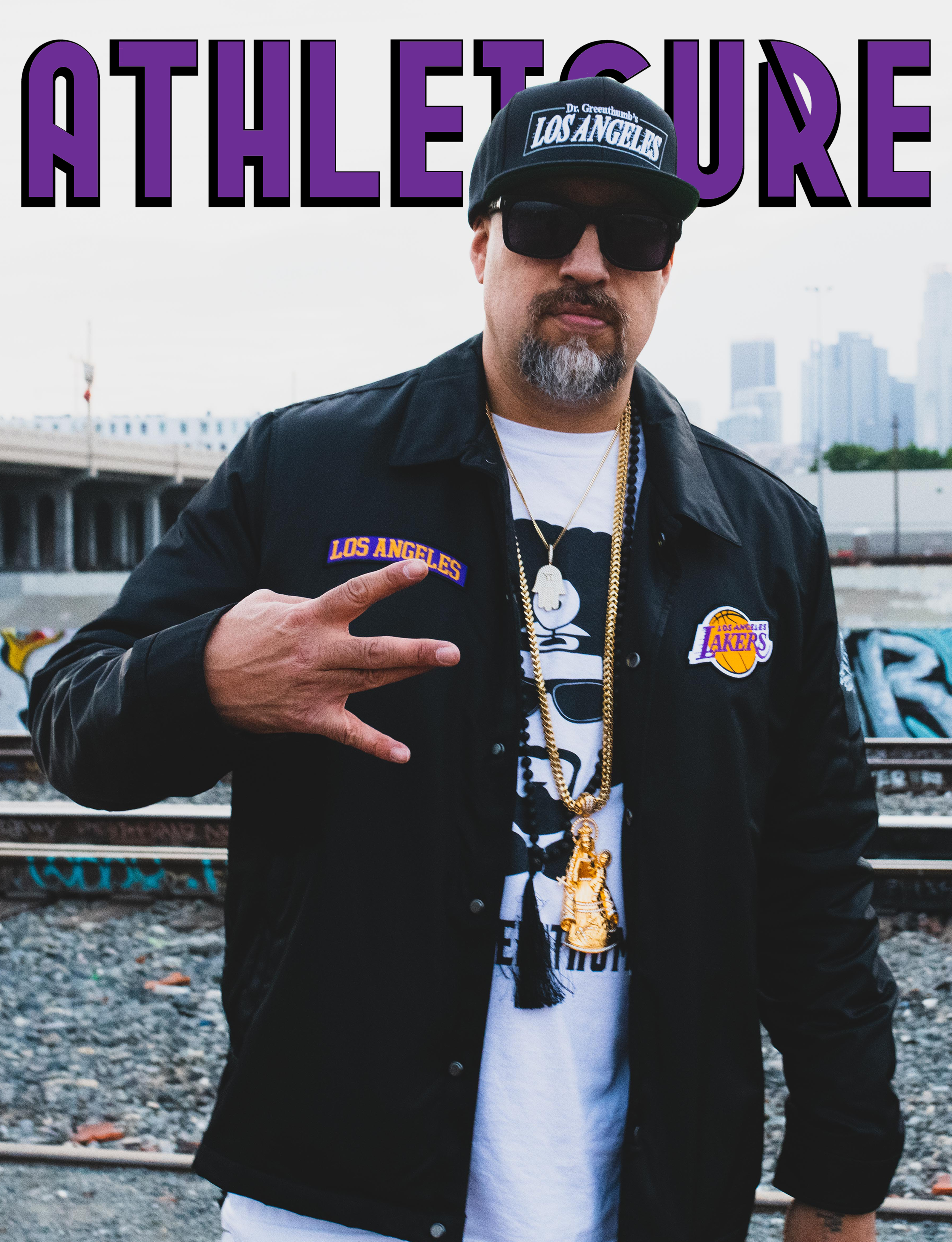
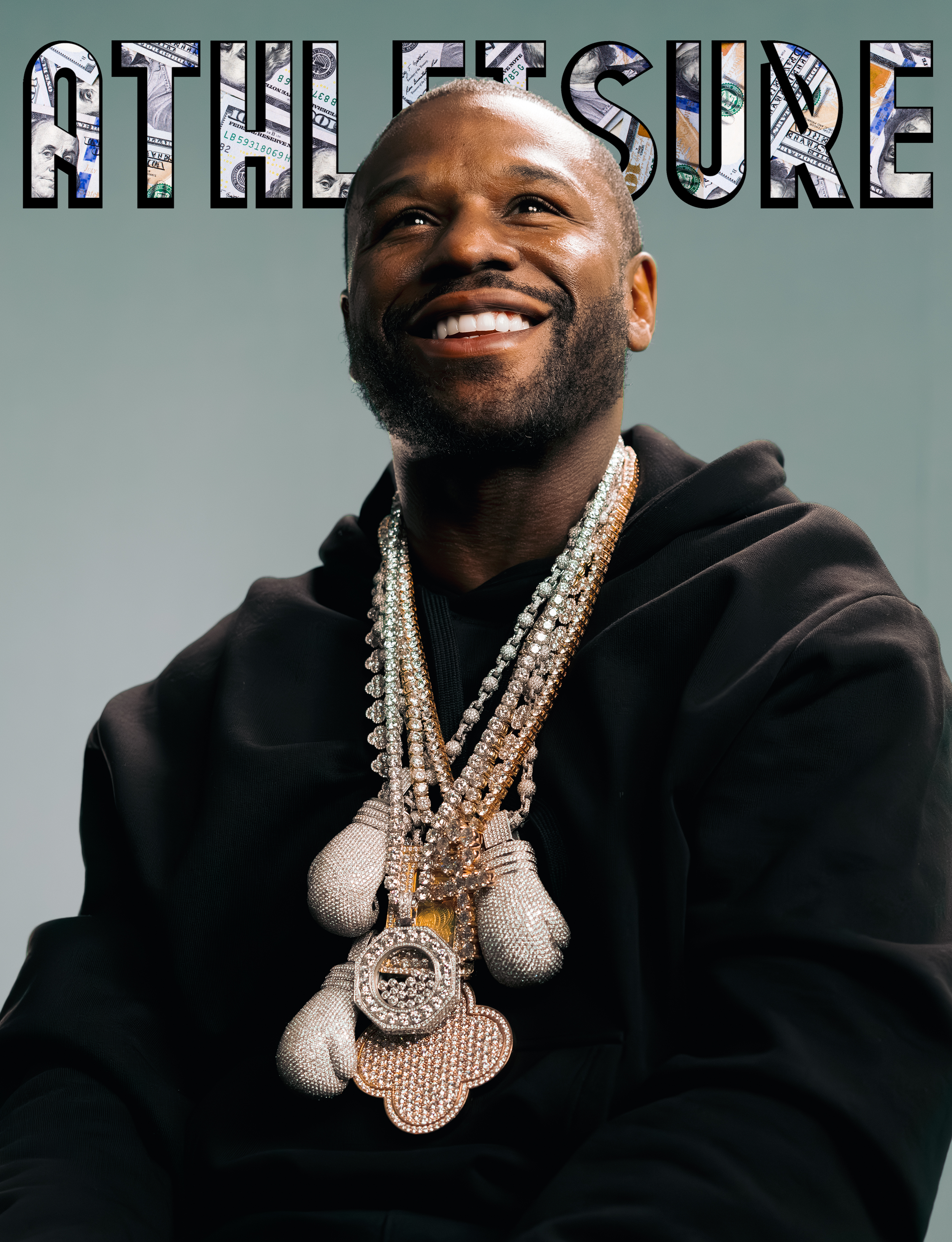
In this month’s issue, our Sep cover is Cypress Hill and founder of Dr. Greenthumb’s, B-Real. We talk about Cypress Hill, his solo project and the expansion of Dr. Greenthumb. We also talk with Lo Bosworth, founder of self-care brand, Love Wellness. She shares her journey in wellness as well as taking time for herself and friends. This month, The Art of the Snack comes from Sushi Ginza Onodera here in NY. Our Athleisure Lists include BADSHAH and BODi. This month, we enjoyed getting back to in person events by attending Electric Zoo and Governor’s Ball, we share our favorite moments from both of these music festivals.
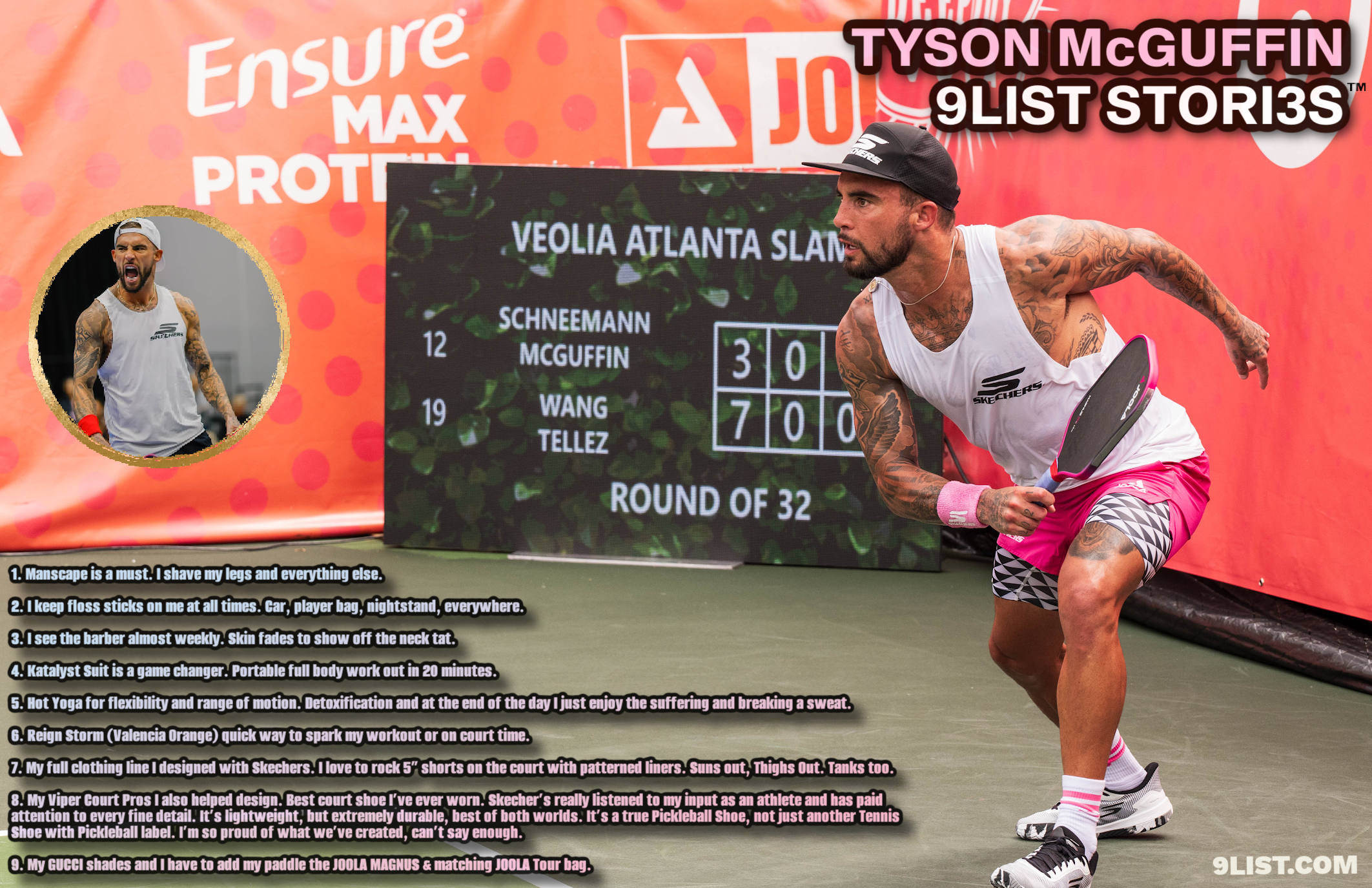
This month, our 9DRIP comes from B-Real, our 9ROUTIN3S comes from Bar Malik founder of BARCODE as well as Lo Bosworth. This month’s 9PLAYLIST comes from Dwayne Johnson as he shares 9 songs on his playlist. Our 9LIST STORI3S comes from Celebrity Hairstylist Andrew Fitzsimons who shares his must haves in style, beauty and fitness. We also share 9 of our favorite looks in 9LIST R3DCARP3TS from the Emmys and talk with Stylists, MUA, Hairstylists and Nail Artists that created the looks. In this months 9LOOKS we share some of our favorite looks from CHAANCE’s NYFW SS22 presentation.
See the SEP ISSUE #69 of Athleisure Mag here.
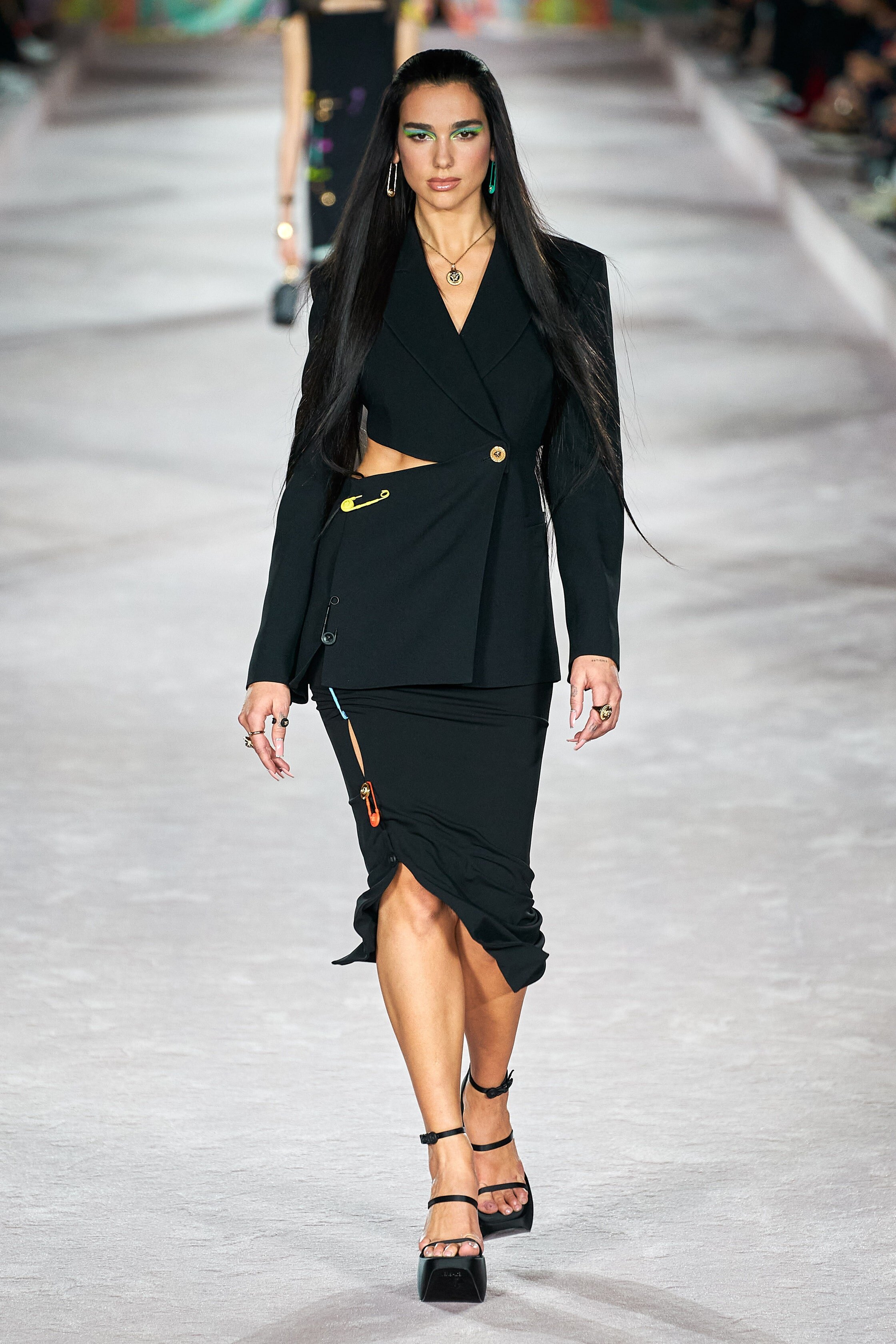
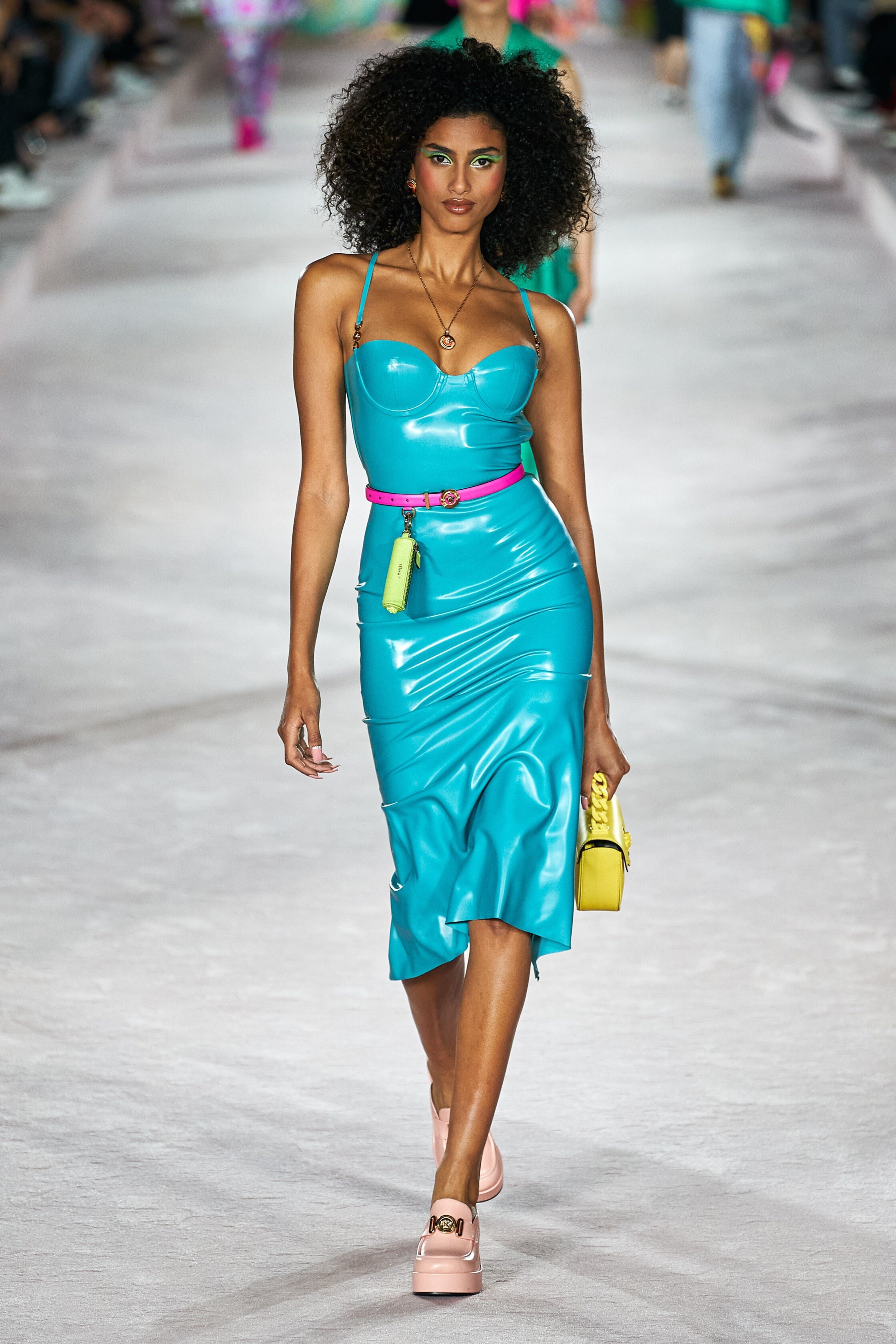
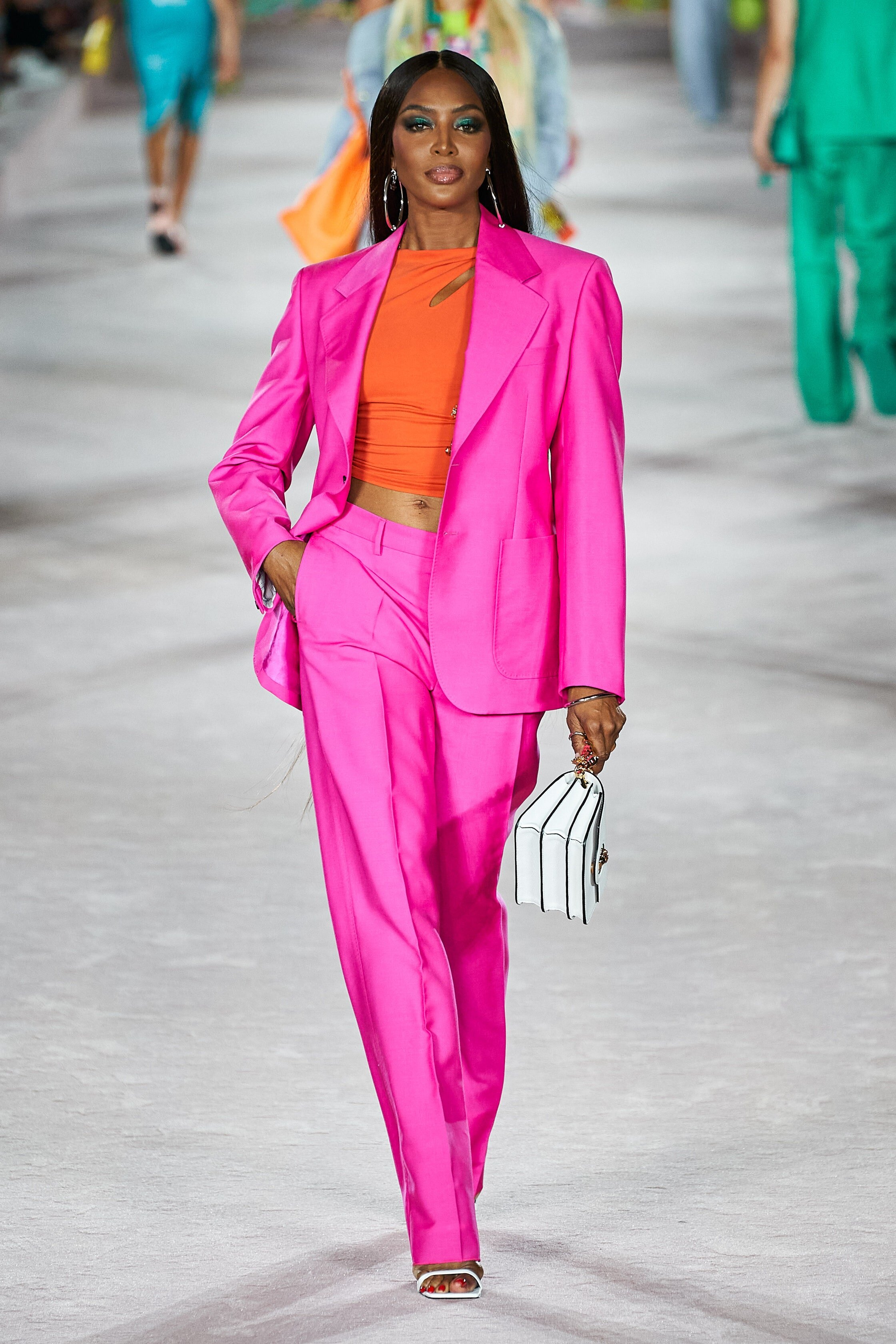
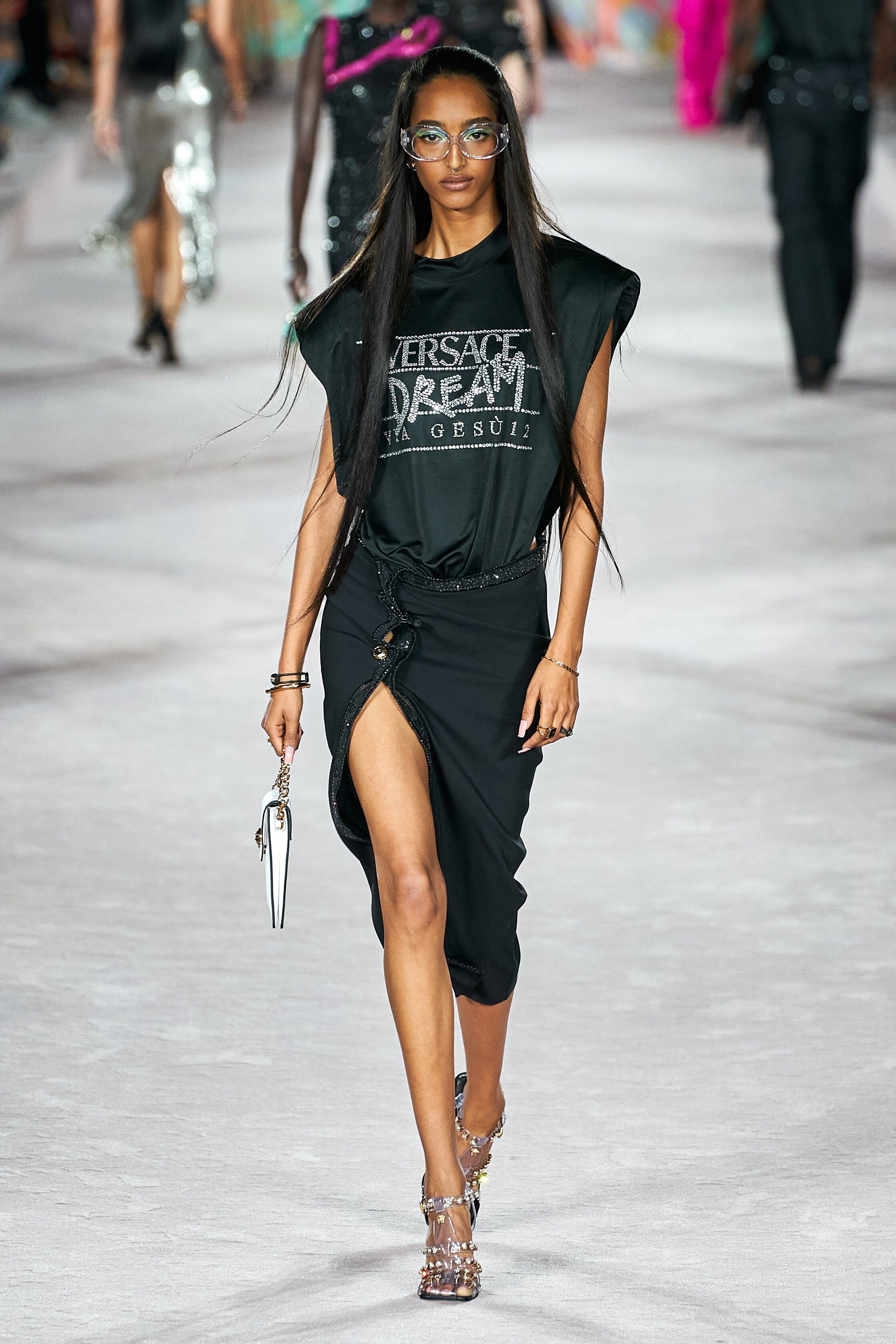
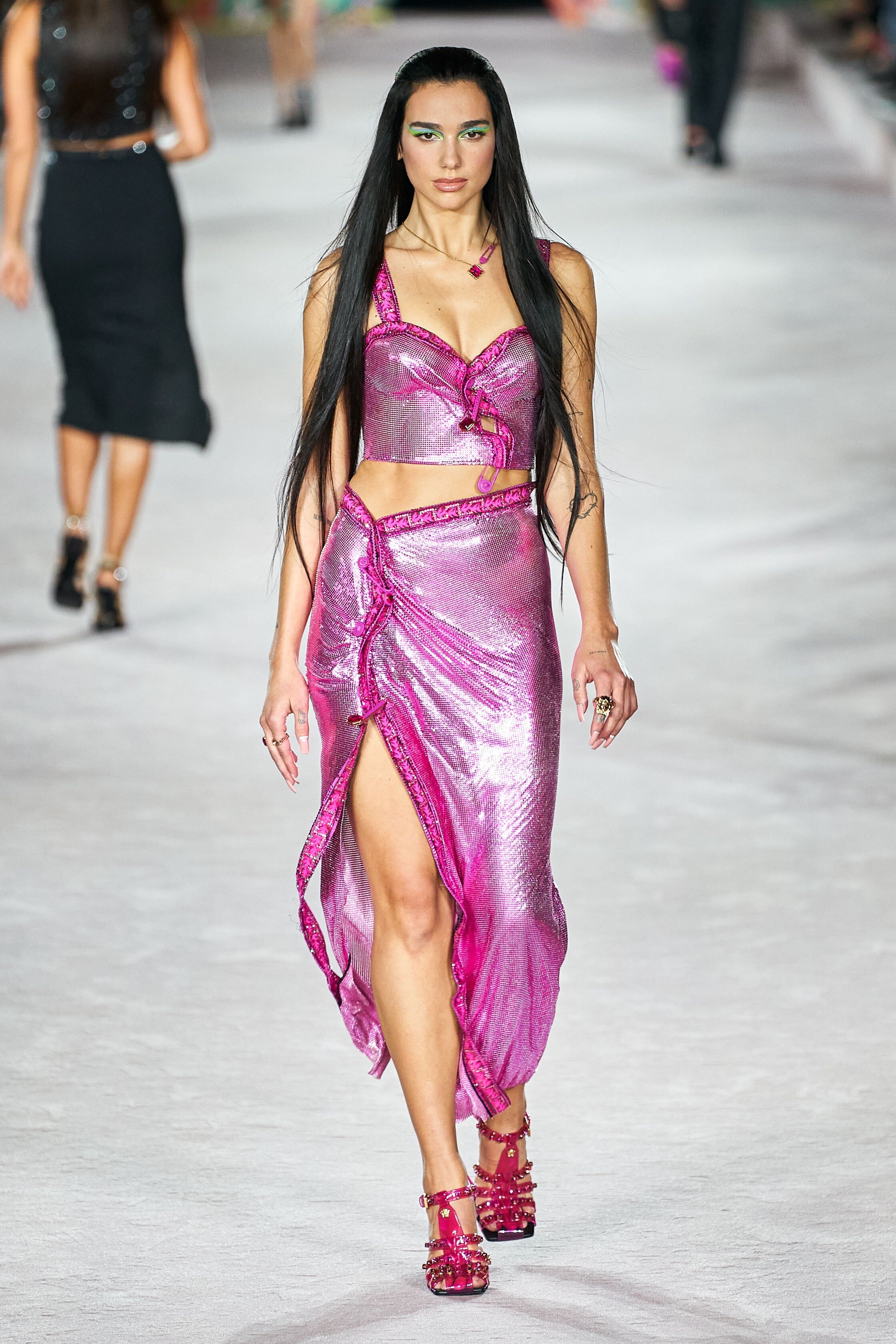
Milan Fashion Week continues and Versace’s show was filled with cool kids style in strong black hues as well as neon colors! Dua Lipa opened and closed this show while some of our faves including Naomi Campbell and Gigi Hadid hit the runway. We even love the vibe of the show that had the iconic silk scarves of the house of Versace that the models walked under. See our favorite looks from the show above.
PHOTOS COURTESY | Alessandro Lucioni/Gorunway.com

PHOTO CREDIT | Pixabay/Thomas Hoang
Your boat is susceptible to some marine life that attaches to its sides and bottoms. The most suitable solution is to paint the bottom of your watercraft with a specific boat bottom paint, which is better known as antifouling paint.
If you find that the bottom of your boat is full of marine growth, it is time to learn how to paint a boat bottom and choose the appropriate type of paint to use on it.
Knowing boat bottom paints
Paint for boat bottoms is a particular type of paint applied to the part of the boat that goes below the waterline. The paint prevents different marine denizens from attaching to the boat's hulls. More popularly known as an antifouling agent, paint for boat bottoms contains biocide and algaecide that prevent marine growth such as barnacles, algae, weeds, slime, and mussels from attaching to the boat bottom.
Things to consider when choosing a boat bottom paint
Choosing the right type of paint for the boat bottom can be a challenge because several products have different properties and applications. You should know what materials your marine vessel is made from and several other things.
Types of antifouling paint
Several types of bottom paints exist, so it is vital to have expert advice on which type to use on your boat. For example, ablative bottom paint slowly wears away through the movement of water current and tides. In addition, the water movement exposes a fresh layer of paint that contains the biocide, preventing marine organisms from attaching and growing on the boat's bottom.
There is copolymer ablative bottom paint that is self-polishing. When you use this type, biocide release continues even if your boat is out of the water. In addition, there is a hybrid copolymer ablative bottom paint. The hybrid paint combines the properties of the ablative and the self-polishing copolymer ablative paint but has an additional property. The paint gives the boat bottom a smoother finish.
On the other hand, hard bottom paint does not peel away layer by layer. Instead, the hard bottom paint continues to leach or release the biocide over time. However, the paint does not wear out. Thus you need to remove it before you can paint the bottom once again.
Type of material
Boats are made from different materials, such as fiberglass, aluminum, wood, or steel. Thus, it is vital to find the appropriate paint suitable for the boat.
The area where you keep the boat
You also have to consider where you keep your marine vessel when not in use. Marine growth is more prolific in areas where the water is still and warm.
Fresh or saltwater
Aside from the material used to build the boat, you should choose the right type of paint according to where you use the boat, either in freshwater or saltwater.
Aside from knowing what type of boat bottom paint to use, you should also learn how to prepare the bottom of the boat before receiving a fresh coat of bottom paint.

PHOTO CREDIT | Unsplash/Patrick Hendry
There are many risky sports out there. From sky-diving to cheerleading, the potential consequences of playing any sport are not always clear. But what are the most dangerous sports to play?
When playing an extremely competitive sport there are risks that are worth taking. For example, many football players are willing to put themselves on the line for their team. However, some sports have too high of a risk, even for those who want to take the chance. Here are some of the more dangerous sports out there and why they're so risky.
Both American Football and Rugby have a higher risk for brain injury than most other sports. American football has up to 14 impacts per player over the course of a football game, at an average of 25 gs of force per tackle. Rugby players on the other hand only experience around 10 gs of force per tackle, but wear far less padding.
The effects of concussions in football and rugby players can also be delayed, sometimes not appearing for days or weeks after the injury. This can be extremely dangerous as a player returning to the field too soon could cause them to suffer a traumatic brain injury. This type of injury can cause death if not treated immediately, but rehabilitation from a concussion usually takes around seven to fourteen days when properly diagnosed and treated.
In addition to all the other risks associated with base jumping, there is also the additional risk of falling. Base jumping is a sport that involves jumping from a cliff or a building and then free-falling until reaching the ground.
If you plan on doing this, be sure you're aware of how good a parachute system you have. This is especially true for experienced skydivers who are landing with very little margin for error. This makes base jumping one of the most dangerous sports to dive into.
Free running and trail running are great ways to stay athletically fit, but the parkour community takes it up a few notches and loves to show off death-defying stunts like jumping between rooftops, or quickly dropping from one ground floor to another, hanging off balconies.
While parkour has many benefits, the deadly nature of some of these stunts makes extreme parkour incredibly dangerous.
Rock climbing can be an exhilarating, but extremely dangerous sport, no matter how experienced a rock climber is. Rock climbers are limited to climbing on relatively safe rock formations, but if they fall they can be seriously injured. On average, there are around 150 rock climbing deaths globally.
The most insanely dangerous sport is free solo rock climbing, which means climbing alone without any harness, rope or other climbing aids. This requires a person to rely completely on their own strength and stamina. One slip and you're plummeting thousands of feet to your death.
Riding atop a 1,800-pound animal as it bucks you around is dangerous in so many ways. Just imagine being trampled under the massive weight of the creature. The overall risk of injury when bull riding is extremely high, but if you have a lot of training you can minimize the risk of injury. So while theoretically, bull riding is an extremely dangerous sport, only 21 professional bull riders have been killed since 1989.
Jumping out of a helicopter to ski down a mountain is a fairly popular extreme sport - but the emphasis really is on 'extreme'. Crashing is always a major concern, but so is being swept by an avalanche, falling into a crevasse, or even freezing to death. Skiers need to be prepared for many possible scenarios.
So while extreme skiers are brave and adventurous, they are also very susceptible to injury and death.
Cave diving is a hobby that requires high levels of fitness, a good level of risk assessment, and the ability to swim in cramped spaces. There's no reliable database listing the number of global cave diving deaths, but between 1969 - 2007, a total of 368 divers died doing this dangerous sport.


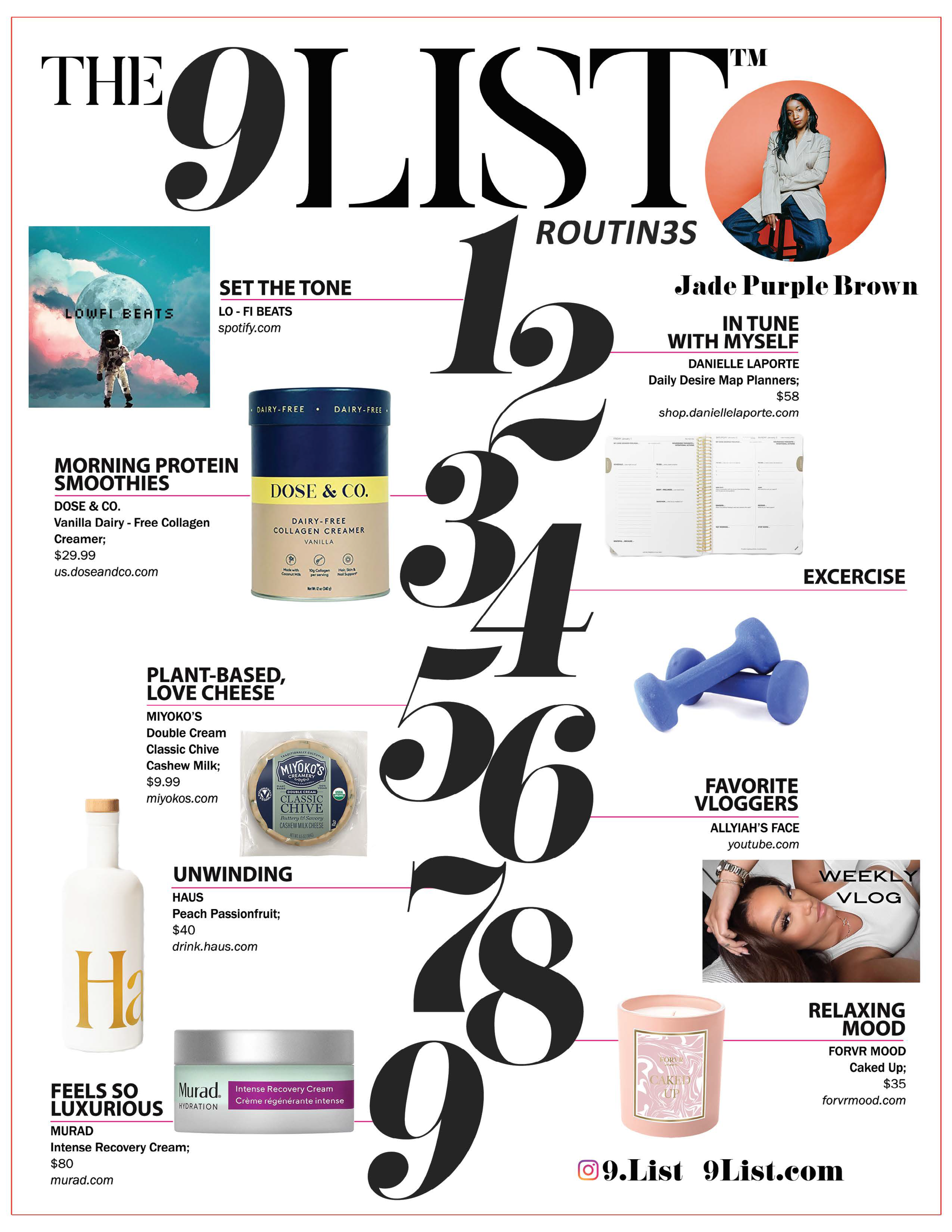
Read the AUG ISSUE #69 of Athleisure Mag and see 9LIST ROUTIN3S | Jade Purple Brown in mag.
Should you wear a bra when working from home or go braless? This, indeed, is a serious concern among women working from home. In this kind of work setup, people tend to dress as they please. Thus, for women, wearing a bra tends to be a bother when they're working within the comfort of their home.
Women will surely select comfort above anything else, which has led to many ditching their bras when at home. No matter how attractive the bra they're wearing, nothing is comfier than going braless.
However, issues have recently been raised that refusing to wear bras may be detrimental to women's health. Ditching your bra for days at home may potentially impact both your breasts and your posture. Read more to learn why it's essential to wear a good bra when working from home:
Wearing A Good Bra Can Help Maintain Better Posture
Studies reveal that the typical office worker spends eight to twelve hours each day sitting. Although sitting is an activity anyone spends longer hours doing, people don't usually bother doing this correctly. In other words, you rarely worry about maintaining a correct posture while working from home.
By wearing a supportive bra, larger muscles of the body will allow you to maintain good posture and improved blood circulation. While posture bras come in a variety of designs, they all provide the same advantages.
These modest undergarments support the back, promote proper posture, and relieve stress in the neck, back, and shoulders by transferring weight over the shoulders. They usually consist of soft, breathable fabric like ones from EBY and other underwear shops. They include larger straps and a broader band, which provides more coverage and support.
Wearing A Good Bra Reduces Breast Sagging
Sagging breasts may be reduced by supporting the mid-back muscles, which bear the weight of the breasts. Although bra experts claim that wearing a bra doesn’t affect sagging breasts, refusing to wear one also has no direct impact on this condition.
Breast sagging may occur for several causes. Sagging occurs as a consequence of changes in the ligaments that support the chest. These ligaments may stretch and weaken over time—and for several causes.
However, going braless isn't one of the reasons. While there's no medical need to be concerned about a sagging bosom, it may result in back discomfort and problems with self-esteem or body image.
Nevertheless, according to some experts, prolonged periods without support could strain the ligaments in the breasts. Therefore, wearing a bra may help prevent early drooping of the breasts by reducing the amount of time the connective tissue inside the breast is stretched during the day.
Wearing A Good Bra Prevents Back And Neck Pain
Wearing the right bra has plenty of benefits. For one, you won't experience digging or red marks, nor will it leave red scars on your skin. Certain physical symptoms may be avoided by wearing a suitable bra since it supports your breasts and shoulders. Moreover, wearing a good bra provides excellent results for women with larger breasts, who tend to experience neck and back issues.
In a research, they investigated the connection between breast size, bra cup size, and shoulder and neck discomfort among participants. The researchers found that those with a large-cup breast size are more prone to shoulder and neck discomfort.
On the other hand, in a study published in 2013, Thoracic (upper back) discomfort was linked to postmenopausal women with larger breasts. However, the majority of these women were overweight or obese. Additionally, they wore bras that don't fit them correctly. This supports the assertion that wearing the wrong bra size is one of the leading causes of upper back discomfort, along with other factors like increased body weight or a pinched nerve.
Look for a high, X-shaped-back bra that improves posture by drawing the shoulders up. Additionally, it has a convenient front closure and wire-free cups that are unpadded yet surprisingly supportive to avoid back and neck pain.
Lastly, women with lower back discomfort should see an osteopath to discuss their working and home environments. The practitioner will also provide a list of exercises to improve mobility.
Conclusion
There are advantages to wearing a good bra. However, it's not the only solution for certain conditions. Wearing a good bra can make a significant difference in terms of comfort when working from home. You move a lot during the day, so picture the additional weight that pulls on your body when your breasts move about freely (especially if you have bigger boobs).
Additionally, wearing a bra may feel more comfortable since it holds your breasts together. Don't hesitate to invest in a good bra to feel cozy and stay productive while working from home.


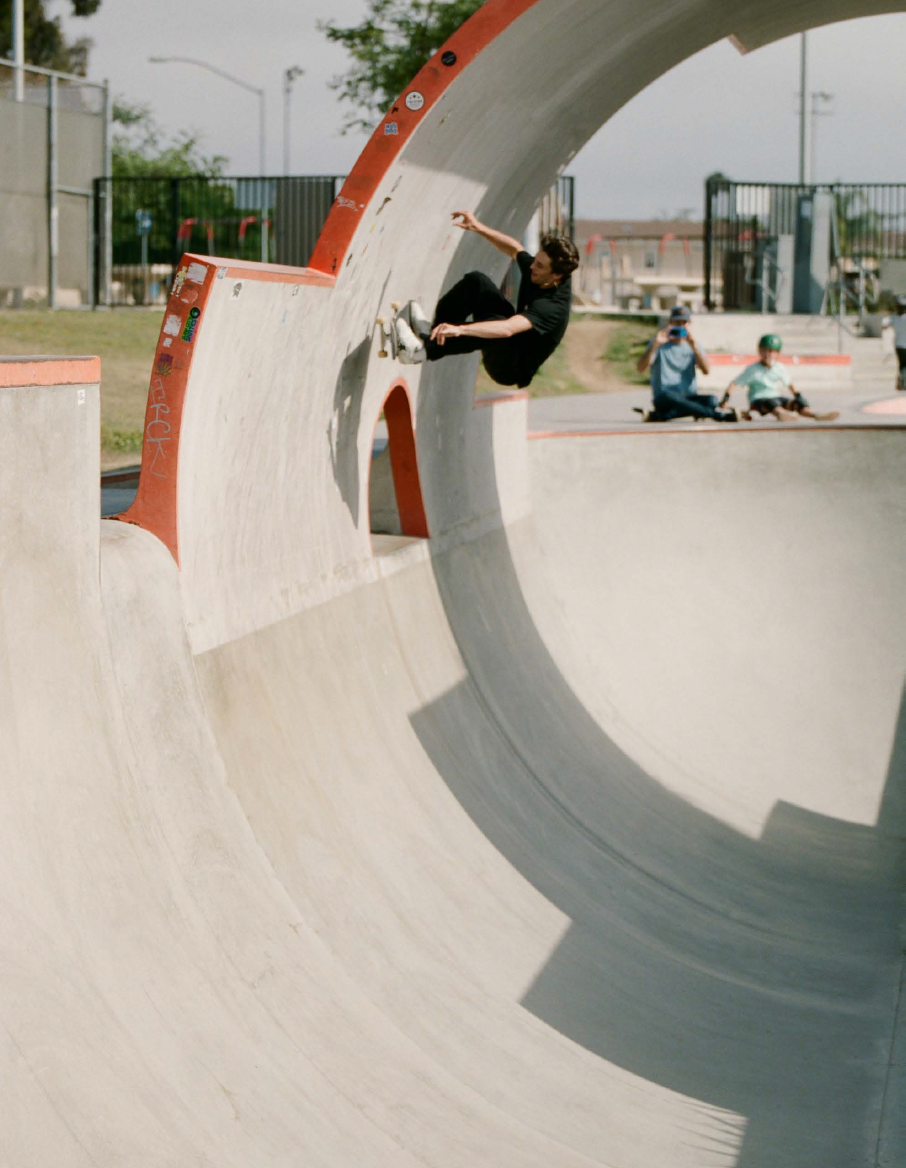
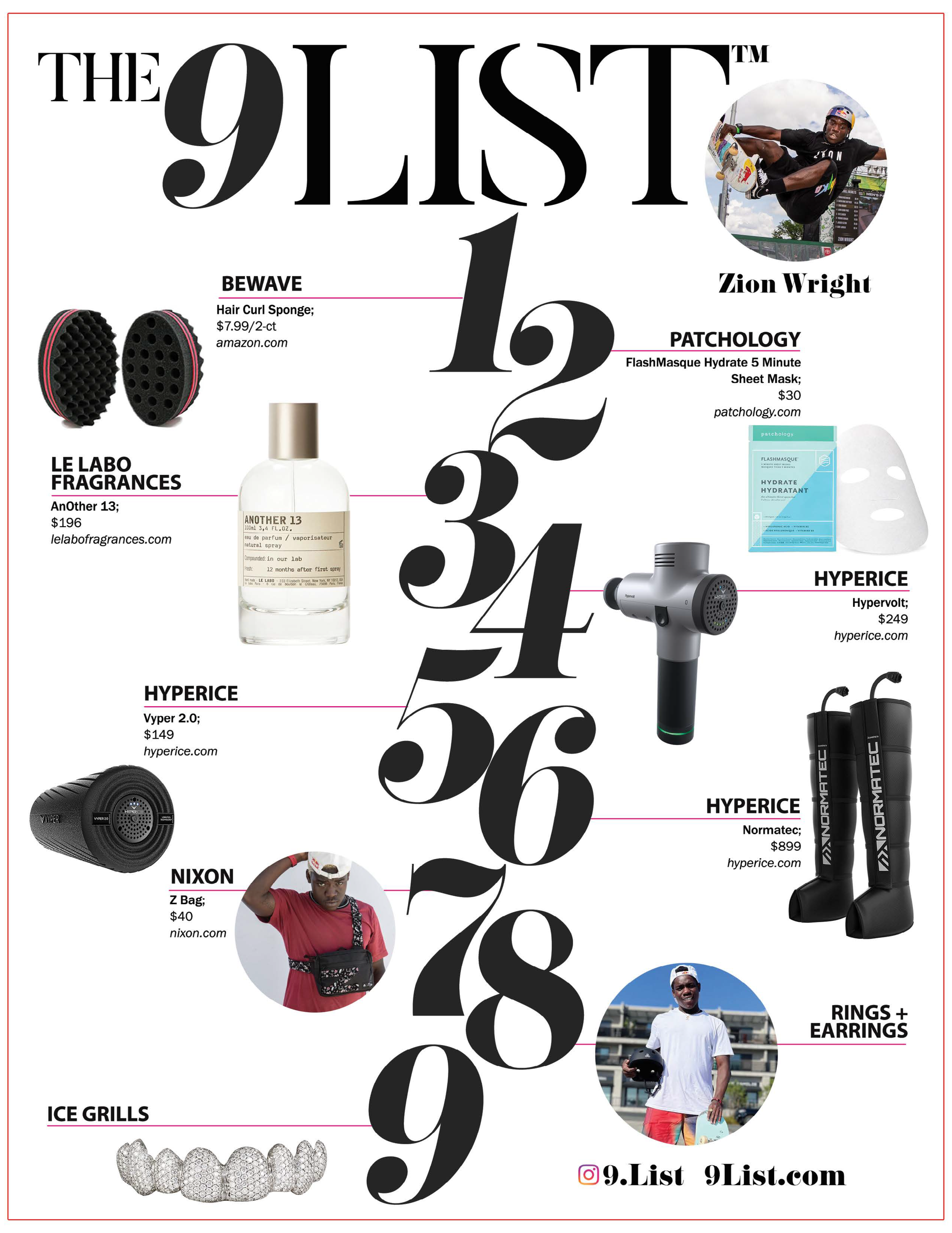
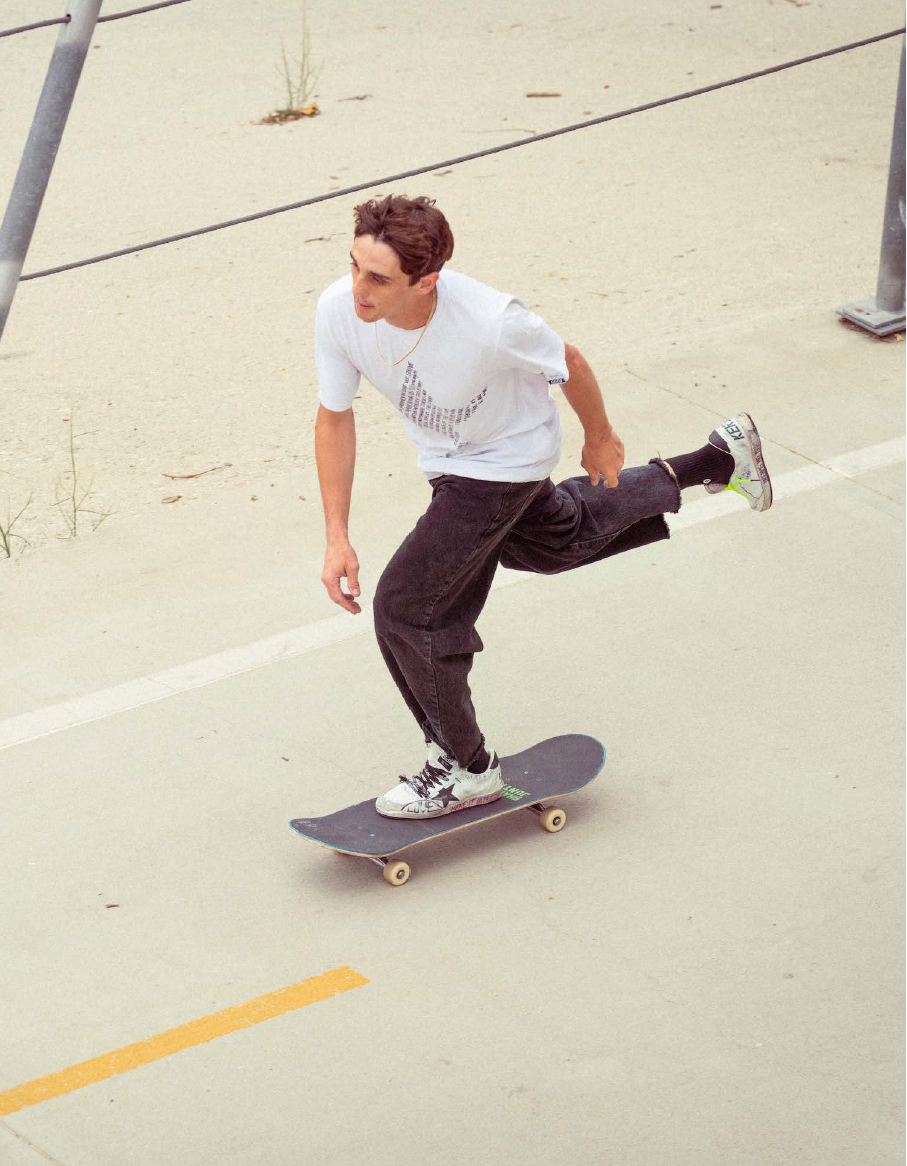
We love the fact that in many ways, the Olympics highlight athletes on a global stage so that you can know more about them and can continue to watch them throughout the year as they do a range of exhilarating and heroic competitions. The Summer Games in Tokyo introduced the debut of skateboarding with Team USA's Olympic Skateboarding Men's Park Team was comprised of Heimana Reynolds (our June cover), Zion Wright (this month's 9LIST STORI3S) and this month's cover, Cory Juneau who won the Bronze medal. These 3 represented the entire Park USA Skateboarding team!
We caught up with Cory to talk about his approach to the sport and how in addition to it being his job, it's a passion and something he truly enjoys! He talks about how the sport authentically creates a culture of positivity where they hype each other up. We also talk about his upcoming schedule which includes the Copenhagen Pro as well as the Venice International Film Festival with Golden Goose who he is sponsored by.
ATHLEISURE MAG: When was the moment that you fell in love with skateboarding?
CORY JUNEAU: Probably the first time that I got on my board. I saw my brother get a skateboard and he started skating and I kind of just got one right after and so that was it!
AM: When did you realize that you wanted to go pro and do it as a living?
CJ: That’s never really been a huge thought of mine! It’s just been about going out and having fun and skating with my friends, which has always been my motivator and I always just want to do whatever I can to be able to continue to skate for the rest of my life. I push myself to be able to do better and it’s not about being any type of typical thing that people would assume.
AM: How do you approach skating? Do you have a process when it comes to tricks that you want to incorporate into the runs that you want to do?
CJ: My process is kind of me getting there and just figuring it out when I’m skating and I want to be comfortable. I have been skating for awhile now and skating is 90% mental. If you’re confident and you know what you want to do, it will work out you know? I just like to take it slow.
AM: We love that you have a very chill and relaxed style!
CJ: Haha thank you, thank you!
AM: So what’s a day like with you when you’re practicing?
CJ: A typical day for me is pretty chill honestly! I kind of just wake up and see what the homies are doing and then make a plan to go skate somewhere – if it’s in the street or in the park or some spot. We’ll just figure it out at the time. We just kind of get a group together of all the homies and we just go, skate and vibe off of each other.
AM: When it comes to working out, what do you do that allows you to optimize you in your sport or do you simply skate?
CJ: I usually just skate, but I just started doing yoga and PT because I was battling an injury in Jan. So, I kind of got into a routine. So I have been doing yoga twice a week and PT twice a week for my ankle. My body is healthy, strong and flexible. I think its great to do this to just keep it that way and to prevent injuries.
AM: What’s a typical skateboarding season like for you? I know that pre-COVID it was probably different and now things may still be a bit different, but what’s a season like in terms of competitions and how many months out of the year are you doing this?
CJ: Honestly, the skate competition season is pretty hectic. There's a lot of travel and I'm probably gone 6-8 months out of the year normally. Like you said, it’s been pretty chill the last year and a half because of COVID, but before that, it was pretty hectic and I was always traveling, always doing stuff and trying to get there and to stay on top of it.
AM: Because you travel so much around the world, do you have a favorite series that you like to compete in?
CJ: My favorite series are the ones that are not so oriented around the contests, but it’s about having a good time. A lot of the skate events are set up on the beach and have that Venice type vibe. I’m a big fan of Australia, it’s one of my favorite places and it reminds me of home. I used to enjoy going out there a lot, but there hasn’t been a series out there for a few years! But I’m missing it and I’m itching to go back.
AM: When it’s game time for you, do you have a routine or series of things that you do before you go into a competition – are you doing extra yoga?
CJ: It’s pretty mellow honestly. I just like to get a visual of what I want to do and get my line down and then I like to get it all down in one run. I just want to make it happen, you know? Like I said before, skating is 90% mental. It’s just knowing that you can do it. I just like to stay relaxed because what’s going to happen is going to happen.
AM: It’s a great mindset to have!
CJ: Yeah! I think it works really well for me and it keeps me relaxed.
AM: Before we get into talking about you competing in the Olympics, just the idea that you were part of the inaugural group of people that had your sport on such a global stage – how big was it for you to be in that group and to also have your sport represented like that?
CJ: It was huge! It’s such a surreal feeling to having everybody around you being so supportive and having your back. For me, I didn’t realize how crazy it was going to be and how much backing there is. I mean, obviously, I have watched a few Olympic events, but it’s something you can’t take in until you’re there and you see it for yourself. To go out there to support my city, Southern California, California as a whole and the US is huge and super humbling. To go out there and do well, it was great!
AM: We were excited to watch skateboarding and to see the preliminaries as well as the finals! How did you feel winning the Bronze medal?
CJ: It was so surreal and honestly, it’s been 2 weeks and I’m still taking it in! Because, it’s been such a long build up, like such a long journey and road to just get there. I changed my diet, I started doing yoga, PT, I was battling an injury for 4 or 5 months and I’m just grateful that I was able to make it there and do well. Coming from the US, we have the largest skate scene in the world and the fact that I was able to make it there, I was blown away. I wasn’t so stressed about the results, I was just glad that I was there.
AM: Is there a difference between competing at the Olympics versus your other tournaments in terms of game play?
CJ: I don’t think that the judging is any different. What everyone is doing out there is so authentic and so original and themselves – you can only be judged against yourself.
AM: One of the things that struck us when we were watching especially in seeing the prelims and then the finals, as a community, to watch all of you hyping each other up – it was like a party that you wanted to be invited to. What is it about the skateboarding culture that creates this kind of camaraderie? What are you guys doing that fosters that feeling?
CJ: Yeah, the camaraderie between us is truly one of a kind! I think it’s just that we're all so passionate and we all love skateboarding so much and it’s so authentically ourselves. It’s not like anyone else out there is doing the exact same thing. So you get hyped up when someone does their run and does good. So we feed off that and we take that energy and we put it into our skating. It’s not like someone does a good run and it scares you! When you do it and love it, it’s a good session! You vibe off of that good energy in the air.
AM: Looking at the Summer Games in Paris 2024, do you anticipate adding that to your plans?
CJ: It’s something that I would like to do. It’s a few years away, but everything will come down again soon and when it starts up, I will definitely try to make the cut! I’d love to go back. The experience that I had was so surreal like I said and I’d love to go and do it again.
AM: What’s the next tournament that you’re going to be in?
CJ: Yeah, I’m actually leaving the 31st of this month to go to Copenhagen for the Copenhagen Pro. It’s not a serious competition but it’s where we can get together with tons of skaters who meet up and there’s spots all over the city where you can go from place to place to skate. It’s a lot of fun! I’ll be out there for a week and then I’m flying from there to Italy and I’m meeting up with a lot of the Golden Goose team as we have a little event out there that I’m excited for. It’s great to be able to start some traveling and to have some fun and to relax a little bit.
AM: How would you define your personal style? We heard that you like to collect gold chains – what do you look for when it comes to adding them into your assortment?
CJ: I wouldn’t say that it’s a collection, I would say that I have a style of chain that I wear and I lost a bunch ha! So when I lose them, I go find another one! My dad gave me his when I was a kid and then I lost it so I have always been attached to that style I guess. They don’t really make that style of chain anymore because it’s pretty fragile – when you bend it, it will break.
AM: How did the partnership between you and Golden Goose come together? You wore a custom style at the Olympics while you competed. What is it that you love about the brand and why did you partner with one another?
CJ: I’ve actually been a fan of Golden Goose for years. I love their sneaker brand and I used to ride for a couple of other shoe companies, but it was never the style that fit me the best. I just love the distressed and authentic look to them. There’s nothing like them and they’re good forever. They don’t get dirty in a way. My partnership came together all in good time! I spoke to my manager and asked him to reach out and we were in talks back and forth for about a year and a half and it’s been coming together for awhile.
It came down to timing. Skateboarding has a huge influence on the fashion community and now we’re getting a lot of recognition because of the Olympics and I think that these companies are putting more thought into it and seeing that they need to support this.
AM: It was interesting to hear that you designed the shoes that you got to compete in for the Olympics. There’s something about taking a brand that is known for their aesthetic and adding in elements that you like personally or that optimizes you for your sport. What was it like for you to do that?
CJ: Working with them has been super fun and everyone there is super family oriented. They are focused on making the best shoes that they can. They really care about it just like I do. It was great. I kind of pitched them ideas and they were cool with everything I had to say. I didn’t really design a new shoe, I recreated the Ball Star that they already had, for skateboarding.
We went through different materials and compounds for the rubber and suede on the side. We looked at the stitching so it wouldn’t rip and would be more durable for skateboarding. It was great and everyone there was so great to be with.
AM: Do you envision being able to do more with them whether it’s a collab line or something along those lines?
CJ: I hope so! I want to work on a collection with them! I always want to expand what I am doing to grow and this is the perfect place for me to do that. They obviously want to do that too which is really great. We’ll see what happens.
AM: Tell us about From Venice to Venice. You’ll be debuting this at the Venice Film Festival which sounds awesome and you will be performing. So what is the film and how excited are you to be part of this?
CJ: It’s huge and I’m super excited. From Venice to Venice is like a 3 part series that we’ve done where a lot of Golden Goose’s style is taken from Venice’s, Southern California style, vibes and community. They get a lot of inspiration from there. I’m from San Diego, but Venice has a huge impact on all of us. This is like a 3 video series that has an in the life kind of vibe from Venice, California, then on the road to the Olympics and then the final one in Venice, Italy. So it should be fun. I’m excited for everything that they have going on out there. It will be a video on it, but stay tuned!
AM: When you’re not skateboarding, are there additional sports that we would find you doing?
CJ: Yeah – I enjoy everything with my friends! We go out and play basketball, soccer, we go to the beach, we play some pool – you name it! We’re all just a hands on friend group. Whenever we’re doing something, we’re just having fun with it.
AM: How do you take time for yourself?
CJ: Skateboarding is my job, but it’s also what I love! I never think that I’m waking up going to work, I’m waking up doing what I want. We all need some me time. It’s all free time for me! Me talking with you right now was all that was on my list to do today.
AM: What do you want your legacy to be in terms of your impact on the sport?
CJ: That’s a great question and I’ve never thought about that. I’ve just gone out and had fun. I want people to know that when you’re going out, you need to make sure that you’re having fun. You need to take it one step at a time! The community of skateboarding is so small and there is so much love in it. You go to the park and you just start talking to people because everyone wants to mingle and talk to one another and support one another. It allows you to go to the park and to just try something. They’re rooting you on. It’s tough because it can be hard on your body and on your mind when you’re trying over and over again. But you just have to get back up, be patient and try again. But make sure you are enjoying it and everything will come.
AM: We always like to ask our trailblazers, people who are killing it who others look up to – who are 3 people whether you know them or don’t that have inspired you to be where you are today?
CJ: I grew up watching all of the Rocky movies and I know they’re not real – but I’m a fan of Rocky! Mike Tyson, Kobe Bryant - I have had a lot of influences from people that push hard and are determined. That’s what motivates me – people who push hard enough to get what they want.
IG @CoryJuneau
PHOTOGRAPHY | Andrew James Peters
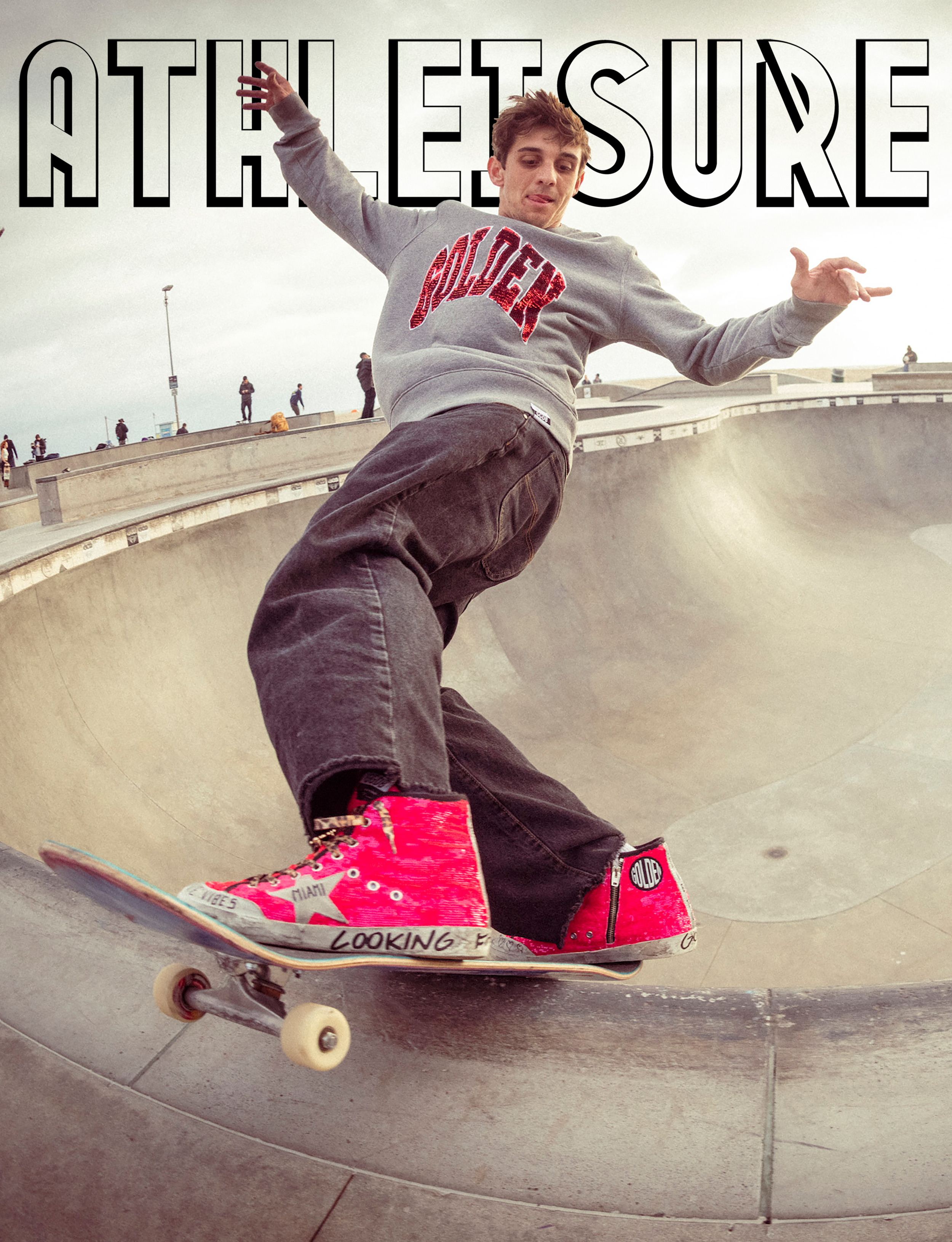

Read the AUG ISSUE #68 of Athleisure Mag and see Let it Flow with Cory Juneau in mag.
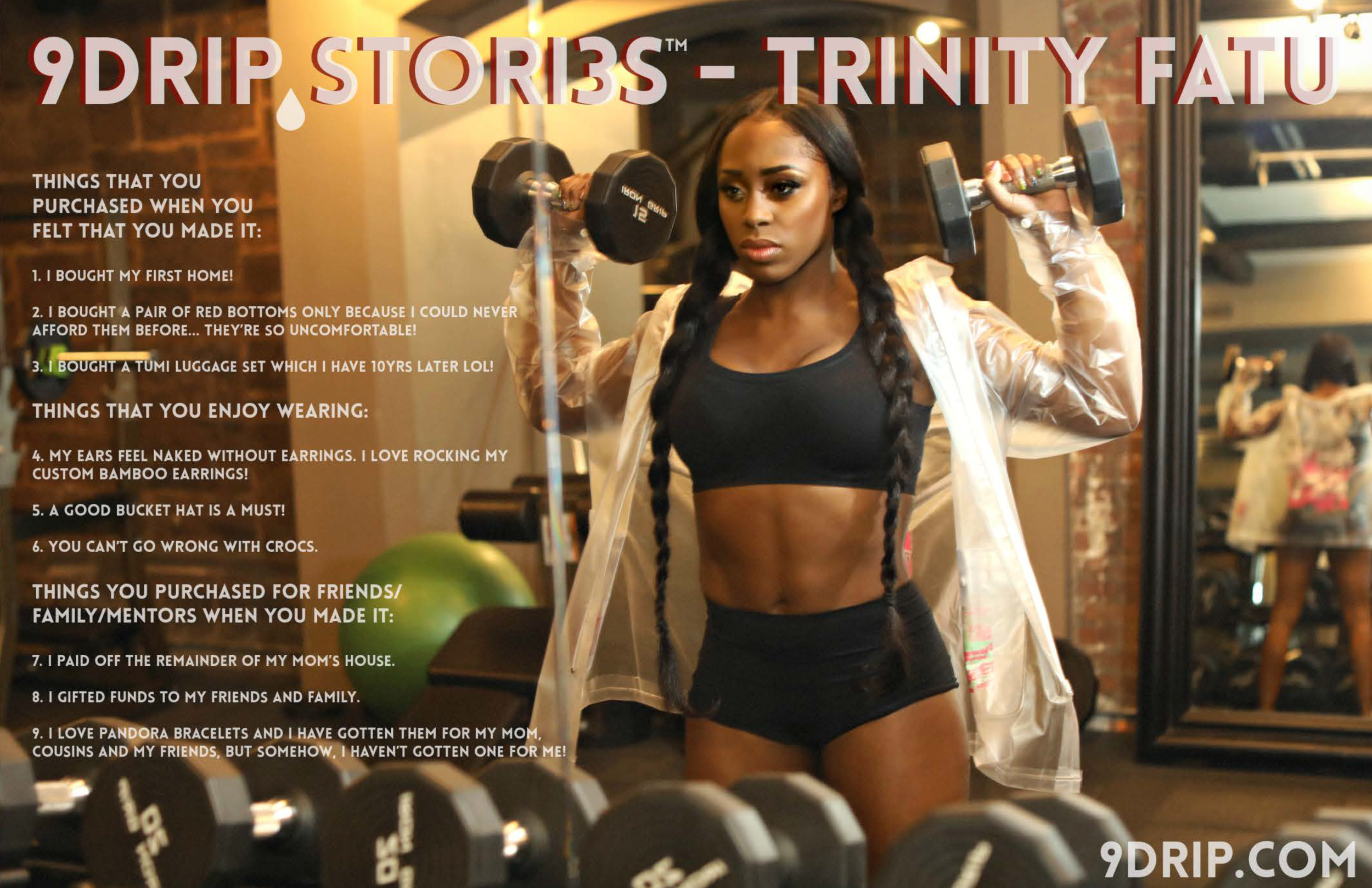
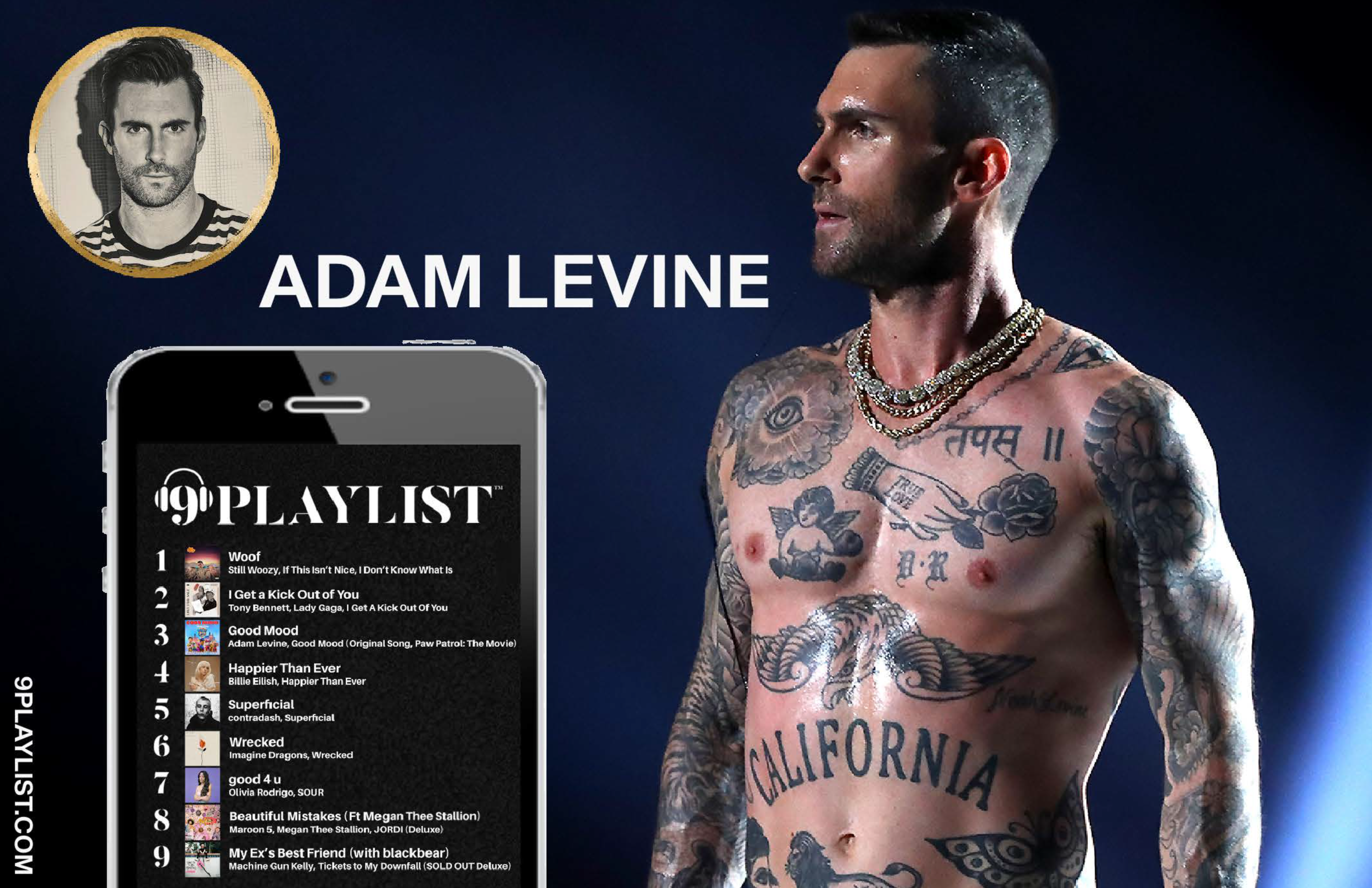
Read the AUG ISSUE #68 of Athleisure Mag and see 9PLAYLIST | Adam Levine in mag.
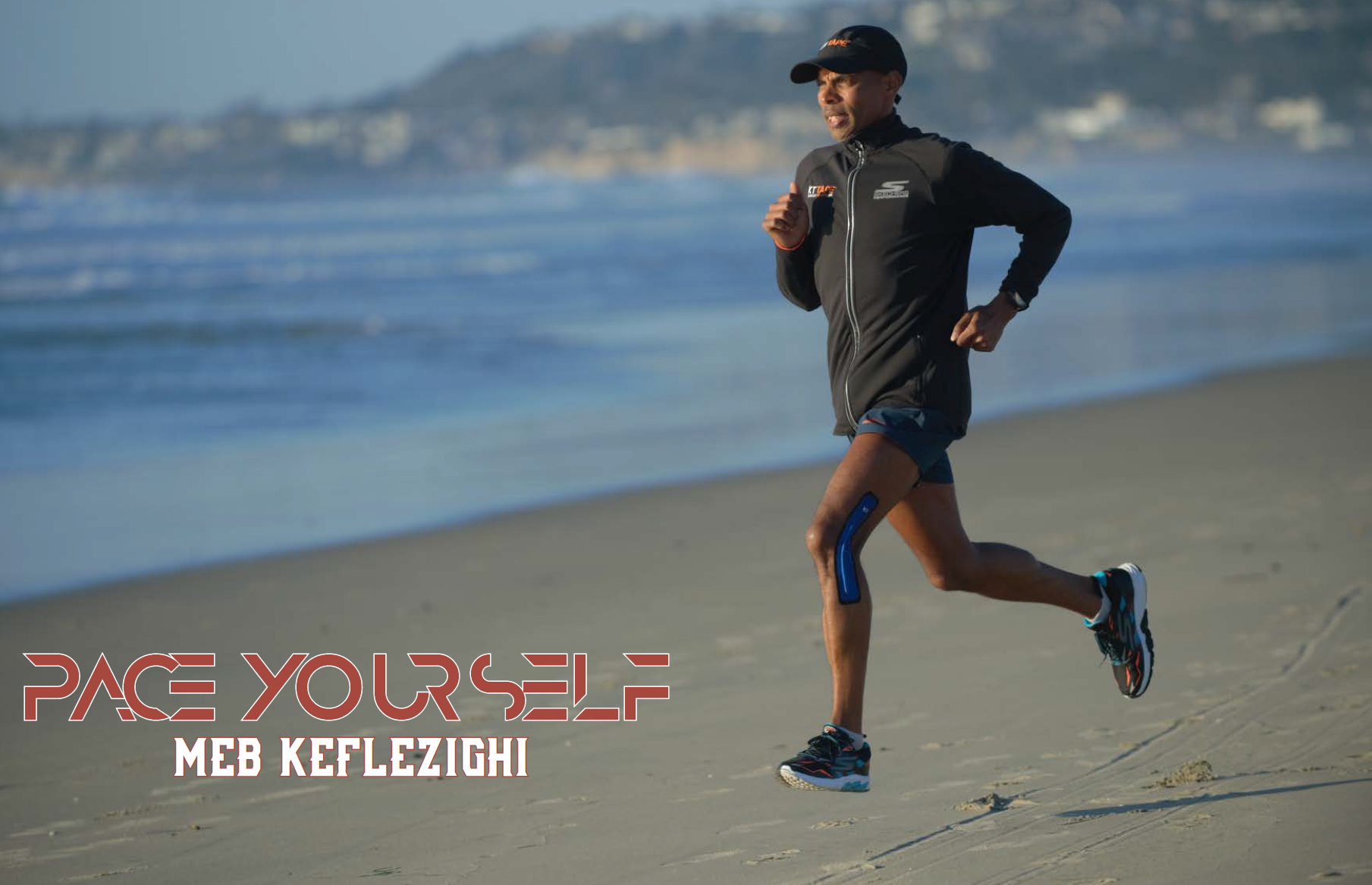
When it comes to long distance running, Meb Keflezighi is a global ambassador for the sport. His energy and enthusiasm he has is undeniable if you've had the chance to see him run, attend an industry running event or even a media day with him. He believes in putting in the work and preparing your mind, body and soul when you're hitting the course. He is well-known for winning an Olympic Silver medal for Team USA Track and Field for Marathon, the Boston Marathon, the NYC Marathon, a number of NCAA Championships and National Championships. We talk with this Olympian who has attended the Summer Games 4 times and has the MEB Foundation where he gives back to those who are interested in the sport. He also talks about how he has used his platform in a positive way to inspire others!
ATHLEISURE MAG: When did you fall in love with running and what is it about long distance running that attracts you to it?
MEB KEFLEZIGHI: I was first introduced to running when I came to the US in 7th grade when I was in my PE class with Coach Dick Lord. He told me that if I ran hard, I would get an A or a B in the class, and if I was just messing around, I would get a D or a F. My parents always wanted me to get an A in the class no matter what I was taking – Math, Science, Art History or Physical Education Class. I didn’t want to disappoint them so I decided to run hard. It was the mile run. I ended up doing a 5:20 mile to my surprise and the coach’s surprise. He told me that I was going to go to the Olympics and bear in mind, that I didn’t speak English. He told me that I was going to get an A and then I started running. I asked my dad what the Olympics meant and I fell in love with it because it gave me confidence and it gave me friendship with people as well as camaraderie with others. Obviously, distance running is great for me because I get to see beautiful scenery and I am able to travel to different areas as opposed to just being around the track.
AM: For those readers that may not be aware of what long distance running means means, what are the foot races that you would find in this category?
MK: Well there’s the mile which is a long one, there’s a 3K which is about 2 miles which is what I did in high school. It’s debatable on the 800m which is a half mile in terms of whether it is mid-distance or long distance. Anywhere from the mile to the 3K to the 5K which is about 3.1 miles, the 10K which is 6.2 miles, a 15K is 9.3 miles, there is a half marathon which is 13.1 miles and of course 26.2 miles which is a full marathon and is very far. There are some other people that also do ultra marathons (editor’s note: this is any race that is longer than a marathon and these races tend to be 30 mile trail races to a 200 mile relay) which I have never done. I ran from 800m to a marathon in high school, college and professional.
AM: When did you realize that you wanted to run professionally?

MK: It’s funny that you asked because for me, going to school at UCLA on a full athletic scholarship, I was there from ‘94 –‘ 99. It was in ’97 that I had a big breakthrough you can call it. I was doing cross country, indoor 5K, and 5K as well as 10K outdoors and I contemplated whether to go pro or not, but I understood the value of education and that my degree would mean a lot more in the long run and I didn’t want to get injured and get set back. So that was the first time that it crossed my mind. But according to others like my 7th grade PE teacher, my high school coach, my classmates and others – their standards were high. They wrote in my yearbook that they would see me in the Olympics and that I was going to make it. But I had no idea how far running was going to take me until 1997 when I won 4 NCAA titles in that year (editor’s note: Meb became the first individual NCAA men’s cross country champion in school history winning in a course record 28 minutes 54 seconds, he won the NCAA indoor track 5,000 meter title and he won for outdoor in the 5,000 meter as well as the 10,000 meter championships).
AM: You are the only athlete in history to win the NY Marathon, the Boston Marathon, 4 X Olympian who won the Silver medal along with all of your NCAA Championships and National Championships. How do you prep for your races physically, mentally and spiritually?
MK: My parents always told me that the key to success is preparation. Do your homework and if you do it, you will do a fine job and that’s whether it’s for school, running or even a professional job. My family was like, tie your shoes, go for a run and of course you have to be systematic to see what you need to be able to excel when you run. For me physically, it was about 100 – 135 miles a week and I do that 4 times a week. People will ask me, do you run every day and I’m like, well you do the math ha! I run multiple times a day. In the afternoon, I do my long run for one intense workout. I don’t try to double up on that. Sometimes I run 10-12 miles in the morning, on the hard days, I will run anywhere from 12-16 miles and then in the afternoon, I will go for a fast mile and an early leisure easy one just to have time on your feet. The other ones are pretty rigorous.
Mentally, I guess you have to believe in yourself and the progress and strengths that you make. You can see the progress weekly, monthly and yearly. This is important for you to be able to see those.
Spiritually, I feel like I have my God given talent and I understand what my purpose is for me. I want to capitalize on my abilities to the fullest and most maximal potential.
AM: I know in terms of your training, you have been quoted in saying that you have a 9 day training cycle as opposed to a training week. Can you tell me more about this and what do you do during that period of time?
MK: We all know that there are 7 days in a week, the 9 day cycle allows me to have that recovery days in between. As you are in high school in college and early professionals, you can get away with a 7 day cycle. You can recover faster. As I got older, I wasn’t recovering and I wanted to make sure that I wouldn’t be injured. So what I did was, you have Monday – Sunday and I cycle on through Monday and Tuesday. For example, if I do a long run on Sunday, Tuesday and Wednesday it will be easy for me, but maybe not for everybody else. I can run in the morning and train again in the afternoon. Again on Wednesday, it would be the same thing, 10 in the morning and 4 in the afternoon. But then Thursday will be intervals because race days are faster. So Friday and Saturday would be the same thing that I did on Tuesday and Wednesday. It would be 10 miles or 12 miles in the morning and then the same in the afternoon. On Sunday, I would do my tempo run which is race days that can go anywhere from 6 miles to 16 – 18 miles on race day. You’ve got to warm up before hand and cool down. So it will be anywhere from 20-25 miles on that day. So instead of going back to a hard day on Monday for that workout, you need Monday and Tuesday to recover. So Wednesday would be that next hard session. By doing this, you get to know your body really well. You can start alternating whether you’re doing long runs, intervals or tempo. I can switch it up if the speed isn’t there and put two intervals together – like putting Sunday and Tuesday intervals together and Monday becomes the long run.
AM: From a nutrition standpoint, what do you eat to support your efforts when you’re looking at the next race?
MK: Nutrition is a very important part of training. You have to have a balance. The days that I do a hard workout, I have to have carb load like rice and pasta or potatoes. The days that I have an intense workout like a long run, tempo or intervals. I go with a lot more protein especially as I have gotten older as you try to eat protein to stay as lean as possible. Obviously, right after the workout, I have a drink with a product called UCAN, a UCAN shake. It’s the water and powder and you can have a banana, stretch out, do the ice baths, get a massage maybe and then 2 hours later, have a real meal where there’s eggs whether it’s an omelet or scrambled – whatever works for you. Then you have that afternoon run and then after if it’s a hard run, you have chicken or maybe fish or steak if I’m getting ready for a hard work out as you also want those carbohydrates.
AM: We had the pleasure of being able to meet you in 2016 right before the Summer Games in Rio. We were at Chelsea Piers for the KT Tape Media Day which we were able to meet you and the other athletes as well that are ambassadors of the brand. Why is your partnership with KT Tape so important and how is it synergistic with what you do?
MK: It’s been a great partnership with KT Tape because they understand the demands of what an athlete – not only professional athlete but every day runners or those in sports and what it does to their body. KT Tape understands that they need to be there for the aches and pains and to try to make it as easy as possible for those that are dedicated to their activity. Obviously, their motto is “to finish strong,” in not only races but also in training. I feel very proud to work with them.
AM: We’ve been a fan of their products and have a number of them that we have on hand when we’re on our photoshoots, hitting the tradeshows, being at NYFW, musical festivals etc. The fact that they have a number of recovery options from gels, the Wave+ items that are focused on blisters etc. definitely assists our team in what we do! What are your go to products that you enjoy using?
MK: I usually when I’m training have the KT Tape generic for the tendons and muscles to stabilize them. But I also have the KT Tape Flex for my knees and the KT Tape IT Band. Obviously, the KT Tape Chafe Safe is important as runners, we chafe and that’s important. I have also used the recovery patch as sometimes we have our calves or your glutes and lower back so that you can bring attention to that muscle and it can help you recover and to get you through the workout!
AM: I’m sure that just like us, you enjoyed seeing athletes being able to do what they do best on such a global stage especially due to the postponement of the Summer Games due to COVID, what did participating in the Olympics mean to you as you have done it a number of times?
MK: Well the Olympics are special and the pinnacle of any sport – it’s a big dream whether you’re a runner or any sport! When you make it there, you’re fortunate to be able to be there and it’s a wonderful opportunity to be able to wear that USA jersey on your chest and to represent that red, white and blue. That Jersey – it only becomes real when you put that on. You have dreams and ambitions, but when you’re on that flight to the Olympics or you’re at the Opening Ceremonies and participating with that Jersey on, it’s magnificent! You’re the chosen one and for Track and Field, there are only 3 people in the whole US and you have to earn your spot in order to make it.
Especially for me, I mean, my first experience was the Summer Games in Sydney to go to the Olympics prior to 9/11. It wasn’t my best performance obviously, because I had to stay in the village and I got the flu that was going around. But I was so delighted to be able to represent the US, go to the Opening Ceremony which was on Thursday and I did the 10K and it was done by Mon. But I had a whole 2 weeks to enjoy other sports as long as you have your USA badge and credential. I was able to go on the ferry, the train and the buses and you just flashed your card and could do what you wanted to do and it was great.
I was very fortunate to win an Olympic medal in Athens at the Summer Games in 2004. I was so proud to be able to bring home a medal – I was able to deliver that.
Obviously, for the Summer Games in 2012 in London, it was a challenging situation, I came in 4th but to be in the moment and to keep pushing hard - that's also important to not give up and not to drop out! You have to keep going no matter what! Thinking back, I was 21st half way and I ended up finishing 4th. And also to be able to go to Rio for the Summer Games in 2016 and to be able to understand what I did for my daughters by them seeing me make the team.


AM: Wow that’s definitely quite a history that you have had at the games! Do you have a favorite race or course that you like to run?
MK: Well, I’ve been fortunate enough to do 5Ks, 10Ks, half marathons and full marathons. In terms of my favorite marathon race, it’s the NYC Marathon and obviously I have raced 9 or 11 times there and the crowd really got into it! My most meaningful history is the Boston Marathon that I won in 2014 (editors note: Meb was the first American to win this race since 1983 and this race was a year after the Boston Marathon bombing) and of course equally challenging! Sometimes some of them are hillier at the end. Some of them it’s like on the Verrazano bridge at the beginning you just know you have to take it easy and then to strategize when to make those moves when it counts.
AM: When you’re running, how do you stay motivated and present just like what you were talking about to get to the finish line? We can imagine that there are a lot of mental things going on beyond just running through the course.
MK: It’s a mind game. I always talk about preparation and in training, it’s 90% physical and 10% mental. But once the gun goes off, it switches to 90% mental and 10% physical. You’re physically healthy and ready to go, you have to make good decisions according to your training and what you can and can’t do. Don’t make sudden moves, but you also have to know where you are at certain points of the course to keep driving strong and to never give up. Are you willing to hurt a little bit because you know it’s going to hurt at one point or another – but you’re going to hold on to that person that’s in front of you until you get to that next mile. You know that they’re not going to be able to keep it up the whole way and they’re just trying to break you – so you can’t get broken down.
AM: When you’re prepping for a race on race day, do you have certain things that you have to do before you go to the starting line?
MK: Weeks before the race are very important. You have to do the extra stretching, you have to prep your diet because this is all very important. You can’t eat the way that you used to eat. You have to hydrate and it’s very important. It’s interesting because you might feel a little shaky and eager to go because you’ve been doing 130 miles a week and now you’re going to 40-50 miles and so the energy is there. You just want to be able to go and you have to control the emotions. You just have to know that you have the confidence and that you will do well.
AM: Thinking back in a previous life, we ran the JP Morgan Corporate Challenge for years and it’s a 3K race that takes place in Central Park. In weeks leading up to this event, our team would do small runs and try to prep to take this event on. We were not runners at all, but we always felt so good after completing the race. What is your advice to new runners that are looking to join a race or to simply get into running for fun?
MK: I mean first time runners have to put the dedication and effort into running. If they can do that on a daily basis or whenever you run, you’re going to be ok! You’ve got to pay attention to small things – a small and steady pace will get it done. Don’t panic and try to do the best that you can. Just go at your pace. You don’t know how many years the other competitor running next to you has so just be within yourself and don't try to do what they're doing what they’re doing. Make sure you have the camaraderie and to understand why you came especially if it’s a 5K or anything longer. Pace yourself.
AM: You’re appearing at the Philadelphia Marathon later this year. Why are you coming back to this race and what are you excited about to see all of these great runners there?
MK: It’s great to go back to the Philadelphia Marathon! I think the city is great and obviously, one of my favorite movies is Rocky with the Philly steps and Rocky which I think is pretty cool ha! They’re not a big time marathon, but they are doing a great job with what that week they will have an 8K, a half marathon and then a full marathon.
AM: In many ways, you’re seen as an ambassador or a role model for long distance running and you’re so encouraging to other athletes whether it’s those who race or elsewhere whether they’re professional or enthusiasts. Why is it so important for you to be so positive in supporting athletes?
MK: For me, I came here as an immigrant and I struggled with the language. My dad would sit with myself and my siblings at 4:30am in the morning and we would learn English through the dictionary, one word at a time. I understand that runners work hard and for me to be an ambassador, I know how hard it is. For people to wake up at 5am in the morning to do their run because they have full time jobs and other commitments, I do understand what others are going through as I did when I was a younger kid. To be part of this sport and if we encourage each other, we will support all of us!
AM: You’re also known as a motivational speaker and a NY Best Selling Author, when did you realize that you wanted to add this into your platform as well?
MK: My life has been an interesting one and God gave me the opportunity to discover running in the 7th grade as I said before. But when I was taking English as a second language in 7th, 8th and 9th grade, I saw that I could help others by writing a book and that’s when the seed was planted. Gail and Steven Van Camp, they were my mentors and they helped me when I was in high school and that’s when Run to Win became a philosophy of mine it’s not about winning 1st place but it’s about not giving up on yourself. I felt honored to be able to share my story and to inspire others so that they could be encouraged. Not only for those who are running, but something that’s broader across their lifestyle.
AM: Can you tell us about the MEB Foundation?
MK: The MEB Foundation helps in education and fitness and the sport has given me so much that I want to give back. It’s an honor to give back whether it’s me being able to give shoes to schools or through scholarships for their efforts. I think sports is great for your self-confidence, time management, dedication and commitment to be strong in everything that you do. I love being able to give back in that way!
AM: The MEB Foundation is going to be running at this year’s Boston Marathon and NY Marathon. How can someone participate in these races and are they able to still be involved in this year’s marathon or will they have to wait for next year?
MK: For the MEB Foundation, you can go to my website MarathonMeb.com to find out more details. This year, the Boston Marathon is full and for the NY Marathon, we’re still looking for runners. It’s one way to do fundraising and it’s always great to have people who represent the MEB Foundation and are able to fundraise. That has been the only way to fundraise and we have done amazing work. So head to our site and you can get in touch with me or others who work with me and you can get in touch with us for next year’s Boston Marathon, this year’s NY Marathon and future races.
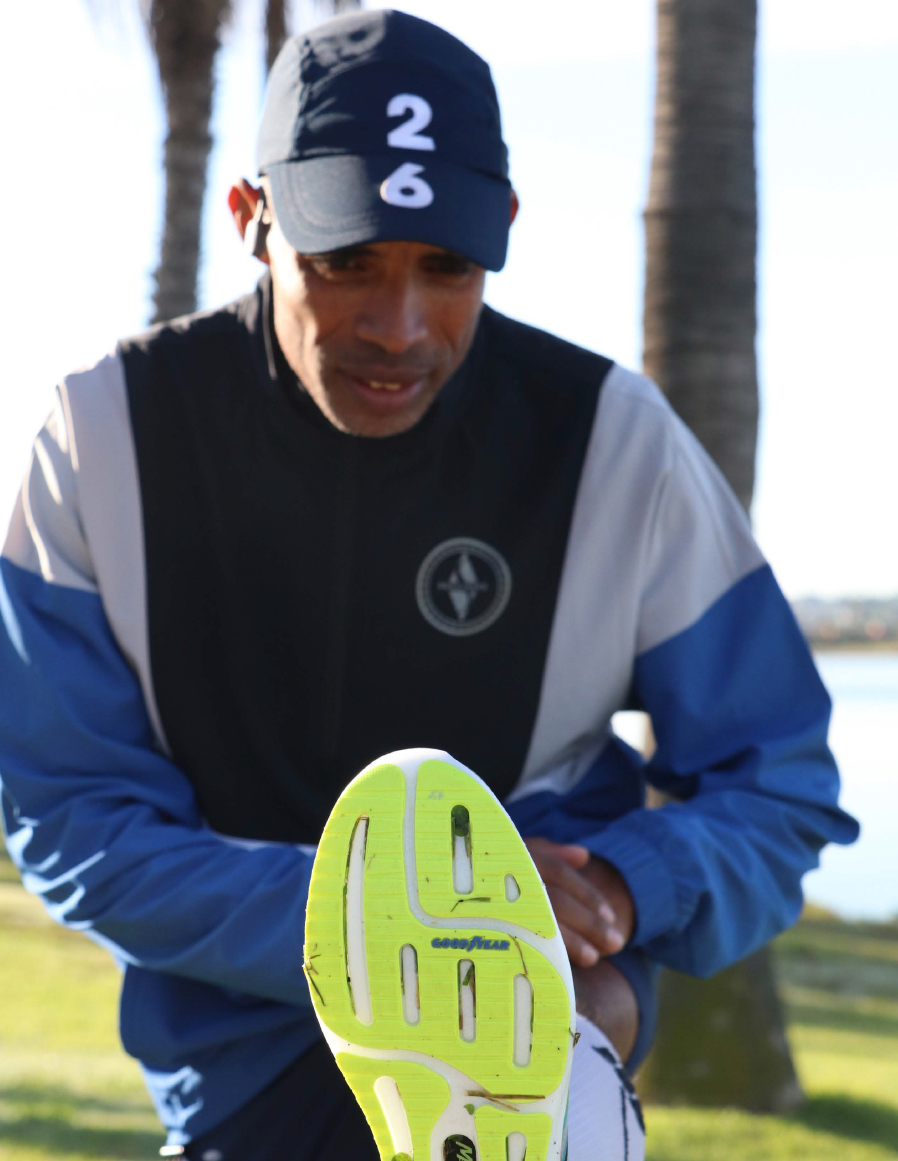

AM: Are there other projects that you’re working on that you would like to share with us?
MK: I’m spending a lot of time with my daughters as much as I can as they’re into soccer. I continue to do speaking engagements on interests of mine. In 2000 when I came back from Sydney, I coached at a community college which was great to give back and I also knew I wanted to focus on my athletic ability, but I was also proud to be part of that. Down the road, I will probably give back as much as I can. Not only to the elite but regular runners as well.
AM: When you’re not training and inspiring others, what are you doing to take time for yourself?
MK: For me, being dedicated to my athletics as much as I can, but also spending time with my family and friends. Sometimes, I just go biking, riding, kayaking in the water. But I also like to read biographies in the park, so I go there. It’s a great way to get out of the house and have some solitude.
AM: You have had such an impact on so many people inside and outside of the sport. What do you want your legacy to be?
MK: Thank you for asking me that question! I just hope that people have a positive experience when they interact with me. I love that people want to meet me and have waited in lines and even though the conversations may only be 20 secs or a minute, they have waited for half an hour or an hour and I want them to feel positive when they meet or see me. I’m fortunate to be able to connect with them!
AM: We love talking with trailblazers that have inspired others and we want to know who are 3 people that have inspired you to be where you are today?
MK: First and foremost, my parents. They gave up everything that they had and their opportunities not only for me, but for all their kids. They came here, we had to learn the language and we have been positive contributors to society. I feel very blessed that they did that and that they put their life on hold to give us opportunities to step up to the plate and be better ourselves.
In the sport world, I am always inspired by Jackie Robinson breaking barriers in baseball. The Van Camps introduced me to his story and I feel blessed that I read his book and when I was in high school, obviously Jessie Owens (editor’s note: In 2014 at the end of the season USA Track & Field selected Meb’s Boston Marathon victory as the Inspirational Performance of the Year. Later at the same ceremony, he was selected as the winner of the 2014 Jesse Owens Award, the highest accolade given out by the US National governing body for track and field, cross country running, road running and racewalking) was the same thing. What he did was amazing!
But also Jim Ryun (editor’s note: Olympic track and field athlete who at his peak was noted as the world’s top middle-distance runner. He won a Silver Medal in the 1500m at the 1968 Summer Games in Mexico City and was the first high school athlete to run a mile in under 4 minutes. He is the last American to hold the world record in the middle run) the high school phenom and making the Olympics when he was in high school as I have read up on him and watched the documentary. It was awesome.
On an international level Haile Gebrselassie (editor’s note: Haile is a retired long-distance track and road running athlete. He won 2 Olympic gold medals over 10,000 metres and four World Championship titles in the event. He won the Berlin Marathon four times consecutively and also had three straight wins at the Dubai Marathon. In addition, he won four world titles indoors and was the 2001 World Half Marathon Champion. He is known for 2 Olympic Gold Medals, 8 World Championship victories and he set 27 world records and remains the world record holder of the 10-mile run) from Ethiopia has inspired me a lot to do great things in terms of being a competitor. Size doesn’t matter, just keep working hard. Even in challenging situations in UCLA, I always thought if Haile could do it, you just need to put in the work wherever you are. It’s not where you go but what you do there in the time that you have!
IG @RunMeb
PHOTOGRAPHY COURTESY | KT TAPE
Read the AUG ISSUE #68 of Athleisure Mag and see Pace Yourself with Meb Keflezighi in mag