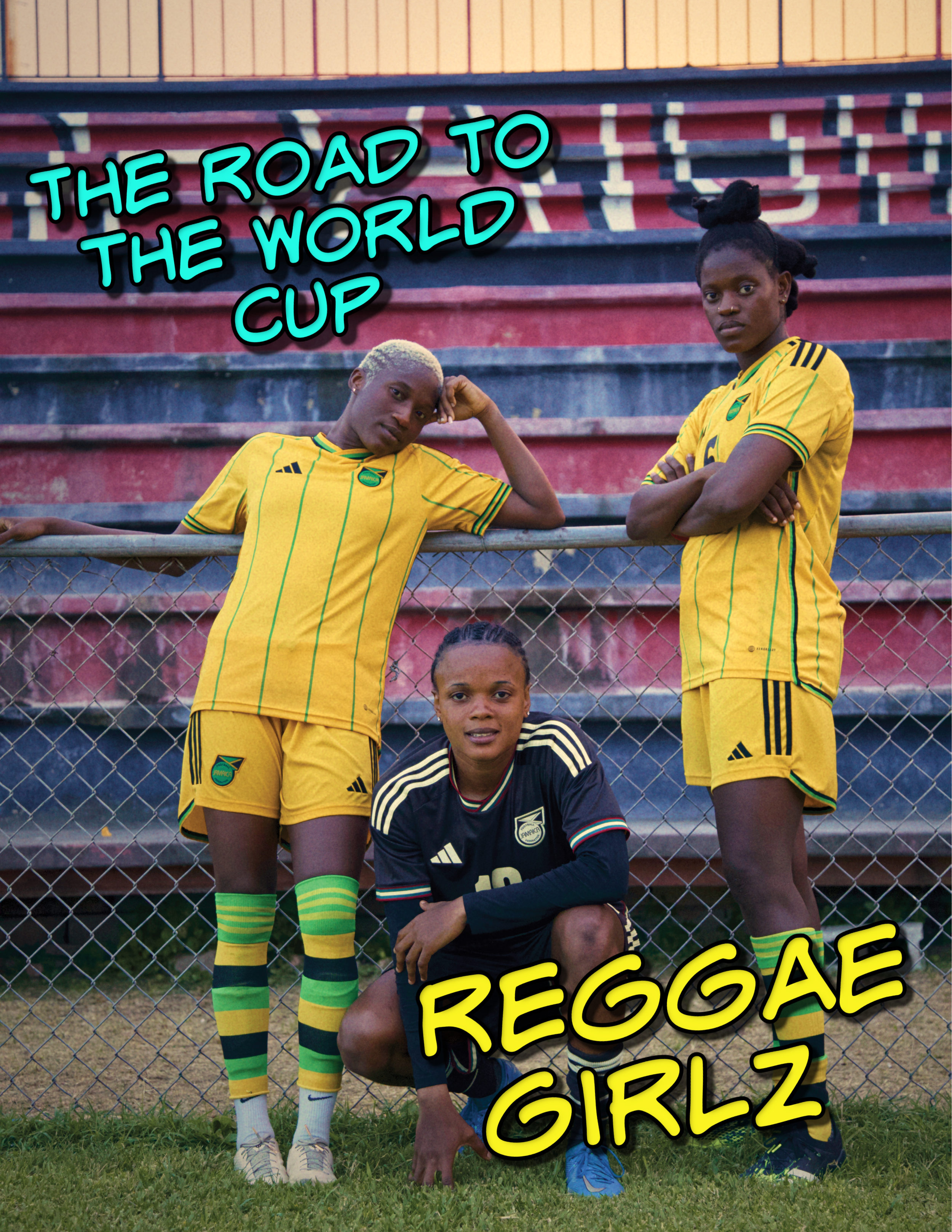
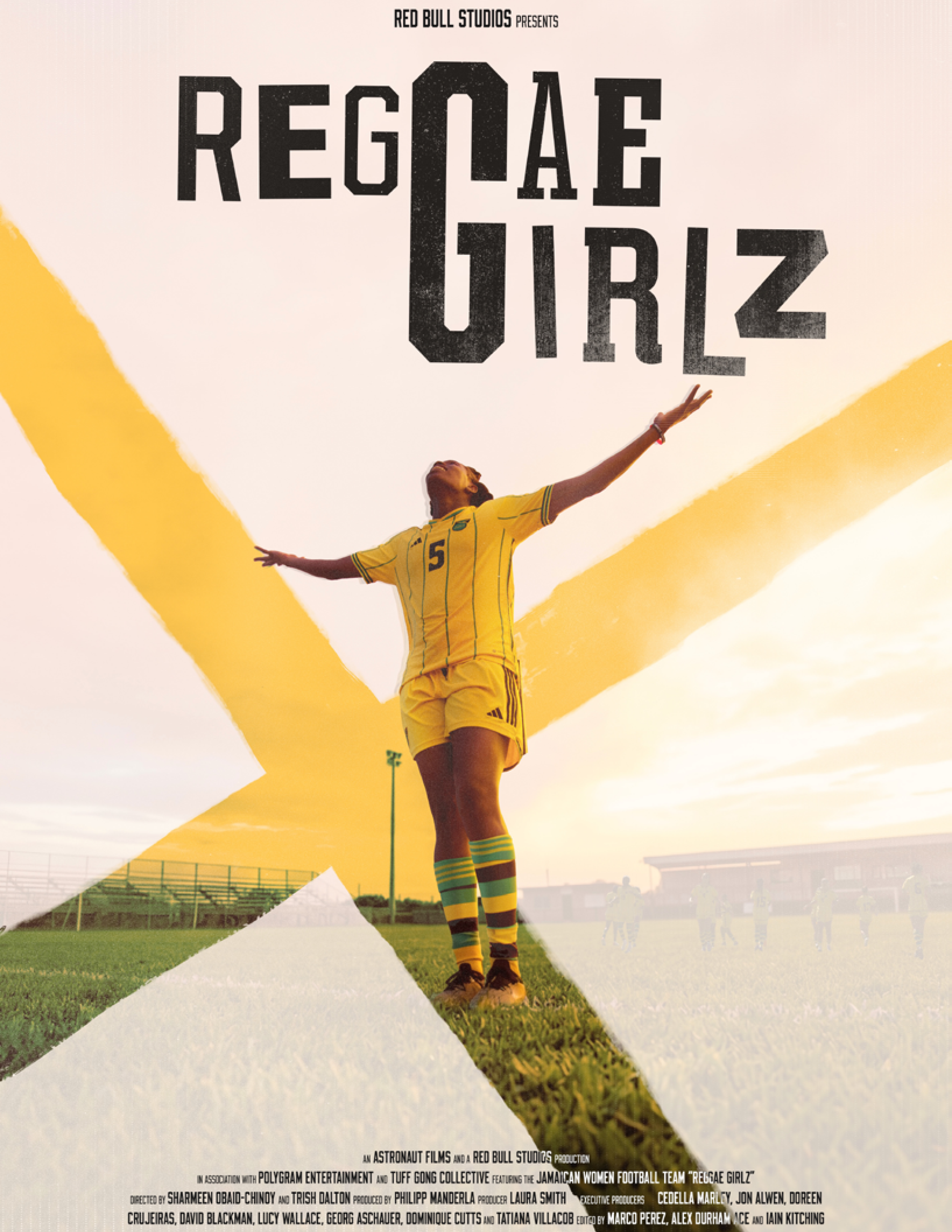
We had the opportunity to screen Reggae Girlz which follows the Women’s National Jamaican Football Team! This documentary film talks about what happened on and off the field as the team prepared for the FIFA Women’s World Cup.
In this feature, we had the pleasure of chatting with one of the filmmakers, Trish Dalton. We wanted to know more about how this project came to light, their creative approach to telling the story of football, capturing the women’s team, the Jamaican Football Federation, and the impact that Cedella Marley and the Bob Marley Foundation’s on providing the resources needed to get these women to the biggest stage in their sport!
ATHLEISURE MAG: Before we delve into Reggae Girlz, what was the first film that you fell in love with that made you feel like you wanted to work in this industry as a filmmaker?
TRISH DALTON: I think I was inspired by films that were telling women stories. There were a lot of independent films and then those about women told by women! It sounds crazy to say, but you know seeing a woman’s voice being shown - it’s a softer voice, and I hesitate to say one director because I feel like it was more about all of them. Many, you know, men, men’s directors as well, were aspiring to me like ones that could make a difference such as Michael Moore. I felt like he was creating a social impact, and I was an activist. I was interested in battling kind of all the things - race rights, class rights, and I was anti-war. I was an activist and making films. I felt like I was always drawn to women’s stories. That was always the thing for me. They needed to be told, and I felt like the best way that I could help women was to amplify their stories.
I fell into documentaries. As somebody who already loves storytelling, I was always into painting, writing scripts, and directing scripture. So, I started out making films. And then it was making plays and art.
When I would watch stories on women, I felt so seen and I knew that this was my world. I also traveled a lot when I was in High School and in University. That’s really when I fell into telling stories.
What did you think about the film?
AM: I have so many thoughts. I remember in prep for this interview I knew it was getting later in the day and as it is about an hour and a half, I knew I had time. As I watched it, I enjoyed seeing the Women’s Jamaican Football team and how they navigated getting to the World Cup, their graciousness, athleticism, etc was so great. But it’s a challenging film as you see how there were complications at every turn and not just related to being on the field. The lack of the friendlies, the federation providing resources, and more was really eye opening. At the same time, seeing how Cedella and the Marley Foundation stepped in and even how Adidas in the Netherlands supported them. There were a lot of dynamics so the film was excellent and very multi-dimensional, but seeing the issues was something that makes you reflect throughout the film.
I’ve also been a fan of you and your creative partner’s work as well as I did see Student Athlete a few years back, but it was the film, Diane von Furstenberg: Woman in Charge was the first film that I saw from you guys which was amazing. DVF is such a blueprint when it comes to being a woman who has created an incredible fashion empire, a classic go-to for our closets, and also being a major beat in the pulse of so many changes and portions of the industry from various sides. Seeing that come together in your film was amazing.
TD: Oh wow, thank you!
AM: Speaking back to the dynamics of my initial thoughts of the film, you get the sense that you were with the team for awhile as we see them at various months.
TD: Laura Smith is a Director/Producer in the UK, and she saw them play in 2019, and she thought that they were incredible. At that time, they were the first ever Caribbean women’s team to go to the FIFA World Cup. She was like, there’s a story here. So, she partnered with Astronaut Films in the UK, and they reached out to Sharmeen Obaid-Chinoy and I because we had made Student Athlete, which is about sports rights, and we had both made a lot of women’s rights stories. So they reached out to us and asked if we were interested.
We met the players during the 2020s over Zoom. I was immediately hooked with these women who were supporting their families. They’re dealing with all of this - just incredible women and great stories. I said, “no matter what happens with the team, I think this is a great story.” So, we started pitching and trying to fundraise. We had some interest, but nobody came in until Red Bull Studios took a chance on us. We were so grateful because when they qualified for the second time, which was the first time that any Caribbean team men or women’s had qualified twice, so it was huge. They agreed to fund our filming so, we filmed leading up to the Cup as you saw.
She says that by participating in this project, it allows not just the Reggae Girlz team, but all the young women in Jamaica, the opportunity to be able to play. It shows the power of one person and the importance of having the resources and the support of Bob Marley Foundation to do that.
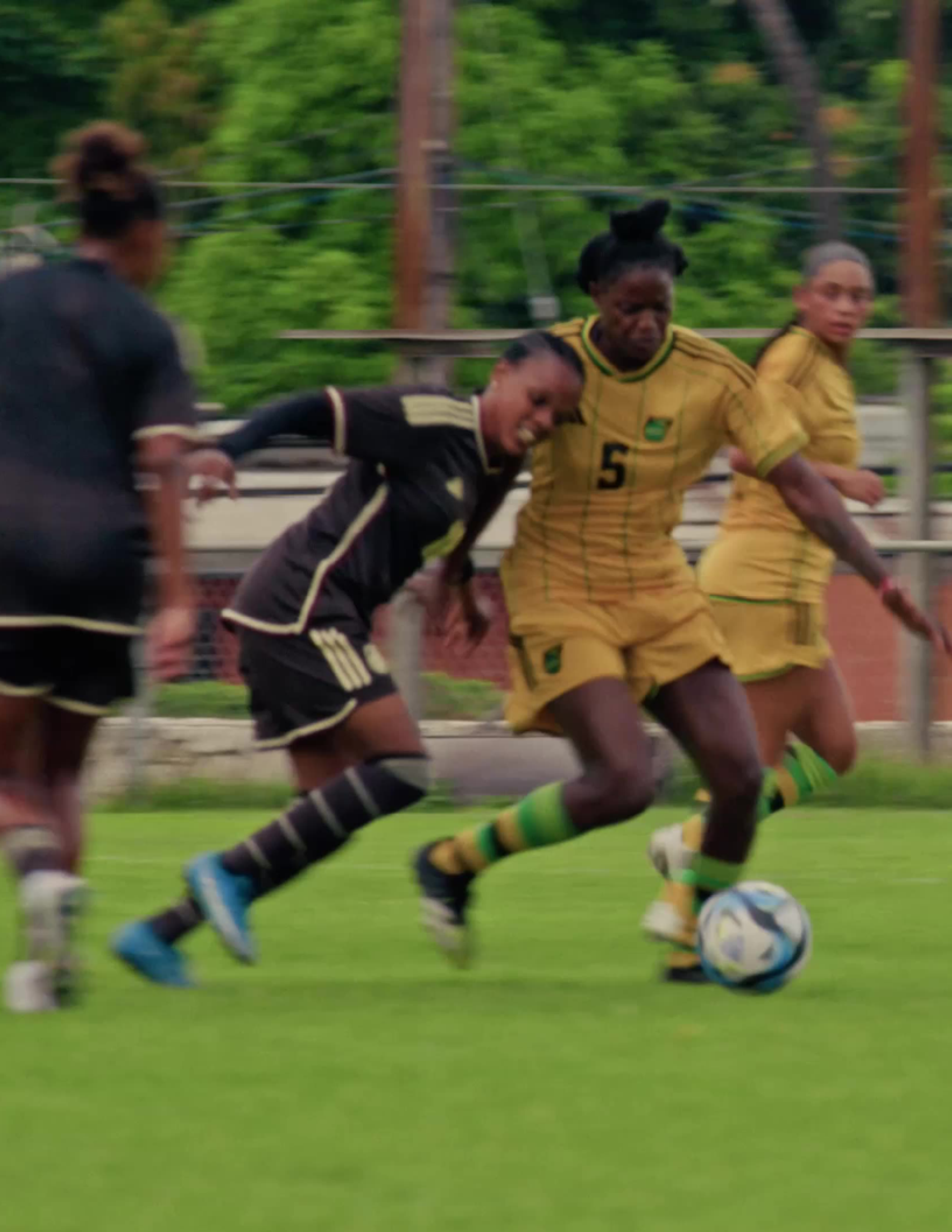
AM: One of the things that I love the most about the film is that there is an intersectionality between seeing them as individuals, team members, being focused on going to the World Cup, and also having to talk to the Jamaican Football Federation to talk about the things that didn’t make sense for them as they prepare to hit the world stage. As a collective they come together to voice their frustrations and to seek accountability as well as solutions. Seeing them in the room with the JFF and asking how their travel accommodations differ so greatly from the executive staff. During this tense but gracious exchange, you have the screenshots of their social media and what was taking place at the time. Hearing the JFF commend the women on voicing concerns and being ok with the push back but really as an audience member being left with the feeling that the resources still won’t be there. How did you balance showing these tense moments along with rounding it out with the fact that this is a cohesive team that is happy to come together to play for their country?
TD: Great question! It was really hard. There was actually a lot more things that happened. We wanted to dance the line of showing what a wonderful place Jamaica is, the community, the amazing humans, and what a really special bond the players had with one another as well as with their coaches. We actually dialed down some of the things that were going wrong, as we know that there was a lot of issues taking place with the JFF, but there was also support and love there as well. It’s kind of like, family. When you want to show someone’s family, you have to be mindful that you’re not just showing the bad things because then you’re not showing the love.
AM: Exactly.
TD: It was really important to me that Jamaica was well represented and that we showed the love and the magic. It was really important to me how we filmed it, how we portrayed it, and I was working very closely with Cedella Marley, because obviously, I’m not Jamaican, and it’s very important to me always in my films to partner with either producers or people on my team who can make sure that I am telling the story properly and speaking truth. It was very important to Cedella. She helped me by saying, we can say this, but let’s be careful about this because this isn’t the end of the story and this is a partnership.
AM: In various parts, I would watch and I had to pause it every 10-15 minutes. I was amazed at how deep the documentary went into some areas while still keeping it where you can see the 2 sides from where the team and Federation were coming from. It was important to voice the issues; however, you knew the women were still active participants in wanting to play for their team and country.
TD: Right, at the end of the day you see how the women never complained or whine. That is not the kind of movie that this is. I wanted the voices to be represented exactly how they were right when they said what they said.
AM: Even in that movie that could have been very tense and highly animated, the women shared their points, illustrated their points by juxtaposing how the same experience such as travel was for them versus the Federation.
TD: Yes, they were very mature on how they managed their situations. I think we wanted to show what they were up against. We also wanted to show their strength!
AM: They had a lot of restraint and I was struck with that level of poise in a situation that was beyond frustrating and also distracting to their efforts to play the game that they love so much!
TD: I think at the end of the day, they just obviously have this extreme strength, but a big part of the story is women helping women.
AM: Seeing how Cedella stepped in and brought the Bob Marley Foundation in to support their goals – this was another element that is powerful in the film.
TD: If you think about women’s sports and where they are in the UK and in the US, it’s only been 5 – 10 years.
AM: 100%!
TD: I’ve developed a lot of sports films, and it has been difficult to get funding for them. One of my friends who lives in LA, told me that she walking into a full stadium for the Los Angeles Angels and she just cried. And that’s how I felt going to the World Cup in Australia, because every stadium was full and filled with such energy! So being able to see that, people can connect with it and ultimately support it.
When you look at the support for women’s US teams, it’s about having that audience, and sponsors come in to spend. Here in the US, that exposure and awareness happened because lawsuits were filed as the women on the team decided to stand up for themselves to ask for more. I think Trudy speaks to this in the film that she’s not asking to be equal to their male counterparts in the same sport, because she gets that it’s different and has a different base, but it is about getting the respect.
The team was aware that there was a climb to be had, but I do feel that the more that people can watch them play, it is my hope that this will allow more sponsors to come. From there, there could be celebrity involvement. When you look at the LA Women’s soccer team, a lot of U.S. celebrities got behind them and that was a part of how they built it. I think it’s a really exciting time for women’s sports in that way that we’ve seen.
I feel like we’re at this tipping point, that now, your women all over the world, have someone to look to. In this film, you see that women in Brazil and Jamaica have these great women to look up to. Young girls in Jamaica can now say, “oh, my gosh. You could do this.”
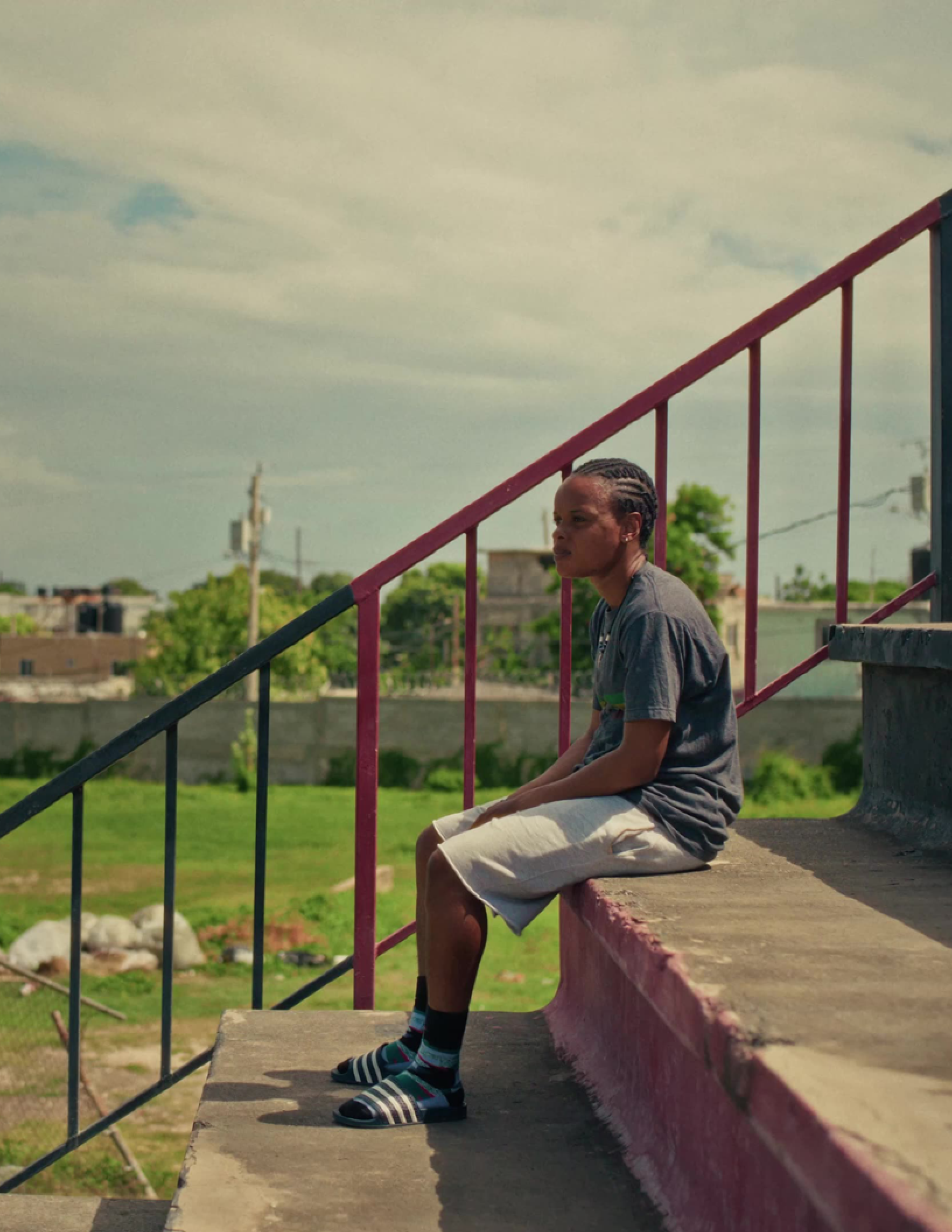
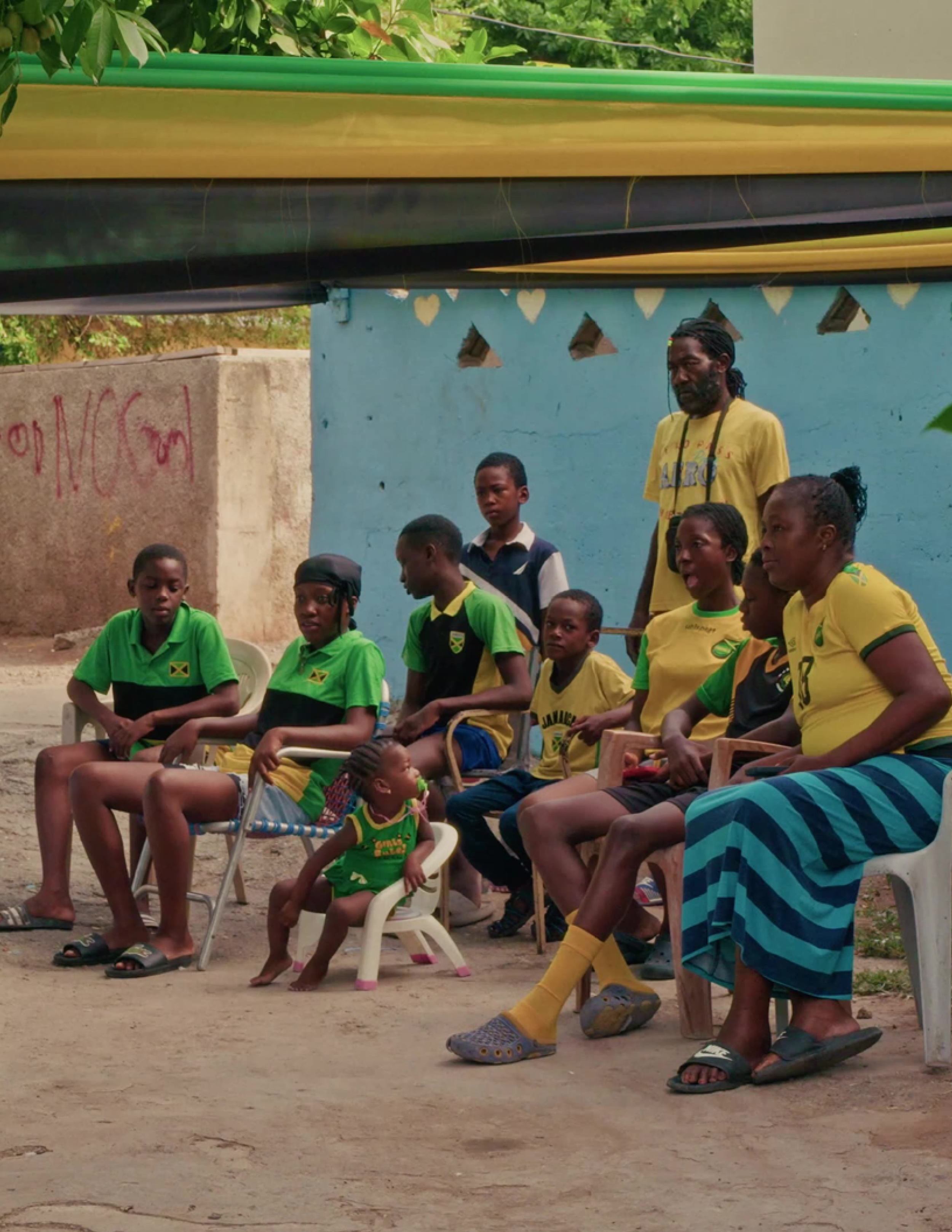
AM: It was good to see that component as well. The juxtaposition of some of these women that play for other around the world whether for their collegiate teams or pro leagues and then seeing them go to Adidas in the Netherlands and having this immersive moment that was just for them. We see their pictures being painted at their headquarters there. They have their teammates model their kits for FIFA World Cup. You could see in their faces, that if they had the opportunity to have their friendlies that would be another component that would make them feel like they were properly prepared. But at least they got that moment where they were honored, embraced, and respected.
Why was it important for you to have that particular moment in there and of course Cedella was also at Adidas in the Netherlands with the team.
TD: We wanted to show what it looks like when they can get respect!
AM: Exactly.
TD: I think that was such a huge difference, and it’s just a little taste of what a lot of the teams from First World countries are like from more developed countries have, yeah, you know?
Yeah, just that those are just basic resources in a lot of countries. And here they were getting that from the Netherlands. It’s pretty special.
AM: Is the plan to do a follow-up with these particular, maybe not those girls per se, but the continuation of this team well?
TD: I mean, that would be great, right? Our hope right now is to get this film out there so that people can root for this team. It would be awesome to have more films made about them and continue sharing their story.
We’re so focused on just getting this out there. It’s premiering with a screening in London with some of the players before It drops on streaming platforms. We’ve been showing it at festivals. We’re also going to keep continuing to screenings as well. We will do them in sports bars across the countries in addition to the festivals. It will kick off on streaming on Joolz. Then there is a bit of delay by a few weeks before it goes to a number of platforms.
We hope that through word of mouth, it will spread. We want people to see it and word of mouth will spread and that people will see it on the platform. We’re living in this sort of brave new world of various streaming platforms. It’s also kind of becoming the new cable television of being able to go on them and to see what is there. It’s sort of a shift from just doing one stream.
AM: Exactly. It’s smart to launch on Jolt Film as an exclusive which is available now to rent or stream and then to have that ability to access it starting on Oct 27th on Prime Video, Apple TV, Google Play, YouTube Movies, Tubi, and Xumo.
TD: I think our goal is just to get it out there.
AM: There is also a companion LP that is dropping in tandem with this film.
TD: Yes, it is so exciting and I love the music. Tuff Gong has curated a number of songs that have Bob Marley of course; however, there are other members of the family as well as up and coming artists that contribute their voices as well! It even includes Tiffany Cameron, one of the players who wrote a song that we used.
AM: Oh wow!
TD: Yeah, it’s probably my favorite song in the film! It’s just because it’s so heartfelt and her music is amazing. She’s a singer/songwriter, and it’s so good. So I’m just super excited for people to get to hear the music and to listen to the tracks from these great up and coming artists along with the Marleys.
IG @trishfilms
After hearing about how the film was produced and the themes that were covered in it, we sat down with Cedella Marley who is not only featured in the film, but also was instrumental in providing support to the Women’s Jamaican Football Team! We wanted to know more about how Cedella became involved, how her father’s legacy and love of the game was instrumental to her decision, and what we can expect from Tuff Gong Collective!
ATHLEISURE MAG: You were the ambassador for the Jamaican Women’s Football Team, how did that come about and what did it mean to you to have that position?
CEDELLA MARLEY: It really came about because my son brought home a flyer about raising funds for the Reggae Girlz. I had no clue Jamaica had a womens football program so i reached out. Captain Horace Burell, who was the president of the JFF at that time asked me and I kinda said ok. I had no idea what I was getting into but I saw these young women fighting for something they deserved a chance to represent Jamaica on the world stage and I felt like I couldn’t just stand on the sidelines and watch.
At the time, the program needed support, visibility, resources, all of it. And once I got involved, it became much more than being an ambassador. It became personal. These girls became my girls.
For me, it was never only about football. It was about opportunity. It was about young Jamaican women being able to dream as big as anybody else and knowing somebody was willing to fight for that dream alongside them.
Watching Reggae Girlz make history and seeing Jamaica represented on that stage was incredibly emotional for me. I was proud of them, but I was also proud of what they represented resilience, determination and that Jamaican spirit that says, “We might be small, but don’t underestimate us.”\
Being their ambassador was an honor, but the real privilege was being able to serve them. They reminded me that sometimes you don’t choose the mission the mission chooses you.
AM: What does Football mean to you?
CM: Football, to me, means possibility. Football is Freedom.
I didn’t grow up thinking football would become such a big part of my life. But through the Reggae Girlz, I learned that the game can be so much bigger than what happens on the field.
Football can give a young girl confidence. It can give her discipline, a family, an education, a way to see the world and most importantly, permission to dream beyond what people may have imagined for her.
I’ve also seen how it brings Jamaica together. When our teams step onto that field wearing the black, green and gold, suddenly we’re not thinking about where we come from or what separates us. We’re just Jamaican.
So for me, football is community, pride and opportunity. It’s another language of One Love. You don’t even have to speak the same language to play together, celebrate together, or understand what that moment means.
And I think that’s the magic of it.
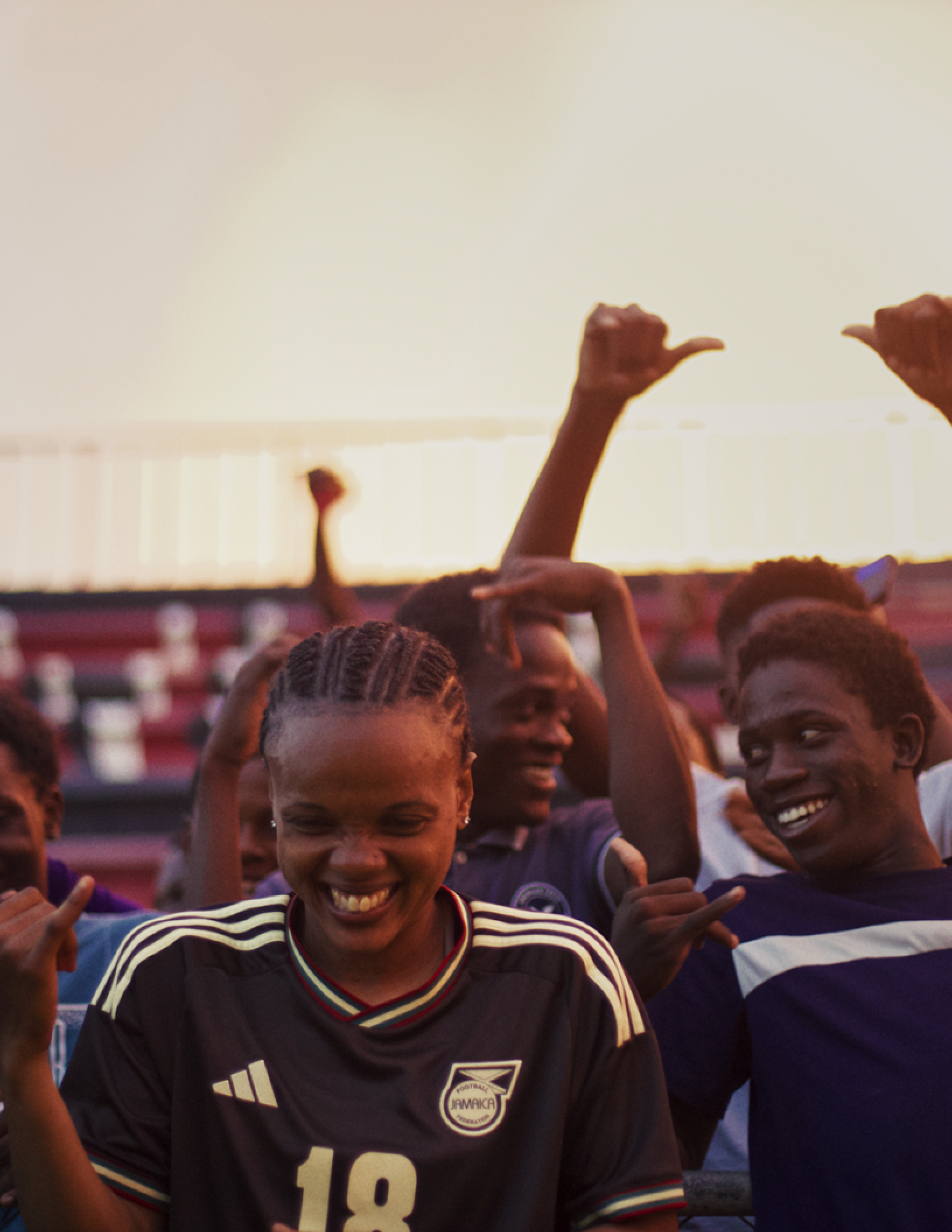
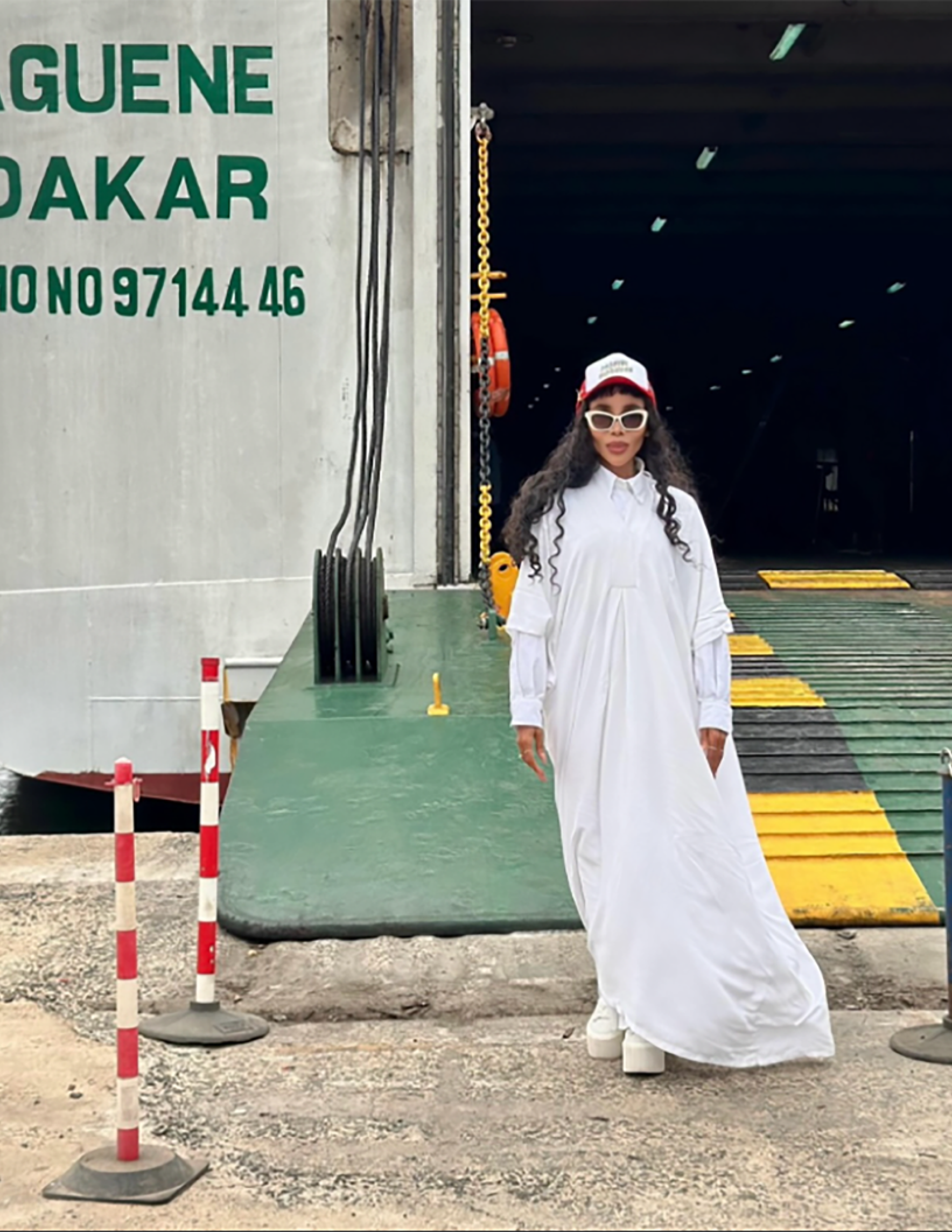
AM: We saw you throughout the film, what did it mean to you be part of it as well as to see the women’s journey close up as they made their way to the World Cup?
CM: Being part of the film was special because it captured something I had been living with these women for years. People see the World Cup, they see the uniforms, the flags, the celebrations but they don’t always see what it took to get there.
I saw the sacrifices. I saw the disappointments, the financial struggles, the injuries, the moments when they questioned whether the dream was ever going to happen. And I also saw them get back up every single time.
So watching that journey unfold so close up was emotional for me because these weren’t just players anymore. These were my girls. I knew their stories, their families, their struggles and how much wearing that Jamaica shirt meant to them.
And then to see them walk onto a World Cup field with JAMAICA across their hearts… that was a moment. I don’t think I can properly explain the feeling. There was pride, relief, joy and probably a few tears too!
The film reminds people that history doesn’t just happen. Somebody has to believe before everybody else believes. Somebody has to keep pushing when the doors are closed.
The Reggae Girlz did that. They didn’t wait for somebody to tell them they belonged on the world stage. They fought their way there.
And I feel blessed that I got to walk a little piece of that journey with them.
AM: What was your favorite moment in the film?
CM: My favorite moment is seeing the girls realize, they did it. They’re going to the World Cup.
Because I knew everything behind that moment. All the struggles, all the fundraising, all the times we heard no, all the moments when it would have been easier to just give up. So when that dream finally became real, it wasn’t just about qualifying for a tournament it was validation for every woman who had fought to keep the program alive.
And seeing the joy on their faces… that got me. Every time.
It reminded me why I got involved in the first place. I knew absolutely nothing about women’s football when this journey started! (laughs) But somehow these girls became my girls, and their dream became my dream.
That moment was pure joy. Pure Jamaica. And proof that when you refuse to give up on something you believe in, sometimes the impossible really does become possible.
AM: We know that your father loved Football and was passionate about the game. It was nice to see that in this film his love and passion was woven within the documentary. Why was this important to have in there?
CM: It was important because football was genuinely part of my father’s life. It wasn’t something added to the film because he was Bob Marley. Daddy really loved the game. If there was a ball around, he wanted to play. Music was his message, but football was one of his freedoms.
And I think there’s something beautiful about that connection. Years later, I found myself involved in football in a way I never could have imagined, fighting alongside these young Jamaican women for their opportunity to play on the biggest stage in the world.
Sometimes I laugh because I think Daddy must have had something to do with it! I certainly didn’t go looking for football - football found me.
But I also think his presence in the film helps people understand something about Jamaica. Football, like music, belongs to everybody. You don’t need much to start - a ball, a little space and somebody to play with. It crosses class, language, race, borders. It gives people a sense of freedom.
That was Daddy. He believed in freedom, he believed in people, and he believed that what you love should bring people together.
So having that part of him woven into the Reggae Girlz story felt natural. It connects generations. His love for the game was his own, and my journey with the Girlz is mine but somewhere in between, there’s this beautiful little thread connecting us.
And I love that.
AM: Tell me about Tuff Gong Collective and your role there.
CM: Tuff Gong Collective is really about taking everything I’ve learned as a family through music, culture, storytelling and building businesses and creating a space where we can carry that forward in our own way.
For me, it’s about protecting the integrity of what Tuff Gong represents while also allowing it to grow. Daddy always believed in ownership and having control of your own work and your own voice. That spirit is still very much at the heart of what we do.
My role is a little bit of everything! (laughs) I’m involved creatively, strategically, and especially in making sure that whatever we put into the world feels authentic. Whether it’s music, fashion, film, partnerships or something completely unexpected, I always ask: Does it have purpose? Does it feel like us?
Because legacy can’t just be something you look back at. You have to keep creating. You have to give the next generation room to bring their own ideas, their own sound and their own interpretation to it.
So I see Tuff Gong Collective as a bridge honoring where we come from, creating for where we are now, and building something meaningful for whoever comes next.
AM: There is also an album that is associated with this film, what can you tell us about this?
CM: Yes, and I’m really excited about that. The Reggae Girlz: Movie Soundtrack is almost another way of telling the story of the film this time through music.
I curated nine songs for the album, and I wanted them to capture that Jamaican spirit you feel throughout the documentary: the strength, the struggle, the joy, the pride and, of course, the freedom. The music crosses generations and genres because that’s Jamaica. Our sound keeps evolving, but there’s a thread that connects all of us.
Daddy always said, “Football is freedom,” and that became a beautiful starting point for the soundtrack.
Football and music have that same ability to bring people together. You don’t necessarily need to speak the same language to feel either one.
And I wanted the album to feel like the Girlz themselves—strong, joyful, fearless and very Jamaican. These women have their own rhythm. They fall, they get back up, they keep moving forward. So the music needed to have that same energy.
The soundtrack is coming through Tuff Gong Collective. It is a limited-edition vinyl record manufactured at Tuff Gong in Kingston, Jamaica. This is the label my parents built, which makes it even more special for me.
For me, the film tells their journey, and the album gives that journey a heartbeat.
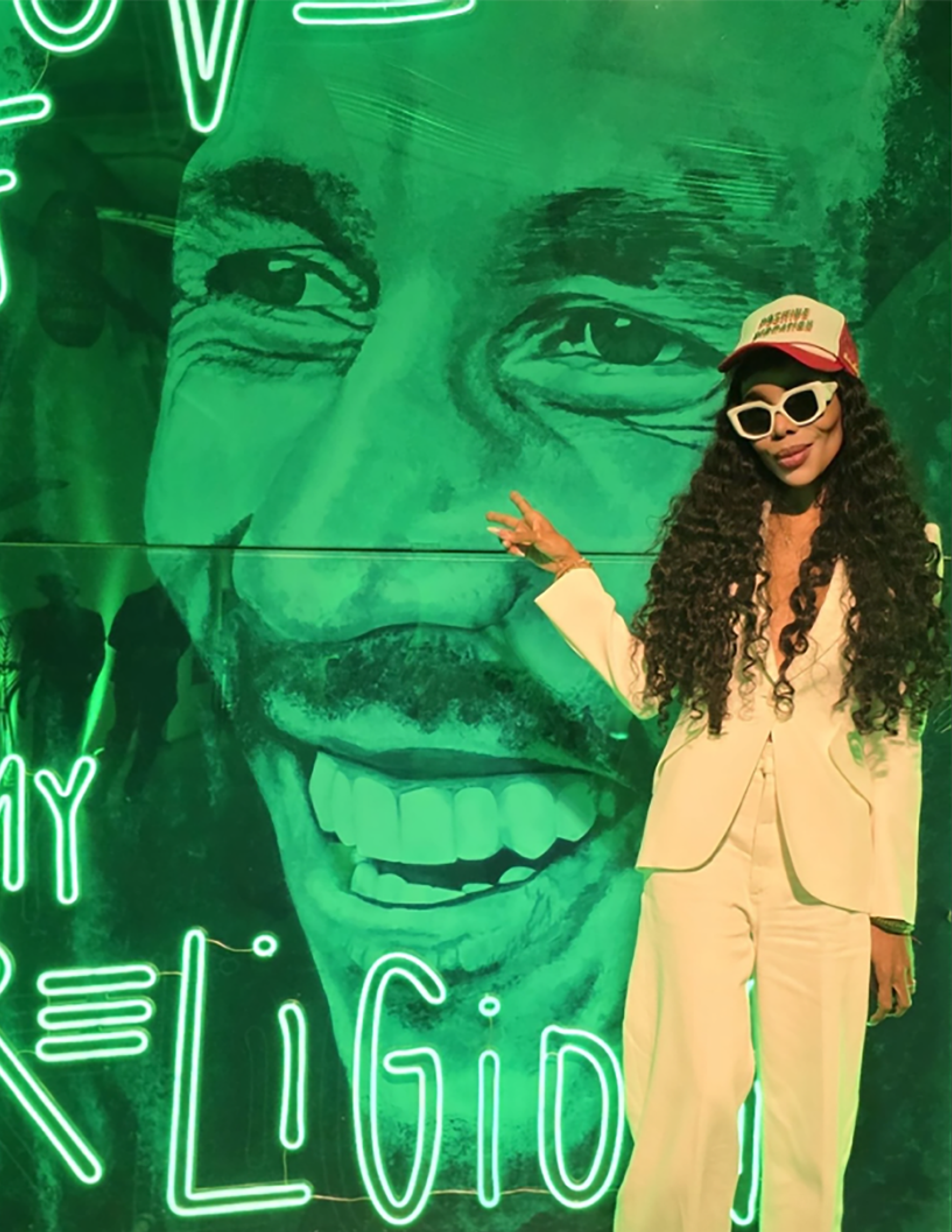
AM: Are there upcoming projects that you want us to keep an eye out for that Tuff Gong Collective will be releasing?
CM: Oh, there’s always something cooking!
We have a few projects coming through Tuff Gong Collective that I’m really excited about, particularly in music, film and storytelling. I can’t give away all the surprises yet, but you’re going to see us continuing to create opportunities for the next generation while also finding new ways to tell Jamaican stories.
For me, that’s really where the Collective is heading. It’s not about trying to recreate what came before us. You can’t recreate that. It’s about taking the foundation that was given to us and building something new on top of it.
And I’m especially excited about what the younger generation is doing. They have their own voices, their own ideas, their own way of seeing the world and I want Tuff Gong Collective to be a place where that creativity can live and grow.
So yes, definitely keep your eyes and ears open. There’s music coming, there are stories coming, and maybe a few things people won’t expect.
After speaking with Cedella, we also wanted to talk to one of the athletes that is featured in this film, to hear about their involvement and why this was important for them to be part of this documentary.
ATHLEISURE MAG: It is so nice to connect with you. I just watched the documentary a couple of nights ago and a number of times it was when you were on screen interacting with the team or the Federation where I would just pause so it’s great to be able to talk with you about Football as well as the film!
DENEISHA “DEN-DEN” BLACKWOOD: Did you enjoy it?
AM: I loved the documentary. I am frustrated by what you guys had to navigate on the road to going to the FIFA World Cup! But, the documentary was great and seeing how as a team between players and coaching staff came together was great!. But, over the course of a 90 min plus film, I had to pause it and say, “my God, this is crazy!” But then I would focus on the powerful and compelling storytelling of how you guys trained together, supported one another especially when talking with the Federation about what going on and trying to get answers – especially as a team. So it was incredible. I’ve been a fan of the Jamaican Football team for years.
I’m excited to talk with you as It will be great to dig into this more and to see it from the vantage point of the players as we have chatted with the filmmakers as well as Cedella.
DDB: I’m really excited. I haven’t done an interview in a long time, but I think this one is something that as you know, is going to help the film! I will allow people to understand more about the film and, as you said, get more insights into how we came together to figure it out.
AM: Before we delve into the film, when did you fall in love with football?
DDB: So I fell in love with football when I was around 15. I started playing at 13 and immediately, I was on the U15 National Team. I didn’t have an idea of what I was doing. Track and field was my thing because I was fast.
AM: I assumed that at one time you were in Track and Field!
DDB: Yes! Track and Field was my thing. So I love track. But my brother told me to go test football out and I did. So at 15, I was on the U-17 team and I didn’t make it one time.
AM: So, what led to your decision that you would go pro?
DDB: So, the decision behind going pro was that much like in the film, Konya Plummer and I were close. I am also close to Bunny Shaw as well. So when we were in college at that time, they had all of these offers and after seeing that, I wanted to be in the mix too. I wanted to be making money as well as being able to keep doing this. I was selected for the 2019 World Cup team and I knew that that would be my best shot. Once I had been in the camaraderie and being able to be a role model in a sense, I knew that this was what I wanted.
AM: That’s amazing.
You play for the Women’s Jamaican National Team and you also play for Toluca Femenil in Mexico. What is it about this game that you just love doing? I mean, you travel around the world for it. So what is it that makes you just so excited about it?
DDB: What makes me excited about playing football and also representing the National team, are the connections you get to have with people from different races, different cultures, and you get to see the world. You get to understand the world and with that, you get to understand yourself. So I am always grateful for that when I am playing. The connections, the people, and just living in different countries, and being able to be part of different cultures.
AM: What is an average week of training like for you when you’re preparing to play for the next match, especially for the World Cup?
DDB: Okay, I’m gonna give the first day of my World Cup game. But what a week of training looks like for me for a World Cup game is that mentally, the first day I’m like, “what are my intentions for training?” Because my intentions for training has to lead to my intentions for the game. So, I set training goals. Maybe I’m on the left side, so maybe that’s being aggressive in my first tackle. So, in training, going against my teammates were so competitive. So, I’m in their skin in the first moment. I’m taking that first tackle, hydrating - drinking water, drinking electrolytes - I’m really a big fan of electrolytes, stretching, rolling out, and physically getting myself ready too because training is hard. Some days are tactical, some days are a little bit more relaxed. The day before training, you do free kicks, corners and, being able to get that feel of what the game is going to be like the next day. Game Day, I love a Game Day. You wake up and go to the mirror in the morning and you give yourself that pep talk. You remember that you’ve worked, you done everything that you can do and needed not accomplish in that week so there is no need to be nervous as the work was already put in! What you did during training will come out in the game! You’ve got to pump yourself up and it’s on you! I also feed off my teammates when we’re in the field. But in order for them to feed off of me, I have to make sure mentally and physically that I’m ready and prepared to play.
AM: Definitely.
As I said at the top, I loved watching this film. I felt it was a compelling story. What is it like to be at the World Cup, playing for your country and having to play when there are other dynamics that are going on, on and off the field that for many people would make it difficult for them to still be focused on that goal of representing their country. What does it mean to you to be part of this documentary?
DDB: For me, what it means to be a part of this documentary is that I feel like not just in football, but in life, people only see the good, which is the outcome. I think people always say, “oh, the Reggae Girlz, they have good spirits, they’re such a good team together.” What nobody really sees is the struggles and the challenges we have to deal with behind the scenes. Truthfully, we don’t feel respected when we are representing Jamaica. We don’t feel respected by the Federation - we performed things got a little bit worse we performed again and then things became a disaster. At some point we’re like, “okay but the bigger teams are performing and their Federations are seeing them.” So why is it so hard for our Federation to see us when we are performing?
AM: Speaking to that, there is a tense moment between the team and Federation as they are looking for answers. Hearing as a collective that the team provided facts, asked questions, and sought accountability while being respectful. With the issues that your team had with friendlies, travel, etc it was amazing to see everyone maintain their composure without doing antics! It couldn’t be me!
DDB: I think that’s what killed them because for the Men’s Team, I don’t know what happens on the Men’s Team the culture is different, but because we’re females, they expected us to just sit back and take everything. But, these are some of the most brilliant women that I’ve ever come across. We document the stuff we need. When we ask them for stuff, we make sure we have it in writing. Because at the end of the day, proof is the only thing that’s going to set us free.
AM: Exactly.
How did you guys come together to decide, you know what? We need to have this conversation. I can imagine that you have a number of people where they agree but they don’t want to put their neck out like that. So how did that process go about?
DDB: I think at some point, we realized that it’s not about how we feel. It’s not about how we feel. It’s not about how people are going to see us. It’s about the truth. We are actually not being treated right. We have to say something or else we won’t make another World Cup because eventually there won’t be a Women’s program if we just keep quiet. I think we had meetings together all the time while we were in camp. We made votes and everybody understood the risk that was at hand. But we were still willing to take it because we want to represent the country. We want younger girls to come and represent this country. We just decided together that like we’ll take the first step. We’ll take a little bit of the bashment from the outside world. So, we had meetings, meetings, and then voting.
AM: That exchange was another time where I had to pause the documentary. I was like, “did that just happen?” To see you as women come together and in the midst of the frustration and search for accountability and a solution, there were only a few side eyes that were done as opposed to really showing the emotions around this! I had a lot of respect for that moment and it just showed the depth of professionalism and how well put together you are.
DDB: No, for real! As you see in the film, when they were having the harder conversation, I personally wasn’t there. I can’t just sit and just like –
AM: I was looking for you because I felt that if there’s one person that I know is going to give more emotions, it was you – ha! I realized that you must not have been there that day.
DDB: My God, I was like, this is this is crazy. How can you just expect to sit and talk to us like that and that we would just be like okay - we’re gonna take whatever you give us?
AM: Well another point that you brought up which I agree with is that I love that there are highs and lows that are shown in this film. So as much as that moment between the team and the Federation was super tense – I can’t even imagine what it would have been like to be in that room with the cameras and the emotions.
I really loved the joy when you guys went to Adidas in Netherlands and you’re modeling the kits that you will wear during the World Cup. You have a place to play and you get that moment where you are receiving the love and the respect for what it is that you guys do as athletes and as a craft.
What did it mean to you to have that element of support and just that moment getting ready to go to the World Cup?
DDB: Adidas plays a big role in the work that we have done over the years. Obviously, Cedella, we can’t thank them and her enough. But from the side of the players, oh my God, we were so appreciative. We literally felt like this is all we ever wanted - people to see us and to give us the things that we need to perform. Once you do, you won’t have to worry because guess what? We are ready to do the job on the field. They literally removed a number of things that we didn’t need ot work about. They took it off of our hands. We had their gym facility and it was just, it was insane. I have personally never experienced anything like that. We would sit in our groups because we’re a very close team. So we’ll sit in our groups and say that we had to go to the round of 60. Like this is not for nothing. Adidas gave us so much and the Federation hadn’t even put a dollar into all of the things that we’ve gotten. We’ve gotten 4 cleats and everybody was able to go to training every day. This is why we do it. We were just so excited.
We were dancing, having conversation with their team, we got to know the Adidas Corporation. They’re all lovely people. And we tell them too, we’re like, this is all we’ve ever wanted. So guess what? You guys give this to us and we’ll take care of business. And that’s exactly what we went and did.
AM: I was so happy for you guys and to see the artwork that they did for you at their HG in the Netherlands.
DDB: The painter was so good. She talked with us. You see the painting, but you also kind of see how she got to know us too in the painting, which was really powerful.
AM: Really, really powerful.
As you mentioned, we have the thread of Cedella through the film as she is an Ambassador of the Women’s Jamaican team. She also provided various levels of support via the Bob Marley Foundation.
What did it mean to you to have her support and were you able to interact with her directly?
DDB: To have Cedella’s support is just, it’s more than the Federation deserves. We deserve it as players, but it’s more than they deserve. I think she’s a woman that lives by her dad’s words that football is freedom. It’s all about peace and love, and giving back. When she talked about her son bringing that flyer to her, she felt the need to get on board. She’s an incredible person. She came when we were in Amsterdam. Every day we would come in at the training facility and you would hear Bob Marley music. She would come, she would chat with us, ask us how it’s training, maybe kick a ball with us, and take some pictures. It felt like somebody that not only wanted to give, but also to understand who we are as people. I think for me, that’s also powerful. She came and she had conversations with everybody. Her energy is so light and that’s the energy we need around us. I think that energy just spread through the team, through the team, through the coaches, everybody that we interacted with - you know, they feel the energy. I think that comes from us being able to be comfortable with her.
AM: I didn’t realize until watching the film that your team is the first Caribbean team to have back-to-back appearances at the World Cup.
What did it mean to you to be on such a global stage like that?
DDB: It means a lot to me to be on a global stage like that, to be honest. I come from a single mom with 5 kids and no dads. The idea of being on a stage where I couldn’t even hear my own heartbeat was never something that I think about on the daily. I think being in the starting 11 in the first World Cup game, hearing my national anthem with over 40,000 people watching – I felt that I had won in life and that that was success for me. I don’t have to reach at the highest level in the world yet, but I’ve had a lot of success. I think when we are on the field and when we’re together, we always talk about how grateful we are because someone my age could have had the same opportunity and didn’t get it. We’re going to do it for the people who can’t do it for themselves or didn’t get the opportunity to do it.
AM: Or need that encouragement.
DDB: Or that encouragement! That’s why I love this documentary because you go through struggles. It’s part of life. If you’re in a 9-5, you’re still going through struggles, you know, but like people don’t underestimate what you see in the good, until they are able to see the other part too.
AM: What was your biggest takeaway after this film, now that it’s coming out in the next few days?
DDB: My biggest takeaway from the film is never underestimate the power of resilience. You have to keep trying. People will see you when you’re supposed to be seen. I’ve been with the national team since I was 13 and I’m 29 now and we’re just getting seen. So, it’s like, stick with that resilience. If you’re with a group of people who believe that they can change the world, stick with that group of people because the ones who are supposed to get the message will get the message.
AM: Will you be going to any of the launch premieres for this film?
DDB: Right now, I am in the middle of my season as it just started.
AM: That’s what I thought.
DDB: I literally was telling my sister that earlier. I wish I could go and meet people and talk to them in person.
AM: Are you thinking about the next World Cup?
DDB: Absolutely. I am so looking forward to be a part of this next World Cup. We had preseason this past Summer because the Summer is ending. This whole preseason, I knew I need to be my best self mentally and physically.
I need to figure out what that looks like because if you have a goal and once I set that goal, there’s going to be challenges throughout the year leading up to it. But the most important thing is, I have the goal, which is to make the team and that’s staying healthy. It’s getting the recovery stuff that I need. So whether that’s the Normatech boots, going to saunas, cold therapy, getting the body right and, getting the mind right. I like to journal a lot and it allows me to understand myself and keep learning.
My team, we have a new coach and it’s just been really good for me. So I think I’m literally counting on myself to be in this one. I got this tattoo. I don’t know if you can see it. (Editor’s Note: Den-Den shows us her tattoo that has both years of her World Cup appearances on her wrist and she has a little space where more years can be included.)
AM: I see it.
DDB: I made an extra space so I can have one more.
AM: You’re making your goal very apparent! Do you have any upcoming projects? We obviously are in the middle of your season right now, but is there anything that you have going on? And obviously we have the film that’s coming out that you want to share with our readers so that we can continue to follow you and support you?
DDB: I want to be more into social media and brand myself. Just look out for the posts that you will see from me. I’m excited for people to see the things that I do and getting to know more about me! You can also watch my games on YouTube and VIX for Toluca FC.
IG @den_den14
PHOTOGRAPHY CREDITS | Reggae Girlz/Red Bull Studios
Read the AUG ISSUE #128 of Athleisure Mag and see THE ROAD TO THE WORLD CUP | Reggae Girlz in mag.