BEST HYDRATION SOLUTIONS FOR RUNNERS TRAINING IN WARM WEATHER

Running in warm weather is genuinely punishing on your body's fluid balance, and the best hydration products on the market range from scientifically precise electrolyte formulas to glorified sugar water dressed up with athletic branding. After reviewing dozens of products across clinical formulation standards, ingredient transparency, and real runner feedback, the difference between effective and ineffective hydration becomes pretty clear. This guide covers five standout options built for warm-weather training, so you can skip the marketing noise and actually replenish what running in the heat takes from you.

The shortlist methodology

Product information, customer reviews, feature details, and third-party mentions were pulled from official brand websites, retail platforms, and public review sources. Only options with a real track record in the beverages and hydration space made the cut.

→ See the full research breakdown

  • Instant Hydration - Best for premium electrolyte hydration supplements

  • Ultima Replenisher - Best for natural hydration and electrolyte supplement manufacturing

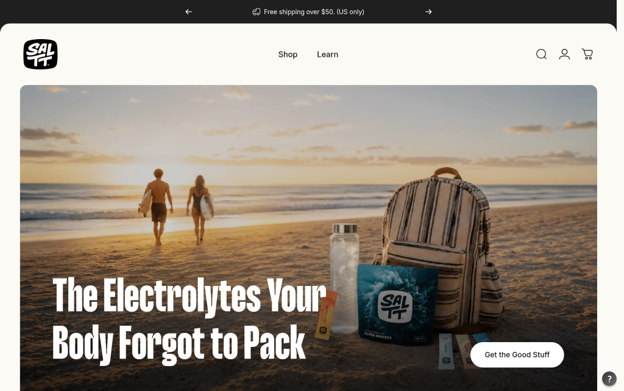
  • SALTT - Best for zero-sugar electrolyte supplementation and clean-label hydration products

  • Cure Hydration - Best for premium plant-based hydration and electrolyte beverages

  • Drink Hydrant - Best for science-backed electrolyte hydration supplements

The Stakes Behind Choosing Hydration Products

Picking the wrong hydration product during warm-weather training isn't just ineffective. It can actually make dehydration worse, especially for runners dealing with conditions like hypertension or diabetes where sodium and sugar intake need careful monitoring. The market is packed with products that lead with flavor and branding while burying a sugar-to-electrolyte ratio that undermines recovery.

Getting this right depends on understanding osmolality, which tells you how efficiently a drink actually absorbs at the cellular level. A lower sodium content per serving may feel lighter but leaves muscles without the replenishment they need after sustained effort in the heat. The right choice closes the gap between marketing promises and measurable outcomes, which is exactly what osmolality ratings, sodium content per serving, and honest sugar-to-electrolyte ratios reveal when you look past the label.

5 Hydration Products Compared

Note: All data in this table is sourced from review platforms and the official websites of the listed companies.

Company Name
Years Operating
Headquartered In
Instant HydrationEst. 2022Austin, TX
Ultima ReplenisherEst. 1996Bernardsville, NJ
SALTTEst. 2023Salt Lake City, UT
Cure HydrationEst. 2017New York, NY
Drink HydrantEst. 2017New York, NY

1. Instant Hydration - Best for Premium Electrolyte Hydration Supplements

PHOTO COURTESY | Instant Hydration

What Instant Hydration Is Known For

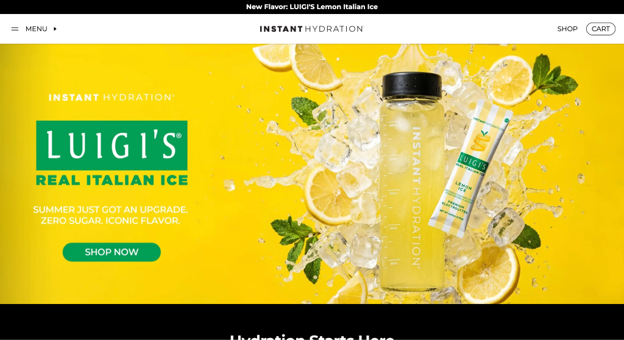
Instant Hydration builds premium electrolyte drink mixes using natural, carefully sourced ingredients including hand-harvested French sel gris that carries over 70 trace minerals. Each serving delivers 1,240mg of electrolytes with zero sugar and no artificial additives, formulated with input from a medical advisory board of physicians and sports scientists. That kind of formulation rigor is rare for a brand founded as recently as 2022, and it shows in both the ingredient profile and the bioavailable magnesium they include (which most competitors skip entirely).

Where Instant Hydration Stands Out for Hydration Products

Runners who need serious electrolyte replenishment without any sugar load get exactly that here, backed by a formula that a medical team actually reviewed. The combination of trace mineral sourcing and clinical oversight puts them in a different category from most flavored powder brands.

What the Reviews Show:

Instant Hydration has crossed 250,000 customers and 2 million completed orders since launching in 2022, which is a strong signal that runners are coming back to this product. The 50-day happiness guarantee also suggests the company is confident in real-world results, not just lab numbers.

2. Ultima Replenisher - Best for Natural Hydration and Electrolyte Supplement Manufacturing

PHOTO CREDIT | Ultima Replenisher

What Ultima Replenisher Is Known For

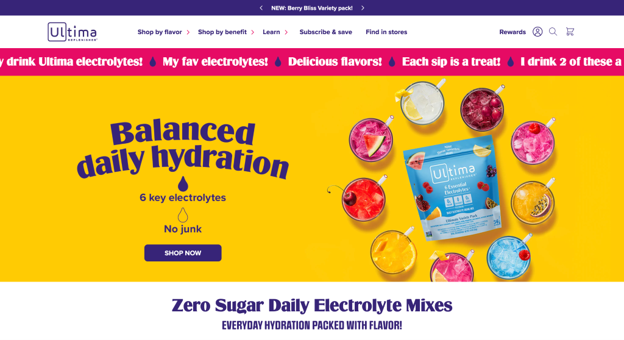
Ultima Replenisher has been producing clean electrolyte powder since 1996, which gives them a depth of formulation experience that newer brands can't match. Their products combine six electrolytes with vitamin C and zinc, while staying completely free from sugar, gluten, caffeine, and artificial ingredients. The formula supports nerve function and muscle performance, which matters a lot during extended warm-weather runs where cramping and fatigue compound quickly.

Where Ultima Replenisher Stands Out for Hydration Products

For runners managing dietary restrictions, whether vegan, keto, or paleo, Ultima covers all of those without compromising on electrolyte variety. Twenty-seven-plus years of consistent formulation and retail placement at Target and Walmart suggest this isn't a trend brand. It's a product people keep buying.

What the Reviews Show:

The brand's shelf presence across major national retailers tells its own story about consistent consumer confidence. Longevity in a market this competitive doesn't happen without a product that actually performs for the people using it during demanding physical activity.

3. SALTT - Best for Zero-Sugar Electrolyte Supplementation and Clean-Label Hydration Products

PHOTO CREDIT | SALTT

What SALTT Is Known For

SALTT launched in 2023 to address the filler problem in electrolyte products, going after additives like maltodextrin and citric acid that show up in a surprising number of "clean" competitors. They source their salt directly from Utah's Great Salt Lake using solar evaporation, which is a genuinely different approach to ingredient sourcing. Products come in powder packets, concentrated liquid drops, and capsules, so runners can pick the format that fits their gear setup without compromise.
Where SALTT Stands Out for Hydration Products

The multi-format delivery system (powder, liquid, and capsules) solves a practical problem that most single-format brands overlook entirely. Their sodium, potassium, and magnesium balance without fillers gives runners a clean electrolyte hit that doesn't come with unnecessary additives affecting taste or digestion.

What the Reviews Show:

Customer feedback on SALTT consistently highlights ingredient transparency and product effectiveness, two things runners shopping in this space tend to prioritize over branding. The satisfaction guarantee reflects a company that isn't nervous about how their product performs, which is a good sign for anyone trying it for the first time.
4. Cure Hydration - Best for Premium Plant-Based Hydration and Electrolyte Beverages

PHOTO CREDIT | Cure

What Cure Hydration Is Known For

Cure Hydration uses coconut water and pink Himalayan salt as the base of their electrolyte mixes, which gives them a plant-based angle that most powder competitors don't meaningfully pursue. The formula delivers four times the electrolytes of leading sports drinks with no added sugars or artificial additives, and they've expanded into kids' hydration and energy drinks to serve a broader range of training and recovery needs. Retail placement across Kroger, Albertsons, and H-E-B confirms this isn't a niche direct-to-consumer play.

Where Cure Hydration Stands Out for Hydration Products

Plant-based runners and parents looking for pediatric-appropriate hydration during warm-weather activity will find Cure fills a gap that most electrolyte brands haven't addressed thoughtfully. The 2026 Women's Health Fitness Award for Best Electrolytes adds real external validation to what the ingredient list already suggests.

What the Reviews Show:

Cure earned Inc. 5000 recognition as one of the fastest-growing U.S. companies, and that growth doesn't happen without strong repeat purchase behavior. The backing from recognized athletes and investors alongside consumer award recognition points to a brand that performs for actual users, not just in press materials.

5. Drink Hydrant - Best for Science-Backed Electrolyte Hydration Supplements

PHOTO CREDIT | Hydrant

What Drink Hydrant Is Known For

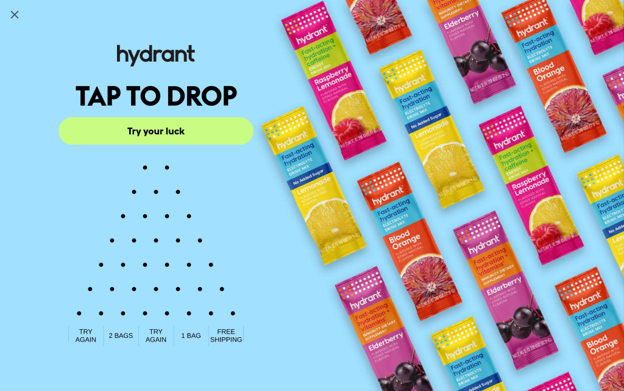
Drink Hydrant was developed by an Oxford-trained biologist, which gives their formulation approach a level of scientific depth that few consumer hydration brands bring to single-serving packets. Their main Hydrate product delivers up to three times the electrolytes of traditional sports drinks using real fruit juice flavoring and clean ingredients. What makes them distinct from others on this list is the product line variety: Energy, Sleep, and Immunity variants extend hydration support beyond the run itself into recovery and rest.

Where Drink Hydrant Stands Out for Hydration Products

The Sleep and Recovery line extensions solve a problem most hydration brands ignore entirely, which is that a runner's body continues needing mineral support well after the workout ends. That kind of full-day hydration thinking is hard to match in a market mostly focused on the workout window only.

What the Reviews Show:

Drink Hydrant carries a 4.8 out of 5 star rating across more than 12,000 verified reviews, with over 541,000 customers and 17 million sticks sold. The most common praise centers on leg cramp relief and sustained energy during physical activity, which are exactly the outcomes warm-weather runners are chasing.

Evaluation Criteria and Research Approach

The goal here was to identify hydration products that hold up beyond the marketing layer, where ingredient quality, formulation rationale, and what actually works for runners match up. That required looking at each brand from multiple angles before any shortlisting decisions were made.

Preparing Your Data Foundation

The initial list was built by pulling brand data from direct-to-consumer websites, retail product listings, health and wellness review platforms, and sports nutrition directories. A wide net was cast early to avoid anchoring on the most visible names. Lesser-known options with strong formulation credentials were kept in play alongside established players until the evidence sorted them out naturally.

Filtering Candidates for Initial Review

Options without verifiable customer reviews or transparent ingredient sourcing were removed in the first pass. Review patterns were analyzed for consistency, since a handful of glowing testimonials tells a different story than thousands of reviews showing the same outcome. Products relying heavily on marketing language with little supporting formulation detail were deprioritized in favor of those that could show their work.

Claims Submitted to Fact-Check Review

Every major product claim, whether about electrolyte content, sugar-free formulation, or third-party sourcing, was cross-checked against publicly available information from official brand sites and independent sources. Where claims about sodium content per serving or absorption related to osmolality appeared, those were compared against what verified customers and nutritional panels actually reported. Discrepancies between marketed benefits and documented ingredient profiles flagged products for closer scrutiny.

The Authority Layer

External signals of credibility were factored in at this stage. Industry award recognition (like Cure Hydration's Women's Health Fitness Award), inclusion on major growth lists like Inc. 5000, and mention in sports nutrition and health publications all contributed to how each brand was assessed. Clinical endorsements and sports nutrition certifications were weighed alongside consumer-facing reviews, since both speak to different but equally relevant forms of trust.

Hydration Products Case Files

Each brand's dedicated product pages, verified customer testimonials, and any published case information were reviewed to confirm that their hydration approach translates to real outcomes. Brands like Drink Hydrant and Instant Hydration, with documented customer counts and order volumes, provided the clearest evidence. For newer entrants like SALTT, the quality and specificity of customer feedback served as a proxy for the track record that time hasn't yet built.

Finding the Right Hydration Products for Your Needs

Not every product on this list is right for every runner, and that gap matters more in warm-weather training than it does in other contexts. The best starting point is matching the product's formulation strengths to your specific training demands, health considerations, and daily budget.

  • Industry/Domain Experience: Look for brands with documented formulation history and input from nutrition or medical professionals. Experience in the beverages and hydration space translates directly to better electrolyte ratios and safer ingredient choices for different health profiles.

  • Features and Format: Consider whether you need a simple powder, a liquid concentrate for portability, or capsules for races where carrying packets isn't practical. The right format matters as much as the formula itself.

  • Pricing Structure: Cost per serving in USD varies widely across this list (not cheap for premium options, but worth the daily investment). Calculate what you'll actually spend across a full training block, not just a single order.

  • Results Measurement: Track urine color improvement as a hydration status indicator and note time to symptom relief for dehydration in minutes after consumption. These two markers tell you more than any marketing claim.

  • Medical Guidance and Compliance: For runners with health conditions like kidney disease or hypertension, verify that sodium content per serving matches medical guidance and that products meet FDA dietary supplement regulations and NSF certification standards where applicable.

Final Words

Warm-weather running puts real pressure on your electrolyte balance, and the product you choose should be built around science, not just flavor. Each option here serves a distinct runner profile, from clean-label purists to those needing multi-format flexibility or plant-based sourcing. Instant Hydration's medically reviewed formula, Drink Hydrant's verified review depth, and Ultima's decades of formulation experience all point to a space that's moved well past sugar-heavy sports drinks. The right choice is the one that fits your training, your health, and your daily routine.

BEST APPLE WATCH BANDS FOR FITNESS: 10 SWEAT-RESISTANT AND COMFORTABLE PICKS

Here is the thing nobody tells you when you buy the watch: the watch is the part that lasts. The band is the part that quits.

Anyone who trains four or five days a week knows the arc. Week one, the band feels great. Week six, it has gone slightly grey at the fold, holds a faint smell after hot yoga, and leaves a pink rectangle on your forearm every time you finish a treadmill session. You end up loosening it mid-workout, which is exactly when the sensor stops behaving.

So this is less a gear list than a materials argument. Below are ten picks that survive real sweat, plus a simple way to think about what you are actually buying.

PHOTO CREDIT | Pexels/Ketut Subiyanto

What Sweat Actually Does To A Band

Three things separate a band you keep from one you quietly retire.

Dry time. Nylon and woven fabrics wick and dry fast, usually within an hour of a hard session. Silicone and fluoroelastomer do not absorb anything at all, which sounds better until you realize the sweat has to go somewhere - and that somewhere is the seal between rubber and skin.

Behavior under load. A band that feels perfect at rest can chafe badly once your forearm swells during heavy pressing or a long climb. Perforations and stretch weaves matter more than thickness.

Sensor contact. This one is underrated. Apple's own guidance is that the watch should sit snug but not tight, above the wrist bone, with the back in contact with skin, and that you may want to tighten the band for workouts and loosen it afterward. A band that stretches out over time quietly degrades your heart rate data. You will blame the watch. It is the band.

The 10 Picks

1. The Everyday Woven Band

Woven nylon is the sleeper category for people who train and then go straight to a meeting. It dries fast, it does not trap heat against the wrist, and it does not read as gym gear the second you push your sleeve up. 

The aftermarket has gotten good here, which is where a smaller family-run label like Solace Bands has built a following, offering woven, leather, and metal Apple watch bands in colorways that sit closer to accessory than equipment. Worth noting: woven does hold moisture longer than rubber, so this is a rinse-and-air-dry band, not a swim band.

2. The Apple Sport Band

Still the default, still fine. Fluoroelastomer is soft, genuinely waterproof, and the pin-and-tuck closure does not snag on a barbell. The complaint is real though - it can feel clammy in humidity, and the closure creates a pressure point on smaller wrists.

3. The Nike Sport Band

Same rubber compound, but perforated throughout. Those holes are not decoration. They vent, and on a summer run the difference is obvious within twenty minutes. Downside: the holes collect lint, sunscreen, and salt, and cleaning them properly takes a soft brush.

4. The Trail Loop

Built for distance. It is thin, stretchy nylon with a pull tab, so you can micro-adjust mid-run without stopping. Runners love it. Lifters generally do not, because the stretch means the watch shifts slightly under sudden load.

5. The Ocean Band

Overkill for most people, and that is sort of the point. Tubular elastomer with a titanium buckle, designed for water. If you swim, surf, or do anything where the watch goes fully under, this is the one that will not slip. It is bulky under a jacket sleeve. Accept that.

6. Nomad's Sport Band

FKM rubber, which is a step up from standard silicone in both feel and durability. It has a ventilation channel on the underside that actually reduces the sweat-trap effect. Priced above Apple's own band, a tough sell until you have worn one for a year and it still looks new.

7. A Rugged Case-And-Band Combo

For CrossFit, obstacle racing, or anyone who has already scratched a screen on a rack. Spigen's rugged line wraps the case and integrates the strap, so there is no lug gap collecting chalk dust. Bulky, unapologetically so, and it will not pass at dinner.

8. Budget Silicone From The Big Accessory Brands

Elago, Alpine, and similar labels sell perfectly serviceable silicone bands for a fraction of first-party pricing. The quality gap has narrowed a lot. What you give up is finish consistency at the connector, so buy from sellers with a return policy.

9. Elite Silicone With Quick-Release Hardware

Barton and a handful of others make silicone bands with genuinely good buckles and a quick-release system that lets you swap in under ten seconds. If you rotate bands daily, the hardware matters more than the strap.

10. The Armband Workaround

Twelve South's ActionSleeve moves the watch off your wrist entirely and onto your forearm. Sounds strange. Then you try front squats, or push-ups, or anything requiring a flat wrist, and it makes complete sense. Not an everyday solution, but the best answer for lifting-heavy training blocks.

Build A Rotation, Not A Collection

The rule: rubber for water and heat, woven for everything else. One fluoroelastomer or FKM band for swimming, hot classes, and outdoor summer training. One woven or nylon band for the gym floor, the commute, and the rest of your day. That covers roughly ninety percent of what most people who follow fitness editorials do in a week.

Add a third only if you have a specific reason - a leather or metal option for evenings, say, which is really a styling decision more than a performance one. If you have been following how June Ambrose thinks about building a wardrobe around a few strong pieces, the logic transfers neatly to wrists.

For travel, pack the rubber one. Hotel gyms are unpredictable, and you want the band you can rinse in a sink, which is also the band that survives a beach day on any destination worth the flight.

Clean It More Than You Think

This is the part everyone skips. A Florida Atlantic University study tested wristbands worn by active people and found that 95 percent of them carried bacterial contamination, with rubber and plastic bands showing the highest counts and metal showing almost none. Gym-goers had the worst numbers. Not surprising, but worth sitting with.

The fix is boring and effective. Rinse rubber bands under warm water after any sweaty session and wipe them dry. Wash woven bands weekly with mild soap, then air dry fully before wearing. Do not put a damp band back on your wrist - that is how you get irritation, and it is also how a band starts smelling in a way that never fully goes away.

The Bottom Line

Match the material to the sweat, not to the outfit. Rubber and FKM for anything involving water or serious heat. Woven nylon for daily training and everything after. Armband if you lift heavy and your wrist needs to stay flat.

Wearables have quietly become part of how people manage their whole day rather than just their workouts, and the role they play in daily routines keeps expanding - which is precisely why the strap deserves more thought than it usually gets. You wear it sixteen hours a day. It touches your skin the entire time. It determines whether your heart rate data is worth anything.

COSMETIC DENTISTRY ABROAD: A GUIDE TO SMILE MAKEOVERS

A brighter smile sits high on many wellness wish lists in 2026. Yet the cost of veneers and crowns at home can stall the plan for years. So more lifestyle travelers now look south of the border for the same work.

A woman smiling confidently in soft natural light

PHOTO CREDIT | Unsplash/Artem Beliaikin

This guide stays honest and informational. It explains what a smile makeover involves and how dental tourism really works. One clinic that draws visitors from the United States is Algodones Dental Center, based in Los Algodones, Mexico. Confirm any treatment plan with a licensed dentist before you book a trip.

What Is a Smile Makeover?

A smile makeover is a set of cosmetic treatments planned together. The goal is a look that suits your face, not a single quick fix. A dentist maps the steps after a full exam.

Common pieces include veneers, teeth whitening, and new crowns. Some plans add gum reshaping or a bonded repair. The mix depends on your teeth and your budget.

The point is balance across the whole mouth. One perfect tooth beside a dull one looks off. A good plan treats the smile as a single frame.

Expectations matter as much as the treatment list. Photos can be edited, and no two smiles heal alike. A careful dentist will explain what a realistic result looks like for you.

Why Do Lifestyle Readers Consider Dental Tourism?

PHOTO CREDIT | Unsplash/Megan Clark

Price is the honest headline. Cosmetic work in the United States often runs high, and few dental plans cover it. That gap sends people looking for value abroad.

Los Algodones sits about 7 miles west of Yuma, Arizona. The small town holds more than 300 dental offices in a few walkable blocks. That density has earned it a nickname among patients: Molar City.

Proximity is the other draw. Many US visitors park on the Arizona side and walk across for the day. A short cosmetic plan can fit into a 2 or 3 day trip.

Value should never override safety, though. A smile is part of long-term oral health, not just a photo. Research the clinic, the dentist, and the materials with the same care you would use at home.

Which Cosmetic Treatments Do Clinics Offer?

Veneers top most cosmetic wish lists. These thin shells cover the front of a tooth to reshape it. The main dental veneer types and trade-offs are worth knowing first.

Whitening is the fastest lift for a tired smile. In-office treatment can brighten teeth in a single visit. Results vary by person, so ask what is realistic for you.

Crowns and bridges rebuild teeth that are worn or broken. A crown caps a damaged tooth, while a bridge fills a gap. Both restore function as well as looks.

Full arch work is the largest step. It reshapes a whole row of teeth at once. This suits people who want a broad reset, and it needs careful planning.

A smile is only one part of a wider recovery and wellness routine. Diet, sleep, and steady habits shape how your results hold up.

How Do You Plan a Trip to Los Algodones?

Start with a virtual consult before you travel. Send clear photos and any recent dental records. A good clinic will outline a rough plan and timeline first.

Ask direct questions about the dentist and the lab. Check training, materials, and how follow-up works once you fly home. Written answers are a green flag.

Bring a valid passport, since you are crossing an international border. The town is compact, so most patients walk between the pharmacy, the clinic, and lunch. Plan for at least one full rest day if your work is extensive.

Confidence off the trip matters too. A steady mindset and clear expectations mirror the same drive and self-belief that fuel any good routine. Treat the plan as self-care, not a gamble.

How Do You Judge a Good Cosmetic Clinic?

Look past the price list and glossy photos first. A strong clinic explains risks as clearly as benefits. That honesty is a better signal than any discount.

Check how the team handles your questions. Slow, vague, or pushy replies are a warning sign. Clear answers about materials and warranties build trust.

Read patient reviews across more than one site. Look for steady feedback over several years, not a burst of new posts. Ask the clinic for before and after cases that match your own needs.

Think about the daily habits that protect the work too. Whitening and veneers still rely on brushing, flossing, and regular checkups. A clinic that stresses that basic routine is thinking long term.

Key Points to Weigh Before You Go

  • Get a written plan. Ask for the steps, materials, and timeline in advance.

  • Vet the dentist. Review training, patient photos, and clear return policies.

  • Budget the whole trip. Count travel, lodging, and any second visit, not just the work.

  • Protect your health. A smile makeover is elective, so never rush the decision.

  • Line up aftercare. Confirm who handles checkups once you return home.

Bringing Home a Confident Smile

Cosmetic dentistry abroad can be a sensible choice when you plan it well. The savings are real, but so is the need for research and patience. Slow, informed steps protect both your money and your teeth.

Keep the goal simple: a healthy mouth you feel proud to show. Book a home checkup soon after you return to confirm the results. A brighter smile is a fine reward for doing the homework first.

FAQ

Is Cosmetic Dental Work Abroad Safe?

It can be when you choose carefully. Vet the dentist, the clinic, and the materials in advance. Ask for records and a written plan, and confirm follow-up before you travel.

How Long Does a Smile Makeover Take?

It depends on the treatments you choose. Whitening may take one visit, while veneers or crowns can need two. A short plan often fits a 2 or 3 day trip.

Will My Dentist at Home Help With Follow-Up?

Many will, so ask before you go. Share your treatment records and any lab details on return. A home checkup helps catch small issues early.

Do I Need a Passport for Los Algodones?

Yes, you are crossing into Mexico and back. Carry a valid passport or the accepted travel document. Keep it on you during the walk across the border.

BETWEEN SKYTREE AND SUMIYOSHI TAISHA: A LANDMARK JOURNEY THROUGH JAPAN'S CULTURAL CORRIDOR

A Route That Connects Japan's Defining Landmarks

Japan's most memorable journeys are not measured solely by distance but by the remarkable variety encountered along the way. Travelling from Tokyo to Osaka reveals a changing landscape where futuristic skylines, centuries-old temples and carefully preserved traditions coexist with extraordinary harmony.

Each city offers its own perspective on Japanese culture. Tokyo represents constant reinvention, while Osaka celebrates everyday life with warmth, history and culinary traditions that have shaped the Kansai region for generations.

Tokyo Reaches Skyward

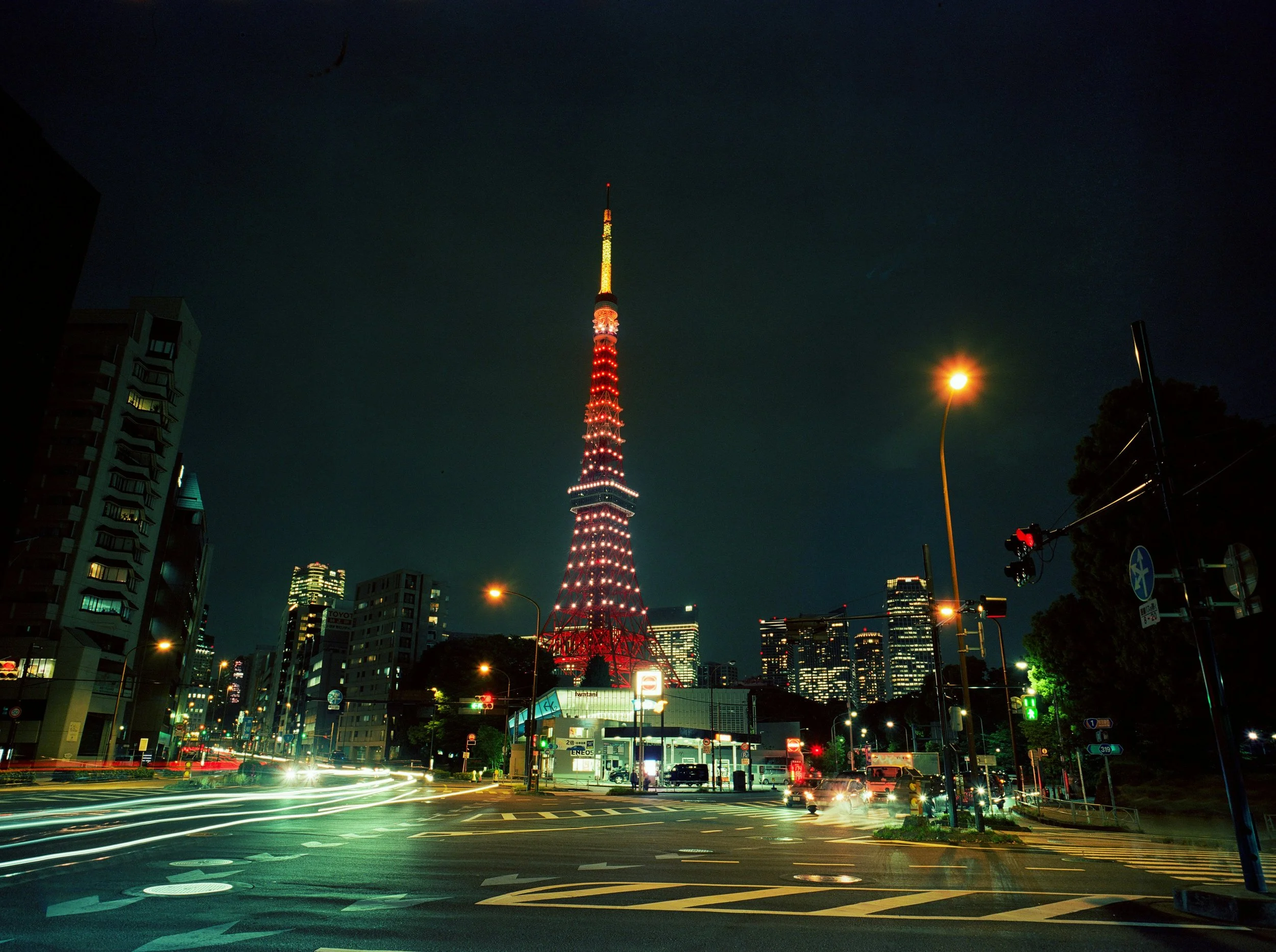
Tokyo's skyline has become one of the world's most recognisable urban landscapes, and nowhere is that more apparent than at Tokyo Skytree. Rising 634 metres above the city, it remains the tallest structure in Japan and provides panoramic views that stretch towards Mount Fuji on clear days.

Many visitors combine time at the observation decks with a walk through nearby Asakusa, where Sensō-ji Temple introduces a striking contrast to the surrounding modern architecture. Traditional shops, incense-filled courtyards and historic gates preserve an atmosphere that has welcomed worshippers for centuries.

Exploring Japan train networks makes moving between these contrasting districts remarkably straightforward, allowing travellers to experience both contemporary neighbourhoods and historic quarters within a single day.

PHOTO CREDIT | Unsplash/Lx1

Rail Travel Becomes Part of the Experience

Rather than treating transportation as a necessity, many visitors discover that travelling across Japan becomes one of the highlights of the journey itself.

The bullet train from Tokyo to Osaka carries passengers through changing scenery that includes dense urban districts, peaceful farmland and distant mountain ranges. Spacious seating, punctual departures and exceptionally smooth journeys have made high-speed rail an essential part of modern travel throughout the country.

Looking through the windows, travellers witness landscapes that gradually shift from the capital's immense metropolitan sprawl to the cultural heart of the Kansai region, creating a gentle transition between two very different cities.

Osaka's Streets Pulse With Energy

Arriving in Osaka introduces a noticeably different atmosphere. The city feels relaxed yet lively, combining centuries of history with an enduring passion for food, entertainment and hospitality.

Dōtonbori remains its most iconic neighbourhood. Bright signs reflect across the canal while restaurants prepare local favourites including takoyaki, okonomiyaki and kushikatsu. The district becomes particularly atmospheric after sunset, when illuminated façades transform the waterfront into one of Japan's most vibrant evening destinations.

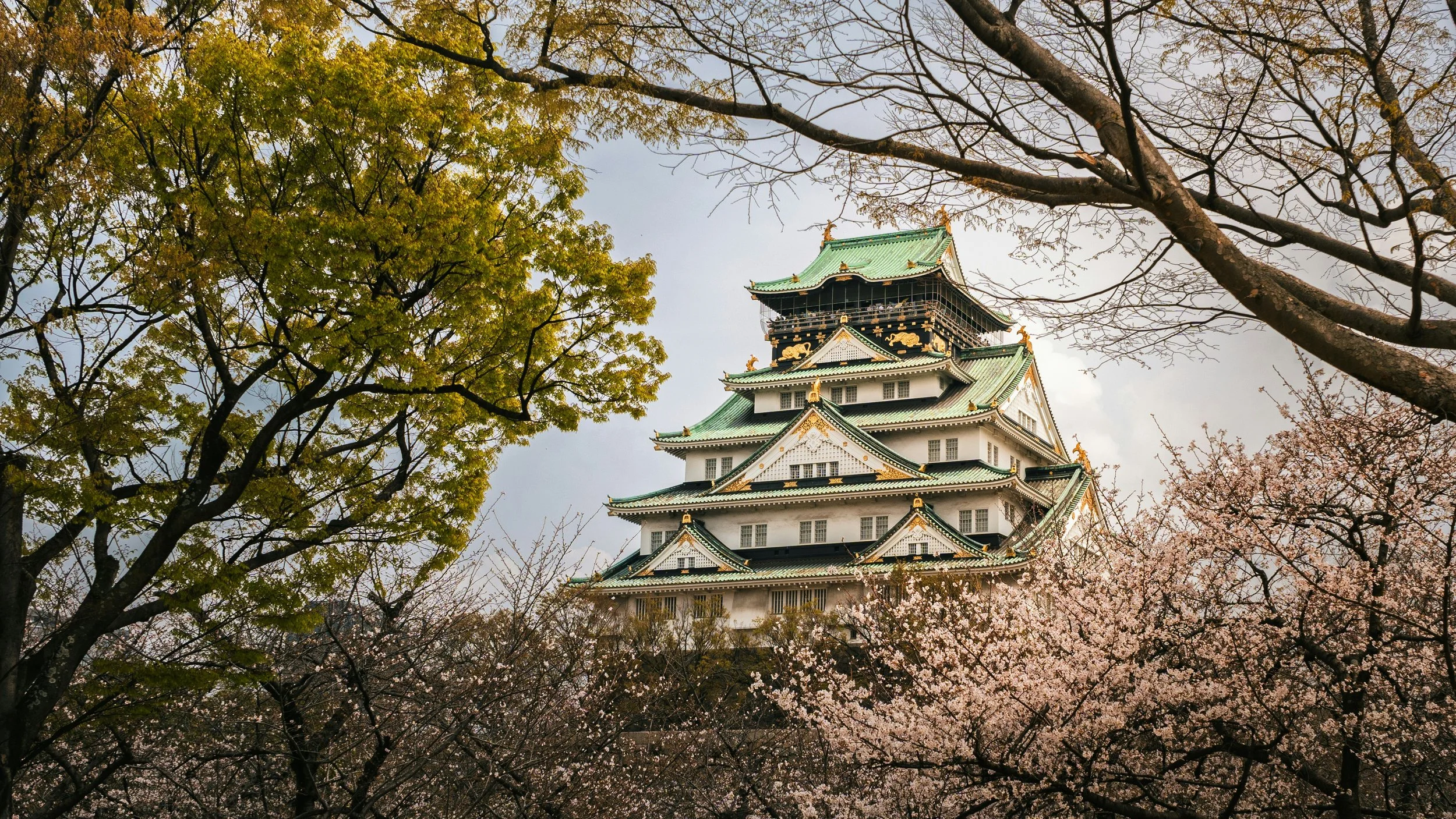
Nearby, Osaka Castle rises above extensive gardens and stone walls that recall the city's strategic importance during Japan's feudal era. Seasonal cherry blossoms and colourful autumn foliage add further appeal throughout the year.

PHOTO CREDIT | Unsplash/Jack Coble

Sumiyoshi Taisha Preserves Ancient Traditions

Away from Osaka's busiest commercial districts stands one of Japan's oldest and most significant Shinto shrines.

Sumiyoshi Taisha predates the arrival of Buddhist architectural influences, making it a rare example of early shrine design. Its distinctive straight rooflines, vivid vermilion buildings and elegant wooden bridges create an atmosphere of remarkable tranquillity despite the surrounding city.

Visitors often pause beside Sorihashi Bridge before entering the shrine grounds, appreciating both its graceful curve and its symbolic role in separating the everyday world from sacred space.

Seasonal festivals continue to bring local families together here, ensuring that the shrine remains an active centre of community life rather than simply a historic monument.

Markets That Celebrate Osaka's Culinary Reputation

Osaka has long earned the nickname "Japan's kitchen," and nowhere is that reputation more evident than in its bustling food markets.

Kuromon Ichiba Market offers everything from freshly sliced tuna and grilled scallops to handmade sweets and seasonal fruit. Many stalls prepare dishes directly in front of customers, creating an engaging atmosphere where aromas, conversation and craftsmanship blend together.

Unlike formal dining experiences, these markets encourage visitors to sample a wide variety of regional specialities while interacting with local vendors who proudly share generations of culinary knowledge. The result is an experience that feels both authentic and welcoming.

Quiet Gardens Behind the City's Fast Pace

Despite their reputation for constant activity, both Tokyo and Osaka offer numerous places where life slows considerably.

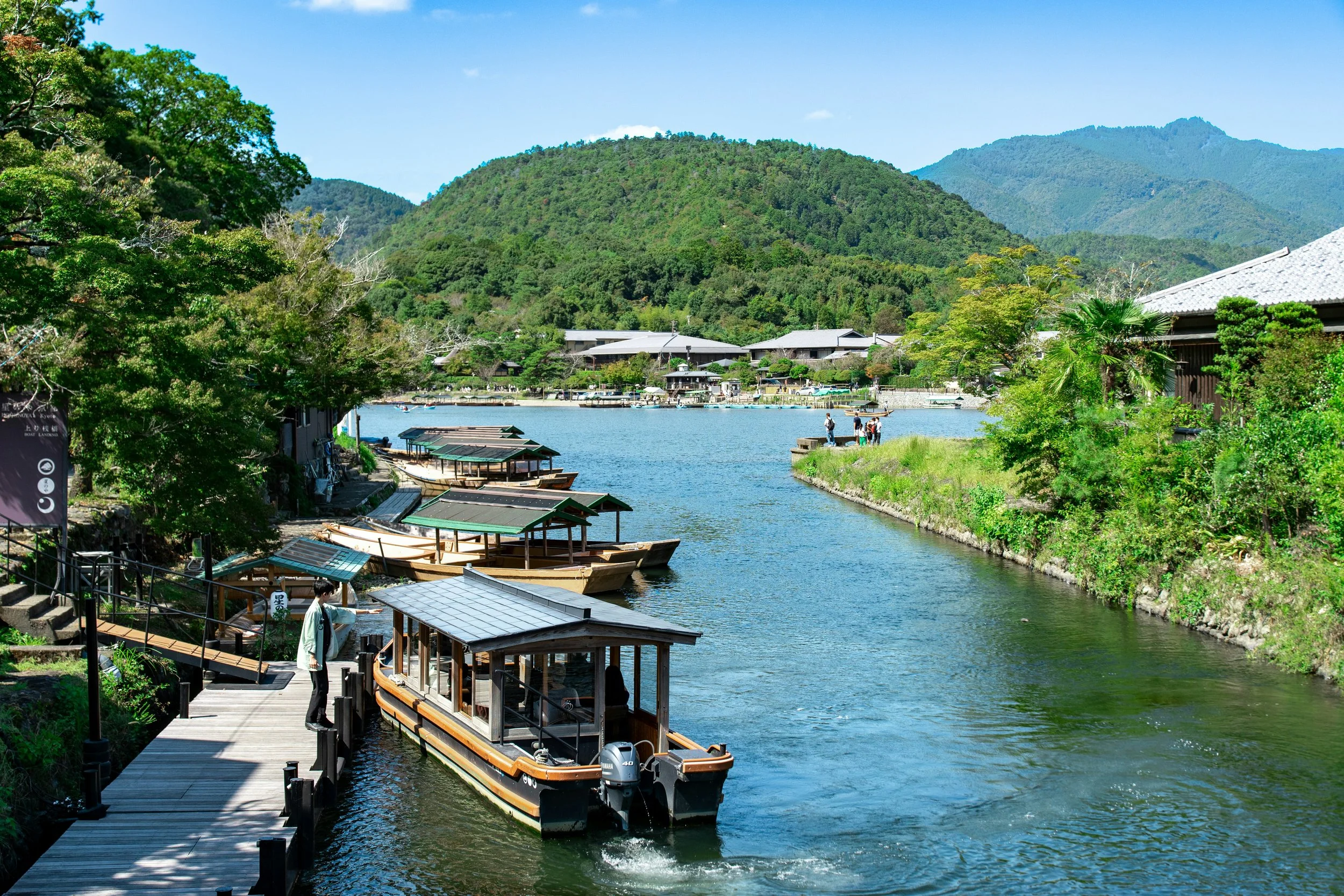
In Tokyo, Hamarikyu Gardens provide a peaceful landscape framed by modern skyscrapers. Traditional tea houses overlook reflective ponds while carefully maintained walking paths reveal changing seasonal colours.

Osaka's Nakanoshima Park presents another welcome retreat. Positioned between two rivers, it combines rose gardens, tree-lined promenades and elegant historic buildings that create a calm atmosphere within the heart of the city.

These green spaces demonstrate Japan's enduring appreciation for balance between urban development and natural beauty.

PHOTO CREDIT | Unsplash/Matt Cramblett

Museums That Connect Past and Present

Landmarks alone cannot tell the complete story of Japan. Museums throughout Tokyo and Osaka provide valuable context that enriches every journey.

The Tokyo National Museum houses extraordinary collections spanning thousands of years, from samurai armour and Buddhist sculpture to delicate ceramics and ancient manuscripts.

Meanwhile, the Osaka Museum of History presents the city's transformation from an important commercial centre into one of modern Japan's largest metropolitan areas. Interactive exhibits and reconstructed streets help visitors visualise daily life across different historical periods.

A Corridor Where Every Stop Adds Another Chapter

Travelling between Tokyo and Osaka reveals far more than two remarkable cities connected by efficient railways. Along the route, soaring observation towers, historic shrines, lively markets and thoughtfully preserved gardens illustrate the many dimensions of Japanese culture. From the sweeping views atop Tokyo Skytree to the timeless atmosphere of Sumiyoshi Taisha, every destination contributes its own story, creating a journey that celebrates both the country's remarkable heritage and its confident embrace of the future.

MARKETS, MUSEUMS, AND MONUMENTS: TRACING EUROPE'S HERITAGE FROM NICE TO BRUSSELS

A Journey Across the Heart of Western Europe

Europe's great cities reveal their history through lively public squares, celebrated museums and architectural landmarks that have stood for centuries. Travelling from the French Riviera to Belgium offers a remarkable opportunity to experience changing landscapes, regional traditions and distinctive urban cultures, all connected by an efficient rail network.

From Mediterranean markets to Gothic town halls, every stop along this route contributes a different perspective on Europe's rich heritage while demonstrating how the past continues to shape modern city life.

Nice Brings the Mediterranean to Life

Nice has welcomed merchants, artists and travellers for generations. Positioned between the Alps and the Mediterranean, the city combines French elegance with a strong Italian influence that can be seen in its architecture, cuisine and relaxed atmosphere.

A stroll along the Promenade des Anglais introduces sweeping sea views, historic hotels and palm-lined walkways that have become symbols of the French Riviera. Just a short distance away, the colourful streets of Vieux Nice invite visitors to explore small cafés, artisan boutiques and shaded squares.

Many travellers continue north aboard the Nice to Paris train, enjoying a comfortable journey that gradually replaces coastal scenery with vineyards, rolling countryside and historic towns before reaching the French capital.

PHOTO CREDIT | Unsplash/Rich Martello

Market Squares Full of Local Traditions

Before leaving Nice, Cours Saleya deserves time away from the busiest sightseeing routes. Early each morning, flower sellers and local producers transform the square into one of the city's liveliest gathering places.

Seasonal fruit, Provençal herbs, cheeses and handmade specialities reflect the flavours of southern France, while nearby cafés provide an excellent setting to observe daily life unfolding around the market.

Experiences like these reveal that the city's greatest attractions are not limited to famous landmarks. Its neighbourhoods, family-run businesses and longstanding traditions contribute just as much to its enduring appeal.

A Fast Route Towards Belgium

After exploring Paris, continuing on the Paris to Brussels train allows travellers to extend their journey without interrupting its rhythm. The high-speed railway links the two capitals in only a few hours, making it easy to enjoy breakfast in France and spend the afternoon wandering through Belgium's historic centre.

Travelling by rail keeps the focus on the destinations themselves rather than the logistics of getting there. City-centre stations, comfortable carriages and frequent departures encourage visitors to experience several remarkable places during a single trip.

This seamless connection has become one of the reasons why Paris and Brussels are so often combined into the same European itinerary.

Paris Through the Eyes of Artists

Paris has inspired painters, writers and architects for centuries. Wide boulevards, elegant bridges and riverside promenades create an atmosphere that feels both monumental and inviting.

The Louvre remains one of the world's most celebrated museums, housing masterpieces that span civilisations and artistic movements. Nearby, the Musée d'Orsay occupies a beautifully restored railway station where Impressionist paintings attract visitors from across the globe.

Walking through central Paris also reveals icons such as Notre-Dame Cathedral, the Arc de Triomphe and the Eiffel Tower, each representing a different chapter in French history while continuing to define the city's skyline.

PHOTO CREDIT | Unsplash/Jameson Berrios

Brussels Balances Grandeur and Everyday Life

Brussels offers a different atmosphere, combining monumental architecture with welcoming public spaces and neighbourhood cafés.

The Grand Place immediately captures attention with its elaborate guild houses, richly decorated façades and impressive Town Hall. Throughout the year, the square hosts seasonal celebrations, flower displays and cultural events that keep it lively well beyond the busiest tourist months.

Only a few streets away, visitors encounter the famous Manneken Pis alongside elegant shopping arcades, chocolate boutiques and historic beer cafés that have become part of the city's identity.

Museums That Celebrate Creativity

Belgium's capital rewards visitors who enjoy art and history. The Royal Museums of Fine Arts contain an exceptional collection ranging from Flemish masters to nineteenth-century European painters, illustrating how artistic traditions evolved across the continent.

Equally fascinating is the Comic Art Museum, dedicated to Belgium's internationally recognised comic book heritage. Original illustrations, historic publications and interactive displays celebrate creators whose work continues to influence artists around the world.

Together, these museums demonstrate that cultural heritage is continually enriched by new forms of artistic expression.

PHOTO CREDIT | Unsplash/Swaraj

Streets Built for Wandering

One of the pleasures of travelling through Nice, Paris and Brussels lies in simply exploring on foot.

Narrow lanes open into lively squares, elegant avenues lead towards impressive monuments and local cafés invite visitors to pause before continuing their journey. Markets remain places where residents shop each day, while historic buildings continue to house businesses, galleries and restaurants.

Rather than existing as carefully preserved museum pieces, these cities remain vibrant places where history naturally blends with contemporary life.

A Journey Connected by Heritage

From the colourful markets of Nice to the celebrated museums of Paris and the monumental squares of Brussels, this route highlights the remarkable variety found across Western Europe. Every destination contributes its own traditions, architecture and local character, while efficient rail travel makes moving between them remarkably straightforward. The result is an itinerary where every city enriches the next, creating a rewarding journey through some of Europe's most enduring cultural landscapes.

COASTAL BEAUTY AND CAPITAL CHARM: EXPERIENCING BUSAN AND SEOUL

South Korea Through Two Distinct Lenses

Few countries balance urban innovation and natural scenery as effortlessly as South Korea. Along its southern coastline, Busan offers expansive beaches, bustling seafood markets and dramatic ocean views. Further north, Seoul blends centuries-old palaces with contemporary architecture, vibrant shopping districts and an ever-evolving cultural scene.

Experiencing both cities reveals the country's remarkable diversity. The contrast between a relaxed port city and a dynamic capital makes travelling across South Korea feel like exploring two very different destinations connected by a shared heritage.

Busan's Waterfront Sets the Pace

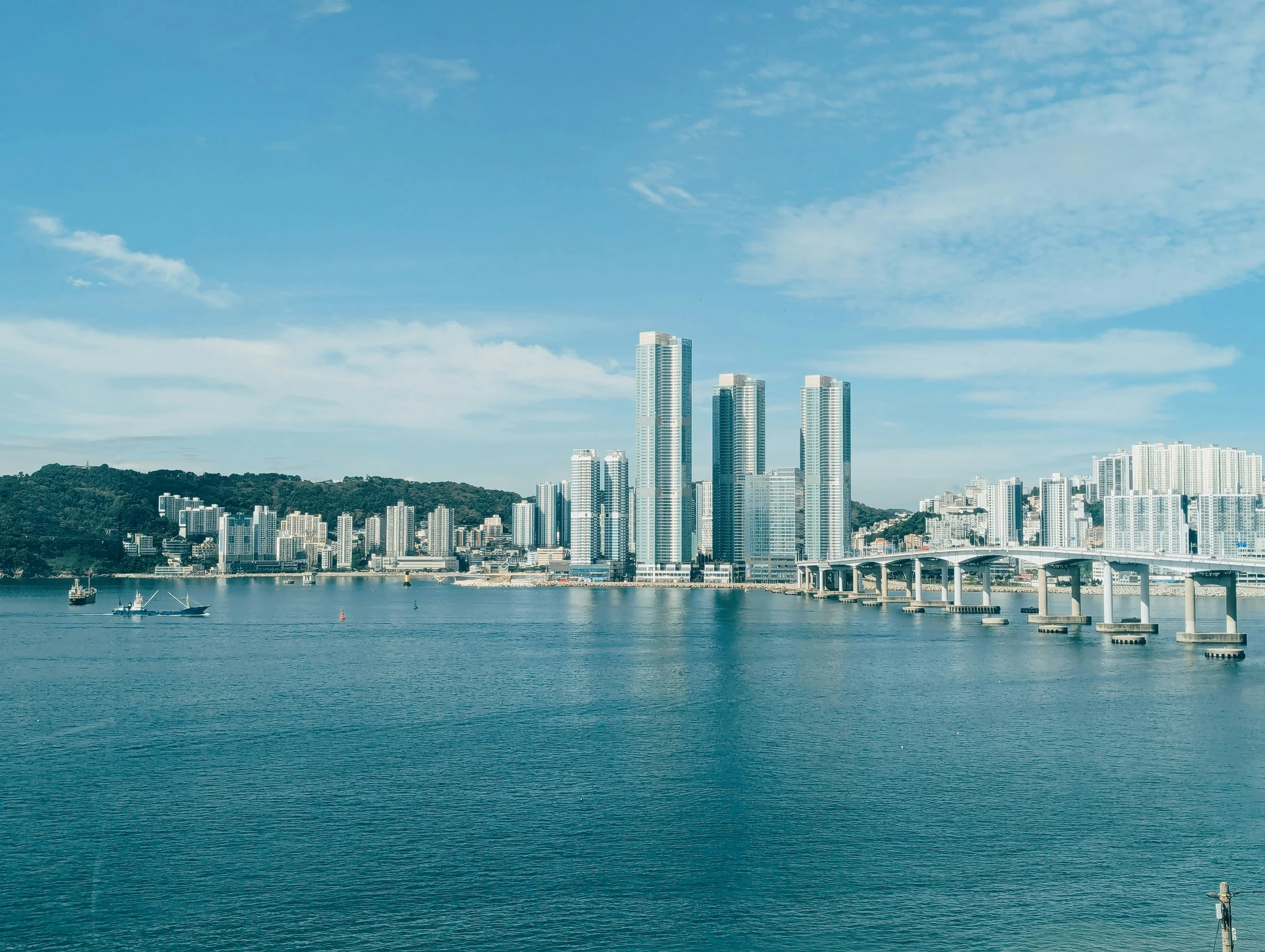
Busan welcomes visitors with fresh sea air and an unmistakable maritime character. Fishing boats line the harbour, coastal promenades invite leisurely walks and sandy beaches stretch beneath modern skylines.

Many travellers begin their adventure in the south before boarding the KTX High-Speed Train, an efficient service that links Busan with Seoul in just a few hours. The journey itself has become part of the experience, allowing passengers to move comfortably between two of the country's most celebrated destinations.

Before leaving the city, Haeundae Beach deserves unhurried attention. During the warmer months it attracts swimmers and sunseekers, while spring and autumn offer quieter days perfect for strolling along the shoreline with views across the East Sea.

PHOTO CREDIT | Unsplash/note thanun

Markets Where the Sea Shapes Everyday Life

No visit to Busan feels complete without exploring Jagalchi Fish Market, the largest seafood market in South Korea. Here, the day's catch arrives directly from local fishing boats before making its way onto market counters and restaurant tables.

The atmosphere is lively from early morning. Vendors expertly prepare fish, shellfish and octopus while visitors sample dishes that reflect Busan's close relationship with the sea.

Nearby, BIFF Square adds another dimension to the city. Originally associated with the Busan International Film Festival, it has grown into a lively district filled with cinemas, cafés and street food stalls where local favourites such as ssiat hotteok attract long queues.

The Journey North Becomes Part of the Adventure

Travelling by train from Busan to Seoul offers more than simple convenience. Large windows reveal changing landscapes as coastal scenery gradually gives way to farmland, rivers and expanding urban centres.

The railway has transformed domestic travel by allowing visitors to combine multiple destinations without the complexity of internal flights. It also provides the freedom to enjoy each city at a comfortable pace before continuing the journey.

For many travellers, watching the scenery unfold between South Korea's two largest cities becomes one of the memorable moments of the trip, demonstrating how efficiently modern infrastructure connects regions with distinct identities.

Seoul's Royal Legacy Lives On

Arriving in Seoul introduces a different rhythm. Historic landmarks stand comfortably alongside contemporary office towers, luxury boutiques and creative neighbourhoods, creating an urban landscape where centuries coexist.

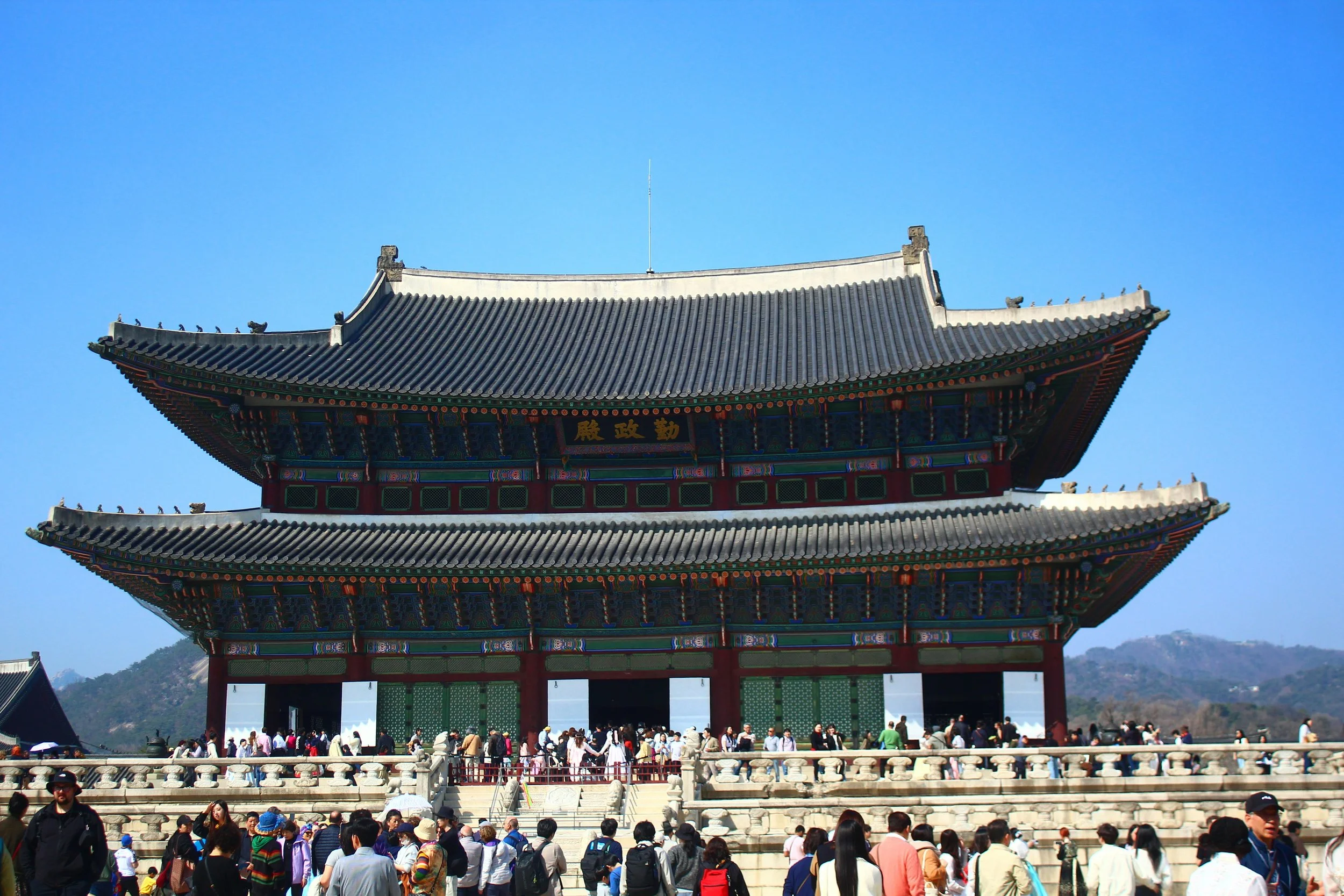
Gyeongbokgung Palace remains the city's architectural centrepiece. Its colourful gates, elegant pavilions and broad ceremonial courtyards provide a striking reminder of the Joseon Dynasty's influence on Korean history.

Visitors who arrive in time for the changing of the royal guard experience a ceremony inspired by traditions that have shaped the capital for generations. Beyond the palace walls, tree-lined streets quickly lead back into the energy of modern Seoul.

PHOTO CREDIT | Unsplash/Seval Torun

Neighbourhoods Full of Character

Some of Seoul's most rewarding experiences are found away from the major landmarks.

Bukchon Hanok Village preserves rows of traditional wooden houses connected by narrow lanes that climb gently across the hillside. Many buildings continue to function as homes, workshops, galleries and tea houses, giving the district an authentic atmosphere rather than the feel of an open-air museum.

Insadong offers another perspective on Korean culture. Independent bookshops, antique stores and artisan boutiques sit beside cafés where visitors can pause before continuing their exploration.

Meanwhile, the bright lights of Myeongdong attract those interested in fashion, cosmetics and late-night street food, illustrating the city's constantly changing personality.

Parks, Rivers and Places to Slow Down

Despite its size, Seoul provides plenty of opportunities to escape the pace of city life.

The Han River has become one of the capital's favourite gathering places. Walking paths, cycling routes and riverside parks attract residents throughout the day, particularly during spring and autumn when comfortable temperatures encourage outdoor activities.

Namsan Park combines nature with panoramic city views. A walk through wooded trails eventually leads to N Seoul Tower, where observation decks overlook neighbourhoods stretching towards distant mountains.

These green spaces remind visitors that Seoul's appeal extends well beyond its famous shopping districts and historic monuments.

PHOTO CREDIT | Unsplash/Cong Long Vu

Flavours That Define Two Cities

Cuisine provides another fascinating comparison between Busan and Seoul.

Busan's coastal location naturally places seafood at the centre of many local dishes. Fresh sashimi, spicy seafood stews and grilled shellfish reflect ingredients brought ashore only hours earlier.

Seoul, by contrast, offers an extraordinary variety of regional Korean cooking gathered from across the country. Traditional barbecue restaurants, handmade dumpling shops and modern dining concepts exist side by side, allowing every meal to introduce something new.

Street food also differs from one city to another. While Busan is known for seafood-inspired snacks, Seoul's markets present an endless variety of sweet and savoury specialities enjoyed by residents throughout the day.

Two Cities That Complement One Another

Busan and Seoul present contrasting interpretations of modern South Korea without ever feeling disconnected. One draws visitors towards the sea, lively markets and relaxed coastal scenery, while the other showcases royal history, contemporary creativity and the energy of one of Asia's leading capitals. Travelling between them creates a rewarding journey where efficient rail connections, memorable landscapes and distinctive local experiences combine naturally, leaving travellers with a richer understanding of the country than either destination could provide on its own.