Key Takeaways
Performance fabrics are really good at keeping your body at the temperature and dry when you are working out.
If your clothes fit right and have some stretch you can move around easier. You will not feel restricted.
The good sportswear can even help support your muscles, protect your skin and make you feel less uncomfortable when you are training with performance fabrics and proper fit.
What you wear can actually affect how confident you feel and how focused you are and that can make a difference in how well you do when you are playing sports or working out with performance fabrics.
Introduction
Athletes usually pay a lot of attention to their training programs. What they eat. They also think about how to recover after a workout.. The clothes they wear when they exercise are also very important. The clothes athletes wear can really affect how well they do.
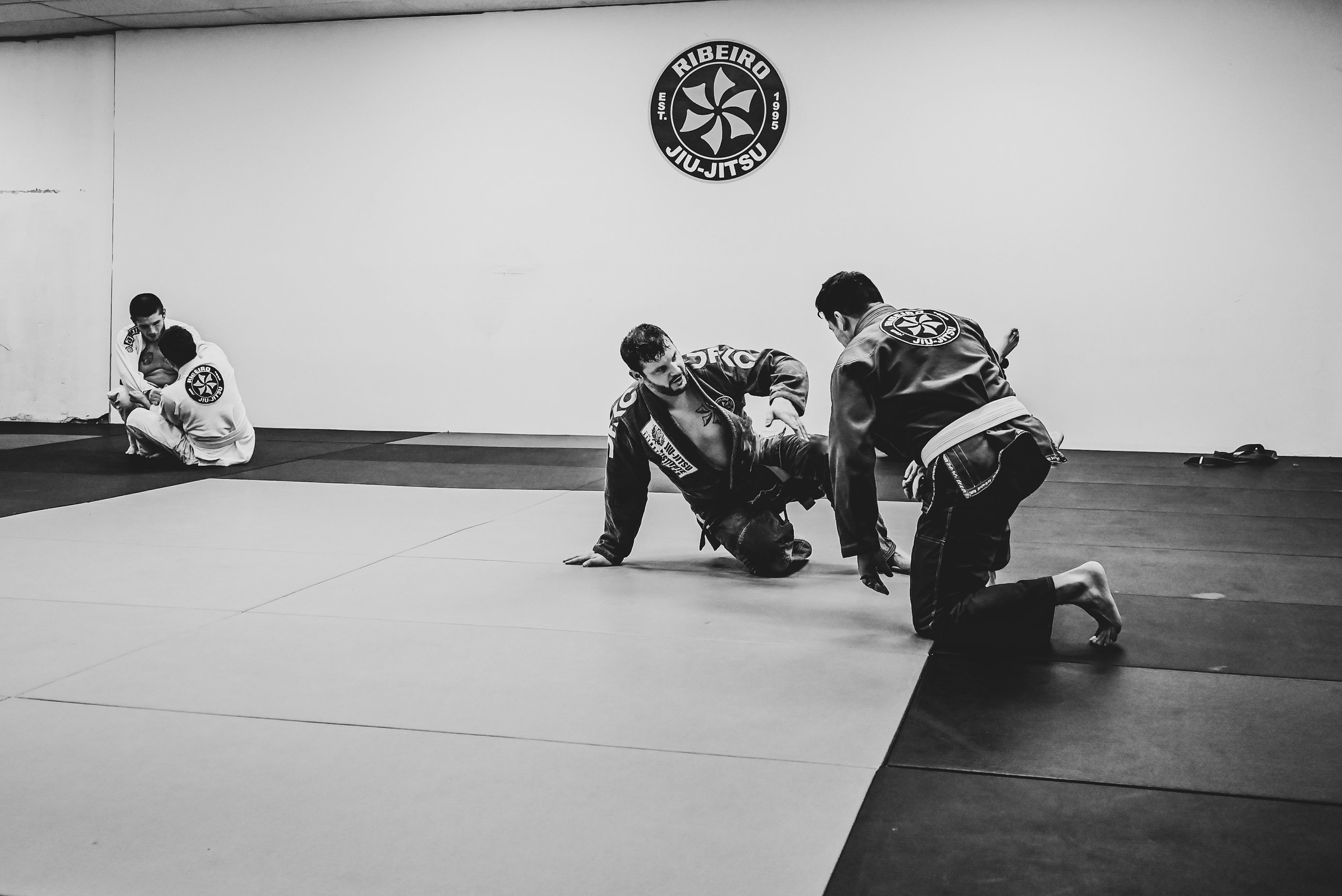
Modern workout clothes are made with fabrics and are designed to be helpful. These clothes help keep athletes cool or warm. They deal with sweat really well. They also let athletes move around naturally. For example, Men’s BJJ Rash Guards are designed to handle intense training, constant movement, and provide skin protection during grappling sessions.
Some research that will be published in 2025 talks about how the clothes athletes wear are made using science and knowledge about the body. These clothes help athletes feel comfortable and safe. They even help athletes do better. They control heat, deal with moisture and give the body the support it needs.
In the past athletic clothes were something to wear. Now the clothes athletes wear are like tools. The companies that make these clothes spend a lot of money on making the fabrics better, creating textiles and testing how well they work. This helps athletes feel comfortable not get distracted and do their best during workouts.
If athletes understand how their workout clothes affect their body they can pick the clothes and train even better. The right training apparel can make a difference, for athletes.
The Science Behind Performance Fabrics
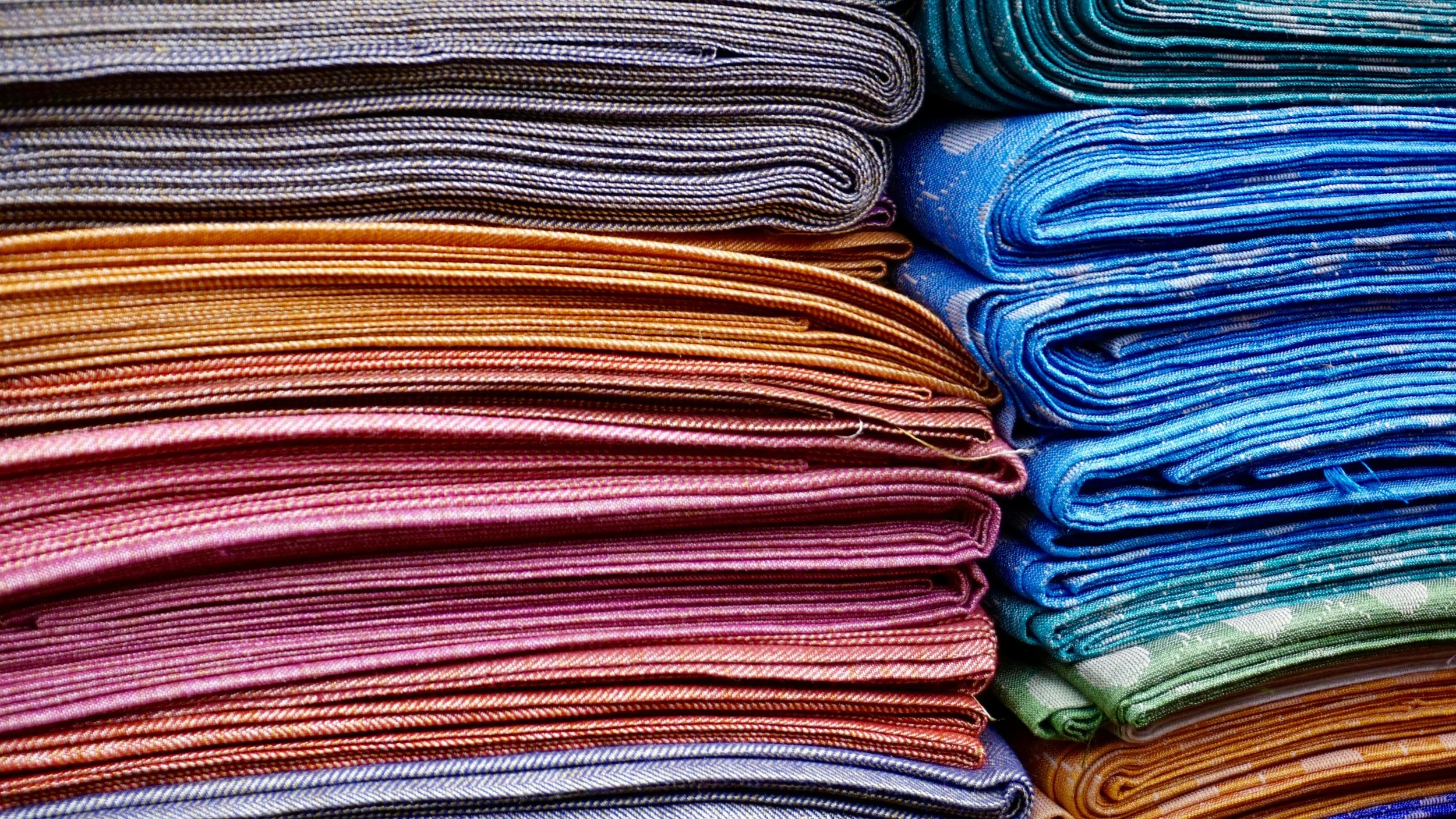
Modern activewear is designed from fabrics that function to regulate your comfort level. These fabrics control heat, transport sweat away from your skin and stretch with your body.
Moisture-Wicking and Thermoregulation
Sweating is your body’s cooling system. When sweat remains on your skin it becomes really irritating. Slows you down.
Moisture-wicking fabrics aid in this process by pulling sweat away from your skin and dispersing it so that it dries quickly.
Researchers are still working to improve how well fabrics manage sweat. They experiment with fabric structures and fibers. For example some fibers can absorb a lot of water. Dry quickly.
Keeping your body at the temperature is also important.
New fabrics use materials like compounds and fibers that help keep your body warm or cool.
These fabrics can release heat to keep you comfortable during exercise.
Some natural fibers like merino wool also help. A research program found that merino wool clothes help keep you comfortable during activities like cycling and climbing.
These features help athletes avoid getting too hot or cold. They prevent the feeling that can happen when sweat cools on your skin.
Compression and Muscle Efficiency
Compression clothes are popular in running, cycling and strength training. These clothes gently squeeze your muscles and joints.
Compression fabrics use materials like spandex.
Athletes often feel muscle vibration when wearing compression clothes.
Mobility and Range of Motion
When you are training for sports, you have to be comfortable. If your clothes are tight they can hinder you and cause injury.
You want to be able to move your arms and legs without anything holding you
Stretch Panels and Ergonomic Cuts
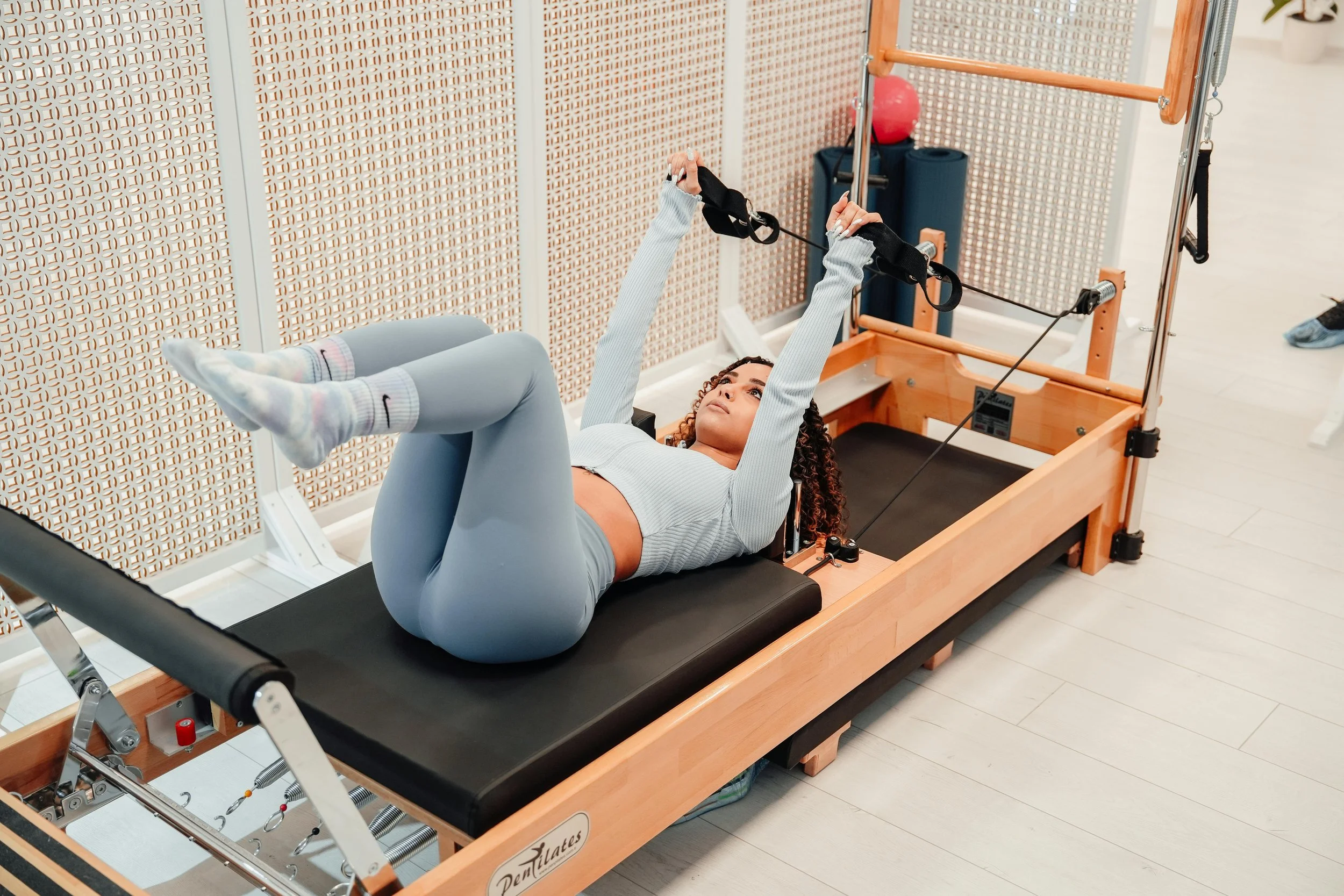
When you play sports the clothes you wear are really important. They are made to move with your body so you can feel comfortable. The fabric of sports clothes is special. It can stretch a lot, which's really helpful. This means you can run or jump and your sports clothes will not get in the way. Sports clothes are made like this so you can move freely.
The people who make these clothes often use different kinds of fabric in different areas. They add panels to the shoulders, hips and knees so you can move freely. The clothes are also cut in a way that follows the shape of your body.
This helps reduce friction so your clothes do not rub against your skin or get all bunched up when you are moving around.
Sport-Specific Design
Nowadays the clothes you wear when you train are made for sports. For example if you are a runner you want a shirt that will help keep you cool and dry. If you are lifting weights you want clothes that will support your muscles.
If you are playing sports outside you want clothes that will keep you warm and dry.
There are special clothes, for really hot or cold weather. For example, some football teams wear uniforms that help keep them cool in weather. This means athletes can stay comfortable and move freely no matter what sport they play or where they train.
Injury Prevention and Skin Protection
Training clothes can really help with injury prevention and skin protection. When clothes are made right they stop our skin from getting rubbed the way they help our muscles stay steady and they keep our skin safe from the outside world.
It is very important to keep our skin dry. When sweat stays on our skin it can make our skin get irritated. Clothes that pull sweat away from our skin help with this problem.
Sports clothes also have things like treatments that stop germs and protection from the sun. These things keep athletes safe when they are outside training for a time.
How long clothes last is important too. Clothes that do not get torn easily help keep our skin safe when we do things like run on trails, ride bikes or play sports that involve contact with people.
Psychological Performance Boost
What we wear is about more than just comfort. Our gear actually shapes how we think and feel during a workout. This mental edge happens whenever our clothes make us feel capable.
Enclothed Cognition
Psychologists call this Enclothed Cognition. It means our outfits change how well we perform. When athletes put on professional gear they often feel a surge of confidence.
Training clothes usually feature team colors or logos. These symbols remind athletes of their identity and their goals. It creates a mental lift that comes directly from the fabric.
When athletes feel good in their clothes they work harder. Keep going even when it is tough. They can focus better on what they're doing. The right clothes can actually make us do better by changing how we think.
Consistency and Routine
Athletes often wear specific clothes every time they train. This tells their brain that it is time to get to work.
This routine helps athletes not get distracted, to focus and get ready to perform. Wearing familiar clothes leads athletes to feel the best that they can be.
Durability and Long-Term Performance
Athletes’ training gear must withstand extreme stress. Athletes are constantly washing their clothes and wearing them, so they must be durable.”
Modern fabrics used in sportswear are made to resist stretching and shrinking. They are also made to not fall easily. Fabrics like polyester and nylon are strong. Can handle a lot of wear and tear but they are still light.
Some special coatings can be added to fabrics to help keep athletes cool and dry. This is because these coatings can help get rid of sweat and let air pass through the fabric.
Training apparel that is durable will keep working over time. This means athletes can train in their clothes for a time without having to replace them. It is very important for athletes because they need to be able to train. Durable training apparel helps athletes do this by not falling quickly.
The Rise of Technical Training Apparel
Global sportswear industry is investing heavily in materials and smart fabrics. Researchers are developing fabrics that shift with the weather and respond to our body temperature.
Technical Training Apparel is getting better and better. Some new textiles can even change how they reflect heat on their own.
The main aim is still the same. We want to help athletes stay comfortably focused and perform well during training. When they tested these textiles outside, the results were pretty cool.
Technical Training Apparel can lower the surface temperature by 3 to 4 degrees Celsius. It shows us what the future of performance clothing might look like. It might soon be able to control temperature track exercise or adjust fit while we're on the go.
We want to help athletes stay comfortable and focused so they can perform well.
Practical Guide: Choosing Performance-Enhancing Apparel
Fancy clothes are completely unnecessary for achieving good performance. Here are some easy things to consider that can make a difference.
✔ Get clothes that help keep you dry. Look for materials that dry quickly.
✔ Wear clothes that fit well. Workout clothes should move with your body, not in the way.
✔ Plan where to train. Warm, lightweight clothes are better and cold, layers.
✔ Check how well the clothes hold up over time. Good quality clothes keep their shape even after you wash them overtime.
✔ Verify that the clothes feel good on you when worn. Workout clothes should be natural and comfy.
These easy tips can help choose the best apparel that helps reach long-term fitness goals.
Conclusion
Training clothes are not things you wear to work out anymore. They are like tools that help you do your best. The materials they are made of do a lot of things. They keep you dry, they keep you cool or warm. This means you can focus on what you're doing and feel good while you are doing it.
Your clothing can also support your muscles’ sense of stability. They can also take you to a more confident place. To anyone who sweats, the right training gear matters. It may allow you the freedom to feel at ease and perform optimally. Simply put, training apparels are part of work outs.