

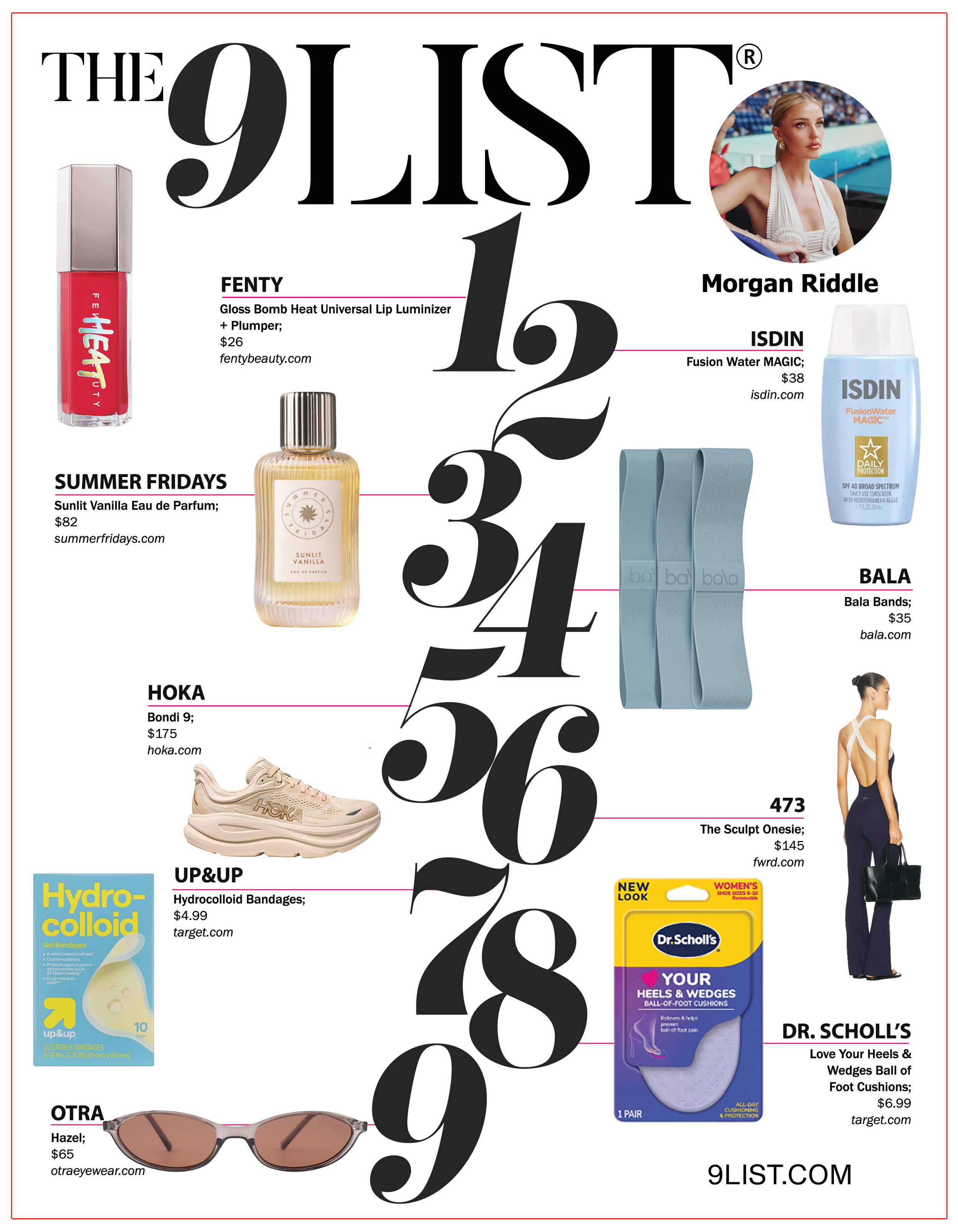

THE 9LIST
Read the MAR ISSUE #123 of Athleisure Mag and see THE9 LIST in mag.
Featured
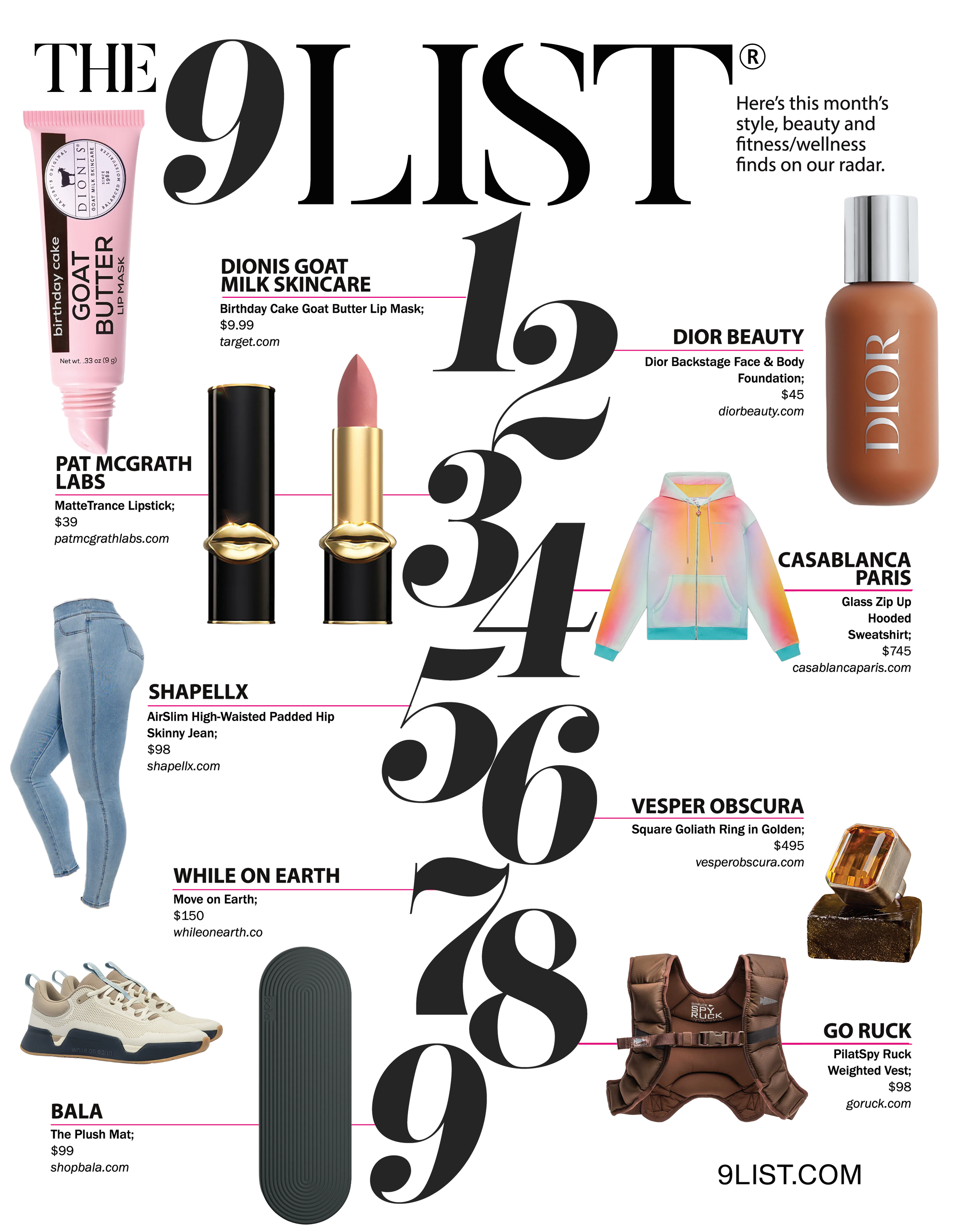
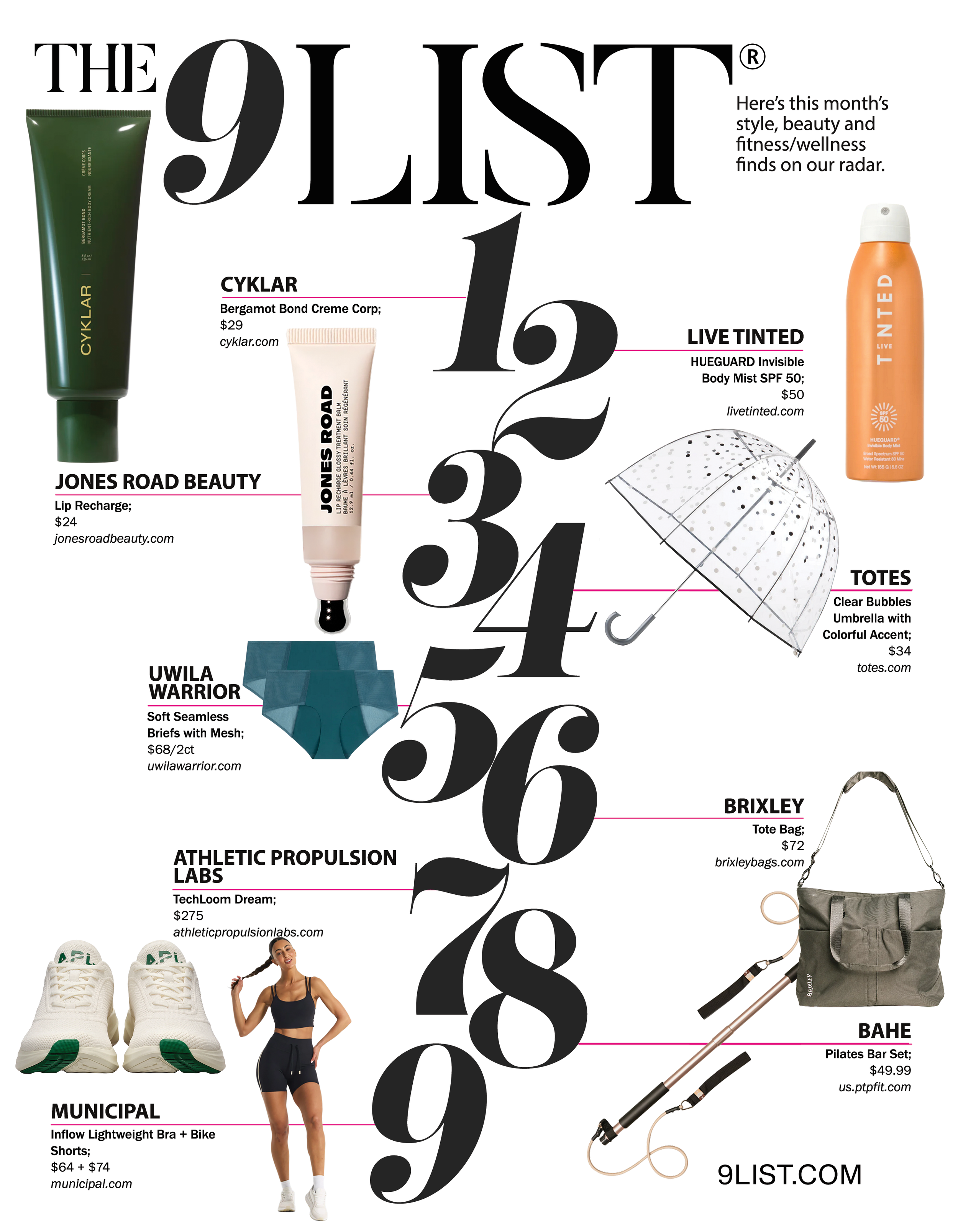
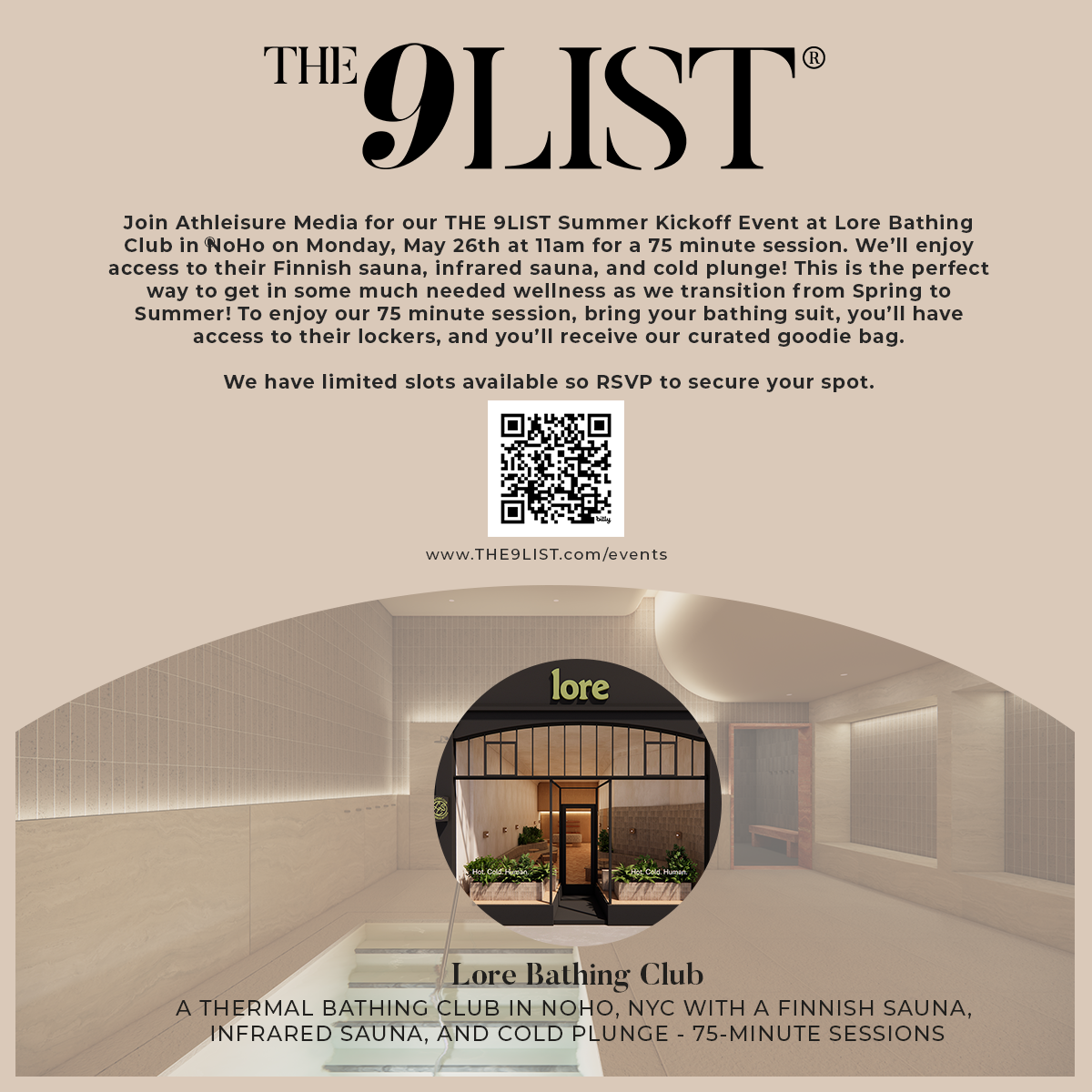

PHOTO CREDIT | Unsplash/Benjamin Davies
HOW FITNESS AND ADVENTURE ARE SHAPING ENGAGEMENT TRENDS
Engagements have always reflected cultural values, but today, they’re evolving faster than ever. For modern couples, the proposal is no longer confined to candlelit dinners or traditional settings. Instead, it’s happening on mountain summits, after marathon finish lines, during yoga retreats, and in the middle of spontaneous road trips.
At the intersection of wellness, fashion, and lifestyle, a new engagement narrative is taking shape, one driven by movement, shared experiences, and intentional living. For an audience that prioritizes both style and substance, this shift feels not only natural but inevitable.
The Rise of Experience-Driven Proposals
The modern engagement is less about spectacle and more about significance. Couples are increasingly choosing proposals that reflect who they are and how they live, often rooted in fitness, adventure, and personal growth.
This aligns with broader consumer behavior trends. Research from Eventbrite found that over 75 percent of millennials prioritize experiences over material goods. That mindset carries directly into how they approach milestones like engagements.
Instead of orchestrating a highly staged moment, many are opting for experiences they already love. Think sunrise hikes, post-workout celebrations, or destination trips that double as meaningful life moments. The result is an engagement that feels authentic, memorable, and deeply personal.
Fitness as a Shared Identity
For many couples, fitness is more than a routine, it’s a shared identity. Whether it’s training for races, attending boutique fitness classes, or prioritizing wellness routines together, these habits create a strong foundation for connection.
It’s no surprise, then, that fitness is increasingly becoming part of the engagement story.
Proposals at the finish line of a half marathon, during a scenic cycling route, or even after a challenging HIIT session are becoming more common. These moments carry emotional weight because they reflect commitment, not just to each other, but to a shared lifestyle.
From a cultural perspective, this represents a shift in what romance looks like. Strength, resilience, and growth are now just as important as tradition and symbolism.
Adventure as the New Romance Language
Adventure has become a defining element of modern relationships. Travel, exploration, and stepping outside of comfort zones are no longer occasional luxuries, they’re core lifestyle pillars.
This is especially true among younger generations. According to a report by Allied Market Research, the global adventure tourism market is expected to exceed $1 trillion by 2030, driven largely by demand from millennials and Gen Z.
Engagements are naturally following this trend.
From proposals on remote beaches to off-grid overlanding trips and national park adventures, couples are choosing settings that feel expansive and meaningful. These environments elevate the moment, turning a proposal into a story worth telling, and retelling.
Adventure also introduces an element of unpredictability, which can make the experience feel more genuine. It’s less about perfection and more about presence.
Athleisure Influence on Engagement Style
As fitness and lifestyle continue to merge, fashion is playing a subtle but important role in engagement trends.
Athleisure has redefined how people dress, not just for workouts, but for everyday life. Comfort, versatility, and style now coexist, influencing everything from travel wardrobes to proposal outfits. This same mindset is reshaping how couples approach one of their biggest purchases: the engagement ring.
That shift is showing up in both design and buying behavior.
Modern couples are gravitating toward rings that align with active lifestyles. Low-profile settings, durable metals, and minimalist aesthetics are becoming increasingly popular. Rings are no longer reserved for special occasions, they’re designed to be worn seamlessly throughout daily activities, from workouts to long-haul travel.
At the same time, there’s a growing move toward secondhand engagement rings. Beyond their sustainability appeal, pre-owned rings often come at a significantly lower price point, allowing couples to reallocate their budget toward experiences, especially travel. For many, that means turning a traditional ring upgrade into a once-in-a-lifetime destination proposal, honeymoon, or extended adventure.
This shift reflects a broader change in priorities: experiences over excess, flexibility over formality all of which make it easy to choose Twice Loved and other ring resellers. .
There’s also rising demand for stackable rings and alternative stones, giving couples more ways to personalize without sacrificing practicality or overspending.
In many ways, engagement jewelry is becoming an extension of lifestyle, just like athleisure itself, where thoughtful design, financial flexibility, and a passion for experience all come together.
Social Media and the Power of Storytelling
Fitness and adventure-based engagements are inherently shareable. Whether it’s a mountaintop proposal or a post-run surprise, these moments translate well across platforms like Instagram and TikTok.
But beyond aesthetics, what resonates most is the story.
Audiences are drawn to authenticity, real moments that reflect genuine emotion and connection. A proposal captured mid-hike or after a fitness milestone feels relatable and inspiring, especially within wellness-focused communities.
This has contributed to the rise of micro-trends, where specific types of proposals gain traction within niche audiences. For example, “race day proposals” or “travel engagement diaries” have become recognizable formats.
For couples, this adds another layer of meaning. The proposal isn’t just a private moment, it becomes part of a broader narrative shared with their community.
Wellness and Intentional Living
At its core, the shift toward fitness and adventure-based engagements reflects a deeper emphasis on wellness and intentional living.
Today’s couples are more mindful about how they spend their time, energy, and resources. This extends to how they approach major life milestones.
Rather than adhering to traditional expectations, they’re asking: What feels right for us?
This mindset has led to a more holistic approach to engagements, one that prioritizes mental, emotional, and physical well-being. Proposals are less about external validation and more about internal alignment.
Even wedding planning is being influenced by this perspective, with couples incorporating wellness elements like fitness routines, mindfulness practices, and destination experiences into their celebrations.
The Role of Sustainability
Sustainability is another factor shaping modern engagement trends. As outdoor experiences become more central to relationships, there’s a growing awareness of environmental impact.
Couples who spend time hiking, traveling, or exploring nature often develop a stronger connection to the environment. This can influence their choices when it comes to engagement rings, travel, and even wedding planning.
Lab-grown diamonds, recycled metals, and ethically sourced materials are gaining traction as consumers seek options that align with their values.
This shift reflects a broader movement toward conscious consumption, one that intersects naturally with both wellness and adventure lifestyles.
Redefining Tradition Without Losing Meaning
While fitness and adventure are reshaping engagement trends, they’re not replacing tradition entirely. Instead, they’re redefining it.
The symbolism of commitment, partnership, and future-building remains at the heart of every engagement. What’s changing is how that symbolism is expressed.
A proposal during a sunrise hike can carry just as much meaning as one in a formal setting, if not more. It reflects shared values, mutual interests, and a vision for the future.
This evolution allows couples to honor tradition while making it their own.
What This Means for the Future of Engagements
Looking ahead, the influence of fitness and adventure on engagement trends is likely to continue growing.
As wellness becomes more integrated into daily life and travel becomes more accessible, proposals will increasingly reflect these priorities. Technology may also play a role, with wearable fitness data, location-based storytelling, and digital content shaping how moments are captured and shared.
At the same time, the emphasis on authenticity will remain constant.
Couples will continue to seek experiences that feel genuine, meaningful, and aligned with their lifestyles. Whether that’s a quiet moment after a workout or a bold adventure in a remote location, the focus will be on connection over convention.
Final Thoughts
Engagements are evolving, and in many ways, they’re becoming more reflective of real life.
Fitness and adventure have introduced a new dimension to how couples celebrate their commitment. They’ve shifted the focus from performance to presence, from tradition to personalization, and from material to meaningful.
For a generation that values movement, wellness, and shared experiences, this transformation feels not just relevant, but refreshing.
And perhaps that’s the most important takeaway: the best engagements aren’t defined by where they happen, but by how deeply they resonate with the people at the center of them.
Featured


HOW DOES CANNABIS FIT INTO AN ACTIVE LIFESTYLE IN 2026?
Recovery is half the fitness equation. You can train hard every day, but without proper rest and muscle recovery, performance plateaus and injuries follow. As cannabis legalization expands across North America, a growing number of active adults are adding cannabis-based products to their recovery toolkit.

PHOTO CREDIT | Pexels/Gustavo Fring
Canadian dispensaries like BuyMyWeed have seen growing demand from fitness-conscious customers who use topicals, CBD products, and low-dose edibles specifically for post-workout recovery rather than recreation. This shift reflects a broader change in how active communities view cannabis: less as a party substance and more as a functional wellness product.
Why Are Athletes and Active Adults Exploring Cannabis?
The primary driver is inflammation management. Intense exercise creates micro-tears in muscle tissue, and the resulting inflammation causes the soreness and stiffness that follow hard training sessions. Cannabinoids, particularly CBD, interact with the body's endocannabinoid system in ways that research suggests may help manage inflammatory responses.
According to the World Anti-Doping Agency, CBD was removed from the prohibited substances list in 2018, opening the door for competitive athletes to use CBD products without risking sanctions. THC remains prohibited in competition, but out-of-competition use policies vary by sport and governing body.
Beyond inflammation, sleep quality drives much of the interest. Poor sleep undermines recovery, hormone balance, and next-day performance. Low-dose cannabis products taken before bed can help some users fall asleep faster and stay asleep longer, which directly supports the recovery process.
What Cannabis Products Are Most Popular Among Active Adults?
Different products serve different recovery needs. Here is how fitness-focused consumers typically use them.
CBD topical creams and balms applied directly to sore muscles and joints. These provide localized relief without any psychoactive effect and are the most common entry point for active adults.
CBD oil tinctures taken sublingually (under the tongue) for systemic anti-inflammatory effects. Dosing is precise and easy to adjust.
Low-dose THC edibles (2.5 to 5 mg) taken 60 to 90 minutes before bed to support deeper sleep. The low dose produces relaxation without strong intoxication.
CBD-infused protein bars and recovery drinks that combine cannabinoids with standard post-workout nutrition.
Transdermal patches that deliver a steady dose over several hours, ideal for overnight recovery.
Bath products (CBD bath bombs and soaks) that combine warm water muscle relaxation with topical cannabinoid absorption.
The common thread is precision. Active users want controlled, predictable doses that support specific recovery goals without impairing next-day performance.
What Does the Research Actually Say?
The science is promising but still developing. According to the National Institutes of Health, preclinical studies show that cannabinoids have anti-inflammatory and analgesic properties, though large-scale clinical trials specific to exercise recovery are still underway.
What the existing research supports clearly is the sleep benefit. Multiple studies have found that CBD reduces sleep onset latency (the time it takes to fall asleep) and may increase total sleep duration. Since sleep is the single most important recovery factor for active adults, this benefit alone justifies the interest from the fitness community.
The anti-inflammatory evidence is strongest for topical application. CBD applied directly to skin over sore muscles shows consistent results in reducing localized discomfort in preliminary studies. Systemic effects (from oral consumption) are more variable and dose-dependent.
How Should Active Adults Approach Cannabis for Recovery?
Responsible use requires the same discipline that fitness demands in every other area. Here is what matters.
Start with CBD-only products if you are new to cannabis. CBD provides anti-inflammatory and sleep benefits without intoxication, making it the lowest-risk starting point.
Use the minimum effective dose. More is not better. Start with 10 to 15 mg of CBD or 2.5 mg of THC and increase gradually only if needed.
Time it around training. Apply topicals immediately post-workout. Take oral products 60 to 90 minutes before bed, not before training sessions.
Check your sport's rules. While CBD is generally permitted, THC policies vary by sport and competition level. Know the rules before your next event.
Buy from licensed retailers. Legal dispensaries sell tested products with verified potency and ingredient lists. Unregulated products carry contamination and dosing risks.
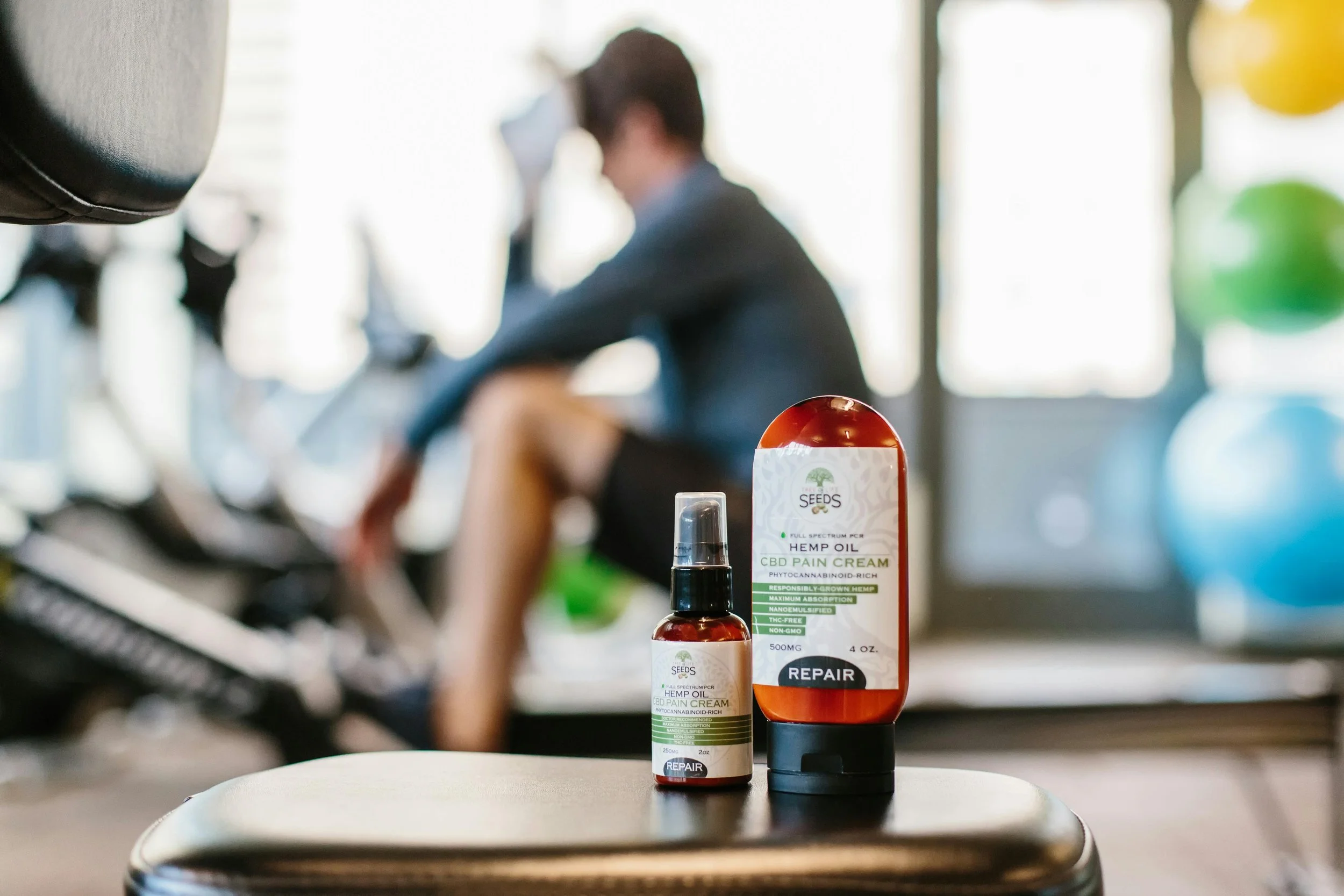
PHOTO CREDIT | Pexels/Tree of Life Seeds
Treating cannabis like any other supplement, with research, appropriate dosing, and clear purpose, produces the best outcomes and the fewest surprises.
Is Cannabis Replacing Traditional Recovery Methods?
No, and it should not. Cannabis products work best as one component within a broader recovery strategy that includes sleep, nutrition, hydration, stretching, and rest days. Replacing ice baths, foam rolling, or sleep hygiene with cannabis alone misses the point entirely.
The most effective approach is additive. An athlete who already sleeps well, eats properly, and manages training load can explore cannabis as an additional tool that may improve one or two specific aspects of recovery. Those who use it to compensate for poor fundamentals will be disappointed.
The fitness community's embrace of cannabis mirrors its earlier adoption of other wellness tools: meditation apps, cold exposure, and adaptogens all went through similar cycles of curiosity, hype, and eventual integration into evidence-based routines.
Active Recovery Takeaways
CBD topicals and low-dose edibles are the most popular cannabis recovery products among active adults.
CBD was removed from the WADA prohibited list in 2018, though THC remains restricted in competition.
Sleep improvement is the most consistently supported benefit of cannabis for recovery.
Start with CBD-only products at the minimum effective dose and adjust gradually.
Cannabis supplements, not replaces, traditional recovery methods like sleep, nutrition, and rest.
Buy only from licensed retailers to guarantee tested potency and ingredient safety.
Recovery Is Personal
What works for one athlete may not work for another. Cannabis is a tool, not a miracle. The active adults getting the most value from it are the ones who approach it with the same discipline they bring to their training: research first, start conservatively, and measure the results honestly.
FAQ
Is CBD legal for competitive athletes?
CBD is permitted by WADA and most major sports governing bodies. However, THC remains prohibited in competition. Check your specific sport's anti-doping policy before using any cannabis product.
Will cannabis make me less motivated to work out?
Low-dose CBD products do not produce the sedation associated with high-THC cannabis. Most active users report no impact on training motivation when using CBD for recovery rather than recreation.
How quickly do CBD topicals work on sore muscles?
Most users report feeling relief within 15 to 30 minutes of applying a CBD topical to the affected area. The effect typically lasts two to four hours depending on the product concentration.
Can I use cannabis products before a workout?
CBD topicals can be applied before exercise for pre-emptive joint support. However, oral THC products should not be used before training as they can impair coordination, reaction time, and focus.
Featured

PHOTO CREDIT | Unsplash/Maria Orlova
WHAT RESULTS CAN PATIENTS HONESTLY EXPECT FROM TEPEZZA TREATMENT FOR TED?
Thyroid eye disease (TED) can have a tremendous impact on one being able to feel confident and comfortable. Many people experience swelling and pain, which change their appearance. Tepezza, a novel treatment, brings hope with what it can offer. Knowledge of realistic results from this therapy allows individuals to make educated decisions and have realistic expectations.
How Tepezza Works
Tepezza gets administered via IV infusion. Its primary function is to relieve the inflammation and swelling that may occur in the back of the eyes. This drug interrupts the process of tissue expansion by specifically targeting proteins in the body. Patients typically receive multiple infusions every few weeks, according to a schedule established by a healthcare professional. The objective of every dose is to reduce symptoms gradually and bring the eye back to its normal state of functioning.
Potential Improvements for Patients
Typically, individuals undergoing Tepezza treatment for TED seek relief from the discomfort and swelling visible on the surface. After several treatments, most people observe a decrease in eye bulging. It may also lead to improvements in double vision, which can help with daily functioning. For some, the position of the eyelid returns closer to normal, contributing to facial balance. A decrease in the frequency of pain or pressure behind the eyes facilitates a greater overall sense of well-being.
Expected Timeline for Changes
Changes from Tepezza infusions usually happen slowly. Some patients may observe noticeable results after the first few treatments. In other cases, improvement is less obvious, taking months at a time. Regular check-ups allow healthcare teams to observe results and change plans where needed. Each person responds differently to therapy, often more slowly than they would like, so patience is vital.
Possible Side Effects and Considerations
Every medical intervention involves some risk. Side effects observed in patients treated with Tepezza include muscle cramps, nausea, or changes in taste. Only a few patients may experience ear-related problems or a rise in blood sugar. The majority of side effects are manageable and decrease after treatment stops. Speaking with care providers helps alleviate concerns and keeps the patient safe.
Limitations of Treatment
Tepezza does not work the same for everyone. For some there are dramatic changes, while others may notice modest improvements. In some cases, symptoms may not disappear even after completing the therapy. The drug treats inflammation and swelling, but not all patients will achieve complete recovery from double vision and eye movement. Even after completing antibiotics, some individuals may still require surgery.
Who Benefits Most from Tepezza?
The treatment is largely effective for those individuals with moderate to severe thyroid eye disease. Patients initiating treatment in the active phase of inflammation often have the best outcomes. If you take action quickly, you can reverse changes without permanent implications to your eye structure. Individuals with longstanding or quiescent diseases may experience a drastic and relatively different impact than those without them. Reaching out to a specialist helps determine if Tepezza is the right path for you.
Setting Realistic Expectations
Effective communication sets realistic patient expectations. Either their eyes look better, feel better, or both most of the time. A complete resolution of all symptoms is rare. Start by making realistic goals to limit disappointment and increase satisfaction with the process. Assistance from health experts, friends, and relatives creates an optimistic atmosphere for the therapy.
The Importance of Ongoing Care
Follow-ups are critical, even after completing Tepezza. Monitoring helps to resolve any issues quickly, should they occur. Other interventions, such as eyeglasses, topical medications, or surgery, may be necessary. Maintaining frequent contact with a healthcare team yields the best results and will help ensure long-term eye health.
Conclusion
Those suffering from thyroid eye disease will be glad to hear about the availability of Tepezza, which can give them hope. Tepezza improves comfort and appearance and considerably reduces swelling, making a crucial difference in the patient's experience. With results varying, a majority of patients feel satisfied and confident once again. A thoughtful discussion between the patient and provider will help set realistic expectations for the therapy.
Featured


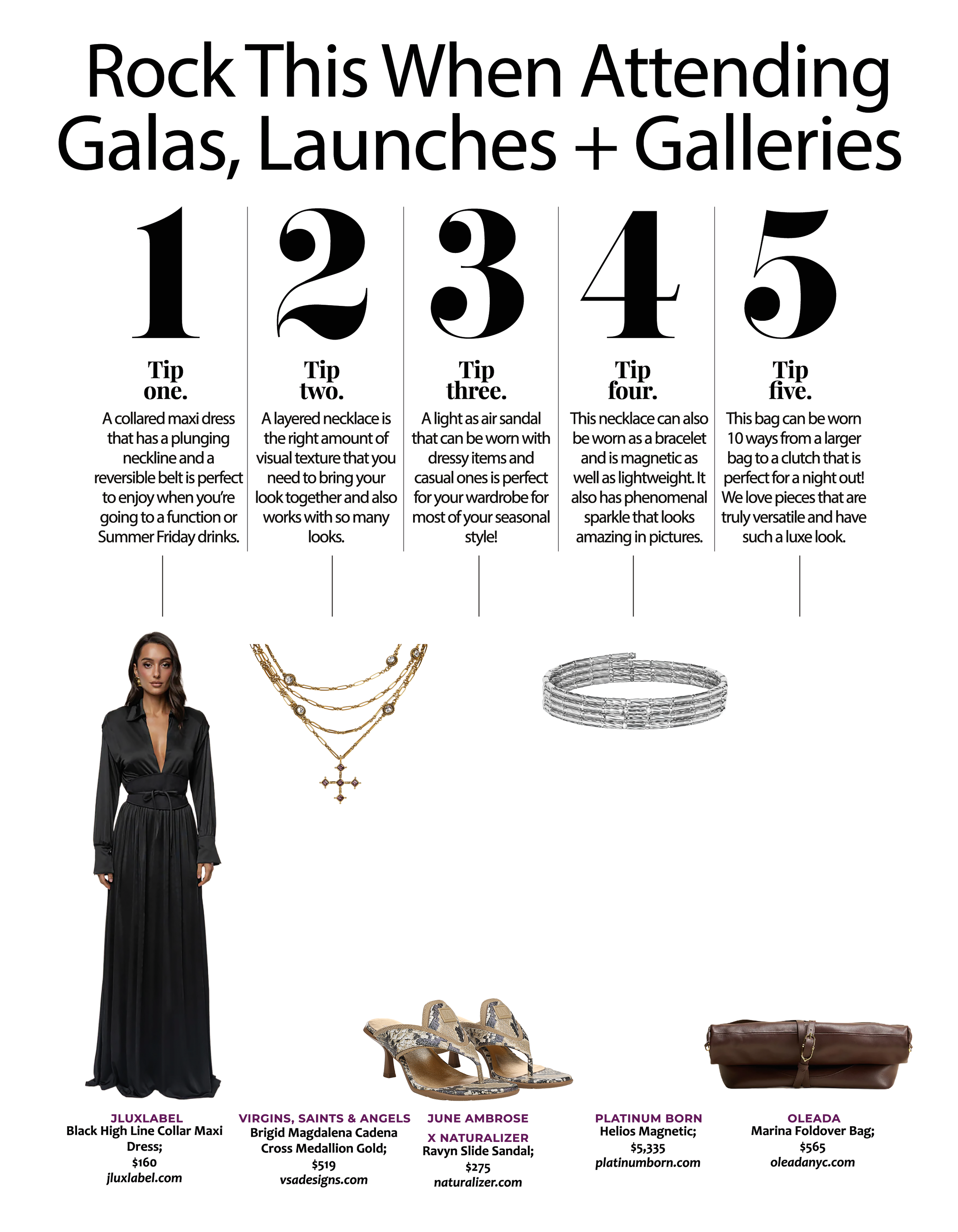
9LOOKS | LACOSTE
Read the MAR ISSUE #123 of Athleisure Mag and see 9LOOKS | Lacoste in mag.
Featured



PHOTO CREDIT | Unsplash/Yves Scheuber
ULTIMATE FITNESS-FRIENDLY CASINO TRAVEL GUIDE: VEGAS, ATLANTIC CITY & MACAU
Most people don't think about their gym routine when booking a casino trip. But if you've spent any time trying to stay active while traveling, you know the difference between a property that actually supports your fitness goals and one that sticks a few dusty treadmills in a windowless basement and calls it a fitness center.
Casino resorts have changed a lot over the past few years. The major players in Vegas, Atlantic City, and Macau have invested seriously in wellness infrastructure — proper gyms, spas, recovery suites, and even outdoor fitness options that rival dedicated health clubs. This guide breaks down what each destination actually offers, so you can enjoy the casino floor without completely walking away from the lifestyle you've built.
Las Vegas: The Strip Has Upgraded Its Fitness Game
Vegas is an easy city to fall off your routine in. Late nights, open bars, buffets at every corner — it's practically engineered for excess. But the resort landscape has shifted. Several Strip properties now take fitness seriously enough to attract athletes, not just guests who want to burn off last night's decisions.
Resorts World Las Vegas stands out as probably the best gym experience on the Strip right now. The Resorts World fitness center is built with personalized fitness programming in mind and features a dedicated Stretch & Recovery Zone powered by Therabody — which is a rare find in a hotel setting. We're talking Peloton bikes, turf strips for sled pushes and battle ropes, Olympic lifting equipment, and a full recovery station with Theraguns and vibrating rollers available for guest use at no extra charge. The facility runs from 6am to 8pm daily, and the natural light inside the gym is something reviewers consistently call out. Hotel gyms are usually dark. This one isn't.
Off the Strip in Summerlin, the JW Marriott Las Vegas Resort & Spa takes a different approach — pairing the Rampart Casino with a 36-treatment-room spa called Spa Aquae, a full gym, and 50 acres of garden landscape that invites actual outdoor movement. If you want the casino experience without being consumed by the Strip's energy, this property is worth the 20-minute drive from the action.
Worth noting for players who like to game online when traveling: publications like best slots for Canadians roundups have grown significantly in recent years, reflecting how many people now balance in-person casino trips with digital play on regulated platforms. The convergence of fitness travel and online gaming is a real trend — people want the full resort experience while staying connected to the games they enjoy at home.
For outdoor movement in Vegas, Red Rock Canyon is 20 minutes from the Strip and offers hiking, climbing, and cycling routes that are genuinely world-class. A morning trail run there before an afternoon on the casino floor is a very good day.
Atlantic City: Boardwalk Runs and Serious Gym Options
Atlantic City doesn't get enough credit from the fitness-minded traveler. The Boardwalk alone offers a natural running and walking route that most city gyms can't match — miles of flat, ocean-side pavement with sea air and, depending on the time of day, serious atmosphere. It's one of the better casual workout environments you'll find attached to a casino destination.
The gym infrastructure inside the casinos has also improved. Ocean Casino Resort's Mussels Fitness Center was recently renovated and now features a full Peloton lineup (bikes and rowers), Concept 2 rowers, Hammer Strength equipment, a yoga space, and free weights going up to 125 lbs. That's not a hotel gym — that's a gym. The Exhale Spa + Bathhouse next door adds a Himalayan Salt Grotto and jetted pool for recovery. Ocean is right on the Boardwalk with direct beach access, which means you can actually run on sand after a session inside.
Hard Rock Hotel & Casino Atlantic City operates the Body Rock Fitness Center, partnered with Technogym for equipment. It's available exclusively to hotel guests and skews toward the performance end of fitness — a fitting choice given the brand. Hard Rock's Rock Spa sits alongside for recovery and spa treatments.
A newer addition worth knowing about: Fusion Gyms opened an outdoor fitness complex adjacent to the Showboat Hotel on the northern end of the Boardwalk in summer 2025, featuring weights, basketball and pickleball courts, and ocean views. It's a membership-based facility but signals the direction Atlantic City is moving. The casino corridor is actively adding fitness options that extend beyond what's inside the hotels.
For context on how the casino market here is performing: Atlantic City's nine casinos brought in nearly $1.38 billion in gaming revenue in the first half of 2025, up 1.7% year over year. The city is growing its appeal beyond pure gambling, and wellness amenities are a real part of that push.
Macau: Luxury Wellness at the World's Biggest Casino Market
Macau operates at a different scale. This is the highest-volume gaming market in the world by revenue, and the mega-resorts that anchor Cotai Strip and the peninsula have invested in wellness to match their ambitions. If you're visiting for the casino scene, the fitness options available to you are genuinely impressive.
Grand Lisboa Macau features a full-service spa, outdoor heated pool, jacuzzi, steam room, sauna, and a well-equipped fitness center. The property is five-star by any measure and sits steps from the Grand Lisboa Casino, making it one of the more convenient bases for someone who wants to game hard and recover properly. The hotel's spa opens daily and the pool setup makes it easy to decompress between sessions on the floor.
Wynn Palace on Cotai Strip sits at the top end of the spectrum. Reviewers consistently highlight the spa as among the best in Macau — and that's saying something in a market that includes Four Seasons Macao and the St. Regis Macao. Wynn Palace is built around a cable car and floral art installation that runs across a performance lake — it's visually unlike anything else in the casino world. The fitness center and spa are designed to feel like a retreat from the chaos of the gaming floor, and they largely succeed.
One practical note for fitness travelers in Macau: the city is walkable in ways that surprise first-time visitors. The Historic Centre is a UNESCO World Heritage Site, and walking between the peninsula and Cotai by ferry and foot covers real ground. Plan a morning walk through the old town before casino hours and you'll cover more steps than most gym sessions without it feeling like exercise.
Quick Reference: Fitness Picks by Destination
Las Vegas: Resorts World Las Vegas (best Strip gym); JW Marriott Las Vegas for off-Strip wellness calm
Atlantic City: Ocean Casino Resort (Mussels Fitness Center + Exhale Spa); Hard Rock Body Rock Fitness Center
Macau: Wynn Palace (top-tier spa); Grand Lisboa Macau (full wellness package in a central location)
How to Actually Stay on Track at a Casino Resort
Knowing what the properties offer is one thing. Using it is another. Casino environments are specifically designed to keep you inside and sedentary — no clocks, no windows, free drinks, comfortable seating. Staying active requires a bit of intentionality.
A few things that actually work: book your gym session the night before the way you'd book a dinner reservation. Treat it as fixed in the schedule. Early morning workouts are the easiest to protect in a casino environment because nothing on the gaming floor is competing for your attention at 6am. Pack resistance bands — they weigh nothing, and on days when the hotel gym is packed or you're short on time, you can get a solid session in your room.
According to WHO physical activity guidelines, adults benefit from at least 150 minutes of moderate movement per week. On a five-day casino trip, that's 30 minutes a day — completely achievable even with a full itinerary of gaming, dining, and shows. The Boardwalk run, the morning gym session, the walk between properties — it adds up faster than you think.
Hydration is worth treating seriously too. Casino floors are typically air-conditioned to low humidity, which accelerates dehydration without making you feel it. Pair that with alcohol and you're running a deficit before you've even thought about a workout. The Resorts World property actually highlights their advanced water filtration systems as a wellness feature — small detail, but it signals the kind of attention these properties are starting to pay to the full health picture.
The Bigger Picture
Casino travel and active lifestyles used to feel like opposites. They're not anymore, at least not if you choose the right property. The major resorts in all three destinations covered here have made real investments in fitness and wellness — not as an afterthought, but as a competitive differentiator for a traveler demographic that wants everything at once.
For more on the intersection of active travel and entertainment destinations, the Athleisure Mag travel section covers properties and destinations where fitness meets lifestyle — from spa resorts to adventure travel to urban wellness experiences.
The bottom line: a casino trip doesn't have to mean putting your routine on hold. With a little planning and the right property, it's entirely possible to sleep well, train well, and still have a great time at the tables.
Featured
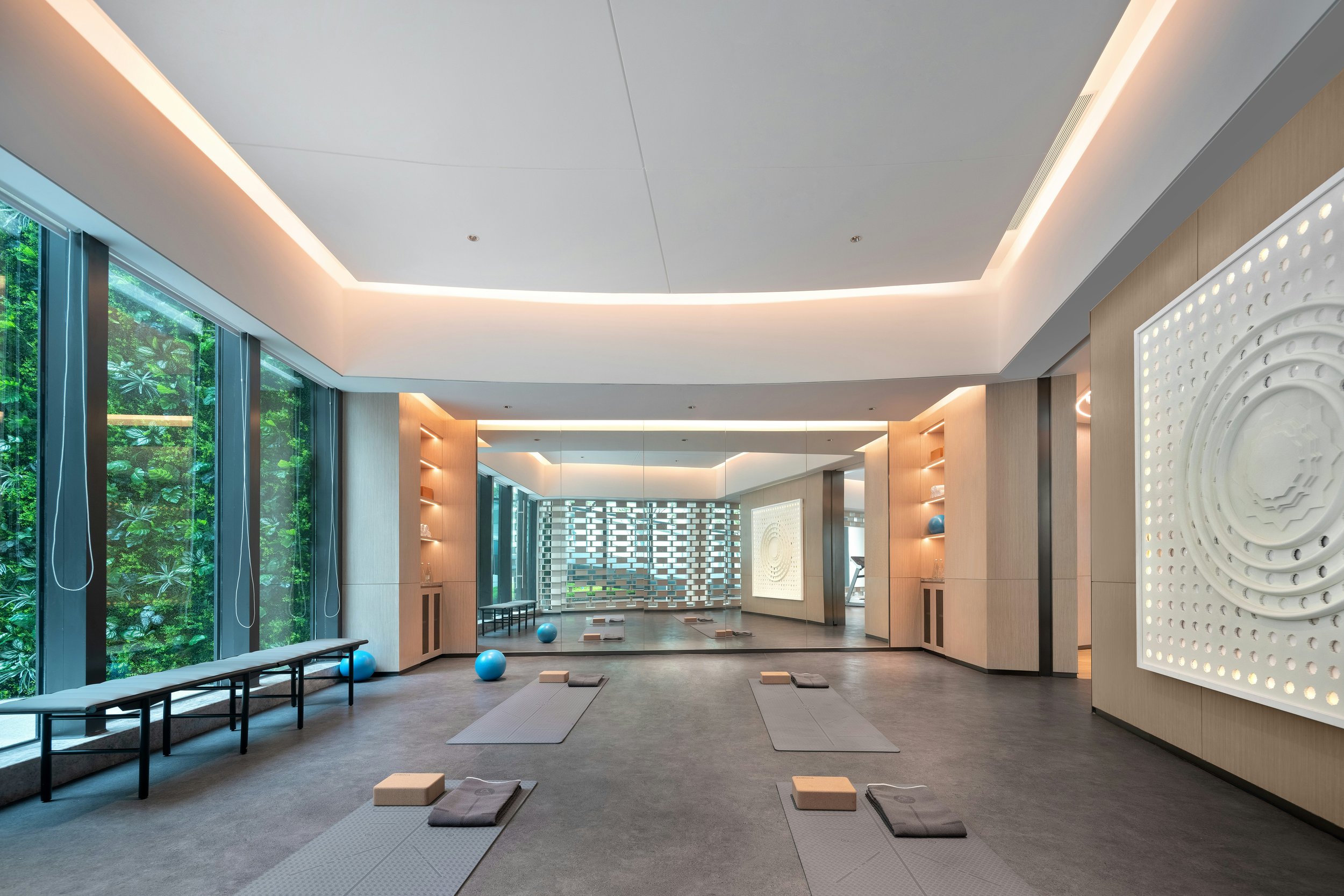
PHOTO CREDIT | Unsplash/eran design
DO WEIGHTED VESTS HELP YOU LOSE WEIGHT?
Many people struggle with slowing weight loss or hitting fitness plateaus, even when they exercise regularly. This has led to growing interest in tools and techniques that can make workouts more effective without requiring extra time or complicated routines. One such tool is the weighted vest—a simple garment designed to add extra weight to your body during everyday movement and exercise. But the question remains: can wearing a weighted vest actually help you lose weight, or is it just a fitness trend?
Do Weighted Vests Help You Lose Weight?
Weighted vests can help with weight loss by making your workouts more intense and increasing the number of calories you burn during activities like walking, running, or bodyweight exercises, but their overall impact is relatively modest; they are best seen as a way to enhance an existing routine rather than a primary fat-loss solution. To be effective and safe, the vest should typically weigh about 5–10% of your body weight and be used alongside a consistent exercise program and a calorie-controlled diet, since sustainable weight loss ultimately depends more on maintaining a calorie deficit than on adding extra resistance alone.
How Do Weighted Vests Help You Lose Weight?
At a basic level, wearing a weighted vest increases the physical demand placed on your body, meaning even simple movements like walking, climbing stairs, or doing bodyweight exercises require more effort. This added resistance pushes your body to burn more calories, elevate heart rate, and recruit more muscle fibers compared to the same activity without extra load. Over time, this higher energy output can contribute to a greater overall calorie deficit—one of the key drivers of fat loss.
Beyond the obvious increase in effort, there is also a growing body of research exploring how the body responds to external loading. One theory, often referred to as the “Gravitostat,” suggests that the body may regulate fat stores based on perceived weight. When additional load is applied through a vest, the body could interpret this as increased body mass and respond by reducing fat while maintaining lean tissue. Although this mechanism is still being studied, it offers an interesting explanation for why weight loading may influence body composition, not just calorie burn.
Practical testing and performance tracking further highlight these benefits. When individuals wear weighted vests for walking, they tend to spend more time in moderate-intensity heart rate zones (often associated with efficient fat utilization). During higher-intensity workouts such as interval training, the added load can significantly increase workout strain, pushing both cardiovascular and muscular systems to work harder. This means you can achieve a more effective workout in the same amount of time, improving efficiency for people with limited training windows.
Another important advantage is how weighted vests enhance strength and functional fitness. Because the weight is distributed close to your center of mass, your core, hips, and stabilizing muscles are constantly engaged to maintain balance and posture. This not only supports muscle development but also improves coordination and movement control in everyday activities. Unlike isolated gym machines, this type of resistance more closely mimics real-life movement patterns, making it highly practical.
Weighted vests can also play a role in breaking through fitness plateaus. If your body has adapted to your usual routine, adding load is a simple way to progressively increase difficulty without needing to completely change your workout. Additionally, for individuals who prefer low-impact exercise—such as walking instead of running—a vest provides a way to boost intensity without increasing joint stress from higher speeds or more explosive movements (though the weight should always be kept within a safe range).
Finally, consistency remains the most important factor in weight loss, and this is where weighted vests can be especially useful. By making everyday activities more effective—like walking the dog, commuting on foot, or doing household tasks—they help turn routine movement into meaningful calorie-burning opportunities. When combined with proper nutrition, adequate recovery, and a structured exercise plan, weighted vests become a powerful tool to enhance results rather than replace the fundamentals.
How Long Does It Take to Lose Weight with a Weighted Vest?
The timeframe for seeing weight loss results from using a weighted vest can vary widely depending on factors like your starting fitness level, body composition, activity type, and diet.
On average, many people notice measurable changes within 6 to 10 months of consistent use, though some may see minor improvements in as little as 8–12 weeks if paired with a structured exercise and nutrition plan. The process tends to be gradual, as the vest enhances calorie burn and workout intensity rather than creating an instant fat-loss effect.
Several factors can influence the speed of results. A slower metabolism, for instance, may reduce the number of calories burned per day, while joint discomfort or pre-existing injuries might limit how often or intensely the vest can be used. Additionally, if muscle mass is not maintained through strength training, some users may experience a slight decrease in lean tissue, which can affect overall metabolism and slow progress.
To maximize results safely, it’s recommended to start with a lighter vest (around 5–10% of body weight) and gradually increase the load as your strength and endurance improve. Pairing weighted vest workouts with low-impact cardio like walking, hiking, or bodyweight circuits helps protect joints while maintaining high calorie expenditure. Equally important is following a balanced, calorie-conscious diet rich in protein, fiber, and micronutrients to support fat loss, preserve muscle, and fuel recovery.
Consistency is key: using the vest regularly during daily activities and workouts, while gradually increasing intensity, can accelerate results without overloading the joints or causing fatigue. With patience and a holistic approach, a weighted vest can be an effective long-term tool for sustainable fat loss and improved overall fitness.
Weighted Vest Weight Loss Before and After
The results vary based on consistency, diet, and overall activity level. A weighted vest is not a shortcut to dramatic fat loss; instead, it acts as a tool to enhance calorie burn and improve workout efficiency over time.
Before using a weighted vest, many individuals hit a plateau with regular walking or bodyweight workouts. Their calorie burn may be relatively low, and their body adapts to the same routine, leading to slower progress. Fat loss can become gradual or even stall, especially without increasing workout intensity or adjusting nutrition.
After incorporating a weighted vest, users often report noticeable improvements in both performance and body composition. Activities like walking feel more challenging, heart rate increases more quickly, and workouts become more effective without needing extra time.
Over several weeks, this can translate into modest fat loss, improved muscle tone—particularly in the legs and core—and better overall endurance. Some people also notice improved posture and strength due to the constant engagement of stabilizing muscles.
Tips for Weighted Vest Weight Loss
Weighted vests can enhance workouts and increase calorie burn, but using them effectively requires smart strategies. Here are some practical tips:
Start Light and Progress Gradually – Begin with a vest weighing about 5–10% of your body weight, and slowly increase as your strength and endurance improve to avoid strain.
Combine with Daily Activity – Wear the vest during walks, hiking, or household tasks to turn ordinary movement into calorie-burning opportunities.
Use During Workouts – Incorporate the vest into bodyweight exercises, squats, lunges, or HIIT sessions to boost intensity without needing longer workouts.
Prioritize Joint Safety – Pay attention to your knees, hips, and back. Avoid overloading if you have joint pain or past injuries.
Maintain a Calorie-Controlled Diet – A weighted vest increases energy expenditure, but fat loss still depends on a healthy diet and overall calorie deficit.
Track Progress and Adjust – Monitor your heart rate, calorie burn, and comfort level, adjusting vest weight or duration as needed.
By following these tips, a weighted vest can be a safe and effective tool to complement exercise and support gradual, sustainable weight loss.
Who Should Not Use a Weighted Vest?
While weighted vests can be an effective training tool, they are not suitable for everyone. Because a weighted vest increases both mechanical stress on the body and cardiovascular demand, certain individuals may face a higher risk of discomfort or injury.
People experiencing neck, shoulder, or back pain should be particularly cautious. The added weight can place extra pressure on the spine and surrounding muscles, potentially worsening existing pain or leading to strain if posture is not well controlled. Similarly, individuals with arthritis, joint pain, or previous injuries—especially in weight-bearing areas like the hips, knees, and ankles—may find that the additional load increases joint stress and aggravates symptoms rather than improving fitness.
Those with cardiovascular conditions, including heart disease or high blood pressure (hypertension), should also avoid or strictly limit the use of weighted vests unless cleared by a doctor. Because the body must work harder to move under load, heart rate and blood pressure can rise more quickly, which may not be safe for individuals with compromised cardiovascular health.
In addition, beginners who are new to exercise or those returning after a long break should avoid jumping straight into weighted vest training. Without a solid fitness foundation, the extra resistance can lead to poor movement mechanics, muscle strain, or overuse injuries. Pregnant individuals or people with balance or mobility issues should also be cautious, as the added weight may affect stability and increase the risk of falls.
Final Words
Weighted vests can aid weight loss by increasing the intensity of physical activity, promoting calorie expenditure, and engaging more muscles throughout your movements. However, their effectiveness depends on consistent use, safe weight progression, and a balanced approach that includes a calorie-controlled diet and regular exercise.
They are best viewed as a supplemental tool that enhances fat-burning potential and overall fitness rather than a standalone solution. With patience and proper technique, a weighted vest can help turn ordinary workouts into more effective fat-burning sessions while improving strength and endurance.
Featured

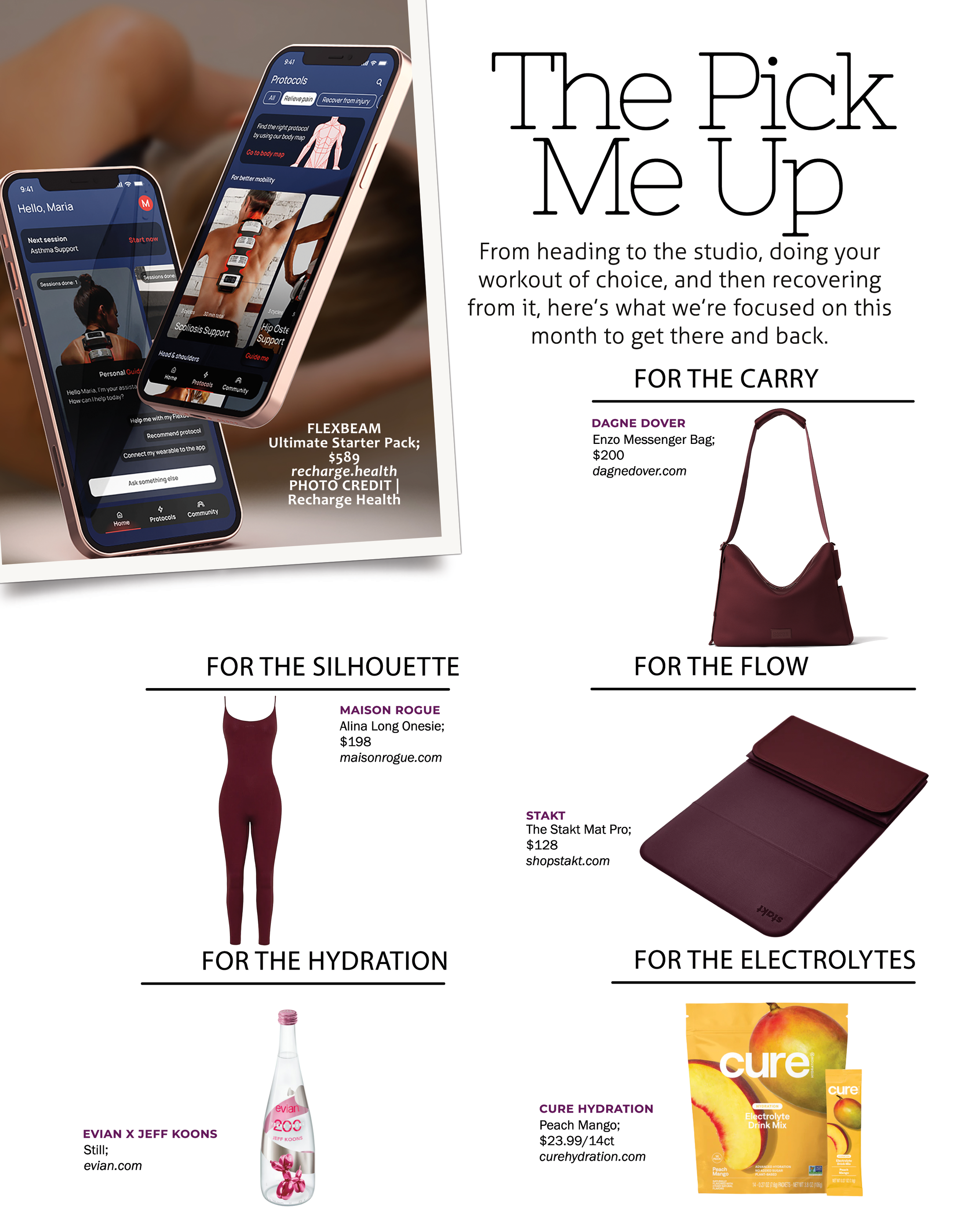
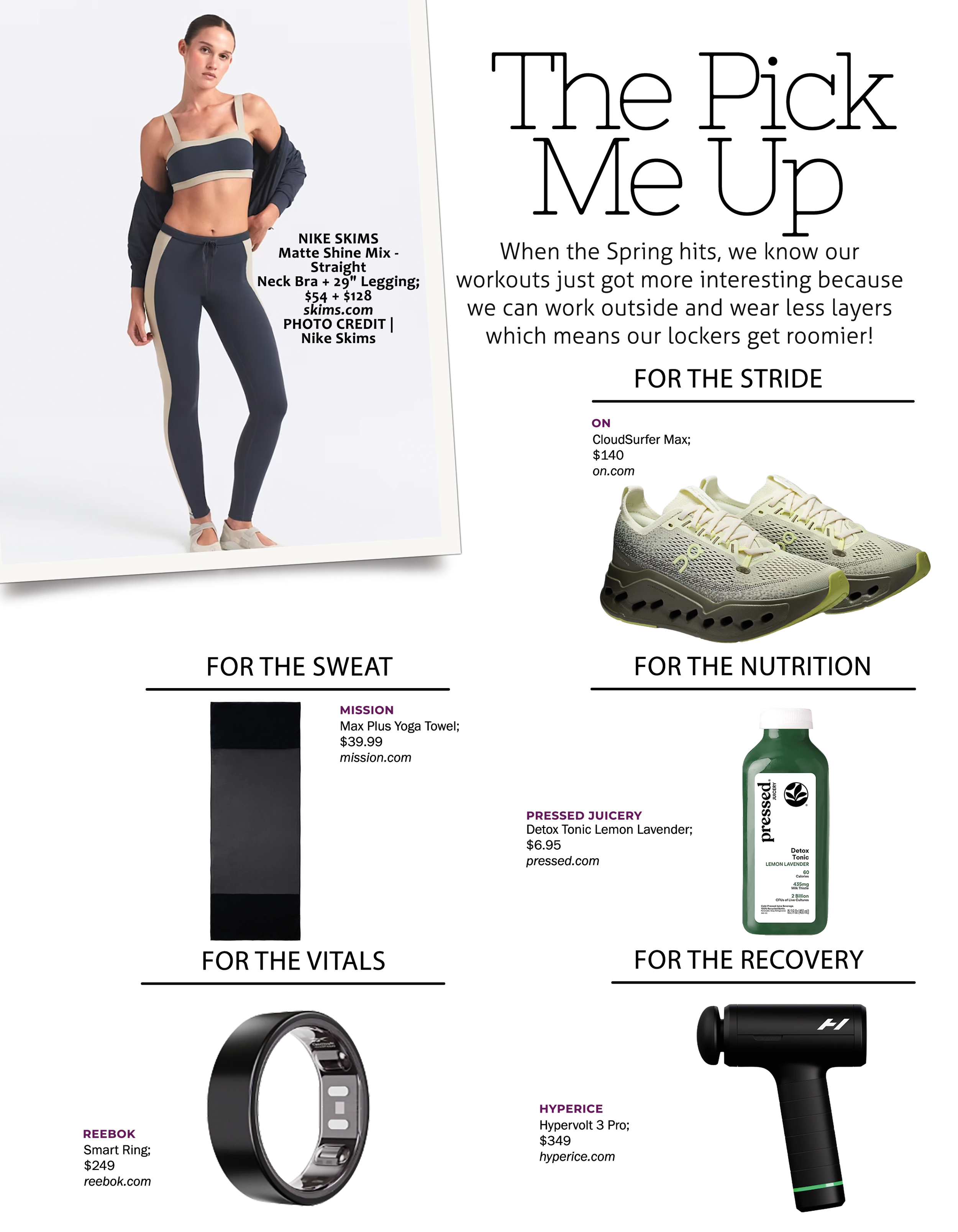
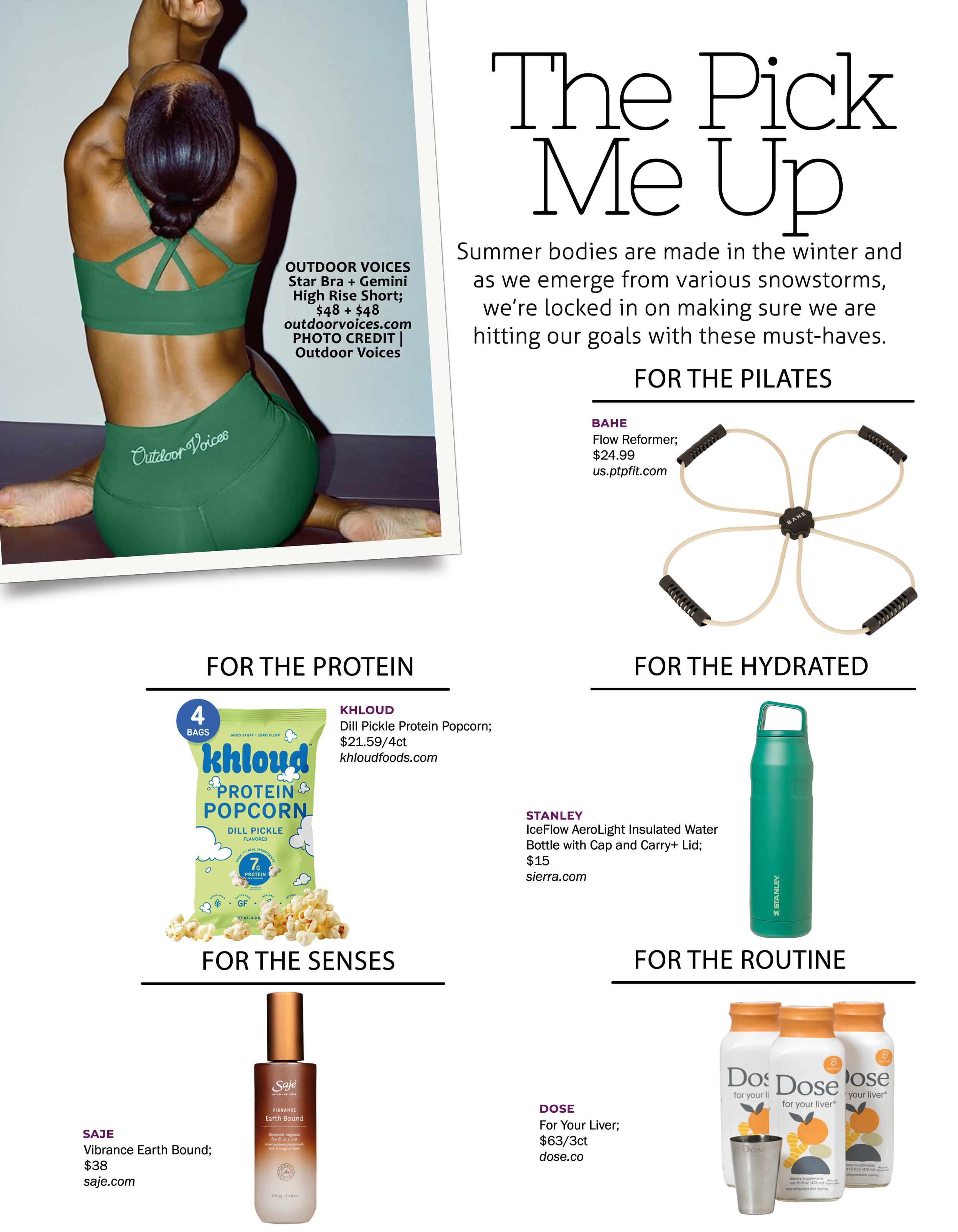
THE PICK ME UP
Read the MAR ISSUE #123 of Athleisure Mag and see THE PICK ME UP in mag.
Featured
#TRIBEGOALS
Read the MAR ISSUE #123 of Athleisure Mag and see #TRIBEGOALS in mag.
Featured


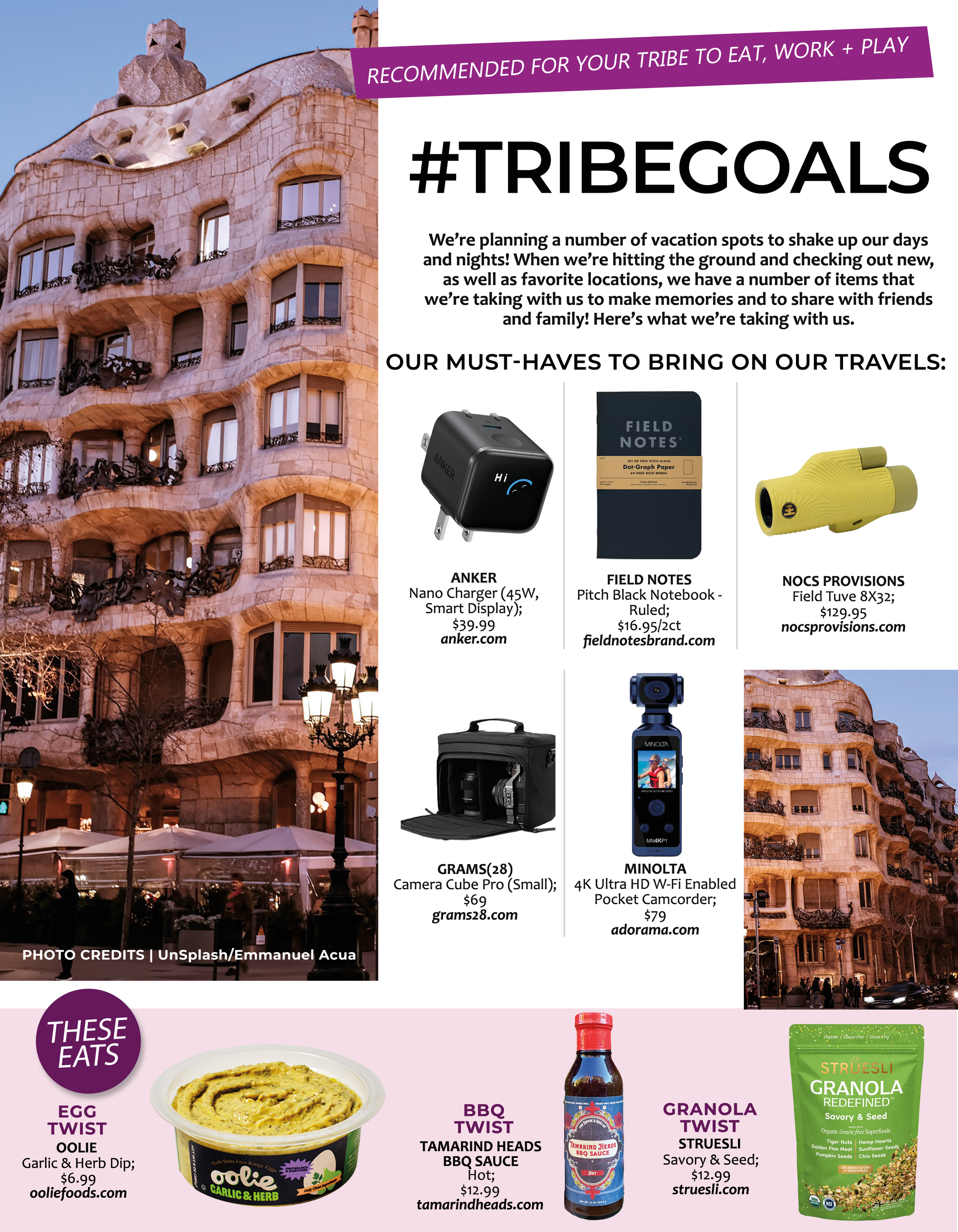

PHOTO CREDIT | Unsplash/Oskar Kadaksoo
WHAT LONG-HAUL TRAVEL DOES TO YOUR LEG VEINS
There is something about boarding a flight that feels like a fresh start. A new destination, a change of pace, and a break from routine are some experiences people look forward to. But what most travelers do not think about is what several hours of sitting can do to their legs, particularly the veins in the legs.
As it turns out, sitting affects the veins quite a lot. For people who already have underlying vein issues, the effects can be more than just uncomfortable. Understanding the connection between travel and vein health is one of those things that seems minor until it isn’t.
For anyone dealing with the persistent heaviness in the legs, visible veins, or swelling that seems to worsen after travel, getting a proper evaluation makes more sense than guessing. Practices like Metro Vein Centers focus entirely on leg vein health, helping patients understand what is driving their symptoms and what treatment options are available to them.
The Heavy, Swollen Feeling After a Flight Is Not Just Jet Lag
Most people chalk up post-flight leg swelling to tiredness or cabin pressure and move on. The reality is more specific than that. When the body stays swayed for several hours, the calf muscles, which normally act as a circulatory pump, pushing blood back up toward the heart, go largely unused. Blood slows, pools in the lower legs, and pressure inside the veins rises.
For healthy travelers, the effects are temporary. For anyone with weakened vein valves or early-stage venous insufficiency, that pooling lands on a system already working harder than it should, and recovery takes longer each time.
According to experts, anyone traveling for more than four hours, whether by air, car, bus, or train, can be at increased risk for circulation-related complications in the legs, with the risk growing the longer the period of immobility lasts.
Who Needs to Pay Closer Attention
Not every traveler needs to think twice about a long flight. But certain groups carry a higher baseline risk when it comes to leg vein health and travel. People with varicose veins already have compromised venous valves, meaning blood pooling during a flight adds to a problem that already exists. Those with a history of chronic venous insufficiency, where the leg veins consistently struggle to move blood efficiently, face similar considerations.
Older travelers, those carrying excess weight, frequent flyers who spend many hours in transit each month, and women who have had multiple pregnancies are groups of people who must pay attention to leg vein symptoms during and after travel.
Warning signs to look out for after travel include swelling in the lower legs that does not resolve within a day of travel, a persistent aching or heavy sensation, skin that looks discolored or feels tight around the calves, and veins that appear more prominent than usual after a long journey.
Practical Steps That Help
A few straightforward habits make a meaningful difference during long-haul travel.
Get up and move regularly: Walking the aisle every couple of hours is the single most effective thing a traveller can do. Even a short walk to the back of the plane and back to your seat makes a noticeable difference to circulation in the lower legs.
Keep the calf muscles active while seated: Rotating the ankles, flexing the feet up and down, and periodically pressing the balls of the feet into the floor all mimic the pumping action the calf muscles would normally perform while walking.
Stay hydrated throughout the journey: Dehydration causes blood to thicken slightly, which slows its movement through the venous system. Water is the best choice over alcohol and excessive caffeine, as they contribute to dehydration and are best kept to a minimum on long flights.
Wear compression stockings from the start: Put them on before boarding, not after swelling has already begun. Compression stockings work by applying graduated pressure to the lower legs, actively supporting blood flow upwards rather than allowing it to pool.
Final Thoughts
Travel should not come at the cost of your leg vein health. If leg symptoms keep returning after every trip, that pattern deserves proper attention, not just a pair of compression socks. Vein conditions progress quietly, and catching them early makes all the differences to long-term treatment and recovery.
Featured
ROCK THIS WHEN CHECKING OUT YOUR NEIGHBORHOOD
Read the MAR ISSUE #123 of Athleisure Mag and see ROCK THIS WHEN CHECKING OUT YOUR NEIGHBORHOOD in mag.
Featured
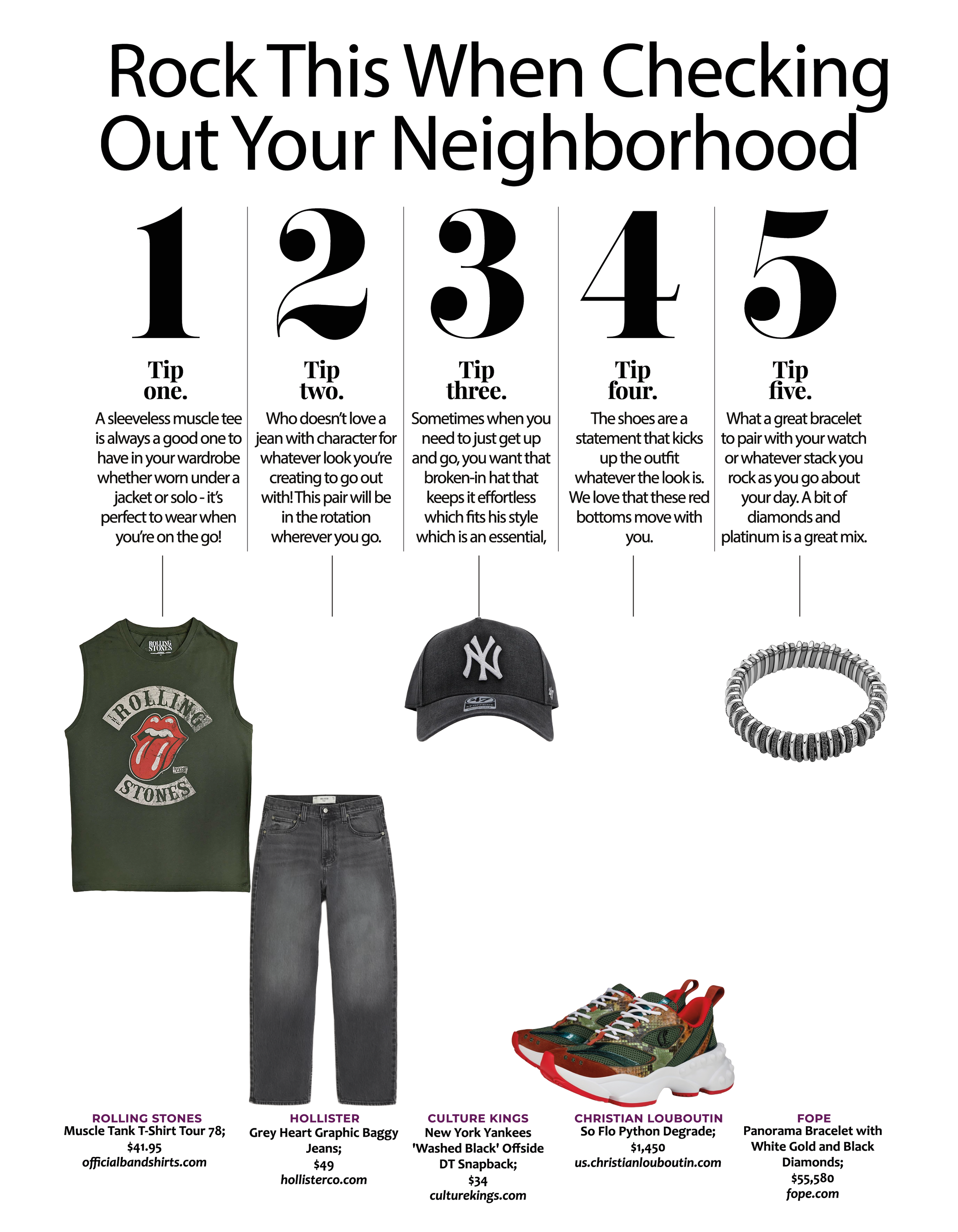

PHOTO CREDIT | Unsplash/Rizky Subagja
THE QUIET REVOLUTION: HOW ATHLEISURE BECAME EVERYDAY CULTURE
Athleisure did not arrive fully formed. It crept in, particle by particle, as sneakers left the track and found their way under tailored trousers, as yoga studios became cafes that doubled as community centers, and as technical fabrics learned to speak the language of fashion. What began as functional sportswear has grown into a cultural shorthand that signals values about movement, comfort, and identity.
That shift touched more than silhouettes. It altered supply chains, retail strategies, editorial narratives, and even the objects people carry. Accessories now include unexpected items, including waterproof cameras, compact hydration devices, and discreet recovery tools. Understanding athleisure is no longer just about garments. It is about how people stage their lives, how they move through cities, and how comfort and performance have been recoded as style.
The Roots Of Athleisure
Athleisure owes its origins to a series of social and technological changes rather than a single fashion moment. In the late 20th century, sports brands began experimenting with fabrics that improved performance. At the same time, urban lifestyles demanded clothes that could do double duty: commute comfortably by bike and look presentable in the office.
Early adopters were not only athletes. Office workers, parents with tight schedules, and travelers drawn to low-maintenance dressing all found value in garments that simplified decision making. Over time, this practical appeal dovetailed with a broader cultural turn toward wellness. Exercise was no longer an isolated activity but an integrated part of everyday life. Clothing followed suit, with hybrids that mediate between studio and street.
Materials And Design That Bridge Function And Fashion
A defining feature of athleisure is the way materials carry meaning. Technical textiles once reserved for elite athletes are now common language in mainstream wardrobes. Breathable meshes, moisture-wicking knits, seam-free constructions, and compressive weaves provide measurable benefits while signaling a lifestyle.
Design has also shifted. Minimalist silhouettes, muted palettes, and subtle logos make performance fabrics adaptable to different contexts. Pockets and modular elements respond to real-life needs. As a result, consumers expect versatility. A jacket should perform on a rainy morning run and layer under a blazer for an evening event. This expectation nudges brands to design with a systems perspective, thinking about how garments interact rather than treating each item as an isolated product.
The rise of multipurpose garments also changes consumption patterns. People invest in fewer pieces that offer multiple uses. This has implications for sustainability debates and for how brands narrate product utility without overstating claims.
Celebrity Influence And The New Fashion Narratives
Celebrities and athletes have played a complex role in normalizing athleisure. When public figures pair performance-wear with couture accessories, they create a visual script that is easy to replicate. That script emphasizes authenticity—these figures are often seen working out, traveling, and attending casual industry events in the same outfits.
Beyond runway moments, social media amplifies these narratives. Short-form video and daily lifestyle posts create an intimate sense of discovery. Viewers see how a particular pair of leggings performs through the day or how a jacket resists the elements during a weekend hike. Those shared moments encourage experimentation and help demystify technical garments for a broader audience.
At the same time, influencers have pushed brands to be transparent about fit, fabric, and function. Consumers now expect to see garments in motion, not just flat on a hanger. That demand has driven a new kind of product storytelling that blends editorial content with user-generated perspectives.
How Athleisure Shapes Daily Routines
Athleisure has practical effects on how people plan their days. When clothing reduces the friction between activities, scheduling becomes more fluid. You can attend a late-morning spin class, drop into a meeting, and grab dinner without a change of clothes. That flexibility matters in dense urban environments where transit and time are premium resources.
Beyond convenience, athleisure influences movement choices. Comfortable gear lowers the activation energy required to exercise. When exercise apparel is also suitable for other contexts, people are more likely to prioritize active commuting or spontaneous workouts. In this way, clothing subtly nudges behavior without moralizing about health.
There is also a gendered dimension to consider. Athleisure has expanded options for many who previously faced rigid expectations about dress. For some, it is a liberation from formal dress codes. For others, it raises questions about appropriateness and professionalism. The negotiation happens in workplaces, schools, and social spaces, and it is often uneven.
Retail And Cultural Shifts Shaping The Future
Retailers have adapted to the cross-category nature of athleisure. Flagship stores become experiential spaces where customers test how garments perform in scenarios that mirror real life. Subscription models and rental services respond to the desire for variety without long-term commitment. Meanwhile, direct-to-consumer brands use targeted content to explain technical benefits without jargon.
Culturally, athleisure feeds into a larger reevaluation of status markers. Luxury once signaled scarcity and formality. Increasingly, comfort, craftsmanship, and thoughtfulness serve as alternative markers of taste. That does not mean logos disappear. Instead, the conversation shifts from ostentation to the story behind a garment—how it was made, how it moves, and what it enables.
Technological advances will continue to shape the category. Smart fabrics, modular attachments, and improved manufacturing techniques will allow more graceful integration of tech into everyday wear. But the success of these innovations will hinge on subtlety. Consumers respond to tools that enhance experience without dominating it.
Aesthetic And Ethical Questions
The rise of athleisure raises questions that go beyond styling. What does it mean when casualness becomes a norm? How do institutions adapt when the clothing that workers choose prioritizes comfort? And what responsibility do brands carry when they encourage more frequent use of garments that may wear out quickly?
Sustainability remains an unresolved tension. Technical fabrics often rely on synthetic fibers, which complicate recycling. Brands and consumers are experimenting with longer-lasting constructions and circular business models, but the economics of durability still clash with fast-fashion rhythms.
Finally, there is a cultural negotiation about identity. Athleisure can be genuinely inclusive, offering functional solutions for varied bodies and lifestyles. But it can also flatten distinct cultural dress practices into a homogenized global aesthetic. Designers and cultural commentators are increasingly attentive to this risk, arguing for more nuanced approaches that respect local sartorial traditions while embracing functional design.
Conclusion
Athleisure is more than a fashion trend. It is a cultural shift that reconnects clothing to behavior, technology, and daily life. Its appeal lies in a practical promise: garments that reduce friction between activities while signaling a personal stance toward movement and comfort. As the category evolves, the most interesting questions will be social rather than stylistic. How will institutions respond? How will communities preserve distinct modes of dress? And how will designers balance innovation with responsibility? Observing these choices will reveal as much about our changing priorities as any runway show.
Featured
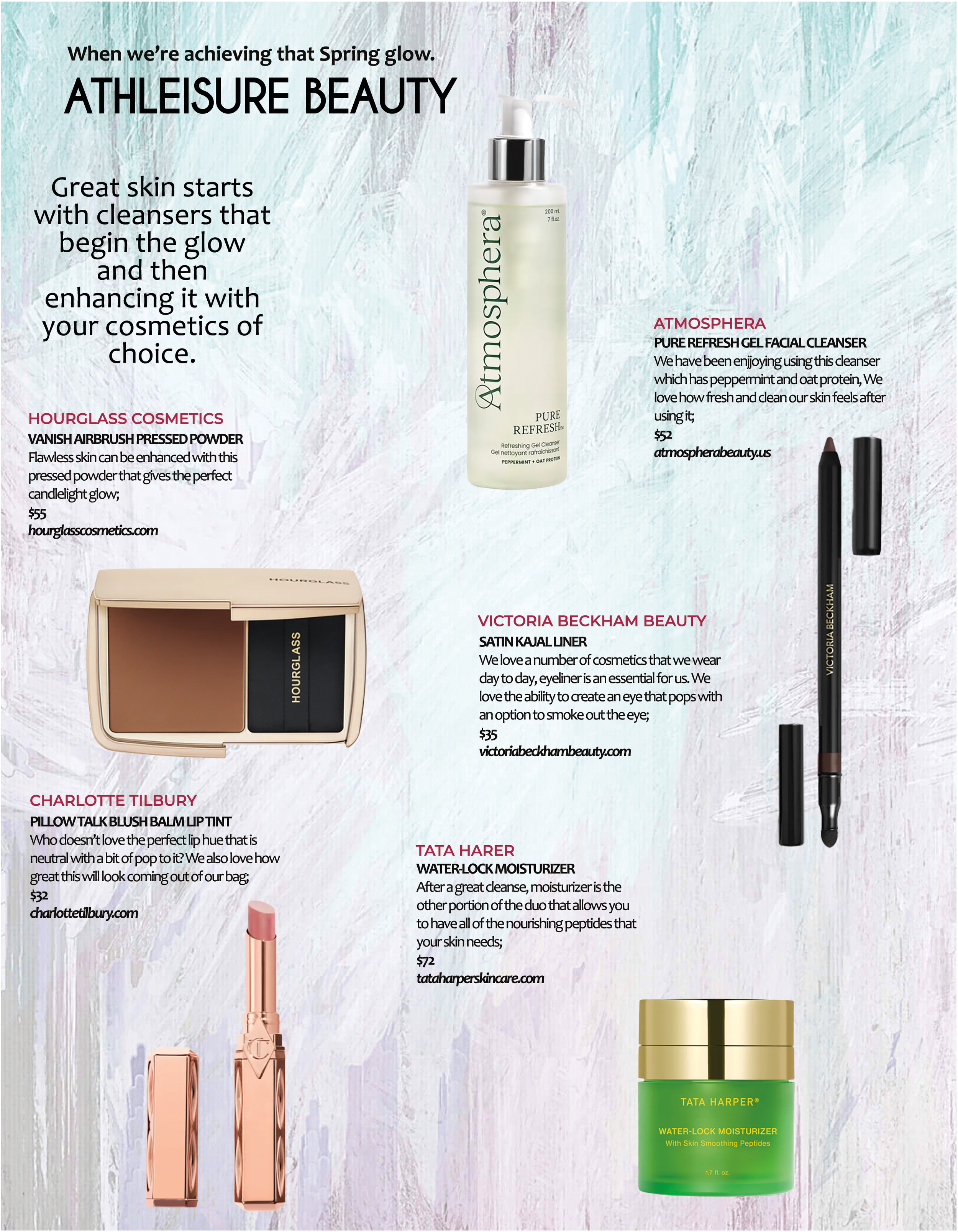
ATHLEISURE BEAUTY
Read Athleisure Mag’s MAR ISSUE #123 and see ATHLEISURE BEAUTY in mag.
Featured


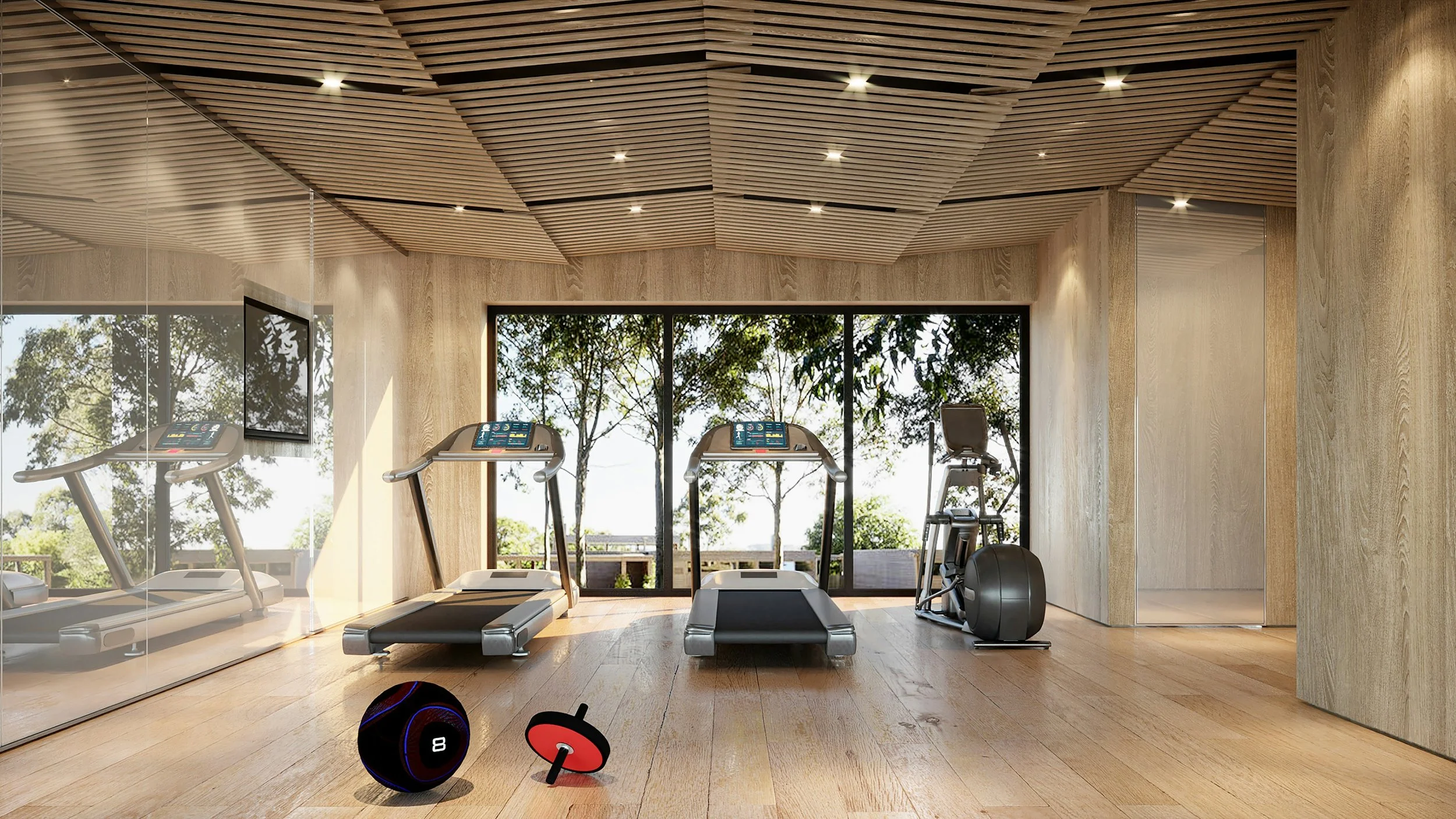
WHAT ARE THE BEST TOOLS TO RUN A LIVE ONLINE FITNESS BUSINESS IN 2026?
Running a successful live online fitness business takes more than just recording a great workout. Digital fitness has become a full-time income source for thousands of independent trainers and instructors, but you need the right tools to make it work. You need platforms that handle live streaming, client scheduling, membership billing, payment processing, and programme delivery without creating extra work. Picking the wrong platform means dealing with frustrated clients, losing money to high commissions or hidden fees, and wasting hours on admin tasks you could spend coaching. This guide breaks down five of the best tools for online fitness business software in 2026, from a streaming-first marketplace for fitness creators to complete business management systems and digital coaching apps built around live session delivery.
How to Select the Best Tools for Your Online Fitness Business
This guide pulls from official platform pages, independent software review sites, verified pricing data, and confirmed feature sets collected in 2026. Each platform was evaluated against five specific criteria relevant to fitness professionals running or scaling a live online business.
Selection Criteria:
Live streaming and video delivery capability: Platforms needed real-time live class delivery support, either built in or through tight integration with services like Zoom, since live sessions form the foundation of this business model.
Scheduling and booking management: Tools needed to let clients book, reschedule, and cancel on their own, cutting down admin time and letting trainers focus on delivery instead of logistics.
Payment processing and membership management: Platforms that manage recurring billing, package sales, and subscription payments without requiring separate tools got higher marks for simplifying daily revenue operations.
Client communication and engagement: Built-in messaging, automated reminders, progress tracking, or community features help trainers keep clients accountable and engaged, which directly affects retention and income.
Pricing structure and scalability: Platforms with transparent, predictable pricing that scales reasonably as your client base grows (without forcing solo trainers to pay enterprise-level fees) were prioritised.
List of the Best Tools to Run a Live Online Fitness Business in 2026
Here are five platforms that meet the needs of fitness professionals running live online businesses in 2026:
Best Tools to Run a Live Online Fitness Business in 2026
1. Perspire
Platform type: Perspire is a fitness streaming marketplace connecting trainers and users, built on a model similar to Twitch but made specifically for live and on-demand fitness content.
Free to join: Trainers and users both sign up for free without entering payment information; trainers set up a free channel to upload videos and stream live sessions.
Revenue model: Users buy Credits/Coins to access live streams, on-demand videos, and trainer channel subscriptions; trainers receive every coin spent on their content.
Live features: Trainers run live sessions with seat booking, interact with attendees during the class, and offer 1-on-1 coaching; recorded sessions stay available for on-demand rental afterward.
Content categories: The platform hosts Cardio, HIIT, Yoga, Meditation, Pre and Postnatal, Zumba, Strength, and more; it works via browser on desktop, laptop, tablet, and smartphone.
Perspire brings trainers and fitness enthusiasts together through live classes and on-demand video, applying the streaming model to fitness. Trainers set up a free channel, decide their own pricing, run live sessions with seat booking, and offer video rentals and channel subscriptions. This online workout platform for all fitness levels puts every coin spent on content directly into the trainer's account. The platform supports a wide variety of workout styles, costs nothing to join for either trainers or users, and works across all devices without requiring an app download.
Best For: Independent fitness trainers and instructors who want a streaming marketplace to grow an audience, monetise live classes and video content, and build a global client base without paying monthly platform fees.
Standout Feature: A credit-based revenue model where trainers receive 100% of coins spent on their content with no monthly fee to list or stream, making it a low-risk option for trainers starting out or scaling their online presence.
2. Mindbody
Founded: Mindbody started in 2001 in San Luis Obispo, California, as Hardbody Software and became one of the most used business management platforms in fitness and wellness.
Scale: Mindbody runs operations for 40,000+ businesses in 130+ countries, with 3.7 million active users booking through the app monthly; 720 million classes and appointments were booked via Mindbody in one year.
Pricing: Monthly plans for single-location businesses run from $129 to $699 based on feature needs; extras like Mindbody Messenger and branded mobile apps cost more.
Key features: Mindbody handles class scheduling, membership management, point-of-sale, automated email and text campaigns, staff management, payroll integrations (ADP, Paychex, Exact Payroll), and a branded mobile app for clients.
Marketplace: Businesses on Mindbody get listed in its consumer marketplace, where new clients can find and book services; over 22,000 first-time purchases happen via the Mindbody app monthly.
Started in 2001 in California, Mindbody became the most established all-in-one business management platform for fitness and wellness operations, powering 40,000+ studios and gyms across 130+ countries. The system includes class scheduling, memberships, point-of-sale, automated marketing, staff management, payroll integrations, and branded mobile apps, all linked to a consumer marketplace with 3.7 million monthly users. Plans cost $129 to $699/month, positioning Mindbody mainly for established studios and businesses with multiple locations.
Best For: Established fitness studios, boutique gyms, and multi-location businesses that want an all-in-one system with a built-in consumer marketplace for client discovery, paired with deep scheduling, marketing, and staff tools.
Standout Feature: Access to the largest fitness and wellness consumer marketplace, where 3.7 million monthly active users search and book classes, giving listed businesses constant exposure to new clients without separate ad spending.
3. TeamUp
Founded: TeamUp started in 2012 and operates from Palo Alto, California; it was acquired by DaySmart Software and serves thousands of fitness businesses globally.
Pricing: TeamUp costs start at $35/month and increase based on active customer count; there are no setup fees, no long-term contracts, and you can cancel anytime.
Live online classes: TeamUp connects directly with Zoom to run live classes, automatically creating unique Zoom links for each session, marking attendance, and letting you record classes for an on-demand library.
Integrations: TeamUp connects to 5,000+ apps and platforms via Zapier, with direct links to Mailchimp for email campaigns, Stripe and GoCardless for payments, and Gympass for corporate wellness programs.
Key features: TeamUp includes membership management, class scheduling, on-demand content library, branded member app, automatic waitlists, point-of-sale, instructor pay management, and detailed reporting.
Started in 2012 and based in Palo Alto, California, TeamUp is a membership and class management platform trusted by thousands of independent fitness businesses. For live online classes, it works directly with Zoom, auto-generating class links, tracking who shows up, and recording sessions for an on-demand library without extra setup. Pricing starts at $35/month based on active customer count, with month-to-month flexibility, no contracts, no setup fees, and free data import for businesses switching from another platform. All features come with every plan.
Best For: Independent fitness studios, CrossFit boxes, yoga and Pilates teachers, and martial arts instructors who want affordable, full-featured management software with built-in Zoom support for live online classes and no contract lock-in.
Standout Feature: Built-in Zoom integration that automatically creates unique class links for each session, marks attendees present when they join, and saves recordings to your on-demand library, all managed inside the TeamUp dashboard.
4. Acuity Scheduling
Founded: Acuity Scheduling started in 2006, created by Gavin Zuchlinski, and was acquired by Squarespace in April 2019; it still operates as a standalone service.
Pricing: Plans run from $16/month (Emerging) to $61/month (Powerhouse) for up to 36 staff members and locations; you get a 7-day free trial without entering payment info, and annual billing saves 20%.
Client self-booking: Acuity provides clients with a branded scheduling page where they can book, reschedule, or cancel on their own, with automatic timezone conversion so global clients always see correct times.
Key features: Acuity includes automated email and SMS reminders, intake forms, payment processing (Stripe, PayPal, Square), class size limits, package and subscription sales, gift certificates, resource booking, and HIPAA compliance on higher plans.
Integrations: Acuity works with Google Calendar, Outlook, Zoom, QuickBooks, FreshBooks, Mailchimp, Zapier, Google Analytics, and more; you can embed it on any website no matter what platform the site uses.
Started in 2006 by Gavin Zuchlinski and acquired by Squarespace in April 2019, Acuity Scheduling is a client booking and appointment platform used by fitness trainers, yoga studios, and wellness professionals worldwide. Clients book themselves via a branded page with automatic timezone detection, while trainers control availability, class size limits, packages, and payments. Plans cost $16 to $61/month with a 7-day free trial and a 20% discount on annual billing. Zoom integration supports virtual sessions directly.
Best For: Solo fitness trainers and small studios that want a clean, client-facing booking experience with automated reminders, flexible payment options, package and subscription sales, and easy Zoom integration for virtual sessions at a lower price than full gym management platforms.
Standout Feature: Automatic timezone conversion on every booking page, so clients booking a live class from anywhere always see accurate local times, eliminating scheduling mistakes for fitness businesses with global or spread-out client bases.
5. ABC Trainerize
Founded: ABC Trainerize started in 2009 and is now part of ABC Fitness Solutions; over 400,000 fitness professionals use it to coach more than 1.6 million clients globally.
Free plan: ABC Trainerize offers a free-forever plan for up to 1 coaching client without requiring payment info; paid plans scale by client count and include a 30-day free trial.
Live sessions: ABC Trainerize works with Zoom to deliver live 1-on-1 and group training sessions inside the platform; you can schedule and manage sessions through the app.
Key features: The platform includes a custom workout builder, nutrition coaching with MyFitnessPal sync, habit tracking, in-app messaging (text, video, voice), progress tracking, payment processing, leaderboard and threshold challenges, Fitbit integration, an Apple Watch app, and Android and iOS client apps.
White-label option: Enterprise plan users can fully brand the mobile app with their own logo and identity, creating a custom coaching app for their clients.
Started in 2009 and now part of ABC Fitness Solutions, ABC Trainerize is used by 400,000+ fitness professionals coaching over 1.6 million clients worldwide. The platform combines workout programme delivery, nutrition coaching, habit tracking, in-app messaging, payment processing, and Zoom-powered live sessions in one coaching app. A free plan for one client is available permanently; paid plans scale by client count with a 30-day free trial. Enterprise users can launch a fully white-labelled mobile app under their own brand.
Best For: Personal trainers and online coaches who want a dedicated digital coaching platform combining workout delivery, nutrition coaching, habit tracking, progress monitoring, and Zoom live sessions with a free starting plan and scalable pricing as the client base grows.
Standout Feature: A free-forever plan for up to 1 coaching client combined with fully scalable paid pricing, plus a white-label branded mobile app on the Enterprise plan, making it accessible for new coaches and powerful for growing coaching businesses.
Factors to Consider When Choosing a Tool for Your Online Fitness Business
Match the Tool to Your Primary Business Model
A streaming marketplace works well for trainers building a content audience and selling classes at scale, while a scheduling and membership platform fits trainers who run a set timetable with regular clients. Choosing a tool built for the wrong model creates friction in the parts of your business that matter most.
Consider Whether You Need Live Streaming Built In or Integrated
Some platforms handle live delivery on their own, while others connect to third-party tools like Zoom. If live sessions form the center of your business, test the full booking-to-stream flow before committing to make sure it works smoothly for your clients.
Understand the True Monthly Cost Before You Scale
Many platforms charge more as your client or member count grows, and some add fees for features like branded apps, marketing tools, or payment processing that seem included at first. Calculate your expected monthly cost at your target client volume, not just your starting cost.
Check How Payments and Payouts Work
Some tools process payments directly and pay you on a defined schedule, while others route through Stripe or PayPal with their own timelines. Confirm the payout frequency, any transaction fees, and which payment methods work in your country before signing up.
Prioritise the Client Experience, Not Just the Trainer Dashboard
The platform your clients use for booking, watching classes, and tracking progress directly affects whether they stay. A tool that is easy to use and professionally presented from the client side will always outperform a feature-packed platform that confuses or frustrates the people paying you.
Final Thoughts
No single tool fits every type of live online fitness business. The right platform depends on whether you want to build an audience and monetise content, run organized class scheduling with recurring memberships, deliver detailed 1-on-1 digital coaching, or combine all three. Start by identifying the one or two areas of your business that create the most friction or cost you the most revenue right now, then choose the tool that solves those problems first. Many platforms offer free trials or free starting plans, so test before you commit. The best tool is the one your clients can use without confusion and the one you will actually maintain week after week. Simplicity and reliability beat long feature lists every time.
Featured

PHOTO CREDIT | Unsplash/Towfiqu barbhuiya
FROM GYM TO KITCHEN: BUILDING A SUSTAINABLE WEIGHT LOSS ROUTINE THAT LASTS
Sustainable weight management rarely comes from short bursts of motivation or rigid plans that are impossible to maintain. Instead, it grows out of consistent habits that connect movement, nutrition, and daily choices. When you’re new to the athleisure culture, the goal is to look good in activewear while feeling strong, energized, and balanced in everyday life.
This article breaks down how to build a realistic routine that starts in the gym and carries through to the kitchen. By focusing on consistency, practical strategies, and supportive tools, you can create a system that works long term rather than chasing temporary results.
Building a Foundation With Realistic Fitness Habits
A sustainable fitness routine begins with setting expectations that match your lifestyle. Many people fall into the trap of doing too much too soon, which often leads to burnout or inconsistency.
Start by choosing activities you genuinely enjoy. That could mean strength training, walking, cycling, or a mix of different workouts throughout the week. When exercise feels like a natural part of your routine rather than a punishment, you’re more likely to stick with it.
Frequency matters more than intensity in the early stages. Committing to three to four sessions per week creates a rhythm that your body and schedule can adapt to. Over time, you can adjust intensity or duration, but consistency should remain your priority.
Equally important is recovery. Rest days, quality sleep, and mobility work contribute to long-term progress. Without recovery, even the most structured fitness plan becomes difficult to maintain.
Using Additional Support Tools to Stay on Track
Even with a solid routine, many people benefit from structured support that helps reinforce their efforts. This is where external tools and guidance can help maintain momentum.
You can explore medically approved options alongside lifestyle changes, particularly when you need extra support managing appetite or portion control. And if you’re worried about the safety and access to treatments such as Orlistat, which can complement a broader weight management strategy when used responsibly, consult a trusted online pharmacy like Curely.
It’s important to approach these treatments as part of a larger system rather than as standalone solutions. Fitness, nutrition, and daily habits still form the foundation. These treatments simply help bridge gaps and make consistency more achievable for some individuals.
You create a more balanced approach that acknowledges both physical and behavioral challenges by combining structured support with healthy routines.
Creating a Nutrition Strategy That Works in Real Life
The kitchen is where long-term results are shaped. While workouts contribute to overall health and energy, daily food choices play a central role in weight management.
A sustainable approach to nutrition focuses on balance rather than restriction. Instead of eliminating entire food groups, aim to build meals around whole, nutrient-dense ingredients while allowing room for flexibility.
Planning ahead can make a significant difference. Prepare your meals or ingredients in advance to reduce reliance on convenience foods and help you stay aligned with your goals even during busy days.
Portion awareness is another key factor. Rather than tracking every calorie, start paying attention to hunger cues and eating slowly. This helps prevent overeating without creating unnecessary stress around food.
Hydration also plays a role that’s often overlooked. Drinking enough water throughout the day supports digestion, energy levels, and appetite regulation.
The Role of Consistency in Long-Term Results
Consistency is often underestimated because it lacks the excitement of quick transformations. However, it’s the single most important factor in sustainable weight loss.
Small, repeatable actions build momentum over time. A 30-minute workout completed regularly is more effective than occasional intense sessions followed by long breaks. Similarly, consistently prepared balanced meals lead to better outcomes than strict diets that are difficult to maintain.
Tracking progress can help reinforce consistency. This doesn’t always mean stepping on a scale. Progress can include improved energy levels, better sleep, increased strength, or simply feeling more comfortable in your routine.
There will be setbacks. Travel, social events, or busy schedules can disrupt even the best plans. The key is to return to your routine without overcorrecting or giving up entirely. Long-term success depends on how quickly you reset, not on avoiding disruptions altogether.
Aligning Your Environment With Your Goals
Your environment influences your habits more than motivation alone. Making small adjustments to your surroundings can make healthy choices easier and more automatic.
Start with your kitchen. Keep nutritious options visible and accessible, while limiting highly processed snacks that can lead to mindless eating. This simple change reduces decision fatigue and supports better choices throughout the day.
Your workout environment matters too. Having a designated space for exercise or a gym you enjoy visiting can make it easier to stay consistent. Even preparing your workout clothes in advance removes friction and helps you follow through on your plans.
Digital environments also play a role. Follow content that promotes balanced, realistic fitness and nutrition to reinforce positive habits, and avoid extreme or unrealistic messaging, to help maintain a healthier mindset.
Balancing Discipline With Flexibility
One of the biggest misconceptions about weight management is that it requires constant discipline without room for flexibility. In reality, a rigid approach often leads to burnout.
Flexibility allows your routine to adapt to real life. This could mean adjusting workout times, enjoying meals out without guilt, or modifying your plan during busy periods. When your routine can bend without breaking, it becomes sustainable.
Discipline still plays a role, but it should focus on maintaining core habits rather than enforcing perfection. Showing up regularly, making mindful choices, and staying consistent over time matter far more than following a flawless plan.
Striking this balance creates a healthier relationship with both fitness and nutrition. Instead of viewing them as obligations, they become integrated parts of your lifestyle.
Conclusion
Building a sustainable weight management routine requires more than motivation or short-term effort. It demands a balanced approach that connects fitness, nutrition, and daily habits in a way that fits your life.
By focusing on consistency, creating supportive environments, and using tools when appropriate, you can develop a routine that evolves with you over time. The goal isn’t perfection but progress that lasts.
When you approach weight management as a long-term commitment rather than a temporary fix, you create a foundation for lasting health, energy, and confidence, both in and out of the gym.
Featured
IN OUR BAG | SPRING WALK + TALKS
Read the MAR ISSUE #123 of Athleisure Mag and see IN OUR BAG | Spring Walk + Talks in mag.
Featured
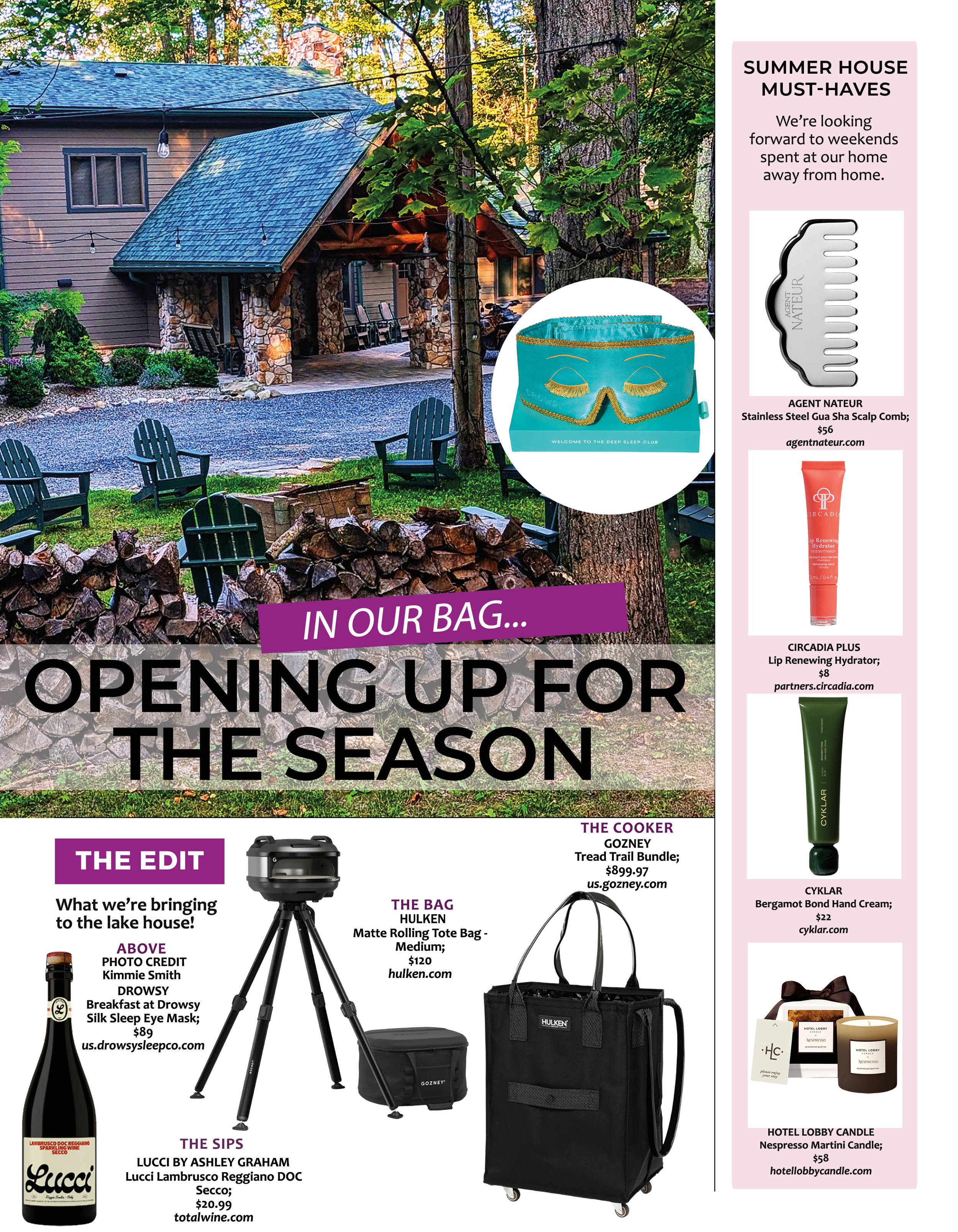
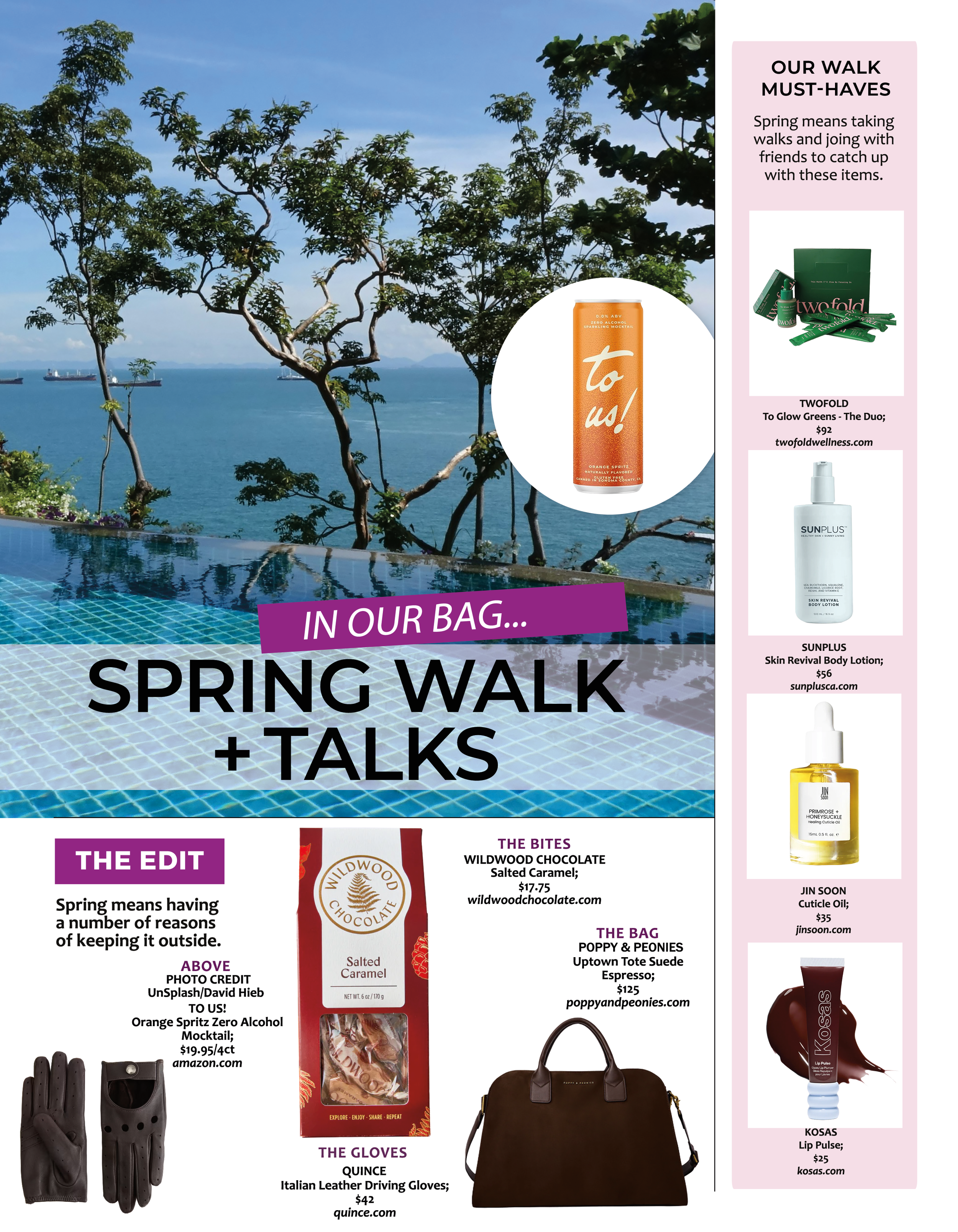


PHOTO CREDIT | Unsplash/Josh Berquist
WHAT MAKES A CAR SHIPPING SERVICE RELIABLE: KEY SIGNS TO WATCH
One thing that is always of concern during the transportation of cars is safety, punctuality, and trust issues. Look for quality and a reliable service. Identifying these signs helps in ensuring peace of mind for every vehicle owner.
Transparent Communication
Reputable car shipping services in San Francisco inform clients consistently. Having timeline, process, and cost information upfront is important. This honesty will make sure you will have no surprise under the carpet or vague into the road. Quick response helps increase trust in the professionalism of the provider.
Comprehensive Insurance Coverage
Reliable services provide comprehensive insurance to cover any possible damage during transportation. Clients are provided with clear documentation specifying what is covered. This assurance protects finances in case of issues. Anyone interested can easily access and review the insurance information.
Clear Terms and Pricing
Reliable shipping providers offer simple contracts. You can see all pricing from the outset with no nasty surprises later. A transparent fee indicates that the recruiter is open and honest about the charges they have. Trust can be established even before the car is loaded, and that is by having a clear-cut agreement.
Professionalism of Staff
Any organization is a reflection of its well-trained personnel. The knowledgeable staff provides helpful guidance from inquiry to delivery. That professionalism indicates the cars will be treated with respect. Treating every client with courtesy can consistently improve the entire experience.
Strong Track Record
Proven history offers reassurance. Trustworthy auto transporters give references and addresses of clients to back their claims. Ratings and repeat customers indicate continued pleasure. This allows past performance to become a consistent indicator of future service quality.
Proper Licensing and Certification
Legitimate businesses possess an operating license that is displayed to potential customers. Shows compliance with industry standards via certificates and regulatory compliance documents. Having these credentials showcases their commitment to providing legal and ethical practices. Always confirm licensing before entering into any contracts.
Modern Equipment and Technology
The quality of carriers and tracking systems determines the safety of transit. Top service providers utilize trucks that undergo regular maintenance and incorporate the latest technological advancements. A tracking system is used to empower customers to know the location of their car at any point in time. Avoidable accidents can be averted by good equipment.
Customized Service Options
Every vehicle has unique needs. A trustworthy auto transport service features different ways of car transport, from open to closed carriers, providing added protection. Convenient pickup and delivery options for freight brokers are great for those with busy lifestyles. Flexible solutions guarantee fulfillment, whatever the vehicle type or destination.
Punctuality and Reliability
Another reflection of your commitment to your customer is that you deliver work within the promised timelines. What sets good companies apart from the rest is that they are always punctual with pickups and drop-offs. Being on time is an important sign of being a professional.
Damage Prevention Protocols
Attention to detail is demonstrated with thorough inspections before and after transport. Trustworthy businesses make a note of the state of each vehicle. The coverage, like straps and padding, protects them from scratches or dents, which is useful during transportation. This lessens the likelihood of unintentional damage.
Accessible Customer Support
Prompt questioning and solving of queries are signs of good support teams. Information availability eases clients' concerns throughout the process. These providers are always accessible, ensuring multiple communication channels, such as phone and email, are available for your convenience. Reliable support builds confidence and trust.
Positive Industry Reputation
Industry organizations make strong recommendations, and that reinforces a provider's credibility. They demonstrate their commitment to maintaining high standards through their awards or membership in respected associations. This is another element of assurance for prospective customers because of peer recognition. A strong reputation tends to be years in the making.
Flexible Payment Methods
Easy payment options simplify the booking process. Well-respected companies accept different forms, so they provide security alongside. Payment instructions that can cure confusion and increase the efficacy of the process include clear guidelines on how to complete transactions, what payment methods are accepted, and any necessary steps to finalize the booking. Flexible arrangements enable a wider general public to avail of the service.
Conclusion
When selecting a reliable car shipping service, pay attention to a few important characteristics. These should avoid disappointments down the road by careful digging and research into things like communication, insurance, pricing, and professionalism. Reliable providers stand out due to the maintenance of their equipment, their ability to stick to a schedule, and their flexible solutions.
Featured
HOW TO DRESS | AFTER A GOOD NIGHT'S SLEEP
Read the MAR ISSUE #123 of Athleisure Mag and see HOW TO DRESS | After A Good Night’s Sleep in mag.
Featured
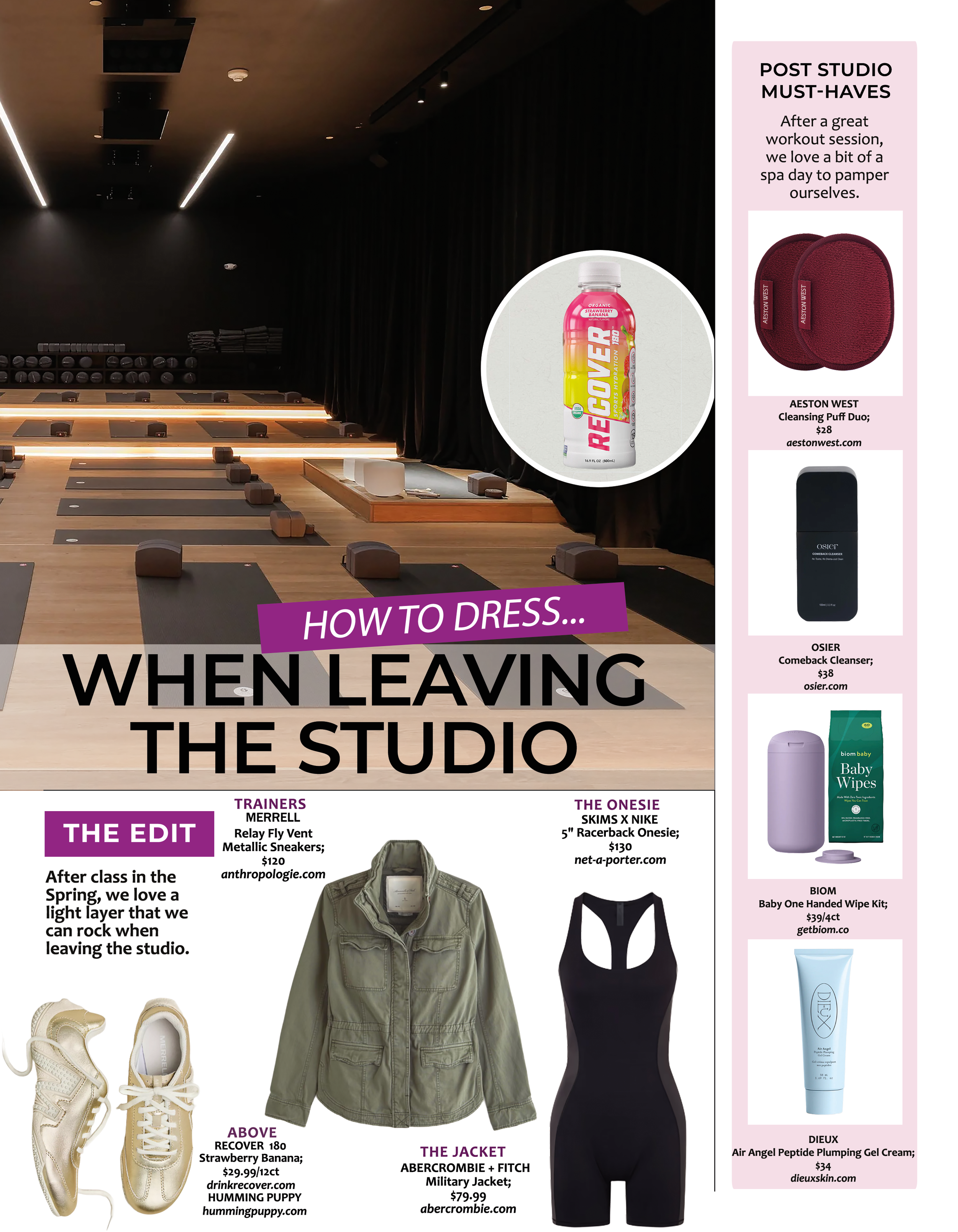
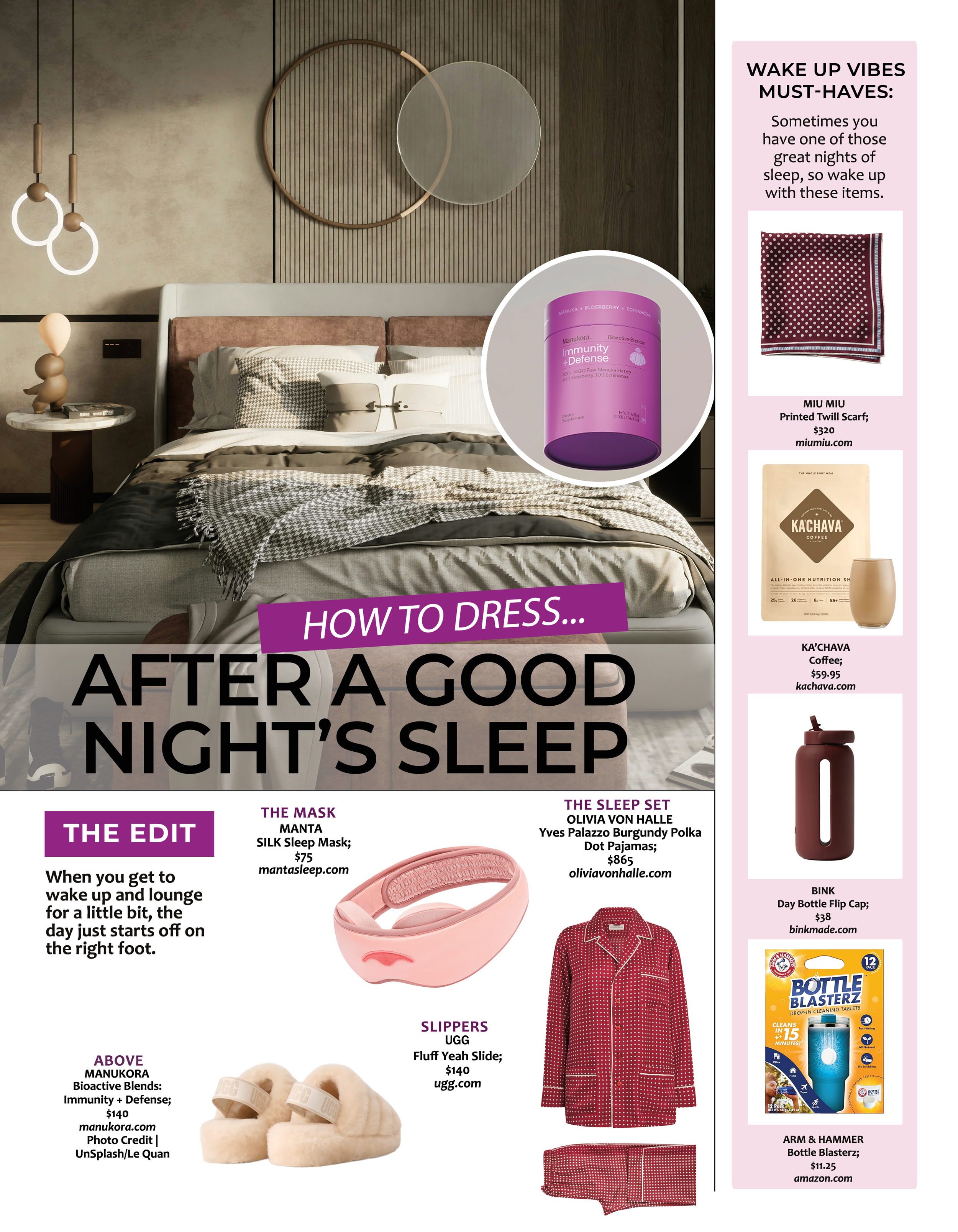
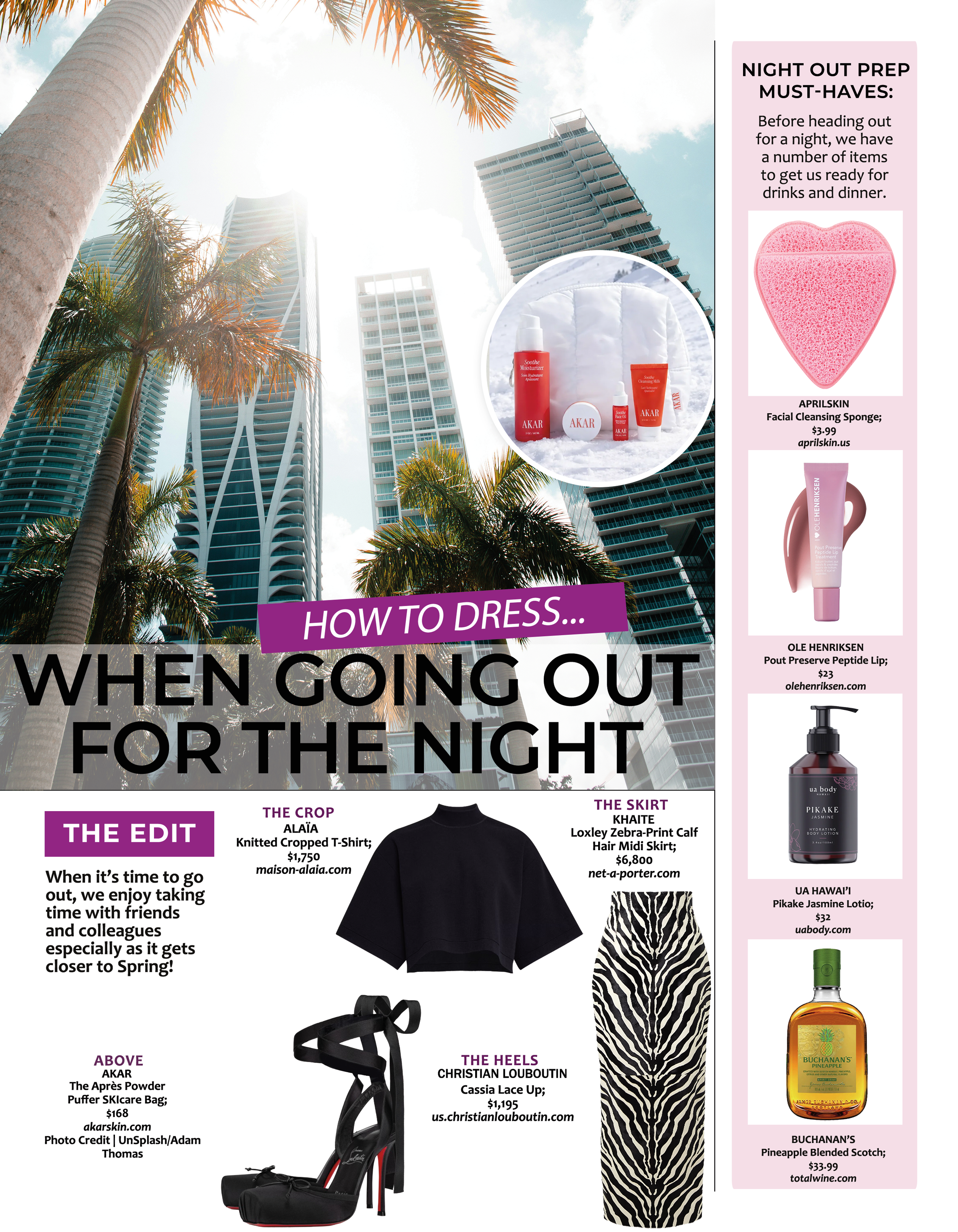
PHOTO CREDIT | Unsplash/Abhay siby Mathew
WHY YOU SHOULD START PERSONALIZING YOUR SPORTS APPAREL
Why You Should Start Personalizing Your Sports Apparel
Sports apparel has always been a visible way for fans to show loyalty. Shirts, scarves, and caps signal which team you support and where your allegiances lie. But as fan culture evolves, standard merchandise is no longer the only way to express that connection.
Here is an overview of how personalization is becoming a powerful way to turn simple apparel into far more meaningful items.
Moving Beyond Mass-Produced Identity
Official merchandise is designed for scale. It is created to appeal to as many fans as possible, which often means it lacks individuality. While wearing a team shirt still shows support, it rarely reflects anything unique about the person wearing it.
Personalized apparel changes that dynamic. It allows fans to go beyond simply supporting a team and instead express how they support it. Whether it is a nickname, a meaningful number, or a subtle design reference, these details transform apparel into personal belongings rather than generic ones.
Creating a Stronger Emotional Connection
The strongest fan experiences are emotional. They are tied to memories, traditions, and moments that feel personal. Customizing sports apparel taps directly into this.
A hat that references a specific match, a slogan that only fellow fans understand, or a design inspired by a historic moment can carry far more meaning than a standard logo. Over time, these items become reminders of experiences rather than just products.
Standing Out in a Saturated Market
Walk into any stadium or sports bar and you will see thousands of fans wearing similar kits. While this shared identity is part of the appeal, it also creates a sense of uniformity.
Personalized apparel offers a way to stand out without disconnecting from the team. It allows fans to remain part of the collective while still expressing individuality. This balance between belonging and uniqueness is what makes customization so appealing.
A Gateway into Creativity and Business
For many fans, personalizing apparel starts as a creative outlet but can quickly evolve. Designing custom pieces encourages experimentation with colors, typography, and ideas that resonate with specific fan communities.
Platforms that offer personalized hats online make it easier than ever to turn these ideas into real products. With low barriers to entry, fans can test designs, gauge interest, and even build small brands around their creations. What begins as personal expression can become a scalable business opportunity.
Reflecting Changing Fan Culture
Modern sports fandom is more participatory than ever. Fans are not just watching games; they are creating content, building communities, and shaping conversations, and personalized apparel fits naturally into this shift.
It allows fans to contribute to the culture rather than just consume it. A unique design can spark conversations, attract attention online, and even influence trends within specific fan groups.
Making Apparel More Versatile
One limitation of traditional sportswear is that it is often tied to specific occasions. Jerseys, for example, are typically worn on matchdays or during events.
Personalized apparel can be designed with versatility in mind. Subtle designs, creative branding, or minimalist styles make it easier to incorporate sports-inspired clothing into everyday outfits. This extends the value of each item and makes fandom a constant presence rather than one that is reserved for certain moments.
Strengthening Community Through Shared Meaning
While personalization focuses on individuality, it can also strengthen community bonds. Designs based on shared experiences, inside jokes, or fan traditions create a sense of connection among those who recognize them.
This layered meaning adds depth to fan interactions. A simple piece of apparel can become a conversation starter, a symbol of belonging, or even a marker of shared history.
The Shift Towards Meaningful Expression
The move towards personalized sports apparel reflects a broader trend. People are increasingly looking for products that feel meaningful rather than mass-produced. They want items that tell a story, represent their identity, and connect to their experiences.
In sports, where emotion plays such a central role, this shift is even more pronounced. Fans are no longer satisfied with simply wearing a badge; they want to shape how that badge is represented.
Turning Support into a Personal Concept
Personalizing sports apparel is not about replacing traditional merchandise; it is about enhancing it. It gives fans the freedom to take something familiar and make it their own.
Whether you are looking to stand out, create a meaningful possession, or explore a potential business idea, customization offers a practical and creative way to deepen your connection to the sport.
Featured