
• FITNESS
  • Food
  • Beauty
  • Sports
  • Travel
  • Athleisure Studio
  • Athleisure List
  • THIS ISSUE
  • Athleisure TV
  • The Latest
  • ARCHIVE
  • About
  • Watch Party
  • Press
  • Connect
Menu

Athleisure Mag™ | Athleisure Culture

ATHLEISURE MAG™ | Athleisure Culture
  • FITNESS
  • Food
  • Beauty
  • Sports
  • Travel
  • Athleisure Studio
  • Athleisure List
  • THIS ISSUE
  • Athleisure TV
  • The Latest
  • ARCHIVE
  • About
  • Watch Party
  • Press
  • Connect

PHOTO CREDIT | LOA Construction

5 ROOFING COMPANIES IN AUSTIN TEXAS - LOA CONSTRUCTION IS THE LOCAL FAVORITE (2026)

June 12, 2026

The top roofing company in Austin, Texas, for 2026 is LOA Construction and Austin Roofing, backed by more than 1,000 five-star Google reviews, a BBB A+ rating, and over 30 years of combined crew experience [2].

Austin sits inside the Texas Hail Alley, and the National Weather Service recorded more than 15 significant hail events across the metro between 2022 and 2025 [1]. Texas property owners have a 2-year window to file an insurance claim after a storm, so contractor selection matters.

This list covers five vetted Austin roofing companies for 2026, each verified by reviews and credentials. 

Roofing in Austin’s Climate

Austin’s weather consistently puts pressure on every roofing material in the area. Summer heat regularly exceeds 100°F, UV exposure runs year-round, and hailstorms strike the metro every spring with enough force to crack shingles and expose underlayment [1]. Matching the right material to Austin’s conditions protects the investment in the long term.

A. Asphalt Shingles

Asphalt shingles remain the most widely installed residential choice across Central Texas. Installation costs remain competitive; most Austin roofers carry them, and a quality architectural shingle has a 15- to 30-year lifespan. Upgrading to Class 4 impact-resistant shingles strengthens hail resistance and can qualify Texas homeowners for insurance premium discounts [3].

B. Metal Roofing

Metal roofing has a 50-year lifespan, reflects solar heat to reduce cooling costs, and outperforms asphalt in withstanding direct hail impact. Higher upfront cost is the main tradeoff. Standing seam metal has grown consistently popular across Central Texas for homeowners planning long-term ownership.

C. Clay and Concrete Tile

Clay and concrete tile suit the Mediterranean and Spanish-style homes common across parts of Austin and the Hill Country. Both materials exceed 50-year lifespans, but the structural load requires a reinforced roof deck and installation costs run higher than those of asphalt.

D. TPO and EPDM (Commercial)

TPO is the standard flat-roof system for Austin commercial buildings, including retail, office, and restaurant properties. EPDM covers budget commercial flat applications. Neither system applies to standard residential pitched roofs, and both require specialized installation.

What We Looked for in These Austin Roofing Companies

Reliable Austin contractors share a consistent set of verifiable credentials. The National Roofing Contractors Association (NRCA) advises homeowners to confirm general liability insurance, workers’ compensation, and a written workmanship warranty before signing [2].

Every company was evaluated on: verified Austin-area service, documented warranty terms, insurance claims experience, and a confirmed permanent local address.

5 Roofing Companies in Austin Texas at a Glance

CompanyBest ForBest ForRatingReviewsWarranty
LOA ConstructionFull service + insurance claims5.01,000+Lifetime materials + 10-yr labor
Texas Choice RoofingFast same-day completions5.0197Manufacturer warranty
Matthew Lorand RoofingCrew consistency5.0467Manufacturer warranty
Good News RoofingCertified craftsmanship5.0500+100% satisfaction guarantee
Ace Rooding CompanyHonest Assessments4.8317Manufacturer warranty

The 5 Best Roofing Companies in Austin Texas for 2026

1. LOA Construction and Austin Roofing - Our #1 Pick

LOA Construction and Austin Roofing earn the top position in Austin for 2026 based on a combination of verified credentials and local longevity that no other contractor on this list can match. The company has served Central Texas for more than 30 years, carries more than 1,000 five-star Google reviews, holds an A+ rating with the Better Business Bureau, and has been recognized as one of the top 100 roofing companies in the United States [2]. 

Services cover residential and commercial roofing, hail damage repair, storm and water restoration, metal and tile installation, TPO and EPDM flat roofs, plus gutters and siding. Every job starts with a free same-day drone inspection and a no-pressure written estimate.

LOA backs installations with a Limited Lifetime Manufacturer Warranty on materials and a 10-year workmanship warranty on labor, a dual-coverage standard that most Austin contractors do not offer together.

Independent sources confirm LOA’s standing. The roofpitch.net 2026 contractor review ranked LOA at number one, citing its 5.0 rating across nearly 1,000 verified jobs as evidence of “real operational discipline.”

Customer Chris Farrow wrote: “I shopped around before picking a roofing company and LOA provided the best overall responsiveness and price. Cameron Smith and his team were helpful and communicative leading up to, during, and after the job.”

Pros:

  • 1,000+ five-star Google reviews at a 5.0 rating

  • BBB A+ accreditation, active and verified

  • Lifetime Manufacturer Warranty plus 10-year workmanship warranty

  • Free same-day drone inspections across the Austin metro

  • Full insurance claims coordination from documentation through adjuster approval

Cons:

  • High demand can extend scheduling during peak storm season

  • Large commercial projects may require additional lead time

Best for: Austin homeowners and property managers who want a full-service contractor with documented credentials, insurance claims expertise, and a three-decade local track record.

Watch the LOA Construction and Austin Roofing in action.

Contact:

Website: https://www.loaconstruction.com/austin/

Phone: 512-375-3654

Instagram: https://www.instagram.com/loaroofingandconstruction/

Facebook: https://www.facebook.com/LOAConstruction/

2. Texas Choice Roofing

Texas Choice Roofing serves Austin homeowners who need fast, predictable delivery. The company is known for same-day roof replacements, with crews arriving by 6:30 AM and finishing by early afternoon. Owner Drew stays hands-on across every job, and 197 reviews at a 5.0 rating reflect consistent results on pricing and site cleanliness.

Pros:

  • Same-day completions with early-start crews

  • Transparent written estimates, no hidden charges

Cons:

  • Smaller crew limits availability during peak storm season

Best for: Homeowners who need fast turnaround and direct owner accountability.

3. Matthew Lorand Roofing

Matthew Lorand Roofing has served Austin homeowners continuously since 1998, accumulating 467 five-star Google reviews across nearly three decades. The company employs its crew members directly rather than subcontracting, which gives every project consistent oversight. Services cover residential replacement, hail repairs, insurance assistance, and leak repairs across the Austin metro.

Pros:

  • 28 years of continuous Austin operation since 1998

  • Direct-employee crews, no subcontractors

Cons:

  • Smaller operation limits capacity for larger commercial work

Best for: Homeowners who prioritize crew consistency and an uninterrupted local history.

Austin Hail Watch: The Austin metro recorded 134 hail reports in the 12 months ending June 2025 [1]. Texas homeowners have two years from a storm event to file a roof insurance claim; delaying an inspection risks losing coverage eligibility.

4. Good News Roofing

Good News Roofing has served Austin-area homeowners since 2009 and is the first Atlas Diamond Level contractor in Central Texas, the highest certification tier offered by Atlas Roofing. More than 500 five-star Google reviews and a 100% customer satisfaction guarantee back the company’s track record. Zero-percent interest financing is available for qualifying projects.

Pros:

  • First Atlas Diamond Level contractor in Central Texas

  • 500+ five-star Google reviews with a satisfaction guarantee

Cons:

  • Headquartered in Kyle, TX; a smaller team limits post-storm availability

Best for: Homeowners who want certified craftsmanship and flexible financing.

5. Ace Roofing Company

Ace Roofing Company has served the Austin market for more than 20 years and is known for pressure-free inspections. Inspectors recommend targeted repairs over full replacement when the condition does not warrant it. The company has 317 reviews and handles residential and commercial projects across asphalt, tile, and flat-roof systems.

Pros:

  • Honest, no-upsell approach with 20+ years of Austin experience

  • Handles both residential and commercial projects

Cons:

  • 4.8-star rating, slightly below the 5.0 held by others on this list

Best for: Homeowners who want an independent, pressure-free assessment before committing to full replacement.

Red Flags to Watch for After an Austin Hailstorm

Austin’s storm seasons attract out-of-state contractors who work the area briefly after hail events. The NRCA advises verifying all credentials before signing any contract [2].

Door-to-door pitches with verbal-only deals. Reputable Austin roofers provide written, itemized estimates. A verbal quote after storm damage is a clear warning sign.

Full payment is demanded upfront. Standard Texas contracts require a deposit, not the full job cost in advance. Any contractor requesting complete payment before starting should not proceed.

No permanent local address. Storm-chasers often lack a verifiable Austin business address. Confirm a physical office location before signing.

Same-day signing pressure. Legitimate contractors give homeowners time to review contracts. Immediate signing pressure is a common tactic among operators unlikely to honor future warranty calls.

FAQS Austin Homeowners Are Asking

How much does a roof replacement cost in Austin, Texas?

Most residential replacements cost between $8,000 and $20,000. A mid-sized home with asphalt shingles averages $10,500 to $12,000. Metal and tile systems cost more upfront but carry significantly longer lifespans. Always request at least two written, itemized estimates [2].

Does homeowners' insurance cover hail damage in Texas?

Texas homeowners' insurance covers hail and wind damage but not age-related wear or maintenance neglect [3]. The Insurance Information Institute recommends a professional inspection after any storm with hailstones exceeding one inch in diameter, as most insurers require documented inspection before processing a claim [3].

How long does a full roof replacement take?

A standard asphalt shingle replacement on a single-family home takes one full day. Larger homes or steep pitches extend that to two or three days.

Is LOA Construction licensed and insured in Texas?

Yes. LOA Construction carries general liability insurance and workers’ compensation on every project, holds an active BBB A+ accreditation, and backs each install with a Limited Lifetime Manufacturer Warranty plus a 10-year workmanship warranty.

Does LOA Construction manage the insurance claims process?

Yes. LOA project managers document hail and wind damage during the free inspection, coordinate directly with the homeowner’s insurance adjuster, and stay involved through scope verification to ensure approved coverage matches the actual repair requirements.

The Bottom Line

Austin property owners evaluating roofing contractors in 2026 have a clear benchmark. LOA Construction and Austin Roofing bring more than 30 years of local experience, over 1,000 verified five-star Google reviews, a BBB A+ rating, a Lifetime Manufacturer Warranty, and a 10-year workmanship guarantee to every job. For homeowners who need a roofer with verified credentials and a proven local commitment, LOA Construction is Austin’s most dependable choice in 2026.

Request a free inspection at loaconstruction.com/austin/ or call (512) 375-3654.
In ATW
Comment

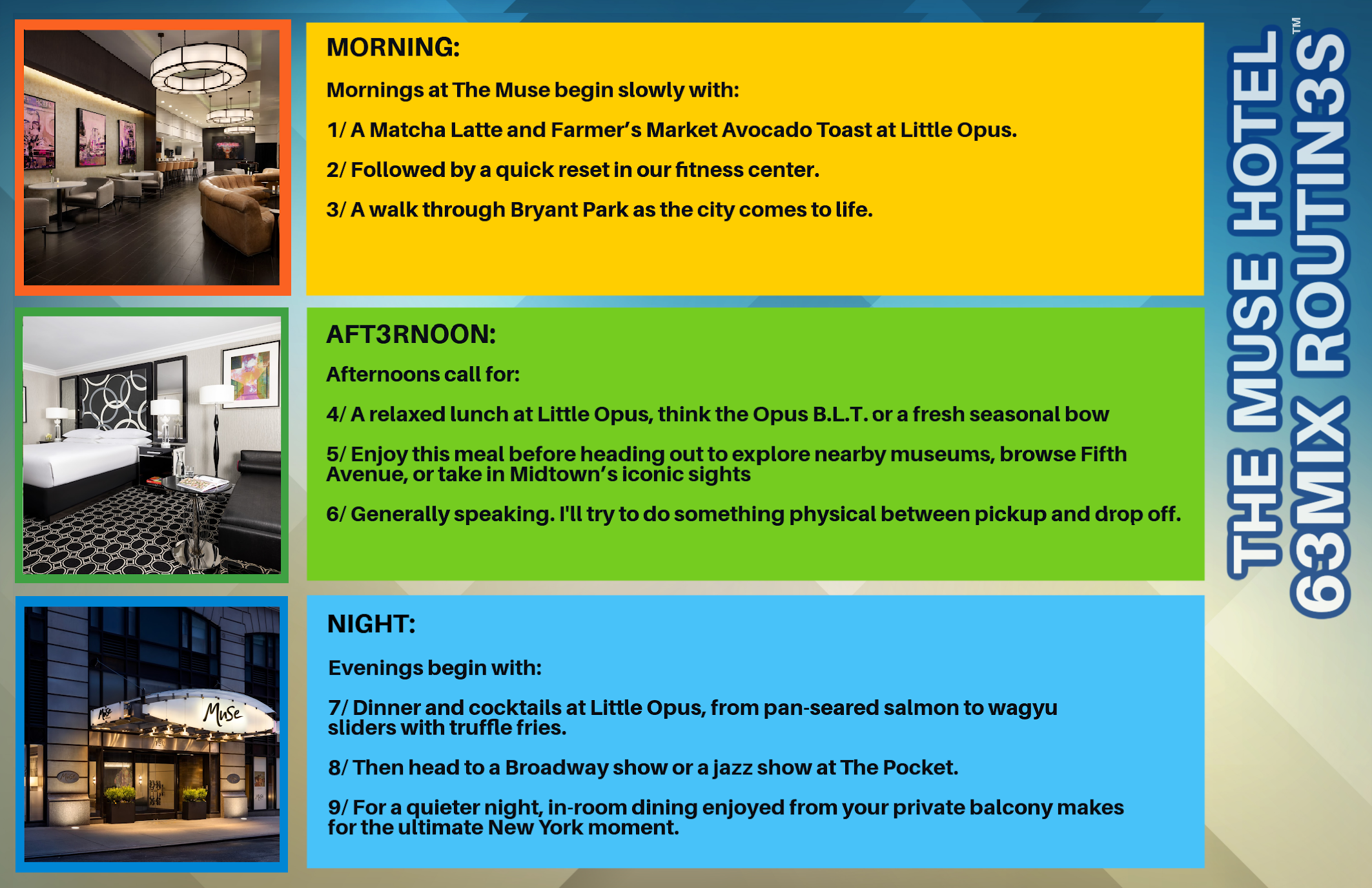
63MIX ROUTIN3S | THE MUSE HOTEL

June 11, 2026

Read the MAY ISSUE #125 of Athleisure Mag and see 63MIX ROUTIN3S | The Muse Hotel in mag.

The Latest
63MR SH AM JUN 26 copy.png
July 11, 2026
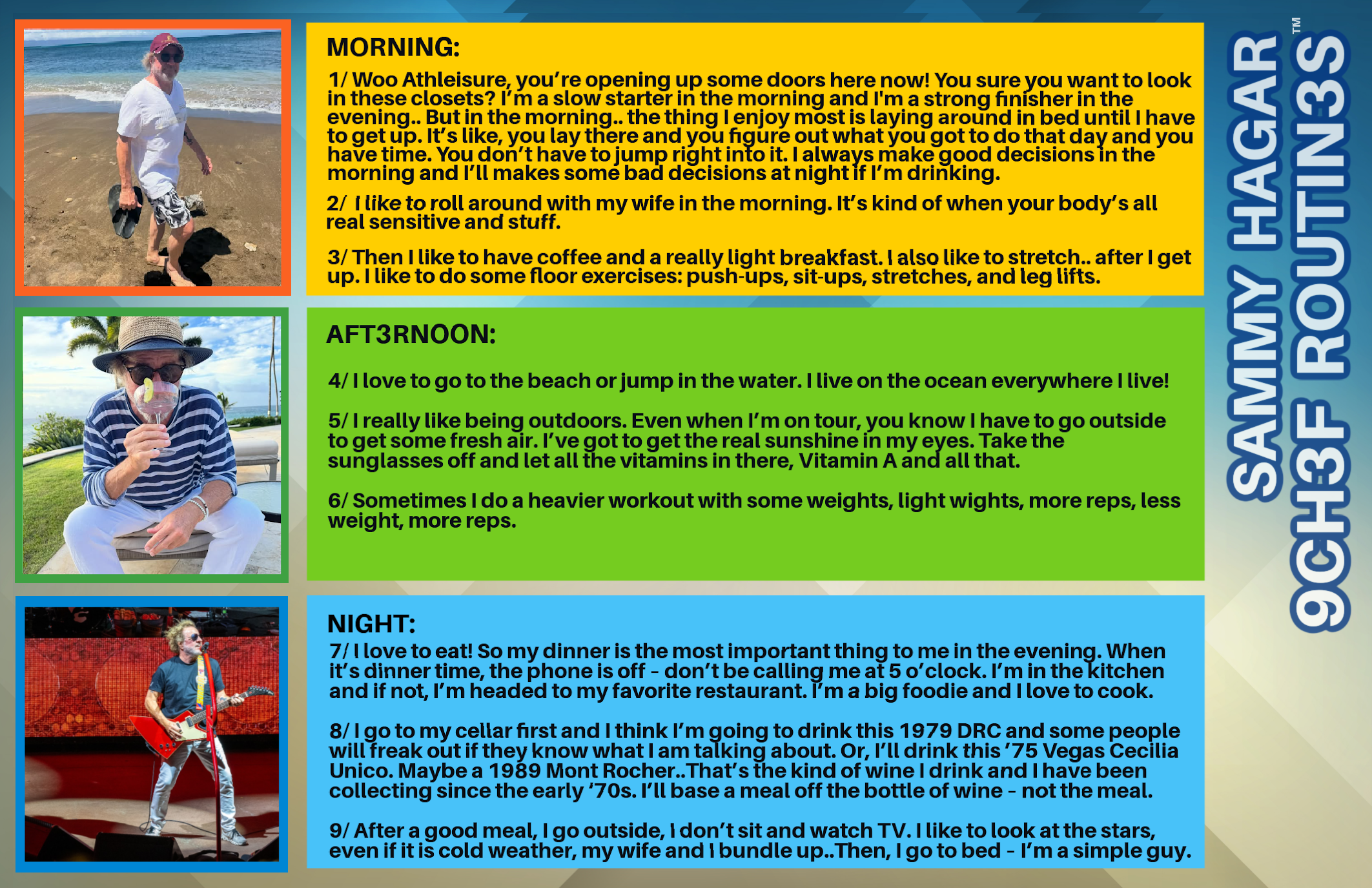
63MIX ROUTIN3S | SAMMY HAGAR
July 11, 2026
Read more →
July 11, 2026
63MR JJS AM JUN 26 copy 2.png
July 10, 2026
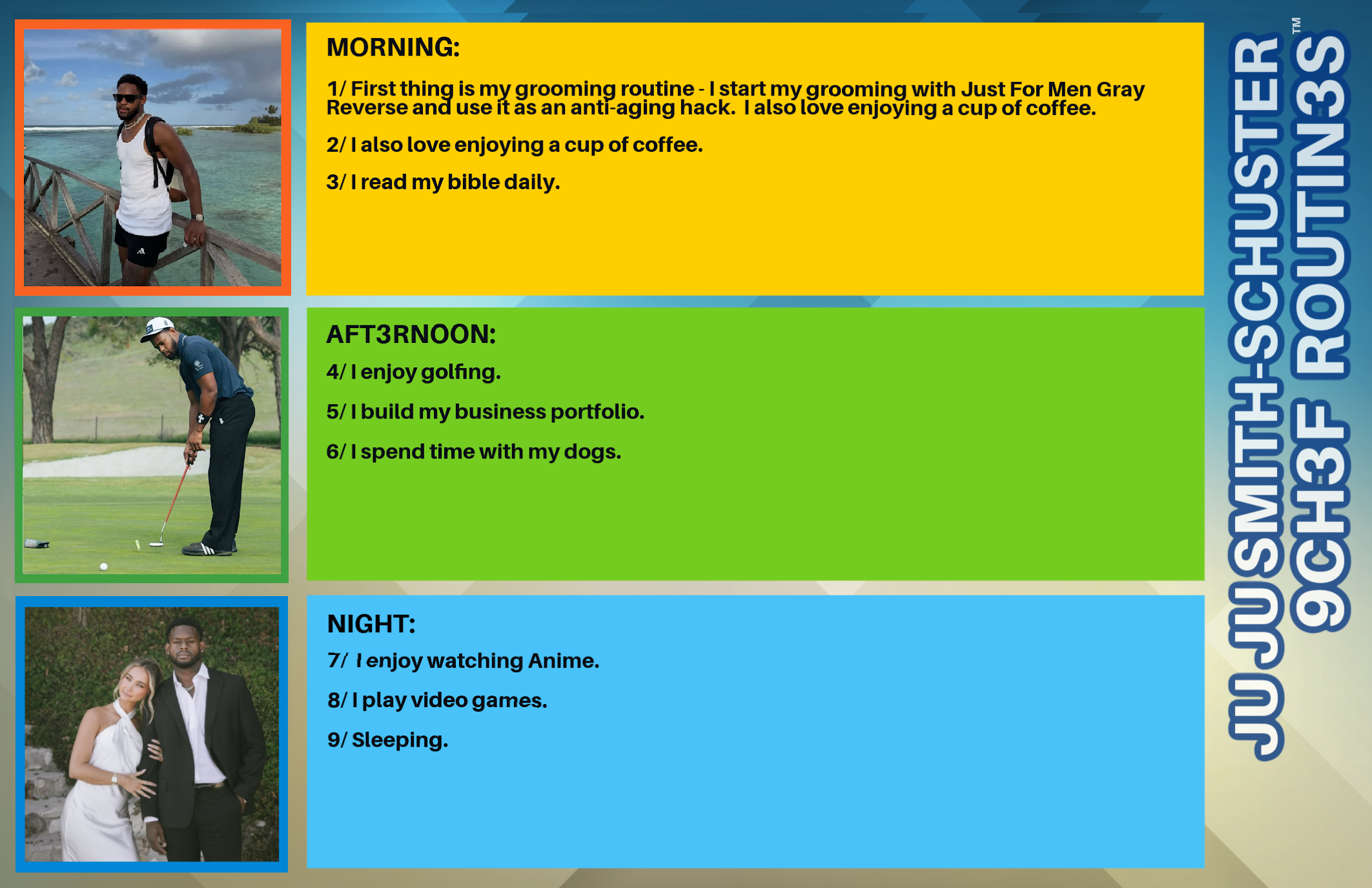
63MIX ROUTIN3S | JUJU SMITH-SCHUSTER
July 10, 2026
Read more →
July 10, 2026
63MR DM BB MAY 26.png
June 13, 2026
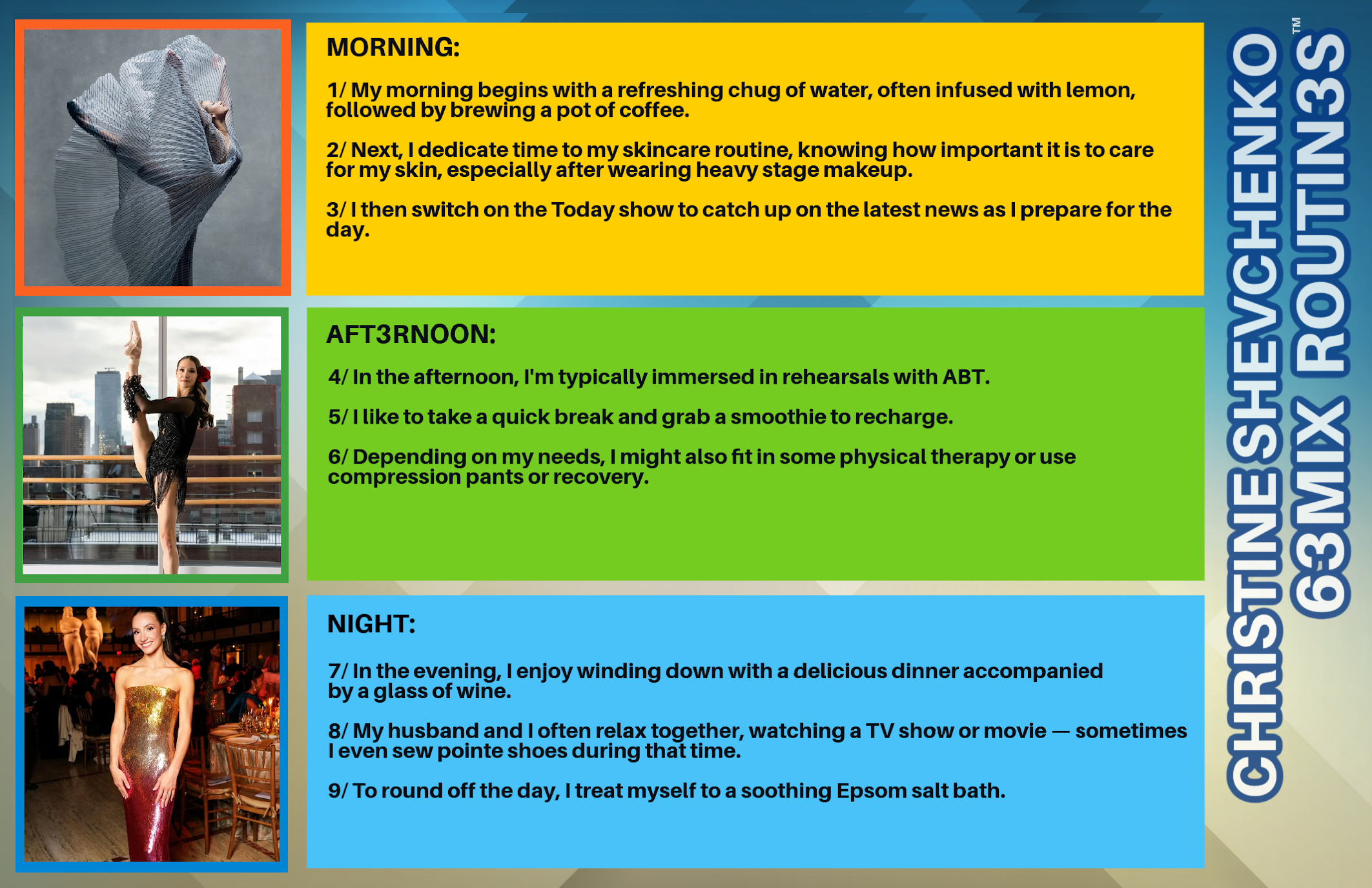
63MIX ROUTIN3S | CHRISTINE SHEVCHENKO
June 13, 2026
Read more →
June 13, 2026
In 63MIX ROUTIN3S, AM, Travel, May 2026 Tags 63MIX ROUTIN3S, A Quieter Night In, Broadway, Shopping + Recharge, Dinner + Cocktails At Little Opus, Fifth Avenue, Lunch At Opus, Walk Through Bryant Park, Fitness Center, Farmer's Market Avocado Toast At Little Opus
Comment

PHOTO CREDIT | Southern Scholar

SOUTHERN SCHOLAR'S POSITION IN THE PREMIUM DRESS SOCK MARKET

June 11, 2026

In the menswear industry, dress socks are often treated as a minor accessory. Yet they play a practical role in comfort, presentation, and professional appearance.

Southern Scholar, a Dallas-based company specializing in premium men's dress socks, has built its business on the idea that performance and style can coexist in a frequently overlooked product category.

The company has been operating for approximately 10 to 11 years and focuses exclusively on dress socks for professional and style-conscious men. Southern Scholar serves customers ranging from office professionals and business travelers to retirees and formalwear consumers.

The company reports annual revenue of approximately $4 million and has identified a long-term growth target of between $10 million and $20 million. With an average order value of $90 and worldwide shipping capabilities, the brand occupies a premium position within the hosiery market.

Unlike many apparel businesses that follow seasonal fashion cycles, Southern Scholar centers its strategy on technical performance, professional styling, and customer education. These priorities have helped shape the company's identity and market position.

Solving the Persistent Problem of Sagging Dress Socks

One of Southern Scholar's primary selling points is its focus on addressing a common frustration among professionals: dress socks that slide down during the day.

The company was founded to eliminate this issue. Its products incorporate what Southern Scholar describes as "stay up all day" technology. The objective is simple. The socks are designed to remain in place during long workdays, business travel, meetings, and formal events.

This emphasis on functionality reflects a broader shift in consumer expectations. Modern professionals increasingly expect clothing accessories to deliver practical benefits alongside appearance.

Industry experts frequently note the importance of sock performance. According to KTSox, "When you think about dressing sharp, socks might not be the first thing that comes to mind — but they should be. Dress socks are more than just a finishing touch; they directly impact your comfort, foot health, and overall style."

By focusing on a specific performance challenge, Southern Scholar differentiates itself from brands that primarily emphasize visual design.

A Technical Approach to Materials and Construction

Material selection is another area where Southern Scholar has established a distinct identity.

The company uses a specialized 32S1 polyester blend rather than relying on traditional materials such as cotton or wool. According to company information, the founder spent more than a year testing hundreds of fabric combinations and working with over 60 suppliers before finalizing the material composition.

Southern Scholar maintains that this synthetic blend offers advantages in shape retention, elasticity, durability, and color preservation. The company specifically argues that natural fibers can lose their form over time, while its selected material is engineered to maintain a consistent fit.

This position aligns with certain expert perspectives regarding moisture management and foot health. Dr. Saylee Tulpule, a podiatrist, notes, "As podiatrists, we recommend avoiding cotton socks, since these can retain moisture and cause friction blisters." She recommends materials that provide moisture-wicking performance, including synthetic fibers.

The brand complements its material strategy with 200-needle count construction. This manufacturing method creates a dense knit structure that produces a thinner profile. The result is a dress sock designed to fit comfortably within formal footwear without creating excess bulk.

Southern Scholar reports that this high-gauge manufacturing standard is central to its product development philosophy and overall quality objectives.

Combining Product Sales With Style Guidance

One of the company's more distinctive features is its concierge-style approach to customer education.

Many men feel uncertain about coordinating professional outfits, particularly as workplace dress codes continue to evolve. Southern Scholar addresses this challenge by including style cards with its products. These guides provide recommendations for pairing socks with suits, shoes, and other wardrobe elements.

Rather than focusing solely on the product itself, the company positions these materials as part of a broader effort to help customers navigate professional dressing.

This educational approach targets professionals who want guidance without relying heavily on fashion trends. It also supports customers transitioning between traditional business attire and modern business-casual environments.

The strategy reflects the company's broader mission to help men feel more confident about their appearance while maintaining professional standards.

A Design Philosophy Built Around Professional Environments

Southern Scholar's aesthetic approach differs from many brands operating in the novelty sock category.

The company describes its style philosophy as "simple, subtle, and sophisticated." Rather than producing designs featuring highly visible motifs such as animals, bicycles, or novelty graphics, Southern Scholar focuses on patterns intended for business and formal settings.

This decision emerged from the founder's observation that many professionals wanted more office-appropriate alternatives. The company, therefore, concentrates on designs that provide visual interest while remaining suitable for corporate environments.

The emphasis on professional presentation aligns with broader menswear guidance. Dr. Ernest L. Isaacson, a podiatrist, explains that "First and foremost, the role of a sock is to provide 'a nice layer between the foot and the shoe.' A proper pair of high-quality socks will keep your feet healthy, warm, and dry. Plus, they're another chance to show off your unique style."

Southern Scholar's product catalog attempts to balance these practical and stylistic considerations through patterns that remain understated rather than attention-seeking.

Customer Metrics Reflect Product Consistency

Several company-reported metrics provide additional context regarding Southern Scholar's market performance.

Since its launch, the company states that 96% of customer reviews have been five stars. Southern Scholar also reports a return rate of less than 1%.

These figures stand in contrast to the broader online apparel sector, where return rates average approximately 28%. While return rates can vary widely by category, low return percentages often indicate a good fit between customer expectations and actual product performance.

The company attributes much of this consistency to its customer-first philosophy. Southern Scholar states that every product must meet specific standards for fit, durability, and appearance before reaching customers.

As the company pursues its growth objectives, its focus remains centered on performance, professional styling, and product reliability. Within a competitive apparel market, Southern Scholar represents a specialized approach that combines technical design, customer education, and workplace-appropriate aesthetics. For professionals seeking functional dress accessories, the company continues to occupy a distinct position within the premium menswear segment.

The Latest
AM AUG OPENING SPREAD Tiffany Zhou (2).png
September 17, 2026
PRACTICAL LUXURY | TIFFANY ZHOU
September 17, 2026
Read more →
September 17, 2026
arthur-edelmans-A9UonVi-cwk-unsplash.jpg
August 27, 2026
NATURAL-FIBER ACTIVEWEAR THAT ACTUALLY PERFORMS, TESTED PIECE BY PIECE
August 27, 2026
Read more →
August 27, 2026
AM MAY ISSUE _125 GOV BALL PRE-COVERAGE 2026-1.png
June 19, 2026
GOV BALL 2026 PRE-COVERAGE
June 19, 2026
Read more →
June 19, 2026
In ATW
Comment

PHOTO CREDIT | Unsplash/James Ting

HOW TO STAY ACTIVE OUTSIDE THE GYM

June 11, 2026

For many of us, the traditional gym routine can feel like a chore that simply doesn't suit our schedules or personal preferences. The thought of staring at a blank wall on a treadmill or waiting for a machine to free up is enough to dent anyone's motivation. Fortunately, you don't need a gym membership to build a healthy, active lifestyle.

You can build consistent movement into your day by stepping outside and using your environment more intentionally. Outdoor activity often feels far less structured than a gym workout, making it much easier to maintain over the long term.

Turn Everyday Tasks Into Movement Opportunities

One of the easiest ways to boost your daily physical activity is to reframe your household chores and errands as opportunities for movement. Activities like walking to the local shops instead of driving or tackling outdoor chores can significantly raise your heart rate and burn calories through NEAT (Non-Exercise Activity Thermogenesis) without requiring you to carve out extra time from a busy day.

Gardening, in particular, is a fantastic full-body workout disguised as a leisure activity. Simple seasonal tasks, such as clearing a patch of soil to plant vibrant spring-flowering tulip bulbs, encourage regular lifting and stretching. Because you're focused on the creative goal of transforming your garden, the movement feels natural and rewarding rather than dull.

Use Nature to Support Consistency

Spending time in green spaces can motivate us to stay active for longer. When you're walking through a local park or along a coastal path, the changing scenery and fresh air naturally distract you from the physical effort of walking.

To turn this into a sustainable habit, try setting a weekly walking route through a nearby nature reserve or park. You can gradually extend the distance each week or challenge yourself to walk a little faster between certain landmarks. Whether you prefer a solitary morning stroll to clear your head or a local weekend hike with the family, immersing yourself in nature keeps you engaged and looking forward to your next outing.

Build Flexible Outdoor Routines

If you want to build strength and cardiovascular fitness without a gym, the great outdoors provides all the space you need. You don't need expensive equipment or fixed locations to structure an effective routine; your own body weight is more than enough.

Local parks often have benches that are perfect for incline push-ups or tricep dips. You can create a simple, flexible circuit by mixing these bodyweight exercises with short bursts of jogging or power walking between trees. Taking a flexible approach allows you to tailor your movement to how you feel on any given day, free from the constraints of a crowded fitness centre.

Make Activity Social and Sustainable

Human beings are inherently social, so anchoring your movement to social connection is one of the best ways to keep yourself accountable. Group activities (such as joining a local walking club or participating in a community parkrun) help maintain motivation when your own willpower flags.

Movement changes from a strict fitness task into an enjoyable part of your lifestyle when it becomes a way to catch up with loved ones or meet new people. You're far more likely to stick to an activity if you genuinely look forward to the company.

The Latest
AM AUG OPENING SPREAD Tiffany Zhou (2).png
September 17, 2026
PRACTICAL LUXURY | TIFFANY ZHOU
September 17, 2026
Read more →
September 17, 2026
arthur-edelmans-A9UonVi-cwk-unsplash.jpg
August 27, 2026
NATURAL-FIBER ACTIVEWEAR THAT ACTUALLY PERFORMS, TESTED PIECE BY PIECE
August 27, 2026
Read more →
August 27, 2026
AM MAY ISSUE _125 GOV BALL PRE-COVERAGE 2026-1.png
June 19, 2026
GOV BALL 2026 PRE-COVERAGE
June 19, 2026
Read more →
June 19, 2026
In ATW
Comment

PHOTO CREDIT | Unsplash/Antonio Araujo

HOW TO PLAN A TRIP THAT SUPPORTS YOUR LIFESTYLE

June 11, 2026

Most of us spend a large part of the year following a routine that balances everyday obligations with self-care. You might exercise before work and carve out family time in the evenings before taking an hour for yourself before bed.

Holidays can interrupt these routines. You might find that you don’t have time to wind down as usual or that you have to rethink your morning run. However, it’s possible to choose travel experiences that fit your priorities. By doing this, you can enjoy a genuine break while maintaining the habits that help you feel your best.

Start with your daily habits

Before booking any flights, you need to map out the non-negotiable elements of your current weekly schedule. If you thrive on morning workouts, you should intentionally seek out destinations that feature modern, well-equipped gym facilities or safe running paths.

Similarly, if you prioritise eating nutritious meals, you can research local food markets and select accommodation with self-catering facilities to ensure you can create balanced dishes while away from home. Map out these core preferences on paper before browsing destinations.

Choose holidays that work for you

The type of holiday you choose dictates exactly how much effort you must put in to remain consistent with your personal goals. Planning for a week in an unfamiliar place can impact your energy, whereas structured environments remove the decision-making process. Opting for all-inclusive holidays makes the process easier by providing a variety of nutritious dining options and on-site fitness classes right on your doorstep.

This lets you focus entirely on your physical health without having to constantly plan your day.

Build flexibility into your itinerary

Overpacking your itinerary with rigid sightseeing schedules can sometimes create unnecessary pressure that echoes the stress of your working week.

Try leaving dedicated blocks of free time between your main activities. This deliberate spacing gives you the freedom to relax. You might swap a museum tour for a leisurely coastal walk or a quiet afternoon reading session. Give yourself permission to alter your itinerary based on your daily energy levels.

Make travel sustainable

A holiday that matches your lifestyle should work before, during, and after your journey. When you choose travel options that match your lifestyle, you reduce the likelihood of returning home feeling overwhelmed or disconnected from your usual routines.

Practical choices often create the greatest long-term benefits. Opt for accommodation that suits your needs and plan journeys using transport that you can easily navigate. These decisions all contribute to a more balanced experience.

Rather than treating travel as an escape from everyday life, you can treat this getaway as an extension of the lifestyle you already value. That mindset can help you enjoy your time away while making the transition back home feel far smoother and more rewarding.

The Latest
AM AUG OPENING SPREAD Tiffany Zhou (2).png
September 17, 2026
PRACTICAL LUXURY | TIFFANY ZHOU
September 17, 2026
Read more →
September 17, 2026
arthur-edelmans-A9UonVi-cwk-unsplash.jpg
August 27, 2026
NATURAL-FIBER ACTIVEWEAR THAT ACTUALLY PERFORMS, TESTED PIECE BY PIECE
August 27, 2026
Read more →
August 27, 2026
AM MAY ISSUE _125 GOV BALL PRE-COVERAGE 2026-1.png
June 19, 2026
GOV BALL 2026 PRE-COVERAGE
June 19, 2026
Read more →
June 19, 2026
In ATW
Comment

PHOTO CREDIT | Unsplash/Content Pixie

THE BEST TRIPS FOR FITNESS ENTHUSIATS

June 11, 2026

If you like to take health and fitness very seriously, then why not seek out holiday experiences that support your goals? An active holiday might allow you to not just keep up your existing gym habits in a new environment but also to discover new, rewarding ways to exercise.

Often, a holiday that requires physical activity ends up being more relaxing than a more sedate alternative. You might devise and sustain a routine, keep your energy levels high, and enjoy parts of the world that aren’t accessible via other means.

Choosing Destinations That Encourage Movement

To begin with, you’ll want to choose an environment that supports your chosen form of activity. If you want to go boating, you’ll need water. If you want to go skiing, you’ll need a mountain with snow on it. It’s rarely a good idea to seek to impose an activity on an environment that doesn’t suit it. Instead, you’ll want to ask yourself how you’re going to spend the time and then pick a destination accordingly.

Blending Exploration with Structured Fitness

Of course, it might be that you need to vary the intensity of your activity over the course of the trip. This can help you to physically recover and to maintain your interest in whatever it is that you’re doing.

You might therefore seek to spend your downtime doing something moderately active, even if it doesn’t really qualify as exercise. A walking tour of a historic city centre might be followed by a hike through a local forest, for example.

It’s worth giving yourself a little bit of flexibility when you’re planning your itinerary. That way, you’ll be able to listen to your body and to change those plans as time goes on.

Cold-Climate Adventures with High Physical Rewards

For some travellers, the appeal of a real physical challenge in a gruelling environment might be difficult to resist. This is where untamed wilderness destinations, complete with plenty of natural diversity, can be ideal. For example, you might elect to hike around the interior of Iceland, seeking out the various glaciers, volcanoes, and black-sand beaches.

If you want to give yourself a little bit of a break, then you might think about an Iceland cruise that offers a little bit of time for active hikes or similar onshore activity. That way, you’ll get a balance between exertion and sightseeing.

Recovery and Sustainability While Travelling

All of the rules that apply to physical activity when you’re at home apply doubly when you’re away, since injuries and other problems have the potential to ruin your holiday. Make sure that you understand your physical limits and when to push them. We’ve already mentioned the benefits of interspersing intense physical activity with periods of rest. Things like stretching, warmups, nutrition and hydration also matter.

Build Trips That Support Your Lifestyle

You’ll want to pick out a form of active travel that suits your habits and tastes. Don’t push yourself too hard, too fast. It’s better to err on the side of caution and have an experience that isn’t quite intense enough to be taxing than to go too far in the other direction.

The Latest
AM AUG OPENING SPREAD Tiffany Zhou (2).png
September 17, 2026
PRACTICAL LUXURY | TIFFANY ZHOU
September 17, 2026
Read more →
September 17, 2026
arthur-edelmans-A9UonVi-cwk-unsplash.jpg
August 27, 2026
NATURAL-FIBER ACTIVEWEAR THAT ACTUALLY PERFORMS, TESTED PIECE BY PIECE
August 27, 2026
Read more →
August 27, 2026
AM MAY ISSUE _125 GOV BALL PRE-COVERAGE 2026-1.png
June 19, 2026
GOV BALL 2026 PRE-COVERAGE
June 19, 2026
Read more →
June 19, 2026
In ATW
Comment

PHOTO CREDIT | Unsplash/Fabian Møller

HOW YOUR SURROUNDINGS SHAPE YOUR ROUTINE, ENERGY AND WELLBEING

June 11, 2026

If you’re going to thrive, then you need to put yourself in the right environment. When your surroundings don’t match your personality and the way you intend to live your life, then you might find that they get in the way. Those little habits and routines you seek to cultivate might be undermined by the fact that your home, as it’s currently constituted, doesn’t support them.

Let’s take a look at a few worthwhile changes we might make to our environments and how they might help to shape the way that we live.

Light, Space and Layout: Setting the Tone for Your Day

The human mind has evolved to crave natural light. The more of it we can get into our interiors, the better we’ll end up feeling – since light is part of what makes time spent outdoors so mentally beneficial. When your kitchen is bright and breezy, and there’s an open space through which the early sun can spread, then you might feel a natural lift in the morning.

On the other hand, if your office space is dingy and cluttered, it’s easy to feel dispirited and unproductive.

Noise, Green Space and Mental Clarity

Mental focus is something that can be disrupted by constant interruption. If you’re surrounded by noise, then you might find it difficult to concentrate on what you’re doing.

But there’s more to focus on than simply creating a quiet environment. You’ll also need to recognise that you only have a limited supply of concentration and that regular breaks are essential. This is where a local park, or some other accessible green space, can be so beneficial. A daily walk might be an essential component of a healthy routine.

Designing for Better Habits at Home

Often, it’s not just our environments that shape our daily habits, but also our habits that help shape our environments. If you make a point of decluttering a space at a certain time of day, or deep-cleaning a certain corner of the home at a certain time of year, then you might find that your surroundings are easier to keep in good order.

Why Location Still Plays a Key Role

Your place in the world matters. If your home is located within easy reach of green areas and quality shared space for socialising, then you might find it easier to put yourself in a good, positive environment.Developments of  new-build homes tend to be designed around communal spaces that serve precisely this goal. Such spaces tend to make a fantastic match for family life, as well as helping individuals to maximise the joy they get out of every given day.

Make Your Space Work for You

It’s important to bear in mind that everyone has different needs when it comes to their environment. Some people are able to cope with clutter in a way that others simply are not. When you devise your routines and your environment, you’ll want to optimise according to your own needs, rather than those of the average person!

The Latest
AM AUG OPENING SPREAD Tiffany Zhou (2).png
September 17, 2026
PRACTICAL LUXURY | TIFFANY ZHOU
September 17, 2026
Read more →
September 17, 2026
arthur-edelmans-A9UonVi-cwk-unsplash.jpg
August 27, 2026
NATURAL-FIBER ACTIVEWEAR THAT ACTUALLY PERFORMS, TESTED PIECE BY PIECE
August 27, 2026
Read more →
August 27, 2026
AM MAY ISSUE _125 GOV BALL PRE-COVERAGE 2026-1.png
June 19, 2026
GOV BALL 2026 PRE-COVERAGE
June 19, 2026
Read more →
June 19, 2026
In ATW
Comment

PHOTO CREDIT | World of Warcraft Raid Timewalking

WORLD OF WARCRAFT RAIDS TIMEWALKING: TACTICS, REWARDS, AND WHAT YOU ACTUALLY NEED TO KNOW

June 11, 2026

Timewalking in World of Warcraft is one of those systems that looks casual on the surface but bites you the moment you step in unprepared. If you want structured help clearing these encounters, dedicated wow raid services exist precisely for this: but for everyone who prefers the DIY route, understanding how Timewalking Raids work is the first and most important step. This guide covers the mechanics, the available raids, group requirements, and reward structures so you can make the most of each limited-time event window.

What Timewalking Raids Actually Are

Unlike Timewalking dungeons, which scale the dungeon up to your character, Timewalking Raids reverse the equation: your power and gear are scaled down to match the raid. This distinction matters enormously in practice. You cannot simply outlevel the content and steamroll it. Abilities and boss mechanics from the original raids remain relevant, interrupts still need to happen on schedule, and tanks can absolutely get two-shot if positioning goes wrong.

The system runs on a rotating weekly calendar, with each Timewalking event tied to a specific expansion. Raids are only available during their corresponding event window: miss the week and you are waiting for the next rotation, which could be weeks away.

Available Timewalking Raids at a Glance

The current Timewalking Raid roster covers three expansions, each with its own raid, event timing, and associated loot pool:

RaidExpansion EventGrop SizeNotable Drop
Black TempleBurning Crusade10-30 playersWarglaives of Azzinoth
UlduarWrath of the Lich King10-30 playersMimiron's Head Mount
FirelandsCataclysm10-30 playersFlametalon of Alysrazor

How to Actually Get In

Timewalking Raids do not use the Dungeon Finder or Raid Finder. You need a pre-made group of at least 10 players and a maximum of 30. Once the group is assembled, the raid leader speaks to a specific NPC depending on the active event:

  • For Black Temple (Burning Crusade event): speak to Vormu in Shattrath City.

  • For Ulduar (Wrath of the Lich King event): speak to Vormu in Northrend Dalaran.

  • For Firelands (Cataclysm event): speak to Vormu or Kiatke at the Hub in Orgrimmar or Stormwind.

  • The NPC queues the entire raid group simultaneously, pulling everyone into the instance regardless of their current location.

Core Mechanics to Keep in Mind

Since your gear is scaled down rather than boosted, the actual tuning of these raids is noticeably tight. Blizzard has acknowledged on multiple occasions that Timewalking Raids are intentionally tuned to require real execution. The Warcraft Wiki Timewalking article notes that boss health was significantly increased in a major tuning pass, and incoming damage is meaningfully higher against geared players. In short: your item level advantage is much smaller than you think.

There are several mechanics principles that hold true across all three raids:

  • Legendary items from the original raids: such as Val'anyr in Ulduar or Shadowmourne from Icecrown: do not function in Timewalking due to legacy item restrictions.

  • Interrupts are not optional: abilities like Illidan's Shear in Black Temple or Freya's Attuned to Nature stacks in Ulduar will punish groups that ignore them.

  • Positioning matters just as much as DPS output: spread mechanics, soak zones, and tank swaps from the original encounters are preserved.

  • Healer throughput is frequently the bottleneck since the scaling compresses everyone's effective power, making sustained damage spikes harder to recover from.

Rewards and Why They Are Worth the Effort

The reward system for Timewalking Raids is structured around three categories: gear, currency, and collectibles.

Gear drops at a Timewalking-appropriate item level for the current expansion, scaled to be useful for alts and secondary characters. Each character completes the loot lockout independently, which makes Timewalking Raids one of the more efficient ways to fill out item slots on multiple characters during a single event week.

Timewarped Badges are earned from boss kills and from completing the weekly Timewalking quest available in Dornogal (picked up from Archivist Frithrun in The War Within). The weekly quest alone awards 500 Timewarped Badges on completion. These badges are spent at expansion-specific vendors for mounts, pets, transmog gear, and reputation tokens.

Collectible highlights by raid:

  • Black Temple: Warglaives of Azzinoth (exclusive Demon Hunter transmog weapon, very low drop rate).

  • Ulduar: Mimiron's Head, one of the rarest ground mounts in the game, from Yogg-Saron's 0-Keeper hardmode.

  • Firelands: Flametalon of Alysrazor and Smoldering Egg of Millagazor: both fire-themed mounts with long farming histories.

  • All bosses across all Timewalking content share a small chance to drop Reins of the Infinite Timereaver, an infinite drake mount.

Practical Tips for a Smoother Run

A few things that separate groups that clear from groups that disband after the third wipe on the same trash pack:

  • Assign someone to call out the event window start date so the raid is planned in advance: showing up on the last day of the event week with no group ready is a classic mistake.

  • Use the Premade Group Finder to fill roster gaps rather than waiting for a guild to reach 10 people; cross-realm groups work just fine.

  • Read at least a quick breakdown of each boss before entering: even a two-minute wowhead guide lookup will prevent the majority of wipes on encounters like Mimiron or Mother Shahraz.

  • Bring a balanced composition: two healers minimum for 10-person runs, and at least two tanks for fights that have mandatory tank swaps such as Gurtogg Bloodboil in Black Temple.

Final Thoughts

Timewalking Raids reward preparation more than raw gear. The scaling system is designed to make your current patch power largely irrelevant once inside, which is both what makes these raids feel authentic and what catches players off guard. Plan around the event schedule, get your group sorted before the window opens, and bring at least a passing familiarity with the boss encounters: and you will find these raids deliver some of the most satisfying PvE moments WoW has to offer outside of current content.

The Latest
AM AUG OPENING SPREAD Tiffany Zhou (2).png
September 17, 2026
PRACTICAL LUXURY | TIFFANY ZHOU
September 17, 2026
Read more →
September 17, 2026
arthur-edelmans-A9UonVi-cwk-unsplash.jpg
August 27, 2026
NATURAL-FIBER ACTIVEWEAR THAT ACTUALLY PERFORMS, TESTED PIECE BY PIECE
August 27, 2026
Read more →
August 27, 2026
AM MAY ISSUE _125 GOV BALL PRE-COVERAGE 2026-1.png
June 19, 2026
GOV BALL 2026 PRE-COVERAGE
June 19, 2026
Read more →
June 19, 2026
In ATW
Comment

PHOTO CREDIT | Unsplash/Huy Nguyen

HOW TO FIND A TRUSTED MEDICAL NEGLIGANCE TEAM

June 11, 2026

In Indiana, medical negligence matters are shaped by procedure almost as much as by facts. A claim usually begins with a proposed complaint, and the state’s medical review panel process may follow. That means the earliest work a legal team does is often the most important, because deadlines, filing steps, and review requirements can affect the entire claim. 

A trusted Indiana medical malpractice law firm should therefore be more than responsive. It should understand how Indiana’s system works, when a claim must be filed, and how a proposed complaint affects the statute of limitations. Under Indiana law, you need to file the claim within two years of the alleged malpractice, and filing a proposed complaint tolls the limitations periods for a limited time after the panel opinion is received.

First Signs of Reliability

A dependable medical negligence team usually shows you its quality of work early. It does not jump to conclusions before reviewing the medical history, and it does not treat the matter as a routine injury file. Instead, it studies the sequence of the treatment, asks you for complete records, and looks for the point where the care may have deviated from the accepted standards. That kind of discipline gives you confidence that the case is being evaluated seriously.

The early review is especially important in Indiana because filing a proposed complaint does not automatically create a medical review panel. Either of you may request the panel only after the proposed complaint has been filed, and the request must be served properly. A team that handles this step carefully reduces unnecessary delay and helps keep the case organized from the outset.

Record Handling Standards

Medical records are the core of a negligence claim, but they are not useful unless they are reviewed with care. A trusted team reads notes, imaging reports, discharge summaries, and treatment updates with a focus on sequence and consistency. It looks not only for what is written, but also for what is missing, since omissions can be just as important as entries.

Strong record handling also means understanding context. A single line in a chart may seem minor until it is compared with the rest of the file. The best teams know how to connect those details without overreaching. That balance matters because the client needs an explanation that is clear, accurate, and grounded in the actual medical timeline.

Communication and Consent 

A trusted team also takes the seriousness of your case into account when communicating. A trusted team explains all the details clearly, which include:

  1. What the records show

  2. What still needs to be confirmed

  3. What will be the next legal step

You should not be left guessing about deadlines or procedural requirements. In malpractice matters, clarity is part of effective representation, not an extra service.

That expectation of clarity is consistent with patient rights in healthcare settings. Mayo Clinic’s patient-rights materials emphasize the right to receive current information, education about diagnosis and treatment, and facts needed to understand informed consent before procedures begin. A trustworthy legal team should reflect the same level of clarity in its own communication.

Timing and Preservation

Timing is one of the most practical signs of a trustworthy malpractice team. Indiana’s two-year filing rule leaves little room for delay, and the panel process adds another layer of scheduling that must be handled carefully. A team that tracks these dates closely protects you from avoidable procedural problems.

Paying attention to deadlines also helps preserve the evidence. When your case is reviewed early, medical records, witness recollections, and treatment details are easier to work with. A firm that acts promptly usually has more room to investigate, compare records, and prepare the claim in a measured way rather than under pressure. 

Conclusion

A trusted medical negligence team does not rely on broad promises. It conducts a careful review and works on timely filing. The team communicates clearly and takes a disciplined approach to expert analysis. They demonstrate reliability through their actions and positive, result-oriented efforts. In Indiana, where procedure and deadlines are tightly connected, those qualities matter more than polished language or general assurances. 

If you are searching for representation, the most useful question will be: Does the firm understand the medical facts, the Indiana process, and the timing pressures well enough to manage the case without hesitation? If the answer is yes, the team is far more likely to earn trust for the right reasons. 

The Latest
AM AUG OPENING SPREAD Tiffany Zhou (2).png
September 17, 2026
PRACTICAL LUXURY | TIFFANY ZHOU
September 17, 2026
Read more →
September 17, 2026
arthur-edelmans-A9UonVi-cwk-unsplash.jpg
August 27, 2026
NATURAL-FIBER ACTIVEWEAR THAT ACTUALLY PERFORMS, TESTED PIECE BY PIECE
August 27, 2026
Read more →
August 27, 2026
AM MAY ISSUE _125 GOV BALL PRE-COVERAGE 2026-1.png
June 19, 2026
GOV BALL 2026 PRE-COVERAGE
June 19, 2026
Read more →
June 19, 2026
In ATW
Comment

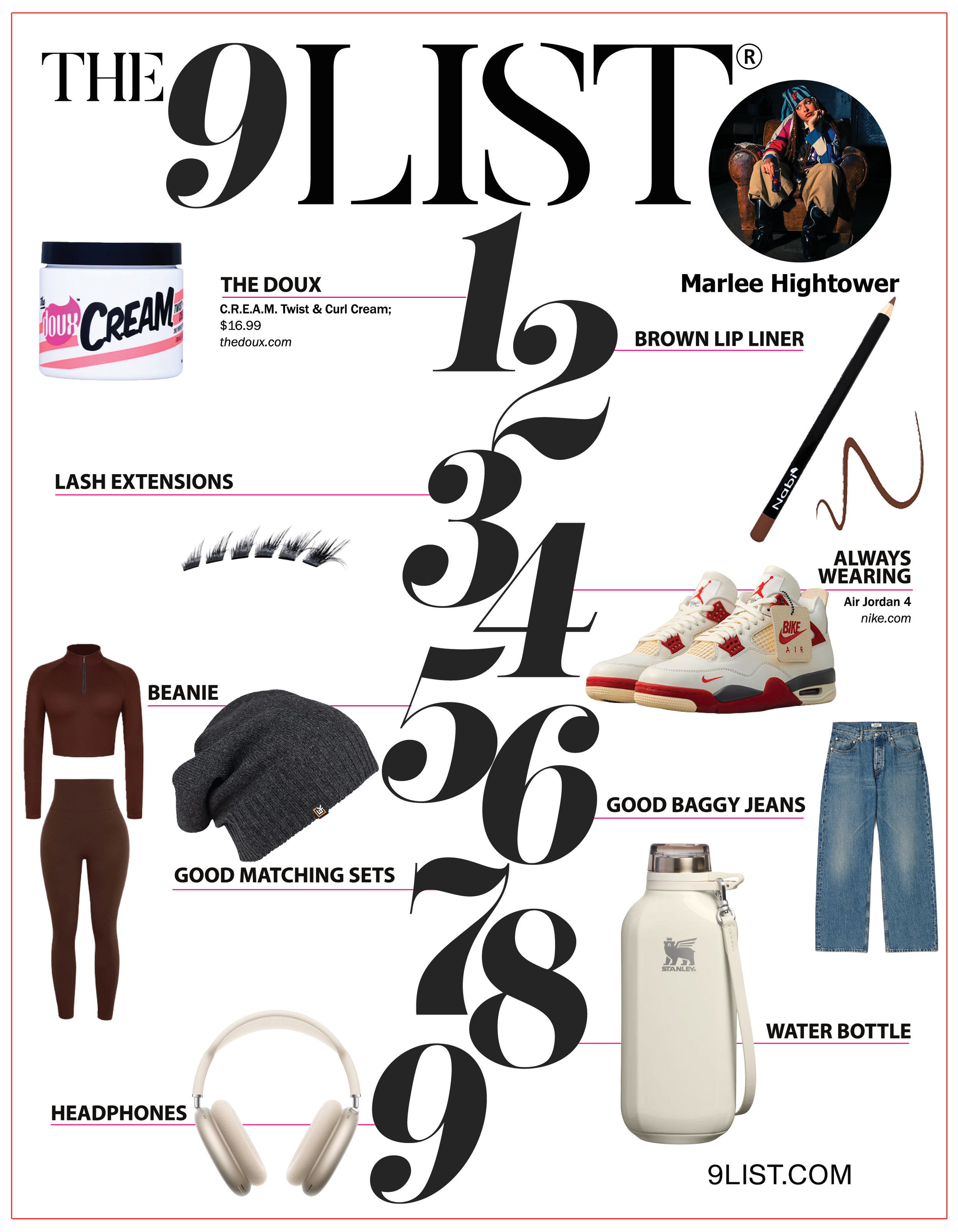
9LIST STORI3S | MARLEE HIGHTOWER

June 10, 2026

Read the MAY ISSUE #125 of Athleisure Mag and see 9LIST STORI3S | Marlee Hightower in mag.

The Latest
9L MH AM MAY 26.png
June 10, 2026
9LIST STORI3S | MARLEE HIGHTOWER
June 10, 2026
Read more →
June 10, 2026
9LS JA APR 26.png
May 10, 2026
9LIST STORI3S | JUNE AMBROSE
May 10, 2026
Read more →
May 10, 2026
9L MR AM MAR 26 (1).png
April 14, 2026
9LIST STORI3S | MORGAN RIDDLE
April 14, 2026
Read more →
April 14, 2026
In 9LIST STORI3S, AM, May 2026, TV Show Tags 9LIST STORI3S, Marlee Hightower, Headphones, Water Bottle, Good Matching Sets, Good Baggy Jeans, Beanie, Always Wearing, Air Jordan 4, Lash Extensions, Brown Lip Liner, The Doux
Comment

EDITOR EVENT | Unsplash/Awesome Sauce Creative

THE SLOW POUR: HOW THE HOOKAH NIGHT BECAME THE CENTERPIECE OF THE MODERN GATHERING

June 10, 2026

There's a quiet shift happening in how we host. The dinner runs long, the playlist softens, and somewhere after the last plate is cleared, the night stops rushing. Increasingly, what holds people in their seats isn't another round — it's the hookah at the center of the table.

For a culture obsessed with the next reservation and the after-party after the after-party, there's something almost rebellious about an evening built to slow down. The hookah session has always understood this. Long before "intentional gathering" became a wellness buzzword, the ritual of shared smoke was doing the work — pulling a room into one rhythm, giving everyone's hands something to do and everyone's conversation room to breathe.

What's changed is the context. The hookah has migrated out of the dim lounge and onto the rooftop, the backyard, the design-forward living room. It's become less a novelty and more a centerpiece — the thing a thoughtful host builds an evening around.

The Appeal Is the Pace

Ask anyone who hosts well and they'll tell you the hard part isn't the food or the drinks. It's the lull — that stretch late in the night when the energy could either deepen into something memorable or quietly fizzle toward the door. The hookah is built precisely for that stretch. It rewards lingering. It gives a gathering a second act.

Part of the draw is sensory. A well-managed bowl is aromatic without being overwhelming — notes of mint, stone fruit, citrus, rose, or spiced chai drifting through the room like a signature scent. Part of it is social geometry: a hookah naturally arranges people in a loose circle, leaning in, passing, talking across rather than scrolling beside one another. In an era of parallel-play socializing, that's a small luxury.

It's a Craft, Not a Gadget

The misconception is that you simply light it and go. The hosts who do this beautifully treat it the way a serious home cook treats a dinner party — as a craft with a few non-negotiables. The quality of the blend matters. So does heat management, the unsung skill that separates a smooth, flavorful session from a harsh one. Charcoal placement, whether you're working with foil or a heat-management device, the freshness of the water, even how the bowl is packed — these are the details that turn "we tried hookah once" into "you have to come to one of these."

None of it is difficult. It's just learnable, and the payoff curve is steep. A host who spends one evening understanding heat control will out-host most lounges on the second try. If you're new to it, the people over at Hookah Vault put together a genuinely useful guide to hosting a hookah night that breaks down setup, flavor selection, and the heat-management basics — worth a read before you commit to a date.

Curating the Flavor List

Here's where the modern host gets to play. Think of the flavor lineup the way you'd think of a wine list or a cocktail menu — a little range, a little intention. A bright, crowd-pleasing mint or watermelon for the early arrivals. Something more layered — a spiced apple, a creamy pistachio, a complex stone-fruit blend — as the night deepens. The best sessions, like the best meals, have a progression to them.

And like any good menu, restraint reads as confidence. Two or three well-chosen flavors, rotated thoughtfully across the evening, beat a chaotic dozen. The goal isn't to show off the collection; it's to give the room a through-line.

The Setting Does Half the Work

The final piece is staging, and it's the most forgiving. Low, comfortable seating arranged in a loose circle. Lighting dialed down to amber. A playlist that hovers rather than demands. Something to graze on — dates, citrus, dark chocolate, mezze — that complements the aromatics without competing. None of this requires a redesign; it requires a point of view.

That's ultimately what the hookah night signals about its host. Not extravagance, but attention — the willingness to build an evening that asks people to stay a little longer, talk a little deeper, and leave feeling like they were somewhere, not just out.

In a season of fast everything, that might be the most stylish move on the table.

The Latest
AM AUG OPENING SPREAD Tiffany Zhou (2).png
September 17, 2026
PRACTICAL LUXURY | TIFFANY ZHOU
September 17, 2026
Read more →
September 17, 2026
arthur-edelmans-A9UonVi-cwk-unsplash.jpg
August 27, 2026
NATURAL-FIBER ACTIVEWEAR THAT ACTUALLY PERFORMS, TESTED PIECE BY PIECE
August 27, 2026
Read more →
August 27, 2026
AM MAY ISSUE _125 GOV BALL PRE-COVERAGE 2026-1.png
June 19, 2026
GOV BALL 2026 PRE-COVERAGE
June 19, 2026
Read more →
June 19, 2026
In ATW
Comment

PHOTO CREDIT | Unsplash/Rizky Subagja

TOP FEATURES EVERY WEARABLE APP DEVELOPMENT COMPANY SHOULD DELIVER

June 10, 2026

We have officially moved past the era of basic, glorified pedometers that only count steps while you walk to the kitchen. Today's wrist-wear needs to think fast, sync data instantly, and be intuitive. 

If you are looking for a wearable app development company to build your next big wrist or ring project, you can't just settle for standard mobile coders who think shrinking a phone screen layout is all it takes to make something good.

Introduction to Wearable App Development Companies

With wearables expected to reach 600M units by 2028–2029, choosing the right wearable app development partner has become even more important. It’s not an easy job as fitness app development is complicated due to cramped screen spaces, volatile battery limits, and short attention spans. 

Offering a high-quality wearable app development service means knowing how to balance these physical hardware boundaries with clean, invisible engineering that keeps people coming back day after day.

The Growing Importance of Wearable Technology

Between 2026 and 2033, the US wearable tech market is projected to absolutely skyrocket. Wearable fitness & sports products are gaining tons of new fans every single day, but there’s a much bigger shift happening under the radar.

Hospitals are currently seeing a 35% spike in adopting remote patient tracking and preventive care gadgets to keep tabs on people outside the clinic. 

For any business getting into this space early, it’s a golden opportunity to stay completely locked in with your audience on a daily basis.

Role of a Wearable App Development Company in Modern Businesses

A professional wearable app development company does more than just write code. They act as consultants who help you figure out how wearable-integrated platforms fit your broader business goals. They know which features work best on a watch versus a smartphone screen.

Essential Features for Wearable App Development

To survive in a competitive market, your app must be functional, fast, and reliable in any environment. Users have zero tolerance for buggy software on their wrists. Here is a breakdown of the core features that every top-tier wearable app development company must build into your product to ensure long-term engagement.

Seamless Device Compatibility

Wearable-integrated platforms must look great on all screen shapes, like round or square, as the app needs to work perfectly on different watch brands, like Apple, Garmin, and Wear OS. A good wearable app development company makes sure the app fits every screen size naturally. This ensures you do not lose customers just because they wear a different watch.

Intuitive User Interface and Experience

Wearable screens need to be simple because users are often busy moving, running, or carrying things.

  • Information must be easy to read with just a quick glance

  • Buttons need to be large so they are easy to tap

  • Swiping through the app should feel natural and automatic

If a user has to stop and think about how to use the app, the design is too complicated.

Real-Time Data Synchronization

Slow apps ruin the experience for users. Workout data needs to be sent to the phone right away. If users have to wait for a loading wheel, they will leave for a faster app. A good wearable app development company knows how to keep everything running smoothly.

Robust Security and Privacy Measures

Since wearables deal with very private information, such as GPS coordinates and biometric readings, data security becomes essential. A reputable wearable app development company will understand how to ensure proper encryption for both storage and wireless transfer of data so that you can have an app that is compliant, risk-free, and trusted by users.

Efficient Battery Optimization

Any AI fitness app that discharges the battery within a few hours will be useless to the user. Wearable devices have very limited battery capacity because of their physical size. As such, the applications should be optimized to ensure there is no continuous activity in the background, especially with sensors.

Customizable Notifications and Alerts

Constant wrist vibrations annoy users and cause them to turn off alerts completely. A great wearable-integrated platform gives users total control over their notifications. Furthermore, using distinct haptic feedback patterns helps users understand what kind of alert they are receiving without looking at the screen, keeping the interaction completely seamless.

Integration with Third-Party Services

Wearable fitness & sports products should not run in total isolation. They should be able to integrate smoothly with other systems, such as Apple Health, Google Health Connect, or even some kind of wearable-based system. The reason is that it will enable users to consolidate all their data in one place.

Offline Functionality

Wearables are used in places where there is no cellular network connectivity, such as hiking routes or subterranean workout centers. Fitness software should function offline and save data locally on the mobile phone. Once the device is able to connect to the Internet, it should synchronize all data automatically to the cloud.

Scalability and Future-Proofing

Consumer demands and underlying technologies shift fast. If you are building an AI fitness app, your backend must handle thousands of users sending complex requests simultaneously. The architecture needs to be modular and clean, so a wearable app development company can easily add new features or support new hardware down the road.

How a Wearable App Development Company Ensures Quality

Building a reliable product takes careful planning and testing. Writing code quickly is not enough; your wearable app development partner must test the app in real-world situations. An expert team knows how to handle technical risks safely from start to finish.

Agile Development Methodologies

An Agile framework helps the team work in short, focused steps. You can test a working version of the app every few weeks and give feedback. This flexible method is great for building and launching a basic version of your app quickly. It lets you test your business idea with a wearable app MVP early on.

Rigorous Testing and Quality Assurance

Computer tests cannot copy real human movements or real-world situations. A wearable app development company must test the app on actual physical devices. They need to see how the app handles low battery and weak signals. This helps find hidden bugs that could ruin how the app runs.

Post-Launch Support and Maintenance

The process of development does not stop after you release the application into the market. There are system updates, new devices come out, and there will always be small issues that need fixing. Having a trusted wearable app development partner means that there is a support team that can take care of those things for you.

Choosing the Right Wearable App Development Company

Choosing the right technology partner is a crucial step towards the success of your project. A good partner will be like an extension of your company, one that will overcome all kinds of technical challenges but always with an eye on your commercial objectives. Going with a dedicated wearable app development company helps you sidestep pitfalls.

Key Factors to Consider

  • Look at the company's real experience with hardware, instead of just looking at a nice portfolio

  • Check if they have already built fitness software or tools that track data

  • Read reviews from past clients to see how they solve tough problems

  • Make sure they know how to handle tricky things, like Bluetooth connections and syncing data

Questions to Ask Potential Partners

  • Ask agencies exactly how they keep data safe and save battery life

  • Ask them to break down the total fitness AI app cost

  • Have them explain their timeline for testing the app

  • Use their answers to see if they are real experts who know what they are doing

Conclusion: Elevate Your Business with the Right Wearable App Development Company

Creating a successful wearable app requires a deep understanding of hardware limitations, compact interfaces, and user behavior. By focusing on essentials like battery life, real-time syncing, and clean layouts, you can launch a product users love. Partnering with an experienced wearable app development company ensures your project delivers long-term business value.

The Latest
AM AUG OPENING SPREAD Tiffany Zhou (2).png
September 17, 2026
PRACTICAL LUXURY | TIFFANY ZHOU
September 17, 2026
Read more →
September 17, 2026
arthur-edelmans-A9UonVi-cwk-unsplash.jpg
August 27, 2026
NATURAL-FIBER ACTIVEWEAR THAT ACTUALLY PERFORMS, TESTED PIECE BY PIECE
August 27, 2026
Read more →
August 27, 2026
AM MAY ISSUE _125 GOV BALL PRE-COVERAGE 2026-1.png
June 19, 2026
GOV BALL 2026 PRE-COVERAGE
June 19, 2026
Read more →
June 19, 2026
In ATW
Comment

PHOTO CREDIT | Unsplash/Mae Mu

HOW PROPER HYDRATION SUPPORTS EXERCISE PERFORMANCE

June 10, 2026

How much does a 2% drop in body water cost an athlete? Enough to matter. Research puts the loss in aerobic performance at up to 10% once an athlete is dehydrated by 2% of body mass, and a 70-kg person reaches that figure after sweating out less than 1.5 liters. That is a single hard hour in warm weather. In this context, hydration is a measurable input to how fast, how long, and how clearly a body can work.

What Sweat Takes From the Blood

Sweating cools the body by evaporation, and the fluid it uses comes partly from blood plasma. As plasma volume falls, less blood returns to the heart with each beat. The heart compensates by beating faster to hold output steady, which is why heart rate climbs through a long effort even when pace stays flat. The effect has a name, cardiovascular drift, and it is one of the surest signs that fluid loss is straining the system well before an athlete feels truly spent.

The 2% Threshold

The number researchers return to is 2% of body mass. Below it, most athletes perform near their best. At or above it, endurance output reliably declines in laboratory testing, with the drop steepening as the deficit grows past 3% and 4%. The threshold is not absolute, since some self-paced time-trial studies show trained athletes tolerating losses near 4% without measurable slowing, but as a working rule the 2% mark is where coaches and sports scientists tell athletes to keep their deficit. In practice that means starting a session hydrated and limiting how far the tank drops during it. Overdrinking carries its own risk at the opposite extreme, since taking in far more fluid than is lost can dilute blood sodium to dangerous levels, so the goal is a managed deficit, not a flooded one.

Heat Multiplies the Cost

Temperature changes the math. In hot, humid conditions sweat evaporates poorly, so the body sweats more for less cooling, and fluid loss accelerates. A dehydrated body in heat also stores more heat because reduced blood volume limits how much can be routed to the skin, which is why guidance on exercising in the heat stresses starting a session fully topped up. The two problems compound: less fluid means worse cooling, and worse cooling drives more sweating. This is why the same athlete who barely needs to drink on a cool morning can lose 2 liters in an hour at midday in summer. Acclimatization helps, since a body adapted to heat sweats earlier and conserves sodium better, but even an acclimatized athlete cannot outrun the basic arithmetic of fluid lost against fluid replaced.

Where Hydration Drinks Fit

For efforts under an hour, plain water covers most athletes, since there is little measured performance gap between water and a carbohydrate-electrolyte mix over that span. Past 60 minutes the picture changes, and a fluid carrying carbohydrate and sodium starts to earn its place. This is the window where hydration drinks with a 4% to 8% carbohydrate content and added sodium support performance, delivering fuel and minerals alongside the water without slowing how fast the gut takes the fluid up. The sodium also helps the body retain what it drinks.

Why Sodium Belongs in the Bottle

Sweat is not pure water. It carries sodium, the mineral most responsible for holding fluid in the blood and driving the thirst that keeps an athlete drinking. Replacing only water during a long, sweaty effort dilutes blood sodium, which blunts the thirst signal and, in extreme cases, risks the dangerous low-sodium state endurance medics watch for, the reason published guidance on fluid replacement sets a sodium range for long-effort drinks. Adding sodium to the fluid keeps the drive to drink intact and helps the body retain what it takes in. For long sessions this is the difference between fluid that stays and fluid that runs straight through. The amount of sodium in sweat varies widely between athletes, from roughly 200 to over 1,000 milligrams per liter, which is why some people finish a hard session with salt crusted on their skin and need more replacement than others.

The Cognitive Side

Performance is not only physical. Mild dehydration of 1% to 2% body mass measurably worsens mood, raising fatigue, tension, and perceived effort, and a review of its effect on cognitive function found it slows simple reaction time. For a cyclist reading a road or a team-sport athlete tracking play, dulled reaction and rising perceived effort are real costs that arrive before the legs give out. The brain runs on a narrow margin of fluid balance, and it senses the shortfall early, which means an athlete can be slowing mentally while still feeling physically capable. Decision speed and focus fade in the same window, so the error in judgment or the missed line often comes before the obvious physical fatigue, a sequence that matters most in sports decided by split-second choices.

Drinking to a Plan, Not to Thirst Alone

Thirst is a useful signal, but it lags behind fluid loss during hard exercise, so athletes who drink only when thirsty often finish a long session already behind. The better approach is to start fully hydrated, take in fluid at regular intervals through the effort, and weigh in before and after long sessions to learn an individual sweat rate. A pound lost during exercise is roughly a pint of fluid to replace. Knowing that number turns hydration from guesswork into a plan matched to the body and the conditions. Two athletes side by side in the same race can have sweat rates that differ by more than double, so a plan that works for a training partner may leave another person over or under-hydrated.

Putting It Together

Proper hydration supports performance through a chain of linked effects: it preserves the blood volume that keeps the heart efficient, it sustains the cooling that protects against heat, it carries the sodium that holds fluid in the system, and it keeps the brain sharp enough to use the body well. None of this requires elaborate products or constant sipping. It requires starting hydrated, drinking on a schedule that matches the conditions, and adding carbohydrate and sodium once an effort runs long. Get those three right, and hydration stops being a limit on performance and becomes one of its quiet supports.

The Latest
AM AUG OPENING SPREAD Tiffany Zhou (2).png
September 17, 2026
PRACTICAL LUXURY | TIFFANY ZHOU
September 17, 2026
Read more →
September 17, 2026
arthur-edelmans-A9UonVi-cwk-unsplash.jpg
August 27, 2026
NATURAL-FIBER ACTIVEWEAR THAT ACTUALLY PERFORMS, TESTED PIECE BY PIECE
August 27, 2026
Read more →
August 27, 2026
AM MAY ISSUE _125 GOV BALL PRE-COVERAGE 2026-1.png
June 19, 2026
GOV BALL 2026 PRE-COVERAGE
June 19, 2026
Read more →
June 19, 2026
In ATW
Comment

THE 9LIST 9M3NU | SPRING TO SUMMER

June 9, 2026

Read the MAY ISSUE #125 of Athleisure Mag and see THE 9LIST 9M3NU | Spring to Summer in mag.

The Latest
9M3NU AM MAY 26 Y.png
June 9, 2026
THE 9LIST 9M3NU | SPRING TO SUMMER
June 9, 2026
Read more →
June 9, 2026
9M3NU 9CHEFS AM APR26.png
May 11, 2026
THE 9LIST 9M3NU
May 11, 2026
Read more →
May 11, 2026
9M3NU AM MAR 26 ZUZ.png
April 17, 2026
THE 9LIST 9M3NU
April 17, 2026
Read more →
April 17, 2026
In AM, Food, May 2026, THE 9LIST 9M3NU, Athletes, Sports Tags THE 9LIST 9M3NU, Spring to Summer, Food, Chef Regi Mathew, Chatti, Executive Chef, Henry Laporte, Salt Hank's, David Ortiz, Big Papi
Comment

PHOTO CREDIT | Unsplash/The Humble Co.

THE COMFORT OF HAVING A DENTIST WHO KNOWS YOUR HISTORY

June 9, 2026

Most people view dental visits as a strictly reactive chore, a chore to be ignored until a toothache forces a middle-of-the-night search for an open clinic. Shifting away from this sporadic lifestyle to a steady relationship with one practitioner changes everything. Walking into a practice where the team actually knows your clinical background and your long-term health goals creates a rare sense of ease. 

Choosing a reliable dentist in Abbotsford allows you to avoid the cold, rotating-door feel of corporate clinics, ensuring your care begins exactly where your last appointment ended.

Why Proper Dental Health Continuity is Good For Oral Hygiene

The real advantage of seeing the same professional year after year is the deep accumulation of clinical knowledge. Your mouth is a changing environment. Having someone track those shifts over a decade is invaluable. When a practitioner is thoroughly familiar with your mouth, they can easily tell the difference between an old, harmless anomaly that has been there for ages and a fresh issue that needs attention right away.

As a result, your preventive strategies are actually relevant to your life. Instead of listening to a standard lecture about flossing, you get targeted advice based on your real habits, like specific spots where plaque tends to build up or early signs that you might be grinding your teeth at night. This historical context prevents diagnostic mistakes and stops you from repeating expensive X-rays or tests, saving you time and money.

Managing Anxiety Without Explaining Yourself Every Time

Fear of the dental chair keeps a lot of people, especially children developing lifelong dental health habits, from getting the care they need, and usually, that nervousness comes from the unpredictability of seeing a new face at every check-up.  When you return to a familiar practitioner, you do not have to rebuild trust from scratch. The dentist  already remembers what triggers your discomfort, whether it is a specific instrument sound, the angle of the chair, or a need for extra numbing.

When the team holds this information, you do not have to advocate for your comfort every single time you need a clean. They adjust their pace to fit you, transforming a high-stress appointment into a predictable, manageable health routine.

Watching for Structural Changes Over the Years

Your oral health needs change as you move through different stages of life. A professional who monitors your teeth over a long period can spot structural shifts and age-related wear before they become painful, expensive emergencies. The gradual thinning of enamel, shifting teeth, or early gum recession are much easier to manage when someone has been watching them develop.

This long-term oversight is essential if you ever need complex treatments that require multiple stages, like major restorative work. Because your practitioner understands how your tissues heal and how your teeth have responded to past treatments, they can design plans with a much higher chance of success. They are looking at the whole picture, not just fixing a single problem on a random Tuesday afternoon.

Connecting Your Oral Health to the Rest of Your Body

Healthcare is finally waking up to the fact that the mouth is connected to the rest of the body. Chronic conditions like diabetes or heart disease often show their earliest warning signs in your gums and saliva. A practitioner who knows your medical history can connect these dots far better than a stranger ever could.

When a clinician understands your lifestyle, your family history, and your general well-being, they treat you more effectively. They can spot changes in your mouth that might link to a new medication or a broader systemic health change. This approach turns dental care into a central part of your overall health strategy rather than just an isolated chore.

Final Thoughts

Relying on a professional who understands your history brings a level of confidence that ad-hoc appointments simply cannot match. Investing in a long-term clinical relationship changes how you experience healthcare.  

Instead of starting from zero at every check-up, your dental history becomes a practical roadmap that protects your smile and supports your health for years to come.

The Latest
AM AUG OPENING SPREAD Tiffany Zhou (2).png
September 17, 2026
PRACTICAL LUXURY | TIFFANY ZHOU
September 17, 2026
Read more →
September 17, 2026
arthur-edelmans-A9UonVi-cwk-unsplash.jpg
August 27, 2026
NATURAL-FIBER ACTIVEWEAR THAT ACTUALLY PERFORMS, TESTED PIECE BY PIECE
August 27, 2026
Read more →
August 27, 2026
AM MAY ISSUE _125 GOV BALL PRE-COVERAGE 2026-1.png
June 19, 2026
GOV BALL 2026 PRE-COVERAGE
June 19, 2026
Read more →
June 19, 2026
In ATW
Comment

PHOTO CREDIT | Unsplash/D koi

RECOVERY TRENDS ATHLETES ARE WATCHING BEYOND PROTEIN AND CREATINE

June 9, 2026

For years, the fitness conversation revolved around a simple equation: train harder, get stronger. Athletes measured progress through heavier lifts, faster race times, longer workouts, and more intense training schedules. Recovery was often viewed as something that happened naturally between sessions rather than an active component of performance.

That mindset is changing.

Today, athletes at every level - from recreational runners and gym-goers to elite competitors - are paying closer attention to what happens after training. Recovery is increasingly viewed as a performance variable in its own right, influencing adaptation, consistency, resilience, and long-term athletic development.

As sports science continues to evolve, recovery discussions have expanded far beyond protein shakes and creatine supplementation. Sleep quality, recovery technology, mobility work, stress management, and emerging wellness innovations are becoming central parts of the modern athlete’s toolkit.

The result is a broader understanding of performance - one that recognizes recovery not as downtime, but as an essential part of progress.

Why Recovery Has Become a Performance Metric

Training creates stress. The adaptations athletes seek, whether increased strength, endurance, power, or skill, occur during the recovery process that follows.

This understanding has helped shift attention toward recovery quality rather than simply training quantity.

When recovery is insufficient, athletes often experience declining performance, increased fatigue, reduced motivation, and greater susceptibility to setbacks. Conversely, consistent recovery practices can help athletes maintain training frequency, support physical resilience, and remain engaged in their sport over longer periods.

The growing emphasis on recovery is also tied to athletic longevity. Many athletes today are interested not only in maximizing short-term performance but also in maintaining an active lifestyle for decades.

This perspective has expanded recovery conversations beyond professional sports. Weekend cyclists, CrossFit participants, strength-training enthusiasts, and recreational runners are all exploring strategies that may help them stay active and perform consistently while managing the demands of work, family, and daily life.

Recovery has become less about rest alone and more about creating conditions that support adaptation and sustainable progress.

Beyond Protein and Creatine

Protein and creatine remain among the most widely discussed topics in sports nutrition, and for good reason. Both continue to play important roles in supporting training goals.

However, recovery discussions now encompass a much broader range of practices.

Sleep optimization has emerged as one of the most influential areas of interest. Athletes are increasingly monitoring sleep duration, consistency, and quality, recognizing that restorative sleep affects both physical and mental recovery.

Wearable technology has accelerated this trend. Smartwatches, fitness trackers, and recovery-focused devices now provide insights into sleep patterns, heart rate variability, training readiness, and recovery scores. While these tools are not perfect, they have helped make recovery more measurable.

Mobility work has also gained renewed attention. Dynamic stretching, mobility routines, and movement-focused recovery sessions are commonly incorporated into training programs as athletes seek to maintain movement quality and reduce accumulated stiffness.

Stress management represents another growing area of focus. Physical recovery does not occur in isolation from mental wellbeing. Breathwork practices, mindfulness techniques, and structured relaxation routines have become increasingly common among athletes looking to support overall recovery.

Nutrition conversations have expanded as well. Rather than focusing solely on protein intake, athletes are paying greater attention to hydration, meal timing, overall dietary quality, and nutrient diversity.

Taken together, these developments highlight a broader shift: recovery is becoming increasingly individualized. What works well for one athlete may differ significantly from what works for another.

Recovery Trends Athletes Are Following

Recovery TrendWhy Athletes Are InterestedGrowing Focus Area
Sleep OptimizationSupports recovery and adaptationSleep tracking, recovery scores
Mobility & MovementSupports long-term performanceFlexibility, injury prevention
Recovery NutritionSupports training demandsProtein, hydration, nutrient timing
Stress ManagementInfluences physical recoveryBreathwork, mindfulness
Emerging Peptide ResearchAttracting attention within wellness communitiesRecovery and resilience discussions

Emerging Interest in Recovery Peptides

One of the newer topics appearing in recovery conversations involves peptides.

Peptides are short chains of amino acids that naturally occur throughout the body and participate in numerous biological processes. Researchers continue to study various peptides and peptide-based compounds across multiple areas of health and wellness, leading to growing interest among athletes, coaches, and wellness enthusiasts.

While peptide research remains an evolving field, discussions surrounding recovery-focused peptides have become increasingly common within performance communities. Athletes are often interested in understanding emerging developments that may eventually contribute to broader conversations around recovery, resilience, and overall wellness.

Importantly, interest in peptides does not necessarily indicate scientific consensus. Much of the discussion reflects curiosity about ongoing research rather than established performance practices. As with many emerging wellness topics, the scientific picture continues to develop.

Spotlight on KLOW

Among the peptide-related topics gaining attention, the KLOW peptide has appeared in discussions within wellness and performance circles.

Its growing visibility reflects a broader trend rather than a single product phenomenon. As athletes become more interested in recovery optimization, they are increasingly following conversations around recovery-focused peptide blends and the research surrounding them.

Much of the interest centers on concepts such as resilience, recovery capacity, and overall wellness support. These discussions often occur alongside broader conversations about sleep quality, stress management, nutrition, and training load management.

At the same time, experts continue to emphasize the importance of evidence-based decision-making. Recovery-focused peptides remain an area where scientific understanding is still evolving, making balanced evaluation particularly important.

For many athletes, the appeal lies less in seeking a single solution and more in staying informed about emerging areas of research that could influence future approaches to recovery.

What Recovery May Look Like in the Future

The future of recovery will likely involve a combination of technology, personalization, and ongoing scientific discovery.

Data collection is expected to play an increasingly important role. Wearables continue to improve, offering athletes more detailed insights into sleep patterns, training loads, recovery status, and overall readiness.

Nutrition strategies may become more personalized as researchers learn more about individual responses to training and recovery interventions.

Sleep optimization will likely remain a foundational element, supported by both behavioral approaches and improved tracking capabilities.

Recovery technologies, including monitoring tools, movement-focused systems, and wellness devices are also likely to become more integrated into everyday training environments.

At the same time, emerging areas such as peptide research will continue attracting attention as scientists explore new questions related to recovery and human performance.

The most successful recovery strategies will likely combine proven fundamentals with carefully evaluated innovations rather than relying on any single trend.

Key Takeaways

  • Recovery has become a major performance variable for athletes and active adults.

  • Modern recovery discussions extend far beyond protein supplementation and creatine.

  • Sleep quality, nutrition, mobility, and stress management remain foundational recovery pillars.

  • Wearable technology is making recovery more measurable and personalized.

  • Recovery-focused peptide discussions are becoming increasingly visible within wellness communities.

  • Sustainable performance depends on balancing effective training with consistent recovery habits.

Conclusion

Athletic performance is no longer defined solely by how hard someone trains. Increasingly, it is shaped by how effectively they recover.

The modern recovery landscape reflects a broader understanding of human performance—one that values adaptation, resilience, consistency, and longevity alongside traditional measures of athletic achievement.

As recovery science continues to evolve, athletes will likely have access to more tools, technologies, and research than ever before. Yet the core principle remains unchanged: progress happens not only during training, but also during the recovery that follows.

For athletes looking toward the future, recovering smarter may prove just as important as training harder.

The Latest
AM AUG OPENING SPREAD Tiffany Zhou (2).png
September 17, 2026
PRACTICAL LUXURY | TIFFANY ZHOU
September 17, 2026
Read more →
September 17, 2026
arthur-edelmans-A9UonVi-cwk-unsplash.jpg
August 27, 2026
NATURAL-FIBER ACTIVEWEAR THAT ACTUALLY PERFORMS, TESTED PIECE BY PIECE
August 27, 2026
Read more →
August 27, 2026
AM MAY ISSUE _125 GOV BALL PRE-COVERAGE 2026-1.png
June 19, 2026
GOV BALL 2026 PRE-COVERAGE
June 19, 2026
Read more →
June 19, 2026
In ATW
Comment

PHOTO CREDIT | Unsplash/Mediamodifier

WHAT REALLY AFFECTS THE VALUE OF A PERSONAL INJURY SETTLEMENT

June 9, 2026

Settlement numbers often look like they come from a fixed formula, yet the reality behind a personal injury case moves in a very different direction. Several factors quietly shape the final amount, and most of them are not obvious at first glance. People often rely on trusted accident lawyers for injury victims to understand how these elements come together during evaluation. 

Each detail carries weight from medical records to liability discussions and insurance assessments, which together decide how a settlement takes shape. Understanding these moving parts helps make sense of why outcomes vary so widely across similar cases in general.

Key Elements That Shape Settlement Value

Several core elements decide how a personal injury settlement is valued, and each one plays a different role in shaping the final outcome. Medical severity often sits at the center, as more serious injuries usually lead to higher treatment costs and longer recovery periods. Liability also matters because clear responsibility can strengthen a claim, while shared fault may reduce the final settlement value. 

Supporting evidence such as records, witness statements, and photographs often influences how confidently a claim is assessed. Weak or missing documentation can lead to lower offers, even when injuries are clearly significant. Because of these combined factors, settlement values often vary widely even in cases that appear similar at first glance, overall outcome

Role of Medical Records and Treatment History

Medical documentation plays a central role in determining settlement value because it provides a clear record of the injury and recovery process. Doctors' reports, diagnostic scans, and treatment histories help establish the seriousness of the condition and its long term impact. Insurance reviewers often examine these details closely to check consistency and identify any gaps in treatment timelines. 

Any missing appointments or delays in seeking care can become points of dispute during negotiations. Proper documentation also helps connect the injury directly to the accident and strengthens the overall claim structure. In many cases, strong medical records reduce confusion between parties and make it easier to evaluate long-term financial needs linked to recovery and settlement discussions, making the overall process clearer.

Liability and Legal Structure in Claims

Liability plays a major role in how settlement value is determined, especially when more than one party may be involved in the incident. Establishing fault requires careful review of events, statements, and available evidence, which can sometimes lead to differing interpretations. 

This stage of accident and injury law often becomes complex because each party may present a different version of what occurred. Legal teams may rely on reconstruction reports, witness accounts, and technical analysis to piece together a clear timeline. Disputes over responsibility can slow down the entire process and create ongoing negotiation challenges between involved parties. 

In some cases, liability disagreements continue even after the medical evaluation is complete, extending the resolution period significantly across the claim journey overall.

Insurance Company Evaluation and Negotiation Process

Insurance companies play a major role in shaping settlement outcomes because they are responsible for evaluating and negotiating most personal injury claims. Their review process often focuses on medical records, liability strength, and the estimated financial impact of the injury. 

Adjusters may question the necessity of certain treatments or argue that the injury is less severe than reported. Settlement discussions can become lengthy when disagreements arise over future medical expenses and lost earning capacity. 

In some situations, early offers are made before the full extent of the injury is understood, which can influence decision-making. These offers may appear helpful at first, but they rarely reflect long-term needs or ongoing recovery costs in many cases for injured claimants overall.

Long-Term Financial and Non-Economic Losses

Settlement value is not limited to immediate expenses because long-term financial effects also play a significant role in final calculations. Future medical care, rehabilitation, and ongoing therapy can increase the total value of a claim depending on recovery needs. Loss of income is another important factor, especially when injuries affect the ability to return to work. 

Non-economic damages such as pain, emotional strain, and reduced quality of life may also influence settlement discussions. All these elements work together, and even small changes in one area can significantly shift the final compensation amount offered by insurers in practice across all personal injury claims situations today and cases overall

Final Perspective

Settlement outcomes often depend on a mix of medical, legal, and financial factors that interact in ways many people do not initially expect. Each claim follows its own path, shaped by documentation, liability review, and insurance evaluation processes that continue until resolution is reached. 

We often see trusted accident lawyers for injury victims guide clients through these stages to help make sense of complicated settlement structures. Clear evaluation of evidence, treatment records, and negotiation behavior ultimately determines the direction of compensation in many personal injury matters overall today across varied claim scenarios and outcomes within the legal claims process framework.

The Latest
AM AUG OPENING SPREAD Tiffany Zhou (2).png
September 17, 2026
PRACTICAL LUXURY | TIFFANY ZHOU
September 17, 2026
Read more →
September 17, 2026
arthur-edelmans-A9UonVi-cwk-unsplash.jpg
August 27, 2026
NATURAL-FIBER ACTIVEWEAR THAT ACTUALLY PERFORMS, TESTED PIECE BY PIECE
August 27, 2026
Read more →
August 27, 2026
AM MAY ISSUE _125 GOV BALL PRE-COVERAGE 2026-1.png
June 19, 2026
GOV BALL 2026 PRE-COVERAGE
June 19, 2026
Read more →
June 19, 2026
In ATW
Comment

9PLAYLIST | VICTORIA BECKHAM

June 8, 2026

Read the MAY ISSUE #125 of Athleisure Mag and see 9PLAYLIST | VICTORIA BECKHAM in mag.

The Latest
AM AUG ISSUE #128 _ 9PLAYLIST Red Hot Chili Peppers I.png
September 9, 2026
9PLAYLIST | RED HOT CHILI PEPPERS
September 9, 2026
Read more →
September 9, 2026
AM JUL ISSUE #127 _ 9PLAYLIST JAŸ-Z 1.png
August 17, 2026
9PLAYLIST | JAŸ-Z - 3 NIGHT STAND @ YANKEE STADIUM
August 17, 2026
Read more →
August 17, 2026
AM JUL ISSUE #127 _ 9PLAYLIST The Rolling Stones 1.png
August 16, 2026
9PLAYLIST | THE ROLLING STONES
August 16, 2026
Read more →
August 16, 2026
In 9PLAYLIST, AM, May 2026, Fashion, Music Tags 9PLAYLIST, Victorian Beckham, GAP X Victoria Beckham
Comment

PHOTO CREDIT | Unsplash/insung yoon

EXERCISE AND BREASTFEEDING: WHAT NEW MOTHERS SHOULD KNOW

June 8, 2026

One of the most persistent concerns among new mothers is the relationship between exercise and milk supply. For decades, an old myth suggested that working up a heavy sweat would cause lactic acid to build up in breast milk, making it taste sour or causing the baby to refuse a feeding. Modern pediatric research has thoroughly debunked this idea. Studies show that moderate physical activity has absolutely no negative impact on the nutritional composition, taste, or volume of your breast milk.

Exercise and Milk Supply: Separating Myths from Facts

Understanding how your body regulates lactation while staying active can give you peace of mind as you begin moving again:

  • The Role of Caloric Intake: Producing milk requires a significant amount of metabolic energy, so you must consume enough nutritious calories to support both your daily workouts and nursing.

  • The Importance of Proper Hydration: Milk is primarily water, meaning that dehydration from a heavy sweat session will impact your volume far more quickly than the actual physical movement ever could.

  • The Mechanics of Milk Removal: Supply is fundamentally driven by demand, meaning that as long as your baby or your breast pump efficiently empties your breasts regularly, your body will continue to produce milk.

  • The Lactic Acid Truth: Lactic acid only increases in milk after absolute maximum, exhaustive anaerobic exertion, and even then, it returns to completely normal levels within an hour and poses no harm to the baby.

  • The Stress Reduction Benefit: Moving your body releases endorphins and lowers cortisol levels, which can actually help improve your let-down reflex by reducing overall postpartum anxiety and physical tension.

When evaluating exercise and milk supply, the takeaway is incredibly clear. Your body will not suddenly stop producing milk just because you are building lean muscle or burning calories, provided you are fueling your body with enough water and whole foods to sustain both activities simultaneously.

Working Out While Breastfeeding: Safety and Timing

Navigating the logistics of working out while breastfeeding requires some strategic planning, especially during the first few months when your baby's feeding schedule is unpredictable. Safety should always come first, which means waiting for full medical clearance from your healthcare provider at your postpartum checkup before starting any structured fitness program. Once you have the green light, timing your movement sessions around your infant's feeding patterns will make the experience much more comfortable.

To make your fitness routine as seamless and comfortable as possible, consider adopting these practical habits:

  • Feed or Pump Before Your Workout: Emptying your breasts immediately before you begin moving prevents painful engorgement, reduces heavy discomfort, and minimizes the risk of leaking during high-impact movements.

  • Invest in a Supportive Sports Bra: Look for a high-quality bra that offers firm structural support without compressing the chest too tightly, as excessive pressure can lead to clogged milk ducts.

  • Rinse Off Before Nursery Feedings: Some babies are sensitive to the natural salty taste of dried sweat on the skin, so a quick wipe-down of the breast area before nursing can help prevent temporary breast refusal.

  • Listen to Your Body's Pain Signals: Pay close attention to any sudden pelvic pressure, joint pain, or increased postpartum bleeding, as these are clear warning signs from your body to slow down.

  • Gradually Build Your Intensity Levels: Start with low-impact movements and short sessions, allowing your connective tissues and stretched core muscles time to adapt to the physical load.

Mastering the art of working out while breastfeeding is all about listening to your internal cues rather than rushing to hit pre-pregnancy benchmarks. By prioritizing proper chest support and alignment, you can enjoy all the wonderful mental benefits of physical movement without discomfort or the risk of inflammation, such as mastitis.

Running and Breastfeeding: Impact on Energy and Recovery

For many women, getting back on the pavement or the treadmill is a major milestone in their postpartum journey. However, combining running and breastfeeding requires special attention, as running is a high-impact cardiovascular sport that places a heavy demand on your energy reserves. During pregnancy, your body releases a hormone called relaxin, which softens your ligaments and joints to prepare for birth, and this hormone can remain in your system for several months postpartum, making your joints more vulnerable to injury.

Before lacing up your sneakers and heading out the door, it helps to look at how high-impact cardio affects your body:

  • The Demand on Core Stability: Running requires a strong foundation, so ensuring your pelvic floor and deep abdominal muscles have recovered sufficiently is essential to prevent long-term urinary incontinence.

  • The Elevated Caloric Expenditure: Cardiorespiratory workouts burn through glycogen stores quickly, so plan dense, healthy snacks to keep your energy from crashing later in the day.

  • The Importance of Structural Shock Absorption: The repetitive bouncing motion of a running stride can place intense strain on delicate breast tissue, making proper athletic support non-negotiable.

  • The Impact on Your Sleep Recovery: Intense cardiovascular training requires deeper rest to allow muscles to repair, which can be challenging when you are still waking up for middle-of-the-night nursery demands.

  • The Balance of Micronutrients: Sweating heavily depletes essential electrolytes like sodium and potassium, which must be replenished alongside standard water intake to maintain cellular balance.

If you love the mental clarity that comes with a good run, do not feel like you have to give it up entirely. Approaching running and breastfeeding with patience - perhaps starting with a run-walk progression - helps you rebuild your cardiovascular endurance safely without exhausting your physical resources or compromising your body's healing process.

Mixed Feeding: Combining Breastfeeding with Formula or Pumping

For many active mothers, navigating a fitness routine becomes significantly easier when they adopt a flexible approach to infant nutrition. Embracing mixed feeding - which involves combining direct nursing with pumped breast milk or high-quality infant formula - can provide a mother with the time and freedom she needs to attend fitness classes, go for long runs, or rest her body after an intense workout.

When introducing a supplementary option to support your busy lifestyle, choosing a premium option like Kendamil formula can offer complete nutritional peace of mind. Known for using whole milk fats and clean ingredients, free of palm oil, it can serve as a wonderful complement to your nursing journey, ensuring your child receives exceptional nourishment whenever you are away from home.

Integrating multiple feeding methods into your weekly routine can offer several unique structural advantages for active families:

  • Greater Scheduling Flexibility: Allowing a partner or caregiver to feed the baby a bottle gives you a dedicated window of time to focus entirely on your physical wellness.

  • Reduced Pressure on Pumping Output: Supplementing means you do not have to stress over every single ounce of pumped milk if your schedule changes or you miss a session.

  • Consistent Routine Maintenance: Knowing your baby accepts a bottle allows you to maintain consistent workout times, helping establish a sustainable, long-term fitness habit.

  • Support for Returning to Work: Practicing this balanced approach early makes the transition back to a professional workspace or an external gym facility much less stressful for the infant.

  • Peace of Mind Regarding Satiety: Combining methods ensures your baby stays perfectly full and content, even during growth spurts when their caloric demands suddenly increase.

Choosing mixed feeding is never an all-or-nothing decision; it is a practical tool that lets you customize your parenting journey to fit your personal health goals. By taking the pressure off yourself to be solely responsible for every feeding, you create the mental and physical space to care for your own body through regular movement.

Best Postpartum Workouts for Breastfeeding Moms

When planning your return to fitness, choose activities that support your posture, rebuild your core, and boost your energy without causing excessive fatigue. Because nursing can cause you to round your shoulders forward for hours at a time, your postpartum movement should focus heavily on opening up the chest and strengthening the back muscles.

Here are some of the most effective and safe workout formats to explore during the postpartum period:

  • Postnatal Yoga and Deep Stretching: Focusing on gentle movements that open up tight chest muscles, relieve lower back pain, and promote deep, restorative diaphragmatic breathing.

  • Pelvic Floor and Core Rehabilitation: Utilizing targeted, low-impact movements like diaphragmatic breathing and gentle glute bridges to rebuild structural stability from the inside out.

  • Low-Impact Resistance Training: Using light dumbbells or fabric resistance bands to strengthen your glutes, upper back, and shoulders, which helps improve your overall posture during long nursing sessions.

  • Power Walking and Hiking: Enjoying brisk walking outdoors, which provides a wonderful cardiovascular workout that is easy on the joints and allows you to bring your baby along in a stroller.

  • Low-Impact Swimming: Engaging in gentle water resistance workouts that support your body weight completely, reducing pressure on your joints while building full-body strength.

By intentionally weaving these gentle disciplines into your weekly schedule, you can successfully balance exercise and breastfeeding in a way that feels empowering rather than draining. Taking care of your physical strength is one of the most loving choices you can make for yourself and your baby, helping you show up as a strong, energized, and balanced parent every single day.

The Latest
AM AUG OPENING SPREAD Tiffany Zhou (2).png
September 17, 2026
PRACTICAL LUXURY | TIFFANY ZHOU
September 17, 2026
Read more →
September 17, 2026
arthur-edelmans-A9UonVi-cwk-unsplash.jpg
August 27, 2026
NATURAL-FIBER ACTIVEWEAR THAT ACTUALLY PERFORMS, TESTED PIECE BY PIECE
August 27, 2026
Read more →
August 27, 2026
AM MAY ISSUE _125 GOV BALL PRE-COVERAGE 2026-1.png
June 19, 2026
GOV BALL 2026 PRE-COVERAGE
June 19, 2026
Read more →
June 19, 2026
In ATW
Comment

ROCK THIS WHEN BRINGING NOIR VIBES TO BEACH SETTINGS

June 7, 2026

Read the MAY ISSUE #125 of Athleisure Mag and see ROCK THIS WHEN Bringing Noir Vibes to Beach Settings in mag.

The Latest
ROCK THIS WHEN.png
September 6, 2026
ROCK THIS WHEN TOASTING THOSE SUMMER NIGHTS
September 6, 2026
Read more →
September 6, 2026
ROCK THIS WHEN.png
August 9, 2026
ROCK THIS WHEN HAVING A RELAXING NIGHT IN
August 9, 2026
Read more →
August 9, 2026
ROCK THIS WHEN.png
July 9, 2026
ROCK THIS WHEN GOING OUT FOR YOUR MORNING CHAI RUN
July 9, 2026
Read more →
July 9, 2026
In AM, Fashion, May 2026, Rock This When Tags Rock This When, Shapellx, Virgins Saints and Angels, Vampire Surf Club, COS, R0AM
Comment
← Newer Posts Older Posts →
No results found

GET ATH MAG

Read the AUG ISSUE #128.

GET YOUR COPY OF AUG ISSUE #128

Personal trainers
Personal Trainer Jobs

Sign up for our newsletter!

Sign up for our newsletter!


PODCAST NETWORK

ATHLEISURE STUDIO SLATE.jpg
LISTEN TO ALL OF #TRIBEGOALS’ EPISODES ON SPOTIFY, APPLE PODCAST, GOOGLE PODCAST AND MORE

LISTEN TO ALL OF #TRIBEGOALS’ EPISODES ON SPOTIFY, APPLE PODCAST, GOOGLE PODCAST AND MORE

LISTEN TO ALL OF ATHLEISURE KITCHEN’S EPISODES ON iHEARTRADIO, SPOTIFY, APPLE PODCAST, GOOGLE PODCAST AND MORE

LISTEN TO ALL OF ATHLEISURE KITCHEN’S EPISODES ON iHEARTRADIO, SPOTIFY, APPLE PODCAST, GOOGLE PODCAST AND MORE

LISTEN TO ALL OF BUNGALOW SK’S EPISODES ON iHEARTRADIO, SPOTIFY, APPLE PODCAST, GOOGLE PODCAST AND MORE

LISTEN TO ALL OF BUNGALOW SK’S EPISODES ON iHEARTRADIO, SPOTIFY, APPLE PODCAST, GOOGLE PODCAST AND MORE

LISTEN TO ALL OF THE 9LIST’S EPISODES ON iHEARTRADIO, SPOTIFY, APPLE PODCAST, GOOGLE PODCAST AND MORE

LISTEN TO ALL OF THE VOT3D IO’S EPISODES ON iHEARTRADIO, SPOTIFY, APPLE PODCAST, GOOGLE PODCAST AND MORE


TRENDING

Featured
AM AUG FC.png
AM, Ath Mag Issues, Aug 2026, Editor Picks
ATHLEISURE MAG AUG ISSUE #128 | PAUL GEORGE
AM, Ath Mag Issues, Aug 2026, Editor Picks
Read more →
AM, Ath Mag Issues, Aug 2026, Editor Picks
AM JUL ISSUE _127 FANATICS FEST 2026-1.png
AM, Athletes, Jul 2026, Festival, Sports, Editor Picks
FANATICS FEST 2026
AM, Athletes, Jul 2026, Festival, Sports, Editor Picks
Read more →
AM, Athletes, Jul 2026, Festival, Sports, Editor Picks
FIGHTLAND STARZ PREMIERE
AM, Celebrity, Editor Picks, Music, TV Show, Sports
FIGHTLAND STARZ PREMIERE
AM, Celebrity, Editor Picks, Music, TV Show, Sports
Read more →
AM, Celebrity, Editor Picks, Music, TV Show, Sports
AM JUL FC.png
Jul 2026, AM, Ath Mag Issues, Editor Picks
ATHLEISURE MAG JUL ISSUE #127 | CHEF ANTONIA LOFASO
Jul 2026, AM, Ath Mag Issues, Editor Picks
Read more →
Jul 2026, AM, Ath Mag Issues, Editor Picks
GOV BALL 2026
AM, Jun 2026, Music, Festival, Editor Picks
GOV BALL 2026
AM, Jun 2026, Music, Festival, Editor Picks
Read more →
AM, Jun 2026, Music, Festival, Editor Picks
AM JUN ISSUE OS POWER BOOK III Raising Kanan (1).png
AM, Editor Picks, Celebrity, Jun 2026, TV Show
POWER BOOK III: RAISING KANAN | THE FINAL CHAPTER
AM, Editor Picks, Celebrity, Jun 2026, TV Show
Read more →
AM, Editor Picks, Celebrity, Jun 2026, TV Show
AM JUN FC.png
AM, Ath Mag Issues, Jun 2026, Editor Picks
ATHLEISURE MAG JUN ISSUE #126 | SƠN TÙNG M-TP
AM, Ath Mag Issues, Jun 2026, Editor Picks
Read more →
AM, Ath Mag Issues, Jun 2026, Editor Picks
BORN IN A CROSSFIRE HURRICANE | THE ROLLING STONES
AM, Celebrity, May 2026, Music, Food, Editor Picks
BORN IN A CROSSFIRE HURRICANE | THE ROLLING STONES
AM, Celebrity, May 2026, Music, Food, Editor Picks
Read more →
AM, Celebrity, May 2026, Music, Food, Editor Picks
AM MAY ISSUE _125 FEEL THE BASS Benny Benassi-1.png
AM, May 2026, Music, Festival, Editor Picks
FEEL THE BASS | BENNY BENASSI
AM, May 2026, Music, Festival, Editor Picks
Read more →
AM, May 2026, Music, Festival, Editor Picks
AM MAY ISSUE #125 FC.png
AM, May 2026, Ath Mag Issues, Editor Picks
ATHLEISURE MAG #125 | DAVID "BIG PAPI" ORTIZ
AM, May 2026, Ath Mag Issues, Editor Picks
Read more →
AM, May 2026, Ath Mag Issues, Editor Picks