• FITNESS
  • Food
  • Beauty
  • Sports
  • Travel
  • Athleisure Studio
  • Athleisure List
  • THIS ISSUE
  • Athleisure TV
  • The Latest
  • ARCHIVE
  • About
  • Watch Party
  • Press
  • Connect
Menu

Athleisure Mag™ | Athleisure Culture

ATHLEISURE MAG™ | Athleisure Culture
  • FITNESS
  • Food
  • Beauty
  • Sports
  • Travel
  • Athleisure Studio
  • Athleisure List
  • THIS ISSUE
  • Athleisure TV
  • The Latest
  • ARCHIVE
  • About
  • Watch Party
  • Press
  • Connect

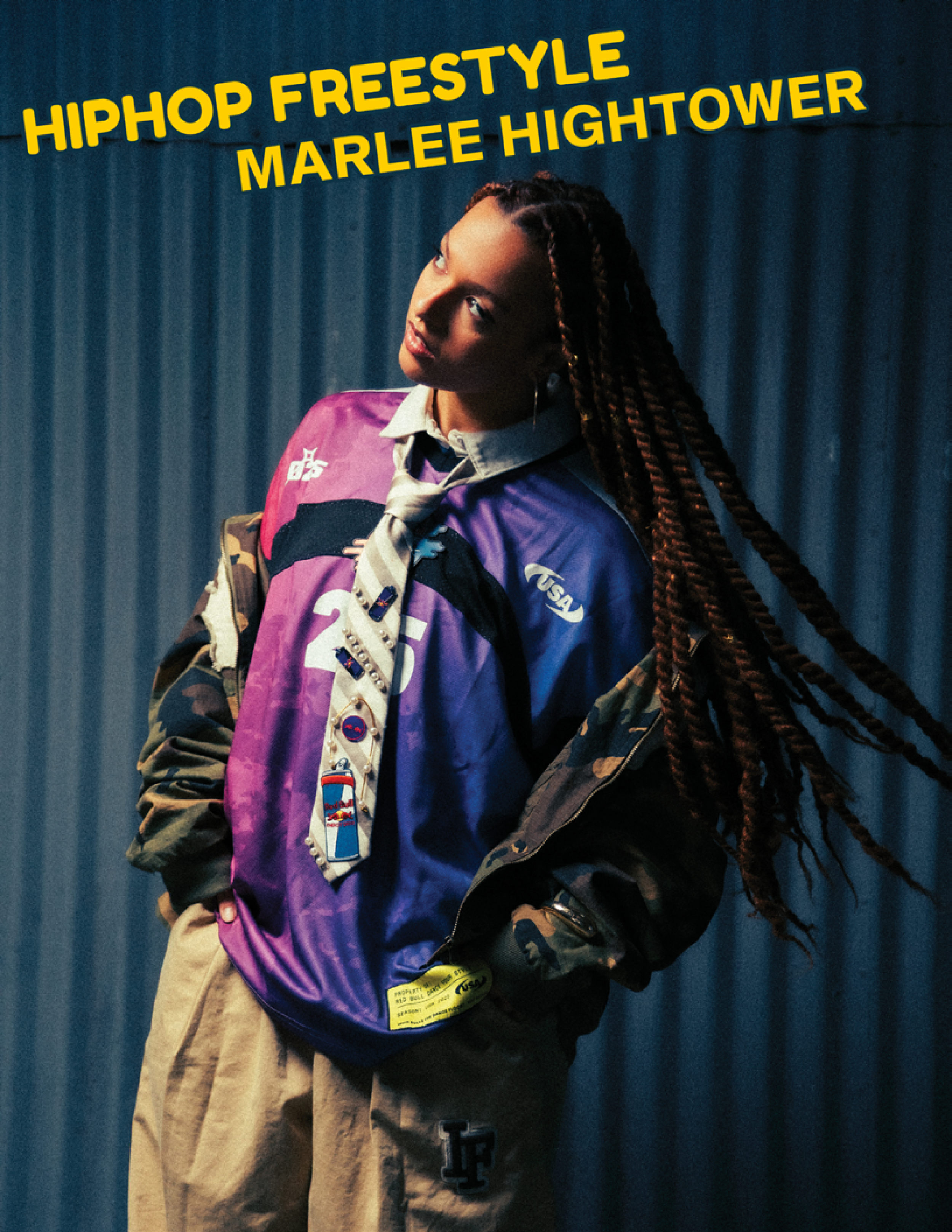
HIPHOP FREESTYLE MARLEE HIGHTOWER

June 21, 2026

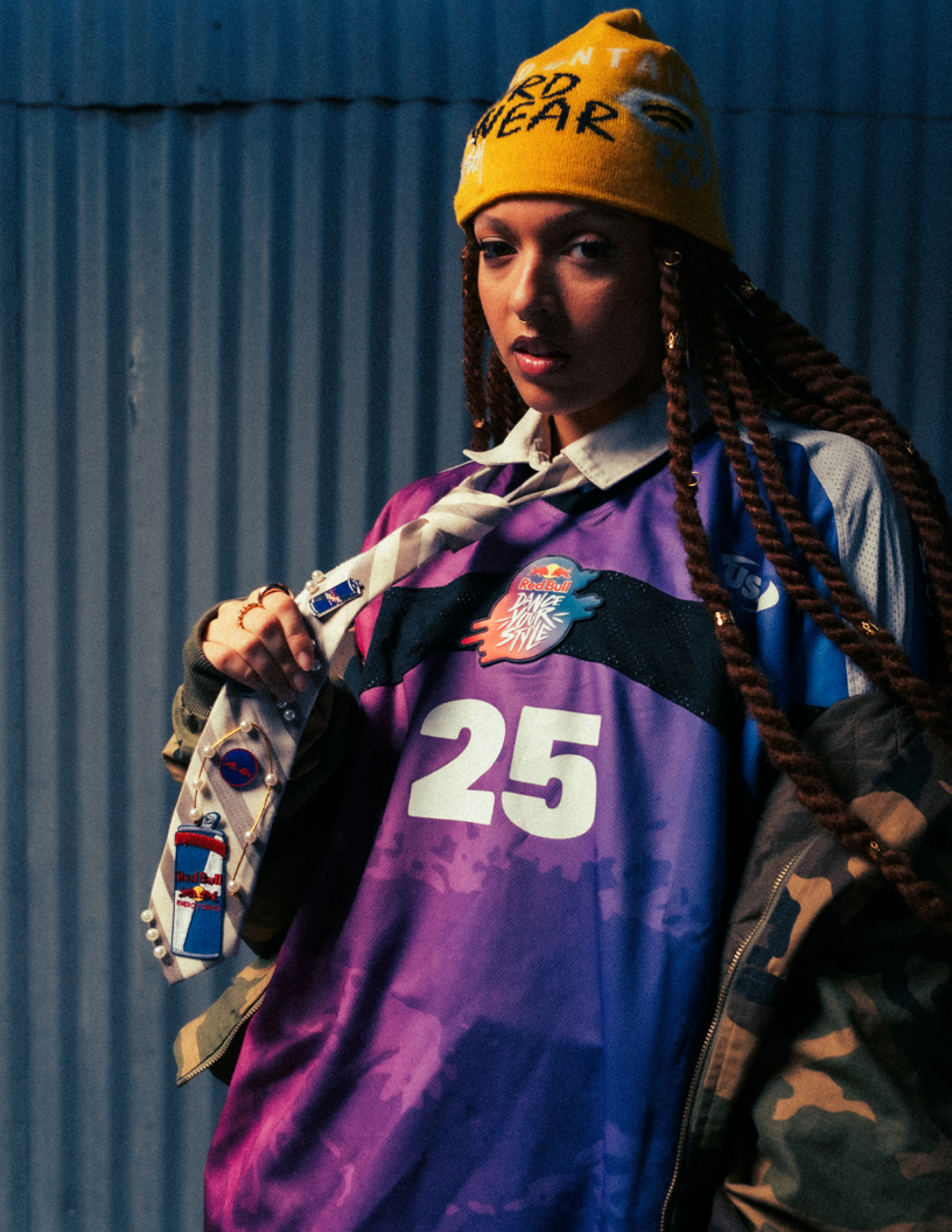
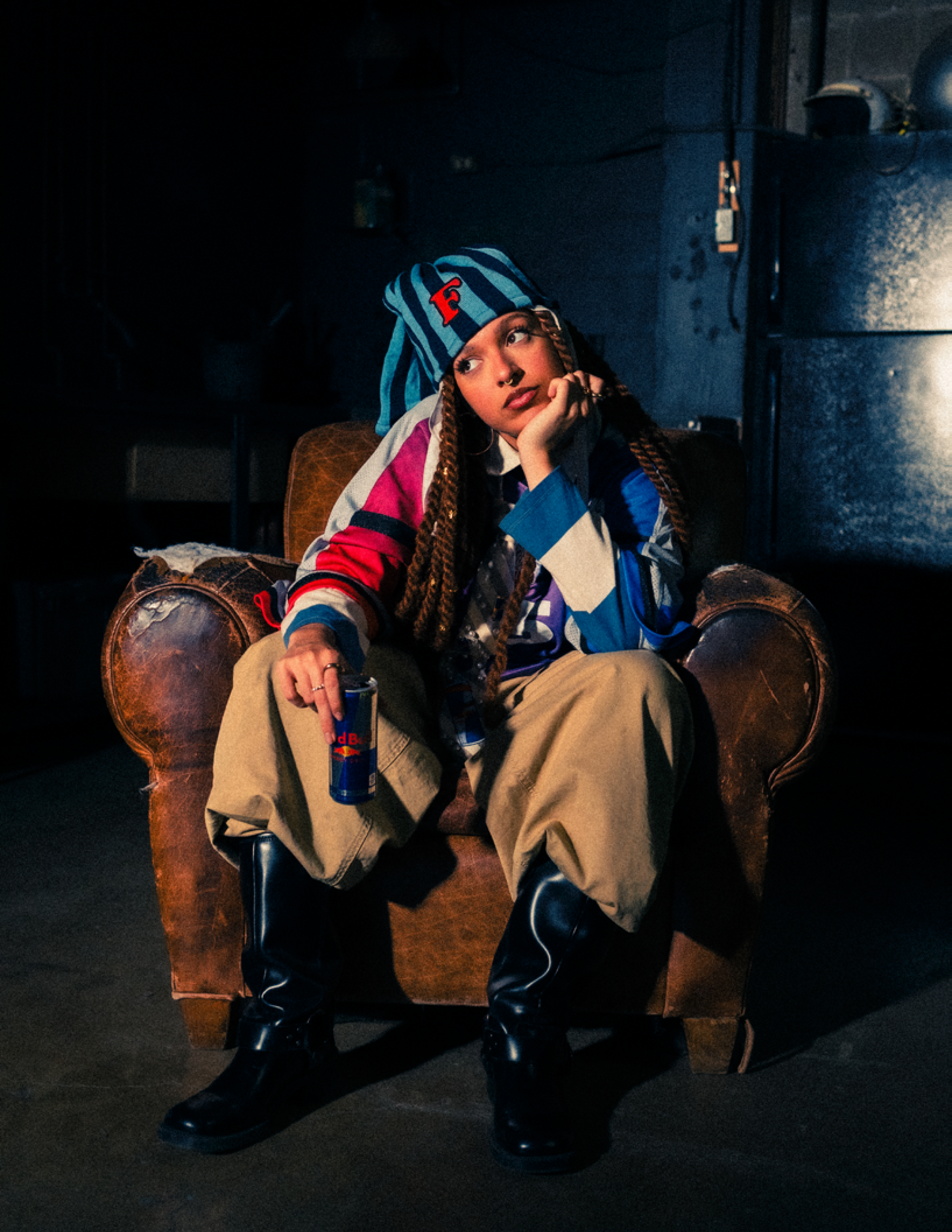
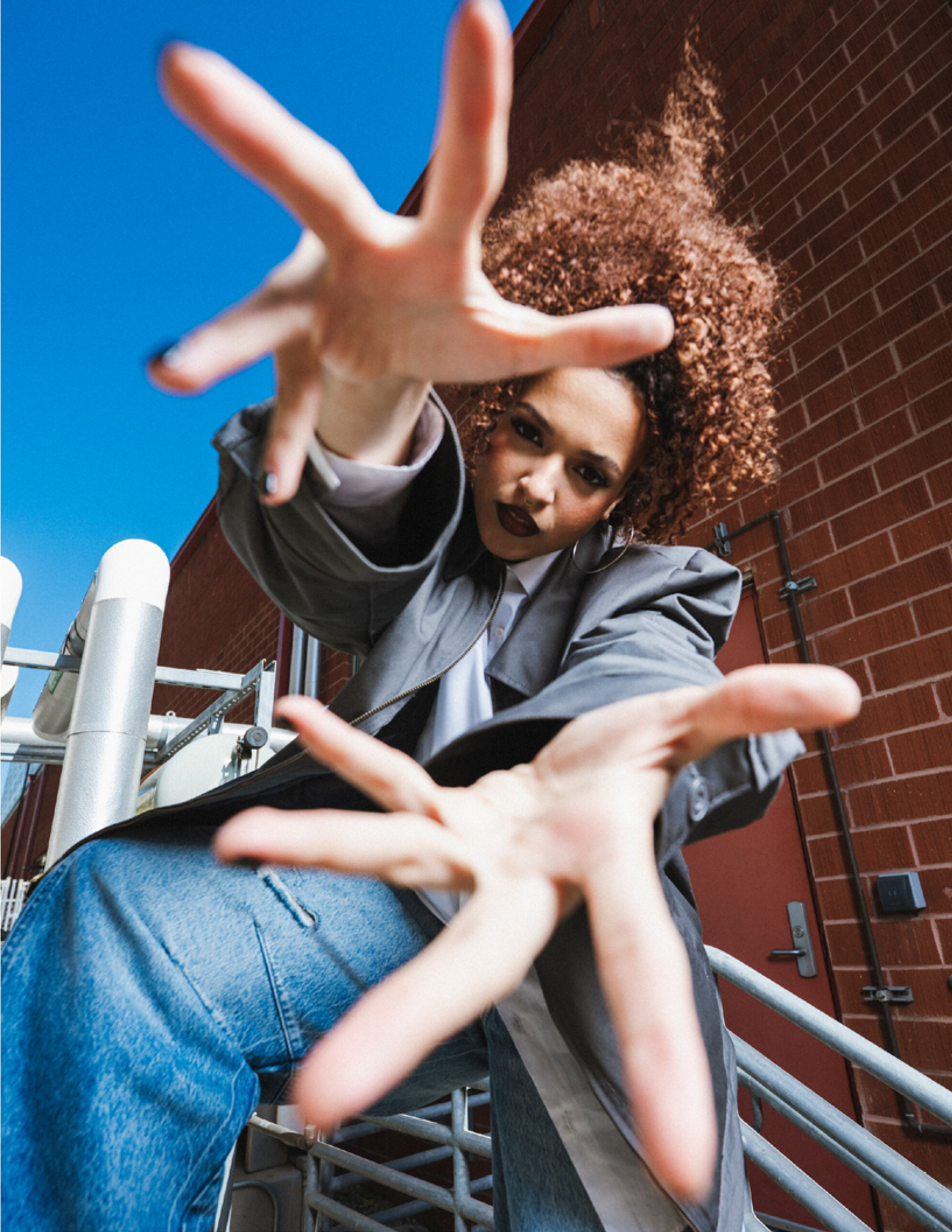
We always enjoy highlighting artists that are focused on what they create and how they make others feel. Red Bull dance athlete, Marlee Hightower has been in a number of competitive dance shows from World of Dance, America’s Got Talent, and more. From a young age, she has been working in the industry as a Choreographer and Movement Director. Her work can be seen among an array of luminaries in the industry that include Coldplay, Janet Jackson, and Pharrell Williams. She also has her MOTIV Dance Studio that she founded as well as her MOTIV Crew that works with her throughout the world. We sat down with Marlee to talk about her love of hip-hop. dance, how she approaches taking on her projects, and much more!

ATHLEISURE MAG: When did you fall in love, you know, with dance?

MARLEE HIGHTOWER: For me, I started dance when I was really little. My mom put me in dance when I was 3. So I kind of grew up into it. I don’t feel like there was this specific moment for me more so that it has just been such a big part of my identity and it’s just been a big part of who I am!

AM: What style of dance did you start with? I started at 3 with tap.

MH: Really? I did hip-hop.

AM: Oh wow so it has always been hiphop?

MH: I started out doing a little bit of everything. But, I took my first hip-hop class when I was 6. And I was like, this is what I want to do.

AM: Who is, the first dancer or show that made you realize that this is something that you wanted to do?

MH: Honestly, Beyoncé.

AM: Nice!

MH: I was, like, I’m gonna be Beyoncé. I was a kid, but I could have sworn it would be her. She was incredible and honestly the Step Ups. I was obsessed with Step Up 2. I was obsessed with the moves, it was my everything.

AM: What drew you to hip-hop and how do you define yourself? Is there a sub style even within hip-hop dance?

MH: I feel like with hip-hop, it’s interesting because there is like a very foundational version of hip-hop.

AM: Right.

MH: I think that over time, especially in the choreography space, like it has evolved and even in freestyle - it has evolved. You know, you have other styles coming into play, even in New York, you have, light feet and stuff like that.

So, yeah, there’s like, umbrellas. For me, I grew up listening to a lot of like old school, hip-hop - A Tribe Called Quest, Slum Village, and Mos Def. That’s like so much a part of who I am and even my family. My dad’s a graffiti artist.

AM: Oh wow!

MH: So hip-hop culture as a whole has been like very much a part of my life, so it just feels natural for it to also showcase itself, in my dance.

AM: When did you realize that this passion for dance should also be a career for you?

MH: I started dancing professionally at a very young. Like my first commercial, I did when I was 7 years old, then I went on America’s Got Talent. I made it to the top 10 when I was 10 years old. So, I’ve been working in the industry for a really, really long time. And then I opened up my dance studio in Orlando with my father when I was around 15. I started teaching consistently then and I think that honestly through that and honing my skills in that regard, I started taking ownership in a way that I hadn’t done before. Whereas before, I was just a kid. I think that through having the studio and running my MOTIV crew and just kind of figuring out what my voice. I realized that, I’m doing something, but I’m also making an impact that’s bigger than just me.

AM: Wow, I mean to be 15 and to decide to open your own studio.

MH: I know – crazy! It was actually my dad’s idea. I used to travel a lot back and forth between Orlando and L.A in order to train, but then also like work as a dancer. Whenever I would come back home, there wouldn’t be anything. There wasn’t really that many opportunities to train and dance at a high level and so he said, “what if we start a studio with a drop in class concept?” People could come in and just learn especially to do that with hiphop dance. A lot of what was offered in the area that I was living in was studios where you could do ballet, tap, jazz, and you had to be part of a company so you didn’t have access.

So, it was his idea, and I remember, initially, I was scared because it felt so ambitious at the time. But I was like, okay, let’s do it, let’s get on board. So my mom, him, and I just all came together to make it something. And I think also, through my traveling, I had a lot of relationships and connections with people, and so a lot of my friends were willing to come and offer classes and kind of help it move along and move forward. It was a process. We are in our 11th year, I can’t believe it.

AM: So, did you envision where you are now, with MOTIV that it would be what it is now?

MH: No, not at all. I honestly thought that this is gonna like be a thing for a couple years!

AM: Right.

MH: Maybe we’ll move on to something else. But like, I had no idea that it would be such a thing and such a staple in the community where I live, but also around the world. To be able to travel around the world, and to hear people tell me, “oh, I want to come to Florida and I want to train there, that’s crazy to hear because growing up, no one really wanted to train in Orlando. I’m really grateful. It’s definitely not what I expected at all.

AM: Do you think you’ll have other studio locations in addition to Orlando?

MH: I don’t think so, at least not right now. Just because our main focus has always been to try to bring the people to Orlando. That was kind of the the whole goal. I don’t know, maybe in the future once things continue and it can run itself potentially. This is also so much of a love letter to Orlando.

AM: You raise a good point about being part of companies and troops when you talk about ballet, tap, jazz etc. What were the types of training that you were doing when you were coming up?

MH: I was a convention kid growing up. I was a big convention kid, so I would go to these traveling conventions, one of them was called Monsters, Monsters of Hip-Hop, and so it’d be all these teachers who would come in and teach for the weekend at 6 classes a day, and I was really big on that, and then I would also travel a lot to take different workshops from different teachers. So sometimes I would go to LA for an intensive and then even for me, now I still am big on my training. If I ever get flown out to teach at a camp or something and a different teacher is there, especially like a foundational or freestyle based teacher - I’m in there. I’m trying to get as much information as I can. Even doing dancer style is a form of training for me, because being someone who started out primarily as a choreographer and with the choreography, background freestyle, and freestyle training is such a different mindset and mentality. And so, like getting to do dancer styles and getting to connect with the different dancers that are a part of that network has been such a huge game changer for me and a game changer in the way that I approach my choreography.
AM: How do you approach the choreography, whether it’s for a show or a troop?

MH: My biggest thing, is balancing feeling and then also the visual aspect of it because It ultimately is something that people are digesting and visually looking at. So, I think when it comes to a group, I love to look at shape, but then I also am really adamant on flow. Flow is super necessary because that also coincides with how I want to approach my freestyle, too. It’s like, I want the worlds to merge as best as I can, but you also in choreography, you have to have that understanding of structure.

AM: It’s like a science, but it’s a fluid science.

MH: It is! It totally is, and some of it is intuition based. Some of it is also mathematical.

AM: When you think about competition shows, I mean, I do remember seeing you on World of Dance. How do you approach the competition show environment? You have these panel of people who have varying levels of knowledge on the styles – how does that work?

MH: Dancing for so long, I feel like I was always in a position where I felt like I needed to prove myself, but I feel like going into those competition shows where you’re given such a huge platform, and the stakes also feel so high. I think that yes, it’s important to aim high, but then also don’t sacrifice who you are in the process of it.

I’ve really been like throughout everything I’ve done, like World of Dance. When I did World of Street Woman Fighter, like every single challenge, I was, like, okay, I’m gonna put my best foot forward, but I cannot shy away from who I am, so I have to dig deeper into who that is because sometimes, like, you’re given challenges where it’s a song you don’t necessarily know. Or it can be a challenge movement wise that you have to incorporate. How can I take all of this, but still remain true to me and that’s always at the forefront of those types of competitions. Ultimately, win or lose, that’s what matters most. Who you are and what you’re trying to say when you’re given that platform.

AM: You just got back from South Korea with Street Woman Fighter. Tell us about that as we hadn’t previously heard of it but it is large!

MH: Wow, it was large. It’s crazy, it was larger than I even expected it to be. Like, I didn’t realize how popular the show was in in South Korea. I feel like I was living a double life, almost like going to South Korea, and like everybody’s stopping their cars and stopping me on the street and stuff like that. The show itself, I think, is really cool because it does give dancers a platform. The fans love dance in a way that is, very unfamiliar to me, at least in the States. People like dance, but, I don’t think they see dancers, as you know this thing!

AM: We were in Tokyo and to see how dance was embraced there, we can see what you’re saying. Whether you were in Roppongi, Shibuya, or Shinagawa you could see people loving it and just breaking out into dance.

MH: Yes and they learn the dances like it is such a thing, and I, so I really, really admired how much they highly revered dance in that way. The show itself was very reality based, so that was really interesting coming to set and immediately putting on a mic, and having cameras everywhere. So I got used to being on all the time, but they also don’t want you to be on at the same time!

AM: Exactly! It’s a happy, medium.

MH: Yes, happy medium because I do know the cameras are rolling.

AM: Look at me. Don’t look at me, but look at me!

MH: We would get different missions over the course, of the competition. I always tell my friends like it felt like a combination between America’s Best Dance Crew and America’s Next Top Model.

AM: Interesting.

MH: Different challenges we were given, and I really appreciated them because it forced us to get really creative with how we are presenting who we were, especially because the show was very like K-pop based, and we’re hip-hop based.

AM: Right.

MH: So we were kind of going against the grain, the entire competition, but that was our edge.

The entire season is out now. You can watch it through Prime Video. It’s attached to the channel Mnet which is like the Korean MTV.

AM: What was your biggest takeaway from doing that show?

MH: I think my biggest takeaway was that you have to fight for artistic integrity when it comes to putting yourself out there in any room - in any space! That fight is on you.

AM: So the crew that you were with there was yours, MOTIV. What is the ethos of people who are on your crew and how do you decide who will be on it?

MH: I think mentality wise, you have to be willing and super open! You need to be kind and adaptable, because I think that even in the industry, even in my process, it’s very much like I come to the studio, and we figure it out as we go, and it’s very like organic the process. So, being malleable and just being open and willing. I love to laugh – we also have to laugh while we do it because it’s a lot of hours. At the same time, you have to strive for that excellence.

AM: Right.

MH: So I’m always trying to instill that in people. And I’m the type of person that sees potential over a perfect dancer! I’m like, no, I see where you could go as long as you see it, too, and you’re willing to get there – then I think that you’re in a good spot.

Doing the show was super special because I brought girls who I had been training over 6 or 7 years. It was incredible to see where they were to how far they have gotten to now! Getting to be able to provide experiences to my team is everything! The concept of bringing the world to Orlando and my people to the world!
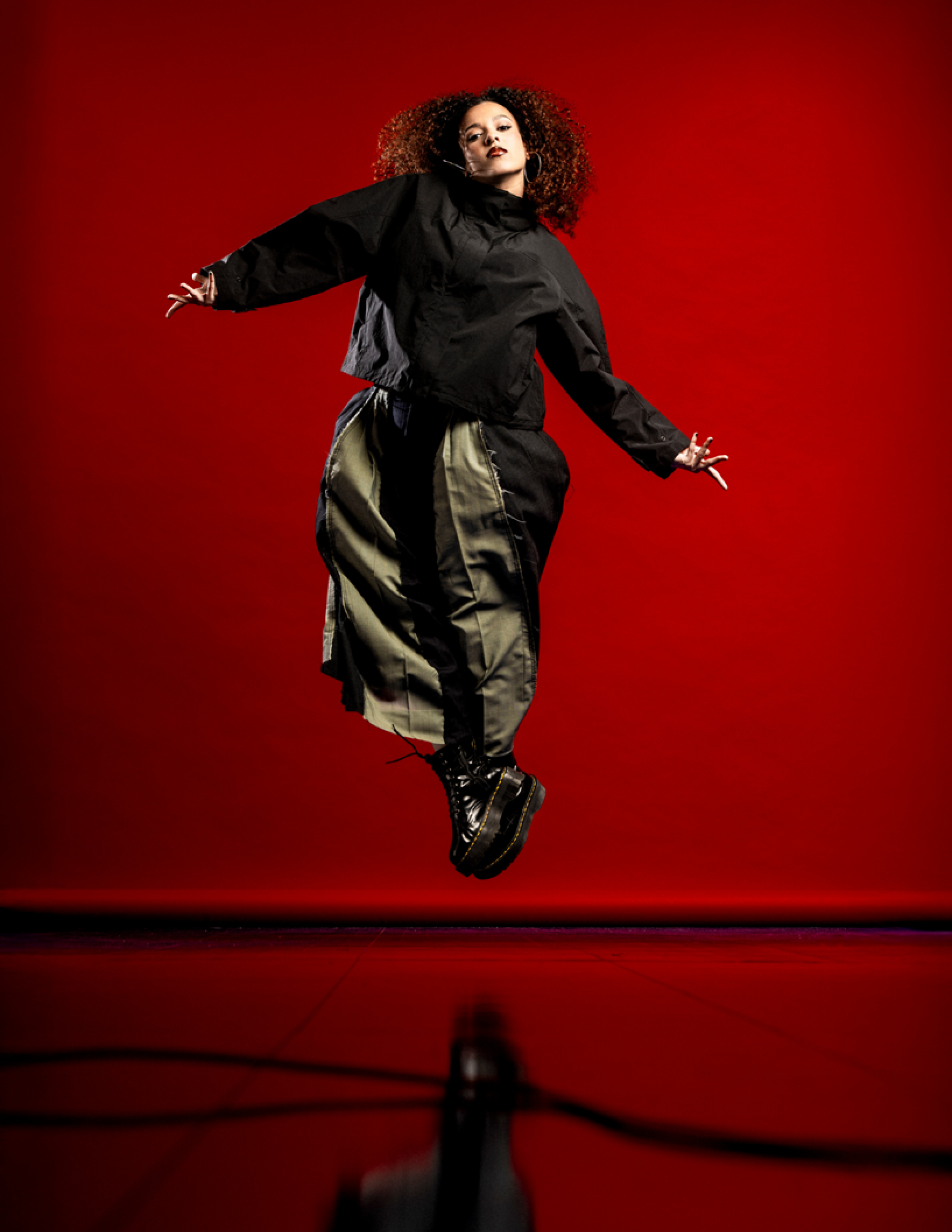
AM: You have such an impressive resume with people that you have worked with Janet Jackson and Pharrell, and Jazmine Sullivan. What have you loved most about that and what artists/talents and projects would you love to be attached to?

MH: I’ve felt really honored to dance with different people and I’ve loved being given the creative voice. I just recently did a short film for Coldplay, which was so fun. I got to be in Malta for 10 days and I mainly did movement direction, rather than full out choreography, that was really, really nice. I’m a really big lover of film. I’m such a film nerd and so anything in that vein, I’m really excited to work on and with because, dance is one thing, that creative process in that regard is another. Getting to do it alongside the DP and even the producer. Watching the way that the gaffer sets everything up!

AM: Looking at all the blocking!

MH: Yeah, I’m so enthralled with the whole process! I would love to work with more film and with more TV. An artist that I would love to work with is James Blake. I think he makes incredible music and very danceable music. But he doesn’t use dancers, I never see that. I think that it would be really interesting to do something with him. That’s my dream artist of all time!

AM: For those that don’t understand the nuance between being a choreographer and a movement coach can you share a bit about that? Only in the last few years did we understand that distinction.

MH: I think that the biggest difference between movement direction and an elaborate piece of choreography would be that for movement, it’s about understanding, shape, understanding, flow. Maybe you’re working with a model who just needs to like, figure out what poses are going to work best. Maybe you’re working with a group of people that need to walk on the street in a certain way. You’re creating things that feel natural oftentimes.

Whereas, with an elaborate piece of choreography, there’s formations and counts. Even the movement itself is dynamic and I would say that those are the biggest differences, but it’s interesting just how much still of planning and understanding your body is needed, even just in movement direction.

When I did the Coldplay job, I was like, actually, I think we might need dancers just in order for them to move their head at the right time.

AM: Right.

MH: It’s still so synchronized and intentional.

AM: How did you come to Red Bull? We’ve had the pleasure of having a number of people from Red Bull that we’ve been able to work with, whether they were athletes in surfing – Carissa Moore, Griffin Colapinto, or Caroline Marks, snowboarding – Mark McMorris etc.

There is a culture in Red Bull of having these great people who are outside of the box but they are doing things that are pushing the envelope and doing dynamic things.

MH: My first Red Bull Dance Your Style was in 2019. I wasn’t even freestyling that much back then. I got brought on board for that and that was my first initial experience with Red Bull. Then I did a Red Bull Dance Your Style in Florida, and that’s when I made the semi-finals. Then from there, I got put on to be a representative for dancer style.

It’s been a really cool Journey for me as someone who’s working to bridge the gap between choreography and freestyle, so it’s like I’m implementing my practice into this new space and getting the platform to do so. And then along the way, I’m like able to meet up with all these different dancers with such different backgrounds as far as how they came to dance and the styles that they do. It’s interesting to be given access to a community, truly. Red Bull is really putting dancers on and more specifically, free stylers are more of an underground thing. They are being a voice in the way that is not really prevalent in the industry. Usually it’s a choreography based dancer or a modern dancer. Now, we’re thinking, street styles - street style based dancers. We’re being given the microphone and that’s what I appreciate the most about being a part of Red Bull.

AM: Are there any projects that are coming up specifically with Red Bull that you’ll be doing that you can share?

MH: Not anything in particular. Obviously, last year, was the release of The Can coming out, which was an incredible experience. It was all in promotion for the World Finals in the US. This year, I have a film project that I’m doing that Red Bull really helps me in terms of any ideas that I have, helping me connect with different artists, not just even the dancers, but there’s also like different artists that they work with that I’ve been able to connect with as well. I have the National Finals coming up in Tampa that I’m gonna be a wild card for, so I’m excited about that, and then hopefully that takes me to the world finals in Zurich!

AM: Oh wow!

MH: Fingers crossed!

AM: What is the dancing schedule of sorts in terms of, if you think of the Olympians right different things that happened there, obviously NBA, they have their season. What is the season for hip-hop/freestyle dancers?

MH: I feel like it depends on the dancer and the person. It depends on their schedule as well, I think. Dance is such a free thing. For me, specifically, I had to really and still have to really be diligent with how I train, because sometimes I don’t have all of the time. I started implementing training practices in the classes I would teach, or the dances I was creating. Even being here, I know that there’s certain dancers here. I’ll give them a message - let’s dance, let’s dance for a few hours. You know, I’m gonna learn stuff from you. You’ll learn stuff from me. So, it’s very much, just a matter of like figuring out what your schedule is and how you train. I know some people are very methodical about it, whereas I think I’m more free and I find it along the way.

AM: What does an average week look like for you?

MH: It changes every single week and I’m grateful. My everyday feels like a different day. But I would say, an average week if I’m lucky, I get Monday off. Maybe I find myself at home in Florida on a Monday and then I’ll teach my weekly class on a Tuesday at MOTIV Dance Studio. I’ll run rehearsal with my crew. Maybe Wednesday, I get off if I’m lucky. I’ll teach Thursday if I’m still in town also at MOTIV. Then the weekends is usually when I’ll go somewhere in the world. Maybe it’ll be an international trip to teach at a dance camp, or maybe it’ll be something like this where I’m making an appearance or judging a competition or doing a battle that weekend. Then I’ll come back home and reset and do it all over again!

AM: In general, are there projects or things that you want us to know about and keep our eye out for.

MH: Later in the year, I’m going to be coming out with another dance film. I’ve done a few. I did a dance film titled Blackbird, and then I did another one, titled We, the People, which was in connection with Street Woman Fighter that Red Bull helped me out with as well. That did really well and made a big impact. I’m just excited to work on a new film, and to bring it out into the world later this year.
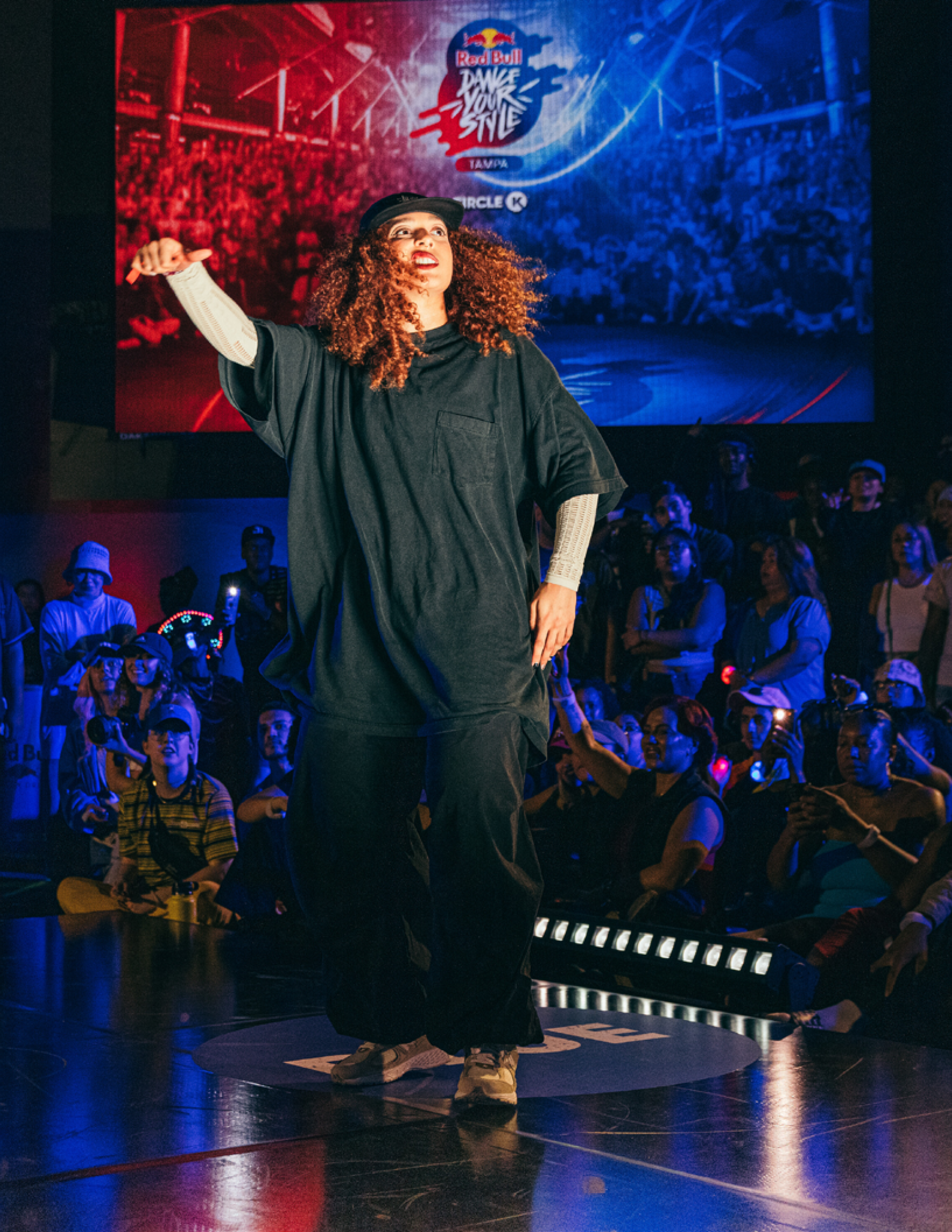
AM: That’s amazing.

What do you want your legacy to be known as? You’re bridging a lot of things, the culture of hip-hop, and being a woman that has been trailblazing and the way you’ve done it, giving love to Orlando - it’s not just Disney and Universal.

MH: Yes – Facts!

I ultimately just want to be what I wanted to see growing up. I think representation is really important and I think that growing up as a young black girl, I didn’t see a lot of myself in people in the dance community, but then also on TV and in movies. I think expressing as much of the different facets of myself is important for other people, to know they don’t have to box themselves in to any one thing, whether that be their pursuit within dance or even just their pursuit within art in general. I think that’s the biggest thing is just to be open and honest about my process and to provide inspiration, but then also representation and for people to feel seen and heard in a way that I wanted to feel growing up.

IG @marleehightower

PHOTOGRAPHY COURTESY | PG 108 - PG 112 + PG 122 Digital Branded/Red Bull | PG 115 + PG 116 Little Shao/Red Bull Content Pool | PG 119 Daniel Zullani/Red Bull Content Pool | PG 122 Kien Quan/Red Bull Content Pool |
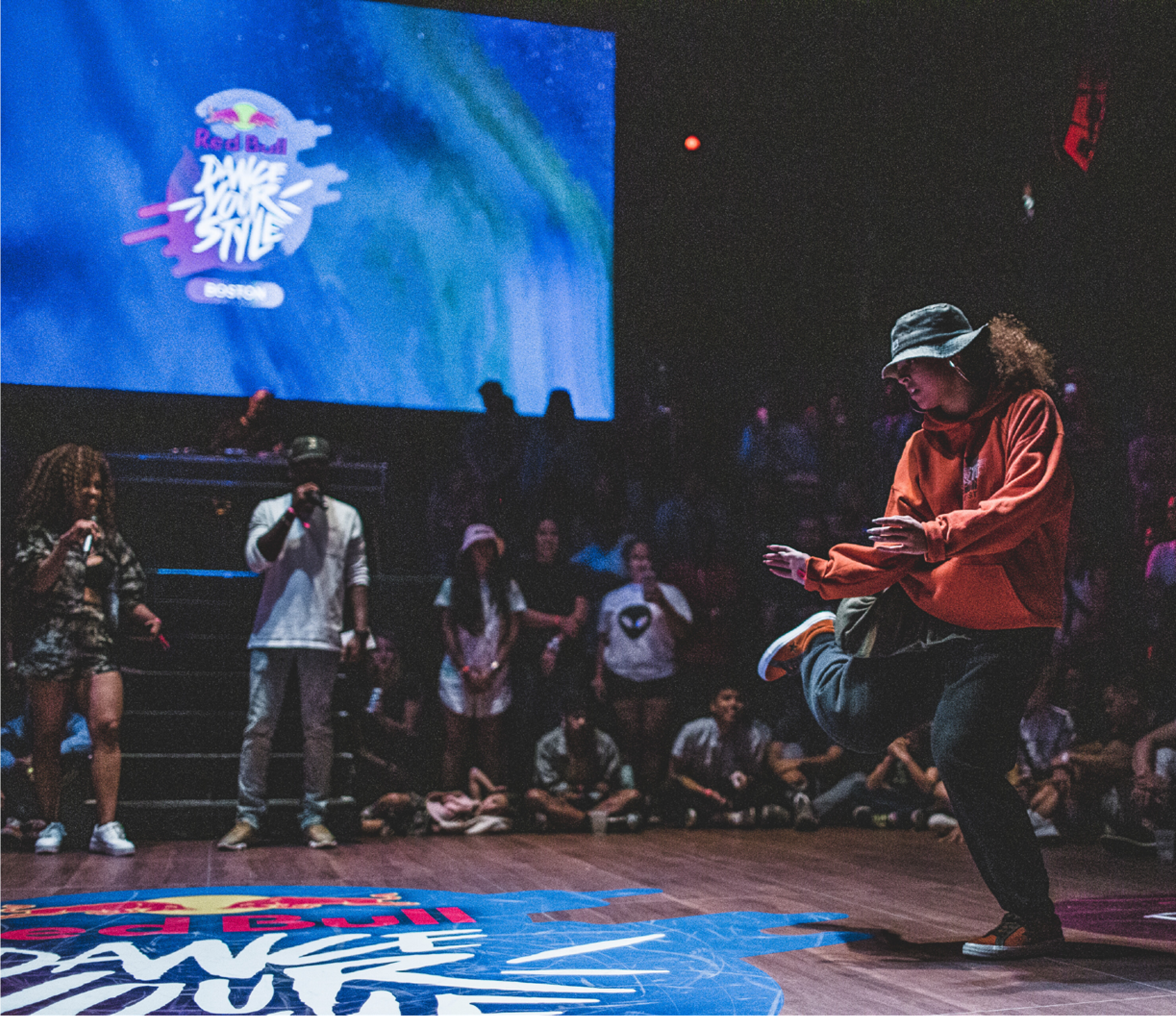
Read the MAY ISSUE #125 of Athleisure Mag and see HIPHOP FREESTYLE | Marlee Hightower in mag.
The Latest
AM JUN ISSUE OS Sun Tong M-TP (1).png
July 23, 2026
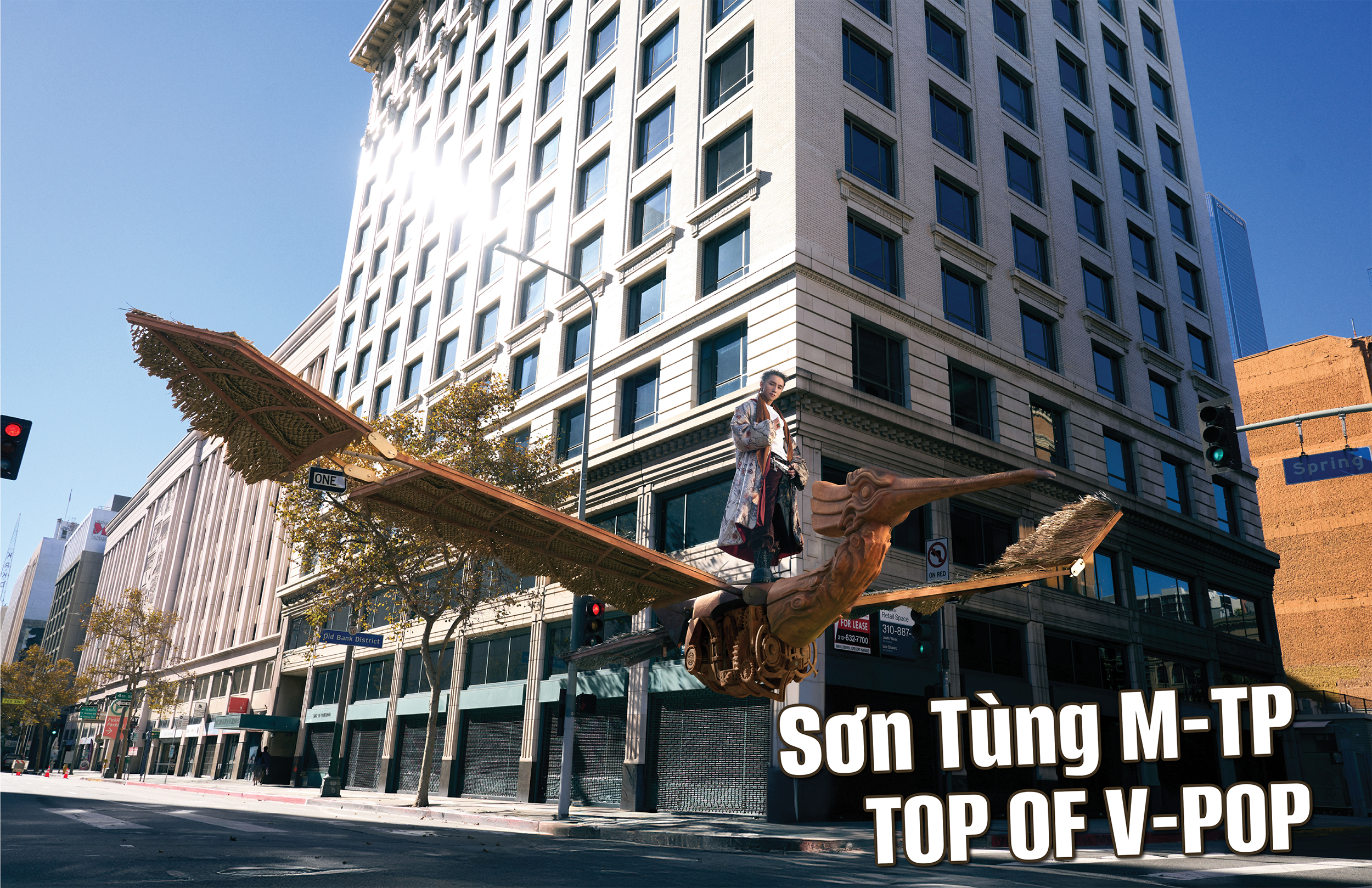
SON TUNG M-TP | TOP OF V-POP
July 23, 2026
July 23, 2026
GOV BALL 2026
July 22, 2026
GOV BALL 2026
July 22, 2026
July 22, 2026
AM JUN ISSUE _126 THE ONE PARTY BY UBER FIFA World Cup 2026 Kickoff-1.png
July 21, 2026
THE ONE PARTY BY UBER | FIFA WORLD CUP 2026 KICKOFF
July 21, 2026
July 21, 2026
In AM, May 2026, Music, TV Show Tags Marlee Hightower, Music, HipHop, Red Bull, Freestyle, Dancer, World of Dance, America's Got Talent, MOTIV Dance Studio, MOTIV Crew, Pharrell Williams, MOTIV, Step Up, Step Up 2, Beyonce, A Tribe Called Quest, Slum Village, Mos Def, Monsters of Hip Hop, Street Woman Fighter, Korea, South Korea, America's Best Dance Crew, America's Next Top Model, Korean MTV, Prime Video, Mnet, Jazmine Sullivan
Comment
Contact High cover hi res.jpg

CONTACT HIGH

June 16, 2019

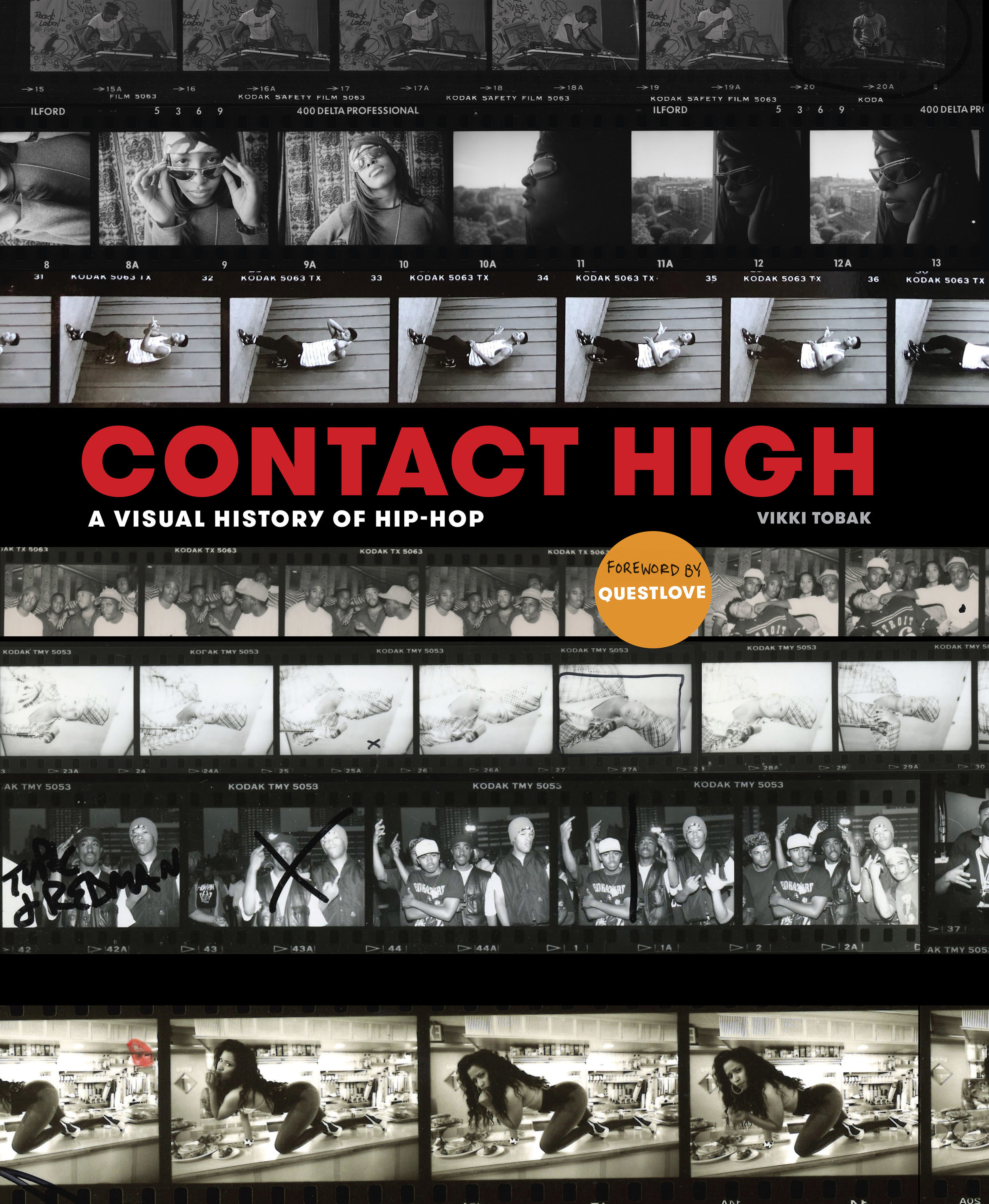
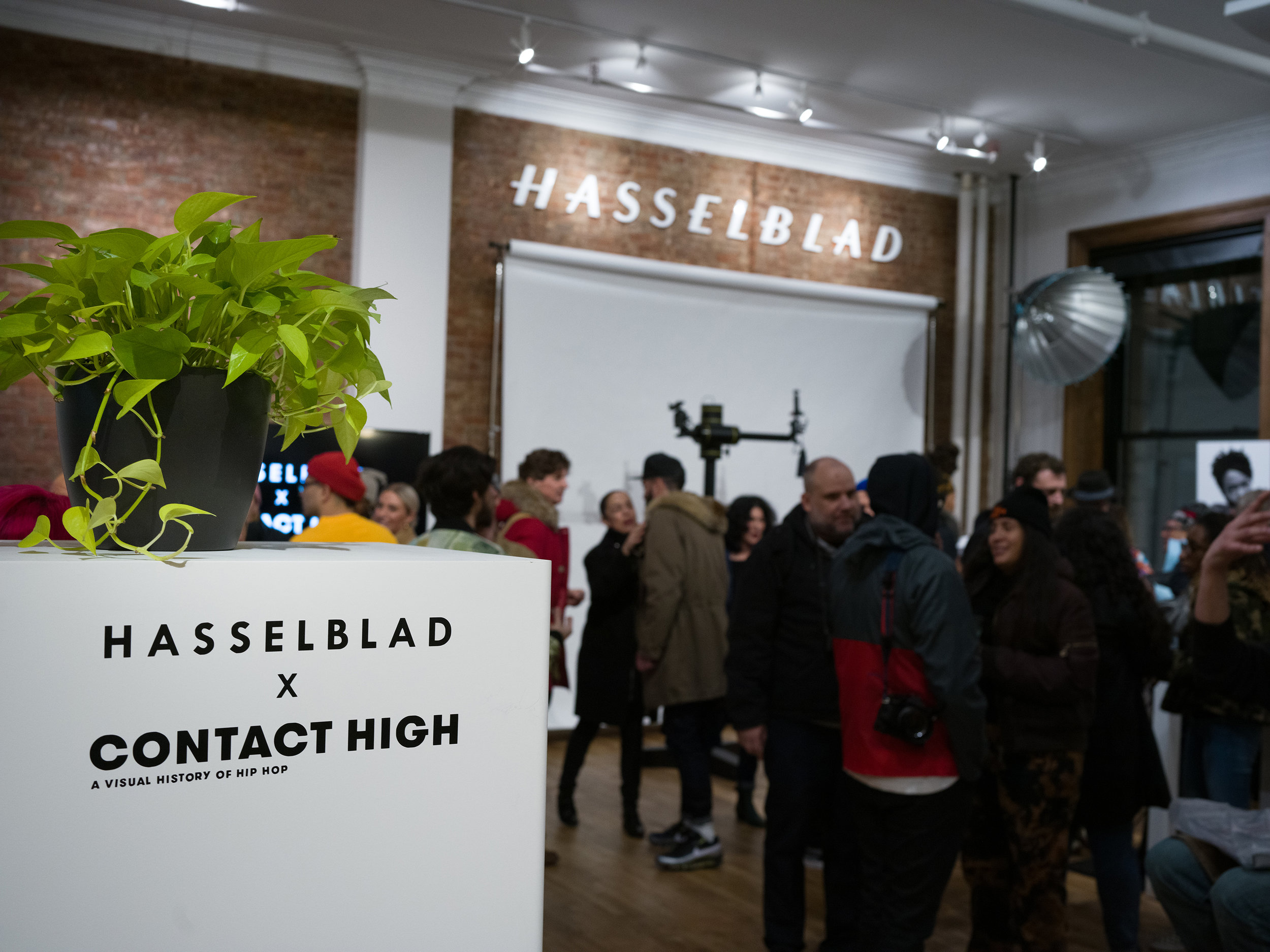
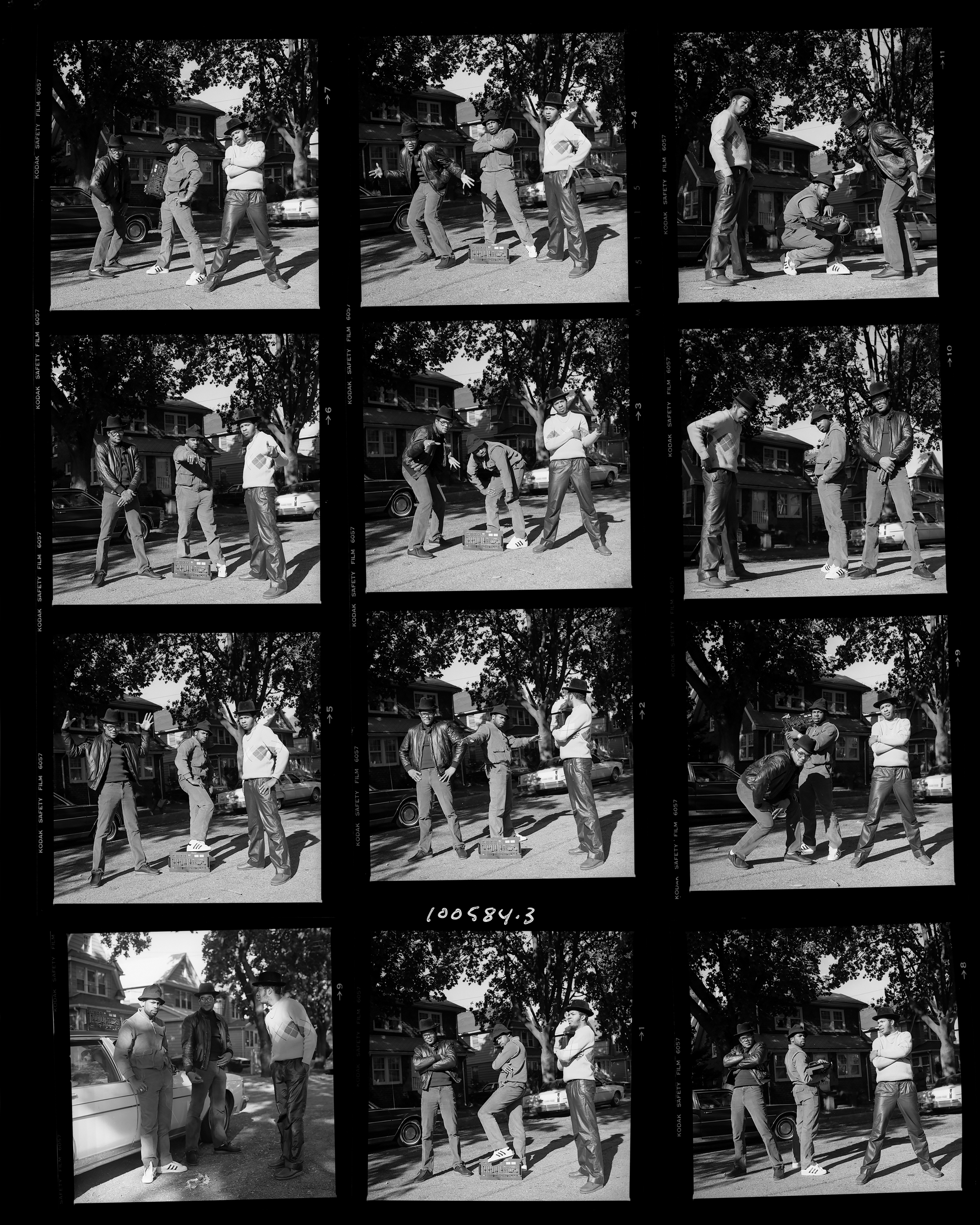
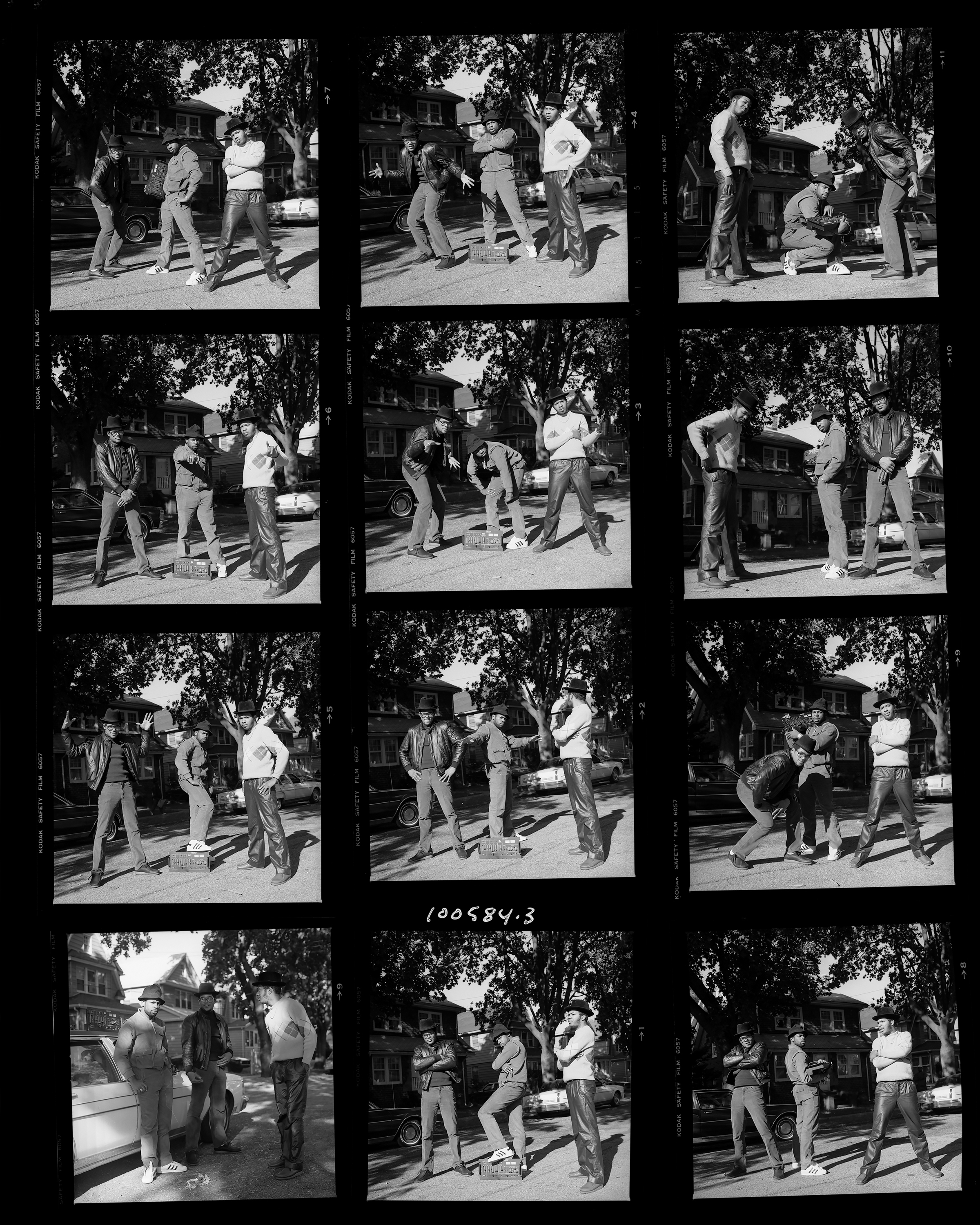
We enjoyed Contact High, a Visual History of HipHop: Pop Up Experience at the Hasselblad NY Experience Studio in Soho. The exhibition celebrated the recently published book Contact High: A Visual History of Hip Hop by Vikki Tobak, documenting the history and progression of Hiphop and some of its key influencers over a 40 year span.

Curated by Vikki Tobak, based on the bestselling book of the same name, and with creative direction by Fab 5 Freddy and forward by Questlove, it includes works from 60 photographers forming a chronological journey from old-school to alternative hip-hop. The ultimate companion for music and photography enthusiasts, Contact High is the definitive history of hip-hop’s early days, celebrating the artists that shaped the iconic album covers, t-shirts and posters beloved by hip-hop fans today.

On display at the pop up experience were images made with various Hasselblad cameras from Janette Beckman, Danny Clinch, Armen Djerrahian, George Dubose, Jamil GS, Danny Hastings and Jayson Keeling.

Founded in 1941, Hasselblad is the leading manufacturer of medium format cameras and lenses. Made in Sweden, Hasselblad cameras are renowned for their iconic ergonomic design, uncompromising image quality and Swedish craftsmanship. For over half a century, Hasselblad cameras have captured some of the world’s most iconic images – including the first landing on the moon - and helped shape the way we look at the world through genuine photographic artistry. Trusted by NASA and used by the greatest photographers in the world, Hasselblad continues to create products with uncompromising image quality that inspire. In 2016, Hasselblad introduced the world’s first compact mirrorless digital medium format camera – the X1D.

ATHLEISURE MAG: We loved seeing the contact sheets presented in the book at Hasselblad's pop-up experience exhibit. When did you come up with the concept for the book and how long was the process making it?

VIKKI TOBAK: The whole process took about three years for me to write and research the book, but the idea came from me actually working in the music business in the early ’90s. I worked for an indie Hiphop label called Payday Records and Empire Management and worked with a lot of young Hiphop artists. I would coordinate a lot of their photo shoots, so I also met all these young photographers way back then. As I started my writing career and became a journalist working for bigger news organizations like CNN, I saw how they treated their archives, contact sheets, and historic photos and got to thinking about all the photos that I had worked on in my younger days – all the photographers who had these archives they were sitting on. So I set out to tell that story: The story of the photographer and a deeper story of those photos.

AM: How did you go about connecting with and interviewing the photographers and essayists featured in the book to hear about the accompanying stories of the shoots and how the images were created?

VT: I t wasn’t easy because photographers don’t generally like to show their contact sheets, they don’t like to show their outtakes or imperfect moments. So I started by going to the photographers who I already knew and who really trusted me with their stories. One by one, I started reaching out to Janette Beckman, then to Delphine Fawundu, Jamil GS – photographers that I have been on-set with when they photographed young Jay-Z, young Mos Def, young Gang Starr… I started writing a column for a magazine called Mass Appeal while I was researching the book. At first, the photographers thought it was kind of weird, like, “You want to see my contact sheets?” And I was like, "Yeah, I want to hear the back stories and I want to see all those weird photos of the person not looking into the frame or the photos that you shot of what was going on around them to kind of give it a more candid, documentary feel. And they loved the idea because they also like seeing each other’s contact sheets – photographers work really independently, so just seeing the work of their peers and just seeing that all these photos lie on a historic continuum (if you will) was really great. They realized that they were part of this great collective that documented this music, this new music that was created in our lifetime and was really something that nobody had ever seen before. They visualized that music.

AM: Did you have the title “Contact High” going into the project, or did it emerge during the course of the book?

VT: I didn’t have the name at first but it came to me pretty quickly. It just kind of popped into my head very early on. I had a good laugh with myself because a lot of Hiphop is associated with weed-smoking and hanging out. But more than that, Contact High speaks to immersing others into this world, this kind of bubble. It speaks to bringing people not just into one photo but bringing them into the world where that photo lives.

AM: We see chronologically, the first featured shoot kicks off in 1979 in the Bronx with Kool Herc. How is it to trace the past of Hiphop visual culture from its early days as a small subculture?

VT: Because I’ve been writing about the music for so long, I understood that this was the music that started with everyday people in neighborhoods, in communities. A lot of the earlier photos are not of the big stars but are of the dancers, the DJs, the kids from the neighborhood where a lot of the MCs came from. You see photos from the early days of Brooklyn and the Bronx all these places where the culture was born. Those early documentary photos also talk about the fact that this is much bigger than the music and much bigger than just this cultural phenomenon that we now know is kind of leading our mainstream. You can trace the history through the photos from the late ’70s and see it going into other cities, all of which have their own styles. You see it go into L.A., which had a very specific look and feel to it, to New Orleans, to Houston, to Detroit, to Atlanta. All the artists and photos that came out of that are super distinct, with their own flavor. So you have to see it and not just hear it. That’s what the contact sheets do.

Contact High_3.jpg

AM: How was it to have Fab 5 Freddy as a creative director with the book?

VT: Oh my goodness, he’s a dream. He is a historian, he was a part of the culture, and he also gets this as part of the larger storytelling of Hiphop. As soon as I told him about this project, he got it right away. To be able to go deeper into these photos, he also realized there had never been a real retrospective done of Hiphop photography. Individual artists had sort of had little shows here and there but never on this kind of scale. So he not only wrote an essay for the book (which was incredible), he’s also in a lot of photos in the book.

And when it came time for me to curate the show’s exhibition, which we now have at the Annenberg Space For Photography in Los Angles through August 18 and which we hope to make a traveling exhibit after that, I knew he was the right person to be the creative director because he just got it – he got the whole project. We worked great together. He’s now working on so many amazing things related to the culture: He has a new film on Netflix called The Grass Is Greener about cannabis policy and the history of music in the black community. I like that he is a deeper, broader thinker – more than just about the music and more than just about the style. He sees how all the dots connect, which is why I really wanted to work with him.

fugees_jayson-keeling.jpg

AM: Core roots and aspects of athleisure are steeped in Hiphop style and culture. We love seeing Adidas, Kangol, Dapper Dan, and an array of other iconic fashion and culture laced throughout the images and contact sheets. What are some stories that the photographers and essayists offered about Hiphop style from the early days to rising to mainstream as a truly dominant and global authoritative stature?

VT: The whole phenomenon and athleisure wear and just comfort was really something that started in Hiphop, absolutely. Young kids were very aspirational in wanting certain sneakers or wanting a certain look, but at the same time this was all super personalized and all flipped on its head to have a very unique look and feel that was very Hiphop. So they started trends, they started a lot of the sneaker culture that you see right now: Run DMC and Adidas, the whole Nike Air Force 1 movement. A lot of even little details like the baggy sweatsuits, the caps, all that kind of stuff was very much self-styled and sort of remixed, if you will, from mainstream fashion. To see it come 360 now and be thriving as mainstream fashion is really cool. All these elements that were originally just about being an individual are now available to everyone.

AM: Tell us more about your spotlight on the importance of telling the story of women and Hiphop in the book.

VT: It wasn’t really a decision to play it up in the book. For someone who has always worked in the industry (as a woman, obviously), writing about the music for years, women have always been a really strong part of Hiphop, both in front of the camera and behind it. I had so many incredible black women editors when I was a writer; so many women ran the label that I worked for: Lucia Cortez, Silvia Rowne, really powerful women. And then of course the artists….

People ask me a lot, “How did you find all the women photographers in the book?” They were there all along. It wasn’t an effort on my part to become equitable – I wish I could say it was, but it just is. To me it’s just been something that I recognized always, and I think it’s a little bit of a stereotype with Hiphop. If you look at Hiphop as a culture, women have always been super prominent.

Also, April Walker started Walker Wear, and a lot of people didn’t even realize she was a woman because Tupac and Treach from Naughty By Nature were her spokespeople. There was this big wave of streetwear entrepreneurs in the early ’90s, and she should really be commended as part of that: she and all the women stylists who gave Hiphop its look in terms of selecting baggy clothes for Mary J. Blige or a lot of the other looks. I think all those women deserve to be celebrated and remembered.

AM: What have you seen with having such a multi-dimensional audience by design as it cuts across music, Hiphop, photography, portraiture and selfies, as shown with such acclaim, like the dynamic Amazon chart success across categories?

VT: A lot of people say Hiphop is now post-genre, so there’s not just one kind of Hiphop, there’s not just one kind of listener or audience. Hiphop now is global on all levels – it’s not just the subculture in a neighborhood anymore. The elements of it have been appropriated. That’s a loaded word; I guess a better word would be integrated into all facets of fashion and music. Kids in the suburbs listen to it, everyone listens to it, but at its core it will always be a music that speaks truth to power. That attitude will always come through in the photos, that attitude will always come through in the lyrics and all the different offshoot of any music culture. But now it’s a global phenomenon. Biggie has this line in one of his songs where he says, “You never thought that Hiphop would take it this far.” Indeed, a lot of people thought it was going to be a passing fad. It’s just really beautiful to celebrate the men and women who documented this culture that has not just stayed around but now defines many facets of our shared lives.

AM: It’s so interesting – and a treat – to get such an extensive intimate look at contact sheets and outtakes and see the interplay of photographers and artists in the creative journey together. What are some behind-the-scenes stories in the book about how the shoots started and went?

VT: Oh my goodness, I have so many. The one that people bring up most often is the story of Biggie in the crown that was taken by Barron Claiborne because it is a very stern-looking photo. The story behind it is that Barron was a young black photographer who was given the opportunity to photograph a fellow young black man and wanted to go against all the cliché imagery that he was seeing in the mainstream media at the time. He decided to photograph Biggie as a king. The editor of Rap Pages Magazine, a woman by the name of Dream Hampton, saw the importance of Barron’s vision of portraying someone like Biggie as royalty. In fact, that photo was called King of New York. The photo almost didn’t happen because Puffy/Diddy, who was leading Biggie’s career at that time, thought that he would kind of look like Burger King. So there was a lot of behind-the-scenes back-and forth, and it was interesting to hear the “this classic photo almost didn’t happen” accounts. I really like that photo for sure. I would say that’s a really good story.

AM: What are some accounts from the photographers about their work at that time? What cameras and gear were they shooting with, and did they comment about how it impacted the look and feel of their work and narrative?

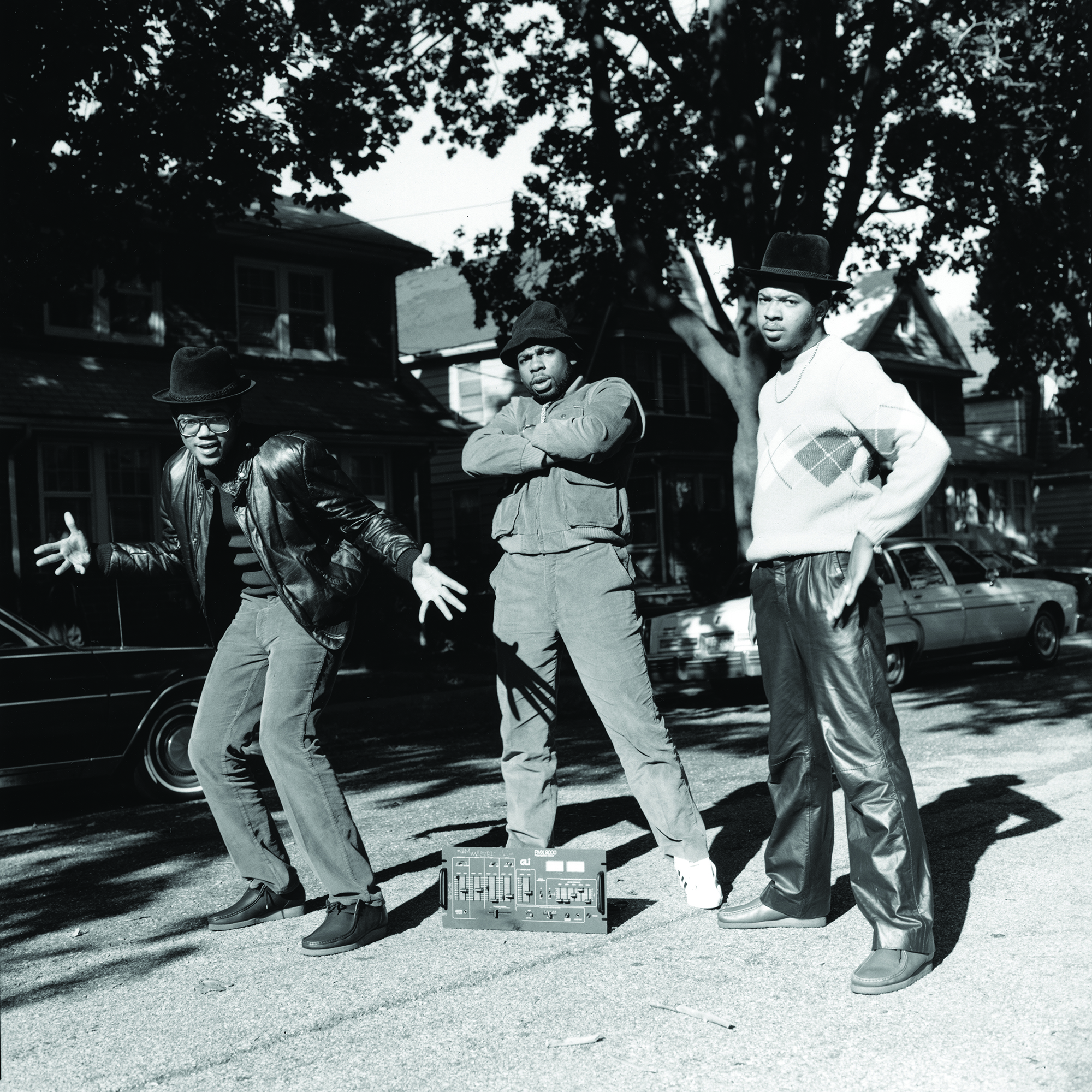
VT: A lot o f big photographers – Janette Beckman, Danny Clinch – love shooting with medium-format Hasselblads. Lugging medium-format cameras around different neighborhoods, on the subways, is a little more challenging. But they always said it was very worth it. Not only did they produce this very beautiful, serious, historic moment, the Hiphop artist also felt that way. Janette Beckman shares the story about when she showed up in Hollis, Queens to photograph Run DMC. She had brought her Hasselblad on the subway from Manhattan way up to Queens. When she showed up, they understood that she was serious – not just here to take a few snapshots of us but here to really photograph us. Same goes for Danny Clinch for the Big L album covershot taken in front of his stoop in Harlem. Same thing. I feel like the photographers loved using Hasselblad medium-format because it set the tone.

AM: What have you heard from newer photographer fans, who love seeing contact sheets and negatives as a secret workflow?

VT: In digital culture, Instagram, imagery in general is very disposable in many ways, and we’re also bombarded with a lot of it. For younger fans, it’s often hard to imagine a world where you didn’t see the photo instantly or where you didn’t erase any photos. They’re also used to seeing a lot of finished product. The concept of contact sheets is important because it shows the stakes and it shows growth and it shows the artist in an imperfect setting and it shows the photographer working their process out, their creative process of trying to get the lighting right or not quite getting one out of 36 photos or one out of 12 photos right if you’re shooting medium-format.

So for young people, they see that the process takes time, and a lot of mistakes were made. That’s really important in this day and age. I think they really appreciate it - seeing photos of a young Kendrick Lamar in the studio where he looks kind of tired or frustrated recording his debut album. It’s a different Kendrick Lamar than the Pulitzer Prize winner with this amazing album on the other side of the process. So young people are really loving it. Also, just picking up on all those great style elements of the early days. A lot of it has definitely come back, and a lot of younger fans don’t even realize it’s been around for years and years.

fugees_jkeeling-1.jpg
fugees_jkeeling-2.jpg

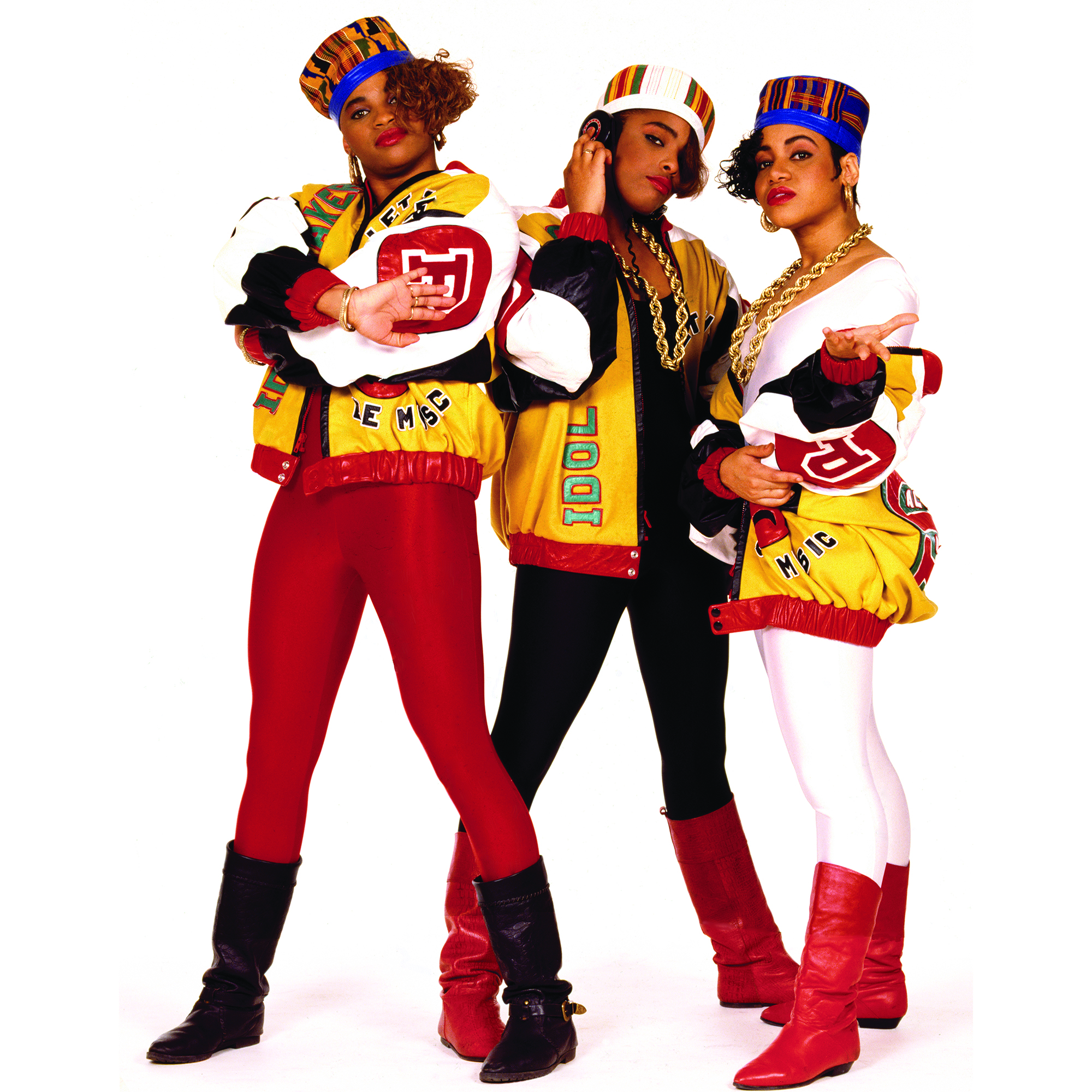
British photographer Janette Beckman began her career at the dawn of punk rock working for publications such as The Face and Melody Maker. She shot bands from The Clash to Boy George as well as three Police album covers and documented the youth culture of the era. Moving to NYC in 1983, Beckman was drawn to the underground hip-hop scene where she photographed the pioneers of the culture such as RUN DMC, Slick Rick, Salt-N-Pepa, Grandmaster Flash, Big Daddy Kane, and LL Cool J.

Beckman has published five books: ‘Rap, Portraits & Lyrics of a Generation of Black Rockers’, ‘Made In The UK The Music of Attitude 1977-1983’, ‘The Beckman has publi-Breaks, Stylin' and Profilin' 1982-1990", 'El Hoyo Maravilla’ and ‘The MashUp, Hip Hop Photos Remixed by Iconic Graffiti Artists’.

Her dedication to documenting the outliers of society remains evident in the works she creates surrounding subjects such as Manhattan based dirt bike bandits, The Go Hard Boyz, an illegal girl fight club in Brownsville, New York, and the hardnosed rodeo riders of the River City Rodeo in Omaha, Nebraska. Her work has been shown in galleries worldwide and is in the permanent collections of the Smithsonian National Museum of African American History and Culture, the Museum of the City of New York and the Musée des Civilisations de l’Europe. She is represented by the Fahey Klein Gallery. She continues to live and work in New York City today. Beckman’s commercial work includes assignments for clients such as Dior, Kangol, Levi’s, Schott, and Shinola.

fugees_jkeeling-3.jpg
fugees_jkeeling-4.jpg

ATHLEISURE MAG: How did you know you wanted to make portraits growing up?

JANETTE BECKMAN: I always liked portraits, I used to visit a lot of museums like the National Portrait Gallery in London as a kid and stare at the paintings, imagining what life was like in the 1800’s or whenever.

AM: Tell us about the London punk scene in the late-70s and how you became immersed?

JB: I came out of art school and the punk and youth culture scenes were happening on the streets. I was always into music and style, so it was natural for me to start documenting what I saw on my doorstep. I started working for a weekly music magazine called Sounds and soon was photographing 2 or 3 bands a week.

AM: What led you to NYC in the early 80’s and how did you start photographing rap groups?

JB: I saw my first Hiphop show in London in the fall of 1982 and that Christmas I came to NYC to visit a friend. The trains were covered in graffiti, kids with boomboxes on the platform. I loved it.

AM: What were some of the first Hiphop concerts that you attended, and how did the blend of DJs, rappers, break dancers and graffiti artists speak to you and what you saw with the culture at large?

JB: The first Hiphop concert was in London in 1982. I was blown away by the sounds and visuals, rappers, DJs, graffiti writers, break dancers all on stage together - I photographed Fab 5 Freddy, Grand Mixer DST, Afrika Bambaataa, RockSteady Crew, Double Dutch Girls, Rammellzee, Futura, Dondi - legends of the culture.

AM: Tell us about the 1984 shoot with Run-DMC for The Face magazine.

JB: The British magazine The Face commissioned me to photograph Run DMC. They gave me a phone number, which turned out to be Jam Master Jay’s mom’s house. I spoke to Jay and we arranged to meet at the Hollis subway station. Hollis turned out to be a leafy suburb in Queens. I walked down the street with him, met Run DMC hanging out under the trees on a spring day with some friends, and began taking photos - I got that shot in the first few frames. It was really a moment in time.

jayz-danny-hastings.jpg
Jayz_DHastings.jpg
Kanye_dclinch.jpg
kanye_danny-clinch.jpg

AM: What camera and lenses did you shoot with? How important was it to be shoot-ready when approaching shoots those days?

JB: I had a Hasselblad with an 80mm lens, I had 3 backs (12 shots in each), always ready/loaded.

AM: What was it like to work with Def Jam?

JB: Def Jam was a small label. I was also working with other small labels like Next Plateau and Sleeping Bag. They would bring their artists ’round to my studio. I had shown my portfolio to Lyor Cohen and Def Jam started to hire me. The first shoot I did for them was when Bill Adler, the Press Officer for Def Jam, brought LL Cool J to my studio for his first press shot.

AM: We loved seeing the early Afrocentric style reflected with your work with Tribe Called Quest. How did this come about and what was the day like?

JB: I was a huge fan of Tribe Called Quest and Hiphop style was becoming more Afrocentric. We decided that we wanted to shoot in nature. We were in NYC and the trees were still bare, so we went to the Chelsea Flower Market and found this greenery. The band had their little cousin with them and we had him in the shot too.

AM: What are some of the similarities and differences between shooting album covers and magazine candids and portraits?

JB: Album covers are square, you have to think about that when you are composing a shot. Magazine pages are usually vertical.

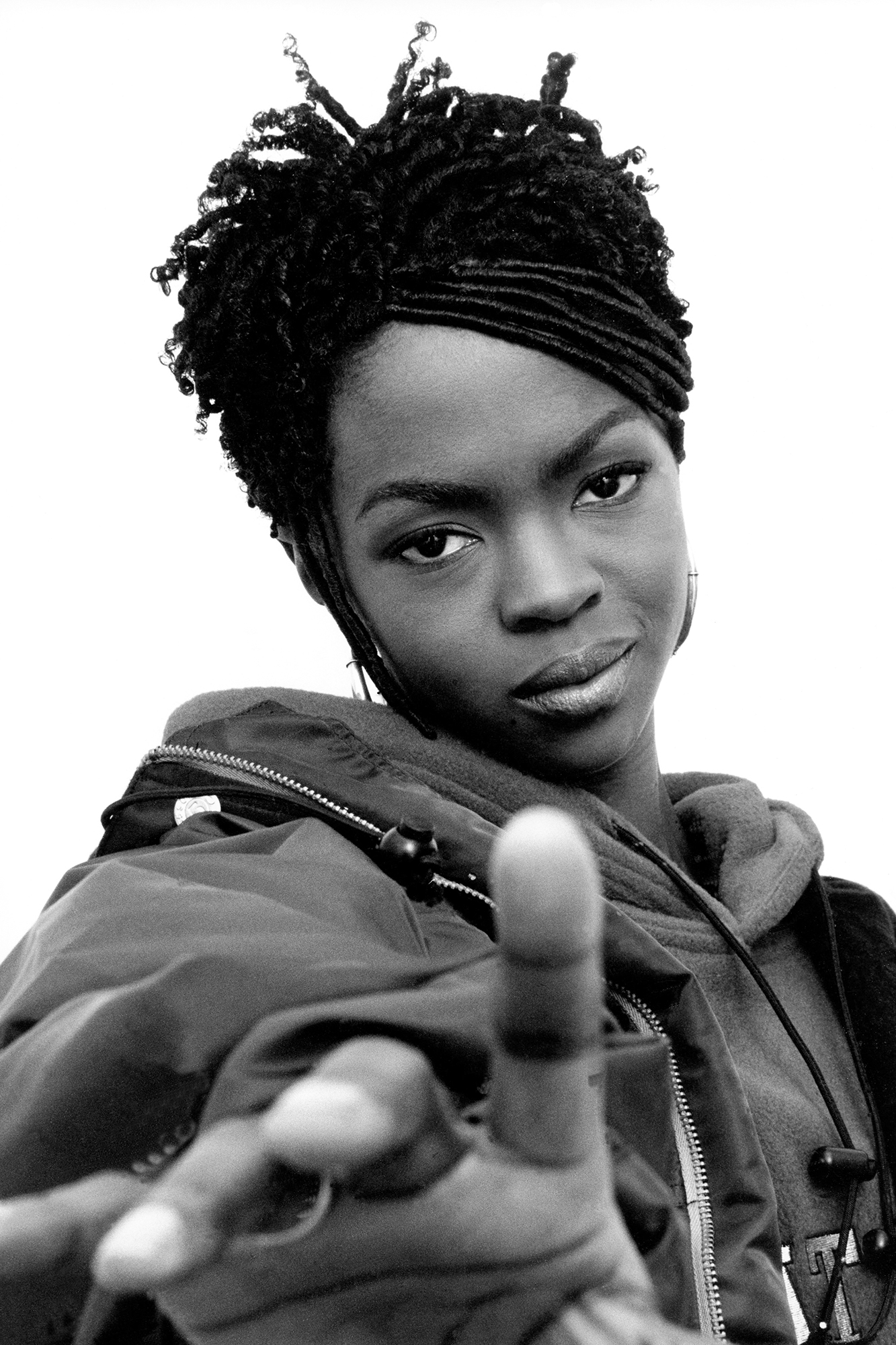
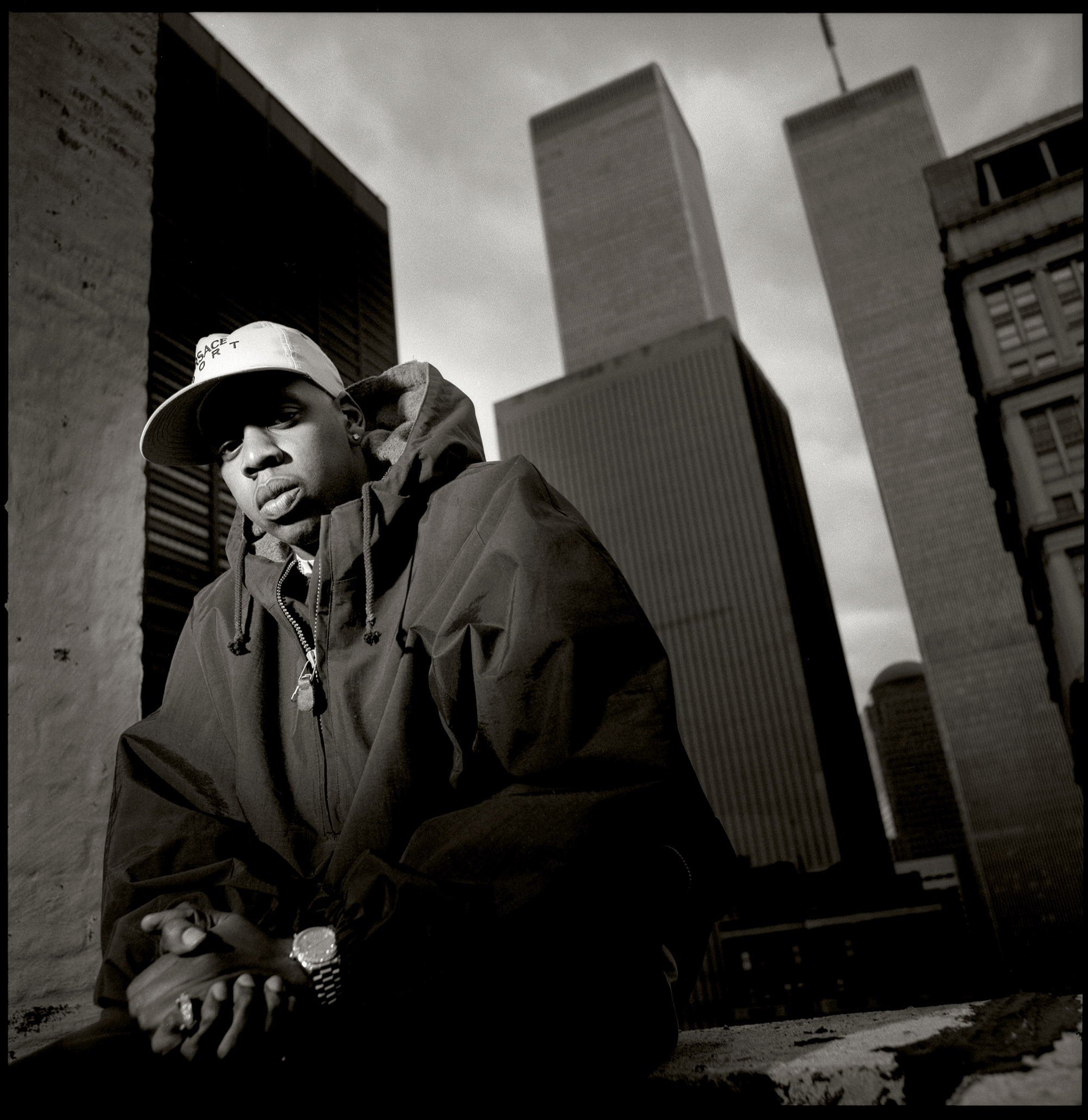
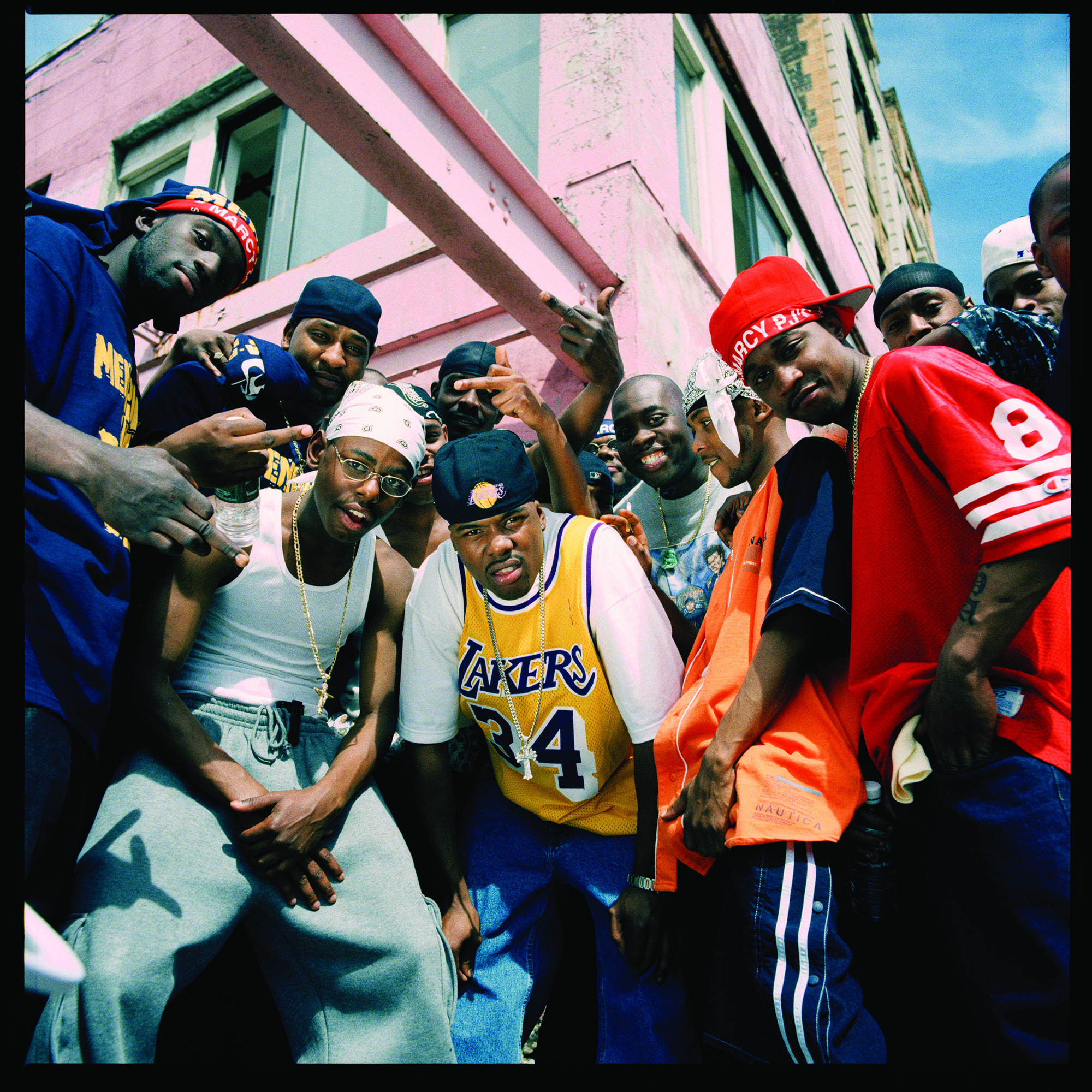
PHOTOGRAPHY COURTESY OF CONTACT HIGH: A VISUAL HISTORY OF HIP HOP, BY VIKKI TOBAK | Fugees - Jayson Keeling | Jay-Z – Danny Hastings | Kanye – Danny Clinch | Memphis Bleek - Armen Djerrahain | Mos Def - Jamil GS | RUN DMC – Janette Beckman | Salt-n-Pepa – Janette Beckman | A Tribe Called Quest – Janette Beckman |

Mos-def_jamil.jpg
Mos-Def_jamil-GS.jpg
Run_DMC_jbeckman.jpg
Run-DMC_janette-beckman.jpg
Salt-n-Pepa_janette-beckman.jpg
Salt-n-Pepa_jbeckman.jpg
Tribe-called-quest_jbeckman.jpg
Tribe-called-Quest_janette-beckman.jpg
MemphisBleek_Armen-Djerrahian.jpg
Memphis-bleek_adjerrhian.jpg
 

Read the May Issue of Athleisure Mag and see Contact High in mag.
Featured Photoshoot
IT'S ELECTRIC
September 16, 2019
IT'S ELECTRIC
September 16, 2019
September 16, 2019
CONTEXT + REPETITION: MARTY SMITH
August 21, 2019
CONTEXT + REPETITION: MARTY SMITH
August 21, 2019
August 21, 2019
AM MAY HUMANIZING FINANCE-1.jpg
June 19, 2019
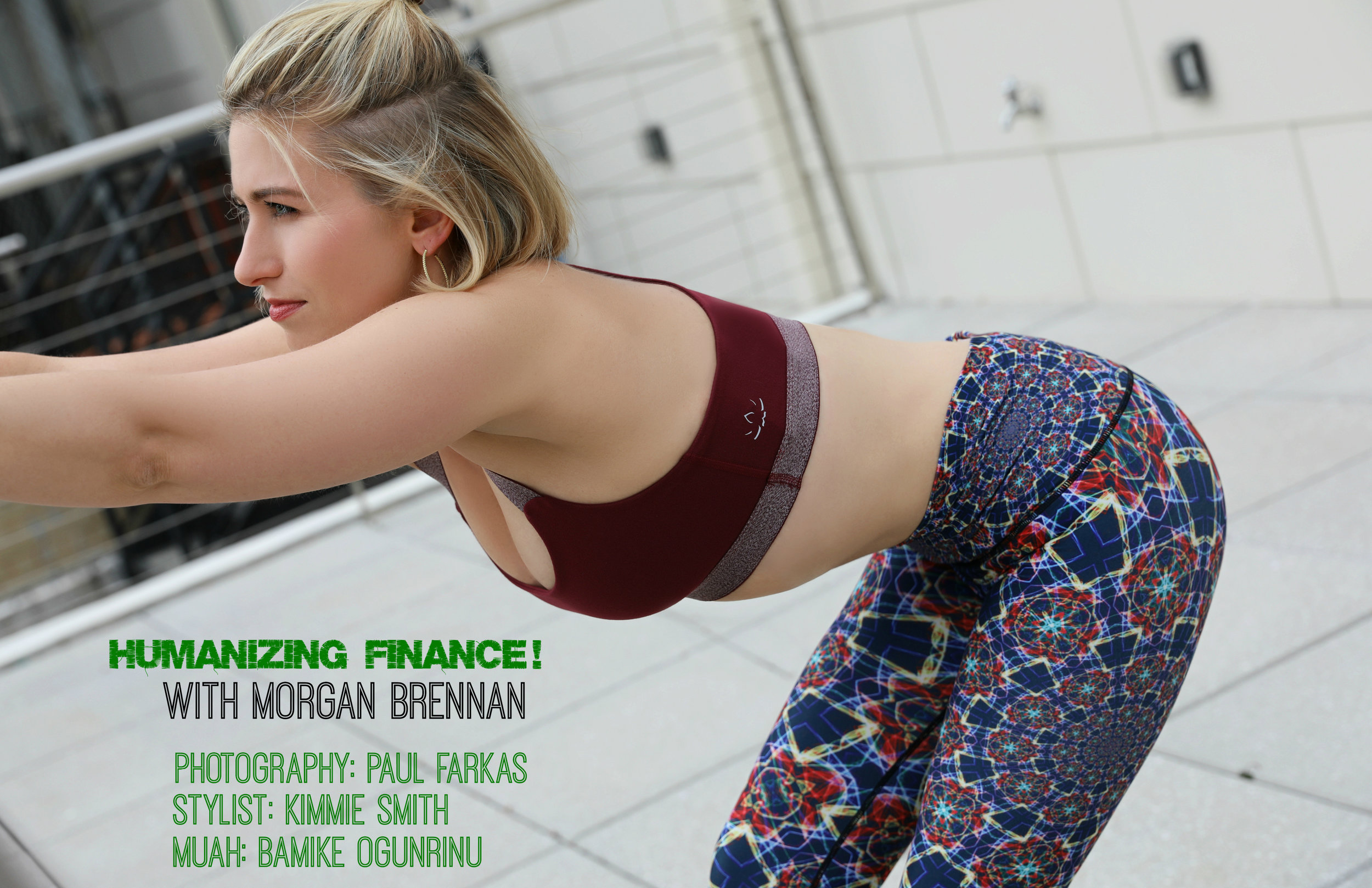
HUMANIZING FINANCE WITH MORGAN BRENNAN
June 19, 2019
June 19, 2019
CONTACT HIGH
June 16, 2019
CONTACT HIGH
June 16, 2019
June 16, 2019
AM FEB ALL IN TOGETHER NOW-1.jpg
March 17, 2019
ALL IN TOGETHER NOW
March 17, 2019
March 17, 2019
AM JAN WINTER CHILL-1.jpg
February 18, 2019
WINTER CHILL
February 18, 2019
February 18, 2019
October 15, 2018
STAYING AHEAD OF THE MARKET WITH MELISSA LEE
October 15, 2018
October 15, 2018
AM JUL BRING IT ON-1.jpg
August 22, 2018
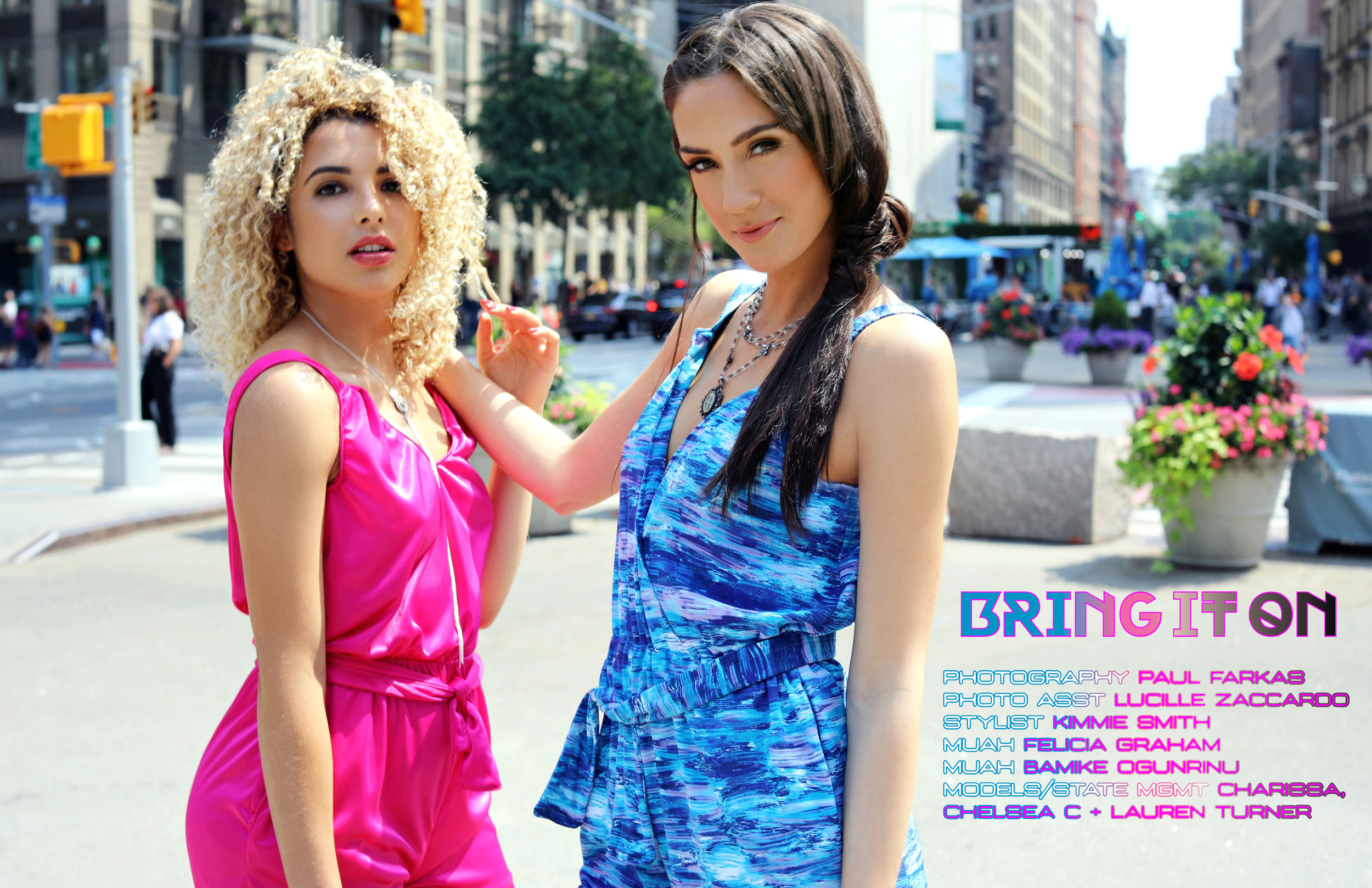
BRING IT ON
August 22, 2018
August 22, 2018
ABOVE IT ALL
June 20, 2018
ABOVE IT ALL
June 20, 2018
June 20, 2018
AM APR BEYOND THE ROPES WITH DANIELLE MOINET-1.jpg
May 14, 2018
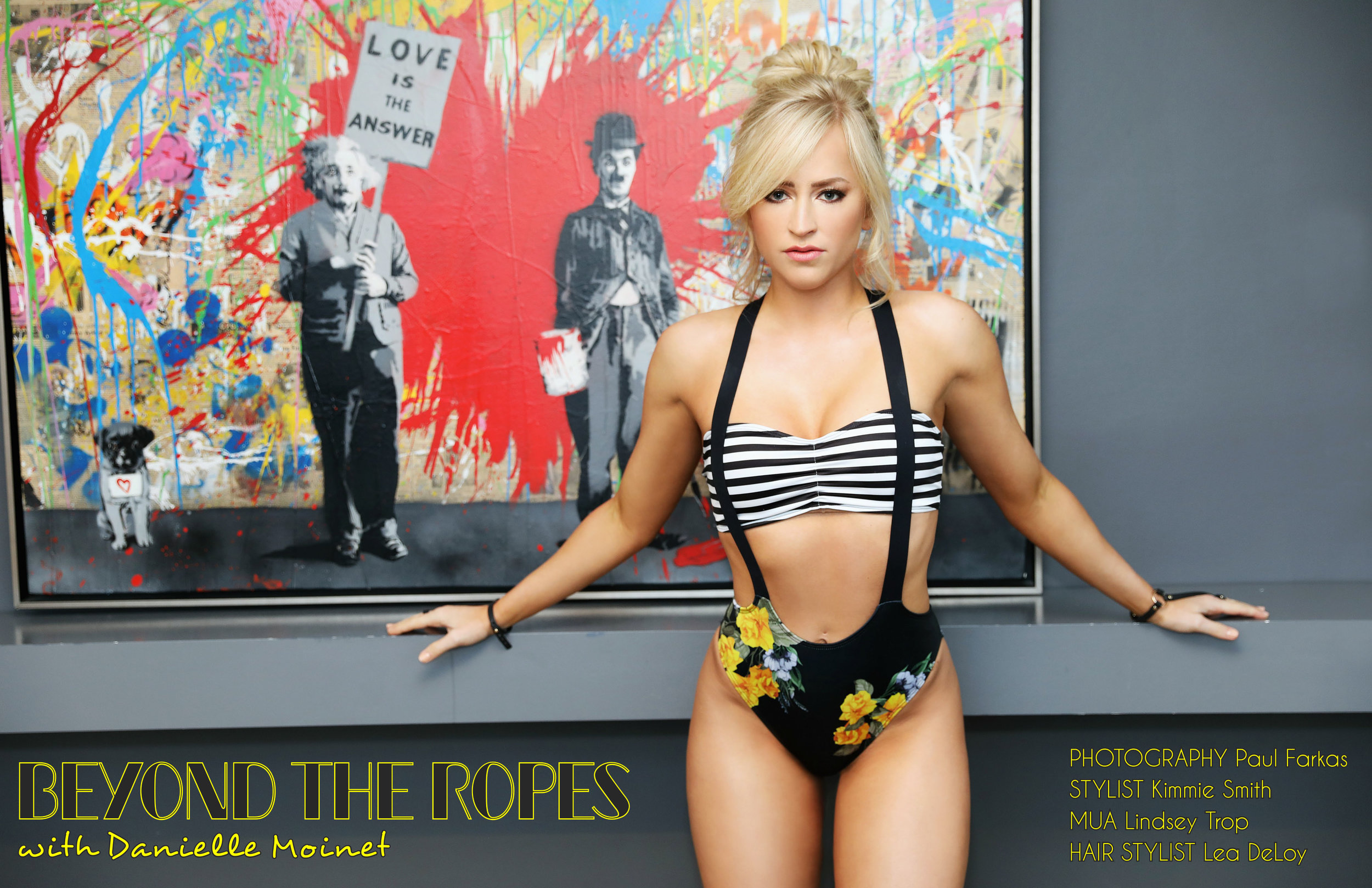
BEYOND THE ROPES WITH DANIELLE MOINET
May 14, 2018
May 14, 2018
In May 2019, Photoshoot, Music, Editor Picks Tags Hasselblad, Camera, HipHop, Hip Hop, Jay Z, Jay-Z, Tupac, Diddy, Biggie, Contact High, Kanye, Memphis Bleek, Fugees, Jayson Keeling, Danny Hastings, Danny Clinch, Armen Djerrahain, Mos Def, A Tribe Called Quest, Jamil GS, RUN DMC, Janette Beckman, Salt-n-Pepa, Vikki Tobak, Music, lens, photography, photos, genre
Comment
No results found

GET ATH MAG

Read the JUN ISSUE #126.

GET YOUR COPY OF JUN ISSUE #126

Personal trainers
Personal Trainer Jobs

Sign up for our newsletter!

Sign up for our newsletter!


PODCAST NETWORK

ATHLEISURE STUDIO SLATE.jpg
LISTEN TO ALL OF #TRIBEGOALS’ EPISODES ON SPOTIFY, APPLE PODCAST, GOOGLE PODCAST AND MORE

LISTEN TO ALL OF #TRIBEGOALS’ EPISODES ON SPOTIFY, APPLE PODCAST, GOOGLE PODCAST AND MORE

LISTEN TO ALL OF ATHLEISURE KITCHEN’S EPISODES ON iHEARTRADIO, SPOTIFY, APPLE PODCAST, GOOGLE PODCAST AND MORE

LISTEN TO ALL OF ATHLEISURE KITCHEN’S EPISODES ON iHEARTRADIO, SPOTIFY, APPLE PODCAST, GOOGLE PODCAST AND MORE

LISTEN TO ALL OF BUNGALOW SK’S EPISODES ON iHEARTRADIO, SPOTIFY, APPLE PODCAST, GOOGLE PODCAST AND MORE

LISTEN TO ALL OF BUNGALOW SK’S EPISODES ON iHEARTRADIO, SPOTIFY, APPLE PODCAST, GOOGLE PODCAST AND MORE

LISTEN TO ALL OF THE 9LIST’S EPISODES ON iHEARTRADIO, SPOTIFY, APPLE PODCAST, GOOGLE PODCAST AND MORE

LISTEN TO ALL OF THE VOT3D IO’S EPISODES ON iHEARTRADIO, SPOTIFY, APPLE PODCAST, GOOGLE PODCAST AND MORE


TRENDING

Featured
GOV BALL 2026
AM, Jun 2026, Music, Festival, Editor Picks
GOV BALL 2026
AM, Jun 2026, Music, Festival, Editor Picks
AM JUN ISSUE OS POWER BOOK III Raising Kanan (1).png
AM, Editor Picks, Celebrity, Jun 2026, TV Show
POWER BOOK III: RAISING KANAN | THE FINAL CHAPTER
AM, Editor Picks, Celebrity, Jun 2026, TV Show
AM JUN FC.png
AM, Ath Mag Issues, Jun 2026, Editor Picks
ATHLEISURE MAG JUN ISSUE #126 | SƠN TÙNG M-TP
AM, Ath Mag Issues, Jun 2026, Editor Picks
BORN IN A CROSSFIRE HURRICANE | THE ROLLING STONES
AM, Celebrity, May 2026, Music, Food, Editor Picks
BORN IN A CROSSFIRE HURRICANE | THE ROLLING STONES
AM, Celebrity, May 2026, Music, Food, Editor Picks
AM MAY ISSUE _125 FEEL THE BASS Benny Benassi-1.png
AM, May 2026, Music, Festival, Editor Picks
FEEL THE BASS | BENNY BENASSI
AM, May 2026, Music, Festival, Editor Picks
AM MAY ISSUE #125 FC.png
AM, May 2026, Ath Mag Issues, Editor Picks
ATHLEISURE MAG #125 | DAVID "BIG PAPI" ORTIZ
AM, May 2026, Ath Mag Issues, Editor Picks
AM APR ISSUE JUNE AMBROSE OS (1).png
Apr 2026, Fashion, Lifestyle, Style, TV Show, Celebrity, AM, Music, Editor Picks
THE STYLE ICON WITH JUNE AMBROSE
Apr 2026, Fashion, Lifestyle, Style, TV Show, Celebrity, AM, Music, Editor Picks
SALT HANK'S
AM, Apr 2026, Food, Editor Picks
SALT HANK'S
AM, Apr 2026, Food, Editor Picks
AM APR FC.png
AM, Apr 2026, Ath Mag Issues, Editor Picks
ATHLEISURE MAG #124 | CHEF AYESHA NURDJAJA
AM, Apr 2026, Ath Mag Issues, Editor Picks
AM MAR ISSUE #123 OS DZ.png
Editor Picks, AM, TV Show, Mar 2026, Streaming, Netflix
MAESTRO OF MAGIC | DEBORAH CZERESKO
Editor Picks, AM, TV Show, Mar 2026, Streaming, Netflix