SMALL LIFESTYLE CHANGES THAT CAN SAVE YOU MONEY

Near the end of the month, many people look at their account balance and wonder where the money went. The balance is lower than expected, but there's no obvious purchase to explain it. There was no expensive gadget, no extravagant weekend, and no single purchase that caused the problem. More often, the money disappears through small spending habits that have become automatic. It might be a subscription that keeps renewing, an outdated service plan, or convenience fees that have become routine. Taking another look at those habits often reveals easy ways to spend less without making major changes.

You're Still Paying for Things You Signed Up for Years Ago

Many phone carriers continue offering older plans long after they've stopped promoting them to new customers. Someone paying $75 a month may not realize a similar plan now costs $55 because carriers rarely point out cheaper options. Auto insurance rates shift year to year, internet providers roll out lower-priced bundles for new signups, and streaming services reshuffle their tiers periodically. Existing customers are rarely notified about these changes. Fixing it is usually simple and doesn't require any negotiation. Pull up your carrier's account page, find the name of the plan you're on, and run a quick search combining that plan name with your provider's name. In many cases, you'll find a cheaper option with similar benefits. For the rest of your recurring charges, open your bank statement, filter by recurring transactions, and scan for anything that no longer matches how you actually use it. News subscriptions started during free trials, cloud storage upgrades that were never downgraded, and fitness apps you stopped using months ago often stay on autopilot until you review your statements.

PHOTO CREDIT | Magnific

The Cost of Convenience

Convenience has a price, and it often arrives in small amounts that seem harmless. Take someone who orders food delivery twice a week. Parking directly beside the entrance instead of walking a few extra minutes. Paying extra for same-day shipping when standard delivery would work perfectly well. None of these decisions feels expensive on its own. Imagine someone who orders delivery twice a week. Each order includes service fees, delivery charges, and a tip. Add a few premium parking sessions and a couple of rushed purchases with express shipping. By the end of the month, the total might reach a few hundred dollars. When people add everything up, the total is often surprising. That's because each individual expense felt too small to matter. At the same time, the combined amount could have covered something far more useful. One habit tends to cost more than the rest. Last-minute purchases tend to cost far more than planned purchases. When people wait until the final moment, they lose access to discounts, cheaper shipping options, and price comparisons. A bit of planning can save more money than many people expect.

When Other People's Spending Habits Start Influencing Yours

Spending habits often become more expensive gradually, making it hard to pinpoint exactly what changed. A friend starts ordering from a pricier delivery app, and you do too. The group shifts from cheap wine at home to a wine bar running $18 a glass, and you go along because the alternative is staying home. A coworker mentions upgrading their phone plan, and yours starts to feel insufficient. These small changes add up over time, and none of them trigger a budget alert or register as a meaningful upgrade at the time. Over six months, though, they add up in ways that show clearly in the numbers. A useful check: pull three of your most frequent spending categories from twelve months ago and compare the average transaction size to the current month. If the per-transaction amount moved up across multiple categories without a matching change in income, social influence may be part of the reason. One useful approach is simple: pick one category where the average feels inflated relative to your actual preferences, set a personal ceiling that reflects what you'd genuinely choose on your own, and stick with it for four weeks. That's usually enough to tell which habits were actually yours.

PHOTO CREDIT | Magnific

Discounts You're Probably Missing

Many loyalty programs and cashback offers rely on the fact that a large number of users never redeem their rewards. Kroger and Target push app-only discounts through their weekly pricing cycles, and shoppers who pay full price help offset discounts claimed by those who use the app. Cashback credit cards often return between 1 and 2 percent on everyday purchases, but a large share of cardholders go years without clicking into the rewards section, leaving rewards unclaimed for years. That math holds in any category where an account opening or first deposit is involved, and most platforms allocate welcome offers the same way grocery chains allocate weekly app pricing. The same principle applies to online casinos and other digital services, where promotional offers are often available to new users. Level Up Casino promo codes can be found at https://casinosanalyzer.com/casino-bonuses/levelupcasino.com before making a first deposit. Many players head straight to the deposit page without checking for available offers and end up missing a discount they could have claimed. Food delivery apps rotate first-order credits on the same schedule, and most new users miss them for exactly the same reason. Streaming services carry trial extensions that take about thirty seconds to find, and most subscribers never request them.

Do You Really Need an Upgrade? 

For many American households, the phone upgrade cycle now runs closer to two years than four, even when the current device still functions fine. A new model comes out with a slightly better camera, and the existing phone suddenly starts to feel outdated. In practice, a two-year-old iPhone handles navigation, everyday photography, streaming, and calls at a level most people wouldn't distinguish from this year's model in daily use. The cost difference between upgrading every two years and every three, run through a standard carrier installment plan, adds up to roughly $400-$600 over five years before accounting for trade-in value lost on a working device. Before committing to an upgrade, write down the three things you use your phone for most and check if the new version offers a concrete improvement in any of them. For most people, one item surfaces, usually the camera, and that improvement alone rarely justifies the full price difference. The same calculation applies to laptops: if the machine handles the current workload without slowdowns, the upgrade is mostly a matter of preference rather than necessity.

PHOTO CREDIT | Magnific

How Grocery Stores Encourage You to Spend More

Supermarkets route customers past as many product categories as possible before they reach staples like dairy and eggs, which are placed at the back specifically to increase time in the store. High-margin items sit at eye level, and checkout lanes carry small additions specifically for shoppers who are less selective by the end of a trip. Understanding the layout changes how you move through it, and checking the unit price column rather than the sticker price is one of the easiest ways to save money consistently. Most major chains, including Kroger, Safeway, and Walmart, print both on the shelf tag: the package price and the per-ounce or per-unit cost. A 28-ounce jar of pasta sauce that looks cheaper than the 16-ounce version is frequently more expensive per ounce, and the larger package creates a false impression of savings. Comparing unit prices across five or six recurring items typically saves a two-person household between $18 and $30 a month without changing brands or buying in bulk. A quick step worth adding before walking in: open the store's app and clip whatever digital coupons are available. Kroger and Target both push app-exclusive discounts that activate with one tap, often running 15 percent or more off selected items, and new offers load each week.

None of these changes require a new budgeting app or a stretch of cutting back. Sometimes all it takes is one small habit, such as canceling a subscription you no longer use, checking for a discount code, or comparing prices before making a purchase. Each change may save only a small amount, but several small improvements can add up surprisingly quickly. After a few months, the difference is often noticeable in your account balance.

KOREAN HERITAGE: SEOUL'S ENERGY AND HISTORIC SOUTHERN LANDSCAPES

South Korea offers travellers a fascinating blend of cutting-edge innovation and centuries-old traditions. Bustling metropolitan districts, peaceful mountain temples, royal palaces, and scenic coastal regions exist within a relatively compact country that is easy to explore. While Seoul introduces visitors to Korea's dynamic modern identity, the southern provinces reveal historic cities, traditional villages, and beautiful natural scenery that showcase another side of the nation. Travelling between these destinations creates an unforgettable journey through Korea's cultural heritage.

PHOTO CREDIT | Unsplash/Neo Y

Fast Connections Across the Country

One of the greatest advantages of travelling through South Korea is the excellent railway network. Many visitors choose the KTX train to move quickly between major cities while enjoying comfortable seating and impressive punctuality.

High-speed rail allows travellers to leave Seoul in the morning and arrive in the southern regions just a few hours later. Along the way, passengers watch dense urban districts gradually give way to rivers, forests, farmland, and mountain landscapes. The convenience of rail travel makes it easy to include multiple destinations within a single itinerary without feeling rushed.

The railway has become an important part of South Korea's modern identity, supporting both domestic travel and international tourism.

Experiencing a Classic Korean Rail Journey

While high-speed services receive most of the attention, the Mugunghwa train offers a slower and more traditional way to discover the country. These services stop at a greater number of towns and smaller cities, allowing travellers to experience places that many visitors overlook.

The slower pace encourages passengers to appreciate changing scenery while observing everyday life across different regions. Traditional markets, agricultural communities, and quiet stations provide a glimpse into Korea beyond its largest metropolitan areas.

For travellers who value the journey as much as the destination, this classic railway experience offers a rewarding alternative to faster services.

Seoul's Modern Character

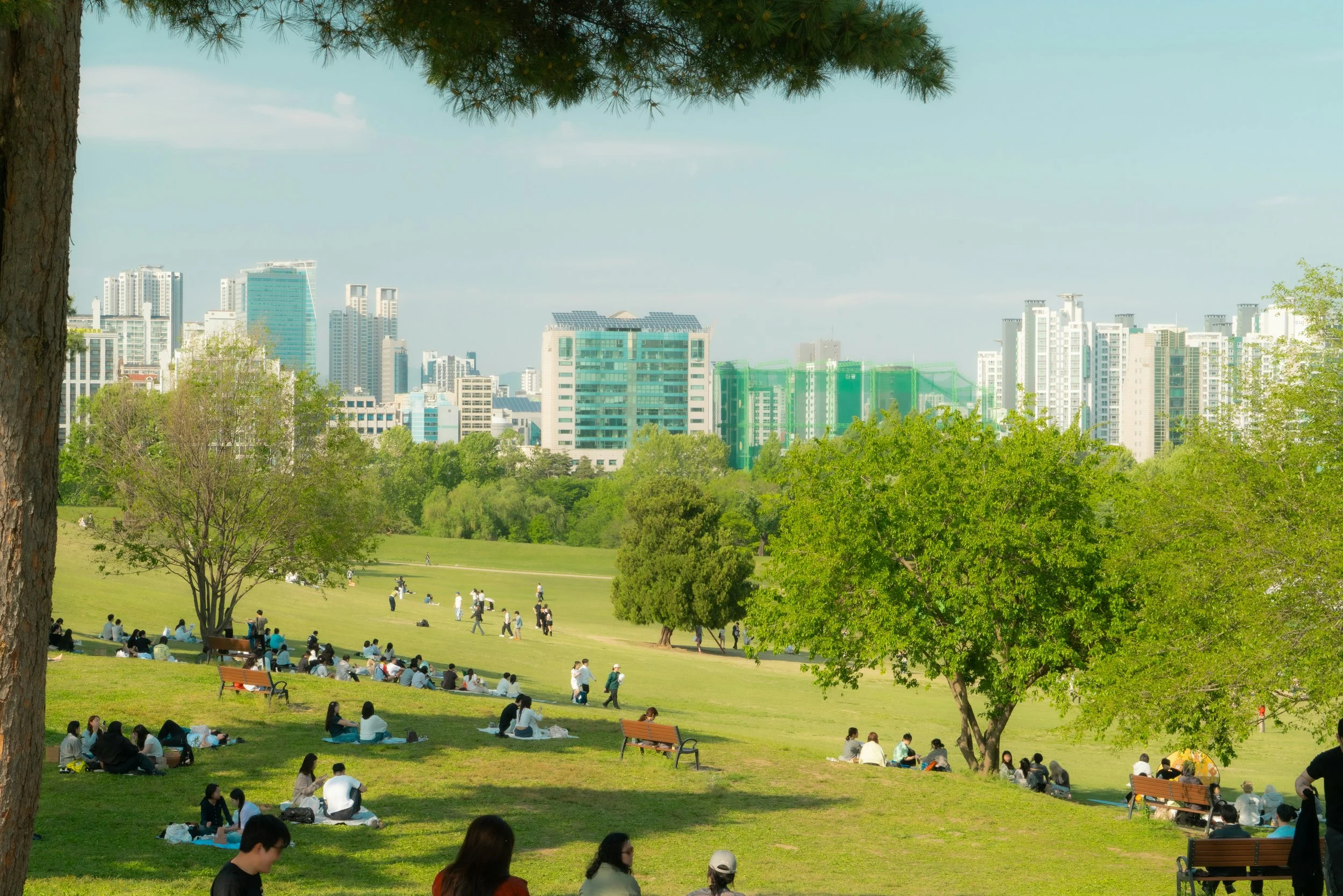
Seoul is one of Asia's most exciting capitals, combining advanced technology with deep historical roots. Towering skyscrapers stand beside royal palaces, while traditional markets continue to flourish only a short distance from fashionable shopping streets.

Neighbourhoods such as Myeong-dong, Hongdae, Insadong, and Gangnam each reveal a different aspect of the city's personality. Visitors can spend the morning exploring centuries-old architecture before enjoying contemporary art galleries, rooftop cafés, or innovative restaurants later in the day.

The city's efficient public transport system makes exploring remarkably straightforward, allowing travellers to experience both famous landmarks and quieter residential districts with ease.

PHOTO CREDIT | Unsplash/HONG KYU PARK

Royal Heritage in the Capital

Among Seoul's greatest treasures are its historic royal palaces, which preserve important chapters of Korean history. Beautiful gates, elegant courtyards, traditional pavilions, and carefully designed gardens provide a peaceful contrast to the city's modern skyline.

Many visitors enjoy watching the ceremonial changing of the royal guard before wandering through palace grounds that once served as the centre of political life. Museums located nearby provide additional insight into Korea's royal dynasties and cultural development.

These landmarks demonstrate how Seoul continues to preserve its heritage while embracing rapid modern growth.

Gyeongju and Korea's Ancient Legacy

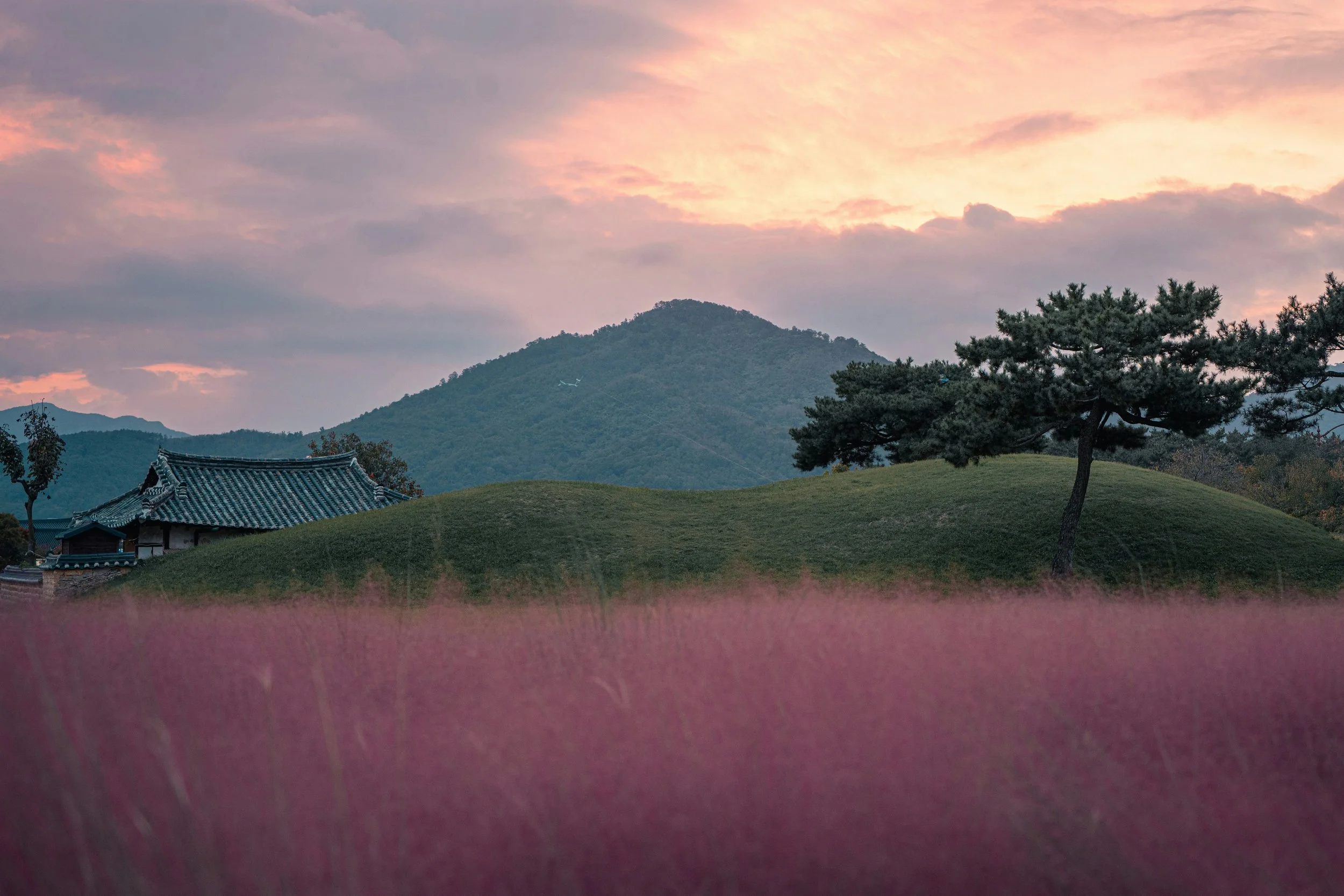
Often called the museum without walls, Gyeongju introduces travellers to one of the country's most historically significant regions. As the former capital of the Silla Kingdom, the city contains royal tombs, ancient temples, historic observatories, and remarkable archaeological sites.

Walking through Gyeongju feels very different from exploring Seoul. Wide green parks, quiet streets, and centuries-old monuments create a calm atmosphere that encourages slow exploration. Historic landmarks blend naturally with the surrounding landscape, offering visitors opportunities to reflect on Korea's long and fascinating history.

The city remains one of the finest destinations for anyone interested in traditional Korean culture.

PHOTO CREDIT | Unsplash/Dmitry Voronov


https://unsplash.com/photos/pink-field-overlooks-mountains-and-building-at-sunset-y5GM2u8cCiA?utm_source=unsplash&utm_medium=referral&utm_content=creditShareLink

Busan's Coastal Appeal

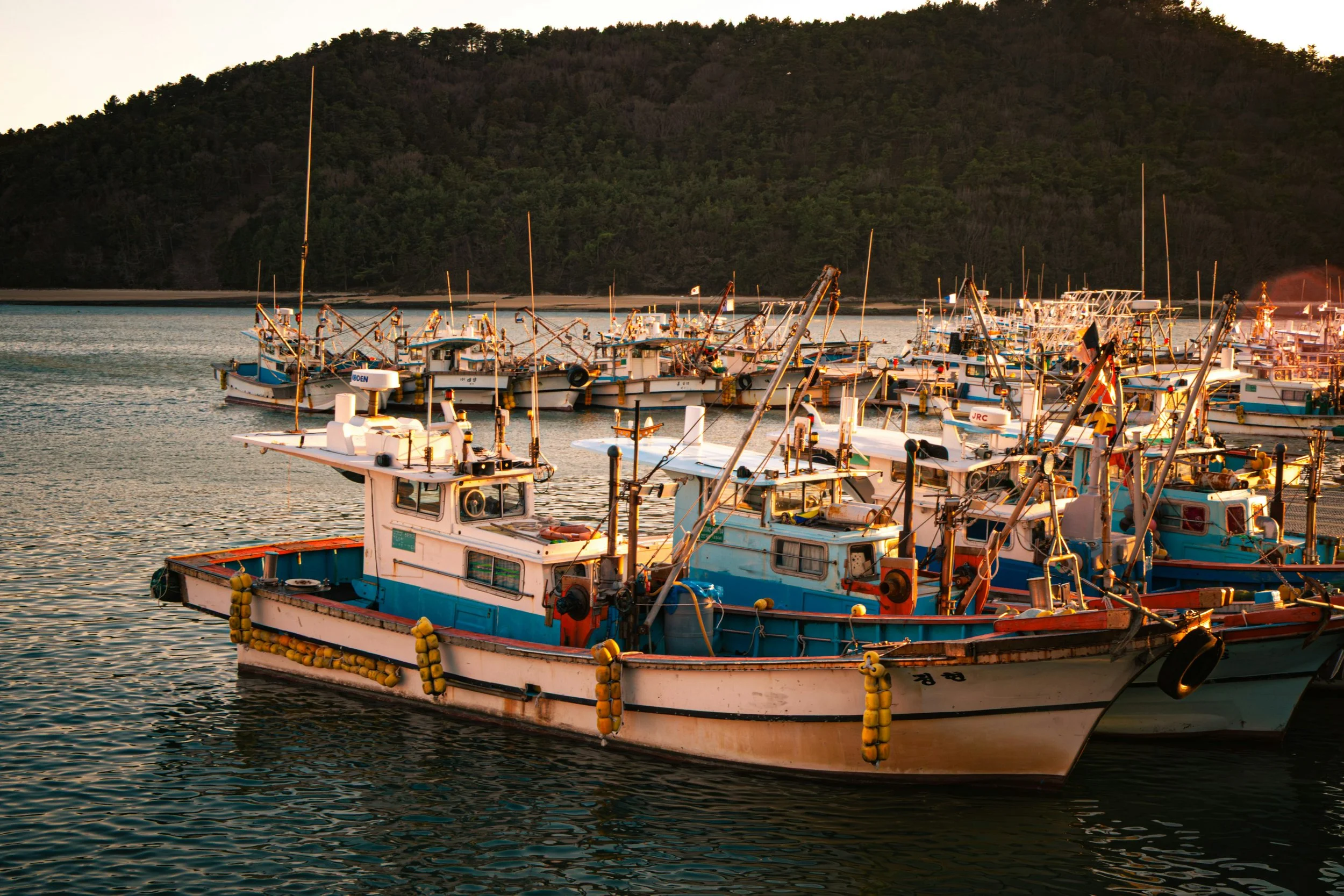
South Korea's second-largest city presents another completely different experience. Busan combines sandy beaches, lively seafood markets, modern architecture, and scenic coastal viewpoints within a vibrant maritime setting.

The city's waterfront districts attract visitors throughout the year, while colourful hillside neighbourhoods provide excellent panoramic views across the harbour. Fresh seafood, local festivals, and welcoming cafés contribute to Busan's relaxed atmosphere.

Despite its size, Busan feels less hurried than Seoul, making it an excellent place to slow down and enjoy the country's southern coastline.

Traditional Villages and Mountain Landscapes

Away from the major cities, South Korea preserves numerous traditional villages where tiled-roof houses, narrow lanes, and local customs continue to shape daily life. These communities provide valuable insight into architectural styles and cultural traditions that have survived for generations.

Mountain national parks offer another rewarding experience. Well-maintained hiking trails lead through forests to peaceful temples where visitors can enjoy spectacular scenery and moments of quiet reflection.

Exploring these rural landscapes helps travellers appreciate the close relationship between Korean culture and the natural environment.

Regional Cuisine Along the Journey

Every region introduces its own distinctive flavours. Seoul offers countless dining options ranging from traditional family restaurants to contemporary cafés, while Busan is particularly famous for fresh seafood and lively fish markets.

Southern Korea also celebrates regional dishes prepared using locally grown ingredients and long-established recipes. Markets become ideal places to sample seasonal specialities while observing everyday community life.

Trying local cuisine throughout the journey provides another meaningful way to understand the country's cultural diversity.

Planning a Rewarding Korean Adventure

Travellers can comfortably combine Seoul with southern destinations within one holiday thanks to South Korea's outstanding transport infrastructure. Spring and autumn provide especially pleasant weather for sightseeing, while each season offers unique scenery and local festivals.

Allowing several days in both the capital and the southern regions creates a balanced itinerary that combines history, nature, modern culture, and authentic local experiences. Spending time in smaller towns between major cities also adds depth to the journey.

A flexible schedule allows opportunities for unexpected discoveries that often become the most memorable moments of the trip.
Conclusion

South Korea presents an inspiring combination of vibrant cities, remarkable historical sites, beautiful landscapes, and efficient transportation. From Seoul's modern energy and royal heritage to the peaceful historic landscapes of Gyeongju and the coastal charm of Busan, every destination contributes something unique. Travellers who explore beyond the capital will discover a country where ancient traditions and contemporary innovation exist together in perfect harmony.

FROM PARISIAN CAFÉS TO AZURE COASTS: ROMANCE AND GLAMOUR OF FRANCE

Order a café crème at a zinc-topped bar on a Tuesday morning in Paris, take a seat facing the street, and notice how the people walking past carry themselves - unhurried, dressed with consideration, apparently untroubled by the fact that it is a Tuesday morning. France performs a particular version of the good life so consistently that it becomes easy to forget it is a performance and harder still to resist participating in it.

PHOTO CREDIT | Unsplash/Rich Martello

Paris: The City That Invented the Idea of Itself

Paris is the most self-conscious city in the world in the most productive sense - it has been thinking about what Paris should look like and feel like since Haussmann reorganised it in the 1850s, and the result is an urban environment where the quality of the light on limestone facades, the arrangement of a café terrace, and the geometry of a bridge over the Seine feel like decisions that have been refined over a very long time. That quality of considered arrangement is what most visitors are responding to when they describe Paris as romantic, and it holds up across the arrondissements in different proportions.

The Marais district in the 3rd and 4th arrondissements gives the most complete picture of Paris before Haussmann - the medieval street layout survived the 19th-century reorganisation because the neighbourhood was already too dense and too valuable to demolish entirely. The Place des Vosges, the oldest planned square in Paris (completed in 1612), is surrounded by arcades and red-brick mansions that give it a residential quality that none of Haussmann's grand squares replicate. Victor Hugo lived at number 6 from 1832 to 1848 and the apartment is now a free museum that is visited by far fewer people than the address deserves. 

Lyon: Where France Actually Eats

Lyon's claim to be the gastronomic capital of France is made with less tourist pressure than Paris and more local conviction. The bouchon tradition - small, informal restaurants serving traditional Lyonnais cuisine to a regular clientele - is the institution that defines the city's food culture. The dishes served in a genuine bouchon (tablier de sapeur, quenelles de brochet, cervelle de canut, tarte praline) are specific to Lyon in a way that makes the city's food culture legible rather than generic. The Halles Paul Bocuse in the 3rd arrondissement, the covered market named for the chef who put Lyon's cuisine on the international map, is where the ingredients behind the bouchon menu are sourced - the charcuterie, the quenelles, the St-Marcellin cheese - and a morning there before lunch elsewhere is the right order of operations.

The TGV high-speed service from Paris to Lyon takes around two hours on the LGV Sud-Est, France's first high-speed line (opened in 1981) and still the backbone of the network. From Lyon, the train service continues south through the Rhône valley toward Marseille and the Mediterranean coast - the progression from the industrial outskirts of Lyon to the limestone scrubland of Provence visible from the window over around 90 minutes of travel is one of those journeys where you can watch the climate change around you. 

PHOTO CREDIT | Unsplash/Beth Chobanova

The Côte d'Azur: Light and Water

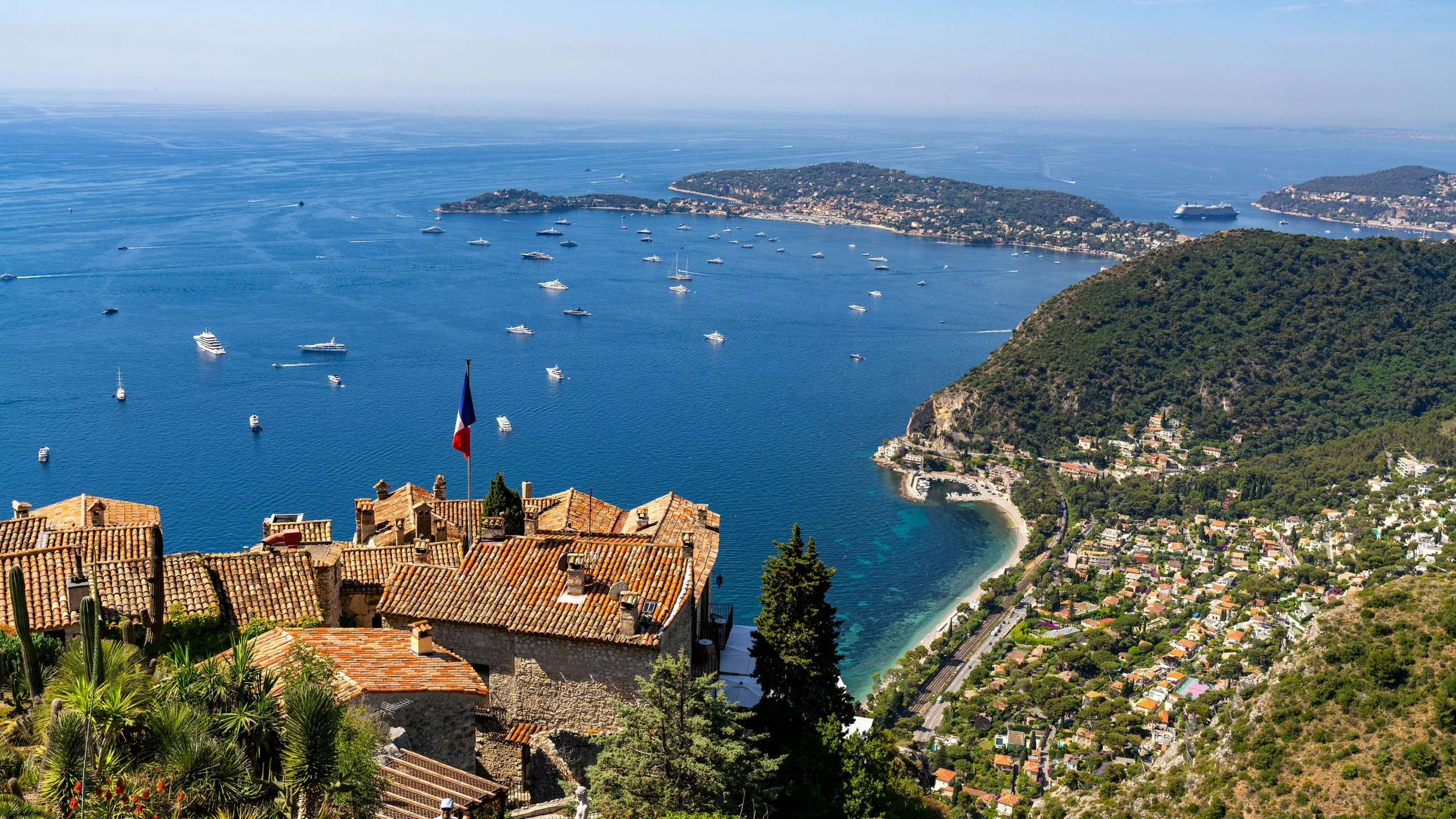
The train from Paris to Nice takes around five and a half hours from Paris Gare de Lyon and the Nice arrival at Nice-Ville station puts you ten minutes' walk from the Promenade des Anglais and the seafront. Nice is the starting point for the Côte d'Azur rather than its entirety, and the towns along the coast - Antibes, Juan-les-Pins, Cannes, Saint-Tropez to the west; Monaco, Èze, Menton to the east - have distinct characters that make moving along the coast by the regional TER trains or by boat more interesting than staying in a single resort.

The light of the Côte d'Azur is the specific thing that attracted Matisse, Picasso, Chagall, and Renoir to the region, and the museums dedicated to their work here are worth building an itinerary around. The Fondation Maeght in Saint-Paul-de-Vence, set in a pine forest above the village with a garden of Calder mobiles and Miró sculptures integrated into the landscape, is the finest art foundation in the south of France and makes the drive or bus from Nice worthwhile. The Musée Matisse in Nice itself, in a 17th-century Genoese villa in the Cimiez neighbourhood above the city, holds the largest collection of Matisse's work including the full-scale cartoons for the stained glass windows of the Vence Chapel - preliminary studies for a building 20 kilometres away that the museum makes fully intelligible.

PHOTO CREDIT | Unsplash/Christian Harb

Provence: Lavender, Wine, and Stone Villages

Provence inland from the coast operates at a different pace from the summer intensity of the Riviera and rewards visits outside July and August when the lavender fields around Valensole are in bloom but the roads are manageable. The Luberon range of villages - Gordes, Roussillon, Bonnieux, Ménerbes, Lacoste - are clustered closely enough to cover by car in a day but each has a specific character that makes the comparison between them interesting rather than repetitive. Roussillon is built from the ochre rock that underlies it; the 17 shades of red, orange, and yellow in the cliffs and buildings create a colour saturation that is unlike anywhere else in France. The ochre mining trail above the village, a 45-minute walk through the former quarries, is where the full range of the geological colour is visible at close range.

The Pont du Gard, the Roman aqueduct bridge northwest of Nîmes, is the architectural monument in the south of France that most consistently exceeds expectations. The three tiers of limestone arches spanning the Gardon river reach 49 metres at their highest point, and the engineering precision of the structure - built without mortar in the 1st century AD and still standing without significant restoration to the main structure - is visible in the tight fit of the stone blocks from the river bank. The site is most atmospheric in early morning before the day visitors arrive, when the reflection of the arches in the water below and the silence of the garrigue above create a quality of stillness that the Roman engineers probably didn't intend but that their structure has earned over two thousand years.

Conclusion

France works as a travel destination because it has enough variety within a manageable geography to satisfy almost any combination of interests - city, coast, wine country, mountain, historical architecture, contemporary art. The train network connects most of it at speeds that make multiple regions practical in a single trip. Whatever draws you to France initially, the country tends to redirect you toward something you didn't plan for, and that unplanned version is usually the thing you remember most clearly afterward.
ALPINE HARMONY: A JOURNEY THROUGH AUSTRIA'S CULTURAL HUBS AND MOUNTAIN VALLEYS

Austria operates on a productive tension between two things that have no obvious reason to coexist: an imperial cultural apparatus of opera houses, museums, and palace complexes built to project the dominance of a vanished empire, and mountain terrain that begins within an hour of the capital and continues west through scenery that makes the cultural inheritance feel almost beside the point. The country is small enough that both are always within reach.

PHOTO CREDIT | Unsplash/Leopold Stenger

Vienna: The Weight of the Habsburg Rooms

Vienna's character is inseparable from the Habsburg dynasty that ruled from it for six centuries and left behind an accumulation of institutions - the Kunsthistorisches Museum, the Naturhistorisches Museum, the Staatsoper, the Belvedere, the Hofburg palace complex, the Schönbrunn summer palace - that no comparable city of its current size could sustain without the historical momentum behind them. The Kunsthistorisches, built to house the Habsburg art collection, holds the largest Bruegel collection in the world, Vermeer's Art of Painting, and the Cellini salt cellar that Francis I of France commissioned in 1543 and that took five years to complete. The Egyptian and Near Eastern collection on the ground floor is as significant as anything in the building and considerably less visited than the picture galleries above.

OBB, Austria's federal railway operator, runs the trains that connect Vienna to the rest of the country and to its European neighbours with a frequency and punctuality that makes car travel unnecessary for most itineraries. The Hauptbahnhof, Vienna's main station completed in 2015, is the hub from which services radiate west toward Salzburg and Innsbruck, south toward Graz and the Slovenian border, and east toward Budapest and beyond. The station itself - a contemporary glass-and-steel structure replacing the old Südbahnhof - handles long-distance international services, the suburban S-Bahn network, and the U-Bahn metro connection in a single interchange that works considerably more smoothly than its scale might suggest.

Europe by Train and Overnight Travel

The Nightjet overnight train network has become one of the more significant developments in European rail travel since its expansion began in 2020. Services from Vienna now connect directly to Brussels, Amsterdam, Rome, Zürich, Hamburg, and Paris among other destinations, with couchette and sleeper compartments that convert the journey time into rest rather than transit. The Vienna to Zürich overnight service, for instance, departs in the evening and arrives early enough to give a full day in the destination without the early morning airport logistics that a flight would require. Booking sleeper compartments in advance is necessary for the private cabin options, which include bedding, a breakfast tray, and enough space to sleep properly - a different proposition from the couchette berths that are more affordable but less private.

The overnight network is particularly useful for connecting Vienna to destinations that are too far away by day train - the Paris train takes around 15 hours and arrives at Gare de l'Est in the morning, making it possible to leave Vienna after dinner and arrive in Paris ready to start the day. For travellers based in Vienna who want to extend into western Europe without flying, this train service makes the connection feel continuous rather than disruptive.

Salzburg: Music in the Architecture

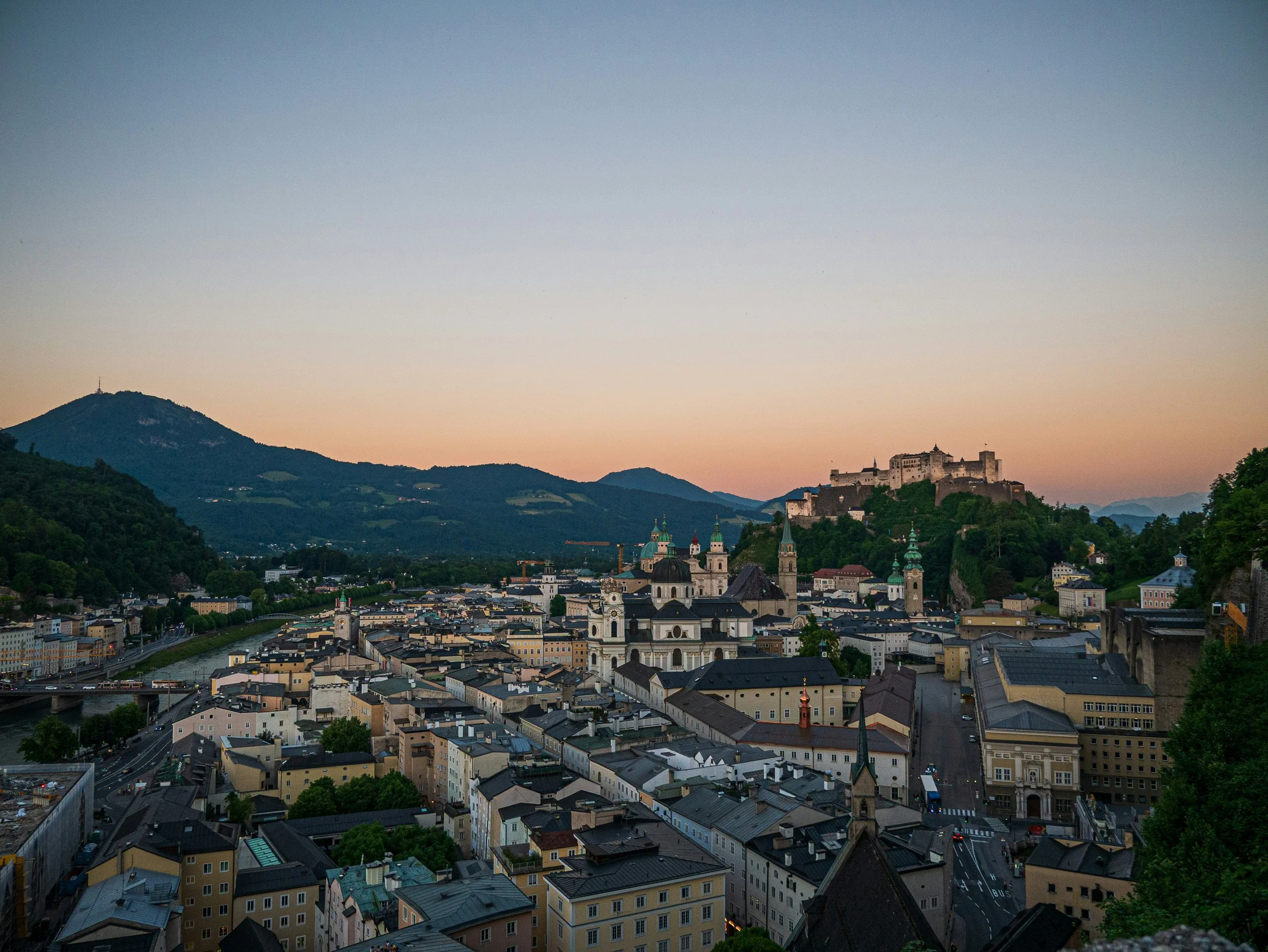
Salzburg is a city where the Baroque architecture and the musical history reinforce each other to the point where separating them becomes artificial. The Archbishop-Princes who funded the construction of the cathedral, the Residenz palace, and the Franciscan church in the 17th century were the same patrons who employed court musicians and created the institutional context in which Mozart grew up - not because they were especially enlightened about music but because music was part of the display of power that architecture served. The Baroque city and the musical tradition it produced are the same project, expressed in different materials.

The Mozarteum Foundation, which maintains the archives, concert hall, and the two Mozart museums (the birthplace on Getreidegasse and the family residence on Makartplatz), is the institutional centre of this tradition. The Salzburg Festival in July and August is the concentrated expression of it, filling the city's concert halls, the Felsenreitschule (a theatre carved into the rock of the Mönchsberg), and the stages around the Residenzplatz with opera, orchestral concerts, and chamber music for five weeks. The standing room tickets for the smaller events and the Mozartwoche in January give access to the programme without the advance planning that the major summer productions require.

PHOTO CREDIT | Unsplash/Eliot

The Salzkammergut: Lakes and Salt

The Salzkammergut east of Salzburg is the region of lakes, mountains, and salt mines that gave Austria's history much of its economic foundation - the word Salzburg means salt fortress, and the mining operations in the Hallstatt area that the Romans and their predecessors ran for two millennia funded the cultural apparatus that the Habsburgs later expanded. The lake district itself covers around 2,500 square kilometres and the combination of the Wolfgangsee, the Attersee, and the Hallstätter See with the limestone peaks of the Dachstein massif above them produces the compressed landscape beauty that Austrian postcards have been processing since the 19th century.

Hallstatt, the village on the western shore of the lake that bears its name, has become so heavily photographed that managing the reality of visiting it against the accumulated image is a calibration exercise. The village is genuinely beautiful and genuinely small - around 800 permanent residents on a narrow strip of land between the cliff and the water - and the pressure of tourism during peak summer makes the experience of being there feel more managed than the photographs suggest. Going in May or October, arriving by the lake ferry from Hallstatt station rather than by the road from the west, and staying overnight gives access to the village at times of day when the day-trip coaches have gone and the quality of the place reasserts itself.

Innsbruck and the Tyrolean Alps

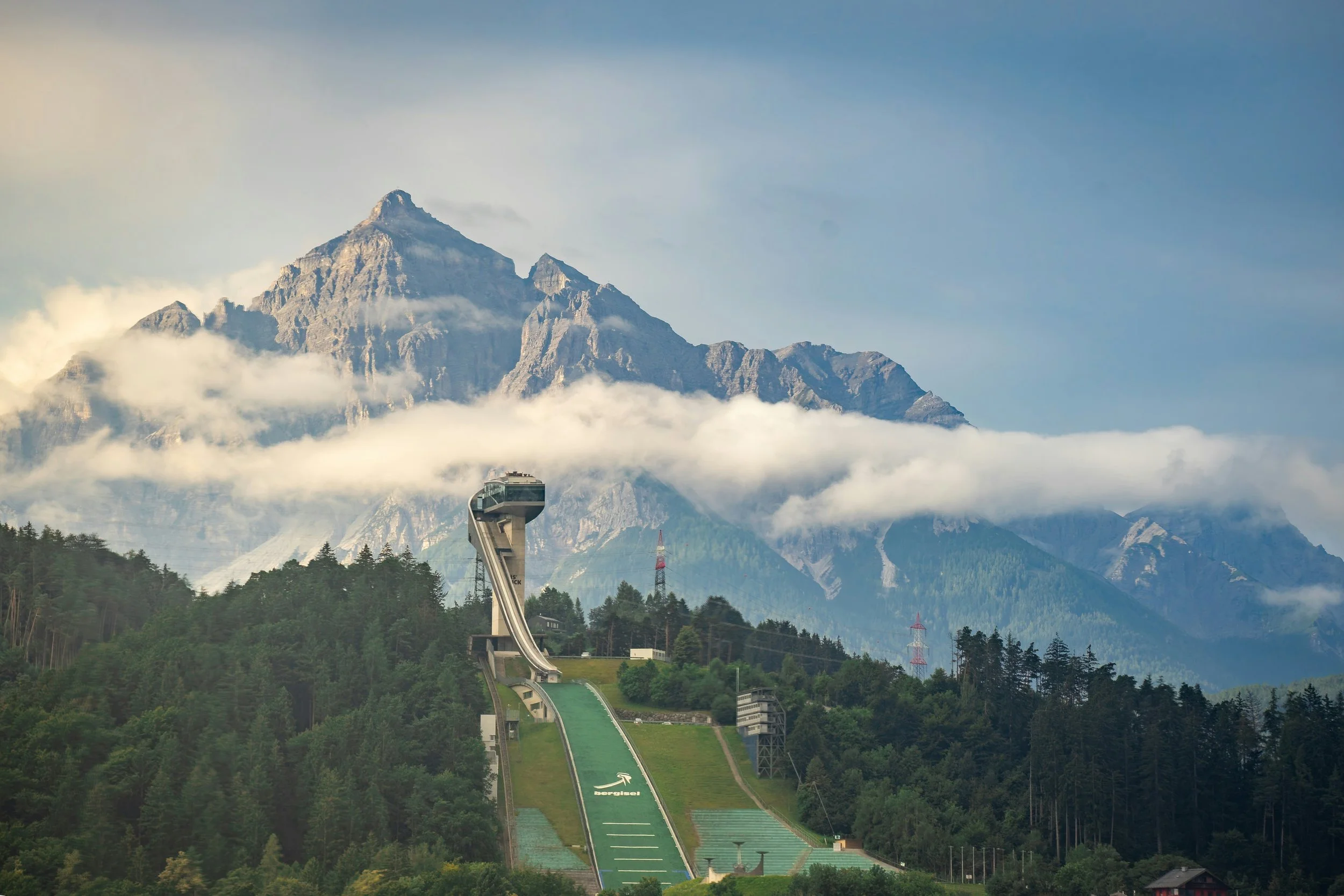
Innsbruck sits in the Inn valley with the Nordkette mountain range rising directly above the city to 2,334 metres, and the cable car system that connects the city centre to the Nordkette in under 20 minutes is one of the more striking pieces of urban infrastructure in the Alps. The Hungerburgbahn funicular, designed by Zaha Hadid, carries passengers from the Altstadt to the Hungerburg plateau; from there the Nordkettenbahnen cable cars continue to the Seegrube and Hafelekar stations above. The view from Hafelekar of the Inn valley, the city below, and the mountain ranges receding south into Italy and east into Salzburg province is available within an hour of leaving the city centre.

The Altstadt itself - the Golden Roof (Goldenes Dachl) at its centre, covered in 2,657 gilded copper tiles commissioned by Emperor Maximilian I around 1500 - is compact enough to cover in a morning, with the Hofburg imperial palace, the court church (Hofkirche), and the Tyrolean Folk Art Museum covering the main attractions within a few minutes' walk of each other. The Hofkirche contains the cenotaph of Maximilian I, surrounded by 28 life-size bronze statues of his ancestors and contemporaries including King Arthur of Britain and Theodoric the Great - a genealogical claim that is historically creative but produces one of the more extraordinary funerary monuments in Europe.

Conclusion

Austria rewards the traveller who moves between its cultural and natural registers rather than committing entirely to either. Vienna's museums and concert halls make sense more clearly after a day in the Salzkammergut; the Alps above Innsbruck feel more legible after the imperial context of Salzburg. The country is small enough that these transitions take hours rather than days, and the train network makes them possible without a car. Move slowly, stay overnight in the mountain villages rather than day-tripping, and give the landscape the same attention the architecture gets.

FROM TOKYO'S GATEWAY TO KYOTO'S TEMPLE: NAVIGATING JAPAN'S HIGH-SPEED RAIL CORRIDORS

Japan's railway system is widely recognised as one of the world's finest, combining remarkable speed, punctuality, and comfort. For travellers arriving from overseas, the journey often begins in Tokyo before continuing west toward Kyoto, a city celebrated for its temples, gardens, and centuries-old traditions. High-speed rail makes this transition effortless, allowing visitors to experience two very different sides of Japan within just a few hours. The railway itself becomes an essential part of the adventure, connecting modern urban landscapes with historic cultural treasures.

PHOTO CREDIT | Unsplash/Night Owl

Starting Your Journey at Japan's International Gateway

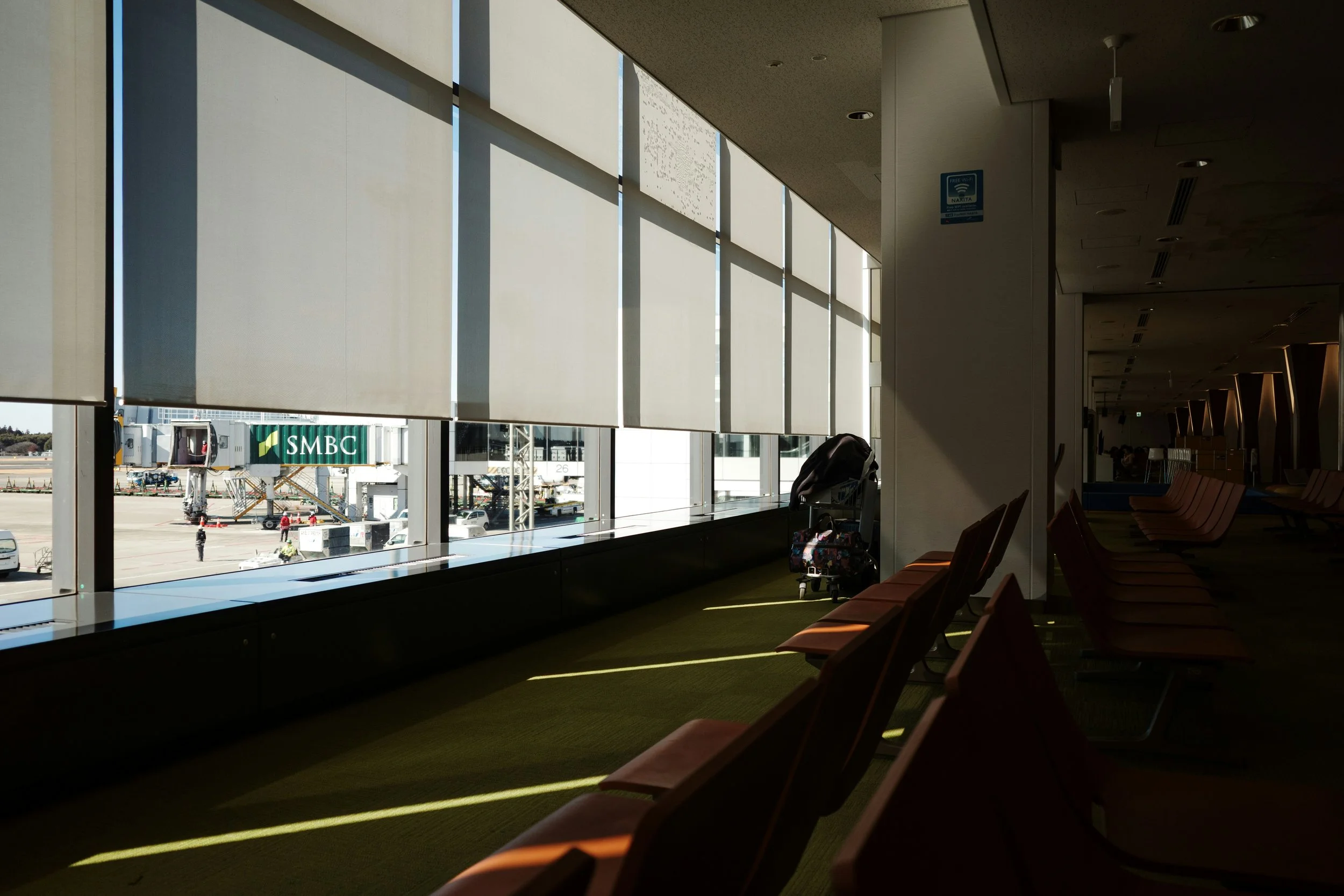
Many international visitors arrive through Narita, one of Japan's busiest airports and a convenient starting point for exploring the country. Efficient rail connections link the airport with central Tokyo, making it simple to continue toward other destinations without relying on domestic flights.

The journey into the capital introduces travellers to Japan's organised transport system, where trains depart with impressive punctuality and stations provide clear information in multiple languages. From the airport, passengers can quickly reach major railway hubs that connect with the country's famous high-speed network.

Beginning the trip by rail allows visitors to experience the efficiency that has become one of Japan's defining characteristics.

PHOTO CREDIT | Unsplash/Leongsan

Choosing the Fastest Shinkansen Service

Travellers heading toward Kyoto often choose the Nozomi service, the fastest category operating along the Tokaido Shinkansen. With fewer intermediate stops than other trains, it provides the quickest connection between Japan's largest cities while maintaining the exceptional reliability for which the railway system is famous.

Comfortable seating, generous luggage space, quiet carriages, and panoramic windows contribute to a pleasant travel experience. Watching cities gradually give way to rivers, farmland, and mountain scenery adds another enjoyable dimension to the journey.

For many visitors, riding this train service is more than simple transportation. It represents an opportunity to experience one of the world's most advanced railway networks firsthand.

Tokyo's Dynamic Energy

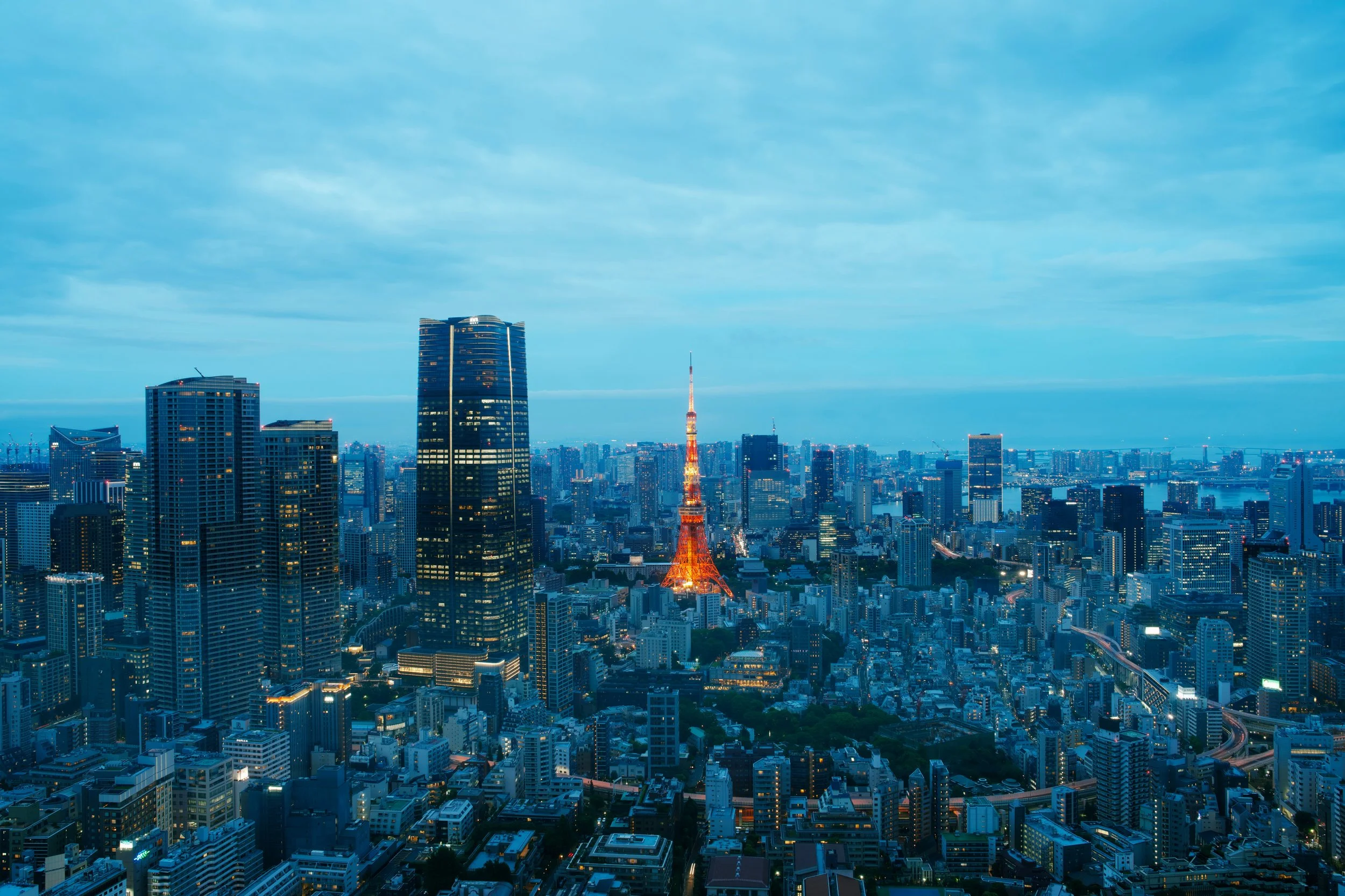
Japan's capital offers an extraordinary introduction to the country. Neon-lit entertainment districts, peaceful gardens, historic shrines, and futuristic architecture coexist within one of the world's largest metropolitan areas.

Neighbourhoods such as Shibuya, Asakusa, Ginza, and Ueno each present their own personality. Visitors can spend the morning exploring traditional temples before enjoying panoramic city views from modern observation decks later in the day.

Tokyo's railway network makes navigating the enormous city surprisingly straightforward. Frequent trains, clearly marked stations, and integrated transport systems allow travellers to reach museums, shopping streets, parks, and cultural attractions with remarkable ease.

Despite its size, Tokyo rewards exploration by revealing quieter neighbourhoods filled with local cafés, independent shops, and hidden gardens.

Experiencing the Journey West

The journey between Tokyo and Kyoto is often considered one of the highlights of travelling through Japan. As the train accelerates across the countryside, passengers witness changing landscapes that reflect the country's geographical diversity.

On clear days, many travellers enjoy memorable views of Mount Fuji rising above the surrounding countryside. Rivers, forests, small towns, and agricultural fields pass by smoothly as the train continues westward.

The comfort of the journey encourages passengers to relax, read, enjoy a meal, or simply admire the scenery. Quiet carriages and spacious seating create an atmosphere that differs noticeably from many rail systems elsewhere in the world.

Rather than treating the journey as lost travel time, many visitors consider it an important part of the overall Japanese experience.

Kyoto's Timeless Appeal

Upon arriving in Kyoto, travellers encounter a city that preserves much of Japan's historical identity. Former imperial residences, traditional wooden houses, and carefully maintained gardens create an atmosphere that contrasts beautifully with Tokyo's modern skyline.

Historic districts invite leisurely exploration, while quiet side streets reveal artisan workshops, tea houses, and family-run businesses that continue long-established traditions. Walking rather than rushing allows visitors to appreciate Kyoto's slower rhythm.

The city's combination of cultural heritage and natural beauty has made it one of Japan's most treasured destinations for both domestic and international travellers.

Temples, Shrines, and Peaceful Gardens

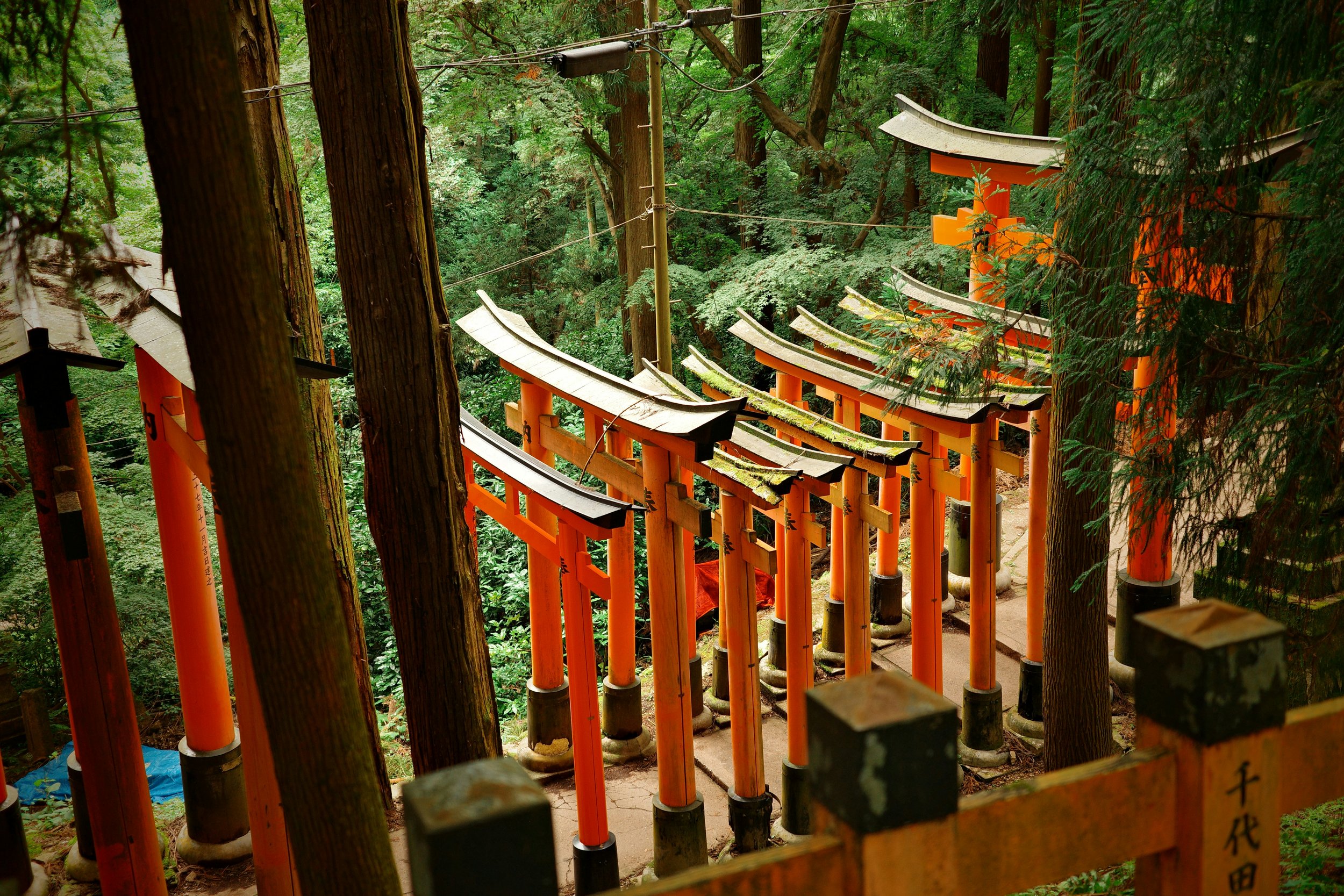
Kyoto is home to hundreds of temples and shrines, each offering its own architectural style and historical significance. Visitors often spend several days exploring these remarkable sites, discovering carefully designed landscapes that encourage reflection and tranquillity.

Stone pathways, koi ponds, bamboo groves, and seasonal flowers create peaceful settings throughout the city. Every season offers a different perspective, from cherry blossoms in spring to colourful maple leaves in autumn.

These historic landmarks continue to function as places of worship while welcoming travellers interested in Japanese history, architecture, and traditional culture.

Dining Along the Route

Food forms an essential part of any journey through Japan. Tokyo offers everything from Michelin-starred restaurants to lively neighbourhood eateries serving ramen, sushi, tempura, and countless regional specialities.

Kyoto introduces visitors to refined culinary traditions centred on seasonal ingredients and elegant presentation. Local markets, tea houses, and small restaurants provide opportunities to experience recipes that have been perfected over generations.

Railway stations themselves often feature impressive food halls where travellers can purchase beautifully prepared boxed meals before boarding. These meals have become an enjoyable tradition for many rail passengers.

Practical Advice for High-Speed Rail Travel

Planning ahead helps ensure a smooth railway experience. Reserving seats during busy travel periods is advisable, especially during cherry blossom season, national holidays, and autumn foliage season.

Arriving at the station a little early provides enough time to locate the correct platform and purchase refreshments before departure. Keeping luggage organised also makes boarding more convenient, particularly on popular services.

Travellers should pay attention to platform announcements and carriage numbers, as trains operate with impressive precision and departures are rarely delayed.

Conclusion

Travelling from Tokyo to Kyoto by high-speed rail offers far more than an efficient means of transportation. It creates an opportunity to experience Japan's world-renowned railway system while discovering the remarkable contrast between two of the country's most iconic destinations, when every stage of the journey reflects Japan's unique ability to combine innovation with enduring tradition.